
Beyoğlu passages and historical architecture walking route with 2026 cafe prices
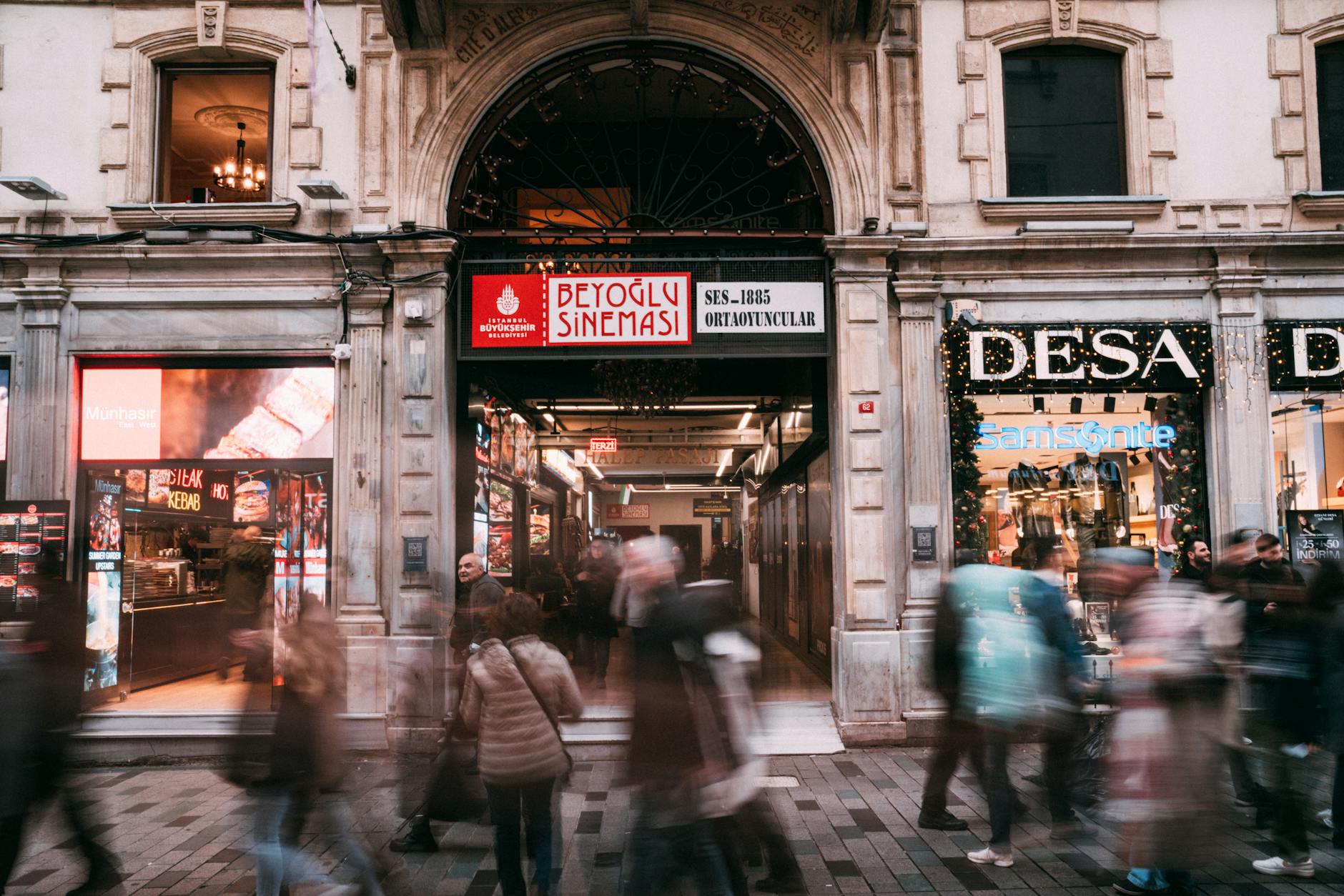
Istiklal Avenue is a loud, chaotic beast. On a typical Tuesday afternoon, it’s a relentless river of people, tram bells, and the smell of toasted chestnuts—a place most travelers try to survive rather than actually enjoy. But five minutes ago, I ducked into the cool, limestone shadows of Hazzopulo Pasajı, and the roar of the 21st century simply evaporated.
I’m currently perched on a tiny wooden stool that has definitely seen better decades, nursing a Turkish coffee that cost me 175 TL—roughly 3.50 EUR or 3.90 USD at current 2026 rates—and watching the sunlight filter through the vines overhead. This is the Beyoğlu I’ve spent years navigating: a neighborhood built in layers, where the real soul of Pera isn’t found on the main shopping strip, but tucked away inside 19th-century stone passages.
Ranked: The 5 Essential Beyoğlu Passages to Explore
- Hazzopulo Pasajı – Best for an authentic tea garden atmosphere and local vibes.
- Narmanlı Han – Best for literary history and courtyard architecture.
- Çiçek Pasajı – Best for photography and grand Neo-classical aesthetics.
- Avrupa Pasajı – Best for finding antiques and exploring mirrored corridors.
- Mısır Apartmanı – Best for Art Nouveau details and contemporary art galleries.
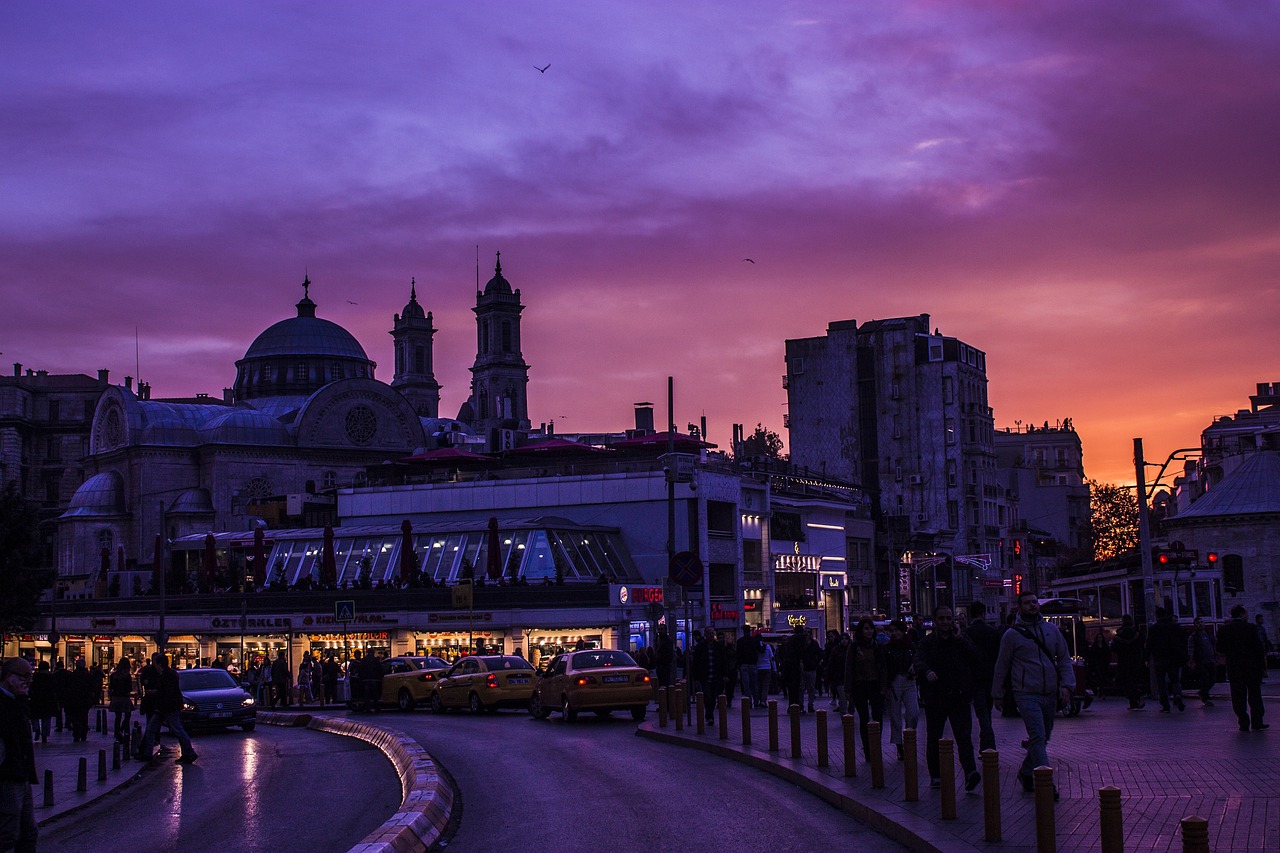
The echoes of the old Levantines still linger in these corridors if you stop long enough to listen. Most visitors march right past the unassuming entrances, perhaps put off by a dimly lit archway or a steep flight of stairs, missing the Neoclassical carvings and the tea gardens that make this district more than just a crowded thoroughfare. While the avenue itself can feel like a frantic marathon, these passages are the quiet, dusty ballrooms of a bygone era. You just have to know which heavy iron gate to push open and which marble staircase actually leads somewhere worth going.
The Gatekeeper of Tünel: Narmanlı Han
Narmanlı Han has traded its soulful, peeling paint for a coat of commercial-grade yellow, but it remains the anchor of Tünel Square. While some miss the days when the courtyard felt like a crumbling, secret ruin, you can’t deny that this Levantine architecture powerhouse is still the most impressive gateway into the heart of Beyoğlu. It was once a sanctuary for the city’s intellectual elite—most notably the novelist Ahmet Hamdi Tanpınar. Today, his “ghost” has been joined by several oversized bronze cats scattered around the courtyard.
Field Note: On my last visit on a Tuesday morning at 10:15 AM, I noticed the queue for the main courtyard coffee shop was already twenty people deep. I learned that by walking twenty paces further to the small window tucked under the far arch, I could get an espresso for 90 TL (1.80 EUR) with zero wait time while everyone else fought for the same photo angle near the bronze cat statue. If the mid-day crowd becomes too claustrophobic, just keep moving south; you’re only a two-minute walk from the serene Galata Mevlevihanesi, which offers the spiritual silence Narmanlı lost during its renovation.
Hazzopulo Passage: Where Tea and History Steam Together
If you want to understand why locals still bother with the chaos of İstiklal, you come here. Hazzopulo Pasajı isn’t just a shortcut; it’s the atmospheric heart of old Pera that somehow survived the modernization of the city. The first thing you’ll notice about the passage isn’t the shops, but the floor. These uneven cobblestones have a personal vendetta against anything but sturdy sneakers.
Field Note: I once made the mistake of wearing slick-soled leather loafers here on a rainy Thursday; I spent more time gripping the damp limestone walls to avoid slipping than looking at the architecture, finally retreating to a corner stool where a tea man flew past with a tray of 25 TL tulip glasses. This place was the haunt of Namık Kemal, the legendary poet, and you can still feel that rebellious, intellectual energy lingering between the stone walls.
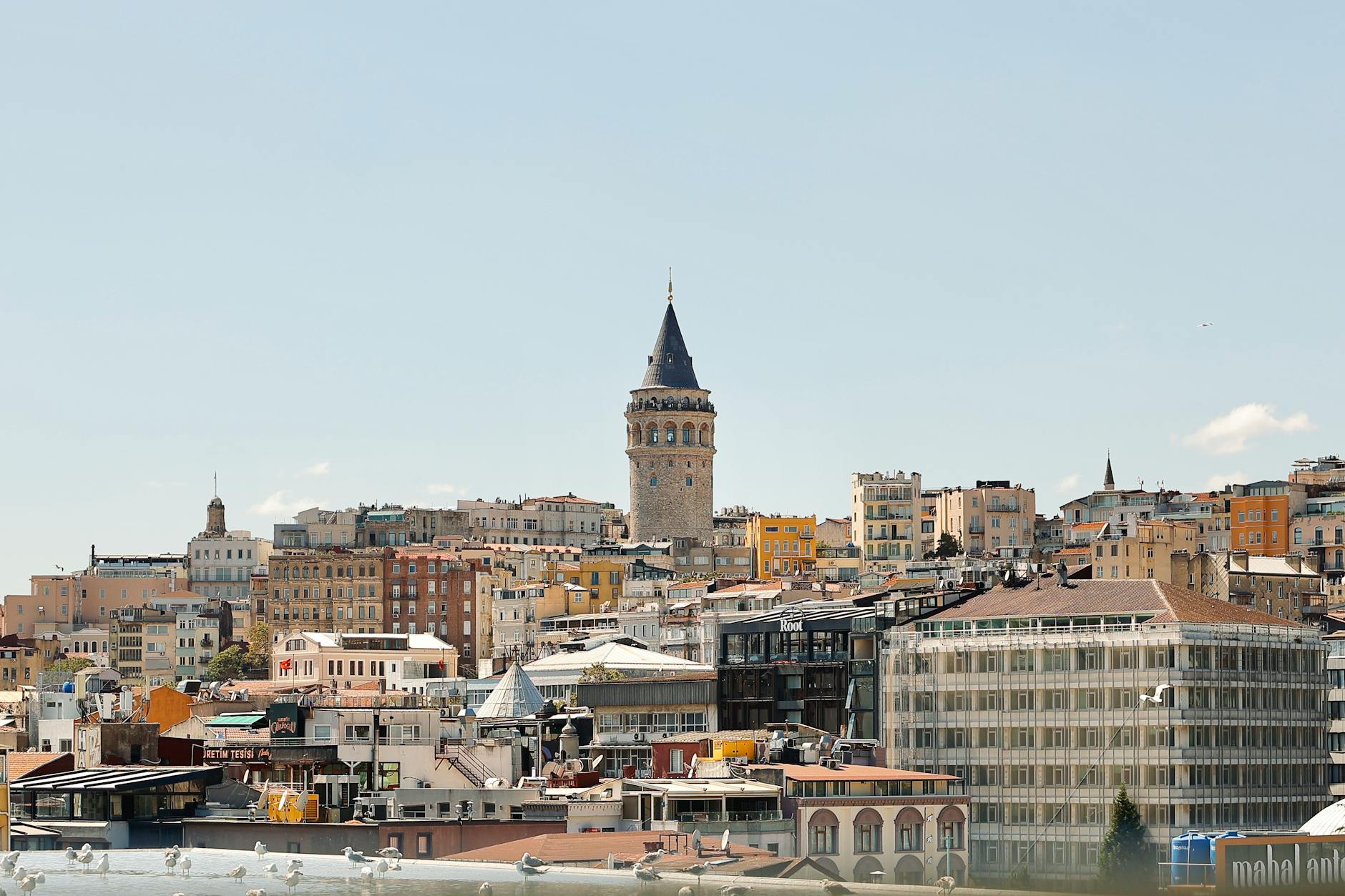
I usually duck in here around 3:30 PM when the sunlight filters through the leaves, creating dappled shadows on the stone. A small Turkish coffee here is exactly 100 TL (2 EUR). If a waiter sees your camera and tries to ask for 150 TL or more, you’re looking at a tourist-inflated price—just politely ask for the local price. Many of the smallest stools in the courtyard are cash-only operations. To avoid digging through your pockets for coins, make sure you are handling cash and card payments with 2026 exchange rates correctly before you settle in for a long session of backgammon.
Grandeur vs. Grit: Çiçek Pasajı and Avrupa Pasajı
Çiçek Pasajı is the architectural equivalent of a grand old dame wearing too much jewelry: she’s stunning to look at, but she’ll try to talk you into an expensive dinner. Built in 1876 as the Cité de Péra, this Neo-classical masterpiece is the most famous arcade in Beyoğlu. Walk in, crane your neck to admire the magnificent glass dome and the ornate clock, snap your photos, and then walk straight out the other side.
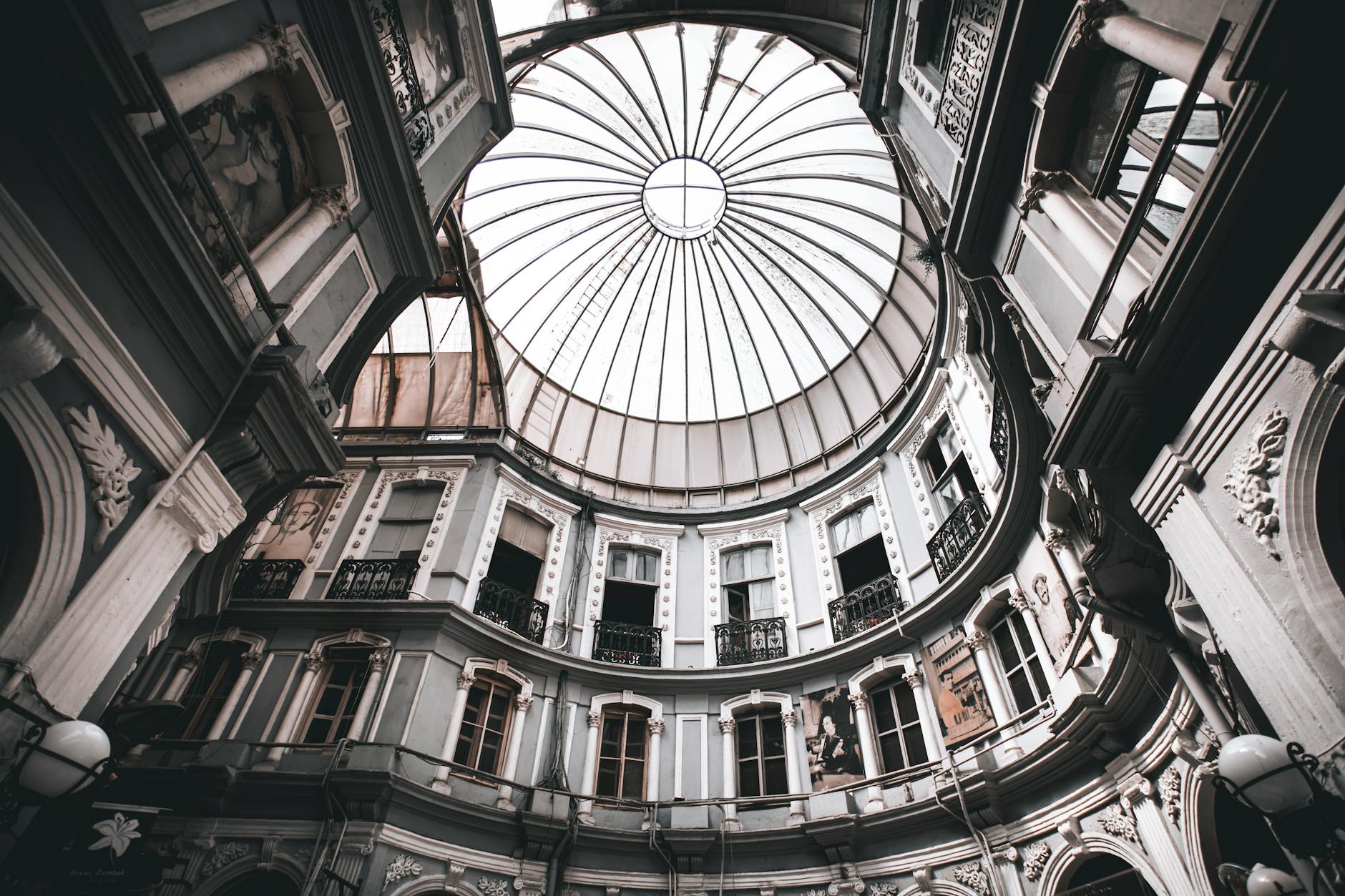
The architecture is a masterclass in 19th-century Parisian influence, but the culinary experience is a performance. Last Tuesday, I stood under the dome just to admire the light at 4:00 PM—a time when the crowds thin out—and was approached by three different hosts within two minutes, each promising me the freshest calamari in the hemisphere. While the atmosphere is historic, the prices are “special edition” for travelers. If you must sit, do it for a single glass of tea (about 75 TL or €1.50) to soak in the acoustics, but save your appetite for the backstreets.
Just a stone’s throw away is the Avrupa Pasajı (Mirror Passage). While Çiçek shouts, Avrupa whispers. This passage is lined with mirrors between every shop front, designed to make the narrow space feel like a royal hallway.
| Feature | Çiçek Pasajı (Flower Passage) | Avrupa Pasajı (Mirror Passage) |
|---|---|---|
| Best For | Photography & Architecture | Antique Hunting & Reflection |
| Vibe | High-energy, social | Artistic, nostalgic |
| Price Level | High (Dining & Drinks) | High (Antiques & Rare Books) |
| Crowd Level | Heavy | Light |
Mısır Apartmanı and the Art of the Pera Apartment
Mısır Apartmanı isn’t just a building; it is the architectural ego of the Belle Époque crystallized in stone. This Art Nouveau titan serves as a permanent reminder that before Beyoğlu was occupied by fast-fashion chains, it was a playground for the global elite.
Getting past the threshold requires “Pera poise.” The doorman is a seasoned observer; a polite nod and a purposeful stride toward the art galleries usually grant you entry.
Field Note: The legendary wooden elevator is a temperamental piece of history. I tried to squeeze in with a group of three last Tuesday afternoon, only to have the doorman gently remind us that “she’s an old lady and prefers solitude.” If the lift is resting, take the stairs—the sweeping marble banisters provide a much better sense of the Pera architecture. The upper floors have traded princely residents for prestigious contemporary art galleries like Galeri Nev and Zilberman. A coffee at the top-floor lounge now costs around 175 TL (3.50 EUR), and a cocktail will run you 900 TL (18 EUR).
A Route Map for the Architecturally Curious
Walking Istiklal from the Tünel end up toward Galatasaray is the best way to see the district, mostly because you’re fighting a slight incline and the temptation to stop every ten meters.
- Exit the Tünel funicular and look up at the Narmanlı Han to appreciate the scale of 19th-century Russian architectural influence.
- Walk north on Istiklal Avenue, staying on the left side to easily duck into side streets like Asmalı Mescit.
- Explore the slopes downhill toward the water to find the Nusretiye Mosque and the Tophane Waterfront with Practical Visiting Tips.
- Cross the street toward the Church of St. Anthony of Padua; the red-brick Venetian Neo-Gothic style provides a beautiful contrast to the surrounding stone buildings.
- Arrive at Galatasaray Square and stand in front of the massive gates of Galatasaray High School to admire the ironwork before heading into Çiçek Pasajı.
I usually duck into the side streets around 4:00 PM when the Istiklal crowd starts to feel like a high-stakes marathon. There’s a particular kind of magic in how the roar of the city vanishes the moment you step under a crumbling stone archway. If you are heading out of the neighborhood afterward, check this Istanbul ferry pier navigation with 2026 ticket prices and route differences to plan your escape across the water. Beyoğlu doesn’t demand your attention with neon signs; it just waits patiently for you to find the right door.
Comments
Share your thoughts with us