
Istanbul ferry pier navigation with 2026 ticket prices and route differences
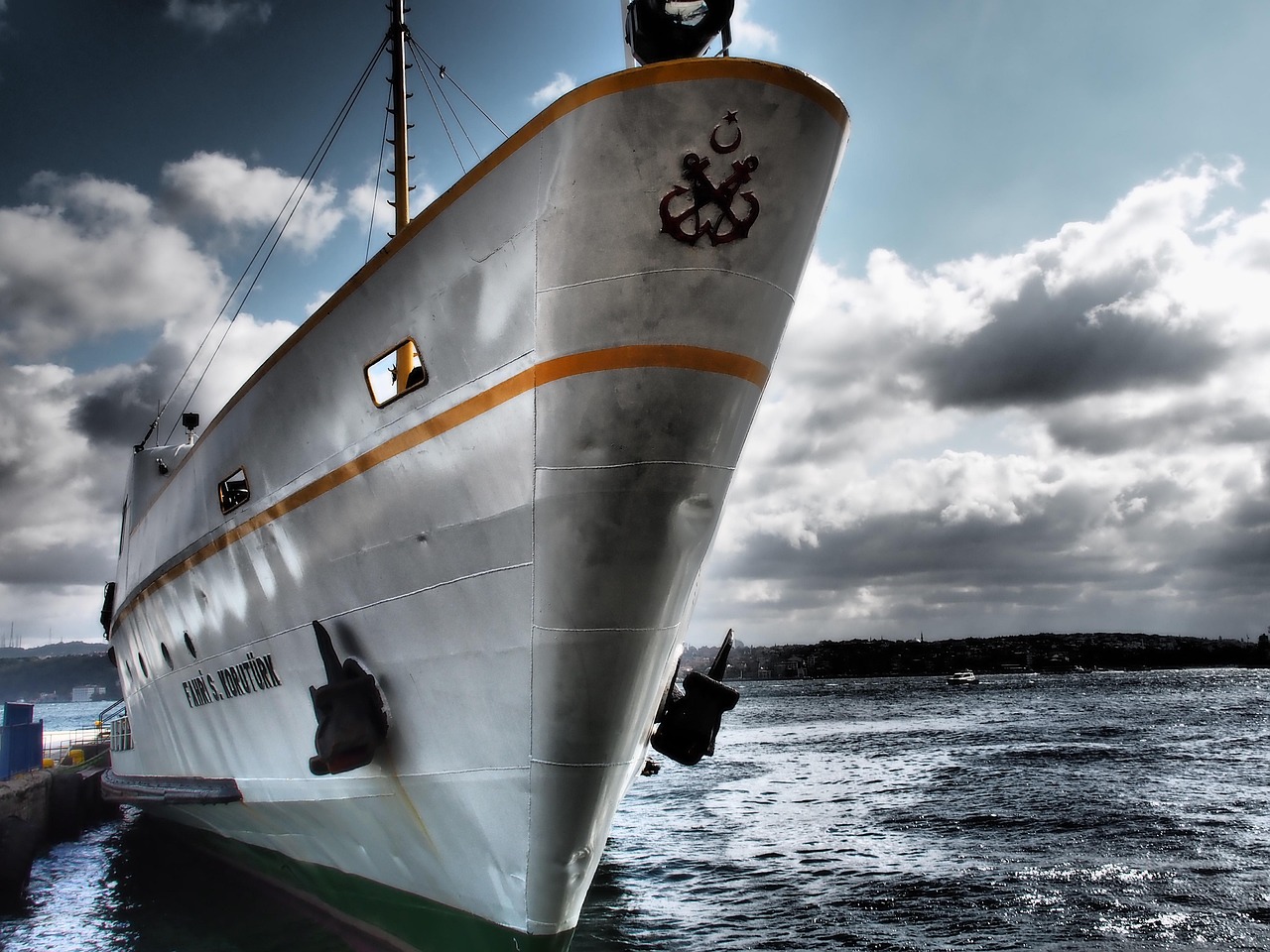
I’ve spent 15 years watching visitors stand at the Eminönü waterfront with a look of pure panic as three different ferry bells ring simultaneously, each signaling a boat to a completely different continent. It’s a sensory overload of salt air, the frantic cry of seagulls, and the insistent “Bosphorus! Bosphorus!” of private tour hawkers. Just last Tuesday around 4:30 PM—peak rush hour—I watched a couple hand over 450 TL ($10 USD) for a “short circle” cruise on a cramped motorboat, completely unaware that the majestic official vapur sitting twenty yards away would have taken them on a far more scenic route for less than an eighth of that price.
The secret to navigating Istanbul’s waters isn’t just about getting on a boat; it’s about discerning the strategic differences between the various piers and understanding which gate actually serves your destination. Each pier has its own rhythm and its own set of quirks. At Eminönü alone, you have separate terminals for Kadıköy, Üsküdar, and the Bosphorus line, and if you tap your Istanbulkart at the wrong turnstile, you’re committed. While a single cross-continental fare has nudged up to 60 TL (roughly 1.33 USD) in early 2026, it remains the best deal in the city—provided you don’t accidentally end up on a private “tourist” shuttle that dumps you in a location you never intended to visit.
The chaos is manageable once you realize that the most crowded gate isn’t always the right one, and the most vocal ticket seller is rarely the one with the best boat. Most people get lured into the private Turyol or Dentur docks because they look more “accessible,” but they miss the soul of the city found on the massive, government-run Şehir Hatları vessels. Those historic white ships are where the real Istanbul happens—where you can grab a tea for 30 TL, find a seat on the upper deck, and watch the Maiden’s Tower glide by without a distorted megaphone guide shouting in your ear. Understanding the logic of these piers is the difference between being a “cargo passenger” and truly traveling like a local who knows that the best view of the sunset isn’t from a rooftop bar, but from the 18:15 ferry to Kadıköy.
Deciphering the Eminönü Pier Chaos
Eminönü is not a single station; it is a sprawling, multi-pier labyrinth where standing on the wrong dock can cost you thirty minutes of your life. I have seen countless travelers sprinting frantically between the Galata Bridge and the Metro bridge because they realized too late that the “Kadıköy” pier and the “Bosphorus” pier are nearly half a kilometer apart. I once stood in line for 12 minutes at the wrong gate at Pier 3 (Turyol) only to realize my ferry to Üsküdar was actually departing from the Şehir Hatları Pier 1 near the bridge. I ended up losing my 60 TL fare because I’d already tapped in before noticing the mistake. If you find yourself lost in the crowd, remember that your destination dictates your dock, and there is no “central” boarding point.
The Great Pier Divide
The physical separation here is the biggest trap. The Üsküdar and Kadıköy piers (run by the municipal Şehir Hatları) sit closest to the Galata Bridge. However, if you are looking for the Boğaz (Bosphorus) lines or the Golden Horn route, you need to walk several hundred meters West, past the busy bus terminals.
I once watched a couple miss their sunset cruise because they were waiting at the Turyol docks when they had Şehir Hatları tickets. To avoid this, look at the logo on the pier entrance. Şehir Hatları boats are the massive, majestic white-and-yellow vessels with wide decks. Turyol boats—often called “engines”—are smaller, more frequent, and slightly more expensive. A standard cross-strait trip on Şehir Hatları is 60 TL (1.20 EUR), while Turyol might charge slightly more for the convenience of more frequent departures.
There is a specific simit cart right by the Boğaz İskelesi—look for the vendor whose sesame seeds are dark, almost chocolate-brown from the oven. If you are catching the 15:00 Bosphorus departure, grab one for 15 TL (0.30 EUR); it is the only acceptable fuel for a cross-continental commute.
Knowing Your Vessel: Municipal vs. Private
The choice between Şehir Hatları and Turyol isn’t just about price; it’s about the experience. Şehir Hatları is the soul of the city—it’s where you get the tea service in glass cups and the salty breeze on the upper deck. Turyol is the “commuter’s shortcut.” They are faster to load and unload, but they lack the grandeur of the municipal ferries. If you have an Istanbulkart, both will accept it, but always double-check the digital sign above the turnstile.
How to Navigate the Eminönü Docks
- Identify your destination (Asian side, Golden Horn, or Bosphorus) before you reach the waterfront.
- Locate the specific pier sign; Üsküdar/Kadıköy are near the bridge, Boğaz/Adalar are further West.
- Verify the operator logo (Şehir Hatları for the big ships, Turyol for the smaller ones).
- Check your Istanbulkart balance at the yellow “Biletmatik” machines if you have less than 60 TL (1.20 EUR).
- Wait behind the gate until the ramp is fully lowered and the staff gives the signal to board.
The 2026 Fare Reality: What You’ll Actually Pay
A standard cross-continental ferry ride now costs exactly 60 TL (1.20 EUR / 1.33 USD) on a full-fare Istanbulkart, and quite frankly, it remains the best value-for-money experience in this city. While prices have climbed since I first started taking the Kadıköy line fifteen years ago, the view of the Maiden’s Tower at sunset still feels like a steal for less than the price of a mediocre espresso.
Ranked: The Top 5 Istanbul Ferry Routes
- Karaköy to Kadıköy (The Sunset Specialist): Hands-down the best 60 TL you will ever spend for a front-row seat to the city’s evening silhouette.
- The Long Bosphorus Line (The Scenic Voyager): A legendary 6-hour round trip that takes you from the city center to the gates of the Black Sea.
- Beşiktaş to Üsküdar (The Rapid Shuttle): The most efficient cross-continental crossing, perfect for when you need to jump continents in five minutes.
- Eminönü to Haliç (The Historic Golden Horn): A slow, winding route through the history of the city, stopping at Fener and Balat.
- İstinye to Çengelköy (The Strategic Secret): My favorite “pro” route that zig-zags across the water to connect the most beautiful mid-Bosphorus villages.
Avoid the “Tourist Kit” Trap
The biggest mistake I see visitors make happens the moment they land. You will see shiny kiosks offering “Tourist Istanbulkart” kits for 600 TL (12.00 EUR). These are essentially fancy souvenir versions of the card bundled with brochures you can find online for free. Just last week, I watched a family at the Eminönü pier wait in a twenty-minute line for one of these, only to realize the card itself has no more functionality than the standard one.
The practical fix is simple: look for the yellow and blue Biletmatik machines. Buy the Anonymous Istanbulkart (the plain red/orange one) for 150 TL (3.00 EUR). It is the exact same chip used by locals. You then top it up with credit as you go. If a machine looks broken or is “cash only” (a frequent annoyance at the Karaköy terminal), just walk fifty meters to the next one or use a local “büfe” (kiosk) that displays the Istanbulkart logo.
Ferry vs. Rail: The Financial Tradeoff
While the ferry is the soul of the city, sometimes you need the speed of the rails. If you are navigating the Marmaray and Metrobus with 2026 fares and transfer tips, you’ll notice the Marmaray tunnel costs 75 TL (1.50 EUR) for a full-distance trip. While that’s 15 TL more than the boat, it can save you forty minutes during a foggy morning when the ferries are grounded.
| Route/Service Type | 2026 Fare (TL) | Cost in EUR/USD | Best Use Case |
|---|---|---|---|
| Standard Ferry | 60 TL | €1.20 / $1.33 | Scenic cross-city transit |
| Marmaray Rail | 75 TL | €1.50 / $1.66 | Crossing the Bosphorus in 4 mins |
| Anonymous Card (Fee) | 150 TL | €3.00 / $3.33 | Essential for all public transit |
| Electronic Ticket (1-Pass) | 50 TL | €1.00 / $1.11 | Emergency single-trip use |
Karaköy: The Bridge Between History and the Bosphorus
Skipping the chaos of Eminönü and crossing the bridge to Karaköy is the single best logistics move you can make for a stress-free Bosphorus transit. While the masses are jostling for space at the busier docks, this pier offers a much more composed boarding experience, though it does require a bit of legwork. The pier is situated a solid 7-to-10-minute walk from the end of the Galata Bridge and the T1 tram station. If you are carrying heavy bags, the uneven pavement near the local fish markets can be a bit of a trip hazard; my advice is to stick to the waterfront path rather than weaving through the narrow, crowded hardware-shop alleys.
The Best 60 TL You Will Spend
If you time your crossing right, the ferry becomes a cinematic experience rather than just a commute. I always tell my friends to aim for the 18:15 departure to Kadıköy. For just 60 TL (which at our 2026 rates is exactly 1.20 EUR or roughly 1.33 USD), you get a front-row seat to the most iconic silhouette on earth. Just last Tuesday, I stood on the upper deck and watched the sun dip directly behind the minarets of the Hagia Sophia. The way the light hits the water at that specific hour is worth every bit of the walk to the pier. It is, quite simply, the best value-for-money view in the city.
A Hidden Gothic Detour
The area immediately surrounding the Karaköy pier is a fascinating clash of maritime grit and centuries-old history. Most travelers walk right past the architectural gems tucked behind the storefronts. Before you tap your card at the turnstile, take a ten-minute detour to see A Gothic Secret in the Heart of Karaköy: Why I Love the Unique Arap Mosque. It is a rare piece of Dominican history that feels entirely out of place—and yet perfectly at home—in this bustling port district.
Beşiktaş and the Up-Bosphorus Lines
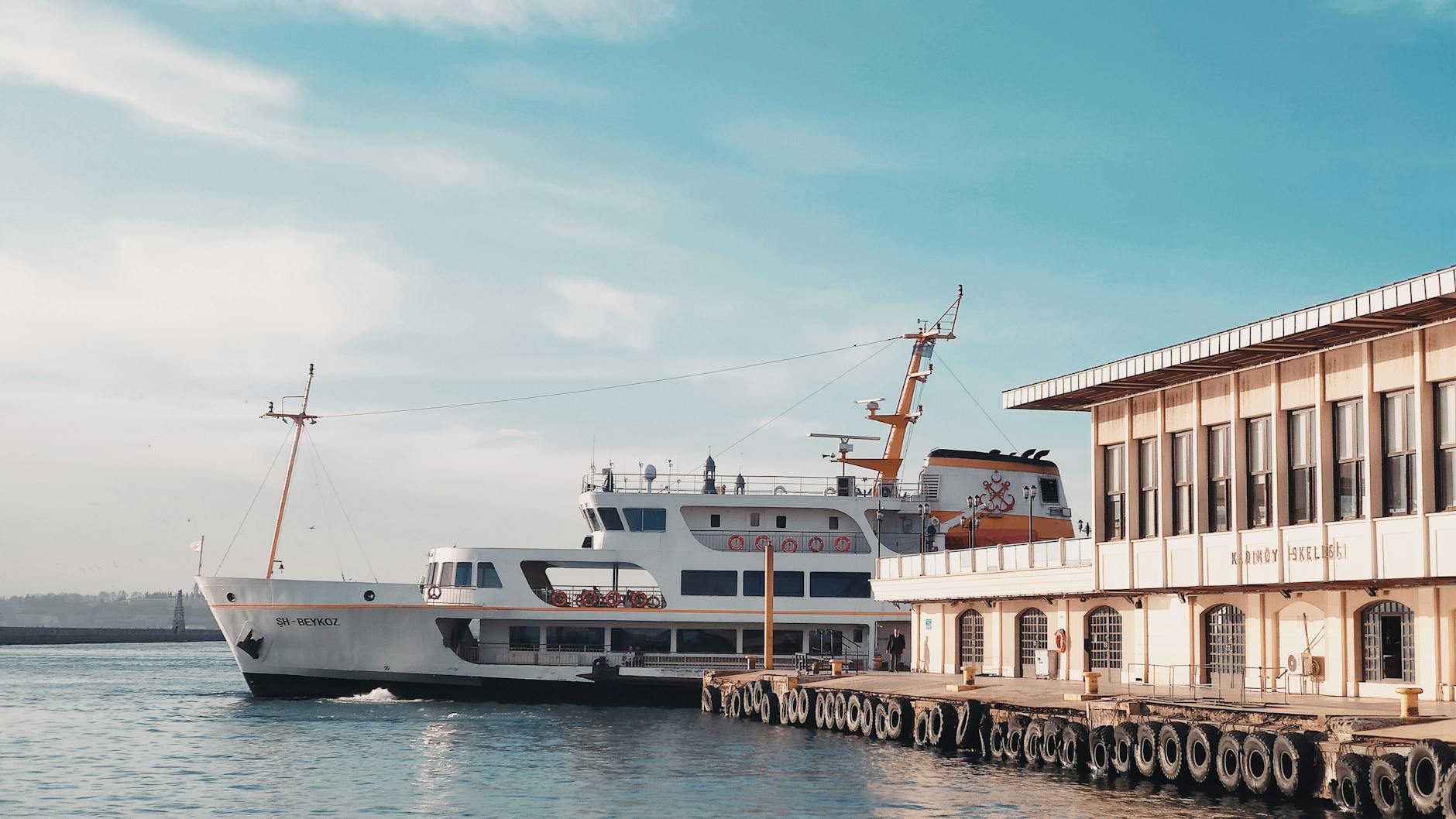
Beşiktaş is the ultimate transit pivot point of Istanbul, but it is also the easiest place to end up on the wrong boat if you aren’t paying attention to the labels on the piers. Most travelers mistake the constant flow of vessels for a single service, yet there is a massive functional difference between the cross-strait “shuttles” and the actual Bosphorus routes.
Navigating the Pier Confusion
The Beşiktaş-Üsküdar line is essentially a floating bridge; it runs every five minutes and is the fastest way to hop between continents for about 60 TL (approx. $1.33 USD / €1.20 EUR). However, do not confuse this with the Boğaz Hattı (Bosphorus Line). While the Üsküdar boats are constant, the traditional zig-zag ferry that heads north toward the Black Sea only stops here a couple of times a day. If you miss that morning boat, your dream of a slow, scenic cruise to the northern villages won’t happen via the public ferry from this pier.
If you find yourself standing in a massive, sweltering queue at the main Beşiktaş Kadıköy pier—a common sight on Friday nights around 19:00—don’t just suffer through it. I’ve spent many evenings watching frustrated commuters miss two boats in a row because the line reached the main street. Instead, walk 10 minutes south past the Naval Museum to the Dentur pier. Their private engines to Kadıköy are slightly more utilitarian, but they run frequently and often have half the wait time when the main Şehir Hatları terminal is overwhelmed.
Reaching the Northern Villages
For those looking to trade the urban chaos for the upscale greenery of the upper Bosphorus, Beşiktaş is your gateway to the Arnavutköy and Bebek coastline. While buses like the 25E or 40T crawl through the legendary traffic of Çırağan Street, the ferry is the only way to arrive with your sanity intact. The strategy here is timing; the commuter ferries heading north are infrequent, so you must sync your lunch plans with the Şehir Hatları schedule.
Reaching the Asian Side: Beylerbeyi and Beyond
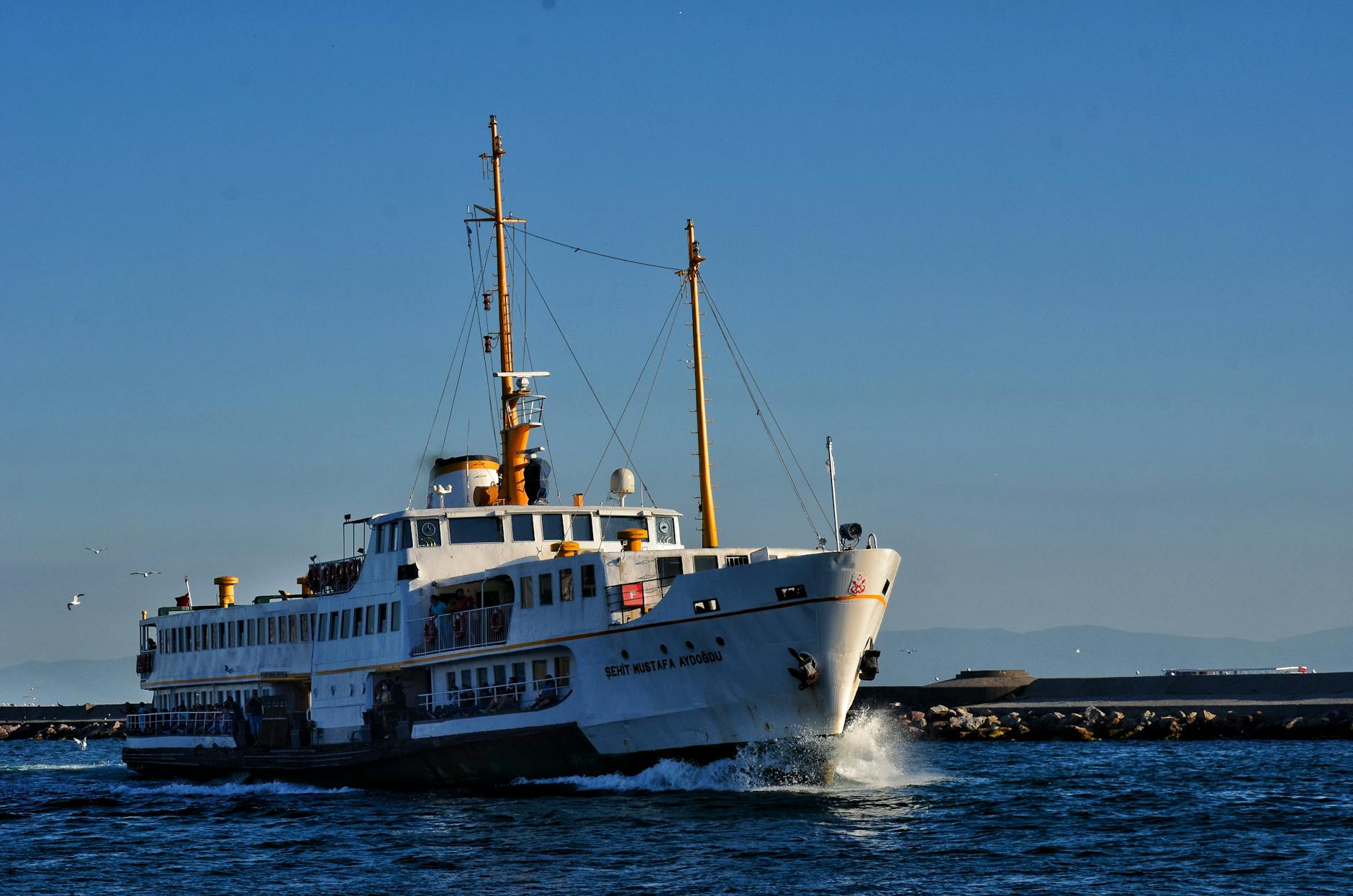
If you only visit Kadıköy, you are missing the most elegant stretch of the Asian shoreline. The northern villages like Beylerbeyi and Çengelköy offer a slower, more authentic rhythm, but most travelers get stuck because they rely on the infrequent direct ferries from the Old City. The real pro move is using the Çengelköy-İstinye line, a route that zig-zags across the Bosphorus and drops you almost directly at the palace gates.
The “Secret” Çengelköy-İstinye Connection
Most people think they need a private tour to hop between the European and Asian mid-Bosphorus points. They don’t. This specific line is the backbone for locals commuting between the two sides without going all the way back to the bridges. It is especially useful for reaching Beylerbeyi Palace Entry Tips and Bosphorus Ferry Routes to the Asian Side. Even though these “stopover” routes feel like a scenic cruise, they are priced at the standard 60 TL (1.20 EUR / 1.33 USD) if you use a standard Istanbulkart.
Avoiding the Return Leg Trap
Last March, I missed the 14:45 ferry from Beylerbeyi because I spent too long looking at the local market stalls. It’s a classic mistake. The direct return ferries are rare and often timed for peak commuter hours. Don’t wait for the boat back to the Old City.
Instead, walk five minutes to the main road and hop on the 15-B bus (or any “15” series bus heading south). It will whisk you to the Üsküdar transport hub in about 12 minutes for roughly 20 TL. From Üsküdar, ferries to the European side (Eminönü, Karaköy, or Beşiktaş) depart every 10 to 15 minutes and cost the same 60 TL (1.20 EUR). It is significantly faster and saves you from being held hostage by a rigid ferry schedule.
FAQ: Navigating Asian Side Ferry Routes
How much does the ferry to Beylerbeyi cost in 2026?
The standard fare for the Bosphorus stopover lines and the cross-Bosphorus ferries is 60 TL (1.20 EUR / 1.33 USD) when using a standard Istanbulkart. This price is consistent across most municipal “Şehir Hatları” lines, making it an incredibly affordable way to see the waterfront mansions (yalis) without paying for an expensive private tourist cruise.
What is the fastest way to get back to Sultanahmet from Beylerbeyi?
Don’t wait for a direct ferry, as they are infrequent. The most efficient route is to take a 15-series bus to the Üsküdar pier. From there, you can either take the Marmaray train to Sirkeci (one stop) or hop on a ferry to Eminönü. Both options run constantly and will get you back to the historic peninsula much faster than the direct boat.
Can I use my Istanbulkart on the Çengelköy-İstinye ferry?
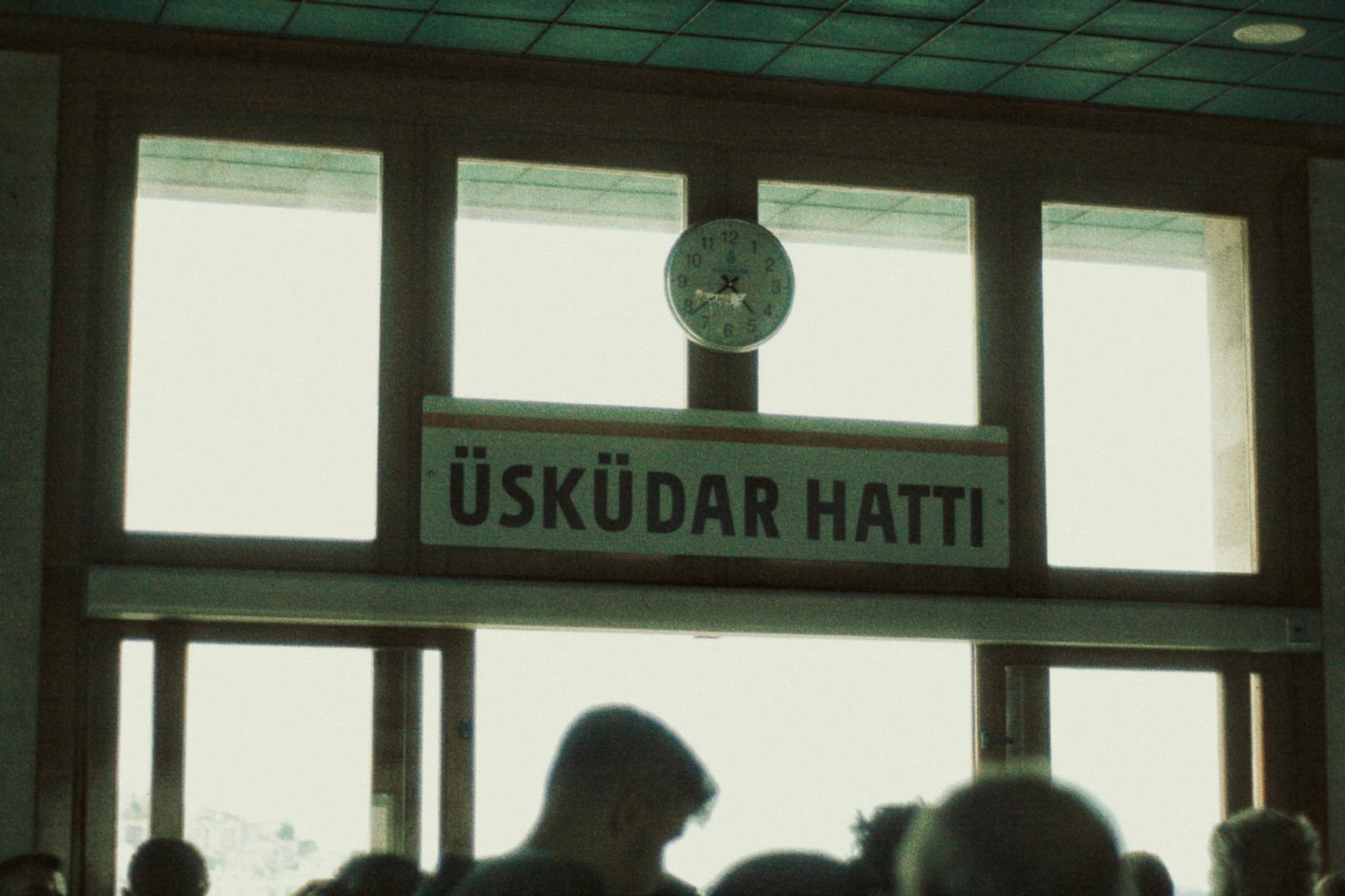
Yes, the Istanbulkart is the primary payment method for all municipal ferries. You simply tap your card at the turnstiles at the pier. Ensure your card is topped up with at least 60 TL (1.20 EUR) per person before arriving at the smaller piers like Beylerbeyi or Çengelköy, as top-up machines there can sometimes be out of service or have long queues.
Conclusion
The vibration of the engine beneath the floorboards always hits me right as the ropes are tossed. It’s a low hum that signals the city’s chaos is finally behind you. I usually aim for the 18:15 departure from Karaköy to Kadıköy; the light hits the Golden Horn just right during that window, turning the wake of the boat into liquid copper. You’ve tapped your card, paid the 60 TL fare, and found a spot on the upper deck—hopefully on one of the weathered wooden benches of the older vessels rather than the modern plastic seats.
But the journey is fundamentally incomplete until the çaycı emerges with his swinging silver tray. There’s a specific, rhythmic clinking sound of those small spoons against glass that somehow cuts through the roar of the wind. At 25 TL (0.50 EUR / 0.55 USD), this tea is the best investment you’ll make all day. It’s more than just a caffeine fix; it’s the bridge between the frantic pace of the piers and the calm of the open water. Wrap your hands around that warm, tulip-shaped glass, ignore your phone for twenty minutes, and let the salt air hit your face. The logistics of the different piers might feel a bit like a puzzle at first, but once you’re out there on the deck with a hot tea in hand, you’ll realize this isn’t just transport—it’s the true heartbeat of my city.
Comments
Share your thoughts with us