
Rahmi M Koç Museum vintage transport and Golden Horn ferry tips
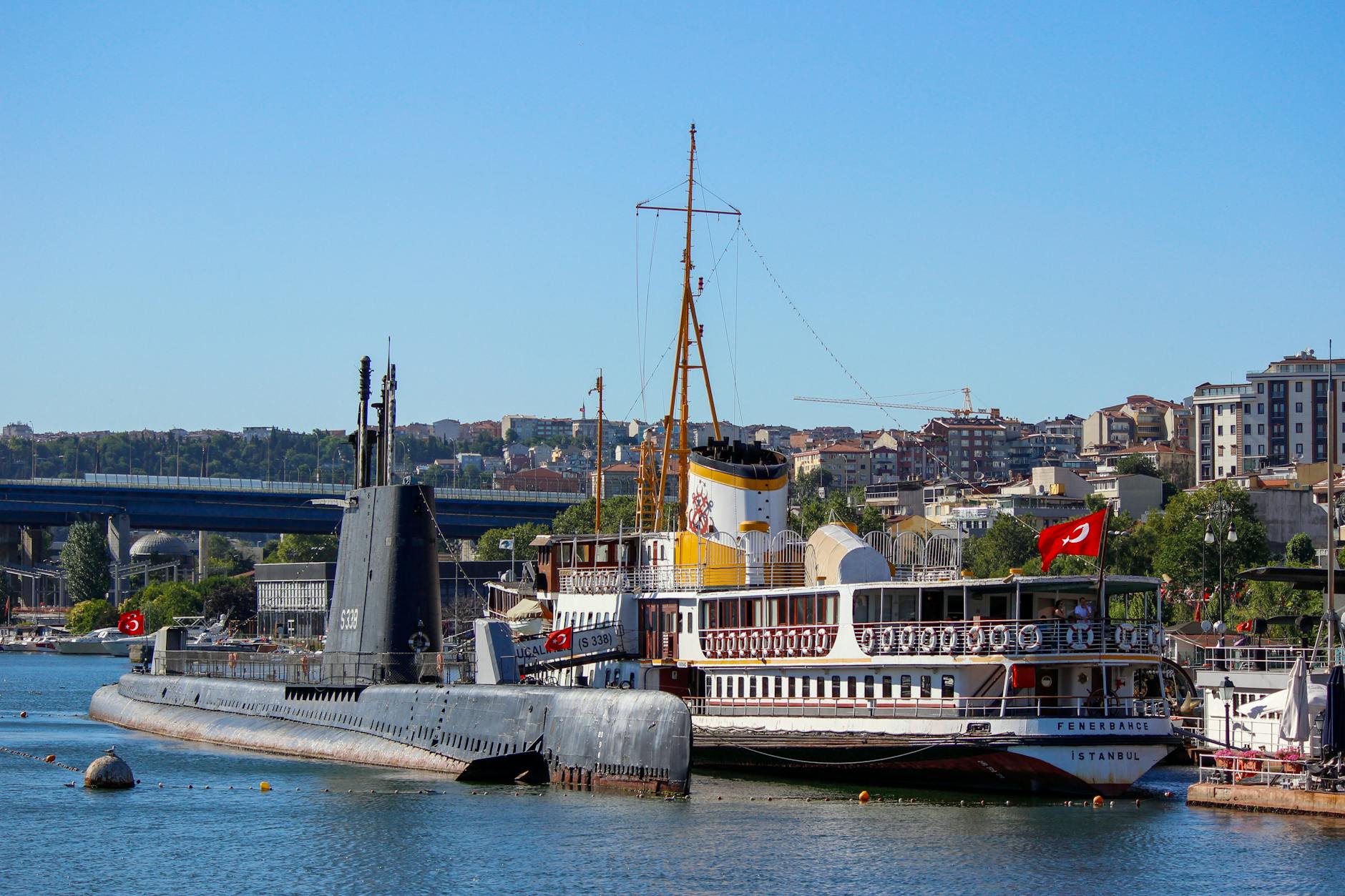
The scent of vintage engine oil and salt air hits you the moment you step off the ferry at Hasköy, a reminder that the Golden Horn was the beating heart of Istanbul’s industrial might long before it became a postcard backdrop. Last Tuesday, I caught the 10:15 ferry from Karaköy—a trip that costs 25 TL (roughly 0.75 USD) and offers a perspective of the city most people miss while stuck in Eminönü traffic. As the boat glided past the old shipyards, the skyline of minarets gave way to the red-brick silhouettes of 19th-century factories. This isn’t the manicured Istanbul of the glossy brochures; it’s the gritty, mechanical soul of the city.
Stepping into the Rahmi M. Koç Museum, I’m always struck by how the Lengerhane building—a former Ottoman anchor foundry—still feels heavy with the echoes of hammer on iron. Most visitors rush through the classic car collection, but I prefer lingering by the restored 1944 Istanbul tram. It’s a quiet spot to watch the morning light hit the polished brass, far from the tourist noise, especially if you arrive right when the doors open at 10:00 AM to beat the school groups that usually descend by noon. While the museum’s sheer scale can be overwhelming, the trick is to treat it like a neighborhood. If you find the lack of English signage in the smaller workshops frustrating, look for the grey-uniformed staff; they’re often retired engineers who love to explain the machinery with a mix of hand gestures and immense pride.
After an hour or two among the steam engines, the lure of the water is impossible to ignore. The museum’s dock overlooks the Haliç, where the water is significantly calmer than the Bosphorus. It’s the perfect place to sit with a tea and realize that while the rest of the city is racing toward the future, Hasköy is happy to stay rooted in its gears and grease. If you’re planning to visit the submarine on-site, remember it requires a separate ticket and can feel claustrophobic—skip it if you’re tall or prone to nerves, and spend that time on the vintage tugboat instead.
Arriving by Water: The Haliç Ferry Route
Taking the Haliç Hattı ferry is the best way to arrive at the Rahmi M. Koç Museum if you value your sanity. While many visitors reflexively cram onto the 47 or 54 bus lines, seasoned locals know that the Golden Horn is best experienced from the water level, gliding past the city’s maritime history rather than being stuck in the bumper-to-bumper gridlock of Tersane Street.
The air was crisp during my morning commute, and the ferry was nearly empty except for a few students and the scent of fresh tea. For just 25 TL, you get a front-row seat to the changing face of Istanbul’s historic shipyards. It’s a 30-minute scenic commute that feels like a time-traveling transition into the museum’s vintage atmosphere. If you are coming from other coastal hubs, checking Beylerbeyi Palace Entry Tips and Bosphorus Ferry Routes to the Asian Side helps you understand how these water networks connect the city’s industrial past to its royal history.
The Istanbul Şehir Hatları boats usually run on an hourly schedule. Missing one means a long wait at the pier, which is frustrating if you haven’t timed it right. However, the reward for your punctuality is the approach to the Hasköy pier. I always make sure to sit on the port (left) side of the vessel. From this vantage point, you get an unobstructed look at the old dry docks and the scale of the museum’s outdoor collection—including the submarine—before you even step foot on land.
How to Navigate the Golden Horn Ferry
- Check the official ‘Şehir Hatları’ app or website for the specific “Haliç Hattı” timetable, as departures are strictly hourly.
- Arrive at Karaköy Pier or Eminönü at least 10 minutes before the scheduled departure to secure a good seat.
- Top up your Istanbulkart with at least 100 TL at the yellow machines to cover your round-trip fare and any bus connections.
- Board the ferry and head to the port (left) side seating area for the best views of the historic shipyards.
- Disembark at Hasköy Pier, which is located just a few steps away from the museum entrance.
Industrial Grandeur in a 12th-Century Foundation
The Lengerhane building is a masterclass in architectural survival, having transitioned from a 12th-century Byzantine Empire anchor house to a powerhouse for the Ottoman Navy. Long before it housed vintage cars, it was repurposed to cast the heavy chains and anchors that held the Sultan’s fleet in place.
The Cool Embrace of the Lengerhane
Last July, when the humidity off the Golden Horn felt like a wet wool blanket and the temperature hit 35 degrees, I ducked into the Lengerhane section. Within three steps of crossing the threshold at 1:15 PM, the air temperature dropped significantly. Those thick, ancient stones act as a natural heat sink, providing a relief that no modern air conditioner can replicate. It’s a quiet, cool sanctuary where the smell of old iron and history replaces the diesel fumes of the street. Plan to be inside the stone-walled sections between 1:00 PM and 3:00 PM to escape the harshest glare of the sun.
The Contrast of Hasköy
The transition from the surrounding neighborhood of Hasköy to the museum grounds is jarring. Hasköy remains an authentic slice of industrial Istanbul, full of small workshops and local tea houses. While the walk from the ferry pier might look a bit unpolished—expect some dusty sidewalks and the occasional scrap metal yard—the moment you step through the museum gates, you enter a world of meticulously restored industrial heritage.
If you find the walk from the dock too exposed under the midday sun, a quick 5-minute taxi from the Hasköy pier will cost roughly 120 TL (3.50 USD). This juxtaposition of raw, working-class energy and refined preservation makes this corner of the Golden Horn feel more real than the manicured streets of Sultanahmet.
Vintage Cars, Steam Engines, and the TCG Uluçalireis Submarine
The car collection is arguably the most impressive assembly of industrial history in the Middle East. You aren’t just looking at vehicles; you’re looking at the evolution of Istanbul’s mobility, from the soot-heavy 19th-century steam carriages to the flamboyant American classics that once cruised the streets of Nişantaşı.
The Submarine Survival Guide
If your heart is set on boarding the TCG Uluçalireis, do not wait until you reach the water’s edge to think about tickets. You must book your slot at the main entrance desk the very moment you arrive. Tours are strictly limited to 10 people every 30 minutes, and they sell out fast, especially on weekends. It costs about 250 TL in addition to your museum entry.
One mistake I learned the hard way: trying to buy a submarine ticket at the dock at 1:30 PM only to find them sold out until 4:00 PM. Now, I buy mine at the main gate at 10:00 AM sharp to ensure I get the 10:30 AM slot. Navigating the interior of a 1940s Tench-class submarine is a reality check. I’ve seen visitors over six feet tall struggle with the watertight hatches; it’s a series of awkward lunges and head-ducking that makes you truly respect the sailors who lived there for months.
Chrome, Steam, and Steel
Across the street in the Lengerhane building, the vintage cars take center stage. The 1898 Malden Steam Car is a personal favorite—it looks less like a vehicle and more like a high-end clockwork toy. It’s a stark, fascinating contrast to the massive steam engines nearby. To see how this maritime history translates to modern leisure, you can compare this industrial dock to the lifestyle found in Where the City Meets the Sea: My Practical Guide to the Arnavutköy and Bebek Coastline.
5 Must-See Engineering Marvels
- The 1898 Malden Steam Car: A rare survivor of the pre-internal combustion era.
- TCG Uluçalireis Periscope: Peer through a functioning naval periscope.
- The 1955 Ford Thunderbird: A classic symbol of 1950s optimism.
- The Marshall Steam Roller: A massive piece of road-building history.
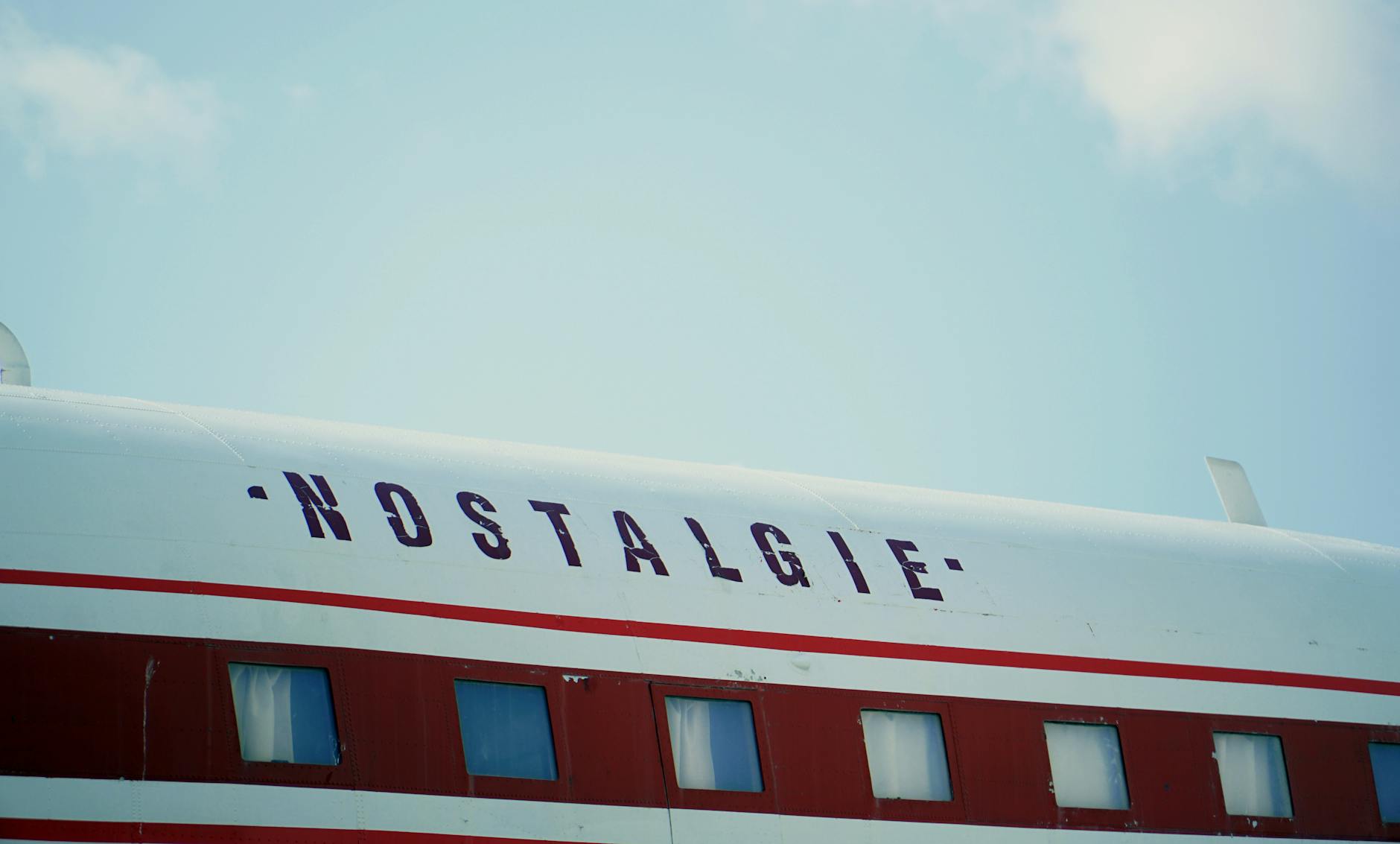
- Douglas DC-3 ‘Dakota’: You can’t miss this iconic aircraft parked outside.
2026 Entry Fees and Practical Logistics
Don’t show up on a Monday; I’ve watched countless travelers stand defeated at the closed gates because they assumed “Museum Mondays” only applied to state-run sites. The Rahmi M Koç Museum is private and follows this same schedule. Plan for a Tuesday or Wednesday morning to catch the exhibits before the school groups arrive around 11:00 AM.
Budgeting Your Visit
The standard adult entry fee for 2026 is 800 TL (approx. 24 USD). While the price has climbed, the volume of the collection justifies the spend—you are getting three museums for the price of one. I suggest setting aside cash for the smaller add-ons, like the nostalgic train ride or the submarine, which require separate tickets.
| Ticket Type | Price (TL) | Field Note |
|---|---|---|
| Adult General Entry | 800 TL | Essential; covers 90% of the museum. |
| Student / Senior | 400 TL | Great value; bring a valid ID card. |
| Submarine Tour | 250 TL | Skip if you dislike tight spaces. |
| Nostalgic Train | Free | Requires booking a slot at the desk. |
Beyond the Museum: Exploring the Banks of the Golden Horn
Stepping out of the Rahmi M. Koç Museum feels like waking up from a dream of industrial glory into the quiet, salt-scented reality of Hasköy. This neighborhood is a place of auto-repair shops and elderly men playing backgammon, a stark contrast to the candy-colored facades you see shimmering across the water.
The Best Way to Cross
While you could grab a taxi for about 175 TL to zip across the bridge, I always advocate for the Haliç Hattı ferry. It pulls up to the Hasköy pier roughly once an hour. Last week, I caught the 4:40 PM boat; the deck was nearly empty, and the view of the shipyards was spectacular. For a standard public transport fare, you get a voyage that offers a much better perspective of the Golden Horn than any car window.
From Stillness to the Balat Buzz
Disembarking at Balat is a sensory jolt. You transition instantly from the industrial stillness of Hasköy into a labyrinth of narrow streets filled with antique auctions and coffee spots. If you find the sudden noise of Balat overwhelming, the sentiment in I am done with the Sultanahmet crowds so I go to Little Hagia Sophia instead applies perfectly to the contrast between the quiet museum grounds and the busy city center.
The crowd levels here can be intense on Saturday afternoons, often making the narrow sidewalks of the Fener & Balat Walking Tour feel claustrophobic. My fix? Head straight for the waterfront Golden Horn Park for breathing room before diving into the backstreets. As the sun begins to set, the red bricks of the Phanar Greek Orthodox College glow with an intensity that makes the climb worth the effort. I usually end my visit by grabbing a tea at the museum’s waterfront café—sit right by the steam tug “Liman 2”—around 4:30 PM. The way the low sun hits the murky green water of the Golden Horn makes the 800 TL entry fee feel like a bargain for the perspective it gives you.
Comments
Share your thoughts with us