
Land Walls walking route from Topkapı to Edirnekapı with 2026 tram tips and gate history
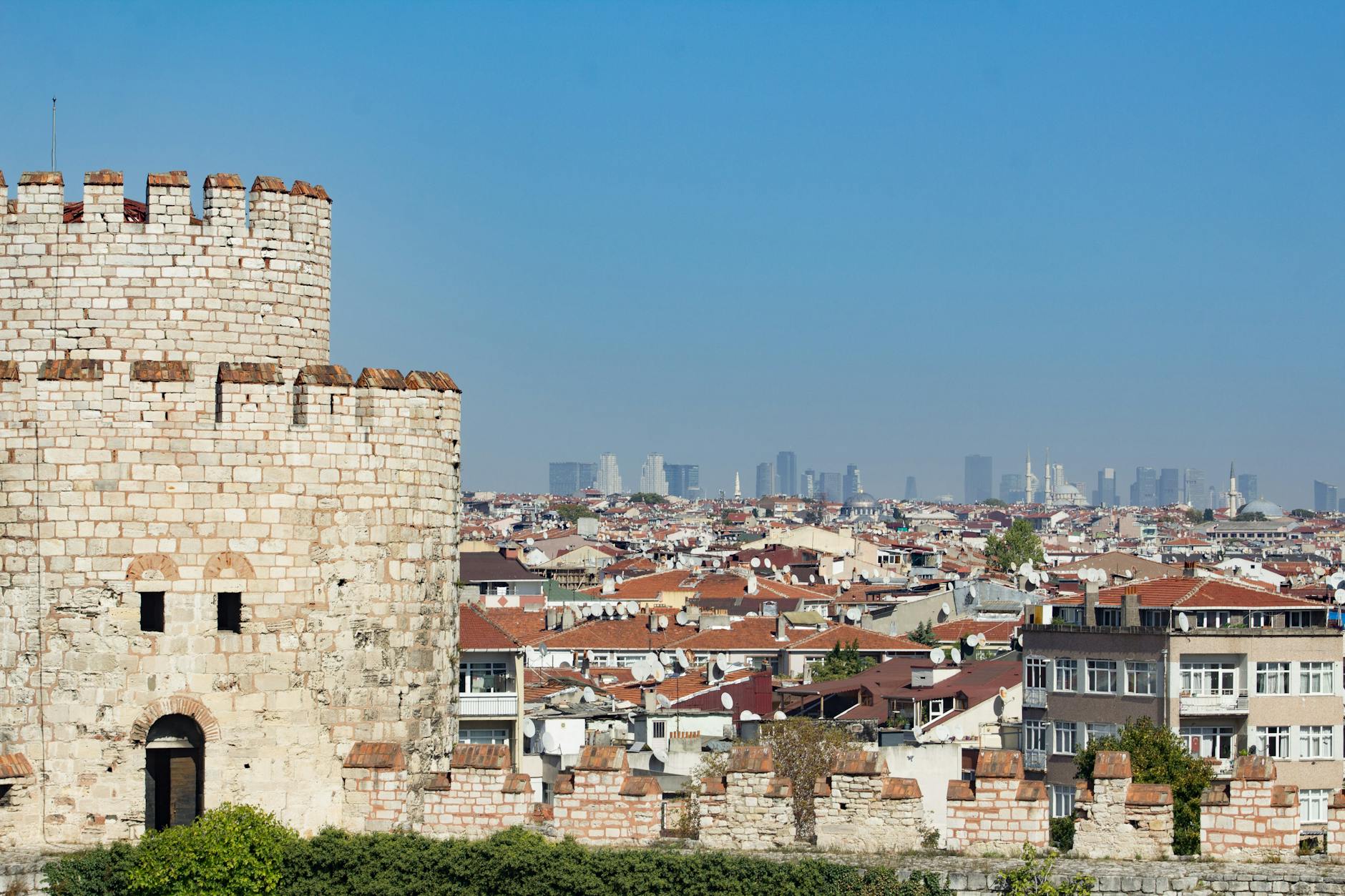
I’ve lost count of how many times I’ve had to explain to wide-eyed visitors that “Topkapı” the neighborhood and “Topkapı” the Palace are about five miles apart. If you find yourself staring at 5th-century rubble instead of diamond-encrusted daggers, don’t panic—you’re exactly where the real story of Istanbul begins.
Just last Tuesday, around 10:15 AM, I saw a couple hop off the T1 tram at the Topkapı station, clutching a map of the Old City and looking for the Sultan’s harem. Instead, they were greeted by the colossal, weathered face of the Theodosian Walls. I helped them navigate the ticket machine—a single ride is currently 35 TL in early 2026—and pointed them toward the T4 line. Part of me wanted to tell them to ditch the palace plans entirely. The walls don’t have a polished, museum-grade sheen, but they have the grit and soul of a city that refused to fall for a millennium.
Walking this stretch from Topkapı up to Edirnekapı means navigating the rugged spine of the city. You’ll find laundry hanging from Byzantine battlements and neighborhood kids playing football in the shadow of towers that once survived Attila the Hun. The pavement is treacherous if you’re wearing the wrong shoes—leave the sandals at the hotel—and the signage is sparse. Grab a bottle of water from a local corner store, ignore the “closed” signs on the smaller gates (half the time they’re just stiff), and prepare for a version of Istanbul that doesn’t perform for anyone.
Surviving the Topkapı Transit Tangle
The first rule of Istanbul transit is acknowledging that the Topkapı station is nowhere near the Topkapı Palace. If you board the T1 tram in Sultanahmet expecting to hop off at the Sultan’s front door, you’re in for a long walk or another tram ride. I’ve seen countless bewildered travelers standing on the platform looking for a golden gate, only to find themselves at one of the city’s busiest interchanges instead. If the noise and crowds here get to be too much, remember that I am done with the Sultanahmet crowds so I go to Little Hagia Sophia instead when I need a quieter escape.
Connecting the T1 Tram and the T4 Tram at Topkapı is a rite of passage. You’ll navigate a pedestrian underpass where the thick, comforting aroma of roasted chestnuts battles for airtime against the sharp tang of exhaust from the nearby E-5 highway. It takes about five minutes to walk through this tunnel. While the signage has improved since I first moved here 15 years ago, it still feels like a minor victory when you emerge on the correct side of the tracks.
How to Navigate the Topkapı Transit Interchange
- Board the T1 Tram heading toward Zeytinburnu or Bağcılar from major Sultanahmet or Eminönü hubs.
- Exit at the Topkapı station, ensuring you don’t accidentally get off at Pazartekke, which is the stop immediately preceding it.
- Scan out of the turnstiles and immediately locate the stairs or elevator leading down into the central pedestrian underpass.
- Follow the blue overhead signs specifically marked for “T4 Mescid-i Selam” to traverse the tunnel beneath the highway.
- Re-enter the T4 platform by scanning your Istanbulkart again, then head up to the surface where the Land Walls will be directly in front of you.
- Confirm your direction by ensuring the Land Walls are on your right-hand side as you begin walking north toward Edirnekapı.
Berk’s Insider Tip: In 2026, the Istanbulkart reload machines at Topkapı T1 often refuse crisp 200 TL notes. Keep a few 50 TL or 100 TL bills handy for a smooth top-up.
Tracing the Stones of Theodosius II
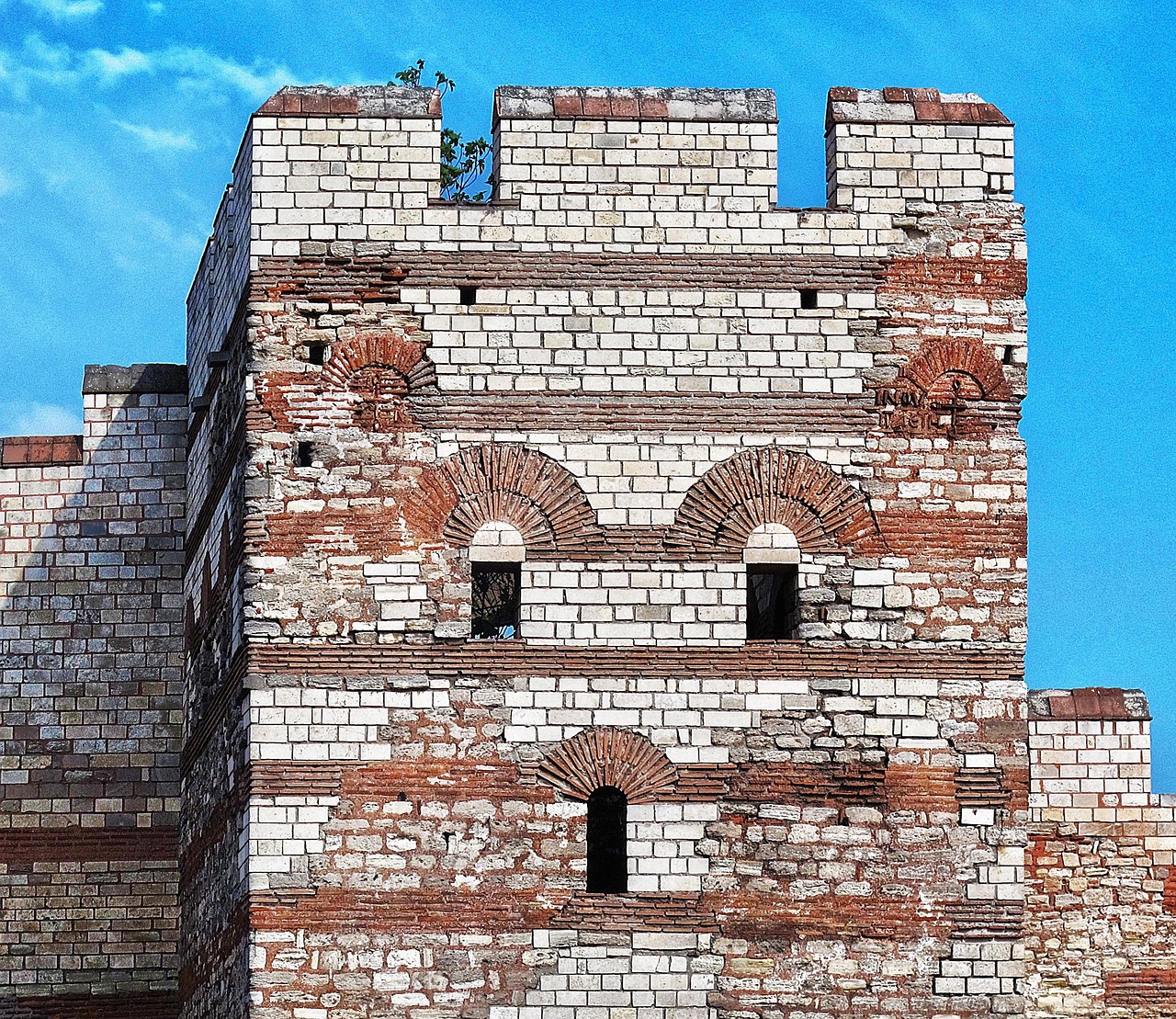
The Land Walls are a monumental testament to survival that has been standing its ground since the 5th century. Walking the stretch from the Topkapı gate toward the Sulukule neighborhood is where Byzantine architecture stops being a textbook diagram and starts feeling like a living neighbor.
Gardens in the Moat
While most historic sites in Europe are roped off and sanitized, the moats of Constantinople are currently growing your dinner. One of my favorite sights along this route is the bostan—traditional urban vegetable gardens—that still thrive in the shadows of the crumbling towers. I was out there last Tuesday around 10:00 AM, and while the T1 tram hummed in the distance, I watched an elderly man in a flat cap methodically weeding rows of kale and lettuce right where Roman soldiers once stood guard. It’s a contrast that makes these ruins feel infinitely more “real” than a manicured museum.
The Reality of the Ruins
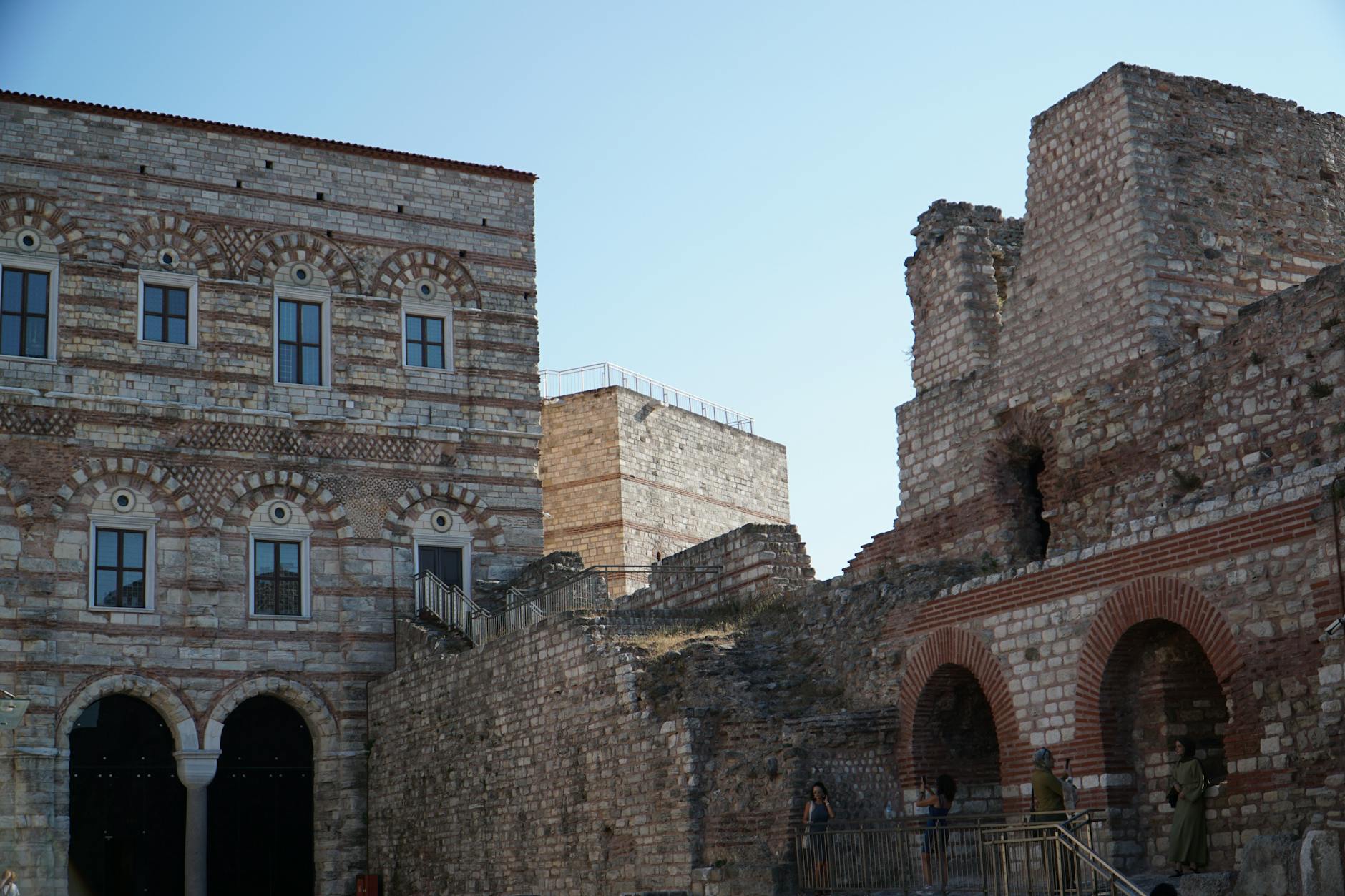
The ground here doesn’t care about your footwear. The uneven cobblestones and dirt paths around the Sulukule section are a nightmare for your ankles. I’ve seen tourists trying to navigate the slope in thin sandals, only to give up after fifty meters. Practical fix: Wear boots with decent grip. If a section of the inner wall looks too precarious, drop down to the paved pedestrian path that runs parallel to the main road for a block before heading back into the stones.
The beauty of this walk is the lack of a ticket booth. It’s free and layered. You can see where the Ottoman conquest left its mark through hasty stone repairs stitched into the original Roman brickwork. If you get parched, stop at a kiosk near the Edirnekapı turnoff; a glass of tea should only set you back about 25 TL. For a more formal treat, you can find Authentic Turkish Delight and Handcrafted Akide Candy with Historical Shop Tips and 2026 Prices in the older shopfronts deeper in the Fatih district.
The Edirnekapı Ascent and the Mihrimah Sultan Reward
Climbing toward Edirnekapı is a workout that pays you back in architectural gold. As you reach the city’s highest point on the sixth hill, the grit of the crumbling Land Walls suddenly gives way to the airy, glass-heavy elegance of the Mihrimah Sultan Mosque.
At the bakery just past the gate entrance, I once waited in a 10-person deep queue at 4:30 PM just for a single loaf of “pide” because the smell was intoxicating; I learned that if you don’t have exact change (it was 15 TL that day), the baker might just wave you off and tell you to pay tomorrow.
From Stone to Light
The transition is jarring. You leave the dusty path of the Byzantine ruins and enter a space defined by over 160 windows. While the Suleymaniye Mosque: Insider Guide details Sinan’s most famous imperial achievement, this spot at Edirnekapı is far more intimate. It was built for Mihrimah Sultan, the daughter of Suleiman the Magnificent.
The main drawback here is the localized wind—the height of the hill means the courtyard can be a bit of a wind tunnel. The fix: Wear a light scarf or a windbreaker. Entering the mosque is free, but if you’re using the shoe racks and the attendant is helpful, leaving 20 TL is a polite local gesture.
Riding the T4 ‘Nostalgic’ High-Floor Tram in 2026
The T4 is not the postcard-perfect red tram. It is a high-floor, gritty workhorse. While some ignore it, it is essential for navigating the Land Walls because it bridges the gap between the suburban outskirts and the historic center. By 2026, the fare for a single journey on your Istanbulkart has hit 35 TL.
The Commuter’s Rollercoaster
Don’t let the “tram” designation fool you. Because these are high-floor vehicles, the stations feel like elevated metro platforms. I once watched a group of confused backpackers try to haul massive suitcases up the steep steps of the car at Topkapı—don’t be them. If you have heavy bags, always head to the middle of the platform where the gap is more manageable.
The real magic happens between the Edirnekapı and Vatan stations. The T4 transitions from an elevated track to a deep underground tunnel. My pro tip: skip the seats and stand right against the front window of the first carriage. As the tram tips its nose down to descend toward the Vatan station, you get a ‘rollercoaster’ view of the tunnel lights.
| Feature | T4 Reality | Expert Tip |
|---|---|---|
| Cost | 35 TL (approx 0.70 EUR) | Keep your Istanbulkart topped up; machines at Edirnekapı are often moody. |
| Accessibility | High-floor carriages with steep steps. | Use the station elevators; they are faster than the crowded escalators. |
| Crowd Level | Heavy during commute hours (08:00-09:30). | Travel between 11:00 and 15:00 for a front-row window view. |
| Best Stop | Vatan Station | Change here for the M1 metro line to reach the airport or Yenikapı. |
Top 5 Landmark Stops Along the Byzantine Walls: Ranked
If you are planning your walking route, these are the essential sites along the wall’s path, ranked by their historical and visual impact:
- Kariye Mosque (Chora) – Ranked first for its world-renowned collection of gold Byzantine mosaics and frescoes.
- Mihrimah Sultan Mosque – Ranked second for its unique architectural light and dominant presence on the city’s highest hill.
- Yedikule Fortress (Dungeons) – Ranked third for its chilling history as a state prison and the best panoramic views of the Marmara Sea.
- The Gate of St. Romanus – Ranked fourth for its immense historical significance as the primary 1453 breach point for the Ottoman army.
- The Moat Vegetable Gardens – Ranked fifth for providing the most authentic glimpse into local urban survival and ancient agricultural traditions.
Safety, Scaffolding, and the Golden Mosaics
Don’t let the endless rolls of green mesh fool you; the Land Walls are still an atmospheric hike, even if restoration crews have gone overboard with the “under construction” look lately. As of 2026, the stretch approaching Edirnekapı is heavily scaffolded. However, the walking path remains viable and the shade from the scaffolding is a blessing when the Istanbul sun beats down at noon.
The Detour You Can’t Skip
While you’re following the line of the walls, hang a right at Edirnekapı. A ten-minute walk through the winding, colorful streets of the neighborhood leads you to the Kariye Mosque. This is A Canvas of Golden Mosaics: Why Kariye is My Absolute Favorite Corner of the City that puts even the Hagia Sophia to shame in terms of detail. The entry fee for foreign visitors is currently 25 EUR. I usually grab a glass of tea at the small cafe across from the entrance just to decompress after the sensory overload of all that Byzantine gold.
Watch Your Step
Do not play Indiana Jones on the unrestored sections. I once watched a tourist try to scramble up a crumbling staircase near the gate because he wanted a “better angle” for his phone. He ended up stuck halfway, trembling on a loose stone that was likely laid during the reign of Theodosius II. These unrestored stairs are dangerous. If there isn’t a modern metal railing or a clearly renovated platform, stay on the ground.
Berk’s Insider Tip: Avoid the wall walk after sunset. While the neighborhood is generally fine, the lack of lighting near the ruins makes for precarious footing and unwanted encounters with territorial stray dogs.
FAQ: Navigating the Walls and Kariye
Is the Land Walls walk safe for solo travelers during the day?
Absolutely, provided you stay on the main paths. The areas around Topkapı and Edirnekapı are bustling with locals. You’ll see grandmothers hanging laundry and kids playing soccer. The only real issue is the uneven terrain. Keep your wits about you and avoid the desolate interior pockets of the ruins.
How much does it cost to visit the Land Walls and Kariye?
Walking along the walls themselves is free. However, the Kariye Mosque (Chora) charges an entry fee of 25 EUR for non-citizens as of 2026. If you’re planning to visit several sites, check if your Museum Pass covers it, though rules for mosque-museum hybrids can change.
What is the easiest way to get back to Sultanahmet from Edirnekapı?
The most efficient route is taking the T4 tram from the Edirnekapı station towards Topkapı. From there, you can transfer to the T1 tram line, which will zip you straight back to Sultanahmet or Eminönü. It beats sitting in a taxi for an hour in the infamous Fatih traffic.
Final Observations
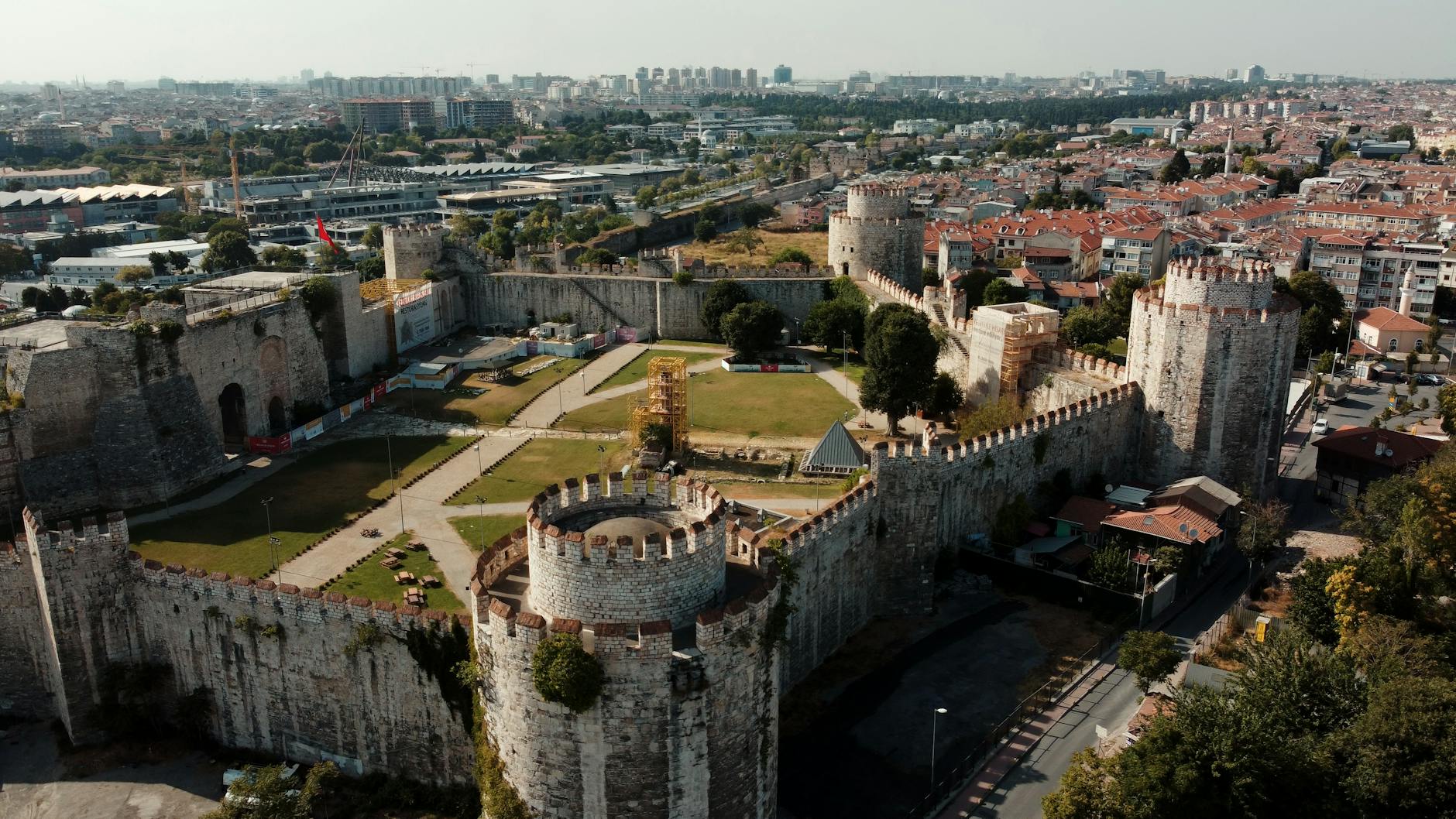
These walls aren’t a sanitized museum exhibit; they are a living border that holds back the absolute madness of the city’s heart. Before you head back to the shiny glass towers of “modern” Istanbul, duck into one of the kıraathanes (traditional coffeehouses) tucked behind the Edirnekapı bus stop. I usually aim for the one with the sagging wicker chairs where a local legend named Hüseyin starts his third round of backgammon by 3:00 PM sharp—you’ll know it’s him by the aggressive way he slams the dice onto the wooden board.
Pull up a stool and order a tavşan kanı tea. It’ll cost you about 10 TL—roughly 0.20 EUR—which is the cheapest therapy session you’ll find. Sitting there, watching the exhaust fumes of the 38E bus drift past the shadow of the Mihrimah Sultan Mosque, you’ll realize that Istanbul is found in the friction between a thousand-year-old gate and a delivery scooter trying to squeeze through it. Don’t bother dusting off your shoes; that’s not dirt, it’s just history trying to hitch a ride home with you.
Comments
Share your thoughts with us