
Authentic Turkish Delight and Handcrafted Akide Candy with Historical Shop Tips and 2026 Prices
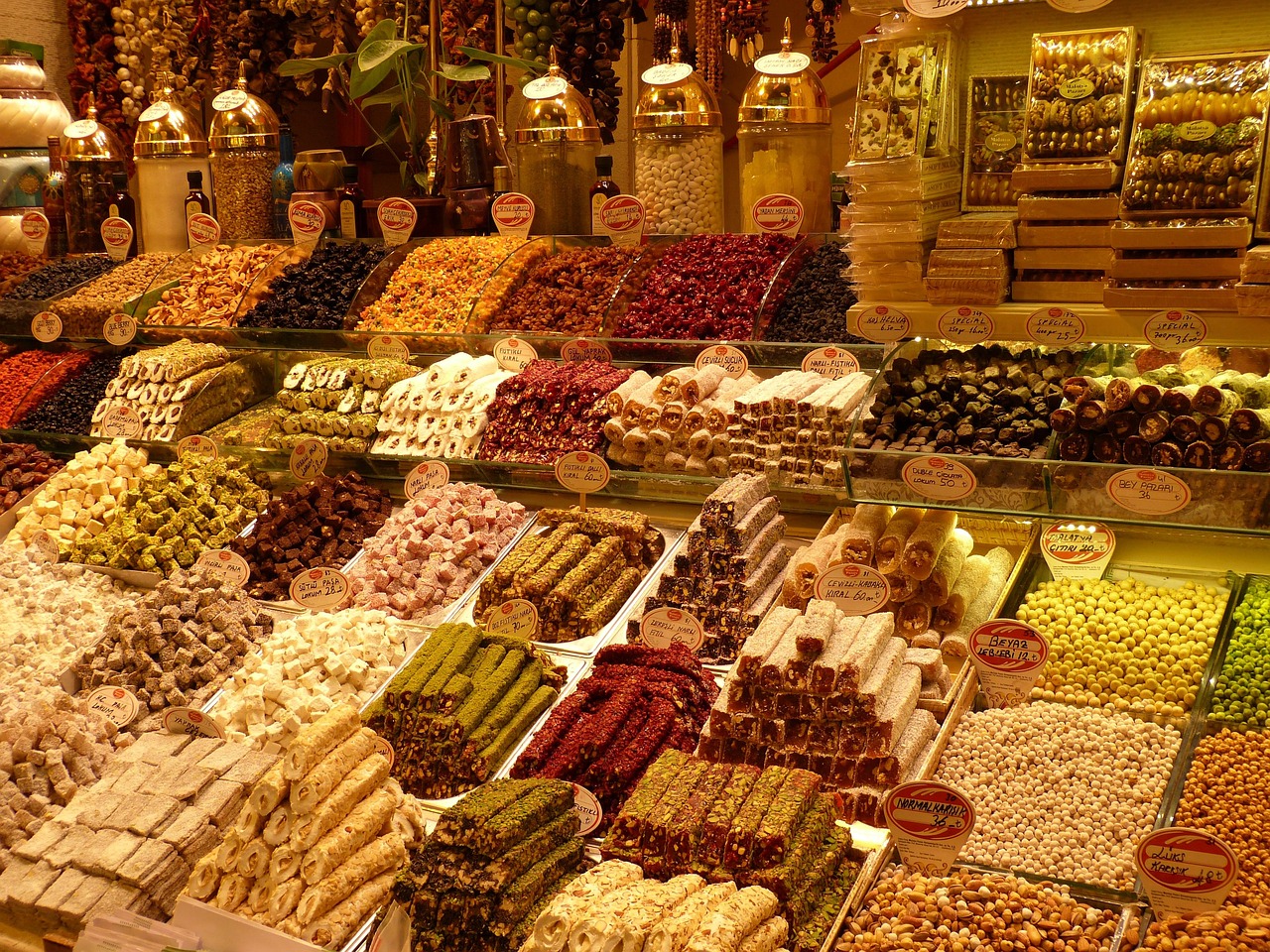
I remember standing in the rain outside the Bahçekapı branch of Ali Muhiddin Hacı Bekir last Tuesday, watching a shop assistant in a crisp white coat carefully weigh out a handful of cinnamon akide candy. The sharp, rhythmic clack-clack-clack of the sugar shards hitting the vintage scale is the real soundtrack of Istanbul, far more authentic than the shouting vendors and neon lights of the Spice Bazaar just a few blocks away. If you’ve only ever eaten those rubbery, starch-heavy cubes from a pre-packaged souvenir box at the airport, you haven’t actually tasted Turkish delight—you’ve just eaten flavored gelatin.
Walking into this shop, which has been tucked into this corner of Eminönü since 1777, feels like stepping out of the chaos of the T1 tram line and into a calmer, more refined century. On my last visit around 3:00 PM—just before the late-afternoon rush—there was only a five-minute wait. I picked up a 250g box of the double-roasted pistachio lokum for 300 TL (6 EUR). While the price is higher than the sticky piles you see in the tourist-trap windows, the difference is in the bite. Real lokum shouldn’t fight back; it should yield softly, releasing the scent of real Bergamot or rosewater, not a chemical imitation.
The real secret for those who want to dive deeper into local tradition is to look past the colorful cubes and focus on the akide. These hard candies were once a symbol of the Janissaries’ loyalty to the Sultan, and watching the masters pull the hot sugar by hand through the glass partition is a masterclass in culinary history. A small bag of the lemon or bergamot akide goes for about 150 TL (around 3 USD) and serves as a much better companion for a long walk through the Old City than any mass-produced candy. If the shop feels a bit cramped, don’t let the narrow aisles discourage you; the staff are incredibly efficient, though they appreciate it if you have your order ready by the time you reach the counter. Istanbul moves quickly, even when it’s wrapped in sugar.
The Bahçekapı Legend: Hacı Bekir’s Original Workshop
If you are buying Turkish delight from those 24-hour stalls with the aggressive LED borders, you are doing Istanbul wrong. To taste the actual history of this city, you have to walk away from the Galata Bridge crowds, navigate the chaotic swarm of the Eminönü ferry terminals, and head toward the quiet backstreets of Bahçekapı. Since 1777, this specific shop has been the gold standard; it is the very place where the Ottoman Sultan’s confectioner refined the recipe that eventually conquered the world.
The Art of the Fresh Slice
The air inside Hacı Bekir doesn’t smell like artificial flavorings; it smells like powdered sugar, roasted nuts, and heritage. My favorite ritual here is simple: skip the pre-packaged boxes on the shelves. Instead, walk straight to the wooden counter and ask for fıstıklı lokum (pistachio delight) from the massive, glistening slabs. There is something incredibly satisfying about watching the master confectioner use a long, thin blade to slice through a block of double-roasted pistachio delight. It’s soft, slightly resistant, and coated in a fine cloud of starch that ensures it won’t stick to your fingers.
Last Tuesday, I stopped by around 10:30 AM—the perfect window before the lunch rush hits the Sirkeci district. Even then, there was a small queue of locals picking up treats for home visits. I watched a tourist struggle with the sheer variety, but the staff is patient; they know their product is worth the wait. If the 1:00 PM roar of the Galata Bridge traffic becomes deafening, the interior of this shop feels like a sanctuary of old-world Istanbul. If you find the Eminönü crowds too much, I suggest visiting the nearby Rustem Pasha Mosque: Eminönü afterward to decompress among its famous blue Iznik tiles.
2026 Pricing and Quality
Quality comes with a fair cost, but it’s remarkably reasonable for artisanal work. A 500g box of premium double-roasted pistachio delight currently costs 450 TL (which is exactly 9 EUR or 10 USD based on current rates). It might be triple the price of the “genuine” boxes sold in the Spice Bazaar, but the difference is the ingredient quality—real honey, no glucose syrup, and pistachios that actually crunch.
Berk’s Insider Tip: When at Hacı Bekir, don’t just buy the delight. Ask for a glass of their seasonal ‘Demirhindi Şerbeti’ (tamarind drink). It’s an Ottoman classic that cuts through the sugar perfectly.
Akide Candy: The Forgotten Art of Ottoman Hard Candy
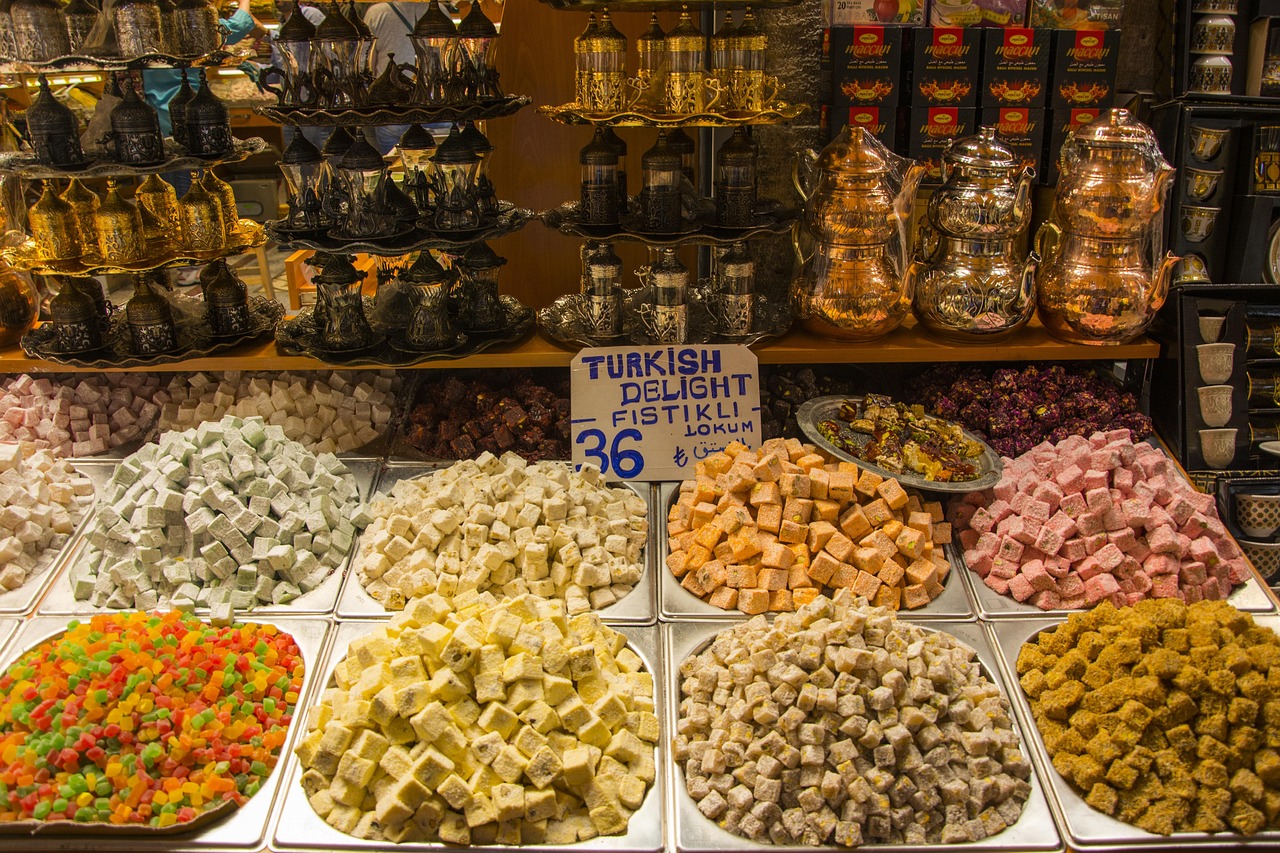
If you think Turkish sweets start and end with soft, chewy lokum, you’re missing the rhythmic crunch that actually defined the Ottoman social contract. Akide candy isn’t just a treat; it’s a historical pledge of loyalty. Back in the day, the Janissaries—the Sultan’s elite guards—would present these handcrafted gems to the palace during the Ulufe (payday) ceremony. If they liked the candy, it meant they were satisfied with their pay and wouldn’t be revolting that week. Whenever I’m walking through the backstreets of Eminönü, I still feel that weight of history in those glass jars.
Unlike modern mass-produced hard candy, authentic akide is made by boiling sugar at incredibly high temperatures in copper cauldrons and infusing it with pure essential oils. To my palate, the cinnamon (tarçın) and bergamot varieties are the undisputed kings. They have a deep, amber clarity and a flavor that lingers far longer than any chemical substitute. I always tell my friends to skip the neon-bright, overly colorful fruity versions you see in the window displays; those are usually just food coloring and sugar for the uninitiated. Look for the slightly duller, more natural tones of clove or sesame.
Last Tuesday, I stopped by a small shop near the Spice Bazaar just as they were breaking a fresh tray. I grabbed a small 200g paper bag of mixed akide, which set me back 120 TL (approximately $2.65). It’s the perfect companion for a walk toward the Golden Horn, perhaps winding through The Grease and Iron of My Favorite Walk Through Perşembe Pazarı. The sugar provides the energy, and the spice cuts through the humid Istanbul air. Just be careful—if the shop feels humid or the candy looks “sweaty” and sticky inside the jar, walk away. Good akide should be bone-dry and snap cleanly.
How to Select and Enjoy Authentic Akide Candy
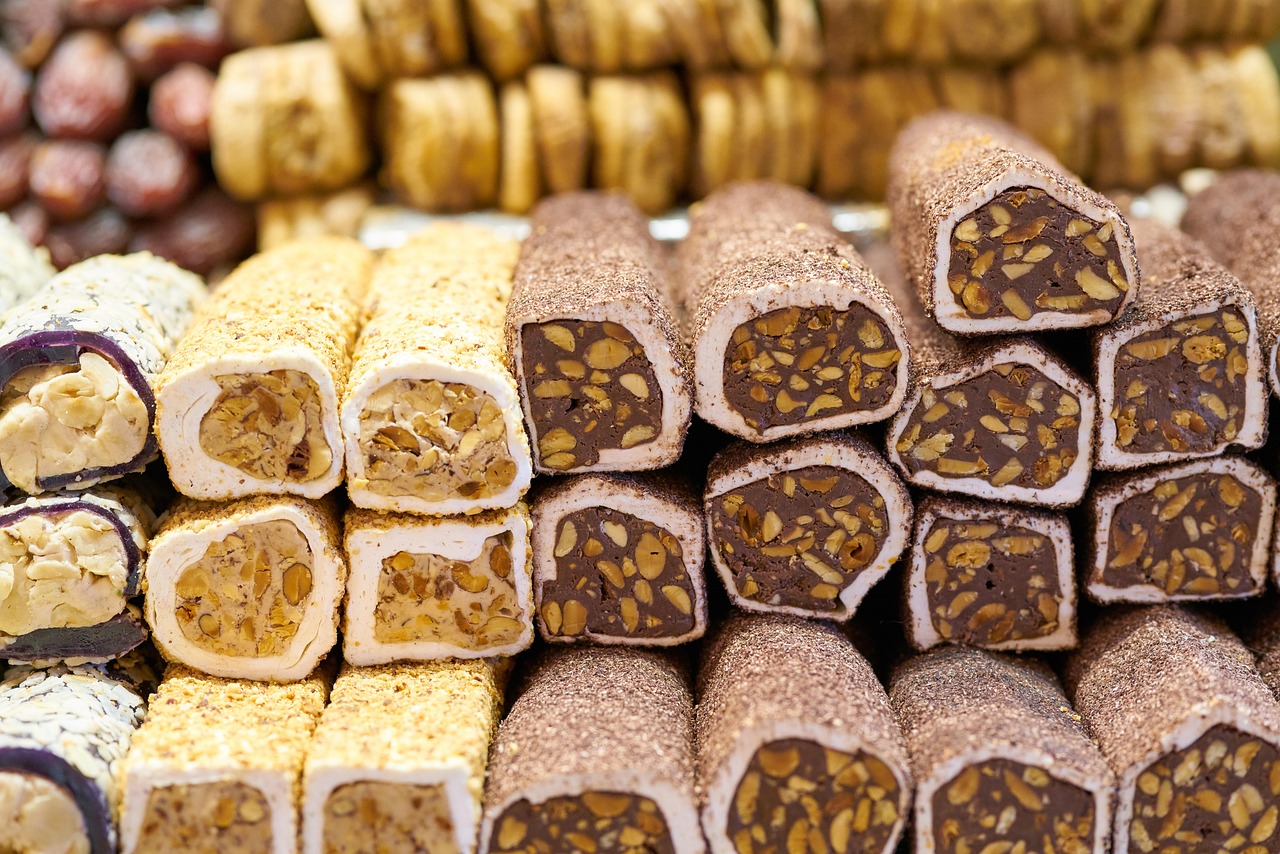
- Observe the color palette of the jars in the window; avoid any candy that looks fluorescent or “neon,” as these are typically industrial products rather than artisanal ones.
- Ask for a sample of the bergamot or cinnamon flavor specifically to test the texture; it should be rock-hard and shatter rather than bend when bitten.
- Request a “karışık” (mixed) bag if it’s your first time, but insist on a base of traditional spices like clove, cinnamon, and ginger to get the true Ottoman profile.
- Check the weight on the digital scale to ensure you aren’t overcharged; a 200g bag is the standard size for a personal snack and should hover around the 120 TL mark in 2026.
- Store your paper bag in a dry pocket or bag immediately, especially if you are near the ferry terminals, as the sea salt and humidity will make the candies stick together within minutes.
- Pair your candy with a glass of unsweetened Turkish tea later in the afternoon to allow the spice oils in the candy to bloom against the warmth of the tea.
Crossing the Bosporus for Cafer Erol in Kadıköy
Crossing the Bosporus to Kadıköy isn’t a chore; it’s a ritual that justifies the trip to Istanbul on its own. I’ve lived here for fifteen years, and I still prefer the 20-minute ferry ride from Eminönü or Karaköy over any bridge or tunnel. It is the perfect sensory buffer between the heavy history of the Old City and the vibrant, bohemian pulse of the Asian side. As you step off the pier, ignore the frantic bus terminals and head straight into the winding lanes of the Kadıköy Fish Market.
The walk to the shop is a masterclass in local life. You’ll dodge fishmongers hosing down marble slabs and pass crates of bright green plums or seasonal figs. Just three minutes into the market, the atmosphere shifts from salty to sweet as you hit the storefront of Şekerci Cafer Erol. While other shops rely on heritage alone, this place wins on sheer theatricality. Their seasonal window displays are legendary—last winter, I spent ten minutes just watching the motorized nutcrackers in the window before even stepping inside.
Marzipan Mastery and the Saturday Rush
The real draw here, beyond the vibrant jars of Akide candy, is their badem ezmesi (marzipan). Unlike the mass-produced versions that taste like almond-scented sugar, Erol’s version is dense, moist, and tastes purely of the high-quality nuts they source from the south. If you find yourself here on a Saturday afternoon—the peak of the Kadıköy rush—you will likely see a queue snaking out the door. Don’t let it deter you. Last week, I joined a line of about twenty people at 3:30 PM; the staff moved with such surgical precision that I was at the counter in exactly 12 minutes.
If you want the ultimate local experience, ask for the kaymaklı lokum (Turkish delight stuffed with clotted cream). It’s a decadent, pillowy dream, but it comes with a strict rule: eat it within 24 hours. Because of the fresh buffalo cream, it doesn’t have the shelf life of standard delight and will spoil if left in a warm hotel room. A generous portion costs about 450 TL (roughly 9 EUR or 10 USD). It’s a short-lived pleasure, so grab a fork and find a bench by the Moda seaside to finish it off.
Once you’ve satisfied your sweet tooth, you’ll likely need something savory to cut through the sugar. My go-to move is to walk five minutes deeper into the district for a Walking Route through the Murals and Workshops of Yeldeğirmeni in Kadıköy to round out the afternoon. It’s the classic Kadıköy “double-header” that most tourists miss while they’re stuck in the queues at Sultanahmet.
Decoding the 2026 Confectionery Prices
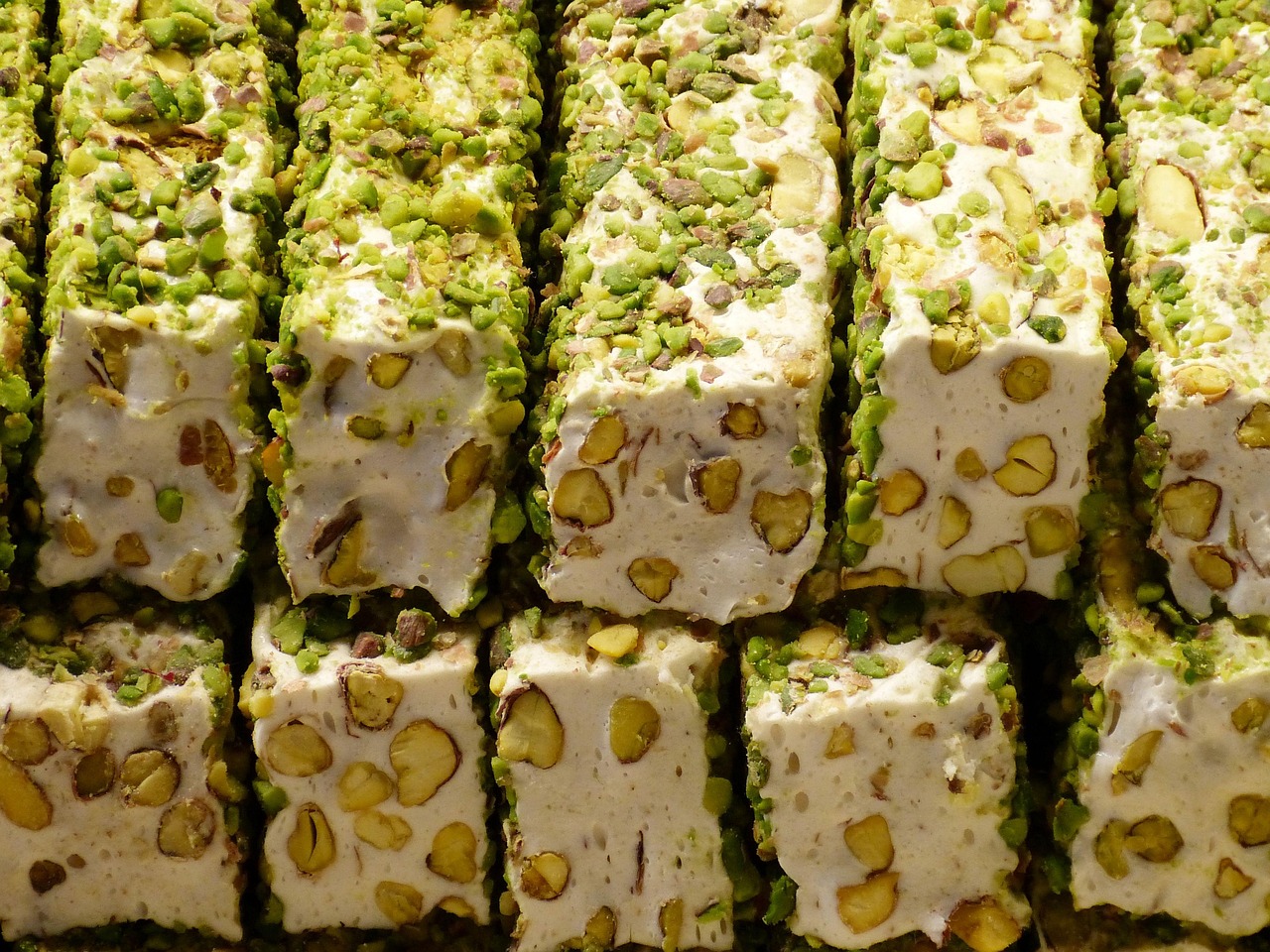
You will see wild price fluctuations between the backstreets of Eminönü and the glitzy shops of Nişantaşı, but never pay more than 1,000 TL ($22) for a kilogram of top-tier pomegranate and pistachio delight. If a shopkeeper in the Spice Bazaar quotes you 1,500 TL because it’s “special palace recipe,” they are simply gauging your pulse for a “tourist tax.” In my fifteen years here, I’ve learned that the most honest prices usually come from shops that have their prices clearly printed on labels, not scribbled on cardboard or—worse—left to the imagination of the salesman.
Navigating the 2026 Price Landscape
High-quality ingredients have a floor price. If someone offers you a “premium” pistachio delight for 400 TL, keep walking; you’re likely buying a box filled with pea flour or low-grade starch. Last week, I stopped by a small family-run shop near the Mısır Çarşısı exit around 11:00 AM—before the afternoon rush—and picked up a half-kilo of walnut sucuk for 425 TL. It was fresh, chewy, and priced exactly where it should be.
When it comes to the logistics of the transaction, most historical shops are surprisingly high-tech. While it’s smart to look for The Heart of the Neighborhood: My Favorite Esnaf Lokantası for a Real Taste of Home-Style Cooking for a nearby meal, almost every reputable confectioner accepts international credit cards. Pro tip: Always choose to pay in Turkish Lira (TL) on the card machine rather than your home currency to avoid the bank’s predatory conversion rates.
| Confectionery Type | 2026 Price (per kg) | Price in USD ($1=45TL) | Price in EUR (€1=50TL) |
|---|---|---|---|
| Handmade Akide Candy | 450 - 550 TL | $10.00 - $12.20 | €9.00 - €11.00 |
| Standard Rose/Lemon Delight | 500 - 650 TL | $11.10 - $14.40 | €10.00 - €13.00 |
| Premium Pistachio/Pomegranate | 900 - 1,050 TL | $20.00 - $23.30 | €18.00 - €21.00 |
| Saffron or Honey-Based Specials | 1,100 - 1,300 TL | $24.40 - $28.80 | €22.00 - €26.00 |
Avoiding the Upsell
If you find yourself in a shop where the staff is overly aggressive, offering tea before you’ve even seen a price tag, politely decline and move to the next door. A true master confectioner lets the product speak for itself. If you are buying in bulk to take home, ask them to vacuum-seal (vakumlamak) your boxes. Most shops do this for free, and it keeps the delight fresh for up to three months, ensuring your 2026 investment doesn’t turn into a box of sugary bricks by the time you land.
How to Spot the ‘Real’ Stuff: A Local’s Checklist
Most of what you see piled high in the tourist windows of Sultanahmet is “industrial” candy, not authentic Turkish delight. If you want the real thing, you have to look past the neon food coloring and the towers of pomegranate rolls covered in dried rose petals. I’ve spent fifteen years walking the backstreets of Eminönü, and I can tell you that true quality is found in the texture and the source of the sweetness, not the decoration.
The ‘Squeeze Test’ and Elasticity
If you press your thumb into a piece of high-quality delight, it should behave like a memory foam mattress—it should bounce back almost instantly. I once watched a friend buy a cheap box near the T1 tram line; he squeezed a piece, and his thumbprint just sat there, permanently indented in the doughy mass. That’s a sign of a recipe overloaded with maize starch and cheap glucose. Authentic confectionery is firm and elastic, providing a slight resistance when you bite into it.
The Clean Finish of Pancar Şekeri
The most important ingredient distinction is the sugar. Premium houses like Hacı Bekir (the original shop in Bahçekapı is a five-minute walk from the Spice Bazaar) or Cafer Erol in Kadıköy strictly use Pancar Şekeri (beet sugar). When you eat delight made from beet sugar, it dissolves cleanly on the tongue. If you find yourself needing a liter of water because your throat feels coated in a sticky, cloying film, you’ve likely eaten a product made with cheap corn syrup or excessive fillers. High-quality delight is an accompaniment to Turkish coffee, meant to enhance the flavor, not drown it in artificial sugar. Expect to pay around 750 TL to 900 TL (15 to 18 EUR) per kilogram for the top-tier double-roasted pistachio varieties in 2026.
Berk’s Insider Tip: Avoid buying the pre-packed boxes stacked outside shops in the Spice Bazaar. Heat and sunlight oxidize the nuts, making them taste bitter. Always ask for a fresh box to be packed from the display cases inside.
FAQ: Buying and Storing Turkish Delight
How much should I expect to pay for high-quality Turkish delight in 2026?
Prices for quality confectionery depend heavily on the nut content. For premium “Double Roasted Pistachio” delight, expect to pay between 800 TL and 1000 TL (16 to 20 EUR) per kilogram. Simpler varieties like rose or lemon are cheaper, around 450 TL to 550 TL (approx. 10 to 12 USD). If you see “luxury” boxes for significantly less, they are likely using more starch and fewer nuts.
Where is the most authentic place to buy delight in Istanbul?
I always recommend the historical Ali Muhiddin Hacı Bekir shop in Bahçekapı, near Sirkeci. It has been there since 1777 and feels like a living museum. On the Asian side, Şekerci Cafer Erol in Kadıköy offers an incredible atmosphere and uses traditional methods. Both shops allow you to taste samples before you buy, ensuring you get exactly what you like.
How should I store my Turkish delight so it doesn’t get hard?
Whatever you do, do not put it in the refrigerator. Cold temperatures cause the starch to crystallize, making the delight tough and rubbery. Keep it in a sealed container or its original waxed paper at room temperature, away from direct sunlight. If stored properly, high-quality delight stays fresh for about four to six weeks, though the nuts may lose their crunch over time.
I was standing outside the Eminönü branch of Ali Muhiddin Hacı Bekir last Tuesday around 3:00 PM, watching a traveler struggle with a massive, pre-packaged three-kilogram box of assorted delight. It cost them nearly 1,500 TL (about 33 EUR), and honestly, it’s a rookie mistake. That box will sit in a suitcase, get sweaty, and lose its soul by the time it reaches a kitchen table in London or New York.
The real magic isn’t in the bulk buy; it’s in the variety. My ritual is always to ask for “yüz gram” (one hundred grams) of three different flavors—maybe the double-roasted pistachio, the spicy cinnamon akide candy, and that creamy clotted cream kaymaklı version that melts before you even chew. You’ll spend maybe 450 TL (around 9 USD) for a curated stash that actually tastes like the shop’s history. If the queue looks daunting at the main counter, just wait it out; it rarely takes more than ten minutes, and the smell of powdered sugar in that wood-paneled room is part of the price of admission.
Don’t wait until you’re back at your hotel to open those paper bags. Walk over to the ferry docks or find a quiet stone bench near the water in Karaköy. Grab a tea in a cardboard cup from any street vendor—it’ll run you about 25 TL to 30 TL—and let the bitterness of the tea cut through the floral sugar of the lokum. There is a specific, rickety green bench right near the Beşiktaş pier, tucked behind the naval museum, where the wind smells more like salt than exhaust. I sit there, watch the tankers navigate the bend, and realize that a single piece of rose-scented delight eaten in the breeze is worth more than a dozen boxes stashed in a carry-on. That’s the Istanbul I know—sticky fingers, hot tea, and no rush to be anywhere else.
Comments
Share your thoughts with us