I usually start my Saturday by dodging a delivery scooter on Ergenekon Avenue, but the second the scent of mahlep and roasted flour hits me from the door of a 70-year-old bakery, the chaos of Istanbul fades into the background. Kurtuluş isn’t for the traveler looking for the sanitized glitter of a hotel lobby; it’s where I go when I want to feel the pulse of what was once the cosmopolitan heart of Tatavla.
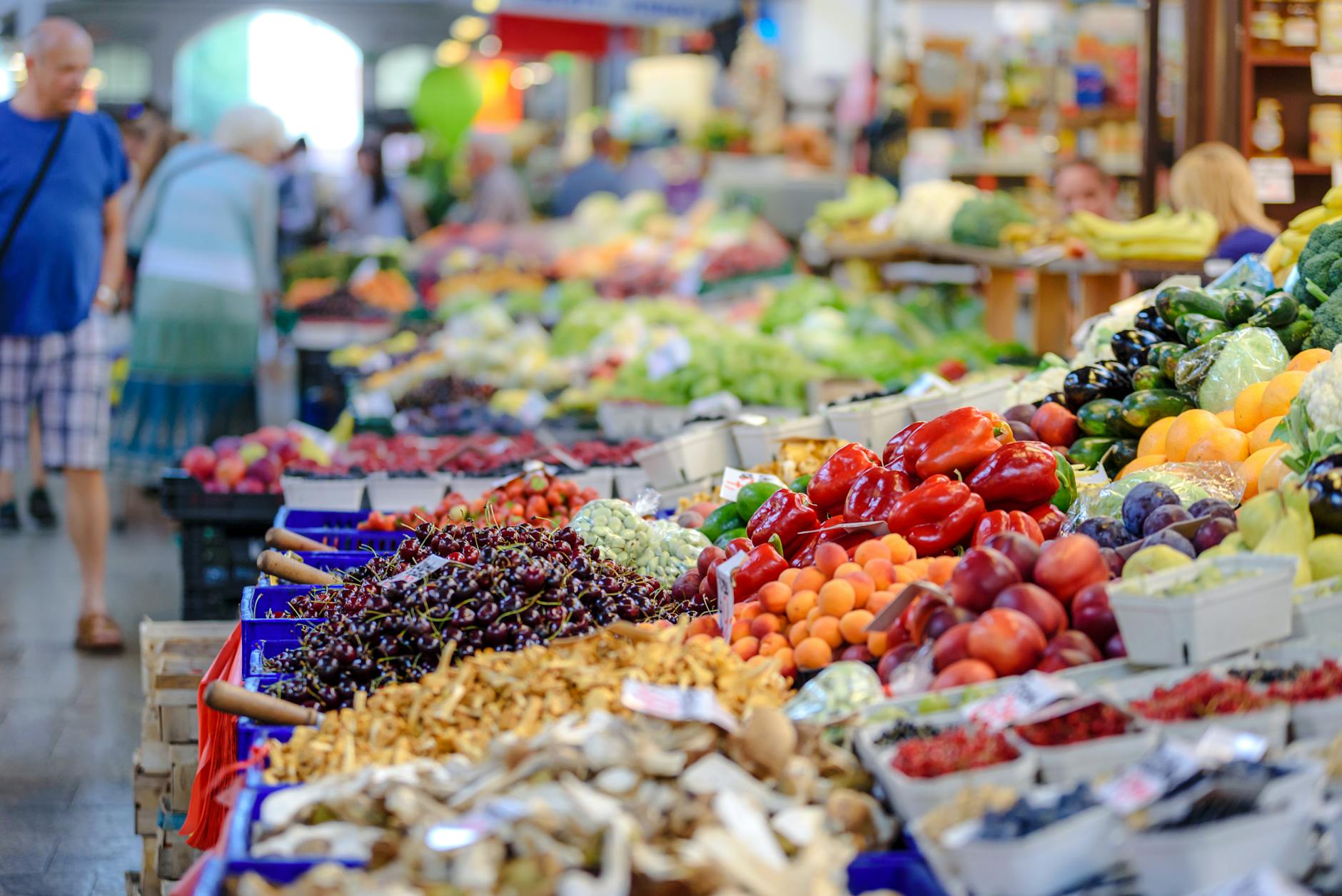
Last week, I ducked into the Feriköy Organic Market right as the vendors were stacking their heirloom tomatoes at 9:00 AM. If you show up after 11:00 AM, you’ll be fighting for breathing room among the local crowd, so timing is everything here. I handed over 90 TL (exactly 2 USD) for a glass of tea and a fresh boyoz, then spent twenty minutes just watching the neighborhood grandmothers argue over the price of organic honey. It’s a brisk ten-minute walk from the Osmanbey M2 metro station, but the transition from the high-street noise of Şişli to these narrow, laundry-lined streets feels like crossing a border into a different decade. The sidewalks are notoriously narrow and you’ll likely trip over a stray cat or a loose paving stone if you aren’t careful, but you learn to just watch your step and follow the smell of roasting coffee. This is one of the few places left in the city where the butcher, the baker, and the pickler are still the most important people on the block.
Entering the Heart of Tatavla: From Osmanbey to the High Street
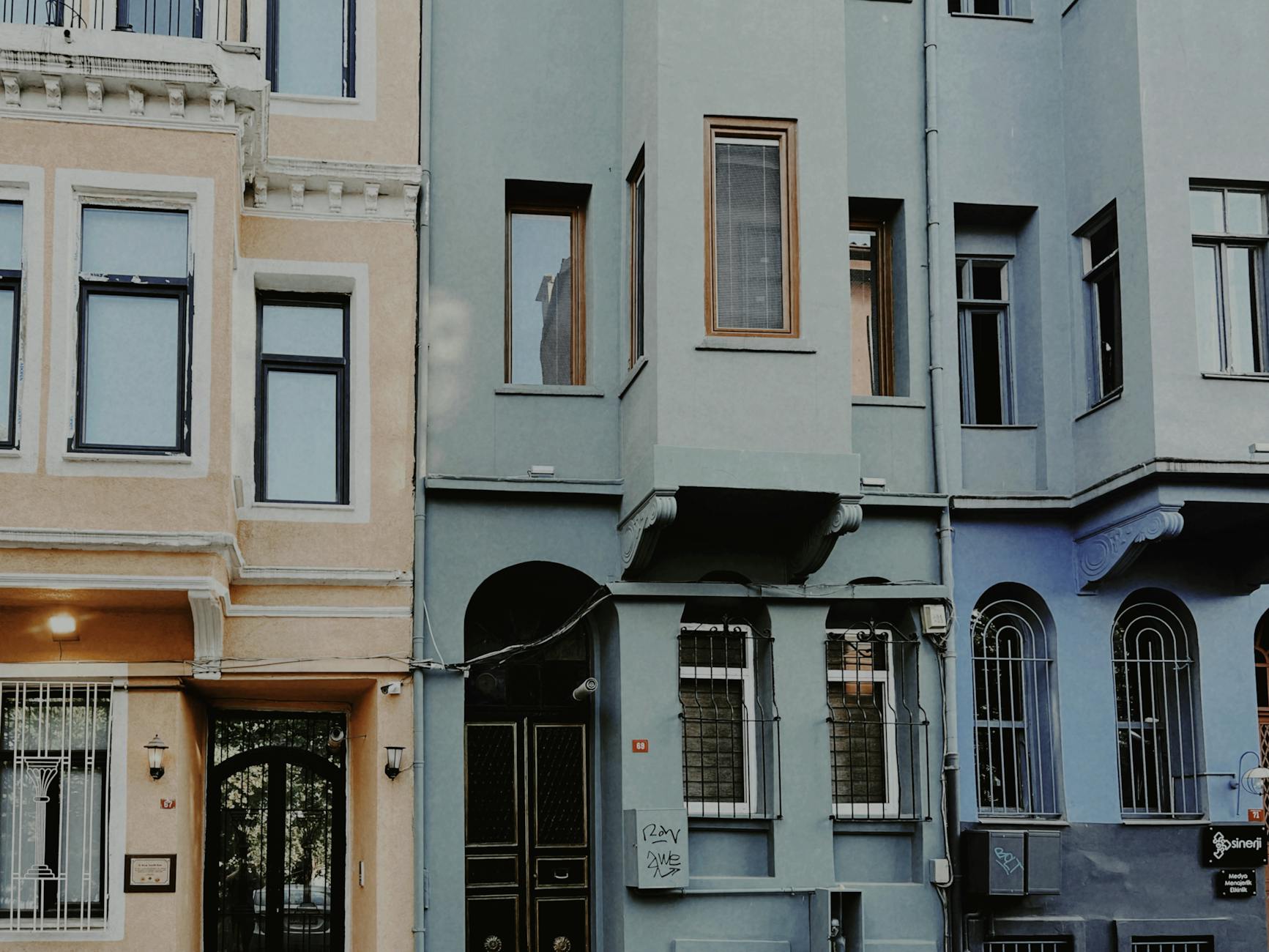
If you want to understand the soul of a city that refuses to be gentrified into oblivion, you have to leave the polished boutiques of Nişantaşı behind and cross the invisible border at the Pangaltı metro exit. I’ve lived in this city for fifteen years, and the transition still feels like a jolt to the system. One minute you are surrounded by international luxury brands, and the next, you are staring at a 1920s Art Deco apartment block with laundry draped over a balcony and a cobbler working out of a basement window.
To do this right, you need to exit the Osmanbey Metro station via the Pangaltı exit at exactly 10:00 AM. Any earlier and you’re fighting the sea of commuters; any later and the narrow sidewalks of Kurtuluş become a tactical challenge. Using the Istanbul public transport system is the only sane way to get here, as parking in these backstreets is a fever dream you want no part of.
From Glitz to Grit
As you walk away from the station toward Kurtuluş Avenue, the atmosphere shifts from commercial to deeply residential. This neighborhood was historically known as Tatavla, once a thriving Greek hub, and that DNA is still visible in the heavy iron doors and the ornate masonry of the older buildings. The sidewalks here are notoriously thin—you’ll likely have to step into a shop doorway at least twice to let an old lady with a shopping trolley or a frantic delivery scooter pass. It’s part of the rhythm. If the chaos feels overwhelming, just look up; the architectural details on the second and third floors are some of the most beautiful, lived-in relics of the late Ottoman era.
The Breakfast Ritual
You cannot start this walk on an empty stomach. Before hitting the main high street, I always make a stop at a local Büfe—those tiny, stainless-steel temples of quick calories. Skip the fancy cafes for a moment and order a double-toasted kaşarlı tost (molten cheese sandwich). In 2026, this will set you back about 110 TL ($2.45). I remember when this was a fraction of the price, but even at current rates, it’s the most honest fuel for a long walk. The guy behind the counter will likely hand it to you in a grease-proof paper sleeve that’s far too small for the job. Take it, lean against a nearby wall, and watch the neighborhood wake up. Once the cheese starts to cool, you’re ready to head into the heart of the market.
Pastries with Lineage: Nazar, Damla, and the Greek Legacy
If you want to understand the soul of Kurtuluş, you don’t look at a map; you follow the scent of mastic and roasted almonds that hangs heavy in the air near the Ergenekon Avenue intersection. This neighborhood was known as Tatavla for centuries, the heart of Istanbul’s Greek community, and while the demographics have shifted, the sugar-dusted heritage remains stubbornly, deliciously intact.
Walking into Nazar Pastanesi feels like stepping into a black-and-white photograph that someone forgot to stop filming. The first thing that hits you isn’t the sight of the cakes, but the velvety smell of mastic—that piney, resinous aroma that defines Aegean baking. I usually head straight for the counter for a bag of their Kavala cookies, which will set you back 250 TL (5 EUR). They are crumbly, packed with whole roasted almonds, and coated in a thick layer of powdered sugar that will inevitably ruin your black coat—don’t say I didn’t warn you. While waiting, I often find myself eavesdropping on the neighborhood elders; it’s one of the few places left where you’ll hear a fluid, rhythmic blend of Greek and Turkish exchanged over the clink of tea glasses. Last Saturday, I watched a gentleman in a perfectly pressed fedora spend ten minutes debating the consistency of a profiterole with the staff—that level of dedication to dessert is exactly why I love this corner of the city.
Just a short walk away is Damla Dondurma. While they are famous for ice cream in the summer, winter belongs to their Salep. Be prepared for a 15-minute queue on chilly afternoons, as locals line up out the door for a cup of this thick, orchid-root flower drink for 150 TL (3 EUR). It’s creamy, steaming hot, and topped with so much cinnamon you’ll be sneezing for a block. The shop is tiny and can get quite cramped, so my advice is to take your cup to go and keep walking toward Feriköy; the warmth of the cup acts like a hand-heater against the Bosporus breeze.
Berk’s Insider Tip: Most of the historic Greek bakeries like Nazar are closed or have very limited stock on Sundays. Plan your food walk for a Saturday to hit both the bakeries and the organic market.
What to Order: The Tatavla Sweet Route
- Nazar’s Signature Profiteroles: Forget the soggy versions you find in malls; these are crisp choux buns drowned in a dark, rich chocolate sauce that isn’t cloyingly sweet.
- Kavala Cookies (250 TL / 5 EUR): These crescent-shaped almond cookies are the gold standard of the neighborhood; buy a full box because they stay fresh for days.
- Hot Salep at Damla (150 TL / 3 EUR): Authentic salep is rare and expensive because of the orchid tubers used; Damla still does it the old-school way without cheap thickeners.
- Mastic-Flavored Easter Buns (Paskalya Çöreği): Available year-round here, these braided loaves are incredibly airy with a distinct, herbal scent.
- Aniseed Rusks: Perfect for dipping into tea, these twice-baked biscuits are a staple in local Greek households and offer a savory break from the sugar.
The Saturday Ritual: Navigating the Feriköy Organic Market
You haven’t truly felt the pulse of a Saturday morning in Istanbul until you’ve pushed through the heavy plastic curtains of the Feriköy Organic Market. This isn’t your typical neighborhood bazaar where vendors scream prices at the top of their lungs; it’s a more composed, albeit crowded, celebration of sustainable farming and honest food.
To get here, skip the taxi. From the heart of Kurtuluş Avenue, it’s a pleasant 10-minute walk heading towards the Şişli Belediye complex. I usually take the side streets to admire the Art Deco apartment entrances, eventually following the steady stream of locals pulling their wheeled shopping trolleys. If you arrive after 11:00 AM, the crowd thickens significantly. I once made the mistake of showing up at noon on a rainy Saturday, thinking it would be quiet—I spent twenty minutes just trying to reach a basket of figs. If you want the best picks, aim for 9:30 AM.
The 2026 Istanbul prices reflect the premium nature of the produce here, but the quality is undeniable. You’ll find heirloom tomatoes for 90 TL (1.80 EUR) per kilo—a steep jump from the supermarket, but the flavor is concentrated sunshine. While some find the prices a bit elitist, I see it as paying a fair wage to the Anatolian farmers who drove ten hours to get here.
The Soul of the Market: Gözleme and Tea
The real magic happens at the back of the market at the Gözleme station. There’s no formal queue; you just catch the eye of the woman rolling the dough and wait for a spot on one of the tiny wooden stools. For 225 TL (4.50 EUR), you get a massive, paper-thin spinach and cheese pancake browned over a sack (a convex griddle). It’s a sensory overload—the smell of toasted flour, the steam from the tea glasses, and the rhythmic thud-thud of the rolling pins. Watching these women work with dough requires the same level of artisan precision as those crafting handmade mantı and garlic yogurt toppings in Kadıköy and Beşiktaş, where every fold is a testament to tradition.
Berk’s Insider Tip: At the Feriköy Organic Market, look for the ‘Ekolojik’ certification on labels; prices are higher, but the taste of the village butter (450 TL/kg) is worth every Lira.
How to Master the Feriköy Market
- Arrive by 10:00 AM to beat the heavy midday rush and ensure the best produce isn’t picked over.
- Withdraw cash beforehand at the ATMs on Kurtuluş Avenue, as many smaller stalls still prefer Lira over cards for small purchases.
- Secure your Gözleme spot first if you’re hungry, as the wait time for a stool can reach 15 minutes during peak hours.
- Check for the ‘Ekolojik’ logo on signage to distinguish between certified organic goods and standard village products.
- Bring a reusable tote bag or two; the market aims for zero waste, and the thin paper bags provided won’t survive a kilo of heavy peaches.
Pickles and Meze: The Artisanal Delis of the Backstreets
If you haven’t stood on a Kurtuluş sidewalk clutching a plastic cup of magenta liquid while your eyes water, you haven’t actually visited the neighborhood. This stretch of Ergenekon Avenue and its tributaries is the culinary soul of what used to be called Tatavla, a historically Greek and Armenian enclave that refused to let its food traditions vanish. These shops aren’t “vintage” for the sake of Instagram; they are survivors.
The Vinegar Punch at Pelit Turşucusu
Walking into Pelit Turşucusu feels like entering a neon-lit laboratory where nature has been preserved in glass. The shelves are packed with jars of everything from green plums to garlic cloves, all glowing in vibrant yellows and deep purples. I usually stop here around 11:00 AM before the lunch rush kicks in. I’ll be honest: the shop is tiny, and if there are more than three people inside, you’ll be hovering on the sidewalk.
For 50 TL ($1.10), you get a cup of their famous pickle juice (turşu suyu). I always ask for the spicy version. It’s a literal punch to the sinuses—sharp, salty, and incredibly refreshing. If you find the saltiness too intense, grab a bottle of water from the grocery store next door immediately after; don’t try to power through it or you’ll be thirsty for the rest of the walk. This juice is the ultimate local “reset button” for your palate.
Tuşba and the Art of the Meze
A few blocks away sits Tuşba, a legendary deli that defines the neighborhood’s cosmopolitan past. While many places in Istanbul now outsource their appetizers, the team here still prepares everything with a level of precision that borders on the obsessive. This is where I go when I want to host a dinner that feels like old-world Istanbul.
The undisputed king here is the Lakerda (salted cured bonito). It should be buttery, not fishy, and Tuşba’s version is consistently the best in the city. I recently picked up a spread consisting of lakerda, samphire (sea beans) in olive oil, and a tub of their spicy muhammara. The total came to 600 TL (12 EUR), which is a steal for the quality provided. If you’re planning to enjoy these at your hotel or Airbnb, remember to check out our Istanbul Meyhane Guide: Rakı Etiquette & Local Secrets to understand how to pair these flavors properly.
Quick Deli Reference (2026 Prices)
| Shop | Signature Item | Price (Approx.) | Berk’s Pro Tip |
|---|---|---|---|
| Pelit Turşucusu | Spicy Pickle Juice | 50 TL ($1.10) | Drink it slow; it’s stronger than it looks. |
| Tuşba Meze | Lakerda (Cured Fish) | 400 TL per portion | Ask for extra red onion and lemon. |
| Local Charcuterie | Samphire (Deniz Börülcesi) | 100 TL per 200g | Ensure they drizzle fresh olive oil on top. |
| Various Bakers | Paskalya Çöreği (Sweet Bread) | 90 TL per loaf | Buy it fresh in the morning; it hardens by 4 PM. |
The only downside to this area is the lack of seating; these are traditional “buy and go” spots. My fix? Take your haul to the small park near the Feriköy organic market or head back to your accommodation for a DIY feast. You’re eating history here—treat it with the respect (and the appetite) it deserves.
Cost of Living: A 2026 Snapshot of Kurtuluş Flavors
Kurtuluş is one of the last bastions in Istanbul where your purchasing power actually buys you top-tier craft rather than a “view tax” or a translated menu premium. While prices across the city have shifted with the 2026 economy, this neighborhood remains remarkably grounded because its primary customers are the locals who have lived here for generations, not transient tour groups.
Choosing between a traditional morning and a modern one is the classic Kurtuluş dilemma. A full, sit-down traditional breakfast at a neighborhood staple like Damla Kaymak—including honey, thick cream, olives, and eggs—will run you about 400 TL ($9). Contrast that with the third-wave coffee shops popping up on the side streets, where a flat white and a sourdough pastry will cost roughly 300 TL ($6.60). Personally, I’ll take the cream and honey every time; it’s the soul of the district.
The real magic happens in the local Şarküteri. Last Tuesday, I stopped by a deli near the main intersection at 10:30 AM. There was no queue, just the intense aroma of pickled peppers and aged dairy. I picked up a 250g block of local Ezine cheese for 180 TL ($4). In the tourist-heavy zones of the Old City, you’d likely pay double for an inferior, mass-produced version. This is exactly why, once I am done with the Sultanahmet crowds, I head straight here to restock my fridge. Kurtuluş isn’t “cheap” in a low-quality way; it is fair. You are paying for the expertise of the man behind the counter who has been slicing basturma for thirty years.
Berk’s Insider Tip: Don’t just walk the main street. Turn into ‘Bilezikçi Sokak’ to see the old Levant-style apartment buildings that still have the names of their original 19th-century owners carved into the stone.
Frequently Asked Questions About Visiting Kurtuluş
Is Kurtuluş safe for solo travelers wandering off the main road?
Absolutely. Kurtuluş is a deeply residential, family-oriented neighborhood with a strong sense of community. Even at night, the main arteries are well-lit and active. The only real “danger” is the narrowness of the sidewalks—watch your step around the uneven stones and be mindful of the delivery scooters that occasionally zip through the side streets.
Do the local delis and markets in Kurtuluş accept credit cards?
Most established shops and ‘Şarküteri’ outlets accept credit cards and contactless payments without issue. However, if you are visiting the Feriköy Organic Market on a Sunday, I highly recommend carrying some cash (Turkish Lira). Small-scale farmers from outside the city often prefer cash for smaller transactions under 200 TL to avoid bank fees.
What is the best way to get to Kurtuluş from Taksim Square?
You can take a 15-minute walk, but the most “local” way is to hop on the 70KY or 70FY buses. Alternatively, take the M2 Metro to Osmanbey station and use the ‘Pangaltı’ exit. From there, it’s a flat, five-minute walk into the heart of the neighborhood. Avoid taking taxis for this short distance; traffic on Ergenekon Avenue is notoriously sluggish during peak hours.
Conclusion
I’m standing right now at that specific point where the grit of Kurtuluş Caddesi dissolves into the slicker, glass-fronted territory of Bomonti. It’s a jarring but honest transition. One minute you’re dodging a delivery bike outside a third-generation charcuterie where the owner still remembers your grandmother’s favorite cheese, and the next, you’re staring at a minimalist taproom.
If you’ve spent your morning navigating the Feriköy market crowds, this intersection is where you decide your afternoon’s pace. A pint of local craft ale around here will set you back about 275 TL (roughly 5.50 EUR or 6 USD), which might feel steep compared to the 80 TL (under 2 USD) you just paid for a massive bag of hand-picked olives, but that’s the price of the “New Istanbul” vibe.
My advice? Don’t just follow the paved path toward the old beer factory. Duck into the side streets like Bilezikçi or Bozkurt. That’s where I once found an unmarked basement bakery—just a neon light and the smell of yeast—selling tahinli çörek so fresh the steam fogged up my glasses. It cost me 45 TL (exactly 1 USD), and it tasted better than anything in a five-star hotel.
The real history of this neighborhood isn’t found in a museum; it’s hidden in the rusted ironwork of a 1920s apartment gate or the way the evening light hits the laundry lines stretched across the back alleys. Turn off your GPS for twenty minutes. If you end up back at the Osmanbey metro, you’ve done it right. If you end up sharing a plastic stool with a local shopkeeper in a courtyard you can’t find on a map, you’ve done it even better. This is the Istanbul that doesn’t try to impress you, which is exactly why it always does.