Küçüksu Pavilion rococo architecture and Bosphorus ferry tips with 2026 prices
I was standing on the deck of the 10:45 AM ferry from Beşiktaş yesterday, watching a dense crowd of tourists wrestle with their selfie sticks in front of Dolmabahçe Palace. It is a spectacular monument, certainly, but the queue was already snaking toward the main road and the mid-morning heat was making the wait look miserable. While the masses were pushing to see the world’s largest crystal chandelier, I stayed on the boat, waiting for that specific moment when the ferry crosses the invisible midline of the Bosphorus toward the Asian shore.
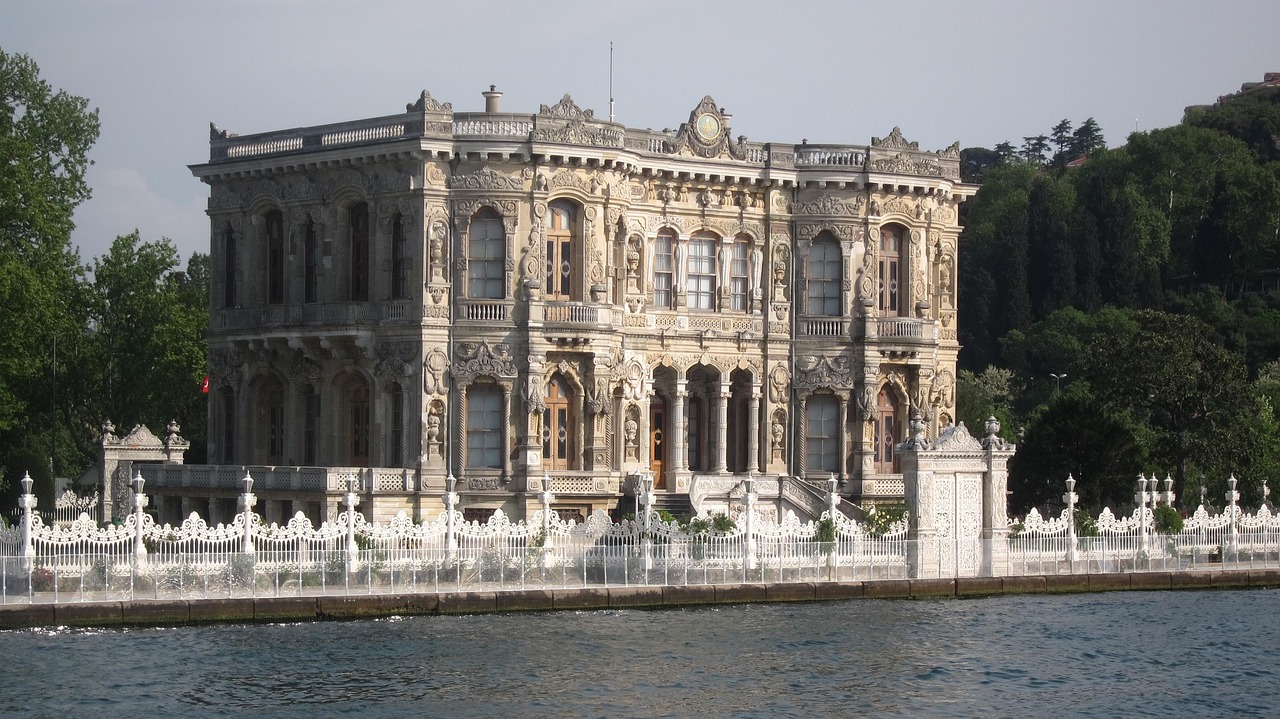
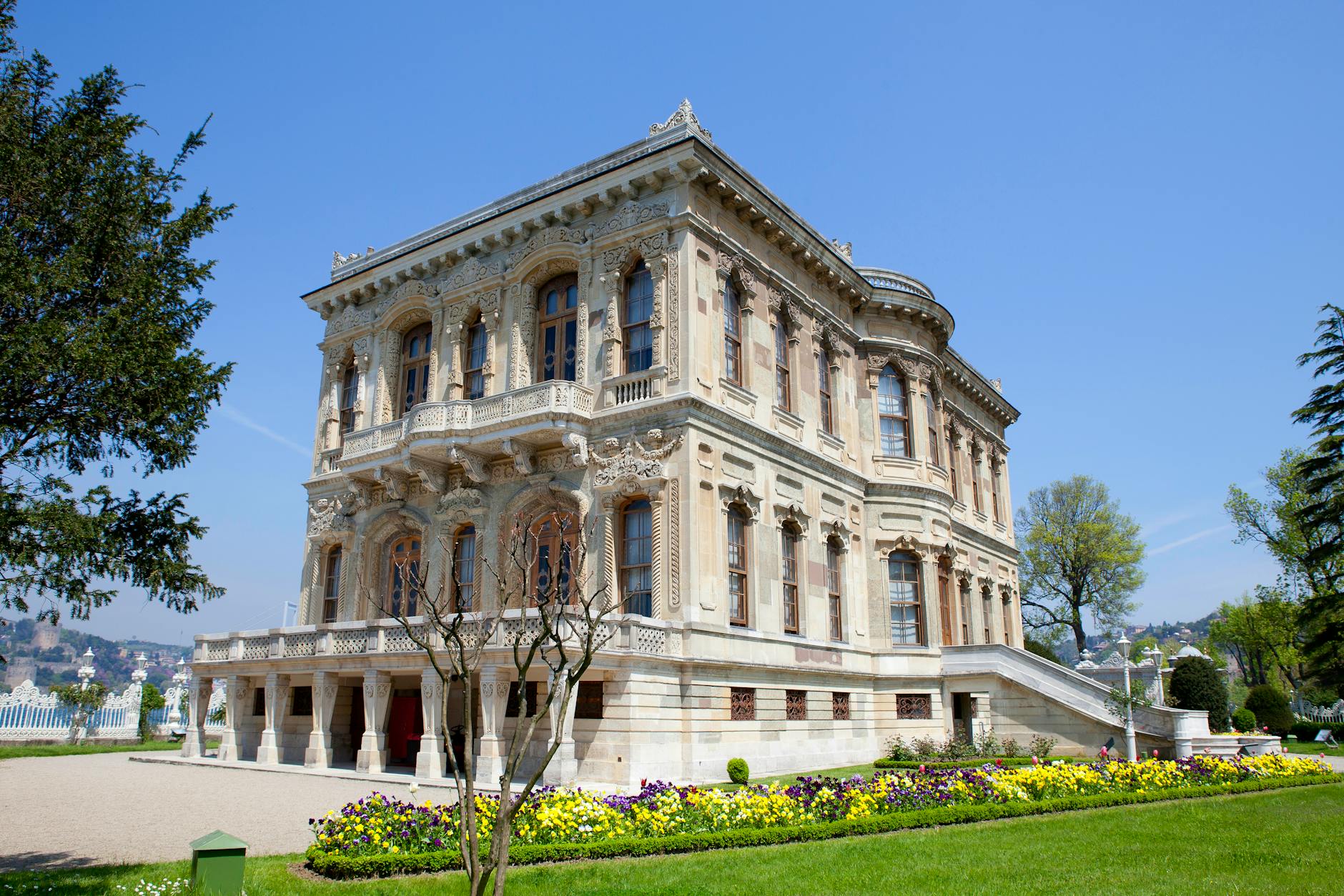
Most people treat the Asian side as a distant backdrop for their photos, but if you stay on the water for another twenty minutes, you’ll find the Küçüksu Pavilion. It sits on the embankment like an oversized, impossibly intricate wedding cake carved from marble. This is Ottoman Baroque at its most flamboyant, a “hunting lodge” that lacks a single bedroom because the Sultans only ever used it as a day-trip escape. It’s pure architectural ego, and it’s one of the few places where the 19th-century soul of the city hasn’t been buried under souvenir shops.
When I stepped off the ferry at the Küçüksu pier last week, the silence was immediate. I reached the ticket window at 11:05 AM and paid my 900 TL entry fee—which, at the current 2026 rate of 50 TL to the Euro, is 18 EUR—and realized I was one of only six people in the entire gardens. You can spend an hour tracing the relief carvings on the facade or staring at the Italian fireplaces without a tour guide’s megaphone ringing in your ears.
The trade-off for this peace is the ferry schedule; if you miss the return boat, you’re looking at a long bus ride or an expensive taxi back to Üsküdar. But there’s a simple fix for that: the small public tea garden right next to the palace gates. I sat there for forty minutes with a 20 TL glass of tea, watching the tankers navigate the hull-scraping turns of the strait, waiting for the 12:30 PM boat to take me back. It’s a sophisticated way to see the Bosphorus without the exhaustion of the “must-see” circuit.
The Beşiktaş-Küçüksu Ferry: A 35-Lira Sightseeing Cruise
Skip the overpriced private Bosphorus cruises that hustle you for 500 TL near the tourist squares; the real magic happens on a standard Şehir Hatları commuter ferry for a fraction of the price. For exactly 35 TL (0.70 EUR), the 10:45 AM line from Beşiktaş Pier to Küçüksu isn’t just a transit route; it is the most scenic, low-key “tour” in the city.
I caught this ferry last Tuesday, balancing a glass of tea from the onboard canteen while the morning mist cleared off the water. Unlike the frantic excursion boats, this ferry is peaceful, usually occupied by a handful of locals and students. As the boat nears the Asian shore, the view is peerless. Seeing the ornate, ivory-colored facade of the Küçüksu Pavilion from the water is the only way to truly appreciate Nigoğos Balyan’s mastery of symmetry. From the deck, the pavilion looks like a delicate jewel box placed right on the waves— a perspective you completely lose if you arrive by taxi or bus.
How to Catch the 10:45 AM Beşiktaş Ferry
Navigating the docks can feel a bit like a puzzle if you aren’t familiar with The Ultimate Guide to Public Transport in Istanbul, but this specific trip is one of the easiest to execute.
- Arrive at the Beşiktaş Şehir Hatları Pier (located right next to the Naval Museum) by 10:35 AM to avoid a last-minute dash.
- Top up your Istanbulkart at the yellow machines near the entrance; the fare is a flat 35 TL (0.70 EUR).
- Tap your card at the turnstiles—no pre-booking or paper tickets are required for these local lines.
- Head straight to the outdoor seating on the starboard (right) side of the boat for the best view of the pavilion as you approach.
- Disembark at the Küçüksu Pier, which drops you literally steps away from the pavilion’s garden gates.
Berk’s Insider Tip: If you miss the direct ferry back to Beşiktaş, walk 10 minutes to the Anadolu Hisarı bus stop and take any bus starting with ‘15’ to Üsküdar, then hop on the Marmaray or the ferry there.
Imperial Rococo: Architecture Carved Like Lace
Küçüksu Kasrı isn’t just a building; it’s a three-story jewelry box that makes the neighboring Rumeli and Anadolu fortresses look like crude stone heaps by comparison. While most visitors lose themselves in the sheer scale of Dolmabahçe, I’ve always found the real genius of the Balyan family legacy right here on the Asian shore. In 1857, Nigoğos Balyan moved away from the heavy, often brooding European styles of the era to create something that felt lighter, more “Istanbul.”
The Balyan Mastery of Ottoman Baroque
What Nigoğos achieved for Sultan Abdülmecid was a pivot toward Ottoman Baroque and Rococo architecture that prioritized movement and light. Last October, I spent an hour sitting on the sea-facing stone steps just watching how the afternoon sun caught the facade. The building doesn’t just sit there; it glows. Unlike the static, rigid lines of traditional Neoclassical structures, the exterior here is a riot of curves. While the Bulgarian Iron Church: Balat fascinates me for its industrial ingenuity, Küçüksu is its organic opposite—a testament to what can be achieved when marble is treated like silk.
The Marble Facade: Details in the Stone
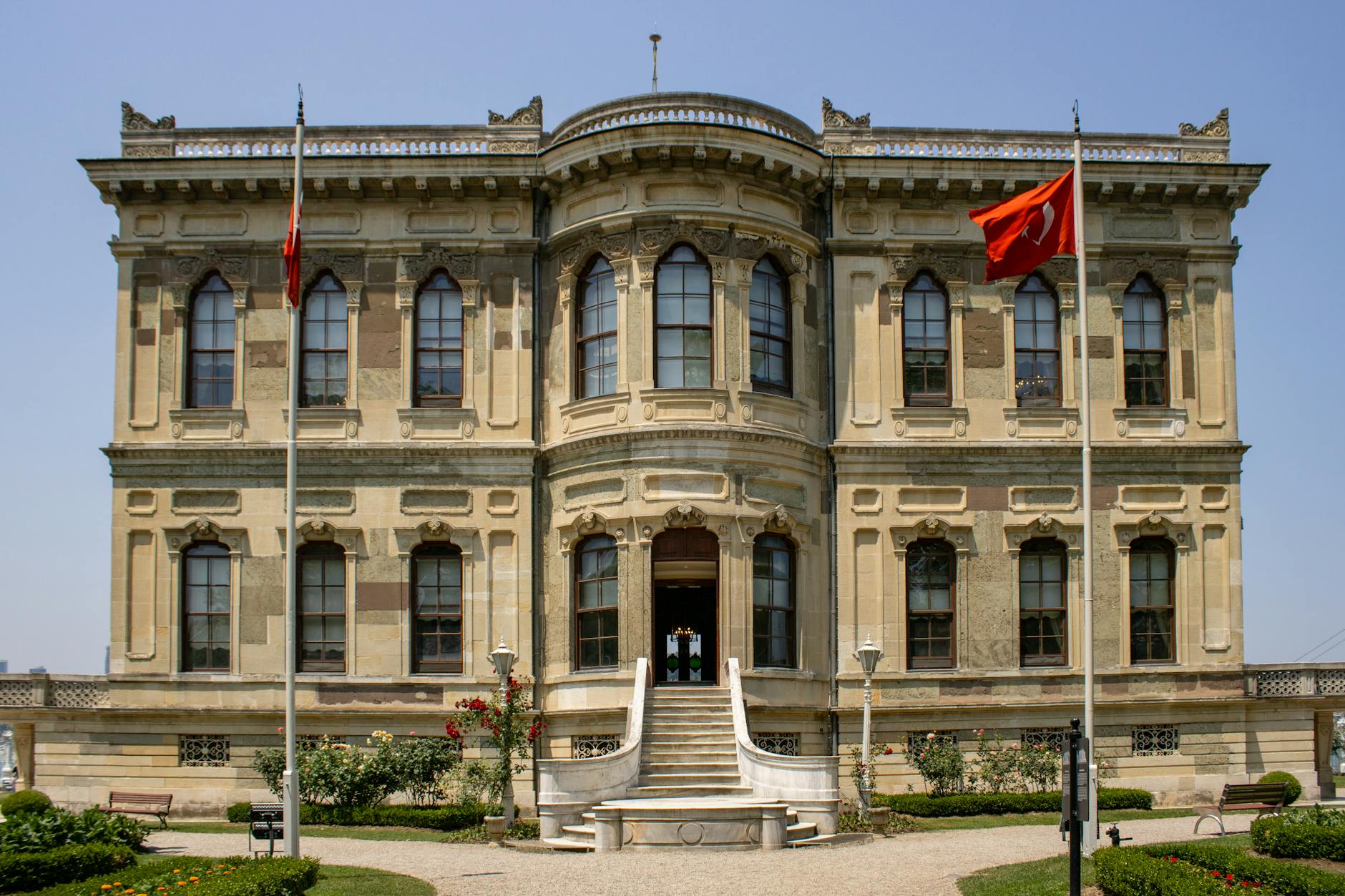
If you look closely at the relief carvings, you’ll see why this is often called “architecture carved like lace.” The marble facade is crowded with oyster shells, floral garlands, and ribbons. I’ve visited this spot dozens of times, and I still find new details in the acanthus leaves. A common mistake is rushing through the gate to get inside; don’t do that. Spend at least ten minutes walking the perimeter of the terrace. The sea-facing side is particularly ornate because it was designed to impress those arriving by imperial caïque.
The ‘No-Bedroom’ Mystery
The most frequent question I hear from confused travelers inside is, “Where do they sleep?” The answer is: they didn’t. Küçüksu is a ‘Biniş’ (boarding) pavilion, essentially a high-end day lodge used for hunting in the surrounding woods or resting after a Bosphorus excursion. Because there are no bedrooms, the floor plan is incredibly symmetrical, centering around a main hall. This lack of living quarters means the rooms are surprisingly intimate. One practical tip: the staircases are narrow and can get congested. If a large group enters, just step back into the garden for five minutes; the flow of traffic here is fast because there are no residential wings to get lost in. Entry for international visitors is 900 TL (18 EUR), a price that remains one of the best cultural values on the Bosphorus for this level of historical density.
2026 Entry Prices and Visitor Logistics
Paying 900 TL (18 EUR / 20 USD) for a pavilion that takes forty minutes to tour feels like a steep jump, but it is a solid investment to escape the crowds of the Sultanahmet district. While the Milli Saraylar (National Palaces) administration has hiked Küçüksu Pavilion 2026 prices significantly, the silver lining is the exclusivity it creates; last Tuesday at 11:00 AM, I had the entire “Seaside Room” to myself while friends at Dolmabahçe were texting me about a 90-minute wait in the sun.
Navigating the Museum Pass and Security
If you are carrying a Museum Pass Istanbul, your entry is covered, but don’t expect to breeze past everyone. There is no “fast track” for the mandatory security screening. You’ll still spend about 5-10 minutes in a queue for the X-ray machines. It’s a minor annoyance, but the staff is generally efficient. If the line looks long, grab a water from the kiosk first; there’s no shade in the immediate entry path.
The Monday Trap and Garden Access
One of the most common mistakes I see travelers make is showing up on a Monday. The pavilion interiors are strictly closed. However, if you find yourself stuck in the neighborhood, you can still buy a Garden Ticket for 100 TL (2 EUR). It allows you to walk the grounds and admire the rococo exterior carvings up close, which is where the best photos are taken anyway.
| Visitor Category | 2026 Fee (TL) | Practical Advice |
|---|---|---|
| Foreign Visitor | 900 TL | Valid for one entry; includes a free audio guide. |
| Museum Pass Holder | Included | Covers the fee, but you must still queue for security. |
| Garden Only (Mondays) | 100 TL | Best for those who only want the Bosphorus backdrop. |
| Palace Breakfast | 450 TL | Available at the on-site cafe; no museum ticket required. |
Berk’s Insider Tip: The pavilion cafe serves a ‘Saray Kahvaltısı’ (Palace Breakfast) for 450 TL (9 EUR). It’s a reliable way to dine with a direct Bosphorus view in a historic setting. I usually skip the overpriced cafes in central Beyoğlu and wait until I get here to eat by the water.
Inside the Jewel Box: Bohemian Crystal and Hereke Carpets
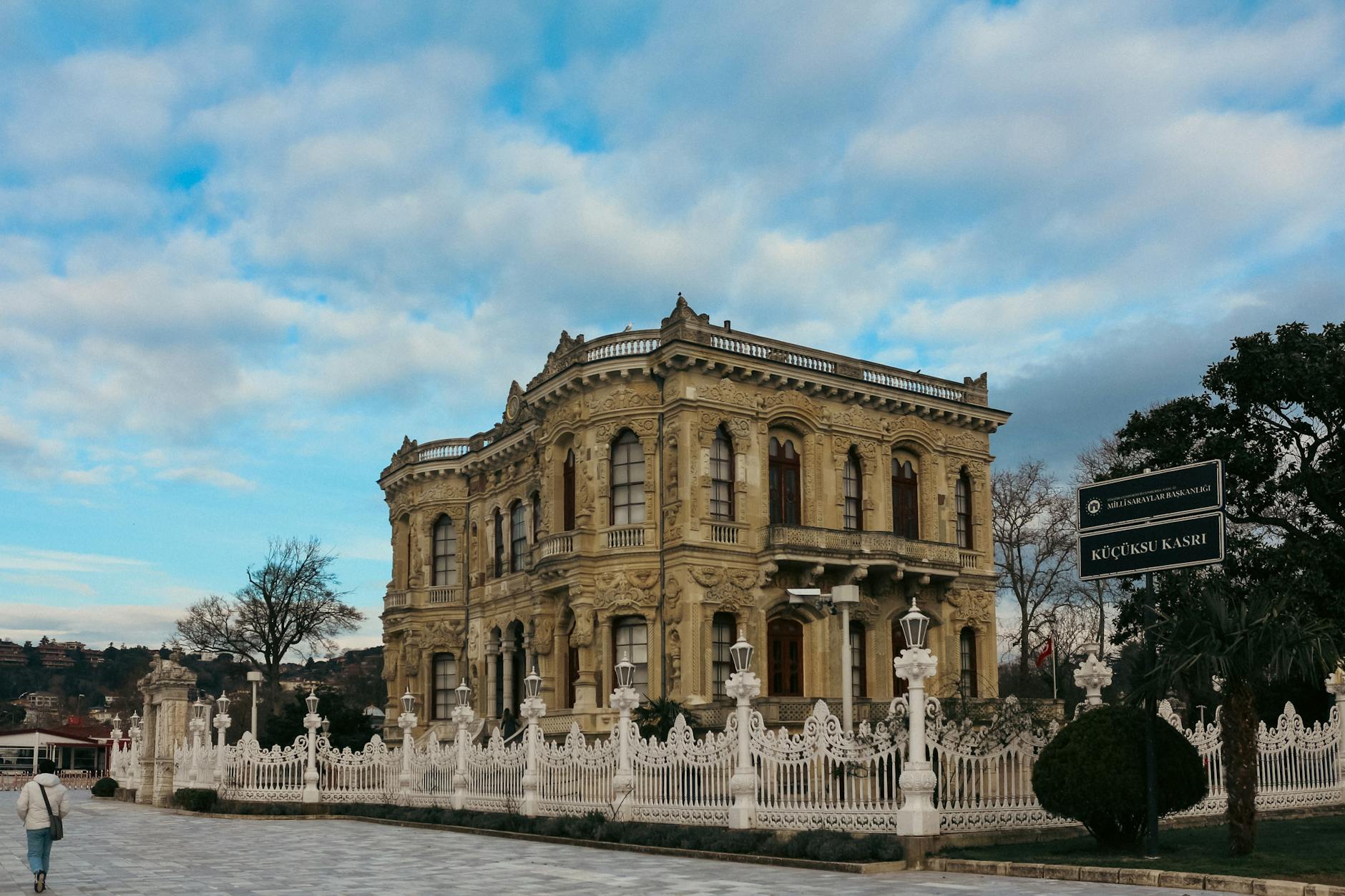
I’ve seen plenty of grand rooms in my fifteen years in this city, but Küçüksu Pavilion is essentially a 19th-century jewelry box masquerading as a hunting lodge. While Dolmabahçe is about sheer scale and intimidating visitors, this pavilion is about the surgical precision of Ottoman interior design. It is dense, opulent, and surprisingly intimate.
The first thing you’ll notice isn’t the gold, but the squeak of your own feet. You are required to wear blue plastic overshoes to protect the floor. It is a bit of a mood-killer for your outfit, but look down: the parquet flooring is a masterpiece of delicate marquetry. The wood is so fragile and the patterns so intricate that they’ve survived 170 years only because of these covers. If you’re visiting on a sunny morning, the light hits the wood grain in a way that makes the entire room feel like it’s glowing from the ground up.
A Masterclass in Marble and Silk
The fireplaces are the real stars of the ground floor. We aren’t talking about simple brick hearths; these are towering structures carved from vibrant Carrara marble and various colorful Italian stones. I once spent ten minutes tracing the violet veins in the marble of the main salon’s chimney—it’s mesmerizing. Each room has a unique chimney design that perfectly mirrors the Rococo carvings on the building’s exterior.
Berk’s Insider Tip: Photography is strictly forbidden inside the rooms to protect the textiles. Don’t try to sneak a photo; the guards are very observant and it ruins the vibe for everyone. Just soak it in with your eyes—it’s more memorable that way.
The textures inside are incredibly heavy and rich, a testament to the Sultan’s taste for global luxury:
- Bohemian crystal chandeliers that catch the Bosphorus light and scatter rainbows across the gilded walls.
- Silk Hereke carpets so densely knotted they look like velvet paintings spread across the floors.
- Sevres porcelain vases, many of which were diplomatic gifts, standing on delicate console tables.
- Gilded plasterwork on the ceilings that looks like it was piped on by a master pastry chef.
- Inlaid wooden furniture featuring mother-of-pearl and tortoiseshell details that you won’t find in modern replicas.
My favorite “hidden” detail is the view from the Sultan’s window on the upper floor. Standing there, you get a direct line of sight across the water to the towers of Rumeli Hisarı. It’s a perspective you simply cannot get from the European side; you see the fortress as a guardian of the strait. After an hour of soaking in this level of luxury, you’ll likely work up an appetite. I usually hop the ferry back towards the city center to find some Handmade Mantı and Garlic Yogurt Toppings in Kadıköy and Beşiktaş with 2026 Prices.
Beyond the Gates: Anadolu Hisarı and Waterfront Pide
You haven’t truly experienced the architectural whiplash of the Bosphorus until you walk the five minutes from the delicate, lace-like marble of Küçüksu Pavilion to the rugged, soot-stained stones of Anadolu Hisarı. This isn’t just a walk; it’s a 500-year time jump. While the pavilion represents the Ottoman Empire’s 19th-century obsession with European Rococo elegance, the fortress is pure 14th-century military grit, built by Bayezid I to choke off Byzantine supply lines.
I often find that the best way to appreciate this contrast is by standing on the small bridge crossing the Göksu River. If you time it for the late afternoon, the sun hits the pavilion’s facade with a golden glow while local rowing teams glide through the dark water under the bridge. It’s a scene that feels remarkably preserved, despite the modern traffic humming in the distance. The Yalı mansions lining the river here are some of the most prestigious in the city, but they feel more lived-in and less like museums than those in Arnavutköy.
Lunch Away from the Tourist Trap
The biggest mistake I see visitors make here is collapsing into the first flashy cafe right next to the ferry pier. The views are fine, but you’ll pay a “view tax” for mediocre frozen snacks. Instead, walk two blocks inland. Last March, I ducked into a bakery on Göksu Street at 1:45 PM to avoid a sudden downpour. I bought a tahini roll for 45 TL and sat on a flour sack while the owner explained how the 1999 earthquake shifted the foundation of his oven by three inches. While I frequently visit Traditional Black Sea Pide Houses in Fatih and Beyoğlu with Menu Prices when I’m on the European side, the local spots here offer a similar, unpretentious quality. Expect to pay about 225 TL (roughly 4.50 EUR or 5 USD) for a piping hot Kıymalı Pide (minced meat) that actually tastes like the neighborhood.
Anadolu Hisarı Sightseeing FAQ
Is there an entrance fee for the Anadolu Hisarı fortress?
Currently, you can admire the exterior and the massive defensive walls of Anadolu Hisarı for free. If the internal museum section is open during your visit, the entry fee is approximately 150 TL (3 EUR). I find the best experience is walking the perimeter and heading into the residential streets behind it, where you can see how the 14th-century stones have literally become part of the neighborhood’s backyard fences.
How do I get back to the European side from this area?
The most atmospheric way is the Şehir Hatları ferry, but check the schedule carefully as they can be infrequent outside of rush hour. If you miss the boat, grab any bus or yellow minibus (dolmuş) heading toward Üsküdar. From Üsküdar, you can take the Marmaray train or a 15-minute ferry back to Beşiktaş or Eminönü. A taxi to the Üsküdar hub will cost you about 350 TL (7 EUR), depending on the coastal traffic.
What is the best time of day to visit the Göksu River area?
Aim for the “Golden Hour,” about 90 minutes before sunset. This is when the light is soft enough to capture the intricate carvings of Küçüksu Pavilion without harsh shadows, and the rowing clubs are most active on the Göksu River. Midday can be quite hot and the light is too flat for good photography. Plus, the evening breeze off the Bosphorus makes the walk to the fortress much more pleasant.
Watching the Sunset from the Asian Shore
I usually find myself heading toward the pier just as the sun begins its slow dip behind the European hills across the water. If you can time it, aim to be at the pavilion grounds no earlier than 16:00. There is a specific window where the low, amber light hits that white marble facade, turning the heavy Rococo carvings into something that looks as light as piped silk. It’s a texture you completely miss in the harsh midday glare, which tends to flatten the intricate work of the Balyan brothers into a dull grey.
While the masses are busy elbowing each other for a glimpse of a crystal staircase at Dolmabahçe, I’m content sitting on one of the weathered benches by the Küçüksu quay. There’s a profound stillness here, punctuated only by the rhythmic thud of a ferry docking or the occasional 50 TL (1 EUR) tea being stirred at the small garden kiosk.
Istanbul is often sold as a city of “the biggest” and “the oldest,” but after fifteen years here, I’ve realized its true soul is tucked away in these smaller, concentrated moments. You don’t need a three-hour tour to feel the empire; you just need twenty minutes on this lawn when the light is right. Catch the 18:10 ferry back toward the city center; watching the pavilion’s silhouette shrink against the darkening Anatolian coastline is the most honest way to end a day on the Bosphorus.
Comments
Share your thoughts with us