
I usually tell people to skip Büyükada if they actually want to breathe. These days, the largest island feels more like a frantic open-air shopping mall than a retreat, and I have zero interest in fighting crowds just to see a mansion I can’t get close to. Instead, I point them toward the pine-heavy scent of Heybeliada—provided they can navigate the 2026 ferry chaos without losing their mind.
Last Thursday, I found myself at the Kabataş pier at 8:50 AM, clutching a lukewarm tea and watching the digital board flicker. The fare for the public Şehir Hatları ferry has hit 135 TL—exactly 3 USD at the current rate—which feels steep to those of us who remember the “good old days,” but it remains the best investment you’ll make for a day of sanity. The queue was already snaking toward the street, but here is the trick: if the public line looks like a protest march, walk fifty meters down to the private Mavi Marmara docks. You’ll pay about 180 TL (roughly 4 USD), but you’ll actually get a seat with a view rather than a face-full of someone’s backpack for ninety minutes.
Stepping off the boat at Heybeliada, the first thing that hits you isn’t the noise of the city, but the heavy, resinous aroma of the forest meeting the sea. The electric buses hum quietly past the pier—a massive improvement over the chaotic, often cruel horse carriage days, even if the sleek white vehicles look a bit like oversized golf carts. I usually avoid the waterfront cafes immediately to the right of the terminal; they are fine for a quick water, but the service is often as rushed as the ferry schedule. Instead, I take the sharp left toward the Naval High School and start the climb. By the time I reached the wooden gates of the forest path near Değirmenburnu last week, the humidity of the mainland felt like a distant memory. Up here, among the leaning timber facades of the 19th-century mansions, Istanbul finally stops shouting at you.
Navigating the 2026 Ferry Maze: Prices and Piers
Arriving at the Kabataş pier five minutes before the 9:00 AM ferry departure isn’t “local living”—it’s a tactical error that guarantees you’ll be standing for 90 minutes next to a vibrating engine room. If you want a seat on the upper deck where you can actually see the city skyline shrink behind you, show up at least 20 minutes early. I learned this the hard way last Tuesday when I thought I could breeze through; I ended up wedged between a stack of luggage and a very enthusiastic school group.
The logistics can be a bit of a headache if you aren’t prepared. Top up your Istanbulkart before you even approach the pier. Watching a line of confused day-trippers struggle with the kiosks while the ferry whistle blows is a tragedy I see daily. Use the machines at the tram stops or the “İstanbul Senin” app beforehand.
You’ll have to choose between the grand, nostalgic Şehir Hatları (public) vessels and the smaller, faster Mavi Marmara (private) boats. While the private boats shave about 15 minutes off the trip, you lose the soul of the journey—the wide wooden decks and the ability to pace around. It’s a similar trade-off to when I prefer the boat commute in Where the City Meets the Sea: My Practical Guide to the Arnavutköy and Bebek Coastline; the transit itself is the best part of the day, so why rush it?
Ferry Comparison & Costs
| Operator | Price (Foreigner) | Time from Kabataş | Best For… |
|---|---|---|---|
| Şehir Hatları | 135 TL ($3 / €2.70) | 90-100 mins | Fresh air & tea on deck |
| Mavi Marmara | 225 TL ($5) | 70-75 mins | If you overslept the 9 AM |
| Dentur (Beşiktaş) | 225 TL ($5) | 80 mins | Staying in Beşiktaş/Ortaköy |
| Turyol (Eminönü) | 220 TL ($4.90) | 85 mins | Last-minute departures |
Berk’s Insider Tip: In 2026, the public ferry (Şehir Hatları) for foreigners is 135 TL (approx. $3 / €2.70). Don’t bother with the private speedboats unless you’re late; they charge 225 TL ($5) and you miss the deck experience.
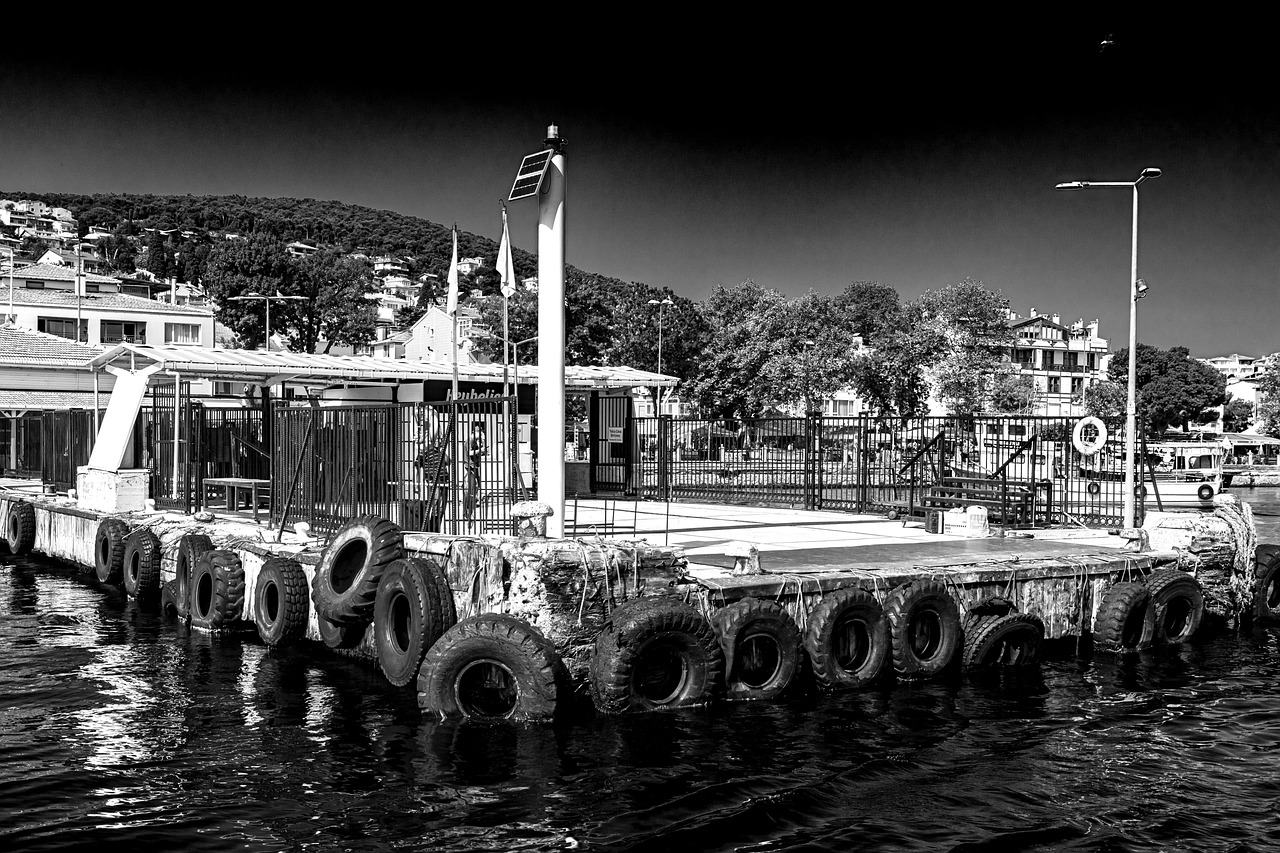
The Silent Sentinels: Exploring Wooden Mansions on Refah Şehitleri
Refah Şehitleri Avenue is the only place in Istanbul where architectural decay feels like a deliberate, poetic design choice rather than a maintenance failure. While most day-trippers march straight toward the electric shuttle ranks, I always peel off toward this stretch of road. It’s the ultimate Heybeliada walking route for anyone who prefers the creak of century-old timber to the hum of a tourist bus. The mansions here, built by the Ottoman architecture elite, aren’t just houses; they are aging aristocrats holding their breath.
The Grand Dame of Heybeliada
The highlight for me is always the Merit Halki Palace. It’s the oldest hotel on the island, and frankly, it puts modern luxury to shame with its sheer character. Most people walk right past it, but you need to stop and look at the “gingerbread” woodwork. The intricate cumba (bay windows) and hand-carved eaves are mesmerizing. Last summer, I spent twenty minutes squinting at a floral carving on the balcony until a gardener asked if I was a lost architect. If the paint is peeling in spots, don’t let it bother you; that’s just the island’s salt air claiming its due. A practical fix for the uphill climb is to stop at the small café just before the palace for a 90 TL (roughly 2 EUR) lemonade to catch your breath.
The Feline Landlords
You’ll notice the cat-to-human ratio on this street is roughly five-to-one. These aren’t just strays; they are the self-appointed guardians of the wooden mansions. I’ve learned the hard way that walking this path without “bribes” is a social faux pas. I usually pick up a small bag of treats at the market near the pier for about 45 TL (1 USD). It turns a solitary walk into a parade, as you’ll likely be escorted by at least three tabbies. This preservation of local character is as vital as the stone history I admire in The Guardian of the Bosphorus: Why I Never Get Tired of Rumeli Hisarı, but Heybeliada’s residents seem particularly entitled to your attention.
Architectural Details to Spot
- Ornate Finials: The decorative spikes on the roof gables, often shaped like cypress trees.
- Original Iron Knockers: Many doors still feature heavy brass or iron knockers in the shape of hands or lions.
- Lattice Work: Look for the kafes (lattices) on windows, originally designed for privacy in Ottoman homes.
- Terraced Gardens: Notice how the foundations are built into the steep rock to maximize the sea view.
- Art Nouveau Flourishes: Several mansions from the late 19th century mix traditional wood with curvy, European-style iron railings.
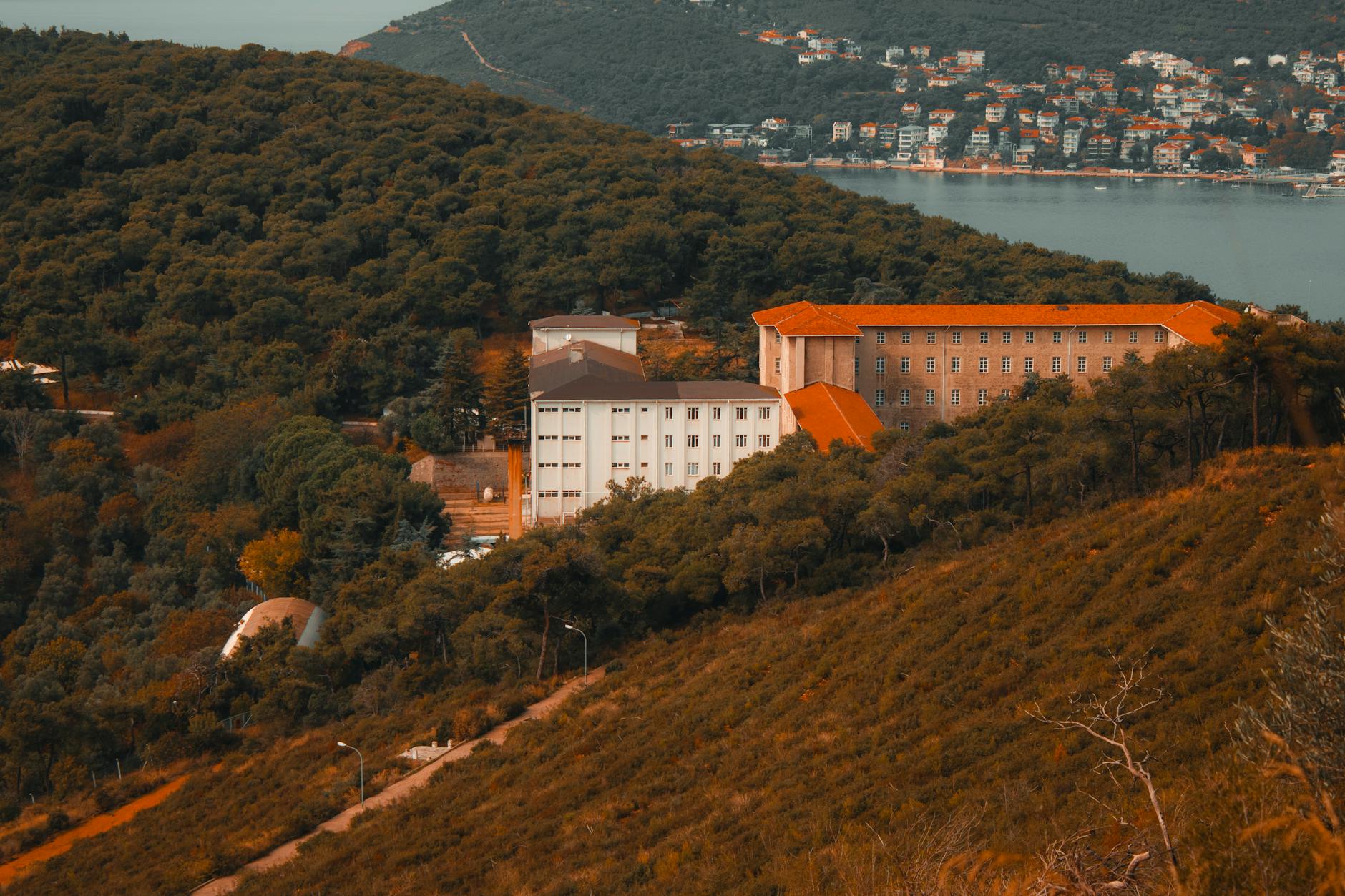
The Hike to Halki Seminary: A 2026 Visitor’s Reality
If you take one of those oversized electric golf carts to the top of Ümit Hill, you’re essentially paying to miss the very stillness you came to the islands to find. I’ve lived in this city long enough to see the old horse-drawn carriages replaced by these silent electric “taxis,” and while they’re better for the horses, they’ve turned the ascent into a bit of a transit hub. Ignore them. The 15-minute hike is steep, yes, but it’s the only way to earn the view.
Last Tuesday, I misjudged the incline of Ümit Hill and arrived at the Seminary gate at exactly 3:55 PM. The guard already had his hand on the heavy iron bolt. I had to plead in my best broken Turkish to get a five-minute look at the courtyard; they do not bend the rules for anyone arriving after 4:00 PM, no exceptions. Walk it instead. Your calves might complain for the first ten minutes, but once the scent of the maritime pines hits you halfway up, you’ll understand why this hill was chosen for solitude.
The Garden of Silence and the 10:00 AM Rule
The Halki Seminary, or Aya Triada, operates on island time, but with a strict gatekeeper. The visiting window is narrow—10:00 AM to 4:00 PM. If you show up at 4:05 PM, the wrought-iron gates will stay firmly shut, and no amount of “I came all the way from London” will change that.
Once inside, the garden is arguably the quietest spot in all of Istanbul. It’s a surreal bubble where the roar of the city’s 16 million people is replaced by the rustle of leaves and the occasional peacock cry. It is a place of immense weight for the Eastern Orthodox world, and you can feel that gravity in the manicured paths.
A Glimpse into the Library
While the seminary has been closed to students since 1971, the spirit of the place remains in its world-class library. You generally can’t wander through the stacks—this isn’t a public branch library—but peering through the glass partitions at the leather-bound theological collections is a humbling experience. It’s one of the most significant historical collections in existence, and the hushed atmosphere inside the building makes you want to whisper even when nobody is around.
Berk’s Insider Tip: The Seminary is often closed on certain religious holidays or for private events. Ask the tourism office booth near the Heybeliada pier before you make the uphill trek.
The ‘Small Tour’ Loop: Forest Paths and Hidden Coves
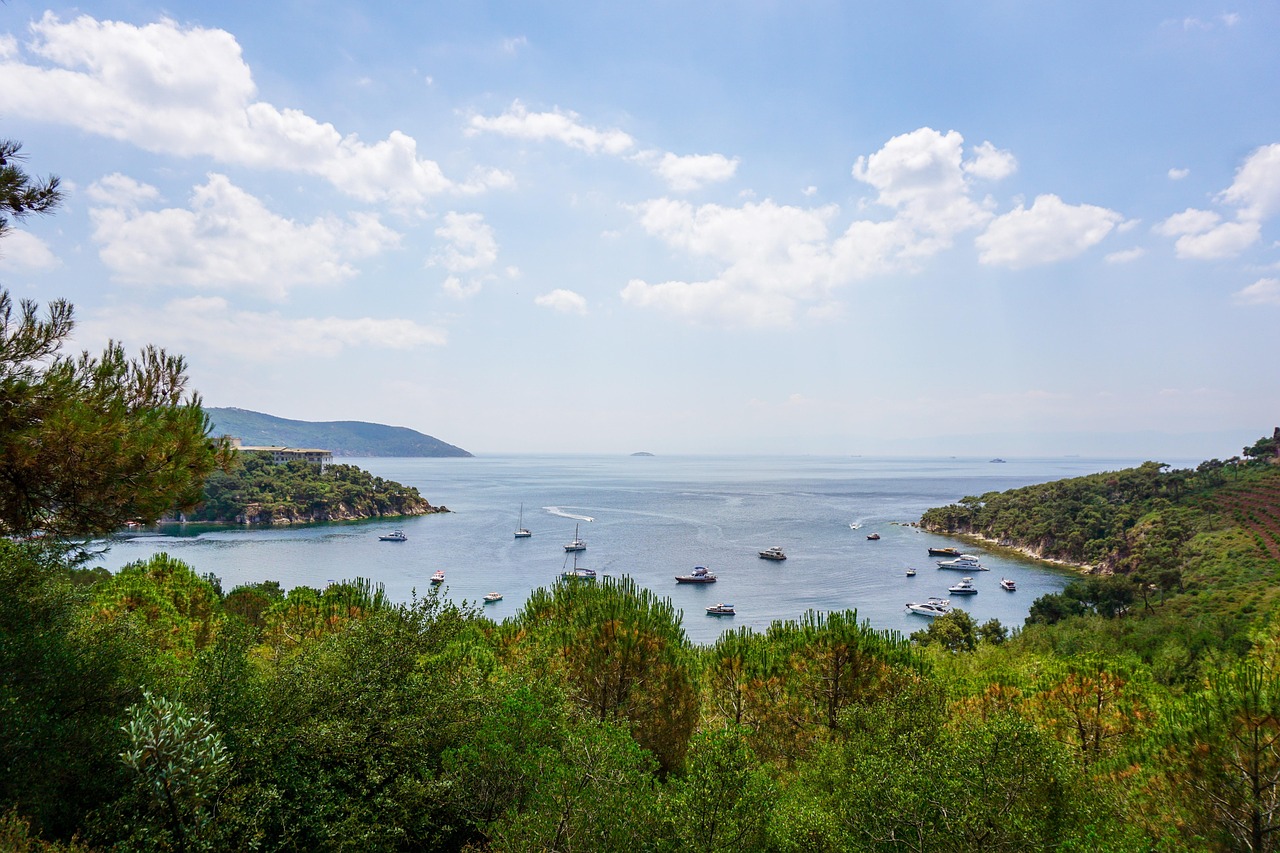
Paying 60 TL (about $1.35) to enter Değirmenburnu Nature Park is the best investment you’ll make to buy back your sanity from the pier-side chaos. While the ferry terminal can feel like a fever dream of melting ice cream and frantic day-trippers, the moment you pass the turnstiles of the park, the volume drops by half. I’ve spent countless Saturday afternoons sitting on the pebbled shore here, watching the distant silhouette of the city shimmer in the heat haze while I remained perfectly cool under the canopy.
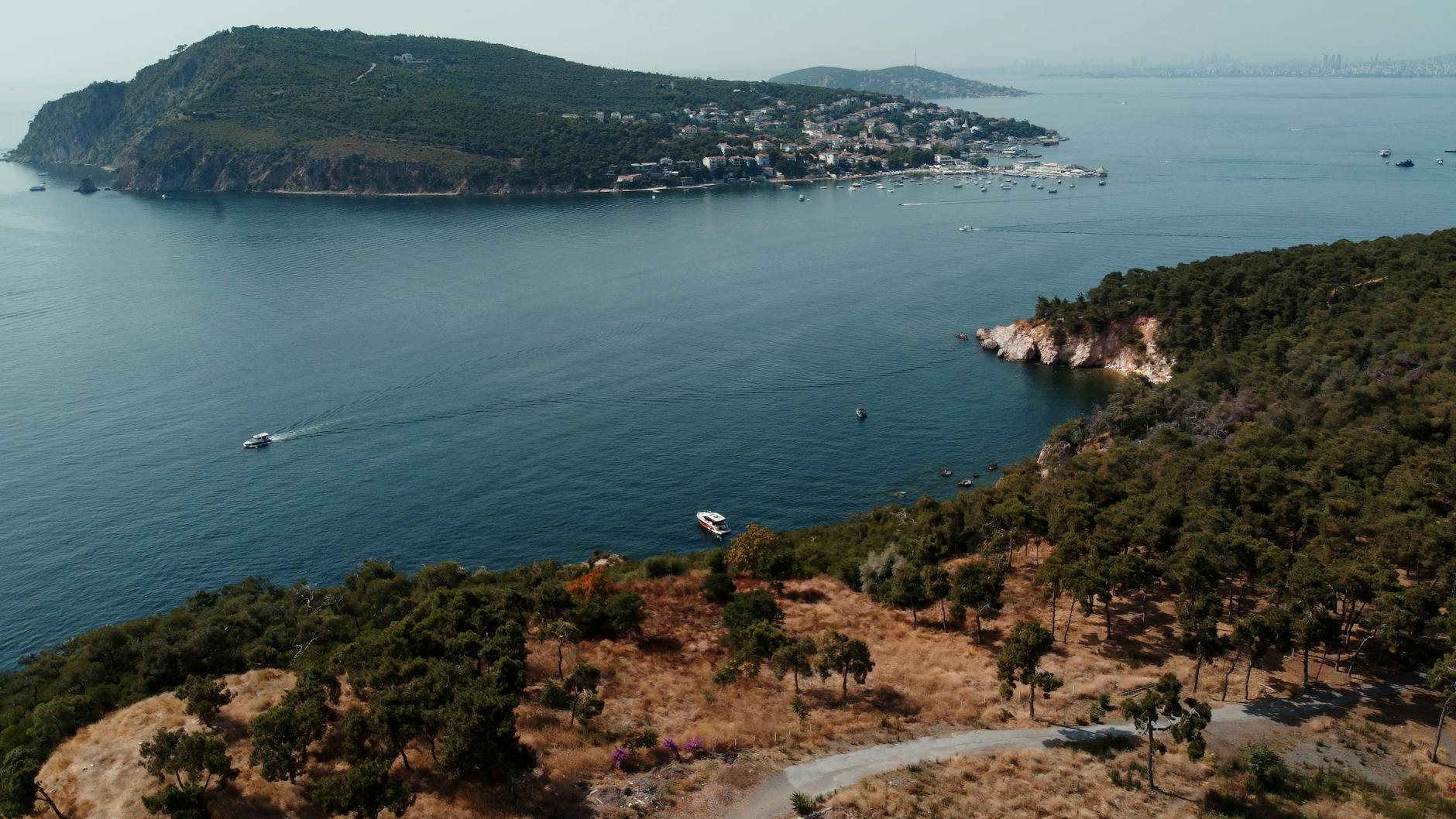
Heybeliada is known as ‘Saddlebag Island’ because of the way its hills dip in the middle, and you’ll feel that topography in your calves. What sets this island apart from its bigger brother, Büyükada, is the sheer density of the pine forests. The scent of the red pines is thick and resinous, especially around 2:00 PM when the sun hits the needles just right. It’s a cleaner, sharper air that makes you realize how much exhaust you actually breathe back in Kadıköy.
As you follow the “Small Tour” (Küçük Tur) path, keep your eyes peeled for the stone ruins of the abandoned windmill. It’s not just a pile of rocks; it’s the ultimate landmark. Standing there, looking out over the Marmara Sea, you get a 270-degree view that makes the climb worth every drop of sweat. If you see a crowd gathering for a selfie at the first clearing, keep walking for another five minutes—there’s a secondary ledge near the mill that usually stays empty.
Berk’s Insider Tip: If the electric ‘Adabüs’ buses are packed, walk behind the naval academy. It’s a flat, scenic route that leads to the southern forest paths without the crowd.
How to Navigate the Heybeliada walking route
- Disembark the ferry and turn right immediately, walking past the naval academy gate.
- Pay the 60 TL entry fee at the Değirmenburnu Nature Park entrance to access the quietest coastal paths.
- Follow the main paved road upward as it transitions into the forest trail marked for the ‘Small Tour’.
- Locate the stone ruins of the old mill on the ridge for the best panoramic photos of the neighboring islands.
- Continue the loop clockwise to descend back toward the center, passing the historic wooden mansions of the upper district.
- Stop at a local grocery store (Market) on the way down to grab a cold drink before heading back to the pier.
Island Fuel: Beyond the Overpriced Tourist Menus
The most expensive mistake you can make on Heybeliada is sitting down at the first three restaurants you see immediately after stepping off the ferry. These establishments essentially charge a “proximity tax” for people who are too hungry or too tired to walk another five minutes. The quality is rarely offensive, but the prices are often purely fictional until the bill arrives. I’ve seen unsuspecting visitors pay double the city rate for a mediocre plate of calamari just because they stayed within sight of the pier.
Walk past the shouting waiters and head slightly deeper into the side streets. My reliable anchor is Mavi Restoran. It’s where you go for meze that actually tastes like it was made in a kitchen, not a factory. On a recent Saturday afternoon, a generous spread for two—including four cold mezes, a hot starter, and soft drinks—came to about 1,500 TL ($33). I find this honesty in pricing and flavor refreshing, much like why I think The Yedikule Dungeons are the only honest place left in the city.
For those planning to spend their afternoon on the forest paths rather than a restaurant chair, hit the local bakeries. I stopped at Nazlım Pastanesi on the main strip at 10:15 AM to grab a small bag of mastic cookies for 45 TL. I made the mistake of setting them on a peeling green bench for two seconds to adjust my camera lens; a resident seagull swooped in and made off with the entire bag before I could even take a bite. These spots offer a grit and local flavor that reminds me of the atmosphere in The Grease and Iron of My Favorite Walk Through Perşembe Pazarı. A couple of fresh pastries in your bag will cost less than a single coffee at a “view” cafe and keep you going until sunset.
Heybeliada Dining FAQ
Is there a “cover charge” at island restaurants?
Yes, most sit-down restaurants in the Prince Islands, including Heybeliada, charge a “kuver” (cover fee). This usually covers bread, water, and service, typically ranging from 50 TL to 100 TL per person. Always check the menu for this fine print. If you see an unexpected “service charge” of 10% on top of that, it’s standard in 2026, so don’t feel targeted—just ensure the service actually earned it.
Do I need to make a reservation for Rakı-Balık?
If you’re visiting on a weekend between May and September, a reservation is a survival tactic. By 2:00 PM, the best tables with a breeze are usually snatched up. However, if you’re a solo traveler or a couple visiting on a Tuesday or Wednesday, you can usually walk into places like Mavi Restoran and get a prime spot without calling ahead.
What is the cheapest way to eat on Heybeliada?
Skip the seafood entirely and head to the small “büfe” (kiosks) or the local grocery stores (like A101 or Şok) near the center. You can grab fresh bread, some white cheese, and olives for under 300 TL ($6.60) and have a picnic at Değirmenburnu Nature Park. It’s a much more “local” experience than fighting for a waiter’s attention at a crowded pier-side bistro.
The Late Ferry and the Marmara Reality
Don’t be one of those frantic day-trippers who rushes back to the pier at 4:00 PM just because they’re afraid of missing a dinner reservation in Sultanahmet. The real soul of Heybeliada only reveals itself when the day-tripper crowds thin out and the late afternoon light hits the peeling white paint of the mansions at just the right angle.
My advice? Aim for the 7:15 PM Şehir Hatları ferry back to the city. It’ll set you back about 85 TL (roughly 1.70 EUR) on your Istanbulkart, which is the best value theater ticket you’ll ever buy. Grab a seat on the upper aft deck. As the boat pulls away, the Istanbul skyline begins to transform into a jagged silhouette against a bruised purple and orange sky. It’s the kind of view that makes even a cynical local like me actually put my phone away and just breathe.
But here is the reality check: that Marmara breeze is a pathological liar. It feels like a gentle caress while you’re standing still on the pier, but once the ferry hits full speed, it turns into a direct assault. I once made the mistake of staying out there in nothing but a light linen shirt, trying to look “island-chic” while my teeth were literally chattering. I ended up hiding behind a stack of life vests like a stowaway just to break the wind. Bring a proper sweater or a windbreaker, even if you think you’re “tough.” If you still find yourself shivering, head to the canteen and grab a tulip-shaped glass of tea for about 40 TL (less than a dollar). Holding that hot glass against your palms is the only island ritual that actually matters when the sun goes down.