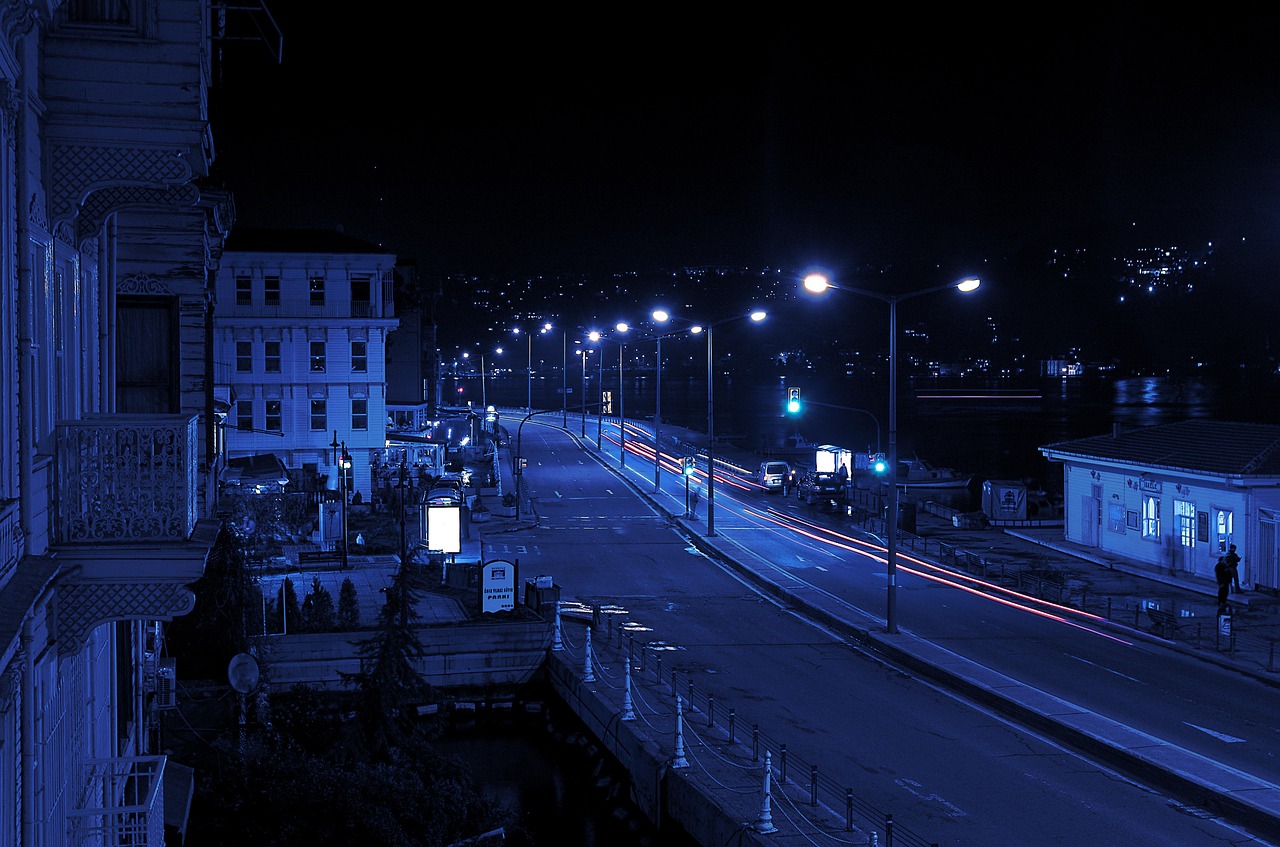
The air at the Karaköy pier gets surprisingly quiet once the 12:20 AM ferry to Kadıköy pulls its ramp and disappears into the dark Bosphorus. I’ve stood there many times over the last fifteen years, watching the same scene: a handful of travelers staring at their watches while the city’s lights dance on the water. It’s a moment that feels like an ending, but in Istanbul, the night is just shifting gears. Crossing between continents after the boats go to sleep is an art form—one that trades the rhythmic chug of the ferry for the neon-lit hustle of the bridge-bound buses and the yellow minibuses we call dolmuş.
How to Cross the Bosphorus After Midnight
Follow these steps to navigate Istanbul’s nighttime transit system and ensure you can cross between Europe and Asia after the ferries stop running.
- Check the Day of the Week: Confirm if it is a weekend night. In 2026, the M2, M4, and M5 Metro lines only operate 24 hours on Friday and Saturday nights. On weekdays, you must rely on the Metrobüs, night buses, or taxis.
- Top Up Your Istanbulkart in Advance: Ensure your card has a balance of at least 100 TL. Night fares (00:30–05:30) on the Metro and buses are charged at a double rate, typically costing 50 TL per ride.
- Head to a Primary Transport Hub: Navigate to Beşiktaş square for the yellow dolmuş vans, Taksim Square for the M2 Metro, or the Zincirlikuyu station for the 24/7 Metrobüs line.
- Prepare Small Cash Notes for Dolmuş Vans: If you choose the yellow minibus, carry 20, 50, or 100 TL notes. These drivers do not accept Istanbulkart or credit cards; the 2026 fare ranges from 60 to 85 TL.
- Verify the Taximeter and Bridge Tolls: If taking a taxi, ensure the driver starts the meter. Be prepared to pay the additional bridge toll (approx. 40-50 TL) which is added to the metered fare when crossing from Europe to Asia.
Just last Friday, I found myself at the Beşiktaş square at 1:30 AM, right by the statue of the eagles. The queue for the yellow dolmuş to Bostancı was twenty people deep, yet it moved with a frantic, beautiful efficiency. A couple next to me was worried about being “stranded,” but three vans arrived in less than five minutes. For exactly 65 TL—roughly 1.30 EUR or 1.45 USD—we were squeezed into the back bench, the driver weaving through the light traffic of the bridge with the kind of confidence only a man who has driven this route ten thousand times can possess. It’s faster than any ferry, and while you might miss the salty breeze of the deck, the view of the bridge’s glowing arches from the window of a speeding van is its own kind of Istanbul magic.
The Weekend Metro Lifeline: 24-Hour Service
If you finish a late dinner in Beyoğlu on a Friday night, the M2 Metro is the best bet for getting home safely without the headache of negotiating with a taxi driver. Having lived here for fifteen years, I’ve watched the city’s midnight rhythm evolve, and the 24-hour weekend service is easily the most practical upgrade we’ve seen. It turns what used to be a stressful trek across the Golden Horn into a predictable journey. If you are staying further up the line and planning to visit the Kurtuluş and Feriköy walking route through local delis and organic markets with 2026 prices, the Osmanbey station remains open throughout the night on weekends.
The Midnight Price Jump
Don’t be confused when your Istanbulkart makes a different sound at the turnstile after midnight. At exactly 00:30, the system switches to the Night Metro fare, which is double the standard price. In 2026, a single ride during the day costs 25 TL, but once the clock strikes half-past midnight, you’ll be charged 50 TL (exactly 1 EUR).
I stood at the Taksim station entrance at 2:15 AM last Saturday and watched a group of travelers get stuck because they only had 30 TL left on their cards. The top-up machine nearby was only accepting crisp 50 TL notes, and their crumpled 100 TL bill kept getting spat out. I handed them my spare card, but the lesson was clear: keep a flat 50 TL note tucked behind your phone case for these exact moments.
Safety and Wait Times
While the daytime trains are frequent, the night service requires patience. Expect a wait of 20 to 30 minutes. However, the trade-off is the atmosphere. I find the M2 Yenikapı-Hacıosman line to be the cleanest way to travel late at night. The stations are well-lit, security is present at every entrance, and the carriages are usually filled with locals heading home. If you’re heading to the Asian side via Kadıköy, the M4 Metro offers the same reliability. Just keep an eye on the digital boards; if it says 22 minutes, it really means 22 minutes.
| Metro Line | Active Weekend Hours | Night Frequency | Night Fare (2026) |
|---|---|---|---|
| M2 (Hacıosman) | 24 Hours (Fri/Sat) | 20-30 Minutes | 50 TL (~1 EUR) |
| M4 (Kadıköy) | 24 Hours (Fri/Sat) | 20-30 Minutes | 50 TL (~1 EUR) |
| M5 (Üsküdar) | 24 Hours (Fri/Sat) | 30 Minutes | 50 TL (~1 EUR) |
The Yellow Dolmuş: The Local’s Secret Speedboat on Wheels
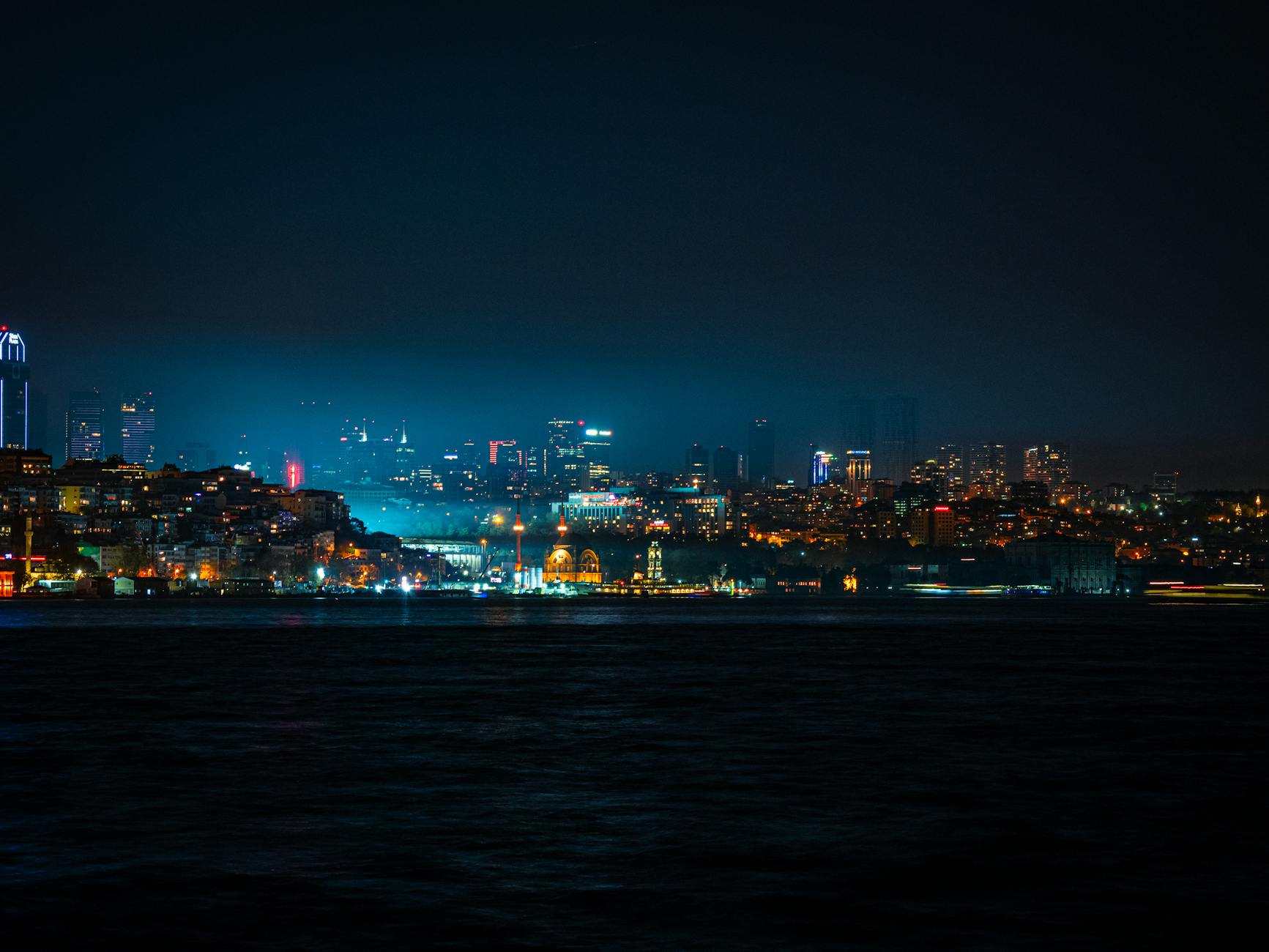
If you’re standing on the Beşiktaş shoreline at 2:00 AM wondering how to get back to the Asian side, look for the bright yellow vans huddled behind the ferry terminal. While the city sleeps, the yellow dolmuş is the only thing keeping the connection between Europe and Asia alive at a blistering pace. I still get a minor adrenaline rush when a driver merges onto the bridge like he’s trying to win a Grand Prix. It is the most efficient way to cross the Bosphorus after the ferries stop running.
Logistics and the “Cash Only” Rule
Finding the terminal is simple. In Beşiktaş, they congregate in the small plaza right behind the main Kadıköy ferry pier. You’ll see a queue of people—usually a mix of tired bartenders and night owls—waiting in an orderly fashion. Unlike the buses or the Marmaray, your Istanbulkart is useless here. You must pay in cash. For the 2026 season, the flat rate for the Beşiktaş-Kadıköy line is 60 TL ($1.33).
The beauty of this system is the speed. Because these drivers are paid per trip, they don’t linger. I once timed a trip from the Beşiktaş stand to the heart of Kadıköy at exactly 12 minutes. If you are worried about the routes or how to pay while sitting in the back, check out these yellow dolmuş routes and payment tips for faster travel between Beşiktaş, Taksim, and Kadıköy to handle the “money pass” like a local.
Crossing the Bridge on the Metrobüs 34G
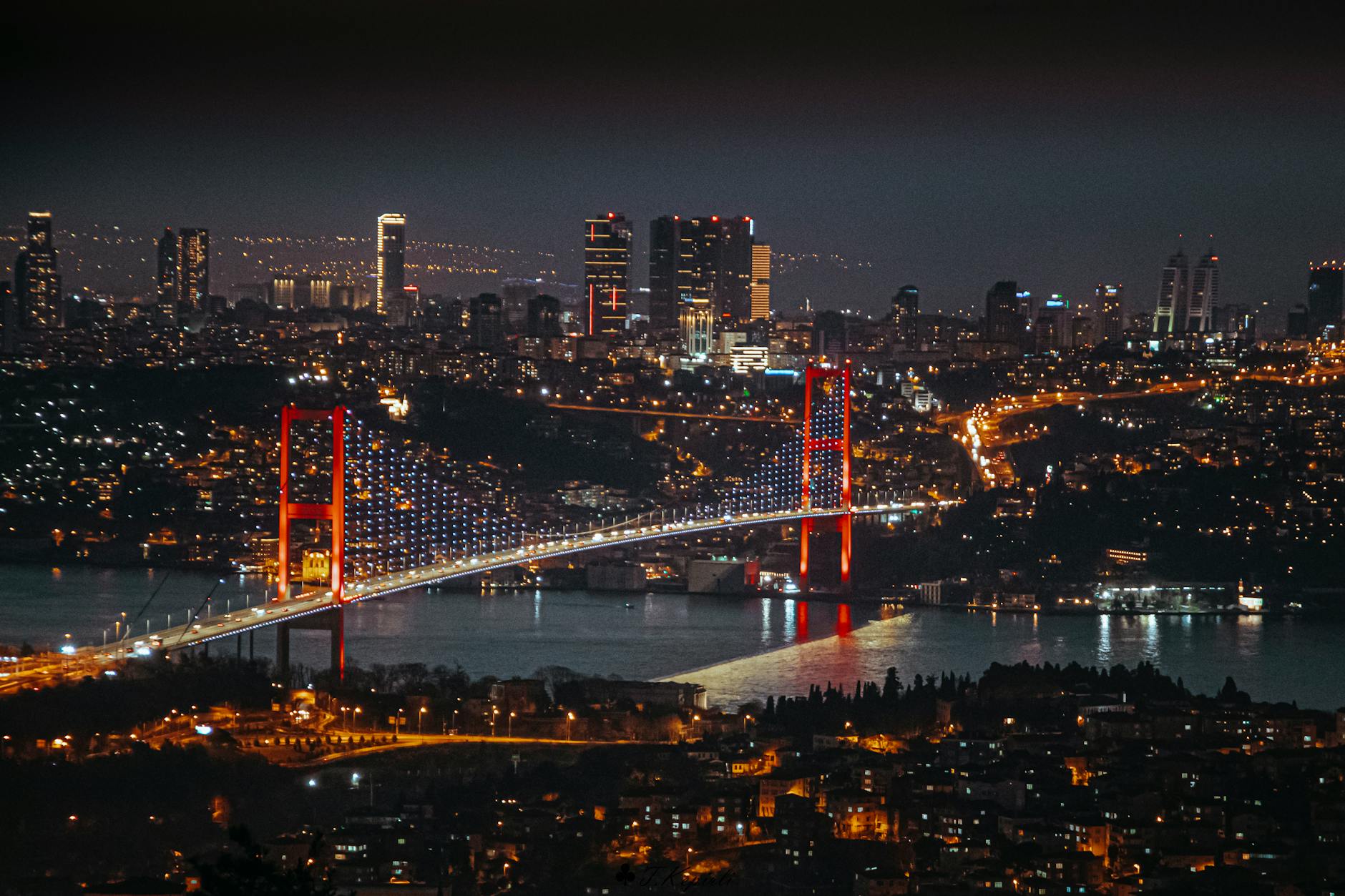
The Metrobüs is the gritty backbone of Istanbul, and at 3 AM, the 34G line is your only guaranteed lifeline for crossing the 15 July Martyrs Bridge without a hefty taxi fare. While the rest of the city’s transport pulse slows, this dedicated lane stays alive 24/7. I’ve spent countless nights standing on the platform at Zincirlikuyu, watching the mist roll off the Bosphorus. It’s a crossroads where you’ll see weary musicians carrying instrument cases and travelers who stayed out just a little too long at the bars along the Arnavutköy and Bebek coastline.
A single ride in 2026 costs roughly 35 TL (about 0.70 EUR). It’s an incredible bargain for a trip that spans two continents. The vibe is utilitarian and the lighting is harsh, but the efficiency is unmatched. If the platform feels lonely, just wait a few minutes; a bus arrives every 10 to 15 minutes even in the dead of night.
Late Night Taxis and Ride-Hailing Reality
Taxis in Istanbul after 2 AM are a gamble you shouldn’t play without a digital paper trail. While most drivers are just finishing a long shift, the “night owls” hanging around tourist hubs often develop a mysterious case of a “broken” taximeter. They’ll offer you a “fixed price” that is invariably double or triple the actual fare.
The most important number to remember for 2026 is 150 TL ($3.33)—that is the current minimum fare for any taxi ride. However, for a cross-Bosphorus journey, you must account for the bridge toll. I recently took a Yellow Taxi from Beşiktaş to Kadıköy at 3:15 AM; the meter read 380 TL, but with the bridge fee added, the total came to about 450 TL ($10).
To keep things honest, I always consult a guide on navigating Istanbul taxis and ride hailing apps with 2026 pricing tips. I made the mistake once of hopping into a car right outside a major club in Kuruçeşme; the driver demanded 900 TL for a 400 TL trip. Now, I always walk three or four blocks away from the club entrance before even opening an app.
Late-Night Fuel: Mercimek Çorbası in Üsküdar
Arriving in Üsküdar at 1:15 AM via the night bus is the transition for those who want to see Istanbul’s soul without the veil of commuters. Last Tuesday, I caught the 15F night bus from Kadıköy—a double-fare trip on the Istanbulkart costing about 40 TL (0.80 EUR)—and the ride along the coast was a silent movie of flickering bridge lights and dark water.
Hunger hits differently in the middle of the night, and in Üsküdar, the answer is always soup. Walk five minutes away from the pier into the backstreets of the fish market. You’ll find small “çorbacı” spots serving the night-shift workers. A bowl of yellow Mercimek Çorbası (lentil soup) with bread and lemon will set you back about 150 TL—exactly 3 EUR.
The 2026 Price Breakdown for Late Night Returns
Staying out past midnight in Istanbul shouldn’t feel like a financial gamble. Since 2026 began, the city has standardized the double-fare system for all public transport running between 00:30 and 05:30.
| Transport Mode | Night Cost (TL) | Approx. Cost (EUR/USD) | Recommendation |
|---|---|---|---|
| Night Bus/Metro | 40 - 50 TL | 0.80 € - 1.00 € | Best for the budget traveler. |
| Yellow Dolmuş | 60 - 85 TL | 1.20 € - 1.70 € | Most efficient for solo night owls. |
| Taxi (Taksim to Kadıköy) | 450 - 550 TL | 9 € - 11 € | Prone to night surcharges; use an app. |
Frequently Asked Questions
Which Istanbul Metro lines run 24 hours?
In 2026, the M2 (Yenikapı-Hacıosman), M4 (Kadıköy-Sabiha Gökçen), and M5 (Üsküdar-Çekmeköy) lines operate 24 hours specifically on Friday and Saturday nights. During the rest of the week, these lines close around midnight. The Metrobüs (34G) is the only rail-adjacent system that runs 24/7 every day of the week, providing a vital link across the Bosphorus Bridge regardless of the day.
How much does it cost to travel in Istanbul at night?
Public transport prices increase after 00:30. For the Metro and night buses, you will be charged a double fare, which is approximately 50 TL (1 EUR) in 2026. Yellow dolmuş vans have their own flat rates, usually ranging between 60 TL and 85 TL depending on the distance. Taxis are the most expensive, with a cross-continental trip usually costing between 450 TL and 550 TL including bridge tolls.
Is it safe to take public transport in Istanbul late at night?
Yes, Istanbul’s night transport is generally very safe and well-patronized by locals. Metro stations are well-lit with active security guards, and the Metrobüs is frequently used by workers and night-shift employees. When using the yellow dolmuş, the shared nature of the van provides a sense of security. For solo travelers, the main concern is usually avoiding taxi scams rather than physical safety, so using official apps is recommended.
The silence at the Karaköy pier after the last ferry pulls away is one of my favorite moments, even if it technically means my easiest ride home just vanished. There’s a brief, heavy stillness on the water that makes you realize just how massive this city is. But don’t let the locked gates fool you; Istanbul doesn’t actually sleep, it just moves from the waves to the asphalt.
Whenever I’m heading back from a late dinner in Kadıköy, I make it a rule to have a 200 TL note tucked into my wallet. It’s the ultimate “get home safe” card. Whether you’re dealing with a taxi driver at 3:00 AM who suddenly claims his credit card machine is broken or you need to jump on a private midibus where the Istanbulkart reader is acting up, having that physical cash avoids the real stress of an Istanbul night. Standing at the Beşiktaş dolmuş hub at 2:30 AM, watching the yellow vans fill up in seconds under the neon glow, you realize you’re part of a different rhythm. Lean back, watch the violet cables of the bridge pass overhead, and enjoy the ride.