
Best photography spots in Istanbul
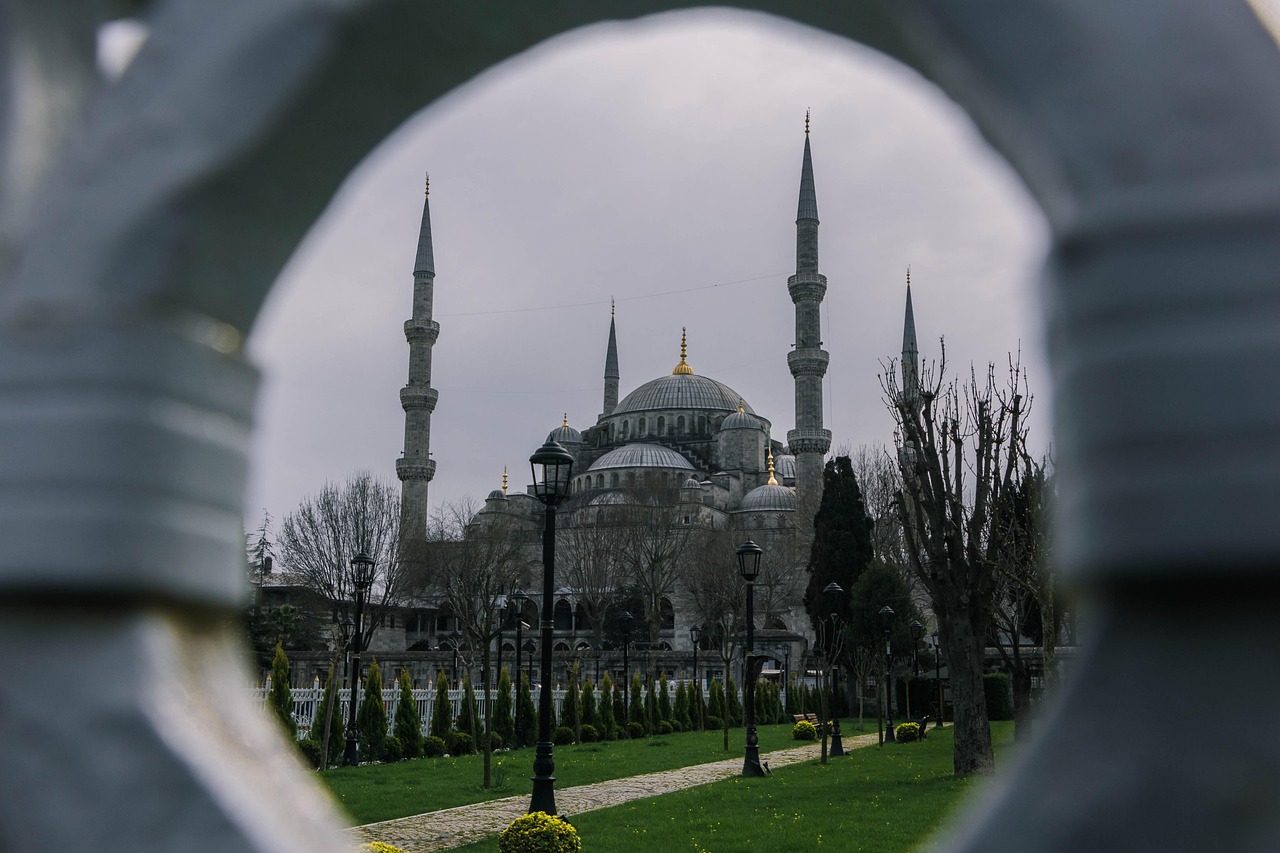
I once sat two tables away from Ara Güler at his namesake café in Beyoğlu; he didn’t have a camera on the table, just a tea and a look in his eyes that seemed to be developing a frame of the street outside in real-time. It was a Tuesday afternoon, around 4:00 PM, and the way the dust motes danced in the light filtering through the high windows of Ara Kafe reminded me that the “Eye of Istanbul” never really stopped working. He wasn’t looking for a perfect sunset; he was watching the way a waiter balanced a tray or how a stranger paused to light a cigarette. To photograph this city properly, you have to stop looking for postcards and start looking for those fleeting, gritty human moments.
For those of us who still find a meditative joy in film photography, the digital age hasn’t managed to erase the city’s analog soul. Whenever my stock of 35mm film runs low, I take the T1 tram to Sirkeci. A three-minute walk from the station brings you to the entrance of Hayyam Pasajı. This building is a labyrinthine monument to the craft, a vertical maze of tiny shops that has served as the city’s photographic heart for generations. Stepping inside, the air changes—it’s a mix of old electronics, leather camera cases, and the faint, metallic scent of chemicals.
Last week, I was hunting for a vintage glass lens on the third floor and spotted a clean Leica M3. The shopkeeper, a man who has likely seen every shutter mechanism ever invented, quoted me 112,500 TL (exactly 2,500 USD). While the prices in Hayyam have climbed alongside the global resurgence of film, the expertise there remains a bargain. You might find the narrow stairwells a bit cramped and the lighting dim, but if you’re looking for a second-hand body or a rare filter, there is no better place to haggle over a glass of tea. Just remember that the best deals usually happen after the second cup, once you’ve proven you’re there for the art, not just the gear.
Istanbul doesn’t hand you its best shots on a silver platter. You have to climb the steep, crumbling steps of Balat or navigate the chaotic crowds of Eminönü to find that perfect alignment of shadow and history. The city is loud, sometimes frustratingly crowded, and the light can be unforgivingly harsh at midday. But when that sun begins to dip toward the Marmara, turning the ferries into black silhouettes against a liquid gold horizon, you realize why Ara never needed to leave these streets to find his masterpieces.
Top 5 Istanbul Photography Destinations
If you are planning your route to capture the city’s essence, these are the essential spots ranked by their cultural and visual significance:
- Hayyam Pasajı – The undisputed analog heartbeat of the city for vintage gear and technical mastery.
- Karaköy-Kadıköy Ferry – The premier location for capturing the iconic Bosphorus skyline and trailing seagulls.
- Balat’s Backstreets – A masterclass in texture, peeling paint, and authentic local human moments.
- Kafe Ara – The best starting point to calibrate your creative vision in the spirit of Ara Güler.
- Bomonti Antique Market – A treasure trove for candid street photography and discarded visual histories.
Chasing the Ghost of Ara Güler in Beyoğlu
To photograph Istanbul without acknowledging Ara Güler is like trying to navigate the Bosphorus without a compass. He was famously known as the “Eye of Istanbul,” and his philosophy was simple: a photo is not about the architecture, it is about the person living within it. If you want to capture the soul of this city, stop looking for the perfect symmetrical shot of a mosque and start looking at the faces of the people selling simit or the way a shopkeeper leans against a century-old doorframe.
My ritual always begins at Kafe Ara on Tosbağa Sokak, just a few steps away from the bustling Istiklal Avenue. This cafe was Güler’s second home. I was there last Thursday around 4:00 PM—the “golden hour” in Beyoğlu is unpredictable because of the narrow streets, but that’s when the light finally manages to slice through the tall buildings to hit the cobblestones. I sat with a Turkish coffee (60 TL, or roughly $1.35) and watched the light play across the framed black-and-white prints on the walls. It’s the perfect spot to calibrate your eyes before you start shooting.
The Texture of Galatasaray and Cihangir
From the cafe, I usually drift toward the backstreets of Galatasaray. This is where the “staged” feel of the main avenue disappears. You’ll find laundry lines stretched between crumbling Neoclassical buildings and layers of peeling paint that reveal decades of history. If you are exploring the quiet side of the district, there are several public libraries and historic reading rooms in Fatih and Beyoğlu with 2026 visitor tips that offer a vantage point over the sloping streets. The steep hills and narrow staircases provide natural frames that most tourists miss because they are too busy looking at their maps.
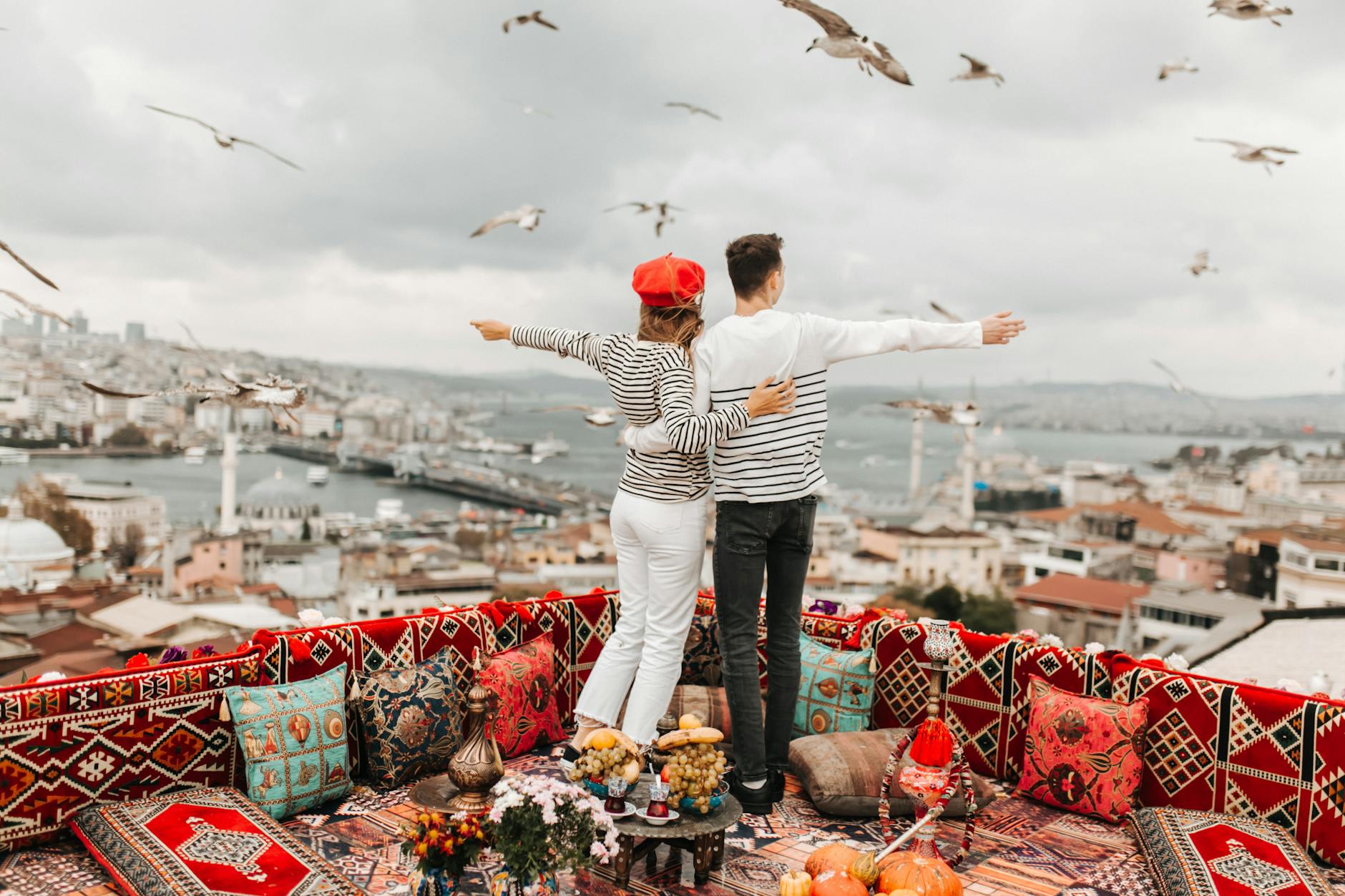
One thing to watch out for is the “uphill fatigue.” Istanbul is notoriously hilly, and your heavy DSLR will feel twice as heavy by hour three. My fix? Carry a lightweight prime lens and embrace the grain.
The Engine Room of Istanbul Photography: Hayyam Passage
For those who prefer the tactile soul of film photography, a trip to Hayyam Pasajı is mandatory. Located a short tram ride or a long, scenic walk down toward Sirkeci, this building is the historical heart of the city’s camera trade. It’s a multi-story labyrinth filled with tiny stalls where master technicians have been repairing Leica and Hasselblad cameras for forty years.
The air inside Hayyam smells like old leather and ozone. I remember hunting for a specific 35mm lens there last year; it was exactly 11:15 AM on a rainy Tuesday, and the shopkeeper sat me down for tea while explaining why my old aperture blades were sticking. It’s the best place to pick up a second-hand analog camera or fresh rolls of film. Go early in the morning, around 10:30 AM, before the afternoon rush of students and professionals turns the narrow stairs into a bottleneck.
Hayyam Passage: The Heartbeat of Istanbul’s Film Photography Scene
If you want to capture Istanbul the way the legendary Ara Güler did, you don’t head to a shiny electronics mall; you go to Sirkeci and find the unassuming entrance of Hayyam Pasajı. This multi-story labyrinth is the undisputed sanctuary for film photography in Turkey. Walking through the doors, you’re immediately hit by a nostalgic sensory overload: the faint, acidic tang of darkroom chemicals, the rhythmic clack-zip of vintage shutters being tested, and the low hum of deals being struck in a mix of Turkish and photography jargon.
I’ve been bringing my gear here for 15 years, and it hasn’t changed a bit—which is exactly why it’s one of the better photography spots in Istanbul for those who prefer silver halide over megapixels. Ara Güler spent his life documenting the gritty, melancholic beauty of the city’s backstreets with his Leica. He proved that the soul of this city is best captured through glass and grain, not digital sensors. Hayyam is where that philosophy survives. Whether you’re hunting for a vintage Canon AE-1 or just need a fresh roll of Kodak Portra 400, this is your base of operations.
Berk’s Insider Tip: In Hayyam Passage, head to the upper floors for repairs; the ground floor is mostly for quick sales, but the real masters live on floors 3 and 4. I dropped off my old Nikon for a CLA last week; the queue was four people deep at 10:45 AM, and I learned the hard way that missing the morning window means a long wait at the repair desk.
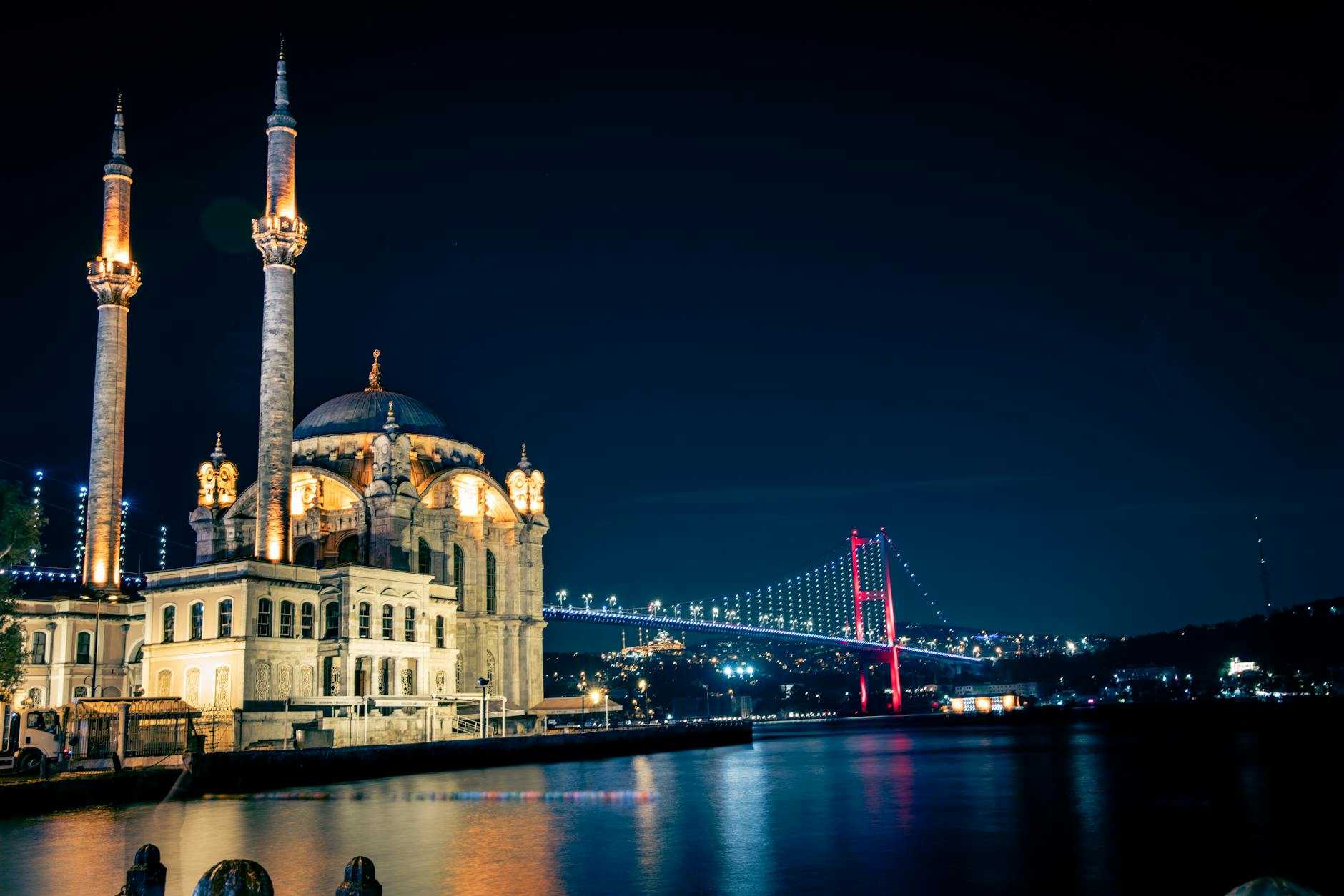
The passage is just a short walk from the Beyazıt Book Market and University Backstreets Route with 2026 Tea Prices, making it a perfect stop during a day of exploring the historical peninsula’s creative side. If you find a piece of gear you love, don’t be afraid to haggle a little, but do it with a smile and a bit of respect for the craft.
How to buy a second-hand camera in Hayyam Passage
- Visit during mid-morning on a weekday to avoid the Saturday rush, ensuring the shopkeepers have time to actually talk to you.
- Inspect the lens glass using your phone’s flashlight to check for “fungus” (tiny spider-web patterns) or “haze,” both of which are common in older Istanbul gear due to the Bosphorus humidity.
- Fire the shutter at every speed, listening for a consistent timing; if the 1-second setting sounds sluggish or gets stuck, the camera needs an expensive service.
- Negotiate a trial period, usually three to seven days, where you can return the camera if the first roll of film comes out with light leaks or mechanical failures.
- Ask for a bundle deal by purchasing your film, a protective filter, and a strap at the same shop to shave a few hundred Lira off the total price.
The history of this place is etched into the scuffed floorboards and the cluttered display cases. It’s where the city’s photography community congregates to swap stories and glass. It might feel intimidating at first, but once you realize everyone there is obsessed with the same “click” of a shutter, you’re part of the family. After you’ve secured your gear, the narrow streets of Sirkeci provide the perfect backdrop to burn through your first roll.
Fener and Balat: Texture, Tones, and Transition
If you want to capture the soul of Istanbul, you have to stop looking for perfection and start looking for character. Fener and Balat are where the city’s history is literally peeling off the walls in layers of pastel paint and weathered brick. While the “Instagram houses” on Kiremit Caddesi get all the foot traffic, the real magic happens three streets up or two blocks over, where the laundry lines crisscross the sky and the light plays hide-and-seek with the Golden Horn.
The Ghost of Ara Güler and the Film Revival
To understand Istanbul street photography, you have to understand Ara Güler. He was the “Eye of Istanbul,” and he didn’t care about sunsets; he cared about the grime, the steam from a tea glass, and the exhaustion in a porter’s eyes. Most locals, myself included, still feel his influence whenever we pick up a camera. If you are a devotee of film photography, your first stop shouldn’t be Balat, but Hayyam Passage near Sirkeci.
It’s a multi-story labyrinth of glass cases and dusty boxes that has served as the city’s photography heart for decades. I remember walking in there ten years ago to repair a jammed shutter; today, it’s a pilgrimage site for those seeking refurbished Canons or rare Leica lenses. You can find a decent vintage body for about 6,750 TL (around 150 USD), and the shopkeepers will argue with you about apertures over tea for hours. Grab a few rolls of Kodak Portra here before hopping on the T5 tram toward the Golden Horn.
Mastering the Incline and the Iron Church
The most iconic perspective in the area is the steep incline of Merdivenli Mektep Sokak. The “slanted” perspective here creates a natural depth that makes your frame feel three-dimensional. However, the secret to a great shot here isn’t the architecture—it’s waiting for a local to walk through the frame. A baker carrying a tray of simit or a kid chasing a ball adds the human element that keeps a photo from looking like a postcard.
If the crowds at the “slanted” street get too thick—usually around 2:00 PM—duck into the narrow side alleys. This is where you’ll find the real life: kids playing football between parked cars and elderly neighbors shouting conversations from second-floor windows. For a different texture entirely, head down to the water to see the Bulgarian Iron Church: Balat. Because it’s made entirely of prefabricated iron, it catches the Golden Horn light with a metallic sheen that stone simply cannot replicate.
For those who want to navigate these labyrinthine slopes without getting lost or missing the best lighting windows, following a Fener & Balat Walking Tour: Istanbul is a smart move. It saves you the 30-minute headache of backtracking when a “shortcut” turns into a dead-end staircase.
Framing the Bosphorus from a Moving Ferry
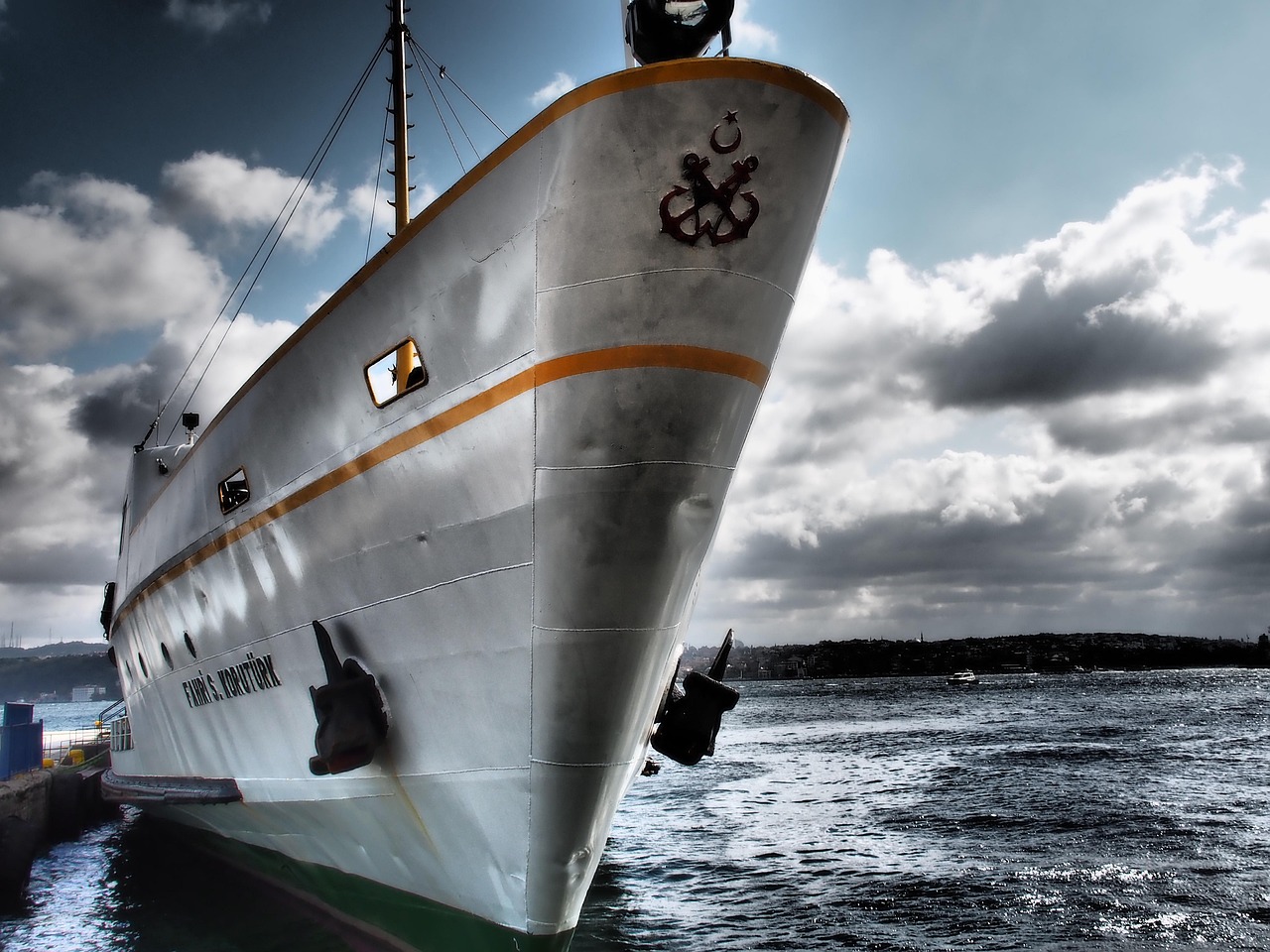
If you haven’t stood on the aft deck of a public ferry with a camera in hand, you haven’t truly seen Istanbul’s soul. For the price of a 40 TL ticket—which, at less than $1 (about 0.80 EUR), is arguably the cheapest high-end photography tour on the planet—you get a front-row seat to the city’s shifting silhouette.
To catch the definitive “Istanbul shot,” you need to board the Karaköy-Kadıköy line exactly 20 minutes before sunset. This timing ensures you hit the “Golden Hour” mid-transit. My personal trick for those iconic shots of seagulls trailing the boat: set your shutter speed to at least 1/1000. These birds move faster than they look, and at this speed, you’ll freeze them mid-glide against the backdrop of the Maiden’s Tower. I once spent an entire crossing failing to get a sharp eye on a gull until an old ferry hand pointed at my dial and mimed “faster.” He was right.
The Spirit of Ara Güler and the Film Revival
When you look through your viewfinder, you are walking in the footsteps of Ara Güler, the “Eye of Istanbul.” Güler didn’t just take pictures; he captured the hüzün (melancholy) of the city. He famously preferred the gritty reality of the docks over polished tourist sites. If you want to emulate his high-contrast, emotive style, I highly recommend exploring film photography while you’re here. There is something about the way the Bosphorus light hits 35mm grain that digital simply cannot replicate.
If you’re running low on film or your vintage Leica needs a quick adjustment, you must head to Hayyam Passage in Sirkeci. This multi-story building is the historic heart of the city’s photography trade. It can be overwhelming—narrow stairs, dozens of tiny shops, and the smell of ozone and old leather—but it is a goldmine for second-hand gear. I’ve seen rare Hasselblads tucked between modern Nikons here. If a shopkeeper seems dismissive, don’t take it personally; they are often busy pros. Just show a genuine interest in the gear, and the tea will eventually appear.
| Photography Goal | Best Location/Route | Recommended Setting | Pro Tip |
|---|---|---|---|
| Seagulls & Tower | Karaköy-Kadıköy Ferry | 1/1000 sec, f/5.6 | Buy a simit to lure gulls closer to the deck. |
| Golden Hour Skyline | Eminönü-Üsküdar Ferry | ISO 200, f/8 | Sit on the left side when departing Eminönü. |
| Vintage Gear/Film | Hayyam Passage (Sirkeci) | N/A | Check the fourth floor for the best repair shops. |
| Street Life | Backstreets of Karaköy | Aperture Priority (f/2.8) | Keep your camera at chest height for candid shots. |
Before you head to the piers, make sure you understand the boarding process. If you find yourself heading further west toward the Marmara Sea, you might find different light along the Bakırköy Waterfront Route and Backstreet Churches with 2026 Marmaray Tips. A common mistake is showing up right as the boat departs; the best outdoor spots on the upper deck fill up fast. Aim to be through the turnstiles 10 minutes early so you can claim a corner spot on the stern—this gives you a 180-degree unobstructed view of the disappearing skyline.
Dust and Nostalgia: The Bomonti Antique Market
If you want to capture the heartbeat of Istanbul’s disappearing middle class, you skip the Galata Bridge and head to a concrete parking garage in Feriköy on a Sunday morning. This isn’t a polished museum experience; it’s a chaotic, dusty, and deeply moving transformation where a functional car park becomes a treasure chest of the city’s collective memory.
I’ve spent many Sundays wandering this dusty car park, usually with a black coffee in one hand and my Leica in the other. The most striking subjects aren’t the brass lamps or Ottoman coins, but the “found photography”—stacks of discarded family albums from the 1950s. Seeing a black-and-white photo of a family picnicking on the Bosphorus, now sold for 50 TL (about 1 EUR), is a haunting masterclass in visual storytelling.
The lighting here is a photographer’s greatest challenge. The concrete canopy creates a high-contrast environment: piercing shards of white Sunday sun cut through the gaps, while the stalls themselves sit in deep, moody shadows. If you’re shooting digital, watch your highlights; if you’re shooting film, I recommend a versatile 400 ISO stock to handle the transitions.
The Spirit of Ara Güler
You cannot talk about Istanbul photography without mentioning Ara Güler, the “Eye of Istanbul.” He famously preferred being called a “visual historian” rather than an artist. His spirit lives on in the shadows of the Feriköy stalls. To emulate his style, look for the “decisive moment”—the way an old vendor’s hands tremble as he polishes a silver watch, or the steam rising from a paper cup of tea. It’s about the human connection, not just the architecture.
Analog Pilgrimage: Hayyam Passage
If the nostalgia of the market makes you crave a vintage lens, head to Sirkeci. Hayyam Passage is the legendary multi-story sanctuary for film photography in Istanbul. It’s a labyrinth of tiny shops where master technicians have been repairing Leicas and Hasselblads for decades.
Last year, I picked up a vintage 50mm lens there for about 4,500 TL (100 USD). A fair warning: the stairs are narrow and the lighting is dim, but the expertise is unmatched. If a seller seems dismissive at first, don’t take it personally; they deal with professionals all day. Just show a genuine interest in the gear, and they’ll likely offer you a glass of tea while they explain the history of a specific glass coating.
Frequently Asked Questions
What is the best time to visit the Feriköy Antique Market for photography?
The market is at its peak between 10:00 AM and 2:00 PM on Sundays. If you arrive too early (around 8:00 AM), many vendors are still unpacking and might be a bit grumpy if you’re blocking their way with a tripod. For the best “lived-in” atmosphere and softer side-lighting as the sun moves, aim for noon. Expect crowds, so keep your camera strap short and your gear minimal to avoid bumping into delicate porcelain.
Is it okay to take photos of the vendors and their goods?
Most vendors at the Bomonti Antique Market are used to cameras, but it is always polite to ask with a smile or a simple “Merhaba” (Hello). While some might ask for a small purchase if you’re doing a full photoshoot of their stall, most are happy to be part of your frame if you show respect for their space. If someone waves you away, move on—there are hundreds of other stalls with equally fascinating stories to tell.
Where can I buy and develop film in Istanbul?
Hayyam Passage in Sirkeci is the destination for buying vintage cameras and film stock. For developing, there are several reliable labs nearby in the Eminönü and Beyoğlu districts. A roll of standard 35mm color film will set you back roughly 600 TL to 750 TL (12 to 15 EUR) depending on the brand. Always check the expiration dates on the “discounted” rolls found in the back of the passage shops.
Conclusion
Walking through the narrow, gear-stuffed corridors of Hayyam Passage in Sirkeci always feels like stepping into a time machine. This place has been the unofficial headquarters for the city’s photographers for decades, a labyrinthine sanctuary where you can still find a vintage Leica or get a 40-year-old Zenit repaired by masters who treat shutters like beating hearts. Last Tuesday, I was in there hunting for a specific roll of film. A fresh roll of Kodak Portra will run you about 800 TL (16 EUR) these days—pricey, sure—but the shopkeepers will still offer you a tea and a story about the “Eye of Istanbul,” Ara Güler, for free.
Güler understood something many visitors miss: he didn’t just hunt for the “Decisive Moment” in a technical sense; he captured the soul of a city that was already mourning its own disappearance. Istanbul is a shapeshifter. The crumbling Ottoman house in Zeyrek you frame today might be a boutique hotel or a pile of dust by the time you develop your film. Every street photography session here is an act of preservation. When you press the shutter in a back alley in Kurtuluş, you aren’t just taking a picture; you’re creating a historical document of a moment that will never look quite the same again.
But there is a trap in trying to document everything. I’ve spent fifteen years watching travelers spend their entire Golden Horn sunset squinting through a viewfinder, missing the way the light actually feels on their skin.
Yesterday, as the ferry pulled away from the Karaköy pier, the sky turned a bruised purple and the gulls were screaming in that frantic, beautiful way they do. I saw a guy struggling with his tripod, missing the rhythm of the waves while trying to level his gear. I almost told him to stop. Instead, I just leaned against the rail, paid no mind to my camera bag, and took a deep breath of that sharp, metallic salt air. It cost me nothing but gave me everything. Capture your history, find your “Güler light” in the shadows of the Hayyam Passage, but once the shutter clicks, put the lens cap on. Some of the best things I’ve seen in Istanbul are the ones I never photographed.
Comments
Share your thoughts with us