
Basilica Cistern Evening Access and 2026 Entry Prices
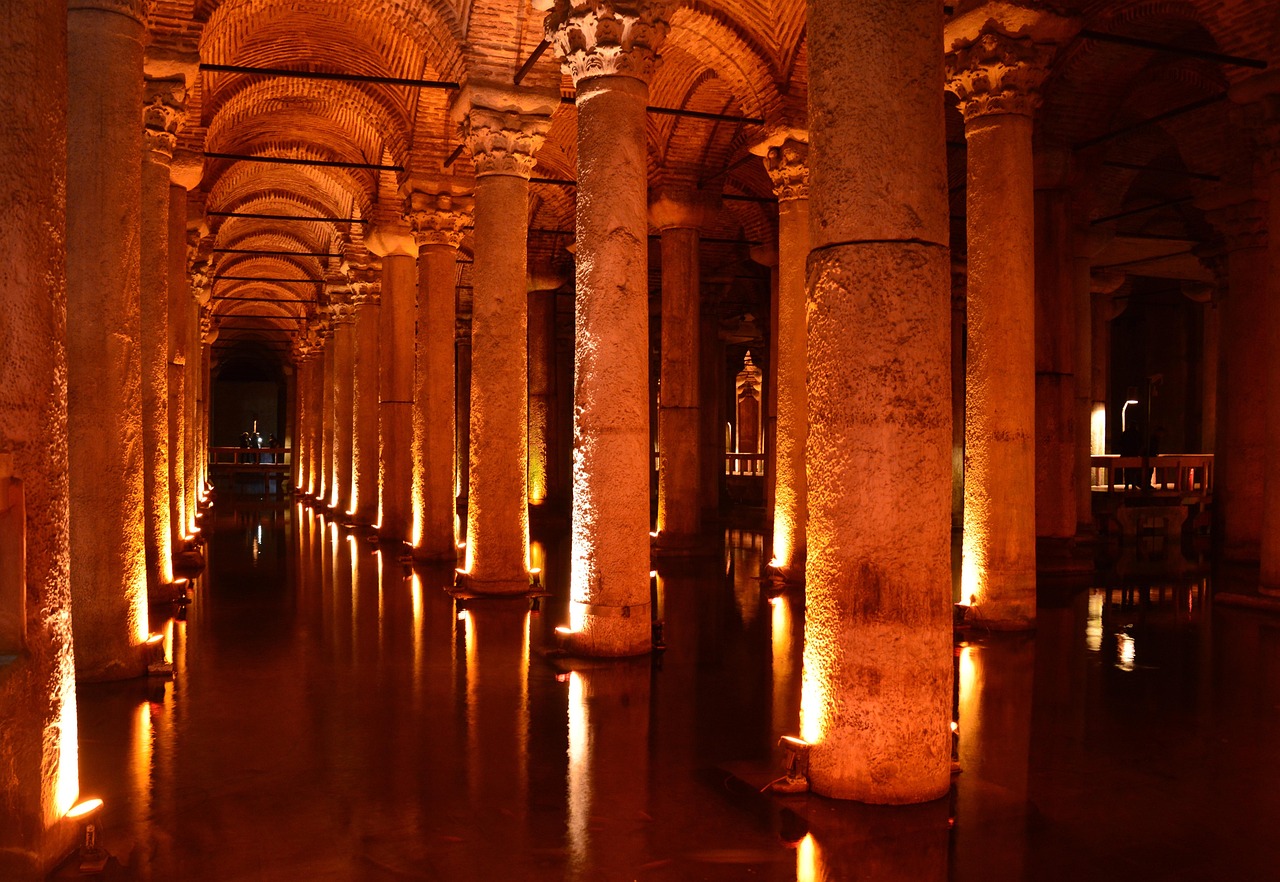
Standing on the corner of Alemdar Avenue at 8:00 PM last Tuesday, I watched a group of tourists look despondently at the ‘Closed’ sign of the Hagia Sophia. They were ready to call it a night, retreating toward the Sultanahmet tram stop, completely unaware that just across the street, the most atmospheric experience in the city was just beginning its ‘Night Shift’. In my fifteen years of navigating this peninsula, I’ve learned that Istanbul rarely sleeps; it just changes its rhythm. While the daytime crowds at the Yerebatan Sarnıcı can feel like a humid subway commute, the evening sessions offer something much closer to the subterranean mystery the Byzantine builders intended.
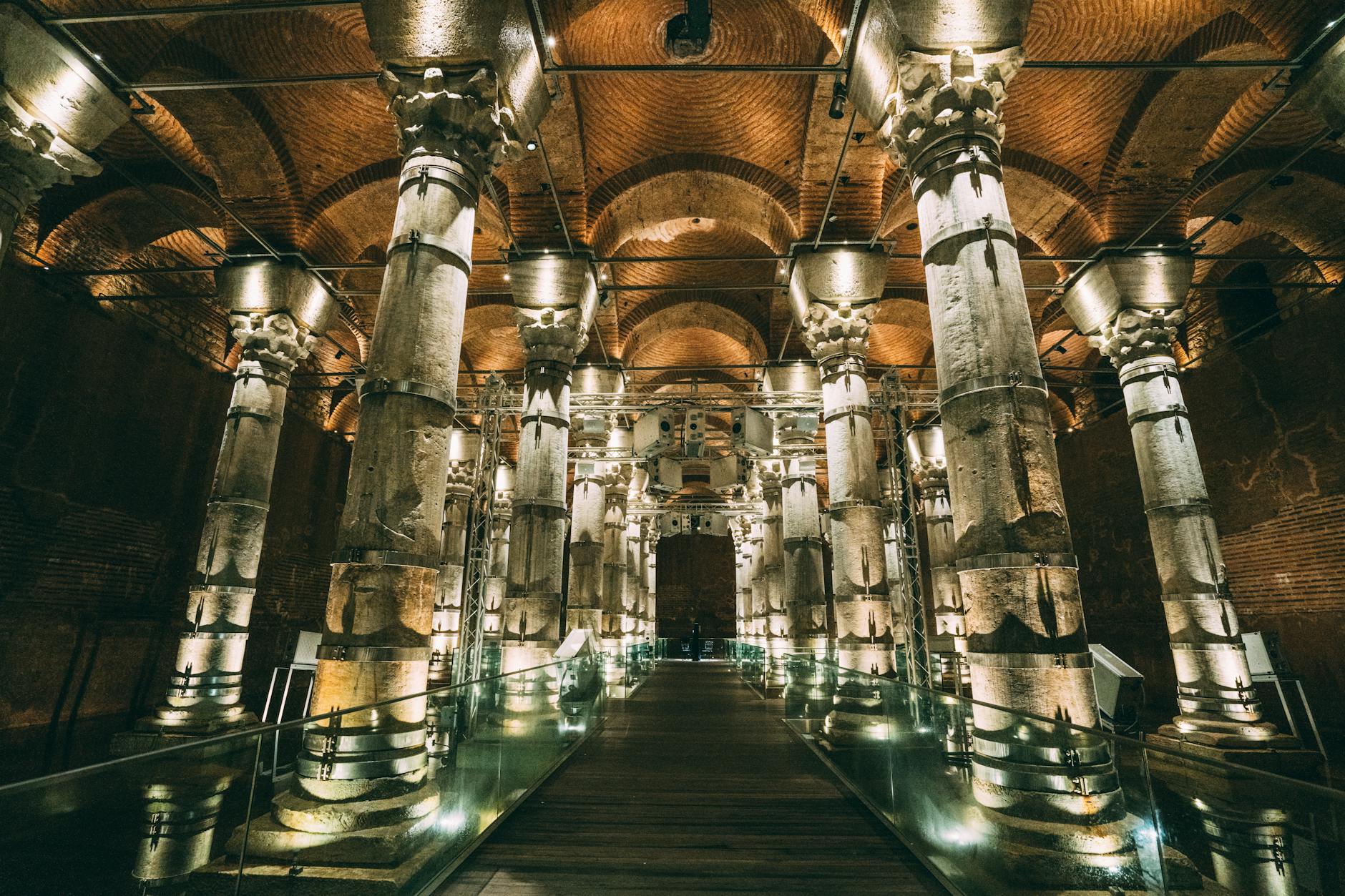
I walked past the entrance around 8:15 PM. There was no queue—a rare sight in this neighborhood. The 2026 entry price for the evening access is now set at 1,400 TL, which is roughly 28 EUR or 31 USD. It’s a jump from the 1,000 TL daytime ticket, but that extra 400 TL buys you a version of the cistern that isn’t choked with tour groups. Walking through those 336 marble columns when the crimson and ochre lights hit the water in near-silence is worth the price. If you find the cost steep, skip the mediocre, overpriced “tourist menus” at the cafes lining the main street and put that money toward the evening ticket instead. You’ll get the Medusa heads almost to yourself, and the cool, damp air of the cistern is a far more intoxicating nightcap than a glass of dusty apple tea.
The Reality of 2026 Ticket Pricing
Istanbul’s historical core has seen significant price hikes, and the entrance fee for the Basilica Cistern marks that shift. While 1,000 TL for a standard daytime ticket feels high compared to previous years, the experience of standing among those 336 marble columns still carries a weight that’s hard to find elsewhere—provided you don’t waste your morning arguing over exchange rates at the window.
Day vs. Night: Choosing Your Vibe
The standard Basillica Cistern 2026 price for a daytime visit (9:00 AM to 7:00 PM) is 1,000 TL (20 EUR / 22.20 USD). If you want the “Night Shift” experience, which runs from 7:30 PM until 10:00 PM, the price is 1,400 TL (28 EUR / 31.10 USD). The extra 400 TL is typically worth it for photography enthusiasts; the lighting is moodier, and the crowds are thinner.
| Ticket Type | Price (TL) | Price (Approx. EUR/USD) | Best For… |
|---|---|---|---|
| Standard Day Entry | 1,000 TL | 20 EUR / 22.20 USD | Budget-conscious history buffs |
| Night Shift (Post-7:30 PM) | 1,400 TL | 28 EUR / 31.10 USD | Photographers and crowd-avoiders |
| Guided Tours | 1,600+ TL | 32+ EUR / 35.50+ USD | Those skipping the ticket line |
| Museum Pass Istanbul | N/A | N/A | Not valid here (Municipal site) |
How to Visit the Basilica Cistern for the Night Shift
Follow these steps to ensure a seamless entry into the cistern during the evening hours:
- Check for private event closures on the Passo app. Before heading to the site, verify that the 7:30 PM – 10:00 PM “Night Shift” is running, as the municipality occasionally closes the cistern for private corporate functions.
- Arrive at the ticket booth after 8:00 PM. While the night session begins at 7:30 PM, arriving slightly later ensures the final daytime tour groups have fully exited the tunnels.
- Prepare a credit card for the 1,400 TL entry fee. The ticket office does not accept the Museum Pass Istanbul and rarely provides change for foreign currency; a contactless credit card is the fastest way through.
- Clear security with minimal baggage. Avoid bringing large trekking backpacks or professional tripods, as these are prohibited by security and there is no on-site storage for luggage.
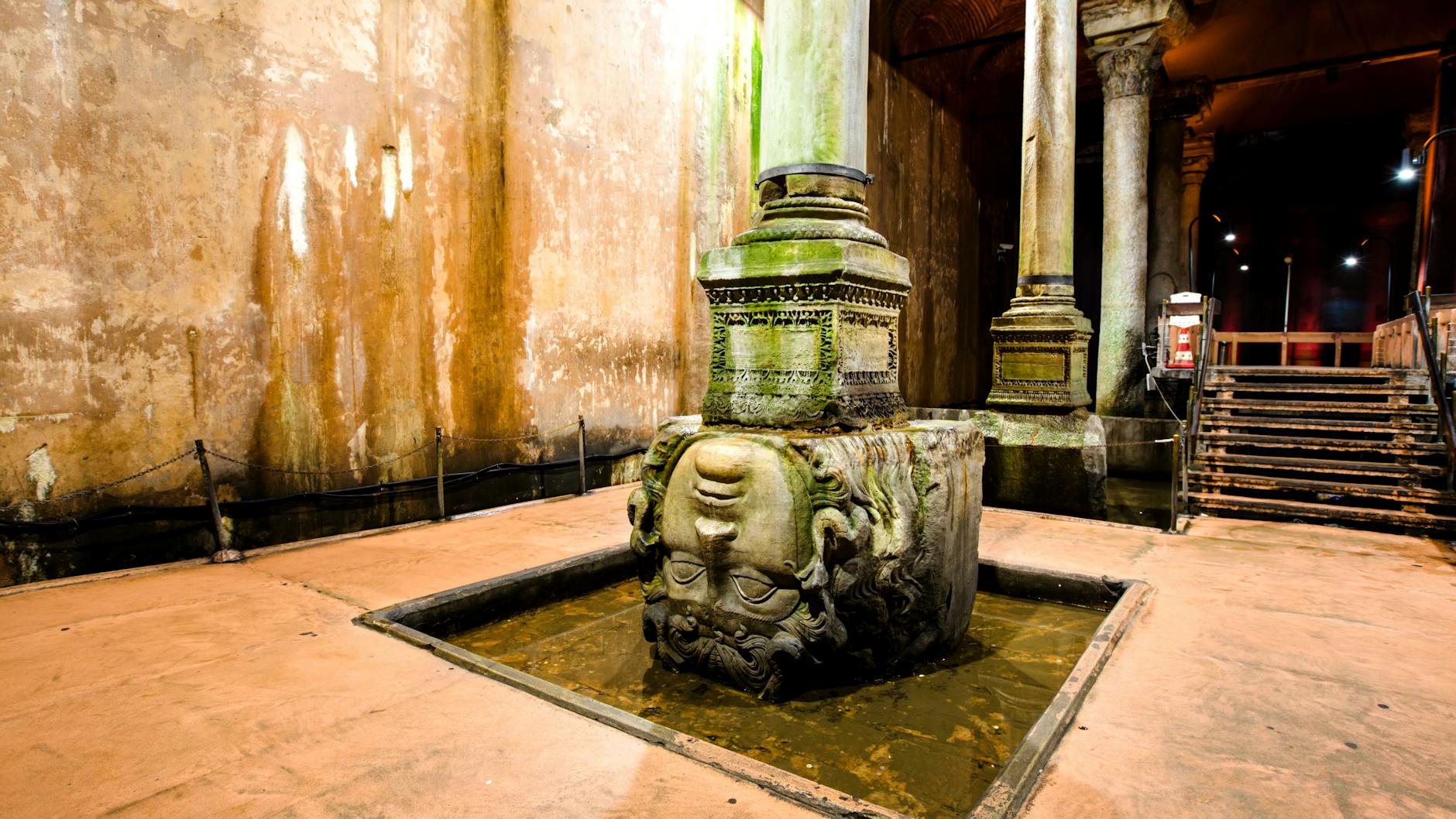
- Walk directly to the Medusa heads at the far end. To maximize the quiet atmosphere, head past the initial column forest straight to the back of the cistern where the famous Gorgon heads are located before other visitors catch up.
Payment Realities at the Gate
Last Tuesday at 8:45 PM, I stood behind a group trying to pay for four tickets with a 100 Euro bill, hoping for change in Lira. The staff politely but firmly refused. The ticket booths rarely accept smaller foreign denominations and almost never have the correct change for them. To save yourself the headache, having a credit card ready is non-negotiable. If you do prefer cash, ensure you have exact Lira amounts ready. I’ve detailed the latest nuances of this in my post on Handling Cash and Card Payments with 2026 Exchange Rates and Tipping Tips.
One common mistake: visitors showing up with the Museum Pass Istanbul and expecting entry. This cistern is managed by the Istanbul Metropolitan Municipality (IBB), not the Ministry of Culture, so your pass won’t work here. You’ll have to pay the full entrance fee separately.
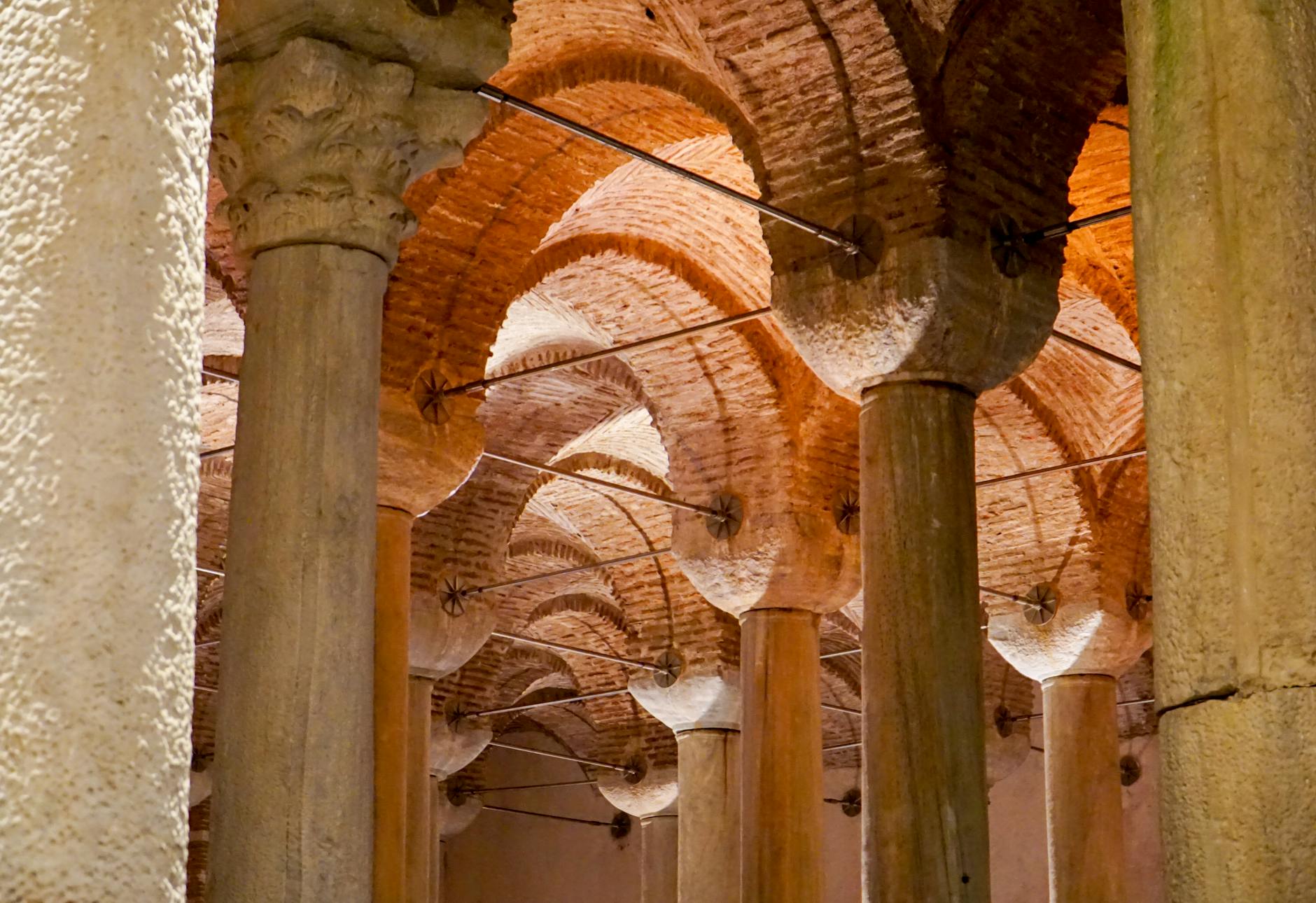
Berk’s Insider Tip: Check the official ‘Passo’ app or website before heading down. Occasionally, the night shift is bought out for private corporate events, and they won’t post a sign until you’re at the front of the line.
Why the Night Shift Changes the Experience
Stepping into the Yerebatan Sarnıcı night shift is the only way to trade the roar of midday tour groups for the haunting, heavy silence this Byzantine masterpiece deserves. If you visit at 2:00 PM, you are effectively fighting for space in a humid gridlock of selfie sticks; by 9:00 PM, the atmosphere breathes, and you can actually hear the rhythmic plink of water dripping from the vaulted ceilings into the reservoir.
Sensory Shifts and Curated Light
The physical environment undergoes a total recalibration after 7:30 PM. During the day, the cistern is bathed in a functional, static orange glow. Once the night shift begins, this is replaced by a sophisticated light show that uses shifting spectrums to highlight the Byzantine Architecture. These curated lights are designed to catch the ripples on the water’s surface, casting dancing shadows against the 336 marble columns.
Avoiding the Medusa Logjam
In my fifteen years of navigating Sultanahmet, I’ve learned that the biggest mistake visitors make is stopping every five meters to take the same photo as the person in front of them. My personal ritual is to walk briskly past the initial crowd—which often resembles the frantic sweaty madness of my walk through Mahmutpaşa and Tahtakale—and head straight to the back where the Medusa heads are located. During the day, there is often a queue just to glimpse these Roman-era carvings. In the evening, the back of the cistern is nearly empty, allowing you to stand eye-to-eye with the Gorgons without someone’s elbow in your ribs.
Logistics: Getting to Sultanahmet After Dark
Skipping the T1 Tram between 6:30 PM and 8:00 PM is the smartest move for an evening itinerary. While the line runs until midnight, the post-work rush turns those carriages into a pressurized sweatbox. I still prefer a brisk walk over being squeezed against a window on Alemdar Avenue during the peak commute.
The Commuter Crunch vs. The Scenic Route
If you find yourself at Sirkeci Station around 7:00 PM, don’t wait on the tram platform. Take the 15-minute uphill walk toward Sultanahmet Square. It’s an incline, but you’ll arrive faster than the tram, which often gets bottlenecked by traffic near Gülhane. If the walk sounds too taxing, duck into a side-street cafe for a quick tea and wait until the crowds thin out after 8:15 PM. Understanding the rhythm of the city is key; for more details on navigating these zones, see The Ultimate Guide to Public Transport in Istanbul.
Security and Baggage Hurdles
The Basilica Cistern maintains rigorous security standards regardless of the hour. Last week, I watched a group of travelers get stuck at the entrance for nearly ten minutes because they tried to bring full-sized trekking backpacks through the narrow security gate. The X-ray scanners are small and the queue area is tight. Leave your heavy luggage at your hotel or a luggage locker.
The Byzantine Connection: Comparing Subterranean Sites
If the Basilica Cistern represents the raw, haunting scale of the Byzantine Empire, other sites in the city offer the intricate detail of the same era. While the Cistern uses water and shadow to create a sense of infinity, the Byzantine floor mosaics at the Great Palace Mosaic Museum with Arasta Bazaar route tips and 2026 prices showcase the delicate craftsmanship of the same period.
Navigating the Museum Pass Confusion
Your Museum Pass does not work at the Basilica Cistern. I recently watched a couple argue with the turnstile guard for ten minutes because they thought their “all-access” pass covered everything in Sultanahmet. It doesn’t. However, you can use that pass for sites like the Bulgarian Iron Church in Balat when you venture outside the Sultanahmet core.
From Depths to Details
After emerging from the humid, cool air of the Cistern, head south toward the Blue Mosque. It’s a flat, easy 10-minute walk that takes you through the historical spine of the city. I usually stop for a quick tea at one of the small stools near the bazaar entrance before the shops close. While the Cistern leaves you feeling small against the weight of history, the surrounding district brings that history down to eye level, showing the layers of a city built upon itself.
Common Mistakes and Practical FAQ
Falling for the “no-queue” pitch outside the entrance is the easiest way to throw away money. Last Tuesday, I watched a couple hand over 2,500 TL to a man promising “VIP immediate access.” The reality? The official evening queue was moving so fast they would have been inside in ten minutes for the standard 1,400 TL price.
Can I bring my professional camera gear and a tripod?
You can bring your camera, but leave the tripod at your hotel. Security will stop you at the X-ray machine because tripods are strictly banned to prevent bottlenecks on the narrow, often damp wooden walkways. To get a shot of the Medusa heads without blur, I usually brace my camera against the metal railings for a steady long exposure.
Is it actually cold inside the cistern during the summer?
Yes, and it catches people off guard. Even when it’s 32°C (90°F) up on the street in August, the cistern stays at a constant, damp chill. If you’re visiting at night, bring a light linen shirt or a pashmina. The moisture in the air makes the 15-degree difference feel sharper than expected.
How long should I plan for an evening visit?
While you can rush through in twenty minutes, I recommend allocating at least 45 to 60 minutes. The evening experience is designed to be more atmospheric and slower-paced. There are specific spots near the back, past the “Crying Column,” where the acoustics are incredible. I like to find a corner there and just listen to the water drips for a few minutes.
Spending 1,400 TL on a single entry might feel like a punch to the wallet. You have to decide if you’re paying for the architecture or the atmosphere. If you just want to see the Medusa heads and check a box, stick to the morning rush and save your liras. But if you find that a crowd of five hundred people ruins the “sunken palace” vibe, the night session is the only way to go.
I was there last Tuesday around 9:15 PM, and for a good ten minutes, I was the only soul in the north-west corner. The sound of water dripping from the vaulted ceiling actually echoed—something you’ll never hear at noon when the air is thick with the shuffle of sneakers. That silence makes the 1,400 TL price tag feel less like a tourist tax and more like a backstage pass. Once you climb back up to street level, walk down the hill through the quiet streets of Cankurtaran toward the sea walls to watch the container ships glowing on the horizon.
Comments
Share your thoughts with us