
Byzantine floor mosaics at the Great Palace Mosaic Museum with Arasta Bazaar route tips and 2026 prices
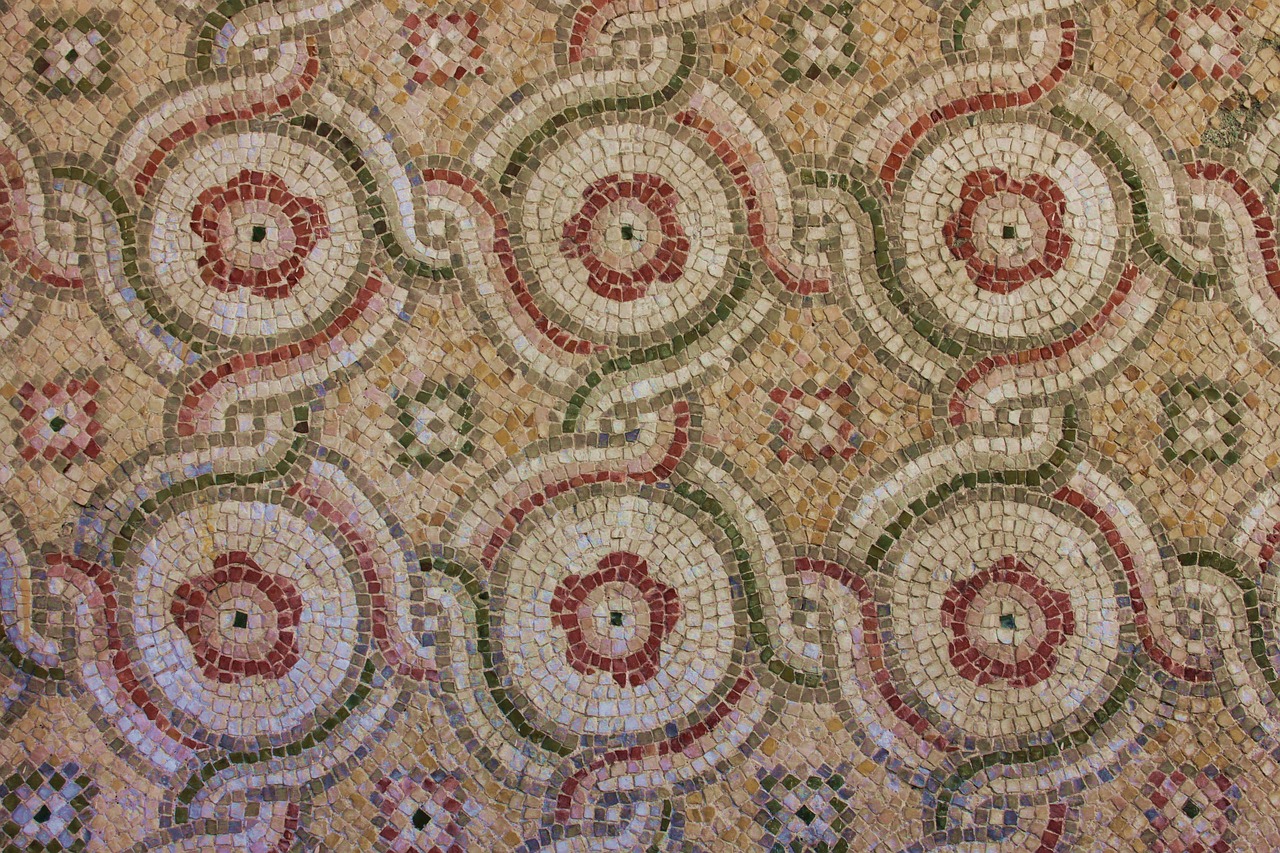
Last Tuesday, while dodging a particularly persistent silk-carpet salesman in the Arasta Bazaar, I realized that most people walking these cobblestones have no idea they are literally treading on the ghosts of the Roman Empire. You see the polished shoes of tourists and the leather sandals of locals, but just a few meters beneath the floorboards of these shops lies a 6th-century masterpiece that makes many modern galleries feel superficial.
I usually slip into the Great Palace Mosaic Museum around 10:30 AM, just as the heavy tour groups are getting bogged down in the snaking security lines at the Blue Mosque. While the masses are staring at the domes above, I prefer to look down. For 650 TL (exactly 13 EUR), you stand over the hunting scenes and mythological monsters that once decorated the walkways of the Byzantine Emperors. It’s quiet, it’s cool, and unlike the frenetic energy of Sultanahmet Square, you can actually hear your own thoughts.
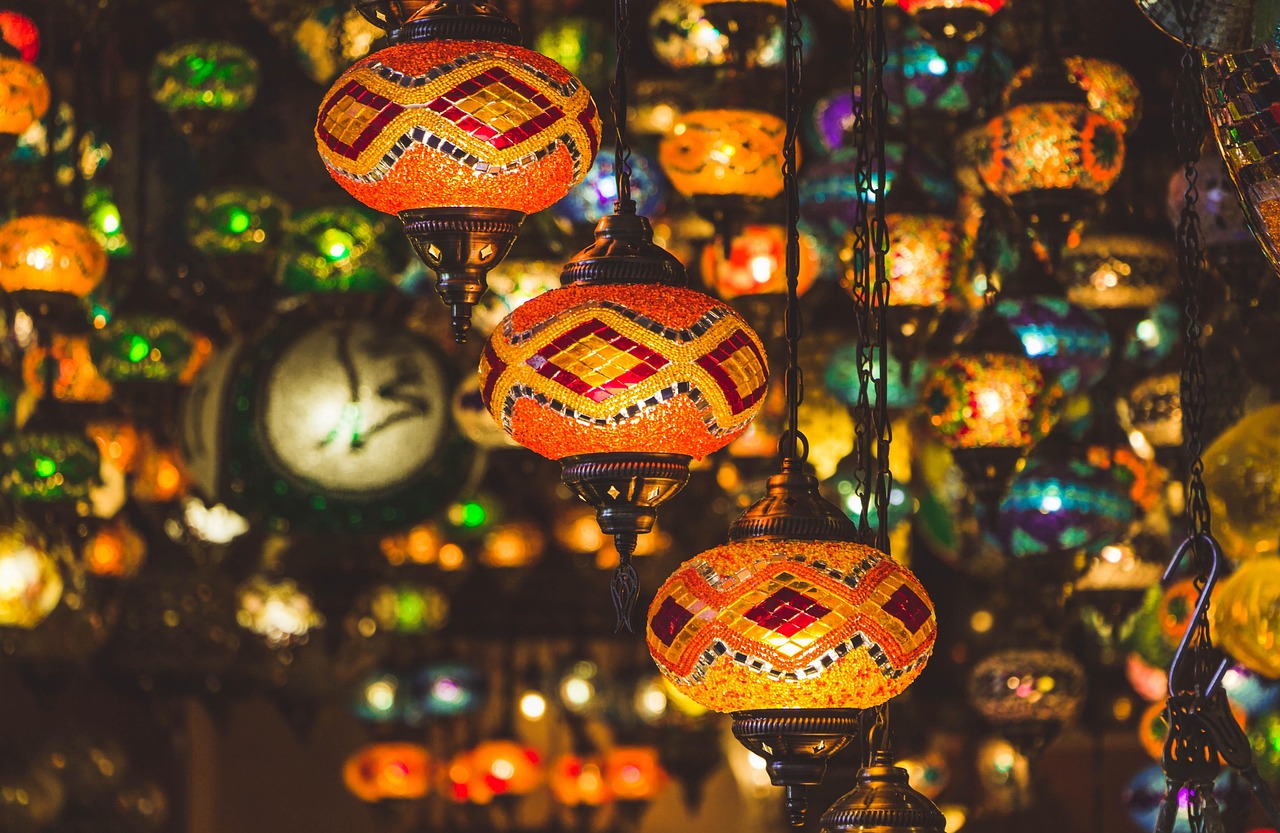
The entrance is tucked away behind the stalls of the bazaar—notoriously easy to miss if you aren’t looking for the modest signage near the southern end of the lane. If you find yourself being offered “the best apple tea in Turkey” for the fourth time, you’ve likely walked right past the gate. The trick is to ignore the flashy storefronts for a moment and follow the shift in the air—from the scent of spices and tanned leather to the distinct, earthy smell of damp, ancient stone. These aren’t just bits of glass; they are millions of tiny, colored cubes depicting a world where leopards hunt gazelles and children play with hoops, frozen in time long before the Ottomans even arrived on the horizon.
Finding the Entrance Behind the Blue Mosque
If you’re standing in Sultanahmet Square looking for a grand, marble-clad monument, you’ve already walked past the museum twice. The Great Palace Mosaic Museum is famously—and sometimes frustratingly—discreet, tucked away like a secret within the Arasta Bazaar. Most travelers expect a massive structure befitting the Roman emperors, but what you’re actually looking for is a modest entrance that looks more like a high-end carpet shop than a gateway to Byzantine history.
The “Shopfront” Illusion
The biggest mistake you can make is searching for a standalone building. I remember helping a couple from London last October who had been circling the Blue Mosque for forty minutes; they thought the museum was inside the mosque complex itself. In reality, the museum is built directly over the excavated floor of the palace’s old courtyard. To find it, you have to commit to the bazaar. The entrance is sandwiched between shops selling flickering mosaic lanterns and silk pashminas. If you find yourself distracted by the smell of leather and apple tea, look up for the modest brown signage—it’s easy to miss when you’re being beckoned to “just have a look” at a kilim.
Choosing Your Approach: Bazaar vs. Torun Sokak
The standard route takes you through the main spine of the Arasta Bazaar, which is great for atmosphere but can feel claustrophobic during the midday cruise-ship rush. If you prefer a bit of breathing room, head toward Torun Sokak on the backside of the bazaar. It’s significantly quieter, though the navigation is a bit trickier as the street winds around the old walls.
Berk’s Insider Tip: If the main entrance in the bazaar is crowded, look for the secondary exit door near the Torun Sokak side; sometimes the security guards are relaxed enough to let you enter there if you already have a digital ticket.
How to Reach the Mosaic Museum Entrance
- Locate the ramp or stairs leading down from the southern exit of the Blue Mosque’s outer courtyard.
- Enter the Arasta Bazaar, walking past the initial row of shops toward the middle of the market.
- Scan the left-hand side of the walkway (if coming from the mosque) for the official Ministry of Culture and Tourism sign.
- Identify the entrance, which looks like a small, modern glass and stone storefront nestled between traditional stalls.
- Prepare your MuseumPass or your digital payment; in 2026, a single entry is 650 TL (exactly 13 EUR or approximately 14.50 USD), and most ticket booths in Sultanahmet have now gone completely cashless.
Deciphering the Mosaics: Not Just Religious Icons
Most visitors arrive at Sultanahmet expecting the stiff, golden-haloed figures of the Orthodox Church, but these floor mosaics are a visceral shock because they are gloriously, messily human. While the Galata Mevlevihanesi: Beyoğlu offers a look at the spiritual tranquility of the dervishes, this museum provides a rare look at the grit of the 6th-century Byzantine Empire. We aren’t looking at heaven here; we are looking at the earth, the hunt, and the humor of a world long gone.
The sheer scale of this peristyle courtyard is staggering when you realize you are standing on what remains of a 2,000-square-meter masterpiece. Commissioned likely during the reign of Justinian I, these stones weren’t meant for prayer—they were meant for the heavy footsteps of palace officials and emperors. Last month, I stood near the walkway and watched a group of tourists rush through the entire hall in under ten minutes. They missed the soul of the place. If you don’t slow down, you’ll miss the ‘Monkey in the Fruit Tree’—my personal favorite detail, located near the lower level walkway, which captures a playful cheekiness you’d never find in a cathedral.
The naturalistic art style here is surprisingly modern. You’ll see a leopard mauling a gazelle with terrifying anatomical accuracy, contrasted sharply by a peaceful scene of a peasant milking a goat. It’s this juxtaposition of brutality and domesticity that makes the Great Palace ruins so haunting.
What to Look For Beneath Your Feet
To truly appreciate the artistry, keep an eye out for these specific vignettes that most people walk right over:
- The Nursing Mare: A tender scene of a horse and her foal that feels remarkably intimate for a palace floor.
- The Goose-Herding Children: Two young boys carrying sticks, capturing a snapshot of 6th-century childhood.
- The Gritty Hunt: A vivid depiction of a hunter being attacked by a tiger—look for the tension in the hunter’s leg muscles.
- The Mythological Beasts: Look for the “Griffin” devouring a lizard; it’s a nod to the pagan influences that still lingered in the early Byzantine era.
- The Fisherman: A solitary figure sitting on a rock, reminding us that the Marmara Sea has always been the city’s lifeblood.
The lighting inside the museum can be notoriously dim, making the stones look flat at first glance. To fix this, simply wait for the sun to hit the upper windows or follow my tip below. Entry currently sits at 650 TL, which is a significant jump from years past but remains a direct connection to the Roman soul of the city.
Berk’s Insider Tip: The lighting inside the museum is famously dim to protect the stones. Use a phone flashlight (discreetly) to see the intricate glass ‘tesserae’ in the birds’ feathers—the colors are still vibrant after 1,500 years.
Budgeting for 2026: Tickets and Timing
Buying a single ticket at the gate is a rookie mistake that will cost you both time and nerves in the Sultanahmet heat. The standard entry fee for the Great Palace Mosaic Museum in 2026 is 650 TL, which translates to 13 EUR or roughly 14 USD. While that might seem reasonable for a glimpse into the floors of the Roman Emperors, standing in a thirty-minute queue under the sun for a ten-minute transaction is never a good deal.
The Museum Pass Strategy
If you are planning to see more than three major sites in the city, the Museum Pass Türkiye is the only sensible investment. Issued by the Ministry of Culture and Tourism, it costs 5,250 TL (105 EUR) and covers almost everything from the Galata Tower to the underground cisterns. Last Tuesday, I watched a couple fumble with their credit cards at the kiosk for ten minutes while I simply tapped my pass and walked right in. That friction-less entry is worth the upfront cost alone.
Timing Your Visit
The museum’s biggest drawback is its physical layout; the catwalks suspended over the mosaics are narrow. If you arrive after 10:00 AM, you will likely find yourself trapped behind a tour group of forty people, seeing nothing but the back of someone’s sun hat. I always aim to be at the Arasta Bazaar entrance by 9:00 AM sharp. Between 9:00 and 9:45 AM, the light hits the tesserae perfectly, and you can actually hear your own footsteps rather than the hum of a dozen audio guides.
| Entry Option | 2026 Price (TL) | Price (EUR) | Local Recommendation |
|---|---|---|---|
| Standard Ticket | 650 TL | 13 EUR | Only if this is your only museum stop. |
| Museum Pass Türkiye | 5,250 TL | 105 EUR | Mandatory for the Sultanahmet circuit. |
| Audio Guide Rental | 250 TL | 5 EUR | Use the official app instead to save cash. |
| Bottled Water (Nearby) | 40 TL | 0.80 EUR | Buy at a bakkal on the side street, not the cafe. |
Navigating the Arasta Bazaar Without the Hard Sell
You cannot reach the Great Palace Mosaic Museum without running the gauntlet of the Arasta Bazaar, and frankly, it is one of the most socially exhausting stretches of pavement in Sultanahmet. It’s a stunning 17th-century arcade built into the foundations of the Blue Mosque, but the concentration of carpet sellers per square meter is enough to make even a seasoned local like me brace for impact before entering.
The Art of the ‘Active Walk’
To get through without being pulled into a three-hour conversation about your ancestral roots, you need to master Active Walking. Don’t make the mistake of looking at the ground; it makes you look like a lost target. Instead, maintain your pace and offer a polite but firm “Teşekkürler” (Thanks) or, my personal favorite, “Kolay Gelsin” (May it be easy for you). This phrase acknowledges their work while signaling that you aren’t a casual browser. I’ve seen tourists get stuck for twenty minutes just because they slowed down to look at a generic magnet. If you aren’t ready to negotiate, keep your feet moving.
Finding Quality Among the Souvenirs
While much of the bazaar is filled with mass-produced ceramics, there are pockets of genuine craftsmanship. If you’re in the market for textiles, I always point my friends toward Jennifer’s Hamam. It is one of the few shops I trust for authentic, hand-loomed pestamels and towels. Yesterday, I spent twenty minutes watching a jeweler in the middle of the bazaar re-string a lapis lazuli necklace for 400 TL; his hands moved with the same rhythm I imagine the mosaic artists used 1,500 years ago.

While the Arasta can feel like a polished performance for visitors, some parts of Istanbul still feel raw and unscripted. The Yedikule Dungeons are the only honest place left in the city if you want to see history without someone trying to sell you a rug. If you prefer high-end modern shopping without the haggling, The Only Reason I Brave the Traffic to Spend an Afternoon in Teşvikiye will lead you to the city’s fashion heart.
Berk’s Insider Tip: Prices for a tea in the Arasta Bazaar vary wildly. If they ask for more than 75 TL (1.50 EUR), you’re paying the ‘tourist tax.’ Walk three blocks away toward the sea for a 30 TL glass.
Finding Post-Museum Peace: The Walk to Little Hagia Sophia
Sultanahmet Square is undeniably beautiful, but after an hour, it often feels like a high-decibel fever dream that demands a quick exit. The best cure for the “museum fatigue” that sets in after touring the Great Palace ruins is to simply walk downhill toward the Marmara Sea. Within five minutes, the frantic energy of the tour groups evaporates, replaced by the quiet, salt-tinged air of a residential neighborhood that still feels like old Istanbul.
The Downhill Descent
The transition is immediate. As you leave the Arasta Bazaar and head down the cobblestones of Küçük Ayasofya Caddesi, the noise of the city fades into the background. I remember walking this route last Tuesday around 4:30 PM; while the main square was a sea of selfie sticks, I shared the sidewalk with nothing but a few local cats and a bread delivery man. If you find the steep walk back up the hill intimidating later in the day, a short taxi ride back to the Blue Mosque area should only cost you about 120 TL, a small price to pay for your knees’ sake.
A Sanctuary in the Madrasa
Known formally as the Church of Saints Sergius and Bacchus, this structure actually served as a blueprint for the “big” Hagia Sophia. While the architecture is stunning, the real prize is the old madrasa courtyard adjacent to the mosque.
It is one of the most tranquil spots in the historical peninsula. I highly recommend grabbing a tea from the small kiosk there. At about 40 TL (0.80 EUR), it is significantly cheaper than anything on the main drag and comes with a side of absolute silence. Sitting under the shade of the central trees, watching the light hit the ancient stone, is the ultimate escape. It’s the perfect place to sit back and reflect on the Byzantine history you’ve just witnessed without a megaphone-wielding guide in sight.
Moving Forward
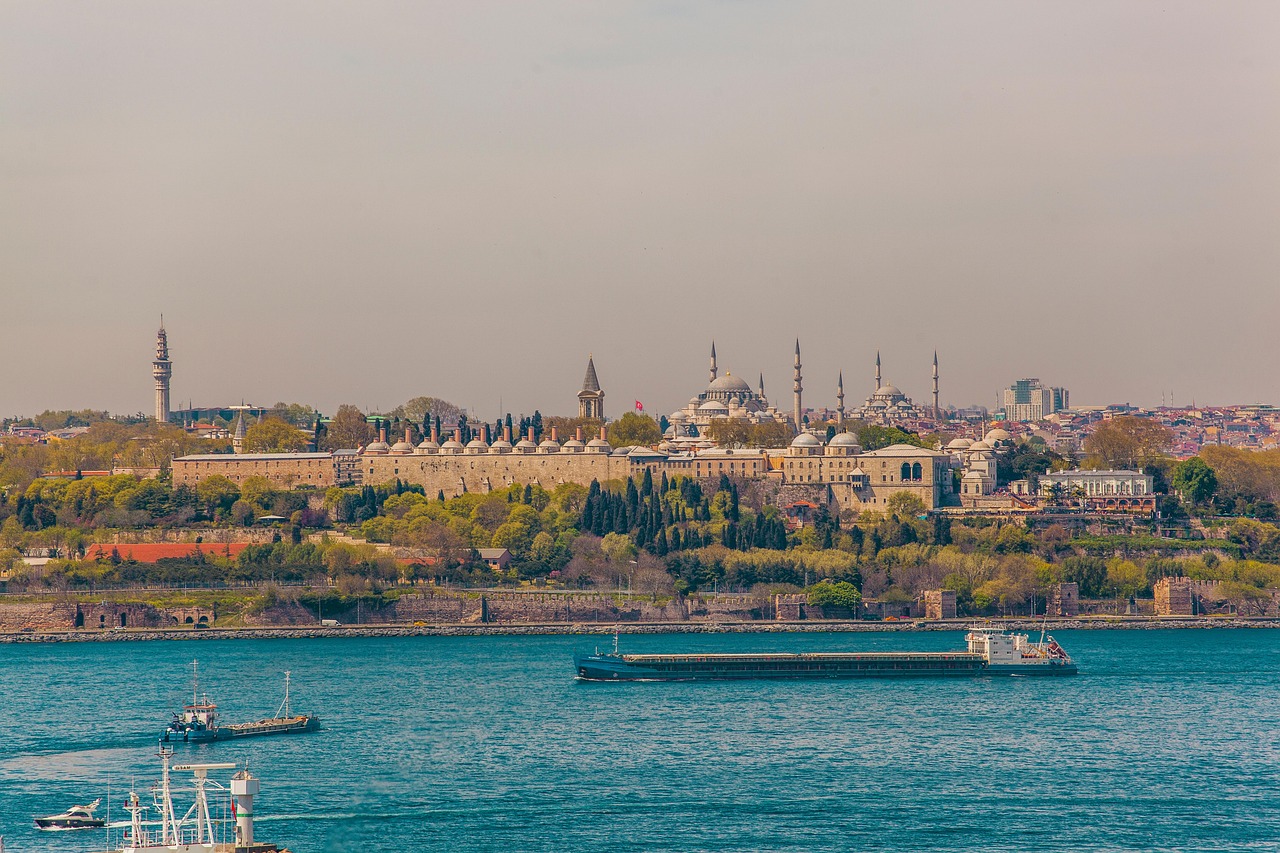
Stepping out of the museum’s cool, subterranean silence back into the afternoon sun always feels like a bit of a sensory jolt. It is easy to get caught up in the verticality of Istanbul—straining your neck to see the gold leaf in the Hagia Sophia or counting the minarets on the skyline—but this quiet corner of Sultanahmet reminds you that the city’s weight is beneath your boots. The “real” Istanbul isn’t always found in the tallest dome; sometimes it’s in the grit and grace of a 1,500-year-old limestone tiger frozen in a hunt right under your feet.
Don’t rush your exit. As you walk back through the Arasta Bazaar, let the contrast sink in. You’ve just seen the remnants of an imperial floor where emperors once walked, and now you’re passing modern shopkeepers doing the exact same thing—selling silks, spices, and stories. It’s a cleaner, quieter kind of commerce than the chaos of the Grand Bazaar, and it deserves a slow pace.
Last Tuesday, I stopped at the small tea hearth near the end of the bazaar, just as the call to prayer began to echo between the walls. I paid 60 TL for a glass of tea that was probably too hot to hold, but it gave me ten minutes to just watch the light hit the stone. If you find yourself overwhelmed by the crowds at the main landmarks, come here. Pay your 650 TL at the gate, lose yourself in the hunt scenes of the Great Palace, and then take the long way out. It’s the most honest way to see how the layers of this city actually hold each other up.
Comments
Share your thoughts with us