
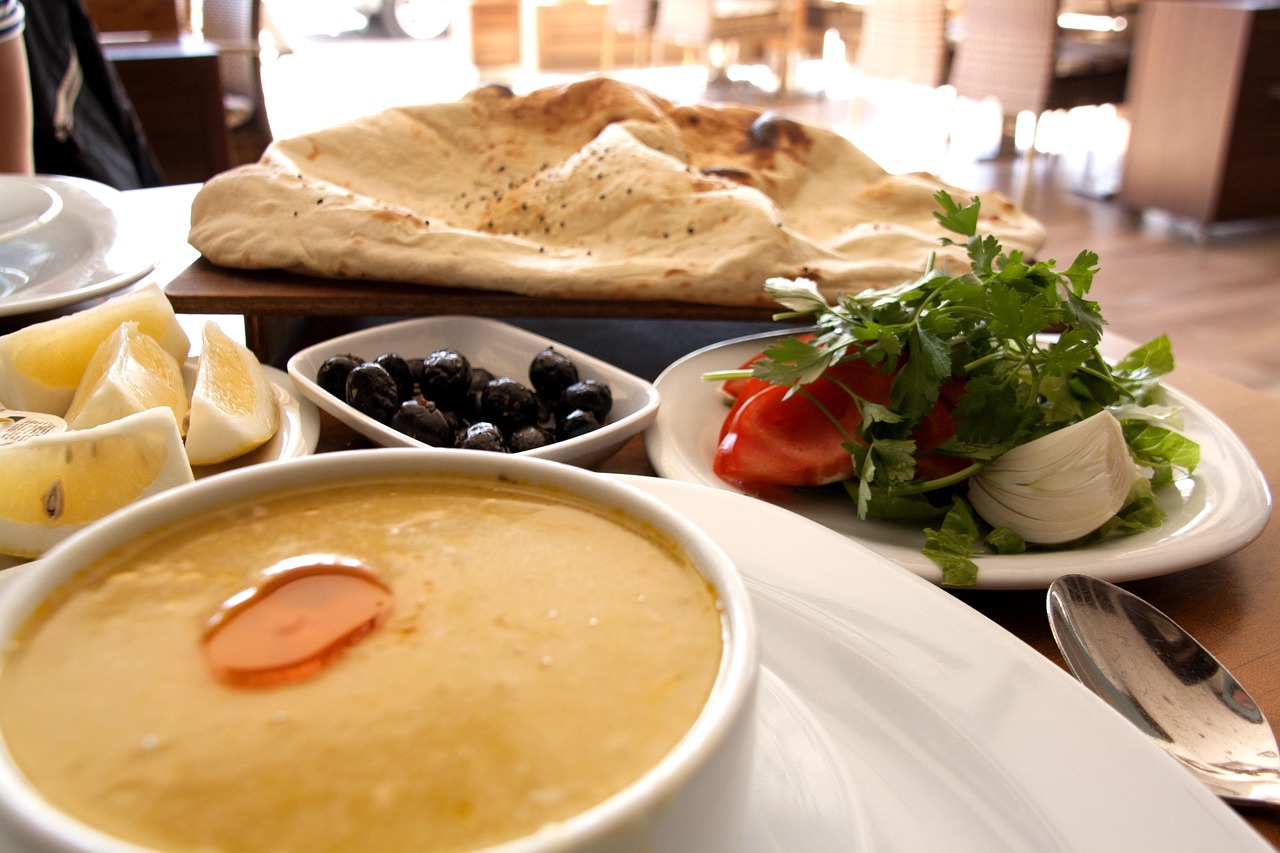
The steam rising from a heavy bowl of Kelle Paça at 3:00 AM tells you more about the soul of Istanbul than any museum audio guide ever could. Whether you’re standing under the flickering neon of a side street in Beşiktaş or sitting on a stool in a quiet Fatih alley, the çorbacı (soup house) is a sanctuary. It is the restorative ritual that bridges the gap between a long night out and a productive morning, a place where the social fabric of the city is stitched together one ladle at a time.
Field Note: The Tuesday Lunch Rush Last Tuesday, I found myself tucked into a corner at Paçacı Mahmut in Fatih around 2:30 PM. The lunch crowd was thinning, but the air was still thick with the scent of slow-simmered bone broth. I watched the “usta” (master) navigate his massive copper cauldrons with a precision that comes from decades of repetition. I paid 350 TL for a bowl of their signature soup—which, at 2026 exchange rates of 50 TL to the Euro, sits right around 7 EUR. There was no queue, just the rhythmic clink of spoons against porcelain and the sharp, medicinal tang of vinegar hitting hot fat.
In the high-energy corridors of Beşiktaş, soup houses are brighter and louder, catering to a younger crowd looking to soak up a night of Rakı or beer. In Fatih, the pace is slower and deeply rooted in the history of the peninsula. Navigating these two worlds requires more than just an appetite; it requires an understanding of the unspoken etiquette—knowing when to ask for extra sarımsak (garlic water) and how to spot a genuine neighborhood institution.
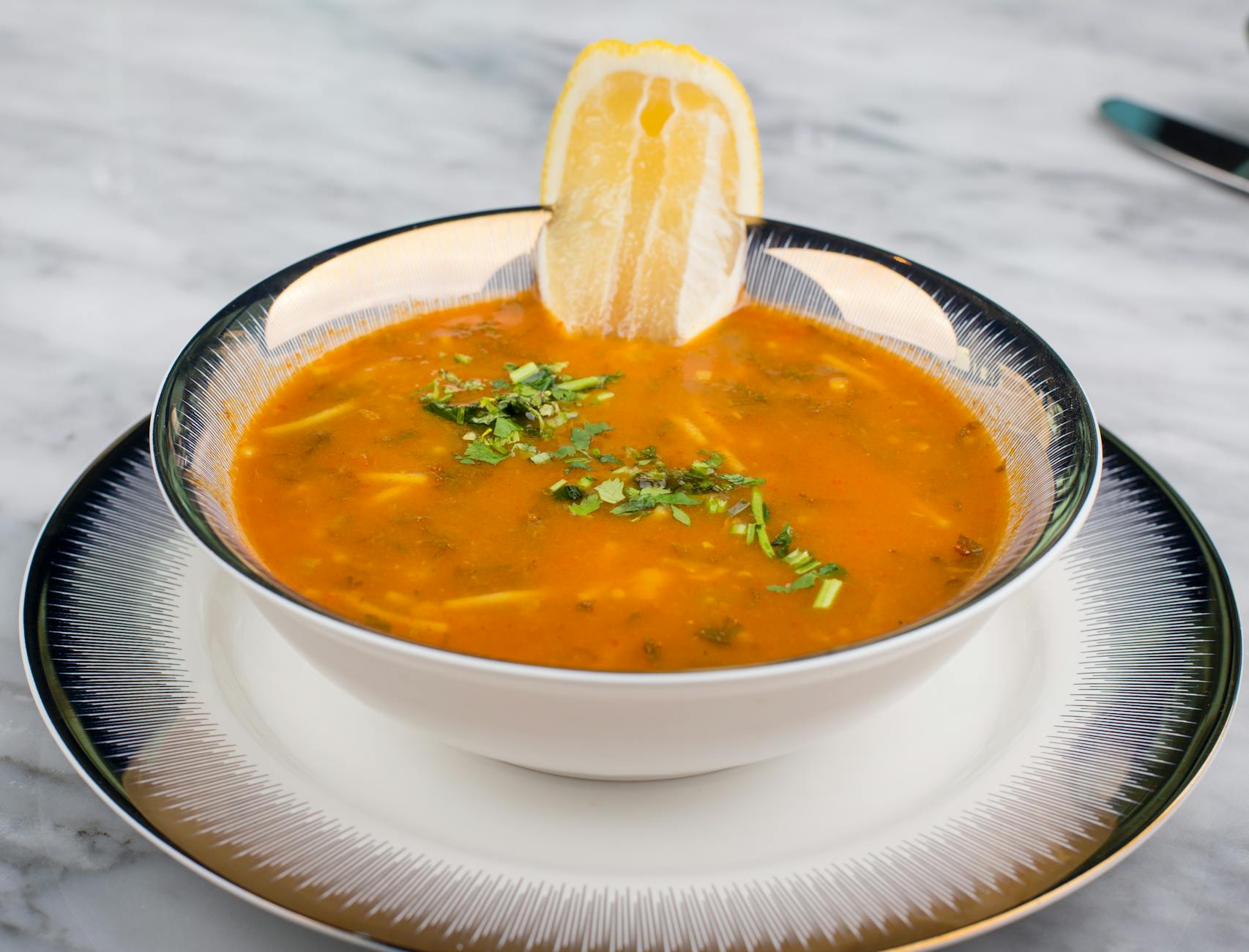
Beşiktaş: The Nightlife Lifeline
Beşiktaş isn’t just a neighborhood; it’s the city’s collective “reset” button. While the Bosphorus nightlife might start with high-end cocktails or a long evening at an Istanbul Ocakbaşı Guide: Authentic Grill Culture, it inevitably ends in the narrow, steam-filled alleys of the Çarşı. By 2:00 AM, the energy shifts from the rowdy roar of the pubs to a more focused, communal pursuit of recovery.
The 3 AM Ritual at Lale İşkembecisi
If you want to understand the soul of this neighborhood, sit at Lale İşkembecisi. It’s been a landmark for decades. I’ve sat on these stools countless times, watching the chaotic transition of the city. One moment, the place vibrates with the energy of a thousand post-match football chants; twenty minutes later, it’s a hushed sanctuary for people trying to find their bearings before catching a taxi home.
Field Note: The Tourist Tax Lesson On a rainy Thursday at 11:45 PM, I made the mistake of ordering a soup at a generic shop right next to the Beşiktaş ferry terminal without checking the menu. I ended up paying 280 TL for a lukewarm bowl that was clearly stretched with flour. Now, I always walk the extra 400 meters uphill toward the Çarşı center where the locals actually eat. At Lale, a bowl of Mercimek (lentil soup) currently costs 150 TL (3 EUR). It’s silky, yellow, and served with a side of charred bread.
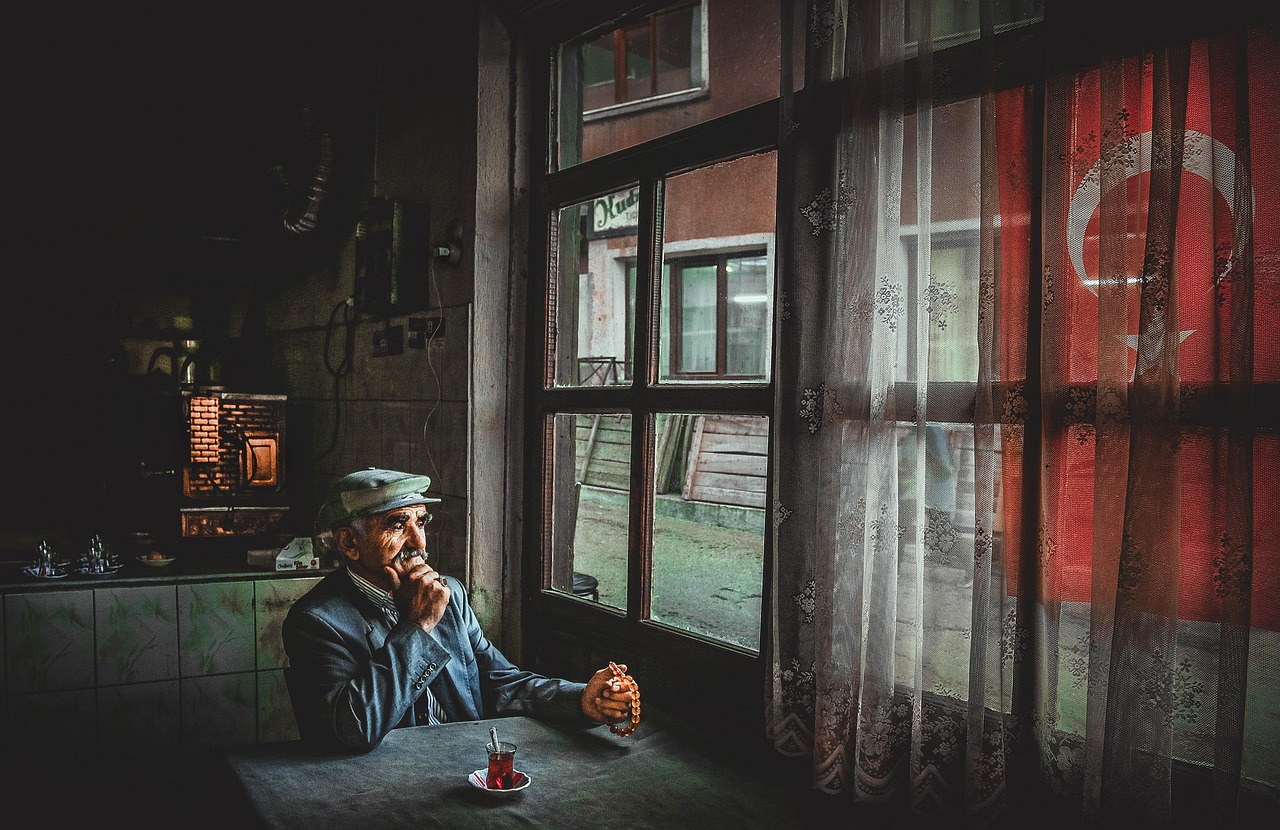
Fatih: The Temple of Bone Broth and Tradition
In Fatih, soup isn’t a side dish; it is a serious, high-protein fuel meant to power a long day of work. While the rest of the world might grab a pastry for breakfast, a local in Fatih is likely hunched over a steaming bowl of bone broth by 8:00 AM. While the nearby Museum of Turkish and Islamic Arts Entry Tips and Hippodrome Terrace Views offers a visual history of the empire, these soup shops offer a culinary one.
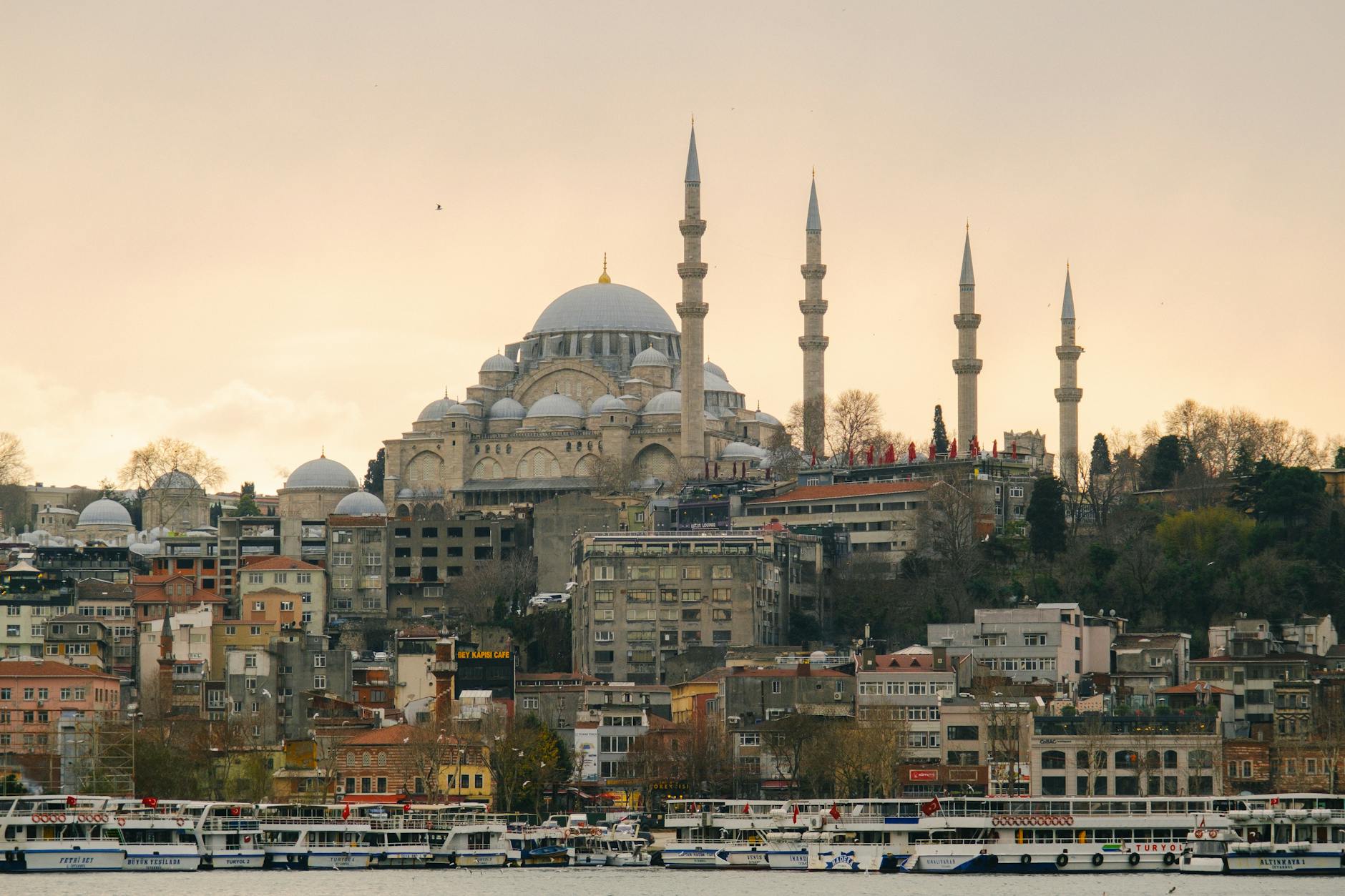
Paçacı Mahmut Usta: The Shrine to Offal
You don’t just “go out for lunch” at Paçacı Mahmut Usta; you make a pilgrimage. This is a temple dedicated to the art of the simmer. My recommendation is the Kelle Paça. Unlike the watery versions found in high-traffic areas, Mahmut Usta’s broth is thick and silky, the result of hours of slow-cooking sheep’s head and trotters.
The atmosphere is no-nonsense. Timing is everything here. I once arrived at 2:30 PM only to find the master shaking his head at empty copper pots. The shop frequently runs out of the best cuts by mid-afternoon, so arrive by 1:00 PM at the latest. In 2026, a bowl of their premium Kelle Paça costs 350 TL (7 EUR).
After finishing a bowl this heavy, I find that a walk toward the spice markets for some Authentic Turkish Delight and Handcrafted Akide Candy with Historical Shop Tips and 2026 Prices is the perfect way to reset the palate.
Understanding the 2026 Soup Economy
In 2026, a “fair” price for a bowl of soup is about paying for the labor of the broth. Expect two distinct tiers of soup houses based on ingredients and preparation time.
| Soup Category | 2026 Price (TL) | Best For… |
|---|---|---|
| Basic (Lentil/Tomato) | 120 - 150 TL | Quick lunches and light meals |
| Traditional (Kelle Paça) | 300 - 450 TL | The authentic, nutrient-dense Istanbul experience |
| Regional (Beyran/Ayak Paça) | 400 - 550 TL | Heavy, garlic-rich artisan broths |
The Art of the Seasoning Station
Treating the condiments on a Turkish soup table as optional garnishes is a mistake. If you ignore the “Holy Trinity”—sarımsaklı su (garlic water), sirke (vinegar), and lemon—you are essentially eating an unfinished dish.
Mastering the Holy Trinity
The most important rule of Turkish table etiquette is simple: taste the broth first. The masters at these 24-hour spots pride themselves on a base flavor that has often simmered for over twelve hours. I once sat next to a traveler in a Beşiktaş çorbacı at 3:00 AM who grabbed the vinegar bottle and doused his Beyran before even picking up his spoon. The chef looked visibly pained.
- Sip the plain broth immediately to gauge the salt and fat content.
- Add two teaspoons of sarımsaklı su (garlic water) to break down the richness.
- Splash a small amount of grape vinegar (sirke) if you are eating İşkembe (tripe).
- Squeeze half a lemon over the top to brighten the heavier flavors.
Common Questions for the Curious Diner
How do I handle the more adventurous offal dishes?
If the idea of tripe (İşkembe) makes you hesitate, start with Kelle Paça. It’s essentially a rich, fatty meat stew. On a recent Tuesday at a small shop near the Fatih mosque, I paid 225 TL (about 4.50 EUR) for a bowl so thick with tender meat it felt like a full meal.
Can I find vegetarian Turkish food in these shops?
You certainly can. Mercimek (lentil) or Ezogelin (red lentil with bulgur) are staples. In Fatih, a bowl of Ezogelin usually costs around 110 TL. However, old-school masters sometimes use bone broth (et suyu) to add depth to their lentil soups. Always ask “Et suyu var mı?” (Is there meat stock?).
Sitting on a low stool at Meşhur Şayan in Beşiktaş around 2:00 AM, watching the master flick a spoonful of sizzling pepper butter over a bowl of tuzlama, you realize this isn’t just about refueling. It’s Istanbul’s way of saying “welcome home” at any hour. Embrace the ritual. Lean into the vinegar and that potent garlic water. My late-night bowl of beyran last week set me back 350 TL, and the lingering heat of the Urfa pepper was the perfect end to a long day.