
Traditional Pickle Shops of Beyoğlu and Kadıköy with 2026 Juice Prices and Tasting Tips
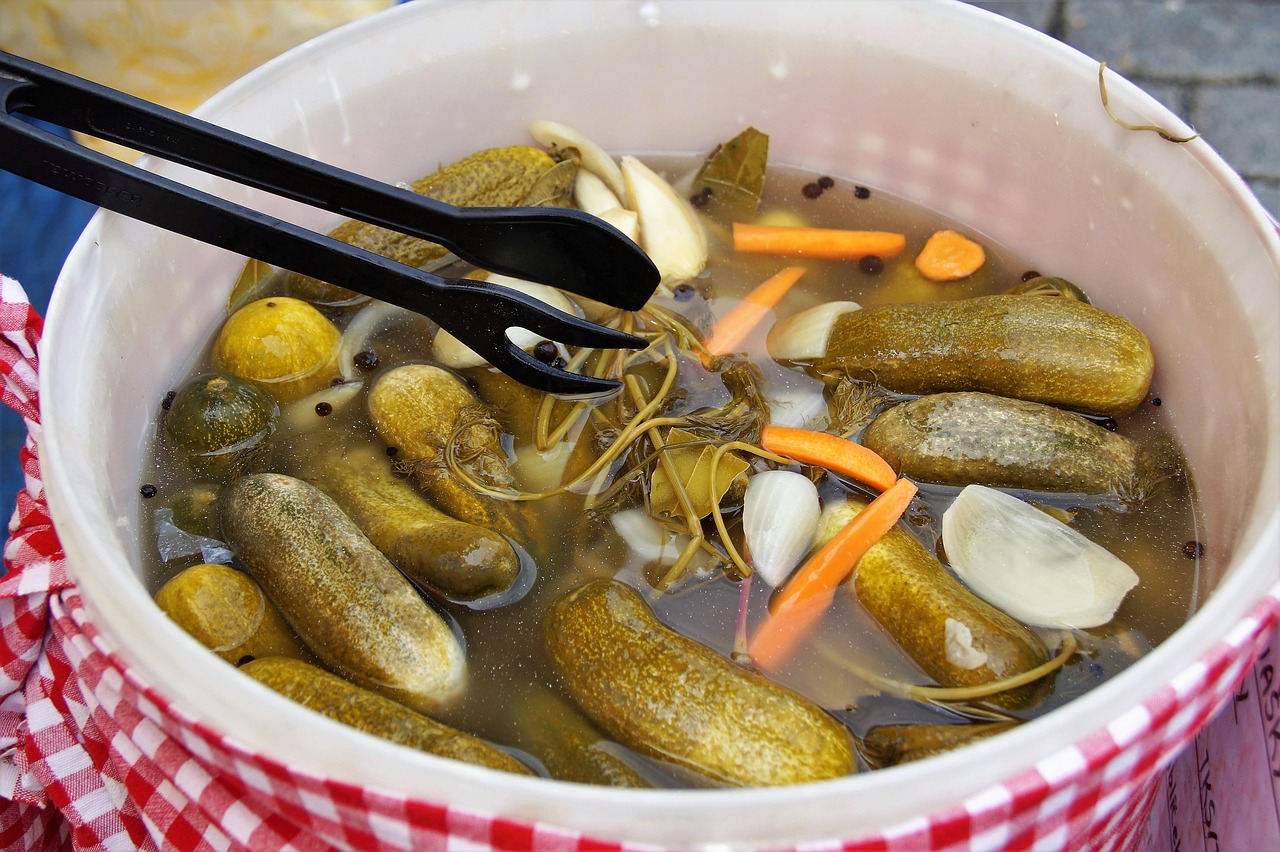
I still remember the first time I took a friend from London to Asri Turşucu in Cihangir; the look of pure shock on their face when they realized we weren’t just buying a jar to take home, but standing there knocking back shots of neon-pink, spicy vinegar juice like it was fine tequila. It was a drizzly Tuesday last November, right around 4:00 PM when the local shopkeepers and grandmothers start crowding the narrow storefront on Ağa Hamamı Street. My friend stared at the towering glass jars of pickled plums and green peaches lining the walls like specimens in a mad scientist’s lab, then looked down at his 60 TL cup of juice—exactly 1.20 EUR at today’s rate—wondering if I was playing a prank on his palate.
Fifteen years in Istanbul has taught me that the turşucu is the city’s unsung sanctuary. While the rest of the world sees pickles as a mere garnish, here they are a craft, a seasonal calendar, and a digestive necessity. The masters of this trade are largely concentrated in the historic backstreets of Beyoğlu and the high-energy market lanes of Kadıköy. Each side of the Bosphorus offers a different soul: Beyoğlu feels like a nostalgic film set where the vinegar hits the back of your throat with a sharp, historic bite, while Kadıköy provides a more frantic, communal experience where you’re dodging fishmongers just to get your hands on a cup of that salty, probiotic gold.
Prices in 2026 have stabilized a bit, but you should expect to pay about 75 TL (roughly 1.50 EUR or 1.65 USD) for a large mixed cup with a few crunchy bits of cabbage and cucumber thrown in. It remains the most affordable high-end culinary experience in the city. Navigating these shops requires a bit of local rhythm; if the shop is tiny and the line is long, don’t spend ten minutes debating between the pickled garlic and the okra. If the sharp acidity of the classic brine feels intimidating, you can always ask for “sade” (plain), but the real Istanbul experience is the “acılı” (spicy). It’s a heat that doesn’t linger painfully but rather clears the head—perfect for those days when the humidity off the Marmara Sea feels a bit too heavy.
The Great Lemon vs. Vinegar Debate
In Istanbul, you aren’t just choosing a snack at a pickle counter; you are picking a side in a fifty-year-old cultural war that has split families down the middle. This isn’t hyperbole—to understand Turkish food culture, you have to understand that our philosophy on turşu (pickles) is dictated by a 1978 cult classic film called Neşeli Günler. In the movie, a husband and wife dismantle their entire family and separate for decades because they cannot agree on whether the best pickles are made with lemon or vinegar. When you stand at a counter in the Beyoğlu Balık Pazarı, you are standing in the middle of that unresolved argument.
A Cinematic Rivalry in Every Jar
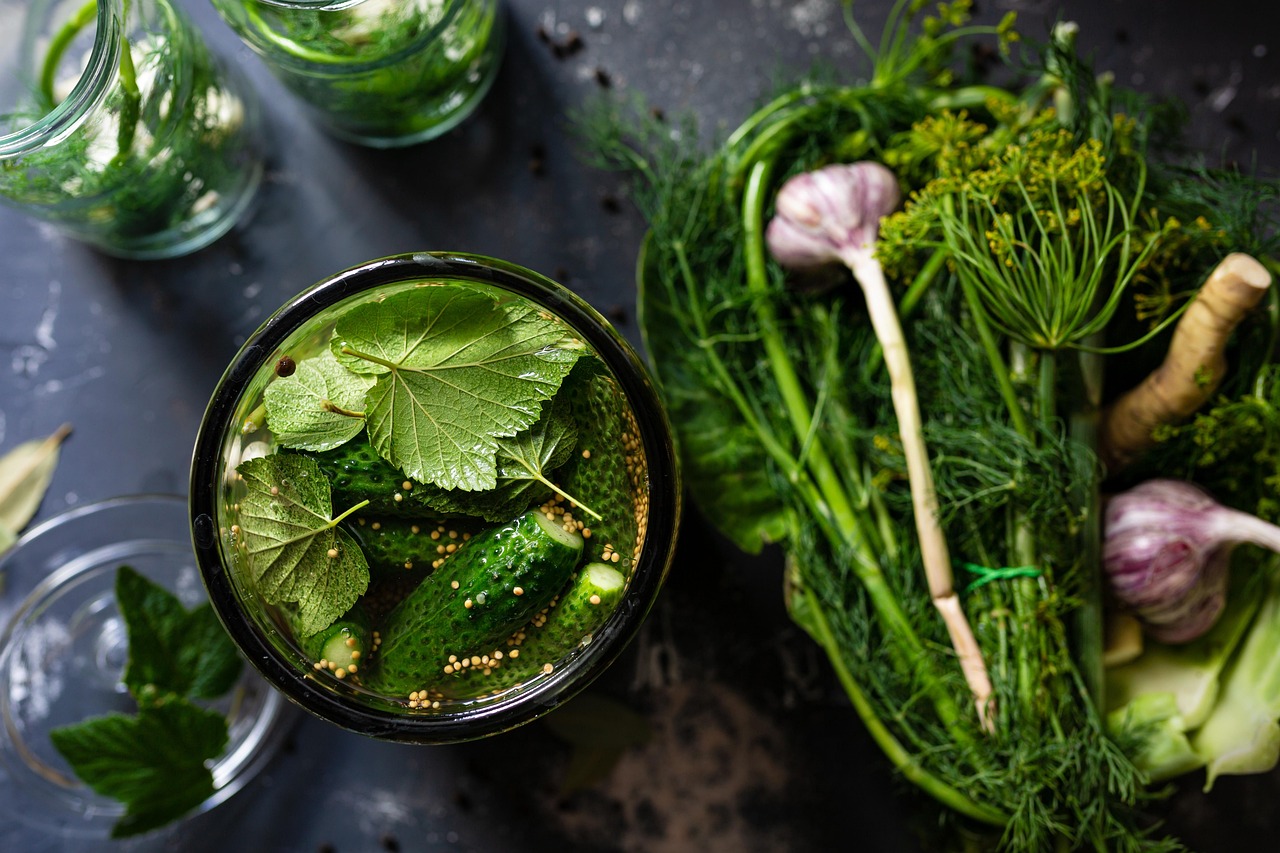
The film’s protagonists, Saadet and Kazım, represent the two schools of thought that still dominate the city. Vinegar advocates argue that the asit (acid) level provided by grape vinegar is the only way to ensure a deep, soul-cleansing fermentation. Lemon purists, however, insist that vinegar masks the natural flavor of the vegetable. I personally lean toward the lemon-based brine for green plums and cucumbers because it preserves the “snap,” but if you’re going for cabbage or peppers, vinegar is the only way to get that necessary punch.
The Texture of Tradition at Petek
Last Tuesday, I spent twenty minutes waiting in a narrow queue at Petek Turşuları just to observe the ritual. A small cup of spicy pickle juice here currently costs 45 TL (1 USD), and even in the mid-afternoon heat, the crowd was thick. At Petek, the difference in texture is palpable. The lemon-based ferments have a bright, citrusy crispness—what we call kütür kütür—while the vinegar-heavy jars offer a softer, more complex bite that lingers.
If you find the acidity of a vinegar-heavy juice too aggressive for your first try, here is a practical fix: ask the shopkeeper for a “bol taneli” (lots of bits) cup. Eating the crunchy cabbage and carrots between sips of the juice acts as a natural buffer for your stomach. It’s a common mistake for travelers to bolt the juice like a shot of tequila; instead, sip it slowly while leaning against the wooden counter, just like the locals who have been coming here since the 1930s.
Asri Turşucu: The Cihangir Institution
Asri Turşucu isn’t just a shop; it’s a living museum of fermentation that has anchored the Beyoğlu district since 1913, and its current Cihangir location since 1938. If you walk in expecting a quick, generic snack, you’ve missed the point—this is where the art of the artisanal fermentation is treated with the same reverence as a fine wine. I remember visiting on a drizzly Tuesday last November; the shop was quiet, the air thick with the sharp, comforting scent of vinegar, and the usta (master) was meticulously arranging lemons in a jar like he was composing a symphony.
The shop operates strictly from 11:00 AM to 8:00 PM, but there is a legendary catch: they close entirely during the hottest summer months. They believe the heat compromises the integrity of the brine, a level of commitment to quality you rarely see anymore. If you find the doors shut in July, don’t despair—walk down the hill and console yourself with a morning simit and savory pastries from the historic bakeries of Karaköy and Galata with current prices from the historic bakeries nearby.
The Masterclass in Crunch
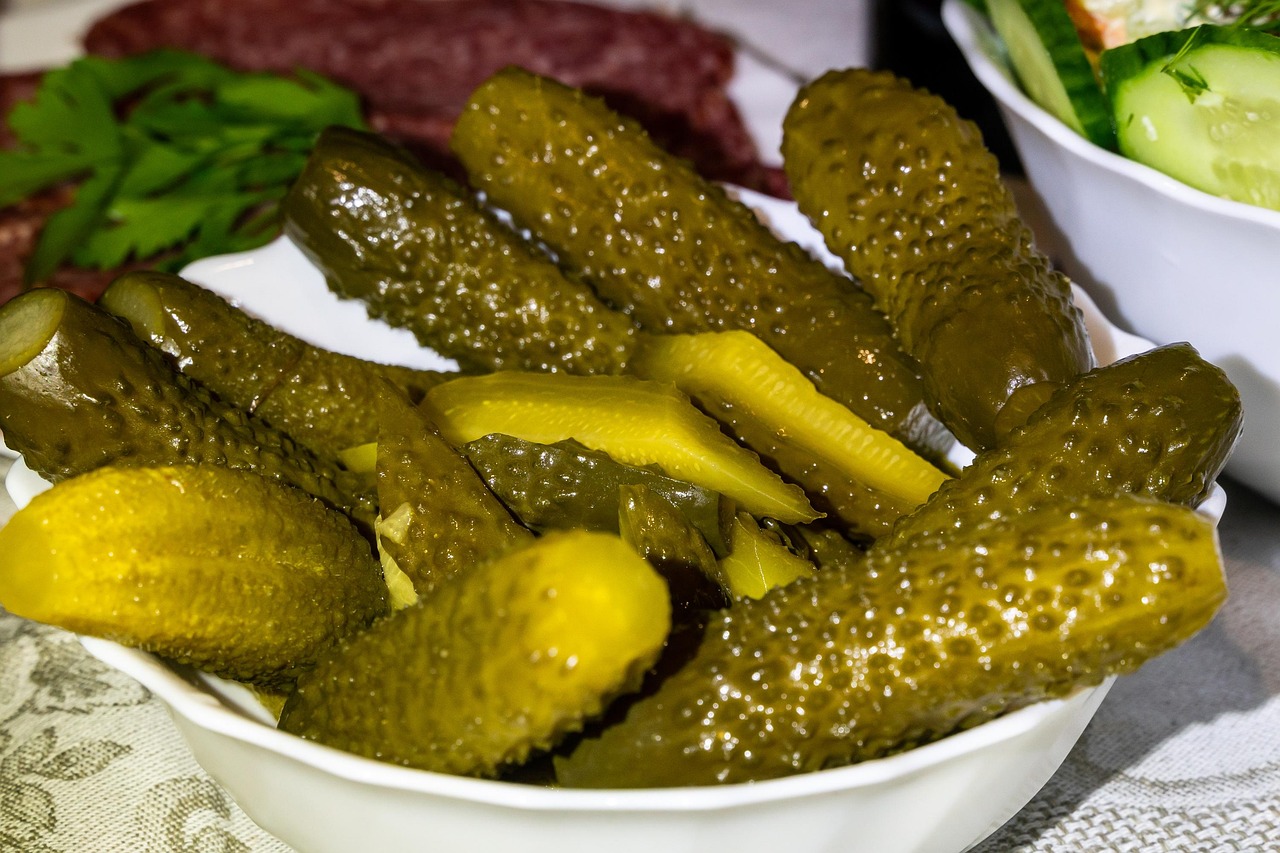
When you step up to the wooden counter, don’t just point randomly. You are here for the textures. The okra (bamya) pickles are a revelation; they lack any of the sliminess people often associate with the vegetable, offering instead a clean, acidic snap. Pair them with the garlic (sarımsak), which is cured until the harsh bite transforms into a mellow, savory richness.
For a medium-sized selection jar to take back to your rental, expect to pay around 450 TL, which is exactly $10 USD at the current rate of 45 TL per dollar. It’s a fair price for a product that takes months of patience to reach your plate.
Top 5 Must-Try Varieties at Asri
- Pickled Okra (Bamya): Essential for those who think they hate okra; the crunch will change your mind.
- Whole Garlic Cloves: These are preserved long enough to lose their “burn,” leaving a buttery, vinegar-infused heart.
- Green Tomatoes: A classic Turkish turşu staple that provides a firm, tart contrast to softer items.
- Hot Peppers (Sivri Biber): Not for the faint of heart, but the heat is perfectly balanced by the salt.
- Plums (Erik): These offer a unique, fruity acidity that acts as a fantastic palate cleanser.
Berk’s Insider Tip: If you’re buying a jar to take home, ask the ‘usta’ (master) to wrap it in multiple layers of plastic wrap; the vacuum seal isn’t always perfect and vinegar in a suitcase is a tragedy.
Petek Turşuları and the Spicy Juice Ritual
Petek Turşuları is the undisputed heavyweight of the Beyoğlu Fish Market (Balık Pazarı), and skipping a glass of their juice while wandering Istiklal is a rookie mistake. This shop has stood its ground since the 1930s, and for good reason: they understand the exact science of acidity. While the market outside can feel chaotic with fishmongers shouting and crowds pushing through, Petek remains a calm, vinegar-scented sanctuary.
The 2026 Price Breakdown
Quality has stayed high despite the city’s pace. As of early 2026, a standard glass of their house-blend pickle juice will set you back 50 TL (1 EUR). If you’re feeling hungry, I always recommend upgrading to the large glass for 90 TL (approx. 2 EUR). This version comes loaded with extra pickle bits—crunchy slices of cucumber, cabbage, and carrot—that turn a simple drink into a functional snack.
Last Tuesday, I stopped by around 4:00 PM—the perfect time to avoid the post-work rush—and noticed a group of travelers hesitating at the counter. I told them what I’ll tell you: go for the Acı suyu (spicy juice). It’s not a “burn your throat” kind of heat; it’s a warming, complex spice that settles the stomach. If the spice is too much, just ask for a “medium” mix (orta), where they blend the spicy and sweet juices together.
The Palate Cleanser Strategy
The secret to enjoying Beyoğlu like a local is all about the sequence. I never drink my pickle juice as a standalone event. Instead, I treat it as a tactical palate cleanser. Drinking a glass here provides the perfect acidic counter-punch before heading to one of the nearby Traditional Black Sea Pide Houses in Fatih and Beyoğlu with Menu Prices. The vinegar cuts right through the richness of a wood-fired meat dish or a heavy plate of kebab, making that first bite taste twice as good.
Berk’s Insider Tip: At Asri, if you see the pickled green tomatoes (yeşil domates), buy them instantly. They are the first to sell out and offer the best crunch-to-acid ratio in the shop.
Crossing to Kadıköy: Özcanlar and the Asian Side Style
The best way to prepare your palate for the sharp acidity of a Kadıköy pickle is to let the salt air of the Marmara Sea do the heavy lifting first. I never take the Metro to the Asian side when I’m on a turşu run; the 15-minute crossing from the European side is a mandatory ritual to sharpen the senses. Before you head out, check the ferry routes to ensure you aren’t standing at the wrong dock while your boat pulls away—a mistake I still see travelers make every single day.
Once you land in Kadıköy, head straight for the historic Fish Market (Balık Pazarı). It’s a sensory overload of silver scales and shouting vendors, but your target is the unmistakable neon glow of Özcanlar Turşu. I was there last Tuesday around 3:00 PM—the sweet spot before the after-work rush—and the queue was only three people deep. If you arrive on a Saturday afternoon, expect a 10-minute wait in a narrow alley, but don’t let that deter you; the turn-around is fast. For more specific shopping advice in these areas, see the guide on Weekly Neighborhood Street Markets with 2026 Produce Prices and Shopping Tips.
Finding the Neon Glow in the Fish Market
Özcanlar has been a staple here since 1935, and it feels more like a laboratory of brine than a simple shop. The floor is usually slightly damp from the constant movement of barrels, and the air carries a heavy, vinegary weight. While the Beyoğlu shops feel like boutiques, this is a working-class cathedral of preservation.
Berk’s Insider Tip: Drinking pickle juice on an empty stomach is an amateur move. Line your stomach with a hot simit from a nearby street vendor first—your stomach lining will thank me by the time you hit the third shop.
The Erik and the Heat
You aren’t here for standard cucumbers. You are here for the pickled green plums (erik). These are a seasonal obsession in Turkey; they are tart, incredibly crunchy, and possess a floral aftertaste that vinegar only enhances. At roughly 50 TL (exactly 1 EUR) for a generous sample cup, it is the best value snack in the district.
I also recommend their tiny decorative peppers. They look harmless, like little jewels in the jar, but they pack a massive, creeping punch. If the heat becomes too much, don’t reach for water—it only spreads the fire. Instead, take another sip of the cold, purple turnip-based juice (şalgam) to neutralize the capsaicin. It sounds counterintuitive, but the local method never fails.
The 2026 Turşu Price List and Selection Guide
Expecting a uniform price across Istanbul is a rookie mistake because the difference between a mass-produced plastic jar and a master-grade fermentation is night and day. When you stand at the counter of a legendary shop like Asri Turşucu or Özcan, you are paying for a craft that requires months of patience, not just a splash of vinegar. Last Tuesday, I stood in a ten-minute queue behind three local grandmothers in Kadıköy just to get my hands on a liter of beet juice, and even with the 2026 price hikes, the value for money remains staggering compared to a lackluster cocktail in Nişantaşı.
I learned the hard way that you shouldn’t carry a fresh 2kg jar of beets across the cobblestones near Edirnekapı. Last Wednesday, the bottom of my paper bag gave out right as I was photographing the A Masterpiece of Light: Why the Mihrimah Sultan Mosque is My Favorite Spot at the City—a 400 TL mistake that left my sneakers permanently stained pink and the sidewalk smelling like a brine barrel.
Market-Grade vs. Master-Grade
Don’t be tempted by the cheap jars in local supermarkets. They are often pasteurized and loaded with preservatives, resulting in a soft, mushy texture. Master-grade pickles are characterized by their “kütür kütür” (a Turkish onomatopoeia for a satisfying crunch). If the pickle doesn’t snap when you bite it, it’s not worth your Lira.
The Spicy ‘Acılı’ Debate
The vendor will always ask: “Acılı mı, sade mi?” (Spicy or plain?). The spicy version isn’t just infused with chili; it is usually drawn from the barrels where the hottest peppers have been fermenting for months. It has a deep, throat-warming kick. If you’re unsure, ask for a “middle” mix. I once saw a traveler gulp down a full glass of extra-spicy juice at Pelit and immediately regret his bravado—sip it slowly and eat a piece of pickled cabbage between gulps to balance the acidity.
| Item | Price (TL) | Price (Approx. EUR/USD) | Best For… |
|---|---|---|---|
| Small Glass of Juice | 50 TL | €1.00 / $1.11 | A quick probiotic hit while walking. |
| Large Glass with Slices | 90 TL | €1.80 / $2.00 | A full snack; includes pickle chunks. |
| 1kg Mixed Jar (Bulk) | 400 TL | €8.00 / $8.88 | Taking the experience back to your Airbnb. |
| Premium Specialty (Plum/Garlic) | 550 TL | €11.00 / $12.22 | Connoisseurs looking for rare ferments. |
Rates based on 1 EUR = 50 TL and 1 USD = 45 TL.
How to Order Like a Local Without Making a Scene
Speed is the ultimate currency in a busy Istanbul pickle shop. Standing in front of the counter at Asri Turşucu in Cihangir on a Saturday afternoon taught me that these shopkeepers value decisiveness over flowery politeness. If you hesitate while staring at the jars, the local regular behind you will likely order right over your shoulder. It’s not rudeness; it’s just the rhythm of the city. To get your pickle juice fix like a pro, you need to have your order ready before you reach the front of the queue.
Standing in the Kadıköy Fish Market last Saturday at 11:30 AM, the queue at Özcanlar was already twelve people deep. I watched a group of teenagers spend fifteen minutes debating between plums and peaches, only to be barked at by the usta who had thirty more orders to pour. I stepped in, paid my 50 TL in exact change, and was out in twenty seconds with a perfect cup of spicy juice.
The Pickle Juice Protocol
To navigate the counter like a true Istanbulite, follow these steps to ensure a smooth transaction and the best possible flavor profile.
- Select your glass size immediately, choosing between Küçük (Small) or Büyük (Large). Most locals go for a small glass if they are just passing through, which in 2026 typically costs about 50 TL (exactly 1 EUR).
- State your spice preference using the terms Acılı (spicy) or Acısız (not spicy). The spicy version uses a potent pickled pepper brine that hits the back of the throat, so if you have a low tolerance, stick to Acısız.
- Request “tane” (pronounced ta-neh) if you want the experience of chopped cabbage and cucumber pieces at the bottom of your juice. This adds a necessary crunch but requires a bit of skill to eat with the provided small plastic fork while standing.
- Prepare your physical Turkish Lira in advance. While larger markets are digital, these historic shops are old-school and often prefer cash or local debit cards for small transactions. Having a 50 TL note ready for a single glass prevents the awkward scramble for change.
- Move away from the counter as soon as the glass is in your hand. These shops are tiny, and blocking the “flow” is the quickest way to mark yourself as a tourist. Find a small stool or lean against the exterior wall to enjoy your drink.
Living History
Standing in front of a floor-to-ceiling shelf of neon-green peppers and deep purple beets, you realize these shops are the city’s true anchors. Istanbul is currently tearing itself down and rebuilding at a dizzying pace, but the fermentation process doesn’t care about trends. These families have been balancing salt and vinegar for generations, providing a sense of continuity that a shiny new third-wave café simply can’t offer.
If you find yourself at Asri Turşucusu in Cihangir, look for the faded photograph of the 1978 film crew tucked behind the counter—it’s a quiet reminder that while the neighborhood outside has become a playground for digital nomads, the brine inside those jars tastes exactly as it did fifty years ago. Grab your glass of spicy turşu suyu—you’ll likely pay around 70 TL (roughly 1.40 EUR) for a generous pour—and let that sharp, acidic kick reset your senses. It’s the ultimate local wake-up call.
The best way to finish this experience is to walk off the salt as the light shifts. If you’re in Kadıköy, skip the crowded main streets and head straight down to the Moda seaside. The transition from the vinegary punch of the shop to the humid, salty air of the Marmara breeze is one of those sensory shifts that makes this city feel alive. Find a spot on the rocks near the tea gardens, watch the ferries trace lines toward the silhouettes of the Old City, and appreciate the fact that some parts of Istanbul still refuse to be modernized. It’s the most honest palate cleanser you’ll find.
Comments
Share your thoughts with us