
The Golden Horn Terrace and Quiet Courtyards of Yavuz Selim Mosque
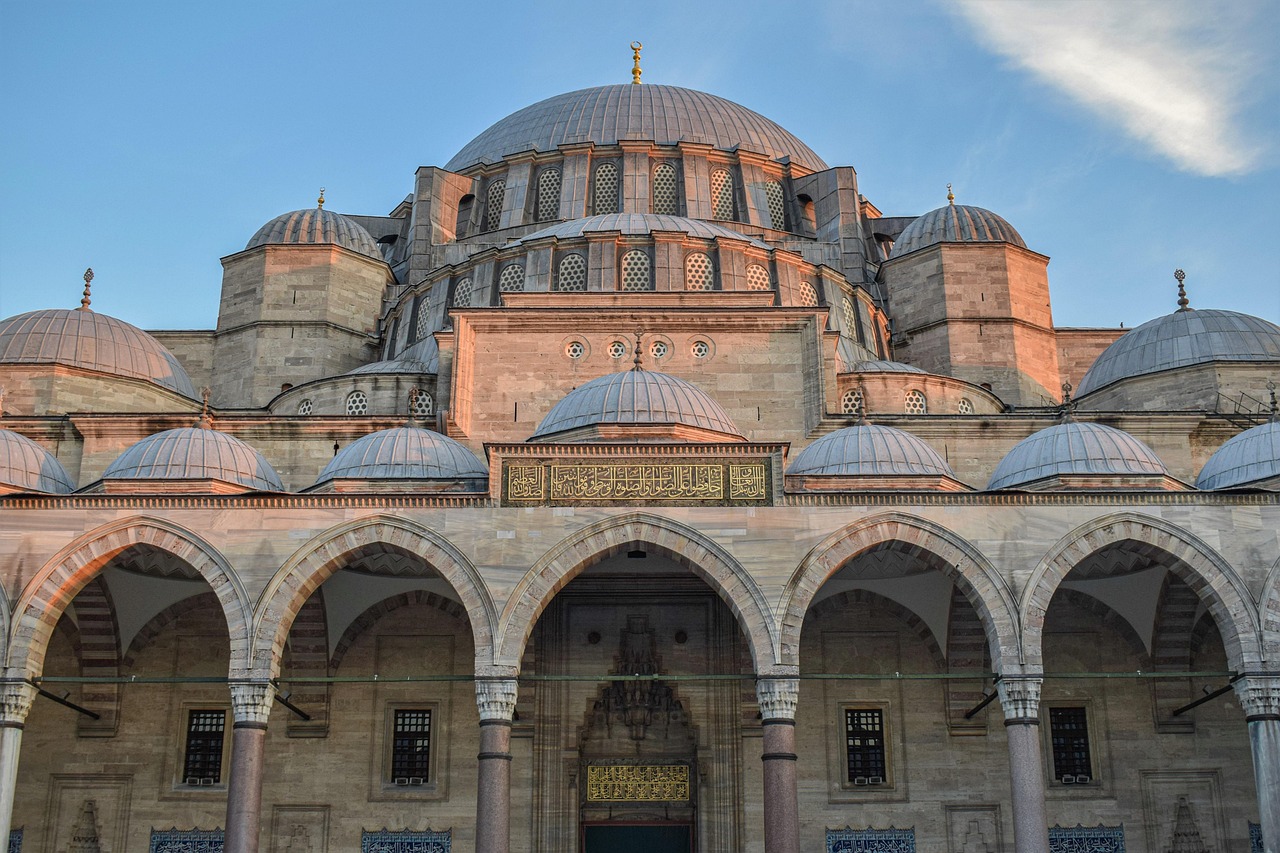
Sultanahmet has the crowds, and Süleymaniye has the grandeur, but when I need to remind myself why I still live in this chaotic city after fifteen years, I climb the fifth hill to the Yavuz Selim Mosque. Most visitors get lost in the labyrinth of the Grand Bazaar or wait in line for hours at the Hagia Sophia, completely unaware that just a twenty-minute walk into the heart of the Fatih district lies a terrace that makes the rest of the city feel like a distant memory. There’s a specific kind of stillness here, a stark contrast to the relentless hum of the lower neighborhoods, where the only sound is the occasional snap of a prayer bead or the wind coming up from the Haliç.
Standing on the edge of the mosque’s outer courtyard, the Golden Horn panorama unfolds in a way that feels almost private. You aren’t fighting for a photo op; you’re just existing in the same space that Sultan Süleyman the Magnificent chose to honor his father. It’s a masterpiece of architectural restraint—widely attributed to the legendary Mimar Sinan in his formative years—and the result is a temple of light and silence. The pinkish stone of the courtyard glows in the late afternoon, and as the sun begins to dip, the minarets across the water start to silhouette against a bruised purple sky. It’s the Istanbul I always promise my friends exists, far away from the overpriced menus and the persistent calls of the carpet sellers near the Blue Mosque. Walking through these gates feels like finally exhaling.
The Architectural Silence of the Fifth Hill
Most people rush to the Blue Mosque for grandiosity, but if you want to understand the soul of the old city, you come to the Yavuz Selim Mosque. It is the most underrated viewpoint in Istanbul because it refuses to shout for attention. While the imperial mosques of the later eras are all about cascading domes and dizzying heights, Yavuz Selim is a lesson in Ottoman architectural restraint. It sits on the edge of the Fifth Hill, looking out over the Golden Horn with a quiet, almost stern confidence that matches the man it was built for.
A Lesson in Early Classical Restraint
Whenever I bring friends here, they’re usually struck by the simplicity. This isn’t the complex, lace-like stone work of Mimar Sinan’s later masterpieces. Instead, you have a single, massive dome resting on a square base. It’s one of the oldest imperial mosque complexes in the city, representing the transition into the Classical architecture style. There is a raw, masculine energy here. It’s solid. It’s unapologetic. It feels more like a fortress of faith than a showpiece for tourists.
Before you make the trek up here, I always suggest fueling up nearby. A heavy Turkish breakfast in the surrounding Fatih neighborhood is the best way to prepare for the walk; you’ll need the energy for the incline, but the payoff is the silence you find at the top.
The Shadow of the “Grim” Sultan
The mosque was commissioned by Suleiman the Magnificent to honor his father, Sultan Selim I, often known as “The Grim.” Selim wasn’t a man of fluff or frills; he tripled the size of the Ottoman Empire in just eight years. That historical weight hangs in the air.
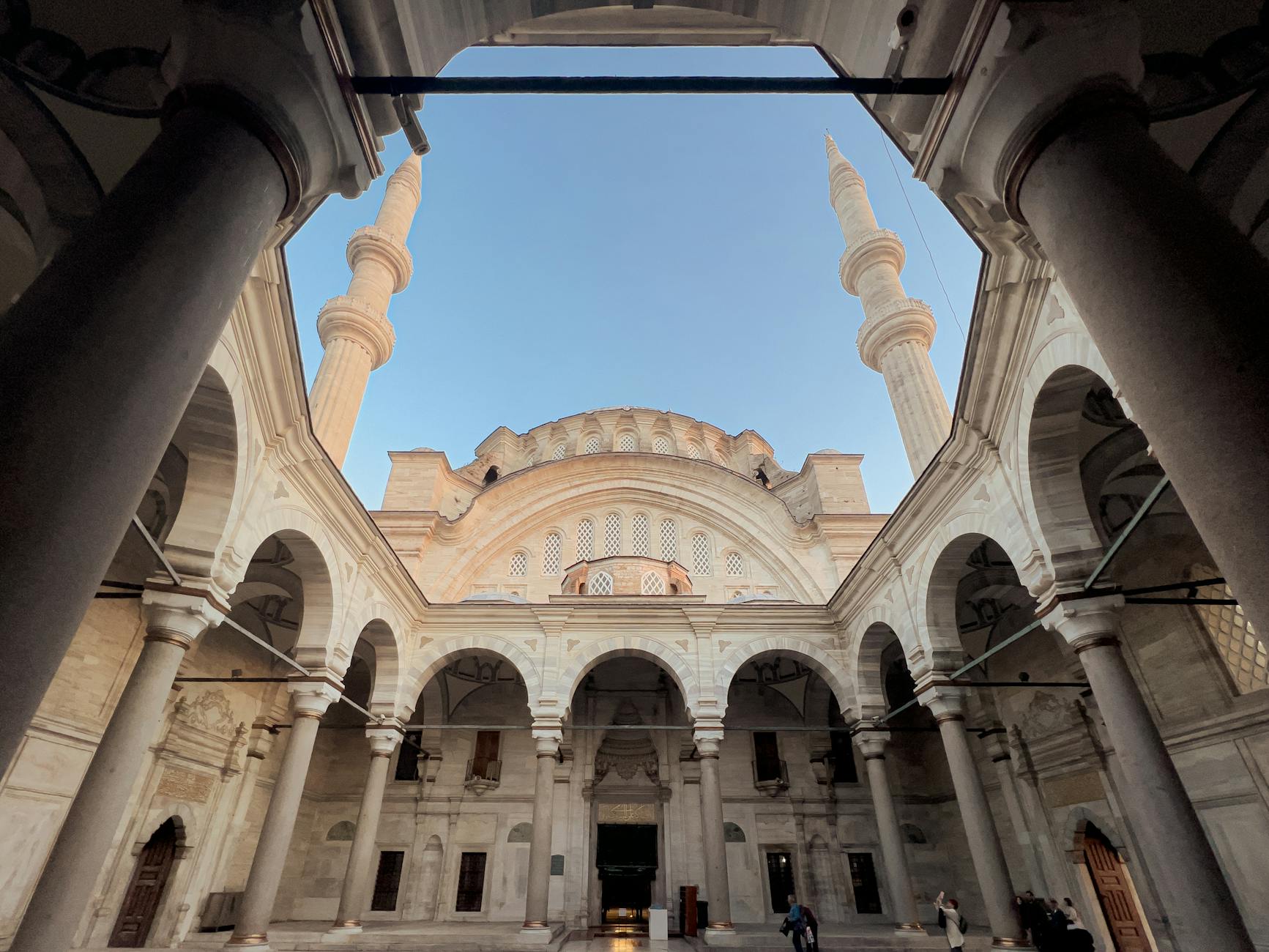
The courtyard is my favorite part—it feels like a private sanctuary. Because it’s slightly off the main tourist path, you won’t find the shouting crowds or the aggressive souvenir sellers here. Just the sound of the wind coming off the water and the occasional clink of a tea glass from the locals. The medrese (theological school) rooms lining the courtyard now serve as quiet spaces, and the pink granite columns—reused from ancient Roman structures—remind you that Istanbul is just layers upon layers of history.
Berk’s Insider Tip: Don’t just look at the view; look at the windows. The stone carving work on the exterior of the royal tombs is some of the most intricate in the city, often overlooked by those rushing to the terrace.
The Most Honest View of the Golden Horn
Paying 30 Euros to stand on a cramped, wind-whipped balcony at Galata Tower is for people who enjoy queuing more than they enjoy history. If you want a panorama that actually breathes, you come to the terrace of the Yavuz Selim Mosque. This is the summit of Istanbul’s fifth hill, and from this vantage point, the Golden Horn isn’t just a body of water—it’s a living, breathing map of the city’s industrial and spiritual soul.
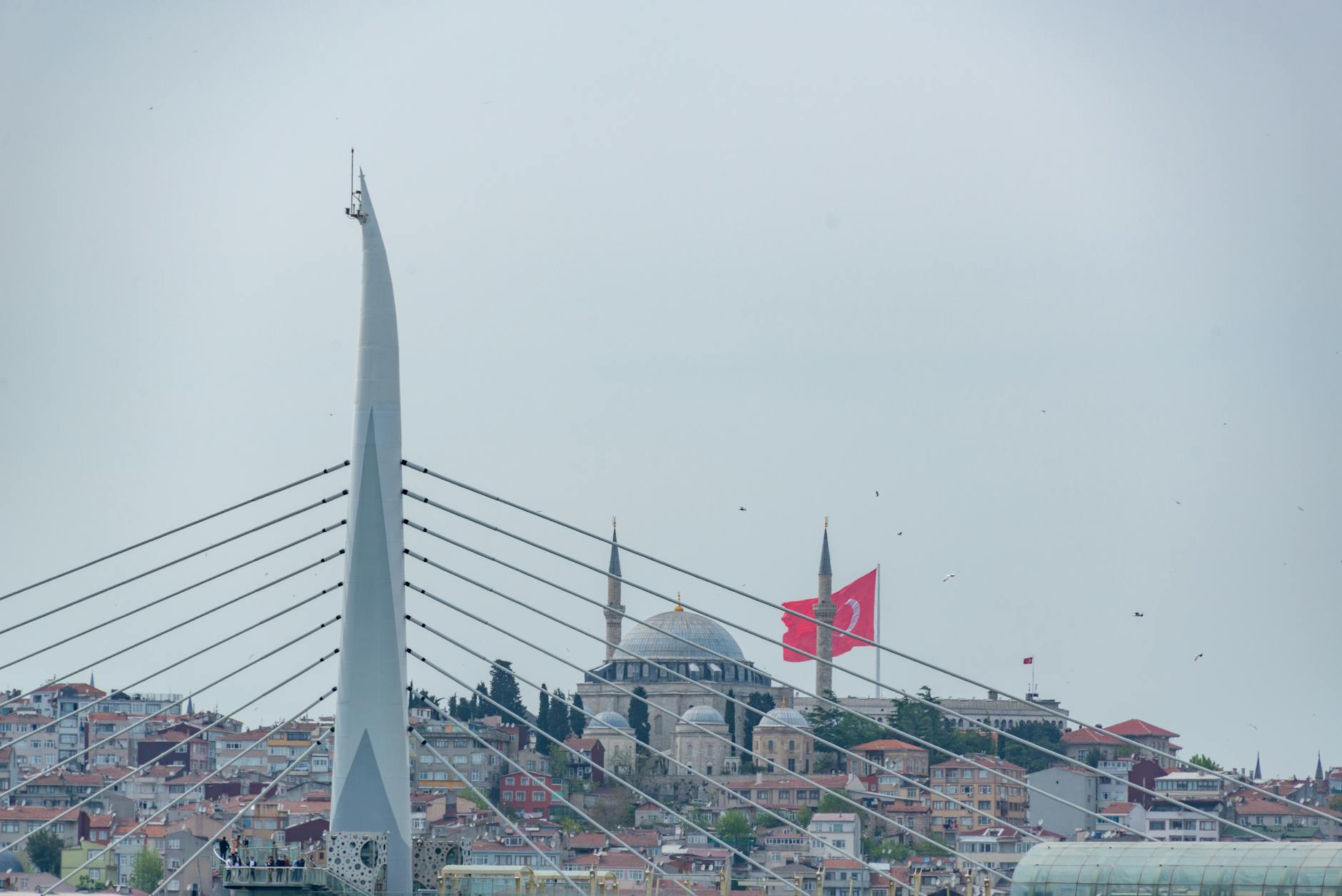
Looking down from the stone wall, the first thing that hits you isn’t a landmark, but the scale. You see the red-brick silhouette of the Phanar Greek Orthodox College—it looks more like a Prussian castle than a school—rising out of the colorful, chaotic sprawl of Balat. But the real magic is further down by the water. You can see the old shipyards and the rusted cranes that remind you Istanbul was built on maritime grit. From here, you can trace the shoreline all the way down to The Grease and Iron of My Favorite Walk Through Perşembe Pazarı, connecting this quiet hilltop to the mechanical heart of the city.
The sensory experience here is unmatched because the silence of the courtyard acts as a vacuum for the sounds of the “Haliç” below. If you time your visit with the Ezan (call to prayer), the sound doesn’t just hit you; it echoes off the surrounding hills and settles over the water. Between the chants, you’ll hear the distant, melancholy horn of a Şehir Hatları ferry pulling away from the Fener pier. There are no souvenir hawkers here and no selfie sticks poking your ribs. It’s just you, the wind, and perhaps a local resident feeding the neighborhood cats.
What to Spot from the Fifth Hill
To truly appreciate this view, you need to know what you’re looking at. Unlike the crowded observation decks across the water, the terrace here allows you to linger as long as you like.
- Phanar Greek Orthodox College: The “Red Castle” of Balat. It’s the most dominant structure in the foreground and serves as a reminder of the city’s cosmopolitan history.
- Süleymaniye Mosque: Perched on the third hill, Sinan’s masterpiece looks particularly regal from this angle, framed by the minarets of the old city.
- The Galata Bridge: Far to your right, you can see the shimmering line where the Golden Horn meets the Bosphorus, usually topped with a thousand fishing rods.
- Atatürk Bridge: The unglamorous, grey steel bridge that connects Unkapanı to Azapkapı; it’s the utilitarian backbone of the city’s daily commute.
- The Fener Waterfront: Look for the small patches of green and the ferry terminal where the water turns a deep, murky blue.
It isn’t a sanitized view. You will see laundry hanging on balconies and the occasional concrete eyesore, but that is why I call it “honest.” If you get thirsty, a glass of tea at a nearby local spot will cost you about 15 TL (roughly 0.30 EUR). It’s a small price to pay for the best seat in the house.
Navigating the Soul of Fatih: How to Get There
Getting to Yavuz Selim Mosque is a physical negotiation with Istanbul’s geography, and frankly, your knees will hate me until you see the view. This isn’t a place you just stumble upon while browsing shops in Sultanahmet. It requires intent. Located on the fifth hill of the city, it dominates the skyline of the Fatih district, looking down on the Golden Horn with a quiet, regal authority. If you aren’t prepared for a bit of a climb, you aren’t doing it right.
The most scenic way to arrive is from the Fener shore. Taking the T5 Tramline—which glides alongside the water—is your best bet for a smooth start. Get off at the Fener stop, but don’t expect a shuttle. From here, you face the steep climb through the backstreets of the Çarşamba neighborhood. This is one of the most traditional areas in the city; it’s a place of heavy beards, modest dress, and some of the best produce markets in Turkey. The incline is punishing, but the rewards are the “Istanbul calves” you’ll develop and the glimpses of colorful, crumbling wooden houses that haven’t yet been polished for Instagram.
If you’re coming from Eminönü and your legs aren’t up for the vertical challenge, hop on the 90 or 87 IETT buses. They wind through the neighborhood and drop you much closer to the mosque’s entrance, sparing you the sweat but perhaps robbing you of the transition from the chaotic shore to the quiet Istanbul spots at the summit.
Berk’s Insider Tip: Carry a few small bills (20 or 50 TL) for the local tea houses nearby. While a tea might only cost 15-20 TL (roughly 0.40 USD), many of the truly local spots in this district haven’t fully embraced card payments like the cafes in Beyoğlu have.
How to Reach the Mosque from the Golden Horn
- Board the T5 Tramline from the Eminönü bus terminal station heading toward Alibeyköy.
- Exit the tram at the Fener station.
- Cross the main coastal road carefully at the pedestrian lights.
- Ascend the hilly streets of Fener, following signs for “Yavuz Selim Camii.”
- Navigate through the Çarşamba market streets, keeping the uphill gradient as your guide.
- Enter the mosque precinct through the northern gate once the incline levels out.
The Courtyard Etiquette and Neighborhood Vibe
If you walk into Çarşamba expecting the cosmopolitan buzz of Galata or the A Local’s Secret: A Walking Tour of Kadıköy and the Moda Coastline, you’re in for a shock—but that’s exactly why you should come here. This neighborhood in the Fatih district is the spiritual heart of conservative Istanbul, and while the locals are generally welcoming to outsiders, the social contract here is built on tradition and modesty. I’ve lived in this city for 15 years, and Çarşamba is one of the few places that still feels entirely untouched by globalized retail chains. It’s raw, it’s devout, and it’s deeply authentic.
Navigating the Local Atmosphere
You’ll notice the shift in energy the moment you step off the main bus lines. The dress code is the most visible difference; you’ll see men in traditional robes and women in full veils. Don’t let this intimidate you. As long as you are dressed modestly—think long trousers for men and loose clothing that covers shoulders and knees for women—you’ll be treated with the same hospitality found anywhere else in Turkey. It’s about reading the room. This isn’t the place for loud phone calls or provocative outfits.
The Sacred Silence of the Türbe
The mosque’s courtyards house the türbe (tombs) of Sultan Selim I and his family. These structures are some of the finest examples of early Ottoman architecture you’ll find in the city, but remember: these are not just museums. People come here to pray and seek spiritual connection. When entering the tomb area, keep your voice at a whisper. If you see someone praying near the sarcophagus, give them space. Photography is usually allowed, but please, turn off your flash and keep the “tourist poses” for the terrace view outside.
If you find this specific blend of spirituality and history captivating, you really should head over to see A Canvas of Golden Mosaics: Why Kariye is My Absolute Favorite Corner of the City, which is a manageable walk from here and offers a similar sense of quiet historical weight.
| Cultural Element | What to Expect | Berk’s Best Practice |
|---|---|---|
| Dress Code | Very traditional and modest | Cover shoulders/knees; women should carry a scarf. |
| Photography | Quietly tolerated | No flash inside tombs; never photograph people praying. |
| Noise Levels | Near silence in the courtyards | Keep conversations low; silence your phone. |
| Interaction | Polite but reserved | A simple “Selamün Aleyküm” or “Merhaba” is plenty. |
Berk’s Insider Tip: If the main tomb area is closed for restoration, the courtyard garden itself still offers the same tranquility. Sit by the fountain and just listen—it’s the quietest spot in the Historic Peninsula.
The Best Time for Light and Quiet
You haven’t truly seen the Golden Horn until you’ve stood on this terrace exactly forty-five minutes before sunset. That is the moment the “Golden” in Golden Horn stops being a metaphor and becomes a physical reality. The Yavuz Selim Mosque is constructed from a particularly pale limestone that acts like a canvas for the sun. As the light drops, the courtyard walls shift from a dusty cream to a deep, honeyed amber. It’s a transformation I’ve watched a hundred times, and it never gets old.
Chasing the Golden Hour
From a photography perspective, the shadows here are your best friend. The arches of the portico create these long, dramatic lines across the marble floor that you just don’t get at midday when the sun is harsh and flattening. If you’re looking for that iconic shot of the Golden Horn view, the terrace provides a panoramic sweep that includes the Galata Tower and the distant skyscrapers of Levent, all bathed in that soft, hazy Istanbul glow. My tip? Bring a wide-angle lens, but don’t forget to put the camera down for five minutes. The silence up here is a rare commodity in a city of sixteen million.
Navigating the Ritual Rhythm
Timing is everything when it comes to the “quiet” part of this experience. Avoid Friday noon if you’re looking for solitude. This is the time for the congregational prayer, and the mosque—and every inch of the courtyard—will be packed with worshippers. It’s a powerful cultural sight, certainly, but it’s not the time for a peaceful retreat. I always suggest visiting on a Tuesday or Wednesday morning. You’ll likely have the terrace to yourself, save for a few stray cats and the distant, muffled sound of a ferry horn from the water below.
Seasonal Shifts
Istanbul weather is temperamental, and this hilltop location is its favorite playground. In the heights of summer, the courtyard can feel like a bit of a furnace by 2:00 PM. But come October or May? It’s the absolute sweet spot. Just a word of advice for the winter travelers: that terrace is exposed. The wind whipping up from the water can be sharp enough to bite, so bring a heavy coat if you’re planning to linger for the view. It’s worth the chill, but there’s no reason to suffer for your art.
Frequently Asked Questions about Yavuz Selim Mosque
Is there an entrance fee to visit the Yavuz Selim Mosque or its terrace?
No, there is no entrance fee for the mosque or the terrace. Like most historic mosques in Istanbul, it is free to the public. However, remember that this is an active place of worship, not just a museum. While you don’t need a ticket, it’s always a nice gesture to leave a small donation in the charity box if you’ve spent a long time enjoying the grounds and the architecture.
What is the dress code for visiting the mosque and the surrounding courtyards?
Modesty is the rule of thumb. Men should avoid shorts above the knee, and women are expected to cover their heads, shoulders, and legs when entering the interior prayer hall. If you are just staying in the outer courtyard or on the terrace, the rules are slightly more relaxed, but I still recommend dressing conservatively to show respect to the local community. It’s a traditional neighborhood, and blending in makes for a much smoother experience.
How do I get to the Yavuz Selim Mosque from Sultanahmet?
The easiest way is to take the T1 Tram to Eminönü and then hop on a bus (like the 90 or 90B) that goes up toward the Nişanca stop. Alternatively, if you’re feeling adventurous and have sturdy shoes, it’s a fascinating 25-minute uphill walk through the colorful backstreets of Fener and Balat. Just be prepared for some steep inclines—Istanbul’s hills are no joke, but the views at the top are your reward!
Conclusion
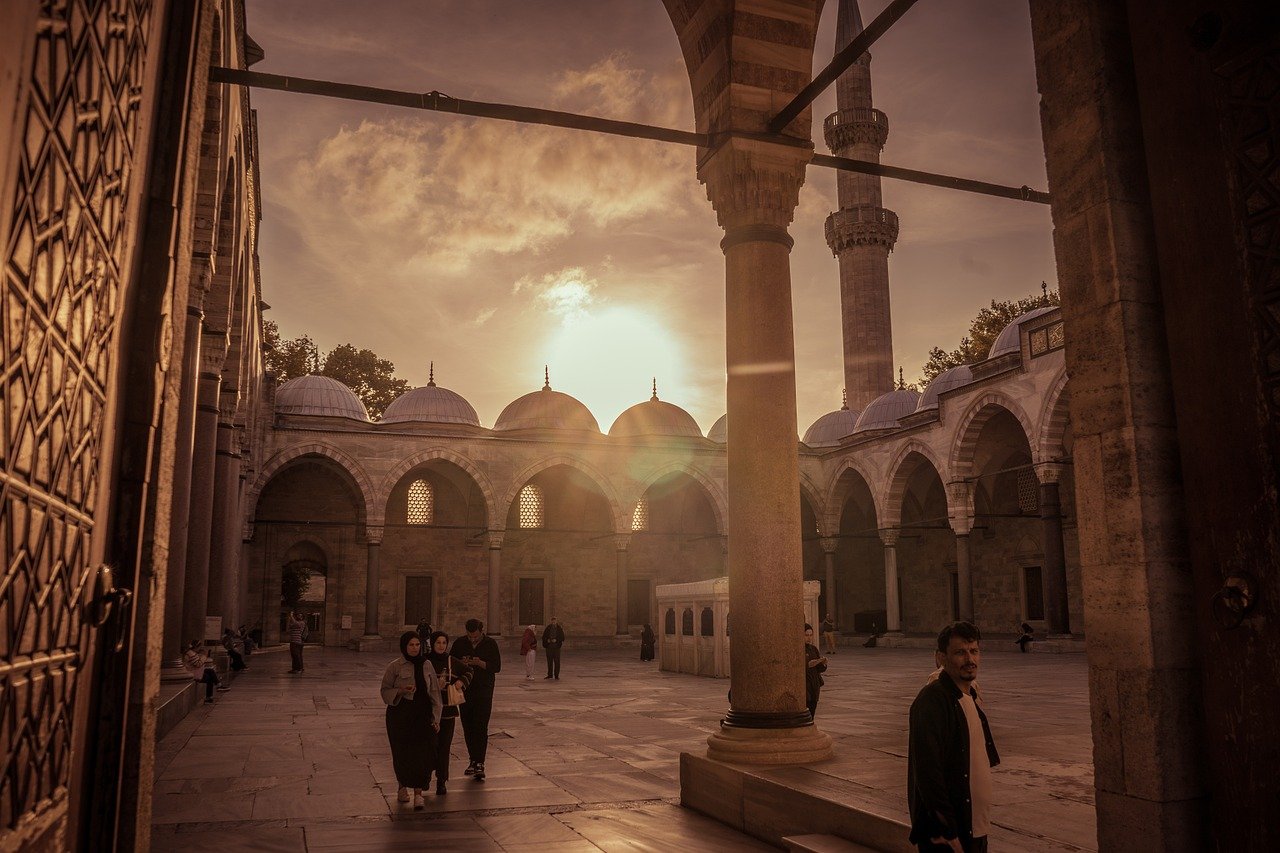
Sultanahmet is the face Istanbul shows the world—dazzling, grand, and admittedly a bit exhausted by the constant attention. But Yavuz Selim? This is the city’s heart, beating at a slower, more deliberate pace. It’s the difference between a staged performance and a private conversation. Standing on that terrace, looking out over the Golden Horn, you aren’t just a spectator; you’re part of the silence.
When you’re ready to leave this stillness behind, don’t even think about calling a taxi. The best way out is to let gravity lead you down through the labyrinth of Balat. Follow the steep, winding streets where laundry lines crisscross overhead and the neighborhood cats claim the cobblestones as their own. It’s a descent that requires sturdy shoes and a bit of patience, but it’s where the city’s textures really come alive—the peeling paint of Ottoman-era houses, the smell of woodsmoke in the winter, and the muffled sound of a television from an open window.
As you reach the lower streets, skip the cafes with the loudest music and find a small esnaf lokantası (a traditional tradesman’s canteen). A plate of slow-cooked beans and rice shouldn’t set you back more than 150 to 200 TL—about 3 or 4 EUR—and it will taste more like the real Istanbul than anything served on a white tablecloth.
The city is a mosaic of these moments. While the crowds scramble for the same tired photo of a minaret, you’ve found something better: the rhythm of a neighborhood that doesn’t feel the need to perform for anyone. That’s the Istanbul I’ve called home for fifteen years, and it’s the one that stays with you long after the suitcase is unpacked.
Comments
Share your thoughts with us