Street çiğ köfte across Istanbul is walnut and bulgur paste without raw meat, served rolled in thin lavaş or packed onto trays with iceberg lettuce. You will learn which counters knead daily batches by hand around Kıztaşı and Kadınlar Pazarı in Fatih, and which shops stay open past 01:00 in Kadıköy’s Osmanağa backstreets. A standard street dürüm costs between 90 and 120 TL in 2026, while half-kilo takeout packages reach 260 TL. You choose between a quick walk-away roll splashed with pomegranate molasses or a sit-down platter loaded with fresh mint and radishes. I once ruined a lunch in Kadıköy by nodding yes to extra chili sauce on an already sharp batch; order a cold ayran and ask for two lemon wedges to cut through the heavy Urfa isot pepper.
At 11:30 p.m. along Muvakkithane Caddesi in Kadıköy, the queue at the red-lit glass counter moves faster than the ferry departures across the strait. Behind the glass, gloved hands grab a handful of dark, walnut-and-isot-scented bulgur paste from a grooved copper tray, press distinct finger ridges into the portion, and smear it across a thin sheet of lavash bread. A standard çiğ köfte dürüm here runs about 120 TL (2.40 EUR) to 150 TL (3.00 EUR), making it one of the fastest, most reliable evening meals anywhere in the district.
Centuries ago in southeastern cities like Şanlıurfa and Adıyaman, çiğ köfte was kneaded with raw minced meat, cracked bulgur wheat, garlic, and fiery sun-cured Urfa peppers until the friction and acid cured the beef. Commercial food safety regulations banned raw meat from retail stalls years ago. What you find across Istanbul today is entirely plant-based, relying on fine bulgur, rich tomato and pepper pastes, walnuts, ground spices, and sour pomegranate molasses.
Getting a good wrap comes down to managing the acid and the heat. When you step up to order, the person behind the counter will ask how much heat you can take, then layer in fresh mint leaves, shredded iceberg lettuce, lemon juice, and dark pomegranate sauce before rolling the bread into a tight cylinder. You will find massive chain counters like Komagene and Oses on nearly every corner, which provide consistent standards, but heading into the backstreets of Fatih near Fevzipaşa Caddesi or the older lanes of Kadıköy brings you to independent masters who still hand-knead their batches daily and adjust the spice profiles by hand.
The evolution of street çiğ köfte and the plant-based reality
Every street-side portion of çiğ köfte sold in Istanbul today is meat-free. In 2008, the Ministry of Agriculture banned commercial vendors and street stalls from selling versions containing raw minced meat due to public health risks from uncontrolled storage. That regulatory decision altered a culinary tradition from Urfa and Adıyaman, where lean raw beef or lamb had been kneaded by hand for generations. The decree effectively turned a regional meat dish into Turkey’s most accessible plant-based staple, making modern cig kofte istanbul stalls a primary source of fast turkish vegan street food.
The base relies on fine cracked bulgur (köftelik bulgur). Stalls never boil this grain; the physical friction of repeated kneading, combined with the acidity of tomato paste and red pepper paste, softens the wheat kernel. Grated onions, garlic, finely ground walnuts, and vegetable oil provide body and moisture. The signature flavor comes from dark, fermented isot pepper from Urfa, which undergoes an oxidation process under heavy cloth in the sun until the chili flakes turn blackish-purple. Right before serving, vendors finish the mixture with fresh lemon juice and tart pomegranate molasses (nar ekşisi) to balance the dense starch and smoky heat.
You will encounter two distinct categories of vendors throughout Istanbul. Mass-market franchise chains like Komagene and Oses dominate high-footfall avenues, sourcing factory-kneaded paste shipped in sealed plastic buckets. A standard dürüm at these chain locations costs between 120 TL and 150 TL (2.40 EUR to 3.00 EUR). While consistent and hygienic, industrial paste tends to have a uniform, jelly-like texture. Independent masters from Urfa and Adıyaman work differently. They knead small batches on site in wide, grooved copper basins twice a day, timing the second round for the late afternoon rush so the bulgur does not dry out.
Insider Tip: Watch the master’s grooved tray before ordering. If the mound of köfte has a dry, matte crust, it has sat under the counter display for hours. I always wait for a batch that has a dark, damp sheen, which usually appears around 16:00 when the usta works a fresh measure of oil and cold water into the grain.
To experience how this dish fits alongside regional kebabs and spiced stews, you can explore the culinary enclaves detailed in Southeastern Turkish Flavors in the Backstreets of Aksaray and Fatih with 2026 Menu Prices. Hand-kneaded batches hold firm ridges when squeezed in the cook’s palm, leaving deep finger indentations that hold extra drizzles of nar ekşisi inside the flatbread wrap.
How to assemble your order and choose dürüm wraps or porsiyon platters
A standard serving of çiğ köfte in 2026 costs between 120 TL and 140 TL (€2.40 to €2.80) as a handheld wrap, or between 220 TL and 260 TL (€4.40 to €5.20) as a sit-down platter served with a basket of garnishes.
The two serving formats change how you eat. A dürüm encases the seasoned bulgur paste inside a thin sheet of unleavened lavash flatbread, rolled inside greaseproof paper for easy handling on foot. A porsiyon arrives at the table unrolled, featuring separate finger-pinched dumplings resting beside whole leaves of marul (crisp lettuce), bunches of fresh nane (mint), lemon wedges, and folded flatbread on the side. With a platter, you bundle each dumpling inside a cold lettuce leaf by hand, which keeps the meal crisp and lets you adjust the acidity and heat of every bite.
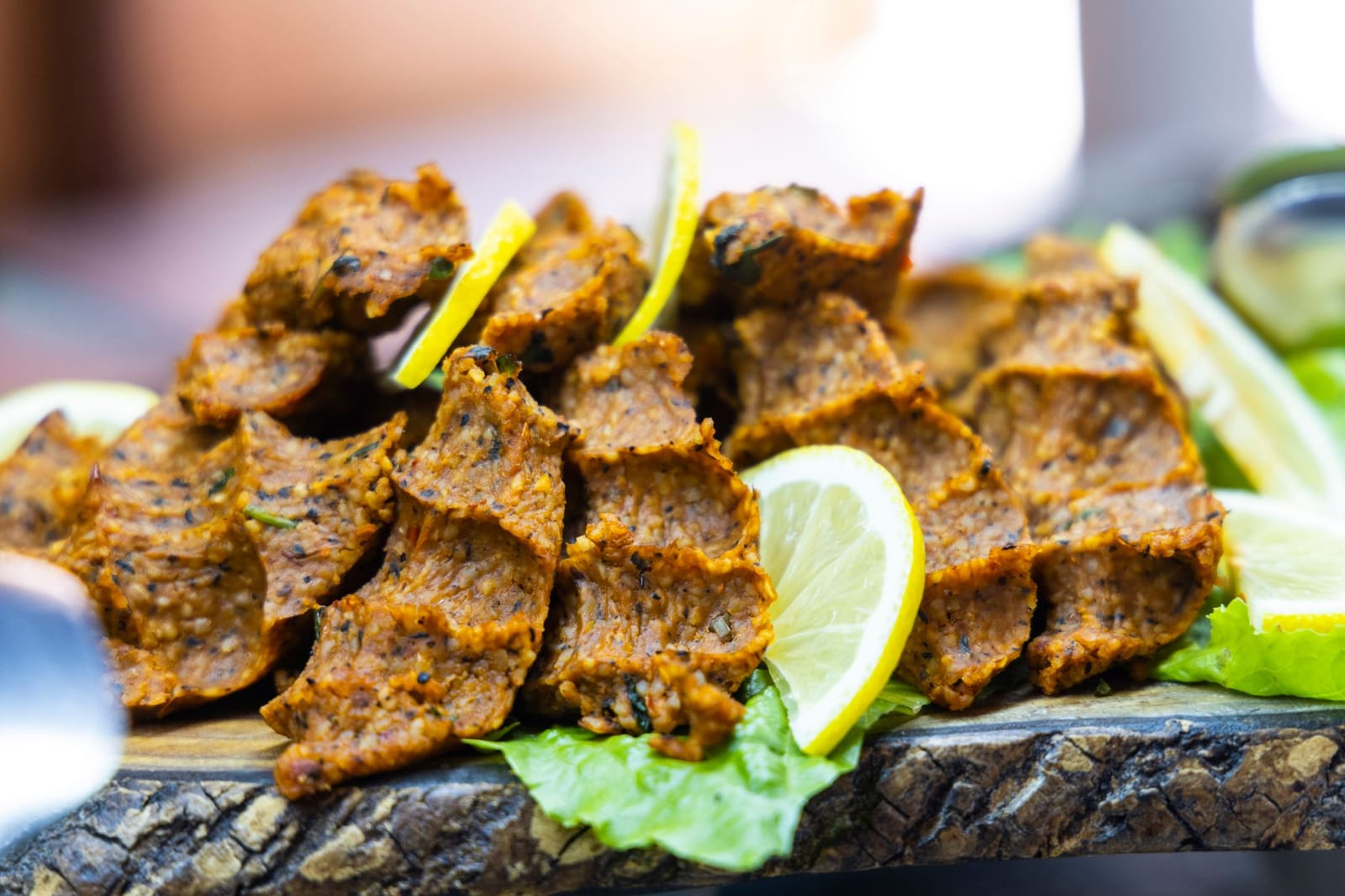
Before the vendor touches the flatbread, you need to set your heat baseline. Ask for acısız if you want zero pepper heat, relying entirely on cumin, garlic, and sweet tomato paste. Order orta for a balanced prickle that suits most palates. Choose acılı if you want a heavy dose of dark, smoky Urfa isot pepper flakes that release a slow, lingering burn in the back of your mouth.
How to guide the assembly of a classic dürüm wrap at the counter:
- State your portion size and preferred heat level as soon as you step to the glass counter.
- Watch the cook smear roughly 100 grams of walnut and bulgur paste across the lower third of the lavash.
- Choose your greens when prompted, asking for shredded marul and fresh nane leaves to offset the dense bulgur paste.
- Ask for a firm squeeze of fresh lemon directly over the salad layer to release the fragrance of the dried sumac.
- Request a drizzle of nar ekşisi (pomegranate molasses) along the greens before the cook tucks the edges and rolls the wrap tightly.
- Pick up a cold container of salted ayran from the drinks cooler for 40 TL to 50 TL (€0.80 to €1.00). The dairy fat strips chili oils from your tongue far more effectively than water or soda.
Personal Anecdote: On a sweltering August afternoon at 13:30 behind the Kadıköy market, I waited behind three office workers in a six-minute queue. When asked about sauce, I hesitated for two seconds, and the counter hand squirted sweet glucose-corn syrup across my 130 TL dürüm before I could stop him. Since that cloying mistake, I always call out “saf nar ekşisi” the moment the lemon juice hits the bread so the cook pulls the tart, concentrated bottle from the bottom shelf.
Berk’s Insider Tip: Always ask whether the shop uses real pomegranate molasses (saf nar ekşisi) or pomegranate-flavored syrup (nar ekşili sos). The industrial sauce is just glucose syrup and citric acid, whereas authentic masters keep bottles of sour, astringent reduction from Hatay or Gaziantep behind the counter. You usually have to request the good bottle specifically.
Street shops wrap takeout dürüm parcels in aluminum foil, which traps steam and softens the bread within ten minutes. If you are not eating immediately, ask the shopkeeper for paper wrapping instead to keep the exterior dry.
Traditional craft in Fatih with master kneaders of Kıztaşı and Kadınlar Pazarı
The fifth-century Column of Marcian, known locally as Kıztaşı, anchors a residential pocket of Fatih where regional culinary traditions remain tied to southeastern Anatolian migration lines. To reach this quarter, take the M1A or M1B metro line to Emniyet-Fatih station and walk five minutes east down Macar Kardeşler Caddesi, or walk ten minutes uphill through the side alleys from the Aksaray transport hub. The district slopes northeast toward the limestone arches of the Valens Aqueduct and the sunken square of Kadınlar Pazarı. While Kadınlar Pazarı draws visitors for Siirt-style roast mutton, the surrounding side streets house independent masters from Urfa and Adıyaman who prepare fatih local food from scratch every morning.
Unlike commercial chains across Istanbul that rely on factory-made bulgur purée, these independent artisans mix their ingredients by hand. At Çiğköfteci Ali Usta, located a short walk from the Marcian column, kneading occurs in a broad, ribbed copper basin. The cook works fine bulgur, dark Urfa isot pepper, garlic, tomato paste, and wild sour pomegranate molasses against the textured metal base. The friction of the metal breaks down the starches until the bulgur softens into a uniform paste without any cooking heat.
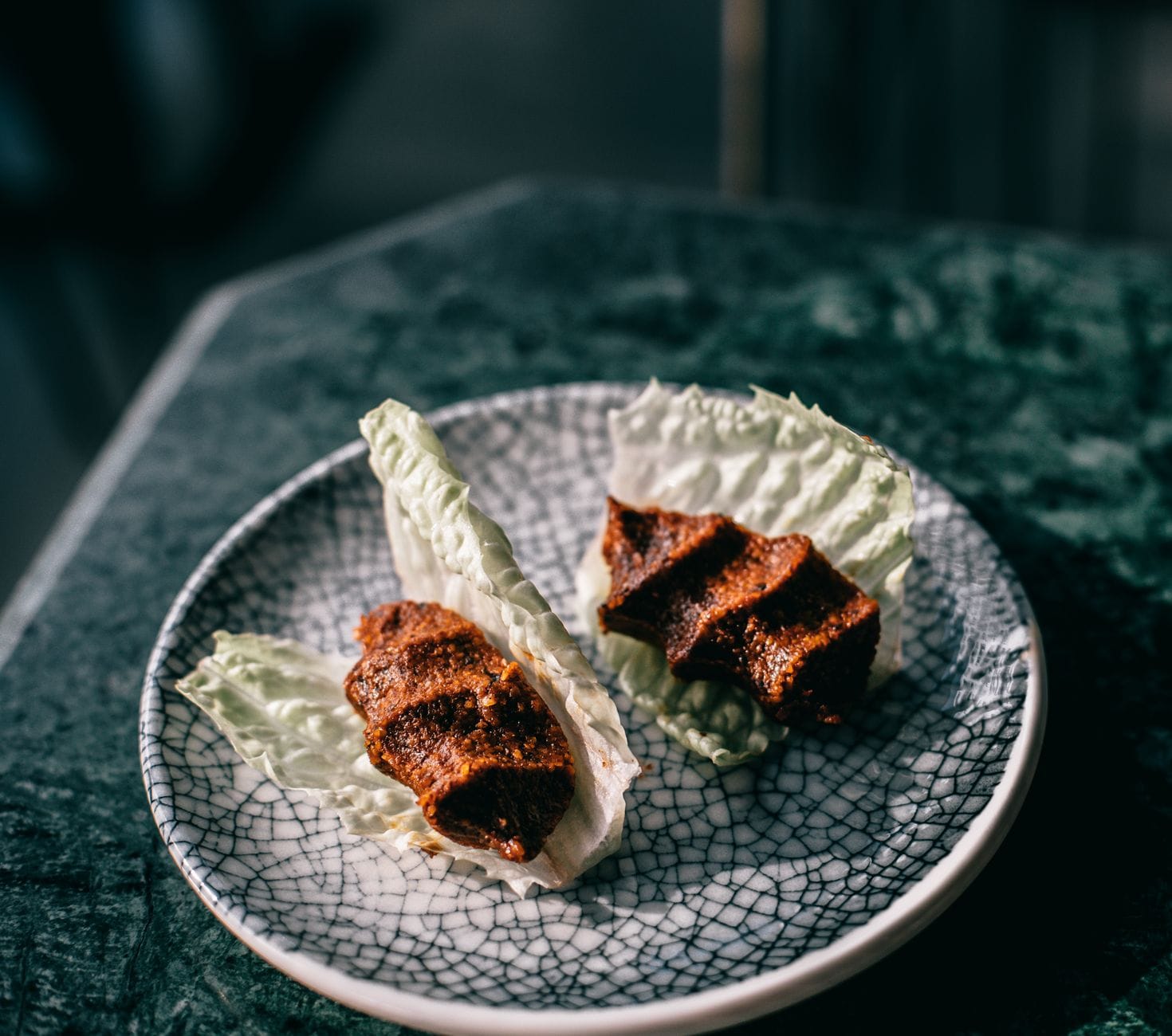
You will observe distinct queue patterns around 17:00, when neighborhood workers and students gather outside the counter for the freshest evening batch. High parsley turnover is a reliable indicator of quality here; pre-cut flat-leaf parsley and scallions wilt within an hour when mixed into dense bulgur, so the cooks chop whole bunches every twenty minutes to preserve moisture and bite. Arriving after 19:30 often means finding the copper basin empty, as these shops knead set quantities and close once the day’s batch is finished. Demand surges even higher during religious holidays, as outlined in Visiting Istanbul During Ramadan in 2026 with Iftar Tips and Etiquette Rules, when families queue thirty deep at 18:15 to buy half-kilo boxes for the sundown fast-breaking table.
Personal Anecdote: On a crisp November evening at 17:45, I walked up Macar Kardeşler Caddesi toward Kıztaşı just as Ali Usta was portioning the last five hundred grams from his copper basin. A line of eight neighborhood residents had spilled onto the narrow sidewalk, and I paid 120 TL cash for a double-wrapped dürüm before the shop pulled its metal shutter down at 18:10. The rich, earthy punch of stone-ground bulgur and fresh parsley was worth every minute of that brisk walk from the metro.
If your palate is tuned to the coastal classics found on a Street Food Crawl and Fish Sandwiches in Eminönü and Karaköy with Local Prices, this style of cig kofte istanbul introduces a far sharper profile. A single wrap containing 125 grams of hand-worked paste, shredded lettuce, fresh mint, and pomegranate syrup costs 100 TL to 120 TL (2.00 EUR to 2.40 EUR). A double portion served in folded flatbread costs 160 TL to 180 TL (3.20 EUR to 3.60 EUR), payable in cash or by contactless card at the register.
Kadıköy backstreets for midnight rolls and student spots around Osmanağa
Night-time foot traffic in Osmanağa shifts noticeably after 23:00, when commuters exiting the Kadıköy Ferry Pier mix with university students and hospitality staff finishing their shifts. While traditional sit-down restaurants along the market streets close their kitchens, small çiğ köfte parlors across Osmanağa and Caferağa operate steadily until 02:00. These storefront counters represent some of the most dependable kadikoy cheap eats, assembling spiced bulgur wraps quickly across chilled stainless-steel counters.
Concentrations of these shops line Muvakkıthane Caddesi just inland from the water, continuing up toward the tramway crossing on Söğütlüçeşme Caddesi. Most shop floors measure no wider than three meters. As you place an order, the worker kneads and presses seasoned bulgur paste into flatbread, layering it with shredded iceberg lettuce, fresh mint, squeezed lemon, and pomegranate molasses. A standard dürüm costs 120 TL (2.40 EUR), while a double-portion roll costs 165 TL (3.30 EUR). For diners who prefer hot offal over cold bulgur, nearby street stalls serve Skewered Lamb Liver and Spiced Onion Salads in Aksaray and Kadıköy with 2026 Menu Prices, but raw bulgur wraps remain the quickest meal on this corridor.
Seating is limited to backless stools set against a narrow wall counter. On every surface, clear plastic jars of pickled yellow hot peppers (biber turşusu) sit beside paper napkins for customers to take freely with plastic tongs. Patrons bite into whole pickled peppers between mouthfuls of the wrap to intensify the acidity, washing the spice down with cold, salted turnip juice (şalgam) for 45 TL (0.90 EUR) or ayran for 40 TL (0.80 EUR).
Field Anecdote: My personal routine on winter Thursdays involves catching the 00:45 ferry back from Karaköy, stepping off at the Kadıköy dock at 01:05, and walking straight to the fluorescent counter beside the Osmanağa mosque. At that hour, the four-person queue clears in three minutes, and handing 120 TL to the cashier yields a fresh, fiery wrap within sixty seconds while the kitchen crew scrubs down the steel prep trays.
Berk’s Insider Tip: If you order a double dürüm at busy counters in Kadıköy after 21:00, ask for ‘çift lavaş’ (two sheets of flatbread). Because the bulgur mixture is moist and heavily dressed with lemon juice, a single thin flatbread often splits open before you reach the bottom third of the wrap.
Vendors along Söğütlüçeşme Caddesi accept debit cards and mobile bank transfers, though cash remains the fastest method when crowds peak between 00:30 and 01:45. Municipal ferries running from Eminönü and Karaköy end service at the pier at 01:00 on weeknights, after which night transit relies on the yellow dolmuş minibuses departing continuously from Rıhtım square until sunrise.
Current 2026 prices and package sizes across the city
A standard çiğ köfte dürüm in Istanbul costs between 120 TL (2.40 EUR / 2.67 USD) and 150 TL (3.00 EUR / 3.33 USD). That makes it one of the cheapest handheld meals left in the city. Navigating shop menus requires understanding gram counters, as pricing directly tracks the weight of the bulgur paste scooped onto the flatbread.
Portions, weights, and drink prices
Chain menus throughout neighborhoods like Kadıköy and Fatih structure their orders around standardized portions:
| Item | Net Paste Weight | Price (Turkish Lira) | Price (EUR) | Price (USD) |
|---|---|---|---|---|
| Single regular dürüm | ~100g | 120 TL – 150 TL | 2.40 EUR – 3.00 EUR | 2.67 EUR – 3.33 USD |
| Double dürüm (duble dürüm) | ~150g – 175g | 170 TL – 240 TL | 3.40 EUR – 4.80 EUR | 3.78 USD – 5.33 USD |
| Takeaway box (half-kilo) | 500g | 400 TL – 450 TL | 8.00 EUR – 9.00 EUR | 8.89 USD – 10.00 USD |
| Small ayran (170–200 ml) | Liquid (dairy) | 35 TL – 40 TL | 0.70 EUR – 0.80 EUR | 0.78 USD – 0.89 USD |
| Bottled şalgam suyu (300 ml) | Liquid (fermented turnip) | 45 TL – 50 TL | 0.90 EUR – 1.00 EUR | 1.00 USD – 1.11 USD |
A regular dürüm rolled with 100 grams of paste provides a light lunch, but most locals ordering on the go opt for a duble dürüm to get a thicker filling that holds up against the shredded iceberg lettuce. If you order a takeaway portion by weight, the shop includes thin flatbread rounds (lavaş), washed greens, lemon wedges, and pomegranate sauce packets at no extra fee.
Insider Tip: Walking back from the Kadıköy ferry after 23:00, I regularly skip the big chains on Söğütlüçeşme Caddesi and duck into the small side-street masters. At a small independent shop, 130 TL bought me a dürüm packed with deep, brick-red paste kneaded with real Urfa isot pepper rather than the mass-produced, vegetable-oil-heavy purée the chains rely on.
Corporate chains versus independent masters
Corporate franchises like Komagene and Oses dominate commercial transit corridors. Their prices stay strictly fixed to published board figures, and their machines portion paste with uniform consistency. However, chain paste leans sweet from glucose-heavy commercial pomegranate molasses and relies on neutral sunflower oil to maintain shelf stability.
Independent neighborhood shops charge comparable prices, roughly 130 TL to 160 TL for a wrap, but their value lies in the raw ingredients. Independent masters hand-knead daily batches using stone-ground bulgur, freshly minced walnuts, and fragrant isot peppers that deliver slow heat without sour artificial additives. While a corporate chain provides convenience and credit card readers at late hours, independent shops deliver denser wraps, more generous parsley bunches, and authentic walnut richness for identical coin. Chain shops charge 40 TL for a small commercial tub of salty ayran, whereas small neighborhood spots often pour chilled open ayran directly from a churning dispenser for 35 TL.
Essential ordering vocabulary and practical dining questions
Counter-service çiğ köfte stands across Kadıköy and Fatih operate rapidly, requiring you to specify your flatbread thickness, sauce quantities, and beverage while the cook portions the bulgur paste.
Which Turkish phrases ensure you get the right wrap?
State your preferences immediately after choosing your portion size. Tell the cook çift lavaş olsun if you want two layers of flatbread, which prevents the moisture from the lemon juice and vegetables from tearing the thin dough. If you prefer a sour and fruity profile, request bol nar ekşisi for an extra drizzle of pomegranate sauce. To keep the chili heat manageable, say acısı az olsun so the server omits additional hot sauce and selects a milder batch.
Is commercial çiğ köfte safe for guests with gluten or nut allergies?
Turkish food safety regulations ban raw minced meat in commercial takeaway shops, making street çiğ köfte an accessible turkish vegan street food composed of fine bulgur, tomato paste, onions, and isot pepper. Because the base is bulgur wheat, it contains gluten and is unsafe for diners with celiac disease. Regarding allergen advice for nuts, several traditional makers in fatih local food markets knead ground walnut paste into the paste for texture. Always verify with the server whether walnuts or tree nuts are present before ordering.
What is the best way to handle the intense spice heat?
Capsaicin does not dissolve in water, so drinking water or fizzy sodas redistributes chili oils across the tongue. You should pair your wrap with cold whole-milk ayran. The natural dairy fats and casein protein in salted yogurt bind directly to capsaicin receptors, offering prompt relief to anyone testing their spice tolerance. Single-serving sealed cups of chilled ayran are stocked in shop display fridges across Istanbul for 35 TL to 50 TL (€0.70 to €1.00).
Do neighborhood shops accept contactless card payments?
Virtually every small çiğ köfte shop in Kadıköy and Fatih provides contactless payment terminals. Tap-to-pay using foreign credit cards, debit cards, or phone wallets functions smoothly for small counter purchases, including a standard wrap priced between 115 TL and 150 TL (€2.30 to €3.00). Carrying small cash notes remains sensible only if local bank network connections drop during weekend market rushes.
Practical takeaway advice for Istanbul çiğ köfte
Skip the crushed corn chip additions that several chain storefronts now push; the chips lose their crunch against spiced bulgur within ten minutes. Whether you order off Caferağa in Kadıköy or along Fevzi Paşa Caddesi in Fatih, stick to a double-wrapped dürüm with fresh mint, squeezed lemon, and pomegranate molasses, but tell the counter master to leave out the shredded iceberg lettuce if you see it sitting in water at the bottom of the prep bin.
Çiğ köfte counters require no reservations, reach peak volume during late afternoon school runs around 16:30 and post-midnight closing hours, and remain Istanbul’s most reliable budget meal. At roughly 115 TL to 135 TL (2.30 EUR to 2.70 EUR) for a standard wrap, you pay at the till, take the foil roll across the counter, and eat standing on the pavement.