Ramadan in 2026 runs from mid-February to mid-March, moving sunset iftar to roughly 18:45 across Istanbul. Taxis vanish between 18:15 and 19:15 because drivers stop to eat; keep your Istanbulkart loaded and ride the Marmaray or the T1 tram instead. In conservative districts like Fatih, daytime eateries curtain their windows or close until dusk, but restaurants in Kadıköy and Beşiktaş serve lunch and alcohol on normal schedules. Sit-down iftar menus at spots like Kanaat Lokantası in Üsküdar cost roughly 900 TL and require phone reservations three days ahead. I once walked into Sultanahmet at sunset without a table and found every dining room full; avoid that scramble by buying fresh ramazan pidesi for 25 TL from a bakery and sitting on the lawn by Hagia Sophia. For mosque visits, steer clear of the 20:00 to 22:00 evening Teravih prayer window.
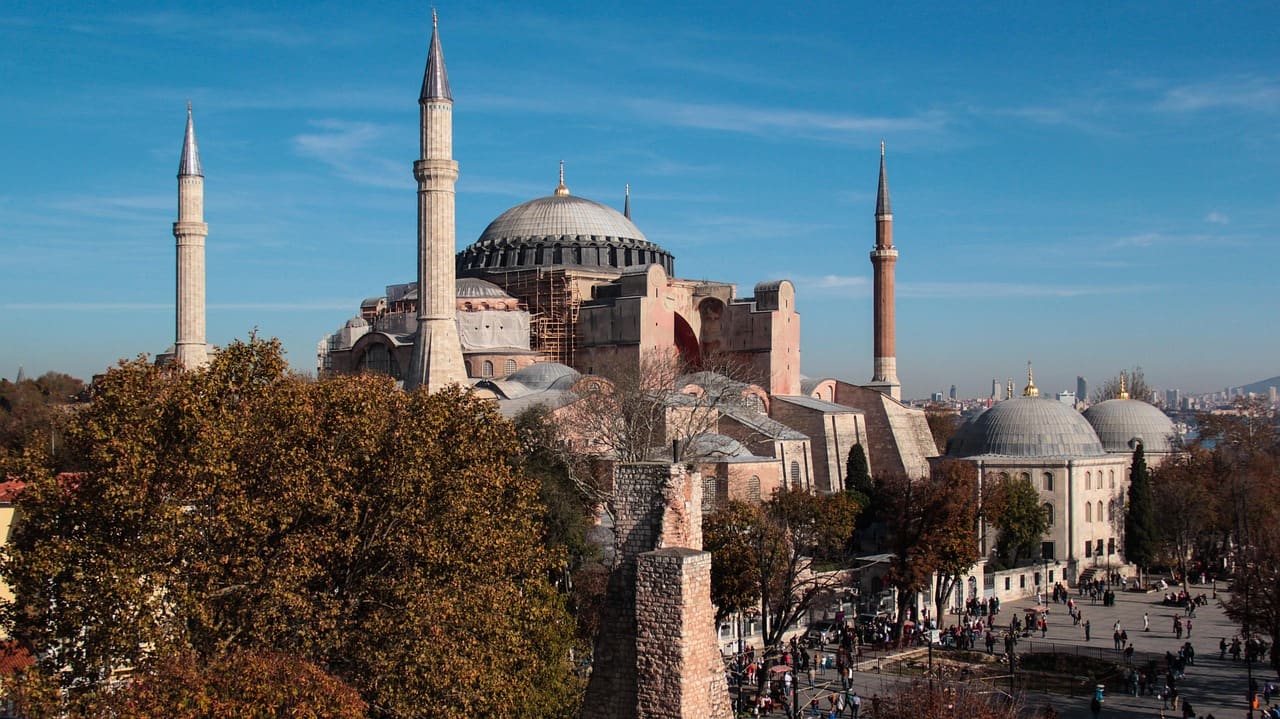
At 18:42 in Sultanahmet Square, thousands of paper tablecloths unroll across the grass while the smell of fresh pide bread and lentil soup fills the air right before the sunset cannon fires from Topkapi Palace. Families sit shoulder to shoulder unpacking containers of olives, dates, and beyaz peynir, while servers from nearby lokantas cross the stone pathways balancing trays of hot tea and broth. If you step off the T1 tram at Sultanahmet station forty minutes before the evening call to prayer during Ramadan 2026, the usual afternoon rush of tour groups drops away, replaced by an orderly pause as the entire square waits for the signal to eat.
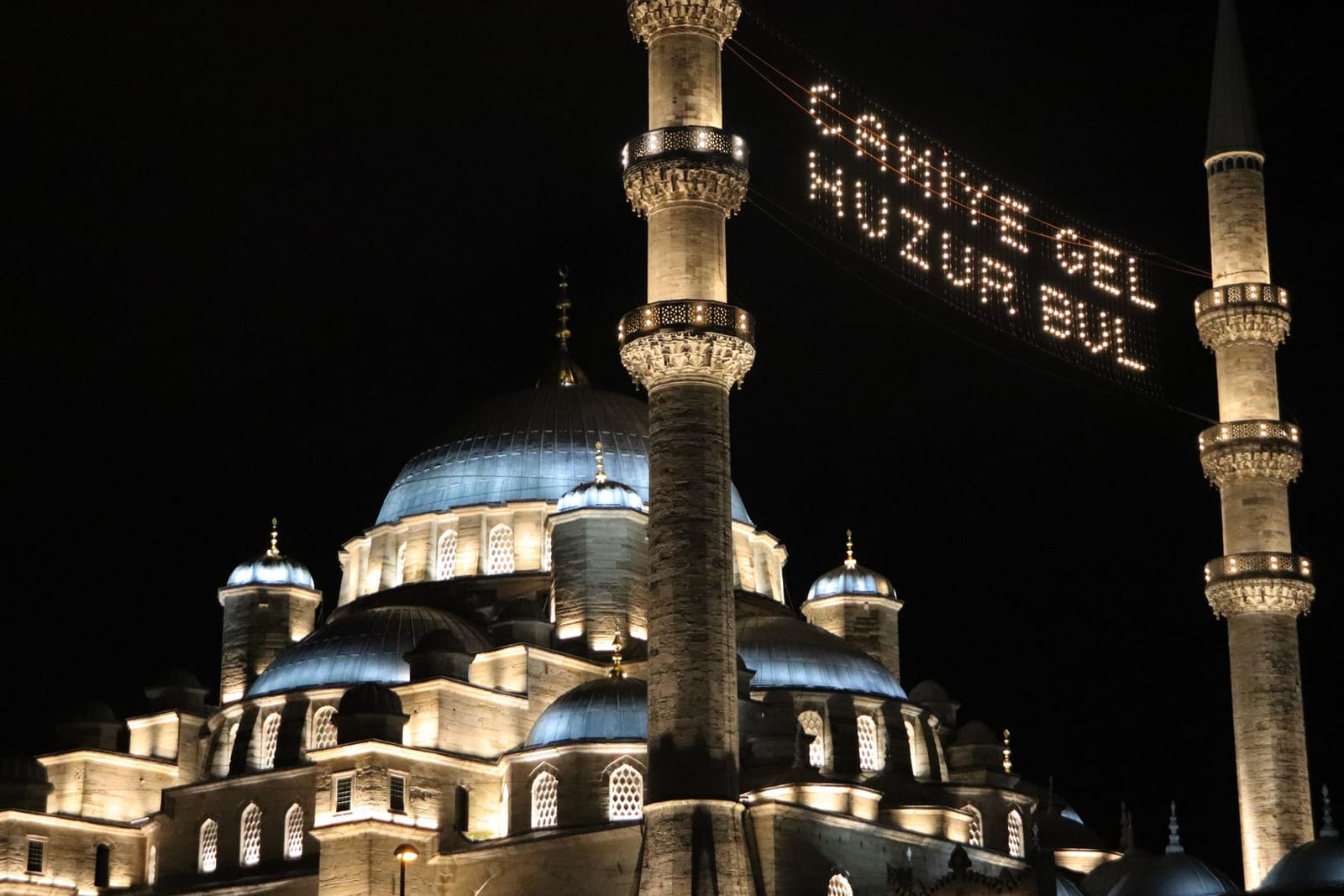
Visiting Istanbul during Ramadan shifts the daily operating rhythm of the city in ways first-time travelers rarely anticipate. Public transit runs later into the night, historic mosques hang illuminated mahya banners between their minarets, and quieter mid-afternoons give way to full dining rooms between sunset and midnight. Museum hours, Marmaray rail services, and public ferries operate on regular schedules, but sitting down at a restaurant between 18:30 and 20:30 without a reservation is difficult. Yellow taxis also vanish from the streets roughly thirty minutes before the cannon fires, as drivers stop to break their fast with colleagues at local tea shops.
Visiting Istanbul during Ramadan requires basic practical awareness. Most restaurants and cafes in central districts like Beyoğlu, Kadıköy, and Beşiktaş operate normally for non-fasting visitors throughout the day, often keeping indoor seating discreet behind light curtains. When walking through conservative residential pockets such as Fatih or Eyüpsultan, avoid eating snacks, drinking water, or smoking openly on the sidewalk out of courtesy.
Insider tip: During my early years living in Istanbul, I made the mistake of trying to hail a taxi across the Golden Horn at 18:40. Every vehicle was out of service while drivers ate iftar. If you need to move between the historic peninsula and Karaköy around sunset, avoid the roads entirely: take the Marmaray under the Bosphorus or walk the lower level of Galata Bridge.
Ramadan calendar dates and citywide rhythms for 2026
According to the official religious calendar issued by Diyanet, Ramadan 2026 in Istanbul begins on February 19 and concludes on March 19, followed immediately by the three-day public holiday of Şeker Bayramı from March 20 to March 22. The city does not shut down, but its operating hours split into two distinct rhythms every day. Morning hours are noticeably slow. In residential quarters such as Fatih and Üsküdar, corner bakeries, independent grocery stores, and local tradesmen rarely open before 11:00, leaving neighborhood streets quiet and clear of foot traffic. Cultural landmarks adhere to their regular operational schedules. At Topkapi Palace, ticket windows open at 09:00, allowing visitors who arrive early to tour the courtyards with minimal queuing before midday tour groups appear.
The logistical friction sharpens in the late afternoon. Starting around 16:30, roughly ninety minutes before the sunset call to prayer and the evening fast-breaking meal, traffic congestion escalates rapidly across both sides of the city. Commuters, commercial vans, and taxi drivers head home at the same time to reach dinner tables before sundown. Surface transport bears the brunt of this rush; IETT buses remain fully operational, but route times along main corridors often double. You should schedule museum visits and walking tours so that your surface transfers finish before 16:30, or switch your transit entirely to grade-separated rail lines and passenger ferries.
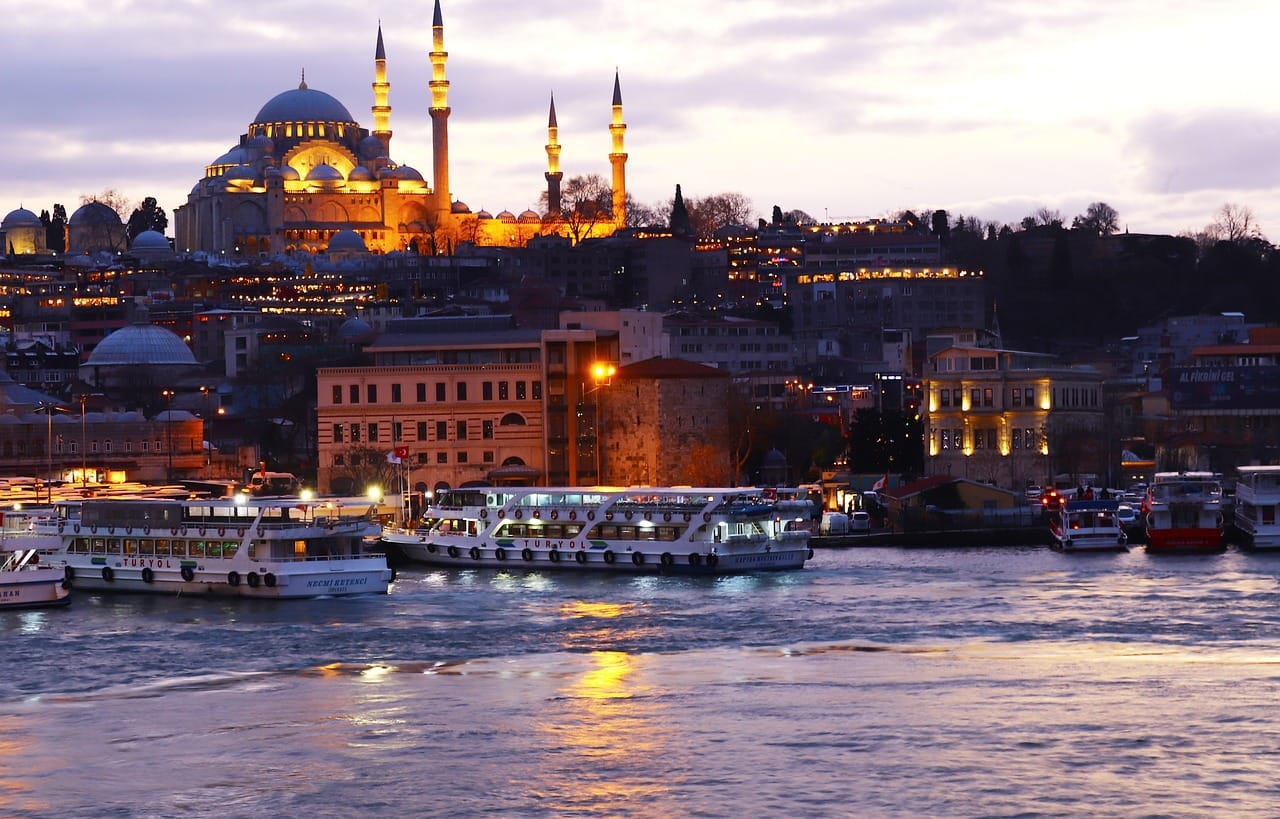
Insider tip: I made the mistake a few years back of taking a taxi across the D100 highway near Mecidiyeköy at 17:15 during Ramadan. We moved less than two kilometers in an hour while the driver anxiously tracked the sunset clock on his dashboard. If you need to move between continents or cross the Golden Horn in the late afternoon, skip the roads and board the Marmaray under the seabed.
Arrival transit into the city continues uninterrupted throughout the holy month. Airport connections run on set schedules unaffected by prayer times or fasting intervals. When landing, you can review current options for airport shuttle lines to anticipate road bottlenecks during the evening rush. The Istanbul Airport Metro line operates consistently to transfers at Kağıthane and Gayrettepe, with departures running every twenty minutes until midnight. Municipal ferries connecting Eminönü, Kadıköy, and Üsküdar follow their posted winter timetables, running regular crossings until 23:00 on weekdays and midnight on weekends.
Daytime dining realities and neighborhood differences
Istanbul does not shut down for Ramadan, but daytime food access depends on the specific district you visit. Restaurant opening hours divide the city along clear geographic and cultural lines. In conservative quarters on both sides of the Bosphorus, such as Fatih and Üsküdar, standard commercial rhythms slow down between dawn and sunset. Traditional tradesmen eateries, known as a lokanta, often lower metal shutters or hang white curtains across their windows to shield seated diners from street view. Independent tea houses and neighborhood soup kitchens near major mosque complexes frequently suspend table service completely until late afternoon, keeping counter operations open only for takeaway orders.
Crossing the Golden Horn into Beyoğlu or boarding a ferry to Kadıköy presents an entirely different scene. Along İstiklal Avenue, in Cihangir, and throughout the commercial grid of Kadıköy Çarşı, cafes, roasters, and restaurants operate on regular daytime schedules. Sidewalk seating remains active from midday onward. Following the Moda to Fenerbahçe Park Walking Route with Kalamış Marina Stops and 2026 Tea Prices takes you past coastal tea gardens and bakeries running continuous daytime service without window curtains. Further north, upscale residential districts trade without schedule adjustments. If you spend an afternoon in Teşvikiye or walk through Nişantaşı along Abdi İpekçi Street, European brasseries, bakeries, and espresso bars serve full menus to local office workers and shoppers without window screens or altered hours. In Kadıköy, established culinary fixtures like Çiya Sofrası maintain full steam tables from 11:30 onward.
Insider tip: Around 13:00 on Akdeniz Street in Fatih, I walked past an unlit soup shop where heavy white cotton sheets blocked every window. The front door was unlatched, and three guests sat inside eating kuru fasulye and pilaf for 200 TL (4 EUR). In conservative districts, drawn curtains signal that the kitchen is serving food discreetly to daytime diners inside rather than turning business away.
Dining inside an open establishment is socially accepted across every part of the city. Cultural boundaries apply primarily to eating and drinking on public streets. Walking through residential lanes in Fatih or down side alleys behind Üsküdar square while eating takeaway kebabs, drinking cold beverages, or smoking cigarettes creates friction with fasting residents. If you purchase items from street vendors or neighborhood bakeries in traditional quarters, consume them seated inside the premises or wait until you reach a transit hub. In secular corridors like Moda in Kadıköy or Nişantaşı, eating a takeaway sandwich on a sidewalk bench generates no reactions, though local etiquette still favors indoor tables.
| District | Daytime Dining Status | Sidewalk & Alcohol Operations | Visitor Strategy |
|---|---|---|---|
| Fatih & Historical Core | Many traditional venues shut or veiled until sunset; Sultanahmet tourist spots open | No street-facing dining in residential areas; window curtains common | Eat inside international hotel restaurants or along Divan Yolu street |
| Üsküdar & Eyüpsultan | Neighborhood kitchens closed; waterfront chain cafes maintain daytime hours | No daytime outdoor alcohol service; minimal sidewalk seating | Use ferry terminal cafes or cross to Kadıköy for daytime meals |
| Beyoğlu & Galata | Standard daytime trade across modern bistros, burger shops, and cafes | Normal sidewalk terrace trade; licensed venues serve alcohol all day | Freely access lunch without special route planning |
| Kadıköy & Moda | Full midday hours across fish markets, cafes, and traditional establishments | Unrestricted patio dining and regular daytime beverage service | Base day tours here for full culinary access |
| Nişantaşı & Teşvikiye | All bakeries, specialty coffee bars, and brasseries run standard hours | Regular curbside cafe tables; business lunches run uninterrupted | Walk directly into neighborhood cafes without checking holiday schedules |
How to navigate iftar dinners and restaurant bookings
Most sit-down dining rooms across the historic peninsula and Beyoğlu suspend standard dining between 17:30 and 20:30 each evening. Kitchens shift entirely to fixed iftar menus designed to serve every seated patron at the exact moment of the sunset call to prayer. A standard set meal begins with an iftariyelik platter containing items such as medjool dates, pastirma, olives, and regional cheeses, served with warm ramazan pidesi. A bowl of ezogelin or lentil soup follows before the main courses of slow-cooked stews or mixed grilled meats arrive. These fixed multi-course menus typically cost between 600 TL and 1,500 TL (12 EUR to 30 EUR) per person in neighborhood establishments, while hotel terraces on the Bosphorus set rates starting well above that bracket.
Walk-in diners who arrive without a reservation between 18:30 and 20:00 face almost certain refusal. Kitchens operate on tight preparation timelines to stage hundreds of soups and entrées simultaneously, meaning staff will not seat unscheduled guests or run one-off orders during this window. If you do not hold a table reservation, plan your schedule around the kitchen cycle: eat an early evening meal before 17:30, or wait until the initial dining wave clears out.
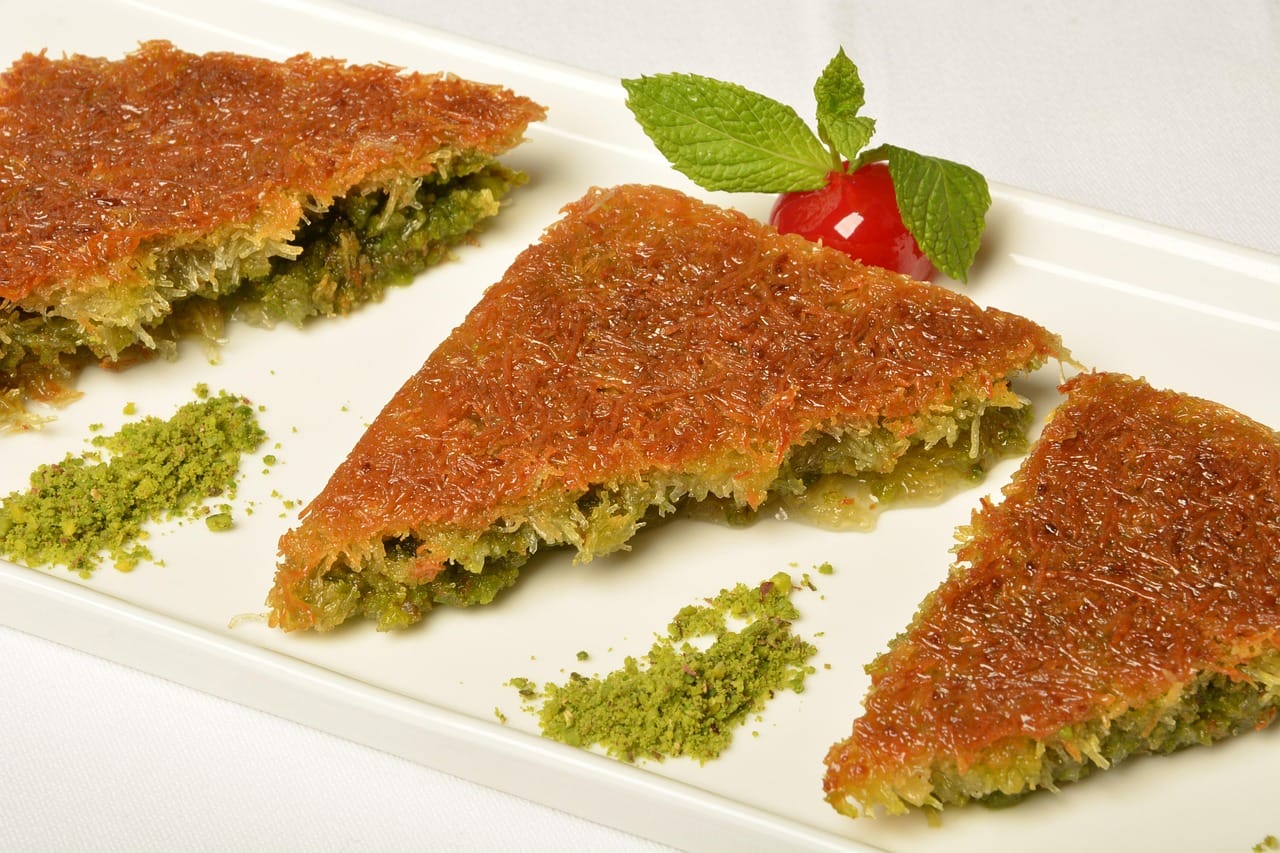
I learned firsthand how strict iftar dining hours can be during my first Ramadan in Kadıköy. At 18:15, just thirty minutes before the evening ezan, I walked into three different lokantas along Güneşli Bahçe Sokak hoping for a quick lentil soup, only to be turned away at each door because every chair had been reserved days ahead for fixed-course diners. With sunset minutes away and hunger setting in, I had to dash two blocks toward Muvakkithane Caddesi to grab a cold simit and ayran for 45 TL (0.90 EUR) from a sidewalk kiosk while commuters rushed past to catch the 18:30 ferry to Karaköy.
To manage evening restaurant logistics smoothly, use this process to arrange your meals:
- Reserve your table at least 24 to 48 hours in advance by contacting the venue directly via telephone or messaging apps.
- Arrive at the dining room 20 to 30 minutes before sundown so front-of-house staff can seat everyone before the call to prayer begins.
- Confirm beverage inclusions at the door, as set menus usually cover water and compote but charge soft drinks separately.
- Pace your consumption through the cold courses, since servers bring the hot soup and grilled meat platters in rapid succession.
- Walk into the traditional kuru fasulye houses in Süleymaniye along Prof. Dr. Ahmet Taner Kışlalı and Prof. Sıddık Sami Onar Caddesi after 20:15, when the first round of diners departs and à la carte service resumes.
Insider tip: Between 18:15 and 19:15, getting a yellow taxi anywhere from Eminönü to Taksim is nearly impossible because drivers stop at local roadside tea stands to break fast. If you need to cross the Golden Horn or Bosphorus before sundown, use the Marmaray or the T1 tram instead of hailing a cab.
In Süleymaniye, establishments such as Erzincanlı Ali Baba serve white bean stews with buttered rice and pickled peppers straight from large copper cauldrons. Orders after 20:15 arrive at your table within five minutes of sitting down, and a full plate with sides costs between 250 TL and 400 TL (5 EUR to 8 EUR).
Public squares, communal picnics, and evening night markets
Around ninety minutes before the evening call to prayer, Istanbul’s historic public spaces shift from transit thoroughfares into open-air dining grounds. In Sultanahmet Square, between the Blue Mosque and Hagia Sophia, families spread plastic mats across the lawns, unpacking thermoses of hot lentil soup, dates, olives, and containers of börek. Plan to arrive by 17:30 if you want an open bench or grassy area, as open space fills completely well before dusk. A similar gathering takes place along the Golden Horn at Eyüp Sultan Mosque, the spiritual center of Ramadan in the city, where municipal iftar tents serve hot three-course meals to several thousand residents and visitors every evening.
Neighborhood bakeries dictate the rhythm of this pre-iftar hour. By 18:00, queues form outside local wood ovens across the historic peninsula for hot Ramazan pidesi, which costs between 25 TL (0.50 EUR) and 35 TL (0.70 EUR) depending on the size. You can carry the warm, sesame-crusted bread directly to the lawns near Gülhane Park or the seawall benches along the Marmara shoreline. If you choose to join a public municipal meal tent instead, expect lines along designated barriers where staff begin handing out compartmentalized food trays containing soup, stew, rice, and ayran thirty minutes before sunset.
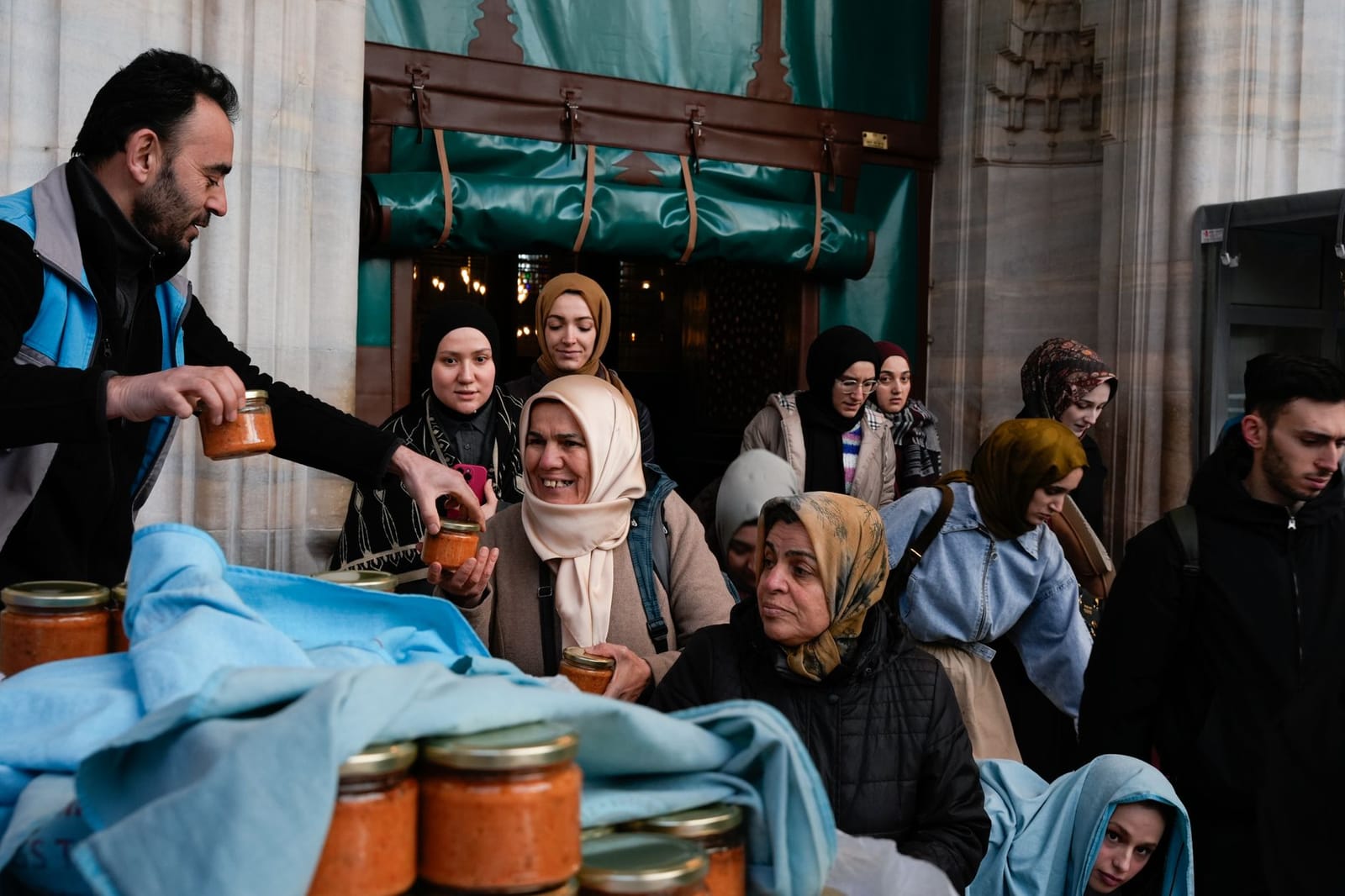
I remember standing in a 35-person line outside Tarihi Odabaşı Fırını on Fevzi Paşa Caddesi in Fatih at 17:45 on a chilly Tuesday. The queue moved at a brisk clip as bakers pulled oblong Ramazan pidesi straight from the wood-fired hearth. I paid 30 TL (0.60 EUR) in exact change, took the steaming, sesame-dusted loaf wrapped in rough craft paper, and walked fifteen minutes down the ridge to the park benches along the Golden Horn to break my fast with sheep cheese and fresh bread just as the evening cannon boomed from Topkapı Palace.
Once the sunset ezan echoes across the squares and the ceremonial cannon fires, the grounds fall quiet for roughly twenty minutes while everyone breaks their fast. Soon after, the public spaces clear out as families pack their containers and head inside the mosques for the late-night Teravih prayers. The activity outdoors continues well past midnight. Pop-up wooden market stalls line the perimeters of Sultanahmet Square, Beyazıt Square, and the pedestrian approaches to Eyüp Sultan Mosque, trading continuously until 01:00.
These market stalls sell traditional book editions, regional teas, and tesbih prayer beads made from carved olive wood or pressed amber, with basic sets starting at 100 TL (2.00 EUR). Confectionery vendors sell Ottoman street sweets, including spun sugar candy, warm syrup-soaked lokma, and multicolored herbal macun paste wound onto wooden sticks for 50 TL (1.00 EUR). Along Divan Yolu, street vendors serve thick Maraş ice cream for 100 TL (2.00 EUR) per cone. The T1 tram line and the M2 metro line run extended services until 02:00 throughout the month to move night crowds out of the historic peninsula.
Mosque etiquette during evening Teravih prayers
Regular visiting hours at Istanbul mosques end before the night prayer, when congregations gather for the extended Teravih services that occur exclusively during Ramadan. While historic mosques remain open during the day for sightseeing between regular prayer times, the setup changes roughly 90 minutes after the sunset ezan. Worshippers fill the floor for prayers that last over an hour, and security staff at major monuments redirect casual visitors away from the prayer carpets.
At major imperial complexes such as the Blue Mosque and Süleymaniye Mosque, interior prayer halls close to non-worshipping visitors during this period. Ropes close off the central areas, and security personnel guide tour groups back to the outer courtyards. If you plan to observe or enter active mosque grounds during these evening hours, follow these baseline practices:
- Cover shoulders, knees, and hair before crossing the courtyard threshold, carrying your own headscarf rather than relying on loaner desks, which close after dark.
- Remove your footwear before stepping onto any carpeted platform and carry it in the thin plastic bags provided at the entry, or set it on the wooden cubbies near the door.
- Stay within the marked visitor boundary at the back of the hall if an attendant lets you inside, without stepping across the low wooden dividers into active rows.
- Silence all phones and turn off camera lights completely; photographing people during prayer is prohibited.
- Keep conversations quiet around the exterior abdest fountains, where worshippers wash before joining the service.
Insider tip: During my first Ramadan living near Fatih, I walked into the Blue Mosque courtyard right as the night ezan sounded at 20:45, only to get stuck in a wall of worshippers moving toward the shoe racks. Now, whenever I want to observe the evening prayers without the crush, I head uphill past the Fener district to The Golden Horn Terrace and Quiet Courtyards of Yavuz Selim Mosque. Its stone terrace looks directly across the Golden Horn, the mahya lights between the minarets glow without tour buses in sight, and the marble ablution fountain stays calm.
For open views instead of crowded central courtyards, smaller historic mosques along the ridge above the Golden Horn offer quiet space during evening services. The terrace behind Yavuz Selim Mosque provides clear sightlines across the water toward Galata, and the courtyard garden at A Masterpiece of Light: Why the Mihrimah Sultan Mosque is My Favorite Spot at the City at the old city walls stays open past 23:00 next to the Edirnekapı stop on the T4 tram line.
Late-night sahur traditions and the street drummers
Long before the dawn call to prayer sounds across the hills, Istanbul awakens for sahur between 03:00 and 04:00. In residential districts across the city, neighborhood drummers known as a Ramazan davulcusu walk street by street, striking a double-headed bass drum with alternating thick and thin mallets. Many chant centuries-old Ottoman folk couplets known as mâni to rouse residents in time to prepare their pre-fast meal. These drummers hold official municipal badges assigning them to specific neighborhood grids, and they return near the end of the month during normal waking hours to collect optional cash tips from local doorbells.
If you book accommodation in older quarters such as Fatih, Beşiktaş, or Üsküdar, sound travels cleanly off stone facades, making quiet nights rare. Understanding this nighttime wake-up call is an essential part of local etiquette that visitors need to plan around. Protesting the drumming to hotel staff or shouting down from an apartment balcony goes against local customs, as residents view the practice as an enduring neighborhood public service.
Insider tip: If light sleep bothers you, pack earplugs. The Ramazan davulcusu will walk right under your hotel or apartment window beating a loud double-headed drum between 03:15 and 03:45 every night, especially in Fatih, Beyoğlu backstreets, and Üsküdar.
For travelers wanting to experience the overnight atmosphere firsthand during Ramadan 2026, several culinary institutions operate right through the night. Exploring Traditional Muhallebi Shops and Creamy Milk Desserts with 2026 Prices and Ordering Tips gives you an authentic window into Istanbul’s late-night food culture, where gentle dishes are designed not to distress an empty stomach before sunrise. Spots such as Saray Muhallebicisi on İstiklal Caddesi serve bowls of baked rice pudding (fırın sütlaç) for 345 TL (6.90 EUR) alongside poultry soups and poached eggs. Dedicated börek counters fire their deck ovens by 03:00 to produce sheet pans of su böreği, a labor-intensive pie of boiled pastry leaves layered with melted butter and white sheep cheese, running between 250 TL and 330 TL (5 EUR to 6.60 EUR) for a single warm portion. In the Fatih mosque complex and along Kadıköy’s Çarşı market, tea gardens keep samovars boiling until the morning ezan signals the start of the fast.
Common practical questions about visiting Istanbul in Ramadan
Planning logistics during Ramadan mainly involves tracking evening transit and dining routines. Daily museum operations stay steady, while restaurant schedules and street transit shift around sundown.
Is alcohol sold and served during Ramadan in Istanbul?
Yes, alcohol remains widely accessible across the city. Licensed bars, pubs, and dining rooms in secular nightlife quarters such as Kadıköy and Karaköy maintain normal operating hours and full bar menus throughout the month. Supermarket chains sell beer, wine, and spirits as usual until 22:00, as do neighborhood Tekel shops. However, conservative quarters like Fatih restrict visible outdoor drinking, and certain family-run eateries choose not to serve alcohol during this period out of tradition.
Are historic sites and bazaars open on their regular schedules?
Major monuments and markets follow standard operating calendars throughout Ramadan itself. Topkapı Palace opens from 09:00 to 17:00 every day except Tuesdays, and the Grand Bazaar welcomes shoppers from 08:30 to 19:00, Monday through Saturday. Daytime visitor numbers inside the bazaar are often lower before noon, making weekday mornings an efficient time to browse. Closures only occur once Ramadan concludes: both the bazaar and state museums shut completely or operate restricted half-day hours during the three-day holiday of Ramazan Bayramı.
Insider tip: If you plan to visit the Grand Bazaar or Spice Bazaar during Ramadan, go between 09:30 and 11:30. The arcades are quiet, shopkeepers have unhurried time to talk, and you avoid the mounting late-afternoon rush as workers head home for iftar.
How reliable is transport around the evening iftar meal?
Finding transport between 18:30 and 19:45 is difficult because the city experiences intense congestion as residents rush home. On-street yellow taxis become virtually impossible to hail because drivers pull off shift to eat, and ride-hailing requests through BiTaksi face repeated cancellations. You should rely on rail transport instead. Metro corridors and the underwater Marmaray train maintain standard timetables without interruption, bypassing road standstills until post-dinner movement resumes after 20:30.
Practical takeaways for your visit
You should book evening dining tables three to four days in advance and reach your dinner neighborhood at least ninety minutes before the sunset call to prayer. Between 18:15 and 19:00, yellow taxis switch off their roof lights along Kemeraltı Caddesi in Karaköy to break the fast, and the T1 tram packs to capacity. Arriving at a sit-down restaurant without a booking during that window means kitchen staff will turn you away, as tables are committed to pre-ordered set courses. Skip the high-volume tourist terraces directly facing Sultanahmet Square; the menus charge steep markups for food pre-plated in bulk and served under severe time pressure.
Insider tip: I avoid surface transport entirely after 17:30 during Ramadan. I take the M2 metro to Şişhane or walk to my dinner spot an hour early, order tea at an open çay ocağı, and watch the street traffic vanish the second the cannon fires.
Commit to traveling strictly by underground rail lines rather than buses or taxis during the final pre-sunset rush, and ensure your party is seated at the table with water and orders confirmed by 18:45.