
Seasonal Zeytinyağlı Plates and Cold Vegetable Dishes at Neighborhood Delis with 2026 Prices
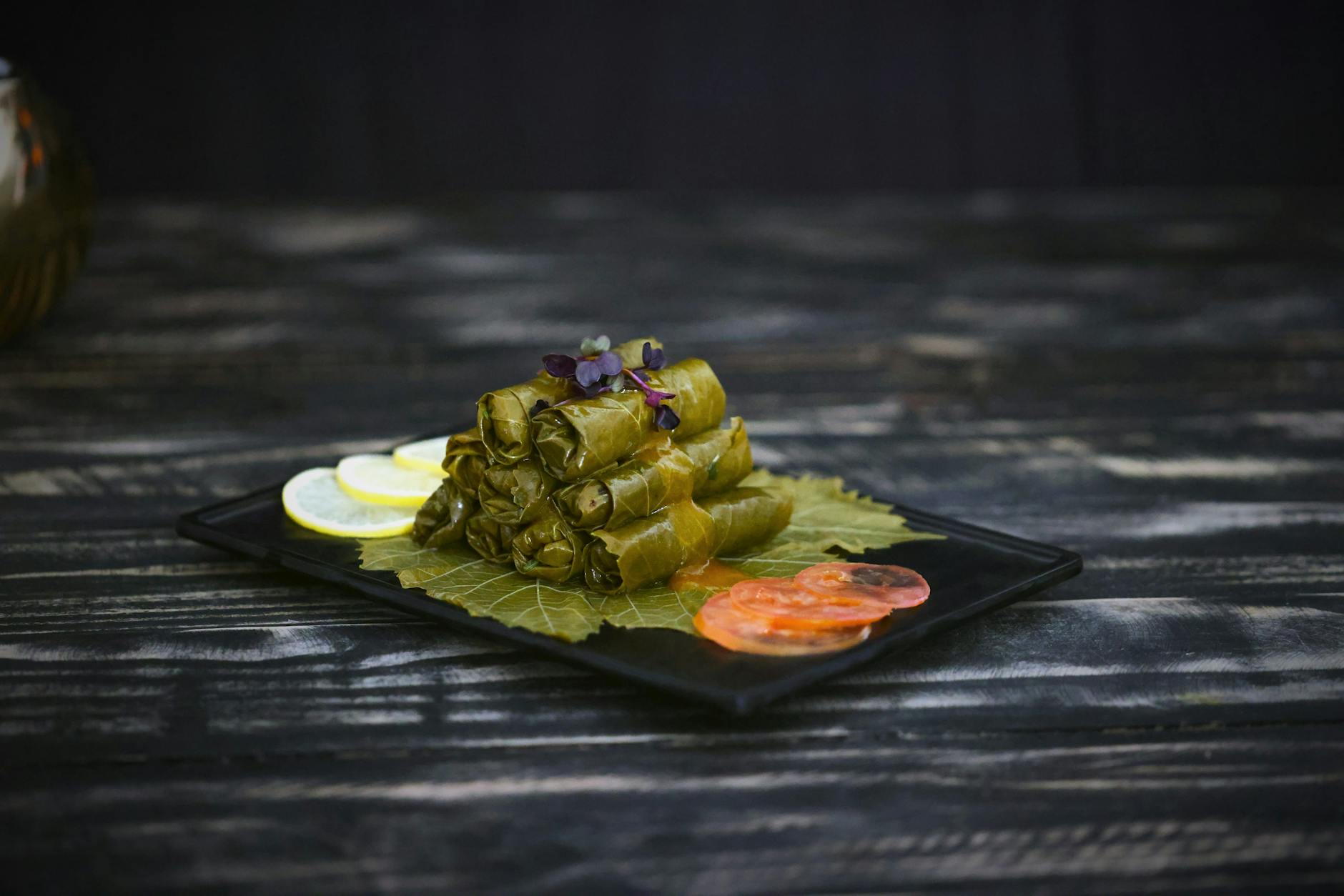
I still remember a sweltering July afternoon in Nişantaşı about a decade ago, when the city’s humidity felt like a heavy, damp wool blanket. I was exhausted, irritable, and ready to retreat to my flat just to breathe. Instead, I ducked into a small neighborhood deli off Teşvikiye Avenue, sat at a tiny marble-topped table, and ordered a portion of taze fasulye—flat green beans braised in olive oil with tomatoes and onions. Cold, tangy, and bright with a squeeze of fresh lemon, those beans did more for me than a gallon of ice water ever could. In Istanbul, zeytinyağlı isn’t just “vegetables in olive oil”—it’s a secret weapon for surviving the summer with our dignity intact.
These dishes are the soul of the Turkish home kitchen, yet travelers often overlook them because they look modest sitting behind a glass counter. That is a tactical error. Last Tuesday, around 1:30 PM, I stood in a quick, five-minute queue at a favorite spot in the Kadıköy Fish Market. I paid 300 TL (which is exactly 6 EUR or about 6.60 USD) for a single, perfectly braised artichoke heart topped with a medley of peas and carrots. It was buttery, slightly sweet, and chilled to perfection.
While the crowds nearby were sweating over heavy, charcoal-grilled kebabs, I was enjoying a meal that felt like a breeze off the Bosphorus. Occasionally, you might run into a place that over-sweetens their dishes or uses a heavy hand with lower-quality oil, which can leave a greasy film on the palate. The fix is simple: look for the “esnaf” (tradesman) delis where you see neighborhood locals pointing out exactly which portion of imam bayıldı they want for their family dinner. If the olive oil is high-quality, it should enhance the vegetable’s flavor, not mask it, leaving you feeling light enough to tackle another five miles of Istanbul’s hilly backstreets.
The Golden Rule of the Turkish Deli Counter
If you ask a waiter to microwave your zeytinyağlı (vegetables cooked in olive oil), you are essentially committing a culinary sin in this city. These dishes are designed to be eaten at room temperature or slightly cool; heating them destroys the delicate emulsion of the oil and masks the vibrant notes of the produce. Last Tuesday, while sitting at a corner table in the Reasürans Pasajı in Nişantaşı around 1:30 PM, I watched a local regular send back a plate of samphire (deniz börülcesi) simply because the olive oil lacked that specific, peppery “fruity” finish expected from early-harvest Aegean olives. It might seem like overkill to a visitor, but in a neighborhood deli where a portion of stuffed vine leaves sets you back 250 TL (exactly 5 EUR), we expect perfection.
How to Order and Enjoy Zeytinyağlı Like a Local
To experience the true depth of Istanbul’s cold olive oil dishes, follow these steps at any traditional neighborhood deli:
- Locate an ‘Esnaf’ Deli or Şarküteri: Look for neighborhood shops in Kadıköy or Nişantaşı where the display case is filled with stainless steel trays of vegetables rather than a standard tourist menu.
- Time your visit for the ‘Noon Drop’: Arrive between 12:00 PM and 1:30 PM to ensure you get first pick of the fresh daily batches before the most popular items sell out.
- Request a ‘Karışık Tabak’ (Mixed Plate): Ask the server for a mix of 3 or 4 different items to sample the seasonal variety without having to buy full portions of each.
- Request the ‘Dip Suyu’ (Bottom Juice): Point to the bottom of the tray and request a spoonful of the concentrated oil and vegetable juices to be drizzled over your plate for maximum flavor.
- Ensure Room Temperature Service: Confirm the dish is served cool or at room temperature and ask for extra fresh lemon wedges on the side; never allow the deli to heat the vegetables.
The Holy Trinity of Flavor
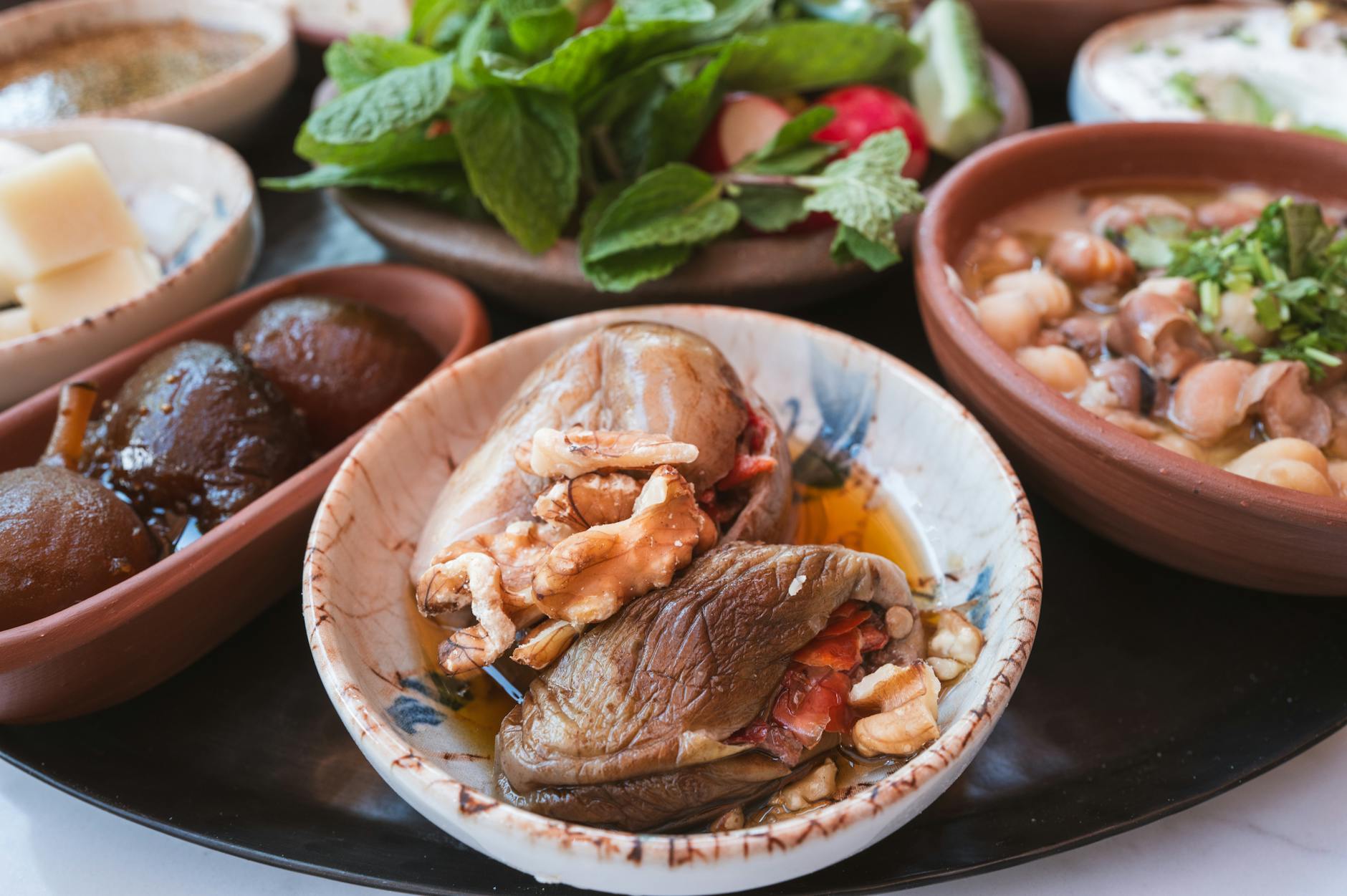
The secret to why these cold starters taste so much better in a local esnaf lokantası (tradesman restaurant) than at a hotel buffet is the “Holy Trinity”: high-quality extra virgin olive oil, a tactical pinch of sugar, and a squeeze of fresh lemon. The sugar isn’t there to make it a dessert; it’s used to cut the natural bitterness of vegetables like artichokes or celery root. If you find a dish too heavy or cloying, it usually means the chef went cheap on the oil. To cleanse your palate after these silken textures, you might want to pivot toward the charred, salty crunch of Street Food Crawl and Fish Sandwiches in Eminönü and Karaköy with Local Prices, which offer a completely different side of the city’s food soul.
Understanding the Texture
When you see a tray of İmambayıldı (stuffed eggplant) shimmering under the deli lights, don’t mistake that sheen for grease. It is a slow-cooked confit. The vegetables should be tender enough to yield to a fork but never mushy. If you’re at a reputable spot in Kadıköy or Beşiktaş, expect to pay between 200 TL and 350 TL (roughly 4 to 7 EUR or 4.50 to 7.75 USD) for a generous plate of seasonal greens or root vegetables.
Berk’s Insider Tip: Look for the ‘Dip Suyu’ (bottom juice). If a deli tray is nearly empty, that’s actually where the most flavor is concentrated. Don’t be afraid to ask for a little extra of that nectar on your plate.
Nişantaşı: Sophisticated Plates for the Discerning Palate
Nişantaşı isn’t just about designer labels and valet-parked luxury cars; it is the undisputed capital of refined zeytinyağlı (olive oil) culture in Istanbul. While the rest of the city might settle for standard canteen fare, the delis here—locally known as Şarküteri—treat vegetables with the same reverence a jeweler treats a diamond. If you want to see how the city’s old-money families actually eat, skip the flashy fusion restaurants and head straight to the deli counters near Teşvikiye Mosque.
The Art of the 1:00 PM Artichoke Run
Timing is the only thing that separates a gourmet experience from a disappointment in this neighborhood. I’ve learned the hard way that arriving at a boutique deli like Pelit or the smaller family-run spots on the side streets around Teşvikiye at 3:00 PM is a rookie mistake. The “good stuff” is usually delivered or finished by noon.
I was at a small boutique counter just last week at exactly 1:10 PM, just as the fresh batch of Zeytinyağlı Enginar (artichoke) was being laid out. These aren’t the woody, fibrous artichokes you find in plastic tubs. They are buttery, tender hearts simmered with lemon, sugar, and high-grade Aegean olive oil. A single premium stuffed artichoke in Nişantaşı currently costs about 225 TL (approx. 4.50 EUR). It’s a premium price, but the quality of the oil alone justifies the tag. For a history lesson that is far less manicured than Nişantaşı, I often take the M2 metro line to explore The Yedikule Dungeons are the only honest place left in the city to see the raw stones of the Byzantine era.
Top 5 Deli Selections in Nişantaşı
- Zeytinyağlı Enginar with Broad Beans: The Nişantaşı gold standard, topped with “iç bakla” (fava beans) and plenty of fresh dill.
- Sour Cherry Sarma (Vişneli Yaprak Sarma): A sophisticated twist on stuffed vine leaves where the tartness of the fruit balances the spice-heavy rice.
- Deniz Börülcesi (Sea Beans/Samphire): These are hand-picked from the shoreline, blanched, and dressed in a heavy garlic-lemon vinaigrette.
- Stuffed Zucchini Flowers (Kabak Çiçeği Dolması): A delicate seasonal treat that requires immense skill to stuff without tearing the petals.
- Roasted Red Peppers with Walnuts: Look for the house-made versions that use wood-fired peppers rather than the jarred variety for a smoky depth.
Kadıköy Market: Where Tradition Meets the Modern Appetite
Kadıköy is loud, unapologetic, and the only place in Istanbul where the city’s culinary soul remains completely intact. While the crowds in the Kadıköy Fish Market (Balık Pazarı) can feel like a contact sport, the backstreets are where you find the real gold—the neighborhood delis that haven’t changed their recipes since I moved here fifteen years ago. If you spent your morning hunting for morning simit and savory pastries from the historic bakeries of Karaköy and Galata with current prices, a light lunch of zeytinyağlı (olive oil dishes) in Caferağa is the perfect counter-move.
The mistake most travelers make is sitting at the first flashy restaurant with a printed English menu. Avoid those. Instead, look for the spots where the local grandmothers are hovering over the counter, pointing at the freshest Stuffed vine leaves (Sarma). Last Tuesday, I squeezed into a tiny deli near the old Armenian church at 12:30 PM. The line was ten people deep, but it moved fast. I paid 400 TL (roughly 8 EUR or 9 USD) for a massive portion of seasonal vegetables that tasted like they were picked that morning.
Mastering the ‘Mixed Plate’ Strategy
The secret to a proper deli lunch is the Karışık Tabak (Mixed Plate). Don’t commit to just one dish; the deli cases are a seasonal mosaic, and you want a bit of everything. Ask the server for a four-item mix. Usually, this includes a base of Enginar (artichoke hearts with peas), some Deniz Börülcesi (sea beans with garlic), and whatever looks vibrant.
Berk’s Insider Tip: In Kadıköy, if you see ‘Vişneli Yaprak Sarma’ (stuffed vine leaves with sour cherries), buy them immediately. They sell out by 2:00 PM and are the pinnacle of Istanbul deli culture.
Seasonal Stars: What to Order and When
Eating out of season in Istanbul is the fastest way to get a mediocre meal. After 15 years in this city, I’ve learned that zeytinyağlı dishes are a calendar, not just a menu category. If the vegetable didn’t grow under the sun of the current month, the olive oil will only highlight its cardboard-like texture.
Spring (March–May): The Tart Awakening
Spring is the most fleeting and precious time for a local foodie. This is when we look for the crunch. Fresh almonds (çağla) and green plums (erik) start appearing in stews and olive oil plates, adding a natural, zesty acidity.
Last Thursday at 11:45 AM, I sat at a wobbly wooden stool in Zeyrek Istanbul: Old City. I paid 180 TL for a fava bean purée that was still warm from the pot—the mistake I’d made previously was arriving at 1:00 PM when the bottom of the tray is all that’s left. The spring sunshine hitting the Valens Aqueduct made the emerald-green olive oil on my plate glow. If you see “Enginar” (artichoke) on the menu in May, order it immediately—it’s peak season for the Aegean varieties.
Summer (June–August): The Barbunya Obsession
Summer belongs to the heavy hitters: Barbunya (borlotti beans) and the ubiquitous Taze Fasulye (green beans). A proper Barbunya Pilaki should be served cold with a massive wedge of lemon and a forest of fresh parsley. You’ll see Taze Fasulye everywhere, but the “discerning” move is to check how they’re cut. If they are thin, long slivers (the çalı variety), you’re in for a treat.
Winter (December–February): Earthy Comfort
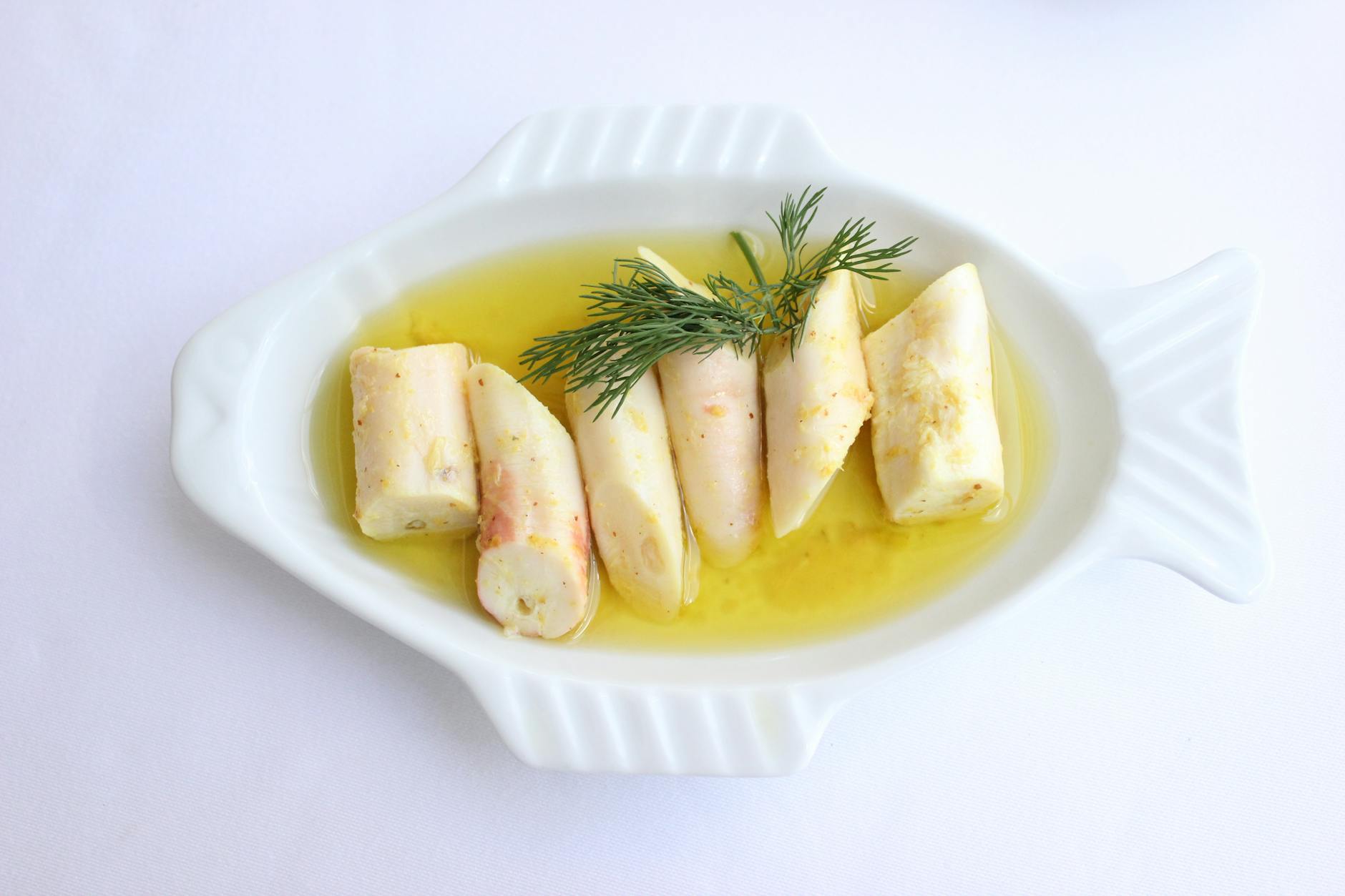
Winter is for the roots. Leeks (pırasa) cooked with carrots and rice might sound simple, but in the hands of an Istanbul chef, it’s a sweet, silky masterpiece. Then there is the underdog: Celery root (kereviz) cooked with orange juice. Most travelers skip the celery root because it looks like a gnarled ball of dirt, but once it’s braised in citrus and olive oil, it becomes buttery and bright.
| Season | Top Seasonal Dish | Why It’s The Best Choice | Average Price (2026) |
|---|---|---|---|
| Spring | Artichoke with Fresh Almonds | Fleeting window; incredible texture. | 350 TL (7 EUR) |
| Summer | Barbunya Pilaki | Protein-rich, cold, and perfect for 30°C heat. | 275 TL (5.50 EUR) |
| Winter | Celery Root with Orange | Citrusy and buttery; converts celery-haters. | 225 TL (4.50 EUR) |
| Autumn | Stuffed Chard Leaves (Pazı Sarma) | Earthy and tender before the deep freeze. | 300 TL (6 EUR) |
The 2026 Deli Budget: What You’ll Actually Pay
Eating zeytinyağlı (olive oil dishes) at a neighborhood deli is the absolute smartest way to eat like royalty in Istanbul without burning through your travel fund. Last Tuesday, I stopped by a favorite spot in Nişantaşı around 2:00 PM—just as the lunch rush was cooling off—and a massive, colorful mixed plate shared between two of us came to exactly 650 TL (13 EUR / 14.40 USD).
Comparing these light, healthy portions to the heavy meat platters found at Traditional Wood Fired Leaf Döner and Authentic Meat Houses with Ordering Tips is a great way to balance your budget and your digestion. You’ll generally find two ways to order: by the portion or a “mixed plate.” A small plate featuring three or four different samplings usually runs about 300 TL (6 EUR).
FAQ: Navigating Istanbul’s Deli Scene
Do these neighborhood delis accept credit cards or should I carry cash?
Nearly every deli in central neighborhoods like Kadıköy, Beşiktaş, or Nişantaşı accepts credit cards and contactless payments. However, if you venture into smaller, deeply residential pockets, I always keep a 200 TL note in my pocket just in case.
Is it okay to ask for a taste before I commit to a full plate?
Absolutely, within reason. If the shop isn’t slammed with a line out the door, asking for a small taste of the hummus or the shakshuka is perfectly fine. A simple “Tadabilir miyim?” (Can I taste?) with a smile goes a long way.
Are these cold vegetable dishes safe for vegetarians and vegans?
They are a paradise for plant-based eaters. Most zeytinyağlı dishes are naturally vegan as they rely on olive oil, lemon, and herbs. The only thing to watch for is the occasional use of yogurt in specific starters like Haydari.
The Art of the Takeaway: Picnics by the Bosphorus
Eating in a stuffy, neon-lit deli is a waste of a perfectly good Istanbul sunset. In this city, the “picnic” isn’t a fancy wicker-basket affair; it’s about grabbing a few plastic tubs of chilled vegetables and finding a patch of concrete with a view.
The “Paket” Protocol
When you’re ordering your spread, the magic word is paket (takeaway). Most delis are used to locals grabbing lunch for the office, so they’ll pack things tightly. Always look the server in the eye and ask, “Limon koyabilir misiniz?” (Can you put lemon?). They usually have pre-sliced wedges under the counter; make sure they toss a couple into the bag. It transforms a 150 TL portion of zeytinyağlı from good to elite.
Sunset at Moda Sahil
Last Tuesday, I hit my favorite spot in Kadıköy around 6:00 PM. The queue was about eight people deep—typical for a weekday—but it moved fast. I walked out with a tub of Deniz Börülcesi (sea beans) dressed in heavy garlic and olive oil for 225 TL (4.50 EUR). I headed straight for the rocks at Moda Sahil. There’s a specific joy in peeling back a plastic lid to find vibrant green sea beans while watching the ferries cut across the Marmara.
The Final Verdict
At the end of a long day of navigating the chaotic ferry lines or the steep hills of Beyoğlu, these zeytinyağlı plates are what keep us grounded. They are the quiet, olive-oil-soaked soul of the Turkish home kitchen brought out onto the street. When you find yourself standing in front of a deli counter—whether it’s a high-end spot in Nişantaşı or a family-run corner shop in the backstreets of Kadıköy—forget the names on the labels for a second. Trust your eyes. If the oil glitters under the lights and the vegetables look vibrant rather than dull or mushy, you’ve found the real deal.
I was at a small counter near the Beşiktaş fish market last Tuesday around 4 PM, just as the evening rush was starting to brew. I spotted a tray of deniz börülcesi (sea beans) that looked exceptionally bright. Even with the 300 TL (exactly 6 EUR) price tag for a generous portion, I didn’t hesitate. I took my container, found a spot near the water, and realized again that this is the best way to experience Istanbul. It’s honest, it’s seasonal, and it’s exactly what we eat when we want to feel at home. Don’t overthink it; just look for the shimmer of the oil and dive in.
Comments
Share your thoughts with us