
Fried Mussels and Calamari in the Fish Markets of Beşiktaş and Kadıköy with 2026 Menu Prices
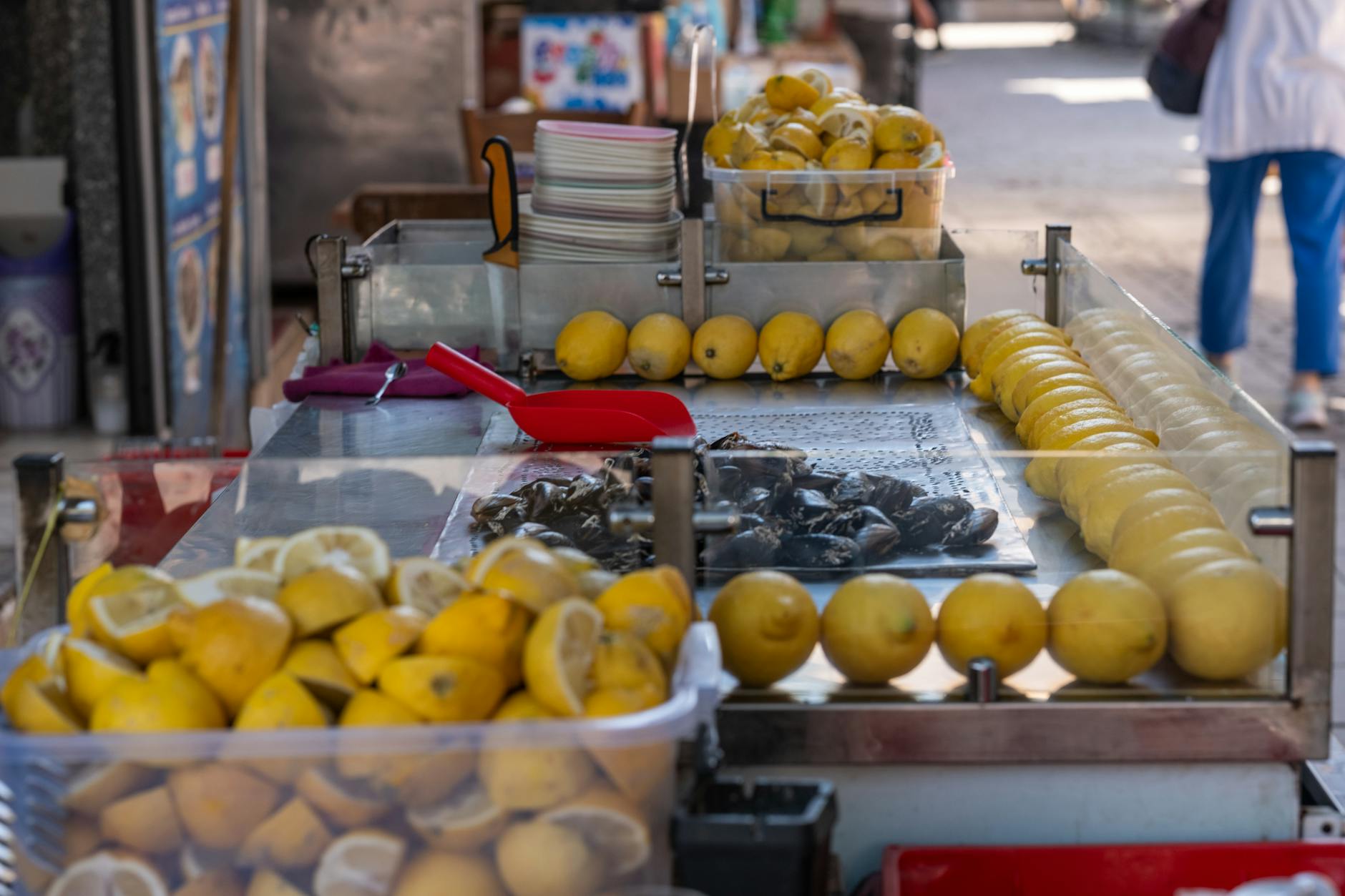
The scent of sizzling oil hitting the cold Bosphorus breeze is my personal dinner bell in Beşiktaş; it’s a smell that tells me the mussels are fresh, the tarator is garlicky, and the night is just beginning. Last Tuesday, I found myself standing under the iconic triangular canopy of the Beşiktaş Fish Market at exactly 7:30 PM, right when the evening rush turns into a rhythmic chaos of clinking glasses and shouting fishmongers. I handed over 350 TL—which is exactly 7 EUR at the current rate—for a portion of midye tava, those golden, battered mussels on a skewer, and for a moment, the roar of the city faded into the background.
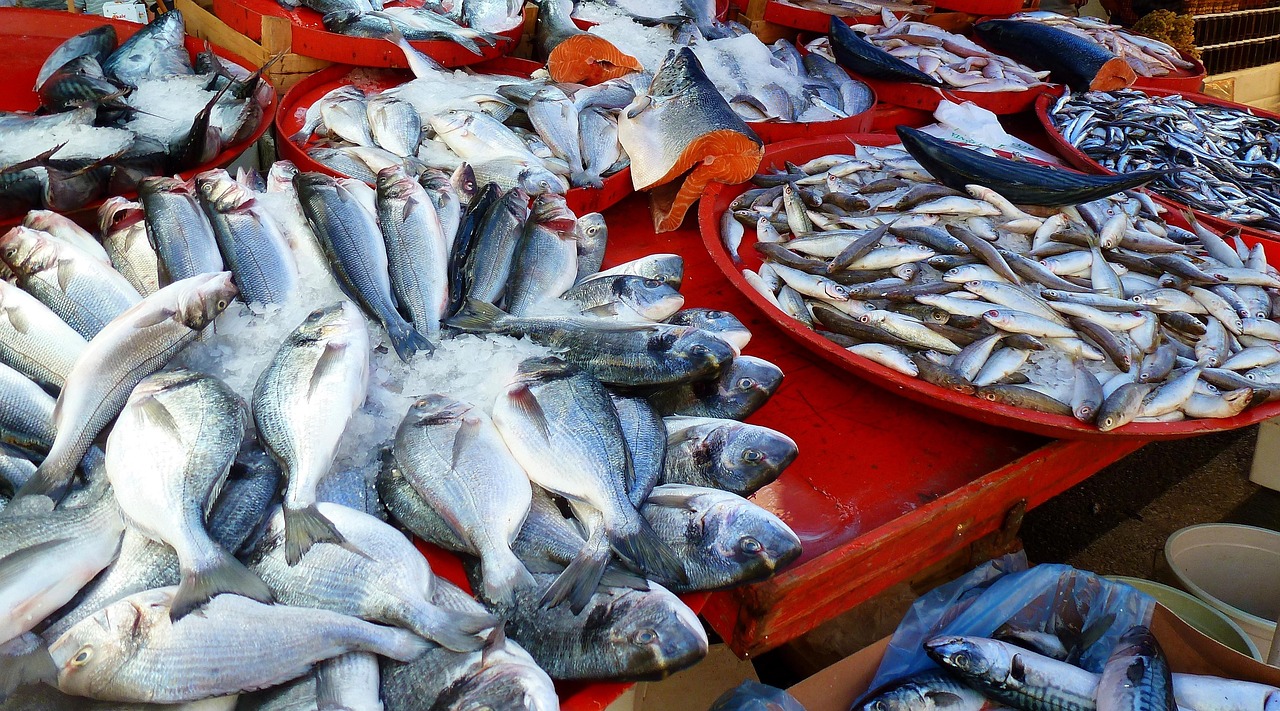
In a city where high-end seafood restaurants often charge a premium for a view that doesn’t always match the plate, these market stalls are where the real soul of Istanbul’s maritime culture persists. You aren’t paying for white tablecloths or soft lighting here; you’re paying for the speed of the fry, the sharpness of the lemon, and that specific walnut-heavy tarator sauce that separates a local haunt from a generic trap. It can be a bit overwhelming for a newcomer—the floors are often wet, the seating is cramped, and the service is brisk—but if you move with the crowd rather than against it, the reward is the most honest meal in the city.
Whether you are navigating the narrow, neon-lit alleys of Beşiktaş or crossing the water to the Kadıköy Fish Market where the vibe leans a bit more toward a bohemian street party, the ritual remains the same. You look for the bubbling cauldrons of oil, you check the price board to ensure you aren’t being quoted “tourist rates,” and you eat standing up if you have to. A portion of crispy calamari might run you about 450 TL (10 USD) these days, but when it’s served piping hot in the middle of a bustling market, it feels like the best bargain in the Mediterranean. This isn’t just about refueling; it’s about participating in a centuries-old bridge between the sea and the street.
The Sizzle Under the Steel Canopy of Beşiktaş
The Beşiktaş Balık Pazarı isn’t just a place to buy your dinner; it is the noisy, aromatic, and architectural soul of the neighborhood. Forget the sterile supermarket aisles; here, you stand under a massive, triangular steel canopy that feels like a modern cathedral dedicated to the sea. If you arrive around 6:00 PM on a Tuesday, as I often do to escape the commute madness, you’ll find the air thick with the scent of salt and the rhythmic “clack-clack” of metal spatulas against frying pans.
Finding the Golden Crunch
The best Midye Tava (fried mussels) are almost always found at the small, narrow stalls clustered right at the entrance of the market. You don’t need a map; just follow the sound of the bubbling oil. These vendors specialize in one thing: skewering large, plump mussels, dipping them into a light beer batter, and flash-frying them until they are a deep, golden mahogany. I’ve noticed that travelers sometimes hesitate because the stalls look tiny, but in my fifteen years here, I’ve learned that the smaller the shop, the fresher the catch.
Berk’s Insider Tip: In Beşiktaş, if you see a long line at a small stall with no seats, that’s where you want to be; the high turnover ensures the oil is changed frequently and the mussels haven’t been sitting around.
Choosing Your Vessel: Bread vs. Plate
The biggest mistake I see newcomers make is ordering a full plate when they are actually in a hurry. If you want the true local experience, ask for a ‘çeyrek’ (a quarter loaf of fresh Turkish bread). They’ll tuck three or four skewers of hot mussels inside, drench them in tarator (a creamy walnut and garlic sauce), and hand it to you in a greasy paper wrap. In 2026, a çeyrek will set you back about 180 TL (approximately 4 USD or 3.60 EUR). It’s the ultimate street fuel.
If you prefer to sit down and take your time, a full portion on a plate is around 450 TL (10 USD), but you lose that tactile, messy joy of the sandwich. If the grease feels like a bit much, I usually recommend heading toward the traditional soup houses nearby afterward to balance out the palate with a clean, hot broth.
What You’ll Pay: 2026 Prices for Mussels and Calamari
You shouldn’t walk into the fish markets of Beşiktaş or Kadıköy expecting the pocket-change prices of five years ago. Istanbul is currently expensive, even for us locals, but seafood remains the soul of these neighborhoods. If you see a place without a clear price board, move on—there are plenty of transparent spots where you won’t get a “tourist surprise” at the end of your meal.
Sandwiches vs. Portions: The Price Gap
The most common mistake I see visitors make is ordering a full portion when they’re just looking for a quick bite. A portion is served on a plate, usually with more Tarator Sauce and a side of greens, whereas the sandwich is a no-nonsense street food staple. Last Wednesday, I stood in line at a small stall in the Beşiktaş Fish Market at 7:00 PM; the wait was ten minutes, but the 225 TL I paid for a fresh mussel sandwich was far more satisfying than a formal sit-down meal.
Berk’s Insider Tip: A portion of fried mussels in 2026 typically costs 450 TL (9 EUR), while a sandwich is a better deal at 225 TL (4.50 EUR) if you’re on the move.
The Calamari Surge
Kalamar Tava (fried calamari) has seen a massive price surge due to tighter fishing quotas and increased import costs. While mussels are still relatively accessible, calamari is now treated as a premium item. Expect to pay a significant premium for that crunch. If a price seems too low, it’s likely frozen or heavily battered with very little squid inside. Stick to the busy market stalls where the turnover is high to ensure you’re getting the fresh catch of the day.
| Item | 2026 Price (TL) | Price in EUR | Best For |
|---|---|---|---|
| Fried Mussel Sandwich | 225 TL | 4.50 EUR | Budget-friendly street snack |
| Mussel Portion (Plated) | 450 TL | 9.00 EUR | Sharing as a starter |
| Kalamar Tava (Portion) | 750 TL | 15.00 EUR | A high-quality seafood treat |
| Cold Soft Drink / Ayran | 75 TL | 1.50 EUR | Refreshing palate cleanser |
For a complete meal consisting of a calamari portion and a drink, you’re looking at roughly 825 TL (16.50 EUR). It isn’t the cheapest meal in the city, but eating it on a high stool while the market life swirls around you is an experience that justifies the Lira. To save a bit, pair your fried treats with an Ayran—it’s cheaper than soda and the saltiness cuts through the oil of the fried batter perfectly.
The Alchemy of Tarator Sauce
You haven’t truly eaten a fried mussel until it’s been dragged through a thick, pungent tarator sauce that has been crafted with a bit of local respect. In Istanbul, this isn’t just a side dish; it is the structural soul of the meal, providing a creamy, acidic counterpoint to the salt and oil of the fryer.
The Bone and Marrow: Walnuts and Bread
A proper tarator relies on the rustic combination of stale breadcrumbs and crushed walnuts. I once spent an afternoon in a tiny workshop behind the Kadıköy Fish Market watching a chef named Murat prep his batch for the evening rush. He didn’t use a blender; he used a massive wooden pestle to marry the garlic and walnuts into a gritty paste. The bread—strictly day-old sourdough—is soaked and squeezed dry to provide the body. This creates a sauce that is heavy enough to “stick” to your calamari rather than sliding off like a cheap dressing.
Spotting the Mayo Shortcut
Many fast-food stalls and less-reputable joints try to cheat the system by using mayonnaise as a base. Authentic tarator should never contain mayo. It is a culinary shortcut that lacks the depth of the walnut oil. If you are charged 25 TL (about 0.50 EUR or 0.55 USD) for an extra portion of sauce—which is the standard 2026 rate in Beşiktaş—check for texture. Real tarator is never perfectly smooth; it should have a slight “grip” and a deep, off-white color.
The Etiquette of the Dip
When you’re standing at a crowded marble counter, the social stakes are high. Double-dipping is the ultimate amateur move. Most seasoned locals will take a skewer of mussels and use it like a shovel to transport a generous mound of sauce to a corner of their own plate. If you’re sharing a communal bowl, the rule is simple: dip once, dip deep, and commit. If you find yourself running low, don’t be shy about asking for a refill, but always keep your personal portion separate to maintain the peace.
Berk’s Insider Tip: Never settle for a tarator sauce that looks pure white and glossy; real tarator should be slightly textured and off-white from the crushed walnuts.
Crossing the Water: The Kadıköy Market Experience
The twenty-minute ferry ride from Beşiktaş to Kadıköy is the only way to properly transition from the frantic energy of the European side to the soulful, bohemian grit of the Asian side. I’ve lived here for 15 years, and I still refuse to take the Marmaray tunnel if I have the choice; you need the salt air and a 25 TL (approx. 0.50 EUR) glass of tea to prep your appetite.
From the Pier to the Plates
Once you hop off at the Kadıköy terminal, skip the main bus hub and walk toward the Bull Statue, but veer right into the narrow, cobblestone arteries of the Kadıköy Fish Market. This place is louder and more packed than Beşiktaş, especially on a Friday night around 19:00. If you find the crowds overwhelming, my trick is to duck into a side street for five minutes; the chaos is mostly concentrated on the main pedestrian strip. While the Bosphorus crossings are iconic, sometimes I take the Golden Horn ferry just to walk the quiet hills of Eyüp when I need a break from the Kadıköy buzz.
Street Stalls vs. Meyhane Culture
In Kadıköy, you have to choose your battle: the quick, standing-room-only street snacks or the long, slow meyhane experience. If you’re here for the fried mussels (midye tava), the street stalls near the entrance of the market are king. Last week, I grabbed a sandwich and a soda for 225 TL (4.50 EUR), standing under a heat lamp while the vendor cracked jokes about the local football score. I once missed the last direct ferry back because I stayed for one too many skewers; I had to navigate the Navigating the T1 Tram through the Old City with 2026 Fares and Crowd-Dodging Tips route late at night, arriving at my door at 11:45 PM smelling faintly of garlic and seawater.
My Essential Kadıköy Market Checklist:
- The Midye Tava Sandwich: Get it with extra garlic sauce (tarator); it’s the definitive Kadıköy street bite (approx. 150 TL / 3 EUR).
- Stuffed Mussels (Midye Dolma): Look for the trays where the lemons look fresh. At 15 TL (0.30 EUR) per piece, it’s easy to lose track.
- Fried Calamari Rings: Choose the “bucket” style from street vendors if you’re on the move—much cheaper than the 450 TL (9 EUR) sit-down portions.
- Pickle Juice (Turşu Suyu): Stop at a traditional pickle shop like Özcan Turşuları to cut through the grease of the fried seafood.
- The “Moda” Walk: Take your fried mussels in a paper cone and walk 10 minutes toward the Moda seaside to eat with a view of the Marmara Sea.
How to Order Like an Istanbulite
If you stand around waiting for a printed menu or a formal host to seat you, you’ll likely end up hungry and ignored in the bustle of the fish market. The rhythm of a tavacı (fryer) is fast, and the interaction is brief. I remember my first month in Kadıköy, standing awkwardly by a bubbling vat of oil until a regular nudged me and whispered, “Just catch his eye and say ‘yarım’ (half bread).” That’s the secret: confidence is your currency here.
Mastering the Midye Tava Ritual
The fried mussel experience is more of a performance than a meal. You aren’t just buying food; you’re joining a centuries-old street food tradition. While the oil can sometimes be heavy if you aren’t used to it, the simple fix is to ask for double lemon—the acidity cuts through the fat perfectly and wakes up the garlic in the sauce.
How to Order Your Fried Mussels and Calamari:
- Approach the giant circular sizzling pans at the front of the shop rather than looking for a table inside.
- Choose your “vessel” by telling the chef either ekmek arası (in a fresh crusty sandwich) or porsiyon (served on a plate with toothpicks).
- Request “bol sos” (extra sauce) specifically to ensure your mussels are generously coated in tarator—the thick, creamy walnut and garlic dip that defines this dish.
- Spear the mussels one by one using the provided wooden toothpicks if you’ve ordered a portion; it’s the standard way to eat them while standing or perched on a tiny stool.
- Pay the chef directly or at the small register nearby; in 2026, a standard ekmek arası Midye Tava in Beşiktaş usually runs about 250 TL (5 EUR), while a full portion of calamari is closer to 450 TL (9 EUR).
- Grab a handful of napkins and a lemon wedge from the counter before you move to the side to eat.
The Secret of the Sauce and Squeeze
The tarator sauce is the soul of the dish. If it looks too thin, that’s a sign to move to the next stall. A good sauce should be thick enough to cling to the fried batter. Don’t be shy with the Limon; most locals will use at least two wedges for a single sandwich. If you find the garlic a bit overwhelming for a mid-afternoon snack, order a cold glass of salty ayran to balance the palate. In the narrow alleys of the Beşiktaş market around 6:00 PM, the queue might look intimidating, but it moves fast—usually less than a five-minute wait for the freshest, hottest batch.
Avoiding the Tourist Trap: Quality Checks
The secret to a perfect plate of fried seafood isn’t in a secret spice blend; it’s in the transparency of the oil and the turnover of the kitchen. If you can’t see the frying station from the street or the high tables, you shouldn’t be eating there. I’ve learned this the hard way after fifteen years in Istanbul.
The Golden Rule of Oil
Before you commit to a stool, take a quick peek at the large metal vats. The oil should be a pale, translucent amber. If it looks like dark tea or—heaven forbid—motor oil, keep walking. I once made the mistake of sitting at a quiet corner stall in the Beşiktaş Fish Market around 8:00 PM without checking. My plate of mussels arrived tasting like carbon and old grease. Even though it only cost me 225 TL (about 5 USD), it was a wasted meal. Now, I always look for shops where they refresh the oil mid-evening.
Spotting the Frozen “Rings”
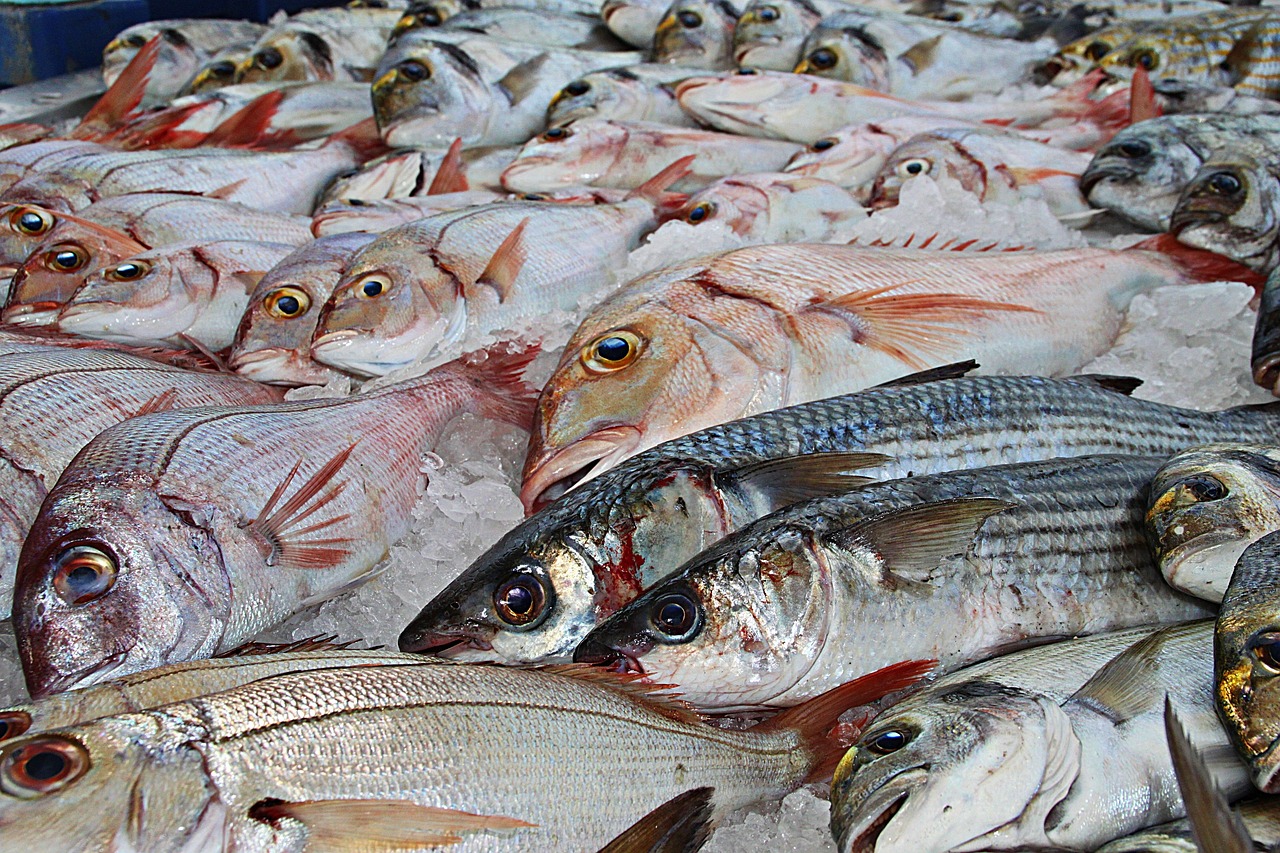
Fresh calamari is irregular. If every single ring on your plate is a perfect, identical circle with thick, heavy batter, you are likely being served pre-breaded frozen stock. Real Fresh Seafood in these markets should have a light, uneven dusting of flour that lets the texture of the squid shine through.
The Crowd Doesn’t Lie
In Istanbul, an empty restaurant in a busy market is a warning. Follow the noise. If you see locals standing shoulder-to-shoulder around a high table, balancing a cold drink and a steaming plate of mussels, that’s your spot. High turnover is the only way to guarantee that the calamari you’re eating was swimming in the Marmara just a few hours ago.
Frequently Asked Questions about Istanbul Fish Markets
What is the best time of day to visit the fish markets for fried snacks?
To get the absolute freshest experience, aim for the “bridge” period between 4:00 PM and 6:00 PM. This is when the stalls have just finished their afternoon cleanup and refreshed their frying oil for the evening rush. You’ll beat the heavy dinner crowds, meaning you can actually snag a seat and your seafood will be fried to order rather than sitting under a heat lamp.
How much should I expect to pay for a seafood meal in 2026?
Prices have stabilized, but you should still budget accordingly. A generous portion of fried mussels (midye tava) or calamari typically runs between 225 TL and 315 TL (approximately 5 to 7 USD). If you add a side of tarator sauce and a drink, a satisfying solo lunch will cost you roughly 450 TL (around 9 EUR or 10 USD).
Are the fish markets in Beşiktaş and Kadıköy safe for tourists?
Absolutely. These are vibrant, local hubs where the main “danger” is a bit of water on the pavement from the fish crates. Both markets are well-lit and packed with locals until late at night. Just wear shoes with decent grip, as the marble floors can get slippery near the fresh fish displays. People are generally helpful, though they’ll expect you to move quickly once you’ve finished your meal to make room for the next guest.
Closing Thoughts
There is a specific kind of magic that happens when the sun dips behind the minarets and the lights of the fish markets flicker on. These corners of Beşiktaş and Kadıköy aren’t just food stalls; they are the anchors of our social fabric. You’ll see grandfathers sharing a quick plate of midye tava with their grandsons, and young professionals loosening their ties over a plastic basket of crispy calamari. It’s loud, it’s chaotic, and it is the most honest version of the city you will find.
If the evening energy feels a bit overwhelming, my trick is to arrive just as the lights are being tested, around 5:30 PM, before the post-work rush turns the narrow lanes into a human river. I was at a small, no-name stall tucked behind the Beşiktaş fish canopy last Thursday—look for the guy with the faded blue apron and the stack of lemon crates. I paid 225 TL (which is exactly 4.50 EUR) for a plate of calamari that was still sizzling when it hit the paper tray. Standing there, dipping that first ring into the thick, garlicky tarator sauce while the vendor shouted jokes to the florist across the way, I remembered why I’ve stayed in this city for fifteen years.
Don’t spend too much time checking reviews on your phone. In these markets, the best guide is your own nose. If you smell fresh oil and hear the rhythmic clink of metal tongs against a deep fryer, you’ve found the right spot. Just step up to the counter, point to what looks golden, and let the market take care of the rest.
Comments
Share your thoughts with us