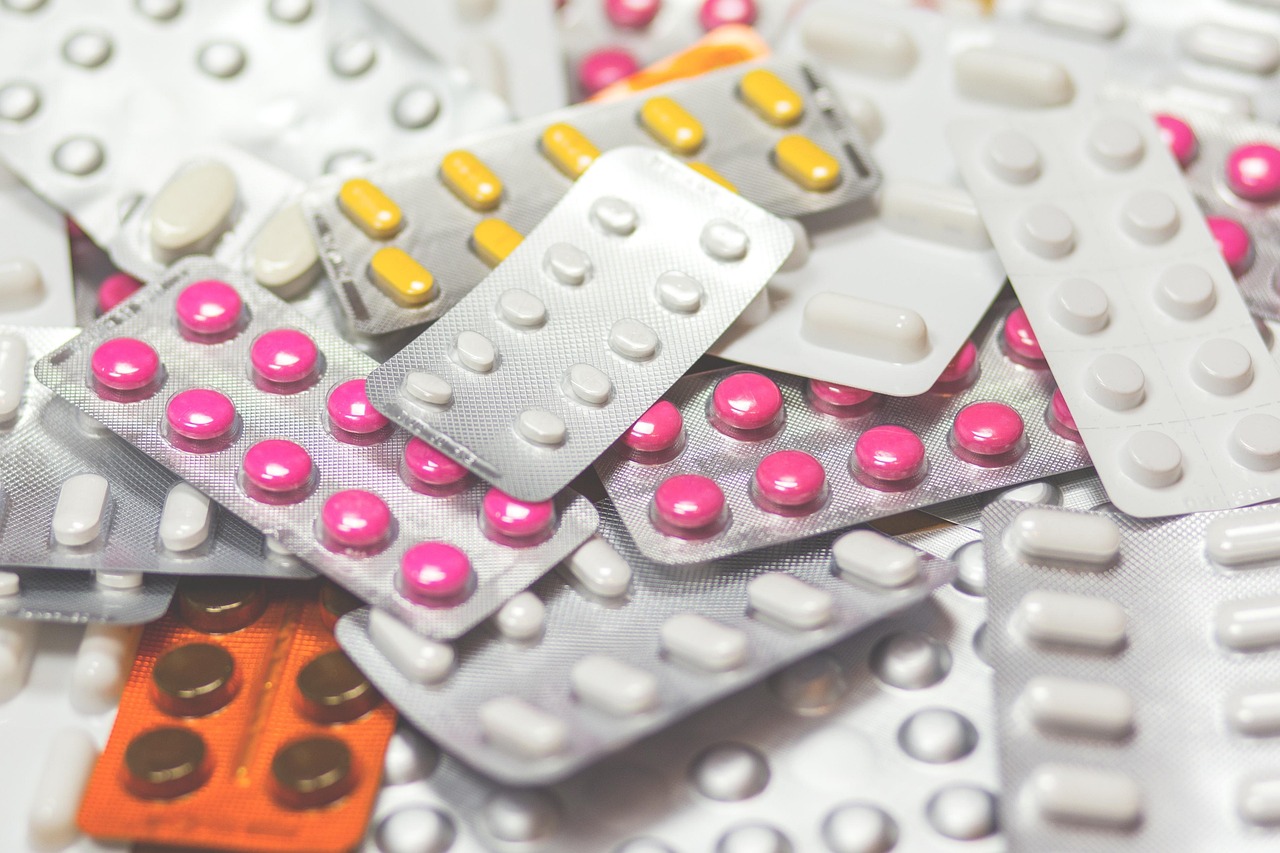
It’s 3:00 AM in a quiet side street of Beyoğlu, and that nagging headache from the long-haul flight has finally peaked, or perhaps that final plate of meze near the Fish Market is staging a quiet revolution in your stomach. You walk to the corner pharmacy only to find the steel shutters locked tight. It’s a moment that feels like a dead end, but in Istanbul, the city’s pulse just shifts to a different frequency at night rather than stopping.
I remember a particularly damp night last March when a friend staying in Cihangir came down with a sudden, shivering fever. We stepped out at 1:30 AM, heading toward the usual pharmacy on Sıraselviler Avenue. Like all the others, it was dark, but taped to the glass was the Nöbetçi list-the rota for the duty pharmacies. A quick check showed the open one was tucked away near the German Hospital. We walked ten minutes, joined a small, orderly queue of three people, and by 1:50 AM, I was handing over 200 TL (exactly 4 EUR or about 4.45 USD) for some high-grade antipyretics and a pack of vitamin C.
This is the Nöbetçi Eczane system. It’s a neighborhood rotation that ensures no district is left without medical access, even on a Sunday or in the dead of night. You don’t need to wander the streets aimlessly; every closed pharmacy door is legally required to display the address and phone number of the nearest open one. While the shutters are down, a small display or a backlit sign will point the way.
The pharmacists here aren’t just retail clerks; they are highly trained professionals who, in Turkish culture, often serve as the first point of contact for minor illnesses. They can usually recommend a local equivalent to whatever brand you use back home with impressive accuracy. If you’re looking for a box of standard, effective painkillers like Arveles or something to settle a rebellious stomach, you’re rarely looking at more than 150 TL to 300 TL (3 to 6 EUR) at current 2026 prices. It’s a comforting, efficient safety net, provided you know how to spot that glowing red “E” sign cutting through the Istanbul dark.
Understanding the ‘Nöbetçi’ Rotation System
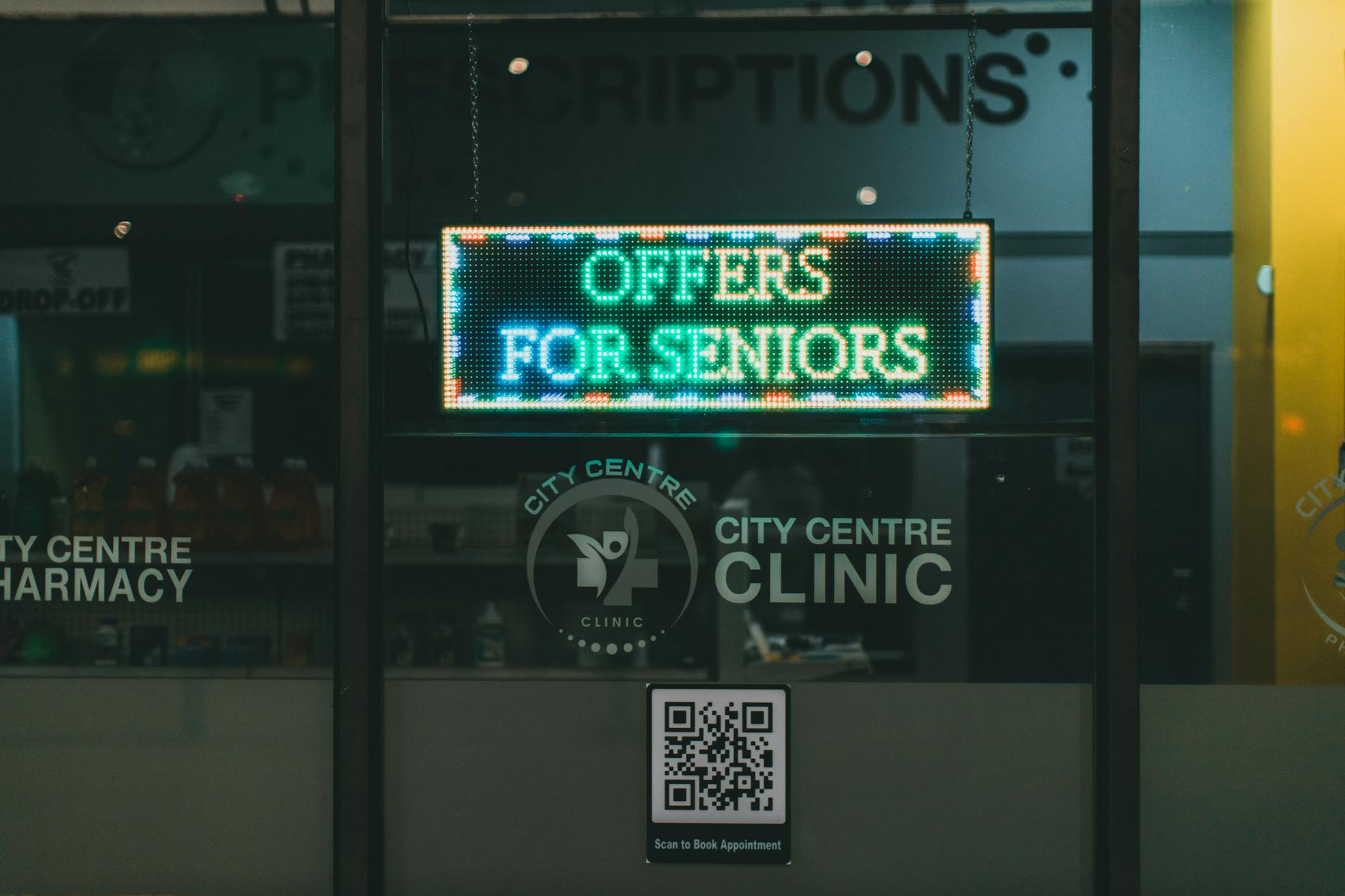
The Turkish pharmacy system prioritizes the well-being of its practitioners over the convenience of 24-hour retail, which can be a shock if you’re used to late-night drugstore chains. In Istanbul, nearly every Eczane (pharmacy) shutters its doors at exactly 19:00 and remains closed all day Sunday. This isn’t a lack of service; it’s a highly organized, state-regulated rotation system called Nöbetçi, which ensures that at least one or two pharmacies in every neighborhood stay open through the night to handle emergencies.
The 7 PM Hard Stop
I’ve lived in this city for fifteen years, and I still occasionally find myself racing toward a glowing red “E” sign at 18:55. If you miss that window, don’t panic. The system is designed so that even if the shop is dark, it still provides information. I remember a particularly rainy Tuesday in Kadıköy around midnight when I needed basic antihistamines. I walked up to my local spot on Moda Street, found it closed, but saw a printed A4 sheet taped behind the glass. It listed the three closest Nöbetçi Eczane locations. I followed the map 400 meters to a shop on Dr. Esat Işık Street, paid 130 TL for a box of Allerset, and was back home in under twenty minutes.
The Eczacı as Your First Medical Ally
In Turkey, the Eczacı (pharmacist) is a deeply respected figure, often acting as a first-line medical consultant. Unlike in many Western countries where pharmacists mainly dispense, here they can offer surprisingly specific medical advice and even suggest over-the-counter treatments that might save you a trip to a clinic. It’s a cultural cornerstone; locals will often consult their pharmacist for a minor ailment before ever considering a doctor.
Just as you might consult a Turkish Breakfast Guide: Istanbul to navigate the complex world of morning cheeses and olives, you should view the pharmacist as your cultural translator for health. For a common ailment like a headache or mild fever, asking for a pack of Parol (a standard paracetamol) will cost you roughly 100 TL (about 2 EUR). It’s efficient, professional, and vastly cheaper than a private hospital consultation if your issue is minor.
How to Locate Your Nearest Open Pharmacy Tonight
The glowing red ‘E’ is the only beacon you need to care about once the sun goes down in Istanbul. While almost every street corner has an eczane (pharmacy) during the day, the city operates on a strict “duty” rotation-nöbetçi-at night and on Sundays. If the red ‘E’ hanging over the sidewalk isn’t flashing, the door is locked, and you’ll need to do a little detective work to get your medicine.
The “List in the Window” Trick
Never wander aimlessly hoping to stumble upon an open shop; it’s a recipe for sore feet and frustration. Every single pharmacy in this city is legally required to post a list in their window when they close. This paper tells you exactly which pharmacies in the district are on duty that night, complete with addresses, phone numbers, and often a small map or QR code.
I’ve lived here for 15 years, and even with a smartphone, I still find this analog method the most reliable. Last November, a friend staying near the Blue Mosque needed antihistamines at 10 PM. We wasted twenty minutes following a “ghost” pin on Google Maps that led to a construction site. I finally walked him to a closed shop near the Sultanahmet tram stop, read the paper taped to the glass, and found the real duty pharmacy just 300 meters away. Expect to pay about 150 TL (3 EUR) for basic local painkillers like Arveles once you arrive.
Digital Shortcuts and Sultanahmet Realities
If you prefer your phone, skip general search engines. Google Maps is notoriously bad at updating which pharmacy is “on duty” for a specific Tuesday night. Instead, head to the official Türk Eczacıları Birliği (TEB) website. This is the only database updated daily with zero lag.
In high-traffic areas like Sultanahmet, don’t expect the duty pharmacy to be right in the middle of the main square. They are almost always tucked away on the side streets near the tram tracks. If you are trying to escape the Sultanahmet crowds and find yourself near Little Hagia Sophia, remember that pharmacies there are scarcer at night. You will likely need to head back toward the T1 line or the Sirkeci area to find the lit-up red sign.
How to Find an Open Pharmacy Fast
- Locate the nearest pharmacy on any street, even if it looks completely dark.
- Approach the front window and look for a printed paper titled “Nöbetçi Eczane.”
- Scan the QR code on the window list if your phone has data, as it will link directly to a map.
- Use the official TEB (Turkish Pharmacists’ Association) website for real-time district lists if you can’t find a physical shop.
- Look for pharmacies positioned near the T1 tram line or M2 metro exits, as duty shops are often chosen for their proximity to transport.
2026 Price Guide: What You’ll Pay for Essentials
You will never be overcharged for medicine in a legitimate Turkish pharmacy, and that is a level of transparency I wish we had in every other sector of the city. In Istanbul, medication prices are strictly regulated by the Ministry of Health. Whether you are browsing a pharmacy in a luxury district like Nişantaşı or a quiet residential corner of Kadıköy, the price for a specific box of pills is identical across the board.
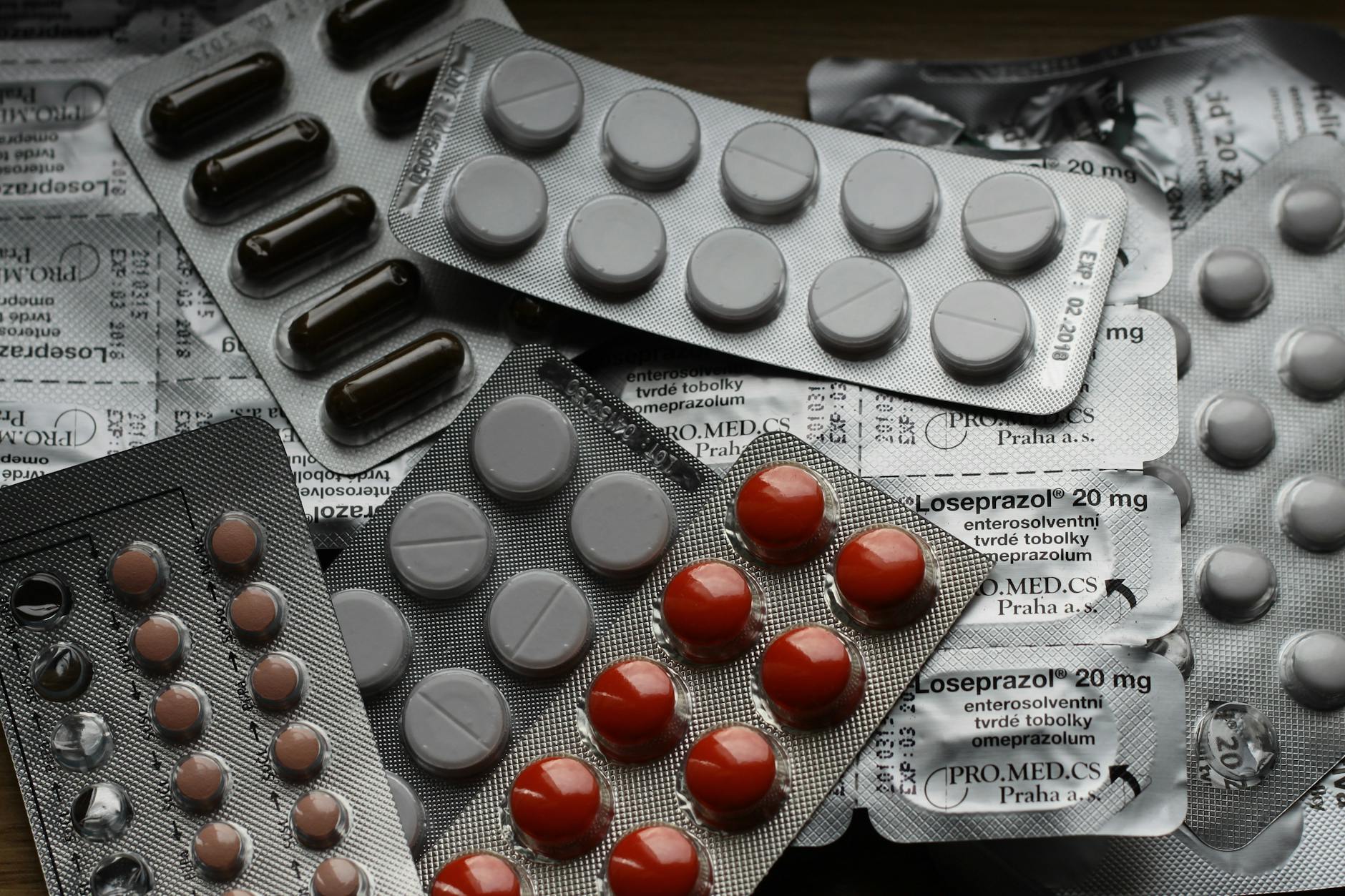
I remember helping a friend from New York who was bracing himself to pay $40 for basic cold meds near the Grand Bazaar. He was hovering near the counter with a handful of high-denomination notes, looking anxious. When the pharmacist told him the total was 200 TL (which is exactly 4 EUR or about 4.40 USD in 2026), he thought there had been a mistake. Medicine here is remarkably affordable compared to EU or US standards, provided you are in a real Eczane.
Common Medications and Their Costs
While the prices fluctuate slightly based on government updates, the 2026 rates remain very accessible for travelers. Most over-the-counter essentials for headaches, stomach issues, or minor allergies will cost you less than the price of a decent third-wave coffee in Galata.
| Medication Type | Local Brand Name | 2026 Price (TL) | Price in EUR (€) |
|---|---|---|---|
| Paracetamol (20 Tabs) | Parol | 100 TL | 2.00 EUR |
| Ibuprofen (20 Tabs) | Nurofen | 150 TL | 3.00 EUR |
| Antacid (Liquid/Tabs) | Gaviscon | 200 TL | 4.00 EUR |
| Antihistamine | Allerset | 130 TL | 2.60 EUR |
Berk’s Insider Tip: Prices for medicine in Turkey are fixed by the government and updated annually. In 2026, a box of 20 Parol (Paracetamol) costs 100 TL (2 EUR). If someone asks for significantly more, you’re likely in a ‘cosmetic shop’ masquerading as a pharmacy.
Avoiding the “Tourist Pharmacy” Trap
There is a small catch to be aware of: Sultanahmet and Istiklal Avenue are dotted with shops that look remarkably like pharmacies. They have “Health” signs and shelves full of vitamins, but they are not licensed Eczanes. These shops can charge whatever they want for supplements and herbal teas. If you don’t see the iconic red “E” sign-which glows bright red and often rotates-keep walking. A real pharmacist has spent years in university and won’t try to upsell you on “miracle” pomegranate tea when all you need is a 100 TL box of Parol.
The Prescription Rule: What You Can and Cannot Buy
Turkish pharmacists are strictly prohibited from selling antibiotics or narcotics without a valid local prescription. It doesn’t matter if you have a physical note from your doctor back home; the Turkish system is entirely digital and requires a pharmacist to log a specific electronic code issued by a doctor registered in the national health database.
The Hard Line on Antibiotics
If you feel a sinus infection or a dental issue brewing, do not expect to talk your way into a box of Amoxicillin. I learned this the hard way three winters ago when a throbbing toothache kept me awake until midnight. I walked to the Nöbetçi pharmacy in Kadıköy, assuming my obvious discomfort would be enough. The pharmacist was sympathetic but firm: “No script, no pills.” I had to take a 15-minute taxi to the nearest Acil (Emergency Room) at a public hospital, wait about 25 minutes in a crowded hallway, and pay 450 TL (exactly 10 USD) for a five-minute consult just to get the necessary electronic prescription code.
Where You Have Flexibility
For minor ailments, the pharmacist has significant discretionary power. You can purchase high-quality antihistamines, steroid creams, or specialized eye drops without a doctor’s visit. For instance, if you’ve spent a long afternoon admiring the Architecture and Gardens of the Şehzade Mosque and find that the wind has irritated your eyes, a bottle of refreshing artificial tears or a basic antibiotic eye drop will cost you roughly 150 TL to 250 TL (3 to 5 EUR) and can be bought over the counter. Just describe your symptoms clearly; the pharmacist is trained to provide “first-line” medical advice for non-systemic issues.
Another surprise for many visitors: erectile dysfunction medication such as Viagra (sildenafil) and Cialis (tadalafil) is available over the counter in Turkey without a prescription. Simply ask the pharmacist directly—there is no awkwardness, it is a routine sale. Prices are a fraction of what you would pay in Western Europe or the US.
FAQ: Navigating Turkish Pharmacies
Can I use a prescription from my home country in Istanbul?
No, Turkish pharmacies cannot process foreign prescriptions. The system is linked to the Turkish Ministry of Health and requires a digital entry from a doctor registered in Turkey. If you run out of essential medication, you must visit a local clinic or a hospital’s Acil (Emergency) department to have a Turkish doctor write a local equivalent script for you.
What should I do if I need medicine in the middle of the night?
You must locate the Nöbetçi Eczane (On-duty Pharmacy). Pharmacies in Istanbul generally close at 7:00 PM, but every neighborhood has one designated shop that stays open 24/7. You can find the name and address of the nearest one posted in the window of any closed pharmacy or by checking the official “Istanbul Eczacı Odası” website.
Are medicine prices negotiable or different for tourists?
Medicine prices in Turkey are strictly regulated by the government and are updated annually. The price is printed directly on the box or embedded in the QR code (İlaç Takip Sistemi). Whether you are a local or a tourist, you will pay the same price. In 2026, expect to pay around 100 TL (2 USD) for basic paracetamol or 250 TL (5 EUR) for advanced flu sachets.
Navigating Language and Night Safety
I’ve seen too many travelers get frustrated trying to mime the symptoms of a sinus headache at 3 AM; the most effective way to communicate with a night pharmacist is to stop talking and start showing. While you’ll often find functional English in the pharmacies around Sultanahmet or Galata, the person on duty in a more residential patch of Beşiktaş or Kadıköy might only know the basics. I once spent ten minutes unsuccessfully trying to act out “indigestion” near the Üsküdar ferry docks until I simply pulled up a photo of the specific active ingredient on my phone-the recognition was instant. Always keep a clear photo of your usual medication box or the generic chemical name (like Paracetamol or Ibuprofen) ready to show.
The Night Window Ritual
Don’t be surprised or offended if you arrive at the correct address only to find the pharmacy doors locked tight with a heavy metal shutter. This is the kepenk system, and it is a standard security protocol across Istanbul after midnight. You aren’t being turned away; the pharmacist is simply working behind a safety barrier. Look for a small, illuminated plexiglass window or a buzzer next to the door. Just walk up, give a firm but polite knock, and the pharmacist will slide the window open to assist you.
Logistics and Transport
Because “duty” pharmacies are spaced out, the nearest one might be two kilometers away in a residential pocket you haven’t visited before. Don’t try to navigate the backstreets of an unfamiliar district on foot while you’re feeling under the weather. Use BiTaksi or Uber to get there. It is significantly safer and faster than wandering around looking for a yellow cab that might not want to take a short-distance fare.
Berk’s Insider Tip: If you are in a hotel, don’t just ask the porter to go for you. The pharmacist often needs to ask about allergies or specific symptoms that the porter won’t know. A 50 TL (1 EUR) tip for a taxi driver to wait while you hop out and grab your medicine is a much better investment than a second trip because of a misunderstanding.
The Midnight Pharmacy Survival Strategy
I remember a particularly frantic Tuesday night last autumn when a friend visiting from London came down with a sudden, nasty fever while we were out near the Galata Tower. Of course, our nearest regular pharmacy was already dark. We did what every local does: we walked straight to the shuttered door and scanned the “Nöbetçi” list taped to the glass. Ten minutes later, we were in a brightly lit shop three streets over, where the pharmacist didn’t just hand over the medicine-he took the time to write the dosage instructions clearly on the box in English.
You really are in excellent hands here. Turkish pharmacists take their “Eczacı” title quite seriously; it’s a rigorous five-year degree, and they often act as a highly accessible first line of medical advice. If you’re feeling overwhelmed by the Turkish labels, just show them the active ingredient of your usual brand on your phone. They will find the local equivalent with clinical precision, and you’ll likely find the cost-often around 250 TL (about 5 EUR) for standard painkillers or antihistamines-is a pleasant surprise compared to the prices back home.
Before you head back to your hotel for the evening, do yourself a small favor. If you pass any pharmacy that’s already closed, take five seconds to snap a photo of that white paper taped to the window listing the Nöbetçi Eczane for the night. Having that address and map shortcut saved on your phone turns a potential midnight health scare into nothing more than a quiet, purposeful walk through the city’s illuminated backstreets.