
Byzantine Mosaics at the Fethiye Mosque and 2026 Visiting Tips for the Pammakaristos Church
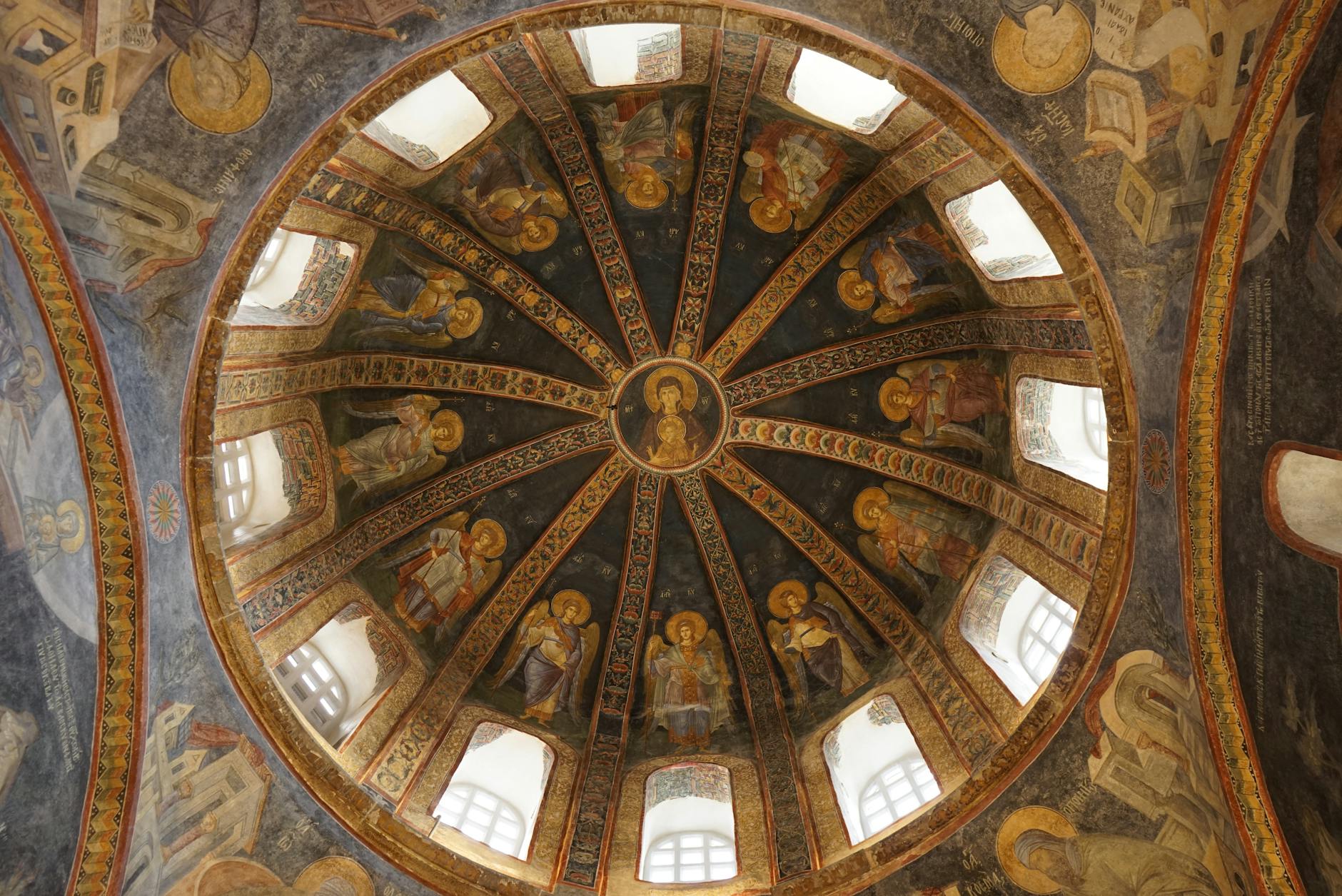
While the masses shuffle through the echo chambers of the Hagia Sophia, I often find myself climbing the steep, winding streets of Fatih toward a quiet courtyard where the gold of the Palaiologan era still glows in silence. The Pammakaristos Church—or Fethiye Mosque as it’s known to the locals—doesn’t scream for your attention, but its 14th-century mosaics are some of the most profound artistic statements left in this city.
Field Note: Last Tuesday, around 10:30 AM, I was huffing my way up the incline from the Fener ferry pier, stopping for a quick tea at a tiny, nameless corner shop near the Çarşamba market. It cost me just 15 TL—a refreshing contrast to the 100 TL cups sold in the tourist traps of Sultanahmet. When I reached the ticket window at 11:15 AM, the 2026 entry fee for the museum section of 750 TL felt steep, but there were exactly zero people in the queue.
Standing in the parekklesion (side chapel) of the Pammakaristos today feels like a private audience with the late Byzantine Empire, leaving you alone with the Christ Pantocrator and the twelve prophets circling the dome. It is far more intimate than the Chora and significantly less chaotic than the city’s larger landmarks. Finding the entrance is a bit of a puzzle due to the narrow residential streets, but if you approach from the Draman side rather than the vertical hills of Balat, the walk is much more manageable.
A Dual Identity: From Joyous Mother to Monument of Conquest
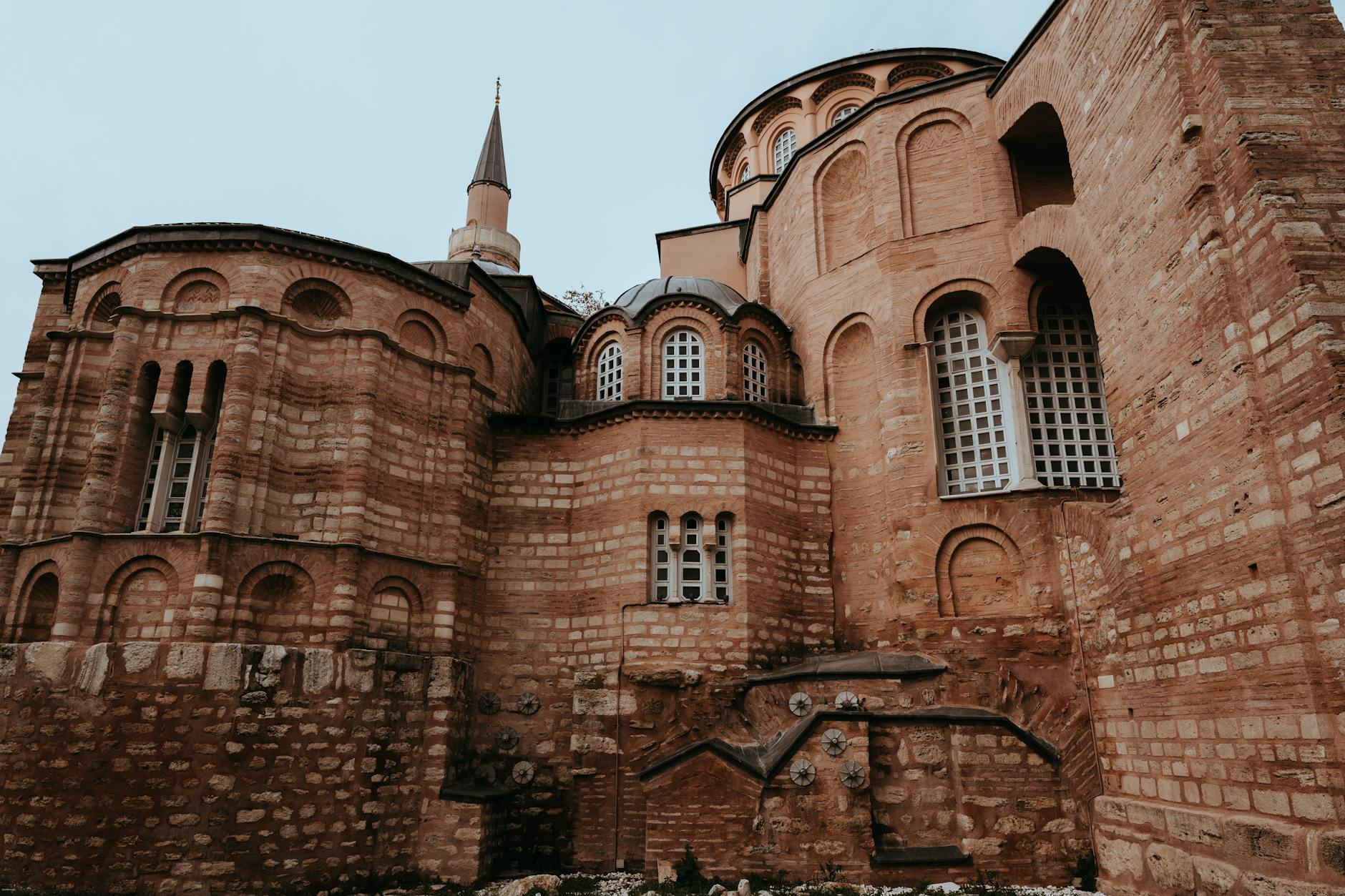
The Fethiye Mosque is a building that refuses to choose between its two lives. Originally the 11th-century Church of Theotokos Pammakaristos—the “All-Blessed Mother of God”—it served as the seat of the Greek Orthodox Patriarchate for over a century after 1453. However, in 1591, Sultan Mehmed III decided to mark his military victories in Georgia and Azerbaijan by converting the structure into a mosque, naming it Fethiye (Conquest).
What makes this site a mandatory stop for anyone tired of the Sultanahmet crowds is the parekklesion (side chapel). While the main dome functions as an active mosque, this side chapel remains a museum housing some of the most sophisticated Byzantine mosaics from the Palaiologan Renaissance. Commissioned by Martha Glabas in memory of her husband, the gold-leaf work here rivals the Chora in quality, if not in quantity.
If you are coming up the hill after a Fener & Balat Walking Tour: Istanbul, this is the quietest place to see Istanbul’s layers. The transition between the secular museum space and the sacred mosque space is just a thin wall, creating a sensory overlap where the call to prayer vibrates through stones that have heard Greek liturgy for five hundred years.
Navigating the Traditional Heart of Çarşamba
Stepping into Çarşamba feels like the modern world suddenly lost its volume. This pocket of the Fatih district remains anchored in a way of life that hasn’t changed much in decades. It is a traditional neighborhood, and understanding the soul of old Istanbul beyond the mosaics requires walking these streets with an open mind.
Logistics and the “Çarşamba Climb”
Getting here requires strategy. Many travelers try to hike up from the Fener ferry pier; unless you’re training for a marathon, the incline is punishing. I usually hop on the 90B or 90 bus from Eminönü. It’s a much smoother ride that drops you right at the top of the hill. Mastering The Ultimate Guide to Public Transport in Istanbul is the only way to navigate these vertical neighborhoods without burning out by noon.
How to Visit the Pammakaristos Museum
- Board the 90 or 90B bus at Eminönü: This saves you from the 20-minute uphill climb through the steep alleys of Balat.
- Follow signs for “Fethiye Camii”: The local signage rarely uses the Greek “Pammakaristos” name, so look for the Turkish mosque designation.
- Purchase your entry at the ticket booth: Ensure you have 750 TL ready or use your Museum Pass Istanbul to bypass the transaction.
- Enter the side chapel (parekklesion): This is the museum section located on the right side of the complex.
- Time your viewing for midday: Arrive by 11:30 AM to catch the specific southern light that illuminates the gold tesserae in the dome.
Atmosphere and Local Etiquette
This is a place where social norms are visible. Men in baggy trousers (şalvar) and women in çarşaf are common. It isn’t a tourist attraction; it’s a living religious community. I stopped for tea at a local çay ocağı (tea house) tucked between two spice shops. The price was a flat 15 TL. As long as you dress modestly—meaning no shorts or sleeveless tops—the atmosphere is one of quiet, dignified hospitality.
Decoding the Golden Mosaics of the Parekklesion
The intensity of the Pammakaristos parekklesion is superior to the Chora if you value intimacy over scale. While other sites offer a sprawling narrative, here you are physically closer to the gold leaf.
Ranked: Top 5 Highlights of the Pammakaristos Experience
- The Christ Pantocrator Mosaic – Best for witnessing the most stern and compelling theological gaze in the city.
- The Twelve Prophets of the Dome – Best for seeing individual mosaic cubes (tesserae) and intricate gold-leaf work.
- The Exterior Brick Architecture – Best for observing the complex, decorative masonry of the late Byzantine period.
- Büryan Kebab at Kadınlar Pazarı – Best for the ultimate nearby culinary reward after making the trek to Fatih.
- The Çarşamba Tea Houses – Best for experiencing authentic, non-touristic prices and local Fatih hospitality.
The Pantocrator and the Prophetic Circle
When you stand under the central dome, the Christ Pantocrator gazes down with a stern clarity. He is surrounded by the Twelve Prophets, and the level of detail in their robes is staggering. You can see the individual tesserae (the tiny mosaic cubes) angled specifically to catch the light.
Field Note: I always aim for a visit around 11:30 AM. There is a specific window of about fifteen minutes where the southern light spears through the drum windows, making the gold tesserae dance. Last Tuesday, I stood there at exactly 11:28 AM, and the way the light ignited the deep reds and blues of the prophets’ garments was a reminder of why Byzantine masters were obsessed with natural illumination.
2026 Logistics: Tickets, Times, and Practicalities
Logistical chaos is absent here. I visited last Tuesday at 11:00 AM and was the only person in the museum section for a solid ten minutes.
| Feature | Cost / Detail | Pro Tip |
|---|---|---|
| Museum Entry | 750 TL (2026 price) | Use the Museum Pass Istanbul to avoid the exchange rate hassle. |
| Mosque Section | Free of charge | Separate entrance; closed during prayer times. |
| Average Wait | 0–5 minutes | Significantly faster than Hagia Sophia or Chora. |
| Opening Hours | 09:00 – 19:00 | Arrive by 17:00 for the best afternoon natural light. |
The site is split into two areas. The mosque section is active, meaning shoes off and modest dress is required (headscarves for women). If your GPS starts spinning in the labyrinth of Çarşamba, look for the “Fethiye Camii” signs rather than “Pammakaristos”—locals and signage almost exclusively use the Turkish name.
Where to Eat After the Ascent
Don’t settle for a mediocre toasted sandwich in the cafes directly surrounding the museum. A five-minute walk south toward the Fatih Mosque complex unlocks a world of authentic meat houses.
I usually skip the tourist-oriented cafes in Balat and head straight for the “Kadınlar Pazarı” (Women’s Market) area. This is the spiritual home of Büryan Kebab—lamb slow-roasted in a deep stone pit.
Field Note: Last time I was at the market on a Tuesday afternoon, I watched the usta pull a steaming carcass from the pit at 1:00 PM; by 2:30 PM, they were sold out. I managed to snag the last portion for 420 TL. If you miss the window, you can find incredible Traditional Wood Fired Leaf Döner and Authentic Meat Houses with Ordering Tips just a few blocks further toward the main boulevard.
The Golden Silence
Standing in the parekklesion of the Pammakaristos, the silence is often so heavy you can almost hear the dust motes hitting the gold leaf. It’s a stark contrast to the roar of the crowds currently swarming the Chora. This remains a fragment of Old Constantinople that hasn’t been polished into a theme park.
Instead of jumping straight into a ride-share, walk back down through the steep, winding alleys of the Balat slopes. I usually stop at a tiny, unnamed tea house near the Phanar Greek College—the one with the rickety wooden stools tucked under a grapevine—where a glass of tea is still a modest 25 TL. As you sit there watching the laundry lines swaying between crumbling Ottoman houses and the red-brick silhouette of the college towering above, the transition from Byzantine splendor to the grit of modern Istanbul feels like a coherent story.
Comments
Share your thoughts with us