Bosphorus walking route from Emirgan to İstinye with Sabancı Museum tips and 2026 ferry fares
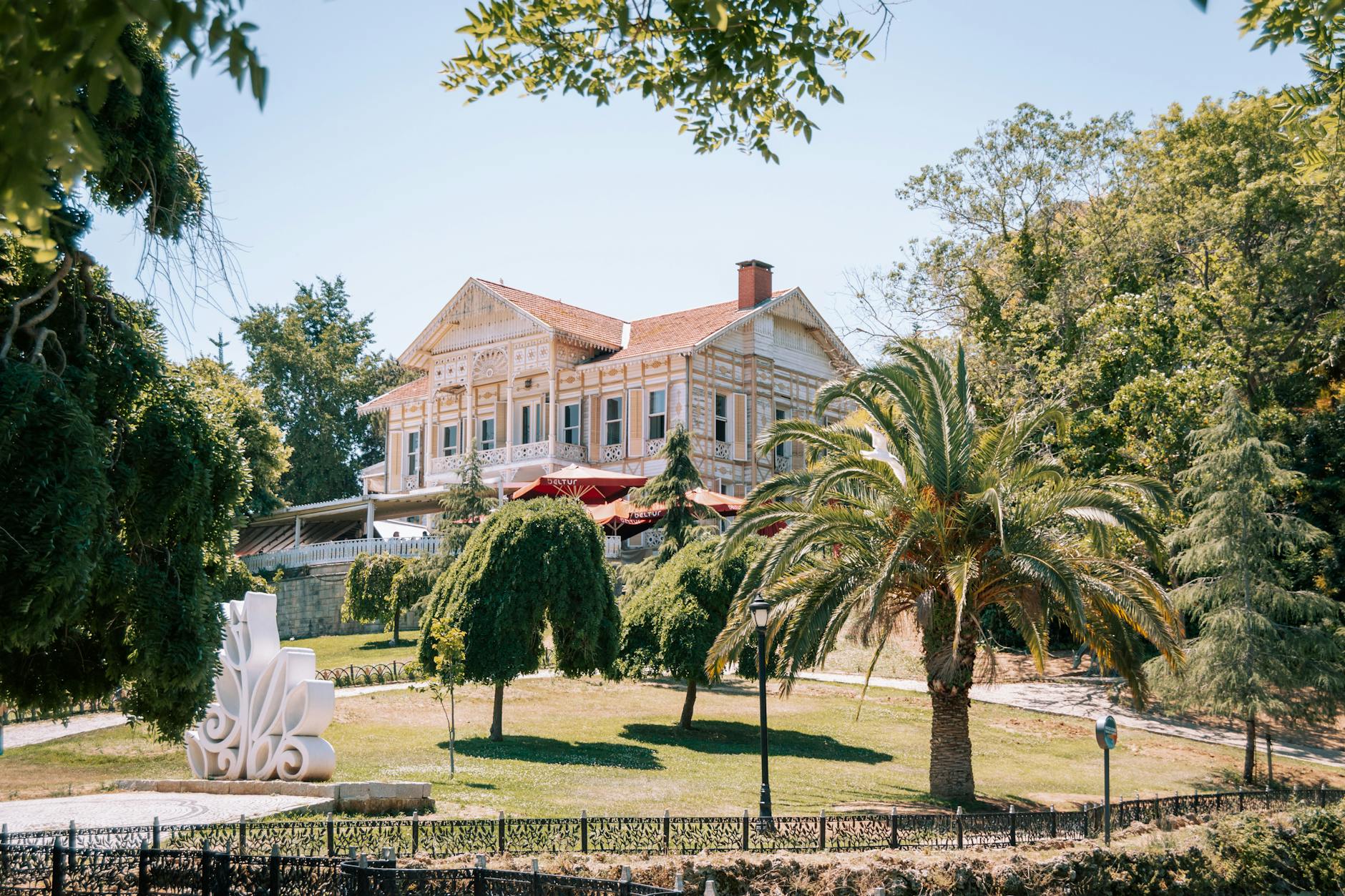
I have a rule: never visit the Bosphorus coast on a Sunday afternoon unless you enjoy being part of a human sardines-in-a-can simulation. But on a crisp Tuesday morning, the stretch between Emirgan and İstinye is the closest thing we have to an open-air therapy session, minus the hourly rate. I remember standing by the Emirgan pier last week at exactly 9:45 AM, watching the ferry dock with that familiar metallic groan and a spray of saltwater. The air smelled of the sea and the toasted sesame from a nearby simit cart, and for once, I didn’t have to elbow a single influencer out of my way to see the water.
The 2026 ferry fares have ticked up a bit—expect to tap your card for about 45 TL (exactly 1 USD) for a coastal hop—but it remains the cheapest way to feel like a billionaire with a private yacht. While the crowds lose themselves in the chaos of Sultanahmet, the real soul of the city is found here, tucked between the giant plane trees of Emirgan and the sleek curve of the İstinye bay.
The Sakıp Sabancı Museum sits at the high point of this route, both literally and figuratively. If you see a queue longer than fifteen people at the ticket booth, do yourself a favor: grab a quick espresso at the garden gate first and let the school groups clear out. The museum’s gardens are usually quiet enough to hear the wind rustling through the century-old horse chestnut trees, offering a vantage point over the Bosphorus that competes with the views at the Mihrimah Sultan Mosque in Edirnekapı. From the museum’s exit, the walk toward İstinye is a flat, two-kilometer stretch of coastline. It’s the kind of walk where the only real “danger” is getting so distracted by the sprawling Art Nouveau mansions that you accidentally trip over a local fisherman’s bucket.
Getting to Emirgan Without the Coast Road Drama
Taking a taxi to Emirgan on a sunny weekend is a specific brand of masochism I wouldn’t wish on my worst enemy. If you value your sanity and your limited vacation hours, stay off the asphalt. The Bosphorus coast road, particularly the stretch between Arnavutköy and Bebek, is a legendary bottleneck where dreams of a quick commute go to die. I once spent 90 minutes trapped in a yellow cab near Kuruçeşme, watching a determined elderly gentleman on the sidewalk outpace us with his grocery bags. I could have walked to Emirgan faster, but I chose to sit in traffic and pay for the privilege.
The only sane way to reach the north is via the water. The Şehir Hatları ferry is your lifeline here. While the cars are bumper-to-bumper, emitting heat and frustration, you’ll be gliding past Ottoman-era mansions with a glass of tea in your hand. The journey from Beşiktaş or Kabataş to Emirgan Pier takes about 35 to 45 minutes of pure scenic bliss. If you are starting from the city center and find the ferries aren’t lining up with your schedule, checking yellow dolmuş routes and payment tips for faster travel between Beşiktaş, Taksim, and Kadıköy can save you from the standard bus gridlock.
2026 Ferry Fares and Logistics
Don’t let the “private tour” touts at the docks fool you into paying “tourist prices.” All you need is a topped-up Istanbulkart. As of 2026, a single trip on a public ferry is 55 TL, which converts to roughly 1.10 EUR or 1.20 USD. It’s the best value-for-money experience in the city. Just tap your card at the turnstile and find a seat on the upper deck—preferably on the right side if you’re heading north to catch the best views of the Asian side.
Comparing Your Commute
| Transport Mode | Est. Time (Peak) | Cost (2026) | Sanity Level |
|---|---|---|---|
| Şehir Hatları Ferry | 35-45 mins | 55 TL (1.10 EUR) | High (Tea & Views) |
| Taxi / Uber | 60-90 mins | 500-700 TL (11-14 EUR) | Extremely Low |
| Public Bus (25E/40T) | 70+ mins | 40 TL (0.80 EUR) | Medium (Crowded) |
| Metro + Walk | 50 mins | 80 TL (1.60 EUR) | High (Good for steps) |
If you do miss the ferry, your “Plan B” should be taking the M2 Metro to İTÜ Ayazağa station and catching a short 10-minute taxi ride down the hill to Emirgan, effectively bypassing the coastal gridlock entirely.
Tea Under the Giants: Emirgan Çınaraltı
If you’re looking for air conditioning, you’ve come to the wrong place; no machine can compete with the cool, heavy canopy of a five-hundred-year-old plane tree. I’ve spent countless mornings at Emirgan Çınaraltı, watching the Bosphorus currents while nursing a glass of tea that costs exactly 25 TL (0.50 EUR). It is, quite frankly, the last bastion of old-school Istanbul patience in a neighborhood that’s increasingly obsessed with minimalist decor and overpriced lattes.
Claiming Your Territory
The service here follows its own ancient gravitational laws. Don’t sit around waiting for a waiter to approach you with a leather-bound menu; if you do, you’ll be sitting there until the next century. My veteran move is simple: grab the first available table you see, then catch the eye of the man carrying the circular silver tray. A quick raised finger is all it takes. Last Tuesday, I managed to snag a front-row seat to the water at 11:00 AM just as the morning mist was clearing—at that hour, the queue for a prime spot is non-existent.
It’s a much more grounded experience than the polished cafes nearby. If the table has a stray crumb or a tea ring from the previous guest, don’t take it personally; just signal for a quick wipe. You aren’t paying for white-glove service here; you’re paying for a front-row seat to the soul of the city. While the rest of Istanbul rushes toward the future, this corner remains blissfully anchored in a slower, more deliberate past.
Art and Flora at the Sabancı Museum
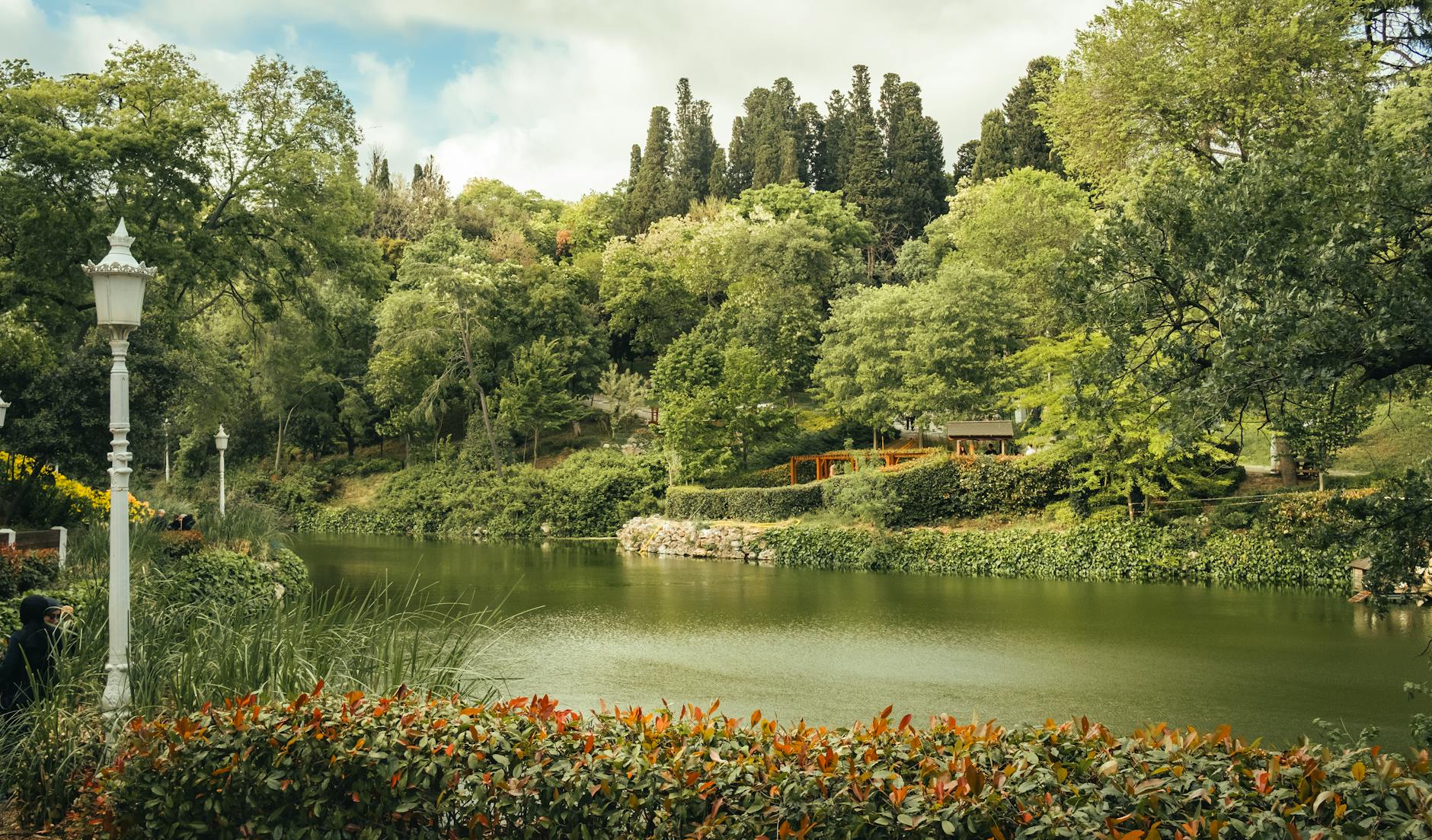
Stepping into the Sabancı Museum grounds is the quickest way to feel like you’ve inherited a massive fortune without actually having to deal with the inheritance tax. While the coastal road outside is often a chaotic symphony of honking cars and joggers, the museum—affectionately known as Atlı Köşk (The Horse Mansion)—is a sanctuary of silence and scent, mostly thanks to the meticulously kept gardens that smell better than any high-end perfume shop in Nişantaşı.
Inside the Horse Mansion
Named after the bronze horse statues that greet you at the entrance, this was once the private residence of the late industrialist Sakıp Sabancı. I’ve always found the juxtaposition here fascinating: you have the historical weight of the mansion on one side and a sleek, modern gallery space on the other.
The permanent collection of calligraphy is impressive, but the temporary exhibitions are the real draw. Entry will set you back 450 TL (9 EUR). I once spent twenty minutes behind a group of tourists fumbling with their wallets at the kiosk before I noticed the savior of my patience: the QR codes. Berk’s Rule: If the line at the ticket booth looks longer than 15 people, don’t bother waiting. Just scan the QR code on the posters by the gate, buy your ticket on your phone, and breeze past the crowd while looking mildly smug.
The Terrace View
After you’ve had your fill of art, head to the terrace. The view of the Bosphorus from here is, frankly, ridiculous. It makes you feel like an 18th-century Ottoman elite, minus the heavy silk robes and the political intrigue. It’s the perfect spot to sit and watch the tankers crawl toward the Black Sea. If the museum café feels a bit too “exclusive” for your mid-walk energy, the garden benches are free and offer the same five-star view for the price of zero Lira.
Berk’s Insider Tip: The Sabancı Museum gardens often host free outdoor yoga or jazz in the summer. Check their Instagram (@sakipsabancimuzesi) before you go—it’s the best way to bypass the ‘tourist’ label.
The Most Elegant Curve: Walking to İstinye
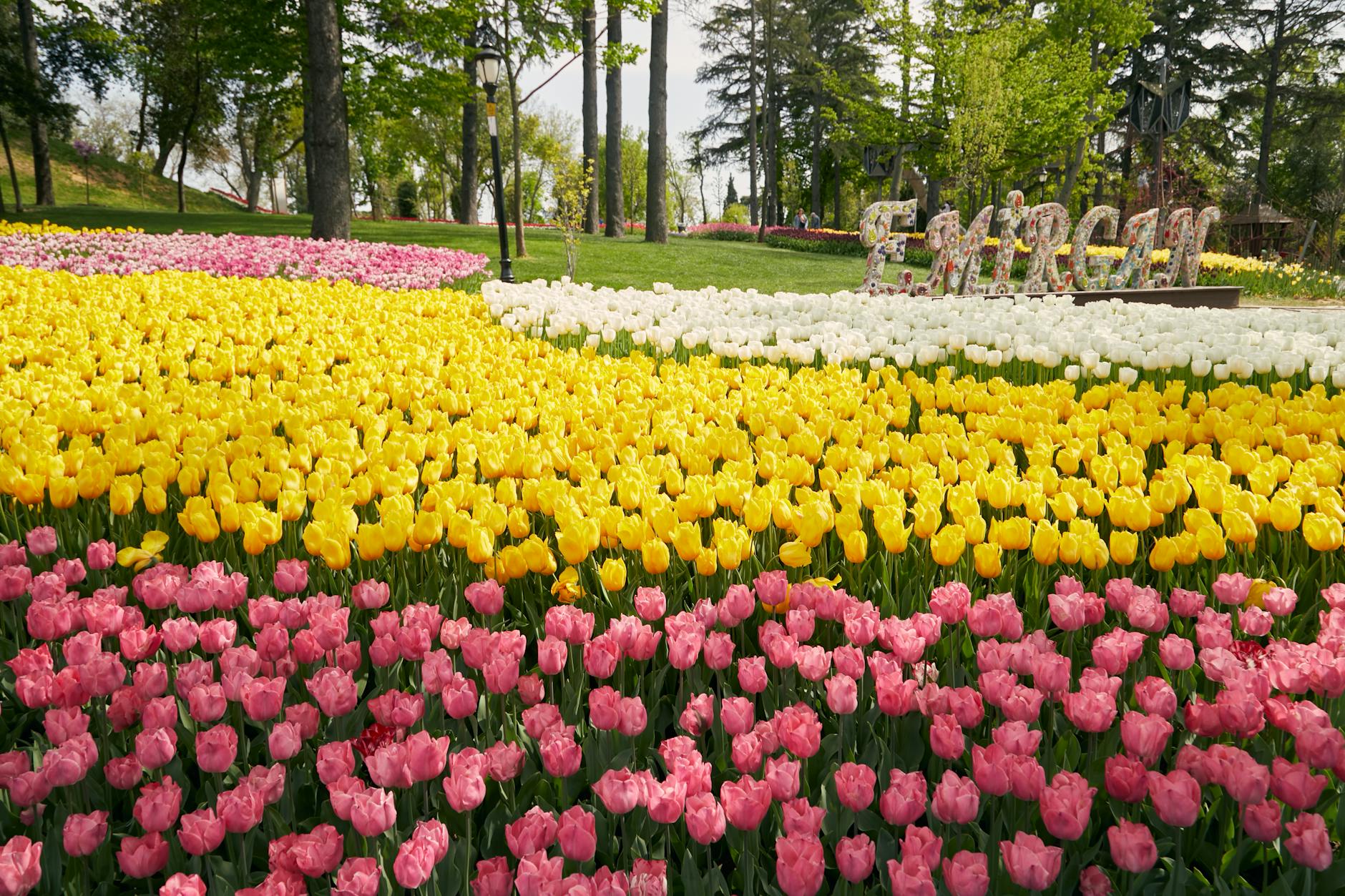
This 2.5-kilometer stretch is where the Bosphorus stops being a historical backdrop and starts feeling like a living, breathing neighborhood. If you want to see Istanbulites in their natural habitat, this is the place, but a word of warning: stay glued to the iron railing by the water. The inland side of the pavement is the unofficial racetrack for local joggers who seem to believe they are qualifying for the 2028 Olympics. They won’t stop for your photo op, so save yourself the shoulder-check and keep the sea to your right.
As you leave the shade of Emirgan, you’ll pass the Borusan Contemporary, also known as the “Haunted Mansion” (Perili Köşk). It’s a striking red-brick beauty that serves as an office by week and a museum by weekend. I usually pause here to watch the fishermen. They aren’t professionals; they are neighborhood fixtures pulling up shimmering İstavrit (horse mackerel) with a rhythmic flick of the wrist. I once made the mistake of standing on a stray piece of bait—a squishy, salty error that cost me a pair of suede loafers—so watch your step.
The undisputed crown jewel of this walk is the Consulate of Egypt. It is, without hyperbole, the most stunning piece of Art Nouveau architecture in the city. With its ornate white facade and lush gardens, it looks like it was plucked from a Belle Époque dream and dropped onto the Bosphorus.
Navigating the Coastline Like a Local
If you find the breeze getting too sharp, you can always head further north to the fish markets and Bosphorus mansions of Sarıyer and Büyükdere with ferry route tips, where the pace slows down significantly. But for now, focus on the curve ahead as the road bends toward the İstinye bay.
Berk’s Insider Tip: If you are walking in the late afternoon, the sun sets behind the hills of the European side, casting a golden glow on the Asian side mansions (Yalıs). This is the ‘Golden Hour’ for photographers, but keep walking; the İstinye pier gets crowded for the last ferry.
How to Master the Emirgan-İstinye Walk:
- Exit the Sabancı Museum and turn left to follow the shoreline heading north.
- Walk on the seaside edge of the pavement to avoid the high-speed joggers and cyclists.
- Stop at the Borusan Contemporary for a five-minute rest to observe the fisherman and the “Haunted Mansion” architecture.
- Pause at the Egyptian Consulate gate for the best architectural photo of the entire Bosphorus European side.
- Continue toward the İstinye cove where the water narrows, signaling you’ve reached the end of this 2.5km section.
İstinye Bay: Where the Fishing Boats Meet the Superyachts
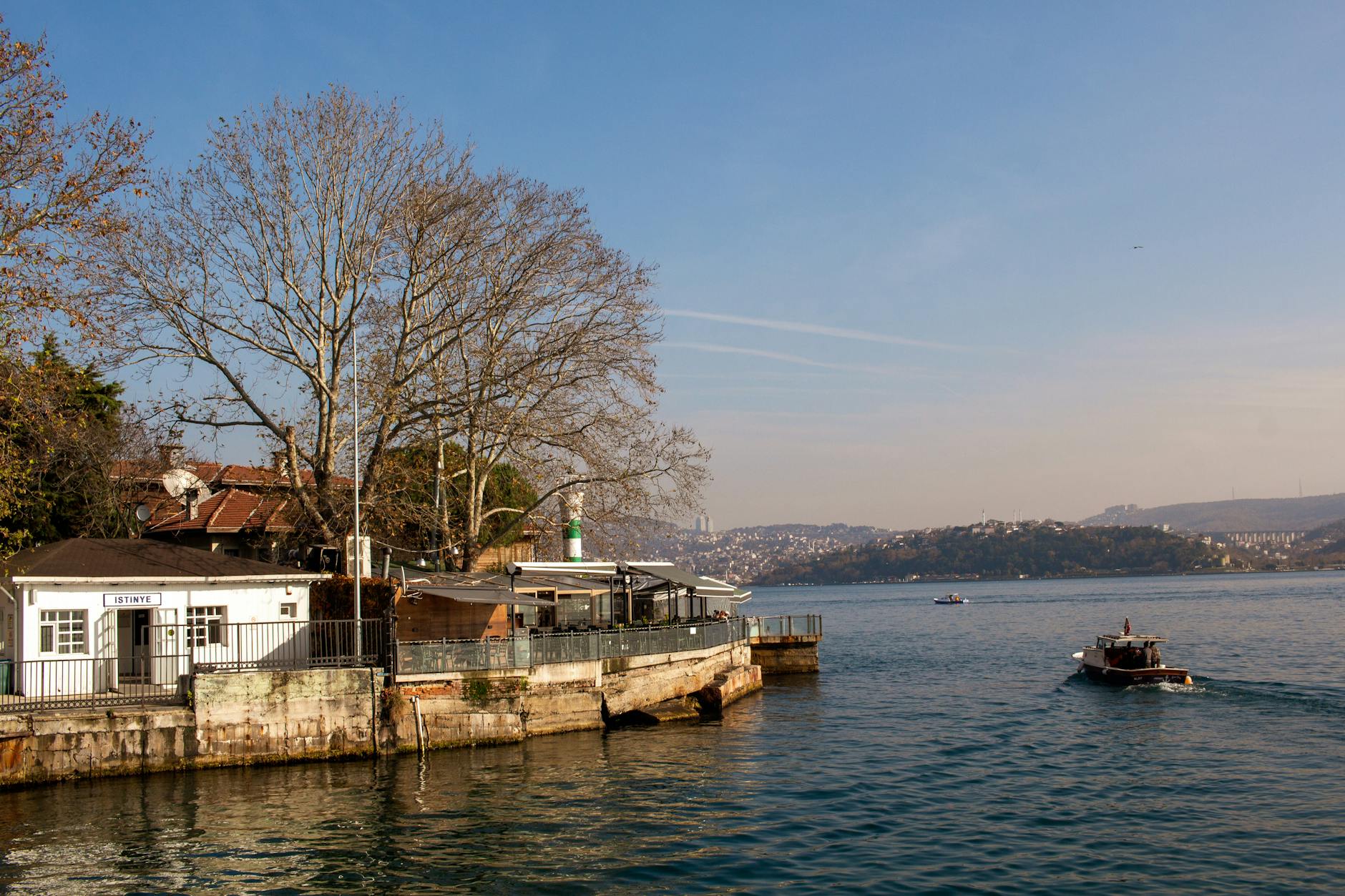
İstinye Bay is the Bosphorus’s most dramatic architectural collision, a horseshoe-shaped harbor where rusty local fishing trawlers bob awkwardly next to sleek superyachts. It is one of the few natural harbors on the strait, which means the water here is unusually calm, even when the rest of the Bosphorus is acting up. The contrast is peak Istanbul: you’ll see a captain in a grease-stained jumpsuit sharing a tea with a deckhand from a vessel flying a Cayman Islands flag.
If you are looking for a meal, do not be seduced by the starched white tablecloths and the aggressive valet parking at the high-end seafood spots along the Istinye coastline. I once spent 1,800 TL on a meager plate of calamari at one of these “see-and-be-seen” establishments—a mistake I haven’t repeated. Instead, walk toward the small kiosks near the shipyard. There, you can grab a fresh balık ekmek (fish sandwich) for roughly 200 TL (4 EUR). Find a spot on the concrete ledge, let your legs dangle over the water, and enjoy the exact same view as the millionaires for a fraction of the price.
Frequently Asked Questions about the Emirgan to İstinye Route
How long does it take to walk from the Sabancı Museum to İstinye Bay?
The walk is approximately 2.5 kilometers and takes about 30 to 40 minutes at a leisurely pace. The path is entirely flat and follows the shoreline, offering unobstructed views of the Asian side. It’s a favorite route for local joggers, so expect some company on weekend mornings. I suggest doing this walk just before sunset when the light hits the waterfront mansions perfectly.
Is İstinye Park mall within walking distance of the İstinye coastline?
Technically yes, but I wouldn’t recommend it. The mall sits at the top of a very steep hill about 2 kilometers away from the bay. Unless you are looking for a serious cardio workout, it’s better to take a five-minute taxi ride or hop on any “İstinye Dereiçi” bus. A taxi should cost no more than 100-120 TL (roughly 2.50 USD) from the waterfront.
Can I catch a public ferry from İstinye to other parts of the city?
Yes, the İstinye Pier is a major stop for the City Lines (Şehir Hatları) ferries. There are frequent longitudinal lines and even ferries that go all the way to Beşiktaş or up toward the Black Sea entrance. Just keep an eye on the schedule; while the view is spectacular, the ferries aren’t as frequent as the buses, often running an hour apart.
The Reality of the Coast
That’s the magic of this specific stretch—you’re constantly toggling between the hushed, almost sterile elegance of the Sabancı galleries and the glorious, diesel-scented chaos of the Bosphorus. One minute you’re staring at 19th-century calligraphy in a mansion that smells like expensive beeswax, and the next, you’re dodging a jogger in neon spandex while a fisherman nearly hooks your ear with a stray line. It’s Istanbul in a nutshell: the city refuses to let you stay in a bubble for too long.
The traffic along the coastal road can be a sensory assault, especially when the weekend crowd decides to turn the shoreline into a literal parking lot. If the honking starts to grate on your nerves, don’t fight it—just hop on the next Şehir Hatları ferry. Last Tuesday, I stood at the İstinye pier waiting for the 17:15 boat back toward the city center; the ticket was 50 TL (exactly 1 EUR), and watching the sunset hit the waterfront mansions from the deck is a much better use of your time than inhaling exhaust fumes on the sidewalk.
Once you’ve finished the walk and patted yourself on the back for hitting your step count, leave the polished “yacht-club” vibes of İstinye behind. The area is lovely, but it lacks the grit that makes a night out memorable. Grab a taxi or a bus back down toward Beşiktaş or find a spot to practice your Istanbul Meyhane Guide: Rakı Etiquette & Local Secrets. Find a small, no-frills place where the tablecloths are paper and the Rakı is served with a side of honest conversation. There’s no better way to wash off the museum dust than with a cold glass of lion’s milk and a plate of spicy atom among people who couldn’t care less about the price of the art you just saw.
Comments
Share your thoughts with us