Tophane and Salıpazarı backstreets walking route with Art Nouveau architecture and 2026 cafe prices
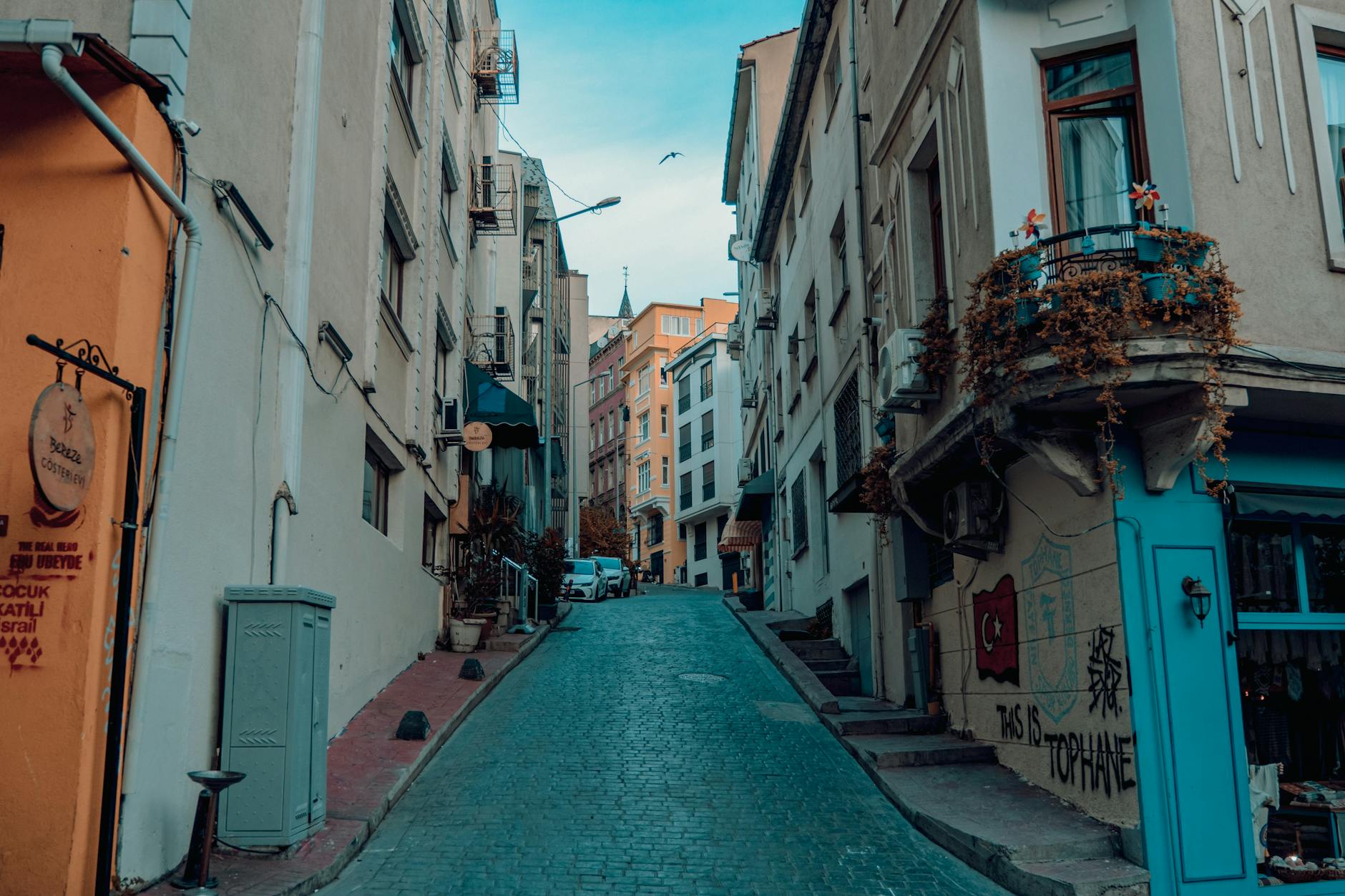
I often stand by the Tophane fountain watching the cruise ship crowds march toward the Galata Tower, but the real soul of this neighborhood is tucked five minutes uphill, where the 19th-century wrought iron balconies still hold the laundry of families who have lived here for generations. Down by the water at Galataport, everything is polished glass and international luxury, but the moment you cross the tram lines and head into the steep arteries of Salıpazarı, the city reveals its true, weathered layers. This is the Istanbul of the late Ottoman era, where architects like Raimondo D’Aronco left their mark with curving Art Nouveau lines that somehow survived a century of chaotic urban shifts.
Last Tuesday around 10:30 AM, I ducked into a small, wood-paneled café tucked behind Sanatkarlar Parkı to escape a sudden drizzle. While the tourists down on the main road were likely queuing for thirty minutes for a commercial sandwich, I had a fresh, buttery poğaça and a robust Turkish coffee for 150 TL—which at current 2026 rates is exactly 3 EUR or about 3.33 USD. The only other person there was an elderly gentleman reading a newspaper, oblivious to the high-end cruise terminals just a few hundred meters away. If you enjoy this neighborhood’s layered feel, the Kurtuluş and Feriköy walking route through local delis and organic markets with 2026 prices offers a similar escape from the standard tourist circuit. These backstreets can be punishing on the calves, so I always recommend starting your walk from the top of the hill near Cihangir and working your way down toward the Bosphorus; it saves your breath for appreciating the floral stonework and the hidden courtyards that most visitors blink and miss.
Leaving the Waterfront for the Steep Alleys of Tophane
I always feel a certain architectural whiplash when I turn my back on the polished glass of Galataport and face the weathered, red-brick domes of the Tophane-i Amire precinct. It is the exact point where the sterile, globalized version of Istanbul ends and the real, layered city begins.
Navigating the Boğazkesen Incline
The climb begins on Boğazkesen Caddesi, a street that serves as a living laboratory for Istanbul’s gentrification. It is steep, and the sidewalks are notoriously narrow, often cluttered with delivery scooters or stacks of construction tiles. My advice is to ditch the “tourist walk” and just move with the flow of the street; stay alert, but don’t let the chaos rattle you. You’ll pass minimalist galleries selling avant-garde ceramics situated right next to dusty hardware stores that look like they haven’t sold a new hammer since 1995.
A Moment Under the Plane Tree
I have a specific ritual for this first leg of the walk. I always stop to catch my breath under the massive ancient plane tree near the Tomtom Kaptan Mosque. Last Tuesday, around 11:00 AM, I sat there for ten minutes and watched a group of local elders sipping tea, completely indifferent to a silent Tesla humming past them toward a boutique hotel. It’s the perfect spot to observe how the old guard ignores the new wealth. If you’re thirsty, grab a cold water from the small bakkal (corner grocery) nearby; it should only cost you about 15 TL (roughly 0.30 EUR or 0.33 USD). Don’t bother with the overpriced kiosks back down by the Kılıç Ali Paşa Mosque—the price drops the higher you climb.
Spotting Art Nouveau and Late Ottoman Flourishes
Most people miss the best parts of Tophane because they are too busy looking at their feet while navigating the steep, cobblestone inclines. If you don’t crane your neck upward while walking, you are effectively skipping the most visual part of the neighborhood’s history.
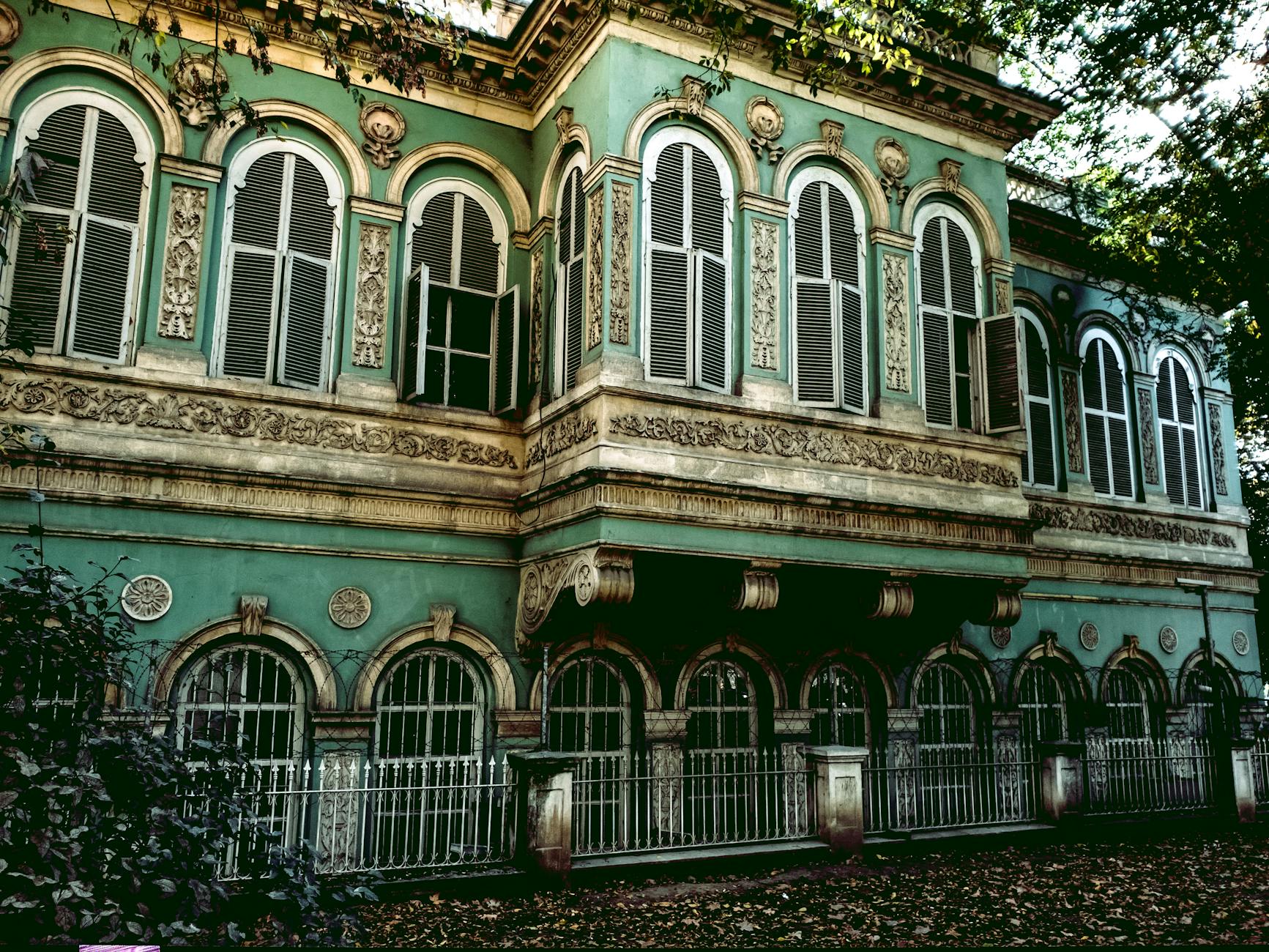
The backstreets between Kumbaracı Yokuşu and Salıpazarı are an open-air museum of Art Nouveau architecture in Istanbul. I remember sitting at a small corner stool last Tuesday, paying 50 TL (exactly 1 EUR) for a quick tea, and watching a group of travelers struggle with their GPS right in front of a facade designed with the influence of Lazzaro Franco. They were so focused on the 15-degree slope of the street that they missed the incredible stone-carved irises blooming out of the balcony brackets just six feet above them.
The real magic here is in the “cumba”—the traditional Ottoman bay window. In these backstreets, you see the Late Ottoman architecture transition; the old wooden cumbas were replaced by heavy, curved stone versions during the city’s cosmopolitan peak. This transition from earlier spiritual foundations, such as the Byzantine Echoes and Concert History at Hagia Irene with 2026 Museum Pass and Entry Tips, to the 19th-century European influence is visible in every stone keystone etched with “1895” or “1905.”
Key Architectural Details to Spot
- Wrought iron balconies: Look for the “whiplash” curves and vine motifs that define the Art Nouveau movement.
- Keystone dates: Check the center stone above the main entrance; many buildings proudly display their 1890-1910 birth dates.
- Floral Stucco: Search for stone lilies and roses that appear to be “climbing” up the side of the window frames.
- Curved Glass: On some of the more expensive restorations, you’ll see original or replica curved glass panes that follow the contour of the bay window.
- Entrance Tiling: If a heavy iron door is slightly ajar, peek at the floor tiles. You’ll often see intricate geometric patterns imported from Europe over a century ago.
Berk’s Insider Tip: In Tophane, the best architecture photography happens between 10:00 and 11:30 AM. The sun hits the Art Nouveau facades at a 45-degree angle, highlighting the floral carvings that are lost in the midday shadows.
The 2026 Tea Houses and Third-Wave Cafe Prices
You shouldn’t be paying more than 50 TL for a tea just because you can see a sliver of the Bosphorus from your chair. In Tophane, the price gap between a plastic stool at a kıraathane (traditional coffee house) and a velvet armchair in a Salıpazarı design studio is wider than the strait itself.
On the backstreets, away from the cruise ship crowds, a glass of tavşan kanı (rabbit’s blood) tea—steeped to a deep, glowing red—will cost you exactly 40 TL (around 0.80 EUR). I usually grab one at the small spot tucked behind the Tophane-i Amire around 10:00 AM when the locals are reading the paper. Compare that to the sleek third-wave cafes appearing near the Galataport fringe, where a flat white currently hits 135 TL (3 USD).
Navigating the 2026 Local Economy
The biggest mistake I see travelers make is stopping at the first “Tourist Menu” sign they see right on the T1 tram line. Last week, I watched a couple pay 200 TL for a basic breakfast plate because the menu was in four languages. If you walk just three blocks up the hill toward the Art Nouveau apartment blocks, that same simit-and-cheese plate drops to about 90 TL (1.80 EUR).
| Item | Local Backstreet Price (TL / EUR) | Modern/Art Cafe Price (TL / USD) |
|---|---|---|
| Turkish Tea | 40 TL / 0.80 EUR | 75 TL / 1.65 USD |
| Turkish Coffee | 80 TL / 1.60 EUR | 120 TL / 2.65 USD |
| Flat White / Latte | N/A | 135 TL / 3.00 USD |
| Simit & White Cheese | 90 TL / 1.80 EUR | 180 TL / 4.00 USD |
| Water (0.5L) | 15 TL / 0.30 EUR | 40 TL / 0.90 USD |
To find the real value, look for the spots where the menus are handwritten or simply non-existent because everyone already knows the price.
Salıpazarı’s Industrial Ghost: Warehouses and Modern Art
Salıpazarı is where Istanbul’s heavy lifting used to happen, and you can still feel the weight of those shipping containers even under the polished floors of the new museums. While the waterfront has been sleekly rebranded, the true character of this neighborhood lives in the tension between Mimar Sinan’s 16th-century stone and the rusted rebar of the 20th-century customs warehouses.
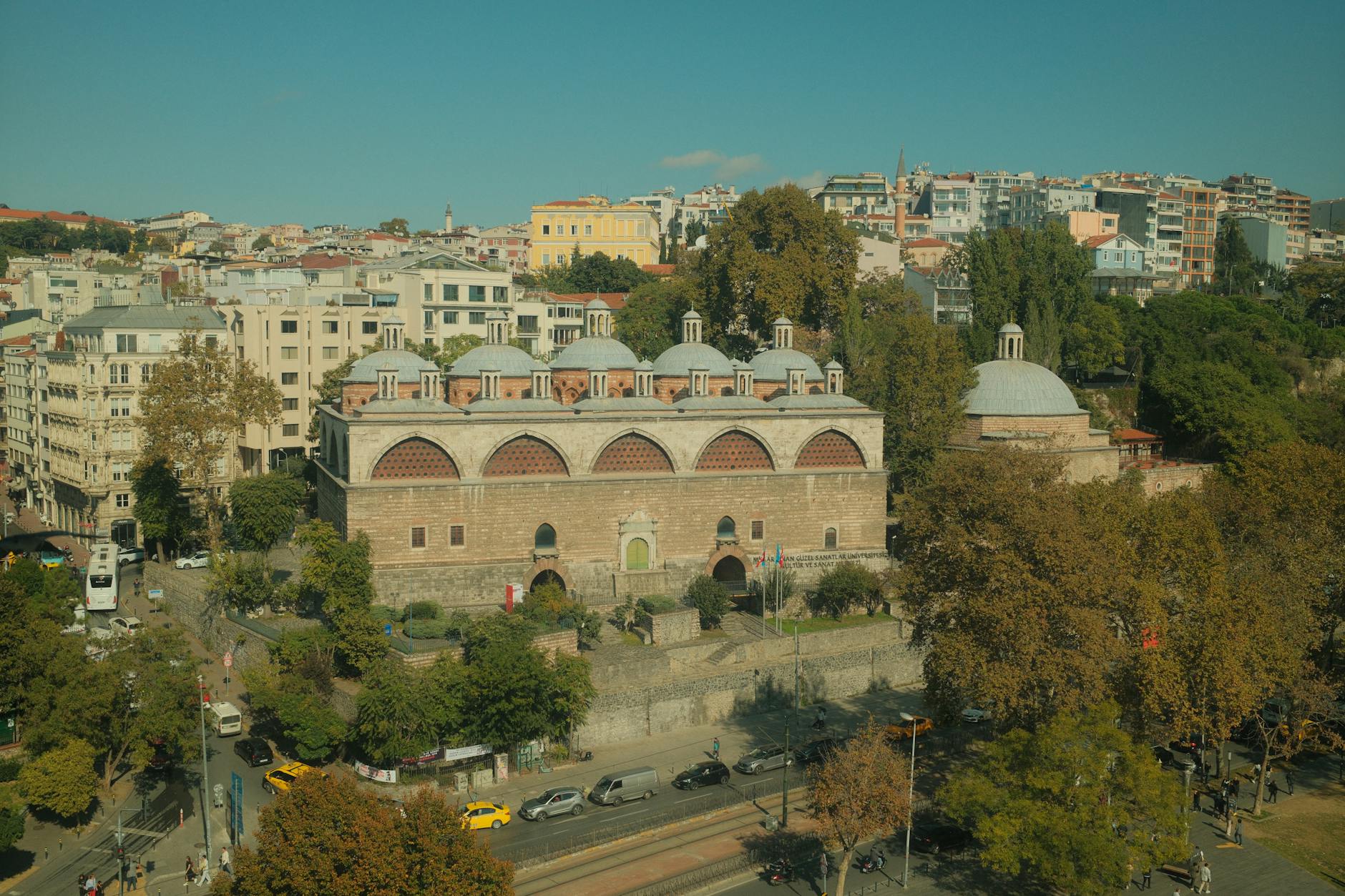
Walking behind the Kılıç Ali Paşa Hamamı, you see a sight that defines modern Istanbul: the perfect lead domes of a 500-year-old masterpiece framed against 21st-century concrete. Around 9:45 AM, the Bosphorus light hits the rusted iron gates of the few remaining small workshops that haven’t been turned into boutiques yet. It creates a metallic, golden glow that reminds me of the specific Baroque Architecture and Courtyard Light at the Nuruosmaniye Mosque with 2026 Visiting Tips, though here the “temple” is made of salt-crusted iron.
Navigating the Tophane Contrast
The Istanbul art scene found its home here because the rent was cheap and the ceilings were high, though only the latter remains true in 2026. If the main museum crowd feels overwhelming, retreat into the backstreets where a quick double espresso at a hole-in-the-wall gallery café will cost you about 135 TL (roughly 3 USD or 2.70 EUR).
How to experience the Salıpazarı industrial route:
- Exit the Tophane tram stop (T1 line) and walk directly toward the sea, keeping the Kılıç Ali Paşa mosque complex on your left.
- Follow the narrow passage behind the hamam to see the juxtaposition of Sinan’s masonry against the warehouse walls.
- Observe the morning light on the rusted workshop gates; this is the best time for photography before the midday glare flattens the textures.
- Visit the ground floor of Istanbul Modern; even if you don’t buy a full ticket (which is about 750 TL or 15 EUR for non-residents), the library and public spaces offer a great view of the harbor’s geometry.
Navigating the Hills: A Step-by-Step Route
The Tophane Fountain isn’t just a landmark; it is the starting block for one of the most physically demanding but visually rewarding climbs in the city. From the fountain, you want to head directly toward the Sanatkarlar Parkı stairs. It is a steep ascent, but I promise you the sweat is worth it. About two-thirds of the way up, there is a specific bench near the top terrace where the view opens up perfectly between the historic apartment blocks.
I made the mistake of trying to take a shortcut through a fenced-off construction site near the Mimar Sinan University at 2:00 PM yesterday, only to be redirected by a helpful security guard back toward the main stairs; always stick to the open alleys. These are the narrow, often unmarked gaps between buildings that look like private driveways but are actually public shortcuts.
For those days when your knees simply aren’t up for the challenge, skip the T3 nostalgic tram. Instead, hop on the 626 bus. For 35 TL (0.70 EUR), this route climbs the same hills, offering a fantastic “local” view of the architecture without the physical toll.
Berk’s Insider Tip: The stairs leading from Salıpazarı up to Cihangir are brutal on the knees. Wear shoes with actual grip; the old cobblestones become incredibly slippery even with a light morning mist.
What is the best time of day to walk this route?
I always recommend starting around 9:00 AM. The light hitting the Art Nouveau facades is softer for photography, and the humidity hasn’t quite peaked yet. By 11:00 AM, the backstreets of Tophane start getting busier with delivery bikes.
Is the 626 bus easy to use for foreigners?
Absolutely. You can use your Istanbulkart or even a contactless credit card at the validator. In 2026, the fare is a flat 35 TL (0.70 EUR). Just keep an eye on the digital screen inside the bus for the “Sanatkarlar” or “Cihangir” stops.
How steep are the Sanatkarlar Parkı stairs exactly?
To be honest, they are significant. We are talking about roughly five to six stories of elevation change over a short distance. If you have mobility issues, I’d suggest taking a taxi to the top of Cihangir and walking down toward Tophane instead.
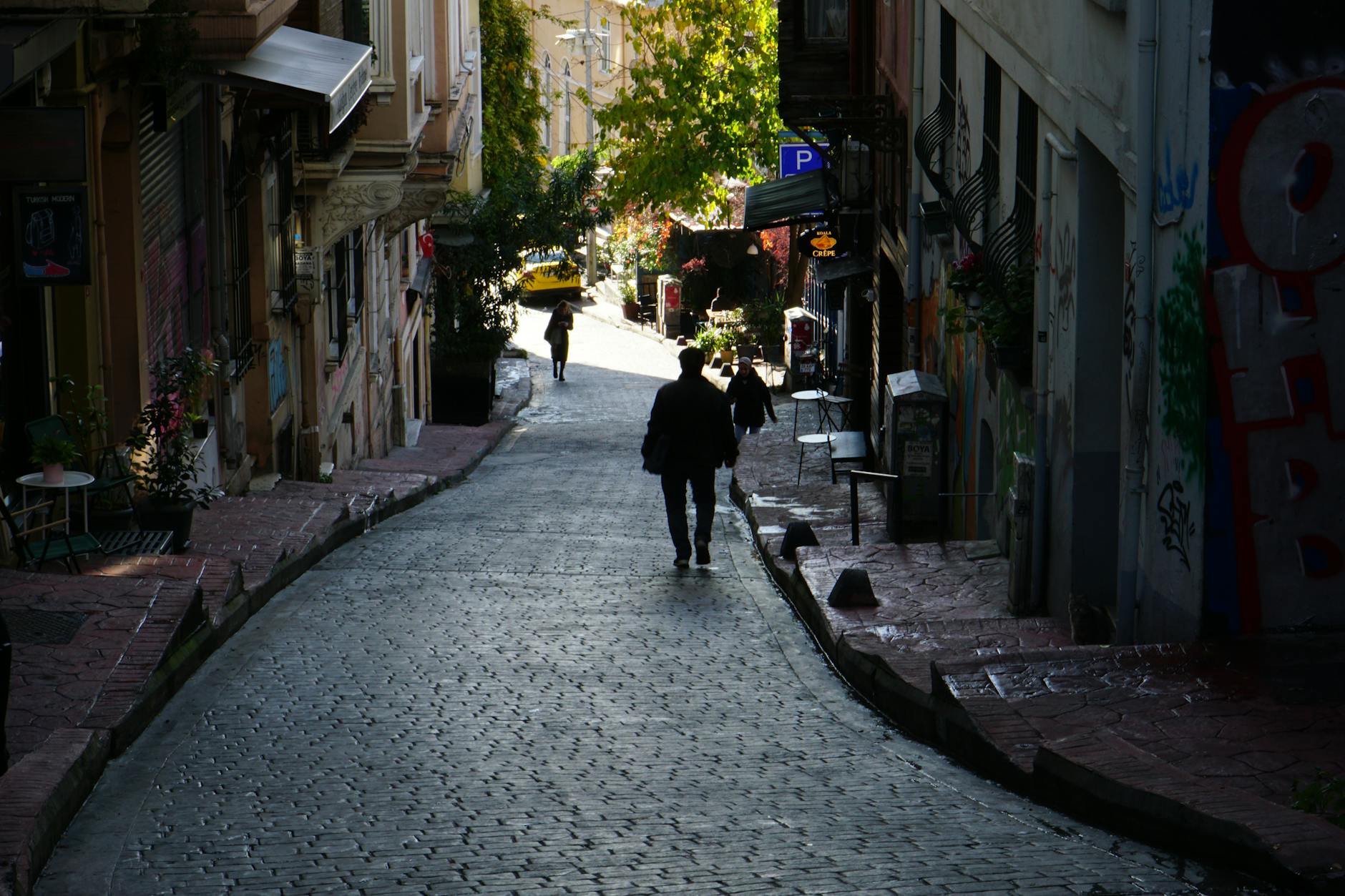
The climb up these narrow streets can be taxing on the knees, but the reward isn’t just the architecture; it’s the rhythm. Just yesterday, I was leaning against a weathered stone wall near the old Italian Hospital, watching a delivery driver navigate a narrow gap with a crate of lemons while a local tailor watched him with a cigarette in hand. Neither was in a hurry.
I usually grab a small glass of tea from the corner stall near the Kılıç Ali Paşa mosque for 40 TL (about 0.80 EUR). It’s a small price to pay for a front-row seat to the neighborhood’s daily life. The air here has a very specific weight to it—a heavy, earthy collision of roasting coffee beans from the small-batch wholesalers and the sharp, metallic tang of sea salt blowing off the Bosphorus. Before you head back toward the noise of the tram line, find a stone stoop—perhaps one of the marble steps leading up toward Cihangir—and just sit. Give yourself twenty minutes to be still. Don’t check your map or plan your next meal. Just watch the city move around you.
Comments
Share your thoughts with us