
The Giant Imperial Caiques of the Beşiktaş Naval Museum with Visiting Tips and 2026 Prices
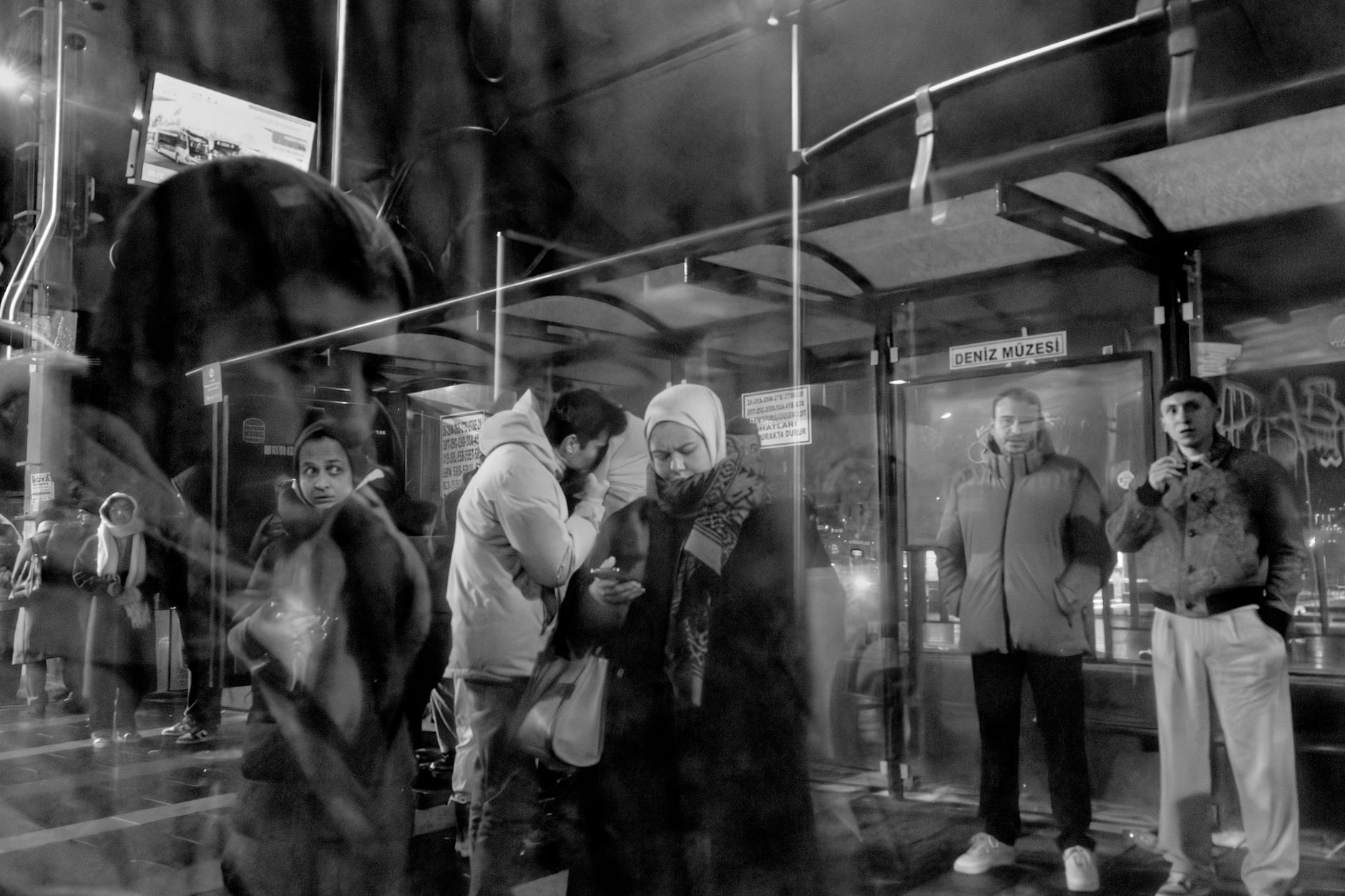
I often stand on the Beşiktaş pier with a simit in hand, watching the crowds scramble toward the ferry or the long, weary line for Dolmabahçe Palace. Last Tuesday at 10:15 AM, I saw the queue for the palace stretch over 150 meters, snaking past the clock tower in the heat. I walked five minutes further to the Deniz Müzesi (Naval Museum), paid the 600 TL entry fee, and was the only person in the 40-meter-long galley hall for nearly twenty minutes. It’s a bit of a local secret that while everyone else is fighting for a selfie in the palace garden, some of the most jaw-dropping artifacts of the Ottoman Empire are sitting quietly inside this minimalist glass-and-steel cube right on the water’s edge.
The transition from the noisy, exhaust-filled air of the Beşiktaş transit hub to the cool, dimly lit hall of the Imperial Caiques is a shock to the system. You are suddenly face-to-face with the Kadırga, the world’s oldest surviving galley. It is a 40-meter-long wooden dragon that has been resting here since the 17th century, and it makes every modern yacht in the marina look like a plastic bath toy.
Looking at these gilded rowing boats, you realize that for the Sultans, the Bosphorus wasn’t just a waterway; it was a stage. These caiques were floating power moves, dripping in real gold leaf and carved with intricate peacock motifs. The scale is what gets you—some of these vessels required 144 rowers just to move a single person across the water. While some of the descriptive plaques can be dry, the sheer visual weight of the wood and the smell of centuries-old cedar tell the story better than any text could. It’s one of the few places in Istanbul where the grandeur doesn’t feel like a dusty museum display, but like a fleet simply waiting for the tide to come in.
Finding Your Way to the Beşiktaş Waterfront
The only civilized way to arrive in Beşiktaş is by water. Taking a taxi from Taksim or Sultanahmet during the afternoon rush is a mistake I’ve paid for with hours of my life; the gridlock on the coastal road is legendary and entirely avoidable. Instead, aim for the rhythmic thud-clank of the metal ferry ramps at Beşiktaş Pier. There is something deeply grounding about stepping off a boat and immediately smelling the salty breeze mixed with the scent of simmering döner from the nearby market.
If you are staying on the Asian side, the public ferry from Kadıköy or Üsküdar is the best option. For about 30 TL (roughly 0.60 EUR), you get a front-row seat to the Bosphorus skyline. For those who prefer a more private or flexible schedule, checking the Istanbul Water Taxi app booking and 2026 Bosphorus fares can save time during peak transit hours. Once you disembark, you’re only a five-minute walk from the Naval Museum.
The most stressful part of the journey is navigating the crossing at Barbaros Boulevard. It’s a chaotic intersection where scooters often treat red lights as suggestions. I’ve seen many visitors hesitate mid-road; my advice is to wait for the pedestrian signal and move with the crowd. Once you’re across, head toward the massive glass-fronted building—that’s your destination.
How to reach the Naval Museum via Ferry
- Locate the nearest ferry terminal in Kadıköy, Üsküdar, or Karaköy.
- Ensure your Istanbulkart has at least 50 TL loaded to cover the fare and any potential transfers.
- Board the ferry heading to the Beşiktaş (Şehir Hatları) pier.
- Exit the pier and walk toward the statue of Barbaros Hayrettin Paşa.
- Cross the multi-lane Barbaros Boulevard at the designated traffic lights.
- Walk 200 meters north along the water-side pavement to reach the museum entrance.
The World’s Oldest Galley: The Tarihi Kadırga
Walking into the Great Caique Gallery, your eyes immediately lock onto the Tarihi Kadırga, and for good reason—it is the only original galley left on the planet. Most of the ancient ships we see in maritime museums across Europe were hauled up from the seabed, painstakingly reconstructed from waterlogged timber and historical guesswork. But this 40-meter behemoth is a different breed of survivor; it has never been submerged. It was maintained in the imperial boathouses for centuries, which means the wood you are looking at is the same wood that felt the wake of the Golden Horn in the 1600s.
A Floating Throne from the 1600s
While some historians argue over its exact age, the consensus points to it serving Sultan Mehmed IV in the mid-to-late 17th century. The scale is genuinely difficult to process until you are standing right next to it. It required 144 oarsmen to move this vessel. I remember visiting on a quiet Tuesday morning around 10:30 AM—the best time to avoid the school groups—and the silence in the hall really lets the weight of Ottoman maritime history sink in. You aren’t just looking at a boat; you’re looking at a 40-meter long exercise in imperial ego.
Tortoise Shell and Mother-of-Pearl
One mistake I often see visitors make is staying only at floor level. To truly appreciate the maritime archaeology here, you must head up to the mezzanine. From this elevated vantage point, you can peer directly into the Sultan’s kiosk at the stern. This is where the luxury becomes intimate. Look for the incredibly intricate inlaid tortoise shell and mother-of-pearl work. The geometric patterns are so fine they almost look like silk from a distance. If the lighting feels a bit dim, give your eyes a second to adjust; the museum keeps it low to protect the ancient wood, but once you focus, the detail on the pavilion is staggering. It’s a level of craftsmanship that simply doesn’t exist in modern ship-building.
Berk’s Insider Tip: Stand at the very front of the Kadırga (the galley) on the ground floor; the low-angle perspective makes the 40-meter length feel twice as long and truly highlights the craftsmanship of the 1600s.
Saltanat Kayıkları: Floating Palaces of Gold and Silk
The Saltanat Kayıkları are the most ostentatious display of power you will find in Istanbul, even more so than the marble halls of the palaces themselves. Standing next to these vessels, you realize that for the Ottoman Sultans, the Bosphorus wasn’t just a waterway; it was a stage. I visited the museum again last Tuesday morning—around 10:30 AM is the sweet spot before the school groups arrive—and even after fifteen years in this city, the sheer amount of gold leaf on Sultan Abdülaziz’s personal caique still makes me squint.
The Art of the Imperial Hull
These aren’t mere boats; they are floating sculptures. The 19th-century caiques are famous for their massive silver eagles perched on the bows and hulls encrusted with intricate carvings. The craftsmanship is staggering, but the contrast is what stands out. While the Sultan sat in a secluded, silk-lined kiosk at the stern, protected from the sun and the spray, the physical reality for the crew was vastly different.
Moving the largest of these vessels required an incredible logistical effort. To maintain the smooth, gliding motion expected of an Emperor, some of the grandest historical galleys utilized up to 144 oarsmen. It is a brutal, beautiful contradiction. If you look closely at the rowing benches, you can almost feel the phantom weight of those massive oars.
5 Details You Cannot Miss on the Imperial Caiques
- The Silver Eagle of Sultan Abdülaziz: Look at the prow; the eagle symbolizes power and reach, and the detail in the feathers is finer than most jewelry.
- The Sultan’s Kiosk: Notice the height of the seating area. It was designed specifically so the Sultan remained physically higher than everyone else on the water.
- The Mother-of-Pearl Inlays: Found along the gunwales of the smaller caiques, these reflect the light of the Bosphorus beautifully even indoors.
- The 144-Oarsman Logistics: While the 19th-century boats on display are slightly smaller, the museum displays layout plans for the massive 144-man galleys that show how tightly packed the rowers were.
- The Original Silk Upholstery: Though faded, some of the original fabrics inside the kiosks remain, giving you a real sense of the “scent” of Ottoman luxury.
The only downside to this hall is the lighting; it can be a bit dim for smartphone cameras. Stand at the far end of the hall near the glass windows where the natural light hits the gold leaf. You’ll get a much better shot of the texture without the glare of the indoor spotlights.
Planning Your Visit: 2026 Entry Fees and Hours
Paying 600 TL for a museum ticket is a small price for standing in the presence of the world’s oldest surviving galley. For international visitors, this 2026 entry fee—roughly 12 EUR or 13.33 USD—is an absolute bargain considering you are viewing the most significant collection of imperial maritime vessels on the planet.
Admission and Practicalities
I always tell my friends to keep some change handy for the photography permit. While you can snap photos with your phone for free, if you are carrying a professional DSLR or mirrorless setup, the museum staff will ask you to pay a 100 TL camera fee (approx. 2 EUR / 2.22 USD). I’ve seen visitors get frustrated by this at the turnstile, but for the price of a coffee, it’s worth it to avoid the hassle and get those high-res shots of the intricate gold leafing on the Sultan’s boats.
The scale here is comparable to the monumental architecture found at the Suleymaniye Mosque: Insider, where the sheer physical presence of history is used to convey imperial authority.
| Visitor Type / Item | Price in TL | Conversion (Approx.) | Note |
|---|---|---|---|
| Foreign Adult | 600 TL | €12 / $13.33 | General admission to all halls |
| Professional Camera | 100 TL | €2 / $2.22 | Required for DSLRs/Tripods |
| Audio Guide | Included | Included | Available in multiple languages |
| Turkish Citizen | 150 TL | €3 / $3.33 | Requires valid Turkish ID |
Timing Your Visit
I once made the mistake of visiting on a Wednesday at noon, only to find myself surrounded by three different school groups. While it’s great to see local kids learning their history, the echo in the massive Caique Hall turns their excitement into a roar. Tuesday morning, right at 9:00 AM, is your golden window. The hall is silent, the crowds are non-existent, and the Beşiktaş sun hits the vessels through the floor-to-ceiling windows at just the right angle.
Berk’s Insider Tip: Flash photography is strictly banned to protect the centuries-old textiles and paint; bring a lens with a wide aperture (f/1.8 or f/2.8) because the hall, while bright, relies heavily on natural light which can vary.
The museum is open from 09:00 to 17:00 on weekdays and until 18:00 on weekends. It is closed on Mondays, a standard rule for most state-run museums in Istanbul that often catches travelers off guard.
The Museum’s Hidden Corners and Modern Exhibits
Most visitors leave right after seeing the Sultan’s boats, but the real soul of the museum hides in the quiet galleries upstairs. While the caiques represent the flash and ceremony of the Empire, the ship models on the upper floors tell the actual story of how Istanbul was defended and supplied for centuries. I once spent nearly thirty minutes just staring at a 1:50 scale model of an 18th-century galleon; the precision of the rigging is so intense it makes your eyes ache, but it’s the best way to understand the scale of Ottoman naval engineering.
Don’t skip the section dedicated to Mustafa Kemal Atatürk. Seeing his personal belongings—the simple, functional furniture from his yachts and his private rowing boat—offers a grounded, human perspective on the man who founded the Republic. Nearby, the naval uniform collection acts as a visual timeline of the Empire’s Westernization.
If the echo of the galleries starts to feel heavy, head straight for the outdoor garden cafe. Sitting at the museum’s waterfront cafe at 3:30 PM yesterday, I watched a massive container ship create a wake that rocked the smaller fishing boats moored nearby. My 45 TL glass of tea (exactly 1 USD) didn’t spill, but the sheer force of the water right there at the museum wall is a visceral reminder of why these imperial boats needed 144 rowers to navigate these currents. If you are staying in other hubs, taking the Yellow dolmuş routes and payment tips for faster travel between Beşiktaş, Taksim, and Kadıköy is the most efficient way to reach this part of Beşiktaş without getting stuck in the legendary afternoon traffic.
Frequently Asked Questions about the Beşiktaş Naval Museum
How much time should I set aside for a full visit?
You should plan for at least 90 minutes to two hours. The main hall with the imperial caiques takes about 45 minutes if you’re reading the displays, but the upper floors and the maritime heritage museum in the basement require extra time.
Is the museum accessible for travelers with mobility issues?
Yes, the museum is modern and accessible compared to other historic sites in the city. There are ramps for the main exhibition hall and elevators to reach the upper galleries containing the ship models and Atatürk’s belongings. The floor is mostly flat, polished stone, making it easy to navigate with a wheelchair or stroller.
Can I take photos of the imperial caiques and exhibits?
Photography for personal use is permitted, but you must keep your flash turned off to protect the ancient wood and textiles of the boats. Tripods are generally not allowed without a special permit. I recommend heading to the balcony on the first floor for the best wide-angle shot of the entire fleet of caiques lined up below.
Final Reflections on the Waterfront
I’ve spent dozens of afternoons at Topkapı Palace, and while the Treasury is undeniably dazzling, it always feels a bit like looking through a keyhole. You see the wealth, but you don’t always feel the weight. This museum is the opposite. Standing next to the Tarihi Kadırga—a galley that’s nearly 40 meters of solid, centuries-old wood—is the only time I’ve truly felt the overwhelming physical scale of the Ottoman presence on the water. It’s an experience that a glass display case just can’t replicate.
If the museum’s silence starts to feel a bit heavy, head back out to the sunlight and walk south toward the Dolmabahçe Clock Tower. It’s a ten-minute stroll that keeps the Bosphorus right at your shoulder and avoids the chaotic traffic of the main road. I usually stop at the little tea garden right at the base of the tower; a glass of tea there is around 45 TL, and the view of the ferries crisscrossing the water is the perfect palate cleanser. It’s the most natural way to transition from the silent grandeur of the imperial past back into the rhythmic, noisy pulse of the city.
Comments
Share your thoughts with us