
Sizzling Iskender Kebab in Kadıköy and Beşiktaş with 2026 Prices and Ordering Tips
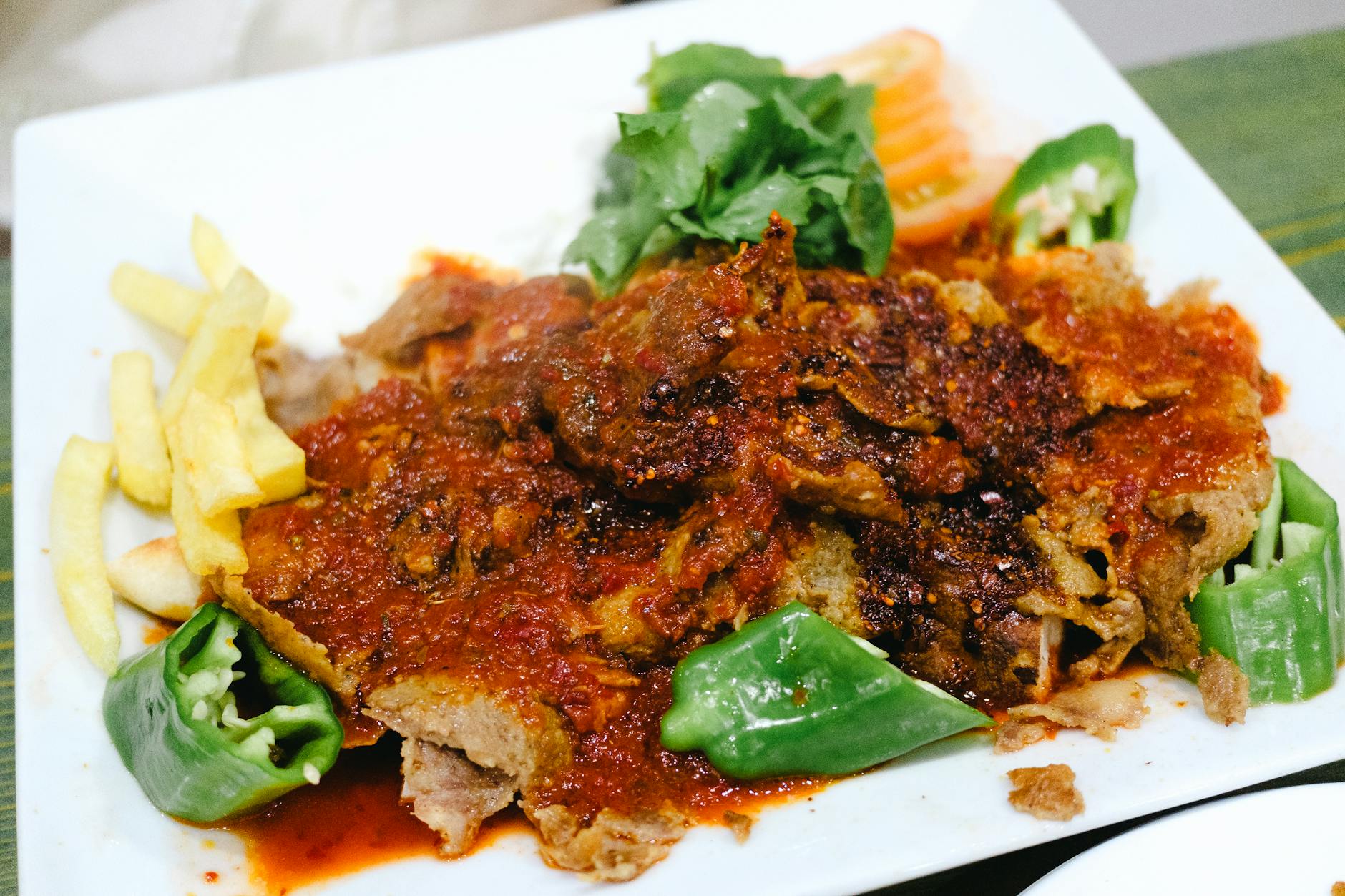
If you don’t hear the aggressive hiss of browned sheep’s butter hitting a plate of tomato-soaked pita, you aren’t eating Iskender; you’re just having a sad, soggy sandwich on a plate. After fifteen years of navigating Istanbul’s hills and backstreets, I’ve learned that the “butter ritual” is the only ceremony in this city that demands absolute silence. You wait for the waiter to tilt that small copper pan, you watch the foam sizzle against the cold yogurt, and for a fleeting second, the chaos of the city disappears.
Last Tuesday, I found myself tucked into a corner table at a family-run spot near the Kadıköy fish market around 2:30 PM—just late enough to miss the frantic lunch crowd but early enough that the doner spit hadn’t started looking tired. The queue was manageable, maybe a ten-minute wait behind two locals debating football. When my plate arrived, the bill came to 750 TL. At the current 2026 rates, that’s exactly 15 EUR or about 17 USD. For a dish that uses high-quality mountain thyme-fed lamb, it’s a steal, though you’ll find plenty of “tourist traps” in Sultanahmet charging double for meat that tastes like cardboard.
The trick to a perfect afternoon in Kadıköy or the busy corridors of Beşiktaş isn’t just finding a seat; it’s knowing how to handle the intensity of the meal. If you don’t specify, the “butter man” might be a bit too generous, leaving you in a food coma that ruins your walk back to the ferry. I always ask for “normal” butter—not “bol” (plenty)—to keep the flavors balanced. It’s the difference between a culinary masterpiece and a plate of delicious grease that requires a three-hour nap to recover from.
The Anatomy of a Real Iskender
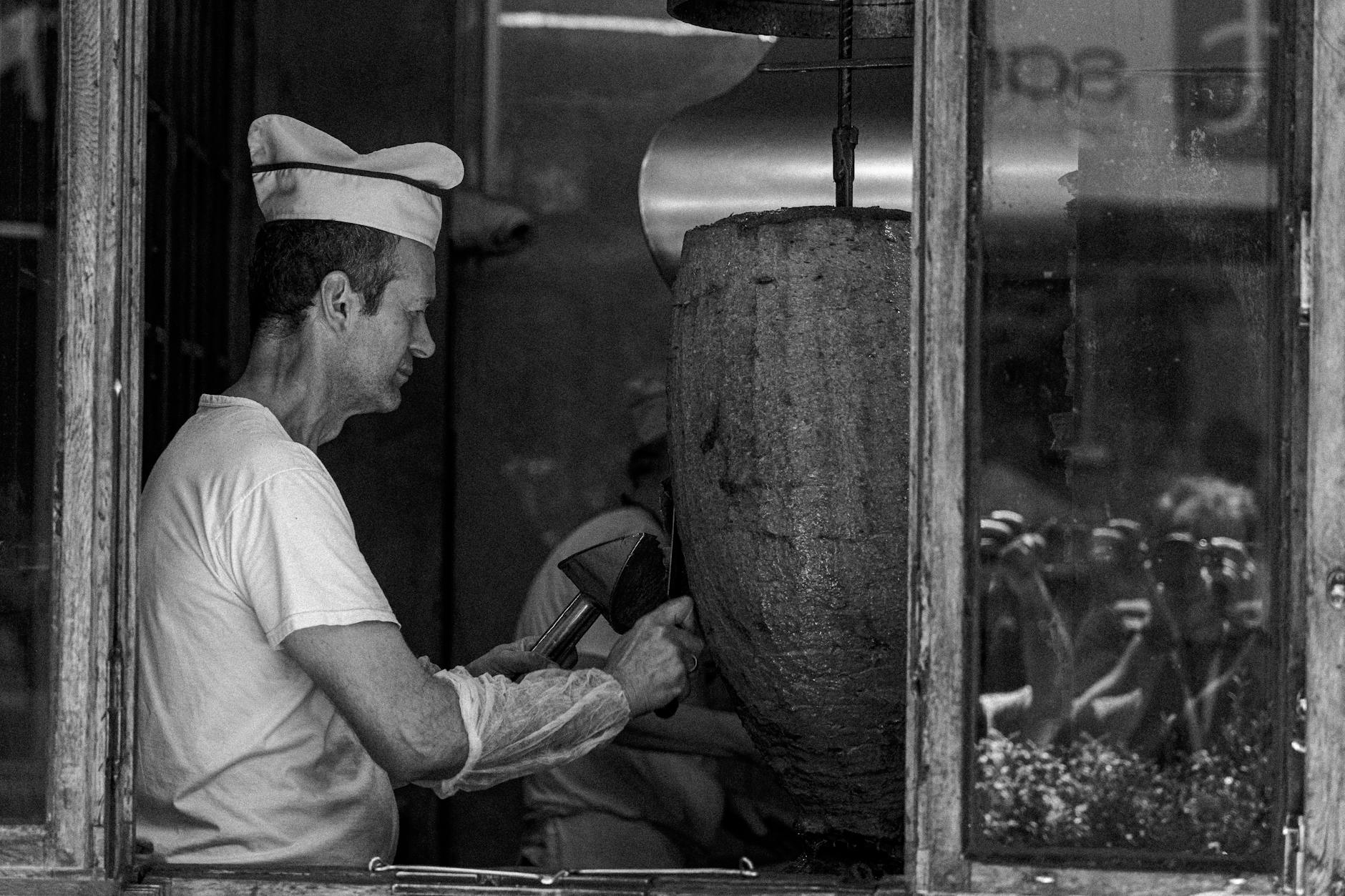
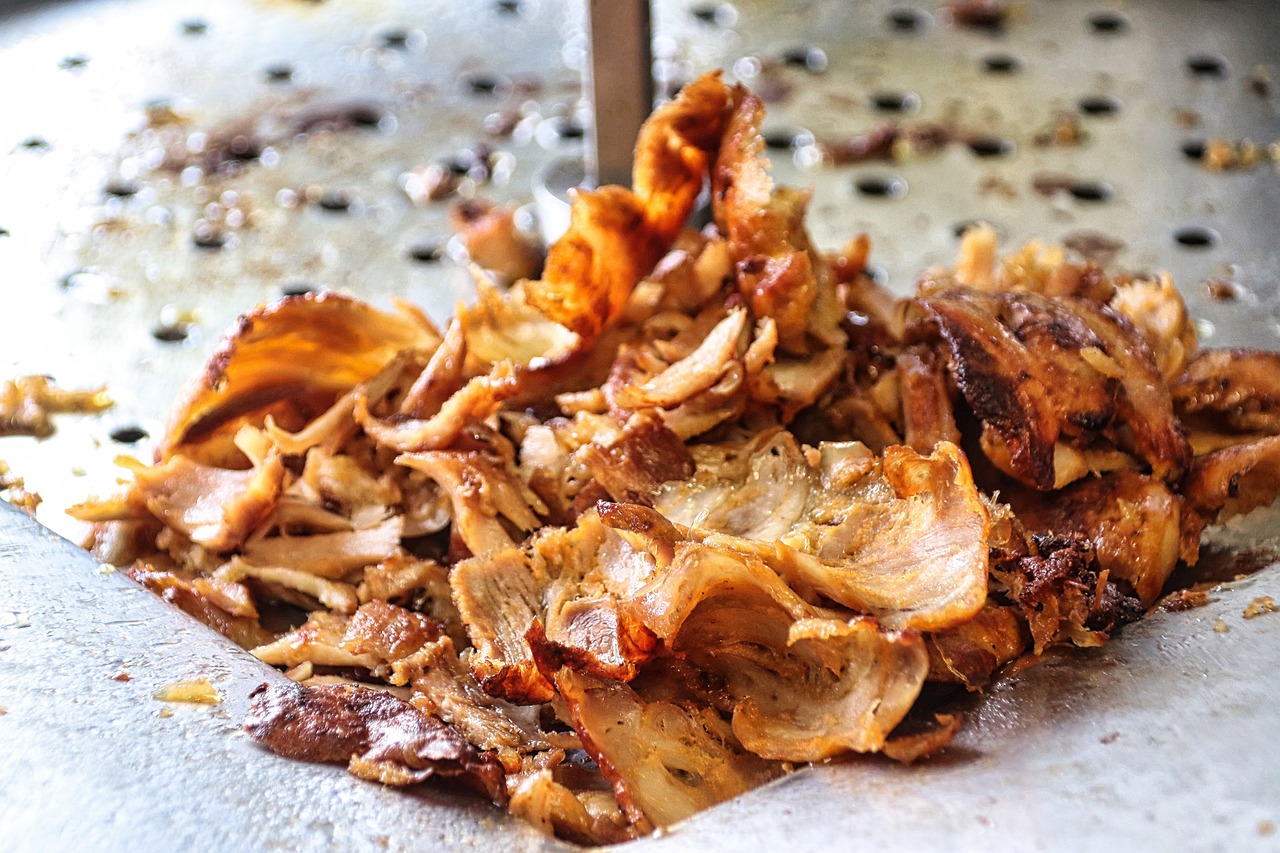
If you see a perfectly smooth, grey cylinder of meat spinning in a window, keep walking; you’re about to eat a processed sponge, not a real Iskender. True Turkish cuisine demands respect for the “yaprak” (leaf) döner.
Top 5 Essentials of a High-Quality Iskender (Ranked)
- Hand-Carved Leaf Döner: The meat must be irregular slices of lamb and beef, never a processed factory cylinder.
- The Sizzling Copper Pour: Freshly browned sheep’s butter is the non-negotiable final step for flavor.
- Toasted Pide Foundation: Small bread cubes must be grilled to maintain structural integrity against the sauce.
- Tangy Sheep’s Yogurt: High-fat, slightly funky yogurt is required to balance the richness of the meat.
- Simmered Tomato Reduction: The sauce should be a thick, sacred reduction of paste and spices, not watery juice.
The Foundation: Meat and Bread
The base is just as critical as the protein. You want small, toasted cubes of pide bread that have been lightly grilled to provide a structural crunch against the inevitable soak of sauce. If the bread is soggy before the butter even hits it, the kitchen is cutting corners. I recently stood in line for twenty minutes at a local favorite in Beşiktaş around 1:30 PM—peak lunch madness—just to ensure I got the meat from a fresh spit. At 720 TL (roughly 16 USD or 14.40 EUR), it wasn’t the cheapest lunch, but the texture of the hand-carved meat made the factory-made “donuts” served in Sultanahmet look like cardboard.
The Tang and the Sizzle
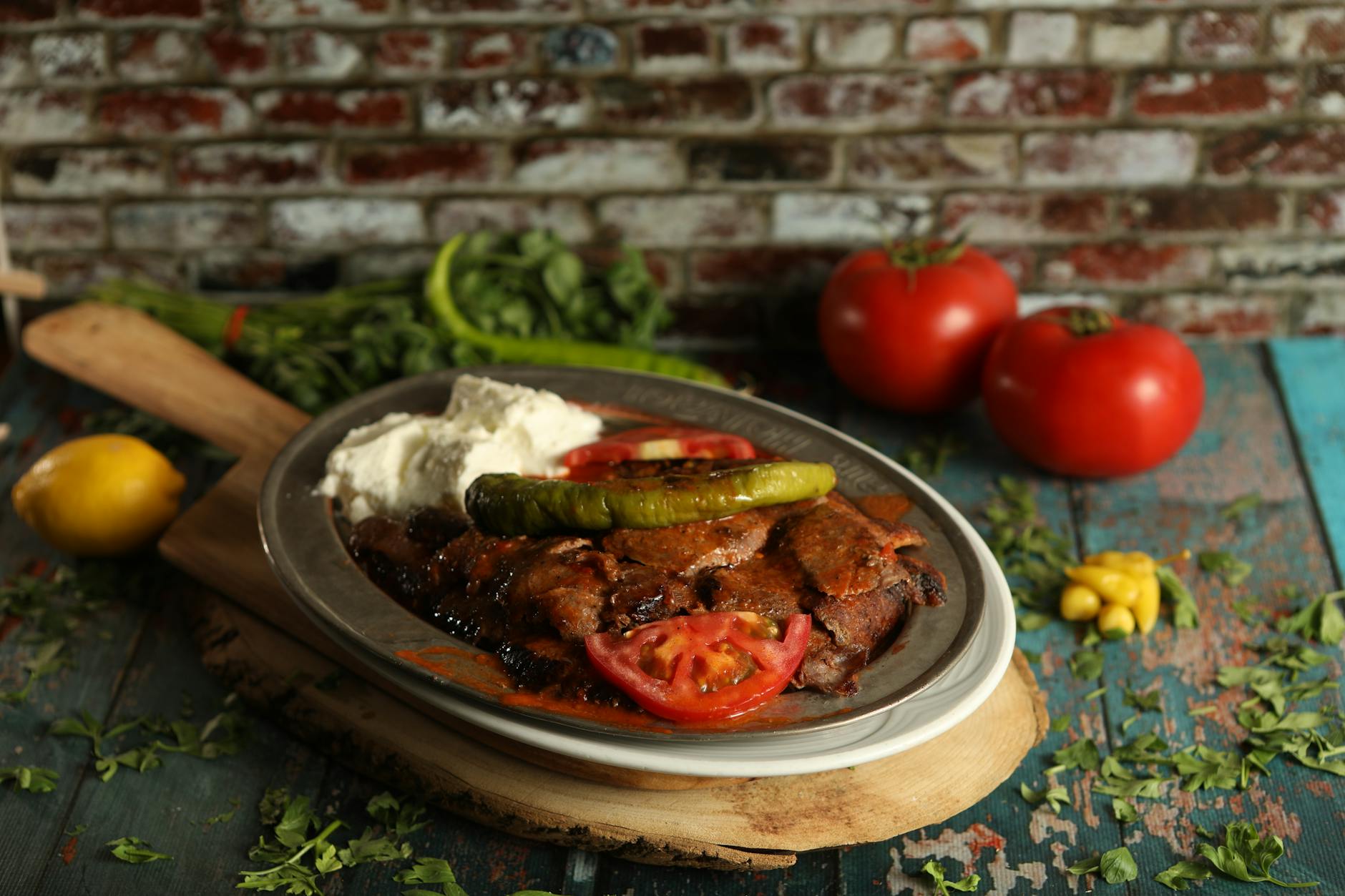
Authentic Iskender is served with a dollop of sheep’s milk yogurt on the side. This isn’t the mild stuff you find in a breakfast parfait; it’s thick, slightly funky, and has a sharp tang that cuts through the heavy fat of the meat.
I once witnessed a traveler ask for ketchup at a traditional spot near the Kadıköy fish market. The waiter’s expression was somewhere between profound sadness and mild offense. The “sauce” on an Iskender is a sacred reduction of tomato paste and sheep butter. If the dish feels too dry, the fix isn’t a condiment bottle—it’s waiting for the waiter to walk by with the bubbling copper pan of extra browned butter. Always say yes to the butter pour; your heart might protest, but your palate will thank you.
Kadıköy’s Blue-Blooded Royalty
If you want the undisputed gold standard of kebab without trekking all the way to Bursa, there is only one address in Kadıköy that matters: İskender İskenderoğlu on Rıhtım Caddesi. This isn’t just a restaurant; it’s a shrine to a recipe that hasn’t changed since 1867. I stood in line for exactly 22 minutes last Saturday at 2:00 PM, watching the ferry crowds swarm the waterfront, but the wait is a necessary tax you pay for quality.
The Ritual of the Pour
The magic here lies in the lineage. The family running this spot claims the original 19th-century blueprint, and they treat the final butter pour like a religious ceremony. When the waiter approaches with that copper pot of foaming, browned butter, don’t you dare look away. The sizzle it makes when hitting the tomato sauce and the pita bread is the real national anthem of Turkey. A standard portion here currently costs around 650 TL (13 EUR / 14.44 USD). It’s a premium price for a kebab, but you’re paying for meat that hasn’t been stretched with fillers or subpar fats.
How to Order and Eat Iskender Like an Istanbul Local
To get the full experience and avoid marking yourself as a novice, follow these action-oriented steps for a perfect meal:
- State your portion size clearly: When the waiter approaches, specify “Bir” (one portion) or “Bir Buçuk” (1.5 portions) to get the meat-to-bread ratio you desire.
- Approve the “Bol” butter treatment: Signal the waiter to be generous with the sizzling copper pan; this browning process is the essential final cook for the sauce.
- Select a traditional beverage: Order Şıra (fermented grape juice) or a frothy Ayran (salted yogurt drink) to cut through the richness of the sheep’s butter.
- Maintain the temperature contrast: Do not mix the cold yogurt into the hot sauce; instead, take a small dab of yogurt with a slice of meat on your fork for every bite.
- Time your visit strategically: Schedule your arrival between 3:00 PM and 4:30 PM to avoid the heaviest queues while ensuring the doner meat is still fresh on the spit.
Berk’s Insider Tip: In Kadıköy, if the line at İskenderoğlu is out the door, walk five minutes to Bursa Garaj. Their meat is slightly leaner and the atmosphere is pure 1980s Istanbul nostalgia.
The only acceptable way to “pre-game” for this meal is to take the ferry from Eminönü or Karaköy. That 20-minute crossing across the Bosphorus clears your head and builds the specific type of hunger only salt air can provide. For those wanting a more exclusive view before dining, you can book a private Bosphorus boat charter to see the skyline from the water. Once you’ve finished and your plate is nothing but a few streaks of tomato sauce, don’t just jump back on a boat. Instead, take a walking tour of Kadıköy and the Moda coastline to let the food settle. Walking up the hill toward Moda is the only way to survive the “İskender coma” that inevitably follows such a royal feast.
Beşiktaş: Where the Locals Actually Eat
If you’re wandering the main boulevard in Beşiktaş looking for food, you’ve already lost the game. The real soul of this neighborhood is buried in the labyrinth of the Çarşı, and that’s where you’ll find Bursa Kebapçısı. This isn’t a place for a romantic date or a quiet business meeting; it’s a high-energy, elbow-to-elbow operation where the Iskender Kebab is treated with religious-like devotion.
Bursa Kebapçısı: The Real Deal in the Çarşı
I was there last Tuesday around 1:30 PM, right as the lunch rush peaked. I ended up squeezed onto a stool between a student from Beşiktaş High School and an old-school shopkeeper who didn’t look up from his plate once. The space is tight, and you might get a gentle nudge from a waiter carrying a heavy tray of sizzling butter, but that’s part of the Beşiktaş charm. While the nearby Dolmabahçe Palace Waterfront Gardens offer a more refined afternoon, this spot is about the immediate gratification of perfectly charred meat.
The meat here has that distinct, smoky char that the flashy tourist spots on the main road completely miss. By 2026 standards, prices have climbed—expect to pay around 750 TL (about $16.60 or €15) for a generous portion. If the queue looks intimidatingly long (usually between 12:30 PM and 1:30 PM), don’t give up. Just take a lap around the nearby Fish Market and loop back; the turnover is lightning fast because people are here to eat, not to linger over their phones.
The 2026 Price Check: What Your Wallet Should Expect
If you’re coming to Istanbul expecting 2019 prices, I’ve got some bad news for your spreadsheet, but some great news for your palate. A standard, high-quality portion of Iskender in a reputable Kadıköy joint now hovers around 750 TL (15 EUR / 16.60 USD). I was at my usual spot near the Kadıköy ferry pier last Tuesday—hit the queue at 1:15 PM and waited fifteen minutes—and watched a group of travelers struggle with the math.
Avoiding the “Unbundled” Kebab
Be wary of places that list a suspiciously low price on the sidewalk chalkboard. Some “rookie trap” establishments have started unbundling the essentials, charging extra for the brown butter pour or the dollop of sheep’s milk yogurt on the side. In a proper kebab house, that sizzle is a birthright, not an add-on.
| Order Type | Price (Turkish Lira) | Price (EUR) | Price (USD) |
|---|---|---|---|
| Standard 1 Portion | 750 TL | 15 EUR | 16.60 USD |
| Big 1.5 Portion | 1,000 TL | 20 EUR | 22.20 USD |
| Glass of Frothy Ayran | 85 TL | 1.70 EUR | 1.90 USD |
| Traditional Kunefe | 350 TL | 7 EUR | 7.75 USD |
Ordering Like a Local: The Unspoken Rules
Don’t bother reaching for the menu the moment you sit down, or you’ll mark yourself as a novice before the water even hits the table. Most top-tier Iskender houses in Kadıköy or Beşiktaş do one thing, and they do it perfectly. When the waiter approaches, you only need to decide on the volume: “Bir” (one portion) or “Bir buçuk” (one and a half).
The Butter Ritual and the ‘Bol Olsun’ Command
The most critical moment happens about five minutes after you order. A waiter will appear wielding a small copper pot filled with bubbling, browned butter. This is the soul of the dish. As he hovers over your plate, nod vigorously and say, “Bol olsun” (make it plenty). If you’re worried about your cholesterol, you’re in the wrong restaurant. The butter seeps into the pita bread beneath the meat, creating a rich, savory sponge that is arguably better than the beef itself.
Liquid Gold: Choosing the Right Drink
Skip the soda. It’s too acidic and fights with the tomato sauce. Instead, look for Şıra on the menu. This is a traditional, slightly fermented grape juice that is sweet but deep. It acts as a natural palate cleanser against the heavy fats of the meat and butter. If Şıra isn’t your thing, a frothy Ayran served in a chilled metal bowl is the only other acceptable substitute.
A Note on the ‘Usta’
One cardinal sin to avoid: never ask for your meat to be “well done.” The Usta (the master at the spit) has spent decades learning exactly when to shave those paper-thin slices. If you ask for it extra crispy, you’re essentially telling a surgeon how to hold a scalpel. Trust the process; the heat of the tomato sauce and the searing butter will finish the cooking perfectly on your plate.
Surviving the Kebab Coma: The Post-Meal Ritual
If your napkin doesn’t look like a Rorschach test of melted sheep butter by the time you’ve finished, you haven’t truly lived the Iskender experience. It’s a heavy, glorious commitment, and honestly, if you aren’t questioning your life choices just a little bit after that final forkful of yogurt-soaked pide, you probably didn’t ask for enough “bol tereyağı” (extra butter) at the end.
I remember a particularly frantic Saturday last month when the queue at the Kadıköy branch of İskender İskenderoğlu stretched past the bookstore next door. It looked like a forty-minute wait, but because the staff there operates with the synchronized urgency of a Formula 1 pit crew, I was face-to-face with a steaming plate in twelve minutes flat. I dropped about 900 TL for a massive portion and a glass of salty ayran, and I haven’t regretted a single calorie since.
The best Iskender is the one that leaves you with that distinctive butter stain on your napkin and a sense of deep, slightly drowsy satisfaction. Once you’ve paid the bill, shake off the lethargy and walk three minutes toward the Kadıköy ferry terminal. Tucked right behind the historic yellow building is a small, no-frills tea spot where you can grab a stool inches from the Marmara Sea. Order a double-steeped tea, watch the 16:15 ferry from Eminönü dock, and let the salt air do the heavy lifting for your digestion. It’s the only way to transition from a meat-induced coma back into a functioning human being.
Comments
Share your thoughts with us