
Dolmabahçe Palace Waterfront Gardens and Harem Tours with 2026 Ticket Prices
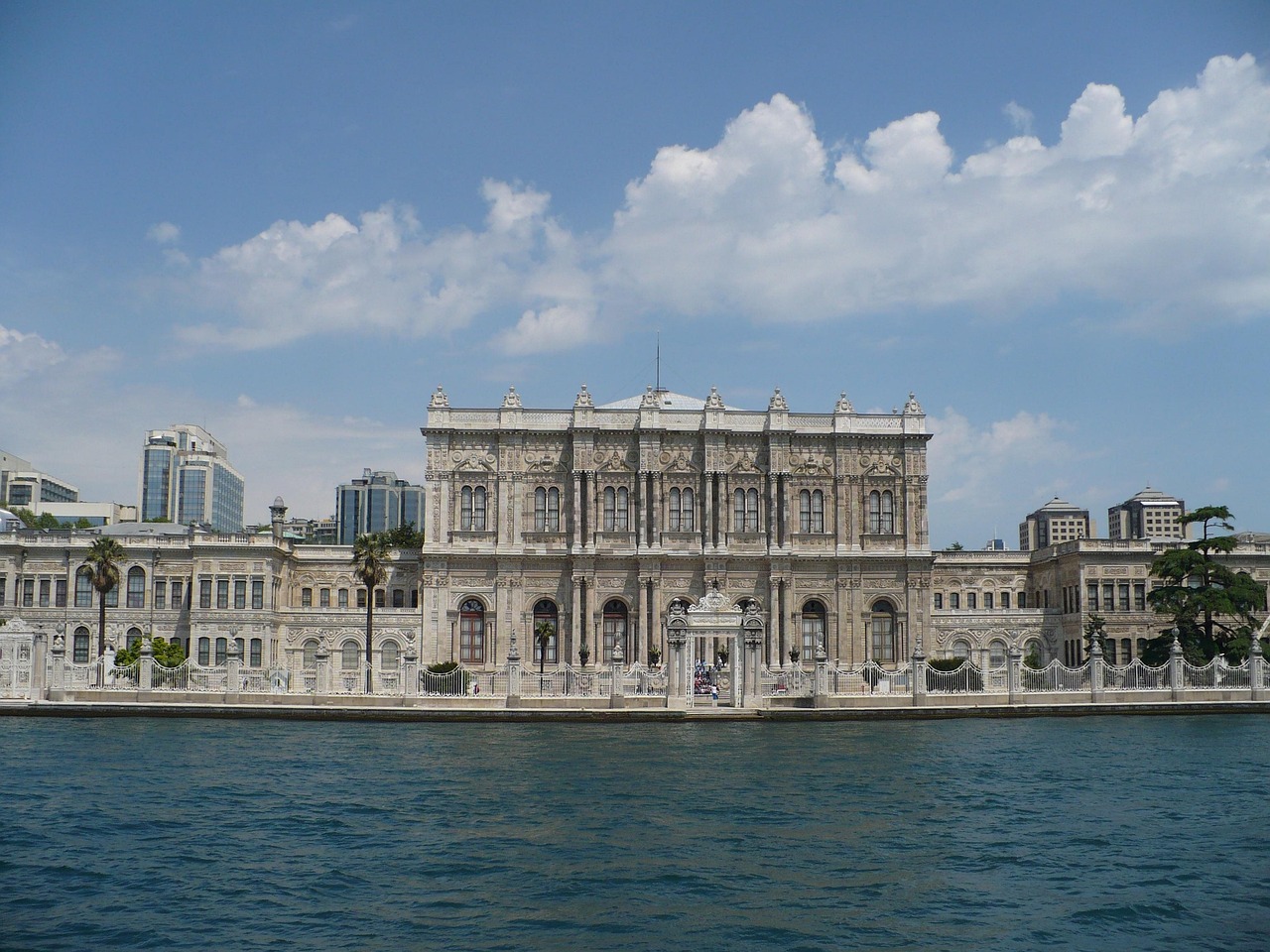
I usually tell people to skip the long lines of the Sultanahmet circuit, but Dolmabahçe is the one exception where I’ll happily stand in the sun for twenty minutes just to see that 4.5-ton crystal chandelier again. There’s something about the way the Bosphorus light hits the white marble of the waterfront gates that makes the fifteen years I’ve spent navigating this city feel like a blink of an eye. Last Tuesday, I found myself leaning against the iron railings near the Beşiktaş ferry terminal at 9:15 AM, watching the first wave of visitors start to cluster near the clock tower. The humidity was already rising, and the queue was snaking toward the ticket office, but if you know how to navigate the pace of this place, the opulence still hits you like a freight train.
The palace represents the “glitz” phase of the Ottoman Empire—it’s unapologetic Ottoman Baroque. While Topkapı feels like a series of secretive, stony courtyards, Dolmabahçe is all about the grand performance. It’s where the Sultans moved when they decided they wanted to live like European royals, trading old-world tradition for French mirrors and Italian marble. The scale is staggering. I’ve seen people lose their breath in the Muayede Hall, and it’s not just from the walk; it’s the sheer weight of the gold leaf above your head.
Living here, I’ve learned that the secret to not hating the experience is avoiding the midday madness when the tour buses descend. I always aim to be at the gate by 8:45 AM. Currently, the full combo ticket—covering the Selamlık, the Harem, and the Painting Museum—is priced at 1,500 TL. At 30 EUR (about 33 USD), it’s certainly one of the pricier entries in the city, but standing on the manicured waterfront gardens with the salt air in your face, the price tag feels justified. The Harem offers a much softer, more human look at the royal family’s private life compared to the stiff formality of the main halls, provided you don’t mind the slightly cramped corridors that can get a bit stuffy during the July peak. If the crowds inside start to feel like too much, I usually just head straight for the garden café by the water; the tea might be standard, but the view of the Asian side across the blue water is worth every kuruş.
Beating the Gate 1 Rush: Timing and Security
If you aren’t standing in front of the Clock Tower by 8:50 AM, you are essentially volunteering to spend your morning staring at the back of a tour group’s matching sun hats. The “Golden Window” at Dolmabahçe Palace is strictly between 9:00 AM and 10:00 AM; arrive any later, and the massive tour buses from Galataport will have already disgorged hundreds of visitors, turning a regal experience into a crowded commute. I’ve lived here long enough to know that the palace, commissioned by Sultan Abdulmejid I to keep up with European royalty, is best enjoyed when the sun is still low over the Bosphorus and the marble feels cool.
The Security Drill and the QR Code Hack
The security checkpoint near the entrance often looks like a chaotic bottleneck, but it’s surprisingly efficient if you’re prepared. I watched a couple last Tuesday lose their spot because they were searching for a Wi-Fi signal to download their tickets—don’t be them. Have your digital QR code pulled up and your screen brightness turned to the max before you hit the front of the line. Even when the queue looks daunting, it usually clears in under 15 minutes.
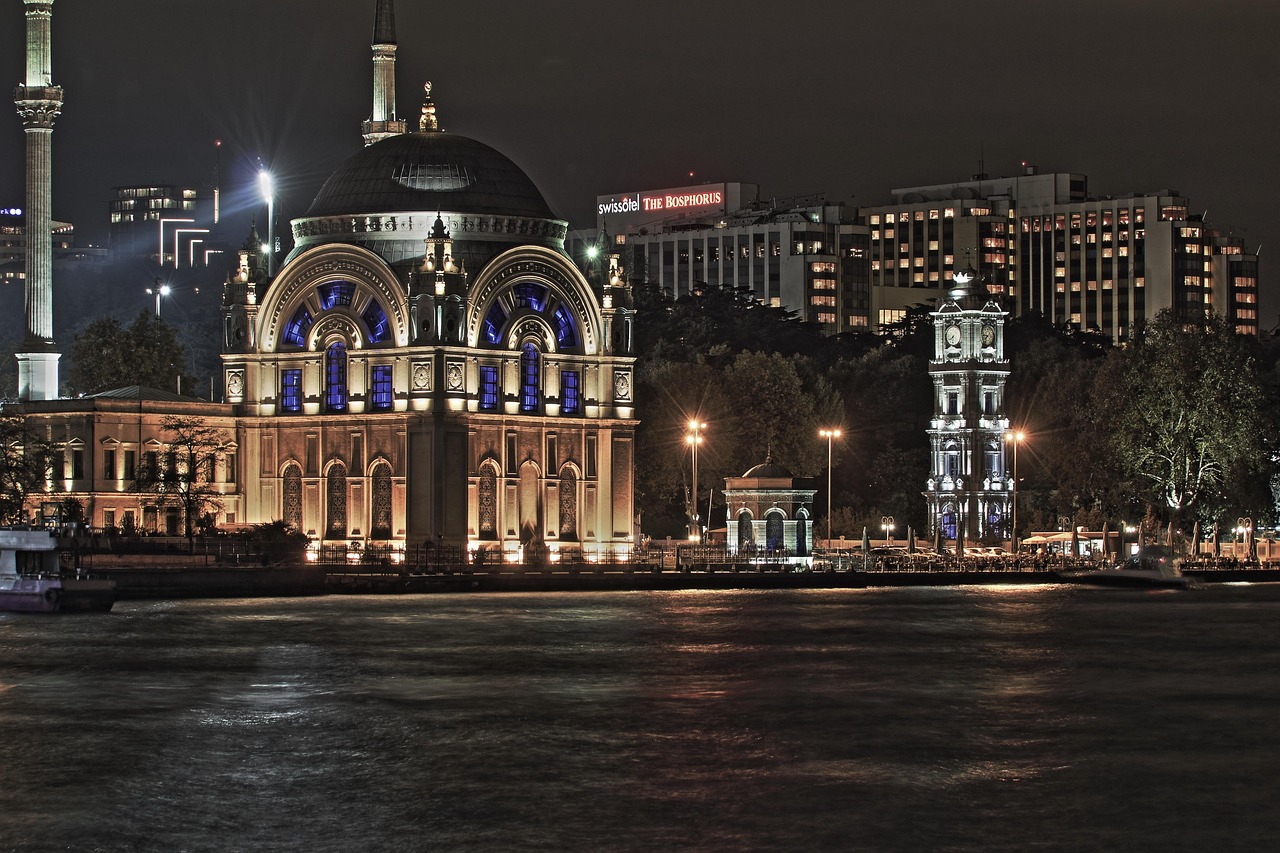
Before you dive into the gold-leaf madness of the Selamlık, grab a quick, sharp espresso at the Clock Tower Cafe (Saat Kulesi Kafeteryası). It’s a 50 TL (1.50 EUR) caffeine hit that allows you to sit for five minutes and appreciate the neoclassical architecture without the pressure of a tour guide’s whistle.
Berk’s Insider Tip: Visit on a Tuesday or Wednesday. Avoid Mondays (closed) and weekends when local school groups and domestic tourists double the wait times.
How to Navigate the Entrance Efficiently
- Arrive at the palace grounds no later than 8:45 AM to beat the primary tour bus wave.
- Purchase your tickets online through the official National Palaces website to avoid the 30-minute wait at the physical booth.
- Download or screenshot your QR code immediately; cell service can be spotty right near the heavy stone gates.
- Empty your pockets of large metal objects before reaching the security scanner to keep the flow moving for everyone.
- Walk past the initial ticket kiosks directly toward the main garden gate if you already have your digital pass.
For the full experience (Selamlık + Harem + Painting Museum), Dolmabahçe Palace prices for 2026 are currently set at 1,500 TL (approximately 30 EUR or 33 USD) for foreign visitors. It’s a steep jump from years past, but for the sheer scale of the Istanbul Harem tour alone, it’s a price most find worth paying.
The Selamlık: 14 Tons of Gold and a Very Large Chandelier
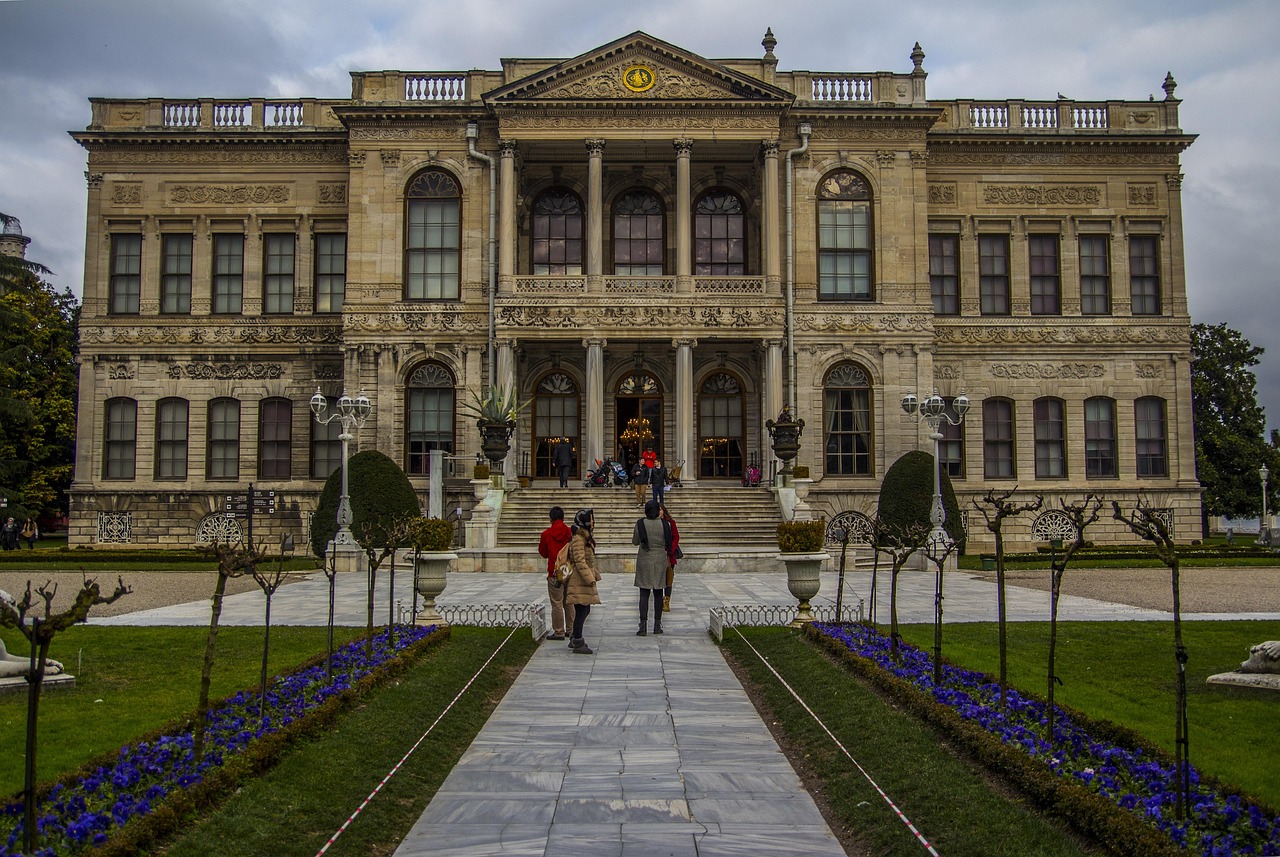
The Selamlık isn’t just a wing of a palace; it’s a 19th-century architectural flex that still manages to leave most visitors speechless, regardless of how many Bosphorus palaces they’ve already seen. While the exterior is all stately white stone, the interior is a fever dream of gold leaf—roughly 14 tons of it, to be exact—applied to the ceilings with a level of detail that makes your neck ache if you stare too long. It is the most formal part of Dolmabahçe, designed specifically to show visiting royals and diplomats that the Ottoman Empire, even in its twilight years, still knew how to throw a party.
The Crystal Staircase and the Echo of History
One of my favorite spots to pause is the Crystal Staircase. It’s a double-horseshoe masterpiece with balustrades made of Baccarat crystal and brass. Most people just stare at the glitter, but I want you to listen. The acoustics here are incredible. I once stood behind a small tour group at 10:15 AM—just before the massive cruise ship crowds usually descend— and the echo of their footsteps against the mahogany was so sharp it sounded like a drum corps. If the group ahead of you is moving, stay back a few steps and just listen to the way the sound bounces off the glass and gold.
The Scale of the Muayede Hall
Nothing prepares you for the Muayede Hall (Ceremonial Hall). This is where the 750-bulb Bohemian crystal chandelier hangs, a massive gift from Queen Victoria. It weighs 4.5 tons, and no matter how many high-res photos you’ve seen online, the sheer scale of it when you are standing directly underneath is jarring. It feels like it’s occupying its own zip code. If you’re visiting in the winter, the hall feels even more cavernous because it was notoriously difficult to heat—the Ottomans used a primitive underfloor heating system that pumped warm air from the kitchens, but on a cold January day, you can still feel the Bosphorus breeze through the massive windows.
Practicality: Audio Guides and Gear
The entry fee for the full palace experience in 2026 is 1,500 TL (which is exactly 30 EUR or about 33 USD), and that includes your mandatory audio guide. Here’s the catch: the plastic headphones they hand out are flimsy and often have a static hiss. I made the mistake of forgetting my wired headphones at home during my last visit on a rainy Monday in October. I ended up paying 60 TL for a cheap pair at a nearby kiosk because the museum’s free audio guide receiver didn’t sync with my Bluetooth earbuds. Bring your own wired 3.5mm jack headphones. Being able to hear the history of the Bohemian crystal clearly while keeping your hands free to point at things makes the experience much less frustrating. Once you’re done with the gilded halls, I highly recommend walking the student alleys and historic row houses of Beşiktaş nearby to snap back to modern reality with a strong Turkish tea.
Berk’s Insider Tip: Photography is officially forbidden inside the Selamlık and Harem. Security guards are very strict and will ask you to delete photos if they catch you. Keep your phone in your pocket and just enjoy the view—the Painting Museum, however, is much more relaxed about photos.
Inside the Harem: From Ottoman Secrets to Atatürk’s Final Days
The Harem-i Hümayun was a family home first, and its weight today comes from the silence of its history rather than its gold leaf. While the main palace (Selamlık) is designed to intimidate foreign dignitaries with sheer scale, the Harem feels lived-in, albeit by some of the most powerful women in history.
One mistake I see people make constantly is putting their tickets away after the main palace tour. Don’t do that. You have to walk about 8 minutes through the palace gardens to reach the Harem entrance, and the guards will scan your ticket again right at the door. I once watched a tourist spend ten minutes digging through a suitcase-sized backpack while the line behind him grew restless—save yourself the stress and keep that paper or QR code handy.
The Contrast of the Halls
The Blue Hall and the Pink Hall are the architectural anchors here. The Blue Hall served as a ceremonial space for the Sultan’s family, while the Pink Hall was more of a social lounge for the Valide Sultan (the Queen Mother) and the ladies of the court. Seeing these rooms provides a much-needed domestic contrast to the ‘public’ palace. You start to notice the smaller details: the way the light hits the Baccarat crystal or how the seating is arranged for conversation rather than just display.
Room 71: A Somber Moment in History
The energy shifts entirely when you enter Room 71. This is the bedroom where Mustafa Kemal Atatürk, the founder of modern Turkey, spent his final moments on November 10, 1938. The clock on the nightstand is still set to 9:05 AM, the exact moment of his passing. It’s a somber, quiet space that hits differently than the grand halls. Even the loudest tour groups usually go quiet here. It’s a powerful reminder that while this started as a house for Sultans, it ended as the final post for the man who changed everything for us.
If you’re planning your day and coming from the Taksim area, I highly recommend using the Beyoğlu funicular and nostalgic tram routes to get down to Kabataş. From there, it’s a flat, easy 5-minute walk to the palace gate.
Harem Visiting Essentials
- Ticket Re-scanning: Keep your ticket ready; the Harem entrance is a separate checkpoint after an 8-minute garden walk.
- Audio Guide: Use the free audio guide included with your ticket; the Harem has fewer information plaques than the Selamlık.
- Respect the Silence: In Room 71, avoid using your phone or talking loudly; it’s considered a site of national mourning.
- Photography: Strictly prohibited inside. Guards are very quick to intervene, so just soak it in with your eyes.
- Footwear: You’ll be given plastic shoe covers (galosh) at the entrance to protect the historic carpets—watch your step on the marble stairs as they can be slippery.
The 2026 Budget: Ticket Pricing and the ‘Full Experience’ Pass
Don’t bother trying to nickel-and-dime your way through Dolmabahçe; if you’re here, you need the 1500 TL (30 EUR / approx. 33 USD) Combined Ticket. I’ve seen plenty of travelers try to save a few Lira by opting for smaller sections, but skipping the Selamlık or the Harem is like going to a five-course dinner and leaving before the main arrives. The National Palaces administration has streamlined everything into this one “Full Experience” pass.
Decoding the 2026 Prices
If you are a return visitor and only want to see the Painting Museum, that’ll set you back 450 TL (9 EUR / approx. 10 USD). However, if it’s your first time, I strongly advise against skipping the main palace. The architectural contrast between the public Selamlık and the private Harem is the whole point of the visit.
I was at the gate last Tuesday around 10:15 AM and watched a couple spend ten minutes arguing with a card reader. While credit cards are accepted everywhere, the machines can be notoriously finicky with non-chip international cards. My advice? Carry a crisp 1500 TL in cash just in case the digital infrastructure decides to take a coffee break.
| Ticket Option | Price (Turkish Lira) | Price (Euro) | Best For… |
|---|---|---|---|
| Combined Ticket | 1500 TL | 30 EUR | First-timers & Full access |
| Painting Museum Only | 450 TL | 9 EUR | Art lovers on a return trip |
| Museum Pass Istanbul | Not Valid | - | Avoid this mistake; it’s not accepted |
| Audio Guide | Included | - | Bring your own wired headphones |
Berk’s Insider Tip: If you see a massive line at the ticket window, check the automated kiosks. They often have no line at all and offer the exact same 1500 TL (30 EUR) combo ticket.
The Museum Pass Istanbul is NOT valid here. Dolmabahçe is run by the National Palaces, not the Ministry of Culture, so your pass won’t get you through the gate. Don’t be the person holding up the line trying to scan a card that isn’t recognized; just head straight to the kiosk and get the palace-specific ticket.
The National Palaces Painting Museum: Don’t Walk Past It
Skipping this building is a major oversight. Most visitors exhaust their energy in the Harem and march straight for the exit, but the National Palaces Painting Museum, housed in the former Veliaht Dairesi (Crown Prince’s quarters), is where the soul of the Ottoman 19th century actually lives. I remember ducking in here three years ago just to escape a sudden Bosphorus downpour; I ended up staying two hours, mesmerized by the way the light hits the floor-to-ceiling canvases.
You are here primarily for Ivan Aivazovsky. He was the Sultan’s favorite marine artist, and the collection of his Bosphorus seascapes is arguably the best in the world. Give yourself at least 45 minutes to walk through these halls. If you’re feeling “palace fatigue,” just focus on the ceilings; they are masterpieces of trompe-l’œil that make the flat surfaces look like deep, carved domes.
My favorite “secret” in the entire district is the museum’s garden cafe. While the main palace cafe is usually a loud, crowded mess of tour groups, this spot is remarkably quiet. I usually grab a Turkish coffee here for 150 TL (4.50 EUR) and just watch the Bosphorus Ferry Tour: Istanbul boats zigzagging across the water. It’s the closest you’ll get to a private palace garden experience without a royal invitation.
Five Must-See Highlights in the Painting Museum
- The Aivazovsky Hall: Thirty works by the master of light that define the romantic era of the Bosphorus.
- The “Bosphorus Views” Gallery: Essential for seeing how the city’s skyline has changed (or stayed the same) over 150 years.
- The Gilded Ceilings: Specifically in the upper-floor salons; the detail is often more refined than the main palace.
- Orientalist Masterpieces: Massive canvases depicting court life that provide context for the empty rooms you just walked through in the Harem.
- The Waterfront Courtyard: A serene outdoor space where you can photograph the palace exterior without three hundred strangers in the frame.
Waterfront Gardens and the Exit Strategy
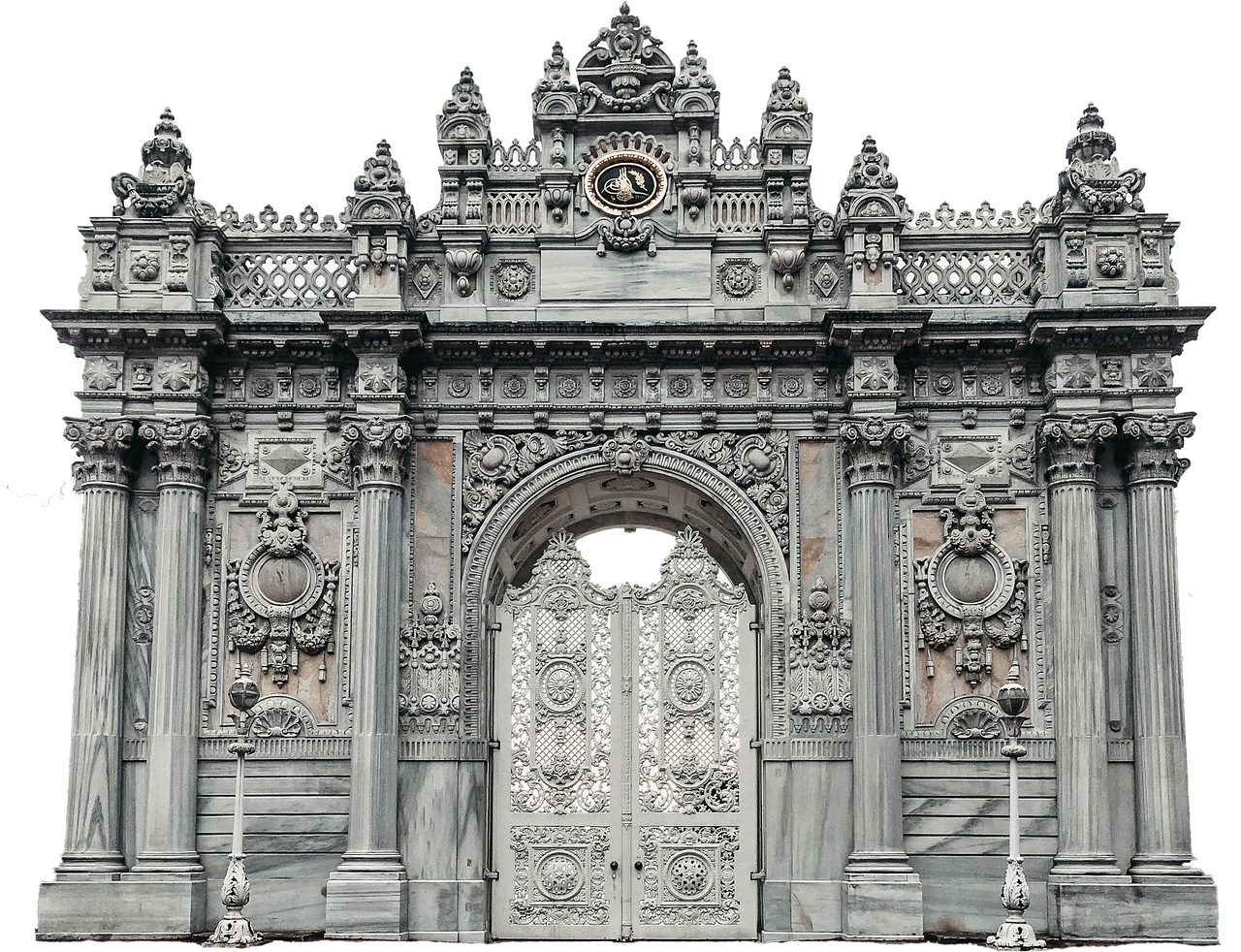
The view of the Bosphorus from the palace gardens is the best perk included in your ticket. Everyone clusters around the massive, ornate white Bosphorus Gate right in the center for that iconic frame. Last Wednesday, I spent 22 minutes standing behind a family from Milan just to get a clear shot of the gate. By the time I reached the marble ledge, the 11:00 AM sun was reflecting so harshly off the water I couldn’t even see my camera screen, but the entrance fee felt like a fair trade for that specific angle. If you head toward the far end of the gardens, near the Harem exit, you’ll find similar ornate gates with significantly fewer people elbowing you for space.
When you’re finished, don’t backtrack to the main entrance near Kabataş. It’s a bottleneck that leads you right back into the most expensive cafes. Instead, exit toward the Beşiktaş side. While the palace is a flat, 10-minute walk from the Kabataş T1 Tram station or the F1 Funicular, leaving via the Beşiktaş gate puts you within striking distance of the city’s best local eats.
Last week, I saw a group paying nearly 900 TL (27 EUR) for a mediocre “tourist plate” near the main gate. By walking ten minutes further into the Beşiktaş market area, you can find world-class Döner for closer to 350 TL (around 10 USD). If you find yourself staying out late, remember that crossing the Bosphorus after midnight is a breeze from the nearby Beşiktaş piers.
Frequently Asked Questions
How long does it take to walk from the T1 Tram to Dolmabahçe?
It is a very straightforward 10-minute walk. Once you get off the T1 Tram at the Kabataş terminus, follow the water with the Bosphorus on your right. You’ll pass the petrol station and the Dolmabahçe Mosque before reaching the main ticket office. It’s flat and paved, so no need for a taxi, which would likely get stuck in the heavy Beşiktaş traffic anyway.
Is there a place to sit and have tea inside the palace grounds?
Yes, there is a cafeteria near the clock tower and another by the waterfront. They are fine for a quick break, but keep in mind you’re paying for the view. A tea might cost you around 100 TL (3 EUR), which is roughly triple what you’d pay in a neighborhood tea house. If you’re hungry, wait until you exit toward Beşiktaş for better quality and prices.
Can I skip the Harem and only visit the gardens?
Technically, the “Main Ticket” includes the Selamlık, but the garden access is part of the overall experience. You can’t buy a “gardens only” ticket, and frankly, it wouldn’t be worth it given the 1,500 TL price. If you’re short on time, prioritize the Selamlık and the Bosphorus Gate photos, then head out to explore the Naval Museum nearby.
Final Thoughts on the Sultan’s Splendor
Topkapı is where the Empire kept its secrets, shrouded in the old-world mystery of the East, but Dolmabahçe is the soul of 19th-century Istanbul—a city that was looking West, trying to trade its robes for tailcoats while still keeping one foot firmly planted on the Bosphorus. It’s a magnificent, dizzying transition to witness, but after an hour of staring at four and a half tons of crystal and more gold leaf than a person should see in a lifetime, you’ll likely feel a bit of “palace fatigue.” I’ve lived here fifteen years and I still get a slight headache if I linger too long under that 750-bulb chandelier in the Ceremonial Hall.
The best way to shake off that imperial weight is to walk right out the gates and keep heading toward the noise of Beşiktaş. Skip the overpriced tourist cafes immediately surrounding the palace walls. Instead, weave your way into the Beşiktaş Çarşı—the bustling market district. Look for a small, crowded tea house near the Kartal (Eagle) statue. Pull up a tiny, rickety stool, order a glass of çay—usually priced at about 30 TL (roughly 0.90 EUR)—and just watch the locals argue about football or the price of fish. There’s no better way to decompress from the Sultan’s opulence than by sinking back into the real, gritty, and wonderfully chaotic heart of the city.
Comments
Share your thoughts with us