
Savoring authentic street food and local snacks in Istanbul
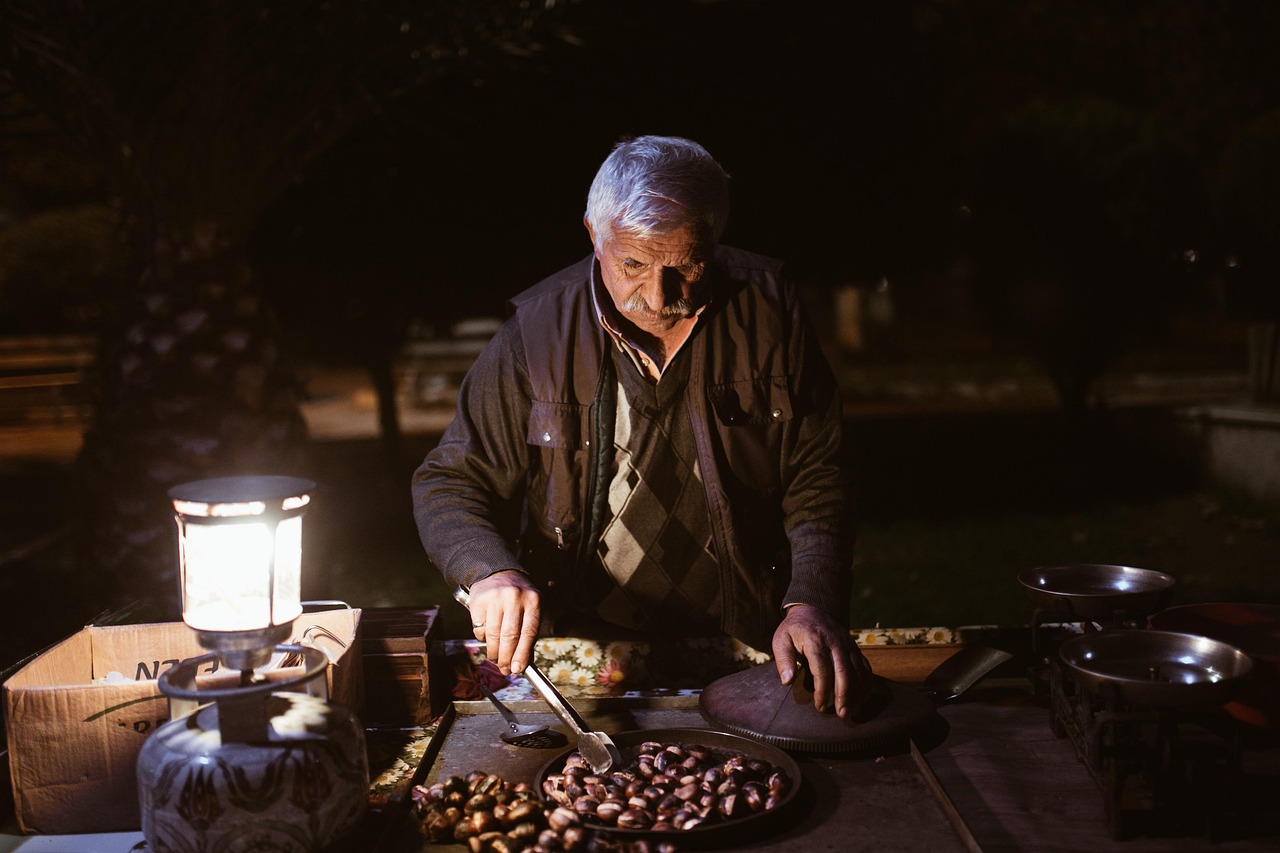
The scent of Istanbul isn’t just the salty Marmara breeze; it’s the smoky aroma of roasting chestnuts on a cold afternoon and the toasted sesame crunch of a simit bought in the morning rush. After fifteen years of navigating these hills, I’ve realized that the city’s pulse isn’t found in the silent museums, but in the clinking of tea glasses and the rhythmic chopping of parsley at a corner stall. To eat on the street here isn’t just a matter of convenience; it is a fundamental social contract that binds the CEO to the student, both standing shoulder-to-shoulder over a tray of mussels.
Last Tuesday, around 8:30 AM, I was rushing to catch the ferry from the Karaköy pier. The air was crisp, and the seagulls were particularly loud, signaling a shift in the weather. I stopped at the small, glass-encased red cart right by the terminal entrance—a spot I’ve frequented for years because his supplier uses a slightly richer grape molasses for the crust. I handed over 25 TL (0.50 EUR) for a simit that was still radiating heat from the stone oven. That single, crunching bite, shared with a stray cat who looked like he’d seen as many Istanbul winters as I have, is more “authentic” than any curated tasting menu in Sultanahmet.
Navigating this landscape requires a bit of local intuition. It’s easy to be lured by the flashy stalls in heavy transit hubs where the food can occasionally be lackluster or overpriced for the quality provided. However, once you learn to spot the subtle cues—the vendor who carefully covers his tray with a clean white cloth, or the small queue of shopkeepers forming at a specific “tantuni” stand at noon—you stop being a spectator and start being a participant. Istanbul doesn’t hide its best flavors; it just asks that you step off the sidewalk and join the fray.
The morning rhythm of Simit and tea
The day doesn’t truly begin in Istanbul until the scent of toasted sesame seeds hits you at the water’s edge. While some cities boast about their elaborate brunch cultures, our morning engine is fueled by the Turkish simit, a circular bread that has evolved from a simple 16th-century palace snack into the ultimate democratic food of the streets. It is the one thing that a CEO and a student will both buy from the same red cart.
If you want the real experience, you must look for the iconic red carts. My morning ritual often involves a quick stop at the Karaköy pier just before the 08:15 ferry departs for the Asian side. There’s a specific vendor there whose cry of “Taze, çıtır!” (Fresh, crunchy!) cuts through the morning fog better than any alarm clock. A single simit currently costs 25 TL (which is approximately 0.50 EUR or 0.55 USD), and it is the best investment you’ll make for your morning commute.
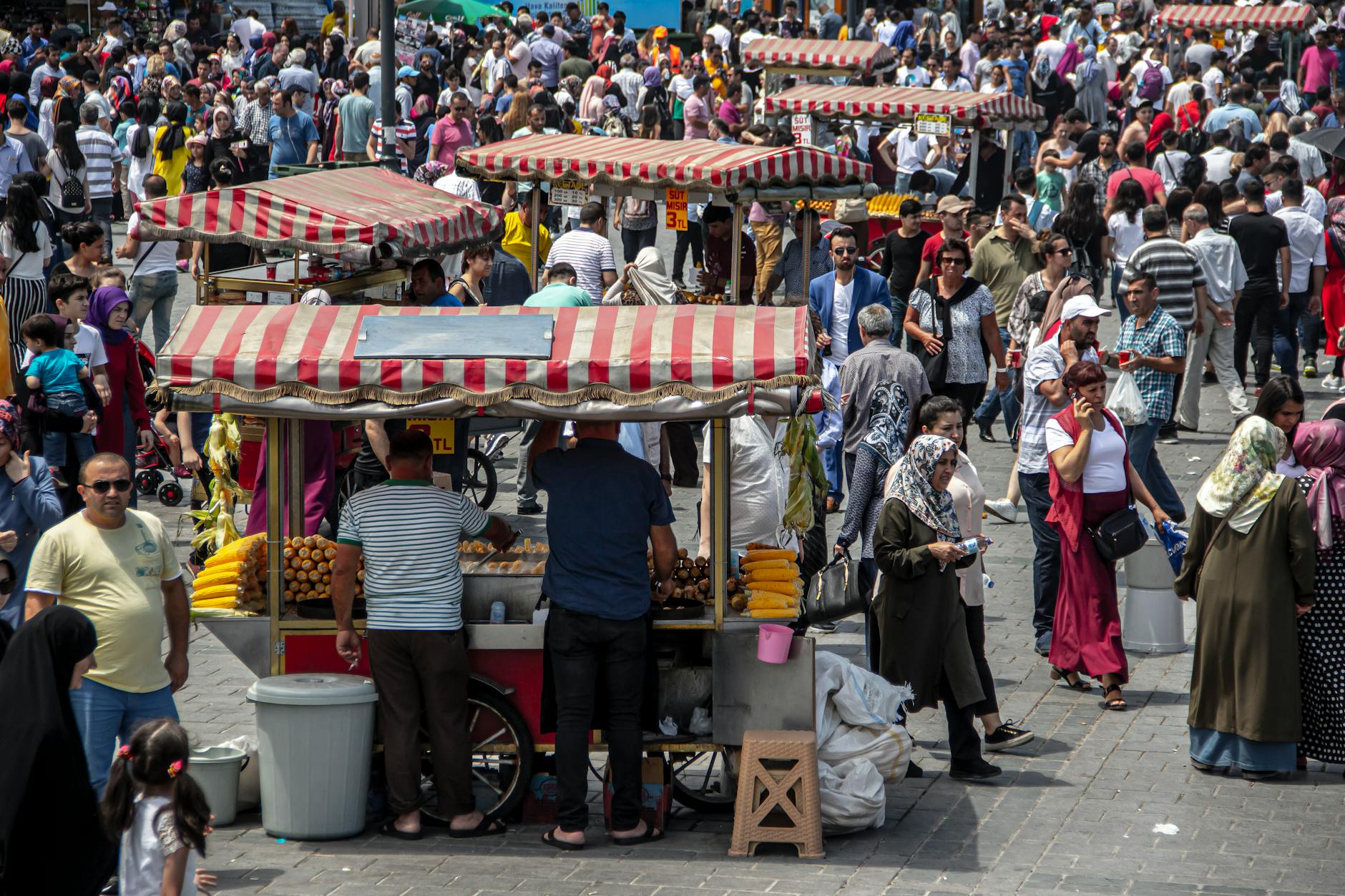
Many visitors make the mistake of buying their simit from a pastane (bakery). While these are fine if you want something soft and doughy, they lack the soul of the street version. A real Istanbul simit is dipped in pekmez (grape molasses) and rolled in sesame before being hit by the intense heat of a wood-fired oven. This process creates a dark, lacquered crust that provides that signature crunch. If it doesn’t make a mess of your shirt with falling seeds, it probably wasn’t fired correctly. This morning routine is the backbone of the city, perfectly integrated into The Ultimate Guide to Public Transport in Istanbul.
Berk’s Insider Tip: Look for simit carts with a glass display; they keep the ‘çıtır’ (crunch) longer by shielding the bread from the humid Bosphorus air.
Finding the perfect pairing
A simit is lonely without a glass of Turkish tea. On the ferry, you’ll see locals balancing their tulip-shaped glasses while tearing off chunks of bread to toss to the seagulls—a chaotic but essential part of the Istanbul commute. If you are planning to cross the water, check out these Ferry routes and pier boarding tips for Eminönü and Karaköy to ensure you have enough time to grab your snack before the ramp goes up.
The queues at the Karaköy carts move fast, but during the 08:00 to 09:00 rush, the pace can be frantic. To avoid the frustration of fumbling for change while the ferry whistle blows, have your 25 TL ready. If the vendor seems short with you, don’t take it personally; they are simply trying to feed a city that is always in a hurry to catch the next boat.
Balık Ekmek beyond the tourist boats
If you want the best fish sandwich in the city, you have to ignore the bobbing, neon-lit Ottoman-style boats at the Eminönü pier. While those boats are iconic for photos, the mackerel is often grilled in bulk and left to sit, resulting in a soggy bun and a lukewarm experience. For a truly crisp, soul-warming balık ekmek, you need to cross over to the Karaköy side or tuck into the backstreets where the locals actually eat.
Last Tuesday, around 2:00 PM, I walked past the usual Eminönü queues—easily thirty people deep—and headed straight across the Galata Bridge. I found my usual spot near the hardware shops, a small stall tucked away from the main road. The vendor, much like the legendary Balıkçı Tufan, was meticulously cleaning a fresh fillet of mackerel, removing every stray bone before it hit the charcoal. For 120 TL ($2.65), I had a sandwich that was seasoned heavily with sumac and hand-squeezed lemon, served in bread that actually crunched when I bit into it.
The secret isn’t just the fish; it’s the acidic punch of Turşu Suyu (pickle juice) or a freshly squeezed citrus blend. You’ll see vendors with large jars of bright pink liquid filled with chunks of pickled cabbage and cucumbers, or stalls piled high with pomegranates. It’s sharp, salty, and exactly what you need to cut through the oiliness of the mackerel. If the vinegary smell is too intense at first, just take a small sip between bites of the sandwich; your palate will thank you.
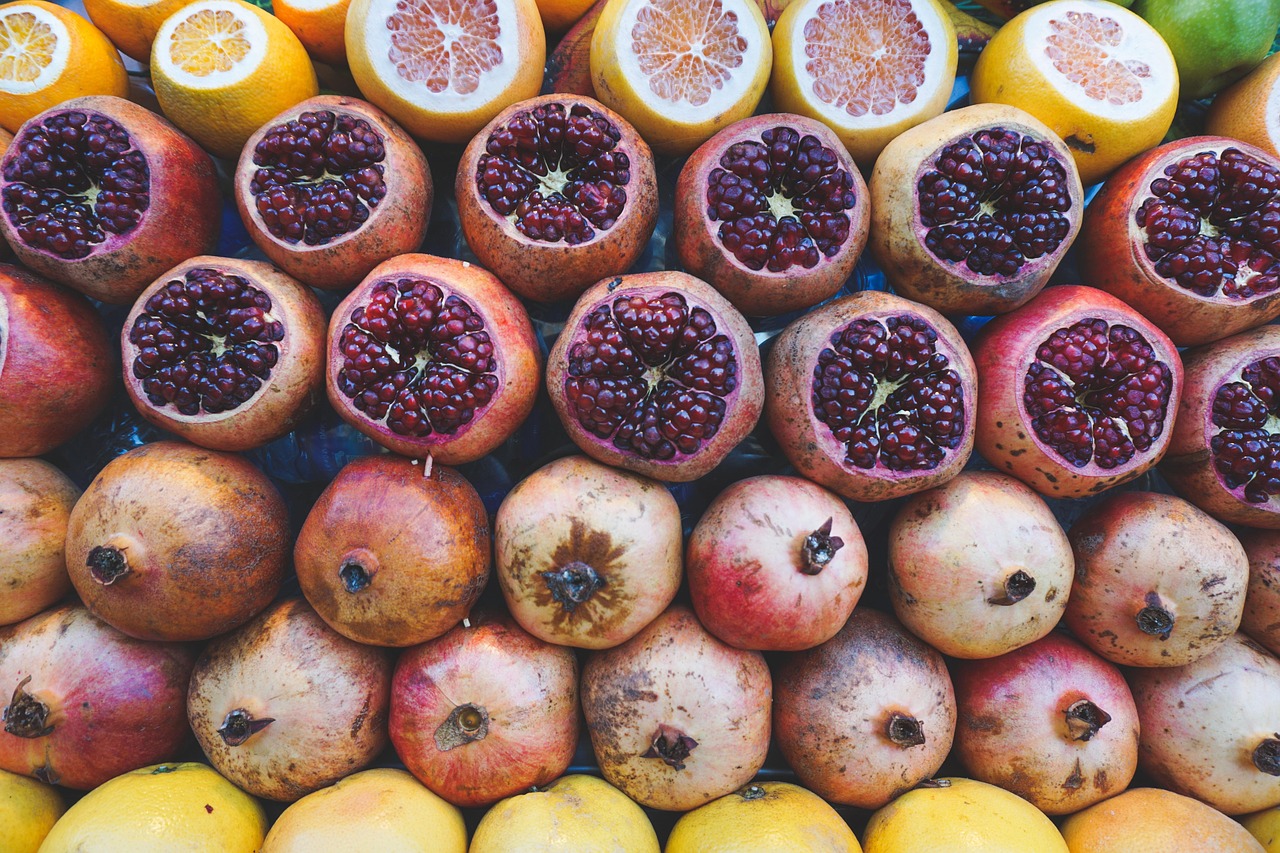
At 4:15 PM yesterday, I stopped at a stall near the Tünel entrance for a 90 TL pomegranate juice—the vendor took exactly 45 seconds to crush three heavy fruits into a cup of pure, tart energy. This refreshing sharpness is the perfect palate cleanser before heading to the Historical Börek Shops of Karaköy and Sarıyer with 2026 Prices and Ordering Tips to sample the buttery layers of Su Böreği.
Berk’s Insider Tip: If you are in Eminönü, skip the flashy boats and walk towards the small tables under the Galata Bridge; the fish is often fresher and the crowd is 90% locals.
How to experience an authentic Istanbul fish sandwich
To get the most out of this ritual without the tourist trap headache, follow these steps:
- Walk toward the Karaköy side of the Galata Bridge to find stalls that grill to order rather than in massive batches.
- Observe the grill to ensure they are using fresh red onions and plenty of greens, rather than just a lonely slice of lettuce.
- Request extra sumac and a heavy squeeze of lemon when the cook hands you the wrap or sandwich.
- Locate a juice or pickle vendor nearby and point to a cup of acılı (spicy) or acısız (mild) juice to accompany your meal.
- Find a small plastic stool on the sidewalk, sit down, and enjoy your meal while watching the ferries cross the Golden Horn.
Midye Dolma and the art of the ‘one more’ bite
Midye dolma is less of a snack and more of a psychological test of your willpower. These mussels, stuffed with aromatic black pepper rice, currants, and spices, are the undisputed kings of Istanbul’s late-night food scene. The etiquette is simple: you don’t buy a bag and walk away; you stand at the tray, and the vendor serves you one by one until you physically signal him to stop.
I remember a brisk Tuesday night last November in Kadıköy. I was heading home after a long shift, promising myself I’d only have a “quick five.” Twenty minutes later, I was still standing there, shells piling up in the trash bin, while the vendor expertly flicked a bit of lemon zest onto the tenth mussel. At 15 TL per piece (roughly $0.33), it is the most delicious trap in the city. If you are exploring the neighborhood on A Local’s Secret: A Walking Tour of Kadıköy and the Moda Coastline, you will see these trays every few meters—they are essential Turkish snacks for locals and visitors alike.
How to eat midye like a local
If you’re worried about hygiene—a valid concern with shellfish—the fix is easy: look for high turnover. Never eat from a tray that looks neglected or dry. For a guaranteed safe experience, visit Midyeci Ahmet in Beşiktaş; his shop is a local legend where the turnover is so fast the mussels barely have time to touch the ice.
To help you navigate these Turkish delicacies without looking like a total amateur, follow these steps:
- Wait for the squeeze – The vendor will crack the shell open for you; always let him squeeze the fresh lemon over the rice before you grab it.
- Use the “top shell” technique – Break off the top half of the shell and use it as a spoon to scoop the rice and mussel meat out of the bottom half.
- Pace yourself – Vendors are incredibly fast and will have the next one ready before you’ve even swallowed; don’t be afraid to hold up a hand to pause.
- Check the rice texture – The rice should be firm and peppery, never mushy or bland.
- Pay at the end – You don’t pay per mussel as you go; the vendor keeps a mental tally of how many you’ve eaten, and you settle the bill when you’re done.
Seasonal street stars: Roasted chestnuts and corn
The shifting of seasons in Istanbul isn’t marked by a calendar, but by the changing aroma wafting from the red-and-gold pushcarts on every corner. When the air turns crisp in late October, the smoky scent of Kestane Kebap (roasted chestnuts) begins to dominate the streets, signaling that the sweltering humidity of summer corn has finally retreated.
The Winter Heart-Warmer: Kestane Kebap
I’ve spent fifteen years walking these streets, and there is still no better hand-warmers than a small paper bag of freshly scored and roasted chestnuts. Last winter, while navigating the Beyazıt district, I stopped at a cart near the university gate just as a light drizzle started. For 80 TL (roughly 1.60 EUR), I got 100 grams of chestnuts that were charred on the outside but sweet and buttery within.
A common frustration for visitors is peeling a chestnut only to find it rock-hard or sticking to the fuzzy inner skin. To avoid this, look for vendors whose chestnuts have deep, wide “smiles” (the cuts made before roasting) and are steaming visibly. Avoid the pre-bagged ones sitting at the edge of the coal bed; they’ve likely gone cold and rubbery. Instead, wait the extra two minutes for the vendor to scoop them directly from the center of the heat.
The Summer Staple: Grilled vs. Boiled Corn
During the warmer months, corn is king, but there is a distinct divide in how you should order it. Most travelers are instinctively drawn to Közde Mısır—corn grilled over open coals. While the smoky aesthetic is great, the kernels can often be quite dry and flinty if the corn hasn’t been picked that very morning.
If you want a snack that is actually tender and sweet, I always recommend looking for the sign that says Süt Mısır (boiled “milk” corn). These are kept in steaming vats of water and are incredibly juicy. The vendor will pull a cob out, rub it with a bit of salt, and hand it to you in a husk. Whether you’re on Istiklal Avenue or strolling the Bosphorus, the boiled version is far more consistent in quality. If you find the grilled version too tough, just ask for “Süt” next time—it’s the local secret for a much better texture.
The price of a street feast in 2026
You can still eat like a king on the streets of Istanbul for less than the price of a generic airport sandwich, provided you know where the locals are tapping their cards. While inflation has certainly nudged prices up since I first moved here fifteen years ago, street food remains the city’s great equalizer. For a comprehensive afternoon “crawl”—spanning a savory wrap, a couple of snacks, and a drink—you should budget roughly 350 to 500 TL ($7.70–$11.10 / €7–€10). This is usually more than enough to leave you skipping dinner entirely.
Digital convenience vs. pocket change
The biggest shift I’ve seen recently is the ubiquity of contactless payments. Even the small midye (mussel) stands in Beşiktaş now have mobile terminals. Last week, I realized I’d left my wallet at home and managed to pay for a 120 TL balık ekmek (fish sandwich) in Eminönü using just my phone. However, don’t go entirely cashless. The independent simit vendors with their iconic red carts still operate on a “cash is king” basis. If you try to pay for a 25 TL simit with a card, you’ll likely get a polite but firm headshake. Always keep a few 10 and 20 TL notes tucked away for these quick curb-side transactions.
| Street Food Item | Price in TL | USD / EUR Equivalent |
|---|---|---|
| Simit (Sesame Bread) | 25 TL | $0.55 / €0.50 |
| Balık Ekmek (Fish Sandwich) | 120 TL | $2.65 / €2.40 |
| Midye Dolma (per piece) | 15 TL | $0.33 / €0.30 |
| Dürüm (Lamb or Chicken Wrap) | 160 TL | $3.55 / €3.20 |
Berk’s Insider Tip: Always carry a small pack of wet wipes. Balık ekmek and midye are messy affairs, and you won’t always find a sink nearby.
The end of the shift
Istanbul doesn’t reveal its best flavors to the people who spend their afternoon scrolling through review apps. It gives itself to the wanderers. The true heartbeat of this city isn’t found in a sanitized dining room; it’s in the steam rising from a nohutlu pilav cart at midnight or the sharp, vinegary kick of pickle juice shared on a crowded corner.
I remember a Tuesday last month, cutting through the side streets of Üsküdar just as the sun began to dip. I didn’t have a destination, but the scent of toasted sesame led me to a small bakery window where the simit were still warm enough to burn my fingertips. It cost me 25 TL—barely 0.50 EUR—but that crunch told me more about the neighborhood than any museum ever could. Sometimes the queue at a famous kiosk is just a distraction; the real magic is often three doors down where a local is quietly flipping gözleme without any fanfare.
Forget the map for an hour. Follow the trail of grilled mackerel or the sweet, heavy aroma of roasting chestnuts. Find a small stool at a tea house near the ferry docks, pay your 25 TL (0.50 EUR) for a glass of dark, steeped tea, and just watch the light change. As the sun sets over the Golden Horn, look closely at your glass. You’ll see the entire crimson skyline, minarets and all, reflected in that deep amber liquid. That’s the moment you stop being a visitor and start feeling the pulse of the city itself.
Comments
Share your thoughts with us