
Michelin and Gault Millau Guide Restaurants in Istanbul
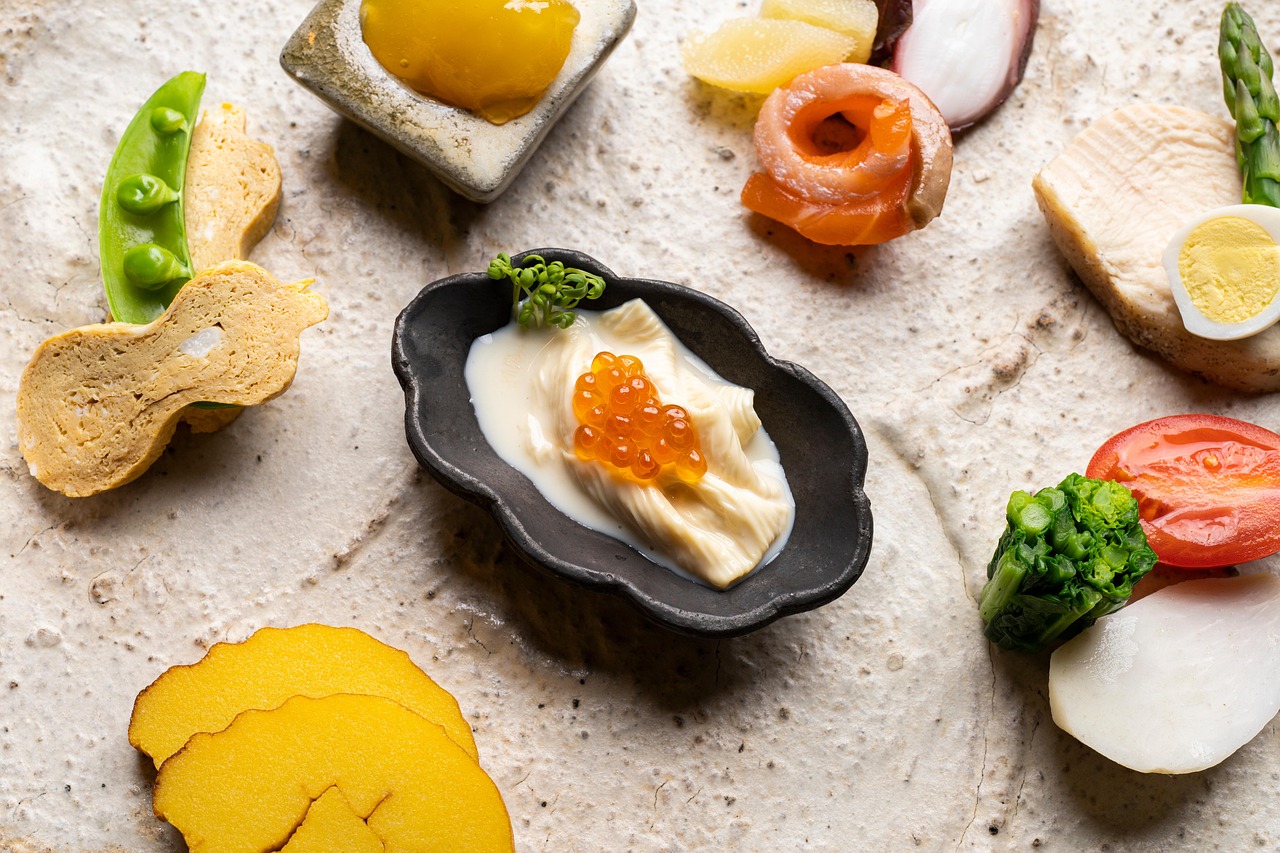
I remember a decade ago when ‘fine dining’ in Istanbul mostly meant a white tablecloth, a stiff-collared waiter, and a Bosphorus view that usually compensated for a rather uninspired sea bass. We ate for the scenery, not the plate. But walking through the mist of a damp Tuesday evening in Beyoğlu last March, I noticed something different. I stood outside a discreet entrance near the old Italian embassy around 8:00 PM, watching a chef meticulously arrange micro-greens with tweezers through a kitchen window. There was no gold-leafed signage, just a modest Michelin sticker on the glass. That night, a tasting menu cost me 4,000 TL—exactly 80 EUR— and for the first time in my fifteen years living here, the food actually outshone the sunset.
The arrival of the Michelin and Gault & Millau guides hasn’t just added stickers to doors; it has forced a long-overdue conversation about what Turkish soil and sea can actually do when stripped of tourist clichés. We are seeing a generation of chefs who spent years in Copenhagen or London coming home to rediscover forgotten Anatolian grains and Aegean herbs. The city’s culinary map has shifted from the predictable tourist hubs toward the residential corners of Yeniköy and the narrow alleys of Tomtom.
It isn’t always perfect, of course. Some spots still struggle with the pacing of a twelve-course meal, and you might find yourself waiting twenty minutes for a wine refill during the Friday night rush. If a place feels too clinical or the service seems robotic, I usually just strike up a conversation about the source of their olive oil; it tends to break the “fine dining” ice and reminds the staff that we’re here for the craft, not a performance.
TURK FATİH TUTAK Located in the somewhat industrial-feeling district of Bomonti, this is the city’s first two-star Michelin destination. Fatih Tutak doesn’t just cook; he reinterprets Turkish history. A signature dish here might involve a mushroom “manti” that tastes more like a forest floor than a pasta dish. Expect to spend around 7,500 TL (150 EUR) per person for the full experience. It is essential to book at least three weeks in advance, especially for weekend sittings.
NEOLOKAL Perched inside the SALT Galata building, Maksut Aşkar’s kitchen is a laboratory of “Anatolian heritage.” The view of the Golden Horn is spectacular, but the focus remains on endangered ingredients. The “Mother’s Porridge” is a revelation in texture. A typical dinner here, including local wine pairings, hovers around 5,500 TL (110 EUR). The tram to Karaköy followed by a short, steep walk up Bankalar Caddesi is the easiest way to arrive.
MIKLA Mehmet Gürs has been the standard-bearer for the “New Anatolian Kitchen” for years. Situated on the rooftop of the Marmara Pera Hotel, it’s one of the few places where the Gault & Millau high scores and Michelin stars feel like a natural evolution rather than a new trend. The dried beef with hummous is a staple that hasn’t lost its edge. Budget approximately 5,000 TL (100 EUR) for a three-course meal.
ARAKA In the quiet, northern neighborhood of Yeniköy, Chef Pınar Taşdemir runs a kitchen that feels deeply personal and floral. It’s a stark contrast to the masculine, meat-heavy traditions of the city. The focus on seasonal vegetables and wild herbs makes it a standout. A meal here is more approachable, often landing around 3,500 TL (70 EUR). Taking the 25E bus from Kabataş along the coast is a scenic way to get there, though a taxi is better if you’re running late for an 8:30 PM reservation.
NICOLE Found in the heart of Tomtom, this restaurant offers a contemporary take on Mediterranean flavors with a heavy Turkish accent. The terrace provides a silhouette of the Old City that remains unmatched. The tasting menus are known for their fluidity and balance. Prices usually sit around 4,500 TL (90 EUR). The cobblestone streets nearby can be tricky in heels, so wear sensible shoes for the walk from the Şişhane metro station.
TERUAR CURA A bit of a discreet establishment that has caught the eye of the guides for its commitment to local sourcing. It’s the kind of place where the chef might come out to explain exactly which village in the Aegean the goat cheese came from. It offers a more intimate, less “corporate” feel than some of the larger hotel-based fine dining spots. Expect to pay about 3,000 TL (60 USD / 67 EUR) for a very high-quality dinner.
The Vanguard of Turkish Gastronomy: Michelin Stars
Istanbul’s culinary identity has shifted from being a local secret to a global powerhouse, and the arrival of the red book proved that our chefs are no longer just cooking—they are narrating the history of Anatolia on a plate. For a long time, fine dining here felt like a pale imitation of Paris, but the current generation has embraced their roots with a confidence that is frankly infectious.
TURK Fatih Tutak stands alone as the city’s first and only two-star recipient, and for good reason. Fatih doesn’t just serve food; he deconstructs Turkish memories. His “Mother’s Dumplings” (Mantı) is a dish that usually brings a tear to the eye of any local who grew up in a Turkish household. However, do not expect to just “pop in.” I recently watched a hopeful couple from London try their luck at the door around 8:00 PM without a reservation. They were politely directed to a nearby kebab shop because TURK is consistently booked at least three weeks in advance. If you want to experience this, you must plan your trip around the booking calendar.
Moving into the heart of the city, Neolokal is where Maksut Aşkar treats Turkish heritage like a sacred trust. Located within the magnificent Salt Galata building, the focus here is on sustainability and “Mother Earth.” The tasting menu is a journey through endangered ingredients and forgotten regional recipes. If the price point—roughly 150 USD (6,750 TL) per person for a full experience—seems steep, remember you are paying for the preservation of a culture.
Berk’s Insider Tip: If you can’t get a dinner table at Neolokal, try booking a late lunch; the natural light hitting the Salt Galata building makes the experience even more poetic.
In the winding, stylish streets of Tomtom, Nicole offers a contemporary twist on traditional flavors. Chef Serkan Aksoy has mastered the art of balancing Turkish ingredients with refined techniques. Since the restaurant is located near the upper station of the Beyoğlu funicular and nostalgic tram routes with 2026 boarding tips, it’s the perfect end to a day of urban exploration.
Key Michelin Destinations in Istanbul
- TURK Fatih Tutak (2 Stars): The gold standard for modern Anatolian cuisine where traditional fermentation meets high-art presentation.
- Neolokal (1 Star + Green Star): Essential for those who value sustainability and the revival of ancient Anatolian seeds and recipes.
- Nicole (1 Star): Best for a quiet, sophisticated atmosphere in Tomtom, focusing on seasonal Aegean and Mediterranean produce.
- Arkestra (1 Star): A brilliant spot in Etiler where the vibe is as important as the food; it feels like a high-end 1970s listening room.
- Sankai by Nagaya (1 Star): An intimate Omakase experience that proves Istanbul can do world-class Japanese cuisine using local Bosphorus seafood.
- Araka (1 Star): Located in the quiet neighborhood of Yeniköy, Chef Pınar Taşdemir creates highly personal, vegetable-forward dishes that feel like a secret garden party.
Gault & Millau and the Rise of Technique
While Michelin often feels like a grand institution looking for perfection, Gault & Millau feels like a chef’s friend looking for soul and technical prowess. Since its arrival in Turkey, G&M has shone a light on “terroir”—the idea that a dish should tell you exactly where it came from. In Istanbul, this means judges are looking for how a chef treats the legendary turbot of the Black Sea or the wild herbs of the Aegean, rather than just how many servers are standing at attention.
Arkestra and the Etiler Scene
Chef Cenk Debensason has turned a 1960s residential villa in Etiler into Arkestra, a space that feels more like a chic listening room than a stiff dining hall. It earned high Gault & Millau toques because the technique is unapologetically French, but the ingredients are local. I remember sitting there last Tuesday around 8:30 PM; the place was buzzing, and the music—curated by Cenk himself—actually made the food taste better. Their roasted duck is a masterclass in skin crisping, but be prepared for the bill. A full tasting menu at these top-tier G&M spots currently averages around 6,000 TL (€120 / $133) excluding wine.
Precision at Sankai by Nagaya
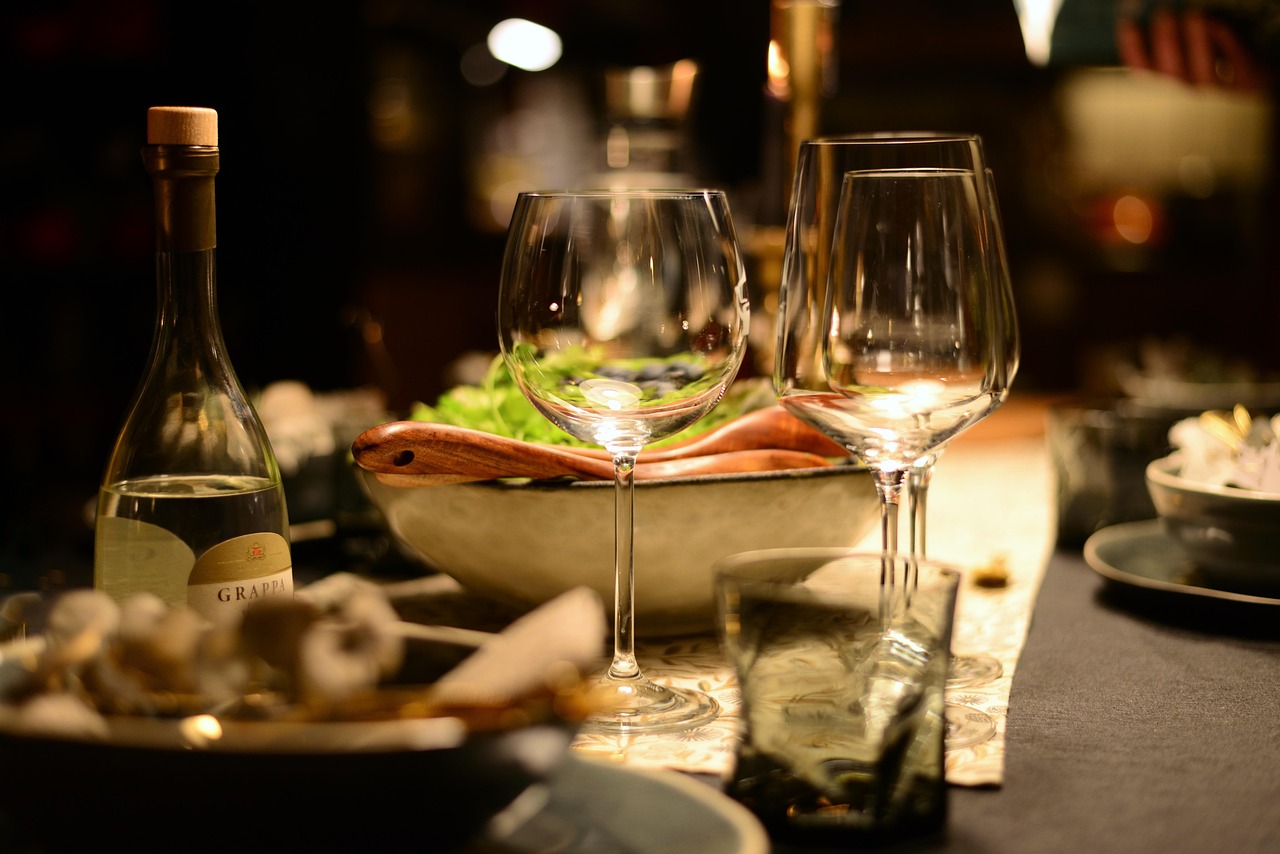
For those seeking surgical precision, Sankai by Nagaya offers a Japanese-Turkish fusion that is almost meditative. Located inside the Bebek Hotel, it’s a small, intimate space where the focus is entirely on the ingredient. G&M judges specifically lauded the way Japanese omakase techniques are applied to local Marmara seafood. For a day trip contrast to this modernity, visiting the Byzantine architecture and pottery museum at Tekfur Palace with 2026 entry prices reveals the city’s ancient craftsmanship roots.
Berk’s Insider Tip: For G&M favorites in Etiler like Arkestra, take a taxi from the M6 metro line rather than driving; the parking in that neighborhood is a nightmare that will ruin your appetite.
The Broader G&M Landscape
Beyond the big names, the guide has highlighted several spots where technique meets tradition:
- TURK by Fatih Tutak: While also a Michelin star holder, G&M celebrates Fatih’s research into ancient Turkic fermentation. The sourdough here is worth the trip alone.
- Alaf: Located in Kuruçeşme, Chef Murat Deniz Temel uses a massive wood-fired oven to elevate “nomadic cuisine.” It’s smoky, intense, and deeply rooted in Anatolian history.
- Mikla: The pioneer of the “New Anatolian Kitchen” remains a G&M staple. It’s easily accessible if you are navigating the city via the main metro and tram hubs.
- Avery: A newer entry that balances Mediterranean flavors with a breathtaking view of the Bosphorus.
If you find a restaurant with a G&M toque, you aren’t just paying for a meal; you’re paying for a chef’s specific, technical vision of what Turkish soil can produce. Just keep an eye on the clock; these spots often have strict seating times, and being 15 minutes late in Istanbul traffic can sometimes mean losing your table to the next person on the waitlist.
Bib Gourmand and Value Picks: High Quality Without the Price Tag
Michelin stars make for great headlines, but the Bib Gourmand category is where the most discerning diners in Istanbul actually spend their time and money. This selection focuses on “high quality, high value,” which in a city as dynamic as ours, means you get world-class flavors without the stiff atmosphere or the eye-watering bill. I’ve always found that the best meals in Istanbul happen when a chef prioritizes the ingredient over the ego.
Aheste: Modernity in the Heart of Pera
If you want to understand how the “New Istanbul” eats, you go to Aheste. Tucked away in the narrow, historic streets of Pera, this place is a masterclass in modern meze culture. I usually head to Aheste around 7:00 PM on a Tuesday to beat the rush; any later and the buzz of the crowd makes it hard to focus on the food. The lamb confit here is a revelation—slow-cooked until it practically melts, yet retaining that deep, earthy Anatolian character. Expect to pay around 1,250 TL (25 EUR) for a selection of mezes that will easily satisfy two people.
Pandeli: A Turquoise Time Capsule
Located just above the main entrance of the Mısır Çarşısı (Spice Bazaar), Pandeli is a legendary institution. Walking up those winding stairs is like stepping back to 1901. I remember stopping by Karaköy Lokantası last Tuesday at 1:15 PM. There was a queue of five people, but the host recognized me and squeezed me onto a corner stool within ten minutes. I ordered the grilled octopus for 650 TL, and the texture was exactly as buttery as it was three years ago. The walls are covered in stunning turquoise Iznik tiles that have seen everyone from Audrey Hepburn to Mustafa Kemal Atatürk. You must order the roasted eggplant pie with lamb—it’s the definitive version of this dish.
Aman da Bravo: Bebek’s Creative Edge
For something more contemporary, I suggest heading to the hills of Bebek. Aman da Bravo feels like a hidden garden party. They specialize in seasonal small plates that rotate constantly. Their approach to Turkish ingredients is playful; they might take a classic seafood dish and give it a citrusy, modern twist that you won’t find in a traditional meyhane.
Other Top Value Picks for Gourmet Diners:
- Giritli (Sultanahmet): Known for its incredible fixed-price seafood menu. For about 2,250 TL (45 EUR), you get an endless parade of Cretan-style mezes in a charming courtyard near the Byzantine floor mosaics at the Great Palace Mosaic Museum with Arasta Bazaar route tips and 2026 prices.
- Karaköy Lokantası (Karaköy): The blue tiles here are iconic. It’s a classic tradesman restaurant by day and a high-end meyhane by night. Their grilled octopus is consistently perfect.
- SADE Beş Denizler Mutfağı (Nişantaşı): This is where you go for a deep dive into Anatolian regional cooking. They focus on the “Five Seas” geography, serving dishes like Kilis Tava that are hard to find in such a refined setting.
- Tershane (Karaköy): Located on a rooftop with a sweeping view of the Golden Horn. It’s a “New Generation Ocakbaşı” where the kebabs are treated with fine-dining respect.
- Alaf (Kuruçeşme): A “nomadic” kitchen that uses wood-fired ovens for almost everything. The flavors are smoky, bold, and deeply rooted in rural Turkish traditions.
The Bosphorus Fine Dining Circuit
Fine dining in Istanbul is a visual game as much as a culinary one; if a restaurant doesn’t offer a view of the water or the minaret-dotted skyline, it better have a world-class hearth to compensate. The city’s Michelin-starred and Gault Millau-rated spots are concentrated where the land meets the sea, offering a sophisticated take on Anatolian ingredients that goes far beyond the kebab-and-meze stereotype.
Mikla: The Standard-Bearer
Located atop The Marmara Pera, Mikla is the brainchild of Mehmet Gürs and remains the most influential “New Anatolian Kitchen” in the country. The menu focuses on noble ingredients sourced from small producers across Turkey. One might find dried beef from the highlands or ancient grains like siyez turned into delicate risottos. The rooftop terrace can get quite breezy, even in summer—I’ve seen many diners shivering over their monkfish because they underestimated the Marmara wind. Bring a light pashmina or jacket.
Mürver: Fire and Smoke
On the Karaköy waterfront, Mürver celebrates the primal art of live-fire cooking. Everything here, from the octopus to the sourdough, touches the wood flames. Last August, I took the 6:30 PM ferry from Eminönü to Karaköy just to catch the sunset before dinner here. The boat cost 20 TL and the walk past the Nusretiye Mosque and the Tophane Waterfront with Practical Visiting Tips took exactly eight minutes. I made the mistake of not wearing a jacket; the Bosphorus wind at the rooftop table was sharp. If you prefer a quieter evening, request a table on the far edge of the terrace where you can watch the Bosphorus Ferry Tour: Istanbul boats glide past.
Sunset Grill & Bar: The Consistent Classic
Sunset Grill & Bar has maintained its G&M status for decades by evolving. While it started as a steakhouse, it now seamlessly blends Mediterranean flavors with a dedicated sushi bar. It sits high in the hills of Ulus, providing one of the most expansive views of the bridge. It is a “see and be seen” spot, so the dress code is strictly smart-casual. If you find the valet line too long (it often is on Friday nights), take a taxi from the Zincirlikuyu metrobus hub to avoid the parking headache.
Essential Stops for the Discerning Palate
Beyond the big names, several other establishments have earned their place in the guides through sheer consistency:
- Neolokal: Situated in the Salt Galata building, Maksut Aşkar turns forgotten Anatolian recipes into edible art. The view of the Old City is unmatched.
- Arkestra: A relative newcomer in Etiler that feels like a chic 1960s Parisian bistro. The duck confit is a standout.
- Aila: Located in the Fairmont Quasar, this spot specializes in “refined meze.” The muhammara here is arguably the best in the city. A full dinner here typically runs about 3,500 TL (70 EUR or approx. 77 USD).
- Aman da Bravo: Hidden in Bebeköy, this restaurant offers a modern, playful take on seasonal ingredients in a lush, garden-like setting. It’s the perfect escape from the coastal traffic.
Navigating Reservations and Etiquette
Your table at Istanbul’s elite dining rooms isn’t truly guaranteed until you say so twice. In a city where the “no-show” culture used to be a headache for chefs, the top-tier establishments have become strictly business. I once watched a couple arrive at Mikla at 8:00 PM, fully dressed and hungry, only to be told their table had been given away because they hadn’t replied to a confirmation WhatsApp sent at noon. It’s a harsh lesson, but in the world of Istanbul fine dining, the 24-hour confirmation is non-negotiable.
The Cost of the Empty Chair
The reservation policy at almost every Michelin-starred or Gault Millau-listed venue now involves a credit card deposit. Expect a cancellation fee of roughly 1,500 TL (€30 / $33) per person if you fail to show up or cancel within 24 to 48 hours of your slot. If you are coming from Sultanahmet or the Asian side, give yourself an extra hour for transport; a 15-minute delay is usually tolerated, but beyond that, you risk losing both your table and your deposit.
Dressing the Part
While Istanbul’s fashion scene is becoming more relaxed, Istanbul service culture at these heights still commands respect. Leave the flip-flops and cargo shorts for your ferry trip to the Princes’ Islands. A smart casual approach is the minimum requirement. For men, this means a collared shirt or a high-quality knit; for women, a sleek dress or tailored trousers. You don’t need a tuxedo, but showing effort ensures you get the “good” table rather than the one tucked near the kitchen door.
Beyond the Stars: Essential Recommendations
If the big-name stars are fully booked, these Gault Millau and Michelin-recommended spots offer equally profound experiences:
- Aheste (Pera): Located in a historic building, this spot reimagines the meze tradition with modern flair. The tasting menu (approx. 3,500 TL / €70) is a journey through Pera’s multicultural history.
- Mürver (Karaköy): Perched atop the Novotel, everything here is kissed by fire. The open wood grill produces incredible octopus and lamb.
- Sankai by Nagaya (Bebek): For those seeking Japanese precision in Istanbul. This 6-seat boutique Omakase room inside Bebek Hotel is intimate and requires booking weeks in advance.
- Karaköy Lokantası (Karaköy): The turquoise tiles are iconic, but the grilled sea bass and mezes are the real stars. It transitions from a busy lunch spot to a sophisticated meyhane at night.
- Arkestra (Etiler): A 1920s villa turned into a culinary powerhouse. Chef Cenk Debensason fuses French techniques with global flavors in a space that feels like a private club.
- Alaf (Kuruçeşme): A “nomadic” kitchen where Chef Murat Deniz Temel explores Anatolian roots. The rooftop view of the Bosphorus paired with wood-fired sourdough is unbeatable.
- Nicole (Tomtom): High-concept dining with one of the best views of the Old City. The tasting menus are seasonal and lean heavily on French-Turkish fusion.
Berk’s Insider Tip: Always check if the ‘service charge’ is included. In these high-end spots, it is usually 10-15%, but a small extra tip for exceptional service is still the local custom.
FAQ: Istanbul Fine Dining Logistics
Do I really need to book weeks in advance?
For venues like Turk Fatih Tutak or Neolokal, yes. Generally, a 14-day lead time is safe for weekends. However, for mid-week lunch slots at places like Karaköy Lokantası, you can often snag a table 2-3 days prior. Always use the online booking systems (ResDiary or SevenRooms) as they are more reliable than calling.
What should I do if I have dietary restrictions?
Istanbul chefs are increasingly accommodating, but “hidden” ingredients like lamb fat or walnuts are common. Mention your allergies during the booking process and remind the server immediately upon seating. At high-end spots like Aheste, the kitchen is well-versed in dairy-free or vegetarian adaptations if warned 24 hours in advance.
Is there a strict “no children” policy?
Most Michelin-level spots don’t have a formal ban, but they aren’t “family-friendly” in the traditional sense. These are quiet, atmospheric spaces. If you’re traveling with kids, Mürver is a better choice due to its larger terrace and higher ambient noise, whereas Sankai by Nagaya is strictly for adults due to its size.
Conclusion
Beyond the big names that dominate the headlines, Istanbul’s culinary landscape is teeming with chefs who treat the Michelin and Gault & Millau guides not as a finish line, but as a starting point. To truly see what this city can do, you have to look toward the kitchens that balance heritage with a bit of creative rebellion.
Aret’in Yeri in Beyoğlu offers a masterclass in the modern meyhane experience. While it holds a Michelin Bib Gourmand, it remains a local secret for those who value the quality of the meze over the flash of the decor. The grilled octopus and their signature spicy sea bass are standout dishes. A dinner here typically runs around 2,500 TL (50 EUR / 55 USD) per person, including local spirits.
Arkestra in Etiler, led by Chef Cenk Debensason, feels like a sophisticated time capsule. The restaurant, set in a 1960s villa, blends European techniques with global flavors. Their tuna crudo with ginger and lime is an essential order. It’s a popular spot for the city’s creative crowd, so booking at least a week in advance is necessary. Expect a bill of approximately 4,500 TL (90 EUR / 100 USD) for a full tasting experience.
Sankai by Nagaya provides an intimate, high-end bridge between Tokyo and the Bosphorus. Located within a boutique hotel in Bebek, this spot offers an omakase menu that utilizes the best of the local catch through a Japanese lens. It is one of the more expensive options in the city, with menus starting around 9,000 TL (180 EUR / 200 USD), but the precision is unmatched.
Mürver in Karaköy focuses on the elemental power of fire. Almost everything here touches a wood-fired oven or an open flame. Their “Thracian Lamb” is legendary among locals who want a refined take on traditional flavors. The terrace view over the Old City is spectacular, but even if the weather is bad, the indoor seating near the open kitchen provides its own theater.
Aşeka in the backstreets of Karaköy is another gem that deserves more attention. It’s housed in a beautifully restored 19th-century building and focuses on seasonal ingredients. The duck confit and their sourdough-based starters are exceptional. It’s a quieter, more intellectual dining experience compared to the high-energy spots on the Bosphorus.
While these international accolades are relatively new to our shores, the soul of these restaurants is rooted in a culture of hospitality that has existed for centuries. In Istanbul, the “chef” is often just a modern term for someone who treats a guest like a long-lost friend. These menus are sophisticated, yes, but the warmth behind them is the same warmth you’d find in a village kitchen in Anatolia.
Step out of your comfort zone. If a menu offers a “modern interpretation” of a dish you don’t recognize, order it. I remember walking into Yeni Lokanta on a drizzly Tuesday last November without a reservation at 7:00 PM. The place was packed, and usually, that means a short “sorry” and a door closed. Instead, the manager noticed I was shivering, sat me at the very edge of the bar, and brought a small cup of warm spiced pumpkin soup while I waited for a stool to open up. He didn’t do it because I was a critic; he did it because I was at his door. That is the Istanbul standard you should look for—the star on the wall is just a bonus.
Comments
Share your thoughts with us