Kurtuluş is loud and the sidewalks are broken but you should stay there anyway
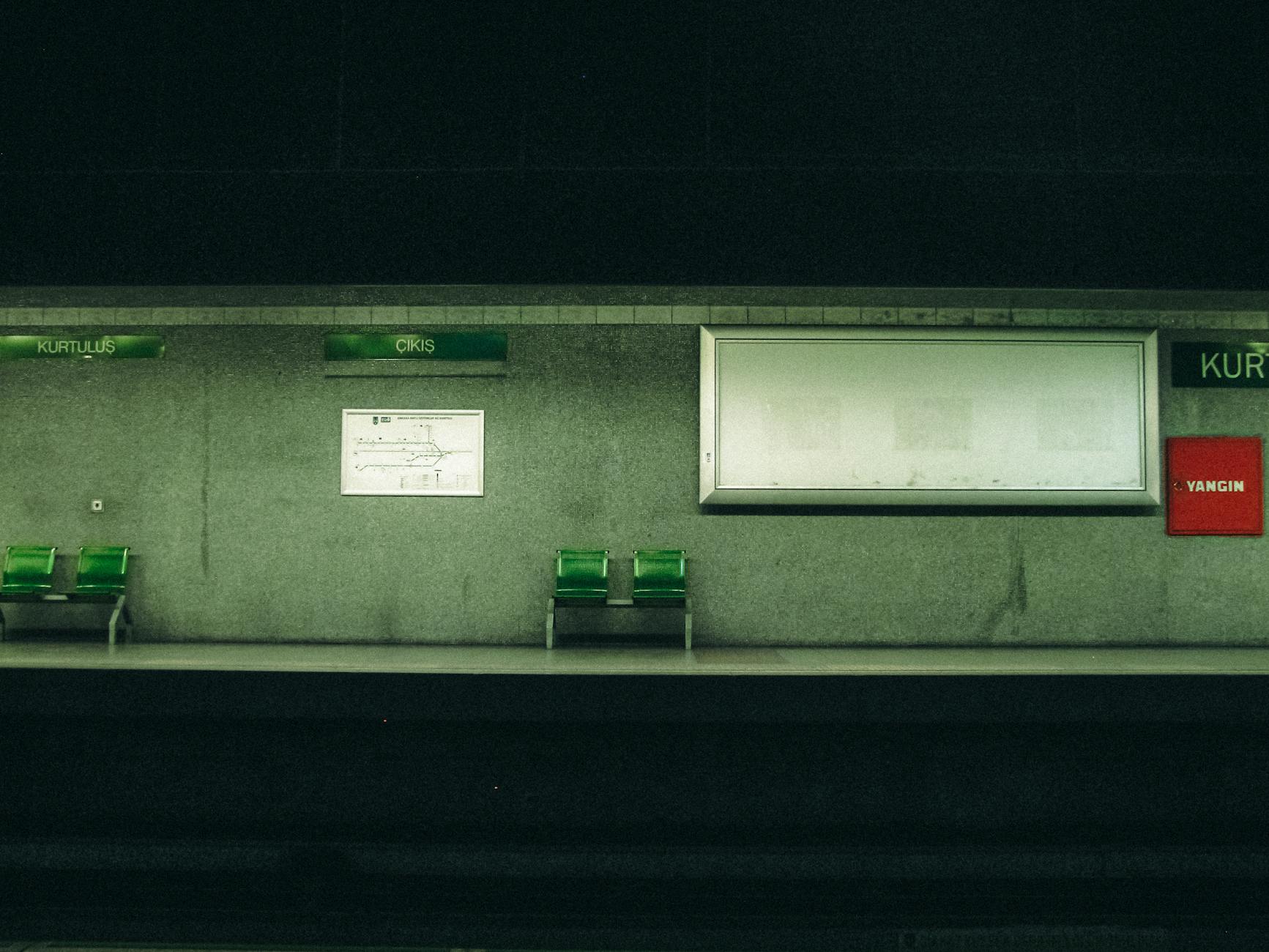
The first thing you’ll notice in Kurtuluş isn’t the architecture. It’s the screech of a rusted Fiat Punto laying on its horn because a delivery scooter is blocking a sidewalk that’s already half-disintegrated. It’s loud. It smells like a mix of heavy diesel exhaust and grease-soaked dough. Most tourists take one look at the cracked pavement and the stray cats fighting over a bag of scraps and run straight back to their sterilized, soul-sucking hotels in Beyoğlu.
Their loss.
I’ve lived in Istanbul for fifteen years, and Kurtuluş is the only neighborhood left that hasn’t been polished into a fake museum exhibit for people with selfie sticks. It’s ugly in the best way possible. The sidewalks are a genuine hazard. The hills are brutal. But while the crowds are getting fleeced for overpriced tea elsewhere, I’m sitting at a tiny table where the waiter knows I hate sugar and doesn’t even bother asking anymore. It’s messy. It’s chaotic. It’s the only place in this city that still feels human. Seriously, if you want a postcard, stay in Sultanahmet. If you want to actually see how we survive this city, you come here.
Why Kurtuluş feels like the last real neighborhood
Kurtuluş is the only place left in central Istanbul that doesn’t give a damn if you’re there or not. It isn’t trying to sell you a fake carpet, a watered-down cocktail, or a “traditional” dance show that no Turk has ever actually watched. While the rest of the city slowly turns into a sanitized, plastic theme park for influencers, Kurtuluş remains stubbornly, gloriously messy. I’ve lived in this city for 15 years, and I’ve watched Beyoğlu lose its soul to chain stores and Cihangir turn into a pretentious bubble of overpriced avocado toast. But Kurtuluş? It’s still just Kurtuluş.
The beautiful disaster of the streets
If you’re the kind of person who needs smooth pavement and wide boulevards, stay in Nişantaşı. Seriously. Kurtuluş will break your ankles. The sidewalks are a chaotic disaster of cracked tiles, loose stones that squirt muddy water on your shoes when it rains, and delivery scooters that treat the pedestrian path like a drag strip. It’s loud. It’s cramped. Every morning at 7:00 AM, I’m woken up by the guys yelling about scrap metal or the sheer volume of four people arguing over the price of tomatoes.
The streets were never meant for this many people or cars. It’s a grid of narrow canyons where the laundry hangs from balconies and neighbors still lower baskets on ropes to the grocery store below. It’s claustrophobic. And I love it. Why? Because it’s functional. This isn’t a “district” designed for “local living” by a marketing firm; it’s a machine for surviving the city. You walk out of your door and you’re immediately shoved into the flow of real life. No filters. Just the smell of exhaust mixed with the scent of fresh pide from the 50-year-old bakery on the corner.
Ghosts of Tatavla
To understand why this place feels different, you have to stop calling it just a neighborhood and acknowledge it was Tatavla. For centuries, this was the Greek—or Rum—heart of the city. It was a working-class stronghold, a place of taverns and carnivals. After the mid-20th century, the demographics shifted, but the DNA stayed. You can still feel the weight of the middle-class Ermeni (Armenian) and Rum families who built these solid, high-ceilinged apartment blocks.
I remember talking to an old shopkeeper near Pangaltı who told me about the Baklahorani carnival. It’s gone now, mostly, but that spirit of being “apart” from the rest of the city remains. You see it in the way people talk to each other. There’s a specific urbanity here—a politeness that’s a bit gruff but deeply rooted. It’s not the fake “customer service” smile you get in Sultanahmet. It’s the nod from the guy who has sold you olives for 10 years. He knows your name, he knows your coffee order, and he’ll definitely tell you if you look tired.
The glorious absence of ‘sights’
The best thing about Kurtuluş is that there is absolutely nothing to see. There are no “must-visit” palaces. No “stunning” mosques that require you to wait in line for two hours. No museums with overpriced gift shops.
When people ask me what they should do here, I tell them to buy a newspaper, find a stool at a tea house, and watch the chaos. That’s the “sight.” The lack of tourist attractions is a protective shield. It keeps the tour buses away. It keeps the “I Heart Istanbul” t-shirt shops out. When you stay here, you aren’t a spectator; you’re just another person trying to navigate the broken sidewalk without tripping. It’s authentic because it’s mundane. It’s the last place where you can actually hear the city breathe, even if that breath smells a bit like car fumes and toasted sesame.
Kurtuluş vs Sultanahmet: A comparison for travelers
Staying in Sultanahmet is a massive mistake if you actually want to see how we live in this city. It’s a staged museum for people who are afraid of dirt and want their Turkey served on a silver platter with a side of “authentic” belly dancing. Total theater. I’ve lived in Istanbul for 15 years, and I can count on one hand the number of times I’ve gone to the Old City for anything other than a mandatory visit with a relative who’s never left their hometown. It’s a ghost town of overpriced hotels and carpet shops once the sun goes down. Kurtuluş? It never shuts up. It’s messy, the trash cans overflow by 10 PM, and you’ll probably twist your ankle on a loose paving stone, but it’s real.
The Cost of a “Smile” vs. Reality
Let’s talk about the money. I went to Sultanahmet last month because a friend was staying there—against my advice—and we stopped for two Turkish coffees. 240 TL. For two tiny cups of brown sludge. I almost threw the bill back at the waiter, who had been hovering over us with a fake, predatory grin for 20 minutes. He wasn’t being nice; he was calculating his tip.
In Kurtuluş, I go to the same “kahvehane” every morning. I pay 40 TL. The guy behind the counter doesn’t smile. He doesn’t ask me where I’m from. He just hands me my coffee because he knows I take it “sade” (plain). That’s the best neighborhoods to stay Istanbul experience: being treated like a human, not a walking ATM. In Sultanahmet, you’re paying a 300% markup for the privilege of being surrounded by other tourists. It’s a bubble. A boring, expensive bubble.
| Feature | Sultanahmet (The “Disney” Version) | Kurtuluş (The Real Deal) |
|---|---|---|
| Turkish Coffee | 120 TL + 10% “Service Fee” | 40 TL (No BS) |
| Evening Sound | Distant sirens and overpriced silence | Backgammon pieces and street cats fighting |
| Sidewalk Quality | Manicured and fake | A literal obstacle course of broken concrete |
| Dinner | Frozen kebabs for 600 TL | Fresh meze and Rakı until 2 AM |
| Human Contact | ”My friend, come look at my rugs!” | A nod from the local butcher |
The Noise: Prayer vs. People
People complain that Kurtuluş is loud. They aren’t lying. It’s deafening. But it’s a different kind of loud than the tourist zones. In Sultanahmet, the Call to Prayer is cranked up to 11 on massive speakers specifically to give the tourists a “spiritual” moment they can record on their phones. It feels performative.
Kurtuluş is loud because 10,000 people are trying to live their lives in 2 square kilometers. You’ll hear the “eskici” (junk collector) shouting about old refrigerators at 9 AM. You’ll hear the local “teyze” (auntie) yelling from her third-floor balcony to the grocer across the street. It’s a cacophony of life. I’d rather hear a guy screaming about scrap metal than a tour guide explaining the Blue Mosque for the 50th time that hour. Seriously. If you want silence, go to a library. If you want Istanbul, you stay where the noise has a heartbeat.
Escaping the Sultanahmet Bubble
I always tell my friends that the local vibe is something you can’t find near the Hagia Sophia. That area has been scrubbed clean of its soul to make room for souvenir shops selling “Evil Eye” magnets made in China. Kurtuluş, meanwhile, still smells like exhaust and roasting chestnuts and the occasional whiff of a clogged drain. It’s honest.
I remember walking home one night in Kurtuluş after a particularly long session at a “meyhane”. I tripped over a literal hole in the sidewalk near the organic market. A guy washing his car at 1 AM just looked at me, grunted, and handed me a rag to wipe the grease off my hand. No “Where are you from?”, no “Do you want to see my shop?”. Just a guy helping a guy. You don’t get that in the tourist traps. There, if you fall, someone will probably try to sell you a band-aid for 5 Euros.
The “Owner Knows Your Name” Factor
In the Old City, you are a ghost. You pass through, you spend your dollars, and you’re forgotten before your flight even leaves the tarmac. In Kurtuluş, if you stay for four days, the guy at the “tekel” (liquor store) will start remembering which beer you like. The lady at the bakery will give you an extra “poğaça” because it’s the end of the day and she doesn’t want it to go to waste.
It’s not “charming” in a postcard way. It’s gritty. The buildings are covered in soot and the traffic is absolute hell. Trying to cross the main street is a death-defying act. But when you finally sit down at a table in a backstreet bar and the waiter just brings you a glass of water without you asking, you realize why we live here. We aren’t here for the monuments. We’re here for the mess.
Public transport and getting to the Osmanbey Metro
If you think you’re going to rely on taxis in Kurtuluş, you’ve already lost the game. Forget about the yellow cars. They’re a trap. Between the drivers who “don’t go that way” and the soul-crushing gridlock, you’re better off on your own two feet. This neighborhood belongs to the pedestrians and the metro-dwellers.
The uphill battle from Osmanbey station
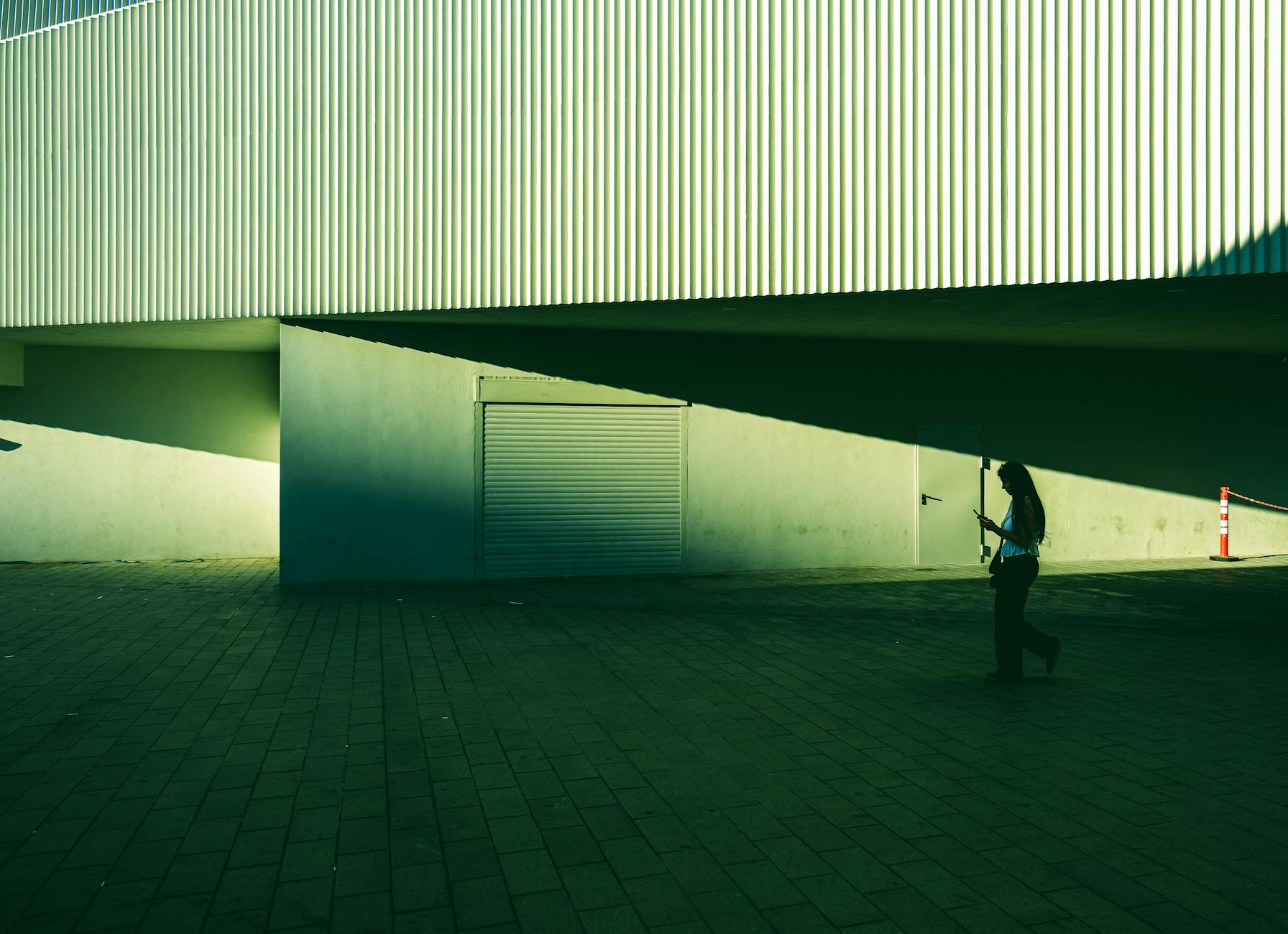
The Osmanbey station is your gateway to the rest of the city. It’s on the M2 Metro line, which is the only part of Istanbul public transport I actually trust. But here’s the reality: getting from the platform to your apartment in Kurtuluş is a workout.
You take the “Pangaltı/Ergenekon” exit. Then, you climb. The sidewalk on Ergenekon Caddesi is a disaster zone of loose paving stones that squirt muddy water on your shoes if it rained three days ago. I’ve lived here for 15 years and I still trip over the same broken curb near the jewelry shop. It’s steep. You’ll be dodging delivery scooters and old Greek ladies who move surprisingly fast. If you’re carrying a suitcase, I feel for you. I really do. You’ll arrive at your Airbnb sweating and questioning why you didn’t just stay in a boring hotel in Levent.
Survival on the 70KY bus line
If you’re feeling lazy or the hills have finally broken your spirit, there’s the 70KY bus. It runs from Yenikapı through Taksim and right into the heart of Kurtuluş.
- Load your Istanbulkart: Don’t be the idiot trying to pay the driver with cash. He will yell at you. Use the machines at the metro entrance.
- The Smell: In July, the 70KY smells like desperation and cheap cologne. Embrace it.
- The Drivers: These guys drive like they’re auditioning for a Fast & Furious sequel. Hold the yellow grab handles like your life depends on it. Because it might.
- The Route: It winds through backstreets that look too narrow for a bicycle, let alone a massive public bus. It’s impressive, in a terrifying way.
I remember taking the 70KY once during a snowstorm. The bus got stuck halfway up the hill near the old mosque. We all had to get out and push. Did the driver thank us? No. He lit a cigarette and told us to hurry up. That’s the Kurtuluş spirit.
Why taxis are a death sentence for your schedule
I hate the afternoon traffic here with a passion that borders on pathological. From 4 PM onwards, Kurtuluş Caddesi transforms into a parking lot. Taking a taxi during this window is a rookie mistake. You’ll sit there watching the meter tick up while you stare at a pile of uncollected trash on the corner.
The noise is incredible. Not “vibrant” noise—I mean the sound of 50 frustrated men leaning on their horns for no reason. It won’t make the cars move, but they do it anyway. If you absolutely must get to Taksim or Şişli, use the metro. It’s two stops to Taksim. 6 minutes. Compare that to 40 minutes in a taxi smelling of stale smoke and “Pine” air freshener.
Berk’s Insider Tip: Avoid Kurtuluş Caddesi during rush hour (5 PM to 8 PM). It becomes a parking lot. Walk through the backstreets instead, even if the hills kill your calves.
Seriously, just walk. You’ll see more, you’ll burn off that extra lahmacun, and you won’t end up wanting to punch a taxi dashboard. Plus, the backstreets have way better cats to pet.
Best bakeries and meze shops in the district
If you don’t eat the spinach börek at Nazar Börek, you’ve basically wasted your entire trip to Istanbul. Seriously. I don’t care if you have a reservation at some fancy rooftop place in Beyoğlu later; cancel it if you have to, but get yourself to this tiny, grease-stained altar of phyllo dough.
I was there last Tuesday, standing on a sidewalk so narrow I had to press my back against a damp wall just to let a delivery scooter squeeze past. The exhaust fumes were thick, and someone had left a leaking trash bag about three feet from the entrance. It smelled like wet cardboard and old diesel. But then, the door opened. That smell? That’s 40 years of butter and tradition hitting you in the face.
Nazar isn’t “pretty.” It’s a cramped room with maybe three tables and a guy who looks like he hasn’t slept since the 90s. He doesn’t smile. He doesn’t need to. He just hacks a square of Börek onto a plate and stares at you until you pay. The pastry is so crisp it shatters like glass, and the spinach inside actually tastes like something grown in dirt, not a plastic bag. I’ve lived here for 15 years, and I still get a little emotional when I take that first bite.
The Salt and the Sea: Lakerda
If you want to understand why Kurtuluş feels different from the rest of the city, you have to look at the fish. Not the fried stuff they shove at you by the Galata Bridge—that’s for people who enjoy being yelled at by waiters in vests. I’m talking about Lakerda.
Go to the old meze shops on the main drag. There are a couple that have been there for 60 years, owned by families who stayed when everyone else was leaving. These places are shrines to the Greek-Orthodox heritage of the neighborhood. You’ll see jars of pickles that look like science experiments, but trust me, they’re gold.
I buy my lakerda—salted bonito—from a guy who barely acknowledges I exist. It’s expensive. It’s salty. It’s an acquired taste that some people describe as “eating a sea-flavored block of butter.” I love it. You slice it thin, put it on a piece of toasted sourdough, and add some red onion. That’s it. It’s a flavor that has survived riots, economic collapses, and the slow creep of gentrification. It’s stubborn food.
While most tourists are off looking at golden mosaics in some other part of town, I’d rather spend my afternoon arguing with a shopkeeper about whether the brine in his peppers is too acidic this year. That’s real Istanbul. It’s not a museum; it’s a living, breathing, slightly grumpy conversation.
The Smell of Mahlep
You can’t talk about Kurtuluş without talking about Paskalya çöreği. This is the braided Easter bread that defines the district’s soul. Most places in Istanbul sell a version of it, but they’re usually dry, tasteless loaves that feel like eating a sponge.
In Kurtuluş, it’s different. The secret is mahlep—a spice made from ground cherry pits. It’s sweet, nutty, and slightly medicinal. When the ovens start up in the morning, the whole street smells like it. It’s the only thing that makes the 7 AM construction noise bearable.
Berk’s Insider Tip: The Greek bakery on the corner doesn’t have a sign you’ll recognize, but if you smell mahlep at 7 AM, just go inside and point at the braided bread.
I remember one morning, the fog was so thick you couldn’t see the end of the street, and the sidewalk was slick with rain. I ducked into a bakery, and the heat from the ovens almost knocked me over. I bought a loaf of Paskalya çöreği so hot it burned through the paper bag. I ate it while walking, getting crumbs all over my coat, and I didn’t care. That bread is a bridge to a version of Istanbul that is slowly disappearing—a place where the Greek, Armenian, and Turkish neighbors all shared the same oven.
Meze and the Art of the Long Dinner
Dinner here isn’t a meal; it’s an endurance sport. You need to find a place like Despina. It’s legendary for a reason. Don’t expect “fusion” or anything “elevated.” If a menu uses the word “deconstructed,” run away.
At a real Kurtuluş meyhane, you want the classics. Cold Meze dishes brought out on a tray. Roasted peppers in garlic oil that will make your breath a biohazard for three days. Creamy haydari. And the lakerda, obviously.
I once spent five hours at a table there with three friends and four bottles of Rakı. The waiter ignored us for the first hour, then treated us like long-lost cousins once he realized we weren’t going to complain about the loud music from the car parked outside. The floor was uneven, my chair wobbled, and the air was thick with cigarette smoke from the “outdoor” section that was definitely just indoors with a window cracked open. It was perfect.
This neighborhood doesn’t try to impress you. It doesn’t have the polished edges of Nişantaşı or the “cool” factor of Kadıköy. It’s just Kurtuluş. It’s loud, the sidewalks are a death trap, and the shopkeepers are cranky. But the food? The food has teeth. It stays with you.

The Feriköy Antique Market on Sundays
If you show up at the Feriköy market looking for a curated boutique experience, you’re going to hate every second of it. This isn’t some sanitized flea market in London or Paris where everything is polished and priced for tourists. It’s a concrete car park in Bomonti that smells like old paper, damp wool, and frying dough. You will get shoved. You will get dusty. You will probably overpay for something that doesn’t even work once you get it home. And honestly? That’s exactly why I love it.
Saturday’s “Organic” Lie
Before we talk about the antiques, let’s get one thing straight: avoid the Saturday organic market unless you enjoy paying four times the price for a cucumber just because it has some dirt on it. I’ve lived in this city for 15 years, and the Saturday crowd in Feriköy drives me insane. It’s full of people from the fancy parts of Bomonti wearing linen outfits, trying to act like they’re “supporting local farmers” while buying overpriced avocados. It’s a gentrification trap. The prices are offensive, and the vibe is far too self-conscious for my taste. If you want vegetables, go to the local street markets on any other day. Don’t waste your Sunday energy on Saturday’s pretension.
Digging Through the Debris
Sunday is a different beast entirely. This is when antique shopping Istanbul actually gets interesting. The vendors start setting up at 09:00, but I usually roll in around 11:00 when the chaos is in full swing.
You’re going to see a lot of literal junk. I’m talking about broken remote controls, rusted spoons, and tangled piles of wires. But if you have the patience to dig—and I mean really get your hands dirty—you find the gold. My apartment is full of stuff I’ve dragged home from here: 1970s Turkish movie posters with insane typography, heavy brass door knockers, and stacks of vintage postcards.
I have a weird obsession with those postcards. There’s something haunting about reading a message sent from Kadıköy to Beyoğlu in 1942. I once found a whole box of black-and-white family photos from the 1950s. Who throws that away? I felt like I was trespassing on someone’s life, but I bought five of them anyway. They’re sitting on my shelf now. It’s much better than some plastic souvenir from Sultanahmet.
Just remember: negotiation is a sport here. If you pay the first price they tell you, the vendor will think you’re an idiot. I usually start at half and we meet somewhere in the middle. If they don’t budge, I walk away. Usually, they call me back. If they don’t? Well, I didn’t need that broken accordion anyway.
The Only Way to Eat Here
By 13:00, the air inside that concrete shell gets thick. You’ll be tired, your back will ache from leaning over tables, and you’ll need a break. Look for the massive crowd in the middle of the market. You can’t miss it; the sound of rolling pins hitting wooden boards is constant.
This is the Gözleme stand. It’s run by a group of women who move with a level of efficiency that should be studied by scientists. There’s no formal queue. You just sort of hover, catch someone’s eye, and shout your order. I always go for the potato and spicy pepper one. It’s greasy, it’s salty, and it’s scorched in all the right places.
Don’t expect a seat. You’ll be lucky to find a corner of a shared stool or a bit of concrete wall to lean against. I once sat next to a guy who was cradling a 19th-century sword while eating his gözleme, and nobody even blinked. That’s the magic of this place. It’s a mess, the lighting is terrible, and the guy next to you might be blowing cigarette smoke in your face, but the food is honest.
Is it worth the headache? Always. Just don’t wear your nice shoes. The floor is filthy, and you’ll likely trip over a crate of antiques at least twice.
FAQ about staying in Kurtuluş
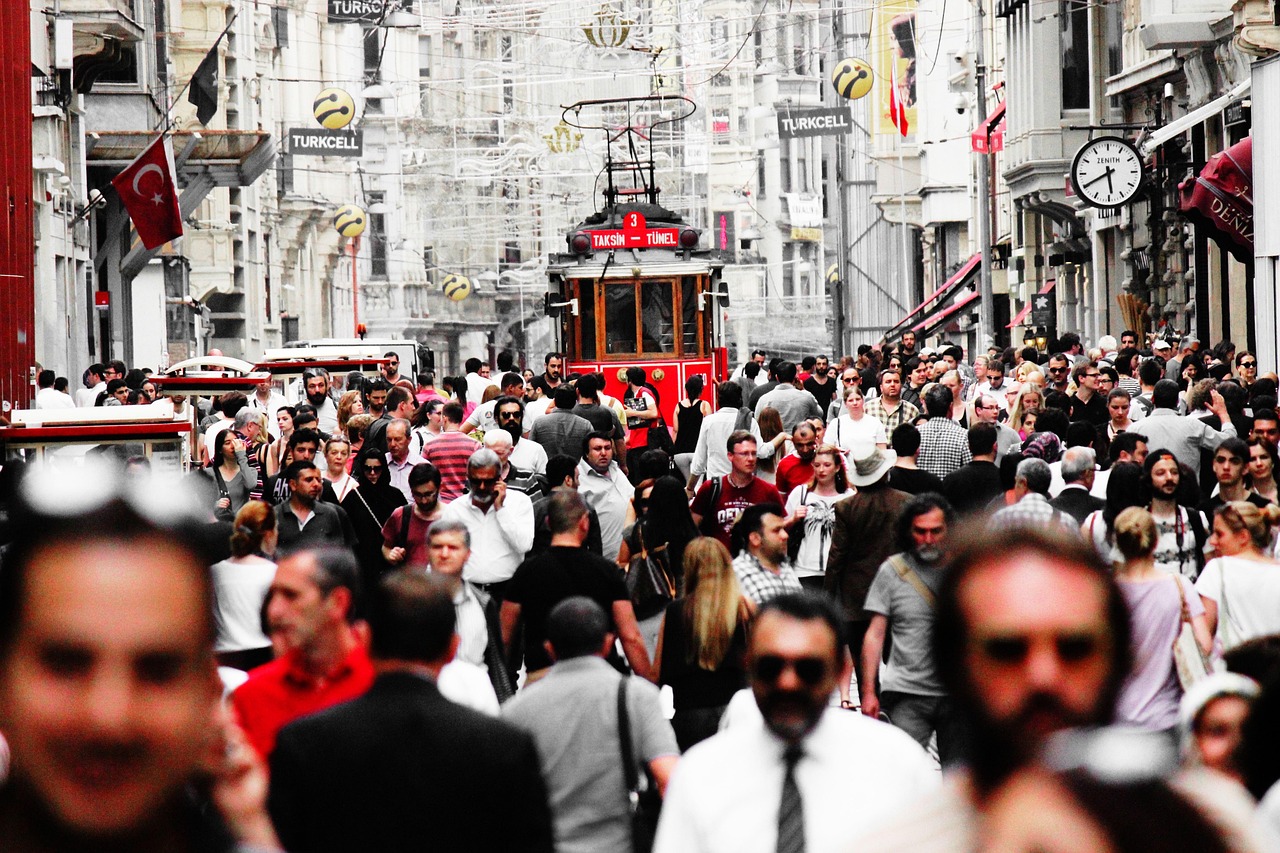
Kurtuluş is safer than most Western cities I’ve visited, as long as you have an ounce of street smarts. Don’t come here expecting a sanitized Disneyland experience like Sultanahmet. It’s a real neighborhood where people actually live, work, and die. If you walk around at 3 AM looking like a lost puppy with a 2,000-dollar camera hanging off your neck, you’re asking for it. But for the rest of us? It’s fine. I’ve walked home through these crooked alleys at all hours for 15 years and the worst thing that happened was a stray cat tripping me near a pile of trash. People watch the streets here. If you start acting like a jerk, an old lady will probably yell at you from her balcony before any actual trouble starts. Stay away from the dark edges toward Dolapdere if you’re nervous, but otherwise, just relax.
Is it actually safe for a solo traveler?
Yes, stop overthinking it. Kurtuluş has a soul. Unlike the soulless, plastic corridors of the “modern” malls in Levent, people here look out for each other. It’s a mix of old Armenian families, Greek remnants, and leftist students. It’s a community. I once dropped my wallet outside a börek shop and a guy chased me down two blocks just to hand it back. Try getting that kind of service in Taksim. Just watch your step—the sidewalks are a disaster. You’re more likely to break an ankle on a loose paving stone than get mugged. Seriously.
How do I deal with those vertical hills?
You don’t “deal” with them; you suffer. My calves have tripled in size since I moved here. If you think you’re going to wander around in those cute leather loafers or flimsy flip-flops, think again. You need shoes with actual grip. The incline on some of these side streets is 30, maybe 40 degrees. It’s brutal. I remember trying to carry a crate of beer up from the market in July; I nearly saw God. If you’re exhausted, just take the M2 metro to Osmanbey and walk downhill. It’s the only way to survive without needing a heart transplant. Or grab a yellow taxi, but be prepared for the driver to grumble if the trip is too short. They hate short runs. I just tell them to keep the change and they shut up.
Where can I find an ATM that isn’t a total scam?
Stick to Ergenekon Caddesi. Do not, under any circumstances, use those generic “Blue” or “No-Name” ATMs tucked into dark corners. They’ll eat your card or charge you a fee that costs more than your dinner. Walk to the main drag. There’s a Garanti and a Yapı Kredi right there. They are reliable, even if the queues are annoying on paydays. One time, I used a shady machine near the cemetery and it took three days to get my bank to stop the fraudulent charges. Never again.
Will anyone understand a word I say?
Probably not, and honestly, that’s why I love it here. If you want everyone to speak English, go stay in a Hilton. In Kurtuluş, the manav (greengrocer) knows three words of English, and two of them are “Hello” and “Apple.” It’s great. You’ll have to use your hands, point at things, and smile like a lunatic. It works. I’ve seen tourists get frustrated because they can’t find “almond milk” or whatever. Just drink the tea, eat what’s in front of you, and learn how to say teşekkürler. It goes a long way. The lack of English keeps the tourist crowds away, and that’s a win in my book. It feels authentic because it is. No filters, no scripts, just 100% Istanbul grit.
Conclusion
Look, if you’re the type who needs a concierge to hold your hand and point you toward a sanitized, “safe” experience, just go stay in Beşiktaş. It’s easy. It’s shiny. You can pretend you’re in any other European city with slightly better weather. You’ll be perfectly comfortable and utterly disconnected.
Kurtuluş is for the rest of us. It’s cramped, the hills will make you sweat through your shirt in five minutes flat, and the air frequently smells like a mix of cheap tobacco and frying oil. The shopkeepers might grunt at you if you’re blocking the sidewalk with your oversized suitcase. That’s the deal. This neighborhood doesn’t give a damn if you’re here or not. It isn’t putting on a show for your social media feed; it’s too busy just being a neighborhood.
If you want to feel the actual pulse of a city that refuses to be tamed, unpack your bags here. Get used to the noise. Get used to the guy shouting about tomatoes at 7 AM while you’re trying to sleep off a Rakı hangover. This is the frantic, unbothered energy of a place that would keep spinning exactly the same way if you never showed up.
And honestly? Stop whining about the broken sidewalks. Those jagged, uneven stones are the most honest thing you’ll find in this city. They’re a reminder that life is messy and you’re supposed to pay attention. A smooth path is for people who want to sleepwalk through their life. A broken sidewalk forces you to engage. It keeps you awake. It’s beautiful because it hasn’t been fixed to please you.
Comments
Share your thoughts with us