
Fine Dining Guide to Michelin and Gault Millau Restaurants in Istanbul
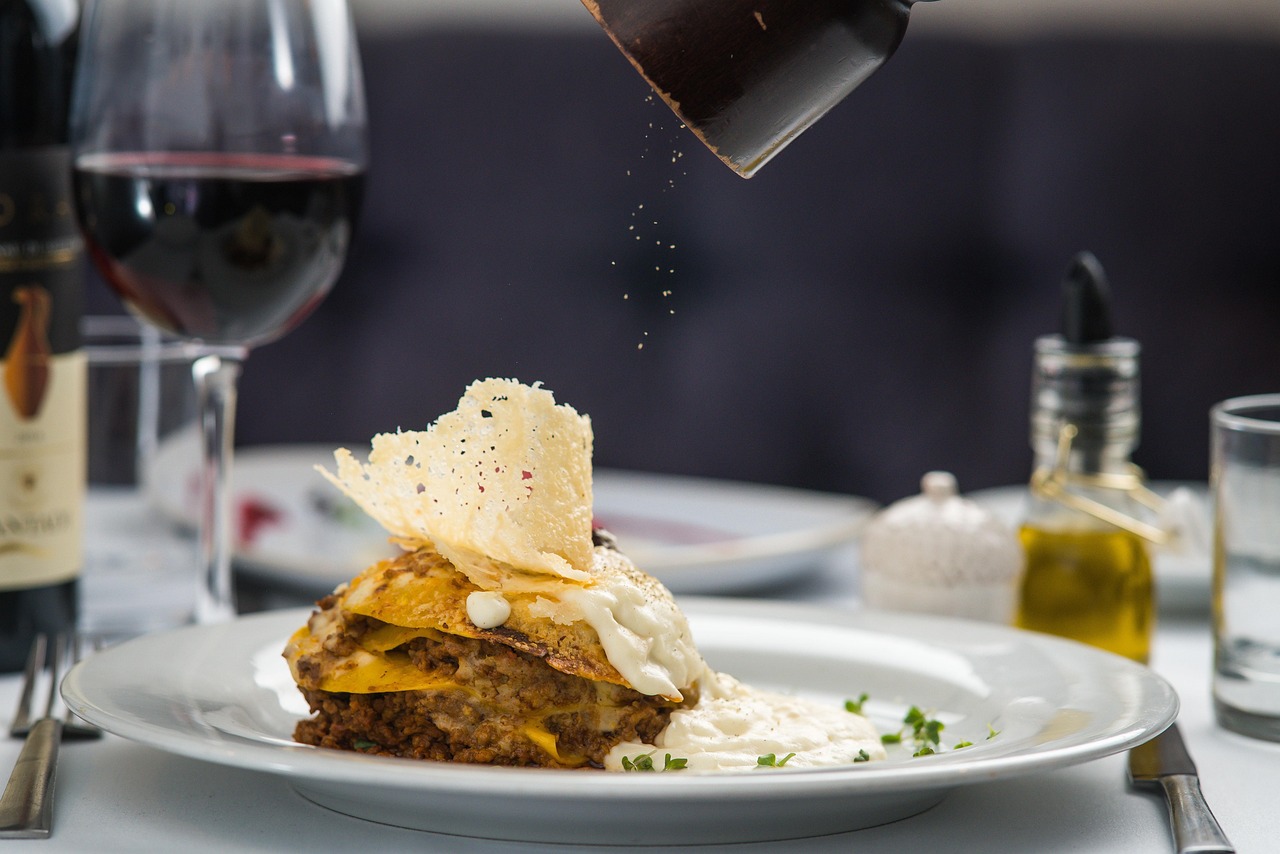
I remember sitting on a terrace in Beyoğlu ten years ago, nursing a glass of local wine and wondering when the world would finally notice that Istanbul’s kitchen had outgrown its “kebab-only” reputation. Back then, “fine dining” in this city often felt like a stiff imitation of Paris or London—white tablecloths and overpriced sauces that ignored the incredible bounty of the Aegean and Anatolia. Fast forward to today, and the red plaque of the Michelin Guide is almost as common a sight as a Galata Tower postcard. I recently found myself at TURK Fatih Tutak around 8:00 PM on a Tuesday—getting a table there requires booking at least a month in advance—and as I settled the bill, which came to roughly 10,000 TL (200 EUR) for a breathtaking tasting menu, I realized the city hadn’t just joined the global culinary conversation; it was leading it.
The shift isn’t just about the stars or the Gault Millau hats; it’s about a generation of chefs who have stopped looking West for validation and started looking at their own roots. Navigating this scene requires more than just a fat wallet; you need to know which hills are worth climbing and which backstreets lead to the real masters of the craft. To reach some of these spots, you might find yourself navigating the M2 metro line toward Şişli or hopping on a ferry to Kadıköy to avoid the legendary evening traffic on the bridge—a move that saves you an hour and provides the best sunset view in the city for the price of a transport card swipe.
Neolokal (Salt Galata) Perched inside the historic Salt Galata building, Maksut Aşkar’s kitchen is a laboratory of Anatolian heritage. The focus here is on “Mother Earth” and forgotten recipes. The dining room offers a sweeping view of the Golden Horn that is worth the 4,500 TL (90 EUR) tasting menu alone. It is best to arrive around 7:00 PM to catch the light hitting the Blue Mosque across the water. Transport is easy: take the T1 tram to Karaköy and walk up the Bankalar Caddesi slope.
Mikla (Marmara Pera) Mehmet Gürs is essentially the godfather of the “New Anatolian Kitchen.” Located on the rooftop of the Marmara Pera Hotel, this spot has maintained its Michelin status by consistently refining local ingredients like balmumu (beeswax) cured fish. A three-course prix fixe menu will run you about 5,500 TL (110 EUR). If the rooftop is too windy, the staff is quick to offer pashminas, but the real secret is booking the corner table facing the sunset.
Araka (Yeniköy) For those willing to venture further up the Bosphorus to the charming neighborhood of Yeniköy, Chef Pınar Taşdemir offers a much more intimate, vegetable-forward experience. It feels less like a corporate gala and more like a high-end dinner at a friend’s hidden garden. The seasonal menu is highly inventive, often costing around 3,500 TL (70 EUR) per person. The best way to get there is the 25E bus from Kabataş or a scenic ferry ride to the Yeniköy pier, followed by a five-minute walk.
Arkestra (Etiler) Located in a converted 1960s villa in the upscale Etiler district, Chef Cenk Debensason brings a vibe that is part Parisian bistro, part high-fidelity listening bar. The “Duck Apicius” is a signature here. Expect to spend approximately 6,000 TL (120 USD) for a full dinner with wine. Since Etiler traffic is notorious, taking the M6 mini-metro line to the Nispetiye station is the smartest move to ensure you don’t miss your 8:30 PM slot.
Avery (Kadıköy) A newer entry that has caught the eye of Gault Millau for its daring approach to seafood on the Asian side. While most tourists stay in Sultanahmet, the discerning ones take the 20-minute ferry to Kadıköy. The prices are slightly more accessible here, with a heavy dinner reaching about 3,150 TL (70 USD). It’s a loud, vibrant neighborhood, so be prepared for a lively walk through the fish market before reaching the restaurant’s more serene interior.
Sankai by Nagaya (Bebek) This is a tiny, 24-seat omakase spot inside the Stay Bosphorus hotel. It’s where Japanese precision meets local Bosphorus bluefish. It’s one of the most expensive seats in the city, often exceeding 12,500 TL (250 EUR) for the full experience, but the intimacy is unmatched. Given its location in Bebek, avoid driving at all costs on a Friday night; take the sea taxi if you’re feeling flush, or the 22 line bus if you have time to spare.
Nicole (Tomtom) Located in the Tomtom Suites in Beyoğlu, this restaurant focuses on a contemporary Mediterranean menu with a heavy emphasis on Turkish wines. The terrace overlooks the Italian Consulate’s gardens and the Marmara Sea. A tasting menu here averages 5,000 TL (100 EUR). The walk up from the Karaköy tram station is steep, so a comfortable pair of shoes is better than heels, which can be swapped at the table.
Ayla (Galataport) Situated within the Peninsula Hotel, Ayla celebrates the “ocakbaşı” (fireside) culture but elevates it to a level of luxury rarely seen. The spice blends are curated like fine perfumes. Dinner here is an event, usually costing around 8,000 TL (160 EUR). Since it’s inside Galataport, security is tight and the walk from the entrance can be long, so allow an extra ten minutes for the logistics of entering the complex.
The Vanguard of Modern Turkish Cuisine
TURK Fatih Tutak isn’t just a restaurant; it is the definitive statement on what Anatolian flavors can become when stripped of tradition’s weight but kept within its soul. Located in the industrial-chic heart of Bomonti, this is currently the only establishment in Istanbul to hold Michelin Two Stars, and frankly, the recognition is overdue. When you walk in, the first thing that hits you isn’t a scent, but the atmosphere—a massive, open wood-fire kitchen that feels more like a theater than a workspace. The design leans heavily into raw textures and minimalist luxury, mirroring Tutak’s philosophy of taking humble ingredients and elevating them through relentless technique.
The logistics of dining here require the same precision as the plating. I usually suggest booking 4-6 weeks in advance for a weekend table, as the international crowd has caught on to what locals already knew. The tasting menu currently sits around 12,500 TL (250 EUR) excluding wine pairings, which is a significant investment but justifiable for the level of storytelling involved. If you are starting your day with historical tours, like visiting the Architecture and Gardens of the Şehzade Mosque with Visiting Tips and 2026 Entry Prices, make sure to give yourself at least 45 minutes to reach Bomonti via taxi to account for the evening rush at the Halasgargazi Avenue intersection.
Beyond the singular peak of TURK, several other institutions define the “New Anatolian” movement. These spots offer distinct perspectives on the city’s culinary evolution:
- Neolokal: Situated inside SALT Galata, Chef Maksut Aşkar treats the menu like a botanical archive. The restaurant focuses on endangered ingredients and forgotten recipes from the diverse ethnicities of the Ottoman Empire. Its terrace offers a sharp, crystalline view of the Golden Horn. A full tasting experience here typically orbits 7,500 TL (150 EUR).
- Mikla: Located atop the Marmara Pera Hotel, this veteran Michelin-starred spot is where the “New Anatolian Kitchen” was essentially born. Chef Mehmet Gürs blends Scandinavian precision with Turkish soul. The “Crispy Lamb Shoulder” remains a legendary staple. Expect to pay around 8,000 TL (160 EUR) for the full experience.
- Nicole: Tucked away in the quiet streets of Tomtom, Nicole offers a more intimate, refined atmosphere. The kitchen utilizes traditional French techniques to interpret seasonal Turkish produce. It is particularly lauded for its wine cellar, showcasing high-end boutique Turkish vineyards.
- Araka: For those who prefer the quiet charm of the Bosphorus, Chef Pınar Taşdemir’s Araka in Yeniköy is a secluded sanctuary. The menu is highly personal, featuring creative uses of herbs and vegetables that feel more like a garden party than a formal gala. It’s an essential stop for travelers who find high-concept dining too “stiff.”
Berk’s Insider Tip: If you can’t get a table at Turk Fatih Tutak, try Gallada at The Peninsula. The Silk Road-inspired menu by Fatih Tutak is spectacular and the terrace view of the historic peninsula is unmatched.
High-Altitude Icons and New Classics
If you want to understand how Istanbul transformed from a city of traditional kebabs into a global gastronomic powerhouse, you start at the top—literally. Mikla, perched on the rooftop of the Marmara Pera Hotel, isn’t just a restaurant; it’s the birthplace of the “New Anatolian Kitchen.” When Mehmet Gürs first started sourcing ancient ingredients from remote villages fifteen years ago, people thought he was eccentric. Today, sitting there as the sun dips below the horizon of the Old City, you realize he was a visionary. The North Aegean octopus or the slow-cooked lamb aren’t just dishes; they are stories of Turkish geography.
Getting to Pera during rush hour is a nightmare. Last October, I missed my 8:30 PM slot at Mikla because I underestimated the T1 tram congestion near Eminönü. I ended up paying a 1,200 TL no-show fee, a mistake I only made once. My advice: take the M2 Metro to Şişhane and walk the last five minutes through the backstreets of Asmalı Mescit. You’ll save 45 minutes of sitting in a taxi and staring at a bumper.
The Guardians of Heritage at Salt Galata
A ten-minute walk down the hill brings you to Neolokal, located inside the breathtaking Salt Galata building. This was once the Ottoman Imperial Bank, and the weight of history is felt in every marble corridor. Maksut Aşkar has dedicated his career to heritage seeds and “endangered” recipes. He doesn’t just cook; he archives.
The view of the Golden Horn from the terrace is world-class, but here is a local secret: if the terrace is fully booked—which happens often—ask for the bar seating. You get a front-row view of the kitchen’s surgical precision and often a chance to chat with the sous-chefs about the specific Anatolian grains they are reviving. While you enjoy the refined atmosphere, remember that while these venues provide premium bottled options, understanding Drinking Water Safety and Finding Public Fountains with 2026 Prices and Local Tips is essential for your daytime explorations between these luxury stops.
For a full tasting menu with wine pairings at these heights of Turkish dining, expect to spend roughly 7,000 TL to 9,500 TL (140-190 EUR) per person. It is a significant investment, but for the level of research and artistry involved, it remains competitive compared to London or Paris.
Other Essential Gourmet Destinations
Beyond the famous rooftops, the city’s Michelin and Gault Millau recognized scene is expanding into every corner. Here are five other spots that deserve your attention:
- Turk Fatih Tutak: Currently the only two-starred Michelin restaurant in the city, located in Bomonti. It offers a radical, modern interpretation of Turkish flavors—the “Umami” fermented yogurt is a must-try.
- Aheste: Tucked away in Pera, this spot focuses on “slow food” Mezes. It’s more intimate and less formal than the grand hotels, perfect for a long, moody dinner.
- Sankai by Nagaya: For those seeking a break from local flavors, this Bebek-based Japanese gem offers an incredible Omakase experience with Bosphorus views.
- Arkestra: A renovated 1960s villa in Etiler where the vibe is “listening room meets fine dining.” The European-Asian fusion here is incredibly sharp.
- Nicole: Located in Tomtom, this restaurant offers a sophisticated blend of traditional Turkish ingredients with classic French techniques, boasting one of the most romantic balconies in Beyoğlu.
The Gault & Millau Selection: Toques and Technique
Gault & Millau rewards the sweat in the kitchen and the technical precision of the plate rather than just the “scene” or the view. In Istanbul, this guide has highlighted chefs who treat Anatolian ingredients like rare jewels, moving beyond the surface-level glamour of the Bosphorus to find something deeper and more soulful.
Alaf: The Nomadic Soul of Kuruçeşme
At Alaf, Murat Deniz Temel doesn’t just cook; he tells the story of the Anatolian migrant. The kitchen is “nomadic,” centered around a massive wood-fired oven that breathes life into every dish. I remember sitting at the counter last October, watching the chefs handle the fire with an intensity you usually only see in Traditional Wood Fired Leaf Döner and Authentic Meat Houses with Ordering Tips. The lamb heart with sumac and the wood-fired sourdough are masterclasses in smoky depth.
Pro Tip: Do not try to take a taxi to Kuruçeşme at 8:00 PM. The coastal road turns into a parking lot. I always tell my friends to take the ferry to Arnavutköy and enjoy the 10-minute stroll along the water. You’ll save 45 minutes of frustration and arrive with a better appetite. A tasting menu here will run you roughly 4,500 TL (90 EUR), which is a steal for the technical level provided.
Nicole: Elevation in Beyoğlu
Perched atop Tomtom Suites, Nicole offers a sophisticated Mediterranean-Turkish fusion that feels whisper-quiet compared to the chaotic Istiklal Avenue below. Chef Serkan Aksoy focuses on seasonality with a surgical precision that earned high Gault & Millau toques. The duck breast here is legendary, paired with local fruits that provide a sharp, acidic counterpoint. Expect to spend about 5,500 TL (110 EUR) per person with wine pairings.
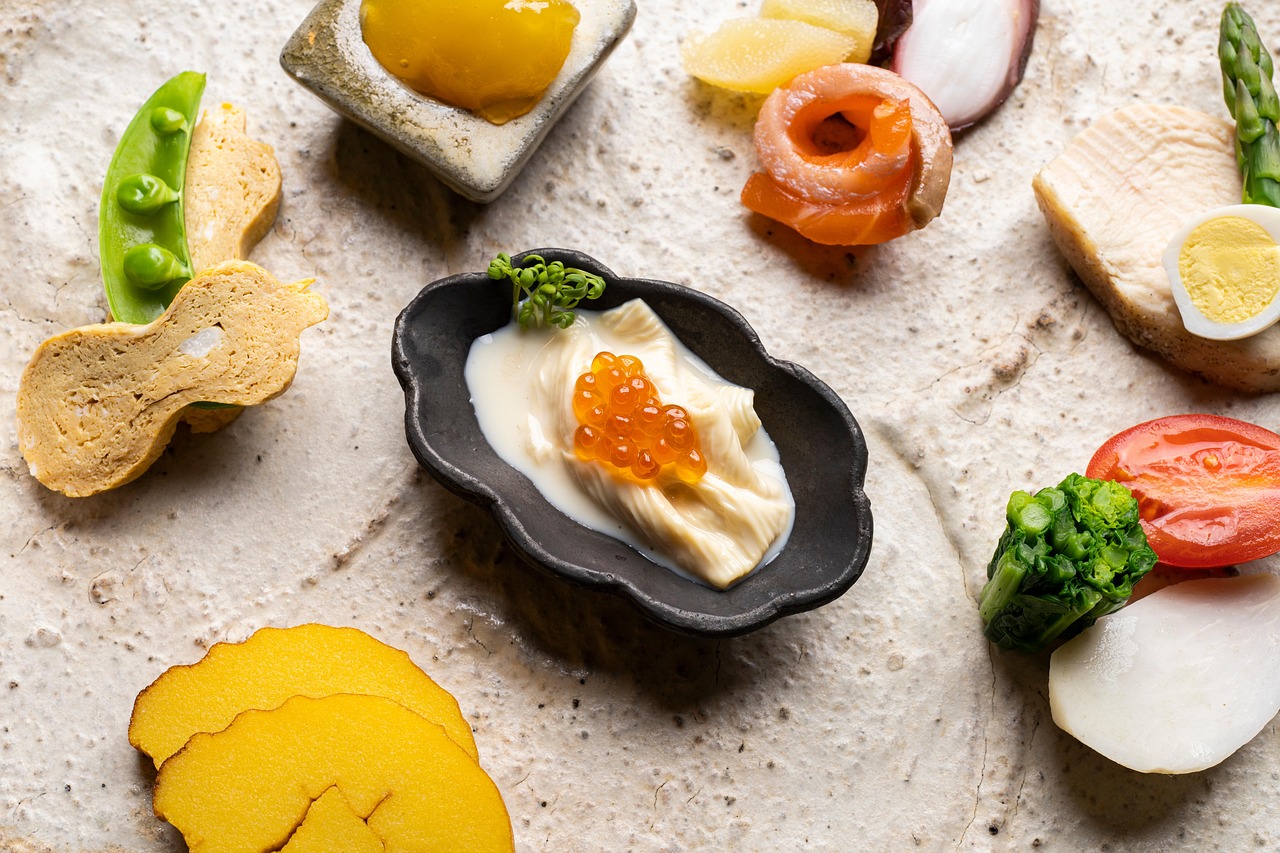
The view of the Old City is a bonus, but the technique on the plate is the real star. For those who want to see the roots of these refined dishes, visiting the Byzantine architecture and pottery museum at Tekfur Palace with 2026 entry prices provides context for the ceramic styles and historical aesthetics often mirrored in modern Turkish plating.
Beyond the Icons: The Technical Leaders
While Alaf and Nicole grab headlines, several other kitchens are pushing the boundaries of Turkish gastronomy. Neolokal continues to lead the “New Anatolian Kitchen” movement, while Arkestra in Etiler brings a European bistro soul to Istanbul with impeccable sauces.
| Restaurant | Location | Signature Style | Est. Cost (Per Person) |
|---|---|---|---|
| Alaf | Kuruçeşme | Nomadic, Wood-fired | 4,500 TL (90 EUR) |
| Nicole | Beyoğlu | Seasonal Fusion | 5,500 TL (110 EUR) |
| Neolokal | Karaköy | Modern Anatolian | 5,000 TL (100 EUR) |
| Arkestra | Etiler | Modern European | 4,250 TL (85 EUR) |
| Seraf Vadi | Ayazağa | Regional Traditional | 3,000 TL (60 EUR) |
Seraf Vadi is a personal favorite for those who want the technical perfection of Gault & Millau applied to traditional recipes like içli köfte. It’s a bit out of the way, but for a true food enthusiast, the 450 TL (10 USD) Uber ride from Taksim is a small price to pay for the best stuffed meatballs in the city.
Specialized Stars: From Omakase to Yeniköy
If you believe fine dining in Istanbul is only about white tablecloths and Bosphorus views, you are missing the most quiet, intense flavors hidden in the city’s residential nooks. True luxury here is often found in a six-seat room or a converted village house where the chef personally hands you your plate.
Sankai by Nagaya: The Bebek Secret
Perched inside the Bebek Hotel, Sankai by Nagaya offers an intimacy that is rare in a city of 16 million. With only six seats, it feels less like a restaurant and more like being invited into a master’s private atelier. Chef Yoshizumi Nagaya bridges the gap between Tokyo and the Bosphorus, using local seasonal fish with Japanese precision. I remember trying to snag a stool here last October; if you don’t book at least three weeks in advance, your chances are slim. The omakase menu is a journey of patience. While Bebek is glamorous, traffic is a nightmare between 5:00 PM and 8:00 PM. I always suggest taking the ferry to Bebek pier and walking five minutes to the hotel to avoid the gridlock.
Araka: Pınar Taşdemir’s Green Sanctuary
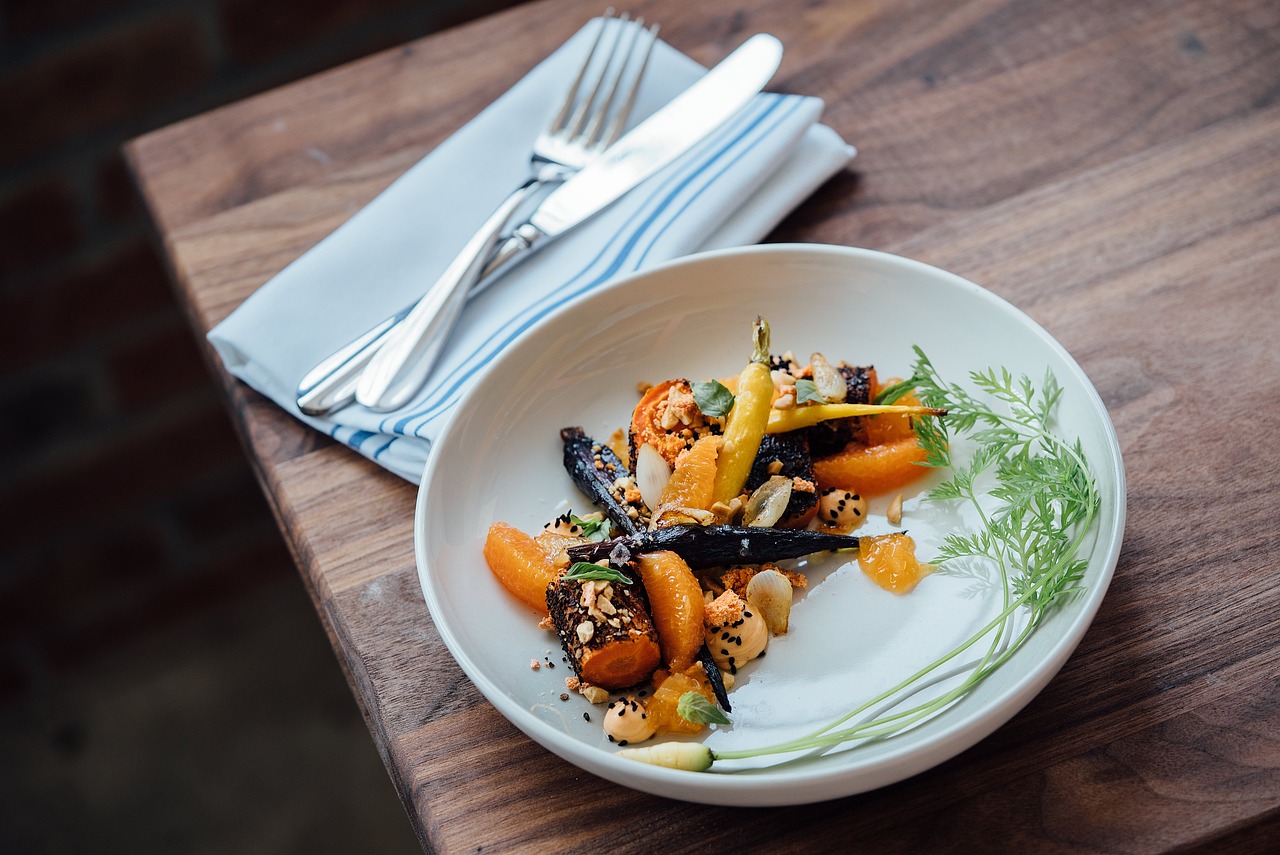
In the quiet, upscale neighborhood of Yeniköy, Araka stands as a testament to the power of vegetables and herbs. Chef Pınar Taşdemir has created a space that feels like eating in a friend’s secret garden. At Araka last March, I arrived 20 minutes early for my 7:00 PM booking. The staff let me sit in the garden with a glass of Narince (250 TL) while they prepped my table near the fireplace. The vibe is bohemian yet sophisticated, far removed from the “see-and-be-seen” energy of the city center. Her “highly seasonal” approach isn’t a marketing buzzword—it’s the law of her kitchen.
Getting to Yeniköy takes effort. From Sultanahmet, a taxi will take about 45 minutes in light traffic and cost approximately 450 TL (10 USD). It’s a long haul, so plan to spend the whole evening there. One practical tip: Yeniköy’s narrow streets can be tricky for newcomers. Before settling in for a multi-course feast, it is wise to plan your transportation carefully, as the neighborhood’s older buildings and winding roads can lead to long walks between the bus stops and the restaurant entrance.
Beyond the Icons: More Michelin and Gault Millau Favorites
- Alaf (Kuruçeşme): Chef Murat Deniz Şahin focuses on “nomadic cuisine.” Everything is touched by wood fire. The rooftop view of the bridge is spectacular, but the food—especially the sourdough and Anatolian appetizers—is the real star. Expect to pay around 3,500 TL (78 USD) per person for a full experience.
- Arkestra (Etiler): Chef Cenk Debensason brings a hip, European bistro energy to the upscale Etiler district. The tuna crudo is legendary among locals. It’s loud, vibrant, and perfectly captures the modern Istanbul elite’s taste.
- Gallada (The Peninsula): Located inside the stunning Peninsula Hotel, this is Fatih Tutak’s second masterpiece. It explores the flavors of the Silk Road. The terrace is arguably the most beautiful in Karaköy.
- Aman da Bravo (Reşitpaşa): This started as a “chef’s secret” in a business district. Melis Korkud serves whimsical, colorful plates that change constantly. It’s a bit of a hike to get to Reşitpaşa, but the lack of tourists makes the atmosphere incredibly authentic.
- Nicole (Tomtom): Located in the heart of Beyoğlu, Serkan Aksoy offers a contemporary take on Turkish recipes that earned it a Michelin star. The view of the Old City from the terrace at sunset is worth the price of the tasting menu alone.
Navigating the Fine Dining Logistics in 2026
Getting a table at a Michelin-rated spot in Istanbul is no longer a matter of just walking in; you need a digital strategy and a bit of foresight. Most top-tier establishments have transitioned to SevenRooms or the local favorite Reztoran for their booking systems. Last month, I tried to snag a late-night corner at TURK Fatih Tutak on a whim, only to find the waitlist stretched three weeks into the future. If you are eyeing the heavy hitters, book at least 14 to 20 days in advance, especially for weekend slots.
The ‘Water’ Factor and Hidden Costs
Expect a “service charge” of 10% to 15% to be added automatically to your bill, which is standard in 2026. One thing that surprises many is the price of water. Fine dining establishments usually serve premium glass-bottled local water like Sırma or Uludağ Premium. You will likely see this on your bill at around 150 TL (3 EUR) per bottle. It’s a small price for the quality, but it adds up if you’re a heavy hydrator. Also, be aware that many of these venues now require a credit card guarantee; if you’re a no-show, they might charge a fee upwards of 1,000 TL (20 EUR) per person.
Dressing for the Occasion
Istanbul’s high-end scene is shifting toward “smart casual,” but there are limits. I’ve personally seen a group turned away from the elevator at Mikla because they were wearing the same flip-flops and cargo shorts they’d used to trek through the Blue Mosque earlier that day. You don’t need a tuxedo, but a sharp blazer or a clean linen shirt goes a long way. If you’re heading to places like Sunset Grill & Bar or Ulus 29, the crowd is notoriously fashionable—dress to feel like you belong in a Bond film set against the Bosphorus.
Expanding the Palate: Other Must-Visit Venues
While the big names get the headlines, Istanbul’s culinary depth is found in these equally deserving spots:
- Alaf (Kuruçeşme): Focused on “nomadic cuisine,” this place uses wood-fired ovens to create magic. The street-food inspired tasting menu is a masterclass in Anatolian flavors.
- Arkestra (Etiler): A trendy spot inside a 1920s villa. It’s where the “cool” Istanbulites go for modern European dishes with a Japanese twist.
- Aman da Bravo (Bebeköy): Tucked away in a lush garden, this restaurant offers a relaxed yet sophisticated menu. Their seasonal mezzes are legendary.
- Neolokal (Karaköy): Chef Maksut Aşkar treats Anatolian recipes like museum pieces, modernizing them without losing their soul. The view of the Golden Horn from the terrace is unbeatable.
- Mürver (Karaköy): Everything here is touched by fire. The open kitchen and the smell of charred oak create an atmosphere that is both primal and luxurious.
- Sankai by Nagaya (Bebek): For those seeking high-end sushi, this Michelin-starred gem offers an intimate omakase experience that rivals Tokyo, set within the Bebek Hotel.
Berk’s Insider Tip: Most Michelin-starred spots are closed on Sundays or Mondays. Always double-check the ‘Opening Hours’ on their specific Instagram pages, as they update those more frequently than their websites.
Frequently Asked Questions about Dining in Istanbul
Do I need to tip on top of the service charge?
In most 2026 fine dining spots, a 10-15% service charge is already included in the bill. While you aren’t strictly required to give more, leaving an extra 200 TL to 500 TL (4 to 10 EUR) in cash for exceptional service is a very “local” move that is always appreciated. If the service was just average, the included fee is sufficient.
What is the best way to reach Bosphorus-side restaurants?
Traffic in Beşiktaş and Kuruçeşme can be a nightmare around 8:00 PM. I always suggest taking a Sea Taxi (Deniz Taksi) if your restaurant has a pier (like Mikla’s nearby ports or Bosphorus hotels). It costs more than a yellow cab, but arriving by water avoids a 45-minute gridlock and offers the best view of the city skyline.
Can I bring my own wine to a Michelin restaurant?
Turkey has very high alcohol taxes, so restaurants rely heavily on wine sales. Most “Fine Dining” spots allow corkage, but they charge a “corkage fee” (mantar parası) which usually ranges from 1,000 TL to 1,500 TL (20 to 30 EUR) per bottle. Always call ahead to confirm, as some strictly boutique venues prefer you drink from their curated local Turkish wine lists.
Evolutionary Flavors
Beyond the heavy hitters, the city’s culinary map expands into neighborhoods like Etiler and Yeniköy, where the vibe shifts from historic to high-octane luxury. Arkestra in Etiler has quickly become the go-to for those who want Michelin-caliber craft without the stiff atmosphere. Chef Cenk Debensason’s lobster rolls and duck confit are highlights, though securing a Friday night table requires booking at least two weeks out. For a journey into nomadic Anatolian traditions, Alaf in Kuruçeşme uses a wood-fired oven to elevate street-food concepts into high art. A full meal here, paired with local wines, usually lands around 7,500 TL per person (€150).
If the Bosphorus breeze is a priority, Sankai by Nagaya in Bebek offers an intimate, 24-seat omakase experience that bridges the gap between Tokyo and the Marmara. To get there from the Old City, avoid the coastal road taxis at 7:00 PM—they will sit in gridlock for an hour. Instead, take the ferry to Bebek; it’s a 50 TL (€1) trip that offers the best pre-dinner views in the world. Further north, Araka in Yeniköy provides a more secluded, garden-like setting where Chef Zeynep Pınar Taşdemir focuses on seasonal greens and herbs in a way that feels incredibly personal.
Then there is Nicole in Beyoğlu, perched atop Tomtom Suites. It offers a refined, quiet elegance with a tasting menu that highlights micro-producers from across Turkey. Dinner here costs roughly 8,000 TL (€160), but the view of the Golden Horn at sunset is included. In the heart of Karaköy, Gallada at The Peninsula brings Fatih Tutak’s genius into a silk-road fusion concept that is as much about the opulent terrace as it is about the dumplings.
Stars and toques provide a useful hierarchy, but they are essentially just signposts. The real gravity of Istanbul’s fine dining lies in how these chefs translate 1,000 years of Anatolian history into a single, cohesive plate. Booking a table at Turk Fatih Tutak or Neolokal is a cultural visit in its own right, as vital to understanding the city’s soul as any museum or palace.
Last Tuesday, I found myself at Mikla, watching the sun dip behind the Hagia Sophia while the staff served a “New Anatolian” dish of slow-cooked lamb. The bill came to 5,400 TL for the tasting menu (about $120). As the call to prayer began to echo from the mosques across the Golden Horn and the first glass of Aegean white wine hit the table, the price felt like a small entry fee for a front-row seat to the evolution of a civilization. Trust the chefs; they are the ones writing the next chapter of Istanbul’s history.
Comments
Share your thoughts with us