
Steep Alleys and Bosphorus Views from Rumeli Hisarı to Aşiyan with 2026 Tea Prices
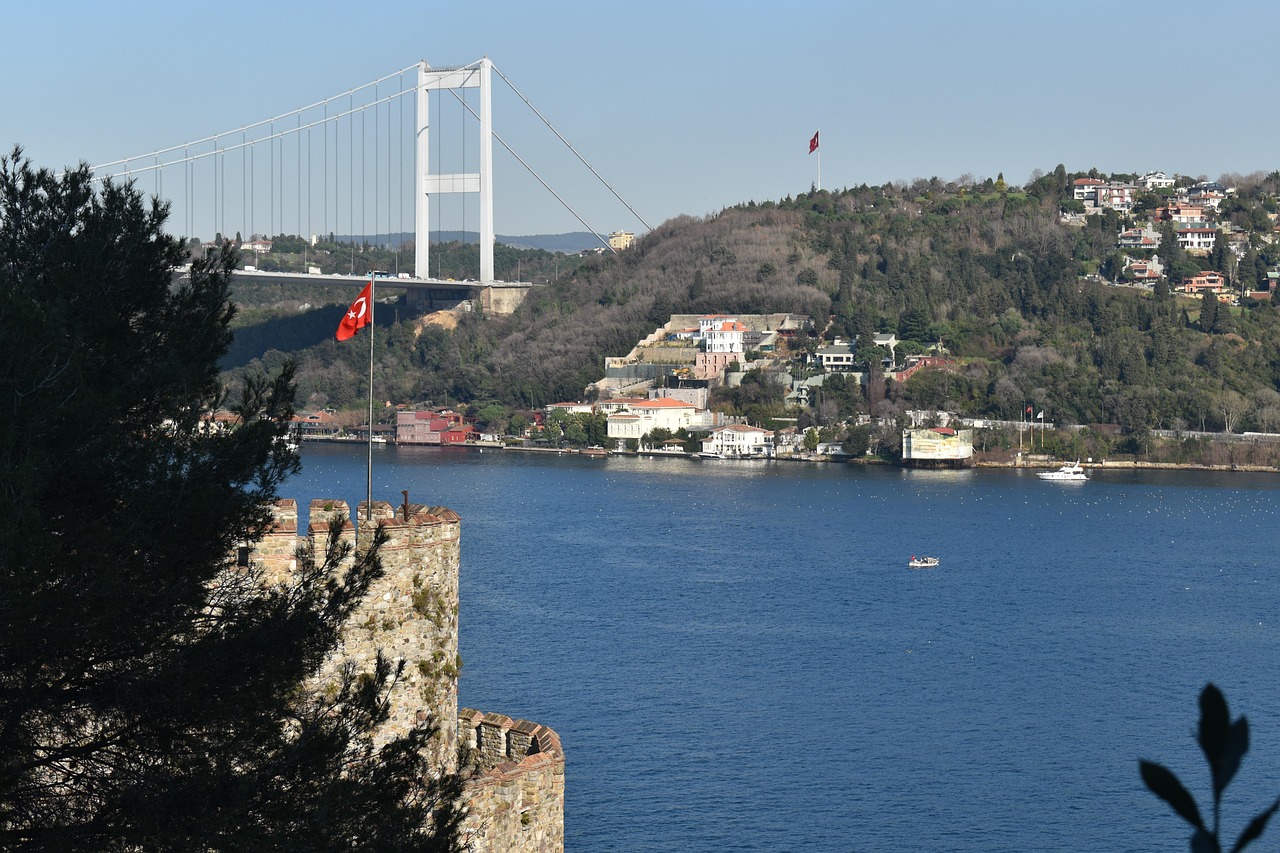
Standing at the base of Rumeli Hisarı’s massive stone towers always makes me feel two things: a profound respect for 15th-century military engineering and an immediate, sharp pain in my quads in anticipation of the climb ahead. It is the kind of architecture that was designed to intimidate invading fleets, but these days, its primary victims are the calves of unsuspecting visitors. I’ve lived in this city for fifteen years, and even now, the sheer verticality of the neighborhood behind the fortress catches me off guard if I haven’t had my second coffee.
Most people make the mistake of sticking to the shoreline, shuffling along the Bosphorus road with the rest of the weekend crowds. While the view of the bridge is fine from sea level, the real magic—and the best perspective on why this strait has been fought over for millennia—is found by turning your back to the water and heading up the alleys. Last Tuesday, around 10:45 AM, I took that turn. There was no queue at the fortress entrance, but the humidity was already starting to cling to the stones. I stopped at a small, nameless tea terrace tucked just above the fortress walls where the old wooden houses still look like they are leaning on each other for moral support. A glass of çay there now goes for 75 TL—exactly 1.50 EUR or about 1.65 USD—which is a fair “climb tax” to pay for a seat that feels like it’s suspended between the sky and the water.
The stones here can be treacherous, polished smooth by centuries of footsteps and the occasional morning mist. If you’re wearing those flat-soled fashion sneakers, you’ll spend more time sliding toward the Bosphorus than admiring it. I always tell friends to wear something with a real grip; the route winding toward the Aşiyan cemetery isn’t just a walk, it’s a tactical ascent through Istanbul’s layered history. You’ll pass gated gardens where the scent of jasmine is thick enough to chew and steep staircases that look like they lead to nowhere, only to find they open up to the most expansive, unobstructed views of the Asian side. It’s a workout, certainly, but sitting up there while the tankers glide silently below makes the burning in your legs feel like a small price for the silence.
The Stone Giant of the Narrows
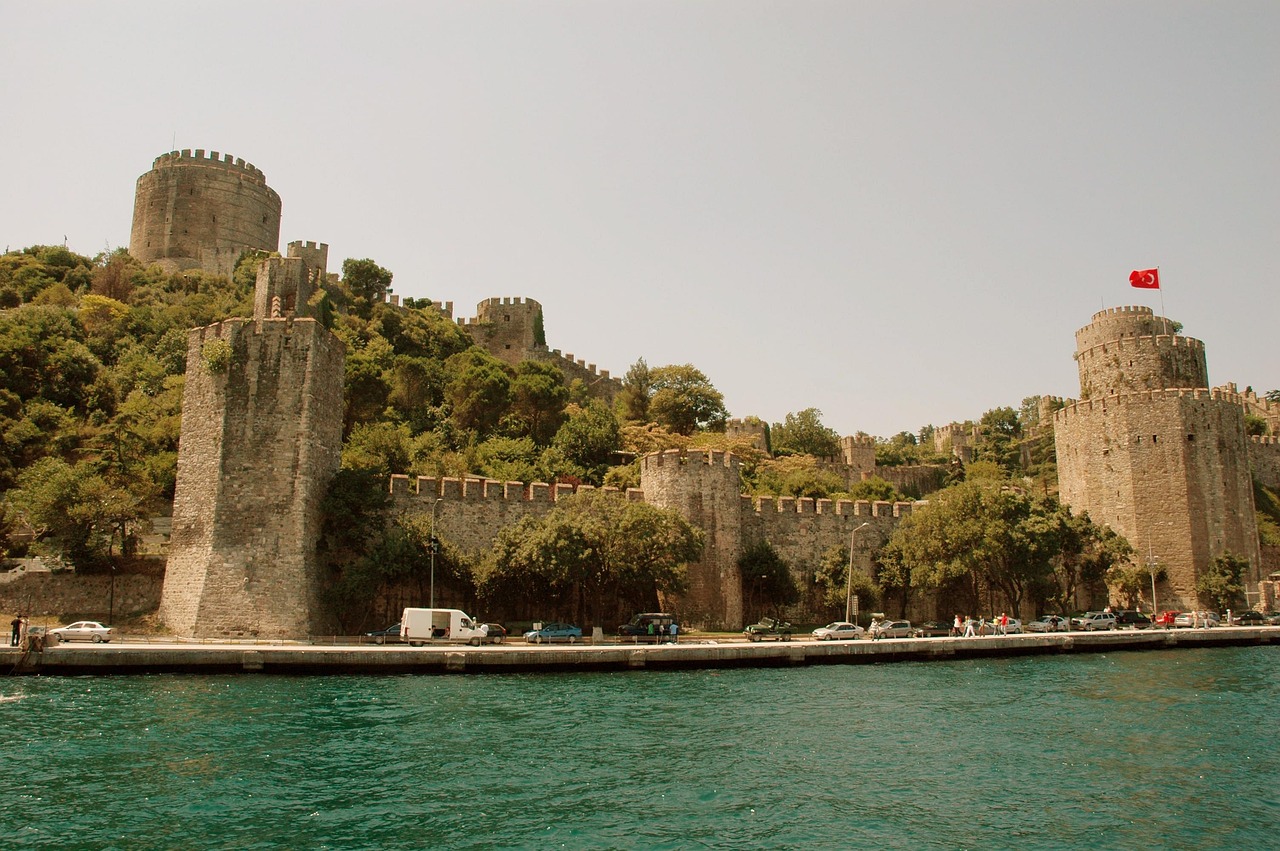
Rumeli Hisarı is the most aggressive piece of architecture in Istanbul, and I say that with the utmost respect for Mehmed the Conqueror. It wasn’t built to look pretty for your Instagram feed; it was built in 1452 to choke the life out of the Byzantine Empire by controlling the Bosphorus Strait. The nickname ‘Boğazkesen’ is entirely literal. It translates to ‘Throat Cutter,’ a grim nod to the fact that any ship failing to stop for a permit would find itself at the bottom of the channel courtesy of some very heavy Military Architecture.
Navigating the Bastions
To get inside this limestone beast, you’ll need to cough up 600 TL, which is exactly 12 EUR at the current rate. If you are planning to hit more than two major sites this week, stop being stubborn and get the Museum Pass; it’s the only way to avoid feeling like a walking ATM. I usually aim to arrive right at 9:00 AM. By 11:30 AM, the cruise ship crowds and school excursions turn the acoustic echoes of the towers into a chaotic wall of sound.
One piece of hard-earned advice: those 500-year-old stones have been polished smooth by centuries of wind and footsteps. I once watched a traveler in slick leather loafers attempt the stairs after a light morning mist; he didn’t so much walk down as he did a controlled, terrified slide that lasted three meters. If it has rained in the last four hours, stay off the high ramparts. The views are legendary, but your tailbone is more important. While the fortress is all about brute force, the Imperial pavilions and garden paths of Yıldız Palace with 2026 entry prices provide a glimpse into the more refined, park-like side of the Ottoman presence on the hills.
| Feature | Detail | Berk’s Verdict |
|---|---|---|
| 2026 Entry Fee | 600 TL (~12 EUR) | Pricey for a park, but the history is priceless. |
| Construction Time | 4 Months (1452) | A logistical miracle that still boggles the mind. |
| Best Visit Time | Weekday Mornings | Avoid the weekend brunch crowds at all costs. |
| Safety Level | Slippery when wet | Don’t trust the stairs; they have no railings. |
Scaling the Alleys of Rumeli Hisarı
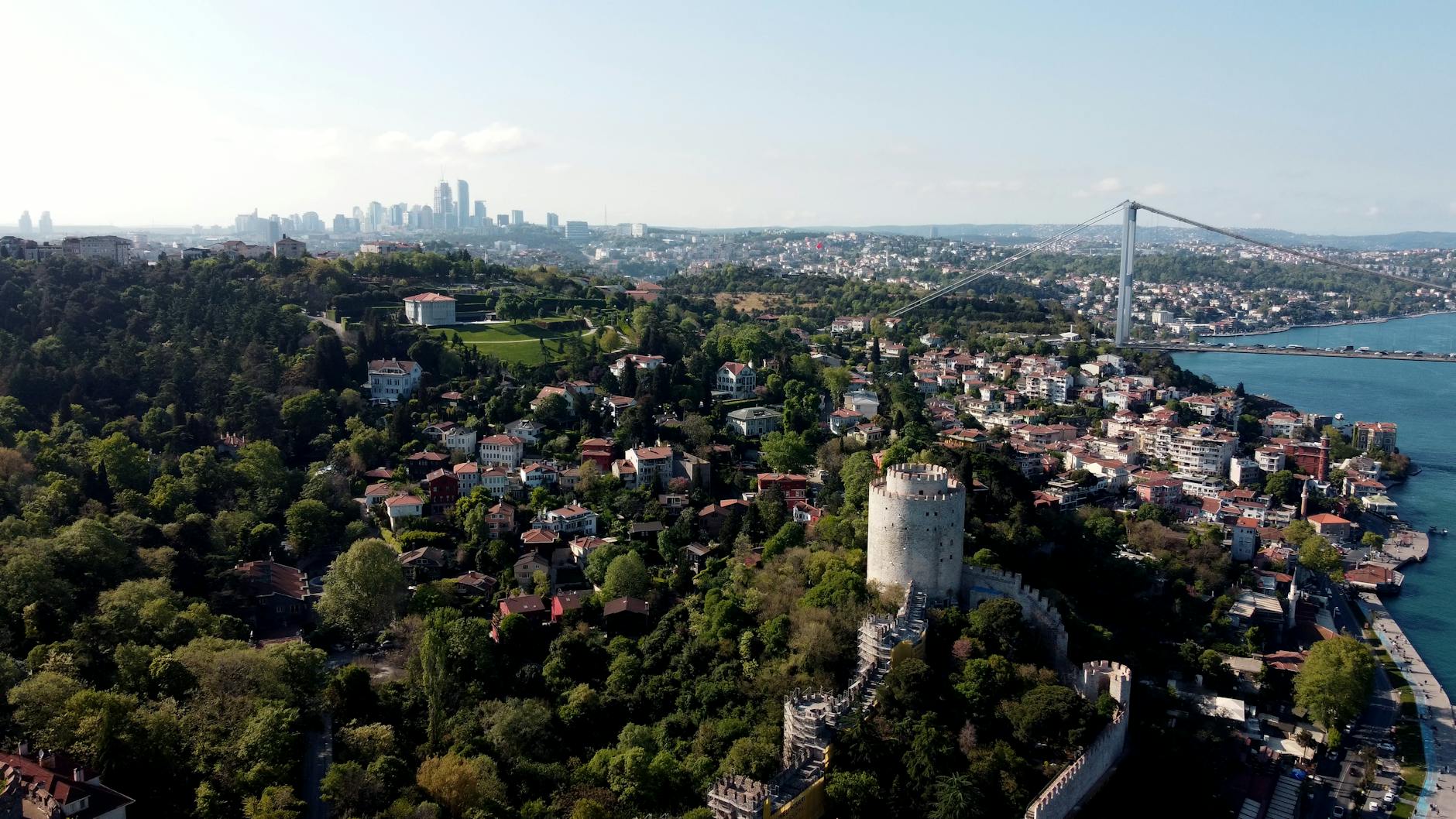
If your calves aren’t screaming at you within ten minutes of leaving the shoreline, you aren’t actually in Rumeli Hisarı—you’re likely just lost in a waffle shop. The transition from the frantic, exhaust-filled coastal road to the vertical silence of the backstreets is so jarring it feels like someone hit the mute button on the entire city. While the tourists down below are busy elbowing each other for a selfie with the fortress walls, the real magic happens three hundred steep steps above them.
The Ascent to Kale Çıkmazı
Finding Kale Çıkmazı is your first real test. This isn’t just a street; it’s a structural challenge to the laws of physics. It’s so steep I’m convinced the local residents are secretly part mountain goat. I remember stopping halfway up last Tuesday around 11:00 AM, clutching a handrail that felt older than the Republic, only to be overtaken by an elderly woman carrying two bags of groceries and a giant watermelon. She didn’t even look winded. If you find yourself gasping for air, just lean against a stone wall and pretend you’re intensely studying the Ottoman masonry—it’s a classic local move.
From Yalıs to Vine-Covered Villas
The architectural whiplash here is fascinating. At the water’s edge, you have the ‘yalı’ mansions, those multi-million dollar wooden palaces where the elite sip imported mineral water. But as you climb higher, the pretension evaporates. The grand estates give way to humble, two-story homes draped in flowering vines and wisteria. Here, the “Bosphorus view” isn’t a status symbol; it’s just what you see while you’re hanging your laundry. The air even smells different up here—less diesel, more jasmine and woodsmoke. It’s a reminder that in Istanbul, the best views don’t always belong to the biggest bank accounts, but to those willing to sweat for them.
Berk’s Insider Tip: Skip the ‘breakfast’ places directly on the main road under the fortress; they charge a ‘view tax’ that would make a sultan blush. Walk 10 minutes up the hill for better tea and half the price. You can find a decent glass of tea for 35 TL (about 0.70 EUR) in the smaller neighborhood nooks, compared to the 80 TL (1.60 EUR) tourist traps by the water.
A Poet’s Solitude at the Aşiyan Museum
Walking into Tevfik Fikret’s house is like stepping into a curated daydream of a man who loved the Bosphorus but perhaps preferred it from a safe, poetic distance. The name Aşiyan literally translates to “The Nest,” and Fikret—a titan of Turkish literature—designed it specifically to be perched on this cliffside like a hawk’s lookout. It doesn’t just have a view; it possesses the water.
The bedroom is where the magic (and the melancholy) happens. Fikret wasn’t interested in generic “pretty” vistas; he framed the windows so that the Bosphorus serves as a living, breathing painting intended to evoke deep reflection. You can almost feel the weight of his 19th-century existentialism as you stand where he once looked out at the gray-blue currents. While the grand fish markets and Bosphorus mansions of Sarıyer and Büyükdere with ferry route tips offer a more social, high-energy version of coastal life, Aşiyan is where you go to hear your own thoughts.
Entry to the Tevfik Fikret Museum is free (as of 2026), which is a rare gift in a city where everything usually comes with a price tag. However, my “expert” status didn’t save me from a classic rookie mistake last spring: I hiked up the steep slope on a Monday, laptop in hand, only to find the gates firmly shut. I ended up spending half an hour sharing a simit with the museum cat, who was far more interested in my snack than in Fikret’s poetry. Check your calendar; it is strictly closed on Mondays.
Finding the Nest
The climb is the only real downside, as it requires a bit of calf-strength that most travelers haven’t packed. If the incline feels daunting, just remember that the stillness at the top is the perfect antidote to the chaos of the coastal road below.
How to Visit the Aşiyan Museum efficiently:
- Arrive at Rumeli Hisarı via the 25E or 40L bus line from Kabataş or Beşiktaş.
- Locate the Aşiyan Funicular station or the winding road behind the fortress if you prefer the scenic, albeit sweaty, walk.
- Confirm the day of the week is not Monday to avoid a wasted climb.
- Head directly to the top floor bedroom to see the Bosphorus through Fikret’s specific architectural frame.
- Spend five minutes in the garden by his grave, which offers one of the quietest vantage points in the entire district.
The Most Peaceful Real Estate in Istanbul
If you want to understand the true social hierarchy of Istanbul, look at where the city’s elite choose to spend eternity. Aşiyan Cemetery isn’t a place of gloom; it is a tiered masterpiece of “final” real estate where poets, intellectuals, and old-money families enjoy a Bosphorus view that would cost a king’s ransom in the world of the living. I’ve spent many quiet afternoons wandering these terraces, and I’ve realized that while the living fight for a scrap of sea view in Bebek, the residents here have secured the most tranquil panoramic windows in the city.
A Date with Orhan Veli
You will eventually stumble upon the modest resting place of Orhan Veli Kanık. He is the literary giant who famously wrote, “I am listening to Istanbul with my eyes closed.” There is a gentle irony in visiting him here; his grave overlooks one of the most stunning bends of the Bosphorus. Every time I visit, I see fans leaving small stones or notes, but I always find myself disagreeing with his famous poem—at this specific coordinate, keeping your eyes closed would be a visual tragedy. The way the sunlight hits the Fatih Sultan Mehmet Bridge from this angle is worth the climb alone.
The Descent to the Shore
Leaving the cemetery requires a bit of tactical footwork. The path winding down toward the water is a steep, zig-zagging route that offers sudden, framed glimpses of the blue water between cypress trees and marble headstones. While it’s much easier on the lungs than the hike up, it’s a genuine test of balance. On my last walk down, I saw a group of stylish travelers in leather-soled loafers nearly slide halfway to the coastal road—a classic mistake that turns a poetic stroll into an impromptu stunt show.
Berk’s Insider Tip: Wear shoes with actual grip. The cobblestones in Aşiyan have been polished by millions of feet over centuries and they are essentially marble ice rinks.
Tea Prices and Bridge Views
The Aşiyan Tea Garden isn’t just a place to rest your legs; it’s a strategic vantage point that makes you feel like you’ve successfully hacked the Bosphorus without the five-star hotel price tag. While some waterfront spots in Bebek might charge you a small fortune just for the “privilege” of sitting down, Aşiyan remains refreshingly grounded.
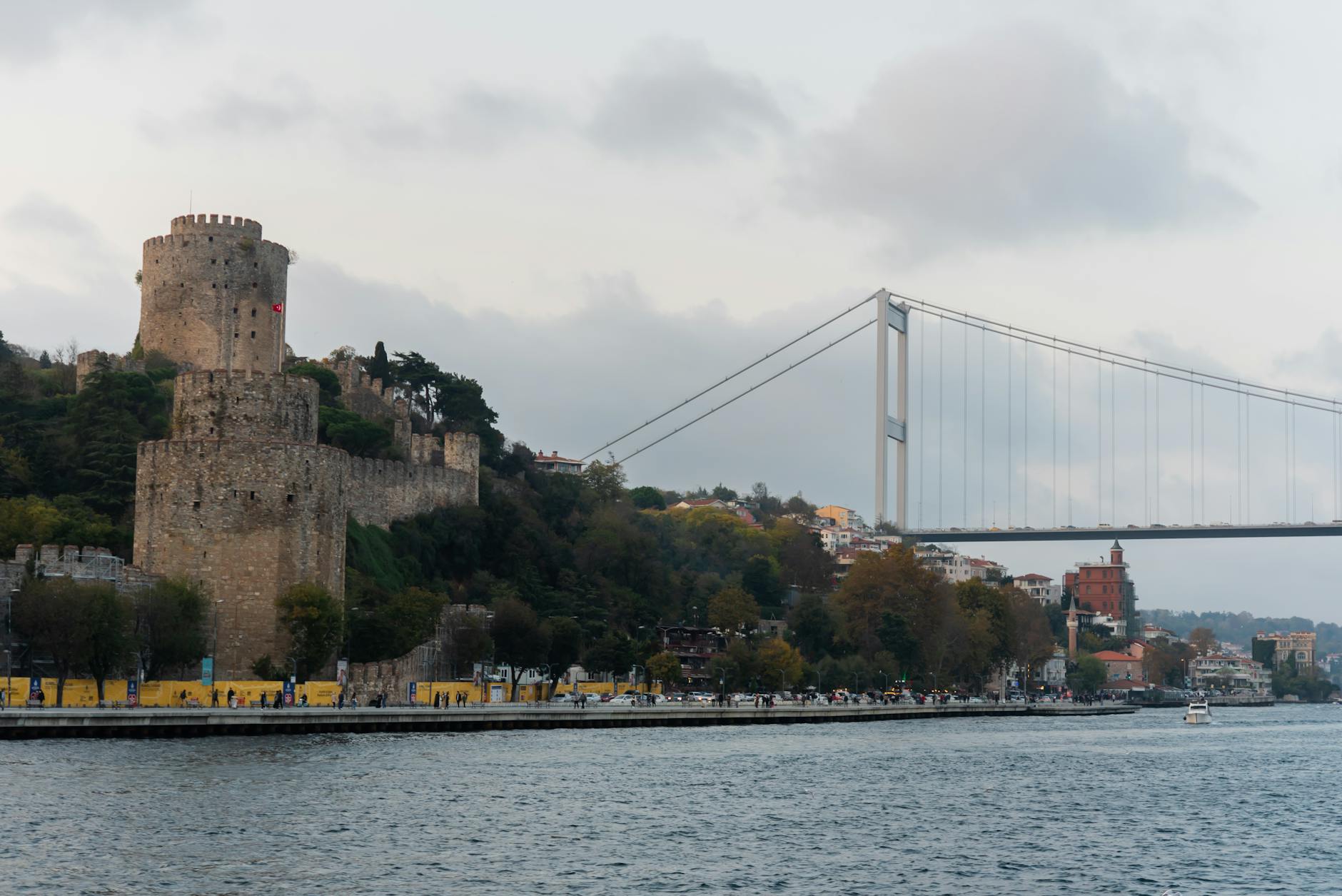
Last Tuesday, I found myself here at exactly 4:15 PM. The afternoon sun was hitting the Fatih Sultan Mehmet Bridge, making those massive steel cables look like the strings of a giant harp stretched across the water. It’s a sight that never gets old, even after fifteen years in this city. You’ll be paying 80 TL (1.60 EUR) for a proper fincan (large cup) of Turkish tea in 2026. If you’re craving a Turkish coffee to keep the heart rate up for the climb back, expect to shell out closer to 180 TL (3.60 EUR). It’s a fair price for a seat that effectively puts the Bosphorus in your lap.
The only downside is the “front-row fever.” You’ll see tourists hovering awkwardly near the edge, waiting for someone to leave. Don’t be that person. The secret is the high “tourist churn”—most people snap ten photos and leave. If the front row is packed, stand near the entrance for five minutes. Locals usually prefer the back rows anyway to stay in the shade, so a prime spot opens up faster than you’d think. If you stay long enough to see the bridge light up, remember that getting home involves more than just a scenic walk; I usually check the crossing the Bosphorus after midnight with 2026 night transport tips if the conversation and the view keep me past the last ferry.
The Aşiyan Protocol for Discerning Travelers
- Check the ship traffic: Use a marine traffic app to time your tea with the passage of a massive container ship; it makes the bridge look even more Herculean.
- The “Five-Minute Wait” rule: Never settle for a middle table immediately. Stand by the tree near the entrance; a front-row seat almost always clears within one tea-cycle.
- Order the ‘fincan’, not the ‘bardak’: The larger cup stays hot longer in the Bosphorus breeze, giving you more time to stare at the water.
- Bring cash for small tips: While cards are accepted, leaving a few coins for the busy waiters ensures a smile if you decide to linger for a second round.
- Avoid the weekend afternoon rush: If you arrive after 2 PM on a Sunday, you’ll be fighting for air, let alone a view. Aim for a weekday morning for total serenity.
The Farewell from the Pier
Standing here on the Aşiyan pier, my hamstrings are definitely lodging a formal complaint about those Rumeli Hisarı stairs, but looking back at those massive stone towers glowing in the late afternoon sun, I can’t say it wasn’t worth the sweat. The fortress looks much more manageable—and arguably more majestic—from sea level, where you aren’t fighting for oxygen.
Don’t even think about catching a bus or a cab back into the chaos of the city; the coastal traffic at this hour is a special kind of purgatory that no traveler deserves. Instead, lean into the logic of the Bosphorus. There’s a tiny, no-frills tea stand right near the ferry terminal where a glass of çay will set you back about 40 TL—which is exactly 0.80 EUR or roughly 0.90 USD. It’s a humble price to pay for a front-row seat to the strait while you wait for your boat.
I remember the first time I dragged a friend up these hills ten years ago; I wore slick-bottomed loafers like a complete amateur and nearly slid halfway back to the water. Today, I’m in better shoes, but I’m still just as captivated by that specific, deep turquoise that hits the Aşiyan shoreline when the light is just right. When the Şehir Hatları ferry finally pulls up, its engines churning the water into a salty mist, grab a seat on the outdoor deck. You’ve earned the breeze and the sight of the fortress shrinking into the distance as you glide back toward the city center. It’s the only logical way to reward yourself for a day spent conquering Istanbul’s vertical geography.
Comments
Share your thoughts with us