
I’ve always thought Kılıç Ali Pasha was the ultimate Ottoman flex; when the Sultan told the legendary Admiral he couldn’t have land for a mosque, the old sea dog simply built his own island in Tophane and hired Mimar Sinan to design a “mini” Hagia Sophia on top of it. It is a story of pure spite turned into architectural gold. Standing in the courtyard last Tuesday around 10:00 AM, just as the T1 tram rattled past toward Kabataş, I watched a group of travelers walk right past the gate, likely rushing toward the more “famous” spots in Sultanahmet. They missed the point entirely. I spent 75 TL (exactly 1.50 EUR) on a glass of tea at a small wooden stool nearby, watching the morning light hit the lead domes, and realized that even after 15 years of living here, this remains one of the few places where the history feels massive but the atmosphere stays intimate.
The mosque itself is Sinan’s clever nod to the city’s grandest Byzantine cathedral, but scaled down to a human level that doesn’t make your neck ache from staring up. It is tucked into a corner of Tophane that is currently caught in a tug-of-war between its gritty dockside past and the polished, high-end future of Galataport. You don’t get the stifling, shoulder-to-shoulder crowds of the Blue Mosque here. Instead, you get the salt air from the Bosporus, the rhythmic clicking of prayer beads, and the quiet satisfaction of knowing you are standing on reclaimed land that used to be nothing but waves until an admiral decided to prove a point. The transition from the chaotic street noise to the heavy silence of the portico is one of those classic Istanbul magic tricks that never gets old.
A Mosque Reclaiming the Sea
Most people exit the T1 tram at Tophane and get immediately distracted by the shiny, glass-heavy Galataport terminal, but the real masterpiece is the one that has been holding back the Bosphorus for nearly 450 years. The Kılıç Ali Pasha Mosque isn’t just a religious site; it is a 16th-century architectural “screw you” to the Ottoman establishment. When you stand in the courtyard today, you aren’t just standing on holy ground—you are standing on a miracle of engineering that was born out of pure, high-stakes spite.
From Privateers to Pillars
Kılıç Ali Pasha was a legendary Italian-born privateer who climbed the ranks to become the Grand Admiral of the Ottoman Navy. When he requested land from Sultan Murad III to build a mosque, the story goes that his rivals mockingly told him that since he was the “master of the sea,” he should build his house of God on the waves. Instead of taking offense, the Admiral teamed up with a 90-year-old Mimar Sinan—the undisputed heavyweight champion of Ottoman architecture—to do exactly that.
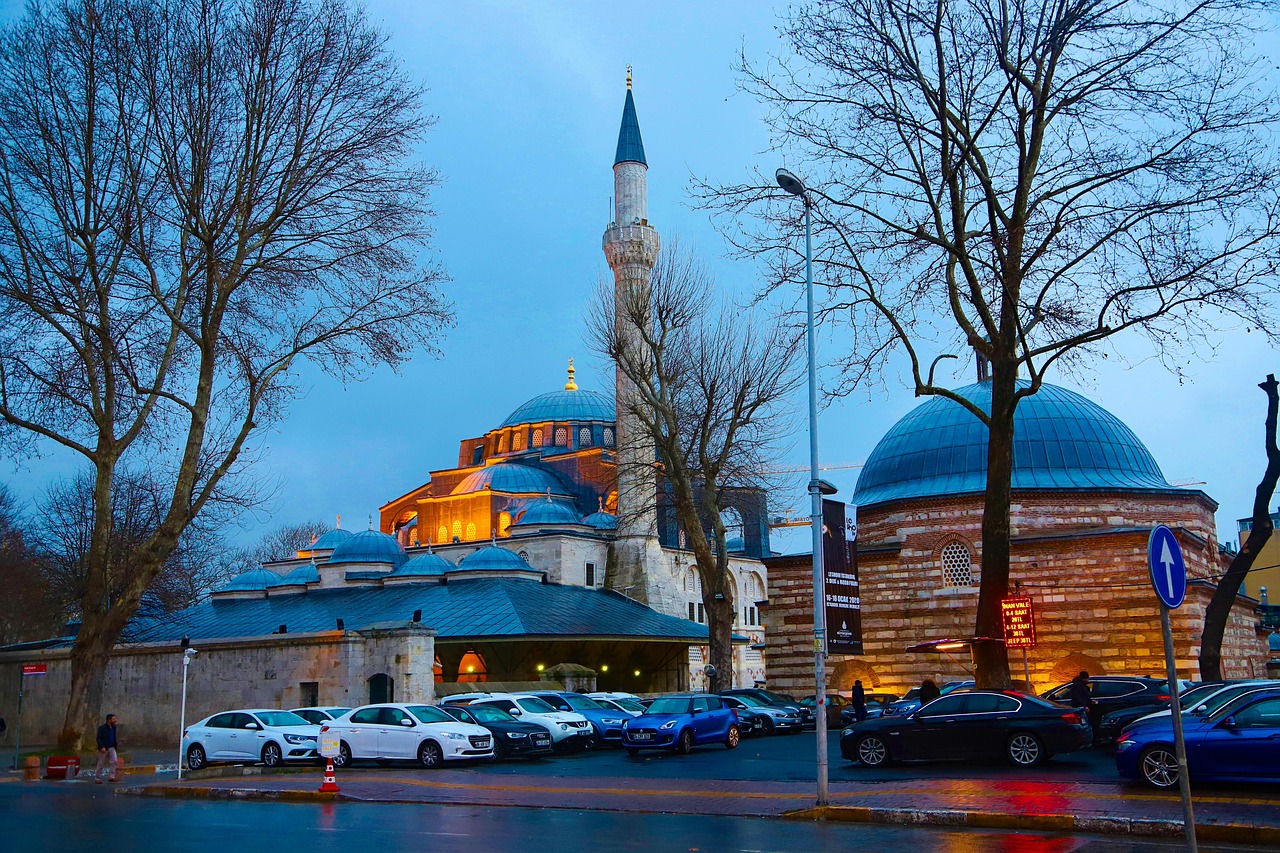
Sinan spent months filling the shoreline with rocks and debris to create a stable foundation on reclaimed land. I remember chatting with a local history buff near the Tophane fountain who joked that the mosque is the only thing keeping that part of the district from sliding back into the Bosphorus. While the modern cruise terminal has turned the area into a bit of a luxury mall, the mosque remains the neighborhood’s original anchor. The only downside to visiting these days is the crowd from the ships; my advice is to aim for the 9:00 AM window. Often, after I visit, I skip the museums and walk the fishy backstreets of Samatya instead to get away from the cruise port buzz. You’ll avoid the rush and won’t have to pay more than 45 TL (exactly 1 USD) for a quick tea at a side-street stall before the prices “adjust” for the tourists.
The Sinan Signature
Even at ninety, Sinan wasn’t phoning it in. He designed the complex to mimic the grandeur of the Hagia Sophia but with the structural clarity that only he could master. This wasn’t just about aesthetics; it was a statement of power. By building on the sea, Kılıç Ali Pasha and Sinan proved that even the Bosphorus bowed to their ambition. When you look at the dome, you aren’t just seeing a “mini-Hagia Sophia”—you are seeing a veteran architect at the peak of his craft, proving that he could still innovate long after most of his peers were in the ground.
The ‘Mini Hagia Sophia’ Architecture
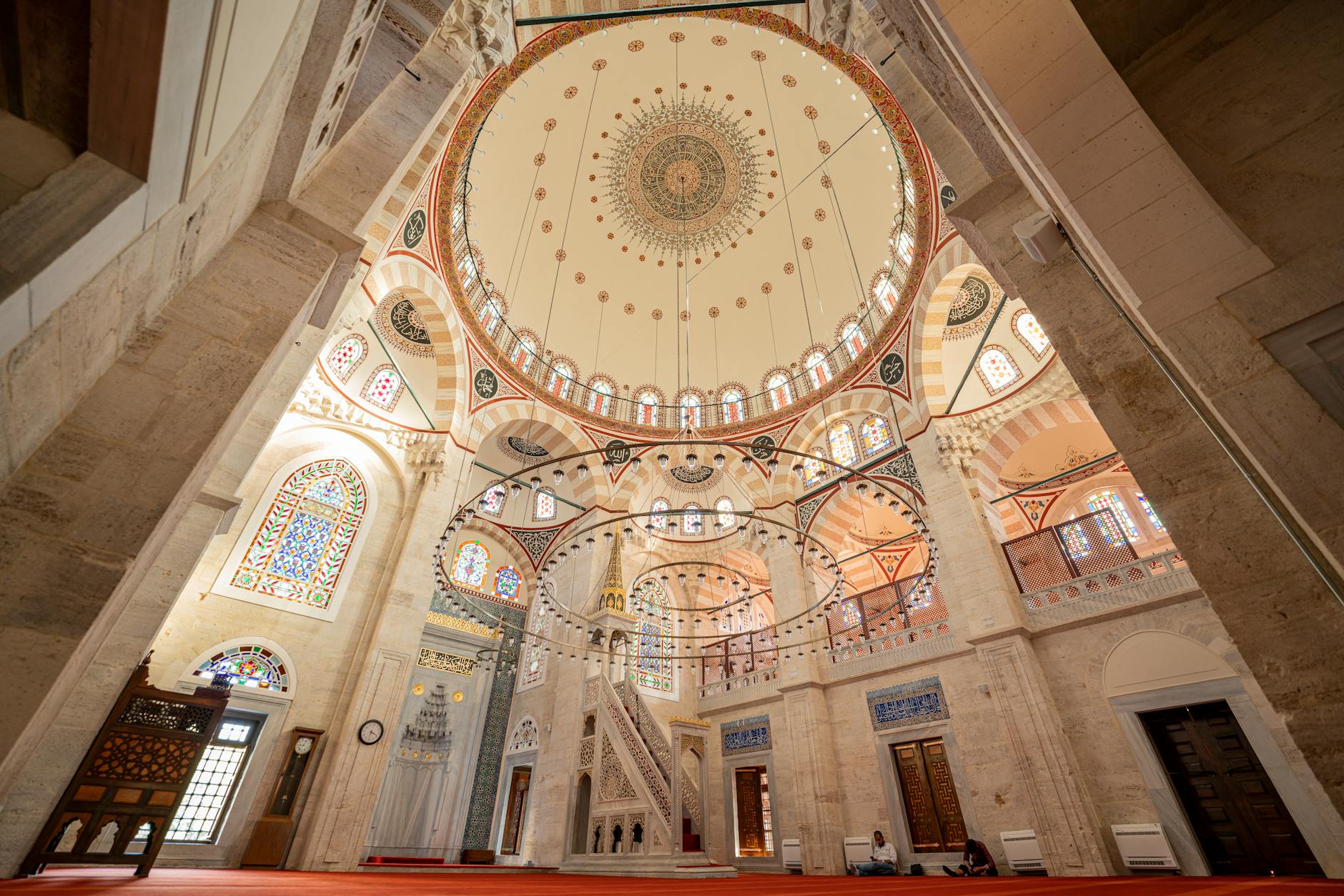
To call this place a “miniature” version of anything is a bit of a backhanded compliment, but in the case of the Kılıç Ali Pasha Mosque, it’s an intentional architectural flex by the legendary Mimar Sinan. While the Great Hagia Sophia feels like an ancient, heavy mountain of stone, Sinan—who was nearly 90 years old when he took this commission—managed to strip away the bulk and create a space that feels surprisingly airy and athletic. He essentially took the floor plan of the 6th-century Byzantine masterpiece and updated it with 16th-century Ottoman precision.
The Central Dome is supported by four massive Pendentives, and it’s the structural clarity here that hits you first. I remember visiting on a Tuesday afternoon when the cruise ship crowds were busy elsewhere, and for a few minutes, I had the dome all to myself. Unlike the Hagia Sophia, where the light can feel mysterious and dim, here it is sharp and intentional. This is largely due to the 24 windows encircling the base of the dome, which flood the interior with a clarity that highlights the intricate calligraphy and the vibrant Iznik Tiles lining the walls.
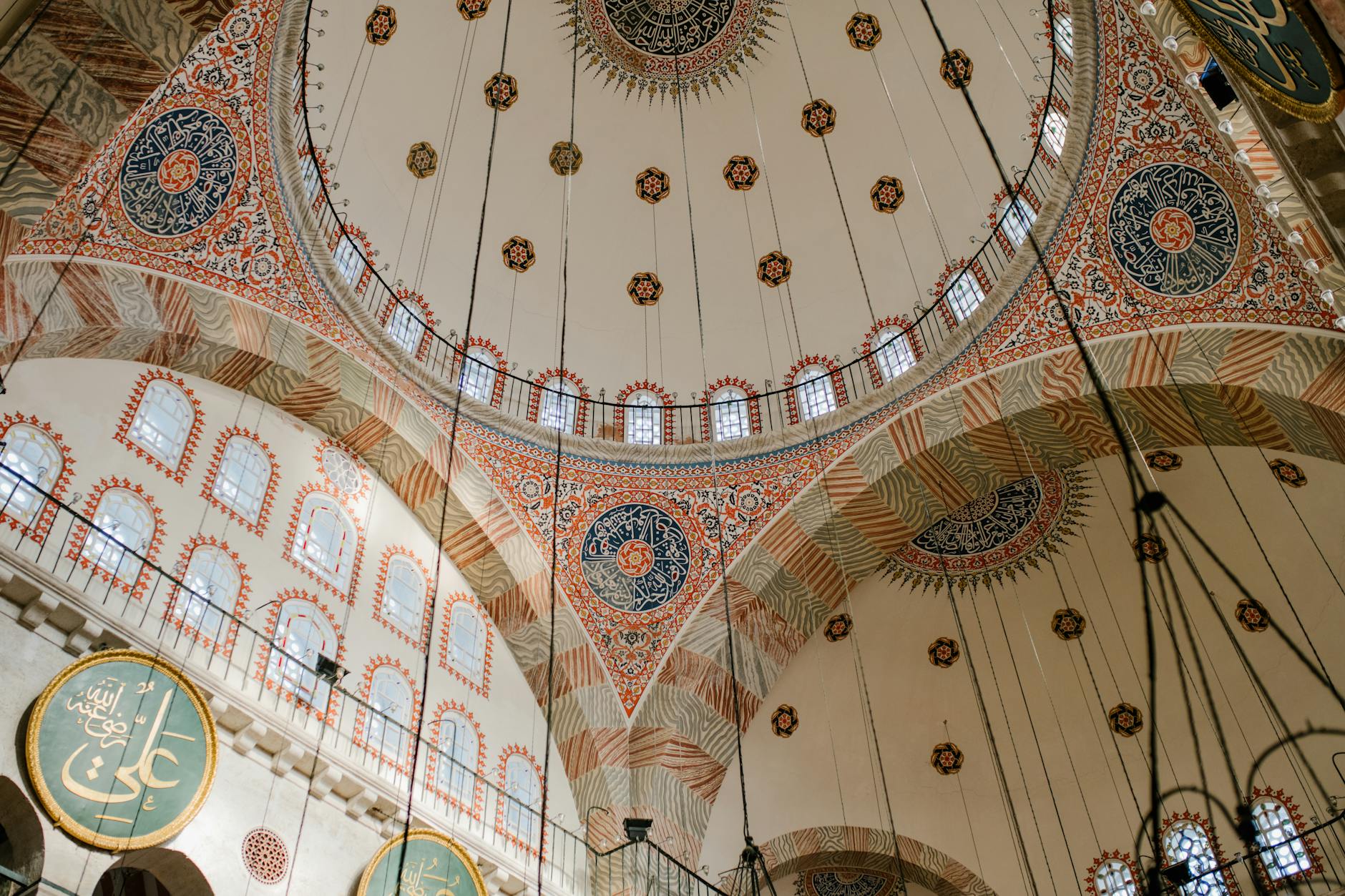
Berk’s Insider Tip: If you want the best light for photos of the dome, arrive around 10:30 AM on a sunny day. The way the light hits the calligraphy is far superior to the flat afternoon glare.
One detail that most people miss is the mosque’s maritime soul. Kılıç Ali Pasha was a legendary Grand Admiral (and a former Italian slave turned corsair, but that’s a story for another time), and Sinan honored this by hanging maritime-themed lanterns from the ceiling. While the original oil lamps have been replaced by modern electrical versions, they still retain that unique shape, subtly reminding you that this mosque was literally built on land reclaimed from the sea. If you walk just a few minutes toward the Nusretiye Mosque and the Tophane Waterfront with Practical Visiting Tips, you can see how the modern shoreline has expanded since Sinan’s day.
Structural Highlights to Notice
- The Gallery Arches: These are much slimmer than those in earlier Sinan works, allowing for a better view of the main prayer hall.
- Iznik Tile Borders: Look for the deep tomato-red color in the tiles; it’s a hallmark of the peak production period in the 1580s.
- The Dome Windows: Exactly 24 openings that create a “crown of light” effect during the mid-morning hours.
- Maritime Lanterns: Specifically designed to resemble 16th-century ship lamps, honoring the Admiral’s naval victories.
- The Mihrab Niche: It’s set into a slightly projecting apse, a direct nod to the layout of the Hagia Sophia but executed with Ottoman stonework.
Navigating the Tophane Complex: Hamam and Fountain
If you’re going to subject yourself to being scrubbed raw by a stranger, you might as well do it under a dome designed by a genius. The Kılıç Ali Pasha Hamam is, in my opinion, the only “luxury” bath in the city that actually earns its price tag. While the tourist traps near the Grand Bazaar will charge you nearly as much for a mediocre wash in a drafty room, here you’re paying for Sinan’s architectural precision and a level of service that doesn’t feel like an assembly line.
A full ritual here will set you back about 4,500 TL (which is exactly 90 EUR or 100 USD), and yes, that’s a splurge. But sitting on the warm marble (the göbektaşı) and looking up at the light piercing through the “elephant-eye” glass in the dome is the closest you’ll get to time travel. To save time getting here from the Asian side, I usually check the latest routes for Navigating the Marmaray and Metrobus with 2026 Fares and Transfer Tips to avoid the bottleneck at the Galata Bridge.
The Rococo Masterpiece and the Modern Shadow
Just outside the hamam’s cool stone walls sits the Tophane Fountain (the Sultan Mahmud I Fountain). Built in 1732, it’s a dizzying explosion of Ottoman Rococo—think stone carved so delicately it looks like lace, covered in floral motifs and calligraphy. It used to be the social heart of the neighborhood where travelers quenched their thirst.
Today, the fountain stands in a bit of a bizarre architectural “no man’s land.” On one side, you have the heavy, silent 16th-century stones of the mosque complex; on the other, the glass-and-steel hum of Galataport. It’s a jarring contrast to see a 300-year-old fountain reflected in the windows of a high-end boutique. If you find the crowd of influencers posing by the fountain a bit much, just turn your back to the cruise ships and focus on the stone fruit bowls carved into the fountain’s niches.
Berk’s Insider Tip: Avoid the Hamam during peak cruise ship hours (usually 11 AM to 3 PM). Book your session for 8 PM; the atmosphere under the lit dome is hauntingly beautiful and much quieter.
Visiting Etiquette: How Not to Be a Distraction
Treating the Kılıç Ali Pasha Mosque like a museum is the fastest way to mark yourself as a clueless outsider. This is a functioning neighborhood sanctuary where locals come to escape the noise of Tophane, and your presence shouldn’t disrupt their peace. I’ve seen far too many visitors treat the prayer hall like a film set, forgetting that for the man kneeling in the third row, this is a private conversation with the divine, not a photo op for your feed.
Timing Your Arrival
The most common rookie mistake is trying to barge in during the Ezan (call to prayer). If you hear the speakers blaring, give it a rest. Check the digital clock displayed near the entrance; it shows the exact times for the five daily prayers. I remember the time I mistakenly tried to cut through the mosque courtyard during Friday prayers at 1:10 PM; the sheer volume of shoes overflowing from the racks onto the sidewalk was a clear sign I needed to back off. I spent the next 45 minutes at a nearby table paying 120 TL for a Turkish breakfast plate while waiting for the crowd to disperse.
Respecting the Living Space
When you enter, you’ll see racks for shoes. Don’t just leave your boots in the middle of the floor; it’s disrespectful and a tripping hazard. Use the provided plastic bags if you want to carry your shoes with you, but never let the soles touch the carpet. Modest dress is the rule of thumb—shoulders and knees should be covered. If you forgot your scarf, the attendants usually have some clean ones to lend out. Once inside, stay toward the back or the sides.
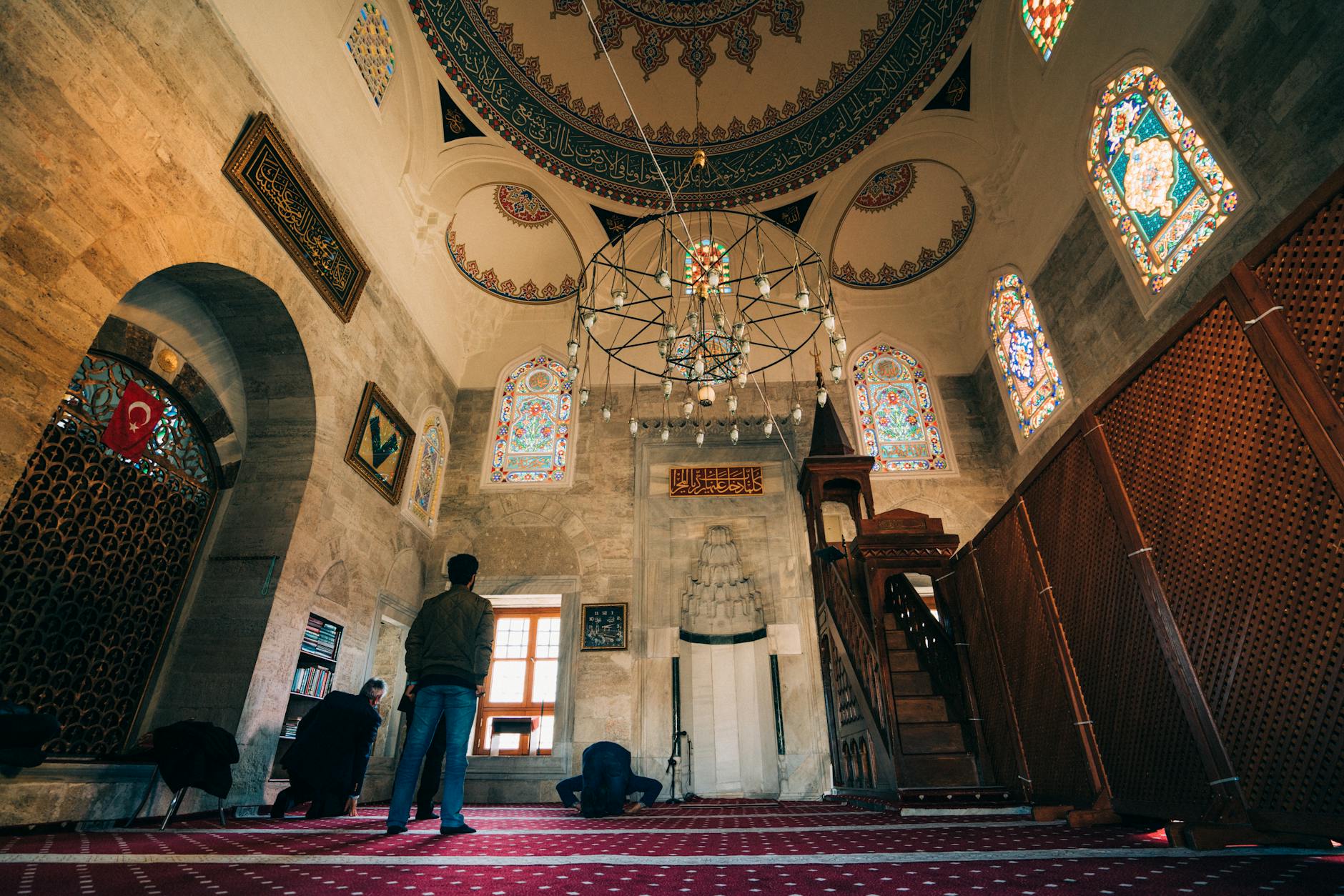
The center of the dome is breathtaking, but walking directly in front of someone praying is considered incredibly rude in local culture. I once saw a security guard gently redirect a tourist who was trying to set up a tripod right in the middle of the carpet during the afternoon sun. Use your eyes, not just your lens.
How to Visit Respectfully
- Check the digital prayer clock outside the main gate to ensure you aren’t interrupting a service.
- Remove your shoes at the designated wooden benches before you step onto the carpet.
- Carry your footwear in a plastic bag or place them neatly on the shelves provided.
- Ensure your attire meets the requirements (hair covered for women, long trousers or wraps for men).
- Maintain a whisper-quiet volume and avoid using flash photography while people are worshipping.
2026 Practicalities: Getting There and Costs
Forget calling a ride-share; in this corner of Istanbul, your feet or the tram rails are the only things that won’t leave you sobbing in a gridlock. The T1 Tram Tophane stop is the undisputed king of access here, dropping you so close to the complex you could practically fall out of the carriage and land in the courtyard. However, if you find yourself in Karaköy after a heavy breakfast, do not bother waiting on the crowded platform. I once spent twelve minutes waiting for a tram at Karaköy just to travel one stop, only to realize I could have walked the distance in five minutes while admiring the street art. Save your Istanbulkart balance and just walk north along the main road.
Navigating the T1 and the Walk
If you are coming from the Sultanahmet side, the T1 Tram is your best friend, but be warned: between 4:00 PM and 7:00 PM, it becomes a literal sardine can. When I tried to reach Tophane from Aksaray last Monday at 5:15 PM, the T1 tram was so packed I couldn’t even see the doors. I ended up bailing at Eminönü and walking the Galata Bridge, which took me 22 minutes exactly, but the breeze was worth the 40 TL fare I wasted on the card tap. If the platform looks like a protest march, get off at Karaköy and enjoy the stroll. It’s a flat, easy walk, and you’ll pass some of the city’s better third-wave coffee shops along the way.
Budgeting for the Experience
While the spiritual side of the Kılıç Ali Pasha complex remains refreshingly free, the physical pampering side is a different story. Entering the mosque costs you absolutely nothing, though a small donation for maintenance is always a classy move. The Kılıç Ali Paşa Hamamı, however, has transitioned into a high-end luxury experience. As of 2026, a basic scrub and massage will run you roughly 3,500 TL (70 EUR / 77 USD). It’s a splurge, certainly, but considering you’re being bathed in a 16th-century masterpiece by Sinan, it beats a generic hotel spa any day.
| Expense Type | Cost (Turkish Lira) | Conversion (Approx.) | Berk’s Local Tip |
|---|---|---|---|
| Mosque Entry | Free | 0 EUR / 0 USD | Visit outside of prayer times to see the interior. |
| Hamam Ritual | 3,500 TL | 70 EUR / 77 USD | Book 3-4 days in advance; they fill up fast. |
| T1 Tram Fare | 40 TL | 0.80 EUR / 0.90 USD | Use a contactless credit card if you lack a transit card. |
| Simit & Tea Nearby | 60 TL | 1.20 EUR / 1.35 USD | Grab these from a street cart for a cheap breakfast. |
If you find the hamam prices a bit steep, you can still appreciate the architecture from the outside for free. Just don’t be that person who tries to “sneak a peek” inside the hamam section without a booking; the staff are pros at spotting curious wanderers, and privacy is strictly guarded for the bathers. Stick to the mosque for your photos and the hamam for your splurges.
Conclusion
Don’t let the shiny allure of the Galataport terminal pull you into a 500 TL cocktail just yet. Instead, do what I do when the city noise starts to grate: cross the street to the humble tea garden tucked right behind the Tophane fountain. I usually aim for the slightly rickety wooden stool in the far left corner—the one that’s been smoothed down by decades of heavy-set locals playing backgammon.
Last week, I sat there with a glass of tea that cost me exactly 35 TL (barely 0.70 EUR), watching the sky turn a bruised purple over the Golden Horn. As the sun dips behind the silhouette of the Old City, there is a very specific moment where the light hits the weathered stone of Sinan’s mosque. It makes the surrounding glass-and-steel developments look like fragile, temporary toys.
There’s a quiet satisfaction in seeing how Sinan’s 16th-century limestone has outlasted every trend, fire, and earthquake the city has thrown at it. Modern Istanbul is obsessed with the new, the transparent, and the fast, but sitting there with a steaming tulip-shaped glass in hand, you realize that true weight stays put. Let the cruise ship crowds rush back to their buffets; stay for the call to prayer and watch the shadows stretch across the courtyard. It’s the only way to actually feel the gravity of the place you just walked through.