Erzurum Style Horizontal Lamb Kebab in Sirkeci and Kadıköy with 2026 Prices
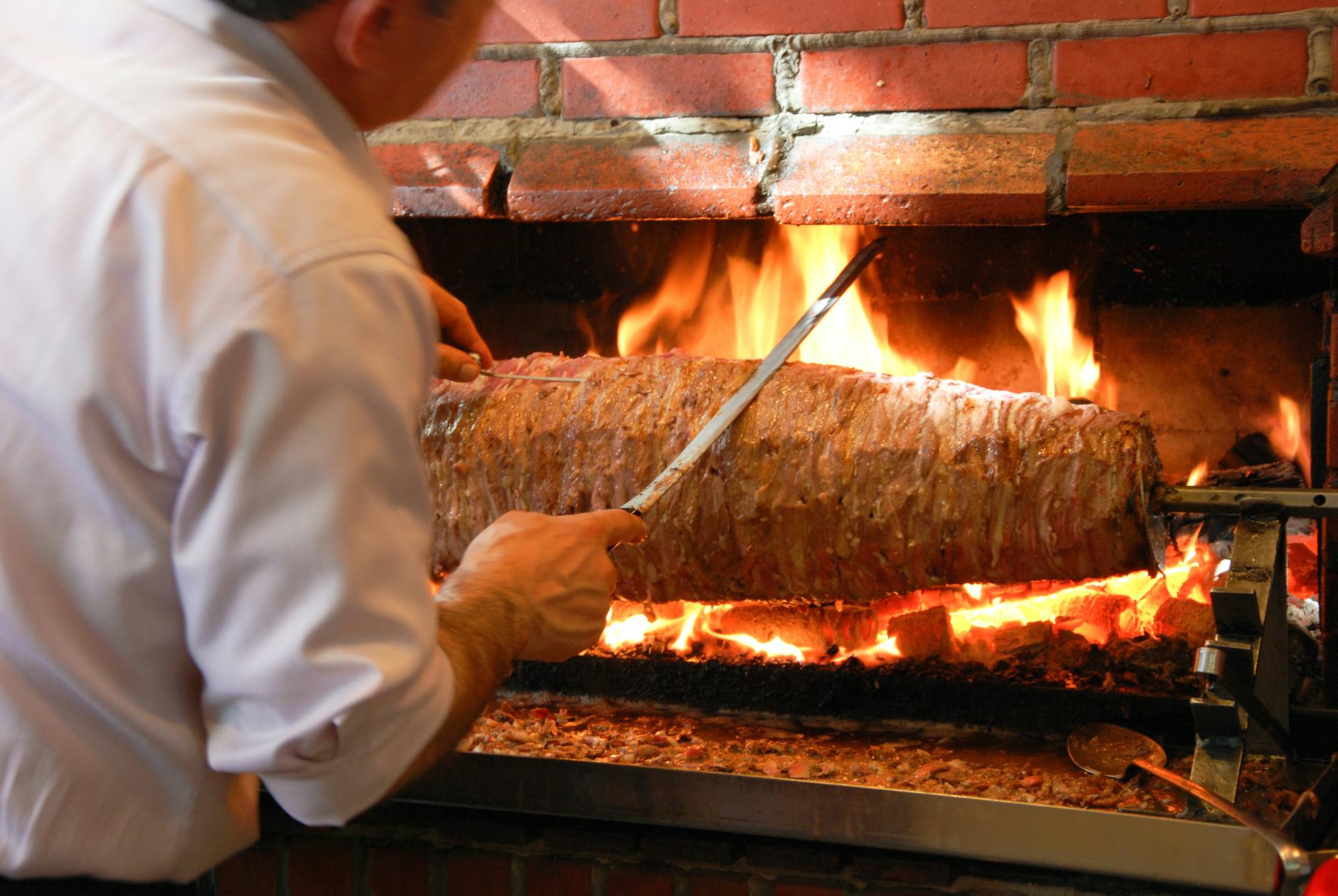
If you see a man wielding a small metal skewer like a surgeon’s scalpel over a spinning horizontal spit of fat-dripping lamb, you haven’t stumbled into a medieval workshop—you’ve found Erzurum’s greatest gift to Istanbul. Unlike the vertical döner that stands like a stoic pillar on every corner, Cağ Kebabı lies flat, surrendering its juices directly to the oak-wood fire below. It is the unruly, more flavorful cousin of the kebab world. After fifteen years of navigating these streets, I’ve learned that it’s the one meal that requires zero marketing—the smell of charred fat does all the heavy lifting.
Field Note (Sirkeci): Last Thursday, I found myself squeezed into a stool at a no-frills joint tucked away in the Hocapaşa backstreets of Sirkeci. It was 1:45 PM, the peak of the lunch rush, and I waited exactly nine minutes for a seat while watching the usta (master) shave ribbons of marinated lamb onto the small cağ skewers. The air was thick with the scent of woodsmoke and sumac-rubbed onions. Each skewer currently goes for 220 TL—which, at 2026 rates, is roughly 4.40 EUR or 4.90 USD.
The beauty of this dish lies in its simplicity and its refusal to be “elegant.” The meat is marinated with heaps of black pepper and sliced onions for 24 hours before it even touches the fire. In Sirkeci, the vibe is hurried and intense, reflecting the frantic energy of the Old City’s spice traders. Over in Kadıköy, the experience is slightly more relaxed, but the meat remains the undisputed protagonist. It’s a greasy, glorious ritual that usually ends with a plate of honey-drenched Kadayıf to cut through the salt.
The Horizontal Architecture of the Perfect Skewer
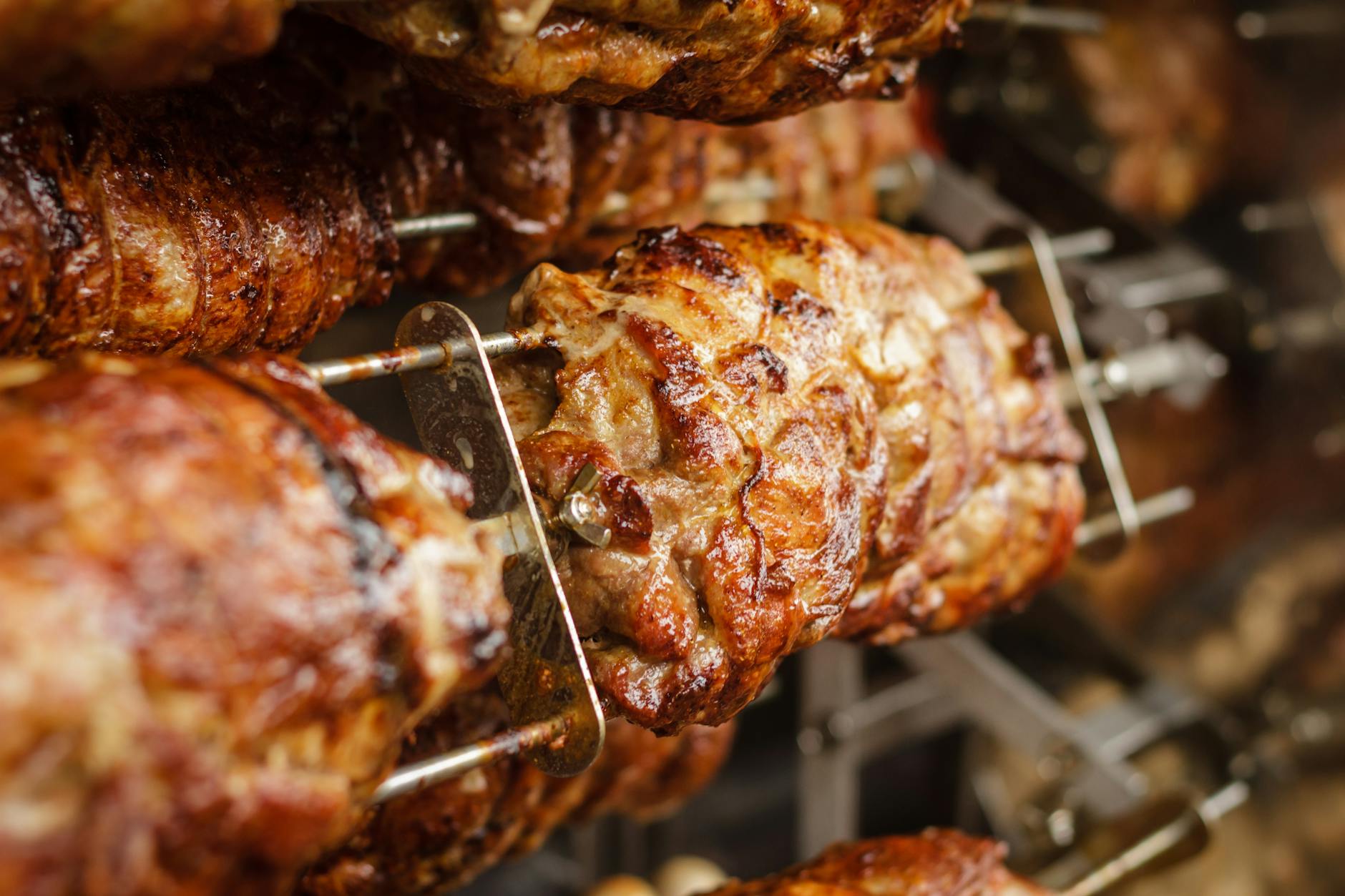
If you think you know Turkish meat because you’ve had a vertical Döner, you’re missing the point of gravity. Cağ Kebabı is the rebel of the kebab world; it sits horizontally over glowing oak wood embers, allowing the rendered lamb fat to drip onto the meat rather than simply falling into a collection tray. It’s a sensory masterpiece where the fat defies physics, basting the lamb leg in its own juices until it’s charred, tender, and impossibly rich.
The Art of the Slow Marination
The secret isn’t a complex spice rub; it’s a 24-hour marination in just onion juice, salt, and black pepper. This simplicity masks a brutal amount of hard labor and precision. While many visitors spend their afternoons on a street food crawl and fish sandwiches in Eminönü, walking five minutes uphill to find this Erzurum-style treasure is a power move for your palate. The meat is sliced off the horizontal spit with a long knife and then threaded onto a small skewer to be finished over the fire for another thirty seconds.
Ranked: The 5 Elements of the Ultimate Cağ Kebabı
- Oakwood Embers: The smoky heat source that defines the Erzurum style.
- Horizontal Spit: The mechanical setup that allows rendered fat to self-baste the meat.
- Stainless Steel Cağs: The small individual skewers used to serve the meat directly to the diner.
- Sumac-Rubbed Onions: The essential acidic side for balancing the rich lamb fat.
- Honeyed Kadayıf: The traditional dessert used to cut through the salt of the marinade.
Berk’s Insider Tip: If you see the spit getting thin (less than 10cm of meat left), don’t sit down. The meat dries out at the core; wait for the next fresh log to be mounted.
How to Eat Cağ Kebabı Like a Local
- Inspect the spit thickness: Before sitting down, look at the horizontal lamb log. If there is less than 10cm of meat left on the spit, wait for the usta to mount a fresh one to ensure your meat is juicy.
- Order two skewers to start: Request “iki şiş” per person. Never order your full amount at once; lamb fat is best when screaming hot, and ordering in small batches prevents the meat from cooling.
- Use the lavaş as a grip: Use the thin lavaş (flatbread) provided as a heat-shielding glove. Wrap it around the meat on the skewer and pull firmly to slide the lamb off into the bread.
- Layer with sumac onions: Add a portion of the raw, sumac-rubbed onions and a few pickled green peppers (cin biber) onto your meat. The acidity is vital for cutting through the richness.
- Signal for the next round: Watch the waiter as you finish your current skewer. Give a slight nod when you have one bite left to signal them to bring a fresh, sizzling skewer immediately.
- End with a palate cleanser: After you surrender by placing your hands up, finish the ritual with a plate of honey-drenched Kadayıf or a quick walk to a nearby traditional muhallebi shop.
Sirkeci: The Backstreet Battle for the Best Skewer
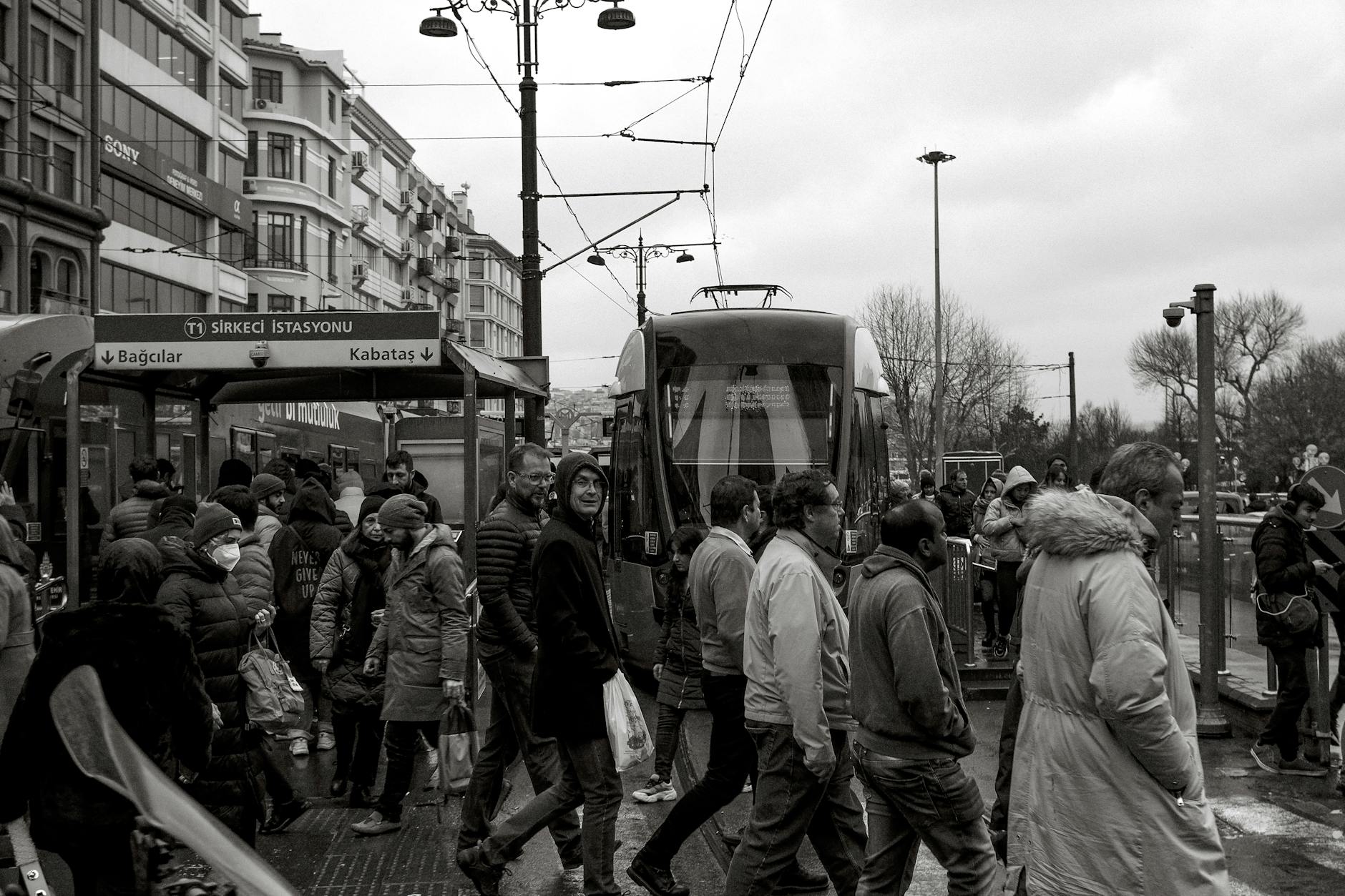
Sirkeci is where I go when I want to feel the grit of the Old City, far away from the sanitized hotel lobbies of Sultanahmet. The Hocapaşa neighborhood is ground zero for Cağ Kebap—that glorious, marinated lamb rotating horizontally over a wood fire until it’s charred on the edges and buttery on the inside.
If you find yourself at Şehzade Cağ Kebap, don’t expect to linger. The queue moves with a ruthless efficiency. I once saw a tourist try to settle in and read a novel while waiting for his third skewer; the waiter looked like he’d just witnessed a heinous crime. In this corner of Istanbul, you eat, you marvel at the spice rub, and you vacate the stool for the next hungry person in line.
The price for this masterclass in meat is straightforward. A single skewer (şiş) here in 2026 costs 220 TL ($4.90 / €4.40). Most people tap out after four skewers, though I’ve seen hungry shopkeepers from the nearby bazaar clear ten without breaking a sweat. It’s the essential high-protein fuel you’ll need after the frantic sweaty madness of my walk through Mahmutpaşa and Tahtakale.
The 2026 Price Breakdown: What Your Wallet Should Expect
Cağ kebab is the aristocrat of the Istanbul street food world. In 2026, quality has a floor, and it’s usually around 220 TL per skewer. A satisfying lunch for two—roughly six skewers between you, plus salads and drinks—will land right around 1,800 TL ($40 / €36).
| Meal Component | Price in Turkish Lira (TL) | Estimated Cost (USD/EUR) |
|---|---|---|
| Single Skewer (Cağ) | 220 TL | $4.90 / €4.40 |
| Seasoned Salad (Per person) | 150 TL | $3.30 / €3.00 |
| Cold Drink (Ayran/Cola) | 90 TL | $2.00 / €1.80 |
| Full Lunch for Two (6 Skewers + Sides) | 1,800 TL | $40.00 / €36.00 |
Common Cağ Kebabı Questions
Is Cağ Kebabı supposed to be spicy?
No. The flavor profile is savory, leaning on lamb, salt, and black pepper. I once watched a traveler at Şehzade in Sirkeci turn bright red because he mistook the bowl of pickled green peppers (cin biber) for sweet beans. Those peppers are there if you want heat, but the meat itself is pure, fatty bliss.
Can I ask for the meat to be well-done?
Yes, though the master might give you a judgmental look. If you prefer it on the tender side, ask for ‘az pişmiş’. If you’re nervous about pink meat, ask for ‘çok pişmiş’. If the skewer they bring looks too pale, just point back at the fire and say “biraz daha” (a bit more).
The Post-Kebab Afterglow
I usually find myself perched on one of those tiny, back-straining stools at Şehzade in Sirkeci around 2:30 PM, just as the lunch crowd dissipates. There is a specific, silent nod the usta gives you when he sees you’re a regular; it’s an unspoken agreement that the skewers will keep coming until you physically put your hands up in surrender.
Once you’ve reached your limit and settled the bill, do yourself a favor: skip the tram. If you’ve indulged on the Kadıköy side, head straight for the Moda coastal path. Walking from the tea gardens down toward Yoğurtçu Park is the only way to convince your cardiovascular system that everything is going to be okay after that much glorious animal fat.
Comments
Share your thoughts with us