What Is Happening in the Middle East Right Now?
Since late February 2026, tensions in the Middle East have escalated significantly. Hostilities between Israel, Iran, and the United States have dominated international headlines, with military operations affecting parts of Iran, Iraq, Syria, and the broader Gulf region. The Strait of Hormuz has seen disruptions to commercial shipping, and several countries in the immediate conflict zone are experiencing instability.
These are real events with serious consequences for the people living in those areas. But geography matters — and Turkey’s position in this situation is fundamentally different from what the headlines might suggest.
Where Does Turkey Stand?
Turkey is not a party to this conflict and has no intention of becoming one. From the outset, the Turkish government has taken a clear diplomatic position: this conflict must not escalate further, and all parties should pursue a path toward peace.
President Erdogan has been in active contact with leaders across the region, consistently urging restraint and de-escalation. Turkey has called on its neighbors — and on all involved parties — to step back from military action and return to the negotiating table. Ankara’s message has been unambiguous: more conflict serves no one, and Turkey will continue to push for dialogue over destruction.
This is not a passive stance. Turkey has positioned itself as a voice for stability in the region, leveraging its relationships with both Eastern and Western powers to advocate for a diplomatic resolution. As a NATO member with deep economic and cultural ties across the Middle East, Turkey has both the motivation and the credibility to push for calm.
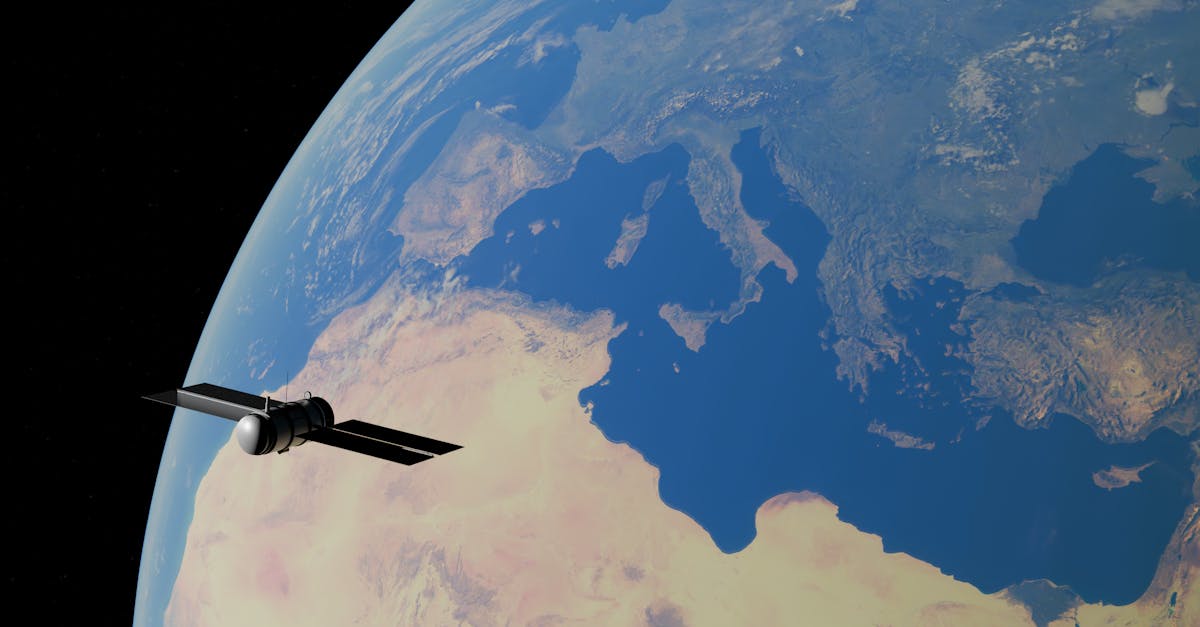
Turkey shares borders with Syria, Iraq, and Iran, which understandably raises questions for travelers looking at a map. But sharing a border is not the same as being involved in a conflict. Turkey’s major cities and tourist regions are located in the western and southern parts of the country — over 1,000 kilometers from any active conflict zone.
To put this in perspective: the distance from Istanbul to the nearest area of concern is roughly the same as London to Barcelona, or New York to Chicago. You would not cancel a trip to London because of events in Barcelona.
Are Flights to Turkey Operating Normally?
Yes. Here is the current status as of April 2026:
- Istanbul Airport (IST) is fully operational, 24/7, with all terminals running
- Sabiha Gokcen Airport (SAW) on Istanbul’s Asian side is also operating normally
- Antalya Airport (AYT) continues to receive international flights on schedule
- Flights from Europe, North America, Asia, and Africa to Turkey are unaffected
Turkish Airlines has temporarily suspended routes to some conflict-affected destinations — including Iran, Iraq, Syria, Lebanon, Jordan, and certain Gulf states — through the end of April 2026. This is a precautionary measure for those specific routes and does not affect flights to or from Turkey itself.
What Do Travel Advisories Say?
Western governments, including the U.S., UK, and EU member states, maintain travel advisories for most countries in the world — including popular destinations like France, Italy, and Spain. Turkey falls into the same general advisory category as these countries for its main tourist regions: exercise standard precautions, stay aware of your surroundings, and follow local news.
What Does Daily Life Look Like in Turkey Right Now?
This is perhaps the most important section of this article, because it addresses the gap between what you see in the news and what you experience on the ground.
Turkey is not in a state of tension. Daily life across the country continues as normal — not because people are ignoring what is happening in the region, but because Turkey is simply not part of this conflict. There are no sirens, no disruptions, no military presence on the streets of tourist cities. Life goes on because there is no reason for it not to.
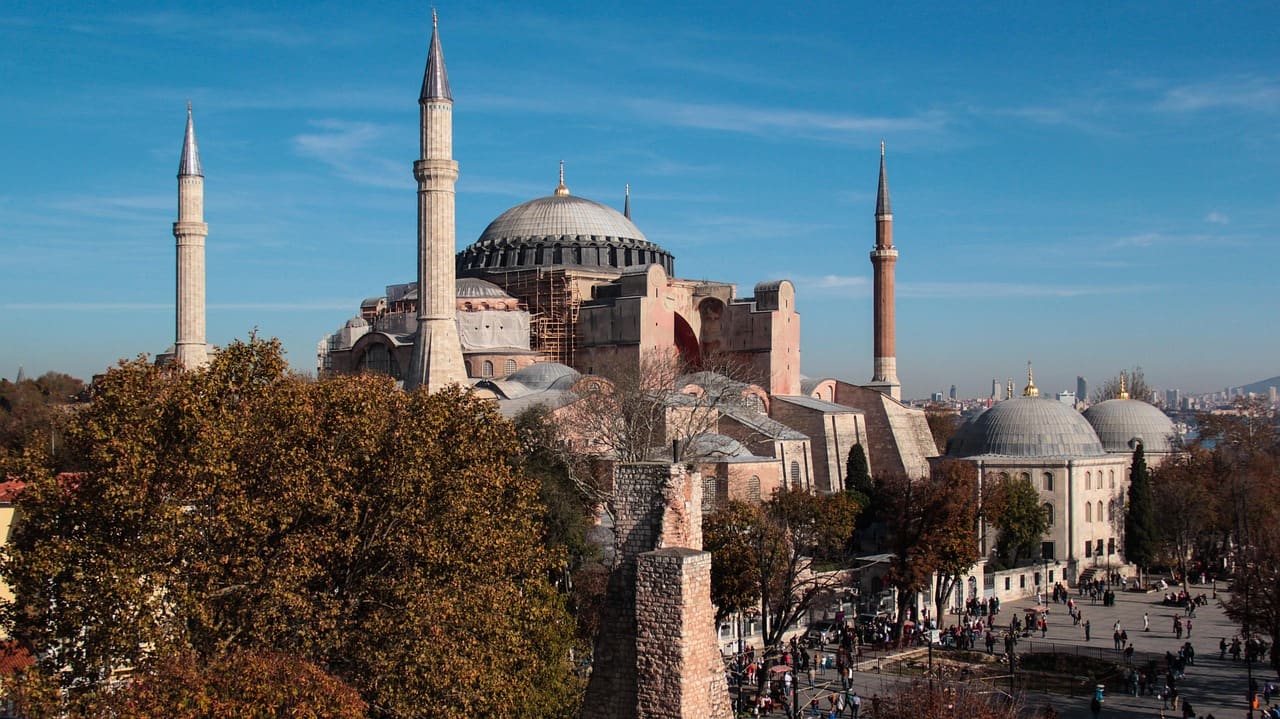
In Istanbul, 16 million people are living their daily lives exactly as they always do. The ferries cross the Bosphorus every 15 minutes. The Grand Bazaar opens at 9 and closes at 7, as it has for centuries. Restaurants in Kadikoy are packed on weekends. Fishermen line the Galata Bridge at dawn. Children play in the parks of Bebek and Moda. The tram rolls through Sultanahmet. Cafes in Cihangir are full of locals reading the morning paper over Turkish coffee.
Walk through any neighborhood in Istanbul right now and you will not see or feel anything different from any other spring day. The city is alive, vibrant, and welcoming — because it has no reason to be anything else.
In Cappadocia, hot air balloons launch every morning at sunrise, painting the sky over the fairy chimneys as they have for years. Hotels are taking bookings, tours are running, and visitors are exploring the underground cities and valleys on foot.
In Antalya and along the Turkish Riviera, resort hotels are preparing for what is expected to be a busy summer season. Beaches are being groomed, boat tours are operating, and the old town of Kaleici is as charming as ever.
On the Aegean coast — Bodrum, Cesme, Alacati, Izmir — life moves at its usual relaxed pace. Markets open, fishermen bring in the morning catch, and the coastal roads are quiet and scenic.
The point is not that Turkey is “carrying on despite” something. The point is that there is nothing here to carry on despite. The conflict is elsewhere. Turkey is at peace, and it feels like it.
Stay Informed
We will continue to publish updates if anything changes.
Travel smart, stay aware, and enjoy Turkey. The country is open, safe, and welcoming visitors as it always has been.