
Local Wine Bars and Anatolian Grapes in Beyoğlu and Kadıköy with 2026 Prices
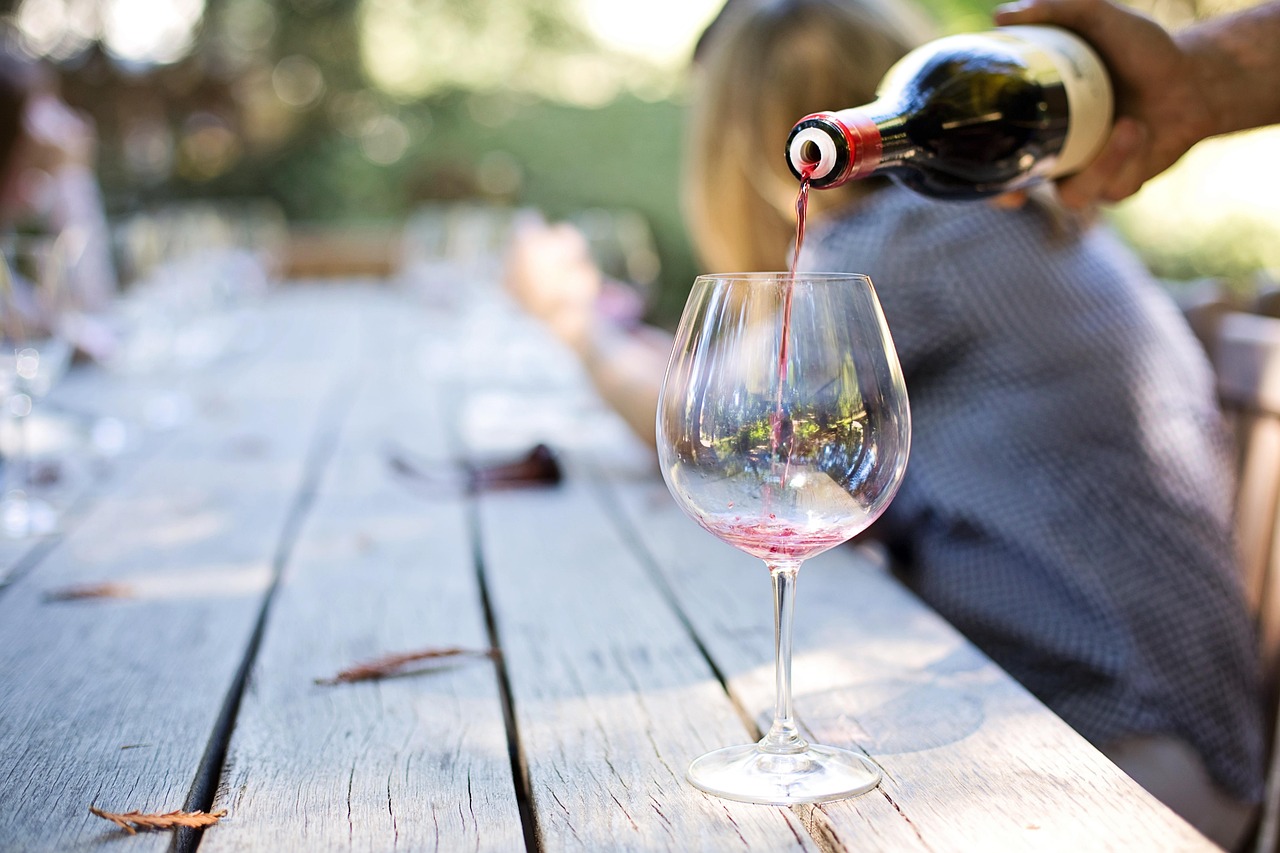
I remember sitting in a dimly lit corner of a Beyoğlu alley ten years ago, tasting my first sip of an Öküzgözü-Boğazkere blend and realizing that everything I thought I knew about “Old World” wine was missing a massive, Anatolian-sized piece of the puzzle. It wasn’t just the deep ruby color or the tannin that gripped my palate; it was the realization that these vines have been rooted in this soil since long before the concept of a wine cellar even existed. Istanbul’s wine scene has grown up since that night. It has shed the old habit of mimicking French chateaus and finally embraced the wild, high-altitude character of grapes like Narince and Bornova Misketi.
The city’s wine culture is currently concentrated in two distinct hubs: the historic, slightly gritty corridors of Beyoğlu and the breezy, residential coolness of Kadıköy. Last Tuesday, around 7:30 PM, I ducked into a small, bottle-lined spot near the Galata Tower. The evening rush was just beginning, but I managed to snag a stool at the bar without a wait. I ordered a glass of chilled Karasakız—a thin-skinned, elegant red from the Çanakkale region that most locals describe as our answer to a Jura wine. It cost 400 TL (roughly 8 EUR), and for that price, I got a history lesson in a glass and a view of the street life through a foggy window.
The Top 5 Essential Anatolian Grapes (Ranked)
If you are new to the Turkish palate, start your journey with these five indigenous grapes, ranked by their importance and prominence in the modern local wine scene:
- Öküzgözü: Ranked first for its approachability and juicy red-fruit profile.
- Narince: Ranked second for its creamy texture and remarkable aging potential.
- Boğazkere: Ranked third for its bold tannins and structural depth.
- Kalecik Karası: Ranked fourth for its elegance and light, fruity profile.
- Bornova Misketi: Ranked fifth for its intense aromatic and floral character.
Navigating a Turkish wine list can feel like deciphering an ancient script if you aren’t familiar with the geography. You might see names that look like tongue twisters, but there is a logic to the madness. The trick is to stop looking for a Cabernet substitute and start asking for what grows best in the volcanic sands of Cappadocia or the limestone plateaus of Elazığ. While prices have certainly ticked up recently, finding a sophisticated glass for under 450 TL (10 USD) is still very doable if you know which side-street doors to push open.
The Soul of Anatolian Grapes: What You’re Actually Drinking
Turkish wine is not a novelty anymore; it is the rediscovery of an 8,000-year-old heritage that survived through sheer local stubbornness. If you walk into a wine bar in Beyoğlu expecting a standard Merlot, you’re missing the point of being here. Anatolia is home to over 800 indigenous grape varieties, though only about 30 are currently used for commercial winemaking. Understanding these grapes is the key to unlocking the city’s sophisticated side.
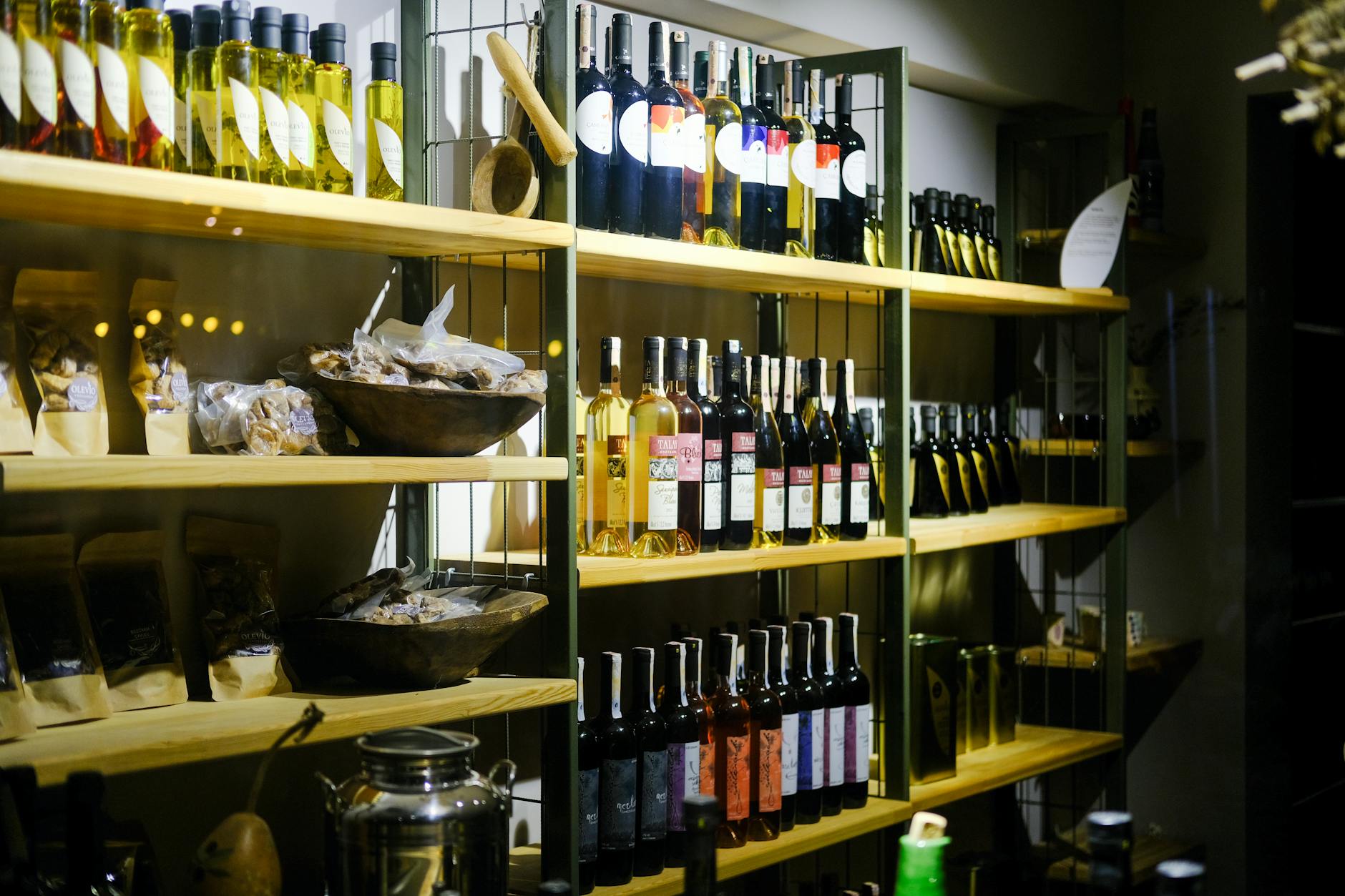
The Eastern Power Couple: Öküzgözü and Boğazkere
You cannot talk about Turkish viticulture without mentioning the legendary duo from Eastern Anatolia. Öküzgözü (literally “Bull’s Eye” due to its large, dark berries) is fleshy, high in acidity, and bursts with bright plum and pomegranate notes. Its natural partner is Boğazkere, which translates to “Throat Burner.”
I remember sitting in a tiny bar in Kadıköy last November, watching a traveler try a 100% Boğazkere for the first time. He winced at the aggressive tannins—it’s a grape that demands respect and usually a bit of aging. However, when blended with the softer Öküzgözü, it creates a balanced, complex red that rivals a fine Bordeaux.
The Elegant White: Narince
If you enjoy Chardonnay, Narince will be your go-to. Originating from Tokat, this grape is one of the few Turkish whites that handles oak aging beautifully. It is creamy, citrusy, and has a surprising floral nose. In 2026, the market has stabilized, but quality remains premium; most high-end bars in Beyoğlu will charge around 350 TL ($7.75) for a generous 15cl pour of a single-vineyard Narince.
The Aromatic Explosion: Bornova Misketi
For something lighter, look for Bornova Misketi from the Aegean coast. It is an aromatic explosion—think tropical fruits and jasmine. If you’ve just finished a street food crawl and fish sandwiches in Eminönü, the high acidity of a Bornova Misketi is one of the few things that can scrub the oily residue of a fried mackerel sandwich from your tongue.
| Variety | Key Character | Best For… |
|---|---|---|
| Öküzgözü | High acid, bright red fruit | Casual sipping or light mezze |
| Boğazkere | Heavy tannins, dark chocolate | Rich meats and aged cheeses |
| Narince | Creamy, citrus, age-worthy | Upscale seafood or poultry |
| Kalecik Karası | Cotton candy, red berries | Lovers of Pinot Noir / Light reds |
Berk’s Insider Tip: Ask for ‘Küp’ (terracotta jar) aged wines if they have them. It’s a 7,000-year-old Anatolian tradition that produces a distinct, earthy profile you won’t find in oak-aged bottles.
Beyoğlu’s Cobblestone Sanctuaries
Beyoğlu’s backstreets hold the true soul of the city’s wine culture, far removed from the loud, generic pubs of Istiklal Avenue. If you want to understand how Anatolian soil translates into a glass, you have to start at Solera Winery on Yeni Çarşı Street.
I’ve learned the hard way that timing is everything here. Because Solera is effectively a “hole-in-the-wall” with immense prestige, it fills up fast. Last Tuesday at 5:45 PM, I pushed through the heavy door of Solera and found only two stools left near the front window. I paid 420 TL for a glass of Chamlija Karasakız and watched the Galata crowd bustle by for an hour before the dinner rush turned the narrow sidewalk into a bottleneck.
For a completely different vibe, Pano Wine Bar offers a step back into 1898. Located near the British Consulate, it’s one of the oldest establishments in the city. In 2026, expect to pay between 1,400 TL and 2,200 TL (€28 - €44) for a mid-to-high-range local bottle at these establishments. If you are drinking by the glass, prices usually hover around 350 TL to 500 TL (€7 - €10).
Crossing the Bosphorus for Kadıköy’s Modern Pour
Kadıköy is no longer just the “cool alternative” to the European side; it has become the true heart of Istanbul’s contemporary wine culture. While Beyoğlu offers a sense of nostalgic grandeur, the Asian side—specifically the winding streets of Caferağa and Moda—is where you’ll find a younger, more experimental crowd.
Viktor Levi: A Garden Legacy
I remember a rainy Thursday evening last October when I sat in the heated garden of Viktor Levi in Moda. The waiter brought a bottle of their house red—which cost exactly 1,350 TL at the time—and a plate of Ezine cheese. Despite the downpour outside the gate, the courtyard stayed dry and smelled faintly of woodsmoke and damp earth.
Getting Home
A common mistake travelers make is worrying about the ferry schedule and leaving the party at 11:00 PM. If you’re heading back to the European side late, remember that the M4 metro runs 24 hours on weekends. This is also the same line you’d use if you were navigating Istanbul Airport and Sabiha Gökçen Arrivals with Metro and Shuttle Prices.
2026 Price Guide and How to Read a Turkish Wine List
Drinking wine in Istanbul today requires financial navigation. For a standard entry-level glass of something reliable like a mass-market Çalkarası, expect to pay between 250 and 300 TL (about $6—$7 USD). If you are moving into the boutique glass territory, you are looking at 350 to 500 TL. For premium bottles, prices start around 3,000 TL.
The biggest mistake I see visitors make is settling for a menu that simply lists “Red” or “White” wine. If you don’t see words like Öküzgözü, Boğazkere, or Narince on the page, keep moving. Regarding the bill, transparency is key. Most wine bars in Beyoğlu and Kadıköy now automatically add a 15% service charge (servis ücreti) to the total.
Pairing Beyond the Cheese Board
Anatolian grapes are genetically coded to handle the high acidity, garlic, and rich olive oils of a Turkish table.
The Tannin Duel: Adana and Boğazkere
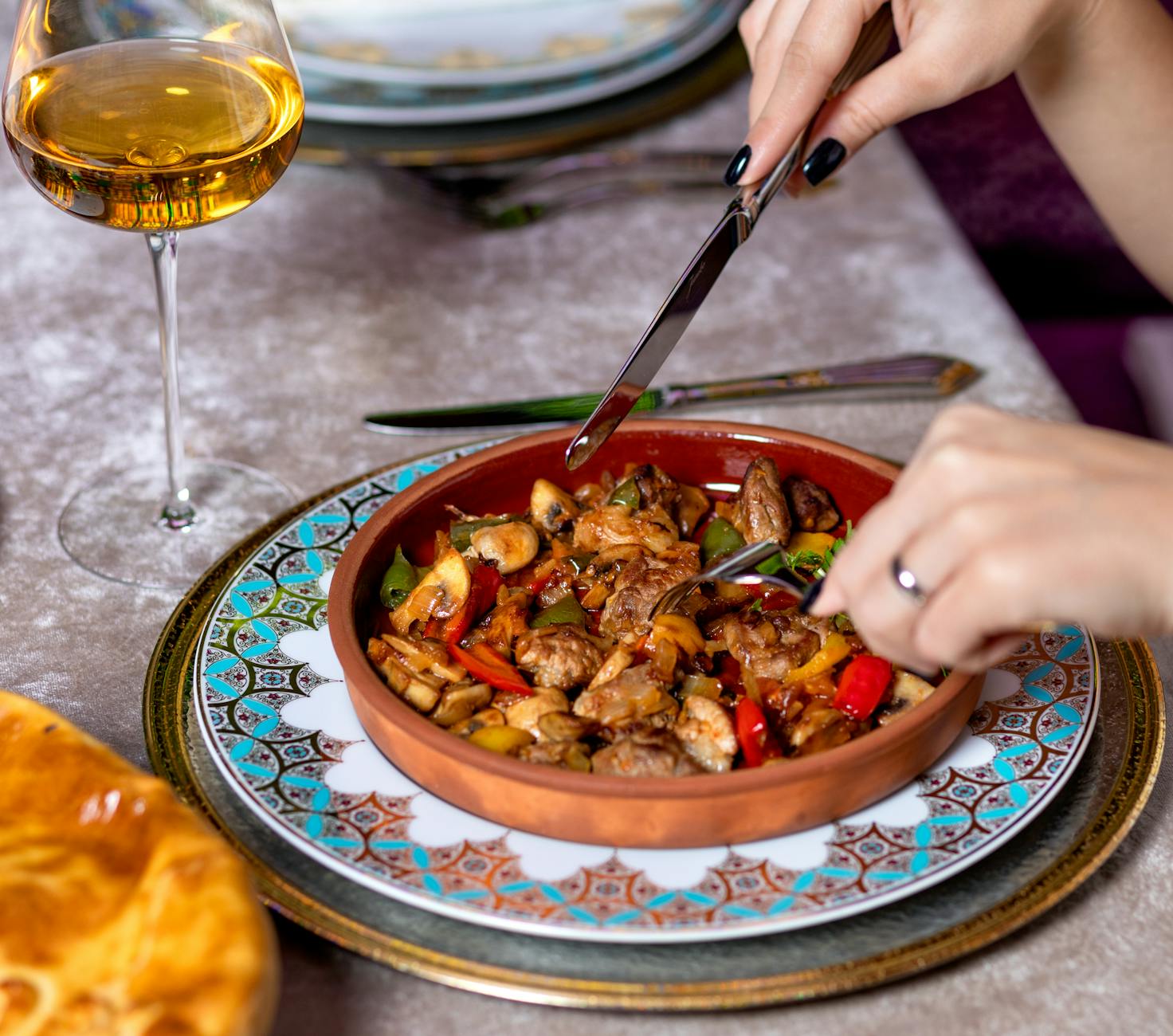
When you are sitting in front of a spicy, fatty Adana kebab, you need a wine that can fight back. This is where Boğazkere shines. I remember a Tuesday night at a small ocakbaşı near Sishane where I ordered a glass of barrel-aged Boğazkere (roughly 450 TL) with my kebab. The fat from the meat stripped the astringency right off the wine, leaving only the dark fruit behind.
The Unconventional Breakfast Pairing
One of my favorite secrets is pairing a buttery, citrusy Narince with fatty pastries. While most people reach for tea, a chilled Narince is the ultimate partner for a heavy, cheese-filled Su Böreği. If you want to try this yourself, pick up a fresh tray from one of the historical börek shops of Karaköy and Sarıyer in the morning and save a piece for a late lunch with a glass of white wine.
Anatolian Terroir on a Plate
My Go-To Pairing Cheat Sheet:
- Kalecik Karası & Ezine Cheese: The bright raspberry notes balance the salty, creamy funk of the aged sheep’s milk.
- Boğazkere & Spicy Mezes: Essential for anything involving Acılı Ezme (spicy tomato dip).
- Narince & Grilled Octopus: The oily texture of the grape mirrors the richness of the seafood.
Frequently Asked Questions
What is the average price for a glass of wine in Istanbul in 2026?
In 2026, a quality glass of boutique Anatolian wine in Beyoğlu or Kadıköy typically costs between 350 TL and 500 TL ($7–$10 USD). Entry-level glasses from larger producers may be found for 250 TL, while premium single-vineyard labels can exceed 600 TL. Most reputable wine bars will also add a 15% service charge to the final bill.
Which Istanbul neighborhood is best for wine lovers?
Beyoğlu is the historic heart, offering legendary spots like Solera and Pano for those who appreciate library-style atmospheres and deep cellars. However, the Kadıköy district (specifically Moda) has become the modern center for experimental wine culture. It features a younger crowd, contemporary wine lists, and hidden garden courtyards that stay open late into the night.
Do I need to make reservations for Istanbul wine bars?
For popular “hole-in-the-wall” spots like Solera Winery, reservations are rarely accepted, so arriving before 6:00 PM is essential to secure a seat. For larger historical venues or garden bars in Kadıköy like Viktor Levi, booking a table is recommended on Friday and Saturday nights to avoid long wait times.
It’s tempting to fall back on a familiar Cabernet when the menu starts looking like a linguistics exam, but resist that urge. The soul of this city isn’t found in what’s imported; it’s in the tannic grit of a Boğazkere or the bright, floral acidity of a Narince. If the names feel like a mouthful, just ask for the ‘grape from Elazığ’ or point to the one that mentions ‘volcanic soil.’
Most of the shop owners in Beyoğlu are true wine nerds who would much rather help you discover a small-batch producer from the Aegean than sell you a generic glass of Merlot. I was at Solera Winery last Thursday around 7:00 PM—the place was packed, but I managed to snag a corner of the bar. I paid 450 TL (exactly $10) for a glass of Kalecik Karası that was served at the perfect cellar temperature. It was light, elegant, and far better than any commercial bottle you’d find in a duty-free shop.
As the light starts to dip behind the Galata Tower and the street lamps begin to flicker on in the narrow alleys of Beyoğlu, find yourself with a glass of something local and ‘unpronounceable’ in your hand. Lean back, let the frantic energy of the city hum in the background, and take that first sip. You’re not just drinking wine; you’re tasting the heat and the history of the Anatolian sun.
Comments
Share your thoughts with us