
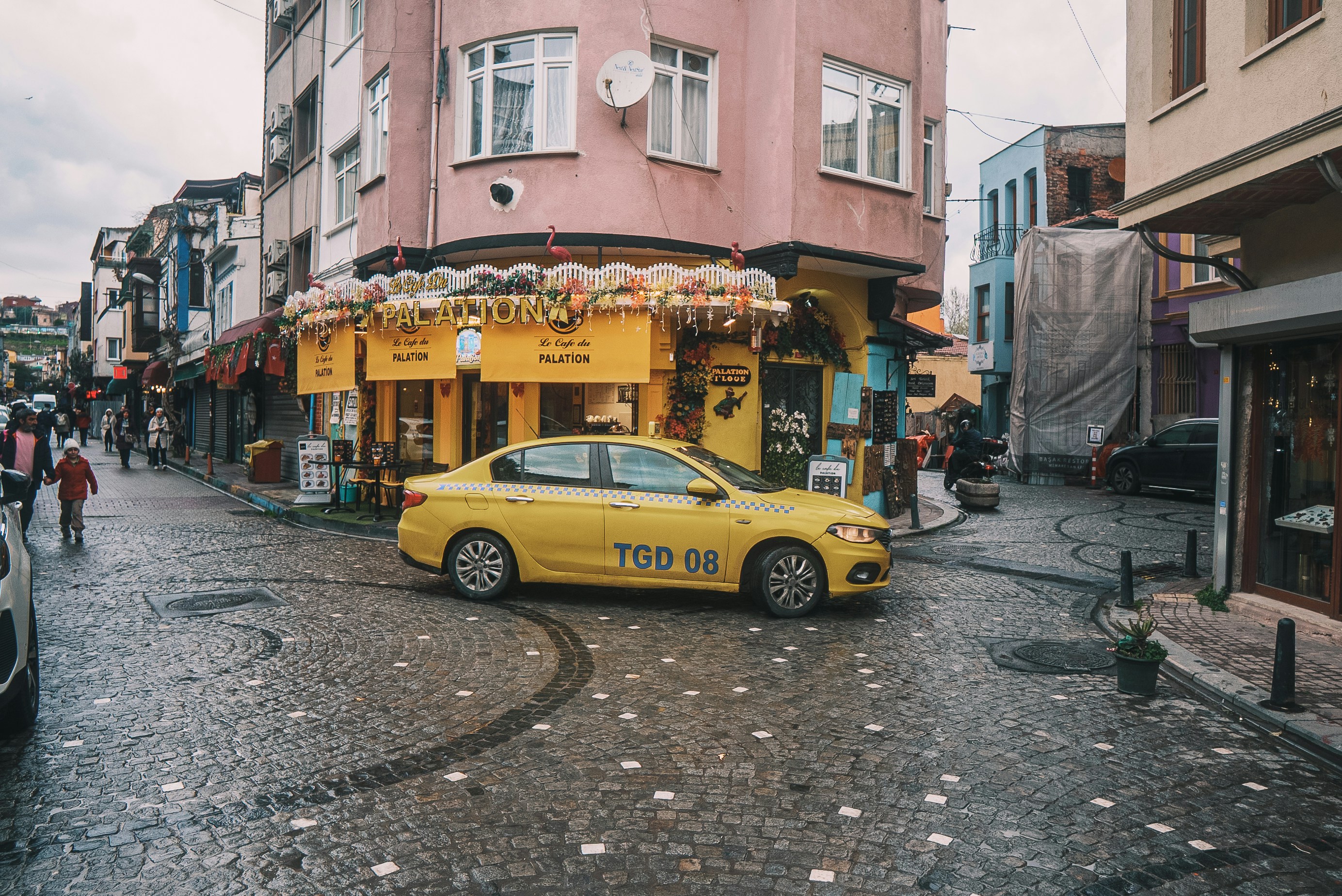
Let me be honest from the start: Istanbul taxi scams are real, they are targeted specifically at tourists, and some drivers are genuinely brazen about it. In fifteen years of living here I have seen it happen to friends, relatives, and visitors more times than I care to count.
But here is the other truth: every single one of these scams is completely avoidable once you know what to look for. This guide gives you the knowledge that makes you a boring target — a passenger who clearly knows the route, knows the price, and isn’t going to be fooled.
Why Taxis? Why Istanbul?
Istanbul has around 19,000 licensed yellow taxis. That’s a lot of drivers, and most of them are perfectly honest people doing a difficult job in brutal traffic. But the city’s position as a major tourist destination — combined with metered fares that visitors can’t easily verify — creates conditions where a small percentage of drivers run tourist-targeting scams as a business model.
The scams cluster in specific areas:
- Sultanahmet — the Old City, where most tourists are
- Taksim and İstiklal — the main nightlife and hotel area
- Istanbul Airport and Sabiha Gökçen Airport — arrivals who are tired, disoriented, and carrying luggage
- The Bosphorus waterfront — popular tourist stops like Ortaköy and Bebek
Let’s go through them one by one.
The Scams — Explained
1. The Fake Banknote Switch
How it works: You pay with a 200 TL or 500 TL note. The driver palms it with sleight of hand and shows you a 50 TL or 100 TL note, claiming you gave him the smaller denomination. An argument follows. Tourists often end up paying again to avoid the confrontation.
How to avoid it:
- Pay with exact change whenever possible.
- Before handing over a note, say aloud: “Bu 200 lira” (“This is 200 lira”). Make it a statement, not a question.
- Keep your bills organised so you know what you’re handing over.
- If this happens, write down the licence plate immediately and do not leave the taxi until the dispute is resolved.
2. The Long Route
How it works: Instead of taking the direct road, the driver takes a longer route — often on the motorway (otoyol) — which adds distance, time, and sometimes a toll charge to the meter.
How to avoid it:
- Open Google Maps before you get in and look at the route.
- Tell the driver the route you want: “Köprüden geçme, şehir içinden git” (“Don’t use the bridge, go through the city”).
- Watch the map during the ride. If the driver deviates significantly, point it out calmly.
3. The Broken Meter (or Night Rate in Daytime)
How it works: “Meter broken, fixed price.” Or the driver runs the night rate (gece tarifesi) during the day — Turkish taxis have two rates, day (1) and night (2), and the night rate is about 50% higher. Night rate should only apply between midnight and 6 AM.
How to avoid it:
- If the driver says the meter is broken, get out. Full stop.
- When you get in, glance at the meter display. It should show Tarife 1 during daylight hours. If it shows Tarife 2 before midnight, tell the driver to switch it or leave.
4. The Agreed Price
How it works: The driver offers a fixed price before you get in — often framed as “cheaper than the meter.” It almost never is. He’s gambling on you not knowing the real fare.
How to avoid it:
- Always insist on the meter.
- The phrase: “Taksiymetre ile gideceğiz” (“We’ll go with the meter”).
- If he refuses, walk away.
5. The Airport Tout
How it works: An unofficial person (not in a taxi) approaches you in arrivals saying “taxi, taxi, very cheap.” These are unlicensed drivers and the fares are unpredictable and often very high.
How to avoid it:
- Use the official taxi queue at the airport. It is marked and supervised.
- Or book in advance via BiTaksi or Uber.
- Never follow a random person to a car park.
6. The Change “Shortage”
How it works: You hand over a large note. The driver claims he has no change and takes you to a shop to break the note — often somewhere out of the way — adding distance to the meter.
How to avoid it:
- Carry small notes and coins. Keep 20 TL and 50 TL notes available.
- Say you have exact change before he has a chance to claim otherwise.
7. The Complimentary “Detour”
How it works: Driver announces he needs to stop for fuel, or takes a “shortcut” that isn’t. The meter keeps running.
How to avoid it:
- If the driver stops for fuel during your ride, the meter should be paused. If it isn’t, deduct the wait time mentally and pay accordingly.
- You are allowed to say: “Lütfen dur” (“Please stop”) and get out at any time.
The Best Protection: Use an App
In 2026, the cleanest solution is simply to use BiTaksi or Uber:
- BiTaksi — Turkey’s dominant taxi app. Shows driver rating, car number, estimated fare before booking. The most widely used option by locals.
- Uber — Available in Istanbul, uses licensed taxis. Fixed price shown upfront. Useful especially for airport trips.
With an app, the route is tracked, the price is known in advance, and the driver’s livelihood depends on his rating. It removes every single scam vector listed above.
Knowing the Approximate Fares
Even with an app, it’s useful to know rough 2026 fare ranges so nothing surprises you:
| Route | Approximate Fare (2026) |
|---|---|
| Sultanahmet → Taksim | 150–220 TL |
| Taksim → Beşiktaş | 100–150 TL |
| Taksim → Kadıköy (via bridge) | 350–500 TL |
| Sultanahmet → Kapalıçarşı (Grand Bazaar) | 60–100 TL |
| Airport (IST) → Taksim | 800–1,200 TL |
| Airport (SAW) → Kadıköy | 400–600 TL |
| Karaköy → Ortaköy | 150–220 TL |
These are rough guides. Traffic can double journey time and significantly affect metered fares.
Five Rules for Every Istanbul Taxi Ride
- Open maps before you get in. Know the route.
- Check the meter is running and on Tarife 1. Do it the moment you sit down.
- Pay with small notes or exact change. Avoid handing over 500 TL bills.
- Keep your phone visible. It signals that you are tracking the route.
- When in doubt, use BiTaksi or Uber. Seriously, it removes 90% of the stress.
Istanbul taxis are a completely reasonable way to get around when you know the game. Now you do.