# Istanbul Cool Guide - Full Content
> Expert Istanbul travel guide from locals. Discover authentic neighborhoods, hidden gems, local food spots, and insider tips for your perfect Istanbul trip.
## Table of Contents
- [A Gothic Secret in the Heart of Karaköy: Why I Love the Unique Arap Mosque](#arap-mosque-karakoy-istanbul-sightseeing)
- [Where the City Meets the Sea: My Practical Guide to the Arnavutköy and Bebek Coastline](#arnavutkoy-bebek-waterfront-guide)
- [Where to Stay in Istanbul: Authentic Neighborhoods for Locals](#best-neighborhoods-to-stay-istanbul-local-vibe)
- [Bosphorus Ferry Tour: Istanbul's Most Beautiful Commute](#bosphorus-ferry-hopping-walking-tour)
- [Bulgarian Iron Church: Balat's Cast-Iron Masterpiece](#bulgarian-iron-church-st-stephen-balat)
- [Fener & Balat Walking Tour: Istanbul's Historic Soul](#fener-balat-walking-tour-guide)
- [Why I spend my Sundays in a dusty Bomonti car park](#ferikoy-antique-market-bomonti)
- [Galata Mevlevihanesi: Beyoğlu's Whirling Dervish Sanctuary](#galata-mevlevihanesi-dervish-lodge-istanbul)
- [The Grease and Iron of My Favorite Walk Through Perşembe Pazarı](#gritty-walk-persembe-pazari-karakoy)
- [Theodosian Walls: Istanbul's Ancient Hidden Landmark](#guide-to-ancient-theodosian-land-walls)
- [Turkish Breakfast Guide: Istanbul's Slow Food Ritual](#guide-to-turkish-breakfast-culture-istanbul)
- [Grand Bazaar Hans: Secret Artisan Workshops Guide 2026](#hidden-hans-grand-bazaar-guide)
- [Rustem Pasha Mosque: Eminönü's Iznik Tile Haven](#hidden-iznik-tiles-rustem-pasha-mosque-eminonu)
- [Istanbul Meyhane Guide: Rakı Etiquette & Local Secrets](#istanbul-meyhane-raki-etiquette-guide)
- [Istanbul Ocakbaşı Guide: Authentic Grill Culture](#istanbul-ocakbasi-grill-culture)
- [The Ultimate Guide to Public Transport in Istanbul](#istanbul-public-transport-guide)
- [The Heart of the Neighborhood: My Favorite Esnaf Lokantası for a Real Taste of Home-Style Cooking](#istanbul-tradesmen-restaurants-esnaf-lokantasi)
- [A Local’s Secret: A Walking Tour of Kadıköy and the Moda Coastline](#kadikoy-moda-walking-tour-guide)
- [Kurtuluş is loud and the sidewalks are broken but you should stay there anyway](#kurtulus-neighborhood-stay-guide)
- [I am done with the Sultanahmet crowds so I go to Little Hagia Sophia instead](#little-hagia-sophia-sultanahmet-escape)
- [The frantic sweaty madness of my walk through Mahmutpaşa and Tahtakale](#mahmutpasa-tahtakale-walking-tour)
- [A Masterpiece of Light: Why the Mihrimah Sultan Mosque is My Favorite Spot at the City's Highest Point](#mihrimah-sultan-mosque-edirnekapi-guide)
- [A Canvas of Golden Mosaics: Why Kariye is My Absolute Favorite Corner of the City](#mosaics-kariye-mosque-chora-guide)
- [Princes' Islands Guide: Ferry Routes, Beaches & Tips 2026](#princes-islands-travel-guide)
- [The Guardian of the Bosphorus: Why I Never Get Tired of Rumeli Hisarı](#rumeli-fortress-guide-istanbul)
- [I skip the museums and walk the fishy backstreets of Samatya instead](#samatya-walking-tour)
- [Zeyrek Istanbul: Old City's Quiet Historic Streets](#soul-of-old-istanbul-zeyrek-guide)
- [Suleymaniye Mosque: Insider's Guide to Istanbul's Soul](#suleymaniye-mosque-insider-guide)
- [The Only Reason I Brave the Traffic to Spend an Afternoon in Teşvikiye](#survival-guide-to-tesvikiye-nisantasi)
- [Taksim Islak Burger: Istanbul's Iconic Wet Burger Guide](#taksim-islak-burger-opinion)
- [Underground Echoes: Why the Theodosius Cistern is My Favorite Alternative to the Crowds](#theodosius-cistern-istanbul-alternative)
- [TOUR 1: THE ESSENTIAL ISTANBUL - A MOSAIC OF HISTORY AND FLAVORS](#tour-1-essential-istanbul-mosaic-of-history-and-flavors)
- [TOUR 2: THE SOUL OF ISTANBUL - FROM IMPERIAL SPLENDOR TO URBAN RHYTHM](#tour-2-soul-of-istanbul-from-imperial-splendor-to-urban-rhythm)
- [TOUR 3: HEART OF HISTORY - THE TREASURES OF SULTANAHMET](#tour-3-heart-of-history-treasures-of-sultanahmet)
- [TOUR 4: FENER & BALAT - THE COLORFUL BOHEMIAN SOUL OF ISTANBUL](#tour-4-fener-balat-colorful-bohemian-soul-of-istanbul)
- [Rome’s Gift to the City: My Favorite View of the Ancient Valens Aqueduct](#valens-aqueduct-istanbul-guide)
- [Kuzguncuk Walking Tour: Istanbul's Timeless Village](#walking-tour-kuzguncuk-asian-side)
- [The Yedikule Dungeons are the only honest place left in the city](#yedikule-fortress-dungeons-honest-history)
---
## A Gothic Secret in the Heart of Karaköy: Why I Love the Unique Arap Mosque
URL: https://istanbulcool.com/arap-mosque-karakoy-istanbul-sightseeing
You’re about to discover one of my favorite "hidden in plain sight" landmarks: the Arap Mosque. In this guide, I will show you why this building is a fascinating architectural anomaly—a former Dominican church that still retains the sharp, soaring lines of 14th-century Gothic style. By the end of this piece, you’ll understand how this single site encapsulates Istanbul’s complex identity as a Mediterranean hub where Latin and Islamic histories are layered directly onto one another.
Imagine walking through the clanging metal workshops and narrow hardware alleys of Karaköy, where the air smells of machine oil and sea salt. Suddenly, you turn a corner and see a square bell tower that looks like it was plucked straight out of medieval Florence. That’s the Arap Mosque—a 700-year-old Gothic secret that reminds us Istanbul was once a vital crossroads for the Genoese long before it became the Ottoman capital. I’ve lived in this city for fifteen years, and every time I lead a friend through these gritty backstreets, this is the moment they realize Istanbul’s true beauty lies in these unexpected, multi-faith layers. Let’s step inside and peel back the history together.
## The History of Arap Mosque: From Dominican Friars to the Spanish Refugees
The Arap Mosque history began in the early 14th century as the Church of San Domenico, built by the Dominican Order within the Genoese Galata district, before it was converted into a mosque for Andalusian Moors fleeing the Spanish Inquisition in the late 15th century. This building stands as the only remaining religious structure in Istanbul built in the religious Gothic style, a stark contrast to the Byzantine domes and Ottoman minarets that define the city's skyline.
### The Genoese Colony and the Dominican Order
During the 13th and 14th centuries, the Galata district was a semi-independent trade colony governed by the Republic of Genoa. Following the end of the Latin Empire and the restoration of Byzantine rule in 1261, the Genoese secured their presence in Constantinople. They constructed various administrative and religious buildings, including the Church of San Domenico in 1325.
The **Dominican Order** established this church as their primary place of worship in the East. When you look at the structure today, the most striking feature is the square bell tower. Unlike the rounded or polygonal minarets found on other Ottoman mosques, this tower retains its original Italian character. It served as a landmark for Mediterranean sailors and merchants from Italian city-states like Genoa, Venice, and Pisa who docked their ships at the nearby Golden Horn.
### From Church to Mosque: The Post-1453 Transformation
When Sultan Mehmed II conquered Constantinople in 1453, he granted the Genoese of Galata certain privileges to ensure trade continued. However, between 1475 and 1478, the Church of San Domenico was converted into a mosque. This transition was part of a broader urban plan to Islamize the key trade hubs of the city.
The building’s architectural DNA remained largely intact. While the interior was rearranged to face Mecca, the pointed Gothic windows and the steep wooden roof—rare in Istanbul’s architecture—were preserved. This era saw many transformations of defensive and religious sites, similar to how the city repurposed its fortifications, including the [ancient Theodosian Walls](https://istanbulcool.com/guide-to-ancient-theodosian-land-walls) which protected the historic peninsula for over 1,000 years.
### The Arrival of the Andalusian Moors
The mosque earned its current name, **Arap Mosque** (Arab Mosque), due to a significant wave of migration in 1492. Following the Fall of Granada and the Spanish Inquisition, **Sultan Bayezid II** invited thousands of Muslim refugees, known as **Andalusian Moors**, to settle in Istanbul.
These refugees were primarily concentrated in the streets surrounding this building in Karaköy. Because they were Arabic-speaking Muslims from the Iberian Peninsula, the locals began referring to the building as the "Mosque of the Arabs." This community brought new crafts, culinary traditions, and intellectual knowledge to the Ottoman capital, leaving a permanent mark on the neighborhood's social fabric.
### Key Historical Milestones of Arap Mosque
| Period | Event | Key Figures | Architectural Change |
| :--- | :--- | :--- | :--- |
| **1233 - 1325** | Construction of the original chapel and later San Domenico church | Dominican Order | Gothic arches and square bell tower |
| **1475** | Conversion of the church into a mosque | Sultan Mehmed II | Addition of Mihrab and Minbar |
| **1492** | Settlement of Andalusian refugees in the neighborhood | Sultan Bayezid II | Named "Arap Mosque" by locals |
| **1868** | Major restoration after city fires | Adile Sultan (Daughter of Mahmud II) | Interior woodwork and fountain added |
### A Living Museum of Migration
Walking into the courtyard today, you can still feel the layers of 700 years of history. The transition from a Catholic friary to a sanctuary for Spanish refugees reflects Istanbul’s role as a historic safe haven. The building survived several Great Fires, such as those in 1731 and 1868, but always emerged with its Gothic soul intact. It is a rare spot where you can see 14th-century Italian masonry supporting a 15th-century Ottoman roof, standing in a neighborhood that has welcomed migrants for 7 centuries.
## Architectural Style: Why It’s the Only Gothic Mosque in Istanbul
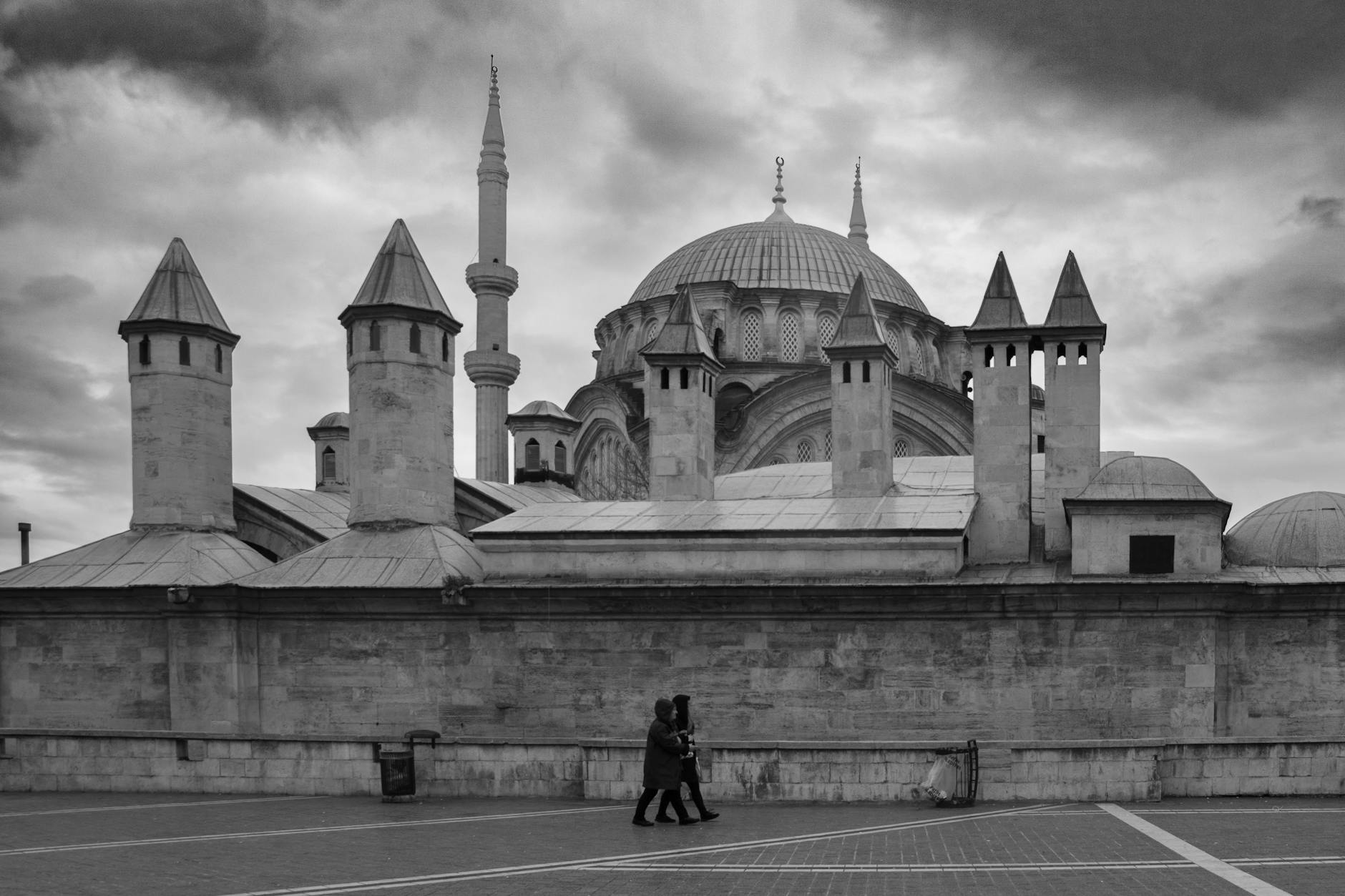
Arap Mosque is the only truly Gothic mosque in Istanbul because it retains the original 14th-century structure of a Dominican church, featuring a rectangular floor plan, lancet windows, and a square belfry that defies the traditional Ottoman domed aesthetic. Unlike the hundreds of mosques built from scratch during the imperial era, this building was originally the Church of San Domenico, constructed by the Genoese in 1325. When you stand in front of it, you aren't looking at the typical silhouette of a Turkish house of worship; you are looking at a piece of medieval Europe that has been seamlessly woven into the fabric of Karaköy.
### The Rectangular Floor Plan and Italian Foundations
The first thing that strikes you about this site is the lack of a central dome. Most **unique mosques in Istanbul** follow a square or octagonal layout designed to support a massive, soaring dome. In contrast, the Arap Mosque follows a long, rectangular basilic plan characteristic of **Italian architecture** from the late Middle Ages. This layout creates a deep, linear space that feels more like a cathedral than a traditional mosque.
The building sits on the foundations of a 6th-century Byzantine church, but the structure we see today is the result of the Dominican friars' work in the 14th century. For 15 years, I have walked past this building, and I am still amazed by how its 3-aisled interior creates a sense of solemnity that is entirely different from the airy, light-filled spaces of Sinan’s masterpieces. While the [Mihrimah Sultan Mosque](https://istanbulcool.com/mihrimah-sultan-mosque-edirnekapi-guide) represents the height of Ottoman verticality and light, the Arap Mosque offers a grounded, solid presence that reflects the defensive nature of the old Galata district.
### Lancet Windows and the Steep-Pitched Roof
The exterior facade is a masterclass in **Gothic architecture Istanbul** rarely displays elsewhere. You will notice the iconic **lancet windows**—tall, narrow openings with pointed arches—that allow slivers of light to pierce the thick stone walls. These windows are a hallmark of the Gothic style, designed to draw the eye upward and provide structural integrity without the need for massive, solid walls.
Topping the structure is a steep-pitched wooden roof, which is a significant departure from the lead-covered domes seen on the city skyline. This roof was originally designed to shed the heavy rains and occasional snow of the northern climates that influenced the Genoese builders. Inside, this translates to magnificent **vaulted ceilings**. Although much of the original stonework is now covered by 19th-century wooden decorations added during various Ottoman restorations, the skeletal structure remains purely medieval.
### The Arap Mosque Minaret: A Former Belfry
The most recognizable feature of the building is the **Arap Mosque minaret**, which is arguably the most unusual in the city. It is not the slender, pencil-shaped minaret you see at the Blue Mosque or Suleymaniye. Instead, it is a massive, square tower that served as the church’s **belfry** for nearly 200 years.
When the building was converted into a mosque in 1492 to accommodate refugees from Spain, the belfry was simply repurposed. A conical roof was added to the top to give it a more traditional Islamic silhouette, but the base remains a sturdy, square Genoese tower. It is one of the few places in Istanbul where you can see such a literal "clash" of functions—a bell tower that now echoes with the call to prayer 5 times a day.
### Interior Heritage and Italian Tombstones
If you look closely at the interior details, you will find traces of the building’s complex past. During major restorations in 102, workers discovered over 100 Italian tombstones beneath the floorboards. these stones belonged to the noble Genoese families who lived in Galata, featuring Latin inscriptions and family coats of arms.
The current interior is a beautiful hybrid. You have the Gothic proportions of the Dominican friars, but it is dressed in Ottoman finery. The wooden carvings, the Mihrab (prayer niche), and the Minbar (pulpit) are crafted with exquisite Turkish woodwork that softens the austere stone of the original church. It is this layers-of-history approach that makes the building so captivating for anyone interested in how cultures overlap.
> **Berk's Insider Tip:**
> Don't just look at the building; look at the ground. Many of the original Genoese tombstones found during restorations are now in the Archaeological Museum, but the atmosphere still feels like old Galata.
Walking through the courtyard, you feel the weight of 7 centuries. The brickwork and stone masonry are typical of 14th-century Mediterranean construction, using materials like local limestone and thin Roman-style bricks. This isn't just a mosque; it is a survivor of earthquakes, fires, and the massive social shifts that turned Constantinople into Istanbul.
## How to Get to Arap Mosque and Navigating the Perşembe Pazarı
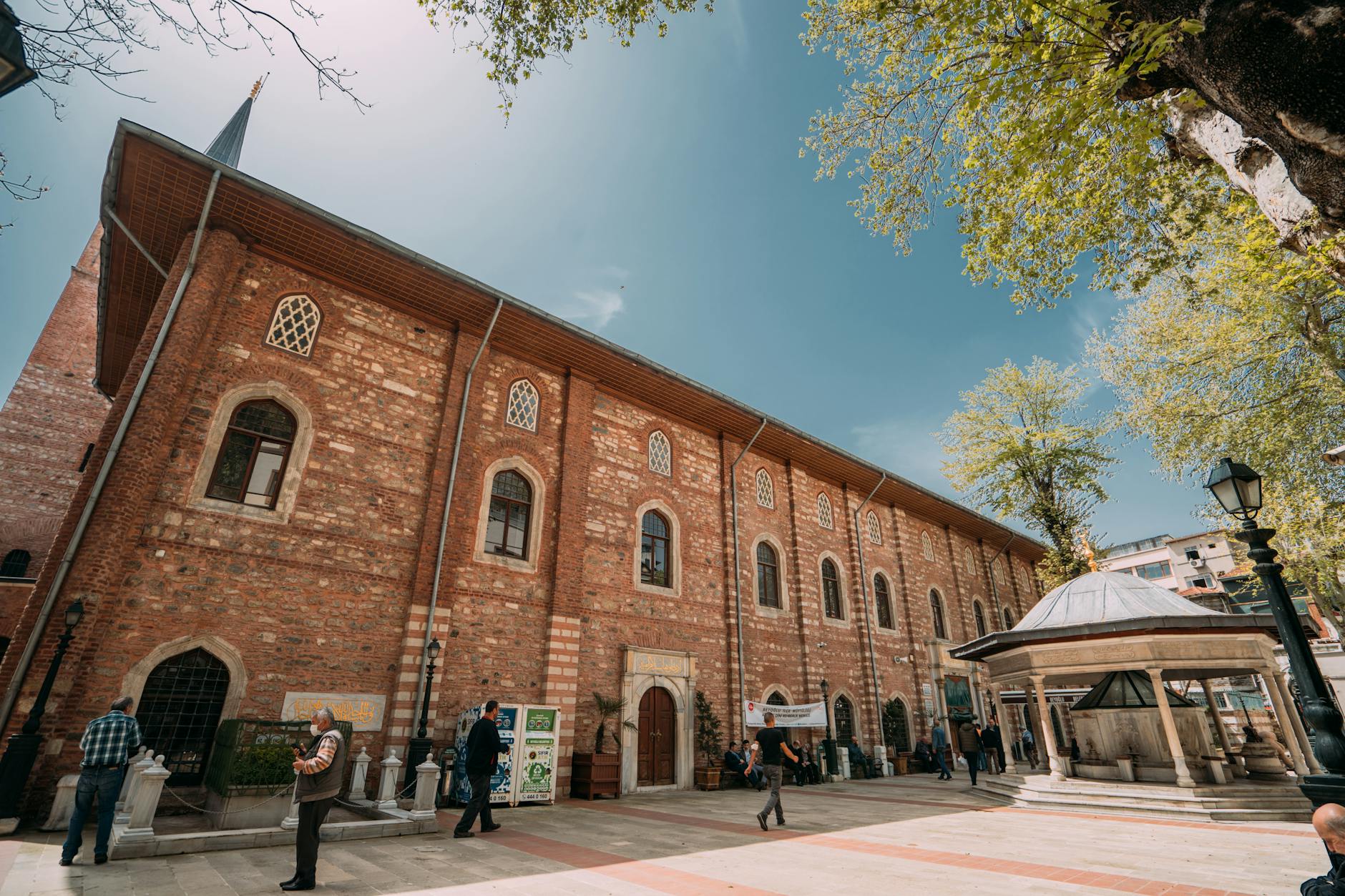
Reaching the Arap Mosque involves a short 5-minute walk through the historic Perşembe Pazarı district, easily accessible from the Karaköy Pier or the T1 Tram line station. This journey is less of a standard commute and more of an immersion into the industrial soul of the city, placing you directly into the heart of the ancient Hardware District.
### Navigating from the Transport Hubs
To begin your journey, arrive at the Karaköy transport hub via the **T1 Tram** or one of the many ferries docking at **Karaköy Pier**. Once you step off the vessel or the tram, head west toward the **Galata Bridge**. Instead of crossing the bridge toward Eminönü, cross the street toward the inland side of the Golden Horn. You will see a cluster of narrow streets tucked behind the modern waterfront buildings.
To find this **hidden mosque in Istanbul**, follow these steps:
* Exit the **Karaköy Pier** or **T1 Tram** station and walk toward the **Galata Bridge** underpass.
* Cross the main road (Kemeraltı Caddesi) and enter the street named Tersane Caddesi.
* Turn right into the narrow alleys of **Perşembe Pazarı**, specifically looking for Galata Mahkemesi Street.
* Follow the sound of metalwork and the scent of machine oil for 300 meters until the distinctive rectangular minaret appears above the rooftops.
### The Industrial Atmosphere of Perşembe Pazarı
The walk takes you through **Perşembe Pazarı**, which translates to "Thursday Market," though it functions as a bustling trade hub 6 days a week. This is the oldest industrial market in the city, a place where the Byzantine and Ottoman trade traditions never truly died. Unlike the polished boutiques of upper Karaköy, this area is a gritty, authentic **Hardware District** filled with shops selling specialized equipment like heavy-duty marine chains, brass valves, industrial pulleys, and thick hemp ropes.
As you walk, you will see merchants moving goods on traditional wooden carts and hear the rhythmic clinking of metal on metal. This area serves as a living museum of Istanbul’s commercial history. You will pass by historic structures such as the Kurşunlu Han, a 16th-century caravanserai that still houses small workshops. The contrast between these rough-hewn trade shops and the sudden, elegant appearance of the Gothic architecture of the mosque is one of the most striking visual experiences in the city.
### Why Getting Lost is Essential for Karaköy Sightseeing
While a map might show a direct route, the true magic of **Karaköy sightseeing** is found by venturing into the side alleys that branch off from the main path. These streets are a labyrinth of shortcuts and dead ends that reveal the layered history of the neighborhood. You might stumble upon tiny storefronts serving high-quality "esnaf lokantası" (tradesman restaurants) dishes like slow-cooked beans or seasoned lamb.
Getting lost here allows you to see how the mosque is integrated into the local life. It is not cordoned off like a museum; it is a functioning part of the community, surrounded by tool shops and small tea houses where 3 or 4 craftsmen might be seen sharing a conversation during a break. The mosque’s minaret, which was originally a 14th-century belfry, acts as your North Star—look up, and it will guide you back to the center of the maze.
> **Berk's Insider Tip:**
> The mosque is located in the middle of a working hardware district. Visit on a weekday morning to see the 'real' Istanbul trade culture in full swing, but come on a Sunday if you want total silence.
## Visitor Information: Opening Hours and Etiquette
The Arap Mosque is open to visitors every day between sunrise and sunset, provided you avoid the 5 daily prayer times known as **Namaz**. Because it remains an active place of worship rather than a museum, there are no tickets or fixed "Arap Mosque opening hours" in the traditional sense, but the most respectful time for a visit is between 09:00 AM and 12:00 PM.
### Navigating the Call to Prayer
To plan your visit effectively, you must understand the rhythm of the **Ezan** (the call to prayer). In Istanbul, the call echoes from minarets 5 times a day, and the **Prayer hall** is closed to visitors for approximately 30 minutes following each call to allow the congregation to pray in private. As a local expert, I recommend checking a prayer time app or website for the "Dhuhr" (noon) prayer time; ensure you arrive at least 45 minutes before this or 1 hour after it starts. If you arrive during prayer, use the time to explore nearby artisan workshops like **reclaimed wood ateliers** or **local felt makers** in the surrounding backstreets of Karaköy.
### Dress Code for Men and Women
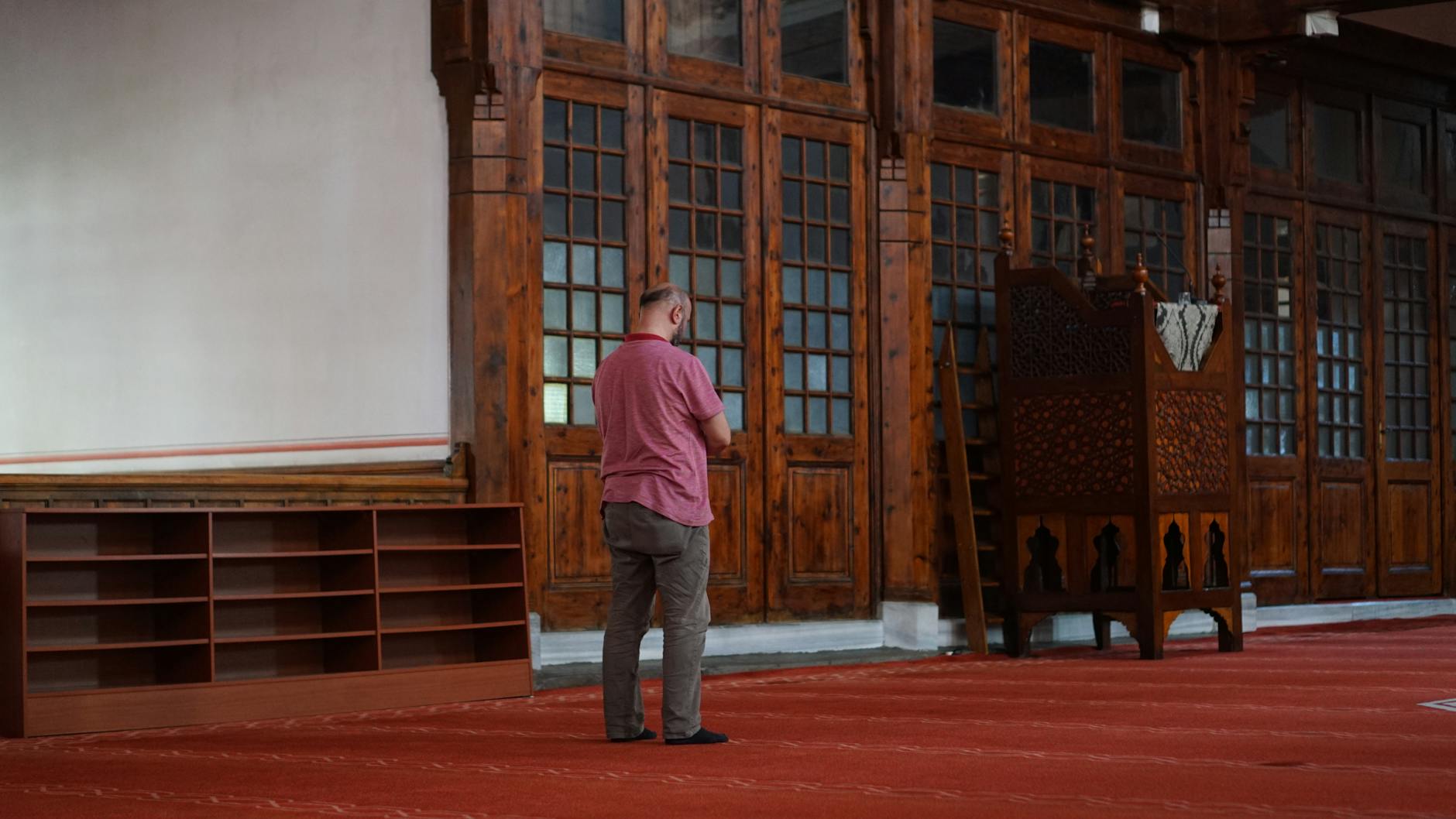
When **visiting mosques in Turkey**, modesty is the primary rule to show respect for the community. Women must cover their heads with a **Headscarf** and ensure their shoulders and legs are not visible. If you are exploring the city in summer attire, the mosque usually provides clean scarves and long robes at the entrance for guests to use free of charge. Men should avoid wearing shorts that end above the knee or sleeveless tank tops. Before entering the carpeted **Prayer hall**, you must remove your shoes and place them in the wooden shoe racks provided near the door.
### Photography and Inner Conduct
Capturing the stunning Gothic windows and 14th-century Italian architectural remnants is permitted, but you must adhere to strict photography rules. Never use a flash, as it disrupts the spiritual atmosphere, and avoid taking photos of individuals performing their **Namaz** or using the **Ablution area** (the fountain where worshippers wash before prayer). Keep your voice at a whisper and turn your mobile phone to silent before stepping inside. Following these simple **Istanbul travel tips** ensures that you are treated as a welcome guest rather than a temporary intruder in this sacred, historic space.
## Where to Eat Nearby: Finding the Best Local Food in Karaköy
The best local food in Karaköy is found hidden within the hardware stalls of the Perşembe Pazarı market at traditional tradesmen restaurants, where authentic home-style Turkish cuisine is served at a fraction of the price of the tourist-heavy waterfront cafes. While the revitalized pier area offers trendy views, the real soul of the neighborhood’s culinary scene remains tucked away in the narrow alleys surrounding the Arap Mosque. To experience the **best food in Karaköy**, you must look past the neon signs and follow the local shopkeepers when the clock strikes 12:00 PM.
### The Authenticity of the Esnaf Lokantası
For those seeking **local Istanbul eats**, skipping the overpriced tourist cafes is a mandatory rule. These "Instagrammable" spots often prioritize aesthetics over flavor, charging 3 times the price for a meal that lacks the depth of traditional seasoning. Instead, look for an **Esnaf Lokantası**, which is a "tradesmen restaurant" designed to feed the local workforce. These establishments are the backbone of Turkish culinary culture, offering a rotating menu of daily-prepared dishes that taste exactly like a home-cooked meal.
The tradition of the [Esnaf Lokantası](https://istanbulcool.com/istanbul-tradesmen-restaurants-esnaf-lokantasi) dates back centuries, serving as a communal dining room for everyone from blacksmiths to bank managers. In these spots, you don't order from a printed menu; you walk up to the heated glass counter and point to what looks best. 15 years of living in this city has taught me that if the place is crowded with locals wearing aprons or carrying toolkits, the food is guaranteed to be exceptional.
### What to Order for a Quick, Authentic Lunch
When navigating **Karaköy restaurants** near the Arap Mosque, focus on the staples of the Turkish midday diet. The gold standard for a satisfying lunch is **Kuru Fasulye**, a rich white bean stew cooked with buttery tomato sauce, often featuring small pieces of cured beef or lamb. Pair this with a side of **Plov** (buttery Turkish rice pilaf) and a bowl of chilled cacık (yogurt with cucumber and mint) to balance the flavors.
For a specific recommendation, head 2 minutes south of the mosque to the small eateries located on the street corners of the hardware district. These spots specialize in "tencere yemeği" (pot meals) like stuffed peppers, eggplant moussaka, and slow-cooked lamb shanks. These dishes are prepared early in the morning and are often sold out by 3:00 PM, so arriving early is essential to get the best selection.
> **Berk's Insider Tip:**
> Look for the small tea house near the entrance. It’s one of the most peaceful spots in Karaköy to grab a 'çay' and admire the belfry-turned-minaret away from the crowds.
### Finishing with a Local Legend
No culinary exploration of this area is complete without visiting **Karaköy Güllüoğlu**. Located just a 5-minute walk from the mosque, this is widely considered the temple of Turkish sweets. Unlike the generic shops found in Sultanahmet, this family-run institution focuses on precision. Order a portion of classic pistachio baklava and pair it with a glass of **Turkish tea** to cut through the sweetness. It is the perfect way to conclude a day of exploring the Gothic secrets of the neighborhood while supporting businesses that have been part of the city’s fabric for decades.
## Arap Mosque vs. The Bulgarian Iron Church: Istanbul’s Architectural Outliers
Arap Mosque and the [Bulgarian Iron Church](https://istanbulcool.com/bulgarian-iron-church-st-stephen-balat) stand as the 2 most distinct architectural anomalies in the city, representing a fascinating intersection where European Gothic forms meet the historical layers of Ottoman Istanbul. While both structures deviate sharply from the traditional dome-and-minaret skyline, they tell different stories of the city's 1,600-year evolution through their unique materials and cultural origins.
### The Contrast of Stone and Metal: Gothic vs. Neo-Gothic
The architectural dialogue between these 2 **Istanbul hidden gems** begins with their construction. Arap Mosque, originally built by Dominican friars in the 14th century as the Church of San Domenico, is a masterclass in Italian Gothic masonry. Its defining feature is the rectangular bell tower, which now serves as a minaret but retains its unmistakably medieval European silhouette. The structure relies on heavy stone walls and pointed arches that echo the cathedrals of Southern Europe.
In contrast, St. Stephen’s Church, commonly known as the **Bulgarian Iron Church**, is a feat of 19th-century industrial engineering. Completed in 1898, this structure is made entirely of prefabricated **cast iron architecture**. Because the ground in Balat was too weak to support a heavy stone building, the community commissioned 500 tons of iron components from Rudolph von Wagner in Vienna. These pieces traveled via the Danube and the Black Sea to reach the Golden Horn. While Arap Mosque is an organic piece of medieval history, the Iron Church is a **Neo-Gothic** marvel of the industrial age, gleaming with white paint and gold-plated ornaments that shimmer against the water.
### Karaköy Hardware vs. Balat’s Bohemian Pulse
The environments surrounding these **unique churches Istanbul** offers are as different as the buildings themselves. Arap Mosque is tucked away in the labyrinthine "Perşembe Pazarı" district of Karaköy. This area is the city's industrial heartbeat, filled with shops selling specialized hardware like 10-millimeter drill bits, heavy-duty chains, and maritime pulleys. Walking to the mosque involves navigating narrow alleys where the air smells of machine oil and brewed tea. It is a gritty, authentic experience that rewards the traveler who isn't afraid of a little urban chaos.
Crossing over to the shores of the Golden Horn, the atmosphere shifts entirely in Balat. The neighborhood surrounding the **Bulgarian Iron Church** is famous for its vibrant social fabric. Here, you find colorful historic houses, vintage auction houses (mezat), and third-wave coffee shops. While Karaköy’s Arap Mosque is surrounded by the clinking of metal tools, Balat is defined by the sound of children playing in the streets and the chatter of locals in centuries-old tea gardens. These 2 districts perfectly illustrate the duality of **multicultural Istanbul**: one side focused on the commerce and trade that built the empire, the other on the communal life of its diverse residents.
### Why These Outliers Define the City’s DNA
Understanding these buildings is essential for any discerning traveler because they challenge the "East meets West" cliché with actual physical evidence. They prove that Istanbul was never a monolithic culture. Instead, it functioned as a laboratory for architectural experimentation.
The presence of a 14th-century Gothic tower in a hardware market and a prefabricated metal church on a Balkan shoreline highlights the city's historical tolerance and appetite for global trends. These structures are not just religious sites; they are monuments to the communities—Latins, Genoese, and Bulgarians—who left their permanent mark on the city's map. Exploring both sites provides a comprehensive view of how different eras and different materials created the complex, layered city we navigate today.
## Frequently Asked Questions About Arap Mosque
The Arap Mosque is a free-to-visit historical site that serves as the only remaining Gothic religious structure in Istanbul dating back to the early 14th century. This former Dominican church represents a unique fusion of Italian architecture and Ottoman spirituality, making it a cornerstone of any **Karaköy travel guide**.
### Is there an entrance fee for the Arap Mosque?
There is no **entrance fee** to visit the Arap Mosque. As an active place of worship, it is open to the public without charge, similar to other **Istanbul mosque facts** regarding major sites like the Blue Mosque or the New Mosque. Visitors are welcome to explore the interior and courtyard, though donations for the upkeep of the 700-year-old structure are appreciated by the local community.
### Why is it called the "Arab" Mosque?
The name "Arap" (Arab) refers to the **Spanish Muslims** who were expelled from Spain during the Inquisition in 1492. Sultan Bayezid II settled these refugees in this specific neighborhood of Galata. While some local legends suggest the building dates back to an 8th-century Arab siege of Constantinople, architectural evidence confirms it was originally the Church of San Domenico, built in 1325. The name became permanent as the area transformed into a vibrant hub for the Arab diaspora during the Ottoman era.
### Can non-Muslims enter during prayer?
**Tourist access** is restricted during the 5 daily prayer sessions to ensure a peaceful environment for worshippers. It is best to plan your visit between prayer times—typically mid-morning or mid-afternoon—to fully appreciate the Gothic arches and intricate wood carvings. When entering, visitors should follow standard etiquette:
* **Remove your shoes** before stepping onto the carpets.
* **Dress modestly**, ensuring shoulders and knees are covered.
* **Women must cover their hair** with a scarf, which is often provided for free at the entrance.
* **Avoid flash photography**, especially if there are individuals praying in the corners of the hall.
### How old is the building exactly?
The foundation of the current structure dates back to 1325, making the building nearly 700 years old. It was constructed by the Genoese during the **14th century** as a Roman Catholic church. Following the 1453 conquest of Istanbul, the building was converted into a mosque. Its most striking feature, the tall square bell tower, was modified into a minaret but still retains its original Italian Gothic silhouette, which stands out among the traditional domes of the city.
## Conclusion
For me, the Arap Mosque is the ultimate embodiment of why I’ve called this city home for fifteen years. It is the “hidden in plain sight” philosophy personified. In a city that often screams its history through massive domes and towering minarets, this building whispers. It’s a Gothic secret wrapped in an Islamic soul, standing as a stubborn reminder that Istanbul doesn't just change—it layers.
When you look up at that square belfry—which has served as a campanile for Dominican friars and now as a minaret for the faithful—you aren't just looking at architecture. You’re looking at the Genoese, the Arabs of Andalusia, and the Ottomans all sharing the same footprint. My personal verdict? If you want to understand the true DNA of Istanbul, you don't find it only in the grand mosaics of the Hagia Sophia; you find it here, tucked away between the hardware stores and tea houses of Karaköy.
I often come here when the frantic energy of the city starts to feel a bit too loud. Just a few steps outside the courtyard, the streets are a chaotic symphony of clattering trolley carts and the scent of industrial grease. But once you step through that small entrance, the world softens.
My final advice for you isn't about which bus to take or what time the doors open. It’s simply this: sit down. Find a spot on one of the wooden benches in the courtyard, stay quiet, and just listen. Beyond the stone walls, you’ll hear the muffled, rhythmic pulse of the city—the distant, haunting whistle of a ferry docking at the Karaköy pier and the low hum of the Bosphorus. It’s in these moments of stillness that Istanbul truly reveals itself. Don’t just rush to tick another "sight" off your list. Slow down, look at the sharp Gothic arches against our chaotic skyline, and let the city’s layers settle into your mind. The best parts of Istanbul aren't the ones you find on a map; they're the ones you feel when you finally stop looking for them.
---
## Where the City Meets the Sea: My Practical Guide to the Arnavutköy and Bebek Coastline
URL: https://istanbulcool.com/arnavutkoy-bebek-waterfront-guide
In this guide, I’m taking you along the most soul-stirring stretch of the Bosphorus to show you how to experience Arnavutköy and Bebek exactly as we locals do. You’ll learn how to navigate the winding backstreets of these historic neighborhoods, where to find the most authentic flavors away from the crowds, and the hidden stories behind the magnificent wooden *yalı*—the iconic Ottoman waterfront mansions—that line the shore. Whether you’re looking for the perfect morning walk or a sophisticated evening by the water, this is your blueprint for mastering the Istanbul coastline.
Picture this: You’re holding a thin-waisted glass of Turkish tea, the salty breeze of the Bosphorus is hitting your face, and behind you stands a row of pastel-colored mansions that look like they’ve been plucked from a film set. This isn’t a curated tourist trap; it’s just a typical Tuesday morning in Arnavutköy. Having called this city home for fifteen years, I’ve seen how most visitors barely scratch the surface of these districts. To the untrained eye, it’s just a pretty view, but to those who know where to look, it’s a living museum of Istanbul’s cosmopolitan heritage. From the rhythmic clinking of fishing lines to the scent of freshly baked *simit* wafting from a century-old oven, let’s dive into the pulse of the city's most elegant shoreline.
## How to Reach Arnavutköy and Bebek Without the Traffic
The most efficient way to reach Arnavutköy and Bebek is by using the **Şehir Hatları ferry** or combining the **M6 metro line** with a short walk, effectively bypassing the notorious **Istanbul traffic** on the coastal road.
### The Magic of the Bosphorus Ferry
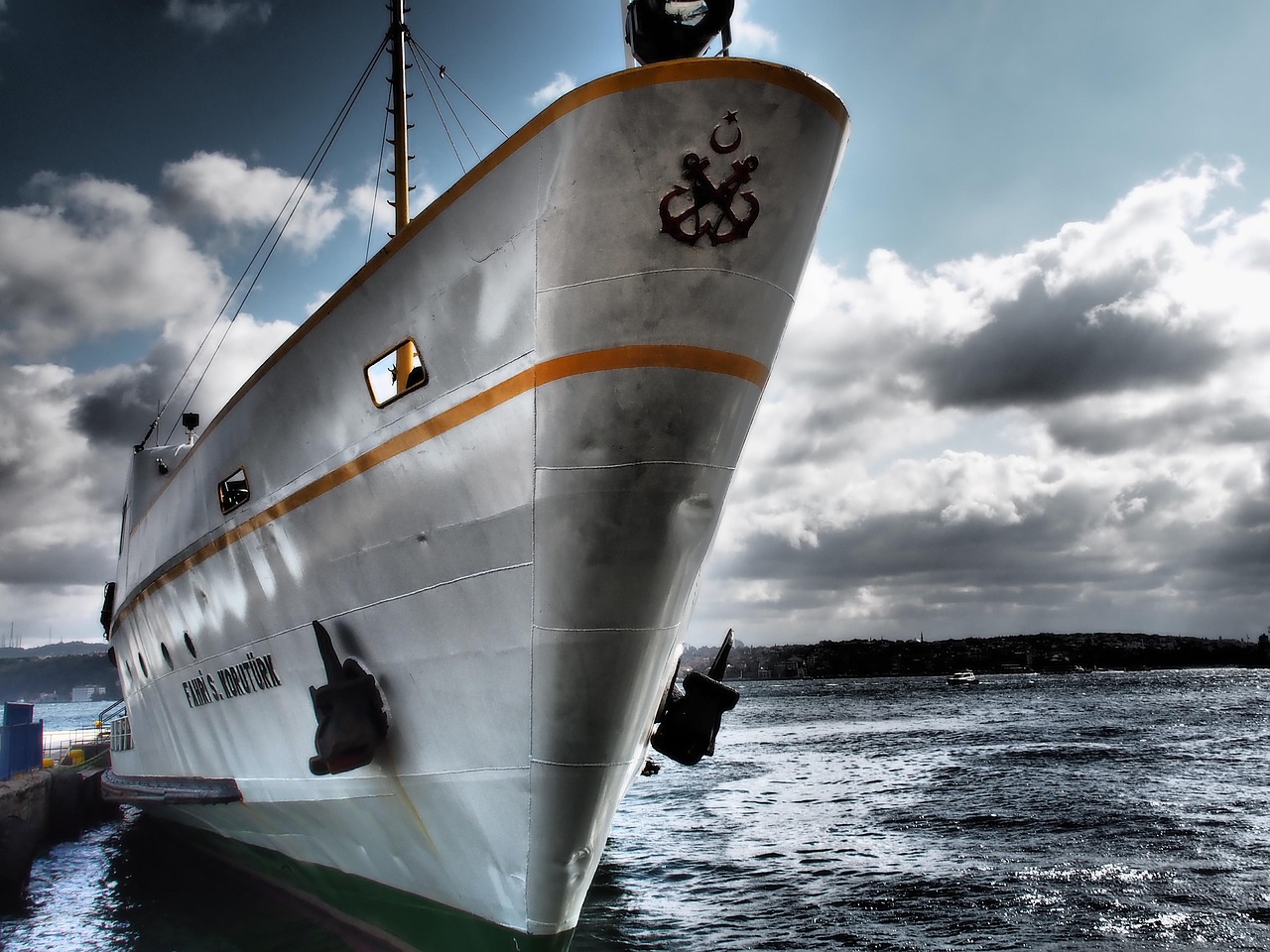
Utilizing the **Bosphorus ferry** is not just a commute; it is the most scenic transit experience in the world. The **Şehir Hatları** (the city’s official ferry line) operates several routes that stop at the historic piers of Arnavutköy and Bebek. For a direct route from the Old City or the Asian side, use the following lines:
* **Çengelköy – İstinye Line:** This route connects the Asian side to the European side, stopping at piers like **Arnavutköy**, **Bebek**, and **Emirgan**.
* **Bosphorus Line (Boğaz Hattı):** This traditional zig-zag route departs from **Eminönü** and stops at major coastal points including **Beşiktaş** and **Arnavutköy**.
* **Rumeli Kavağı – Eminönü Line:** A great option for those coming from the northern districts or the historical peninsula.
Taking the ferry ensures you arrive on time, as sea traffic is nonexistent compared to the gridlock on land. You will also enjoy unobstructed views of waterfront mansions called **Yalis**, such as the **Zeki Paşa Mansion** or the **Snake House (Yılanlı Yalı)**.
### Navigating via Beşiktaş and Akaretler
If you are starting your journey from central hubs like **Beşiktaş** or the trendy **Akaretler** district, you have access to numerous **public transport** options. Buses like the **22 (Kabataş - İstinye)**, **25E (Kabataş - Sarıyer)**, and **40T (Taksim - İstinye)** run frequently along the coast.
However, the coastal road is a single lane in each direction. When a **traffic jam** occurs, the bus will move slower than a pedestrian. If you see stationary traffic near **Ortaköy**, the best strategy is to jump off the bus and walk the remaining 2 kilometers to Arnavutköy. This walk takes roughly 20 to 25 minutes and passes through beautiful stretches of the Bosphorus, past landmarks like **Galatasaray University** and **Çırağan Palace**.
> **Berk's Insider Tip:**
> Avoid the coastline road on Saturday and Sunday afternoons unless you enjoy sitting in a stationary taxi for an hour. Take the ferry instead!
### Why Taxis Are a Strategic Mistake
While a taxi might seem convenient, it is often the least reliable form of **Arnavutköy transport** during peak hours. On weekdays between 17:00 and 20:00, and throughout the entire weekend, the road between **Beşiktaş** and **Bebek** becomes a bottleneck.
Drivers often struggle to navigate the narrow turns near the **Arnavutköy** waterfront, and the lack of alternative side streets means there is no "shortcut" once you are on the main road. If you must use a car, aim to arrive before 11:00 or after 21:00 to ensure a smooth flow. For those staying in **Levent** or **Etiler**, take the **M6 Metro** to the **Boğaziçi Üniversitesi** station and use the funicular or walk down the steep hill to reach Bebek in 15 minutes.
## Historical Yalı Houses and the Architecture of Arnavutköy
Arnavutköy is defined by its collection of 19th-century wooden mansions known as **Yalı houses**, which represent a unique blend of Ottoman architecture and European Art Nouveau styles situated directly on the Bosphorus coastline. These structures serve as the primary visual identity of the neighborhood, showcasing a period when Istanbul’s elite transitioned from traditional timber designs to more ornate, Western-influenced aesthetics.
### The Anatomy of a Yalı
The term **Yalı** refers specifically to a waterfront mansion built at the very edge of the sea. Historically, these **wooden mansions** were constructed using a technique called *bağdadi*, which involves a timber frame filled with brick or rubble and covered in wooden planks. This method allowed the houses to breathe, resisting the intense humidity of the Bosphorus while providing flexibility against the city’s seismic activity. In Arnavutköy, you will notice that these buildings are narrower and taller than those in other districts, often rising 3 or 4 stories to maximize the limited space between the steep hills and the water.
The most striking feature is the "cumba," or the traditional bay window. These cantilevered extensions allowed residents to enjoy views of the sea from multiple angles while increasing the floor space of the upper levels. Unlike the stone palaces found in the city center, such as Dolmabahçe or Çırağan, the **Yalı houses** of Arnavutköy maintain a warm, residential feel that reflects the neighborhood’s history as a cosmopolitan hub for Greek, Armenian, and Jewish communities.
### Art Nouveau Influences and Decorative Details
During the late 19th century, Istanbul’s architecture underwent a massive transformation influenced by European trends. In Arnavutköy, this resulted in a heavy adoption of **Art Nouveau** elements integrated into traditional **Ottoman architecture**. As you walk along the coastline, look for specific decorative details like floral motifs, flowing curved lines on the balconies, and intricate woodwork on the eaves.
The neighborhood is famous for its "gingerbread" houses, characterized by delicate wood-carved trimmings known as *fretwork*. These designs were often custom-made by local craftsmen to display the wealth and taste of the owner. The color palette of these buildings is equally intentional; while many are painted in classic white, you will see a variety of pastel shades like powder blue, rose pink, and mint green. These colors were chosen to contrast with the deep blue of the Bosphorus, creating the iconic "postcard" view that defines this stretch of the European side.
### Comparing the Bosphorus Shores: European vs. Asian Architecture
While Arnavutköy represents the architectural peak of the European side, it offers a distinct contrast to the shoreline across the water. The European side is characterized by its density and verticality, whereas the mansions on the [Asian side](https://istanbulcool.com/walking-tour-kuzguncuk-asian-side) often feature larger gardens and a more secluded, suburban feel. For those who appreciate **historical preservation**, exploring both sides is essential to understanding the full scope of Bosphorus life.
In districts like **Kuzguncuk** or Kanlıca, the yalıs are often set further back from the road, surrounded by ancient plane trees and private docks. In contrast, Arnavutköy’s architecture is more "social"; the houses are packed tightly together, reflecting the high-energy, communal lifestyle of the neighborhood. This proximity is why the area feels like a village within a megalopolis. Despite the modernization of Istanbul, over 600 **historical yalı houses** remain protected today, with Arnavutköy hosting one of the most concentrated and well-preserved clusters in the city.
### Preserving the Wooden Heritage of Istanbul
Maintaining these **wooden mansions** is a labor-intensive process that requires specialized knowledge of 19th-century construction. Owners must adhere to strict **historical preservation** laws, which dictate that any restoration must use original materials like cedar or oak and follow the exact architectural plans of the original structure.
This dedication to heritage is what keeps the Arnavutköy coastline from turning into a modern concrete strip. When you stand on the pier and look back at the row of houses, you are seeing the same skyline that locals saw 100 years ago. The interplay between the weathered wood, the ornate Art Nouveau balconies, and the constant movement of the sea creates a nostalgic atmosphere that is increasingly rare in modern Istanbul.
## Best Breakfast Spots and Coffee Shops in Arnavutköy
Arnavutköy offers the most authentic Bosphorus breakfast experience by balancing long-standing **local bakeries** with cutting-edge **third-wave coffee** houses located in the neighborhood’s historic backstreets. While the main road attracts the crowds, the true essence of an **Arnavutköy breakfast** is found in the side alleys where residents gather for a slow, multi-course **Kahvaltı**. This neighborhood is the transition point where the classic Istanbul morning ritual meets the modern, international brunch culture of the city's younger creative class.
### The Traditional Kahvaltı Experience
A proper breakfast in this district is a ritual that lasts at least 2 hours. You must look for tables serving high-quality regional products such as **Sucuk** (spicy fermented beef sausage), **Menemen** (eggs scrambled with tomatoes and green peppers), and a variety of olives sourced from the Aegean coast. Establishments like **Any** and **A Bit of Egg** serve these staples with a modern twist, often utilizing sourdough breads and artisanal cheeses.
When ordering the **best Kahvaltı** spread, you should expect 4 essential components:
* **The Cheese Plate:** At least 3 varieties, including Ezine (salty white cheese), Kaşar, and often a braided Lor or Tulum cheese.
* **Hot Dishes:** A central copper pan of **Menemen** or grilled **Sucuk** is mandatory for any authentic table.
* **Sweet and Creamy Spreads:** High-quality butter, honey with clotted cream (Bal-Kaymak), and homemade jams like sour cherry or bergamot.
* **Fresh Bakery Items:** Every table is anchored by fresh Simit (sesame-crusted bread rings) and savory pastries like Poğaça and Açma from nearby **local bakeries**.
### Third-Wave Coffee and Modern Brunch
The transition from traditional tea to specialty beans has transformed the neighborhood into a premier hub for **Istanbul coffee shops**. In the last 10 years, the backstreets have become home to boutique roasteries that prioritize bean origin and precise brewing methods.
For a specialized caffeine experience, shops like **Coffee Department** provide some of the best roasted beans in the city, focusing on single-origin harvests from Ethiopia and Colombia. These **third-wave coffee** spots are often tucked inside restored Ottoman-era wooden mansions, providing a quiet atmosphere away from the coastal wind. If you prefer a hidden garden setting, **Hide Arnavutköy** is the top choice for a brunch that merges international flavors, such as poached eggs on avocado, with local ingredients like spicy pepper pastes.
### Where to Sit for People-Watching
The best spots for observing the local rhythm are the small cafes located on the corners of the main interior streets, specifically **Francalacı Street**. From these vantage points, you can watch the neighborhood wake up, observing fishermen returning with their catch and locals queuing at the **local bakeries** for their morning bread. For a direct view of the water, the cafes lining the **Arnavutköy-Bebek coastline** offer a front-row seat to the tankers and private yachts passing through the Bosphorus. These prime waterfront seats are highly coveted and typically fill up by 10:30 AM on Saturdays and Sundays.
## A Step-by-Step Guide to the Bosphorus Coastal Walk
The 2km stretch of coastline promenade from Arnavutköy to Bebek takes approximately 30 to 45 minutes to complete at a leisurely pace, offering the most accessible and scenic flat-path walking route in Istanbul. This journey follows the **Bosphorus walk** along a narrow strip of land where the city’s historic wooden architecture meets the deep blue of the strait.
### Starting the Journey at Arnavutköy
The walk begins at the Arnavutköy pier, moving north toward the Fatih Sultan Mehmet Bridge. This section of the **coastline promenade** is famous for its "Yalı" houses—extravagant 19th-century wooden mansions like those found in the backstreets of the neighborhood. As you walk, the path stays inches away from the water, separated only by a low iron railing. This is the best place to observe the local maritime traffic, including massive container ships, private yachts, and the iconic city ferries (Şehir Hatları).
The first 500 meters are characterized by a series of seafood restaurants and cafes. Unlike the commercialized centers of the city, this path remains a favorite for locals performing their daily exercise. You will see runners, dog walkers, and groups of friends enjoying the salt air. While the European side offers this grand, breezy scale, a [walking tour of Kadıköy](https://istanbulcool.com/kadikoy-moda-walking-tour-guide) provides a completely different, intimate bohemian atmosphere if you choose to cross to the Asian shore later in your trip.
### Watching the Olta Balıkçıları at Akıntıburnu
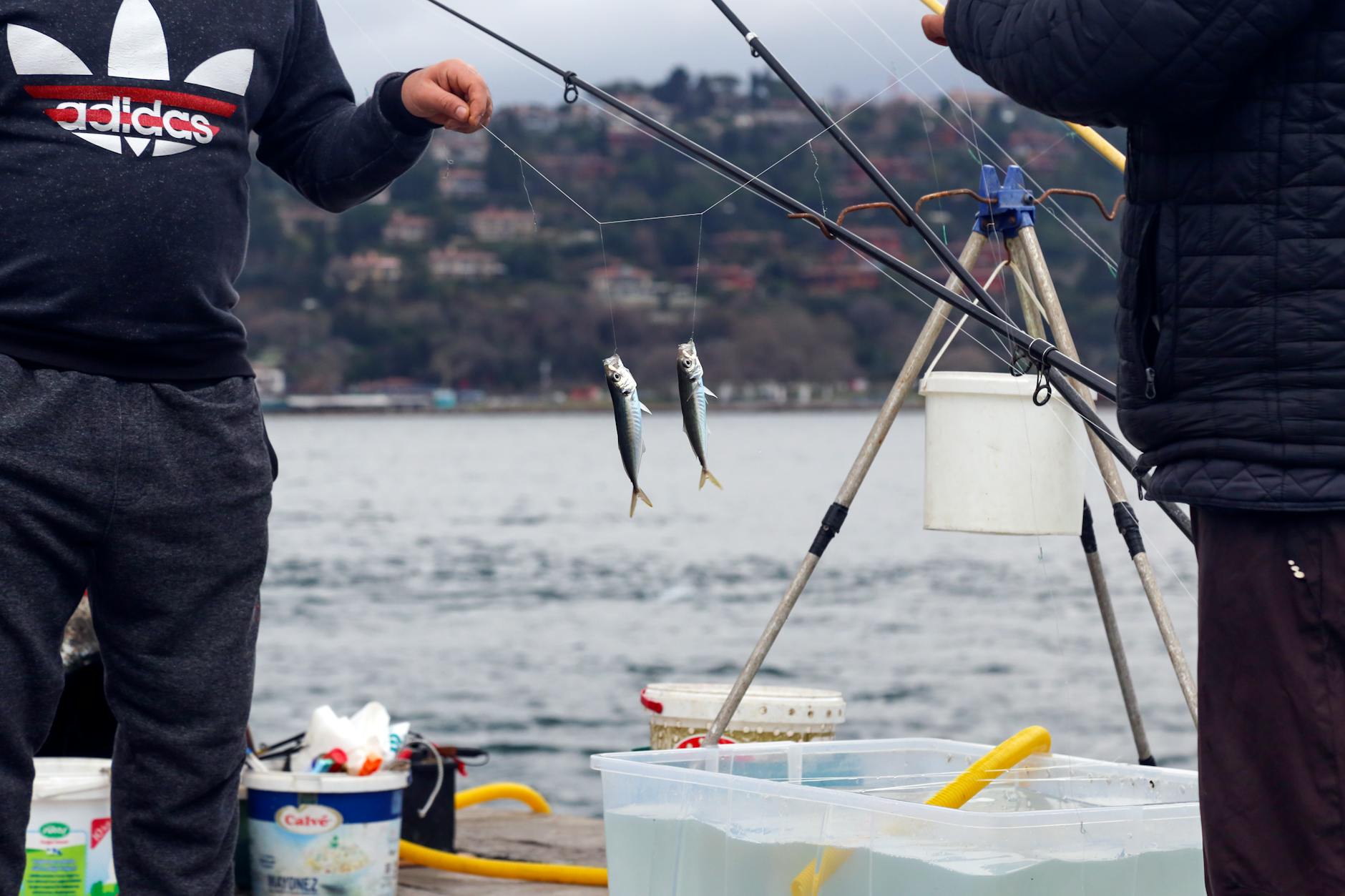
As the coastline curves sharply, you reach **Akıntıburnu**, also known as the Point of Current. This specific geographic location is the most popular spot for **Olta Balıkçıları** (rod fishermen) in the city. Regardless of the season or the hour, dozens of fishermen line the railing here to catch seasonal fish like Mackerel (Uskumru), Bluefish (Lüfer), and Horse Mackerel (İstavrit).
The fishermen use long, telescopic rods to reach the deeper, faster-moving waters of the **Bosphorus current**. Watching their synchronized casting technique is a local spectacle; they manage to keep dozens of lines from tangling despite standing only a meter apart. The presence of these fishermen marks the transition from the residential feel of Arnavutköy to the more open, wind-swept path leading to Bebek.
> **Berk's Insider Tip:**
> If you want to experience the Bosphorus current at its strongest, stand at Akıntıburnu (the Point of Current) in Arnavutköy; you can actually see the water rushing like a river.
### Spotting Landmarks on the Asian Side
While your feet are on the European side, your eyes should be focused across the water. The **Arnavutköy to Bebek** path offers the clearest views of the Asian side's most prestigious neighborhoods. Directly across from Akıntıburnu is **Kandilli**, an area known for its steep hills and historic waterfront estates.
Look for these 3 specific landmarks as you walk:
1. **Kuleli Military High School:** A massive, 19th-century white building with two distinctive towers that dominates the shoreline.
2. **Kandilli Pier:** A small, picturesque wooden pier where ferries connect the two continents in under 10 minutes.
3. **The Adile Sultan Palace:** Located on the hilltop above Kandilli, this former royal residence now serves as a high-end event space and is visible for miles.
### Approaching Bebek Bay
The final 800 meters of the walk lead you into the crescent-shaped Bebek Bay. Here, the water becomes calmer, and the path widens significantly. You will pass by the Egyptian Consulate, a stunning Art Nouveau mansion situated right on the water’s edge, surrounded by lush gardens. As the **Istanbul walking tour** continues into Bebek, the atmosphere shifts from the rugged, fisherman-dominated vibe of Akıntıburnu to an upscale, cosmopolitan setting filled with high-end boutiques and waterfront brasseries.
### Route Comparison: Arnavutköy vs. Bebek
| Feature | Arnavutköy Section | Bebek Section |
| :--- | :--- | :--- |
| **Vibe** | Traditional & Nautical | Modern & Luxurious |
| **Main Activity** | Watching **Olta Balıkçıları** | People watching & Coffee |
| **Path Width** | Narrow (2-3 meters) | Wide (5-8 meters) |
| **Key Landmark** | **Akıntıburnu** | Bebek Parkı & Egyptian Consulate |
| **Best For** | Photography of old Yalıs | Ending the walk with a snack |
As you enter the heart of Bebek, the walk concludes at Bebek Parkı, a green oasis where locals gather under 100-year-old plane trees. This 2km journey is the most efficient way to understand the rhythm of the Bosphorus, moving from the working-class fishing traditions of the past into the high-society pulse of modern Istanbul.
## Bebek Culture: High-End Living and Local Legends
Bebek defines the peak of the **high-end Istanbul** lifestyle, blending deep-rooted historical institutions with a sophisticated modern social scene centered around the waterfront of **Bebek Parkı**. This neighborhood is where the city’s elite gather for morning runs, artisanal coffee, and long-standing culinary traditions that have remained unchanged for over 100 years.
### The Sweet Legacy of Bebek Badem Ezmesi
To understand the **Bebek neighborhood guide**, one must first understand the reverence locals have for **Badem Ezmesi** (almond paste). This is not the mass-produced marzipan found in European confectionery shops; it is a refined craft that has been perfected in this specific corner of the Bosphorus since 1904. The most iconic purveyor, Meşhur Bebek Badem Ezmesi, was founded by Mehmet Halil Bey and is currently managed by 3rd and 4th generation family members who maintain the original ratios of hand-shelled almonds and sugar.
The production process avoids any fillers like flour or artificial thickeners, resulting in a texture that is silky yet slightly granular. Discerning visitors often pair these sweets with other traditional treats like **Fıstık Ezmesi** (pistachio paste) or candy-coated chestnuts. In a city that evolves at a breakneck pace, the consistency of this shop serves as a cultural anchor for the **Istanbul elite lifestyle**.
> **Berk's Insider Tip:**
> For the best almond paste in the world, look for the tiny 'Meşhur Bebek Badem Ezmesi' shop—it's been there since 1904 and hasn't changed a bit.
### Bebek Park: The Living Room of the Neighborhood
While most city parks are destinations for escape, **Bebek Parkı** functions as a communal "living room" for the wealthy residents of the surrounding hills and waterfront apartments. Spanning nearly 16,000 square meters, the park is shaded by 100-year-old plane trees and provides a direct view of the yachts moored in the deep blue cove.
On any given weekend, you will observe a specific social ritual. Local residents walk their pedigree dogs along the path between the **Bebek Ferry Terminal** and the park, followed by a stop at high-end cafes such as **Baylan** or **Lucca**. The park is also home to a statue of the famous 18th-century poet Nedim, who famously praised the beauty of Istanbul’s shores. For the traveler, sitting on a bench here offers the best vantage point to observe the **Lüks** (luxury) lifestyle of Istanbul without the barriers of private clubs or gated communities.
### Architectural Majesty: The Egyptian Consulate
One cannot discuss Bebek without highlighting its most imposing architectural landmark, the **Egyptian Consulate** building. Often referred to as the Valide Pasha Mansion, this Art Nouveau masterpiece was commissioned by the last **Khedive of Egypt**, Abbas Hilmi II, for his mother. Designed by the renowned Italian architect Raimondo D'Aronco in the early 1900s, the structure is a symphony of white carved stone, ornate balconies, and floral motifs that reflect the Belle Époque era of the Bosphorus.
The building is one of the few remaining examples of the grand summer residences that once lined the entire coastline. While the interior is not open to the general public, the exterior remains a "hidden gem" for those who appreciate architectural history. Its presence is a reminder of the historical ties between the Ottoman Empire and Egypt, standing as a silent witness to the diplomatic and social shifts of the last 120 years. When walking past, look closely at the intricate wrought-iron gates and the way the building appears to float above the water during high tide—it is the ultimate symbol of **high-end Istanbul** heritage.
## Evening Rituals: Seafood, Meyhanes, and Rakı by the Water
The evening experience along the Arnavutköy-Bebek coastline revolves around a slow-paced seafood dinner at a traditional meyhane where fresh seasonal fish is paired with rakı and a selection of mezes. As the sun begins to dip behind the hills of the European side, the atmosphere shifts from the active energy of the afternoon to a sophisticated, convivial hum that defines **Bosphorus dining**.
### The Seafood Legacy of Arnavutköy
Arnavutköy has been the city's premier destination for fish for over 50 years. While other neighborhoods have modernized, **Arnavutköy restaurants** like *Sur Balık* or *Mira Balık* maintain a dedication to the seasonal calendar of the Marmara and Black Seas. In the autumn, the star of the table is **Lüfer** (Bluefish), often called the "King of the Bosphorus." In the winter months, locals look for *Kalkan* (Turbot) or the smaller, crispy *Hamsi* (Anchovies).
A proper **seafood dinner Bosphorus** style never rushes to the main course. The meal begins with a parade of cold **meze** dishes. You will see waiters carrying large trays to your table, showcasing 10 to 15 different options. I recommend starting with *Lakerda* (salted bonito), which is a local salt-cured delicacy, and *Deniz Börülcesi* (sea beans) dressed in plenty of garlic and olive oil. These flavors are designed to wake up the palate and complement the aniseed notes of your drink.
### Master the Art of the Meyhane
Understanding the **Meyhane** culture is essential to enjoying your night in Arnavutköy. A meyhane is not simply a restaurant; it is a space for "muhabbet"—deep, meaningful conversation that flows as freely as the drinks. Unlike a standard dinner where you eat and leave, a table at a meyhane is yours for the entire evening. The rhythm is intentionally slow to allow for storytelling and laughter.
Because the atmosphere is so specific, there is a distinct social code to follow. To truly blend in with the locals, it helps to understand the [unwritten rules of the Istanbul meyhane](https://istanbulcool.com/istanbul-meyhane-raki-etiquette-guide) before you take your seat. For example, the eldest person at the table usually takes the first sip, and clinking the bottom of the glasses is a sign of deep respect. In Arnavutköy, the tables are often set close together, creating a shared sense of community where neighbors might offer a nod of "Afiyet Olsun" (may it do you good) to the table next to them.
### Sunset and the Ritual of Rakı
The "Golden Hour" in Arnavutköy is the 60 minutes before sunset. This is when the ritual of **Rakı**, Turkey’s iconic anise-flavored spirit, truly begins. We often call it "Lion’s Milk" because of the milky white color it turns when water is added. The goal is never to get drunk, but to reach a state of *Keyif*—a Turkish word describing a sense of relaxed, quiet joy.
As the sky turns shades of pink and orange over the Kandilli coastline opposite you, the first glass of Rakı is poured. It is traditionally served in a tall, slim glass called a *kadeh*, accompanied by a second glass of plain cold water. The cooling effect of the drink is the perfect counterpoint to the warm Istanbul evenings. While Arnavutköy is for the long dinner, those looking for a more high-energy **Bebek nightlife** scene often head 1 kilometer North after their meal. Bebek offers more contemporary cocktail bars and upscale lounges, but for a true Istanbulite, nothing compares to the timeless combination of the Bosphorus breeze, a fresh piece of grilled fish, and a glass of Rakı shared with good friends.
## Frequently Asked Questions about Arnavutköy and Bebek
The coastal stretch between Arnavutköy and Bebek is a safe, upscale, and highly accessible destination that offers its best experience during the spring and autumn months when the weather is mild. This 2-kilometer promenade serves as a hub for both socialites and local families, making it one of the most vibrant parts of the city at any hour.
### Is it safe to walk at night?
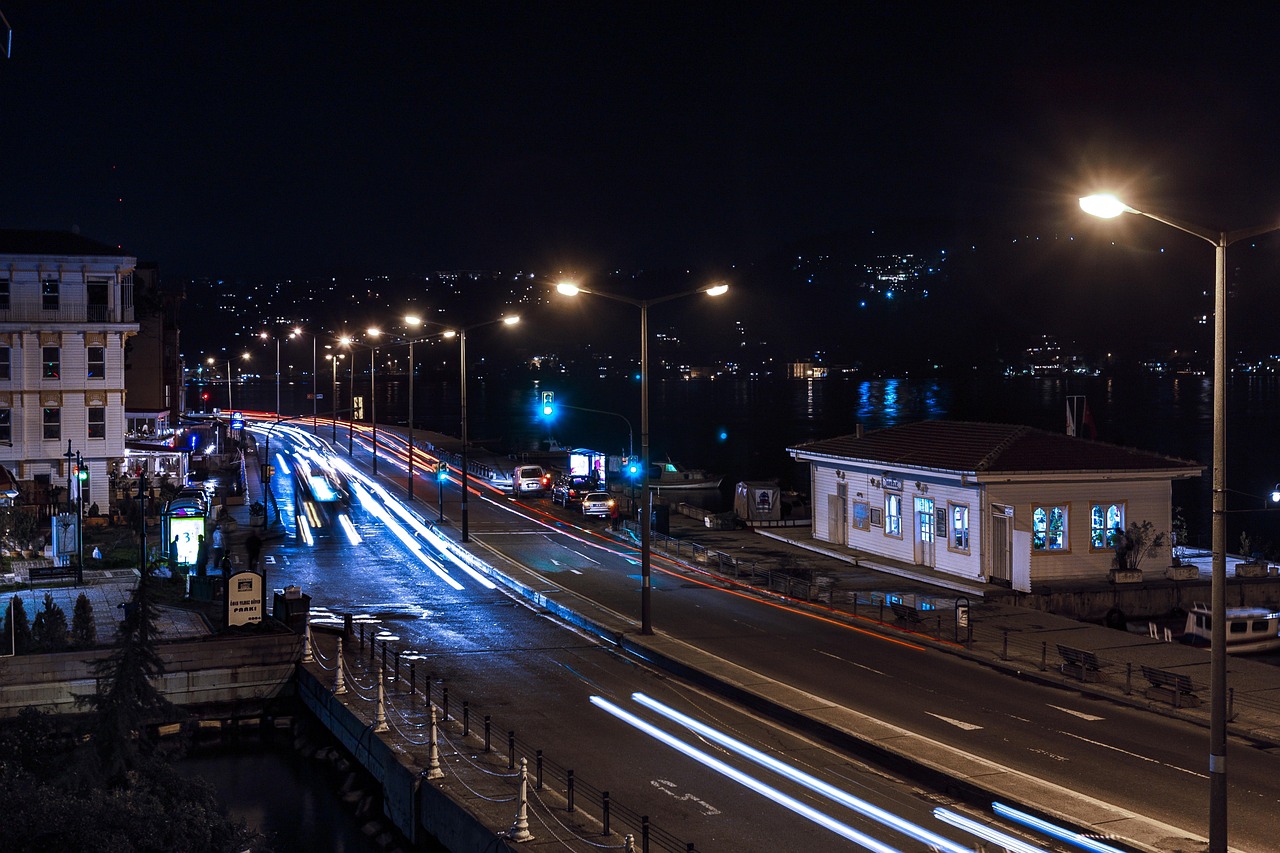
**Arnavutköy safety** remains among the highest in the city, and the entire coastline between these 2 neighborhoods is extremely safe for solo travelers and families at all hours. The area stays active until 2:00 or 3:00 AM, especially near popular cocktail bars like Alexandra or Any. Well-lit pathways and a constant stream of joggers, dog-walkers, and evening strollers ensure a secure environment. Unlike more secluded parts of the city, the heavy presence of reputable businesses and locals provides a natural layer of security that makes nighttime walks along the Bosphorus both pleasant and worry-free.
### What is the best time of year to visit?
The ideal **weather in Istanbul** for exploring the coast occurs during May, June, September, and October. During these months, temperatures typically range between 20 and 25 degrees Celsius, providing the perfect climate for long walks. July and August can be excessively humid and crowded, while winter months often bring harsh winds and rain that make the seaside chilly. Visiting in May also allows you to see the purple Judas trees (Erguvan) in full bloom across the hillsides of the Bosphorus, a signature sight of the city.
### Are these neighborhoods expensive for travelers?
While your **travel budget** will need to be higher here than in Sultanahmet or Kadıköy, you can still find a range of options. **Bebek prices** reflect its status as one of Istanbul’s most affluent districts, with luxury cafes like Bebek Kahve or Baylan charging premium rates for their views. Expect to pay 30% to 50% more for a meal here compared to central Istanbul. However, Arnavutköy offers more "neighborhood" style spots where you can grab a tea or a quick snack without breaking the bank. For a budget-friendly experience, buy a coffee from a local chain and enjoy it on the public benches facing the water.
### Can you swim in the Bosphorus here?
**Swimming in Bosphorus** waters at Arnavutköy or Bebek is strongly discouraged for visitors due to the lethal surface currents and heavy maritime traffic. Specifically, the point known as Akıntıburnu (Current Point) in Arnavutköy features currents that can reach speeds of 5 knots, which is dangerous even for experienced local swimmers. Additionally, the coastline is a primary artery for massive tankers, ferries, and private yachts. If you want to swim, take a ferry to the Princes’ Islands or visit the private beaches in Kilyos on the Black Sea coast.
## Conclusion
To me, after fifteen years of navigating this city’s chaotic energy, the stretch between Arnavutköy and Bebek remains my ultimate sanctuary. It’s where Istanbul stops being a loud, frantic metropolis and starts feeling like a lived-in poem. If you’ve followed my guide this far, you’ve seen the grand *Yalı* mansions and smelled the salt in the air, but my real verdict is this: the "best" part of this coastline isn't a specific restaurant or a monument; it’s the rhythm you find when you finally stop rushing.
You need to give yourself permission to move slowly. Put your phone in your pocket, tuck the map away, and let the curve of the Bosphorus be your only guide. There’s a certain magic in watching the local fishermen at Arnavutköy patiently waiting for a strike, or seeing the sunlight dance off the wake of a passing container ship. This is where the city’s true soul reveals itself—not in the crowded squares of the Old City, but in these quiet, elegant moments where the blue of the water meets the historic timber of the shore.
My final piece of advice for you is about timing. Don’t try to squeeze this walk between museum visits or appointments. Instead, wait for a late afternoon when the light turns that particular Istanbul gold. Start in Arnavutköy just as the sun begins to dip, wander toward Bebek at your own pace, and when your legs get tired, don't look for a taxi. Find a small seaside bench or a quiet café instead. Order a Turkish coffee—wait for the grounds to settle—and just watch the current flow toward the Marmara. In a city that never stops moving, learning to sit still by the water is the most authentic "local" experience you can have. I’ll see you out there by the sea.
---
## Where to Stay in Istanbul: Authentic Neighborhoods for Locals
URL: https://istanbulcool.com/best-neighborhoods-to-stay-istanbul-local-vibe
The low hum of a ferry engine vibrates through the wooden floorboards of the Kadıköy terminal as the sun begins to dip behind the minarets of the historic peninsula. In the distance, the Hagia Sophia is bathed in a dusty gold, but I’m looking the other way. I’m watching a group of students sharing a bag of roasted sunflower seeds on the pier, a street musician tuning an oud, and a waiter skillfully balancing a tray of tulip-shaped tea glasses as he dodges a stray cat.
After 15 years in this city, I’ve realized that most visitors spend 90% of their time in a place that feels less and less like the Istanbul I love. Don't get me wrong; Sultanahmet is a masterpiece. But after the tour buses depart at 5:00 PM, the "Old City" often turns into a quiet museum, filled with overpriced kebab shops and souvenir stalls selling the same "evil eye" magnets. If you want to wake up to the smell of fresh **simit** (sesame bread rings) from a neighborhood bakery, hear the rhythmic "clack-clack" of backgammon tiles in a local tea garden, and feel the actual pulse of the Bosphorus, you need to cross the bridge.
Whenever my friends visit, I tell them the same thing: Ditch the Sultanahmet bubble. Stay where the locals live, eat, and dream. Here is my personal guide to the neighborhoods that capture the true, messy, beautiful spirit of Istanbul.
## Karaköy: The Gritty Glamour of the Port
Fifteen years ago, you wouldn't have walked through Karaköy at night. It was a district of dark alleys, hardware wholesalers selling rusted anchors, and old customs offices. Today, it’s the city’s most successful reinvention. It’s where Istanbul’s "cool crowd" meets for third-wave coffee during the day and artisanal cocktails at night, all while the smell of the sea air reminds you that you’re in one of the world’s most important ports.
What makes Karaköy special is the layers. You’ll see a centuries-old French church tucked behind a street covered in neon graffiti. You’ll pass a shop selling heavy industrial chains right next to a boutique selling €300 handmade ceramics. It’s vibrant, loud, and incredibly central.
### Where to Stay in Karaköy
For a truly boutique experience, look at **The Bank Hotel Istanbul**. It’s housed in a grand former bank building (hence the name) and manages to feel regal without being stuffy. The rooftop bar offers one of the best views of the Golden Horn, but without the crowds you'll find at more famous spots.
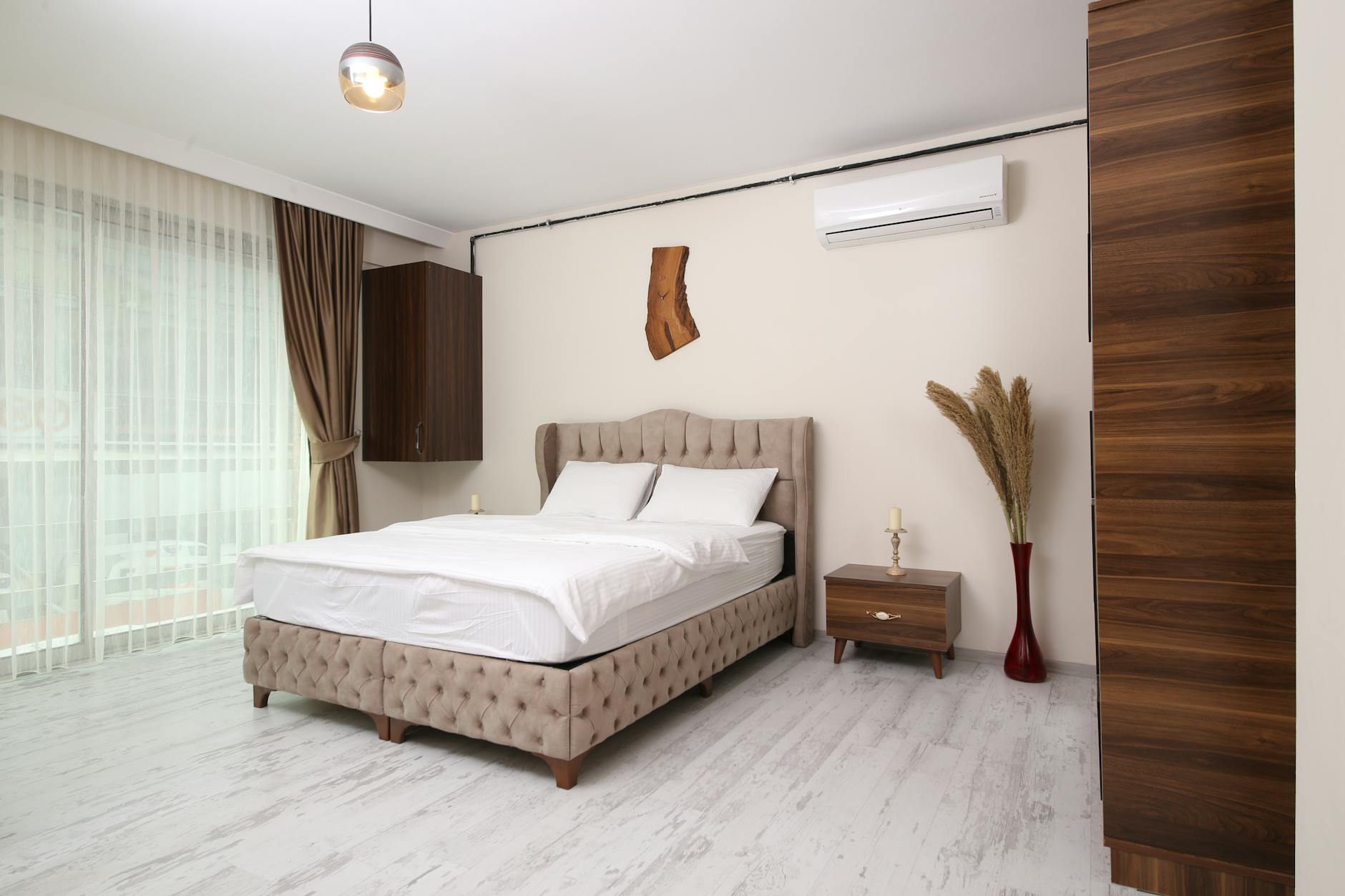
If you prefer something more intimate, **Sub Karaköy** is my go-to recommendation. It has a "harbor-industrial" aesthetic—think exposed concrete and custom-made iron beds—that perfectly mirrors the neighborhood's history. Rooms start around **€120 - €150 per night**, depending on the season.
### The Local Vibe
Mornings in Karaköy are for **Namlı Gurme**. It’s an institution. You walk in, point at the cheeses, olives, and honey-cream (**kaymak**) you want, and they bring it to your table. After breakfast, skip the Galata Tower queue and wander up the "Camondo Stairs," a beautiful Art Nouveau staircase, toward the Pera district.
> **Berk's Insider Tip:**
> If you find yourself in Karaköy on a rainy afternoon, skip the malls. Instead, head to the **Istanbul Modern** museum. Even if you aren't an art buff, the building—designed by Renzo Piano—is an architectural marvel, and the café has a stunning terrace view that most tourists haven't discovered yet.
## Cihangir and Çukurcuma: The Intellectual’s Hideaway
If you are a fan of Orhan Pamuk’s novels, you already know Cihangir. This is the neighborhood of actors, writers, expatriates, and the city’s most pampered street cats. It’s a labyrinth of narrow, steep streets where every turn reveals a tiny café or an antique shop filled with relics from the Ottoman era.
Cihangir feels like a village. People know their neighbors. The "Muhtar" (neighborhood head) actually knows who lives on which floor. It’s bohemian, slightly eccentric, and perfectly located just a ten-minute walk from Taksim Square, yet it feels worlds away from the chaos of Istiklal Avenue.
### The Charm of Çukurcuma
Adjacent to Cihangir is Çukurcuma, the antique heart of Istanbul. If you want to stay in a place that feels like a film set, this is it.
I highly recommend **Hammamhane**. This boutique hotel is built around a restored 15th-century Turkish bath (hamam). The rooms are spacious, often featuring small kitchenettes, making it ideal for longer stays. The staff treats you like family, and the breakfast—served in a bright, sun-drenched room—features homemade jams from the owner’s garden. Expect to pay around **€110 - €140**.
### Exploring the Streets
While staying here, make sure to visit the **Museum of Innocence**, created by Pamuk himself. It’s a heartbreakingly beautiful collection of everyday objects that tell a story of 1970s Istanbul. Even if you haven't read the book, the museum is a masterclass in local nostalgia.
To see a different side of the city's religious architecture without the lines, take a short walk to the [Suleymaniye Mosque Insider Guide](https://istanbulcool.com/suleymaniye-mosque-insider-guide) and see how the imperial style compares to the smaller, more intimate mosques hidden in the Cihangir backstreets.
## Kadıköy and Moda: The Soul of the Asian Side
I’m biased. I’ve lived on the Asian side for years, and to me, this is the *real* Istanbul. Crossing the Bosphorus by ferry is not a commute; it’s a daily meditation. As the ferry leaves the European side, the stress of the city seems to evaporate.
Kadıköy is energetic, youthful, and unapologetically secular. The **Moda** district, a leafy enclave at the end of the Kadıköy peninsula, is where you’ll find the best ice cream, the best sunset spots, and a coastline where locals sit on the rocks with bottles of wine or thermoses of tea.
### Why You Should Stay Here
Staying in Kadıköy means you are surrounded by the best food scene in the city. From the famous **Çiya Sofrası**, where chef Musa Dağdeviren resurrects forgotten Anatolian recipes, to the trendy bars of "Barlar Sokağı" (Bar Street), your taste buds will never be bored.
For accommodation, **Loka Kasu** is a gem. It’s a renovated Ottoman-style house with just a few rooms. It’s tucked away in a quiet street but only minutes from the ferry docks. For something a bit more modern, **DoubleTree by Hilton Moda** offers luxury, but if you want that "Berk" feel, stick to the smaller guesthouses in the Moda area.
### Living Like a Local
Your morning routine here should involve a walk to the **Moda Tea Garden** (Moda Çay Bahçesi). It’s an unpretentious spot overlooking the Sea of Marmara. Order a "tavşan kanı" (rabbit's blood—a term for perfectly brewed deep red tea) and just watch the ships go by.
To get the most out of this area, follow my [Kadıköy-Moda walking tour](https://istanbulcool.com/kadikoy-moda-walking-tour-guide). It will take you through the fish markets and hidden churches that most visitors never see.
> **Berk's Insider Tip:**
> Most people think the ferries stop early, but there are now 24-hour ferry services on weekends between Kadıköy and Beşiktaş/Karaköy. Don't rush back to the European side; stay for that second round of rakı and catch the 2:00 AM boat under the stars.
## Beşiktaş and Akaretler: The Energy Hub
Beşiktaş is the heartbeat of the city. It’s home to one of Istanbul’s most famous football clubs, a massive student population, and a ferry terminal that connects everywhere. It’s loud, crowded, and incredibly fun.
If you want to be in the center of the action but find Sultanahmet too touristy and Taksim too chaotic, Beşiktaş is your middle ground. Specifically, the **Akaretler** area—a series of historic row houses built for the high-ranking officials of the Dolmabahçe Palace—is now one of the most stylish corners of Istanbul.
### Boutique Luxury in Row Houses
**W Istanbul** is located right in these historic Akaretler houses, blending Ottoman exterior architecture with very modern, neon-lit interiors. However, for a more "Insider" feel, I prefer the smaller hotels tucked into the "Breakfast Street" area. **Beşiktaş Serenity Hotel** offers clean, simple rooms at a great price point (**€70 - €90**), putting you right in the middle of the local buzz.
### The Beşiktaş Experience
You cannot stay here without experiencing a match day. Even if you don't have a ticket, the atmosphere in the "Çarşı" (the market center) is electric. Thousands of fans in black and white scarves sing in unison, and the smell of grilled köfte fills the air.
Beşiktaş is also the best jumping-off point for exploring the rest of the city. You can hop on a bus up the coast to the wealthy enclaves of Bebek, or take a ferry across to Asia. Before you head out, make sure you understand the [Ultimate Guide to Public Transport](https://istanbulcool.com/istanbul-public-transport-guide) to navigate the bus and ferry hubs like a pro.
## Kuzguncuk: The Village That Time Forgot
If you want peace, quiet, and a sense of history that feels almost cinematic, cross the Bosphorus to the Asian side and get off at the first stop: **Kuzguncuk**.
This neighborhood is famous for its history of coexistence. For centuries, Jews, Greeks, Armenians, and Turks lived here side-by-side. You’ll still see a mosque, a synagogue, and a church almost touching each other. It’s a place of colorful wooden houses, giant plane trees, and community vegetable gardens (**bostan**).
### Staying in a Wooden Mansion
There aren't many large hotels here, which is part of the charm. You’ll mostly find Airbnb rentals in historic wooden homes. Staying here feels like living in a small Turkish village, even though you’re only a 15-minute ferry ride from the city center.
**Vanilla Kuzguncuk** is a lovely boutique guest house that captures this spirit perfectly. It’s small, quiet, and decorated with local textiles.
### A Slow Pace of Life
Kuzguncuk is for the traveler who wants to wake up late, read a book at **Nail Kitabevi** (a stunning bookstore in a historic bay-windowed building), and eat seafood at **Ismet Baba**, a legendary fish restaurant right on the water where the prices are fair and the view is priceless.
> **Berk's Insider Tip:**
> When staying on the Asian side, particularly in Kuzguncuk or Kadıköy, don't use taxis to get to the European side during rush hour (7-10 AM and 5-8 PM). The bridge traffic is legendary and soul-crushing. Always, always take the ferry. It's cheaper, faster, and you get a better view.
## Arnavutköy: Ottoman Elegance and Nightlife
Not to be confused with the neighborhood of the same name near the airport, the Bosphorus-side **Arnavutköy** (meaning "Albanian Village") is perhaps the most picturesque neighborhood in Istanbul. It is famous for its stunning collection of 19th-century wooden mansions (**yalis**) that line the waterfront.
By day, it’s a sleepy fishing village where old men cast lines into the deep blue waters of the Bosphorus. By night, the backstreets transform into a sophisticated nightlife hub with tiny "micro-bars" and some of the city's best seafood restaurants.
### Staying on the Water
Staying here is an upscale experience. You won't find many budget hostels. Look for boutique rentals in the restored wooden houses. **Revma Hotel** is a fantastic choice, offering a modern take on the traditional Ottoman aesthetic. You are paying for the location and the prestige here, so expect prices to start around **€180**.
### The Arnavutköy Night
The beauty of Arnavutköy is that it’s "cool" without being "loud." You can have a world-class dinner at **Sur Balık**, then walk two minutes to a hidden cocktail bar like **Alexandra**. It’s the neighborhood for the discerning traveler who wants elegance and a local crowd.
While you're exploring the upscale side of the city, you might find yourself wanting to dive back into history. If you decide to venture back toward the center for a shopping trip, don't just visit the tourist stalls. Use my guide to the [Secret Hans of the Grand Bazaar](https://istanbulcool.com/hidden-hans-grand-bazaar-guide) to find the master craftsmen who have been working in the same stone rooms for generations.
## Practical Considerations: Making Your Choice
Choosing where to stay in Istanbul often comes down to your "hill tolerance" and your "noise tolerance."
1. **Transport Connectivity:** If you want to see everything, **Karaköy** or **Beşiktaş** are your best bets. They are transport hubs where ferries, trams, and buses converge.
2. **The "Hill" Factor:** Cihangir and Karaköy involve a lot of climbing. If you have mobility issues or heavy luggage, the flatter streets of **Moda** or the waterfront of **Arnavutköy** are much friendlier.
3. **The Vibe:**
* **Creative/Hip:** Kadıköy/Moda.
* **Bohemian/Intellectual:** Cihangir.
* **Energetic/Local:** Beşiktaş.
* **Peaceful/Historic:** Kuzguncuk.
* **Chic/Gourmet:** Arnavutköy.
### A Note on Prices
Istanbul’s economy has been volatile lately. While I’ve provided price estimates in Euros (which remain more stable), always check the current rates in **Turkish Lira (TL)**. Many boutique hotels will give you a **10% discount** if you pay in cash (Euros or Dollars) rather than by credit card.
## Personal Verdict: Where Would I Stay?
If I were visiting Istanbul for the first time again, knowing what I know now, I would split my stay. I’d spend two nights in **Karaköy** to knock out the "must-see" sights like the Galata Tower and the Spice Market, and then I would move to **Kadıköy/Moda** for the remainder of the trip.
There is something transformative about taking the ferry back to Asia at the end of a long day of sightseeing. As you watch the silhouette of the Blue Mosque recede and the lights of the Bosphorus Bridge begin to twinkle, you realize that Istanbul isn't just a city of monuments. It's a city of water, movement, and a thousand different neighborhoods, each with its own heartbeat.
Avoid the "Sultanahmet Bubble," and you won't just see Istanbul—you'll start to understand it. When you're sitting in a Moda tea garden or an Arnavutköy bistro, surrounded by the chatter of locals and the scent of the sea, you'll realize you're no longer a tourist. You're a guest in a city that never stops giving.
Before you finalize your booking, here is one last secret: Look up the "Ezan" (Call to Prayer) times. If you stay in a neighborhood like Cihangir or Kuzguncuk, the sound of the calls from different mosques echoing off the hills is one of the most hauntingly beautiful sounds you will ever hear—and it's a reminder that in Istanbul, history isn't something you visit; it's something you live.
---
## Bosphorus Ferry Tour: Istanbul's Most Beautiful Commute
URL: https://istanbulcool.com/bosphorus-ferry-hopping-walking-tour
The heavy iron ramp hits the concrete pier of Beşiktaş with a thunderous *clack-clack* that vibrates right through the soles of your shoes. It’s a sound I’ve heard nearly every morning since I packed my life into two suitcases and moved to Cihangir back in 2011, yet it still gives me a little jolt of anticipation. You aren't just boarding a boat; you are stepping into the literal circulatory system of a city that has straddled two continents for nearly three millennia.
It’s 9:15 AM on a crisp Tuesday in 2026. The air smells of charred charcoal from the nearby breakfast joints, the sharp salt of the Marmara Sea, and that unmistakable, toasted-sesame aroma of a fresh *simit* (Turkish bagel). While the private yachts and the "Classic Bosphorus Tours"—those glass-encased bubbles of tourist boredom—wait for their 10:00 AM slots, I’m standing on the open aft deck of a *Şehir Hatları* ferry. I’ve just tapped my Istanbulkart for **55 TL** (about **$1.20** or **€1.10**).
To my left, a billionaire’s mahogany speedboat zips toward the business district, but I have something he doesn't: a tulip-shaped glass of steaming *çay* (tea) that cost me less than a dollar, a seat in the sun, and the best view on the planet. This is what I call the "45-Lira Millionaire" lifestyle. In a city that is constantly rushing toward the future, the ferry is the one place where time slows down to the pace of the current. If you want to see the "real" Istanbul, you have to leave the land behind and master the water.
## The Philosophy of the Ferry: Why the Local Commute Wins
In the fifteen years I’ve spent navigating these waters, I’ve learned that the ferry isn’t just transport; it’s a shared cultural ritual. On these wooden benches, you see the entire spectrum of Istanbul life. You’ll see the weathered fisherman with his buckets of horse mackerel, the high-powered executive in a tailored suit reading the morning headlines, and the students from Boğaziçi University sharing headphones.
When I first arrived in Istanbul, I made the mistake of taking a private tour. I sat in a padded chair, listened to a crackling recording over a loudspeaker, and felt completely disconnected. A week later, a local friend dragged me onto the public ferry from Karaköy to Kadıköy. We stood on the deck, tossed pieces of *simit* to the screaming seagulls that follow the wake like loyal pets, and watched the **Suleymaniye’s iconic silhouette** fade into the golden hour mist. That was the moment I fell in height with the city.
The public ferry gives you the freedom to be an active participant rather than a passive observer. You aren’t locked into a two-hour loop. You can hop off because a particular wooden mansion (a *Yalı*) caught your eye, or because you smelled something delicious wafting from a dockside kitchen. It is the ultimate tool for the "slow traveler."
> **Berk's Insider Tip:**
> Never buy your *simit* on the ferry—they’re often stale by the time they reach the snack bar. Instead, buy a warm, crunchy one from the red street carts (Simit Arabası) near the pier entrance. However, *always* buy your tea on the boat. There is something about the "Vapur Çayı" (Ferry Tea) brewed in large samovars that tastes better than any cafe version. It is the unofficial fuel of the Bosphorus.
## Mastering the Logistics (The 2026 Edition)
Navigating the Bosphorus in 2026 requires a bit more tech-savviness than it did a decade ago, but the rewards are worth the five minutes of setup. The days of fumbling for tokens are long gone.
### The Istanbulkart and Pricing
First, ensure your **Istanbulkart** is topped up. As of mid-2026, a standard "Long Bosphorus" hop costs between **45 TL and 65 TL**. While inflation has moved the numbers over the years, the value remains staggering. You can buy and top up these cards at any major pier or via the mobile app. To truly move like a local, you should also [master the nuances of the Istanbulkart](https://istanbulcool.com/istanbul-public-transport-guide) before you head out, as the transfer discounts can save you a fortune if you’re hopping between buses and boats.
### The Schedule: Your Secret Weapon
Don't rely on the printed boards at the piers; they change seasonally. Download the **Şehir Hatları** app immediately. It gives you real-time GPS locations of the ferries.
* **The "Boğaz Hattı" (Bosphorus Line):** This is the "express" that runs from Eminönü all the way to the Black Sea. It’s great, but it’s infrequent.
* **The "Ziz-Zag" Lines (Çengelköy-İstinye):** These are my favorite. They bounce back and forth between the Asian and European shores like a pinball. This is how you see both sides of the city in a single afternoon.
### Seating Strategy
This is the most important piece of advice I can give you: **Go to the stern (the back).** Most tourists rush for the bow (the front), but that’s where the wind is harshest and the spray can ruin your camera. The back deck is sheltered, offers the best "moving away" shots of the skyline, and is the prime territory for seagull feeding. If you’re heading North (toward the Black Sea), sit on the **Starboard side (Right)** to see the European palaces and mansions up close.
| Route Type | Avg. Cost (2026) | Best For | Recommended Time |
| :--- | :--- | :--- | :--- |
| Short Crossing | 45 TL ($1.00) | Quick hop to Asia | Anytime |
| Bosphorus Zig-Zag | 60 TL ($1.30) | Village hopping | Mid-morning |
| Full Bosphorus | 120 TL ($2.60) | Seeing the Black Sea | 10:30 AM departure |
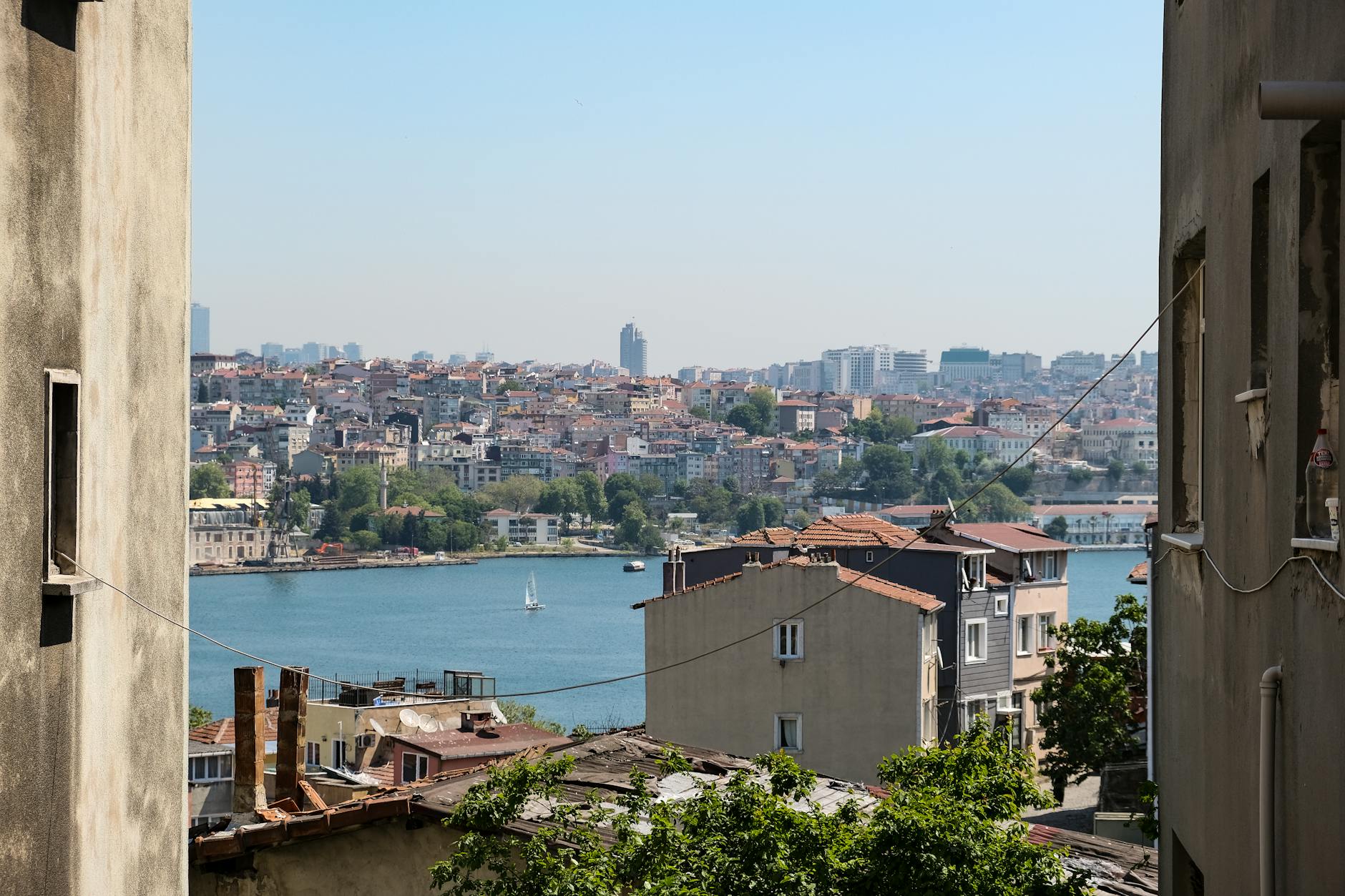
## Stop 1: Arnavutköy (The Gingerbread Village)
As the ferry slows down to approach the Arnavutköy pier, put your phone away. You need to see this with your own eyes. Arnavutköy (literally "Albanian Village") is arguably the most photogenic neighborhood in Istanbul.
### The Architecture of the "Yalı"
The waterfront is lined with *Yalı*—grand, wooden mansions built during the 19th century. They look like elaborate gingerbread houses, painted in shades of sage, cream, and dusty rose. These were the summer homes of the Ottoman elite, as well as the Greek and Armenian merchant classes. Notice the *Cumba*—those enclosed wooden balconies that overhang the street. They were designed so that the ladies of the house could watch the world go by without being seen.
### The Backstreets and the "Hidden Garden"
Most visitors walk the coastline and leave. That is a mistake. Walk two blocks inland, past the famous fish restaurants, and start climbing the stairs. The hills of Arnavutköy are a labyrinth of vine-covered stone walls and neighborhood grocery stores where the owners still know everyone’s name.
I always tell people to look for the "Hidden Garden" cafes. There’s a tiny spot called *Kutu*, tucked into a narrow alley, where the coffee is strong and the silence is a rare commodity in this 16-million-strong metropolis.
### Akıntıburnu: The Current Point
Just North of the pier is a spot called **Akıntıburnu**. This is where the Bosphorus is at its most treacherous. The water here churns violently because of the "Devil’s Current." You’ll see local fishermen standing precariously on the rocks, casting their lines into the turquoise chaos. In 2026, they are mostly pulling in *İstavrit* (horse mackerel). If you’re lucky, you’ll see them pull up a gleaming Bluefish.
### Where to Eat (Without the Tourist Tax)
Arnavutköy is famous for seafood, but many of the waterfront spots are "white tablecloth" traps. If you want the real deal, find **Takanik Balık**. It started as a small boat and grew into a legendary local institution. Order the grilled octopus and the seasonal salad. It’s fresh, honest, and won’t cost you a month’s rent.
## The Scenic Walk: Arnavutköy to Bebek
From Arnavutköy, don’t get back on the boat yet. There is a 2-kilometer stretch of waterfront pavement that is the most beautiful walk in the city. To your right is the shimmering blue of the Bosphorus; to your left, some of the most expensive real estate in the world.
As you walk, you’ll pass the **Egyptian Consulate**. It is, in my opinion, the most stunning building on the entire strait. It’s an Art Nouveau masterpiece built for the mother of the last Khedive of Egypt. The white stone and intricate carvings look like they were spun from sugar.
> **Berk's Insider Tip:**
> Keep an eye on the water as you walk this stretch. Since the 2024 environmental initiatives, dolphins have become a common sight again in the Bosphorus. They follow the schools of fish migrating between the Black Sea and the Aegean. If you see a group of people pointing and shouting "Yunus!", stop and look—it's a bit of magic you won't find in a brochure.
## Stop 2: Bebek (The Billionaire’s Playground)
Bebek is where Istanbul’s "Old Money" meets the "New Tech" elite. It has a different energy than Arnavutköy—slicker, faster, and much more glamorous. But even here, there are layers of history that the average visitor misses.
### The Vibe and Bebek Park
Bebek Park is the heart of the neighborhood. It’s filled with ancient plane trees that have provided shade for centuries. On a weekend, this is the premier people-watching spot. You’ll see socialites walking expensive dogs, and joggers in the latest gear. It’s a great place to sit on a bench and soak in the "Modern Istanbul" vibe.
### The Coffee Dilemma
Yes, the Bebek Starbucks is famous. It’s often cited as the "most beautiful Starbucks in the world" because it sits right over the water. Go in, take a photo of the view, and then leave. Instead, walk a few minutes further to **Baylan**.
Baylan is a historic patisserie that dates back to 1923. It represents the cosmopolitan, European-influenced side of the city’s history. Order the **"Kup Griye"**—a legendary dessert made of vanilla and caramel ice cream, whipped cream, and honey almond crunch. It’s a taste of the 1950s that has somehow survived the digital age.
### The Hidden Pedestrian Tunnel
Few people realize that Bebek has a secret. There is a small pedestrian tunnel (the *Bebek Tüneli*) that was originally built to allow the residents of the mansions to reach the hills without crossing the increasingly busy road. It’s a small, cool, damp passage that feels like a portal back in time.
If you’re deciding where to base your trip, I often suggest looking at neighborhoods like this. You can find more of my thoughts on [choosing where to base yourself](https://istanbulcool.com/best-neighborhoods-to-stay-istanbul-local-vibe) to avoid the typical Sultanahmet crowds.
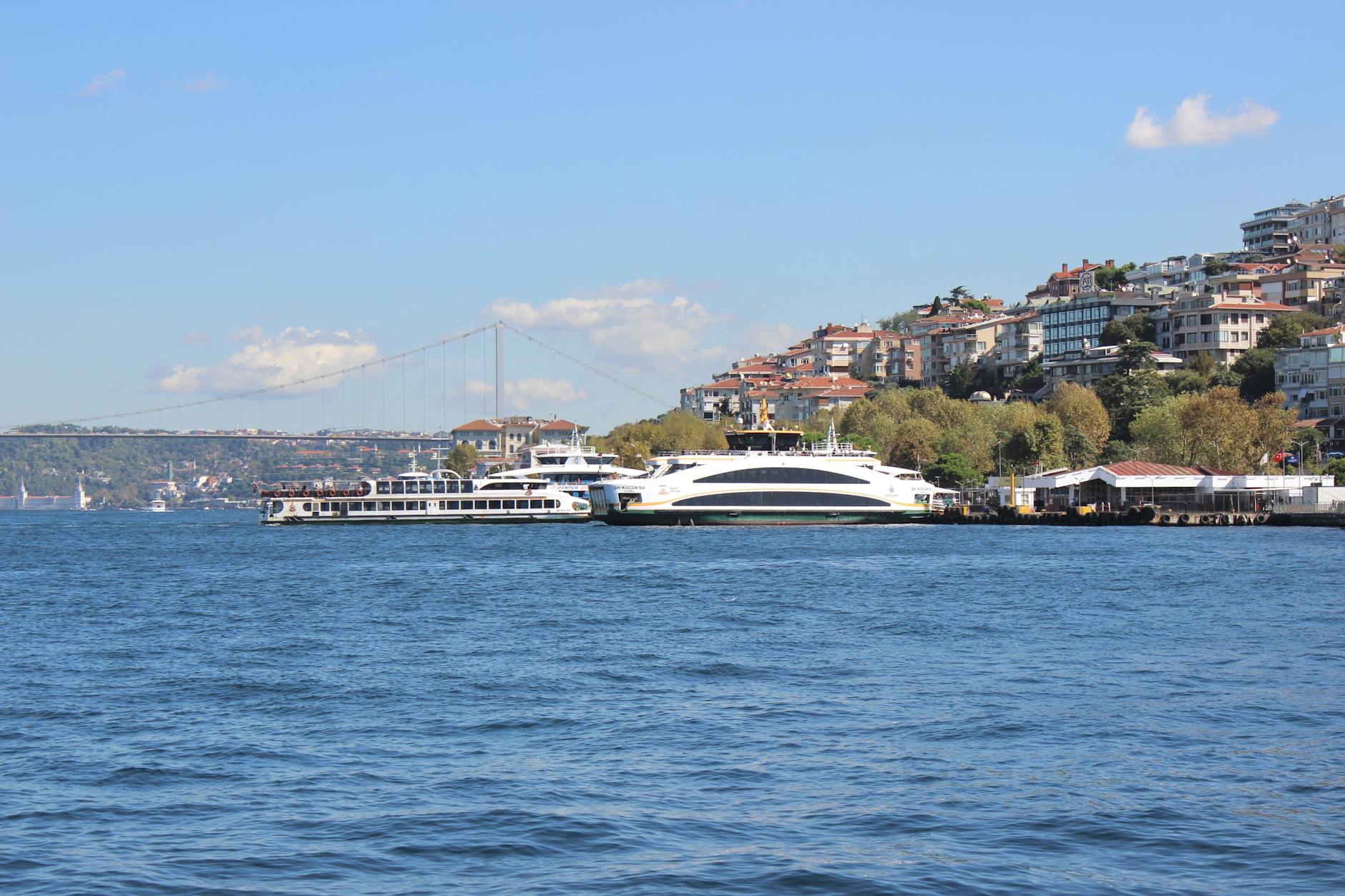
## Stop 3: Emirgan (History & Tulips)
Board the ferry again at Bebek and head further North to Emirgan. This is where the Bosphorus starts to feel wider, the air cooler, and the greenery more dominant.
### The Park and the Pavilions
Emirgan Park is massive. While it’s world-famous for the Tulip Festival in April, it’s a sanctuary year-round. Inside the park are three historic wooden mansions: the **Yellow Pavilion**, the **Pink Pavilion**, and the **White Pavilion**. Each was built by Khedive Ismail Pasha of Egypt. My favorite is the Yellow Pavilion; its ornate woodcarvings and view of the second Bosphorus Bridge (the Fatih Sultan Berk Bridge) are unparalleled.
### Sakıp Sabancı Museum: The Louvre of the Bosphorus
Right on the waterfront in Emirgan is the **Atlı Köşk** (Mansion with the Horse), which houses the Sakıp Sabancı Museum. This isn't just a museum; it’s a masterclass in how to blend a private estate with world-class art. Their collection of Ottoman calligraphy is the finest in the world, and their temporary exhibitions often rival the Tate or the MoMA.
> **Berk's Insider Tip:**
> If you have an **Istanbul Museum Pass**, check the current 2026 benefits. Often, it provides a significant discount or even a fast-track entry to the Sabancı Museum. Even if you aren't an "art person," go for the garden—it’s filled with sculptures and rare plants, and the terrace offers a view that makes the entry fee feel like a bargain.
### The Soul of Emirgan: Çınaraltı
This is the soul of the article. At the water's edge in Emirgan, there is a cluster of tea gardens known as **Çınaraltı** (Under the Plane Tree). Some of these trees are over 500 years old.
I remember sitting here in November 2018 during a massive thunderstorm. The waves were crashing against the stone quay, and the wind was howling through the ancient branches. I sat with a single glass of tea and a book, protected by the heavy canopy and the glass partitions. It was the most "at home" I’ve ever felt in Istanbul. It’s a place for reflection. In 2026, it remains unchanged—one of the few spots where the frantic development of the city hasn't been allowed to touch.
## The Crossing: Kanlıca (The Asian Side Finale)
To finish your day, you must cross the water. Take the small, local shuttle ferry from Emirgan to **Kanlıca** on the Asian side. The journey takes less than ten minutes, but the vibe shift is profound. The Asian side is quieter, greener, and feels more residential.
### The Yogurt Ritual
You cannot visit Kanlıca without eating the yogurt. This isn't a suggestion; it’s a cultural requirement. **Kanlıca Yoğurdu** is famous across Turkey for its thick, creamy consistency (traditionally made with a mix of cow and buffalo milk).
Go to the small kiosks by the pier. They will serve it to you in a plastic tub, and then—this is the key—they will hand you a packet of powdered sugar. You pour the sugar on top, don't stir it, and eat it in the sun. It’s tart, sweet, and incredibly refreshing. It’s been the local tradition for over a hundred years.
### The Quiet Side
After your yogurt, take a short walk along the Kanlıca coast. The *Yalı* here are even more secluded than the ones in Arnavutköy. There are fewer cars and more birds. It’s the perfect place to watch the sun begin its descent behind the European hills you just explored. If you find yourself captivated by this side of the city, you might want to spend your next day exploring [the vibrant streets of Moda](https://istanbulcool.com/kadikoy-moda-walking-tour-guide), which offers a similar local charm but with a more bohemian, artistic edge.
## Personal Verdict: The Return Journey
As the sun begins to dip, the Bosphorus turns into a sheet of liquid copper. This is when you catch the ferry back toward the city center (Eminönü or Beşiktaş).
My advice? **Get lost on purpose.** If you see a ferry heading to a neighborhood you haven't heard of—like Çengelköy or Kuzguncuk—get on it. The worst that happens is you spend another 55 TL and see a different part of the shore.
I’ve lived here for 15 years, and I still haven't seen every corner of this waterway. Every time I think I’ve mastered Istanbul, she shows me a new alleyway in Arnavutköy or a different shade of blue in the water near Emirgan.
The "Standard 2-hour Bosphorus Cruise" is a snapshot. The commuter ferry is the whole movie. It’s noisy, it’s sometimes crowded, and it smells of diesel and sea salt. But it’s real. And in a world of curated tourist experiences, "real" is the most valuable thing you can find.
If you have more time tomorrow and want to see a completely different side of the city's history, I highly recommend heading to the Golden Horn to [visit Balat](https://istanbulcool.com/fener-balat-walking-tour-guide). It’s the perfect terrestrial counterpart to your day on the water.
Safe travels, and I’ll see you on the deck. I’ll be the one with the *simit* crumbs on my coat and a tulip glass in my hand.
---
## Bulgarian Iron Church: Balat's Cast-Iron Masterpiece
URL: https://istanbulcool.com/bulgarian-iron-church-st-stephen-balat
There’s a specific kind of salt-heavy breeze that hits you when you walk along the Golden Horn in the late afternoon. It’s the scent of old Istanbul—a mix of the sea, roasting coffee from a nearby stall, and the faint, dusty aroma of centuries-old brick. I’ve spent fifteen years wandering these shorelines, and yet, every time I round the corner from the ferry terminal into Balat, one particular sight still makes me stop in my tracks.
Amidst the iconic, colorful houses that have made Balat a photographer’s dream, there is a structure that looks like it was plucked straight out of a Victorian fairy tale and dropped onto the banks of the Haliç. It gleams with a pale, rhythmic elegance, its neo-Gothic towers reaching toward the sky. To the casual observer, it looks like a grand stone cathedral. But walk up to it, give the exterior wall a light tap with your knuckles, and you’ll hear something entirely unexpected: a hollow, metallic *clink*.
This is the Sveti Stefan, better known to us locals as the Bulgarian Iron Church. In a city built on layers of Byzantine stone and Ottoman wood, this building is a glorious anomaly. It is, quite literally, a giant 19th-century "Lego set" made of five hundred tons of prefabricated cast iron.
Back in the day, the ground here was too soft to support a traditional stone structure, so the engineers of the time came up with a radical solution: they forged the entire church in Vienna, shipped it down the Danube on barges, and bolted it together right here on the waterfront. It is a triumph of industrial-age ingenuity and religious devotion, standing as a testament to the diverse, multi-layered soul of the neighborhood.
Whenever friends visit me from abroad, I tell them that if they want to understand the true "melting pot" nature of Istanbul, they have to see the Iron Church. It’s not just a monument; it’s a survivor of fires, earthquakes, and the shifting tides of history. Let me take you through the heavy doors and show you why this metallic masterpiece is the heart and soul of Balat.
## A Neighborhood of Layers: Finding Sveti Stefan in Balat
If Istanbul is a tapestry, Balat is the section where the threads are the most colorful, slightly frayed, and rich with the scent of history and sea salt. Having lived in this city for fifteen years, I’ve seen neighborhoods rise and fall in popularity, but Balat—the historic **Jewish Quarter**—remains the place I take my friends when they want to see the city’s soul.
In 2026, Balat has hit a beautiful stride. It’s no longer just a "hidden gem," but it hasn’t lost its grit either. As you walk down from the upper slopes, past the laundry lines strung between brightly painted houses, you’ll feel a sensory shift. The air gets cooler as you approach the **Golden Horn** (which we locals call the *Haliç*), and the sound of distant ferry horns starts to mingle with the chatter of neighborhood kids playing football.
One thing I always tell people is that to truly appreciate this city, you have to get out of the Sultanahmet bubble. While the Blue Mosque is stunning, it can feel like a museum. If you want to wake up in a place where the local bakery owner knows your name after two days, you should look for a [real Istanbul vibe](https://istanbulcool.com/best-neighborhoods-to-stay-istanbul-local-vibe) in neighborhoods that actually breathe.
### The Magic of the Golden Horn Waterfront
When you finally reach the waterfront, the atmosphere changes. The Golden Horn is a horn-shaped fjord that divides the historic peninsula from the "newer" side of the city. In the morning light of 2026, the water has a shimmering, metallic quality that perfectly mirrors the structure we’ve come to see.
Walking along the shore, you’re hit with a distinct sensory experience. There’s the briny smell of the water, the sight of retirees fishing with rhythmic patience, and the sudden, startling appearance of a building that looks like it was transported from 19th-century Vienna and dropped onto the Istanbul shoreline. This is Sveti Stefan, the Bulgarian Iron Church.
### An Industrial Jewel Among the Ruins
What makes Sveti Stefan so striking is how it defies your expectations of Istanbul architecture. Most of our historic landmarks are heavy—massive stone walls, thick Ottoman bricks, and lead-domed mosques that feel anchored deep into the earth.
Then, you see this.
It is delicate, ornate, and impossibly white, shimmering against the blue of the Haliç. It’s a **masterpiece of neo-Gothic and neo-Baroque design**, but here’s the kicker: it’s made entirely of prefabricated cast iron. In a city of stone, it is a machine-age marvel. As a local, I still find myself stopping to stare at it. While a *Simit* (our famous sesame-crusted bread) might cost you 20 TL and a decent coffee around 100 TL (roughly 2 USD) in the nearby cafes, the view of this iron giant reflecting in the water remains one of the most priceless experiences in the city. It represents a layer of our history—the Bulgarian community’s struggle for independence—cast in metal and standing tall against the salt air for over a century.
## The Miracle of Metal: Why Wood and Stone Weren't Enough
If you’ve spent any time walking through the historic neighborhoods of the Golden Horn, you’ve probably noticed a pattern. Istanbul is a city of layers, usually built from heavy Anatolian stone or the fragile, weathered wood of Ottoman-era mansions. But when you stand in front of **Sveti Stefan** (St. Stephen), something feels "off" in the most fascinating way. It doesn't look like it belongs to the earth; it looks like it was engineered.
And that’s because it was. To understand why this church is made of iron, you have to understand the two biggest enemies of 19th-century Istanbul: **fire and mud**.
### The Ghost of the Wooden Church
Back in 1849, the Bulgarian community didn't have this shimmering monument. They started small, with a modest wooden house donated by a statesman named Stefan Bogoridi. For a while, it served its purpose, but in a city where neighborhoods could be leveled by a single stray spark, wood was a gamble. After a devastating fire damaged the original structure, the community knew they needed something permanent.
They wanted a grand cathedral that represented their growing national identity. However, they hit a literal "soft spot" in the geography of the city. While the [quiet streets of Zeyrek](https://istanbulcool.com/soul-of-old-istanbul-zeyrek-guide) still showcase the beautiful, haunting charm of traditional wooden architecture, the Bulgarians in Balat realized that rebuilding in wood was a recipe for heartbreak. They needed something that could survive the frequent fires that plagued the Golden Horn.
### The Golden Horn’s Muddy Secret
You might look at the calm waters of the Golden Horn and think it’s the perfect place to build. Local architects will tell you otherwise. The shoreline here is essentially a **swampy basin**. If you try to build a massive, traditional stone church on this soil, physics will eventually win. The weight of the marble and granite would cause the building to tilt or sink into the mud—a problem that has plagued many waterfront structures in Istanbul for centuries.
By the 1890s, the Bulgarian community faced a dilemma: stone was too heavy for the ground, and wood was too dangerous for the fire-prone neighborhood. They needed a **Third Way**. They needed something light enough to sit on the soft silt of the Golden Horn but strong enough to stand as a monumental house of worship.
### 1890s High-Tech: The Prefabricated Revolution
Enter the cutting-edge solution of the late Victorian era: **Iron**. In the 1890s, iron was the "tech" of the world. Think of the Eiffel Tower (1889)—metal was the material of progress.
An Armenian architect from Istanbul, Hovsep Aznavur, won the design competition with a radical idea. He suggested a **prefabricated iron church**. The components were cast in Vienna by a company called Rudolf Waagner, then shipped down the Danube River, through the Black Sea, and right into the Bosphorus.
It was essentially a 500-ton "Lego set" for adults. They drove 500 wooden piles into the mud to create a foundation and then bolted the iron plates together. It was a masterpiece of problem-solving. Today, in 2026, it remains one of the only surviving prefabricated iron churches in the world.
| Feature | Wooden Church (1849) | Stone Traditional | Sveti Stefan (Iron) |
| :--- | :--- | :--- | :--- |
| **Fire Resistance** | Extremely Low | High | **High** |
| **Weight** | Very Light | Extremely Heavy | **Moderate (Ideal)** |
| **Durability in Mud** | Decent | Poor (Sinking) | **Excellent** |
| **Construction Origin** | Local | Local | **Vienna, Austria** |
| **Current Status** | Gone (Fire) | N/A | **Fully Restored** |
Walking through Balat today, you’ll see plenty of colorful cafes where a quick *Çay* (Turkish tea) will run you about 60 TL (just over 1 Euro in our current 2026 economy). But as you sip your tea, look toward the water. That silver-white glow isn't just paint; it’s a 19th-century engineering miracle that refused to sink into the Istanbul mud.
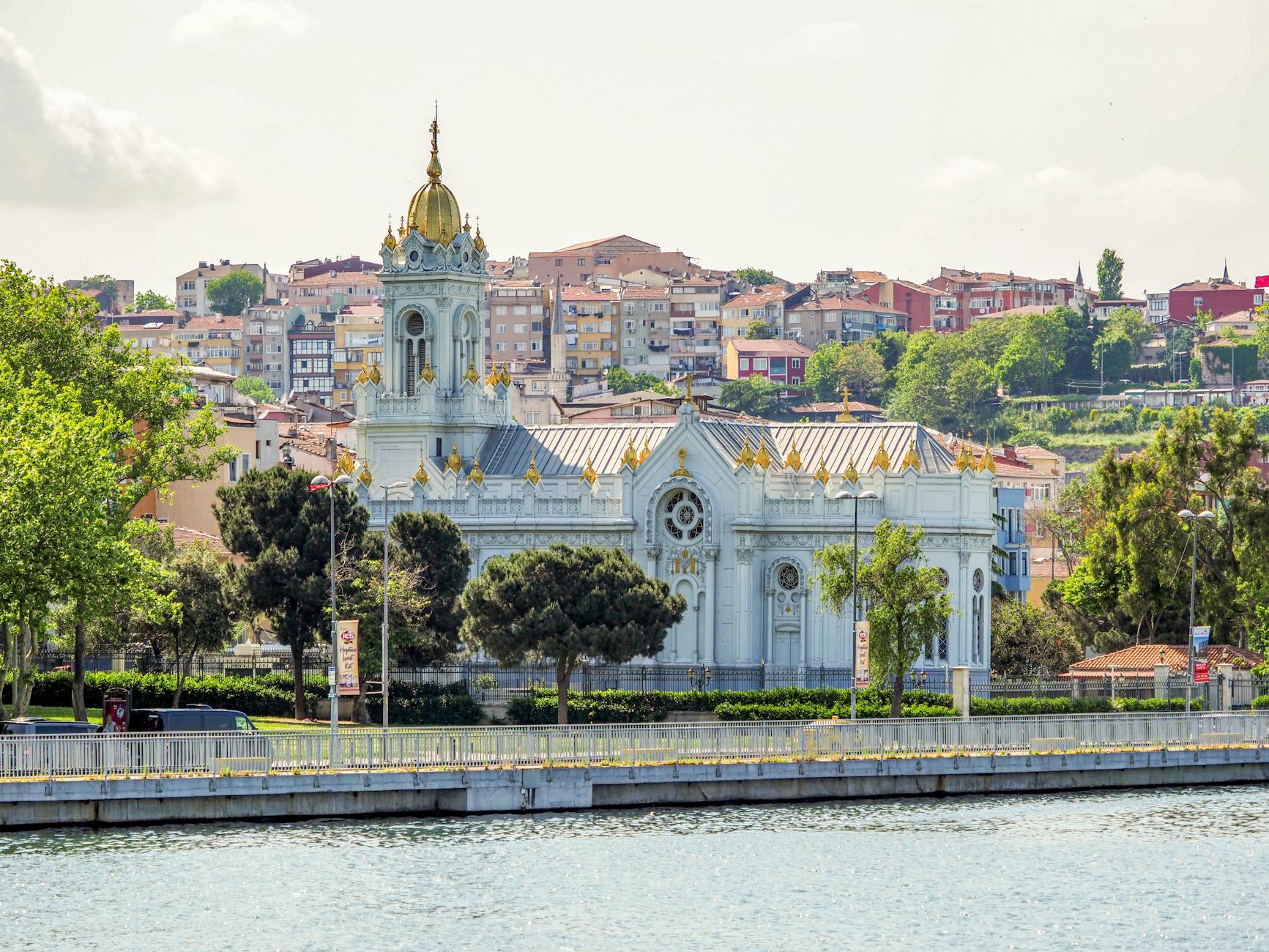
## From Vienna to the Horn: The Great Danube Journey
When you stand in front of the **Sveti Stefan** (St. Stephen’s) today, it feels like it has always been a permanent fixture of the Balat shoreline. But the truth is, this church is a world traveler. To understand why it’s made of iron, you have to understand the ground it sits on. Back in the 19th century, the shoreline of the Golden Horn was notoriously soft and silty. A traditional stone structure of this size would have likely sunk or cracked over time.
The solution? **Prefabricated iron.** It was lighter, sturdier, and—crucially for the era—fireproof.
### The Vision of Rudolph von Wagner
To bring this vision to life, the Bulgarian community looked toward the engineering capital of the world at the time: Vienna. They commissioned the **Waagner Company**, led by the renowned **Rudolph von Wagner**, to design and manufacture the church.
Wagner didn’t just treat this as a construction project; he treated it as a feat of industrial art. Every single piece, from the massive support beams to the delicate floral motifs on the altar, was cast in Vienna. By the time they were finished, they had produced over **500 tons of iron**. This wasn't just a building; it was a giant, 19th-century engineering marvel waiting to be assembled.
### 500 Tons Across a Continent
Now, imagine the logistical nightmare of 1892. There were no cargo planes or heavy-duty trucks to move 500 tons of metal across Europe. Instead, the church began an epic journey down the **Danube River**.
The components were loaded onto massive barges in Vienna and sailed the length of the Danube, passing through the heart of the Austro-Hungarian Empire, navigating the treacherous "Iron Gates" gorge, and finally spilling out into the Black Sea. From there, the shipment braved the open waves before finally entering the Bosphorus.
Whenever I’m enjoying a [ferry-hopping tour](https://istanbulcool.com/bosphorus-ferry-hopping-walking-tour) along the coast today, I often look out at the mouth of the Golden Horn and try to visualize those barges arriving. Even in 2026, with our modern tankers, the sight of a "flat-pack" cathedral arriving by sea would be a spectacle. In the 1890s, it must have been nothing short of a miracle for the locals watching from the shore.
### A Giant 3D Puzzle
Once the parts arrived in Balat, the real work began. This wasn't a job for traditional masons, but for engineers and riveters. For a year and a half, the shoreline echoed with the sound of hammers and bolts. The assembly process was essentially a giant 3D puzzle; every plate was numbered and fitted with precision.
While the cost at the time was roughly 4 million silver rubles, today’s visitors will find Balat a bit more accessible, though the city has certainly gotten pricier recently. As we move through 2026, expect to pay around 150 TL (about 3 Euros) for a solid *Türk Kahvesi* (Turkish Coffee) in the nearby cafes—a small price to pay for a view of such a masterpiece.
> **Berk's Insider Tip:**
> Look closely at the exterior base of the church—you can still find the original stamps of the Waagner company from Vienna, proof of its long journey down the Danube.
The fact that this structure survived the salty air of the Golden Horn for over 130 years is a testament to the **Bulgarian Iron Church history** and the sheer quality of Viennese craftsmanship. It’s a piece of Central Europe that found its soul in the heart of Istanbul.
## Neo-Byzantine Elegance: An Architectural Deep Dive
If you’ve spent any time wandering the hilly backstreets of Balat, you know that Istanbul is a city of stone, brick, and mortar. But as you step toward the shore of the Golden Horn, St. Stephen of the Bulgars—or *Sveti Stefan* as we locals call it—stands out like a shimmering anomaly. It doesn’t just look different; it feels different. After 15 years of showing friends around this neighborhood, I still get a little thrill when I see those **golden domes** catching the late afternoon sun.
In 2026, with the Golden Horn waterfront more vibrant than ever, the church remains the undisputed crown jewel of the district. But to truly appreciate it, you have to look past the "iron church" label and understand the sheer architectural ambition that brought this place to life.
### A Stylistic Melting Pot: Gothic Meets Baroque
The Church is a fascinating study in what we call **Neo-Byzantine** architecture, but it doesn't stop there. Because it was designed by an Ottoman Armenian architect, Hovsep Aznavur, and fabricated in Vienna by Rudolph von Wagner, it carries a very European soul within an Istanbul body.
As you walk around the exterior, you’ll notice a beautiful tension between styles. The verticality and the pointed window frames scream **Neo-Gothic**, reaching for the heavens with a certain sharp discipline. Yet, the decorative flourishes—the swirls, the floral motifs, and the ornate cornices—are pure **Neo-Baroque**. It’s a "best of both worlds" approach that was very fashionable in the late 19th century, reflecting an empire that was looking toward Europe while trying to maintain its own distinct identity.
### The Prefabricated Marvel
It’s easy to forget when looking at the elegant facade, but you are essentially standing inside a giant jigsaw puzzle. The entire structure, weighing nearly 500 tons, was cast in Austria and shipped down the Danube and through the Black Sea.
Here are the details that always stop me in my tracks:
* **The Rivets:** If you look closely at the exterior joints, you can see the massive rivets holding the plates together. It’s a reminder that this is as much a feat of industrial engineering as it is a religious site.
* **The Cast-Iron Details:** Notice the repeating patterns on the exterior walls. Because these were made from molds, the level of precision is something stone carvers of the era could only dream of.
* **The Golden Domes:** In the 2026 light, the recently restored gilding on the domes is breathtaking. When the sun begins to dip behind the Eyüp hills, the domes glow with a deep, honeyed amber.
### The Heart of the Church: The Iconostasis
Once you step through the heavy doors, the "industrial" feel of the **cast iron architecture** vanishes, replaced by a warmth that feels almost impossible for a metal building. This is largely due to the **Orthodox iconostasis**.
In most churches, the iconostasis—the ceremonial wall of icons separating the nave from the sanctuary—is carved from local wood. Here, the contrast is deliberate. While the shell of the building is cold, rigid iron, the iconostasis is a masterpiece of intricate, hand-carved wood, shimmering with gold leaf. It follows the traditional Russian style of the era, and the scent of beeswax and incense that lingers around it makes you forget you’re essentially standing inside a metal box.
The icons themselves are windows into another world, painted with that classic Eastern Orthodox depth. Looking at the dark, soulful eyes of the saints against the backdrop of the white-painted iron ribs of the ceiling creates a visual harmony you won't find anywhere else in Istanbul.
> **Berk's Insider Tip:**
> While most people stay on the ground floor, try to access the choir gallery if it's open. The perspective of the iron ribs and the way the light hits the altar from above is breathtaking.
Currently, entry to the church is around 100 TL (which, at today’s rate of about 2 Euros, is the best bargain in the city), but the experience of watching the light filter through the Neo-Gothic windows is priceless. It’s a place where 19th-century industrial might meets timeless spiritual grace—a true Balat essential.
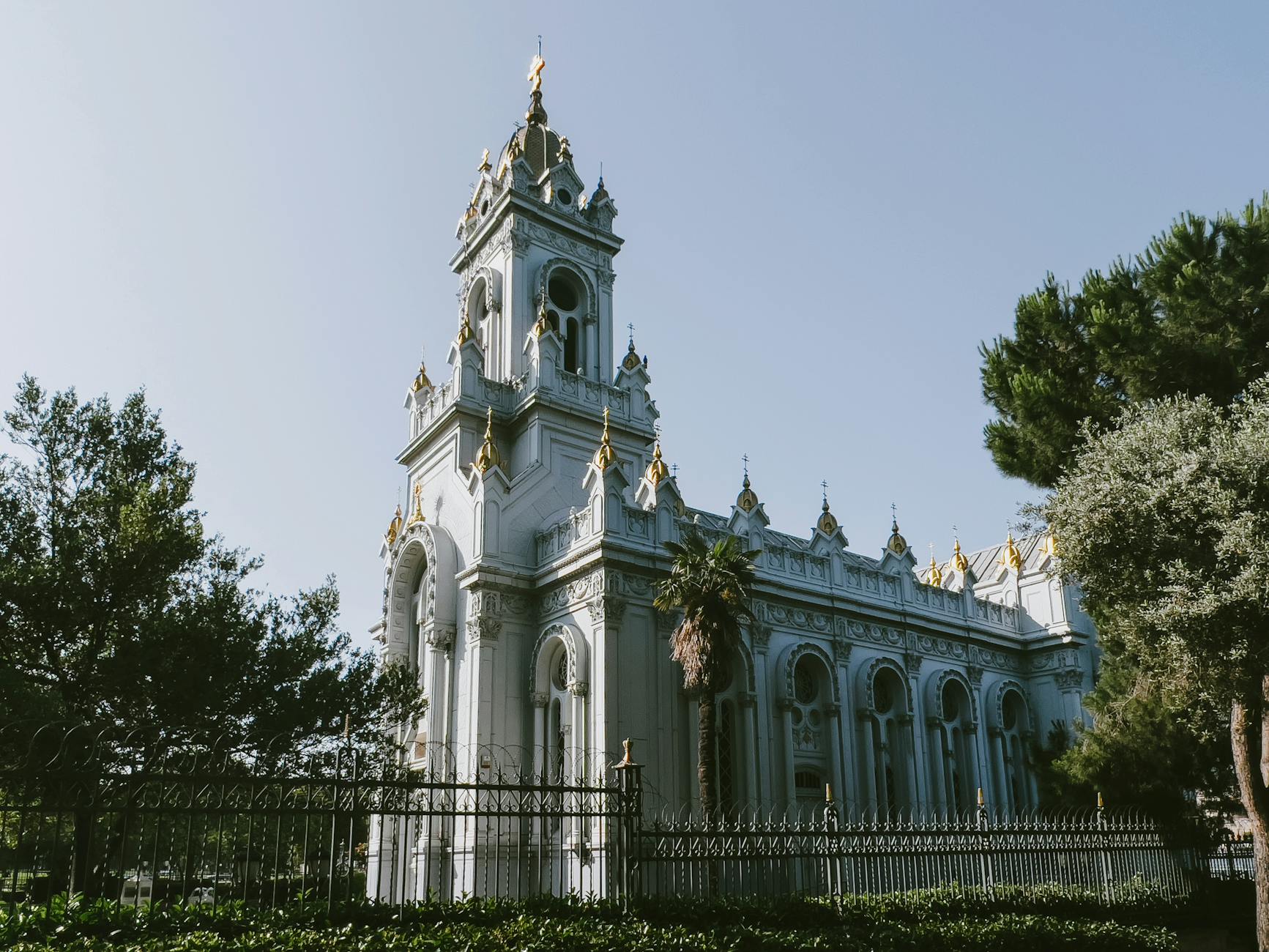
## The Bulgarian Heart of Istanbul: Culture and Independence
When you step inside the Iron Church, it’s easy to get lost in the gold-leafed grandeur and the rhythmic echoes of the Golden Horn outside. But as someone who has lived in this city for fifteen years, I always tell my friends that the "iron" in this church isn't just about the architecture—it’s about the **steely resolve** of the people who built it.
Back in the 19th century, Istanbul was a boiling pot of national awakenings. For the Bulgarians living here, the church wasn’t just a place to light a candle; it was the front line of their fight for identity.
### The Struggle for a Voice
To understand why this building is so special, you have to understand the tension of the era. For centuries, under the Ottoman *Millet* system, the **Bulgarian Orthodox** community was spiritually governed by the **Ecumenical Patriarchate** in Fener—just a short walk down the road. However, the Patriarchate was predominantly Greek in character and language.
By the mid-1800s, during the height of the **Bulgarian National Revival**, the community wanted more than just a place to pray; they wanted to hear the liturgy in their own tongue and to have their own leaders. They wanted spiritual independence from the Patriarchate, which was a massive political scandal at the time. This church became the symbol of that "divorce." It was a statement of existence in a city that was the heart of two different empires.
### Stefan Bogoridi: The Architect of Identity
You can’t talk about this site without mentioning **Stefan Bogoridi**. He was a fascinating figure—a high-ranking Ottoman statesman of Bulgarian descent who managed to navigate the complex corridors of the Sublime Porte. In 1849, he did something incredibly brave: he donated his own estate, including a large wooden house right here on the water, to be used as a Bulgarian chapel.
That wooden house was the predecessor to the iron masterpiece you see today. Bogoridi’s contribution provided the physical and legal ground for the Bulgarian community to stand on. It’s a classic Istanbul story: a bridge-builder using his influence to carve out a space for his culture. Today, as we look back from 2026, Bogoridi remains a hero for his ability to balance his loyalty to the Sultan with his love for his roots.
### A Legacy of Resilience
Visiting in 2026, you’ll notice that the area around the church has become quite vibrant. If you stop for a quick *Türk Kahvesi* (Turkish coffee) at one of the nearby stalls—expect to pay about 90 TL (roughly **2 USD** or **1.80 Euro**) for a good one—take a moment to look at the church from a distance.
The building was a "prefab" miracle, shipped in pieces from Vienna because the ground by the Golden Horn was too soft for a heavy stone structure. But to the Bulgarians of the time, the choice of metal was poetic. Stone can crumble, and wood can burn, but their resolve was as unyielding as the iron plates themselves.
The **Ecumenical Patriarchate** eventually recognized the Bulgarian Exarchate, but the road to that recognition was paved with the determination you feel when you touch these walls. When you walk through those doors, remember that you aren't just entering a museum or a house of worship; you’re entering a monument to a people who refused to let their culture be silenced. It’s a story of survival, written in iron, standing proudly against the Istanbul skyline.
## Rescuing a Masterpiece: The 2018 Restoration
If you had walked with me along the Balat shoreline about fifteen years ago, I would have pointed toward the Bulgarian Iron Church with a bit of a heavy heart. Back then, Sveti Stefan (St. Stephen of the Bulgars) looked more like a ghost ship than a "Pearl of the Golden Horn." Having lived in this city for 15 years, I’ve seen many monuments face the test of time, but the Iron Church faced a very specific, relentless enemy: the sea itself.
### The Battle Against Corrosion and Salt
The very thing that makes this church so poetic—its location right on the edge of the **Golden Horn**—was nearly its undoing. While building a church out of 500 tons of prefabricated iron was a stroke of genius in the 1890s, iron has a mortal weakness. For over a century, the humid, salty air of the Marmara and the direct spray from the Haliç (Golden Horn) worked their way into every rivet and joint.
By the early 2000s, the **church restoration** was no longer a choice; it was an emergency. The salt water had caused catastrophic corrosion, eating through the metal plates and threatening the structural integrity of the entire building. The once-proud white exterior had faded into a rusty, flaking brown, and many of the intricate Neo-Gothic ornaments were literally crumbling into the water.
### A Seven-Year Labor of Love
What followed was one of the most ambitious **Istanbul preservation** projects of the modern era. This wasn't a simple "fix-it" job. Starting in 2011, a massive joint initiative between the Turkish and Bulgarian governments began a seven-year marathon to save the structure.
The process was fascinating to watch as a local. Engineers and artisans had to treat the iron plates one by one. They used specialized sandblasting techniques to remove decades of rust without damaging the original 19th-century metal. In cases where the iron was too far gone, new pieces were forged using the original Austrian blueprints. They also reinforced the ground—which is essentially mud and silt—to ensure the 500-ton giant wouldn't lean or sink.
### The Transformation: Then vs. Now
Fast forward to today in 2026, and the difference is night and day. If you saw the church ten years ago, you wouldn't recognize it now. The dull, rusted shell has been replaced by a gleaming, pristine white facade that looks as though it was just delivered from Vienna yesterday. The gold-leaf details on the bell tower catch the Istanbul sun so brilliantly that you might need your sunglasses just to look at it from the ferry.
Inside, the restoration is even more impressive. The icons have been meticulously cleaned, and the iron walls, now protected by advanced anti-corrosive coatings, provide a luminous backdrop that you won't find in any stone cathedral. As you walk through Balat today, where a local *Türk Kahvesi* (Turkish Coffee) might cost you around 100 TL (about 2 Euros or slightly over 2 USD at current rates), the Iron Church stands as a gleaming testament to what happens when a city decides its history is worth the fight.
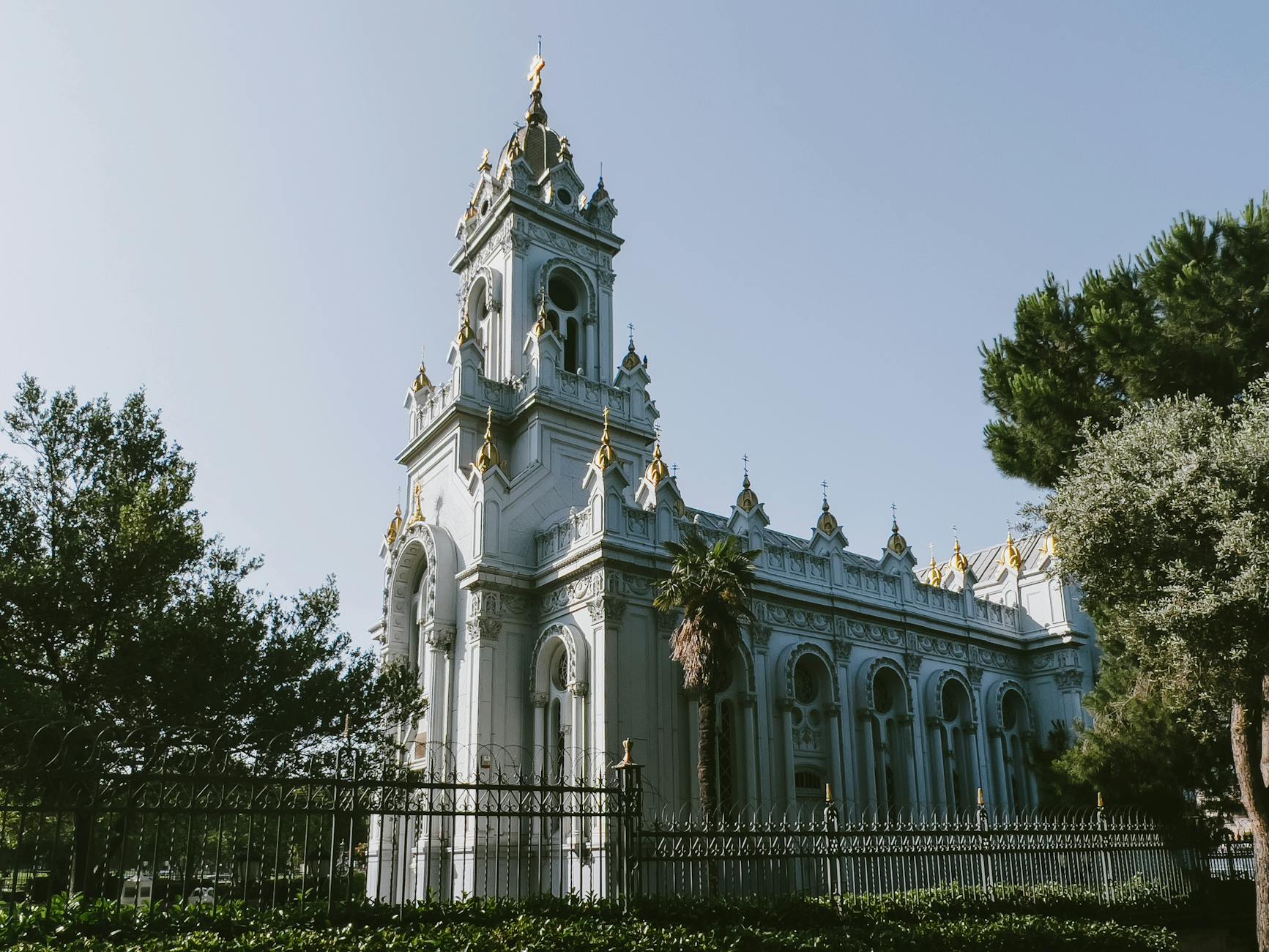
## Planning Your Visit: Logistics, Etiquette, and Timing
Now that you’re ready to see this metallic marvel for yourself, let’s talk about how to make the most of your trip to Balat. Since I’ve been navigating these streets for 15 years, I’ve learned that timing is everything when it comes to capturing the soul of the Golden Horn.
### The Best Light for Your Lens
If you are coming for **Balat sightseeing**, you’ll want to time your arrival at Sveti Stefan for the late afternoon. As we approach sunset in 2026, the "Golden Hour" isn't just a photography term—it’s a literal transformation. The low sun hits the white-painted iron plates, making the entire structure glow against the deep blue of the water. For the best interior shots, aim for midday when the sun streams through the stained glass, casting vibrant patterns across the golden altar.
### Respecting the Sanctuary
While the Bulgarian Iron Church is a masterpiece of engineering, it remains a sacred space for the local Orthodox community. **Sveti Stefan visiting hours** are generally from 09:00 to 17:00 daily. Entry is free, but I always suggest leaving a small donation to help with the upkeep of the ironwork.
Photography is allowed, but please, keep the flash off and maintain a respectful silence. It’s not uncommon to see a small liturgy or a local family lighting candles; in these moments, I usually put my camera away and just soak in the incense-scented air. Before you begin your exploration, I highly recommend starting your day like a local. Fuel up with a slow, traditional [Turkish breakfast](https://istanbulcool.com/guide-to-turkish-breakfast-culture-istanbul) at one of the nearby cafes in Balat; it’s the best way to prepare for a day of walking.
### Getting There: Golden Horn Transport
Reaching Balat from the tourist hubs of Eminönü or Karaköy has never been easier. In 2026, the **T5 Tramline** is your best friend. It runs right along the coast of the Golden Horn. A single trip on your Istanbulkart will cost you about 40 TL (less than 1 Euro or 1 USD at our current rates of 50 TL/Euro).
Alternatively, take the public ferry (*Şehir Hatları*) from Eminönü or Karaköy to the Balat pier. It’s a breezy 15-minute ride that offers the best view of the church’s silhouette from the water.
> **Berk's Insider Tip:**
> The church is exceptionally quiet on Tuesday mornings. If you want the iron halls to yourself for photography or reflection, that's your window.
## The Berk Way: Making a Day of the Golden Horn
Look, I’ve lived in this city for fifteen years, and if there is one mistake I see travelers make, it’s treating the Bulgarian Iron Church as a standalone photo op. They hop out of a taxi, snap the silver-and-white facade, and head straight back to Sultanahmet. To really feel the soul of the Golden Horn, you have to let the neighborhood slow you down. Here is how I’d spend the afternoon if you were visiting me here in 2026.
### A Tale of Two Neighborhoods: Fener and Balat
The Iron Church sits right on the border of **Fener and Balat**, two neighborhoods that are often mentioned in the same breath but have distinct personalities. After you’ve marveled at the cast-iron details of Sveti Stefan, put your phone in your pocket and walk uphill into Fener.
While Balat is famous for its vibrant, candy-colored houses and vintage shops, Fener is the "intellectual" sibling. This was the historic heart of the Greek community (the *Rum* people) during the Ottoman era. As you walk the winding cobblestones, you’ll see laundry hanging between 19th-century stone houses and elderly locals chatting on doorsteps. It’s an **Istanbul walking tour** in its purest form—unscripted, slightly crumbling, but deeply authentic.
### Finding the 'Red Castle'
If you look up from the church, you’ll see a massive, crimson brick structure looming over the hillside like a fortress. That’s the **Phanar Greek Orthodox College**. Locally, we call it *Kırmızı Mektep* (The Red School). Even in 2026, it remains one of the most prestigious schools in the city.
Getting to it involves a bit of a climb—these hills don’t play fair—but the architecture is staggering. It’s not a museum, so you generally can’t go inside, but standing at its gate gives you a sense of the grandeur this neighborhood once held. It’s a reminder that Istanbul isn’t just a Turkish city; it’s a Mediterranean mosaic of Greek, Armenian, Jewish, and Bulgarian heritage.
### The Perfect Finish: Tea with a View
By now, your legs will be asking for a break. For my **discerning traveler tips**, skip the crowded "Instagram cafes" with the plastic flowers. Instead, find a quiet terrace overlooking the water. My favorite spots are the small, family-run cafes tucked behind the Fener Greek Patriarchate.
Order a **Türk çayı** (Turkish tea) and perhaps a small plate of **Kurabiye** (local flour cookies). In today’s 2026 economy, a glass of tea will set you back about 65 TL—which is roughly 1.30 Euros or 1.45 USD. As you sip, look back down toward the Golden Horn. From the right angle, you can see the sun glinting off the **iron domes** of the Bulgarian Church against the blue of the water. It’s the best way to digest the history you’ve just walked through: quiet, golden, and perfectly Istanbul.
## Conclusion
To me, Sveti Stefan is more than just a marvel of 19th-century engineering; it’s the quiet heartbeat of the Golden Horn. In a city built on layers of stone and ancient brick, this iron cathedral stands as a defiant, beautiful anomaly. It reminds us that Istanbul has always been a sanctuary for different voices—a place where the Bulgarian community could ship a church in pieces from Vienna and bolt it into the very fabric of Ottoman life.
My personal verdict? If you leave Balat without stepping inside these iron walls, you haven’t truly seen the neighborhood. While the famous colorful houses nearby get all the social media fame, this is where the real history lives. It’s a testament to the grit and elegance of our multicultural soul—a structure that should, by all laws of nature, have succumbed to the salty air of the sea long ago, yet it stands firmer than ever after its recent restoration.
Instead of rushing off to your next stop, I have one specific piece of advice. After you’ve marveled at the intricate Neo-Baroque details and the surprisingly warm interior, walk across the street to the green space bordering the water. Find a quiet spot on a bench, turn your back to the traffic, and just look out over the Golden Horn toward the shipyards and the distant minarets of the Old City.
If you sit there long enough, the city noise starts to fade, and you’ll hear it: the rhythmic, heavy tolling of the church bells echoing over the water. It’s a sound that has signaled peace and presence here for over a century. Close your eyes, breathe in the salt air, and let that sound wash over you. That is the Istanbul I want you to remember—not just a collection of monuments, but a living, breathing symphony of history.
---
## Fener & Balat Walking Tour: Istanbul's Historic Soul
URL: https://istanbulcool.com/fener-balat-walking-tour-guide
The plastic basket, or *sepet*, rattles against the peeling pink paint of a three-story Ottoman house as it’s lowered from a fourth-floor window on a frayed nylon rope. Inside, a few coins jingle. Below, the local grocer swaps the change for a fresh loaf of *ekmek* (bread) and a morning newspaper, all without a single word being exchanged. This is the rhythm of the Golden Horn, a sound I’ve woken up to for fifteen years. While the rest of Istanbul rushes toward a glass-and-steel future, here in the twin districts of Fener and Balat, time doesn't just slow down—it seems to have forgotten where it was going altogether.
When friends visit me, they usually ask for the "real" Istanbul. They’ve seen the Blue Mosque and they’ve haggled for carpets, but they want the soul. I always take them here. Fener (the historic Greek quarter) and Balat (the historic Jewish quarter) are more than just "colorful neighborhoods" for your Instagram feed. They are a living museum of the city’s cosmopolitan past, where the call to prayer mingles with the bells of Greek Orthodox churches and the silent history of ancient synagogues.
Walking these streets requires more than just a pair of sturdy shoes; it requires an appetite for stories and a willingness to get lost. The cobblestones here are uneven, the hills are steep, and the rewards are found in the details: a Star of David carved into a crumbling lintel, a hidden garden behind a heavy iron gate, or the smell of slow-cooked *kuru fasulye* (white bean stew) wafting from a kitchen window.
## Navigating the Golden Horn: The Journey In
Before we dive into the maze, we have to get you here. Most travelers make the mistake of taking a taxi from Sultanahmet or Taksim. Don’t do that. You’ll sit in soul-crushing traffic on the Atatürk Bridge and miss the best part of the experience: the water.
To truly arrive, you should **navigate the city's complex ferry network**, which is my favorite way to travel. The **Haliç (Golden Horn) line** departs from **Eminönü** (the ferry pier is just to the left of the Galata Bridge) and stops at both Fener and Balat. The ride costs about **20-30 TL** depending on your card type, and it offers a perspective of the city skyline that no bus window can compete with. As the ferry pulls away, you’ll see the **majestic silhouette of the Suleymaniye Mosque** rising over the horizon, its domes stacked like silver bubbles against the sky.
If you prefer the land route, the **T5 tram line** runs along the coast of the Golden Horn. It’s sleek, modern, and fast, but it lacks the romance of the sea. Whichever way you choose, aim to arrive by 10:00 AM. These neighborhoods wake up late, and you’ll want to be there just as the antique shops are rolling up their shutters.
> **Berk's Insider Tip:**
> If you are coming from the Asian side, take the ferry from **Karaköy** to **Fener**. It’s a short, 15-minute hop that cuts through the heart of the Golden Horn. Check the *Şehir Hatları* app for live timings, as this specific route is less frequent than the main lines.
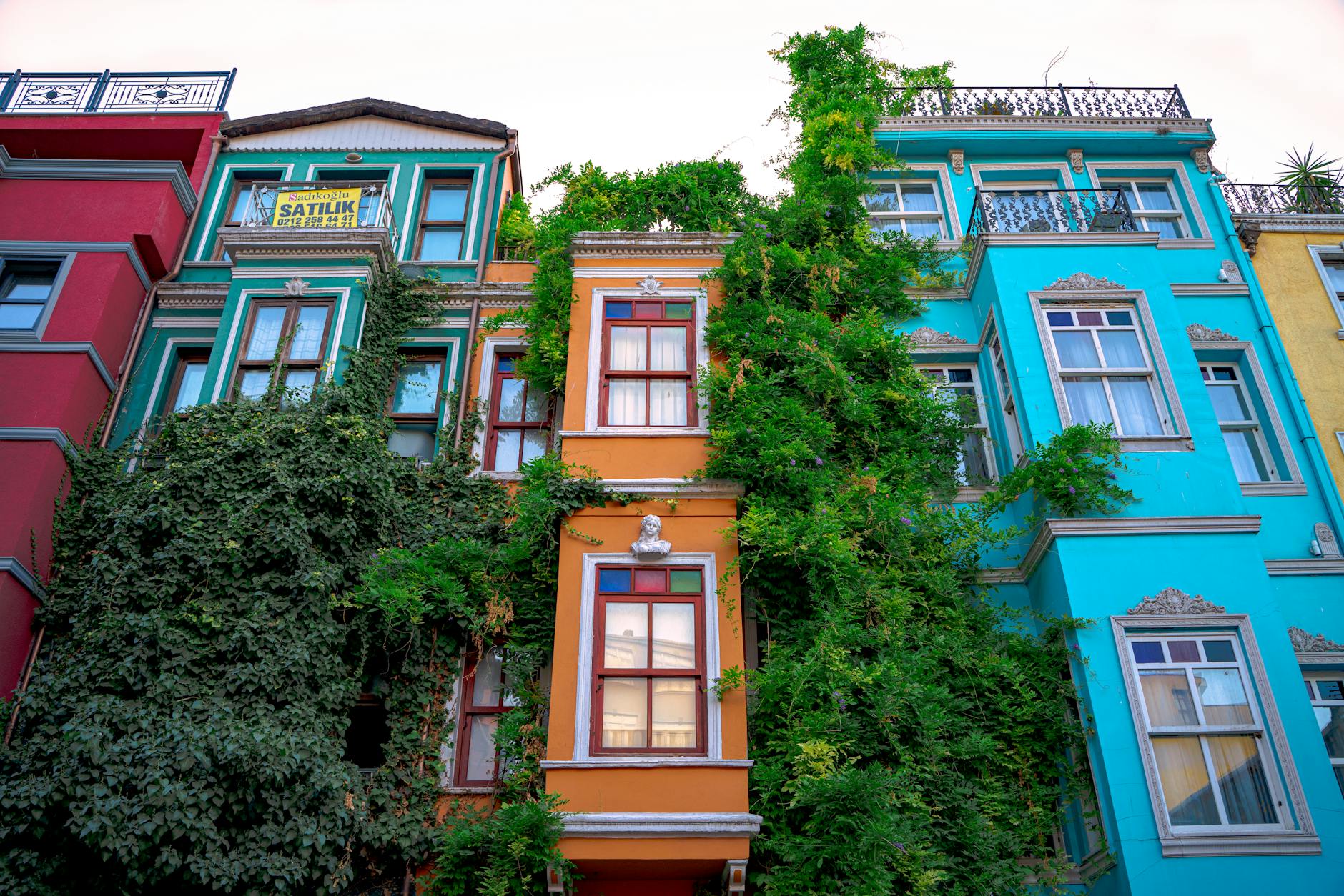
## Fener: The "Vatican" of the East
We start our walk in **Fener**. For centuries, this was the heart of the Greek (*Rum*) community in Istanbul. It was the home of the "Phanariotes," the wealthy Greek families who served as high-ranking officials in the Ottoman Empire.
Our first stop isn't a museum, but it feels like one: **The Ecumenical Patriarchate of Constantinople**. Tucked away behind a nondescript wall on **Dr. Sadık Ahmet Caddesi**, this is the spiritual center of the Eastern Orthodox Church. It is, in many ways, the Orthodox equivalent of the Vatican, yet it is strikingly humble.
Enter through the gate (security is tight but polite) and head into the **Church of St. George**. The interior is a masterclass in Byzantine-style wood carving and gold leaf. Look for the "Pillar of Christ’s Scourging," believed to be the column where Jesus was tied and whipped in Jerusalem. It’s a place of heavy silence and thick incense. There is no entry fee, but donations are welcome.
### The Red School: Fener’s Crimson Landmark
As you leave the Patriarchate, look up. Looming over the neighborhood like a Gothic castle is the **Phanar Greek Orthodox College** (*Özel Fener Rum Ortaokulu ve Lisesi*). Locals call it *Kırmızı Mektep* (The Red School) because of its stunning red bricks imported from France in the 1880s.
It is arguably the most photographed building in Fener, but few people actually climb the hill to see it up close. The walk up **Sancaktar Yokuşu** is brutal on the calves, but the view from the top is your first real reward. The school is still active, though its student body has dwindled to just a handful of pupils, a poignant reminder of the city's shifting demographics.
### The Church of St. Mary of the Mongols
Just a few steps from the Red School lies a secret that most guides miss: **The Church of St. Mary of the Mongols** (*Kanlı Kilise* or the "Bloody Church"). This is the only Byzantine-era church in Istanbul that was never converted into a mosque. It has remained a church since the 13th century, thanks to a special *ferman* (decree) signed by Mehmed the Conqueror himself.
The door is usually locked. To get in, you have to ring the bell and wait for the caretaker. If he’s in a good mood, he’ll let you into the dim, ancient space where the original Ottoman decree is still displayed on the wall. It’s a chillingly beautiful piece of history that makes you feel the weight of the centuries.
## Crossing the Border: From Fener to Balat
As you walk west, the grand stone houses of Fener begin to give way to the smaller, more tightly packed, and vibrantly painted homes of **Balat**. Historically, this was the Jewish quarter. Following the Spanish Inquisition in 1492, Sultan Bayezid II invited the Sephardic Jews to settle here, and for nearly 500 years, this was one of the most vibrant centers of Jewish life in the world.
While many of the original families moved to Israel or the posh districts of Şişli and Nişantaşı in the mid-20th century, their fingerprints are everywhere. If you look closely at the doorframes of the older, dilapidated houses, you can still see the indentations where **Mezuzahs** once sat.
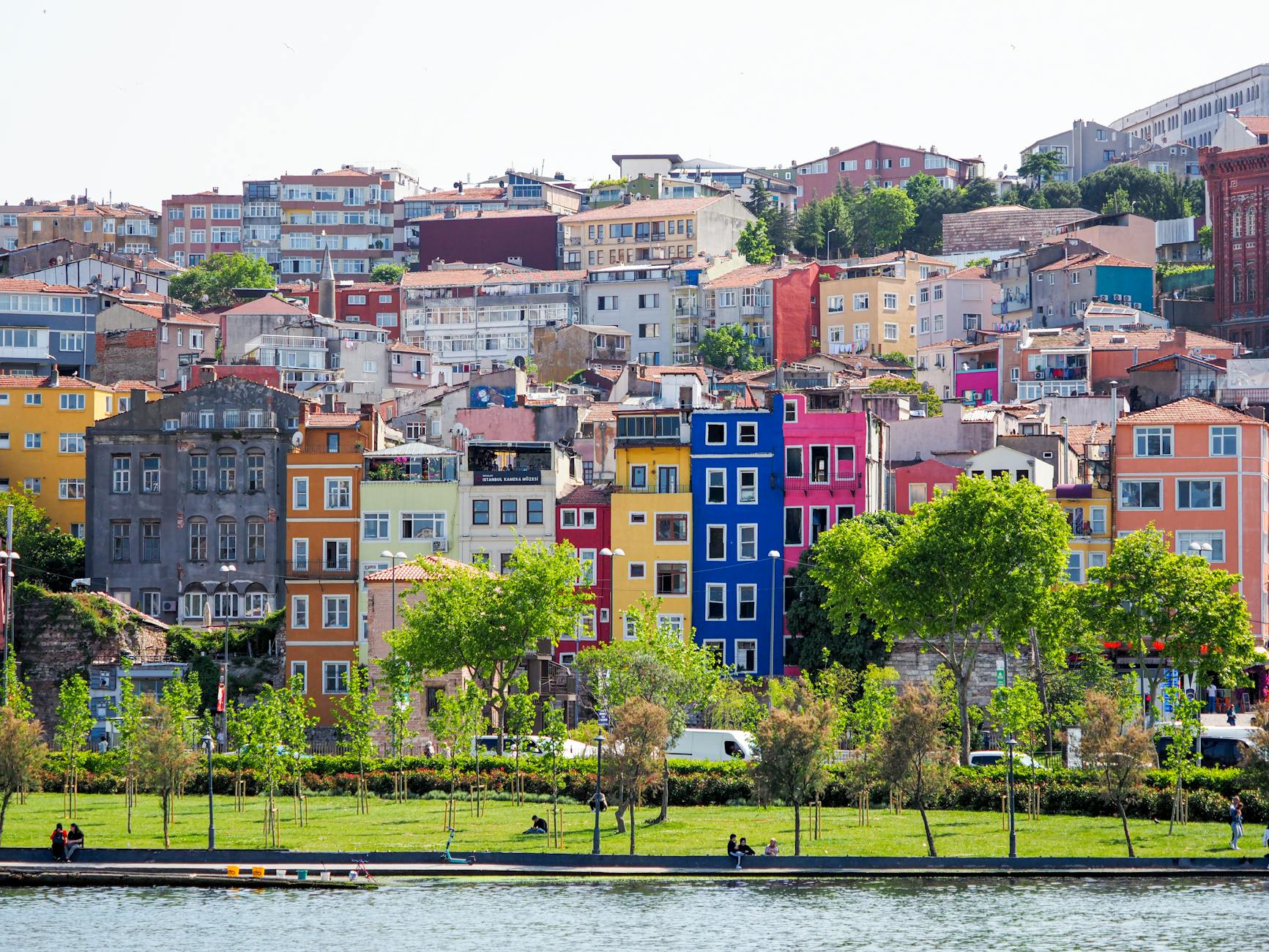
## The Architectural Kaleidoscope of Balat
This is where you’ll want to put your phone on silent and just wander. **Kiremit Street** is the "postcard" Balat you’ve likely seen online. The houses here are painted in shades of turquoise, ochre, and candy-apple red.
When **choosing where to base yourself** for a trip to Istanbul, I often tell my friends that while Sultanahmet is for history, Balat is for *vibe*. If you want to wake up to the sound of seagulls and the smell of roasting coffee, there are a few boutique guesthouses here that offer a much more authentic stay than the big hotels.
### The Çıfıt Bazaar
Make your way down to **Leblebiciler Sokak**, the heart of the **Çıfıt Bazaar**. "Çıfıt" was a term used for Jews in the Ottoman era, and the bazaar remains a bustling mercantile hub. Here, you’ll find the **Ahrida Synagogue**, one of the oldest in the city. Its "Teve" (pulpit) is shaped like the prow of a ship, symbolizing the boats that brought the Sephardic Jews to these shores.
*Note: You cannot just walk into the Ahrida Synagogue. Due to security, you must contact the Chief Rabbinate of Turkey weeks in advance to arrange a visit. If you haven't done that, you can still admire its heavy iron doors from the street.*
### The Bulgarian Iron Church
Back toward the water, you’ll find the **Sveti Stefan Bulgarian Orthodox Church**. This is a miracle of 19th-century engineering. Because the ground near the shore was too soft to support a heavy stone structure, the church was made entirely of **prefabricated cast iron** in Vienna and shipped down the Danube on barges.
It was recently restored to its former glory. The white exterior and gold-plated domes glisten in the sun. Inside, the "iron" nature of the building is hidden by clever painting that makes the columns look like marble. It is free to enter and is one of the most unique religious buildings you will ever see.
> **Berk's Insider Tip:**
> Most people visit the Iron Church and then leave the waterfront. Instead, walk 50 meters north to the small park. It’s one of the few places where you can sit on a bench and see the Galata Tower, the Topkapi Palace, and the Bulgarian Church all in one panoramic sweep.
## The Modern Soul: Antiques, Auctions, and Artisans
In the last decade, Balat has undergone a transformation. What was once a neglected, crumbling district has become a magnet for artists, antique collectors, and "hipsters" (though I use that term affectionately).
The best way to experience this is through the **Mezat** (auctions). As you walk down **Vodina Street** or **Yıldırım Street** in the late afternoon (usually after 3:00 PM), you’ll see groups of people sitting on plastic chairs in small storefronts. An auctioneer will be standing at the front, holding up everything from 1950s Turkish movie posters to vintage tea sets.
The bidding is fast, loud, and incredibly entertaining. You might pick up a hand-painted Ottoman-style bowl for **150 TL (€4)** or a vintage camera for **800 TL (€22)**. You don’t need to speak perfect Turkish to participate—just raise your hand and hope for the best.
### Where to Eat and Drink
You can’t walk through Fener and Balat without stopping for fuel. The cafe culture here is second to none, but avoid the places that look too "designed" for tourists.
1. **For Breakfast:** Go to **Forno Balat**. Their *kahvaltı* (breakfast) features organic honey, sourdough bread baked in-house, and some of the best *sucuklu yumurta* (eggs with spicy sausage) in the city. Expect to pay around **450 TL (€12)** for a full spread.
2. **For Coffee:** **Coffee Department** on Kürkçü Çeşme Street is the pioneer of specialty coffee in the area. They roast their own beans and have a great view of the street life. A flat white will run you about **95 TL**.
3. **For Lunch:** Look for **Balat Sahil Restoran**. It’s an old-school *meyhane* (tavern) that serves incredible seafood and meze. If you’re lucky, you’ll see the owner playing the accordion.
4. **For Something Sweet:** Find **Balat Turşucusu**. While technically a pickle shop (try the spicy pickle juice if you're brave!), they are a local institution. For something more traditional, the nearby bakeries sell *Kandıra yoğurdu* and local honey.
## Climbing the Hill: The Yavuz Selim Mosque
If you have any strength left in your legs, we’re going to climb one last hill. Follow the winding streets upward from Balat toward the **Yavuz Selim Mosque**.
This mosque is often overshadowed by the larger ones in the city, but it is a masterwork of the early Ottoman period. Because it sits on the edge of the fifth hill of Istanbul, the courtyard offers a view that is, in my opinion, even better than the one from the Galata Tower. You can see the entire Golden Horn, the Galata Bridge, and the **ancient mercantile hans** of the Eminönü district sprawling out below you.
It is a place of profound peace. While the streets of Balat below are noisy with the sound of children playing football and tourists snapping photos, up here, there is only the sound of the wind.
## The Gentle Art of Getting Lost
While I’ve given you a route, the real magic of Fener and Balat happens when you ignore the map. This neighborhood is a jigsaw puzzle where the pieces don't quite fit. You’ll walk down a dead-end street only to find a hidden workshop where a master craftsman is repairing 100-year-old furniture. You’ll turn a corner and find a group of elderly women sitting on stools, cleaning spinach and gossiping.
This is not a "manicured" experience. There is laundry hanging over the streets, there are stray cats (very well-fed ones) guarding every doorway, and there are buildings that look like they might fall over if you sneeze too hard. But that is the charm. It’s a contrast to the perfectly preserved **Sultanahmet bubble** where everything is polished for the traveler.
### A Note on Photography
As an expert who has spent years documenting these streets, I have one request: be mindful. These are people’s homes. It’s tempting to stand in front of a colorful door for twenty minutes to get the perfect shot, but remember that someone is trying to carry their groceries through that door. A smile and a "Merhaba" (Hello) go a long way. If you want to take a photo of a local shopkeeper, ask first. Most will be happy to pose, especially if you buy a glass of tea afterward.
## Logistics and Practical Tips
* **When to go:** Weekdays are best if you want a quiet walk. Saturdays and Sundays are incredibly busy with locals from all over Istanbul coming for brunch.
* **What to wear:** Comfortable shoes are non-negotiable. The cobblestones are slippery when wet and uneven when dry.
* **Safety:** The area is generally very safe, but like any popular urban area, keep an eye on your belongings in crowded cafes.
* **Money:** Most cafes take cards, but the antique auctions and small grocers are **cash only**. Keep some 10, 20, and 50 TL notes handy.
> **Berk's Insider Tip:**
> If you find yourself in Balat on a Tuesday, you’re in luck. The **local street market (Pazar)** takes place then. It’s not a tourist market; it’s where the locals buy their olives, cheese, and household goods. It’s a sensory explosion and a great place to see the real economy of the neighborhood in action.
## Personal Verdict: Why Fener and Balat Matter
I’ve lived in Istanbul for 15 years, and I still find something new in Fener and Balat every time I visit. Last week, it was a tiny basement bookstore specializing in 19th-century French maps. The week before, it was a new mural by a local street artist tucked behind a trash bin.
These neighborhoods represent the "old" Istanbul—the one that was a mosaic of different faiths and languages. While the city changes at a dizzying pace, Fener and Balat remain anchored by their history. They are a reminder that the soul of a city isn't found in its skyscrapers, but in its stories, its steep hills, and the way the light hits a red brick school at sunset.
Don't just come here to take a photo. Come here to breathe. Listen to the *sepet* rattling against the wall, hear the distant foghorn of a ferry, and let the city’s past whisper to you.
***
**My Final Secret Tip:** After you’ve finished your walk and the sun is starting to dip, don't take the tram back. Walk to the **Fener Ferry Pier** and wait for the boat heading toward **Karaköy**. As the ferry moves across the water, the sun will set directly behind the minarets of the historic peninsula, turning the Golden Horn into a literal sheet of liquid gold. It is the cheapest and most beautiful "sunset cruise" in the world, and it’s the perfect way to say goodbye to these magical districts.
---
## Why I spend my Sundays in a dusty Bomonti car park
URL: https://istanbulcool.com/ferikoy-antique-market-bomonti
I’m standing in a concrete car park at 8 AM on a Sunday. The wind is whipping through the pillars, my shins are bruised from a low-hanging crate, and my shoes are already caked in a fine layer of grey dust. Some guy is trying to sell me a 1970s rotary phone that clearly hasn't worked since the coup. He wants triple its value. It’s daylight robbery. I’m cold. I’m hungry. It’s absolutely perfect.
While most people are queuing for a table at some sanitized "concept" cafe in Nişantaşı—paying far too much for avocado toast that tastes like nothing—I’m here. Istanbul is slowly being strangled by developers with Instagram accounts and a fetish for glass and steel. They want everything polished. Boring. This dusty corner of Bomonti is the antidote. It smells like damp wool, old paper, and the greasy steam of a crowded Gözleme stand. It’s chaotic. You’ll get pushed. You’ll get ignored by a vendor who’s too busy smoking to care if you buy his rusted keys. Good. I’d rather be ignored here than "served" by some fake-smiling waiter in a mall. This is the real city. The mess is the point.
## Feriköy Antique Market Location and Opening Hours
If you crawl out of bed at noon thinking you’re going to find a bargain at the Feriköy Antique Market, stay under your duvet. You’re already too late. The real action in this concrete shell in **Şişli** starts when most of the city is still snoring, and by the time the brunch crowd arrives, the professional collectors have already picked the bones clean.
### Where exactly is this "dusty car park"?
Don’t look for a grand entrance with a velvet rope. This is **Istanbul**, not a curated museum in Paris. The market occupies a massive, multi-story car park in **Cumhuriyet Mahallesi**, right on **Lala Şahin Sokak**. It’s the kind of place that looks depressing on a Tuesday—just rows of grey concrete and the smell of exhaust—but on a Sunday, it breathes.
It’s a 10-minute walk from the Osmanbey Metro station, assuming you don't get stuck behind a group of slow-walking tourists or trip over the uneven pavement. If you’re coming from the posh parts of Nişantaşı, the change in atmosphere is a slap in the face. It’s gritty. It’s loud. It’s perfect. It’s just down the hill from **Bomontiada**, that fancy repurposed brewery complex where people pay too much for craft beer, but the market itself is a different world.
### The Saturday to Sunday Transformation
The identity crisis of this place is hilarious. On Saturdays, it’s an organic bazaar. You’ll see people in expensive leggings buying 40-lira tomatoes and "artisan" honey. I avoid it like the plague. It’s too clean. Too polite.
But Sunday? Sunday is for the scavengers. The organic kale is shoved aside for crates of dusty 45 rpm records, rusted Ottoman-era keys, and heaps of black-and-white photos of families nobody remembers anymore. The shift happens overnight. By 6:00 AM on **Sunday morning**, the vendors are dragging their metal trunks across the floor, the sound echoing like a construction site.
| Feature | Saturday (Organic) | Sunday (Antique) |
| :--- | :--- | :--- |
| **Vibe** | Expensive health nuts | Chain-smoking collectors |
| **Smell** | Fresh parsley & dirt | Old paper & damp wool |
| **Noise Level** | Polite haggling | Aggressive shouting & tea glasses clinking |
| **Berk's Rating** | 2/10 (Too "clean") | 10/10 (Glorious mess) |
### Why showing up at noon is a rookie mistake
I’ve seen it a thousand times. A couple of tourists wander in at 1:00 PM, looking for a "hidden gem" to post on Instagram. They find nothing but the leftovers. The serious dealers—the guys who supply those overpriced shops in Galata—are here at 7:00 AM with flashlights.
I remember fighting an old man over a cracked porcelain coffee set once. It was 8:15 AM, the wind was whipping through the open sides of the car park, and my fingers were freezing. He didn't speak a word of English, just grunted and held onto the box. I lost. He was faster and had more spite in him. That’s the energy you need here.
If you want a real experience, skip the fake "antiques" sold near the Blue Mosque. Honestly, [Little Hagia Sophia](https://istanbulcool.com/little-hagia-sophia-sultanahmet-escape) is about the only reason I even venture into that part of town anymore. Everything else there is a theater for people who don't know any better. Here in **Bomonti**, the trash is real, the tea is bitter, and the history is actually for sale.
Just don't expect a smile from the woman making gözleme at the entrance. She’s been there since 5:00 AM, and she doesn't care about your food allergies. Order your flatbread, eat it standing up while the wind blows dust into your eyes, and get back to digging through the piles of junk. That’s a real Sunday.

## How to get to Bomonti without losing your mind
**Take the M2 Metro to Osmanbey and walk; anything else is a recipe for a total nervous breakdown.** If you try to drive or hire a car on a Sunday morning, you’ve already lost. Istanbul traffic isn't just a delay; it’s a spiritual assault. I’ve lived here for 15 years, and I still see people sitting in yellow taxis, staring blankly at a stationary delivery truck, while their meter ticks away. Don't be that person. You’ll get there faster on your own two feet, even with the humidity making your shirt stick to your back.
### The M2 Green Line and the Osmanbey Maze
The **M2 Metro line** is your only friend here. Get off at **Osmanbey Metro**. It’s deep underground, smells vaguely of damp concrete and ozone, and the escalators are a gamble—half the time they're "under maintenance."
Here is the trick I learned the hard way: look for the **Rumeli exit**. There are about 5 different holes in the ground leading to the surface, and if you pick the wrong one, you’ll end up wandering toward Nişantaşı like a lost tourist. Once you hit the air, you’ll be on **Halaskargazi Avenue**. It’s loud. The sidewalk is cracked. You’ll probably get bumped by a guy carrying a stack of textile boxes. Just keep moving. I once spent 10 minutes trying to cross the street here because a bus driver decided the red light was merely a suggestion.
### Why taxis will break your heart
Forget the taxi. Seriously. **Taxis** in this part of Şişli are the absolute worst.
* They will see you’re a traveler and suddenly "forget" how to find the Bomonti car park.
* The ride is technically too short for them to make money, but the traffic is too thick for them to move.
* I’ve had drivers tell me "No, too much traffic" while they were literally sitting in it, refusing to let me in.
* If they do take you, you’ll spend 20 minutes turning one single corner because a van decided to park in the middle of the narrow street to unload water jugs.
Just don't do it. Save your money for the antiques.
### The Grey, Concrete Hike
The walk from the station to the market takes about 12 minutes. It isn't a walk through some manicured park. You’re navigating the **grey, concrete hills of Şişli**. It’s steep. My calves hurt every single time I do this trek. You’ll pass tall, ugly apartment blocks from the 70s with laundry hanging off the balconies and soot-stained windows.
It’s not "pretty." It’s real. You’ll smell stale exhaust fumes one second and fresh simit the next. You’ll have to dodge delivery scooters flying down the sidewalk at 40 kilometers an hour. I remember one Sunday I tripped over a loose paving stone near a dumpster and almost took out an old lady carrying her groceries. She didn't even flinch; she just glared at me and kept walking. That’s the energy you need.
### My 3 Golden Rules for the Osmanbey-Bomonti Trek:
1. **Wear real shoes.** This isn't the place for flip-flops or those fancy loafers with no grip. These hills are slick, even when it’s bone dry.
2. **Follow the crowd with the tote bags.** On Sundays, everyone heading toward the car park is carrying empty cloth bags. Follow them. They know where the good stuff is.
3. **Ignore the "shortcuts" on Google Maps.** Half the time, the app thinks you can walk through a private construction site or scale a 3-meter wall. Stay on the main side streets.
Just keep walking downhill. You’ll know you’re close when the smell of car exhaust is finally replaced by the scent of old paper and fermented peppers. If you’re sweating by the time you reach the car park entrance, you’re doing it right. Keep your head down and your eyes open.
## Istanbul Antiques and what you can actually buy here
Most of the stuff you’ll find in this concrete cavern is absolute, unmitigated junk, and that is exactly why I’ve spent my Sunday mornings here for the last 15 years. If you want a curated, sanitized "vintage experience" with overpriced Edison bulbs and overpriced lattes, go to a boutique in Cihangir. Bomonti is for the scavengers, the obsessives, and people like me who find beauty in a half-broken **Soviet camera** that smells like a Cold War basement. It’s loud, the lighting is aggressive, and if you don't watch your step, you’ll trip over a crate of rusted **silverware**. It's perfect.
### The tragic allure of other people's memories
I have a weird, possibly borderline creepy, obsession with the **ephemera** here. I’m talking about stacks of black and white photographs of people whose names are long forgotten. Why would anyone buy a photo of a stranger’s 1954 wedding in Kadıköy? Because these faces are the only things that haven't been bulldozed by developers yet. I find it much more honest than any museum. I once spent 2 hours sorting through a box of postcards just to find one sent from a soldier to his mother in 1916. The ink was faded, and the edges were frayed, but it felt alive.
There’s a certain weight to these items. A decade ago, you could find this kind of soul in the [secret hans](https://istanbulcool.com/hidden-hans-grand-bazaar-guide) of the city, but those spots have mostly been turned into warehouses for plastic "Evil Eye" beads made in China. Bomonti is where the real grit moved. It’s the final resting place for the things Istanbulites didn't have the heart to throw in the bin.
### The absurd clash of history and plastic
The tables here are a chaotic mess of eras. It’s common to see a genuine piece of **Ottoman memorabilia**—maybe a brass coffee grinder or a nickel coin from the era of Abdulhamid II—sitting right next to a headless 1980s He-Man action figure. It’s jarring. It’s confusing. It’s Istanbul in a nutshell.
1. **Ottoman Memorabilia:** Don't expect museum-grade treasures. It's mostly coins, medals, and the occasional calligraphy set. Watch out for fakes; if it looks too shiny, it’s probably a 2-year-old reproduction.
2. **Soviet Cameras:** Zenits, Lubitels, and Kievs. Most of them have jammed shutters, but God, they look cool. I bought a Fed-2 last month for 400 Lira just because I liked the way the leather case smelled.
3. **Vinyl Records:** A massive gamble. You’ll find some incredible 70s Anatolian rock—think Selda Bağcan or Barış Manço—but check the scratches first. The sellers here aren't exactly gentle with the merchandise.
4. **Silverware:** Sold by weight or by "vibe." Look for the Tuğra stamp if you’re hunting for the real Ottoman stuff, but most of it is just plated copper. Still, a tarnished silver tray makes for a better souvenir than a fridge magnet.
5. **80s Plastic Trash:** Broken Walkmans, Happy Meal toys, and cassette tapes of pop singers who vanished in 1994. I usually ignore this stuff, but it adds to the general madness.
> **Berk's Insider Tip:**
> There is a guy near the back exit who sells old postcards. Look for the ones with writing on the back from the 1950s. It's better than any history book.
### The smell of old paper
I love the smell of this place. It’s a mix of damp concrete, exhaust from the street above, and the very specific scent of decaying paper. To some, it’s just the smell of dust and neglect. To me, it’s the smell of a city that refuses to forget itself. When you flip through a book from the 1920s and the spine cracks, you’re the first person to see those pages in 50 years. That’s a rush you don't get at a shopping mall.
The sellers are a different breed, too. Don't expect "service." These guys have been sitting in this car park since 6:00 AM. They’re cold, they’ve had too much tea, and they don't care if you buy the thing or not. I once asked a guy the price of a brass lamp, and he just grunted "500" without looking up from his newspaper. I tried to haggle, and he just pointed at the exit. I bought it anyway. He knew he had me.
### Is "Vintage Shopping" for clothes even possible here?
Let’s be real: this isn't East London. You won't find a rack of perfectly laundered 90s sweatshirts. **Vintage shopping** here is more like a forensic investigation. The clothes are usually stuffed into cardboard boxes under the tables. It’s dusty. It’s dirty. You will get soot on your fingers.
But, if you’re willing to ruin your manicure, the rewards are there. I’ve found 1960s silk scarves from the old department stores of Beyoğlu and leather jackets that actually feel like they’ve lived a life. Just don't expect a changing room. You hold it up against your chest, guess the size, pay the woman who looks like she’s about to start a fight, and you get out. It’s an endurance sport, not a hobby.
## The Etiquette of Haggling with Grumpy Men
If you walk into the Bomonti market with a wide, "I’m so happy to be here" grin, you have already lost the game and at least 200 Turkish Lira. In this dusty car park, a smile isn't a greeting; it’s a giant neon sign that says "I have no idea what I’m doing, please overcharge me." These sellers have been hauling heavy crates of junk since 5 AM. They’re cold, they’re caffeinated, and they’ve been inhaling the smell of exhaust and old paper for hours. They don't want your sunshine. They want a serious buyer who knows the value of a beat-up 1970s film camera or a pile of Ottoman-era postcards.
### The Art of the Poker Face
Keep your face neutral. Boring, even. When I spot something I actually want—like that weirdly heavy brass incense burner I found last month—I never look at it first. I look at the broken plastic toys next to it. I pick up a rusted spoon. I act like I’m just killing time. If the vendor sees your eyes light up, the price instantly doubles. It’s a ruthless psychological dance. I’ve seen tourists practically squeal over a vintage map, and I watched the seller’s eyes turn into dollar signs—or rather, Euro signs. Don't be that person. Look at the object like it’s a minor inconvenience you might be willing to take off his hands for a small fee.
### It’s Pazarlık, Not a Hostage Negotiation
You need to understand that **Pazarlık**—our version of **haggling**—is a social ritual, not a fight. If you try to lowball a guy by 80% right out of the gate, he’ll just turn his back on you and go back to his newspaper. I usually start by asking the price of 3 different things. "How much for the clock? The lamp? The map?" It confuses the trail. When he gives you a price, you look slightly pained. Not angry, just disappointed. Like he told you your favorite dog died.
Then, you offer about 60% of what he asked. He’ll scoff. He might even tell you it’s an "antique" from his grandmother’s estate (it’s probably from a basement in Kurtuluş, but whatever). You go up a bit, he goes down a bit. You meet in the middle. If you both feel like you got a slightly bad deal, then the deal was actually perfect. That’s the sweet spot of **buying** in Istanbul.
> **Berk's Insider Tip:**
> Bring cash. Small bills. If you pull out a 200 TL note after haggling a price down to 40, the seller will give you a look that could melt iron.
### Respect the Tea Ritual
Never, under any circumstances, interrupt a man mid-sip. **Tea culture** is the only thing keeping the social fabric of this city from shredding into pieces. If you see a small, tulip-shaped glass resting on a stack of old magazines, and the vendor is staring into space while holding it, you wait. That’s his 3 minutes of peace. If you start barking questions about **prices** while he’s enjoying his *çay*, he will intentionally give you the "tourist price" just for being annoying.
I once waited 7 minutes for a guy to finish his tea and a cigarette before asking about a box of old coins. My friend thought I was crazy. "Just ask him!" she whispered. No. You don't poke the bear when the bear is on his break. Because I waited, he actually chatted with me. He told me which coins were fake (most of them) and gave me the real one for 50 TL less than he would have otherwise. Patience isn't just a virtue here; it’s a discount strategy. **Local vendors** appreciate people who understand the rhythm of the street.
The air in the car park gets thick by noon. It’s a mix of dust, cheap cologne, and the savory smell of the *gözleme* stand in the corner. It’s loud. People are shouting, carts are rattling over the uneven concrete, and someone is definitely going to step on your toes. Don't complain. It’s part of the tax you pay for finding something unique. Just keep your head down, your wallet tucked away, and your poker face on tight. You aren't here to make friends; you're here to rescue a piece of history from a pile of trash.
## Where to eat when the dust gets in your throat
If you think a 200-lira avocado toast in a sterile Nişantaşı cafe counts as a Sunday breakfast, you’ve fundamentally lost the plot. The only way to fuel a morning of digging through piles of 1970s postcards and rusty Ottoman keys is to stand in line for a **Gözleme** that’s been slapped together on a hot iron griddle in the middle of the chaos. There is no menu. There is no "vibe" other than the smell of singed flour and the sound of rolling pins hitting wooden boards. It’s perfect.
### The rolling pins and the heat
In the center of the market, you’ll find a group of women who don’t have time for your indecision. They sit on low stools, rolling out paper-thin dough with a speed that borders on violence. I always go for the classic cheese and spinach mix. It’s oily, it’s salty, and it’s served on a piece of cardboard or a scrap of paper. You’ll eat it standing up, probably getting elbowed by a guy trying to negotiate the price of a broken record player.
Don't expect a napkin. Don't expect a smile. These women are the backbone of the Feriköy Sunday ritual, and they’ve been doing this since I moved here 15 years ago. The edges are always a bit charred, providing that bitter crunch that cuts through the fatty sheep’s cheese. It is the ultimate **Street food** experience because it hasn't been "curated" for Instagram. It just exists.
### Why market Çay beats everything
I’ve had tea in 5-star hotels overlooking the Bosphorus and I’ve had it in "concept" coffee shops that look like laboratories. None of them compare to a 10-lira **Çay** served in a car park. There’s a guy who patrols the aisles with a silver tray, swinging it with a terrifying amount of momentum. He never spills a drop. It’s dark, it’s strong enough to strip paint, and it’s exactly what you need to wash down the dust of a thousand old books.
I hate the trend of artisanal infusions. Give me the bitter, over-steeped stuff in a tulip glass that burns my fingertips. It’s the social glue of the market. You’ll see a wealthy collector from Bebek sipping tea next to a guy selling old plumbing fixtures. That’s the real Istanbul. No pretension. Just hot, sugary caffeine in the middle of a concrete lot.
### The post-hunt ritual
Once my bag is heavy with finds and my throat feels like I’ve swallowed a desert, I leave the car park behind for a proper **lunch**. I have zero patience for fusion-crap or places that use foam as a garnish. When the hunt is over, I want a table that’s been there for 30 years and a waiter who knows exactly what's in the pots today.
This is the time to find a legitimate [Esnaf Lokantası](https://istanbulcool.com/istanbul-tradesmen-restaurants-esnaf-lokantasi). These tradesmen's restaurants are where the actual work of the city gets done. You don't order from a menu; you walk up to the counter and point at what looks good. Maybe it’s a slow-cooked lamb stew or oily green beans that have been simmering since 08:00 AM. It’s honest **food** for people who have actually done something with their day. It’s the only way to end a **Feriköy lunch** without feeling like you’ve been scammed by a tourist trap.
## Feriköy Antique Market FAQ
Leave your plastic at home because cash is the only king that matters in this concrete pit.
### Do they take credit cards?
Hard no. If you try to hand a shiny Mastercard to a guy selling rusty bayonets and dusty 45s, he’ll probably just point you toward the exit with a look of pure pity. It’s a **cash** economy. I’ve seen tourists stand there for 10 minutes trying to explain Apple Pay to a vendor who still uses a Nokia 3310. It’s embarrassing for everyone involved. There are a couple of **ATM** machines near the entrance, but they are notoriously moody and the lines usually look like a bread line in a war zone. Withdraw your Lira on Saturday. Seriously. Don’t let a dead machine stand between you and a weird brass lamp.
### Is it worth going if I’m not a collector?
Absolutely. I go there 3 Sundays a month just to watch the chaos. **Browsing** through the rows of weirdness is 90% of the fun anyway. One Sunday I spent 2 hours just looking at old family photos from the 1920s—complete strangers’ lives tossed in a bin for 5 Lira. It’s depressing and beautiful at the same time. You’ll see the weirdest mix of people: wealthy collectors from Nişantaşı rubbing elbows with guys who look like they haven’t slept since the 90s. The energy is raw, loud, and smells faintly of old paper and cheap tobacco. It beats sitting in a sterile mall any day of the week.
### Are the items actually real?
Look, **authenticity** is a gamble here. You need to sharpen your eyes. I’ve seen plenty of "vintage" Turkish Republic signs that were clearly printed last week and aged with a lighter and some coffee stains. But that’s the sport. I once bought what I thought was an Ottoman-era compass, only to realize later it had "Made in China" scratched tiny on the bottom. I felt like an idiot for 5 minutes, then I laughed. You aren't at a museum. You're in a car park. If you love it and the price doesn't sting your wallet, just buy it.
### What do I do when I'm done?
The roof is low and the air doesn't move. By 1 PM, the smell of 500 sweaty bodies and frying dough becomes a bit much for me. I usually do my rounds, grab my treasures, and get out before the crowd makes me claustrophobic. When the dust finally coats my throat, I head over to my favorite [Ocakbaşı](https://istanbulcool.com/istanbul-ocakbasi-grill-culture) to wash it all down. Nothing clears the lungs like charcoal smoke and grilled lamb after breathing in 50-year-old dust. It’s the only way to end a Sunday.
## Conclusion
Look, I’m not telling you it’s a spa day. It’s a hot, concrete slab filled with people who haven’t slept and mountains of stuff that probably belongs in a landfill. The tea is usually lukewarm and tastes like the cardboard cup it comes in. The vendors will ignore you if they don't like your face, and if you’re lucky, you’ll get elbowed by a grandmother who has more upper-body strength than a professional wrestler.
Most of what you see is literal trash. I’ve seen people try to sell rusted nails and broken remote controls like they’re Roman artifacts. It’s exhausting. My back usually aches by the second hour from leaning over those low, cluttered tables.
But then, you find it.
I walked out today with a heavy, oxidized brass compass that doesn’t even point north. It’s completely useless. It’s scratched, the hinge squeaks like a dying bird, and I definitely paid twenty liras too much for it because I was too tired to argue. I carried it out in one of those flimsy, crinkly black plastic bags that cut into your fingers.
The exhaust from the traffic on Halaskargazi was thick enough to chew. A delivery scooter nearly took my arm off. But gripping that useless bit of brass, I felt fine. Better than fine. In a city that’s being swallowed by sterile glass towers and overpriced chain shops, this dusty car park is a middle finger to perfection. It’s messy. It’s loud. It’s real. As long as we’re still digging through dirt for beautiful junk, Istanbul hasn’t completely lost its soul yet. Seriously. Not yet.
---
## Galata Mevlevihanesi: Beyoğlu's Whirling Dervish Sanctuary
URL: https://istanbulcool.com/galata-mevlevihanesi-dervish-lodge-istanbul
If you’ve spent more than ten minutes on İstiklal Avenue, you know exactly what I’m talking about. It’s a glorious, neon-lit sensory overload—the rhythmic *cling-clang* of the nostalgic red tram, the overlapping melodies of street musicians, and that constant, electric hum of millions of feet hitting the pavement. It is the beating heart of modern Istanbul, but even for someone like me who has called this city home for fifteen years, there are days when the "heartbeat" feels a bit more like a drumroll.
That’s when I slip away to my sanctuary.
Just a few steps away from the end of that crowded thoroughfare, right before the street begins its steep tumble down toward the Galata Tower, there is a heavy stone gate that most tourists walk right past. But once you cross that threshold into the Galata Mevlevihanesi, the world shifts. The roar of Beyoğlu’s modern chaos doesn’t just fade; it vanishes. It’s replaced by the scent of sun-warmed wood and the gentle rustle of ancient cypress trees.
The Galata Mevlevihanesi is the city’s oldest Mevlevi lodge—a 15th-century spiritual center for the followers of the Sufi mystic Rumi. While most people come here just to see a *Sema* (the iconic Whirling Dervish ceremony) and check it off a list, I come here to breathe. There is a profound, heavy silence in the lodge’s garden, where Ottoman-era gravestones stand as quiet witnesses to centuries of seekers who found peace within these walls.
Whether you are interested in the intricate history of Sufism or you’re simply looking for a moment of clarity in a city that never stops moving, this lodge is more than just a museum. It is a portal to an older, slower Istanbul. Let me take you inside and show you why this hidden corner of Beyoğlu remains my favorite place to rediscover the soul of the city.
## Escaping the Noise: My Personal Threshold to Peace
Living in Istanbul for fifteen years hasn’t dulled my love for its chaotic energy, but even as a local expert, I’ll admit that the city can sometimes feel like a beautiful, relentless storm. By 2026, the pulse of Beyoğlu has only quickened. As you walk down **İstiklal Avenue**, you are surrounded by the frantic chime of the nostalgic red tram, the scent of roasting chestnuts, and a sea of people moving in a dozen different directions. It is exhilarating, yes, but it is also exhausting.
Whenever I feel the city’s weight pressing in on me after a long week of navigating transport logistics and urban bustle, I head toward the end of the avenue, near the Galata Tower. There, hidden behind a modest stone wall, lies the **Galata Mevlevihanesi**. Passing through its gates isn’t just about entering a museum; for me, it is like hitting a "reset" button for the soul. The transition is instantaneous. One moment you are in the 21st-century roar of Istanbul, and the next, the sound of the crowds fades into a muffled hum, replaced by the gentle rustle of cypress trees.
### A Portal to Old Beyoğlu History
The **Galata Mevlevihanesi** is the oldest Mevlevi lodge in the city, and its presence is a grounding force in **Beyoğlu history**. While most visitors rush toward the Galata Tower for a photo op, those who step inside these grounds find something much rarer: stillness.
My first impression every time I enter the courtyard is the temperature—it always feels a few degrees cooler here, shielded by thick stone walls and centuries of spiritual gravity. The atmosphere is thick with the legacy of the Mevlevi Order, the followers of Rumi, who sought the divine through music, poetry, and the iconic whirling dance known as the *Sema*. Even if you aren't here to watch a performance, the physical space itself carries a meditative quality that is hard to find anywhere else in this sprawling metropolis.
### My Personal Sanctuary
I often tell my friends that if they want to understand the "real" Istanbul, they need to find their own sanctuary. Many travelers make the mistake of staying in the tourist-heavy districts, but I always suggest looking for the [best neighborhoods to stay](https://istanbulcool.com/best-neighborhoods-to-stay-istanbul-local-vibe) to truly feel the city's heartbeat. For me, having this lodge within walking distance of my favorite cafes is why I’ve called this area home for over a decade.
As of 2026, the entrance fee is roughly 500 TL (which, at our current rates, is about **10 Euro** or **11 USD**). It is perhaps the best investment you can make for your mental health in Istanbul. I usually start by sitting on one of the wooden benches near the entrance, watching the local cats—the unofficial guardians of the lodge—patrol the gravestones with a dignified air.
> **Berk's Insider Tip:**
> Visit the lodge around 10:00 AM on a weekday. Most tour groups are still at the Topkapı Palace or Blue Mosque, and you will often have the 'Hamuşan' (the graveyard) entirely to yourself for reflection.
The *Hamuşan*, or "The Area of the Silent Ones," is particularly moving. In Sufi tradition, death isn't seen as an end but as a "wedding night" with the divine. Looking at the elegantly carved tombstones, topped with stone turbans that indicate the rank of the deceased, you realize that Istanbul’s story is much deeper than the shops and neon lights outside. It’s a place where I come to remember that while the city changes, its spirit remains unshakable.
## A Legacy of Rumi: The History of Istanbul’s Oldest Mevlevihane
When you step off the frantic, neon-lit path of Istiklal Avenue and pass through the gate of the **Galata Mevlevihanesi**, the decibel level of the city doesn't just drop—it transforms. You aren't just entering a garden; you’re stepping into a timeline that stretches back over five centuries. To understand why this place feels so sacred to us locals, you have to understand the roots that anchor it to the very soil of Istanbul.
### From Forested Slopes to Spiritual Hub (1491)
The story begins in **1491**, just a few decades after the conquest of the city. At that time, Galata wasn't the dense urban labyrinth it is today; it was a mix of Genoese fortifications and wild, forested slopes. It was here that **Sheikh Sema’i Mehmed Dede**, coming from the Afyon Mevlevihanesi, established the first Mevlevi lodge in Istanbul.
The lodge was built on land formerly owned by Iskender Pasha, a vizier of Sultan Bayezid II. For the followers of **Mevlana Celaleddin-i Rumi**—the 13th-century Persian poet and mystic whose teachings form the bedrock of the **Mevlevi Order**—this wasn't just a building. It was a *tekke* (a dervish lodge), a sanctuary where the pursuit of divine love was practiced through music, poetry, and the iconic **Sema** (the whirling meditation).
### The Intellectual Heartbeat of the Ottoman Empire
If you think of the Mevlevis as just monks, you’re only seeing half the picture. During the Ottoman era, the Mevlevi Order was the ultimate "cool kids' club" for the empire’s intellectuals, artists, and musicians. While the Janissaries had their own spiritual ties, the Mevlevihane here in Galata became a high-culture hub.
It was a prestigious academy where **Ottoman history** was written not just in ink, but in song. Many of the empire's greatest composers and calligraphers were trained right here. The Sheikhs of Galata were often confidants of the Sultans, and the lodge served as a bridge between the ruling elite and the spiritual world of **Sufism in Istanbul**. When you walk through the museum sections today, look closely at the musical instruments and the intricate calligraphy; these aren't just relics, they are the "PhD diplomas" of the 18th and 19th centuries.
### Surviving the Winds of Change
History wasn't always kind to the lodge. It survived massive fires—most notably the great fire of 1765—and underwent several renovations, most significantly under Sultan Selim III, who was himself a Mevlevi and a talented composer.
The biggest shift, however, came with the birth of the Republic. In 1925, as part of the modernization reforms, all dervish lodges (*tekkes*) were closed. For decades, the building served different purposes, including a school, but the spirit of the place was too strong to fade away. It eventually reopened as a museum in 1975, and today, in **2026**, it stands as a beautifully restored testament to the city's pluralistic soul.
### Visiting Today: Costs and Vibes
As of this year, the entrance fee for the museum is approximately **500 TL** (about **10 Euro** or **11 USD**). It’s one of the best "investments" you can make in Beyoğlu. While the world outside is obsessed with the newest TikTok-famous cafe, the Mevlevihane remains focused on the eternal.
I often tell my friends: don't just rush to the main hall (the *Semahane*). Take your time in the "Silent Ones' Cemetery" (*Hamuşan*) in the garden. In Mevlevi culture, they don't say people "died"; they say they "attained silence." Reading the tombstones of the dervishes and poets like the famous Sheikh Galip, you realize that this place is a living bridge between the 15th-century forest and the 21st-century metropolis.
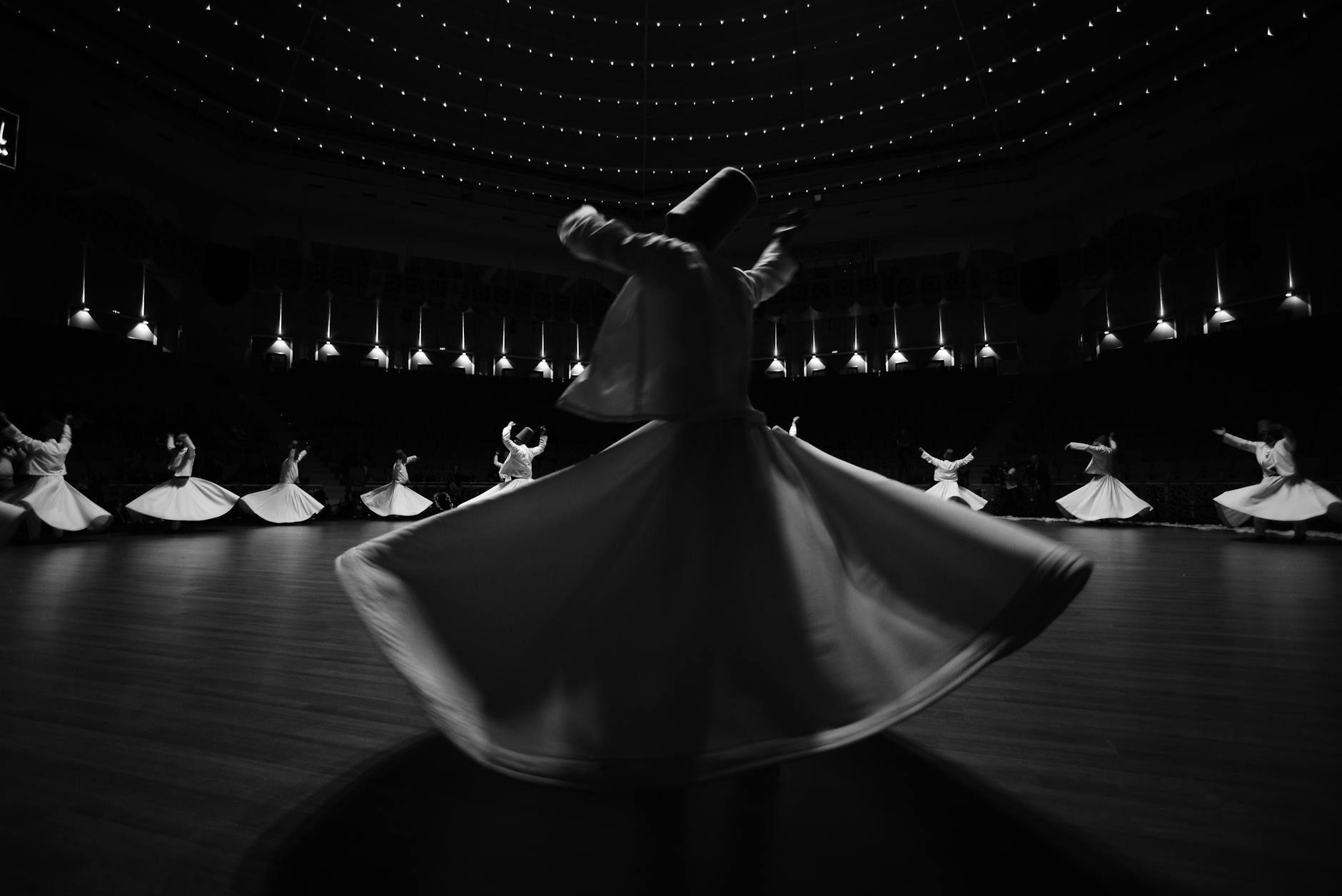
## The Semahane: Where Architecture Meets the Divine
When you step inside the **Semahane** (the whirling hall), the first thing you’ll notice isn't the grandeur, but the silence. Even in 2026, with the İstiklal Avenue crowds just a few hundred meters away, this wooden sanctuary feels like it’s wrapped in a velvet blanket. I’ve lived in Istanbul for fifteen years, and I still haven't found a place that commands such immediate, effortless respect from its visitors.
### The Geometry of the Soul
The hall is a masterpiece of 18th-century Ottoman Baroque style, but it’s the **octagonal layout** that steals the show. In Sufi symbolism, the octagon represents the transition between the square (the earth) and the circle (the heavens). As you stand on the perimeter, look at the polished wooden floor. This is where the **Whirling Dervishes** perform the *Sema* ceremony.
The acoustics here are nothing short of a miracle. The master builders of the era used the wooden ceiling and the specific proportions of the hall to ensure that even the faintest whisper of a reed flute reaches every corner. It’s an architectural hug. I often come here just to sit on the sidelines and imagine the sound of dozens of dervishes spinning in unison—the soft *whoosh* of their white robes catching the air is a sound you never forget.
### The Sultan’s Gaze and Sacred Ink
As you look up, you’ll see the **Mahfil**, an elevated, screened gallery. This was the Sultan’s lodge. It’s a fascinating reminder of the complex relationship between the Ottoman throne and the Mevlevi Order. Even the most powerful rulers in the world came here to sit in the presence of the dervishes, seeking spiritual guidance.
The walls are adorned with some of the finest examples of **Islamic calligraphy** you will see in Istanbul. These aren't just "decorations." To the calligraphers, or *Hattats*, writing the name of God or a verse from Rumi was a form of active meditation. The flowing, interlocking letters are meant to mirror the fluid motion of the universe. This profound sense of historical continuity and spiritual stillness is rare; it’s the same feeling of "stopping time" that I get during my favorite [afternoon walk in Kuzguncuk](https://istanbulcool.com/walking-tour-kuzguncuk-asian-side) on the Asian side. Both places offer a rare breathing room in our fast-paced city.
### A Treasury of Devotion: The Museum Collection
Before you leave the hall, take your time exploring the museum sections located in the side rooms and the lower floor. The collection is intimate and deeply personal. You’ll find the **Sikke** (the tall, conical felt hats) which represent the tombstone of the ego, and the **Tenure** (the heavy white skirts) which represent the ego’s shroud.
The display of calligraphy tools is particularly moving. You’ll see the small, hand-carved **kamış kalem** (reed pens) and the tiny jars of soot-based ink. There’s a quiet dignity in these objects; they are the tools of men who spent decades trying to perfect a single stroke.
> **Berk's Insider Tip:**
> Pay close attention to the musical instruments in the museum section. Look for the 'Ney' (reed flute); its haunting sound is considered the breath of God in Sufi tradition and hearing it live in this hall is a life-changing experience.
The entry fee in 2026 is approximately 500 TL (around 10 Euro or 11 USD), which is a bargain for the peace of mind you’ll carry out with you. As you walk through the instrument display, you’ll also see the *Kudüm* (small kettledrums) and the *Rebab* (a bowed string instrument). These aren't just artifacts; they are the heartbeat of the Mevlevi tradition. Even if you don't catch a live performance, just standing among these instruments allows you to feel the rhythmic pulse of a tradition that has survived for over 700 years.
## The Sacred Spin: Decoding the Sema Ceremony
Whenever I bring a friend to the **Galata Mevlevihanesi**, I always start with a small disclaimer. In the brochures you see scattered around Sultanahmet, they often call this a "show" or a "performance." But here, in the quiet heart of Beyoğlu, we don't use those words. What you are about to witness is a **Sema ceremony**—a profound act of **Dhikr** (remembrance of God). It is an active meditation, a prayer in motion that has been practiced for over seven centuries.
As we sit on the wooden benches of the *Semahane* (the ritual hall), I want you to look past the grace of the movement. For a **Semazen** (a Whirling Dervish), the ceremony is a journey of the soul, a systematic shedding of the ego to find a direct connection with the Divine. In 2026, where our lives are dominated by digital noise and the frantic pace of Istanbul’s streets, watching this ritual feels like stepping into a pocket of timelessness.
### The Language of the Garments
Before the music even begins, take a look at what the dervishes are wearing. Nothing is accidental; every stitch is a symbol. As an Istanbulite who has studied these traditions for 15 years, I find the visual storytelling of the Mevlevi order to be one of the most beautiful aspects of our culture.
* **The Sikke:** That tall, conical hat made of brown felt? It represents the **tombstone of the ego**. It is heavy and prominent, reminding the dervish that their biggest obstacle in life is their own pride and worldly desires.
* **The Tennure:** This is the long, white, sleeveless skirt. It represents the **shroud of the ego**. When the dervish begins to whirl and the skirt fans out into a perfect white circle, it signifies the soul’s liberation from the "grave" of the physical body.
* **The Hırka:** You will see them enter wearing a heavy black cloak. This represents the **worldly tomb**. When they cast it off at the beginning of the ceremony, it symbolizes their spiritual rebirth and their readiness to leave the material world behind.
As the haunting, breathy notes of the **Ney** (the traditional reed flute) fill the hall, you’ll feel the temperature of the room change. It’s not just music; it’s a lament for the soul’s separation from its source.
### The Four Selams: A Spiritual Ascent
The ceremony is divided into four distinct movements, known as **Selams**. Each represents a different stage of the dervish’s spiritual journey. I always tell my guests to watch the lead dervish—the *Semazenbaşı*—as he guides the others through these transitions.
1. **The First Selam:** This is the dervish's recognition of their own existence and the greatness of the Creator. It is an awakening. They begin to turn, always from right to left, mirroring the rotation of the planets and the atoms themselves.
2. **The Second Selam:** Here, the dervish expresses their wonder at the splendor of creation. It is an emotional stage, filled with the realization that everything in the universe is part of a grand, divine harmony.
3. **The Third Selam:** This is the climax of the ceremony. The music often swells here. It represents the transformation of "wonder" into "absolute love." The dervish sacrifices their mind and self to this love, achieving a state of total submission.
4. **The Fourth Selam:** This is perhaps my favorite part because it is the most grounded. Most people expect the dervish to stay in a trance, but the Fourth Selam is about **returning to service**. The dervish accepts that while they have reached a spiritual peak, their duty is to return to the world and serve their fellow humans with the love they have found.
### The Hand of the Heart
As you watch them whirl, pay close attention to their hands. You’ll notice the right hand is turned upward toward the sky, while the left hand is turned downward toward the earth. This is the core philosophy of **Mevlana Rumi** in a single gesture: *"What we receive from God, we give to the people; we keep nothing for ourselves."*
In today's economy—where a ticket for this experience might cost you around 1,500 TL (roughly 30 Euros or 33 USD in 2026)—it is easy to treat this as just another item on your "to-do" list. But I encourage you to put your phone away. Don't worry about capturing the perfect video for social media. Instead, try to match your breathing to the rhythm of the *Kudüm* (small kettledrums).
The Galata Mevlevihanesi isn't just a museum; it’s a living bridge. When the ceremony ends and the dervishes walk out in silence, you’ll find that the chaos of Istiklal Avenue outside feels a little softer, a little more distant. You aren't just a tourist anymore; you've shared in a 700-year-old secret.
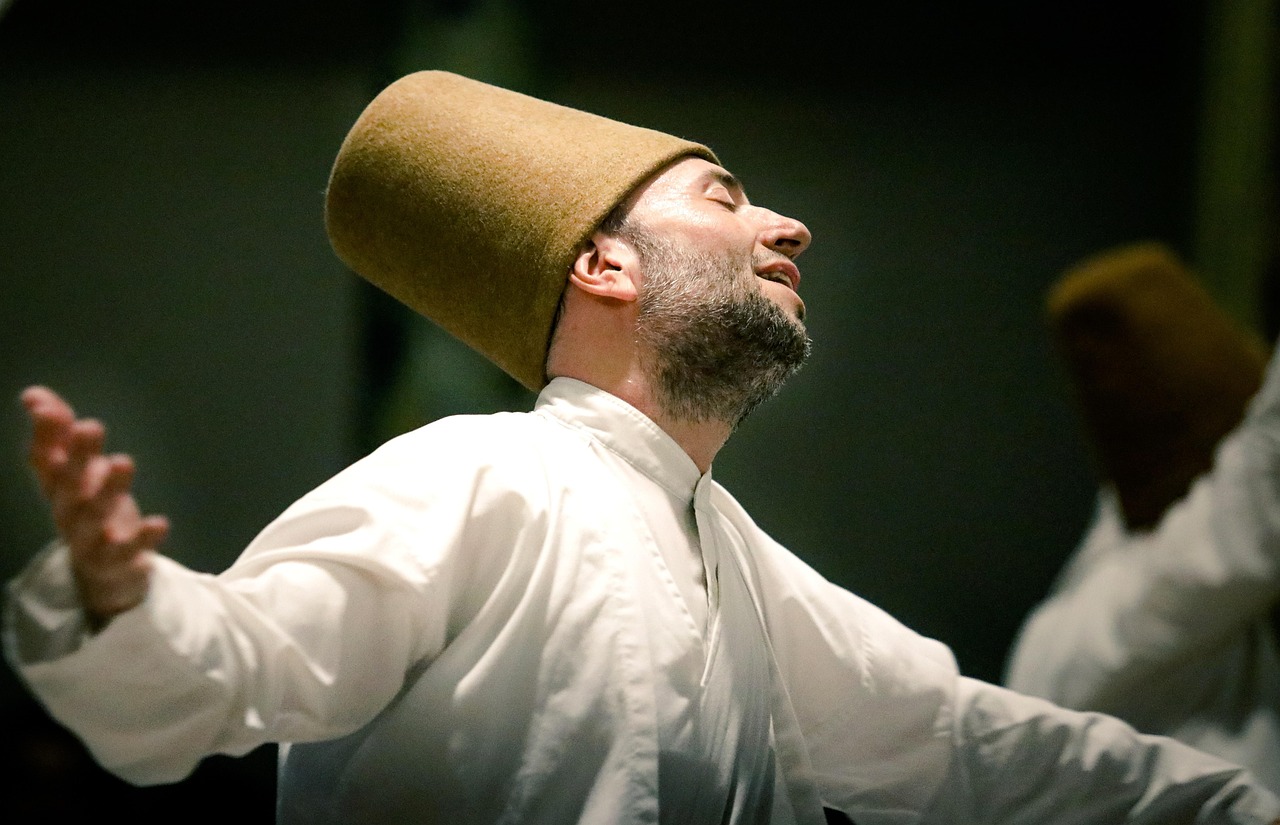
## Hamuşan: Walking Through the 'Garden of the Silent'
Step out of the wooden hall of the Semahane and let the cool air of the courtyard hit you. After the dizzying, spiritual intensity of the Whirling Dervishes, there is one place I always go to ground myself. It is a place that many tourists walk past in a hurry, yet it holds the very soul of this lodge. To the right of the main path lies the **Hamuşan**, a Persian word that translates beautifully to the **"Garden of the Silent."**
In most cultures, a graveyard is a place of mourning, often tinged with a bit of gloom. But here in the heart of Galata, the Mevlevis view it differently. For me, walking through these stones doesn't feel like visiting a cemetery; it feels like entering a library of frozen lives. There is a profound, meditative stillness here that you won't find anywhere else in the district—not even in the quietest backstreets of Beyoğlu.
### The Resting Place of the Master: Galip Dede
As you walk the narrow paths, you will see a small, elegant tomb (türbe) that stands out. This is the final home of **Galip Dede**, one of the most celebrated Sufi poets of the 18th century and a former Sheikh of this very lodge. If you’ve spent any time in Istanbul, you’ve likely noticed the street leading down to the Galata Tower is named "Galip Dede Caddesi."
He wasn't just a religious leader; he was a literary giant who wrote *Hüsn-ü Aşk* (Beauty and Love), an allegorical masterpiece. When I stand before his tomb, I’m reminded that for the Mevlevis, poetry and spirituality are two sides of the same coin. He is the guardian of this garden, surrounded by other **Sufi poets**, calligraphers, and musicians who once filled these halls with "ney" music and divine verses.
### The "Wedding Night" and the Joy of Return
You might notice that the atmosphere here isn't heavy. That’s because of the Mevlevi concept of death, which is perhaps the most beautiful perspective I’ve encountered in my 15 years living in this city. They call the night of one's passing **Şeb-i Arus**, or the **"Wedding Night."**
To a Sufi, death is not a cold ending or a "loss." It is the moment the soul is finally liberated from the cage of the body to reunite with the Beloved—the Creator. It is a celebration of return. When you look at the stones in the **Hamuşan**, try to see them through this lens. They aren't markers of absence, but witnesses to a grand reunion. It’s a thought that always brings me a strange sense of peace whenever the frantic pace of 2026 Istanbul life starts to feel like too much.
### Petrified History: The Art of the Mevlevi Tombstones
Take a close look at the headstones themselves. They are masterpieces of Ottoman stonemasonry. You’ll notice that many of them are topped with a carved stone representation of a tall, cylindrical hat. This is the **Sikke**, the felt cap worn by the dervishes.
The shape of the turban carved onto the stone tells you the rank and the "path" of the person buried there. A plain, tall hat usually belongs to a dervish, while more intricate, wrapped turbans signify a Sheikh or a high-ranking member of the order. These stones are meant to look like the person is still standing there, present in spirit.
Even now, as the exchange rate sits at **50 TL to the Euro**, a stroll through this garden remains one of the most "valuable" experiences you can have in the city for the price of a standard museum entry. It costs nothing extra to linger here, watching the famous Istanbul cats nap atop the 300-year-old marble, but the sense of perspective you take away is priceless. This is where the noise of the world fades, and the "Silent Ones" begin to speak.
## Planning Your Visit: Timing, Tickets, and Etiquette
After spending 15 years navigating this city, I’ve learned that timing is everything in Istanbul. The Galata Mevlevihanesi is a place that transforms depending on when you walk through its gates. To truly feel the soul of this "lodge of the whirling dreams," you need to decide if you’re looking for a quiet historical deep-dive or a spiritual encounter.
### The Daytime Museum vs. The Sunday Ceremony
During the day, the Mevlevihane functions as a beautifully curated museum. It’s the best time to appreciate the **Semahane** (the wooden hall where the dervishes whirl) without the crowds. You can take your time looking at the Rumi-inspired calligraphy, the delicate Sufi musical instruments, and the clothes worn by dervishes centuries ago. It is peaceful, quiet, and reflective.
However, if you want to witness the **Sema ceremony**, you must plan for a Sunday afternoon. This isn't just a performance; it is a *dhikr*—a spiritual remembrance. While the museum gives you the "what," the Sunday ceremony gives you the "why." Seeing the dervishes spin in the very hall where their predecessors did for centuries is a heavy, beautiful experience.
> **Berk's Insider Tip:**
> If you want to attend the Sunday Sema ceremony, do not wait until the day of. Tickets are usually sold at the booth a few days in advance or online, and they sell out fast because the seating in the Semahane is very limited.
### Respecting the Space
This isn't your average tourist attraction; it’s a site of immense spiritual significance. When **visiting Istanbul museum** sites like this, the etiquette is simple: keep your voice down and your movements slow.
For the Sunday ceremony, the rules are stricter. You should dress modestly—cover your shoulders and knees. While it isn't a mosque, it is a sacred space. **Photography and filming are strictly forbidden** during the Sema. Believe me, you’ll want to experience it with your eyes, not through a smartphone screen. Also, remain seated until the very end; leaving while the dervishes are still on the floor is considered quite disrespectful.
### Galata vs. Commercial Dervish Shows
I often get asked if **Galata Mevlevihanesi tickets** are worth the extra effort compared to the dinner-show versions you see advertised in Sultanahmet. My answer is always a resounding yes.
Commercial shows are often choreographed for entertainment, with flashy lights and faster music. The ceremony at the Mevlevihane is the real deal—it’s slower, more meditative, and follows the strict traditional liturgy of the Mevlevi order. It’s the difference between watching a movie about a ritual and witnessing the ritual itself.
| Feature | Daytime Museum Visit | Sunday Sema Ceremony |
| :--- | :--- | :--- |
| **Best For** | History, Architecture, Photos | Spirituality, Music, Atmosphere |
| **Cost (Approx.)** | 500 TL (€10 / $11) | 1,500 TL (€30 / $33) |
| **Crowds** | Low to Moderate | Very High (Book ahead!) |
| **Photography** | Allowed (No flash) | Strictly Prohibited |

## A Day in Galata: My Perfect Spiritual and Local Itinerary
After spending an hour or two in the silent, incense-scented embrace of the Mevlevihane, stepping back onto the street always feels like waking up from a vivid dream. The transition from the 18th-century tranquility of the lodge to the buzzing energy of modern-day Istanbul is part of the magic. Whenever friends visit me here in 2026, I always lead them on this specific route to help them "digest" the spiritual weight of the lodge before diving back into the city’s chaos.
### The Melodies of Galip Dede Street
As you exit the lodge’s gate, you are immediately on **Galip Dede Street**, a steep, winding cobblestone path that flows down toward the **Galata Tower area**. This street is the historical heart of Istanbul’s musical soul. For centuries, the presence of the Mevlevi dervishes—who considered music a bridge to the divine—attracted instrument makers to these very doors.
I love taking my time here, browsing the local instrument shops that line the descent. Even if you aren't a musician, stop and look at the window displays of *Ouds* (pear-shaped lutes) and *Sazs* (long-necked Turkish guitars). You’ll likely hear the haunting, breathy whistle of a *Ney*—the traditional reed flute—drifting from a workshop. If you’re tempted to take a piece of the culture home, a high-quality, handcrafted *Ney* might run you about 2,500 to 4,000 TL (around €50–€80 at current 2026 rates). It’s a beautiful, tactile reminder of the "Whirling" sounds you just experienced.
### Winding Down to the Tower
Continue your **Beyoğlu walking tour** by following the slope downward. The street narrows, the vintage poster shops become more frequent, and suddenly, the massive stone silhouette of the Galata Tower looms over the apartment blocks. While the queue to go up the tower is usually packed with tourists, I prefer to appreciate it from the base, looking up at the Genoese stonework against the Marmara blue.
By now, the spiritual stillness of the lodge might be wearing off, and the "Istanbul pace" might be kicking back in. This is exactly when you need a "keyif" break—a moment of pure pleasure and relaxation.
### A Quiet Corner for Reflection
Instead of the crowded cafes directly under the tower, I suggest ducking into one of the side streets—like Serdar-ı Ekrem—to find a quiet courtyard. My ritual is to find a small third-wave coffee shop or a traditional tea house where the music is low.
Order a **Türk Kahvesi** (Turkish coffee) or a simple glass of **Çay**. In 2026, a well-brewed coffee in a local Galata haunt will cost you about 150 TL (roughly $3.30). As you sip, take out a notebook or just sit in silence. Reflect on the *Sema* ceremony or the calligraphy you saw earlier. There is something about the contrast between the dervishes' ancient search for the "Center" and the vibrant, eclectic life of Galata that makes you feel truly present. This isn't just a walk; it’s the way we locals bridge the gap between Istanbul’s glorious past and its frantic, beautiful present.
## Conclusion
In a city as relentless and beautiful as Istanbul, finding a place where time actually slows down is a rare gift. The Galata Mevlevihanesi isn’t just a museum or a relic of the Ottoman past; it is a threshold. When you step through those gates, you are crossing a bridge between two worlds. On one side is the grit, the neon lights, and the frantic, electric energy of Istiklal Street. On the other is a profound, rhythmic silence that has been cultivated for centuries. It is where the physical weight of the city meets the weightless spirituality of the Mevlevi tradition.
I’ve lived in this magnificent, chaotic sprawl for fifteen years, and people often ask me where I go when the noise of 16 million souls becomes a bit too much to bear. My answer is always this courtyard. There is a specific kind of *huzur*—a deep, inner peace—found here that you won’t find at the Hagia Sophia or the Blue Mosque. It is my ultimate sanctuary because it reminds me that while Istanbul is constantly reinventing itself, its heart still beats to an ancient, steady rhythm. In the shadow of the Galata Tower, amidst the gravestones of the "silent ones" who once called this lodge home, the stresses of modern life simply evaporate.
My final piece of advice for you is this: when you enter, do something radical. Leave your phone in your pocket. Don’t worry about the perfect framing or the right filter. The essence of the Mevlevihane cannot be captured in pixels; it has to be felt in the chest. Find a quiet bench, listen to the wind rustling through the trees, and just breathe. Give yourself the luxury of being truly present. In a city that never stops talking, the most profound thing you can do is simply sit and listen to the silence.
---
## The Grease and Iron of My Favorite Walk Through Perşembe Pazarı
URL: https://istanbulcool.com/gritty-walk-persembe-pazari-karakoy
The smell of burnt espresso in Karaköy makes me want to scream. It’s too clean. Too fake. I’d much rather choke on the stench of WD-40 and raw iron in the backstreets of Perşembe Pazarı, where the city still has a pulse that isn't curated for a social media feed. I’ve lived here fifteen years and I’m still dodging handcarts that could take a kneecap off. No one apologizes. Why would they? They're working. You’re just in the way.
The sunlight hits the oily puddles near the hardware stalls and, honestly, it’s beautiful in a way those overpriced rooftop bars will never understand. It's loud. It’s filthy. My shoes usually end up ruined. But every time I walk through those narrow gaps between the tool shops, I feel like I'm finally breathing again. Away from the crowds taking photos of their latte art. Here, a guy with a soot-stained face screams at his apprentice and it feels honest. This isn't a museum. It's a machine. And it's grinding away, whether you like the noise or not. Seriously. Grab a tea from the guy with the chipped glass and get out of the way. Real life is happening.
## Why I Avoid the Instagram Side of Karaköy
**Most of what people call Karaköy these days is just a glorified outdoor shopping mall for people who think wearing a beanie in 30-degree heat makes them an artist.** I’m tired of seeing the same three "concept" cafes on every travel blog. If I see one more photo of someone posing under those stupid colorful umbrellas with a 150-Lira flat white, I might lose my mind. It’s a sham. It’s a sanitized, overpriced version of a neighborhood that used to actually mean something to this city.
I’ve lived here for 15 years, and watching the "cool" side of Karaköy turn into a playground for influencers has been painful. They’ve taken these incredible old buildings and turned them into boutique hotels where the walls are thinner than a piece of *yufka*. You pay 300 Euros a night to hear your neighbor brush their teeth, all while "artisanal" dust falls from the ceiling. No thanks. I’d rather spend my time where the air actually smells like something. Even if that something is industrial-grade lubricant and 40 years of accumulated soot.
The problem is **Galataport**. Don't get me me started on that place. It’s a giant, sterile concrete slab that feels more like an airport terminal in Dubai than a piece of Istanbul. They talk about "opening the coastline to the public," but they really mean opening it to people who want to buy overpriced designer handbags. It’s too clean. It’s too quiet. It’s fake. It’s the kind of place where you can’t find a single cigarette butt on the ground, which, in this city, is basically a sign of the apocalypse.
If you want the real soul of this area, you have to turn your back on the cruise ships and walk toward the noise. You need to head into the grit of **Perşembe Pazarı**.
This is where the shipyard legacy lives. This isn't some curated museum exhibit; it's the raw, beating heart of the old **Tersane** district. Here, the sensory experience isn't about lavender-scented candles or chill lo-fi beats. It’s the screech of metal saws cutting through steel. It’s the heavy, rhythmic clanking of massive iron chains being dragged across the pavement. The smell? It’s a brutal mix of diesel exhaust, sea salt, and the kind of heavy grease that never truly leaves your fingernails.
I was walking through here last Tuesday, dodging a forklift that definitely didn't have working brakes, and I realized why I love it. Nobody here cares about your outfit. The shopkeepers won't give you a "warm welcome." In fact, they’ll probably ignore you entirely while they argue over the price of ball bearings. It’s honest. It’s messy.
The history here isn't tucked away behind velvet ropes. Look up. You’ll see the **Genoese walls**—massive, ancient stones from the 1300s—being used as the literal backdrops for shops selling hydraulic pumps and rusty anchors. These walls have survived empires, and now they’re covered in motor oil and soot. That’s how history should be—used, not polished for a postcard.
Look, I’m not a total masochist. I know when to quit. Sometimes the noise of the grinders gets to be too much, or the smell of burning rubber makes me crave a bit of civilization. When that happens, I don't go to the fake cafes nearby. I usually just get out of the area entirely. I’ll even [brave the traffic](https://istanbulcool.com/survival-guide-to-tesvikiye-nisantasi) to get up to **Teşvikiye** if I really need a decent meal in a place where the waiter doesn't have grease on his forehead. But for most days? Give me the iron. Give me the rudeness. Give me the real Karaköy before the developers finish paving over the rest of it.
You won't find a "hidden gem" here. You'll just find a bunch of guys working hard in a neighborhood that refuses to be pretty. And that’s exactly why it’s the only part of this district worth your time. Just watch your step—the puddles in the alleys of Perşembe Pazarı aren't usually made of water. Seriously. Don't wear your white sneakers.
## Street Food and Tea for the Working Man
Stop looking for a menu with pictures and just sit down where the guys in blue overalls are eating. In Perşembe Pazarı, the food isn't a curated "experience"—it's high-octane fuel for men who spend ten hours a day lugging brass pipes and industrial coils. If you’re worried about a bit of grease on the table or a waiter who doesn’t smile, honestly, just go back to the hotel. This place doesn't have time for your sensibilities. It’s loud, it’s chaotic, and the floor of every decent eatery is probably slick with a thin film of machine oil and rain.
### The Gospel of the 5-Lira Çay
I’ve known Ahmet for over 10 years, but he’s been wedged into the same 4-square-meter hole selling gaskets and copper valves for 40. His shop is a mess. There are stacks of yellowed invoices held down by rusted iron bolts and a cat with half an ear sleeping on a pile of rubber seals. Ahmet doesn't care about your Instagram. He cares about the price of scrap metal and whether the tea runner is lagging.
Sitting with him on a tiny plastic stool—the kind that feels like it might snap under any grown adult—is the only way to understand this neighborhood. We drink **çay** out of thin glasses that are too hot to hold. You see people paying 100 lira for a lukewarm latte in some pretentious Cihangir cafe where the barista treats you like an intruder. It’s a joke. Here, for 5 or 10 lira, you get a glass of red gasoline that actually wakes you up. There’s no oat milk. No "syrup pumps." Just bitter, strong tea and a sugar cube that probably has some iron dust on it.
> **Berk's Insider Tip:**
> If a shopkeeper offers you tea, sit down. Don't check your phone. Just listen to the noise of the street. That's the real Istanbul.
### The Steam Table Survival Guide
When the clock hits 12:00, the streets turn into a battlefield. You’ll see guys sprinting with trays of food. This is the hour of the **Esnaf Lokantası**. These tradesmen restaurants are the backbone of **local culture**, and if you aren't inside by 12:15, the best stuff is gone.
I have a favorite spot—I won't tell you the name because it’s already too crowded—where the windows are permanently fogged up from the giant pots of lamb stew and beans. You don’t get a menu. You walk up to the counter, look at the metal trays, and point. I usually go for the kuru fasulye (white beans) and a side of oily rice. Maybe a piece of **pide** to mop up the remains. The **authentic food** here is heavy. It’s salty. It’s exactly what you need when the wind is whipping off the Golden Horn and you’ve been walking through slush.
Sometimes I think about the people who spend their mornings on a massive, over-engineered [Turkish breakfast](https://istanbulcool.com/guide-to-turkish-breakfast-culture-istanbul) at a five-star hotel. They’re missing the point. A dry **simit** bought from a street cart and a glass of tea with Ahmet tells you more about Istanbul than a hundred open buffets ever could.
The service is abrupt. The waiter will probably yell your order across the room. Someone might bump your chair while carrying a crate of hammers. It’s not "charming." It’s a working district. But when you take that first bite of slow-cooked beef that’s been simmering since 5 AM, you’ll realize why these places have outlasted every food trend in the city. The grease is real, the steam is thick, and the tea is always boiling. What else do you actually need?
Seriously. Just eat, pay your bill, and get out of the way so the next guy can sit down.
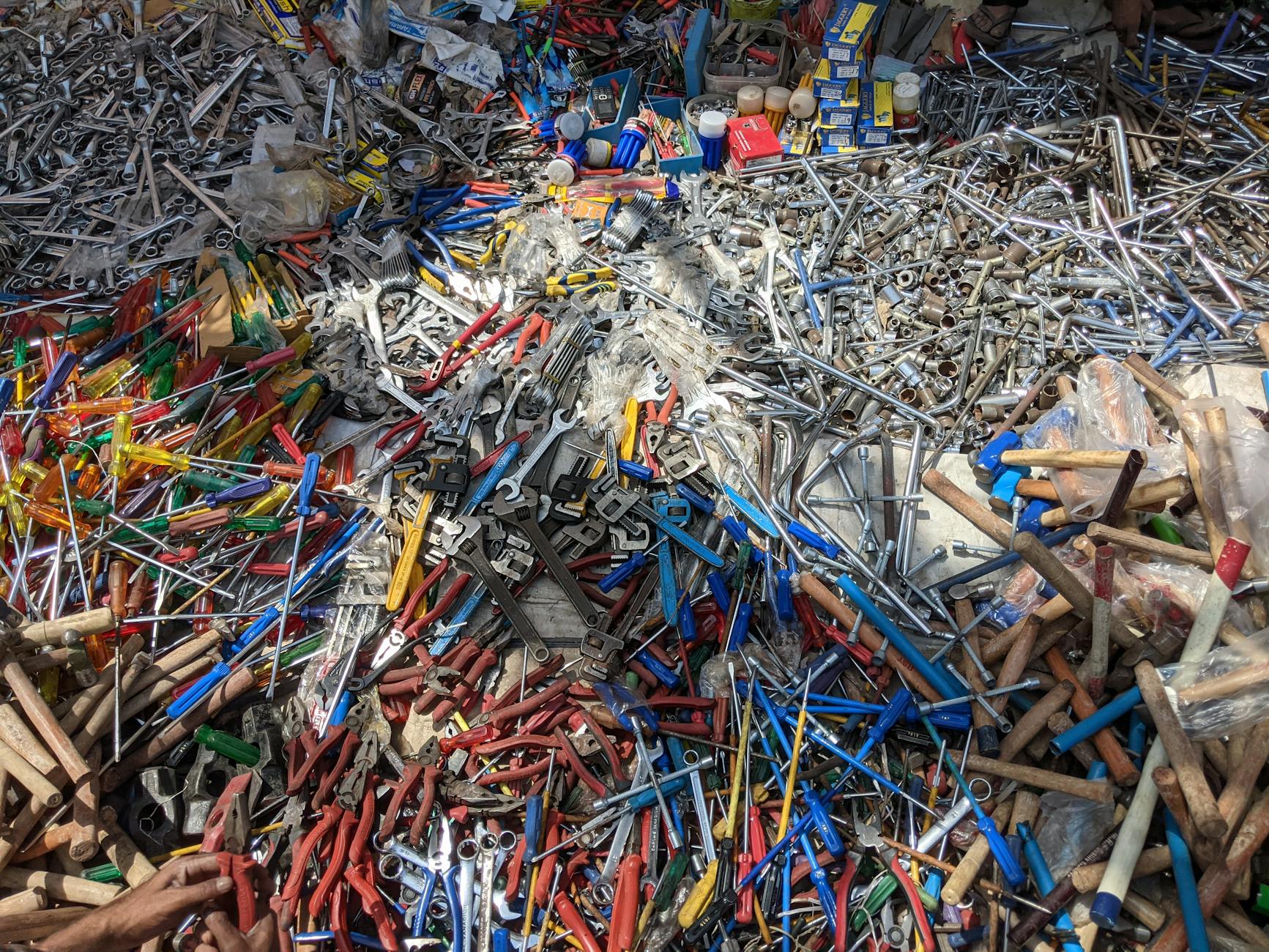
## The History of the Genoese Walls and Shipyards
**The real history of Galata isn't found in a museum; it’s baked into the soot-covered stones of the hardware shops lining the back alleys of Perşembe Pazarı.** Most tourists get off the ferry and head straight for the tower, ignoring the fact that they’re walking through a 700-year-old fortress that’s currently being used to store industrial-grade drill bits and rusted anchors. I’ve spent 15 years wandering these streets, and I still find it hilarious that some of the most important **Genoese** fortifications in the world are now the back wall of a guy named Mehmet’s bolt shop.
### Anchors, Chains, and Ancient Stone
If you want to see the walls, you have to look for them between the stacks of plastic piping. These aren't the manicured ruins you see in Rome. This is raw. In the 13th century, the **Genoese** basically built a private colony here, flipping the bird to the **Byzantine** emperors across the water. They built massive walls to protect their money and their ships.
Today, those walls are still doing work. I remember ducking into a tiny, cramped shop last Tuesday to escape a sudden downpour—the kind of gray Istanbul rain that turns the dust into a slick, oily sludge. The shopkeeper was leaning against a block of stone that was clearly carved 800 years ago. He didn't care. To him, it’s just a sturdy wall that holds up his shelves of hydraulic jacks. That’s the beauty of this place. It’s not "preserved." It’s used. It smells like wet iron, cheap cigarettes, and the kind of heavy grease that never truly leaves your skin.
### From the Ottoman Empire to the Modern Grind
When the **Ottoman Empire** took over in 1453, they didn't kick the shipbuilders out. They knew a good thing when they saw it. This strip of land along the Golden Horn has been the heartbeat of **Maritime Istanbul** for longer than most countries have existed. The Sultan’s navy needed ropes, nails, and pitch, and the guys in Perşembe Pazarı were the ones who provided it.
I’ve heard people complain that the area is too loud, too dirty, or too "industrial." Those people should probably stay in their 5-star hotels in Nişantaşı. The noise is the sound of a city that actually produces things. You hear the rhythmic clanging of hammers and the screech of metal saws. It’s the same soundtrack this neighborhood has had for centuries. The tools have changed, sure, but the obsession with the sea remains. You can still buy a massive ship’s propeller here if you have enough cash and a way to haul it away. Why? Because the water is right there. It’s practical.
### The Threat of "Progress"
I’m going to be honest: I’m terrified this whole ecosystem is about to be murdered by **urban transformation**. The developers are circling like vultures. They look at these old shipyards and "dirty" hardware stores and see "potential" for luxury lofts and overpriced cafes selling 40-lira lattes. It’s disgusting.
They call it "revitalization," but I call it an execution. Every time a hardware shop closes and gets replaced by a "concept store," a piece of the city’s soul gets ripped out. How much longer will this last? Maybe 5 years. Maybe 10 if we’re lucky. I hate the idea of a sanitized Perşembe Pazarı where you can’t smell the machine oil or get yelled at by a guy carrying 50 kilos of copper wire on his back. Go see it now, before the suits turn it into another boring, soulless "heritage site" for people who are afraid of a little dirt. Seriously. Don't wait.
## FAQ About Visiting Perşembe Pazarı
Don’t even think about showing up here on a Sunday unless you enjoy staring at locked iron shutters and gray concrete. The entire district turns into a ghost town the moment the clock strikes Saturday evening. It’s a working-class neighborhood, not a tourist playground, so when the workers go home, the life of the place just stops.
### Is it safe for a solo traveler?
Safe from people? Absolutely. Safe from bodily harm? That’s another story. I’ve lived in this city for 15 years, and I’ve never felt threatened by a person in Perşembe Pazarı. Nobody is going to mug you. They’re too busy hauling 50-kilo crates of rusted bolts or welding something that looks like it belongs on a Soviet submarine.
The real danger is the chaos. You have to watch your feet. The ground is uneven, slick with a cocktail of rainwater and machine oil, and littered with metal scraps. I once saw a guy nearly get clipped by a forklift because he was too busy taking a photo of a cat on a pile of chains. Don't be that guy. Keep your eyes open. If you hear a guy shouting "Destur!" or "Vira!", it means move your ass or get flattened. It’s not personal; it’s just the way the street works.
### When do the shops actually open and close?
Forget what Google Maps tells you. The "opening hours" here are dictated by the sun and the stamina of the shopkeepers. Most guys start rolling up their metal doors around 8:30 or 9:00 AM. Don't try to talk to them before they’ve finished their first glass of tea. Seriously. A man without his morning tea in Perşembe Pazarı is a dangerous animal.
By 10:30 AM, the place is in full swing. The noise is incredible—metal clanging, engines idling, guys screaming orders across the street. It’s loud, it’s smelly, and it’s perfect. Things start winding down around 5:30 PM. By 6:30 PM, the tea houses are empty and the streets get dark and eerie. My advice? Get there by 10:00 AM, walk until your legs ache, and leave before the sun sets.
### Can I actually buy anything if I’m not a ship captain?
Yes, but don't expect a souvenir shop experience. There are no "I Love Istanbul" shirts here. Thank god.
I’ve bought some of my favorite household items in these weird little shops. I once found a solid brass bell that weighed about 5 kilos. The shopkeeper looked at me like I was insane when I asked the price, probably because I wasn't buying a dozen of them for a fishing fleet. I also buy my heavy-duty scissors and pocket knives here. They’re industrial grade and will outlive me.
If you see a pile of vintage nautical junk—old compasses, portholes, brass valves—don't be afraid to ask. You’ll need to haggle, and you’ll need to do it with a straight face. They’ll start high because you look like you don't belong, but if you show a bit of grit, they’ll respect you. Just don't ask for a gift box. They’ll probably wrap your purchase in a greasy newspaper and call it a day.
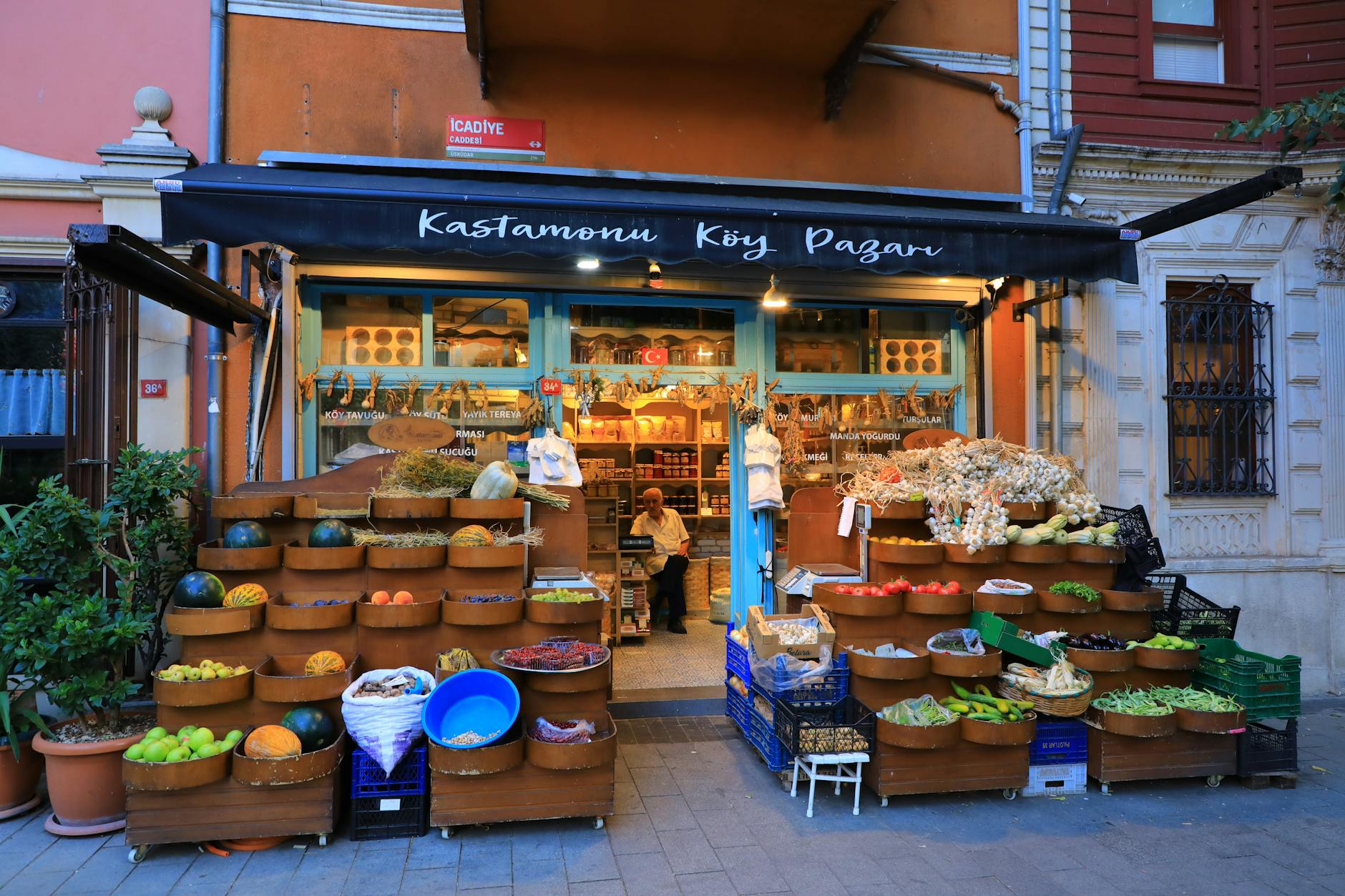
## Conclusion
Look, I’m not saying this because I’m some nostalgic prick. I’m saying it because I can see the wrecking balls from my window. Perşembe Pazarı isn't a museum. It's a living, breathing, sweating mess of a neighborhood, and its days are numbered. Every time I walk past the docks lately, I see another shuttered ironmonger replaced by a gallery that wouldn't look out of place in London or New York. It’s soul-crushing.
The suits want to "clean" this place up. They want "luxury lofts" and "curated experiences." They want to take the grease and replace it with scented candles. Absolute rubbish. Don’t wait until the shops are gone and the only thing left of the old shipyard workers is a black-and-white photo on a café wall. Go now. Fight the crowd of guys carrying heavy chains and duck under the scaffolding.
The air smells like wet iron and cheap cigarettes. It’s dirty. It’s loud. The tea sellers don't have time for your pleasantries. But it's honest. When you finally leave and head back to the sanitized streets of the hotel districts, look down at your boots. If there isn't a thick, black smudge of machine oil on the side, you didn't do it right. Keep that stain. It’s a souvenir of a city that won’t exist by the time your kids get here. Seriously. Just go.
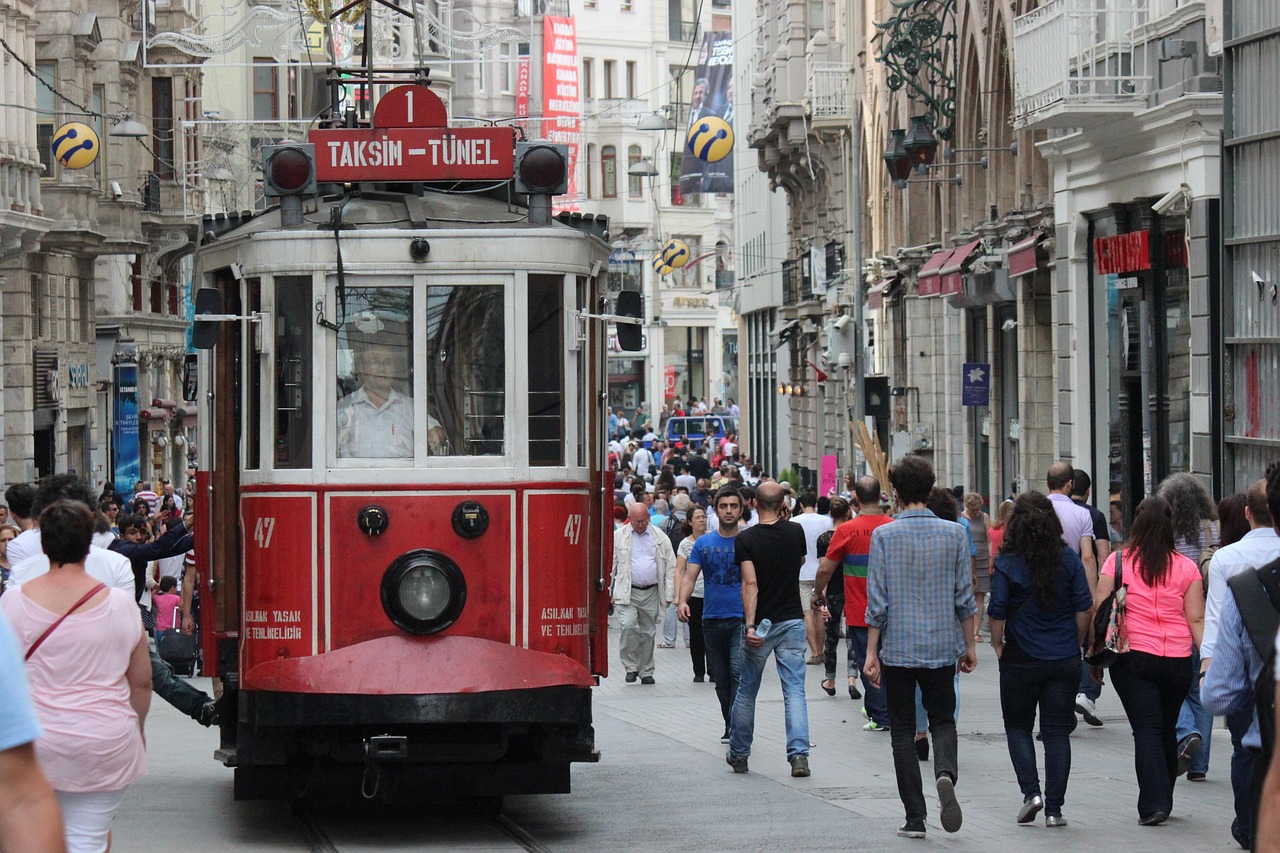
---
## Theodosian Walls: Istanbul's Ancient Hidden Landmark
URL: https://istanbulcool.com/guide-to-ancient-theodosian-land-walls
Whenever the chaotic energy of the Grand Bazaar or the polished marble of the Sultanahmet squares starts to feel a bit too loud, I find myself heading west. I’ve lived in Istanbul for fifteen years now, and while I love the iconic skyline as much as any local, my heart really belongs to the rugged, ivy-covered frontier that once marked the end of the known world.
Standing at the base of the Triple Walls during the golden hour, you realize these aren't just ruins; they are the 1,600-year-old skeleton of a city that refused to fall. While the crowds at the Blue Mosque are just a few miles away fighting for the perfect selfie, I’m usually here alone, or perhaps with a stray cat for company, touching limestone blocks that have literally weathered the wrath of Attila the Hun and the madness of the Fourth Crusade. There’s a specific smell that lingers near the Yedikule section—a mix of damp earth, ancient dust, and the faint scent of woodsmoke from the nearby neighborhoods. It’s a sensory bridge back to **Byzantine Istanbul**, a time when these **Constantinople fortifications** were the most formidable defense system in the medieval world.
For a transport and culture geek like me, the **Theodosian Walls** represent the ultimate **off the beaten path Istanbul** experience. They aren't sanitized or cordoned off behind velvet ropes; they are woven into the fabric of modern life. You’ll see local families tending to *bostans* (ancient vegetable gardens) in the shadows of the ramparts and laundry hanging from towers that once housed elite guards. It is raw, it is gritty, and it is undeniably beautiful.
But because these walls stretch for nearly seven kilometers from the Sea of Marmara to the Golden Horn, knowing where to start—and how to navigate the complex layers of history and modern-day life that surround them—can be daunting for a first-timer. That’s why I want to take you on a personal tour of my favorite stretches. I’m going to show you the secret gates, the best vantage points for a sunset view that will take your breath away, and the stories hidden within these stones that the tour buses never mention. Let’s take a walk through the city’s forgotten shield.
## A Relic of Power: Understanding the Genius of Theodosius II
When you stand at the foot of the **Theodosian Walls**, you aren’t just looking at old stones; you are standing before the most sophisticated defensive system of the ancient world. I’ve lived here for 15 years, and even today in 2026, with our glass skyscrapers and high-speed Marmaray trains, these ruins still humble me. To truly understand why **Byzantine Istanbul**—then known as Constantinople—survived for a millennium while other empires crumbled, you have to look at the fear and the foresight of the 5th century.
### The 5th Century: A City Under Siege
Back in 412 AD, the Emperor Theodosius II was just a boy, but his advisors knew the city was in trouble. The Roman Empire was fracturing, and the "Scourge of God," Attila the Hun, was galloping toward the gates. The old walls built by Constantine were no longer enough to hold the growing population or the advancing siege engines.
The Romans needed a shield that was physically impassable. What they built was a masterpiece of **Constantinople fortifications** that stretched 6.5 kilometers from the Sea of Marmara to the Golden Horn. It wasn't just a wall; it was a layered trap designed to exhaust, demoralize, and eventually crush any army that dared to approach.
### The Triple-Wall Engineering Marvel
The "genius" of the walls lies in their depth. Most cities had a single wall; Theodosius built three. If you were an invader, you didn't just have to scale a fence—you had to survive a lethal obstacle course.
1. **The Moat (Hendek):** First, you faced a massive trench, 18 meters wide and 7 meters deep. It was often kept flooded, forcing soldiers into the open under a hail of arrows.
2. **The Outer Wall (Dış Sur):** If you crossed the moat, you met a 9-meter-high wall protected by 96 towers. This was the first line of active combat.
3. **The Inner Wall (İç Sur):** This was the "big brother." Standing 12 meters high and 5 meters thick, this wall housed the heavy infantry. The towers here were staggered with the outer towers, creating a "killing zone" where invaders were caught in a crossfire from two different heights.
While the **[Suleymaniye Mosque]** represents the spiritual and aesthetic peak of the later Ottoman era, these walls represent the raw, muscular endurance of the Roman spirit. Walking along the ramparts today, you can still feel that weight of history.
### Survival Against Nature and Man
What amazes me most is how these stones survived the earth itself. In 447 AD, a massive earthquake leveled large sections of the walls just as the Huns were approaching. In an incredible feat of communal will, the citizens of the city rebuilt the entire system in just 60 days.
For the next thousand years, these walls rebuffed everyone: Avars, Persians, Arabs, and Bulgars. They only fell twice—once to the Fourth Crusade in 1204 (due to a gate left unlocked) and finally to Mehmed the Conqueror in 1453, and even then, it took the world’s first "super-cannons" to make a dent.
Today, as we navigate 2026, the city is much more accessible. If you're heading out to the Yedikule section (the Fortress of the Seven Towers), expect to pay around **250 TL** for entry—that’s roughly **5 Euro** or **5.50 USD** at current rates. It is a small price to pay to walk through a gateway that held back the middle ages.
| Feature | Theodosian Walls (Byzantine) | Great Wall of China (Comparison) |
| :--- | :--- | :--- |
| **Construction Style** | Triple-layered defensive system | Continuous linear barrier |
| **Primary Material** | Alternating brick and limestone | Earth, stone, and brick |
| **Max Height** | 12 meters (Inner Wall) | 14 meters (at highest points) |
| **Total Length** | 6.5 Kilometers (Land Walls) | 21,196 Kilometers |
| **Survival Status** | 70% still visible in urban fabric | Varied (some parts reconstructed) |
| **Key Innovation** | The "Killing Zone" (crossfire) | Signal towers and mountain integration |
The scale of the **Theodosian Walls** is often lost on those who stay in the tourist bubbles of Sultanahmet. But for those of us who live here, they are a reminder that Istanbul is a city built on layers of resilience. In the next section, I’ll show you the best spots to grab a *çay* (tea) while overlooking these ancient stones.
## Navigating the Frontier: How to Get to the Walls Like a Local
Getting to the Theodosian Walls isn’t quite as straightforward as hopping off at Sultanahmet for the Blue Mosque, but that’s exactly why I love it. It feels like you’re heading toward the edge of the world—or at least the edge of the Old City. Even in **2026**, with Istanbul’s ever-expanding metro network, the walls remain a bit of a "connoisseur’s commute."
To navigate this like a local, you first need to understand that the walls stretch nearly 7 kilometers. You don’t just "go to the walls"; you pick a gate. Here is how I usually break it down for friends visiting me here.
### The Southern Start: Kazlıçeşme and the Marmaray
If you want to experience the walls in their full, dramatic progression from the Sea of Marmara up to the Golden Horn, I highly recommend starting at the southern end. The easiest way to get there is via the **Marmaray**, our deep-undersea commuter rail.
Take the Marmaray to the **Kazlıçeşme** station. From there, it’s a short walk to the Yedikule (Fortress of the Seven Towers). Back when I moved here 15 years ago, this area felt quite isolated, but today it’s a beautifully rugged starting point. A single ride on your Istanbulkart will cost you about 40 TL (less than $1 USD at the current rate of **1 USD = 45 TL**), which is a steal for a journey that takes you across continents. Understanding the nuances of the ticketing system can be tricky, so I always suggest checking out this guide to [public transport in Istanbul](https://istanbulcool.com/istanbul-public-transport-guide) before you set out.
### The Heart of the Walls: The T4 Tram
For those who want to jump straight into the most impressive, restored sections near the **Chora Church** or the **Mihrimah Sultan Mosque**, the **T4 Tram line** is your best friend.
You can transfer to the T4 at the **Topkapı** station (not to be confused with the palace!). I love the T4; it’s a "high-floor" tram that feels a bit more rugged than the sleek T1 you see in Eminönü. Hop off at the **Edirnekapı** stop. This puts you at the highest point of the city. From here, the views of the crumbling towers against the modern Istanbul skyline are simply unbeatable. If you’re coming from the Sultanahmet area, expect the trip to take about 45 minutes, costing roughly 70-80 TL (**1.50 Euro**) if you’re transferring between lines.
### Gear Up for the Frontier
Walking the walls is not a manicured park experience. This is an ancient "frontier," and it demands respect. You’ll be walking on uneven cobblestones, packed dirt, and—if you’re brave—narrow stone ledges.
I cannot stress this enough: **leave the sandals at the hotel**. You need sturdy footwear with good grip. Exploring the walls is an adventure that requires a bit of a "scavenger" mindset. You’ll find yourself ducking under low arches and navigating around local tea gardens that have sprouted in the shadows of the bastions.
> **Berk's Insider Tip:**
> Avoid the wall walk on rainy days. The limestone can be incredibly slippery, and some of the best vantage points involve climbing uneven, ancient stairs that don't have handrails.
Bring a bottle of water and a sense of curiosity. In 2026, the city is busier than ever, but out here, between the massive inner and outer walls, you can still find a pocket of silence that feels like the 5th century.
## The Golden Gate and Yedikule: Where Emperors Entered in Triumph
If you walk far enough south along the base of the walls, the air starts to change. The noise of the city fades into a heavy, reverent silence as you approach the southwestern corner of the old city. This is where you’ll find the **Porta Aurea**, or the **Golden Gate of Constantinople**. In my fifteen years of wandering these stones, no other spot makes me feel the sheer weight of time quite like this.
### The Gilded Entrance of an Empire
Back in the 5th century, this wasn't just a gate; it was a statement. The **Golden Gate of Constantinople** was the primary ceremonial entrance for Byzantine Emperors returning from successful military campaigns. Imagine the scene: a massive triple-arched gate made of polished white marble, flanked by two towering pylons, and literally covered in gold leaf and bronze statues of winged Victories and elephants.
When you stand before it today, you have to use your imagination, because the arches are bricked up. Legend has it that the Byzantines sealed the gate because of a prophecy that a Christian liberator would one day enter through it. When the Ottomans took the city in 1453, they kept it sealed for much the same reason. Even though you can't walk through it, the massive marble blocks and the sheer scale of the structure tell a story of an empire that believed it would last forever. It was the final stop on the *Mese* (the Middle Way), the main arterial road of **Byzantine Istanbul**, leading straight to the heart of the Hagia Sophia.
### From Triumphal Arch to Fortress
Shortly after the conquest, Sultan Mehmed the Conqueror looked at this site and saw more than just a gate; he saw a defensive powerhouse. He added three massive round towers to the four existing Byzantine ones, connecting them with thick curtain walls to create the **Yedikule Fortress** (meaning "Seven Towers").
It’s a fascinating architectural hybrid. You have the ancient, square Roman towers standing side-by-side with the circular Ottoman fortifications. It’s much grittier than the scenic **[Rumeli Fortress]** (https://istanbulcool.com/rumeli-fortress-guide-istanbul) on the Bosphorus. While that fortress was built for naval blockade, Yedikule was built to protect the city's treasury, house the state archives, and, eventually, serve as one of the most feared prisons in the world.
Walking through the inner courtyard today in 2026, the entry fee is about 500 TL (roughly 10 Euro or 11 USD), which is a bargain for the history you’re about to soak in. The courtyard is often quiet, a stark contrast to the bustling squares of Sultanahmet. It feels like a secret garden—if that garden was designed by a medieval warlord.
### Whispers from the Abyss: The Dungeons
This is where the atmosphere takes a turn toward the gothic. Yedikule wasn't just a fort; it was the "Dungeons of the Seven Towers." If you were a disgraced vizier, a rebellious janissary, or a foreign ambassador whose country had just declared war on the Ottomans, this is where you were sent.
The most chilling spot is the **Tower of Inscriptions**. As you step inside, the temperature drops. If you look closely at the wooden beams and the stone walls, you can still see the carvings left by prisoners from centuries ago—names, dates, and desperate prayers in Latin, Greek, and Old Ottoman.
The most tragic story, however, is that of the young Sultan Osman II. In 1622, at just 17 years old, he was imprisoned here by his own Janissaries and ultimately executed within these walls. There is a palpable, heavy energy in the air near the execution chamber. It’s not "haunted" in a cheap, touristy way, but rather in a way that demands respect. You are standing where the course of history was violently shifted.
### What to Look for Within the Walls
To make the most of your visit, keep an eye out for these specific details that many people walk right past:
1. **The Eagle Reliefs:** Look for the faint traces of the Byzantine double-headed eagle carved into the marble of the Golden Gate.
2. **The Ambassador’s Inscriptions:** In the wooden floors of the towers, look for the scratched names of European diplomats who spent years here waiting for their release.
3. **The View from the Battlements:** You can still climb some of the stairs (carefully!). From the top, you get a panoramic view of the Marmara Sea on one side and the endless sprawl of modern Istanbul on the other.
4. **The Fatih Mosque:** Inside the fortress courtyard, you’ll see the ruins of a small mosque and a minaret, built for the garrison that once guarded the treasury.
As you leave through the small side gate, you’ll likely see local kids playing football against the 1,600-year-old stones. That’s the beauty of this city in 2026; the most legendary monuments aren't behind velvet ropes—they are the backdrops to everyday life. Grab a *simit* (sesame bread ring) from the vendor outside for 25 TL and take a moment to look back at the towers. They’ve seen empires rise, gold shine, and kings fall, yet they still stand as the city's forgotten shield.
## The Living Walls: Vegetable Gardens and Local Life
If you walk alongside me near the Gate of Silivri, you’ll notice something that most guidebooks completely overlook. It’s not just the height of the limestone blocks or the scars of cannon fire that tell the story of this city—it’s the smell of fresh arugula and wet earth rising from the base of the fortifications.
### The Green Legacy of the Moats
These are the **bostans**, the historic urban vegetable gardens that have occupied the moats of the Theodosian Walls for centuries. To me, this is the most fascinating example of **Byzantine agriculture** still in practice today. Even now, in 2026, as Istanbul races toward a high-tech future, these small plots of land remain a stubborn, beautiful link to the past.
For over 1,500 years, these gardens have fed the city. When I chat with the gardeners—some of whom come from families that have tilled this specific patch of dirt for generations—they speak of the soil as if it were a living relative. In the shadow of the crumbling towers, you’ll see rows of lettuce, mint, and seasonal greens being watered by hand. It’s a slow, rhythmic way of life that feels entirely removed from the chaotic traffic of the E-5 highway just a few hundred meters away. Exploring these gardens is a masterclass in **off the beaten path Istanbul**, where the city’s survival isn’t just about military might, but about the ability to grow food in the heart of a fortress.
### Where History Meets the Clothesline
What I find most moving about this stretch of the city is the lack of "museum-ification." In many European cities, ruins of this age would be sanitized, roped off, and silent. But here? The walls are part of the *mahalle* (neighborhood) fabric.
As we wander deeper into neighborhoods like **Ayvansaray**, you’ll see the juxtaposition that defines **Istanbul local culture**. You’ll see a 5th-century Roman arch used as a sturdy anchor for a laundry line draped with colorful shirts and bedsheets. You’ll see local kids playing soccer against a section of the wall that once withstood the siege of 1453, the stones worn smooth by decades of bouncing balls.
It’s deeply personal for me because it reminds us that history isn't just something to be studied—it’s something to be lived in. When you see an elderly woman shaking out a rug from a wooden balcony that practically touches a Byzantine tower, you realize that for the people here, the "Great Shield of Byzantium" isn't a monument; it’s just the back wall of their garden.
### Connecting with the Mahalle
To truly experience the "human" side of the ruins, you have to slow down. Don't be afraid to offer a "Merhaba" (Hello) or a "Kolay Gelsin" (May it be easy for you—a standard Turkish greeting for anyone working). In Ayvansaray, the pace of life mimics the ancient stones: heavy, slow, and resilient.
I often stop for a glass of tea at a local coffeehouse here. Even with the 2026 exchange rates (where your 1 USD gets you about 45 TL), a tea is still a modest 25 TL—a small price for the hospitality you’ll receive. The locals might ask where you’re from, and once they realize you’re not just another tourist looking for a photo op, the stories start to flow.
After a long morning of walking, your appetite will definitely kick in. I always tell my friends that to understand the soul of a neighborhood, you have to eat where the workers eat. Finding a local [esnaf lokantası](https://istanbulcool.com/istanbul-tradesmen-restaurants-esnaf-lokantasi) is the best way to get a real taste of home-style cooking while supporting the local economy.
> **Berk's Insider Tip:**
> For the best 'Esnaf Lokantası' experience near the walls, head to 'Safa Meyhanesi' near Yedikule. Don't let the name fool you; during the day, they serve incredible traditional stews that have fed locals for decades.
## A Walk Through the Gates: My Recommended 5km Trek
If you’ve got a sturdy pair of walking shoes and a morning to spare, I want to take you on my favorite **Istanbul walking tour**. This isn’t the kind of walk you’ll find in the glossy brochures at your hotel in Sultanahmet. This is a journey through the "backyard" of history. We are going to track the walls from the south, starting where the fortifications meet the blue of the Sea of Marmara, and head north toward the Golden Horn.
In 2026, even with the city expanding at a dizzying pace, this 5km stretch remains a sanctuary of silence and stories. Before we start, grab a *simit* (a sesame-crusted bread ring) from a street vendor for about 30 TL—that’s just about 0.60 Euro or 0.65 USD at current rates—and let's get moving.
### 1. The Starting Point: Mermer Kule and the Sea
We begin at the **Mermer Kule** (Marble Tower), right on the coast road. This is where the land walls meet the sea walls. Stand here for a moment and look out at the Marmara. To your left is the ultra-modern skyline of Zeytinburnu, and to your right, the ancient stones that have stood for over 1,600 years. It is the perfect introduction to the **Theodosian Walls hike**, showing you exactly how Istanbul bridges the gap between the ancient and the futuristic.
### 2. Through the Fortress of Yedikule
Head inland toward the **Yedikule Hisarı** (Fortress of the Seven Towers). While the fortress itself is a paid museum (entry is roughly 500 TL or 10 Euro), you can appreciate its massive presence from the path outside. This was the "Golden Gate," the ceremonial entrance for returning Emperors. As you walk past, notice the vegetable gardens (*bostans*) nestled in the former moats. These gardens have been farmed since the Byzantine era—a living piece of agricultural history right in the middle of a megacity.
### 3. The Grandeur of Belgrad Kapı
As you continue north, you’ll reach **Belgrad Kapısı** (Belgrad Gate). For me, this is the most evocative part of the trek. It was heavily restored in the late 20th century, which allows you to see the true scale of the triple-wall system. You can actually climb some of the accessible stairs here.
**Belgrad Gate** gets its name because Sultan Suleiman the Magnificent settled artisans from Belgrade here after his 1521 conquest. It feels sturdy, defensive, and intimidating. When you stand in the "inner ward" between the two main walls, you realize that any invading army would have felt like they were walking into a deathtrap.
### 4. Local Life at Silivri Kapı
A further twenty minutes north brings you to **Silivri Kapısı** (Silivri Gate). This area feels much more like a traditional Turkish *mahalle* (neighborhood). You’ll see local men sipping *çay* (tea) at wooden tables and laundry hanging from windows built right into the secondary fortifications.
The significance of the **Silivri Gate** lies in its role during the recapture of the city from the Latins in 1261. Today, it’s a quiet spot, but if you look closely at the inscriptions above the archway, you can still see the names of the Byzantine emperors who repaired these stones after earthquakes. It’s a humble, spiritual place, flanked by historic cemeteries that offer a peaceful, if somber, atmosphere.
### 5. Finding the Contrast: The Best Viewpoints
Between Silivri Gate and the Mevlanakapı section, the path rises slightly. This is where you’ll find my favorite **Istanbul historical landmarks** photo op. If you look west, you see the 2026 skyline—glass towers, the glistening roofs of new shopping hubs, and the constant flow of traffic on the peripheral highways. Then, turn 180 degrees to look east into the Old City. You’ll see the domes of the ancient churches and mosques rising through the haze. The contrast is a physical manifestation of Istanbul’s soul: one foot in the future, one foot firmly planted in the dust of empires.
> **Berk's Insider Tip:**
> If you want the perfect sunset photo, the stretch of wall near the Mihrimah Sultan Mosque at Edirnekapı is the highest point in the city. The view of the sun dipping behind the wall's silhouette is unmatched.
### 6. The Final Push to Edirnekapı
The final leg takes you toward the district of **Edirnekapı**. By now, your legs might be feeling the 5km, but the sight of the walls merging with the massive Mihrimah Sultan Mosque—designed by the great architect Sinan—is your reward. You’ve just walked the same line that stopped Attila the Hun and the Crusaders.
Take a moment at a local *kahvehanesi* (coffee house) near the gate. A Turkish coffee will cost you about 75 TL (1.50 Euro). Sit back, look at the dust on your shoes, and realize you’ve just traversed the most successful defensive system in human history. Not a bad way to spend a Tuesday morning, right?
## From Siege to Sanctuary: The Panorama 1453 Museum and Chora Connection
If you’ve followed my path this far along the fortifications, your boots are likely dusted with the history of centuries, and your mind is probably filled with the quiet, stoic dignity of these ruins. But now, I want to take you to the exact spot where that silence was shattered forever. We are heading toward the **Topkapı Gate**—not the famous palace downtown, but the "Gate of the Cannon"—the site of the most dramatic turning point in the city's 2,700-year life.
### The Roar of the Great Cannon
As we stand in the shadow of the gate, try to imagine the morning of May 29, 1453. This specific stretch of the **Theodosian Walls** was where the fate of empires was decided. To truly feel the weight of the **Fall of Constantinople**, you must step inside the **Panorama 1453 History Museum**, located just a few minutes’ walk from the Topkapı T1 Tram station.
Walking into the museum’s central chamber is an experience that still gives me goosebumps, even after 15 years of living here. It is a 360-degree "cyclorama" that places you right in the center of the **Ottoman conquest Istanbul**. Above you, the sky is filled with the smoke of the *Basilic*—the massive Hungarian-designed cannon that finally cracked the "unbreakable" Byzantine defense.
The detail is staggering. You’ll see the Janissaries rushing the breaches and the last Byzantine Emperor, Constantine XI, reportedly throwing off his royal regalia to die as a common soldier in the fray. It’s loud, it’s visceral, and in this 2026 version of the exhibit, the new augmented reality layers bring the sounds of clashing steel right to your ears. Entry for international visitors currently sits at about 600 TL (roughly 12 Euros or 13.50 USD), and it is worth every *kuruş* (cent) to see the wall you just walked on through the eyes of those who breached it.
### A Walk Toward the Divine
Once your ears have stopped ringing from the imagined thunder of the cannons, I want you to walk with me about fifteen minutes north, deeper into the neighborhood of Edirnekapı. We are moving from the chaos of the **Ottoman conquest Istanbul** toward the spiritual heart of **Byzantine Istanbul**: the **Chora Mosque**, known locally as **Kariye**.
If the walls represent the city's muscle and bone, the Chora represents its soul. Though it was converted from a museum back into a mosque some years ago, it remains open to visitors outside of prayer times. This is where you find the finest 14th-century mosaics and frescoes in the world.
The transition from the violent siege scenes at the Panorama to the serene, golden mosaics of the Chora is, for me, the most profound way to experience Istanbul. Here, the "Sanctuary" begins. The depictions of the *Anastasis* (the Resurrection) in the side chapel—where Christ pulls Adam and Eve from their tombs—are so vibrant they look like they were painted yesterday, not 700 years ago.
### Ending the Day Like a Local
By now, you’ve earned a rest. Just outside the Chora’s walls, there are several small, leafy cafes. In our current 2026 economy, a glass of *demli çay* (well-brewed tea) will run you about 25 TL, and a rich Turkish coffee is around 75 TL (about 1.50 Euros).
Sit back and look up at the walls one last time. From here, you can see how the city has absorbed its scars. The **Theodosian Walls** aren't just a dead monument; they are a living spine that connects the violent birth of the Ottoman era to the breathtaking artistic legacy of the Byzantines. You’ve walked the line where one world ended and another began—and that, my friend, is the true secret of being Berk.
## Why the Walls Matter: Berk’s Final Reflection
As the sun begins to dip behind the horizon of the Marmara Sea, casting long, amber shadows across the fractured limestone, I’m always reminded of why I’ve spent fifteen years returning to these stones. There is a specific feeling that permeates the air here—something we locals call ***hüzün***.
### The Soul of Istanbul: Embracing *Hüzün*
In Turkish culture, ***hüzün*** isn’t just simple sadness; it’s a collective, poetic melancholy that comes from living in a city that has seen empires rise and fall for millennia. You see it in the way the ivy clings to the crumbling bricks and the way the wind whistles through the arrow slits. While the renovated palaces of Sultanahmet offer a polished version of the past, the **Theodosian Walls** offer the truth. They are a physical manifestation of time passing—beautifully weathered, unapologetically scarred, and deeply soulful. To sit on a fallen column and watch the local children play football against a 1,600-year-old fortification is to understand the heartbeat of the real Istanbul.
### The City’s Most Honest Storyteller
I consider this the most honest historical site in the city. There are no velvet ropes here, no overpriced gift shops, and no crowds of tour buses. It is one of the few **hidden gems Istanbul** still keeps close to its chest. In 2026, as the city becomes increasingly digital and fast-paced, these walls remain a sanctuary of raw, tactile history.
Unlike the Hagia Sophia or the Topkapi Palace, which have been "frozen" in time for museum-goers, the walls are still part of the living neighborhood. They host vegetable gardens (*bostans*), provide shade for tea houses, and serve as the backdrop for daily life in the Fatih and Zeytinburnu districts. This lack of pretense is what makes them so special for the discerning traveler.
### A Note for Your Journey
If you decide to follow my path, my final **Istanbul travel tips** are simple: go slowly. Don't try to "do" the walls in an hour. Bring a bottle of water and perhaps a *simit* (sesame bread) from a local bakery. At current 2026 rates, where **1 USD equals 45 TL and 1 Euro equals 50 TL**, you’ll find that a day spent exploring this open-air museum is as light on the wallet as it is heavy on the heart.
Put your phone away for a moment. Feel the cool dampness of the stone. Listen to the call to prayer echoing from the minarets of the inner city and responding from the suburbs outside. You aren't just looking at a monument; you are standing inside the very shield that allowed Western civilization to survive.
I’ll see you somewhere along the ramparts.
Warmly,
**Berk**
*Berk*
## Conclusion
After fifteen years of navigating this city’s labyrinthine streets and decoding its complex transit maps, I’ve realized that Istanbul doesn’t always reveal its best self in the center of a crowded square. For me, the personal verdict is simple: the Theodosian Walls are the most honest piece of history we have left. They aren't curated, they aren't polished, and they don't demand your patronage. They just *exist*, standing as a silent witness to every triumph and tragedy this city has weathered for over 1,600 years.
Whenever the chaos of modern Istanbul feels a bit too loud, I find myself heading west. I often tell my friends that if the landmarks of Sultanahmet—the Hagia Sophia and the Blue Mosque—are the city’s polished jewels, then these crumbling, weed-strewn ramparts are undoubtedly its soul. The jewels are what you show off to guests, but the soul is what keeps the heart beating when things get tough.
My final piece of advice for you isn't just to "see" the walls, but to move with them. Don’t just glimpse them from a taxi window on your way to the airport. Instead, take the T4 tram to Edirnekapı or start down at the Yedikule Fortress. Give yourself a full afternoon to walk the perimeter towards the Golden Horn as the sun begins to dip. Wear your sturdiest shoes—the terrain is as uneven as the history—and bring a thermos of tea. Sit in the shadow of a gatehouse and watch the local kids play football in the ancient moats; it’s the most beautiful juxtaposition of the eternal and the everyday you’ll find in Turkey.
Once you’ve stood there and felt the weight of those stones, I’d love to hear from you. Did the silence of the old fortifications speak to you as it does to me? Or perhaps you found a hidden garden tucked into a bastion that I’ve yet to discover? Drop me a note and share your story.
Warmly,
Berk
---
## Turkish Breakfast Guide: Istanbul's Slow Food Ritual
URL: https://istanbulcool.com/guide-to-turkish-breakfast-culture-istanbul
The rhythmic *clink-clink-clink* of a small tea spoon against a tulip-shaped glass is, to me, the true heartbeat of Istanbul. But back in 2009, during my first week living in this sprawling, chaotic, and beautiful city, I hadn’t yet learned to listen to its pulse. I was still a Londoner at heart, programmed to treat food as fuel and time as a scarce commodity.
I remember sitting on my tiny balcony in Cihangir, frantically shoving a piece of bread and some olives into my mouth so I could catch the ferry. My neighbor, Hakan—a man who seemed to have mastered the art of existing in a state of permanent, dignified calm—watched me from across the terrace. He shook his head, pointed a weathered finger at my half-empty tea glass, and said, "Berk, the sun isn't going anywhere, and neither is the cheese. Sit. Breathe."
That was the morning I realized that in Turkey, breakfast isn’t just a meal—it’s a social contract, a slow-motion symphony, and a total commitment to the people sharing your table. The word itself, *kahvaltı*, literally translates to "under coffee," signifying the foundation you build before the day’s first strong cup of caffeine. But a true *serpme kahvalti* (the spread) is so much more than a foundation. It’s a vibrant mosaic of salty white cheeses, honey-drenched cream known as *kaymak*, sun-ripened tomatoes, and eggs poached in spicy tomato sauce (*menemen*), all designed to be lingered over for hours.
Over the last 15 years, I’ve navigated every corner of Istanbul’s food culture, from the high-end terraces of Nişantaşı to the hidden, dusty backstreets of Kadıköy. I’ve learned that the "best breakfast in Istanbul" isn't found at a lukewarm hotel buffet; it’s found in the places where the tea never stops flowing and the conversation flows even faster.
If you’re ready to stop rushing and start savoring, let’s go beyond the tourist traps. Here is my personal guide to mastering the slow art of the Turkish breakfast, and the secret spots where the locals actually go to feast.
## More Than a Meal: The Linguistic and Cultural Roots of Kahvaltı
I’ve lived in this city for fifteen years, and if there’s one thing I’ve learned while navigating the winding streets of Kadıköy or the steep hills of Cihangir, it’s that you cannot rush an Istanbulite in the morning. To the uninitiated, the Turkish breakfast—or **kahvaltı**—looks like an exercise in beautiful excess. But to those of us who call this city home, it is a sacred ritual, a philosophical stance against the frantic pace of modern life.
To truly understand why we spend three hours passing plates of brined olives and honeycomb, you have to look at the word itself.
### The Etymology of the "Under-Coffee"
The word **kahvaltı** is a fascinating linguistic window into the Turkish soul. It is a portmanteau of two words: **kahve** (coffee) and **altı** (under, or below). Literally, it translates to **"under-coffee."**
Historically, this wasn't the sprawling feast we see today. In the Ottoman era, the morning meal was a modest affair—perhaps some soup, some bread, and a bit of cheese—designed specifically to provide a "lining" for the stomach before the first strong cup of Turkish coffee was consumed. Because Ottoman coffee is unfiltered, thick, and incredibly potent, drinking it on an empty stomach was considered a recipe for a jittery, unproductive day. Thus, the *kahvaltı* was born as the essential foundation for the caffeine to follow.
### From Coffee to Tea: A Historical Pivot
It is one of the great ironies of Turkish culture that while the meal is named after coffee, the drink that fuels the modern Turkish breakfast is almost exclusively **çay** (tea).
This transition is rooted in the early days of the Turkish Republic. After the fall of the Ottoman Empire, coffee—which was largely imported from territories the new Republic no longer controlled—became prohibitively expensive and scarce. In an act of brilliant pragmatism, the state encouraged the cultivation of tea in the humid, emerald-green hills of the Black Sea region, specifically in Rize.
The result? Coffee moved to the end of the meal as a celebratory punctuation mark, while tea became the endless, flowing river that connects every dish on the table. Today, if your tea glass is empty for more than two minutes, your host or waiter will look at you with genuine concern, as if you’ve suddenly lost your zest for life.
### The Philosophy of Keyif
In the West, we often view breakfast as a logistical hurdle—a "grab-and-go" granola bar or a quick espresso while checking emails. In Istanbul, that approach is considered a tragedy. Here, breakfast is the ultimate expression of **keyif**.
**Keyif** is a word that doesn't have a direct English equivalent, but it roughly translates to "the art of idle pleasure." It is the act of being present, of savoring the moment without the itch of "what comes next." When you sit down for a Turkish breakfast, you are entering a time-warp. The world outside might be honking its horns and rushing toward deadlines, but at the breakfast table, the only priority is whether the **kaymak** (clotted buffalo cream) is paired perfectly with the right swirl of pine honey.
| Feature | The Rushed Western Breakfast | The Turkish Kahvaltı |
| :--- | :--- | :--- |
| **Primary Goal** | Fuel and efficiency | Connection and *Keyif* |
| **Duration** | 10–15 minutes | 2–4 hours |
| **The Drink** | Coffee to-go (Paper cup) | Endless Tea (Thin-waisted glass) |
| **Atmosphere** | Functional and solitary | Social, shared, and sensory |
| **End Goal** | Getting to work | Reaching the final cup of coffee |
This multi-hour ritual is the **social fabric** of our city. It is where families resolve disputes, where friends plot new business ventures, and where we locals reconnect with the slow rhythm of the Bosphorus. To eat a real Turkish breakfast is to declare that your time belongs to you, and your joy belongs to those sitting across from you.
## The Anatomy of the Table: Decoding the 'Serpme' Spread
In my fifteen years of navigating the winding streets of this city, I’ve learned that a Turkish breakfast is less a meal and more of an architectural feat. If you walk into a cafe and see a person eating a single croissant and a coffee, they are likely a tourist or a very rushed expat. To eat like a local—to eat like a Sultan, really—you need to understand the **Serpme Kahvaltı**.
### The Spread vs. The Plate: A Matter of Philosophy
The first thing you’ll notice on a menu is the distinction between a **Kahvaltı Tabağı** and a **Serpme Kahvaltı**.
The **Kahvaltı Tabağı** is the "Breakfast Plate." It’s a curated, individual portion. You’ll get a slice of feta, a couple of olives, a hard-boiled egg, and perhaps a slice of tomato. It’s practical, it’s quick, and it’s what we locals eat on a Tuesday before heading to the office.
But you didn't come to Istanbul for a Tuesday morning commute. You came for the **Serpme Kahvaltı**. The word *serpme* literally translates to "sprinkled" or "scattered." It refers to an endless array of small ceramic bowls and plates that eventually cover every square inch of the table. It is a communal experience designed to last hours. In a true *serpme* spread, the table is the canvas, and the food is the art. There is no "portion control" here; if a bowl of olives runs low, it is replenished. It is an exercise in abundance and the ultimate expression of Turkish hospitality.
### The Holy Trinity of Cheeses
You cannot have a Turkish breakfast without a dizzying variety of cheeses (*peynir*). After a decade and a half here, I’ve realized that the cheese course is where the regional diversity of Turkey really shines.
First, there is **Beyaz Peynir** (White Cheese). This is the foundation. It’s similar to Greek feta but varies wildly in texture—from *sert* (hard) to *yumuşak* (soft). A discerning traveler looks for the "full-fat" version from Ezine; it’s creamy, slightly sheepy, and has a salty punch that wakes up the palate.
Then we move to **Kaşar**. The young version (*taze*) is mild and buttery, but the **Eski Kaşar** (old/aged) is the star. It’s been aged in sheepskin or sacks, resulting in a tangy, sharp, and slightly crystalline texture that rivals a good Parmesan.
Finally, for the texture-seekers, there is **Telli Peynir** (or *Örgü*). This is a stringy, hand-pulled cheese from the Black Sea or Southeastern regions. It’s fun to pull apart with your fingers, and its mild, milky flavor is the perfect foil to the stronger, saltier options.
| Cheese Type | Texture | Flavor Profile | Best Paired With |
| :--- | :--- | :--- | :--- |
| **Beyaz Peynir (Ezine)** | Crumbly to creamy | Salty, acidic, rich | Fresh tomatoes and Simit |
| **Eski Kaşar** | Firm and flaky | Nutty, sharp, complex | A drizzle of pine honey |
| **Telli Peynir** | Stringy and elastic | Mild, milky, light | A dollop of spicy Acuka |
| **Lor Peyniri** | Soft, curd-like | Very mild, unsalted | Mixed with herbs or jam |
### From the Garden: The Essentials
Between the cheeses and the breads, you’ll find the "garden" section of the table. In Istanbul, we don't just "eat" vegetables; we celebrate them.
The **olives (zeytin)** are sacred. You will always see at least two kinds: the wrinkly, sun-dried black olives (*sele*) and the cracked green ones (*kırma*), often marinated in lemon and thyme. A pro tip: never use a fork for the olives. Use your fingers or a small toothpick, and always check for the pit.
Then come the **tomatoes and cucumbers**. This might sound basic, but the difference between a supermarket tomato and a Turkish field-grown tomato is like the difference between a postcard and the real thing. Look for the small, bumpy **Çengelköy cucumbers**—they are extra crunchy and incredibly fragrant. Drizzled with high-quality olive oil and a pinch of dried oregano, these vegetables provide the necessary acidity to cut through the richness of the cheeses.
### Bal Kaymak: The Ultimate Indulgence
If there is one thing that defines the "Slow Art" of this breakfast, it is **Bal Kaymak**.
**Kaymak** is clotted cream, typically made from water buffalo milk (*manda kaymağı*). It is thick, velvety, and so rich it’s almost illegal. It is served submerged in a pool of golden **Bal** (honey). You take a piece of warm, crusty bread, swipe it through the cream and honey, and let it melt on your tongue. It is, quite simply, the food of the gods. If a restaurant serves you commercial, runny cream, they aren't respecting the ritual. Look for the Kaymak that has visible "layers" or ripples—that’s the sign of the real deal.
### 5 Must-Have Condiments for a Real Spread
To round out your *serpme* experience, look for these five side-kicks that bridge the gap between sweet and savory:
1. **Acuka:** A spicy, savory paste made from walnut, garlic, tomato paste, and a blend of peppers. It’s the "umami bomb" of the table.
2. **Vişne Reçeli (Sour Cherry Jam):** The tartness of the cherries is the perfect companion to a salty piece of Beyaz Peynir.
3. **Tahin-Pekmez:** A mixture of sesame tahini and grape molasses. Think of it as the Turkish version of peanut butter and jelly, but far more sophisticated.
4. **Tereyağı (Trabzon Butter):** Usually yellow and deeply flavorful, sourced from the high plateaus of the Black Sea.
5. **Zeytinyağı & Zahter:** A small bowl of premium olive oil topped with a blend of wild thyme, sesame seeds, and sumac for dipping your bread.
When your table is so full that the waiter has to play "Tetris" just to fit your tea glass, you’ll know you’ve finally arrived at a real Turkish breakfast. Now, take a breath, pour your first glass of tea, and begin. There is no rush.
## From the Pan to the Heart: The Hot Staples You Can't Ignore
While the cheeses and olives provide the foundation, the true soul of a Turkish breakfast—the part that makes you linger until the tea turns cold—is the sizzle of the **sahan** (the traditional small copper frying pan). This is where the magic happens. In my fifteen years here, I’ve learned that a Turkish breakfast isn’t just a meal; it’s a series of warm invitations to dip your bread into something spectacular.
### The Great Menemen Debate: A National Dilemma
If there is one dish that defines the Turkish morning, it is **Menemen**. On the surface, it’s simple: eggs, tomatoes, green peppers, and spices. But don't let the simplicity fool you. There is a fierce, ongoing national debate that even the most famous food critics weigh in on: **With or without onions?**
Purists will tell you that onions turn it into a lunch dish, while the "pro-onion" camp argues they provide a necessary depth of flavor. Personally? After a decade and a half in Istanbul’s backstreets, I say go onion-free for breakfast to let the sweetness of the summer tomatoes shine.
The secret to a world-class Menemen is the **texture**. It should never be dry or rubbery like a standard omelet. The perfect Menemen is a silken, shimmering landscape. The tomatoes should be cooked down until they form a rich, jammy sauce, and the eggs should be folded in at the last possible second, remaining soft and slightly runny. When you drag a piece of crusty *ekmek* through it, the yolk should marry with the tomato juice to create a vibrant, orange-hued nectar.
### Sucuklu Yumurta: The King of the Table
If Menemen is the soul, then **Sucuklu Yumurta** is the king. **Sucuk** is a dry, spicy, and fermented beef sausage heavily seasoned with garlic, cumin, and sumac. When it hits the hot copper pan, the fat renders out, turning into a spicy, aromatic red oil.
Two eggs are usually cracked directly over the sizzling slices. The whites set firmly around the meat, while the yolks remain liquid gold. This dish is the ultimate test of your bread-dipping skills. You haven't truly lived in Istanbul until you’ve fought a friend for the last piece of sucuk soaked in that spicy garlic oil. It’s bold, it’s heavy, and it’s absolutely essential.
> **Berk's Insider Tip:**
> Don't settle for the hotel buffet. If you see a place where the locals are dipping bread into a communal copper pan of menemen, that’s your spot. If they have 'manda kaymağı' (water buffalo cream) on the menu, you've hit the jackpot.
### Gözleme and Sigara Böreği: The Art of the Dough
You cannot have a proper spread without the **hamur işi** (pastry) element. Most often, you’ll see **Sigara Böreği**—thin, cigar-shaped rolls of phyllo dough stuffed with salty lor cheese and parsley, fried until they shatter like glass when you bite them.
Then there is **Gözleme**. This is a flatbread, hand-rolled until it’s paper-thin, filled with spinach, cheese, or minced meat, and cooked on a convex griddle called a *sac*.
**How to spot hand-rolled yufka:** Look closely at the edges and the thickness. If the dough is perfectly uniform and circular, it’s likely factory-made. Authentic, artisanal yufka will have slight irregularities, "blisters" from the heat of the griddle, and a translucency that only comes from a skilled *teyze* (auntie) wielding a thin wooden rolling pin (*oklava*). The flavor of hand-rolled dough is nuttier and far more tender.
### The Regional Star: Muhlama (Mıhlama)
Finally, if you see **Muhlama** (sometimes called *Mıhlama* or *Kuymak*) on a menu, order it immediately. Hailing from the lush, rainy Black Sea region, this is essentially a Turkish cheese fondue. It’s made by slowly cooking coarse cornmeal with local butter until the oil rises to the top, then adding massive amounts of "string" cheese.
The goal is the "stretch." A good Muhlama should stretch from the pan to the ceiling as you lift your spoon. It’s incredibly rich, savory, and warming—the kind of food that makes you want to cancel your afternoon plans and take a long nap by the Bosphorus.
| Dish | Primary Ingredients | Flavor Profile |
| :--- | :--- | :--- |
| **Menemen** | Eggs, Tomato, Green Pepper | Savory, juicy, and bright |
| **Sucuklu Yumurta** | Spicy Beef Sausage, Eggs | Bold, garlicky, and rich |
| **Gözleme** | Yufka, Spinach/Cheese | Toasted, salty, and comforting |
| **Muhlama** | Cornmeal, Butter, Kolot Cheese | Buttery, nutty, and very cheesy |
## The Bosphorus Breakfast: Where View Meets Flavor
If the soul of a Turkish breakfast lies in the slow movement of the morning, its most breathtaking stage is undoubtedly the shoreline of the Bosphorus. After fifteen years in this city, I’ve found that while a neighborhood *kahvaltı* is wonderful for a Tuesday, a weekend morning requires the majesty of the strait. There is a specific ritual here, a pilgrimage of sorts, that takes us to the narrowest point of the Bosphorus: **Rumeli Hisarı**.
Known to locals as the "fortress row," this stretch of road sitting in the shadow of the massive 15th-century stone towers is, in my professional opinion, the epicenter of Istanbul’s breakfast culture. Here, the water isn't just a backdrop; it’s an active participant in your meal. The current, known as the *Şeytan Akıntısı* (Devil’s Current), churns just meters from your table, and the salt-tinged air acts as the perfect palate cleanser between bites of rich, creamy *kaymak*.
### The Legends of the "Fortress Row"
When you arrive at the Rumeli Hisarı bus stop, you’re greeted by a competitive yet friendly row of cafes, each claiming to have the freshest olives or the fluffiest bread. However, for a truly "Berk-approved" experience, you have to choose your camp.
If you want the undisputed institution, you go to **Kale Café**. It has been there since 1982, and honestly, not much has changed—which is exactly why we love it. There is no pretension here. You sit on stools that have seen decades of Sunday chatter, and you order the *serpme* (spread). Their **hellim cheese** is grilled to a squeaky perfection, and their **acılı ezme** (spicy pepper walnut paste) has just enough kick to wake up your senses.
If you’re looking for something with a slightly more boutique, "hidden garden" feel, I often point my friends toward **Nar Dükkan**. It’s nestled slightly back but offers an intimacy that the larger waterfront spots sometimes lack. Their homemade jams—especially the bergamot and sour cherry—are like liquid gold. Whether you choose the bustling energy of Kale or the curated charm of Nar Dükkan, the common denominator is the **unhurried pace**. In this part of town, if you finish your breakfast in under two hours, you’ve done it wrong.
### Why the Bosphorus Breeze Makes the Tea Taste Better
There is a local theory I’ve developed over my decade and a half here: **Turkish tea (çay) is scientifically 20% better when consumed in a Bosphorus breeze.**
I’m only half-joking. There is something about the way the wind sweeps down from the Black Sea, carrying the scent of pine and salt, that cuts right through the heat of the tea. In the height of summer, that breeze is your best friend. In the winter, you wrap your hands around the thin-waisted *ince belli* glass, watching the tankers glide past through the steam. The tea at Rumeli Hisarı is usually brewed in large samovars, resulting in a deep, mahogany color (*tavşan kanı* or "rabbit’s blood") that is robust enough to stand up to the strongest of cheeses.
### A Comparative Look at the "Fortress" Breakfast Experience
To help you decide which vibe suits your morning, I’ve broken down what you can expect from the two titans of the area:
| Feature | Kale Café (The Classic) | Nar Dükkan (The Boutique) |
| :--- | :--- | :--- |
| **Vibe** | Nostalgic, bustling, high-energy | Artistic, cozy, refined |
| **Must-Order** | *Sucuklu Yumurta* (Eggs with Spicy Sausage) | House-made Seasonal Marmalades |
| **Seating** | Waterfront or cozy interior nooks | Garden terrace and vintage-chic indoor |
| **Best For** | Feeling like a 1980s Istanbulite | A romantic, quiet morning |
| **Bread Factor** | Famous sourdough and warm *pide* | Artisanal baskets with whole grains |
### Conquering the Fortress: The Essential Post-Meal Ritual
The trap many visitors fall into is eating their fill of honey, cream, and fried dough, and then immediately hopping into a taxi. In Istanbul, we have a better way. After a heavy breakfast, you must "walk it off," and there is no better place than the **Rumeli Fortress (Rumeli Hisarı)** itself.
This massive fortification was built by Mehmed the Conqueror in just four months back in 1452, and its stone walls rise steeply from the water’s edge. I always recommend my guests pay the modest entrance fee and make the climb. Be warned: the steps are steep and there are few railings—it’s an authentic medieval experience! However, once you reach the top of the ramparts, the view of the Fatih Sultan Berk Bridge stretching across to Asia is unparalleled. It provides the physical exertion needed to justify that second helping of *bal-kaymak* you had an hour earlier.
For a deep dive into the history of the stones you’re climbing, check out my [detailed Rumeli Fortress guide](https://istanbulcool.com/rumeli-fortress-guide-istanbul), which covers everything from the secret inscriptions to the best photography angles.
There is a specific kind of peace that comes from standing atop those walls, looking down at the blue expanse of the Bosphorus, knowing that you’ve started your day exactly the way an Istanbulite should: with a full stomach, a clear head, and the wind in your hair.
## Across the Water: Kadıköy’s Vibrant Breakfast Street
After fifteen years of navigating this city’s chaotic beauty, I’ve learned one absolute truth: if you want to see where the heart of modern Istanbul beats, you have to cross the Bosphorus. While the European side holds the history, the Asian side—specifically **Kadıköy**—holds the soul. Taking the ferry from Karaköy to Kadıköy is my favorite morning ritual; it’s a twenty-minute palate cleanser that transitions you from the imperial grandeur of the Old City to the bohemian, high-energy pulse of the East.
### The Energy of Kahvaltıcılar Sokağı
Once you step off the ferry and weave through the fish market, you’ll find yourself drawn toward a narrow stretch known locally as **Kahvaltıcılar Sokağı (Breakfast Street)**. Officially located around the Caferağa neighborhood, this isn't just a place to eat; it’s a sensory explosion. Unlike the sprawling, quiet gardens of the northern Bosphorus, breakfast here is **communal, loud, and incredibly vibrant**.
Tables spill out onto the pavement, and the air is thick with the aroma of **sucuk (spicy Turkish sausage)** sizzling in copper pans and the sweet scent of freshly baked *pisi* (fried dough). What I love about this street is the lack of pretension. You’ll see students huddling over shared plates next to retirees who have been coming to the same spot for forty years. It’s the ultimate "neighborhood" vibe. If you’re looking to explore the area further after your meal, I highly recommend checking out this [comprehensive Kadıköy & Moda walking tour guide](https://istanbulcool.com/kadikoy-moda-walking-tour-guide) to make sure you don't miss the hidden murals and antique shops tucked away in the side streets.
### Innovation on the Plate: The Youthful Asian Side
Why does the Asian side feel so different? It’s younger. Kadıköy is the epicenter of Istanbul’s creative class, and that reflected in the breakfast culture. While the European side often sticks to the "Standard Serpme" (the traditional spread), Kadıköy is where the **experimental breakfast scene** thrives.
Here, the traditional Turkish breakfast is a canvas for innovation. You’ll find chefs playing with regional ingredients in ways you won't see in Sultanahmet. Think **menemen topped with caramelized onions and aged Kaşar cheese**, or sourdough bread paired with **artisanal jams made from seasonal Anatolian fruits** like green walnuts or spicy peppers. This "New Wave Turkish Breakfast" retains the core philosophy of variety and quality but injects a sense of culinary adventure that appeals to the city’s hip, younger crowd.
| Breakfast Feature | European Side (Traditional) | Asian Side (Kadıköy/Moda) |
| :--- | :--- | :--- |
| **Vibe** | Formal, Imperial, Scenic | Casual, Artistic, Fast-paced |
| **Bread** | Standard White Sourdough/Simit | Sourdough, Croissants, Artisan Rye |
| **Star of the Show** | Classic Honey & Clotted Cream | Fusion Menemen & Regional Cheeses |
| **Price Point** | Mid-to-High | Budget-to-Mid (Local prices) |
### The Moda Ritual: Simit, Tea, and the Bosphorus Breeze
If the Breakfast Street feels a bit too hectic for you, do what the locals do: take it to go. This is the **Moda Ritual**. Moda is the residential, leafy extension of Kadıköy, and it offers a different kind of "Slow Art."
Grab a couple of hot **simit** from a street vendor—look for the ones with the darkest, most toasted sesame seeds—and head to a local *şarküteri* (delicatessen) for some fresh beyaz peynir (white cheese) and olives. Carry your haul down to the **Moda seaside rocks**.
There is something profoundly peaceful about sitting on those giant rocks, legs dangling toward the Marmara Sea, while the ferries glide past toward the Princes' Islands. It’s the ultimate "low-cost, high-reward" breakfast. You’ll be surrounded by locals walking their dogs, joggers, and young couples sharing a thermos of tea. This is where you truly feel the "Slow Art" I’ve been talking about—it’s not just about the food, but the **unhurried appreciation of the moment**.
### My Handpicked Moda Bakery Circuit
To get the best out of a Moda morning, you need to know where the ovens are hottest. These are the spots I personally vouch for after a decade and a half of "research":
* **Naan Bakeshop:** Their sourdough is legendary. Try the 'Moda Breakfast' platter for a perfect mix of traditional and modern.
* **Brekkie Croissant & Cookie:** The place that sparked the "croissant breakfast" craze in Istanbul. Their savory croissant sandwiches are a game-changer.
* **700 Gram:** A tiny, cozy spot known for its incredible homemade breads and unique spreads.
* **Pazar Moda:** Perfect for those who want a quiet, courtyard atmosphere with top-tier regional ingredients sourced directly from producers.
* **Moda Kup:** A classic neighborhood haunt where the tea is always hot and the *poğaça* (savory pastries) are melt-in-your-mouth soft.
Kadıköy reminds us that Turkish breakfast isn't a static tradition stuck in a museum; it’s a **living, breathing culture** that evolves with the people who eat it. Whether you’re rubbing elbows on Breakfast Street or watching the waves in Moda, you’re participating in the real Istanbul.
## The Regional Giant: The Famous Van Breakfast in Istanbul
If you spend enough time roaming the streets of Istanbul with me, you’ll eventually hear a phrase uttered with a certain reverence: **Van Kahvaltısı**. In the hierarchy of Turkish morning meals, the breakfast from the eastern city of Van isn't just a meal; it’s a cultural heavyweight. While a standard Turkish breakfast is a spread, a Van breakfast is an **unapologetic feast**.
The history of the 'Van Kahvaltı Evi' (Van Breakfast House) is fascinating. It traces back to the 1940s when the city of Van, situated on the old **Silk Road**, became a hub for travelers. Local milkmen and backsmiths began opening shops specifically for breakfast, serving the high-protein, calorie-dense foods needed to endure the harsh Anatolian winters. By the 1970s, these shops had evolved into a social institution, eventually breaking the **Guinness World Record** in 2014 for the world’s largest breakfast attendance. It was this reputation for abundance that brought the tradition to Istanbul, where it has since become the gold standard for a weekend "long-table" gathering.
### The Medicinal Alchemy of Otlu Peynir
You cannot talk about Van without talking about **Otlu Peynir** (Herbed Cheese). For the uninitiated, the first bite is a shock to the system—it’s pungent, salty, and incredibly complex. As a self-proclaimed culinary historian of these streets, I can tell you this cheese is more than just dairy; it’s ancient medicine.
Traditionally produced in the spring, the cheese is packed with over **20 varieties of wild herbs**—including *sirmo* (wild garlic), *mende*, and *heliz*—collected from the high altitudes of the eastern mountains. These herbs aren't just for flavor; they are rich in vitamins and have historically been used for their **antibacterial and digestive properties**. The cheese is then aged in earthenware jars buried underground for months. When it arrives at your table in Istanbul, you are tasting the concentrated essence of the Eastern Anatolian peaks.
### East vs. West: The Van and Aegean Duel
To understand the diversity of Turkish cuisine, you have to compare the Van style with the Aegean (Western) style. They represent two different souls of the country.
| Feature | Van-Style Breakfast (The East) | Aegean-Style Breakfast (The West) |
| :--- | :--- | :--- |
| **Primary Fat** | Cultured butter and heavy cream (Kaymak) | Extra virgin olive oil |
| **Star Protein** | **Otlu Peynir**, Kavurma (cured lamb), and Eggs | Izmir Tulum cheese and fresh Lor (curd) |
| **Signature Dish** | **Murtuğa** (flour and butter scramble) | **Boyoz** or vegetable-heavy Menemen |
| **The "Sweet"** | Karakovan Honey and Tahin-Pekmez | Bergamot or Fig jams and fresh fruits |
| **Vibe** | Hearty, nomadic, mountain-fuel | Light, garden-fresh, Mediterranean |
While the Aegean breakfast feels like a light breeze on a summer afternoon, the Van breakfast is a warm wool blanket in the middle of January.
### Finding the Real Deal in Cihangir and Fatih
In my 15 years here, I’ve seen many "Van" places pop up that are just ordinary cafes with extra cheese. To find the soul of the East, you have to go where the locals go.
In the bohemian backstreets of **Cihangir**, the famous **Van Kahvaltı Evi** on Defterdar Yokuşu is an institution. Despite the neighborhood's trendy reputation, this spot remains fiercely authentic. They fly their ingredients in directly from Van. When you go, look past the standard olives and focus on the **Kavut**—a unique, nutty paste made from roasted wheat and butter that dates back centuries.
However, if you want the "raw" version of this experience, head to the **Fatih district**, specifically the area known as **Kadınlar Pazarı** (The Women’s Market). Here, the shops are run by families who migrated from the East decades ago. The tables are simpler, the tea is stronger, and the cheese is funkier.
> **Berk's Insider Tip:**
> If you're in the Fatih district, look for the small shops from the city of Siirt or Van. They often serve 'Büryan Kebab' for breakfast—it’s a pit-roasted lamb that sounds heavy for 9 AM, but for locals, it's the ultimate breakfast of champions.
### Identifying the Liquid Gold: Karakovan Honey
One final tip before you dive in: no Van breakfast is complete without honey, specifically **Karakovan Honey**. This is "wild" honey produced in hollowed-out tree logs (or "black hives") without any human interference or sugar feeding.
To identify the real deal, look at the wax. Commercial honeycombs have a perfectly uniform, bright yellow wax. **Real Karakovan wax** is darker, slightly irregular, and so soft it melts in your mouth—it's entirely edible because the bees made every millimeter of it. If the honey has a deep, almost smoky floral aroma that lingers at the back of your throat, you’ve found the real thing. Pair it with a thick dollop of **manda kaymağı** (water buffalo cream), and you’ll understand why we Istanbulites take our breakfast so seriously.
## The Supporting Cast: Simit, Tea, and the Art of the Refill
While the cheeses, olives, and honeys are the stars of the show, no Turkish breakfast is complete without its two most loyal companions: a glass of piping hot tea and a crusty, sesame-crusted **simit**. After 15 years in this city, I’ve realized that while the spread provides the fuel, the tea and simit provide the rhythm. They are the constants that turn a meal into an experience.
### The ‘İnce Belli’ Glass: Why Shape Matters
In Istanbul, we don't do oversized mugs for breakfast. We use the **ince belli** (thin-waisted) glass. If you’re used to a heavy ceramic handle, this might feel delicate, even precarious, at first. But there is a functional beauty to this design. The narrow waist allows the sediment to settle at the bottom, while the flared top lets the tea cool just enough for a sip without losing its core temperature.
More importantly, the transparency is essential. A Turk would never drink tea from an opaque vessel; we need to see the clarity and the hue. Holding the glass by the rim (to avoid burning your fingers) allows you to feel the warmth radiating into your palm—a small comfort on a breezy Bosphorus morning.
### The Etiquette of Tea: 'Tavşan Kanı' and the Endless Refill
You will often hear locals demand their tea be **tavşan kanı** (rabbit’s blood). Don’t worry, it’s purely metaphorical! It refers to the perfect deep, translucent red color that signifies the tea has been steeped properly—neither too weak nor bitter.
Tea is the social lubricant of the Turkish breakfast. Your glass will rarely stay empty. In a traditional setting, the host or waiter will keep the refills coming until you signal otherwise.
> **Pro Tip:** When you’ve reached your limit and can’t handle another drop of caffeine, don’t just say "no." Place your **sugar cube** (or your teaspoon) flat across the top of your glass. This is the universal "silent signal" to the server that you are officially satisfied.
### The Street-Side Companion: The Simit Ferry Ritual
While most breakfasts include a basket of fresh white bread (*ekmek*), the **simit** is the undisputed king of the table. You’ll see the iconic red trolleys parked on nearly every street corner, stacked high with these circular delights.
To me, the ultimate Istanbul morning starts with grabbing a simit from a street vendor right before hopping on a boat. There is something deeply meditative about tearing off pieces of warm, sesame-laden dough as you watch the Maiden’s Tower glide by. If you want to experience this like a local, I highly recommend checking out my [Bosphorus ferry hopping walking tour](https://istanbulcool.com/bosphorus-ferry-hopping-walking-tour), where we combine the best transit views with the best local bites.
> **Berk's Insider Tip:**
> The 'Simit' Secret: Never buy a simit from a supermarket. Look for the 'Taş Fırın' (Stone Oven) bakeries. A fresh, warm simit should have a distinct crunch from the grape molasses (pekmez) crust and a soft, airy interior. If it's chewy like a bagel, it's old.
To help you understand why we are so protective of our simit, here is how it stacks up against its Western cousin:
| Feature | Istanbul Simit | Standard Bagel |
| :--- | :--- | :--- |
| **Preparation** | Dipped in fruit molasses (*pekmez*) | Boiled in water |
| **Texture** | Crunchy exterior, light & airy inside | Dense, chewy, and heavy |
| **Topping** | Heavily toasted sesame seeds | Varies (Plain, Poppy, etc.) |
| **Fat Content** | Very low (traditionally no butter) | Higher (often contains fat/sugar) |
When you combine the crunch of the simit with the richness of *kaymak* (clotted cream) and a sip of *tavşan kanı* tea, you’ve found the heartbeat of Istanbul. It’s not just food; it’s a 15-year love affair that I get to relive every single morning.
## Making it Local: How to Order and Where to Stay
Look, I’ve spent fifteen years wandering these streets, and if there’s one thing I’ve learned the hard way, it’s that a great Turkish breakfast is 50% about the food and 50% about the **logistics**. You can find the most artisanal clotted cream in the world, but if you’re elbow-to-elbow with a hundred other tourists while a waiter rushes you, the "slow art" of the meal is lost.
### The Art of Timing (and Avoiding the 11:00 AM Sunday Crush)
In Istanbul, the "Pazar Kahvaltısı" (Sunday Breakfast) is a sacred ritual. Families and groups of friends descend upon the city's cafes like a friendly tidal wave. If you show up at **11:00 AM on a Sunday**, you aren't going to have a relaxing morning; you’re going to be standing on a sidewalk for forty minutes waiting for a table.
My advice? If you want that prime Sunday spot overlooking the Bosphorus, **be there by 9:00 AM**. If you aren't an early bird, try a "Weekday Breakfast." Most of the top-tier spots serve the full *serpme* spread all week long. On a Tuesday morning, the service is attentive, the bread is just as warm, and the view is all yours.
### Value vs. Vanity: Reading the Serpme Price Tag
Not all *serpme kahvaltı* (spread breakfasts) are created equal. Some places charge for the "vibe" and the view, while others charge for the quality of the olives. You’ll usually see prices listed **per person (kişi başı)**. Here is how I distinguish a genuine local gem from a flashy tourist trap:
| Feature | The Real Deal (Value) | The Tourist Trap (Vanity) |
| :--- | :--- | :--- |
| **Tea (Çay)** | Unlimited/Included in the price | Charged per glass |
| **Honey/Cream** | Genuine *Bal-Kaymak* (clotted buffalo cream) | Sugary syrup and margarine |
| **Bread** | Basket of fresh *simit*, *pide*, or sourdough | Stale white slices |
| **Price Range** | 400 - 700 TL per person | 1,000+ TL per person |
| **The "Sides"** | Homemade jams and regional cheeses | Plastic-wrapped portions |
### Where to Lay Your Head for the Best Morning Bread
If your priority is waking up and walking five minutes to a world-class breakfast, you need to be strategic about your neighborhood. For the ultimate local experience, I always point my friends toward **Kadıköy (on the Asian side)** or the winding streets of **Cihangir**. These spots aren't just trendy; they are the heart of Istanbul’s modern food culture.
Choosing the right base can make or break your commute (and your appetite). To get a better sense of which district fits your personality, check out my guide on the [best neighborhoods to stay in Istanbul for a local vibe](https://istanbulcool.com/best-neighborhoods-to-stay-istanbul-local-vibe). Staying in a neighborhood like **Beşiktaş** means you are walking distance to the famous "Breakfast Street," whereas staying in Sultanahmet usually means you'll be settling for mediocre hotel buffets.
### The Grand Finale: Ordering Your Post-Breakfast Coffee
A Turkish breakfast never ends with the last bite of cheese; it ends with a **Turkish coffee**. This is the digestive "comma" before you start your day of exploring. While many people order it "middle sugar," I always recommend **az şekerli** (little sugar) to appreciate the bean's roast without the bitterness.
**How to order like a local:**
1. **Wait for the table to be cleared.** You need space for the tiny cup and the mandatory glass of water.
2. **Catch the waiter’s eye** and say, *"Bir Türk kahvesi alabilir miyim?"* (Can I have a Turkish coffee?)
3. **Specify the sugar immediately.** They cook the sugar *with* the coffee, so you can't add it later. For that perfect hint of sweetness, say: **"Az şekerli olsun, lütfen"** (Let it be with little sugar, please).
4. **Let it sit.** When it arrives, wait at least two minutes. You want the grounds (the *telve*) to settle at the bottom of the cup. If you drink it too fast, you’ll end up with a mouthful of "mud."
5. **Sip slowly,** take a drink of water to cleanse the palate, and enjoy the fact that you’ve finally mastered the Istanbul morning.
## Conclusion
After fifteen years of calling this chaotic, beautiful city home, I’ve realized that the true heartbeat of Istanbul isn’t found in the roar of the traffic or even the call to prayer—it’s found in the quiet, rhythmic clinking of a small silver teaspoon against a tulip-shaped glass.
In a world that demands we be "productive" and "connected" at every waking second, the Turkish breakfast is the ultimate act of rebellion. It is the perfect antidote to our modern, frantic lives. When you sit down at that table, whether it’s overlooking the shimmering Bosphorus or tucked away in a leafy Kadıköy side street, do me a favor: put your phone deep in your bag. Don’t look at the map, and definitely don’t check your emails. Instead, lean back, watch the seagulls as they choreograph their flight for scraps of *simit*, and let the tea flow until the sun is high and the afternoon has already snuck up on you.
My personal verdict? A breakfast hasn't been successful if it ends within an hour. The real magic of Istanbul doesn't happen during the first bite; it happens three hours in, when the honey is mostly gone, the white cheese has softened in the sun, and the conversation has drifted from "What should we see next?" to the kind of deep, wandering topics that only emerge when time stops mattering.
Always remember that in this city, your most cherished memories won't be the polished photos you take of the famous landmarks. They’ll be these moments of pure stillness and connection around a messy table of half-eaten olives and empty tea glasses.
My final piece of advice: find a place where the waiters don't hand you a bill the moment you look finished. If they keep topping up your tea without you asking, you’ve found the right spot. Stay there. Everything else can wait.
### You Might Also Like
- [Beyond the Sultanahmet Bubble: Where I Tell My Friends to Stay for a Real Istanbul Vibe](https://istanbulcool.com/best-neighborhoods-to-stay-istanbul-local-vibe)
- [The Most Beautiful Commute: My Self-Guided Bosphorus Ferry-Hopping Tour](https://istanbulcool.com/bosphorus-ferry-hopping-walking-tour)
- [More Than a Landmark: My Insider’s Guide to the Suleymaniye Mosque](https://istanbulcool.com/suleymaniye-mosque-insider-guide)
- [Where Time Stands Still: My Personal Walking Route Through Fener and Balat](https://istanbulcool.com/fener-balat-walking-tour-guide)
- [A Local’s Secret: A Walking Tour of Kadıköy and the Moda Coastline](https://istanbulcool.com/kadikoy-moda-walking-tour-guide)
- [Beyond the Trinkets: My Guide to the Secret Hans of the Grand Bazaar](https://istanbulcool.com/hidden-hans-grand-bazaar-guide)
- [The Guardian of the Bosphorus: Why I Never Get Tired of Rumeli Hisarı](https://istanbulcool.com/rumeli-fortress-guide-istanbul)
- [The Ultimate Guide to Public Transport in Istanbul](https://istanbulcool.com/istanbul-public-transport-guide)
---
## Grand Bazaar Hans: Secret Artisan Workshops Guide 2026
URL: https://istanbulcool.com/hidden-hans-grand-bazaar-guide
## Introduction: The Grand Bazaar Beyond the Glitz
I’ve lived in Istanbul for fifteen years, and if there is one thing I have learned, it is that the city possesses a cruel ability to hide its best self in plain sight. Most visitors experience the **Grand Bazaar** as a shimmering, neon-lit fever dream—a cacophony of "Hello my friend" and "Genuine Fake Watches" that smells faintly of apple tea and desperate commission. They enter through the **Nuruosmaniye Gate**, dazzled by the polished marble and the sheer, overwhelming geometry of the vaulted ceilings, and they think they’ve seen it. They haven’t. They’ve merely stepped into the **commercial circus**, a carefully curated stage set designed to extract Euros and Dollars with surgical precision.
When I first moved here, I made the same mistake. I walked the main arteries, the *Kalpakçılar Caddesi*, dodging the carpets that look like they were woven by machines in a factory outside Bursa but are sold as "nomadic heirlooms." I felt the heat of the crowds, a humid, claustrophobic press of bodies that carries the scent of stale sweat and expensive, heavy perfume. For a long time, I hated it. I saw the bazaar as a **soulless tourist trap**, a relic of the Ottoman past that had been gutted and stuffed with plastic trinkets and cheap ceramics that you can find in any airport gift shop from London to Lisbon.
But Istanbul is a city of layers, and the Grand Bazaar is its most complex geological formation. If you stay here long enough—if you drink enough tea with the silver-smiths and learn to ignore the beckoning calls of the leather jacket salesmen—the walls start to thin. You begin to notice the **darker, narrower veins** branching off the main thoroughfares. You start to smell something different. Beyond the sweet, cloying aroma of the spice shops, there is a grit to the air. It’s the smell of **charcoal smoke** drifting from a hidden forge, the metallic tang of **shaved silver**, and the heavy, damp scent of **ancient stone** that hasn't seen the sun since the fall of the Byzantines.
This is the world of the **Hans**. In the context of the bazaar, a *Han* is more than just an inn or a warehouse; it is a medieval ecosystem. These are the crumbling, multi-storied caravanserais where the Silk Road didn't just end—it breathed. While the main corridors of the bazaar have been "Disney-fied" with LED lights and polished floors, the Hans remain gloriously, stubbornly decrepit. They are the **industrial heart** of the Kapalıçarşı, and they are where the real Istanbul hides, away from the glitz and the curated chaos.
I remember the first time I truly broke through the surface. I was avoiding a particularly aggressive silk merchant near the Zincirli Han. I ducked into a doorway that looked like it led to a broom closet, only to find myself in a courtyard where the air was thick with the **salt spray of the Bosphorus** blowing up from the Golden Horn, mixing with the acrid scent of **industrial soldering**. There was no marble here. There were only uneven cobblestones, slick with the residue of a hundred years of work, and the constant, rhythmic *tink-tink-tink* of hammers hitting brass. There were no tourists. There was only the **sound of production**, a visceral reminder that this place was once the greatest workshop in the world, not just its greatest shop.
The Hans are where you see the **architectural scars** of the city. You’ll see Ottoman arches reinforced with rusted iron bars from the 1920s, and Byzantine masonry repurposed to hold up a satellite dish. The textures are rough; the walls are pitted by centuries of soot and the oily residue of a million passing shoulders. It is beautiful in its ugliness. It is honest. In the Hans, a man will not call you "my friend" unless he has shared a hundred glasses of tea with you. In the Hans, they don't sell "trinkets." They craft objects of weight and history, and they do it in the same cramped, soot-stained rooms where their grandfathers and great-grandfathers sat.
If you are looking for a souvenir to put on a shelf, stay on the main drag. Buy your mass-produced evil eye bead and your "Istanbul" t-shirt. But if you want to feel the **pulse of a dying era**, if you want to understand how this city actually functions beneath its shimmering skin, you have to leave the light behind. You have to be willing to get your shoes dusty and your lungs a bit tight. You have to look for the heavy iron doors that look like they haven’t been oiled since the Tanzimat era.
> **Berk's Insider Tip:**
> Never judge a door in the Grand Bazaar by its appearance. The most rusted, unassuming entrances often lead to the most spectacular 18th-century courtyards. If you see a delivery man carrying a tray of tea into a dark alleyway, follow the tea. It always leads somewhere more interesting than the gold section.
We are going deep into the **zinc-roofed labyrinths**. We are going to find the places where the sunlight hits the dust motes just right, illuminating a version of Istanbul that doesn't care if you buy anything or not. This is my guide to the secret Hans, the places where the bazaar still has its teeth, its grit, and its soul. It is time to step away from the polished facades and into the shadows where the real work—and the real magic—is done.
## The Architecture of Commerce: Five Centuries of the Han System
To understand the Grand Bazaar, you have to stop looking at the glittering shop windows and start looking at the **shadows between the stones**. For fifteen years, I’ve watched tourists get swept up in the central "Cadde" (the main streets), buying pashminas that were likely made in a factory in Denizli, while the true architectural soul of this labyrinth—the **Han system**—remains largely ignored. If the Bazaar’s main corridors are its veins, the Hans are its heavy, beating heart. They are the stone-built urban inns that have anchored the Ottoman economy since Berk the Conqueror first laid the foundations of the İç Bedesten in 1455.
When you step into a proper Han, the temperature drops instantly. You leave behind the artificial brightness and the relentless "Yes, my friend, looking for a carpet?" and enter a world of **thick, damp masonry** and the scent of **sulfuric coal smoke**. These structures weren't built for aesthetics; they were built for survival and the heavy lifting of global trade. A typical Han is a fortress of commerce: a central courtyard, often open to the sky, surrounded by two stories of vaulted stone galleries. The ground floor was historically reserved for the stabling of pack animals—the camels and horses that had groaned under the weight of silk and spice—while the upper floors housed the merchants and the **zanaatkâr** (artisans).
I often find myself leaning against the **pitted, porous kefeki stone** of these archways, listening. There is a specific acoustic to a Han that you won't find in the modern malls of Levent. It is a mix of the rhythmic *clink-clink* of a silver-smith’s hammer, the distant, mournful whistle of a ferry on the Golden Horn, and the frantic clatter of a **çaycı** (tea runner) balancing a silver tray. These buildings were designed to be fireproof—a necessity in a city that burned to the ground every few decades—and that solidity is what you feel in your marrow. The walls are often a meter thick, keeping the interior cool in the stifling Istanbul July and trapping the warmth of small charcoal braziers in the winter.
However, I have to be honest: much of what you see today is a **crumbling facade**. We like to romanticize these places, but the reality is that many Hans are suffering from centuries of neglect. While the Ministry of Culture occasionally "restores" a section, these renovations often feel like a cheap facelift—plastering over history with smooth, characterless cement that hides the original brickwork. I’ve walked through some of the lesser-known Hans where the upper balconies are literally held together by rusted iron clamps and prayers. Yet, even in their decay, they are infinitely more honest than the polished, marble-tiled entrance of the Nuruosmaniye Gate.
The architecture of the Han is inextricably linked to the religious and social life of the city. Just as the [More Than a Landmark: My Insider’s Guide to the Suleymaniye Mosque](https://istanbulcool.com/suleymaniye-mosque-insider-guide) represents the pinnacle of Ottoman spiritual and imperial grandeur, the Hans of the Grand Bazaar represent the pragmatic, grittier side of that same era. Mimar Sinan and his disciples didn't just build mosques; they built the infrastructure that funded them. When you look at the lead-domed roofs of the Bazaar from a nearby rooftop, you see a sea of grey bubbles that mimic the domes of the city’s great mosques. It was a holistic design—a city where God and Gold lived in the same architectural language.
The **upper galleries** are where the real work happens. This is where the "Architecture of Commerce" becomes a lived reality. Unlike the ground-floor shops that cater to the "trinket crowd," the upper floors are a honeycomb of tiny workshops. Each room, or *oda*, usually has a single heavy wooden door and a small window looking into the courtyard. The textures here are visceral: the **sticky residue of polishing wax**, the fine silver dust that coats the floorboards, and the blackened walls from decades of gas-torch use. You can feel the weight of five centuries of labor in the way the stone stairs have been worn into smooth, dangerous dips by the feet of generations of apprentices.
The Han system also created a unique social hierarchy. You aren't just a shopkeeper here; you are part of a **guild-like ecosystem**. There is a specific protocol to entering these spaces. You don't just walk in and ask for a price; you wait for the master to acknowledge you. You endure the smell of **bitter Turkish coffee** and the faint, salty tang of the sea breeze that manages to find its way through the high windows. If you’re lucky, you’ll find a Han like Zincirli, which has been manicured into a beautiful (if slightly sterile) version of itself, but I prefer the raw, unwashed reality of places like Kalcılar Han.
In Kalcılar, the architecture is a mess of **makeshift wiring** and soot-stained brick, but it is *real*. The "Secret Hans" aren't secret because they are hidden behind locked doors; they are secret because the average visitor doesn't have the stomach for the grime or the patience for the silence. They want the show; they don't want the factory. But for me, the true genius of the Han system is its resilience. Despite the advent of e-commerce and the crushing weight of the Turkish Lira’s volatility, these stone giants still stand, sheltering the same trades that have defined Istanbul since the fall of Byzantium.
The transition from the open sky of the courtyard to the dark, vaulted underbelly of a storage cellar is a physical journey through time. You can touch the **rough-hewn pillars** and feel the grit of history on your fingertips. It is a reminder that Istanbul was built on the backs of traders who valued stone and lead over glass and steel. This architectural legacy is what allowed the Bazaar to survive earthquakes, fires, and the slow erosion of modernity. As we move deeper into the specific Hans that I’ve spent years mapping, keep this structural backbone in mind. It isn't just about what is being sold; it’s about the **unyielding stone** that allows the selling to continue.
## Stepping into the Shadows: A Sensory Journey Through the Hidden Corridors
To truly find the soul of the Grand Bazaar, you have to **lose the sun**. Most visitors spend their hours under the painted vaults of the main thoroughfares like Kalpakçılar Caddesi, blinded by the aggressive glint of mass-produced "Ottoman" lamps and the synthetic shimmer of silk scarves that were likely woven in a factory miles away from the Bosporus. That version of the bazaar is a theater—a polished, loud, and increasingly weary performance for the cruise ship crowds. But for me, after fifteen years of navigating these labyrinthine stone arteries, the "real" bazaar only begins when you step through a low-hanging archway into the **shadow-drenched silence of a Han**.
The transition is physical. One moment, you are buffeted by a sea of shoulders and the relentless "Yes, please, my friend" of the carpet hawkers; the next, the temperature drops five degrees as the **thick, 15th-century masonry** swallows the noise. There is a specific scent to these hidden corridors that I have never found anywhere else in the world. It is a heavy, intoxicating cocktail of **charcoal smoke (kömür)**, the acidic bite of silver solder, and the ancient, damp breath of the earth itself. On humid days, you can even catch a faint, ghostly trace of **sea salt** drifting up from the Golden Horn, carried through the high, soot-streaked clerestory windows by a breeze that has fought its way through a thousand chimneys.
As I navigate the uneven, **slick basalt cobblestones** of the passage leading toward **Kalcılar Han**, I am always struck by the texture of the walls. These aren't the smooth, plastered surfaces of the renovated tourist zones. Here, the stone is raw, weeping with age, and covered in a **fine patina of industrial grime** that has accumulated over centuries of metalwork. If you run your hand along the wall, you feel the indentations of history—the scars left by iron-wheeled carts and the smooth hollows worn into the steps by millions of leather-soled babouches.
The soundscape shifts dramatically. The cacophony of the main market is replaced by a **rhythmic, hypnotic percussion**. From the upper floors of the Hans, the "tık-tık-tık" of a master engraver’s hammer echoes down the stone wells, competing with the **hiss of a blowtorch** and the low, melodic murmur of a radio playing a classical TRT station. It is a workspace, not a showroom. There is an honesty in this noise that makes the "discount" cries of the outer shops feel even more hollow. You aren’t being sold a product here; you are witnessing the **gritty, unglamorous birth of an object**.
I’ve often sat on a sagging wooden stool in the courtyard of **Zincirli Han**, watching the way the light interacts with the space. In the afternoon, shafts of sunlight pierce the dust motes, illuminating the **tangled vines** that crawl up the red-painted facades. It is undeniably beautiful, but I have to be critical here: Zincirli is becoming a victim of its own charm. It is the "Instagram Han," and while it remains a jewel, it has lost some of the **raw, soot-stained edge** that defines the more secretive corners like **Çuhacı Han**. In Zincirli, the tea is served in delicate glasses to tourists; in the deeper Hans, the tea arrives in chipped glasses, dark and bitter, delivered by a man carrying a swinging brass tray (the *askı*) who doesn't have the time or the inclination to smile at you.
There is a tactile heavy-handedness to these back corridors. Everything is **weighted and metallic**. You feel it in the heavy iron doors that seal off the workshops at night, and in the way the air feels "thick" with the smell of **Turkish coffee and tobacco**. It’s a sensory overload of the best kind—one that demands you slow down. You cannot rush through a Han. The uneven floors won't allow it, and the sheer density of the atmosphere forces a kind of **reverent deceleration**.
I remember once standing in the doorway of a tiny atelier in **Sıra Odalar**, watching an old man polish a silver platter. The friction of the wheel sent a spray of sparks into the dim room, and the smell of hot metal hit the back of my throat. It was a moment of pure, unadulterated Istanbul—no neon, no "Best Price" signs, just the **dogged persistence of craft** against the decay of time. If you stay on the main paths, you are merely a consumer. But when you step into these shadows, you become a witness to a disappearing world.
> **Berk's Insider Tip:**
> When entering a Han, don't look at the shop windows—look at the ceilings and the corners. The most authentic Hans are the ones that look "messy." If you see stacks of coal bags, tangled electrical wires, and a cat sleeping on a pile of raw leather, you’ve found the right place. Specifically, seek out **Kalcılar Han** around 10:00 AM; the light hitting the smoke from the silversmiths' torches creates a cinematic atmosphere that no filtered photo can ever truly capture.
The corridors often lead to nowhere—a dead-end staircase or a locked heavy timber door—but that is the point. The Grand Bazaar’s Hans were designed as **fortresses of commerce**, meant to protect wealth, not to display it. Every time I walk through the dark, arched entrance of **Büyük Valide Han**, I feel that protective embrace. The stones here don't care if you buy anything. They have seen empires fall and currencies crumble; they are indifferent to your presence, and in a city as desperate to please as the modern-day Istanbul tourist district, that **indifference is incredibly refreshing**.
## Zincirli Han: The Pink-Walled Jewel of the Jewelry Quarter
If the Grand Bazaar is a chaotic, breathing lung of commerce, then **Zincirli Han** is its refined, beating heart. To find it, you have to shed the skin of a typical tourist. You have to stop looking at the flickering neon "Evil Eye" signs and the mass-produced pashminas that clutter the main arteries of the *Kapalıçarşı*. I remember my first year in Istanbul, feeling utterly swallowed by the noise of the Nuruosmaniye Gate, until a local jeweler—a man whose fingers were permanently stained with polishing rouge—pointed me toward a narrow, unassuming corridor.
Stepping into Zincirli Han is like someone suddenly turning down the volume on a heavy metal concert. The transition is physical; the air cools, and the smell of **sizzling charcoal** from the corner tea-hearth replaces the scent of sweaty crowds and synthetic perfumes. Here, the walls are painted a specific, weathered shade of **"Ottoman Pink"**—a color that feels like it’s been baked into the brick by three hundred years of Anatolian sun.
Unlike the crumbling, atmospheric decay of *Büyük Valide Han*, Zincirli is meticulously kept. It is a two-story courtyard, framed by **rhythmic white arches** and punctuated by a single, ancient tree that stretches toward the patch of blue sky visible through the open roof. The ground is paved with **smooth, foot-worn cobblestones** that have been polished by the leather soles of master craftsmen for centuries. As I walk along the perimeter, the soundscape changes. It’s no longer the shouting of prices; it’s the **metronomic tap-tap-tap** of a jeweler’s hammer and the high-pitched whine of a polishing wheel.
Let’s be critical for a moment: Zincirli Han has become a bit of a darling for the Instagram set. You’ll often see influencers posing against the pink pillars, trying to capture a "shabby chic" vibe. But don't let the curated appearance fool you into thinking this is a tourist trap. While the main avenues of the bazaar are filled with shops selling "Turkish delight" that tastes like flavored rubber, Zincirli is where the **real gold** is weighed. This is the epicenter of Istanbul’s jewelry trade. If you peer through the small, soot-streaked windows of the upper-floor workshops, you won’t see sales assistants; you’ll see masters (*ustas*) hunched over workbenches, their eyes squinting through loupes at **raw emeralds** and **molten 24-karat gold**.
The texture of the place is heavy. There is a density to the history here that you can feel in the **iron-studded doors** and the thick, vaulted ceilings designed to withstand fires and earthquakes. Everything here feels permanent. In a city that is modernizing at a breakneck pace, Zincirli Han remains stubbornly anchored to the 18th century. When I sit on one of the low stools at the communal tea station, I can taste the **metallic tang** of the air—a mixture of copper dust and the sea salt blowing in from the Marmara.
Reaching this sanctuary requires a bit of logistical maneuvering through the labyrinthine streets of Fatih. I always tell friends that if you try to take a taxi to the gates of the bazaar, you’re asking for a headache and a light wallet. Instead, I rely on the T1 tram line, which drops you off at Çemberlitaş, just a short walk from the entrance. For those unfamiliar with the chaos of the city’s transit network, I highly recommend checking out [The Ultimate Guide to Public Transport in Istanbul](https://istanbulcool.com/istanbul-public-transport-guide) to save yourself the stress of navigating the crowded Eminönü hub.
> **Berk's Insider Tip:**
> Do not buy the first "handmade" ring you see on the ground floor. Most of those storefronts are showrooms for the workshops upstairs. If you want something truly unique, look for the workshops that don't have a flashy display. Speak to the *usta* directly. If he’s busy and ignores you at first, that’s a good sign—it means he’s a craftsman, not a salesman. Also, look for the shop called **Sait Aslı**, which has been in the han for decades and houses some of the most intricate silverwork I’ve seen in my 15 years here.
One thing that still strikes me about Zincirli is the **social hierarchy** of the tea service. You’ll see a young apprentice—usually a boy no older than fourteen—sprinting across the courtyard with a swinging brass tray of tulip-shaped glasses. He navigates the uneven stones with the grace of a tightrope walker, delivering **scorching hot tea** to the masters. It is a ritual that hasn't changed in generations. This isn't a place that caters to you; you are a guest in their workspace. If you're looking for a sanitized, "luxury" shopping mall experience with air conditioning and fixed prices, stay in Nişantaşı. Zincirli Han demands that you engage with the dust, the noise of the forge, and the slow, deliberate pace of authentic creation.
As the afternoon sun hits the upper gallery, the pink walls seem to glow from within, casting long, dramatic shadows across the courtyard. It is at this hour that the han feels most secret, most removed from the **aggressive commercialism** of the modern world. You can almost hear the ghosts of the caravan traders who used to stable their camels here, back when this was a vital stop on the Silk Road. The transition from the bustling market outside to the quiet dignity of this courtyard is a reminder of why I’ve stayed in this city for over a decade. Istanbul doesn't give up its best treasures easily; you have to earn them by getting lost in the shadows.
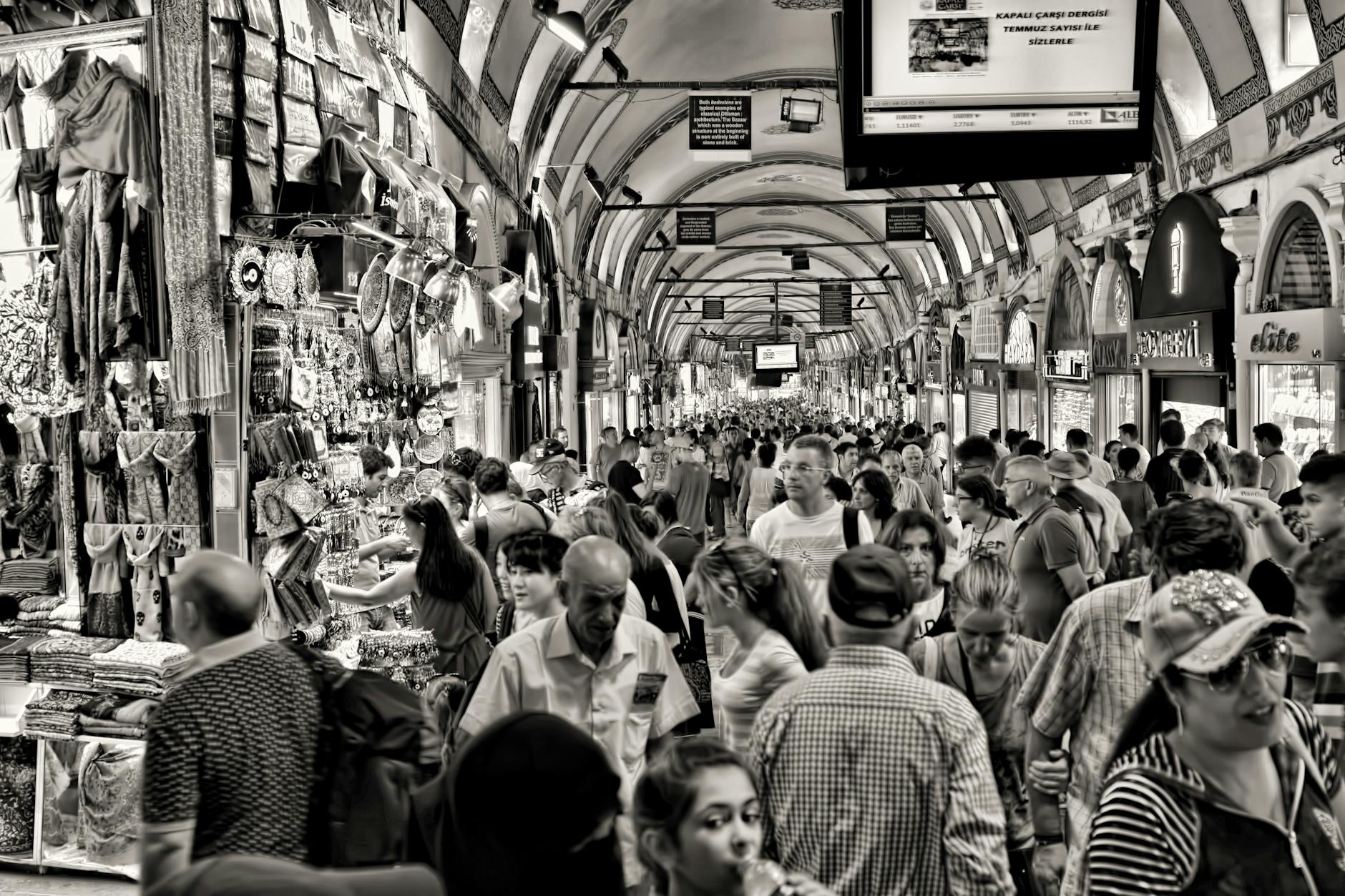
## Büyük Valide Han: Rooftop Legends and the Echoes of the Silk Road
If Zincirli Han is a polished gemstone tucked into a velvet-lined box, then **Büyük Valide Han** is a massive, soot-stained iron chest that hasn't been opened in a century. Walking from the refined, pink-walled corridors of the jewelry quarter toward the steep incline of **Çakmakçılar Yokuşu** is a physical transition that requires you to shed your expectations of "tourist-friendly" Istanbul. The air changes. You leave behind the scent of expensive oud and polished silver and enter a realm that smells of **cold engine oil, damp basalt, and the charcoal smoke** that drifts from the tiny tea-stalls tucked into alcoves.
I first stumbled into the Büyük Valide Han fifteen years ago, guided not by a map, but by the rhythmic, mechanical thumping of **industrial looms**. It is the largest caravanserai in the city, built in the 17th century by the powerful **Kösem Sultan**, a woman who understood that power in the Ottoman Empire was built as much on trade as it was on blood. This place wasn't meant to be pretty; it was meant to be a fortress of commerce, a massive storehouse for the caravans arriving from the Silk Road. Today, it remains a **monument to decay and resilience**, a place where the stones feel like they are exhaling the history of ten thousand weary travelers.
Entering through the massive, arched gateway, you are immediately struck by the scale. Most hans have one courtyard; this one has three. The first is a chaotic sprawl of **parked delivery scooters and stacks of cardboard boxes**, but as you push deeper into the second courtyard, the "modern" world begins to peel away. The walls are a patchwork of Byzantine-era stones, Ottoman brickwork, and haphazard concrete repairs. The **textures are visceral**—you can run your hand along the crumbling masonry and feel the grit of centuries-old dust. It is a **living ghost**, a place where the grandeur of the Empire has been overtaken by the utilitarian grit of small-scale manufacturing.
Let’s be honest: Büyük Valide Han is not "scenic" in the traditional sense. It is a **bruised, beautiful mess**. If you are looking for a sanitized experience with clean bathrooms and English-speaking guides, stay away. This is a working building. You will hear the **screech of metal saws**, the high-pitched whine of sewing machines, and the constant, echoing shouts of men delivering rolls of heavy fabric. I’ve spent hours just sitting on a broken stone step here, watching the **play of light and shadow** through the sagging domed roofs. It’s a sensory overload of the industrial kind.
The han gained international "Instagram" fame a few years ago because of its roof. There was a specific dome where travelers would jump into the air for a photo, with the entire Golden Horn and the Bosporus as their backdrop. **I’ll be blunt: I’m glad they closed it.** The sheer volume of "influencers" stomping on 400-year-old lead-covered domes was an act of architectural vandalism. While you can still sometimes find a "keyman" (the legendary Mehmed or his successors) who might—for a few liras and if the mood strikes him—open a side door to a vantage point, the days of the "jumping photo" are thankfully over. Instead, look for the beauty in the **shattered windows and the heavy iron rings** still embedded in the walls where camels were once tethered.
One of the most profound experiences within these walls is the **Iranian connection**. In the late 19th century, this han became the hub for Persian merchants. Tucked away in a corner is a small, Shiite mosque—the **Valide Han Mosque**—adorned with turquoise tiles that stand in sharp contrast to the grey soot of the courtyard. The atmosphere here is different; it’s more somber, more intimate. If you happen to be there during the month of Muharram, the echoes of rhythmic chanting transform the cold stone corridors into something deeply spiritual and, at times, haunting.
| Category | Details & Expectations |
| :--- | :--- |
| **Vibe** | Industrial, gritty, ancient, and unapologetically unpolished. |
| **Smells** | Machine grease, heavy wool, charcoal tea, and old dust. |
| **Difficulty** | High. Steep stairs, uneven cobblestones, and very little signage. |
| **Best Time** | Tuesday or Wednesday mornings when the workshops are in full swing. |
| **What to Bring** | Sturdy shoes (essential) and a flashlight for the darker corridors. |
> **Berk's Insider Tip:**
> Don't just look at the building; look at the craft. If a door is open and you hear the clatter of a loom, peek your head in and offer a polite "Kolay Gelsin" (May it be easy for you). This han is one of the few places left where you can see **traditional hand-weaving** of heavy Anatolian textiles. Many of these craftsmen are the last of their generation. If you buy a scarf or a piece of fabric directly from a workshop here, you aren't just buying a souvenir; you’re funding the survival of a dying art form.
The transition from the second courtyard to the third is where the scale of the "Silk Road" really hits you. The third courtyard is largely abandoned, taken over by **wild vines and stray cats** who guard the ruins like furry janitors. There is a silence here that you won’t find anywhere else in the Grand Bazaar district. It’s a place that forces you to acknowledge the passage of time. The **salty breeze from the Marmara Sea** occasionally filters through the broken arches, a reminder that the water—and the wealth it brought—is just a few hundred meters away.
As you leave the Büyük Valide Han and begin the descent back toward the spice-laden air of Eminönü, the noise of the modern city feels jarring. You’ve spent an hour in a place that refuses to modernize, a place that is content to slowly crumble back into the earth from which it was built. It is the perfect antidote to the "trinket" culture of the main bazaar—a reminder that the real Istanbul isn't found in a gift shop, but in the **iron, sweat, and stone** of its secret hans.
## Çuhacı Han: Tracking the Legacy of the Gold Merchants
To step into **Çuhacı Han** is to abandon the sanitized, glittering facade of the Grand Bazaar’s main thoroughfares and enter the literal furnace of Istanbul’s wealth. While the tourists are busy haggling over machine-made "evil eye" bracelets on Kalpakçılar Street, I prefer to slip through a nondescript portal into a world that smells of **sulfuric acid, butane torches, and old stone.**
Built in the 18th century by Damat İbrahim Pasha, Çuhacı Han was originally the domain of the broadcloth merchants—the *çuhacılar*—but for centuries now, it has served as the nervous system of the city’s gold trade. This isn't a place for browsing; it is a place of **industrial alchemy.** As I walk through the narrow, soot-stained arched entrance, the first thing that hits me isn't the visual—it’s the sound. It is a **discordant symphony of tiny hammers**—*tack, tack, tack*—echoing from the upper galleries. It’s a rhythmic, hypnotic pulse that tells you work is being done, not for show, but for survival.
The architecture here is rugged and unapologetic. Unlike the renovated sections of the bazaar that feel like a theme park version of the Ottoman Empire, Çuhacı Han wears its grime like a badge of honor. The walls are blackened by the exhaust of centuries of melting gold. I’ve spent countless afternoons leaning against these cold, damp stones, watching the **apprentices—the çıraks—scurry across the courtyard** carrying small crucibles or trays of rough-cut stones. There is a specific, heavy heat that hangs in the air here, even in winter, generated by the hundreds of small gas burners roaring in workshops no bigger than a walk-in closet.
I’ll be blunt: if you are looking for a "boutique shopping experience," stay away. Most of the masters here won't even look up from their loupes when you pass. They are busy crafting the intricate **Trabzon wicker bracelets** or setting diamonds into 24-karat gold for the big jewelry houses. This is where the **raw sweat of the soul** is poured into the metal. I often find the atmosphere here more authentic than the polished, neon-lit displays near the Nuruosmaniye Gate. Those shops are the "end product," often overpriced and designed to dazzle the uninitiated. Çuhacı Han is the **brutal reality of the craft.**
The air here carries a sharp, acrid bite—the scent of nitric acid used to test the purity of gold. It mixes with the smell of **strong, bitter Turkish tea** and the faint aroma of charcoal. It reminds me of the sensory overload I often feel on the other side of the city, though for entirely different reasons. When the grime of the bazaar becomes too suffocating, I often find myself retreating to the Anatolian side. Just as Çuhacı represents the ancient, gritty toil of the city, the shoreline of Kadıköy represents its modern, breathing lungs. If you find yourself needing a break from the claustrophobia of the hans, you should read my guide, [A Local’s Secret: A Walking Tour of Kadıköy and the Moda Coastline](https://istanbulcool.com/kadikoy-moda-walking-tour-guide), where the smell of the sea salt replaces the smell of the blowtorch.
In Çuhacı, I’ve watched masters like Usta Aris—a man whose fingers are permanently stained with jeweler’s rouge—transform a dull lump of silver into a delicate filigree earring using nothing but a hand-cranked rolling mill and a lifetime of muscle memory. These men are the last of a dying breed. They despise the 3D-printing revolution that is slowly encroaching on their trade. To them, gold is a living thing that must be coaxed and disciplined.
When you climb the **narrow, uneven stone stairs** to the second floor, notice the flooring. The wood is worn thin in the center of each step, carved out by generations of merchants carrying heavy loads. The upper gallery offers a vantage point where you can see the inner workings of the workshops. Look through the soot-covered windows and you’ll see the **flicker of blue flames** and the intense focus of men working under low-hanging bulbs. It’s a scene that hasn't changed since the 1700s, save for the occasional smartphone sitting next to an anvil.
I’m often asked if it’s "safe" to buy gold here. The irony is that Çuhacı Han is probably the most honest place in the city because it operates on a **code of reputation.** If a craftsman here cheats a merchant, he’s finished. However, don't expect a velvet box and a ribbon. If you buy a chain here, it’ll be weighed on a precision scale, priced based on the daily spot price of gold plus a "labor fee," and handed to you in a plastic baggie. It’s unpretentious, transactional, and **utterly real.**
> **Berk's Insider Tip:**
> If you want to see the "gold melting" process, arrive around 4:00 PM. This is when many of the smaller ateliers consolidate their scrap. You can often watch from the courtyard as the crucibles are heated to a glowing orange. Also, look for the small tea station in the corner of the courtyard—the tea here is some of the strongest in the bazaar because the smiths need the caffeine to keep their hands steady for 12 hours a day.
The Han isn't just a place of business; it’s a repository of stories. Every scratch on the workbenches, every stain on the walls, represents a piece of Istanbul’s economic history. It’s a stark contrast to the **tourist traps** just a few alleys away where "authentic" items are often mass-produced in factories outside the city. In Çuhacı, the lineage is direct. The master teaches the apprentice, who eventually becomes the master, occupying the same ten-square-meter space for forty years.
Leaving Çuhacı Han always feels like stepping out of a time capsule. The noise of the hawkers outside feels thinner, more superficial, after the heavy, metallic silence of the gold-smiths’ concentration. You walk out with the taste of copper in your mouth and a deeper understanding that Istanbul isn't built on postcards—it’s built on **fire, acid, and stone.**
From here, the path leads deeper into the labyrinth, toward a place that trade forgot, where the echoes are even older and the shadows even longer.
## Kalcılar Han: The Rhythmic Clang of the Silver and Coppersmiths
If Çuhacı Han is the refined, hushed parlor of the Grand Bazaar, then **Kalcılar Han** is its soot-stained, industrial engine room. To get here, you have to shed the polished veneer of the main thoroughfares where shopkeepers beckon you with "Genuine Fake Watches" and overpriced silk scarves. You leave the scent of rosewater and expensive perfume behind, replaced by something much more primal: the **acrid tang of nitric acid**, the **dry heat of charcoal furnaces**, and the omnipresent, metallic scent of raw silver.
I’ve lived in Istanbul for fifteen years, and I still find the transition into Kalcılar Han jarring in the best way possible. You step through a nondescript stone archway and the soundscape changes instantly. The muffled chatter of tourists is swallowed by a **percussive symphony**. It is a relentless, rhythmic *tink-tink-tink* of hammers hitting metal, a sound that has echoed against these 18th-century stone walls since the reign of the Sultans. This isn't a show for visitors; this is the **authentic, gritty heartbeat of Anatolian craftsmanship** that the travel brochures usually sanitize.
Most people walk right past the entrance, and honestly, that’s exactly how the *ustas* (masters) like it. The Han is a fortress of three levels, built around a central courtyard that feels more like a construction site than a historic monument. Looking up, you see a chaotic web of electrical wires, sagging laundry, and rusted satellite dishes, all set against the **grimy, soot-blackened vaults** of the Ottoman architecture. It is beautiful in its decay, a stark contrast to the Disney-fied renovations happening closer to the Nuruosmaniye Gate.
The air here is thick. On a humid July afternoon, the heat from the smelting furnaces on the upper floors radiates downward, mingling with the **smell of burnt coal** and the sharp, nose-stinging aroma of the chemicals used to "whiten" or plate the silver. It reminds me of the engine rooms of the old steam-powered *vapurlar* (ferries) that cross the Bosphorus—a mixture of grease, hard work, and history. If you have sensitive lungs, the air in Kalcılar might feel heavy, but to me, it smells like **honesty in a city that often tries to sell you a fantasy**.
I spent an hour last Tuesday watching a silver-plater in a tiny, cramped *atölye* (workshop) no larger than a walk-in closet. His hands were permanently stained a dark, metallic grey—the "mark of the craft," he told me with a shrug. There is no automation here. Each tray, each *cezve* (coffee pot), and each ornate mirror frame is touched by human hands, hammered into shape by men who have likely been doing this since they were *çıraks* (apprentices) at twelve years old.
**Let’s be brutally honest: most of the "handmade" silver you see in the glittering windows of the main Bazaar streets is factory-milled junk from Italy or mass-produced in China.** If you want the real thing, you have to brave the grime of Kalcılar. The shops on the ground floor are cluttered and chaotic. Don't expect a velvet sofa or a glass of apple tea. Here, you sit on a stool that’s seen better decades, surrounded by stacks of raw copper bowls and tangled silver chains.
The critique I often have of the modern Grand Bazaar is that it has become a museum where everything is for sale but nothing is actually *made*. Kalcılar Han is the antidote to that. However, it is not "tourist-friendly" in the traditional sense. The floors are uneven, the lighting is dim, and the workers are busy. They won't chase you down the hall; they’ll barely look up from their anvils. This is a place of **production, not performance**.
If you venture to the upper floors—climbing the steep, narrow stone stairs that have been worn into smooth bowls by three centuries of footsteps—you’ll find the real "secret" of the Han. The top floor is where the heavy smelting happens. The noise is louder here, the heat more intense. But if you look out from the arched windows, you get a view of the Bazaar’s lead-domed roofs that few ever see. You can see the **seagulls circling the minarets** of the Nuruosmaniye Mosque, and if the wind is right, a faint whiff of sea salt from the Golden Horn cuts through the smell of the furnaces.
> **Berk's Insider Tip:**
> Do not buy silver on the main streets of the Bazaar without visiting Kalcılar Han first to understand the weight and texture of real, hand-hammered metal. If you want a piece of jewelry or a decorative item that actually has a soul, look for the workshops on the second floor of this Han. Ask for "Gümüş" (Silver) and look for the masters who are actually working at a bench, not just standing behind a counter. Be prepared to negotiate, but remember: you are paying for a dying art, not just the weight of the metal.
The texture of Kalcılar is rough. It’s the feeling of **cold, heavy silver against your palm** and the grit of stone dust on your fingertips. It lacks the sparkle of the gold district, but it possesses a gravity that the rest of the Bazaar is losing. As I leave, the rhythmic clanging follows me out into the street, a stubborn reminder that despite the encroaching tide of cheap souvenirs, the **old ways of Istanbul** are still fighting to stay alive behind these heavy iron gates.
## A Taste of Tradition: Hidden Eateries and Tea Rituals within the Hans
After an hour of navigating the labyrinthine, soot-stained corridors of Kalcılar Han, the metallic tang of copper dust begins to coat the back of your throat. This is the moment when the Bazaar demands a tribute—not in Lira for a pashmina, but in time for a ritual. You see, most tourists make the fatal mistake of eating at the flashy, glass-fronted restaurants lining the main "Kalpakçılar Caddesi." They see a man in a chef’s hat carving a dry, grey slab of meat and think they’ve found "authentic" Istanbul. They haven't. They’ve found a staged performance with a 300% markup.
To eat like someone who has spent fifteen years dodging carts in these alleys, you have to look for the **smoke rising from the crevices** of the stone walls. You have to follow the **rhythmic clinking of a silver spoon** against a tulip-shaped glass, a sound that serves as the heartbeat of the Grand Bazaar.
My first stop is always **Gül Ebru Kantin**, tucked away near the entrance of the Zincirli Han. This isn't a place for a three-course meal; it’s a sanctuary for the **perfect Döner**. Forget the industrial, frozen logs of meat you see elsewhere. Here, the *usta* (master) stacks the lamb and beef by hand every morning. I’ve stood there many times, watching the **charcoal embers glow** as the fat renders and drips down the meat, causing tiny flares of scented smoke that smell of salt and ancient grease. When you order a *dürüm*, the bread is pressed against the rotating meat to soak up the juices before being wrapped around the shavings. It’s heavy, it’s primal, and it’s arguably the only honest meal within a five-block radius. If you see a place offering "Chicken Nuggets" or "French Fries" nearby, keep walking. They are catering to the uninitiated, and their food lacks the **soul of the hearth**.
But the food is only half the story. The true soul of the hans lies in the **tea runner (çaycı) culture**.
Observe the men carrying the *askı*—the hanging brass trays that swing precariously as they weave through the crowds. There is a specific physics to it, a dance perfected over decades. In the deeper hans, like **Çuhacı Han**, the tea isn't just a beverage; it’s a social currency. I often sit on a low stool near the *ocak* (the tea boiler station), which is usually a tiny, blackened alcove no larger than a closet. The smell here is intoxicating: a mix of **burning oak, boiling water, and the sharp, tannic scent of fermented black tea leaves**.
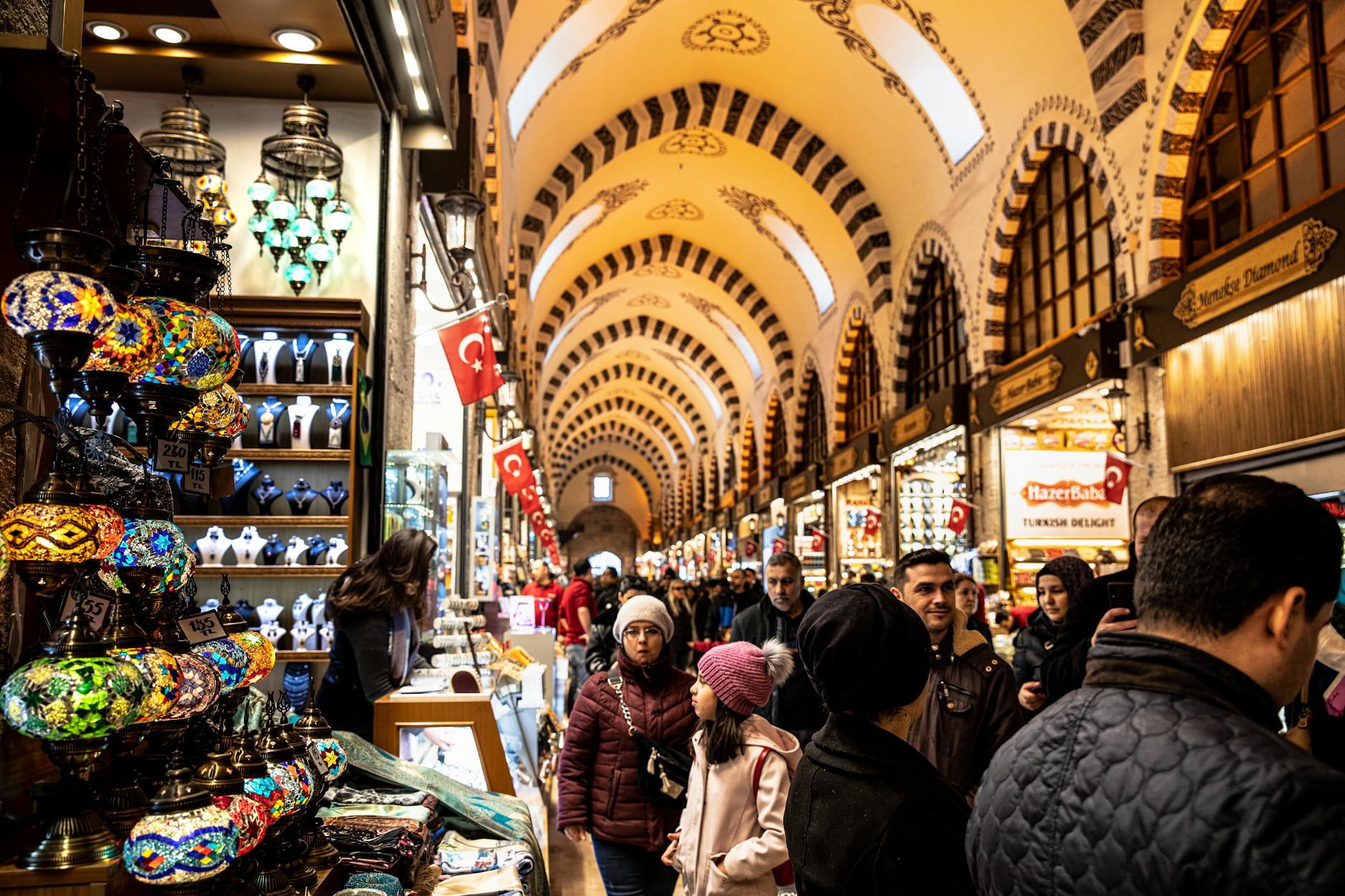
> **Berk's Insider Tip:**
> Never, under any circumstances, ask for "Apple Tea." To a local shopkeeper or a seasoned resident, apple tea is a chemical abomination—a neon-colored powder dissolved in hot water for tourists who can't handle the bitterness of the real thing. If you want respect, ask for your tea **"Tavşan Kanı"** (Rabbit’s Blood). It refers to the deep, translucent ruby color of perfectly brewed, high-steeped Turkish tea.
The ritual of the tea is where the real business of the Bazaar happens. You’ll see a diamond dealer in a three-thousand-dollar suit sitting on a rickety wooden stool next to a boy whose hands are stained black from polishing silver. They share the same tea, stirred with the same **clacking tin spoon**. The texture of the air in these tea corners is thick—heavy with the steam of the boiler and the low, gutteral hum of traders arguing over the price of gold. It is a sensory overload of **clinking glass, sharp citrus notes of lemon peel, and the coarse grit of stone floors** beneath your boots.
For a more prolonged escape, I head to **Şark Kahvesi**. Now, some will argue it’s become too popular, but I remain a loyalist for one reason: the **sand-brewed coffee**. They bury the long-handled copper *cezve* into a bed of hot, golden sand, allowing the heat to surround the coffee evenly. The result is a brew so thick and frothy it feels like velvet on the tongue. I like to sit in the back, away from the windows, where the walls are covered in fading kilims and the air carries the **ghostly scent of cardamom and tobacco** from decades past. You can feel the weight of the Bazaar here; it’s in the sagging wooden ceiling beams and the worn brass of the tables.
However, be critical of the sweets. If you see "Turkish Delight" piled in neon pyramids under harsh fluorescent lights, it's likely stale and loaded with cornstarch. The real artisans, the ones who supply the han masters, hide their goods in plain boxes. Look for the **locum that yields easily to the touch**, smelling faintly of rosewater and roasted pistachios, not the rubbery cubes designed to survive a six-month shelf life in an airport gift shop.
The most authentic "esnaf" (tradesman) experience, though, is found at **Bahar Restoran** atop the Nuruosmaniye gate area. It is a "point-and-choose" canteen where the menu changes daily based on what’s fresh at the markets. Here, the **textures are visceral**: the silkiness of eggplant stewed in olive oil until it collapses (*İmambayıldı*), the crunch of pickled peppers that sting the back of your throat, and the steam rising from a bowl of lentil soup that has been simmering since dawn. There are no menus in English here, and the waiters don't have time to coddle you. You point, you sit on a communal bench, and you eat amidst the **cacophony of clattering plates and shouting orders**. It’s loud, it’s cramped, and the smell of **clarified butter** clings to your clothes for hours afterward—a badge of honor that says you’ve actually been inside the heart of the machine.
As you finish your meal, the tea runner will inevitably appear with a fresh glass, even if you didn't ask for it. This is the "ikram"—the hospitality of the hans. It is a gesture that transcends the commercial greed of the main thoroughfares. You aren't just a customer here; for the length of a tea glass, you are part of the **ancient, grinding machinery of Istanbul trade**. You drink, you pay your few liras, and you step back out into the cool, damp air of the stone courtyards, the taste of bitter tea and charcoal smoke still lingering, ready to face the rhythmic hammers of the next han.
## The Craftsman’s Code: Understanding the Usta-Çırak Relationship
To the casual traveler, the Grand Bazaar is a cacophony of commerce, a place where the loudest voice wins the sale. But when you step off the main arteries and into the limestone shadows of **Zincirli Han** or the soot-stained corridors of **Kalcılar Han**, the volume drops, and the rhythm changes. Here, the air doesn’t smell of cheap perfume or vacuum-sealed apple tea; it smells of **sulfuric acid**, **molten silver**, **tobacco smoke**, and the ancient, heavy scent of **cold stone**. This is the world of the *Usta* (Master) and the *Çırak* (Apprentice), a hierarchical lineage that predates the Ottoman Empire and remains the brittle backbone of Istanbul’s soul.
In my fifteen years of navigating these corridors, I have learned that the **Usta-Çırak relationship** is not a simple employment contract. It is a **spiritual and moral inheritance**. When you walk past a workshop that is no larger than a walk-in closet, you might see an old man with hands as gnarled as olive wood, hunched over a microscopic piece of filigree. Beside him, usually on a stool that has seen better centuries, sits a boy—perhaps fourteen or fifteen—watching. He isn't allowed to touch the gold yet. He is there to watch, to sweep the **precious metal dust** from the floor with a soft brush, and to fetch the endless rounds of **rabbit-blood red tea** that fuel the labor.
I remember sitting with Usta Berk in the upper reaches of **Çuhacı Han**. The room was dim, lit only by a single flickering bulb and the blue-white hiss of a **soldering torch**. The walls were blackened by decades of carbon. Berk didn't look at me when he spoke; his eyes were fixed on a ruby he was setting. "Berk," he said, his voice like grinding gravel, "a boy doesn't come here to learn how to make jewelry. He comes here to learn how to be a man."
This is the part the guidebooks skip over because it isn't "pretty." The apprenticeship is often harsh. It is built on **absolute submission**. The *Çırak* is the first to arrive and the last to leave. He learns the *Edep*—the etiquette of the bazaar. He learns that you never speak over a Master, you never sit until invited, and you treat the tools of the trade with more reverence than your own dinner. If a tourist wanders into one of these shops and sees a Master shouting at a boy for a poorly cleaned workbench, they might see it as cruelty. I see it as the preservation of a **dying standard**.
**Critically speaking**, the "craft" you see in the main thoroughfares of the Bazaar—the sparkling "handmade" gold chains and the intricate "Ottoman" plates—is largely a lie. Most of it is mass-produced in factories in Zeytinburnu or imported from China, polished to a high sheen to blind the unsuspecting buyer. The real work—the **imperfect, soul-infused labor**—happens in these hans, where the *Usta* refuses to compromise. This is why the authentic workshops are shrinking. The modern world has no patience for a *Çırak* who spends three years just learning how to properly sharpen a chisel.
The **sensory experience** of these workshops is visceral. You feel the heat from the **charcoal braziers** radiating against your skin even in the dead of a Marmara winter. You hear the rhythmic **clink-clink-clink** of a hammer on an anvil, a sound that harmonizes with the distant, muffled call to prayer from the Nuruosmaniye Mosque. There is a specific texture to the air here—a mix of **fine metallic grit** that settles on your tongue and the velvet smoothness of the finished silk or gold that the Master finally deems "ready."
The transition from *Çırak* to *Kalfa* (Journeyman) and finally to *Usta* is marked by a ritual known as **Peştemal Kuşanma**, where the master literally "girds" the apprentice with a symbolic apron. It is a "giving of the hand" (*el vermek*). When you buy a piece of jewelry from a true *Usta* in **Zincirli Han**, you aren't just buying silver; you are buying the collective memory of every Master who came before him. You are buying the years that boy spent sweeping the floor and the decades the man spent perfecting his breath so his hand wouldn't shake.
However, do not be fooled by every dusty room you find. There are "demonstration" workshops set up specifically for tour groups—stages where a man in a vest pretends to hammer copper while a salesperson waits in the wings to overcharge you for a piece of tinned junk. If the workshop is too clean, if the "Master" is too eager to explain his process in perfect English, or if there’s a credit card machine prominently displayed on a velvet cloth, you are in a **tourist trap**. The real workshops are messy, cluttered with **oily rags** and half-eaten loaves of *simit*, and the Master will likely ignore you for the first five minutes because his work is more important than your presence.
> **Berk's Insider Tip:**
> To see the real *Usta-Çırak* dynamic without feeling like an intruder, head to the second floor of **Kalcılar Han** (The Han of the Silversmiths). Don’t take photos immediately. Stand by the railing, watch the apprentices carry heavy trays of molds, and listen for the sound of the **bellows**. If you want to buy something, ask for a "sade" (plain) piece. The true test of a master’s hand is not how many stones he can encrust on a ring, but the perfection of the metal’s finish itself.
The tragedy of the modern Grand Bazaar is that this code is fraying. The younger generation in Istanbul would rather work in a shiny tech startup in Levent or a glass-walled mall in Maslak than spend ten years breathing in **acid fumes** for a pittance. Every time an *Usta* dies without a *Çırak* to take his "hand," a library of human touch is burned to the ground. When you walk through these hans, you aren't just looking at shops; you are witnessing a **slow-motion vanishing act**.
You can feel the weight of this loss in the silence of the abandoned rooms in **Sağır Han**. The floorboards there are grooved by the feet of centuries of apprentices, but the rooms are now used to store cheap plastic luggage. It’s a bitter pill to swallow for someone who loves the grit of this city. The "Secret Hans" are secret not because they are hidden, but because the modern eye has been trained to look past the **grime and the labor** in search of the "shiny." But if you linger, if you wait for the *Usta* to finish his tea and look up, you might catch a glimpse of a tradition that refuses to go quietly.
The relationship is also about **loyalty**. An apprentice doesn't just learn the trade; he learns the Master’s secrets—where the best raw stones are hidden, which scrap-dealer can be trusted, and how to tell if a shipment of silver has been debased with copper just by the sound it makes when dropped on a stone table. This **arcane knowledge** is never written down. It is whispered over the hiss of the torch, passed from one generation of calloused hands to the next, surviving despite the encroaching tide of globalized mediocrity that threatens to turn the entire Bazaar into a caricature of itself.
## Planning Your Pilgrimage: Logistics, Maps, and Timings Table
To step into the Grand Bazaar without a strategic plan is to invite a specific, heavy kind of exhaustion—the sort that leaves your feet throbbing against the **uneven Ottoman cobblestones** and your wallet lighter for all the wrong reasons. After fifteen years of navigating these limestone arteries, I’ve learned that the Bazaar doesn't reveal its secrets to the frantic or the unprepared. You have to approach it like a **pilgrimage**, honoring its rhythms and acknowledging that the map on your phone is, for all intents and purposes, a useless piece of digital vanity once you pass under the **Nuruosmaniye Gate**.
The first thing you must accept is that the "secret" hans I’ve described—the places where the **scent of melting beeswax** and the **rhythmic clanging of copper** replace the smell of cheap apple tea—are not located on the main thoroughfares. You will not find Zincirli Han or Kalcılar Han by following the neon signs. You find them by looking for the **shadowed archways** that everyone else is walking past. Look for the entrances that look like they haven't been painted since the reign of Abdülhamid II.
**The Logistics of Movement**
Start your journey at the **Beyazıt Gate** rather than the tourist-choked Sultanahmet side. This allows you to drift *downhill* through the bazaar toward the Spice Market, saving your knees from the incline. The air here usually carries a faint **metallic tang**, a mixture of old coins and the distant sea salt blowing up from the Golden Horn. Wear shoes with thick soles; the stone floors of the hans are notoriously damp and cold, a chilling moisture that seeps into your bones if you’re sporting thin sneakers.
Don't trust the "helpful" gentlemen standing near the gates offering to show you the "best view." They are almost certainly lead-ins for leather jacket showrooms. Instead, orient yourself by the **roofline**. The Grand Bazaar is a series of domes; if you find yourself in a space where the ceiling opens to the sky and you see **tangled grapevines** or laundry hanging from a window, you have successfully exited the "commercial" bazaar and entered a **han**. This is where the real Istanbul lives.
**The Reality of the Map**
Physical maps of the Bazaar are beautiful souvenirs, but they are topographical lies. The interior is three-dimensional. You might be standing directly "above" a workshop, but to get there, you need to find a **stone staircase tucked behind a stack of kilims**. My advice? Abandon the GPS. It will spin in circles, confused by the thickness of the **15th-century masonry**. Instead, navigate by landmark: the **Sandal Bedesteni**, the **Old Book Bazaar (Sahaflar)**, and the **Inner Bedesten**. If you see a merchant sitting on a low stool drinking tea from a tulip glass that is stained dark with **steeped Rize leaves**, you are in the right neighborhood.
> **Berk's Insider Tip:**
> Do not buy "saffron" inside the Grand Bazaar. Nine times out of ten, it is safflower or dyed corn silk. If you want the real stuff, you must go to the back alleys of the Mısır Çarşısı (Spice Market) and look for the shops that keep their jars under the counter, away from the sunlight. If it’s cheap, it’s fake. Real saffron should smell like a mixture of **sun-dried hay and ancient honey**, and it should cost enough to make you wince.
**Timings and the "Bazaar Pulse"**
Timing is the difference between a spiritual experience and a claustrophobic nightmare. The Bazaar has a pulse. In the early morning, it breathes slowly—the sound of **iron shutters rattling upward** echoes like gunfire in the empty halls. By mid-afternoon, it is a fever dream of shouting, dragging carts, and the **smell of roasting doner meat** that clings to your clothes.
| Time of Day | The Experience | Berk’s Verdict |
| :--- | :--- | :--- |
| **08:30 - 09:30** | The "Opening Prayer." Merchants are sweeping their doorsteps and drinking their first tea. The hans are quiet, smelling of **cold stone and dust**. | **The Golden Hour.** Best for photography and seeing the architecture without the crowds. |
| **10:00 - 12:30** | The "Working Rhythm." This is when the craftsmen are at their benches. You’ll hear the **high-pitched whine of lathes** and the tapping of jewelry hammers. | **Prime Exploration.** This is the time to visit Zincirli Han or Çuhacı Han to see the ustas in action. |
| **13:00 - 14:00** | The Lunch Lull. If it's a Friday, the Bazaar effectively shuts down for **Cuma Namazı (Friday Prayer)**. The silence is eerie and beautiful. | **Be Respectful.** Avoid trying to shop; instead, find a small *esnaf lokantası* (tradesman restaurant) nearby and eat what they're eating. |
| **14:30 - 16:30** | The Peak Chaos. The cruise ship crowds arrive. The air becomes thick with **perfume, sweat, and aggressive sales pitches**. | **Escape to the Rooftops.** This is when you head to the fringes or find a hidden café on the second floor of a han to watch the madness from above. |
| **17:30 - 19:00** | The "Closing Scramble." Merchants are eager to make their last sale. This is when the **aggressive "best price"** talk starts. | **Avoid.** It’s frantic and the light is fading. The hans become dark and difficult to navigate safely. |
**The Critical Eye: Avoiding the "Tourist Trap" Fatigue**
You will be tempted by the **sparkling mosaic lamps** and the mountains of **Turkish Delight** piled high like colorful jewels. Be critical. If a shop looks like it belongs in an airport terminal, keep walking. The "authentic" silk scarves that feel like plastic are, in fact, polyester. If a shopkeeper calls you "my friend" before he knows your name, he is trying to bypass your skepticism.
The true treasures are found in the **dimly lit workshops** where there is no display window. I once spent three hours in a workshop no larger than a closet, watching an old man inlay silver into dark wood. There was no "sale," no "special price for you." There was only the **smell of wood shavings** and the quiet pride of a man who had been doing the same task for forty years.
**Logistics of Sustenance**
Do not eat at the restaurants on the main "Gold Street." They are overpriced, and the food is mediocre at best, designed for people who will never return. Instead, look for the **delivery boys** carrying circular trays of tea and small plates of *pide*. Follow them. They are heading to the hidden kitchens that feed the workers. These places won't have a menu in English, and you might have to eat standing up, but the **charcoal-grilled lamb** will be the best thing you taste in Istanbul.
When your legs finally give out, do not head for a Starbucks. Find the **Şark Kahvesi**. It is an institution for a reason. Order the **Turkish coffee cooked in sand**. It arrives thick, bitter, and piping hot, with a layer of foam that holds the heat against the back of your throat. Sit there, let the **scent of roasted beans** ground you, and watch the light filter through the high windows, illuminating the dust motes that have been dancing in this building for over five centuries.
As you prepare to move from the logistical planning into the heart of the hans themselves, remember that your greatest tool is not a map, but your **senses**. Follow the sound of the hammer; follow the smell of the charcoal; follow the feeling of a cool breeze coming from an open courtyard. You aren't just visiting a market; you are entering a living, breathing organism that has survived fires, earthquakes, and the fall of empires. Respect its gates, and it will let you in.
## Navigating the Labyrinth: Insider Tips, Scams to Avoid, and Etiquette
Entering the Grand Bazaar isn't like walking into a mall; it is an immersion into a living, breathing organism that has survived fires, earthquakes, and the relentless march of globalization. After fifteen years of navigating its **subterranean chills and sun-drenched courtyards**, I’ve learned that the "Bazaar" the tourists see—the one with the neon-bright Turkish delight and the "Genuine Fake" watches—is a superficial skin. To find the soul of the Hans, you have to shed your "tourist" skin and adopt the pace of a local.
The air here is thick, a heavy tapestry of **acrid charcoal smoke from the tea-makers’ braziers**, the faint, metallic scent of **shaved copper**, and the omnipresent, slightly sweet mustiness of five-hundred-year-old stone. If you listen closely, past the polyglot shouts of the main thoroughfares (Kalpakçılar Caddesi is a sensory nightmare I avoid at all costs), you’ll hear the rhythmic *clink-clink-clink* of a master artisan’s hammer echoing from a hidden upper floor. That is your North Star.
### The Art of the Negotiated Respect
In the secret Hans, etiquette is the currency that matters more than the Lira. When you step into a workshop in **Zincirli Han** or the gritty, industrial **Çuhacı Han**, you are entering someone’s private sanctuary. These men—and they are almost exclusively men of a certain vintage—have been sitting on the same stools for forty years.
**Never lead with a price.** In fact, don’t even lead with a question about the object. The most important phrase in your vocabulary is *"Kolay Gelsin"* (May it come easy to you). It is a recognition of their labor. If you are offered a tulip-shaped glass of **scalding, mahogany-colored çay**, accept it. To refuse is to signal that your time is more valuable than their hospitality. I’ve spent hours sitting on low stools, my back against **damp, peeling masonry**, drinking tea that tasted of beetroot and iron, saying nothing at all. Only after the second glass does the "real" inventory come out from behind the counter.
### The "Saffron" Trap and Other Illusions
Let’s be brutally honest: sixty percent of what you see in the main arteries of the Bazaar is **mass-produced garbage**. If you see a "hand-painted" ceramic bowl for 50 Lira, it was printed in a factory in Kütahya, not painted by a master.
The most egregious scam involves the "Saffron." You will see mountains of crimson threads labeled "Iranian Saffron" at impossible prices. **It is dyed corn silk.** Real saffron doesn't sit in open heaps losing its potency to the humid Istanbul air; it is kept in jars, smells faintly of honey and hay, and costs a small fortune. Similarly, "Pashmina" scarves sold for $10 are invariably **viscose or polyester**. Touch the fabric; if it feels cold to the touch, it’s synthetic. Real wool and silk should hold the warmth of your hand.
### Common Scams to Dodge
| The Scam | How it Works | The Red Flag |
| :--- | :--- | :--- |
| **The "Language Student"** | A young, well-dressed man asks for help translating a letter or practicing English. | He eventually leads you to his "uncle’s" carpet shop for a "free" tea. |
| **The "Closed" Gate** | A helpful bystander tells you the Han you’re looking for is closed for prayer/restoration. | He offers to show you a "better, secret" Han nearby (which is just a high-commission shop). |
| **The Scented "Leather"** | Jackets are sprayed with a chemical leather scent to mask the smell of cheap bonded hide. | If the texture is perfectly uniform and smells like a perfume department, walk away. |
| **The Currency Switch** | You agree on a price in Lira, but they charge your card in Euros or Dollars at a predatory rate. | **Always** check the currency symbol on the card machine before tapping. |
> **Berk's Insider Tip:**
> If you find yourself being followed or pressured, do not head for the main gates. Instead, slip into a **Mescit** (small prayer room) or a busy **Lokanta** (cafeteria). The vultures of the Bazaar rarely follow you into spaces of worship or communal eating. For the best view of the chaos without the pressure, find the tiny, rickety staircase in **Büyük Valide Han** that leads to the roof. The "official" access is often locked, but a few Lira to the *bekçi* (watchman) usually buys you a sunset view over the Golden Horn that smells of sea salt and coal smoke.
### The Physicality of the Labyrinth
You must prepare for the physical toll. The stones of the Hans are uneven, worn smooth by centuries of leather-soled shoes and the hooves of pack mules. They are **treacherously slick when damp**. I’ve seen many a traveler twist an ankle because they were looking at the vaulted ceilings instead of their feet.
Wear shoes with grip. Leave the "traveler's backpack" at the hotel; in the narrow corridors of **Kürkçü Han**, a bulky bag is a weapon that knocks over displays and marks you as a target. Carry your belongings in a cross-body bag, held tightly to your front. Not because of rampant pickpocketing—the Bazaar is surprisingly safe in that regard—but because the **crush of bodies** in the afternoon is so intense that you’ll want to minimize your physical footprint.
As you move deeper into the Hans, the sounds of the city—the distant, melancholic wail of the **ferry horns on the Bosporus** and the frantic honking of Eminönü traffic—will fade. They are replaced by the interior hum of the Bazaar: the bubbling of a *nargile*, the clicking of *tesbih* (prayer beads), and the heavy silence of a place that knows it will outlast you. Navigate with your nose and your ears; the eyes are too easily deceived by the glitter of cheap brass.
## Frequently Asked Questions for the Curious Traveler
Whenever I take friends from back home into the bowels of the **Grand Bazaar**, they usually start with the same look of wide-eyed terror. It’s the sensory overload—the scent of **cloyingly sweet apple tea** fighting against the heavy, masculine aroma of **industrial leather** and the sharp, metallic tang of **shaved gold**. By the time we reach the threshold of a *han* (a traditional caravanserai), the questions start pouring out. These aren't the typical "where is the bathroom" queries; these are the questions of people who realize they’ve stepped off the map and into the city's living, breathing attic.
### "Berk, is it actually safe to wander into these crumbling courtyards?"
I get this one a lot, usually as we are standing in front of a doorway that looks like it hasn't been oiled since the fall of the Ottomans. My answer is always a qualified "yes," but with a caveat: **safety is relative to your surroundings.** Are you going to be mugged? Highly unlikely. The artisans and shopkeepers in these hans have a code of conduct that dates back centuries. However, your physical safety is a different matter. These structures are **ancient, decaying, and beautifully neglected.**
You need to watch your step. The stones are often slick with a mixture of **centuries-old soot and spilled tea**. In the winter, the dampness rises from the ground, smelling of **wet limestone and ancient dust**, making the uneven stairs a legitimate hazard. Don't expect handrails or "Caution: Wet Floor" signs. If you wander into the upper floors of a place like **Büyük Valide Han**, you are stepping onto roofs that are literally shedding their skins. I’ve felt the precariousness of those lead-domed roofs under my boots; it's a thrill, but it’s a **fragile history**. Respect the architecture, and it will (likely) hold you.
### "Are the prices here actually better, or is this just 'authentic' theater?"
This is where I have to be brutally honest: **Not every han is a bargain hunter’s paradise.** In fact, some of them have become "Instagram traps." Take **Zincirli Han**, for example. It is undeniably the most beautiful, with its **climbing ivy and perfectly painted red shutters**. But because it’s so photogenic, the prices for the jewelry and carpets there have climbed alongside the vines. You are paying for the ambiance.
If you want the real deals, you have to go where the floors are stained with **engine oil and charcoal**. In the back corners of **Çuhacı Han**, where the air is thick with the **sulfurous smell of soldering**, you are dealing with the actual makers. Here, the "showroom" is a cardboard box. If you see a master craftsman with **fingers stained black by silver polish**, you’ve found the source. They don't have time for the theatrical haggling you find on the main Kalpakçılar Street. They will give you a price based on the weight of the metal and the labor of their hands. It’s honest, it’s raw, and it’s significantly cheaper—if you have the stomach for the **gritty environment**.
### "How do I handle the 'Buy a Carpet' pressure without being rude?"
After fifteen years here, I’ve developed a thick skin, but I remember the initial guilt. In the hans, the pressure is different. It’s not the shouting "Yes, please!" of the main thoroughfares; it’s more intimate. A man will invite you for tea, and before you know it, he’s unrolling a **kilim that smells of goat hair and woodsmoke**.
My rule? **Never accept the tea if you aren't prepared to stay for twenty minutes.** Once you drink that tea, you have entered a social contract. If you don't want to buy, be firm but appreciative. I usually say, *"Teşekkür ederim, sadece ustalara bakıyorum"* (Thank you, I’m only looking at the masters). Use the word **'Usta' (Master)**. It shows you respect the craft, not just the commodity. If a place feels like a high-pressure trap—usually the ones with the most English signage—walk away. The **real masters** are often too busy hammering away at a copper plate to chase you down the hall.
### "What is the best time of day to experience the 'Secret' Hans?"
Timing is everything. If you go at noon, you’re caught in the **chaotic lunch rush**, where delivery boys sprint through narrow corridors carrying trays of **steaming pide and spicy lahmacun**, the smell of charred meat momentarily masking the scent of the bazaar. It’s frantic and loud.
I prefer the **soft, blue light of 9:00 AM.** This is when the bazaar is waking up. The sound of **heavy iron keys turning in ancient locks** echoes through the stone corridors. You can hear the city breathing. The light filters through the high, dusty windows in slanted beams, illuminating the **swirling dust motes** and the steam rising from the first glasses of tea. Alternatively, come at 4:30 PM when the work is winding down. The artisans gather in the courtyards, the **percussive clink of hammers** slows to a steady rhythm, and the air cools, bringing in the **brine of the Marmara Sea** as the evening breeze kicks up.
| Han Name | Primary Sensory Vibe | Difficulty to Find | Berk’s Brutal Verdict |
| :--- | :--- | :--- | :--- |
| **Zincirli Han** | Ivy, red paint, polished silver. | Easy | Gorgeous but pricey. Go for the photo, buy elsewhere. |
| **Büyük Valide Han** | Rust, panoramic views, crumbling stone. | Hard | Essential for the soul, but the roof is increasingly restricted. |
| **Çuhacı Han** | Blowtorches, metal shavings, intense heat. | Medium | The real deal for silver. No frills, just craft. |
| **Kızlarağası Han** | Old books, dust, damp tobacco. | Medium | A quiet escape for those who hate the crowds. |
| **Kalcılar Han** | Melting wax, industrial grease, heavy labor. | Hard | Not for the faint of heart. Gritty, loud, and incredible. |
> **Berk's Insider Tip:**
> If you find yourself in **Kalcılar Han**, look for the small workshops on the second floor that specialize in "casting." The air here is thick and metallic, smelling of **molten brass**. Ask to watch them pour a mold. It’s a visceral, dangerous-looking process that hasn't changed in four hundred years. Just don't stand too close; the heat will singe your eyebrows, and they won't offer you a mask. It’s the most honest interaction you’ll have in the city—man, fire, and metal.
### "Is it okay to take photos of the artisans?"
This is a point of contention. I’ve seen tourists shove a **heavy DSLR lens** inches from a master’s face while he’s trying to set a diamond. It’s remarkably disrespectful. Imagine someone doing that to you while you were filling out a spreadsheet.
**Always ask.** A simple nod and a gesture toward your camera is enough. Most of these men are proud of their work, but they aren't zoo exhibits. If they say no, respect it. The best photos I’ve ever taken weren't of the faces anyway; they were of the **gnarled, calloused hands** moving with a grace that contradicts the grime of the workshop. The way the light hits a **half-polished emerald** on a cluttered, oil-stained workbench tells a far deeper story than a posed portrait ever could.
The hans are the **connective tissue** of Istanbul. They are where the city’s history is still being hammered, woven, and melted into existence. They aren't always pretty, and they certainly aren't comfortable, but if you can handle the **smell of coal smoke** and the sound of a thousand hammers, you’ll find the heart of the city beating behind those heavy iron doors.
## Preserving the Soul of Istanbul: Why the Hans are the Heart of the City
After fifteen years of navigating the labyrinthine veins of this city, I’ve come to realize that Istanbul is a place that survives in spite of itself. It is a city under constant siege by the new—by glass-and-steel skyscrapers, by the neon homogenization of global brands, and by a brand of "restoration" that often feels more like an eviction of history. But when the weight of the modern world feels too heavy, I retreat to the **Hans of the Grand Bazaar**. These aren't just buildings; they are the city’s **architectural DNA**, the last bastions of a gritty, unfiltered reality that refuses to be "Instagrammed" into submission.
To understand why the Hans are the heart of the city, you have to stop looking at them as tourist sites and start feeling them as **living organisms**. When you step off the main, polished thoroughfares of the Grand Bazaar—the ones where the gold shops glitter under aggressive LED lights and the air is thick with the smell of expensive, synthetic perfume—you enter a different realm. The temperature drops. The sound of the crowds thins out, replaced by a **symphony of labor**.
I remember my first winter here, shivering as the damp Balkan winds whipped through the narrow corridors of **Büyük Valide Han**. The air there doesn't smell like the spices sold to tourists; it smells of **acrid charcoal smoke**, the metallic tang of shaved copper, and the deep, earthy scent of **rotting stone and sea salt** blowing up from the Golden Horn. It’s a smell that gets into your clothes and stays there, a reminder that you’ve touched something real. This is the "soul" I’m talking about—the grit that hasn't been scrubbed away by a municipal tourism board.
The Hans are the heart because they represent **uninterrupted continuity**. In the upper floors of these crumbling caravanserais, you find the *ustas*—the masters. These men (and they are almost exclusively men of a certain age) have spent forty, fifty years in the same 10-square-meter workshop. Their hands are permanently stained with silver polish or blackened by the grease of ancient lathes. When you watch a master engraver in **Zincirli Han**, you aren't just watching a transaction; you are witnessing a **lineage of movement** that dates back to the Silk Road.
However, we must be critical of what is happening to these spaces. There is a dangerous trend in Istanbul right now where "preservation" is used as a synonym for "gentrification." I’ve seen beautiful, soot-stained courtyards stripped of their character, painted a sterile white, and turned into boutique cafes that sell overpriced lattes to people who wouldn't know a *telkari* from a tin can. To me, a **pristine Han is a dead Han**. The soul of these places lives in the **cracked tiles**, the sagging wooden beams, and the way the cats claim the ancient marble well-heads as their own. When we "fix" these buildings to make them palatable for the luxury traveler, we kill the very thing that makes them magnetic.
The true Hans—the ones like **Çuhacı Han** or the dizzying heights of **Sağır Han**—don't care about your aesthetic. They are functional. They are noisy. They are crowded with rolls of fabric, stacks of leather, and the constant, rhythmic "tink-tink-tink" of hammers hitting metal. This is the **industrial heartbeat** of Istanbul. Without the Hans, the Grand Bazaar would be nothing more than a glorified, overpriced mall. It’s the production happening in the backrooms that gives the front windows their legitimacy.
Every time I climb the uneven, treacherous stone stairs of a Han, I feel the **weight of the centuries**. These steps have been hollowed out by millions of feet—janissaries, merchants from Isfahan, Armenian jewelers, and now, a weary writer looking for a bit of silence. There is a profound sense of **shared humanity** in these stones. They remind us that empires rise and fall, currencies collapse (as we know all too well here), and regimes change, but the need to create, to trade, and to share a glass of tea remains.
Speaking of tea, you haven't truly experienced the soul of the city until you’ve watched a **çaycı** (tea runner) navigate the impossible slopes of a Han courtyard. They carry these brass trays suspended by three chains, moving with a grace that defies physics, delivering small glasses of tulip-shaped liquid gold to the masters. The sound of the **spoon clinking against the glass** is the true anthem of Istanbul. It’s a sound of pause, of breath, and of community. In the Hans, no one works alone; they are a collective, a guild-like structure that has survived the transition from the Ottoman Empire to the Republic.
> **Berk's Insider Tip:**
> Avoid any Han that has a "Welcome" sign in more than three languages. The best Hans are the ones where you feel like you’re trespassing. If you walk into a courtyard and the craftsmen look up at you with a mix of confusion and mild annoyance before offering you a seat and a tea, you’ve found the heart. Look for the **Büyük Yeni Han**—its massive stone pillars and weathered facade offer a somber, beautiful contrast to the kitschy "magic carpet" vibe of the more famous spots.
If we lose the Hans to the creeping rot of soulless tourism, we lose the ability to see the city’s bones. We lose the **authenticity of struggle**. Istanbul is not a museum; it is a chaotic, beautiful, dirty, and divine workshop. The Hans are the workbenches where the city’s identity is still being forged, one hammer blow at a time. They are the only places left where the air feels thick with the **breath of history**, rather than the stale exhaust of a tour bus. As the sun sets and the call to prayer echoes off the lead-covered domes, the Hans don't just glow; they exhale. And in that exhale, you can hear the real Istanbul, if you're willing to listen.
---
## Rustem Pasha Mosque: Eminönü's Iznik Tile Haven
URL: https://istanbulcool.com/hidden-iznik-tiles-rustem-pasha-mosque-eminonu
If you’ve spent more than ten minutes in Eminönü, you know exactly what I’m talking about. It is the glorious, frantic heart of Istanbul—a sensory overload where the briny scent of *Balık Ekmek* (fish sandwiches) wafting from the Golden Horn meets the heady, sharp aroma of freshly ground coffee from the backstreets of the Spice Bazaar. It’s a place of shouting ferry horns, clinking tea glasses, and a tide of people that never seems to ebb. I love it, but even after fifteen years of living here, there are moments when the chaos of the city feels like it’s closing in.
Whenever that happens, I don’t head for a park or a quiet café. Instead, I duck into a narrow, easily missed stone staircase tucked between the hardware shops and textile stalls of the Hasırcılar Market.
As you climb those worn steps, the roar of the city begins to fade, replaced by a heavy, reverent silence. When you emerge onto the elevated courtyard of the Rustem Pasha Mosque, it feels as though you’ve stepped through a portal. Suddenly, you aren't in a crowded commercial hub anymore; you’re standing in a garden of Iznik tiles that has been blooming in shades of cobalt, turquoise, and tomato red since the 16th century.
Designed by the legendary imperial architect Mimar Sinan, this isn't just another historical site to tick off a list. For me, it’s a sanctuary. While the crowds flock to the Blue Mosque across the hill, Rustem Pasha remains Istanbul’s best-kept secret—a masterclass in Ottoman architecture that houses perhaps the most exquisite collection of ceramic tilework in the world.
Every time I bring a friend here, I tell them the same thing: don't just look at the walls; feel the atmosphere. It is one of the few places left where you can truly hear the heartbeat of old Istanbul without the noise of the modern world drowning it out. Let’s take a closer look at why this "hidden" masterpiece is worth the climb, and how you can experience its quiet magic for yourself.
## Finding the Hidden Entrance: The Ascent Above the Chaos
It’s 2026, and despite the world moving faster, this corner of Istanbul remains gloriously, unapologetically chaotic. Between the shouts of ferry touts and the scent of grilled mackerel blowing off the Golden Horn, it’s easy to feel like you’re being swept away by a human tide. Most travelers fight the current toward the Spice Bazaar, but I want to take you somewhere else—somewhere right under their noses, yet worlds apart.
To find my favorite **Eminönü hidden gems**, we have to dive into the **Hasırcılar Çarşısı** (the Strawmat-makers Market). This narrow artery is the soul of old-world commerce. Even now, with the exchange rate hovering around 50 TL to the Euro, the grit and hustle here haven't changed. You’ll dodge porters carrying bales of fabric twice their size and catch the intoxicating aroma of freshly ground coffee from Kurukahveci Mehmet Efendi. But look up. Above the shop awnings, there is a sanctuary that most people walk right past.
### The Mosque Above the Market
The Rüstem Pasha Mosque is an architectural anomaly. While the great imperial mosques like the Blue Mosque sit on massive, sprawling courtyards, Mimar Sinan—the genius architect of the Ottoman Empire—had a different vision for the Grand Vizier Rüstem Pasha. Because the land here was so valuable and cramped, Sinan built the mosque on a raised terrace.
This is what I call a "feudal" layout of sorts; the mosque literally sits on top of a vaulted substructure of shops. In the 16th century, the rent from these shops paid for the mosque’s upkeep. Today, those same stone vaults still house bustling businesses selling everything from kitchenware to artisanal honey. It’s a perfect metaphor for Istanbul: the spiritual and the commercial living in a vertical embrace.
### The Secret Ascent
Finding the way in feels like discovering a portal. There are no grand gates here. Instead, you have to look for one of the two unassuming, narrow stone staircases tucked away in the side streets of the **Hasırcılar Çarşısı**. They are dark, steep, and look like they might lead to a private warehouse rather than a masterpiece of world architecture.
As you climb these worn steps, the noise of the market begins to change. The frantic shouting of prices and the clatter of trolleys start to muffle. By the time you reach the top of the stairs and emerge onto the elevated courtyard, the transformation is total. It’s one of the most dramatic **Istanbul hidden spots** because of this sensory shift. One moment you are shoulder-to-shoulder with thousands of people, and the next, you are standing on a serene terrace, looking out over the lead-domed roofs of the city. I often tell my friends that if they want to experience a [local vibe](https://istanbulcool.com/best-neighborhoods-to-stay-istanbul-local-vibe) that captures the city's layers, this is where they must start.
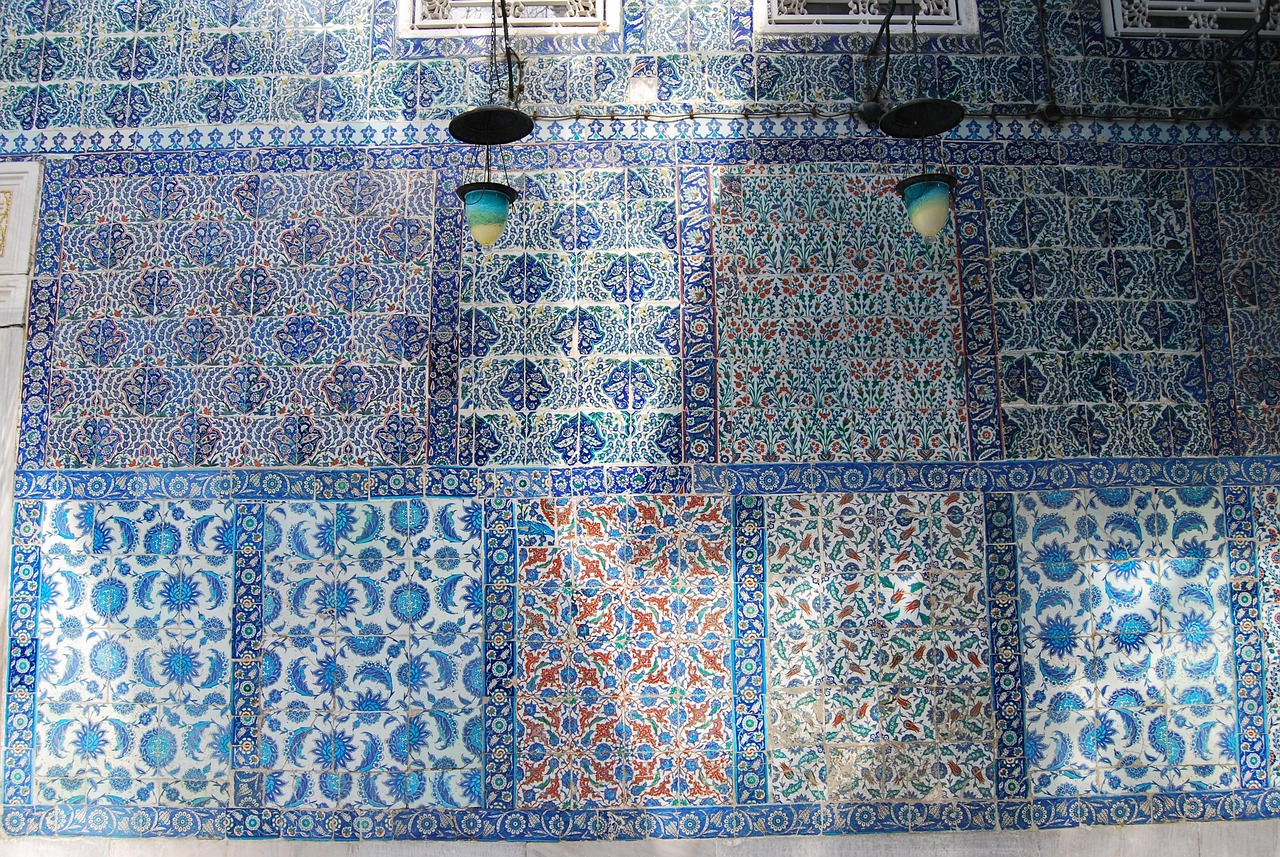
## A Masterclass in Iznik Tiles: Why the Red Matters
Step inside, and I promise you’ll need a moment to catch your breath. While the exterior of the Rüstem Pasha Mosque is intentionally modest, the interior is an explosion of color that feels like walking into a jeweler’s vault. As someone who has spent fifteen years wandering these streets, I can tell you that even in **2026**, with all our digital distractions, nothing compares to the analog brilliance of 16th-century **Iznik tiles**.
But to truly appreciate what you’re looking at, we need to talk about a very specific color: **tomato red**.
In the world of Ottoman ceramics, this specific shade of red—often called "coral red" or *mercan kırmızısı*—is the holy grail. If you look closely at the walls here, you’ll see a vibrant, slightly raised red that looks almost like it’s still wet. Achieving this color was the pinnacle of **Ottoman art**. It required a very specific iron-rich clay and a firing temperature so precise that it was frequently lost. In fact, by the early 17th century, the secret to making this brilliant red was largely forgotten, replaced by a duller brownish-orange.
When you see this vibrant red in Rüstem Pasha, you are looking at the absolute "Golden Age" of Turkish pottery. In 1563, when this mosque was completed, the Iznik kilns were producing their finest work for the Grand Vizier, Rüstem Pasha.
### A Garden That Never Wilts: Symbolism in the Clay
It’s easy to get overwhelmed by the sheer volume of patterns, but if you slow down, you’ll notice a recurring botanical theme. The walls aren’t just decorated; they are planted. You are standing in a symbolic representation of the **Garden of Paradise**.
Every flower you see was chosen for a reason:
* **The Tulip (*Lale*):** In Ottoman culture, the tulip was more than just a flower. Because the letters used to spell "Lale" in Arabic are the same as those for "Allah," the tulip became a symbol of the Divine. You’ll see them everywhere here—curved, elegant, and reaching upward.
* **The Carnation:** These represent peace and abundance. Their jagged edges provide a beautiful geometric contrast to the smooth curves of the tulips.
* **The Lily and Hyacinth:** These symbolize the fleeting nature of life and the scent of heaven.
The way these motifs intertwine is a technique called *Hatai*, a style that blends Chinese influence with local Persian and Turkish aesthetics. It’s a visual conversation between East and West, frozen in ceramic.
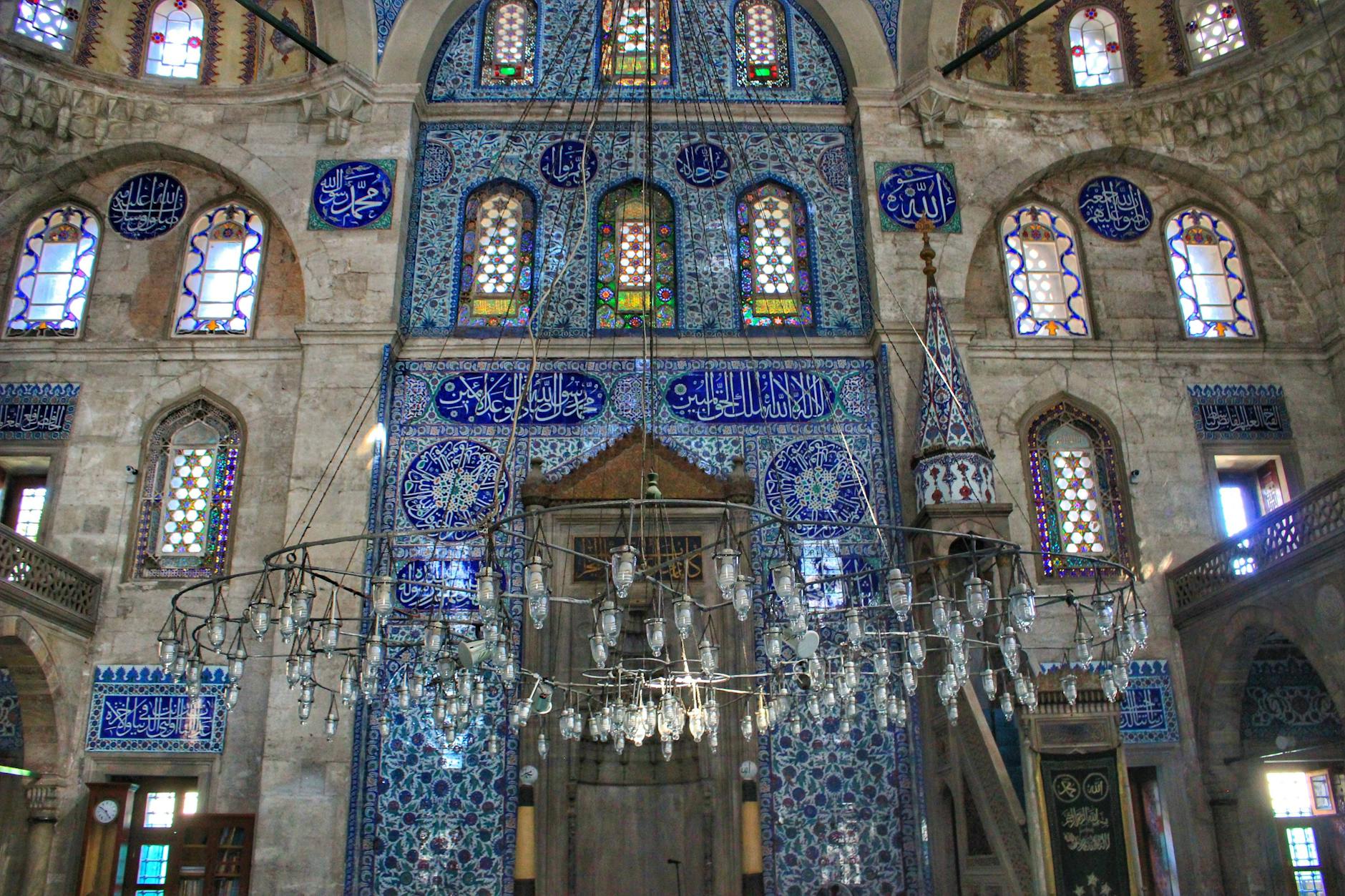
### More Tiles Than the Blue Mosque?
You might find this hard to believe, especially if you’ve already stood under the massive domes of the Blue Mosque (Sultan Ahmed Mosque). While the Blue Mosque is famous for its 20,000 tiles, it is also gargantuan. The tiles there are often high up, making them feel distant.
Rüstem Pasha is different. It is an intimate space, and nearly every square inch of the interior walls—from the floor to the base of the dome—is encased in tilework. Because the mosque is smaller, the concentration of **Turkish ceramics** is much higher. You are literally surrounded by them at eye level. You can see the brushstrokes of the 16th-century artists; you can see the slight variations in the blue cobalt and the turquoise copper glazes.
### What to Look for in the Patterns
To help you navigate this visual feast, keep an eye out for these specific elements as you move around the prayer hall:
1. **The "Sıraltı" Technique:** This is the underglaze method where the design is painted on the biscuit-fired tile, covered with a transparent lead glaze, and fired again. It’s what gives the tiles that glass-like depth.
2. **Geometric Borders:** Notice how the floral panels are framed by rigid geometric borders. This represents the order of the universe containing the wild beauty of nature.
3. **The Varying Blues:** From deep navy (cobalt) to the bright "Turkish Blue" (turquoise), the range of blues used here was meant to mimic the sky at different times of the day.
4. **The Spandrels:** Look at the curved sections above the arches. The way the artists forced complex floral patterns to fit into these awkward triangular shapes is a masterclass in spatial design.
> **Berk's Insider Tip:**
> Look for the single tile panel that features a depiction of the Kaaba in Mecca; it's a rare and beautiful find tucked away in the portico.
Even now, with the 2026 exchange rates making imported luxury goods expensive (remember, **1 Euro is roughly 50 TL** and **1 USD is 45 TL**), the beauty here remains entirely free to experience.
## Mimar Sinan’s Intimate Experiment
When you step inside the prayer hall, you’ll notice something immediately different from the sprawling, airy majesty of the Blue Mosque or the Süleymaniye. There is an intensity here—a sense that every inch of space was calculated with a jeweler’s precision. To understand why this building feels so unique, you have to understand the man behind the blueprints: **Mimar Sinan**, the legendary Chief Architect of the Ottoman Empire.
### The Octagonal Secret
Because the mosque is built on a raised terrace atop a complex of shops, Sinan couldn't rely on massive, thick walls to support a heavy dome. Instead, he designed a brilliant **octagonal support system**.
If you look closely at the interior, you’ll see eight massive pillars—four free-standing and four integrated into the walls—that form the base for the dome. This was a radical departure from the traditional square-based designs of the era. By using an octagon, Sinan was able to push the weight of the dome outward and downward more efficiently, allowing for more windows and, crucially, more wall space for those incredible Iznik tiles.
### A Prelude to Greatness
I always tell my friends that Rüstem Pasha is the "laboratory" where Sinan perfected the techniques he would later use for his masterpiece, the Selimiye Mosque in Edirne. He was playing with **Istanbul architecture** in a way that felt personal. He was testing how a dome could sit on an octagonal drum, experimenting with how light would hit the ceramic surfaces, and seeing just how much "visual noise" a space could handle before it felt cluttered.
While the scale here is smaller, the ambition is arguably higher. He managed to create a sanctuary that feels both grand and incredibly private. In fact, when the crowds in Eminönü become too much for me in this 2026 heat, I often split my time between here and exploring [the soul of old Istanbul](https://istanbulcool.com/soul-of-old-istanbul-zeyrek-guide) in the nearby neighborhood of Zeyrek.
### Comparing Sinan’s Structural Milestones
| Mosque | Year Completed | Support Structure | Vibe | 2026 Entry Fee |
| :--- | :--- | :--- | :--- | :--- |
| **Şehzade Mosque** | 1548 | Square (4 pillars) | Balanced & Symmetrical | Free (Donation) |
| **Rüstem Pasha** | 1563 | **Octagonal** | Intimate & Decorative | Free (Donation) |
| **Süleymaniye** | 1557 | Rectangular | Grand & Imperial | Free (Donation) |
| **Selimiye (Edirne)**| 1575 | Octagonal (8 pillars) | The "Perfect" Dome | Free (Donation) |
*Note: While entry is free, I usually recommend leaving about 100 TL to 150 TL (approx. $3 USD / €2.50) in the donation box to help with the ongoing 2026 preservation efforts of the ceramics.*
## Comparing the Greats: Rustem Pasha vs. The Blue Mosque
If you’ve spent any time researching your trip to Istanbul for 2026, the **Sultan Ahmed Mosque**—better known as the Blue Mosque—is likely at the top of your list. But after living here for 15 years, I’ve let you in on a little secret: while the Blue Mosque is a grand imperial statement, the **Rustem Pasha Mosque** is an intimate masterpiece.
### Grand Imperial vs. Intimate Masterpiece
The Blue Mosque was built to showcase the power of the Ottoman Empire at its peak. When you walk inside, you are meant to feel small. Rustem Pasha, tucked away on a raised terrace above the markets of Eminönü, offers the exact opposite experience. Because it was commissioned by a Grand Vizier rather than a Sultan, the scale is human. You aren’t looking at tiles from thirty meters away; you are inches from them. You can see the brushstrokes of the 16th-century artisans.
### The Battle of the Tiles: Why Rustem Pasha Wins
The Blue Mosque earned its nickname from its 20,000 tiles, but by the time it was built in the early 17th century, the famous İznik kilns were already starting to lose their luster. In contrast, Rustem Pasha was decorated during the "Golden Age" of İznik ceramics. This is where you find the legendary "Tomato Red"—a vibrant, raised pigment that the potters later lost the recipe for. Every square inch of the interior, from the *Mihrab* to the *Minbar*, is wrapped in these floral and geometric wonders.
### Escaping the 2026 Crowds
Let’s talk logistics. In 2026, the Sultanahmet square is busier than ever. With the exchange rate sitting at 1 USD to 45 TL and 1 Euro to 50 TL, the city is seeing record numbers of visitors. At the Blue Mosque, you might find yourself waiting in a security line for 45 minutes. At Rustem Pasha, there is rarely a line. You climb the hidden stone stairs, leave the noise of the spice market behind, and suddenly, the silence hits you. It’s the same sense of relief I feel when I recommend the [Theodosius Cistern](https://istanbulcool.com/theodosius-cistern-istanbul-alternative) to travelers who are tired of the two-hour wait times at the Basilica Cistern.
## The Sensory Experience: Light, Silence, and Incense
When you step inside Rüstem Pasha, I want you to take a moment. Don’t just reach for your camera immediately. In my fifteen years of navigating this city’s chaotic beauty, I’ve found that few places in Istanbul manage to recalibrate your senses as quickly as this hidden sanctuary.
### A Dance of Refracted Light
The first thing you’ll notice isn't the tiles themselves, but how the light interacts with them. The mosque features beautiful stained glass windows that filter the harsh Istanbul sun into soft, jewel-toned beams. When these rays hit the **Iznik tiles**, the light doesn't just bounce off them; it seems to glow from within the walls. I often visit around mid-morning when the sun is at the perfect angle. You’ll see the famous "Iznik Red" vibrating under the light.
### The Sound of Stillness
The transition from the street to the interior is a sonic shock. Just fifty meters away, the vendors at the *Mısır Çarşısı* are shouting prices—expect to hear "100 TL for a tea!"—and the ferries are blasting their horns. But once you cross the threshold, the world goes quiet. The **acoustics of the prayer hall** are designed to carry the *Imam’s* voice to every corner without effort, yet the space seems to swallow the ambient noise of the city.
### Grounded in History: Textures and Scents
Finally, pay attention to what’s beneath you. In Turkey, we remove our shoes before entering a mosque. The transition from the **cool, smooth marble** of the outer portico to the deep, plush warmth of the carpets is an essential part of the experience. The carpets here carry a faint, nostalgic scent—a mix of old wool, rosewater, and a hint of the incense used during cleaning. It feels grounded.
## Exploring the Neighborhood: What to Do After Your Visit
Stepping back into the streets of **Eminönü** is always a bit of a sensory shock. Now that you’ve had your spiritual fill, it’s time to feed your other senses.
### The Irresistible Aroma of Kurukahveci Mehmet Efendi
As you walk down the stairs from the mosque towards the **Spice Bazaar**, just follow your nose. You will smell it before you see it: the deep, earthy scent of freshly roasted coffee beans. This is **Kurukahveci Mehmet Efendi**, an Istanbul institution since 1871. Even today, in 2026, a small 100g packet will cost you about 120 TL (roughly $2.60 or €2.40), and it’s arguably the best souvenir you can carry home.
### Lunch Like a Local: Navigating the Backstreets
By now, you’ve probably worked up an appetite. Head into the narrow backstreets—the real **Istanbul local food** scene. Look for an *Esnaf Lokantası* (a tradesman’s restaurant). If you missed out on a heavy meal, check out my tips on enjoying a slow [Turkish breakfast](https://istanbulcool.com/guide-to-turkish-breakfast-culture-istanbul). For lunch, look for "Döner" or "Lahmacun." In 2026, a high-quality lunch in these backstreets will set you back around 500 TL ($11 or €10).
### Wind in Your Hair: The Eminönü Waterfront Ritual
To wrap up your afternoon, head back toward the Golden Horn. Skip the tourist trap sandwiches and head straight for the ferry piers. For about 35 TL (less than $1), you can catch a boat to Kadıköy or Üsküdar. Find a seat on the outdoor deck, order a *Çay* from the roaming waiter, and watch the silhouette of the Old City fade into the distance.
## Practicalities: Timing Your Visit and Etiquette
I want you to feel as comfortable as I do when I walk through those heavy wooden doors.
### Respecting the Rhythm of Prayer
The mosque is closed to visitors during prayer times, which last about 30 minutes. It is especially important to avoid the mosque during the noon prayer on Fridays. When you enter, stay behind the demarcation line to ensure those praying have their privacy.
### What to Wear: The Dress Code
Both men and women should be dressed modestly. No shorts or sleeveless tops. **Ladies, you will need to cover your head with a scarf.** There are usually clean wraps available at the entrance.
### Capturing the Beauty (Without the Flash)
**Photography is strictly forbidden during prayer times**, and even when the mosque is open, you must **turn off your flash**. Flash photography can damage the delicate glazes of the 16th-century tiles over time.
> **Berk's Insider Tip:**
> Plan your visit for a Tuesday or Wednesday morning around 10:00 AM for the most peaceful experience.
As of early 2026, there is no formal entrance fee, but I always suggest leaving a small donation (100 or 200 TL) for the upkeep of these world-class ceramics.
## Conclusion
Leaving the chaotic energy of the Spice Bazaar behind and climbing those narrow, inconspicuous stairs feels like a secret handshake with the city. For me, after fifteen years of navigating these hills, Rustem Pasha remains the ultimate reminder of why I fell in love with Istanbul. It represents that "stepping out of time" sensation that defines the city's true soul.
While the Blue Mosque is grand and breathtaking, it belongs to the world; Rustem Pasha feels like it belongs to you. Standing in that courtyard, surrounded by the most exquisite Iznik tiles ever fired, you aren't just a spectator—you’re a guest in a private garden of cobalt and turquoise.
**Berk’s Final Advice:** Don’t rush the exit. Sit on a low stool at a nearby tea shop, watch the merchants hurry by, and realize that you’ve just seen something most travelers walk right past. Look for the hidden staircase; the best things in this city are always tucked away where you least expect them.
---
## Istanbul Meyhane Guide: Rakı Etiquette & Local Secrets
URL: https://istanbulcool.com/istanbul-meyhane-raki-etiquette-guide
I remember my first night at a tucked-away Beyoğlu meyhane fifteen years ago; the clink of glasses felt like a secret heartbeat against the backdrop of a frantic city. I sat there, a bit overwhelmed by the noise and the charcoal smoke, until the waiter poured a splash of clear liquid into my glass and followed it with a slow stream of ice-cold water. The moment that sharp aniseed spirit clouded into a ghostly, milky white—what we locals call *Aslan Sütü* or 'Lion’s Milk'—I realized I wasn't just having a drink; I was being initiated into the very soul of Istanbul.
Back then, I was just a curious newcomer trying to find my footing in this sprawling metropolis. Today, after a decade and a half of navigating these winding streets and even more winding conversations over a shared bottle, I’ve come to see the meyhane as the city’s most sacred secular space. It’s our communal living room. It’s where business deals are sealed with a nod, where heartbreaks are mended with a song, and where the heavy political air of the day is exhaled over plates of creamy *haydari* and perfectly chilled melon.
But here’s the thing: you can’t just walk into a traditional meyhane and treat it like a standard pub or a western bar. Turkish drinking culture is built on a foundation of centuries-old, unwritten rules that govern everything from the pace of your sips to the volume of your voice. There is a specific rhythm to the night, a choreography to the service, and a deep-seated philosophy behind every pour. If you rush it, you miss the point. If you ignore the nuances of raki etiquette, you remain a spectator rather than a participant in the ritual.
For the discerning traveler, mastering the art of the rakı table is the ultimate "in." It’s the difference between being a tourist in a chair and being a guest of the city. So, let’s pull up a seat, break some warm pide, and dive into the subtleties of the table. From the proper way to clink your glass to the essential meze that must never be skipped, here is my guide to navigating an Istanbul evening like a true local.
## What is a Meyhane? Understanding the House of Joy
If you’ve spent any time walking the side streets of Beyoğlu or Kadıköy after the sun dips below the Marmara, you’ve likely heard it: a rhythmic symphony of clinking glasses, collective laughter, and the low, steady hum of intense conversation. You haven’t stumbled upon a standard bar or a rowdy pub. You are standing at the threshold of a **meyhane**.
To the uninitiated, it looks like a restaurant. To a local like me, who has spent fifteen years navigating the soul of this city, the meyhane is something far more sacred. It is often translated as a "tavern," but that word feels too clumsy, too functional. In its truest sense, a meyhane is a **"house of joy"**—a sanctuary where the weight of the world is left at the door, replaced by the white, cloudy embrace of Rakı and the company of friends.
### From Byzantine Vineyards to Ottoman Tables
To understand **meyhane history**, we have to look back much further than the modern Republic. The word itself is a beautiful Persian-Turkish hybrid: *mey* (wine) and *hane* (house). Long before the Ottomans claimed Istanbul, the Byzantines had a thriving culture of neighborhood wine shops and taverns. When the city changed hands in 1453, these establishments didn't disappear; they evolved.
During the Ottoman era, while alcohol was technically prohibited for Muslims, the city’s cosmopolitan fabric—Greeks, Armenians, and Jews—kept the **turkish drinking culture** alive in districts like Galata and Samatya. Eventually, the sultans recognized these "wine houses" as vital social hubs. Over the centuries, the focus shifted from the rough wine of the Byzantines to the refined, anise-scented spirit we call Rakı. What remained constant was the purpose: the meyhane was always a place where people of different backgrounds could sit at a shared table, finding common ground in the glow of a kerosene lamp.
### The Philosophy of Muhabbet
If you ask me what makes a meyhane different from any other place in the world, I’ll give you one word: **Muhabbet**.
This is a term that doesn't have a direct English equivalent. It translates roughly to "affectionate conversation," but in the context of a meyhane, it is the very reason we exist. Unlike a Western bar where the goal might be to get a quick drink or dance to loud music, the meyhane is designed for the **art of deep, meaningful conversation**.
In a meyhane, the food and the drink are merely the supporting cast; the **muhabbet is the star**. We sit for hours—sometimes four, five, or six—over a single bottle of Rakı. We talk about politics, we talk about heartbreak, we talk about the crumbling old buildings of our neighborhoods. The table is a leveler. In the "house of joy," there are no bosses or subordinates—only companions sharing a moment of honesty. This is why you will rarely find a television or booming speakers here; nothing is allowed to compete with the human voice.
### A Different Rhythm: How the Meyhane Differs from a Bar
For my friends visiting from London or New York, the rhythm of a meyhane can be a bit of a shock. In a Western tavern, you might stand at a bar, move from group to group, or order a round of shots to "get the night started."
The meyhane is the antithesis of this "fast" culture. **It is slow, deliberate, and communal.** You do not stand; you sit. Your table is your universe for the evening. There is no rush to finish a plate because the meze (appetizers) are designed to be nibbled on over several hours.
The atmosphere today is also a beautiful paradox. While the law has made these spaces **smoke-free**, the air still feels thick with a different kind of haze—a warmth generated by the steam of hot appetizers and the communal energy of fifty people talking at once. It is loud, yes, but it is a "soft" loud—the sound of people truly connecting, rather than shouting over a DJ.
When you step into a meyhane, you aren't just going out for a drink; you are participating in a **centuries-old ritual of togetherness**. It is a place where time slows down, the Rakı turns white, and the world finally makes sense again.
## The Ritual of the Lion’s Milk: Proper Rakı Etiquette
To the uninitiated, a bottle of rakı might look like any other spirit sitting on a shelf. But here in Istanbul, we don’t just "have a drink." We perform a ritual. After fifteen years of sitting at these linen-covered tables, I’ve seen many visitors make the mistake of treating rakı like vodka or tequila—tossing it back quickly or mixing it haphazardly. If you want to earn the respect of the *meyhane* staff and your tablemates, you must understand that **raki etiquette** is as much about chemistry as it is about culture.
### The Alchemy of the Pour
The first thing you’ll notice is that rakı is served in a tall, slim glass called a *kadeh*. The sequence of the pour is sacred. You must always pour your rakı first—usually about two fingers deep, or more if you’re feeling particularly brave. Only after the spirit is in the glass do you add the water.
This is where the magic happens. As the water hits the clear liquid, the anise oils emulsify, turning the drink a cloudy, milky white. This is why we call it **Aslan Sütü**, or "Lion’s Milk." It’s a visual signal to the table that the conversation is about to begin.
The most common "rookie error" I see is letting the ice touch the pure rakı. **Never let ice come into contact with the undiluted spirit.** If you drop ice into the glass before the water, the anise will crystallize, creating an unpleasant film on the surface and ruining the smooth texture of the drink. Pour your rakı, add your water to taste (I prefer a 50/50 mix), and only then, if you must, add a single cube of ice.
### The Clink: A Bond of Honor
In a Western pub, you might clink the rims of your glasses and shout "Cheers!" In an Istanbul meyhane, we do things a bit more subtly. When we toast—saying *"Şerefe"* (To your honor)—we clink the **bottoms of our glasses**.
The reason is practical and poetic. The rim of the glass is where your lips touch; it’s private. The bottom of the glass is the foundation. By touching the bases together, you are signaling that your foundations are joined, that there is trust and an equal footing between everyone at the table.
> **Berk's Insider Tip:**
> If you are drinking with a local who is significantly older than you, it is a sign of respect to hold your glass slightly lower than theirs when clinking.
It’s a quiet gesture, but one that speaks volumes. It shows you aren't just here for the alcohol, but that you understand the social hierarchy and the deep-seated respect that governs Turkish life.
### The Marathon and the Ehli-keyif
If you see someone treating rakı like a sprint, they aren't from here. Rakı is a marathon. It is the only spirit I know that is designed to be sipped over four, five, or even six hours. The goal isn't to get drunk; the goal is to reach a state of *keyif*—a uniquely Turkish word that translates roughly to "joyous relaxation" or "blissful idle."
To maintain this state, the drink must stay cold, but you don't want to keep diluting it with melting ice. This is where the **Ehli-keyif** comes in. If you are at a high-end or traditional meyhane, ask if they have one. It is a beautiful copper or brass bowl filled with ice, with a hole in the center specifically designed to hold your glass. It keeps your Lion’s Milk chilled to perfection without ever touching the liquid inside.
This slow pace is essential because of the **turkish meze**. The table will be laden with small plates—creamy *haydari*, spicy *ezme*, and warm *arnavut ciğeri* (Albanian liver). You take a tiny bite of food, a tiny sip of rakı, and then a long stretch of conversation.
When you walk through the vaulted stone ceilings of a traditional meyhane, you might feel a sense of déjà vu if you’ve spent any time exploring the city's architectural roots. Much like the winding corridors and heavy stone arches I describe in my guide to the [Beyond the Trinkets: My Guide to the Secret Hans of the Grand Bazaar](https://istanbulcool.com/hidden-hans-grand-bazaar-guide), the classic meyhane shares that same DNA—a sanctuary where time feels suspended, and the outside world fades into the background. Both the *han* and the *meyhane* were built as communal spaces for weary travelers and locals alike to find connection.
In the next section, we’ll dive into the food itself—the "supporting cast" that makes the rakı shine. Because a rakı table without the right meze is like an Istanbul sunset without the call to prayer: it’s beautiful, but it’s missing its soul.
## The Meze Parade: A Symphony of Small Plates
If you’ve spent any time living here, you’ll realize that Istanbulites have a unique relationship with time. We don't just eat; we inhabit the meal. Much like the way we approach the morning—where a simple meal transforms into an hours-long affair, as I’ve detailed in **[Beyond the Buffet: My Guide to the Slow Art of a Real Turkish Breakfast](https://istanbulcool.com/guide-to-turkish-breakfast-culture-istanbul)**—the meyhane evening is a slow-motion marathon. The **turkish meze** isn't an appetizer in the Western sense; it is the heartbeat of the entire night.
When you sit down at one of the **best meyhanes istanbul** has to offer, the table shouldn't be crowded with main courses. Instead, it’s a canvas for a rotating selection of small plates that balance the sharp, anise-heavy punch of the rakı.
### The Ritual of the Tray
The night truly begins when the server approaches with "The Tray." This is a large, often wooden platter laden with twenty or thirty different small bowls, each a vibrant mosaic of colors and textures. It is a moment of pure sensory overload—the sight of ruby-red roasted peppers, the smell of garlic-heavy yogurt, and the glisten of high-quality Aegean olive oil.
For a newcomer, the temptation is to point at everything. My advice? Resist. The tray is a conversation, not a buffet. You should select three or four cold plates to start. The beauty of the meyhane is that the tray will always be there, and the kitchen never truly sleeps. You can always call the server back for a second round once the first round of rakı has settled your spirit.
> **Berk's Insider Tip:**
> Avoid the 'mixed meze plate' listed on many tourist menus. Always ask to see the tray or go to the display fridge to pick what looks freshest today.
### The Hierarchy: Cold Before Hot
There is a strict, unwritten hierarchy to how we eat here. We begin with the **Zeytinyağlılar** (dishes cooked in olive oil) and cold yogurt-based dips. This phase is about cooling the palate and lining the stomach.
The "Holy Trinity" of any respectable table starts with **white cheese (Beyaz Peynir) and melon**. It sounds simple—perhaps too simple—but the chemistry is legendary. The saltiness of a well-aged, creamy Ezine cheese cuts through the sugary, floral sweetness of a chilled Anatolian melon, while both provide a velvety buffer against the rakı’s burn.
Next, you must look for **Deniz börülcesi** (sea beans or samphire). These are hand-picked from the shoreline, blanched, and dressed simply in a heavy hand of garlic and lemon. They offer a literal taste of the sea—briny, crunchy, and incredibly refreshing. If you see **Topik** on the tray—a spiced chickpea and onion pâté with tahini and currants—grab it. It’s an Armenian-Istanbul classic that represents the deep, multicultural roots of our city’s food scene.
### Transitioning to the Heat: Ara Sıcaklar
Once the rakı bottle is half-empty and the conversation has moved from polite small talk to deep philosophy, it’s time for the **Ara Sıcaklar**, or hot starters. This is the "bridge" of the meal.
While many might reach for meat, the **best meyhanes istanbul** regulars know that seafood is the king of the hot meze. A staple you cannot miss is **grilled octopus (Ahtapot Izgara)**. When done right, it should be charred and smoky on the outside, while the interior remains butter-tender. It’s often served with nothing more than a drizzle of olive oil and a sprinkle of oregano.
Another local favorite is **Paçanga böreği**, a deep-fried pastry filled with *pastırma* (highly seasoned air-dried beef) and melting kaşar cheese. The contrast of the crispy dough and the pungent, spicy beef is the perfect companion to a fresh glass of "Lion’s Milk." Remember, the goal here isn't to get full; it’s to keep the flavors dancing until the sun begins to think about rising over the Bosphorus.
## My Favorite Backstreet Gems: Where I Actually Drink
Listen, if you head straight to Nevizade or the Çiçek Pasajı, you’ll have a fine time. But you’ll be sharing it with about five thousand other people and a lot of accordion players who know exactly three songs. After fifteen years in this city, I’ve learned that the **best meyhanes istanbul** has to offer aren’t usually the ones with the brightest neon signs. They are tucked away in neighborhoods where the laundry still hangs across the street and the waiter remembers your name—or at least your mezze preferences—by your second visit.
### The Great Divide: Traditional vs. Modern Meyhane
Before I give you my "secret" list, you need to understand the shift happening in **turkish drinking culture**. We are currently seeing a divide between the *Klasik* (Traditional) and the *Yeni Nesil* (Modern) meyhane.
The traditional spots are my sanctuary. Think white tablecloths, a heavy wooden sideboard, and a radio playing Zeki Müren at a volume that allows for deep conversation. The focus is entirely on the *sohbet* (the talk). In these places, the menu hasn't changed since the 70s, and thank God for that. You go here when you need to heal your soul or celebrate a life milestone with three close friends.
The "Modern Meyhane," on the other hand, is where the younger Istanbul crowd is heading. These spots often ditch the white tablecloths for industrial-chic decor and serve "fusion" mezze—think hummus with pastırma or sea bass ceviche with a Turkish twist. By 10:00 PM, the music usually cranks up, people might start dancing between the tables, and the rakı flows just as fast. They are high-energy and fantastic for a big group, but they are a different beast entirely from the quiet, melancholic ritual of the old guard.
### The Kadıköy Sanctuary: The Asian Side’s Bohemian Soul
When I want to truly escape the tourist bubble, I jump on the ferry to Kadıköy. There is something about the "Asian Side" that feels more grounded, more intellectual, and significantly more bohemian. While the European side can feel like it’s performing for guests, Kadıköy is just living its life.
The backstreets of the Caferağa neighborhood are home to some of the most authentic spots in the city. Here, the vibe is relaxed. You’ll see students, artists, and old-school retirees sitting side-by-side. I often find myself at the smaller spots near the "Fish Market" (Balık Pazarı), but I tend to avoid the main "Meyhaneler Sokağı" (Güneşli Bahçe Street) because it’s become a bit too chaotic for my taste. Instead, I duck into the side streets to find places like **Güneşin Sofrası**, where the courtyard feels like a secret garden and the food tastes like a Turkish grandmother’s Sunday best.
### The Old Guard: Kurtuluş and Samatya
If you want to feel the ghost of old Constantinople, you have to head to Kurtuluş or Samatya. These are the historic Greek and Armenian heartlands of the city, and their influence on the meyhane culture is the foundation of everything we drink today.
**Kurtuluş** is a working-class neighborhood that smells like roasted coffee and fresh bread. It’s home to **Despina**, one of the oldest meyhanes in the city. It was founded by Madam Despina, and it still carries that female-led, elegant-yet-sturdy energy. It’s quiet, respectful, and the *ciğer* (liver) is legendary.
Then there’s **Samatya**, down by the Marmara Sea. The town square is cinematic—literally, many famous Turkish films were shot here. It feels like a fishing village that got swallowed by a metropolis. Sitting in the square under the giant plane trees, surrounded by the sound of clicking glasses and the smell of the sea, is the closest you’ll get to time travel in Istanbul.
### Ending the Day in Balat
Finally, I have to mention the Golden Horn. Most people visit Balat during the day for the "Instagrammable" houses, but they leave just as the neighborhood’s real magic begins. As the sun sets and the day-trippers head back to Sultanahmet, the local spots come alive.
If you’ve spent the afternoon wandering the colorful, crumbling streets of the old Jewish and Greek quarters using [Where Time Stands Still: My Personal Walking Route Through Fener and Balat](https://istanbulcool.com/fener-balat-walking-tour-guide), you’ll know that by 6:00 PM, you’ve earned a glass of rakı.
I highly recommend finishing your walk at **Agora Meyhanesi 1890**. It’s one of the most storied spots in the city. It’s been renovated, but it retains that thick, historical atmosphere. The brick walls and high ceilings have heard over a century of secrets. Another gem in the area is **Barba Vasilis**, right on the water’s edge. It’s small, intimate, and serves some of the best octopus in the city. In these places, you aren't just a customer; you are part of a lineage of people who have come to the water's edge to toast to life, love, and the enduring spirit of Istanbul.
## The Unwritten Social Rules: Music, Politics, and Toasts
After fifteen years of sitting at these white-clothed tables, I’ve realized that a meyhane isn’t just a place to eat; it’s a living, breathing theater of Turkish social life. While the food feeds the body, the conversation and the atmosphere feed the soul. However, to truly navigate **turkish drinking culture** like a local, you need to understand the invisible choreography that happens between the first pour and the final bill.
### The Rhythm of the Fasıl: When to Listen and When to Roar
Music is the heartbeat of the evening, usually in the form of *Fasıl*—traditional Ottoman classical music played by a small ensemble of wandering musicians. You’ll see the clarinet, the *kanun* (zither), and the *oud*.
In the early evening, the music is light, a mere backdrop to the clinking of ice. This is the time for deep, quiet conversation. But as the rakı takes hold, the energy shifts. There is a specific nuance to **raki etiquette** regarding the musicians. When they approach your table and play a heartbreakingly beautiful solo, it is polite to stop talking, lean back, and show your appreciation—a simple nod or a "Bravo" will do.
However, when the tempo picks up and the ensemble breaks into a classic *İstanbul* folk song that everyone knows, the "parBerkent" opens its doors. This is your cue to join the chorus. Don't worry about your singing voice; the collective roar of a twenty-table restaurant is remarkably forgiving. Just remember: we listen to the solos, but we own the choruses together.
### The Meyhane as the People’s ParBerkent
There’s a beautiful Turkish concept called the *Çilingir Sofrası*—the "Locksmith’s Table." It is said that a few glasses of rakı can unlock the most guarded hearts. In a city as complex and bustling as Istanbul, the meyhane serves as a democratic sanctuary. Here, the strict social hierarchies of the daytime melt away.
You will hear people discussing everything from the rising price of tomatoes to the existential complexities of the universe. Most notably, you will hear politics. In many cultures, talking politics at dinner is a recipe for disaster, but here, it is the main course. The rule, however, is **mutual respect**. The goal isn't necessarily to win an argument, but to "pour out" your frustrations and be heard. We call it *dertleşmek*—sharing one’s sorrows to make them lighter. As a guest, feel free to listen and engage, but always keep the tone warm. The table is a place of peace, no matter how heated the debate over the local football standings becomes.
### The ‘Yolluk’: One for the Road
As the night winds down and the coffee is served, there is one final ritual you might encounter: the *Yolluk*. Literally translating to "for the road," this is a final, half-measure of rakı poured into your glass just as you’re thinking about calling a taxi.
It is a gesture of hospitality that says, "We aren't quite ready for this moment to end." Accepting a *yolluk* is a sign that you’ve had a wonderful time. It’s a small, chilled "parting gift" to steel your nerves for the journey home.
### The Magic of the Walk Home
There is a specific kind of magic in the walk home after a long rakı session. The city looks different; the streetlights seem warmer, and the salt breeze from the Bosphorus feels more intimate. This is why I always tell my friends that where you choose to lay your head is just as important as where you choose to eat.
If you’re staying in a sterile hotel district, that post-meyhane glow evaporates the moment you step into a sterile lobby. To keep the feeling alive, you want to be walking through the cobblestone streets of neighborhoods where the locals actually live and breathe. If you haven't decided on your base yet, [check out our guide to finding a real Istanbul vibe](https://istanbulcool.com/best-neighborhoods-to-stay-istanbul-local-vibe) to ensure your walk home is through a neighborhood with character, rather than a tourist trap. Walking back to a flat in Kadıköy or a cozy guesthouse in Beyoğlu after a *yolluk* is, in my opinion, one of the greatest pleasures Istanbul has to offer.
## Navigating the Night: Logistics and Safety
By now, you should feel like a pro at balancing your white chickpeas with your anise-scented sips. But as your local guide who has seen many a night turn into morning over the last 15 years, I want to ensure that the practical side of your evening is just as seamless as the conversation. Part of mastering **raki etiquette** is knowing how to handle the beginning and the end of the night with grace.
### The First Rule of Adab: Make the Call
In the world of the Istanbul meyhane, the concept of *Adab* (etiquette) begins long before the first bottle is opened. Even if you are passing by a place that looks half-empty at 7:00 PM, always call ahead. In the **best meyhanes Istanbul** has hidden down its narrow side streets, tables are often "spoken for" by regulars who might not show up until 9:00 PM.
Showing up with a reservation isn't just about securing a seat; it’s a sign of respect to the *Meyhaneci* (the proprietor). It tells them you value their craft enough to plan for it. When you call, you aren't just a customer; you are a guest entering their home.
### Decoding the 'Hesap': Tipping and the Kuver
When the *Hesap* (bill) finally arrives, usually tucked into a small wooden box or a leather folder, don't let it confuse you. You will likely see a line item called **Kuver**. This is a standard cover charge (usually ranging from 20 to 50 TL per person) that covers the bread, spreads, and the table setup. It is not a tip.
Regarding tipping, the standard in Istanbul meyhanes is about 10% of the total bill. If the service was exceptional—perhaps the waiter anticipated your need for extra ice before you even realized it—feel free to go up to 15%. In more traditional, old-school spots, it’s often preferred to leave the tip in cash directly on the table or in the bill folder, even if you pay the main bill by card.
> **Berk's Insider Tip:**
> In the most traditional meyhanes, you won't find a menu with prices. Don't be afraid to ask 'Ne kadar?' (How much?) for the fish of the day to avoid 'tourist pricing'.
### Getting Home: Your 1 AM Strategy
The magic of a rakı night often means you’ll be heading home well after midnight. Istanbul is a city that never truly sleeps, but its transport rhythm changes. If you are dining in Beyoğlu or Kadıköy, you’ll find the streets are still vibrant, but the main Metro lines typically stop around midnight on weekdays (though they often run 24 hours on Friday and Saturday nights).
For those late-weeknights, I always recommend using a ride-hailing app like **BiTaksi** or **Uber**. It provides a digital record of your journey and a pre-calculated price, which adds an extra layer of security. If you do hail a yellow taxi on the street, ensure the meter (*taksimetre*) is turned on the moment you pull away.
If you want to navigate like a true local and understand which ferries or night buses might still be running near your accommodation, be sure to [check out our ultimate guide to public transport in Istanbul](https://istanbulcool.com/istanbul-public-transport-guide).
Navigating Istanbul at 1 AM is generally very safe, especially in the areas where meyhanes thrive. The city’s "protective" culture means people look out for one another. If you ever feel lost or unsure, don't hesitate to step into a nearby "Tekel" (convenience store) or ask a waiter for help calling a cab. We take hospitality seriously here, from the first mezze to the final ride home.
## The Morning After: The Tripe Soup Tradition
If you woke up this morning feeling like a Galata ferry is docking inside your skull, don't panic. You haven’t failed; you’ve simply participated in a rite of passage that has defined **turkish drinking culture** for centuries. In Istanbul, we have a saying: "The rakı table is for the soul, but the soup shop is for the survival."
The transition from a night of laughter and **turkish meze** to the harsh reality of the morning sun requires a very specific bridge. For us locals, that bridge is paved with garlic, vinegar, and a healthy dose of courage.
### The Legendary Garlic Cure: İşkembe Çorbası
Before you even think about crawling back under the duvet, you need to understand the ritual of *İşkembe Çorbası* (tripe soup). It is the undisputed heavyweight champion of hangover cures. Somewhere around 3:00 AM, as the meyhanes begin to dim their lights, a secondary migration occurs. You’ll see well-dressed couples and rowdy groups of friends all funneling into brightly lit, white-tiled soup salons (*İşkembeci*).
The soup itself is a creamy, collagen-rich broth that acts like a velvet glove for your agitated stomach. But the secret isn't just in the tripe; it’s in the "medicine" you add to it. On every table, you’ll find jars of crushed garlic in vinegar and bowls of spicy red pepper flakes. **Do not be shy.** You want enough garlic to ensure no one stands within three feet of you for the rest of the day. This potent mixture jumpstarts your metabolism and, quite frankly, shocks your system back into the land of the living. If tripe feels a bit too adventurous for your morning-after palate, ask for *Kelle Paça* (head and trotter soup) or a simple, soothing *Mercimek* (lentil soup). It’s not just food; it’s a culinary reset button.
### The 'Ayılmak' Alternatives: Bal-Kaymak and Coffee
If the thought of garlic at dawn makes your stomach do somersaults, there is a sweeter path to *ayılmak* (sobering up). Istanbul’s breakfast culture is designed for restoration. My personal "Berk-certified" remedy is a heavy dose of **Bal-kaymak**—thick, clotted water buffalo cream drowned in pine honey. Spreading this onto a piece of warm, crusty bread provides the immediate glucose spike your brain is screaming for after a night of lions' milk.
Once the sugar hits your bloodstream, it’s time for the final blow to the hangover: a **strong Turkish coffee**. In our culture, the coffee isn't the start of the day; it’s the conclusion of the recovery. Sip it slowly—*sade* (no sugar)—and let the thick grounds at the bottom remind you that life is worth living again.
### Why the Conversation Never Truly Ends
You might wonder why, after six hours of talking at the meyhane, we still find things to discuss over a bowl of soup or a breakfast plate. This is the heart of the Istanbul experience. The rakı opens the doors of the heart, but the "morning after" debrief is where those connections are solidified.
Even after the rakı is gone, the *muhabbet* (the art of conversation) continues because, in Istanbul, we don't just drink to get tipsy; we drink to understand one another. The soup shop and the breakfast table are where we laugh about the secrets shared the night before and plan the next time we’ll do it all over again. So, take a deep breath, finish your coffee, and smile—you’re officially an Istanbulite now. Just maybe avoid any close-range meetings until tomorrow.
## Conclusion
As the night deepens and the bottom of the carafe nears, you’ll notice something shift. The music seems softer, the white tablecloths are dappled with melon seeds and stray sprigs of parsley, and the strangers at the next table suddenly feel like old friends. After fifteen years of pulling up a chair at these tables, I’ve realized that the rakı itself is merely a catalyst. The true alchemy of the Istanbul night is *Muhabbet*.
*Muhabbet* is a word that doesn’t translate easily. It’s more than just "conversation"; it is the warm, soul-baring connection that happens when time slows down. It is the laughter that erupts over a shared plate of haydari and the comfortable silence that follows a heavy confession. In a city that has seen empires rise and fall, the *meyhane* remains our sanctuary. It’s where we come to unburden our hearts so that we can face the chaotic, beautiful streets of Istanbul again tomorrow.
My final verdict? You haven't truly seen this city until you’ve seen it through the hazy, milky-white glass of a rakı tumbler. But remember my golden rule: don’t treat a *meyhane* like a pit stop. This isn't a bar crawl; it’s a marathon of the spirit. My advice is to choose one spot—perhaps somewhere tucked away in the side streets of Kadıköy or a hidden gem in Kurtuluş—and commit your entire evening to it. Let the meze come slowly, keep your water glass full, and never, ever check your watch.
So, when you finally find yourself sitting beneath a vine-covered trellis or in a wood-paneled dining room echoing with the sounds of a *kanun*, take a breath. Look at the people around you, clink your glass gently against the table to honor those who aren't there, and take that first sip with an open heart. Welcome to the real Istanbul. *Şerefe!*
---
## Istanbul Ocakbaşı Guide: Authentic Grill Culture
URL: https://istanbulcool.com/istanbul-ocakbasi-grill-culture
Imagine ducking away from the neon glow of Istiklal Avenue and slipping into a narrow Beyoğlu side street where the hum of the city fades into something more primal. You push open a heavy door and there it is: a massive, shimmering copper hood dominating the room, glowing under soft amber lights. The air is thick and intoxicating, heavy with the scent of smoldering oak charcoal and the rich, savory perfume of melting lamb fat. This isn’t just a dinner reservation; you’ve just stepped into the heart of Istanbul’s soul.
Welcome to the *Ocakbaşı*.
In my fifteen years of living in this beautiful, chaotic city, I’ve learned that if you want to understand the real Istanbul, you have to follow the smoke. "Ocakbaşı" literally translates to "by the fireside," but for us locals, it represents a sacred communal ritual. It is a theater of smoke and steel where the *Usta*—the master griller—presides over his altar of embers like a high priest.
Listen closely and you’ll hear the rhythmic, metallic *thud-thud-thud* of the *zırh*, a heavy, crescent-shaped blade used to hand-mince meat until it’s the perfect consistency for a proper kebab. There are no shortcuts here. When you snag a seat at the counter, inches away from the heat, you’re part of the action. You’ll watch as skewers are turned with practiced precision, while the clinking of glasses filled with *Rakı*—our iconic, anise-flavored spirit—provides the soundtrack to the evening.
As the *Rakı* turns milky-white with a splash of water and the table fills with vibrant *meze* (our traditional small plates), the barriers of the city melt away. The *Ocakbaşı* is where strangers become friends over the shared heat of the grill. For the uninitiated, it can be intimidating to know where to go or how to order without looking like a tourist, but that’s exactly why I’m here.
I’m going to pull back the curtain on this age-old tradition. From the unspoken etiquette of the grill-side seat to the hidden spots where the embers never go cold, here is everything you need to know to experience the authentic magic of the Istanbul *Ocakbaşı*.
## What is an Ocakbaşı? More Than Just a Grill
If you’ve been wandering the streets of Istanbul for a few days now, you’ve likely caught that unmistakable scent drifting through the evening air—the heady, mouth-watering aroma of rendered fat hitting glowing embers. That is the siren song of the **Ocakbaşı**.
To the uninitiated, it looks like a simple barbecue restaurant. But to those of us who have called this city home for years, the **Ocakbaşı** is a temple of smoke, a theater of flavor, and perhaps the most intimate social setting in Turkish culture. The word literally translates to "at the fireside" or "head of the hearth," and it describes a very specific way of eating that you won't find at your average street-side kebab stand.
### The Evolution of the Hearth
The roots of the **Turkish grill culture** aren't found in the grand palaces of the Ottomans, but rather in the nomadic traditions of Southeastern Anatolia. Imagine shepherds and travelers gathering around a communal fire on the plains of Urfa or Adana, skewering fresh meat and roasting it over open flames.
When migration brought these flavors to Istanbul mid-century, the campfire was refined but the spirit remained. By 2026, the **Ocakbaşı** has evolved into a sophisticated urban ritual. While the city has changed—and let’s be honest, prices have climbed along with everything else—the core experience remains untouched. Whether you’re paying 1,500 TL for a feast (which, at our current 2026 exchange rate of 50 TL to the Euro, is a remarkable 30 Euros for a world-class meal), the value lies in the connection you feel to the craft.
### The Theater of the Usta
What separates a true **authentic dining** experience from a standard kebab shop is the seating arrangement. In a traditional **Ocakbaşı**, the "Ocak" is a long, rectangular charcoal grill topped with a massive, often ornate copper hood. The best seats in the house aren't the private tables in the back; they are the stools lined up directly against the marble counter surrounding the grill.
Sitting here, you are inches away from the *Usta* (the master griller). You watch as he fans the coals, meticulously turns the *Şiş* (skewers), and expertly judges the exact second a piece of lamb reaches peak succulence. There is an unspoken bond here. You don’t just order from a menu; you engage with the person cooking your food. It’s a sensory overload—the rhythmic chopping of the *Zırh* (a large curved knife), the sizzle of the fat, and the warmth of the coals on your face.
### A Different Kind of Comfort
I often tell my friends that if they want to understand the soul of Istanbul, they need two specific experiences. During the day, you should find the comfort of [home-style cooking](https://istanbulcool.com/istanbul-tradesmen-restaurants-esnaf-lokantasi) at a local tradesmen restaurant to see how the city fuels its workers. But when the sun goes down, you come to the **Ocakbaşı**.
Unlike a standard restaurant where you eat and leave, the **Ocakbaşı** is designed for the long haul. It is a slow, methodical progression of cold mezes, hot starters, and finally, the grilled meats, all traditionally accompanied by **Rakı**—our iconic anise-flavored spirit that turns milky white when mixed with water. It’s about the conversation, the "muhabbet," that flows as freely as the drinks. In a world that’s increasingly digital and distant, sitting "at the head of the hearth" remains the ultimate way to truly experience the warmth of Istanbul.
## The Anatomy of the Counter: Why Where You Sit Matters
If you walk into an **Ocakbaşı** and head straight for a standard table in the corner, you’re essentially buying a ticket to a concert and then standing in the parking lot to listen. Sure, the food will still taste great, but you’re missing the soul of the experience. In the world of **Istanbul kebab restaurants**, the physical layout is a hierarchy of flavor and social connection, and at the top of that hierarchy is the **tezgah**.
The *tezgah* is the long, usually marble or copper-clad counter that wraps around the massive hooded grill. This is the inner sanctum. Sitting here means you are choosing **fireside dining** in its most literal, visceral sense. You aren't just a customer; you are a participant in a centuries-old culinary ritual.
### The Usta: Maestro of the Flames
The man behind the grill is the **Usta** (the Master). In 2026, even with all the modern fusion trends hitting Istanbul, the role of the Usta remains sacred. He is the conductor of the evening’s symphony. He doesn’t just flip skewers; he monitors the charcoal's temperature with a glance, remembers exactly how you like your *Kuzu Şiş* (lamb shish), and manages the flow of the entire room.
A true Usta is also a bit of a psychologist. He knows when to offer you a spicy pepper because he sees you’ve finished your **Rakı** (our famous anise-flavored spirit), and he knows when to leave you to your conversation. Watching him work is hypnotic—the rhythmic fanning of the coals, the precise slicing of the meat, and the way he plates everything with a flourish of charred tomatoes and peppers.
### The Etiquette of the Grill
Sitting at the counter comes with its own set of unwritten rules. It is an intimate space, and while it's informal, there’s a certain respect you owe to the craft.
Here are the essential "unwritten rules" for your night at the *tezgah*:
* **Acknowledge the Master:** When you sit down, a simple nod or a "Kolay gelsin" (a Turkish phrase wishing someone ease in their work) to the Usta goes a long way. It signals that you appreciate the heat he’s standing in.
* **Don't Rush the Fire:** Good kebab takes time. The Usta is managing different meats with different cooking times. Trust his timing; your meat will arrive exactly when the fat has reached its peak melting point.
* **The "Tadım" (Tasting) Culture:** Often, the Usta might slide a small piece of meat directly from the skewer onto your plate or a piece of *Lavaş* (thin flatbread). This is a gesture of hospitality. Eat it immediately while it’s piping hot—that’s when the flavor is most intense.
* **Keep the Conversation Fluid:** The counter is a social hub. Don't be surprised if your neighbor asks where you're from or offers a toast. In an Istanbul Ocakbaşı, we are all friends once the Rakı starts pouring.
> **Berk's Insider Tip:**
> When booking, specifically ask for 'Ocakbaşı altı' or 'tezgah' if you want to sit at the grill. If you just say 'a table,' they might put you in the back room, and you'll miss the entire show.
### Why the Counter is Worth the Heat
I’ve lived in this city for 15 years, and I still refuse to eat at an Ocakbaşı unless I can see the coals. Yes, it’s warmer at the counter, and yes, your clothes might carry the faint, delicious scent of oak charcoal the next day, but that’s the price of admission for the most authentic meal in the city.
In 2026, a full evening of mezes, prime kebabs, and Rakı at a top-tier spot might run you around 2,500 to 3,500 TL per person (roughly 50-70 Euro or 55-75 USD). It’s an investment in an experience that transcends a simple dinner. When you sit at the counter, you aren't just a tourist observing a culture; you are right in the thick of it, feeling the heat of the fire and the legendary hospitality that defines Istanbul.

## The Prelude: Essential Mezes and the Bread Protocol
Now that you’ve found your seat—ideally right at the marble counter overlooking the glowing embers—the ritual truly begins. In a traditional **Ocakbaşı**, the meat is the star of the show, but the opening act is what sets the tone for the entire evening. Before the first skewer even touches the fire, your table will be graced with a variety of small plates. This is the world of **Meze**, the heart and soul of Turkish social dining.
### The Lavaş Trap: A Pro-Tip for 2026
First, we need to talk about the **Lavaş**. As soon as you sit down, a waiter will likely drop a basket of balloon-like, puffed-up flatbread, straight from the wood-fired oven. It’s warm, it’s dusted with sesame seeds, and it smells like heaven. My advice? **Be careful.**
In my 15 years of eating my way through this city, I’ve seen many enthusiastic travelers make the rookie mistake of filling up on bread before the main event. In an authentic Istanbul grill house, the bread is a tool, not a meal. Use a small piece to scoop up your yogurt or to wrap a single bite of spicy meat. At current 2026 prices, while the bread is often complimentary or a nominal 40 TL (less than $1), the "stomach real estate" it occupies is far more valuable. Save room for what’s coming.
### The Cold Essentials: From Fire to Ice
The cold **Mezes** are designed to contrast the heavy, fatty flavors of the grill. There are three that I consider non-negotiable for any guest of mine.
First, you must order **Atom**. This isn’t just a yogurt dip; it’s a masterpiece of temperature and texture. It consists of thick, strained "süzme" yogurt topped with dried Arnavut peppers that have been sizzled in butter. The cooling yogurt against the sharp, smoky heat of the peppers is the perfect companion to a glass of **Rakı**.
Next, look for the **Közlenmiş Patlıcan** (Roasted Eggplant). In a proper **Ocakbaşı**, they don't use canned puree. They throw the whole eggplants directly onto the coals until the skin chars and the flesh turns into a smoky, silky cream. It’s the very essence of the grill in a cold dish.
Finally, no table is complete without a **Gavurdağı Salad**. Forget your standard garden salad; this is a finely chopped explosion of flavor. It combines juicy tomatoes, cucumbers, and green peppers with a heavy hand of walnuts, sumac, and a generous drizzle of tart pomegranate molasses (**Nar Ekşisi**). The crunch of the walnuts and the acidity of the dressing cut right through the richness of the lamb you’re about to eat. Expect to pay around 200-250 TL ($4.50 - $5.50) for these premium starters in today’s market—a steal for the quality of produce we have this season.
### The 'Ara Sıcak': Hot Starters that Steal the Show
Before the kebabs arrive, we move into the **Ara Sıcak** (warm appetizers) phase. This is where things get interesting.
You’ll see something called **Fındık Lahmacun** on the menu. While "fındık" means hazelnut, don't worry—there are no nuts involved. It refers to the size. These are miniature versions of the famous thin-crust dough topped with minced meat, herbs, and spices. They are designed to be a "one-bite" snack. Squeeze a drop of lemon, roll it up, and enjoy the crunch.
However, if you want to prove you’ve moved beyond the tourist trails, you must order the **Uykuluk**. Known in English as **sweetbreads**, this is a true connoisseur’s choice. Usually sourced from the Sütlüce district, these are delicately grilled over the charcoal until the outside is crispy and the inside is as soft as butter. It has a mild, creamy flavor that is unlike any other part of the animal. It is the ultimate local delicacy, and seeing you order it will likely earn you a nod of respect from the **Usta** (the grill master) standing behind the flames.
The table is now set, your palate is awake, and the rhythm of the night is established. Take a sip of your drink, enjoy the hum of the conversation around you, and get ready—the master is just about to reach for the skewers.
## The Main Event: Navigating the Kebab Menu Like a Local
By now, the smoke from the charcoal should be working its magic on your appetite. You’ve paced yourself with the mezes, your **Rakı** is perfectly chilled with a splash of water (turning it that iconic milky white), and you’re ready for the reason we’re all here: the meat.
In a true Istanbul **ocakbaşı**, the menu isn’t just a list of food; it’s a showcase of **Turkish meat culture** that has been refined over centuries. To order like a local in 2026, you need to understand that we don't just care about the cut of meat—we care about how it was prepared and the specific temperature of the coals it sat upon.
### The Art of the 'Zırh': Why Hand-Chopped is Non-Negotiable
If there is one thing I want you to remember from my fifteen years in this city, it’s this: if the meat was put through an electric grinder, it isn't a real kebab.
The soul of the **best Adana kebab in Istanbul** lies in the **Zırh**. This is a massive, curved, two-handed blade that the *Usta* (the master griller) uses to hand-chop the lamb. Why does this matter? An electric grinder mashes the meat, breaking down the fibers and squeezing out the precious juices before it even hits the fire. The *Zırh*, however, cuts the meat into tiny, uniform cubes while keeping the fat and juices intact.
When that hand-chopped meat hits the fire, the **kuyruk yağı** (lamb tail fat) melts into the meat, creating a texture that is light, airy, and incredibly succulent. If you see a chef rhythmically rocking that giant blade on a wooden block, you know you’re in the right place.
### Adana vs. Urfa: The Great Debate
When looking at the menu, you’ll inevitably see these two titans of the **kebab varieties**. They look identical on the skewer, but your palate will tell a different story.
* **Adana Kebab:** Named after the city in southern Turkey, this is for those who appreciate a bit of fire. It’s seasoned with salt and hand-chopped red bell peppers, but the star is the **pul biber** (dried Aleppo pepper flakes). A true Adana should have a "creeping" heat—not a burn that kills your taste buds, but a warm, spicy glow that lingers.
* **Urfa Kebab:** Named after the city of Şanlıurfa, this is the milder, more mellow cousin. It uses the same high-quality hand-chopped lamb but skips the hot peppers. Instead, it relies on the natural sweetness of the meat and perhaps a touch of **isot** (a smoky, dark Urfa pepper) that provides depth without the sting.
I often tell my friends that if you want to find the legendary spots that serve these properly, you need to look [where I tell my friends to stay](https://istanbulcool.com/best-neighborhoods-to-stay-istanbul-local-vibe) for a real Istanbul vibe, far away from the frozen-meat traps of the tourist center.
### Beyond the Mince: Kuzu Şiş and Çöp Şiş
While the minced kebabs are the stars, the whole-muscle cuts are where the quality of the livestock really shines.
**Kuzu Şiş** (Lamb Skewers) consists of prime milk-fed lamb leg or shoulder, marinated in a blend of onion juice, olive oil, and mild herbs. Each cube should be tender enough to pull off the skewer with a piece of **lavaş** (thin flatbread) using only your thumb and forefinger.
Then, there is my personal favorite: **Çöp Şiş**. The name literally translates to "trash skewers" or "rubbish skewers," but don't let that fool you. Historically, these were made from the small, flavorful scraps of meat left over when carving larger cuts. Because these bits are small and interspersed with plenty of tail fat, they cook incredibly fast over high heat. The result is a charred, salty, fatty explosion of flavor that is arguably the most addictive thing on the menu.
> **Berk's Insider Tip:**
> Don't order your meat all at once. Start with a few mezes, then order one skewer at a time. This ensures your meat is always piping hot, and it allows the Usta to gauge your appetite and pace.
### Quick Guide to Kebab Selections (2026 Pricing)
To give you an idea of what to expect in terms of cost and content, here is a quick breakdown of the staples.
| Kebab Type | Meat Style | Spice Level | Est. Price (TL) | Est. Price (USD) |
| :--- | :--- | :--- | :--- | :--- |
| **Adana** | Hand-chopped Lamb | Spicy / Bold | 850 TL | ~$19.00 |
| **Urfa** | Hand-chopped Lamb | Mild / Savory | 850 TL | ~$19.00 |
| **Kuzu Şiş** | Marinated Cubes | Mild | 950 TL | ~$21.00 |
| **Çöp Şiş** | Small Lamb Scraps | Salty / Fatty | 800 TL | ~$17.50 |
| **Kuzu Pirzola** | Lamb Chops | Natural | 1,200 TL | ~$26.50 |
Remember, in an authentic **ocakbaşı**, the meat is served simply. It usually comes on a bed of lavaş to soak up the drippings, accompanied by grilled tomatoes and charred green peppers. Don't look for rice or french fries here; the meat is the king, and it doesn't need a crown.
## The Spirit of the Night: Rakı Culture and Muhabbet
If the *ocakbaşı* is the heart of Istanbul’s culinary soul, then **Rakı** is undoubtedly the blood that keeps it pumping. You cannot truly understand the magic of the grill without understanding the ritual of the clear, anise-scented spirit we affectionately call *Aslan Sütü*—Lion’s Milk.
In 2026, despite the changing face of the city and the shifting economy (with a 70cl bottle at a decent restaurant now sitting around 2,500 to 3,000 TL—roughly 50 to 60 Euros), the sanctity of the rakı table remains untouched. For us locals, a night at the *ocakbaşı* isn't just a dinner; it's a secular ceremony.
### The Alchemy of the Glass
Drinking rakı is an art form governed by unwritten rules. When you sit at the bar, the waiter will place a tall, slim glass (a *kadeh*) in front of you. First comes the rakı—usually two fingers deep for a "standard" pour. Then, and only then, comes the water. As the clear liquid meets the water, it turns a ghostly, milky white. This is the "louche" effect, but to us, it’s the moment the spirit wakes up.
A few tips from a friend: Never drink it as a shot. Never drink it without water on the side. And most importantly, when you clink glasses, clink the **bottoms** of the glasses. To clink the rims is considered a bit arrogant; clinking the bases signifies that we are all equals at this table. It’s a gesture of humility and brotherhood that has survived centuries.
### The Art of Muhabbet
We don’t go to an *ocakbaşı* just to fill our stomachs; we go for **Muhabbet**. There isn’t a direct English translation that quite captures it, but think of it as "deep, soulful, and intimate conversation."
*Muhabbet* is the reason the music in a traditional *ocakbaşı* is rarely loud. The soundtrack of the night should be the hiss of the charcoal and the murmur of voices. As the rakı begins to take effect, the conversation evolves. It starts with lighthearted gossip or business, but as the night deepens, it moves into the "heavy" stuff—politics, lost loves, the meaning of life, and the bittersweet beauty of Istanbul herself.
A true *ocakbaşı* master, the *Usta*, knows this. He watches the table. If he sees the *muhabbet* is flowing particularly well, he might slow down the pace of the skewers to give you more time to talk. He isn't just a cook; he’s the conductor of the evening's emotional orchestra.
### A Marathon, Not a Sprint
One of the biggest mistakes travelers make is rushing. They treat an *ocakbaşı* like a standard steakhouse. They order everything at once, eat quickly, and are out the door in an hour. This is a tragedy in my eyes.
The *ocakbaşı* is a marathon. You start with the cold *meze*—perhaps some spicy *atom* or creamy roasted eggplant—taking tiny bites between sips of rakı. You wait. You talk. You watch the smoke rise. Only when the first glass is nearly empty should the first hot starter arrive. The meat—the *Adana*, the *çöp şiş*, the lamb ribs—should be paced out over two or three hours.
In 2026, with the current exchange rate of 1 Euro to 50 TL, a long, leisurely night of *muhabbet* and high-quality meat is still one of the best value-for-money cultural experiences you can have in Istanbul. Just remember to plan your exit. Since the rakı will inevitably go to your head, I always advise my friends to avoid driving. Navigating the city after a long session is much easier if you've mastered the local [public transport](https://istanbulcool.com/istanbul-public-transport-guide) or have a reliable taxi app ready.
As the night winds down and the coals begin to fade into grey ash, you’ll find that the heavy weight of the world feels a little lighter. That is the power of the *muhabbet*. You leave the table not just full, but fulfilled.
## Berk’s Personal Shortlist: Where I Take My Closest Friends
When friends visit me here in Istanbul, they usually arrive with a list of "top-rated" places they found on social media. I usually smile, tuck that list away, and tell them, "Forget the influencers; let’s go where the smoke actually tells a story." In 2026, with the city busier than ever, finding that authentic soul requires knowing which side streets to turn down.
### The Legends of Kurtuluş and Beyoğlu
If you want to understand the DNA of this city, you have to start in Kurtuluş. This neighborhood has always been the heart of cosmopolitan Istanbul, and its food scene reflects that depth. My go-to for any **Kurtulus food guide** is **Kurtuluş Adana Ocakbaşı**. It is tiny, cramped, and usually loud, but the moment that first skewer hits the coals, you’ll understand why. This isn’t just dinner; it’s a masterclass in meat.
Moving over to the winding alleys of Pera, **Beyoglu restaurants** have seen plenty of trends come and go, but the true legends remain. **Zübeyir Ocakbaşı** is the rite of passage here. Sitting around the copper hood (the *ocak*) while Zübeyir Usta himself oversees the fire is an experience you won't forget. I always order the *çöp şiş* (small cubes of lamb fat and meat) and their spicy *gavurdağı* salad. With the current 2026 prices, a full spread here with a small bottle of **Rakı**—our famous anise-flavored spirit—will cost you roughly 2,500 TL (about 50 Euro), which is a steal for the quality you're getting.
### The Rough Diamonds: Aksaray’s Hidden Grills
For the truly adventurous who want to escape the "tourist bubble," I take them to **Aksaray**. Specifically, the area around the Horhor market. This is where the migrants from Southeastern Turkey—the true kings of the grill—have set up shop. It’s gritty, it’s bustling, and it’s home to arguably the **best Adana kebab Istanbul** has to offer.
In Aksaray, the focus is 100% on the meat. You won't find fancy tablecloths or ambient lighting here. Instead, you get the real deal: hand-minced lamb, seasoned with nothing but salt and local chili flakes. I highly recommend finding a spot like **Has Kral**. Don't be intimidated by the lack of English menus; just point to the grill and say "Adana." The hospitality here is legendary—you'll likely be served a mountain of fresh herbs and warm puffed bread before you even order.
### Traditional Grit vs. the New Generation
There is a debate currently raging among my local friends: the Traditionalists vs. the New Generation. Over the last few years, a "New Generation Ocakbaşı" movement has taken over places like Nişantaşı and Kadıköy. These spots, like **Ali Ocakbaşı** or **Fiko**, offer better ventilation (so your clothes don't smell like a barbecue for three days), curated wine lists, and experimental **Meze** (small appetizers like roasted eggplant or spicy tomato paste).
I appreciate the comfort of the new spots, especially for a business dinner or a first date. However, my heart stays with the traditionalists. There is a specific kind of *muhabbet* (deep, soul-searching conversation) that only happens when you are shoulder-to-shoulder with strangers at a smoky counter.
After a long night of intense flavors and the heavy, wonderful buzz of Rakı, I often find I need a "reset" the next day. Usually, I'll trade the smoke for the sea breeze and go for my [favorite afternoon walk in Kuzguncuk](https://istanbulcool.com/walking-tour-kuzguncuk-asian-side) on the Asian side. It’s the perfect palate cleanser after the intensity of a night at the grill.
Whether you choose the polished "New Gen" vibes or the grease-slicked charm of an Aksaray basement, remember: the best ocakbaşı is the one where the chef treats you like an old friend from the moment you sit down.
## Practical Tips for Your First Fireside Feast
Before you head out to lose yourself in the smoke and stories of an Istanbul grill house, there are a few logistical things I’ve learned over my 15 years here that will make your night go from "good" to "legendary." Since we are in 2026, some of the legendary spots have become even more popular, so a little bit of planning is your best friend.
### Securing Your Spot at the Fire
If you want the true experience, you don’t just want a table; you want a seat at the **ocakbaşı**—the literal "head of the hearth." This is the counter surrounding the large copper hood where the **Usta** (the master grill chef) works his magic. These seats are the VIP spots of the Istanbul dining scene.
**My advice? Book at least two or three days in advance.** When you call, specifically ask for "ocakbaşı altı" (at the grill). If you just show up on a Friday night, you’ll likely be relegated to a standard table in the back, missing out on the rhythmic chopping of the *Zırh* (the large two-handed curved knife) and the heat of the coals.
### The Art of Tipping in 2026
Tipping in Turkey has evolved, but the soul of it remains the same. Most high-end or popular grill houses now include a 10% to 15% service charge (*servis ücreti*) on the bill. With current exchange rates—where 1 USD is roughly 45 TL and 1 Euro is 50 TL—a typical dinner for two might reach 4,000–5,000 TL.
While the service charge covers the waiters, the **Usta** at the grill is a different story. If he has been looking after you all night, sliding choice cuts of **Kuzu Şiş** (lamb skewers) onto your plate or preparing a custom spice blend just for you, it’s a class move to leave a separate tip directly for him. Slipping 200 or 300 TL (about $5–$7) into the tip box on the counter as you leave is the local way of saying, "You’re a master, and I see you."
### What to Wear: The "Ocakbaşı Scent"
Istanbulites love to dress up for a night out, and you’ll see plenty of smart-casual outfits. However, I have one Golden Rule: **Never wear anything that requires expensive dry cleaning.**
The ventilation in these places is usually great, but you are sitting inches away from burning oak charcoal and sizzling fat. By the end of the night, you will carry the "scent of the grill" with you. It’s a delicious, smoky aroma that I personally love, but your silk blouse or cashmere sweater might not. Opt for cottons or layers that are easy to wash.
> **Berk's Insider Tip:**
> If you see 'Közde Türk Kahvesi' on the menu for after your meal, get it. It’s coffee cooked slowly over the remaining embers of the grill, and it's the only way to end the night.
## Conclusion
After fifteen years of living in this chaotic, beautiful city, I’ve realized that the true heartbeat of Istanbul isn’t found in the grand museums or the bustling spice markets—it’s found in the rhythmic chop of a knife on a wooden board and the hiss of fat dripping onto white-hot coals.
An evening at an *ocakbaşı* is more than just dinner; it’s a rite of passage for anyone who wants to claim they’ve truly "seen" Istanbul. It is an invitation to step out of the polished tourist bubble and into a space where the air is thick with the scent of charred lamb and the spirit of *keyif*—that particular Turkish art of idle pleasure.
My verdict? The *ocakbaşı* is the ultimate equalizer. Whether you’re a CEO or a student, when you’re perched on that stool at the copper-clad counter, you’re just another hungry soul waiting for the *usta* (the master driller) to work his magic.
But here is my challenge to you: put your phone away. The lighting might be moody and the kebabs might be "Instagrammable," but the real magic doesn't translate through a screen. Let your eyes sting just a little from the smoke; it’s part of the initiation. Lean in and strike up a conversation with the person sitting next to you. In the warmth of the hearth, strangers become friends over a shared plate of *meze* and a glass of *rakı*.
My final piece of advice? Don’t over-order at the start. The beauty of a real *ocakbaşı* is the slow reveal. Start with some cold *meze*, sip your *rakı* slowly with plenty of water and ice, and let the *usta* set the pace. When the smoke tells its story, just make sure you’re listening.
I’ll see you at the counter—I'll be the one with a glass of *aslan sütü* (lion's milk) in hand and no phone in sight.
---
## The Ultimate Guide to Public Transport in Istanbul
URL: https://istanbulcool.com/istanbul-public-transport-guide
Istanbul is a sprawling metropolis that moves at a frantic pace, constantly evolving and expanding. As the only city in the world spanning two continents—Europe and Asia—Istanbul’s geography is as dramatic as its history. While it faces urban and traffic challenges due to rapid growth and a complex topography—being divided by the **Bosphorus Strait**, the **Golden Horn**, and built across numerous steep hills—the city has made monumental strides in public transportation over the last two decades.
In a city of over 16 million people, moving from point A to point B is not just a logistical task; it is a cultural experience. Navigating Istanbul's transport network initially might seem daunting with its mix of ultra-modern metros, historic trams, high-speed funiculars, majestic ferries, and the chaotic but efficient bus system. However, mastering it is essential for any visitor who wants to truly feel the pulse of the city. While Istanbul is walkable in specific districts like Sultanahmet or Galata, skipping public transport would mean missing out on the vast, diverse reality of this transcontinental giant.
This guide acts as your ultimate companion, offering deep insights into every mode of transport, from the depths of the Marmaray tunnel to the heights of the Pierre Loti cable car. Whether you are a first-time tourist or a seasoned traveler, this comprehensive breakdown will ensure you navigate Istanbul like a local "İstanbullu."
## A Journey Through Time: History of Transport in Istanbul
To understand Istanbul’s current transport network, one must look back at how this city has moved through the ages. Istanbul has always been at the crossroads of civilizations, and its mobility reflected its prestige.
### The Era of Horses and Boats
For centuries, movement in Constantinople was dominated by walking, horse-drawn carriages, and the sea. The Bosphorus and the Golden Horn were the main highways of the Byzantine and early Ottoman eras. Thousands of small boats called "kayıks" shuttled people across the water, and the elite moved through the narrow streets on horseback or in palanquins.
### The 19th Century: Industrialization Hits the Sublime Porte
Modern transport truly began in the mid-19th century. In 1851, the **Şirket-i Hayriye** (The Auspicious Company) was established as the world's first scheduled ferry company, bringing steam-powered vessels to the Bosphorus.
However, the most significant landmark occurred in **1875** with the opening of **The Tünel**. This underground funicular connecting Karaköy and Beyoğlu became the second-oldest subway in the world, preceded only by London. It was a marvel of Victorian engineering that still carries thousands of passengers today.
### The Rise of the Tram
The late 1800s also saw the introduction of horse-drawn trams, which were later electrified in 1914. These "Nostalgic Trams" covered both the European and Asian sides, defining the urban landscape of early republican Turkey. While many lines were sadly removed in the 1960s to make way for cars, the city realized its mistake in the 1990s, bringing back modern trams (like the T1) and nostalgic lines on Istiklal Street.
### The Modern Era: The Metro and the Marmaray
The 21st century saw a massive infrastructure boom. The Istanbul Metro network grew from a single short line in 1989 (the M1) to a sprawling web of 10+ lines today. The crowning achievement of this era is the **Marmaray**, an underwater rail project first dreamed of by Ottoman Sultans in 1860 but only realized in 2013. It connects the world's continents through a tunnel deep beneath the Bosphorus seabed.
Today, Istanbul continues to innovate, with the new high-speed airport metro (M11) and the expansion of driverless metro lines (M5 and M7), making it one of the most technologically advanced transit hubs in Europe.
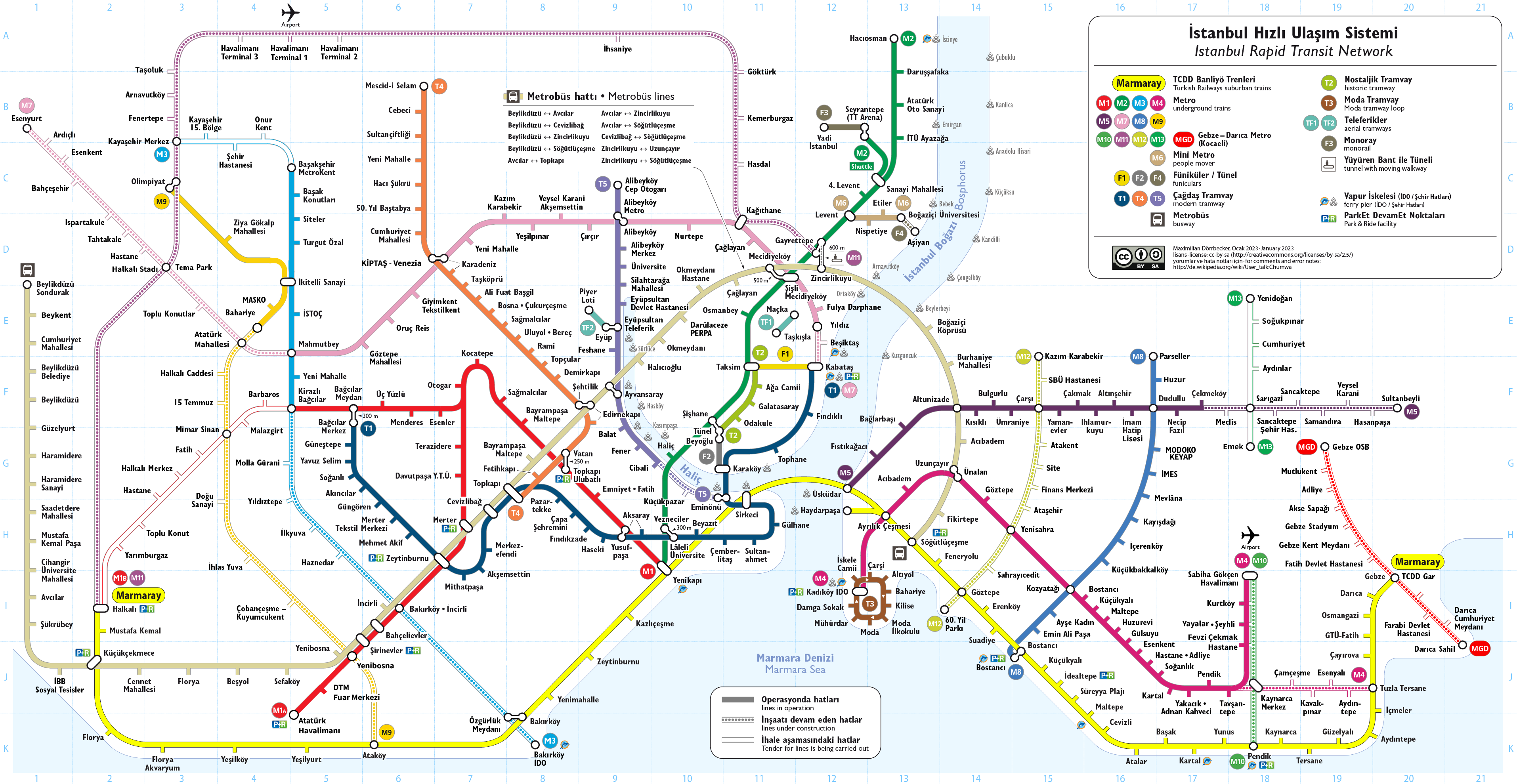
*A schematic map of Istanbul's rapid transit network.*
## The Key to the City: Istanbulkart
If there is one object that defines the modern Istanbul experience, it is the **Istanbulkart**. This RFID-based contactless smart card is more than just a transit pass; it is your passport to the city's vast infrastructure. From the moment you land, this card becomes your most trusted companion.
### Understanding the Types of Istanbulkart
While most tourists will use the standard **Anonymous Card** (Red/Yellow), there are actually several versions of the card that you might see being used by locals:
* **Anonymous Card:** The standard card purchased from machines. It requires no registration for short-term use, though local regulations now encourage registration for data protection and loss recovery.
* **Blue Card (Mavi Kart):** A monthly subscription card used by residents. It offers a set number of rides (usually 180 or 200) for a fixed monthly fee.
* **Digital Card (Istanbulkart Mobile):** You can generate a QR code on your phone using the Istanbulkart app. This is increasingly popular as it removes the need for a physical card entirely.
* **Limited Use Cards:** For those staying only a day, there are "Beşi Bir Yerde" (5-pass) or "Onu Bir Yerde" (10-pass) cards, but these are generally less cost-effective than the standard card.
### Where and How to Buy
The most common way to acquire a card is through the **Biletmatik** machines. These yellow (sometimes blue) kiosks are located at:
* **Istanbul Airport (IST) and Sabiha Gökçen (SAW):** Look for the transit floor or bus waiting areas.
* **Major Metro Hubs:** Stations like Taksim, Yenikapı, and Kadıköy have dozens of them.
* **Ferry Terminals:** Eminönü, Karaköy, and Beşiktaş terminals always have machines near the turnstiles.
* **Small Kiosks:** Many "Büfes" (small convenience stores) near bus stops display the Istanbulkart logo and sell the cards.
### Cost and Refilling
As of 2024, there is a one-time fee to purchase the physical card (usually around 70-100 TRY). Once purchased, the card has a **zero balance**, so you must immediately top it up.
* **Cash Refills:** The Biletmatik machines accept Turkish Lira banknotes. **Note:** Most older machines do not give change, so any money you put in will be converted into balance on your card.
* **Credit/Debit Card:** Modern blue Biletmatik machines and the mobile app allow for top-ups via international credit cards.
* **Online Top-up:** Using the Istanbulkart app, you can link your credit card and top up on the go. You then "activate" the balance by tapping your phone (via NFC) or tapping the card at a designated point at the station.
### The Magic of Transfers (Aktarma)
The real power of the Istanbulkart lies in the **Transfer Discount**. Istanbul’s transit system is designed to reward multi-modal journeys.
* **How it Works:** When you tap your card for a second, third, or fourth time within a 2-hour window (e.g., moving from a bus to a metro), the fare is significantly reduced.
* **One Card for Multiple People:** You *can* use one physical card for up to 5 people. However, **only the first person** to tap will receive the transfer discount. For the others, the full fare will be deducted each time. If you are traveling in a group for several days, it is highly recommended that everyone has their own card.
### Where Else Can You Use It?
The Istanbulkart is slowly becoming a "City Card." You can now use your balance at:
* **Public Toilets:** Most municipal "iBB" toilets require a tap of your Istanbulkart.
* **Vending Machines:** Some vending machines in metro stations accept the card.
* **Migros Supermarkets:** You can even use your balance to buy groceries at Migros and A101 stores!
* **Hamidiye Water Kiosks:** The municipal water points accept card taps.
## Traveling by Bus in Istanbul
Buses are the backbone of the city's transport for millions of locals. The network is vast, covering every corner from the outskirts of **Beylikdüzü** to the residential hills of **Pendik**.
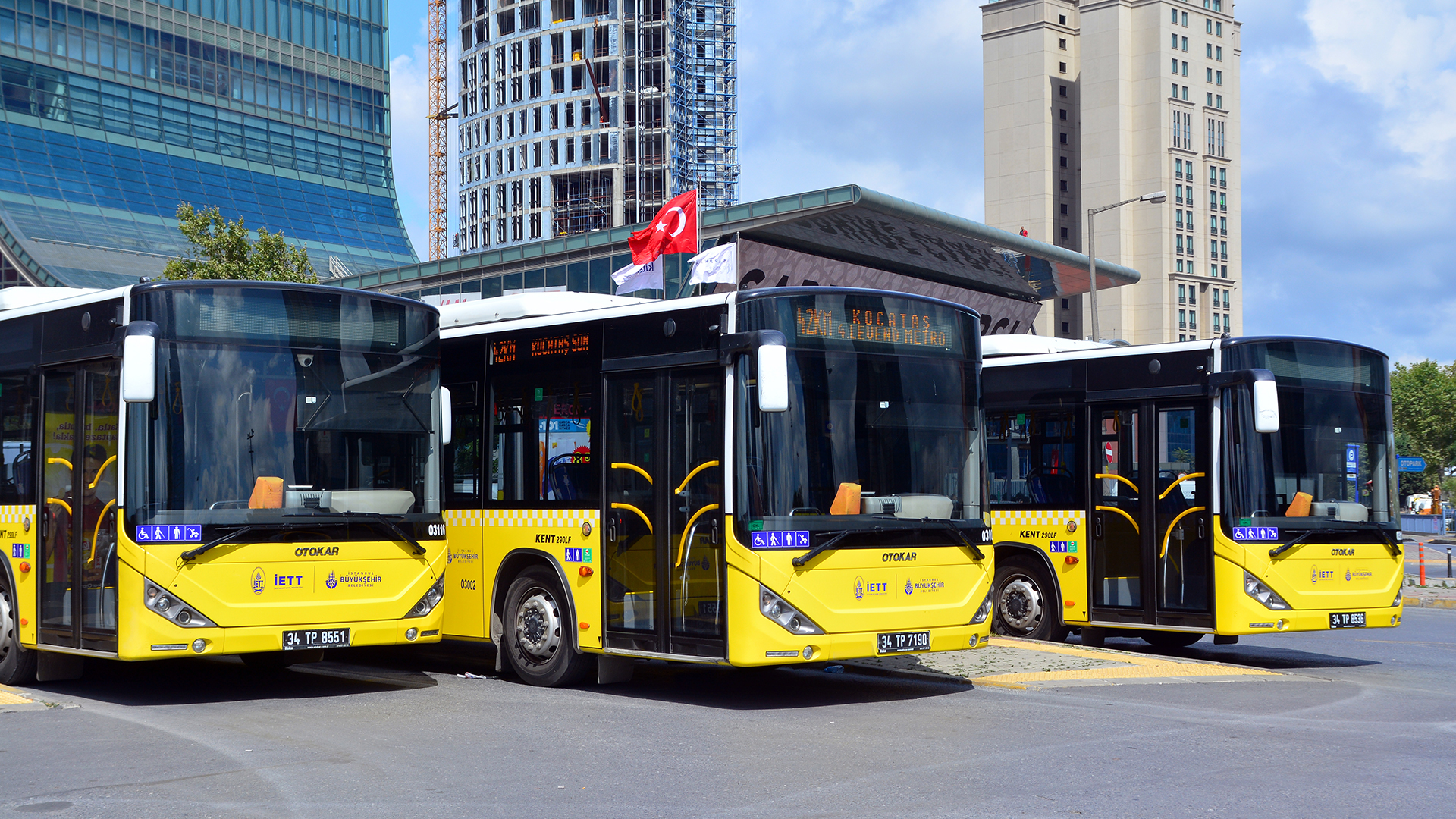
### Tips for Using the Bus:
* **The IETT App:** Download the **"Mobiett"** app. It shows real-time bus locations and tells you exactly which line to take based on your GPS coordination.
* **The "Yellow" Buses:** Most buses are yellow (run by IETT). Some are turquoise or blue, which are privately owned but still use the Istanbulkart system.
* **Peak Hour Warning:** From 5:00 PM to 8:00 PM, buses can be incredibly crowded. If you can, avoid travel during these times or opt for the Metro.
* **Entering the Bus:** Always enter through the front door and tap your card. Exit through the middle or back doors.
## The Istanbul Metro: Fast & Efficient
Istanbul currently operates 11 metro lines, with several more under construction. It is clean, safe, and air-conditioned, making it the preferred choice for long-distance travel within the city. The metro runs from **06:00 to 00:00** every day, but on **Friday and Saturday nights**, several major lines remain open for 24 hours (Night Metro).
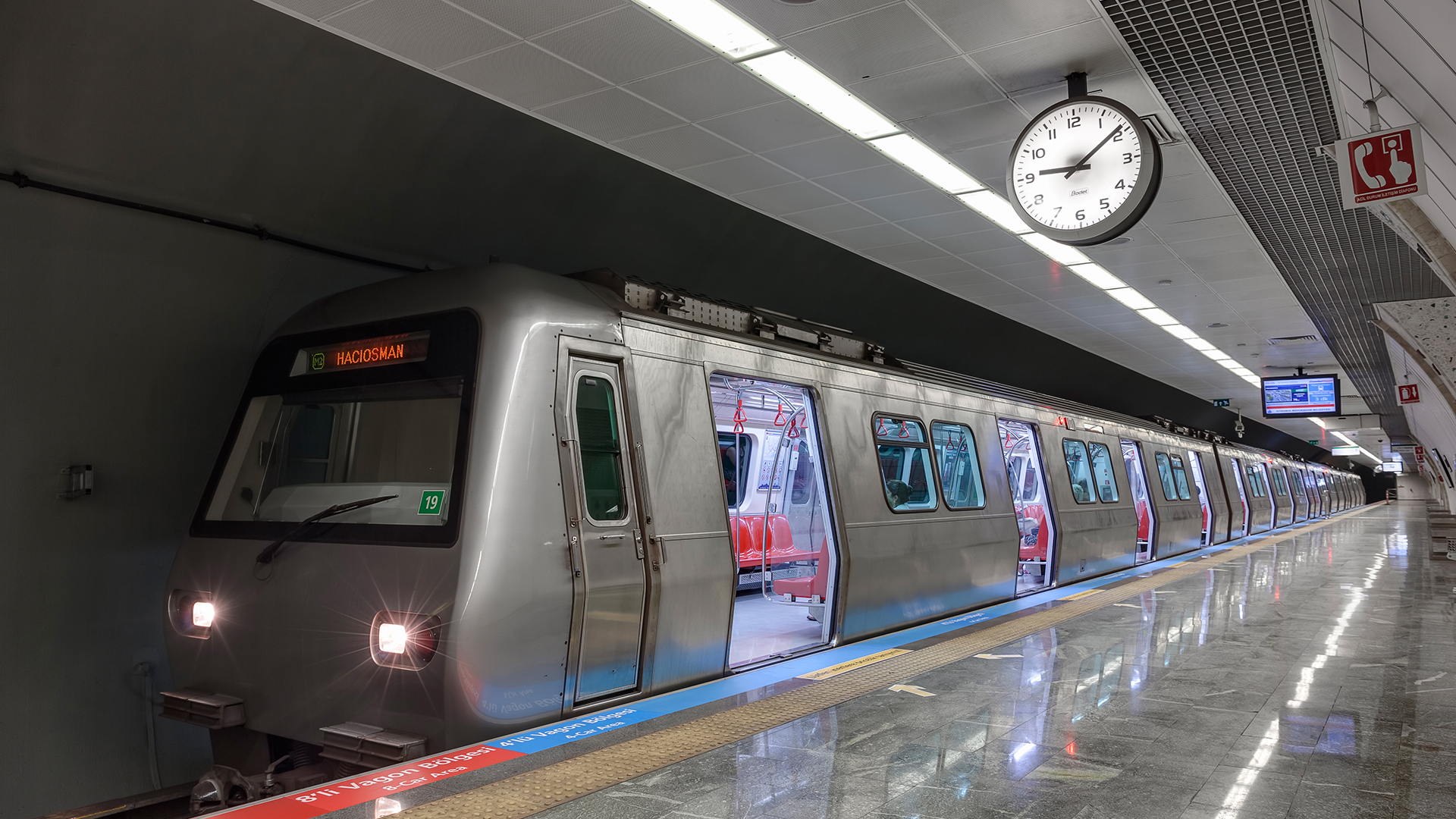
### M2 (Green Line): The Essential Tourist Link
The M2 is the "prestige" line of Istanbul. It connects the historic peninsula to the northern financial and residential districts.
* **Yenikapı:** The southern terminus. A massive transport hub where you can transfer to the M1 line, Marmaray, or the IDO ferry port.
* **Vezneciler:** This is your stop for the **Grand Bazaar** and the **Süleymaniye Mosque**. It’s located in a bustling student district near Istanbul University.
* **Haliç (The Golden Horn):** One of the most beautiful metro stations in the world. The station is built directly onto a bridge spanning the Golden Horn. Exit here for stunning panoramic photos of the Old City.
* **Şişhane:** The exit for the **Galata Tower** and the southern end of Istiklal Street.
* **Taksim:** The heart of modern Istanbul. Connects to the F1 Funicular and the Nostalgic Tram.
* **Osmanbey:** Known for its textile shops and being the gateway to the trendy **Nişantaşı** neighborhood.
* **Gayrettepe:** A major financial hub and the transfer point for the M11 Airport Metro.
* **Levent & Maslak:** The skyscraper districts. If you want to see the "New Istanbul" and its massive malls like Kanyon or Zorlu, this is where you go.
### M1A & M1B (Red Lines): The Legacy Routes
* **M1A:** Originally connected to Atatürk Airport. Now its primary use is reaching the **Otogar (Main Bus Terminal)** and local residential areas.
* **M1B:** Branches off towards Kirazlı. Generally less relevant for tourists unless you are visiting certain industrial or shopping outlet areas.
### M4 (Pink Line): The Asian Side’s Backbone
Stretching from **Kadıköy** to **Sabiha Gökçen Airport**, this line is essential for anyone staying on or visiting the Asian Side.
* **Kadıköy:** The vibrant cultural heart of the Asian side.
* **Ayrılık Çeşmesi:** The transfer point to the **Marmaray**.
* **Sabiha Gökçen Airport:** The terminus station. It brings you directly into the airport’s terminal building.
### M11 (Purple Line): The High-Speed Gateway
The pride of Istanbul's recent infrastructure, the M11 is one of the fastest metros in Europe.
* **Istanbul Airport to Kağıthane/Gayrettepe:** It connects the mega-airport to the city center in roughly 30 minutes.
* **Connectivity:** From Gayrettepe, you can easily switch to the M2 line to reach Taksim or Sultanahmet.
### Other Notable Lines
* **M7 (Pink):** A fully automatic, driverless line connecting Mecidiyeköy to Mahmutbey. Great for exploring residential districts.
* **M6 (Mini-Metro):** A short 4-stop line connecting Levent to **Boğaziçi University**. It offers a beautiful walk down to the Bosphorus shore at Rumeli Hisarı.
* **M8 (Bostancı-Dudullu):** A north-south link on the Asian side that makes getting to the Bostancı ferry terminal much easier.
## The Tramways: Moving at Street Level
If the Metro is the city’s nervous system, the Trams are its heart. They move through some of the most historic streets in the world, allowing you to see the city as you travel.
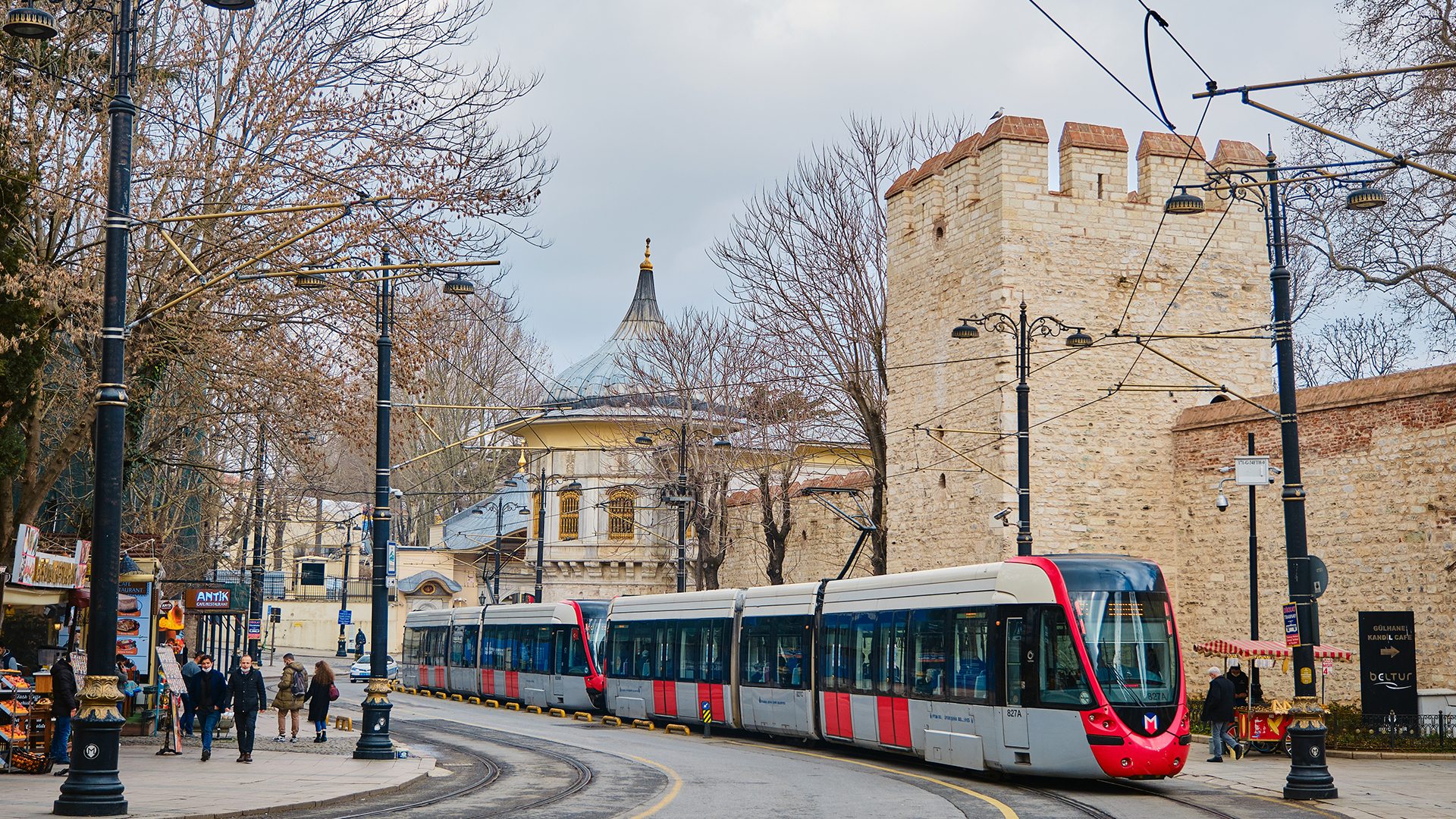
### T1 (Dark Blue): The Historical Peninsula Tour
This is, without a doubt, the most important transit line for any tourist. It connects the ferry docks of **Kabataş** and **Eminönü** with the "Old City."
* **Kabataş:** The terminus. Connects to the F1 Funicular and Bosphorus ferries.
* **Beşiktaş/Dolmabahçe:** Near the Dolmabahçe Palace.
* **Tophane:** The art and hookah district. Home to the Istanbul Modern museum and the Galataport cruise terminal.
* **Karaköy:** The gateway to Galata. Exit here for the world’s best baklava and the fish market.
* **Eminönü:** The busiest spot in Istanbul. The Spice Bazaar and the New Mosque are right here.
* **Sirkeci:** Near the historic Orient Express train station.
* **Gülhane:** The entrance to the Gülhane Park and the Topkapi Palace.
* **Sultanahmet:** The destination everyone comes for. The Blue Mosque, Hagia Sophia, and Basilica Cistern are all within 5 minutes of the stop.
* **Çemberlitaş:** Known for its historic hammam and the Column of Constantine.
* **Beyazıt/Kapalıçarşı:** The main entrance to the **Grand Bazaar**.
### T5: The Golden Horn Scenic Route
The T5 is one of the newest and most beautiful lines in the city. It runs along the entire southern shore of the Golden Horn, from **Eminönü** to **Alibeyköy**.
* **Balat:** Stop here to explore the colorful houses, Jewish heritage, and trendy cafes of Fener and Balat.
* **Eyüp Sultan:** Exit here for the Eyüp Sultan Mosque and the cable car to Pierre Loti Hill.
* **The Experience:** The line uses ground-level power (no overhead cables), providing an unobstructed view of the water and the historic city walls. It’s a must-do for photographers.
### Other Tram Lines
* **T4 (Topkapı-Mescid-i Selam):** A high-floor tram that feels more like a metro. It services mostly local residential and industrial areas.
* **T3 (Kadıköy-Moda):** A circular nostalgic line that loops through the charming streets of Moda. It’s more of an attraction than a transit tool, but it’s a delightful way to spend 20 minutes.
## Unique Transport Modes
Istanbul has some of the most unique transport options in the world, blending history with modern engineering.
### The Tünel (F2) & F1 Funicular
* **The Tünel (F2):** Built in 1875, it’s the second-oldest subway in the world. It’s a short, 90-second ride that saves you from the steep "Galata Hill" climb between Karaköy and Istiklal Street.
* **Taksim-Kabataş Funicular (F1):** A modern version that connects the M2 Metro at Taksim Square down to the T1 Tram and ferries at Kabataş.
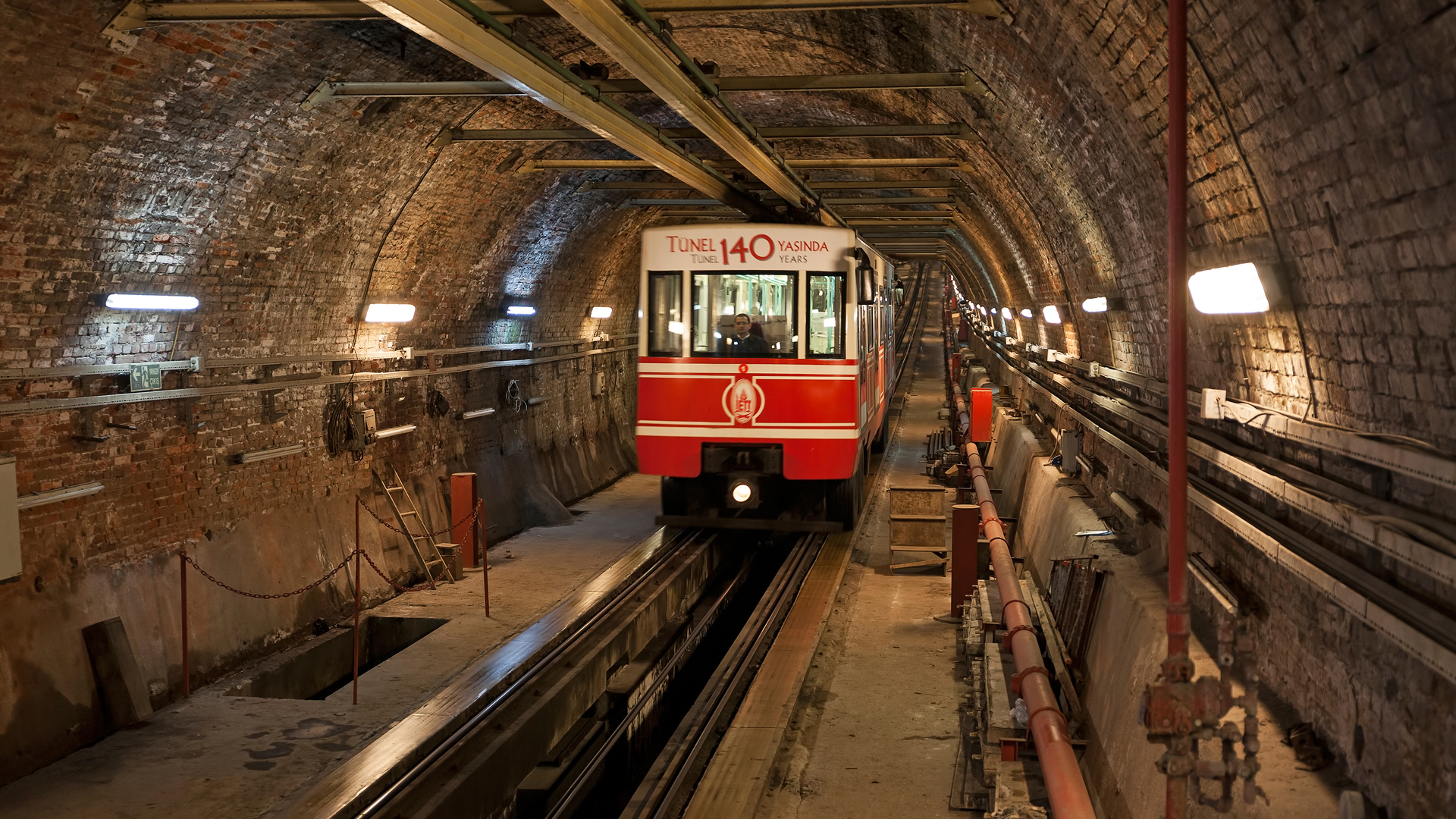
### The Nostalgic Trams
These are the iconic red trams you see in postcards.
* **Taksim (T2):** Runs through the middle of **Istiklal Street**. It’s mostly for the experience, but it’s a functional part of your transit if you're tired of walking.
* **Kadıköy (T3):** A circular route through the trendy Moda district on the Asian side.
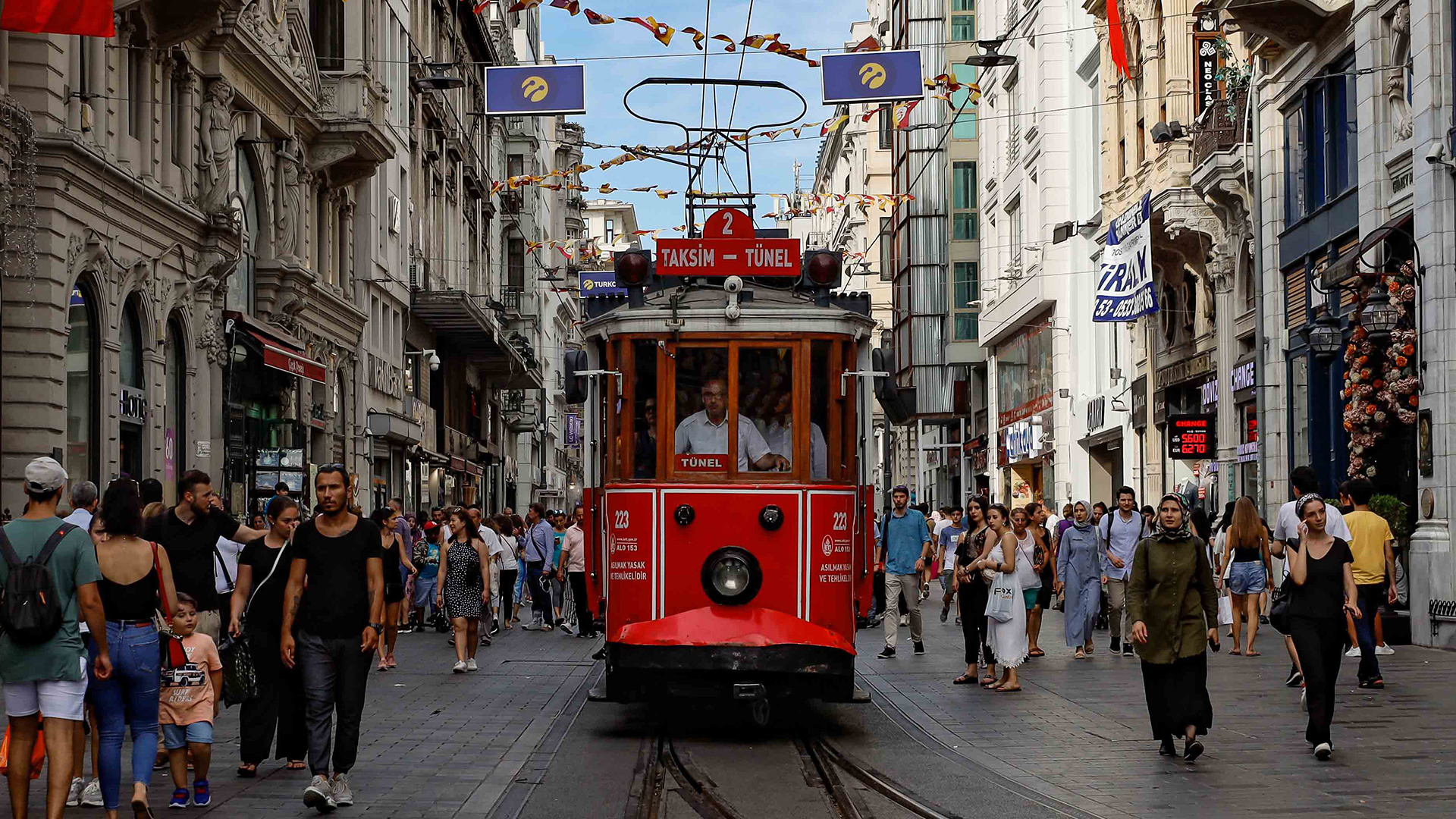
### The Metrobus (The Traffic-Beater)
The Metrobus is a "Bus Rapid Transit" system with its own dedicated lane in the middle of the highway. It’s incredibly fast because it never gets stuck in traffic.
* **Caution:** It is famously crowded. During rush hour, people are packed in like sardines. Use it if you need to go from the European outskirts to the Asian side quickly, but be prepared for a "squeezed" experience.
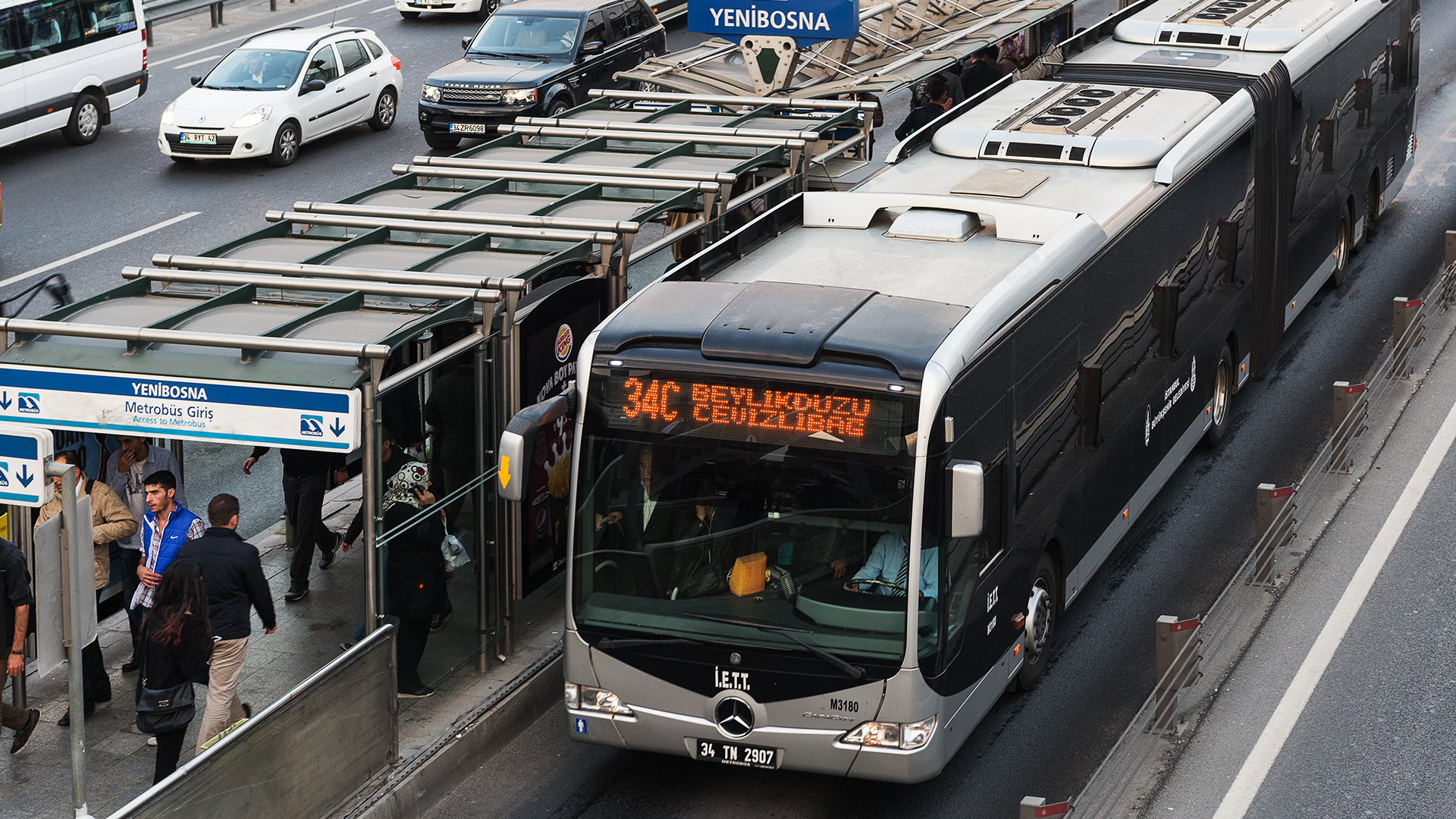
## Other Essential Connections
### Marmaray: Between Two Continents
The **Marmaray** is an engineering marvel—a rail tunnel running *under* the Bosphorus, physically connecting the European and Asian continents. It is technically the deepest immersed tube tunnel in the world.
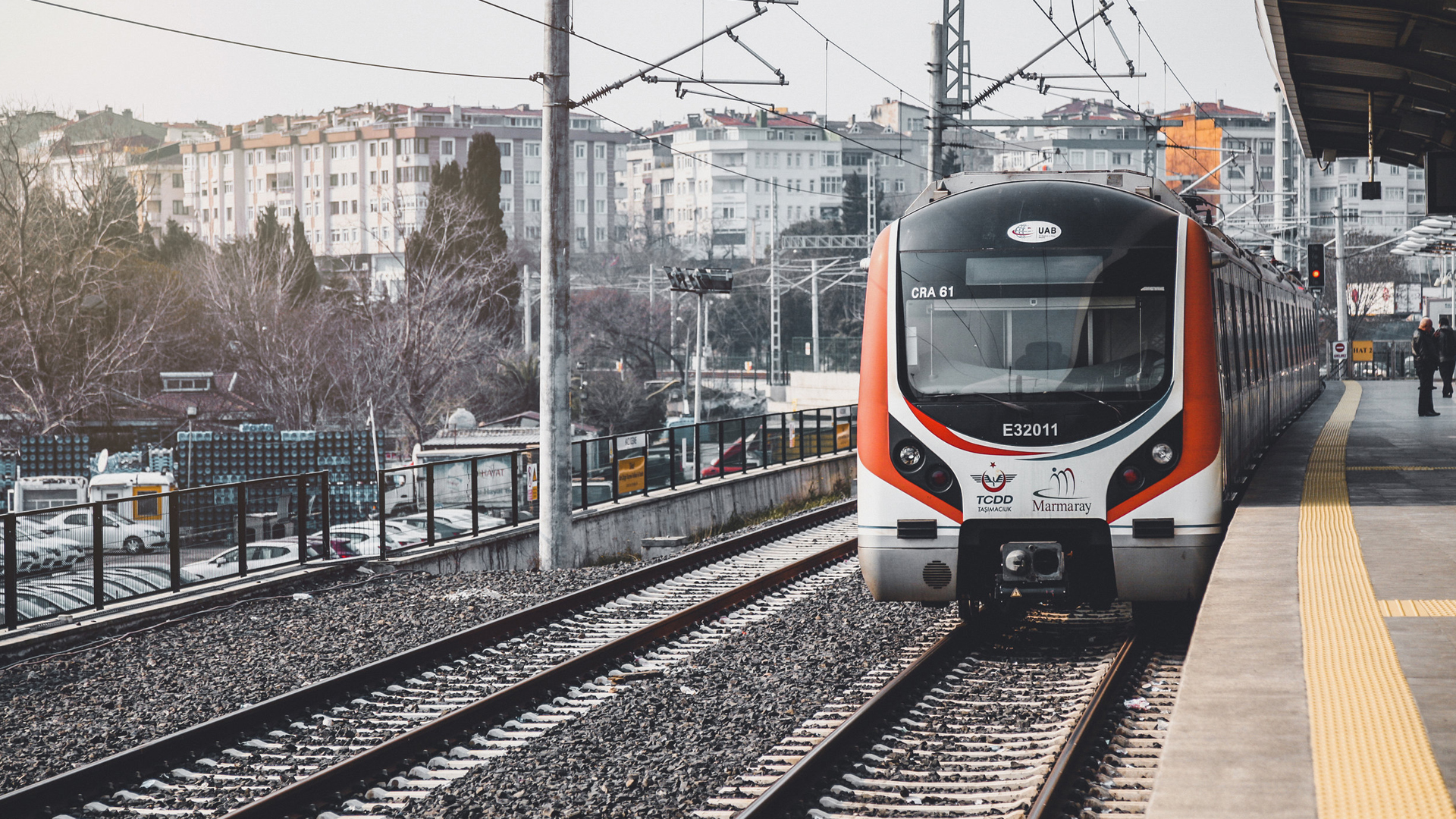
* **Speed:** It’s the fastest way to cross between continents (just 4 minutes in the tunnel).
* **The Route:** It runs from **Halkalı** on the European side to **Gebze** on the Asian side.
* **Key Station:** **Sirkeci Station** is deep underground and worth seeing just for its scale.
* **Refund Tip:** Marmaray uses a different fare system. You tap when you enter (it takes the maximum fare) and then you **must tap the "Refund" (İade)** machine when you exit to get back the money for the distance you didn't travel!
### The Eyüp-Pierre Loti Cable Car (TF2)
This cable car connects the historic district of **Eyüp** on the Golden Horn to the famous **Pierre Loti Hill**.
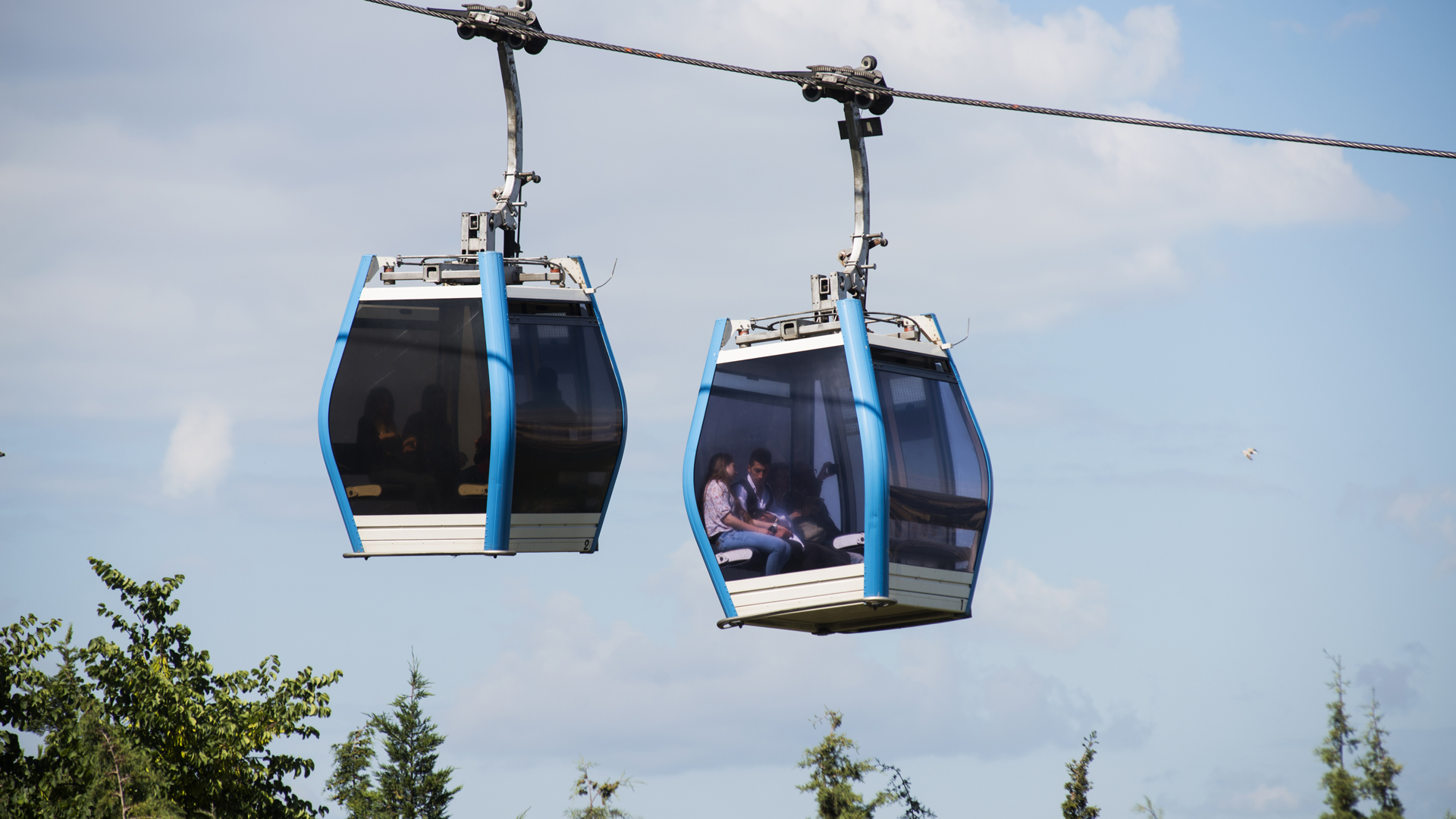
* **The View:** It offers one of the best views of the Golden Horn and the city’s skyline.
* **Tip:** Go during sunset and have a glass of traditional Turkish tea at the Pierre Loti Hill Cafe.
* **Hours:** 8:00 AM – 10:00 PM.
## Istanbul Ferries (Vapur): The Soul of the City
No trip to Istanbul is complete without a ferry ride. For locals, it's a daily commute; for visitors, it's arguably the world's most beautiful "public cruise." The feeling of the Bosphorus breeze in your hair while sipping hot tea is the quintessence of the Istanbul experience.
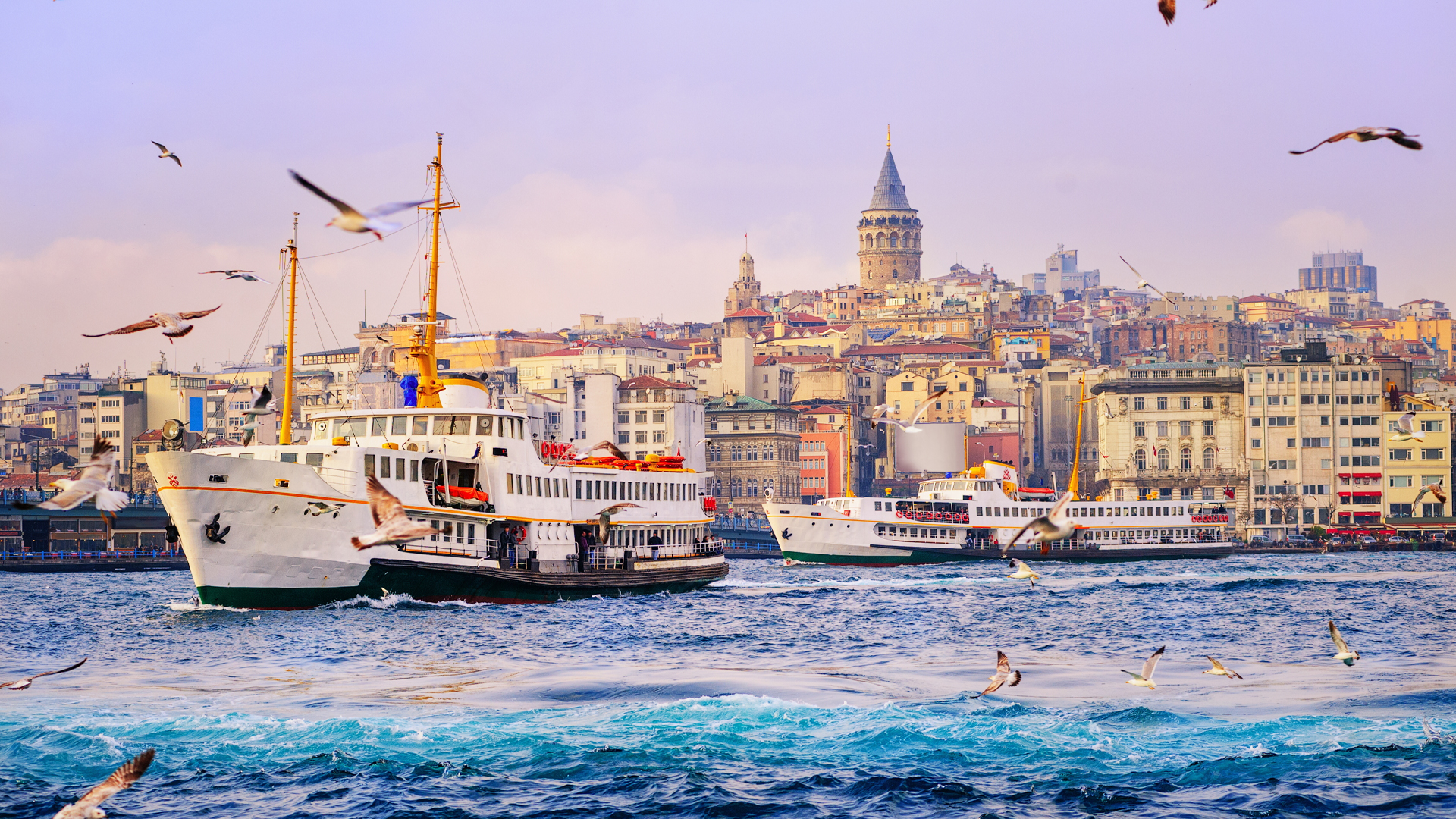
### The Main Transit Hubs
To master the ferry system, you only need to remember five names:
* **European Side:** Eminönü, Karaköy, Beşiktaş, Kabataş.
* **Asian Side:** Üsküdar, Kadıköy.
### Understanding the Operators
There are three main ways to travel by water:
1. **Şehir Hatları (City Lines):** The classic, state-run ferries with large open decks. They are the cheapest and most romantic. They use the Istanbulkart and offer the most routes. Look for their distinct "vapur" silhouette.
2. **Private Motorboats (Turyol & Dentur):** These are smaller, faster boats that run similar routes. They also accept the Istanbulkart and are great when the large ferries are crowded or running less frequently.
3. **Sea Taxis:** Small speedboats that you can call via an app. They are expensive (starting around 500-1000 TRY) but operate 24/7 and can take you directly to private docks at hotels or restaurants.
### Top Ferry Routes for Visitors
* **Eminönü to Kadıköy:** The classic transition from the historic European center to the vibrant Asian residential heart. (20 minutes)
* **Beşiktaş to Üsküdar:** A quick 10-minute dash that gives you a perfect view of the Maiden's Tower (Kız Kulesi).
* **The Golden Horn Line:** Starting from Üsküdar or Karaköy, this slow boat stops at Balat, Ayvansaray, and Eyüp. It’s the most scenic way to see the historic city walls from the water.
* **The Princes' Islands (Adalar):** Ferries depart from Beşiktaş, Kabataş, and Eminönü. It’s a 75-90 minute journey to a car-free paradise. **Tip:** Take the "Sea Bus" (Deniz Otobüsü) for a faster, catamaran-style trip, or the classic "Vapur" for the views.
### Local "Vapur" Etiquette & Tips
* **The Çay & Simit Ritual:** You are almost legally required to buy a glass of tea from the onboard canteen. If you’re on the open deck, buy a "Simit" (sesame bread ring) at the dock and throw pieces to the seagulls that follow the ferry. It’s a tradition that spans generations.
* **Seating Strategically:** In summer, head to the upper open decks for the breeze. In winter, the interior lounges are cozy and often have heaters.
* **The Musicians:** Most ferries have street musicians who perform for tips. They are often high-quality performers who add a cinematic soundtrack to your journey.
* **The "Sunset" Ferry:** If you can, time your ferry ride from Kadıköy to Eminönü for sunset. The view of the Hagia Sophia and Blue Mosque silhouettes against a purple sky is unforgettable.
* **Check the App:** Download the **"Şehir Hatları"** app to see real-time schedules, as some routes stop running after 9:00 PM.
## Airports & Taxis in Istanbul
Getting to and from the airports is a key part of any Istanbul itinerary. The network has expanded significantly recently.
### Reaching the Airports
* **New Istanbul Airport (IST):** Located far to the north. The **M11 Metro** is the fastest way (30-40 minutes from Kağıthane). Alternatively, use the **Havaist** buses which have luggage compartments and are very comfortable.
* **Sabiha Gökçen Airport (SAW):** Located on the Asian side. The **M4 Metro** connects it directly to the Kadıköy ferry terminal. **Havabus** shuttles also run to Taksim and Kadıköy.
## Dolmuş & Minibüs: The Unofficial Masters of the Road
While the metro and tram are run by the municipality, there is a whole secondary layer of transport that is privately owned and operated. These are the **Minibüs** and the **Dolmuş**.
### The Minibüs (The Blue/Green Vans)
You will see these small, often beat-up vans speeding through residential streets. They fill the gaps where buses don't go.
* **Payment:** **NO ISTANBULKART.** These are cash only.
* **How it Works:** You hop on and tell the driver your destination (e.g., "Beşiktaş" or "Kadıköy"). He will tell you the price (usually a few Lira). You pass your money forward through other passengers, and the change comes back the same way. It is a fascinating communal experience.
* **Routes:** They don't have fixed stops. You can flag them down anywhere on their route, and you yell **"İnecek var!"** (Someone wants to get off!) when you want to stop.
### The Dolmuş (The Yellow Vans)
"Dolmuş" means "filled," and that is exactly how they work. These are shared yellow taxis that follow a specific route.
* **Payment:** Cash or sometimes Istanbulkart (on specific newer models), but assume cash.
* **Waiting:** They stay at their starting point until every single seat is filled. Once full, they depart.
* **Popular Routes:**
* Taksim <-> Beşiktaş
* Taksim <-> Kadıköy (even across the bridge!)
* Beşiktaş <-> Bostancı
* **Speed:** They are famously fast (sometimes terrifyingly so). They are a great alternative at night when the ferries have stopped.
## Walking: The Most Rewarding Transit Mode
Despite the hills, Istanbul is a city meant to be seen from the ground. Some of the best transport "routes" aren't on a map.
### Crossing the Galata Bridge
Instead of taking the T1 tram from Karaköy to Eminönü, walk across the bridge. You will see the fisherman lining the rails, the boats shuffling below, and the iconic silhouette of the New Mosque ahead of you. It takes 10 minutes and is pure Istanbul.
### The Bosphorus Promenade
Walking from Beşiktaş to Ortaköy (and then to Kuruçeşme and Bebek) is a 2-hour journey past mansions, parks, and the water. It is the city's favorite Sunday activity.
### The Istiklal Street Stroll
Istiklal Street is 1.4km of pedestrian-only madness. While the nostalgic tram can take you through it, walking allows you to duck into the hidden "passages" (pasajlar) and side streets that hold the city’s best bars and bookstores.
### A Note on Hills
Prepare your calf muscles. Istanbul is the "City of Seven Hills," and while its transport helps with many, you will inevitably find yourself climbing a 45-degree street at some point. Wear comfortable shoes!
## Mastering the Istanbul Taxi
Taxis are plentiful but can be tricky during rush hour or rain.
* **The Apps:** **NEVER** hail a taxi on the street if you can avoid it. Use **BiTaksi** or **Uber**. This ensures the meter is on and the route is tracked.
* **Payment:** Yellow taxis are standard. Turquoise and Black are more expensive luxury options. Most taxis now accept credit cards, but it’s always safer to have some Turkish Lira (TRY) on hand.
* **The Meter:** Always ensure the driver starts the "Taksimetre."
## Public Transport Etiquette & Local Culture
Navigating the city isn't just about maps; it's about social rules. Understanding these will make your journey smoother and earn you the respect of the locals.
### Giving Up Your Seat
This is perhaps the most important rule in Istanbul. If you are sitting and an elderly person, a pregnant woman, or someone with a small child boards the vehicle, you are expected to offer your seat immediately. It is considered very rude to ignore them. Even if you are exhausted, standing up for an elder is viewed as a mark of good character.
### Backpack Etiquette
Istanbul’s buses and metros can get incredibly crowded. If you are wearing a large backpack, **take it off and hold it between your feet.** Leaving it on your back takes up space for one or even two extra people and makes you a target for accidental bumps or, occasionally, pickpockets.
### Moving to the Middle
A common mistake tourists make is standing near the doors. In Istanbul, you must move toward the center of the vehicle as soon as you board. If you block the doorway, you will hear people shouting **"İlerleyelim lütfen!"** (Let's move forward, please!).
### Quiet Culture
While Istanbul is a loud city, public transport (especially the Metro) is relatively quiet. People rarely talk loudly on their phones or play music without headphones. Be respectful of this calm environment.
### Escalator Rules
Like most major cities, the rule is **"Stand on the Right, Walk on the Left."** If you stand on the left side of the escalator, you will likely be asked to move by someone rushing for their train.
## Safety & Common Scams to Avoid
Overall, Istanbul’s public transport is very safe, with security guards and cameras at almost every station. However, like any major tourist destination, there are things to watch out for.
### The "Felt Tip" Taxi Scam
Some taxi drivers might try to use a "shortchange" trick. You hand them a 100 TRY bill, and they quickly swap it for a 20 TRY bill while you aren't looking, claiming you underpaid. To avoid this, say the value of the bill out loud as you hand it over: "Here is 100 Lira."
### Pickpockets in Crowded Areas
The T1 Tram and the Metrobus are hotspots for pickpockets during rush hour. Always keep your bag in front of you and your wallet in a secure internal pocket. Avoid keeping anything in your back pockets.
### Fake "Assistance" at Biletmatik
In busy stations like Sultanahmet or Taksim, someone might offer to help you use the Biletmatik machine to buy an Istanbulkart. They might claim the machine is "broken" and offer you a card they have for a higher price. **Ignore them.** The machines always have an English language option, and there are municipal staff (wearing official vests) who can truly help you if you’re stuck.
### The "Bosphorus Tour" Hustlers
Near the Eminönü ferry docks, you will be approached by dozen of people offering "Bosphorus Cruises" at "special prices." While some are legitimate private operators, we recommend sticking to the official **Şehir Hatları** ferries for the most authentic and fairly priced experience.
## Frequently Asked Questions (FAQ)
### 1. Does the Istanbulkart work for the whole family?
Yes, you can use one Istanbulkart for up to 5 people by tapping it multiple times at the turnstile. However, only the first tap receives the "transfer discount" (aktarma). For a long stay, we recommend one card per person to save money on complex journeys.
### 2. Can I use my credit card directly on the bus or metro?
In many modern cities, you can "tap-to-pay" with a credit card. In Istanbul, this is slowly being rolled out on buses and some metro lines, but it is **much more expensive** than using an Istanbulkart and doesn't always work on older equipment. Always have an Istanbulkart as your primary method.
### 3. What time does public transport stop at night?
Most metros and trams run until **00:00 (Midnight)**. However, on Friday and Saturday nights, the "Night Metro" operates 24 hours on major lines (M1, M2, M4, M5, M6, M7). The Metrobus and some specific bus lines (Yellow Buses) operate 24/7 every day.
### 4. How do I get from Sultanahmet to Taksim?
The most efficient way is to take the **T1 Tram** from Sultanahmet to **Karaköy**, and then either walk up the hill or take the **F1 Funicular** from Kabataş to Taksim. Alternatively, you can take the T1 to Laleli-Üniversite and walk to the **M2 Metro** at Vezneciler.
### 5. How do I get to the Princes' Islands?
Take a ferry (Vapur) from **Kabataş, Beşiktaş, or Eminönü**. The journey takes about 90 minutes to the largest island, Büyükada. Use your Istanbulkart for the best price.
### 6. Is public transport safe for solo female travelers?
Yes, Istanbul’s public transport is generally very safe. Stations are well-lit and guarded. During late-night hours, try to sit in carriages that are more populated. If you feel uncomfortable on a bus, sitting near the driver is a good idea.
### 7. What should I do if I lose my Istanbulkart?
If it's an anonymous card, unfortunately, the balance is lost. If you registered your card via the mobile app, you can block it and potentially transfer the balance to a new card.
### 8. Are there student or senior discounts for tourists?
Unfortunately, no. The deeply discounted rates for students and seniors are only available to residents with official Turkish ID cards or student permits. Tourists must pay the standard "Anonymous" rate.
### 9. Can I take my pet on the metro or ferry?
Small pets in carrying cases are allowed. Guide dogs are permitted. On ferries, you may see local cats and dogs on the open decks; they are often the "mascots" of the vessel!
### 10. How do I get to the New Istanbul Airport (IST) cheaply?
The **Havaist** buses are the most convenient (comfortable seats, luggage space). The **M11 Metro** is the cheapest and fastest if you are near a connecting station like Gayrettepe.
### 11. Is there a "Day Pass" for unlimited travel?
There aren't many "unlimited" passes like in London or Paris. The best option is to top up your Istanbulkart as you go. There are "limited use cards" (1, 3, 5, or 10 rides), but they are usually more expensive per ride.
### 12. Does public transport run on national holidays?
Yes, it runs on all holidays (like Republic Day or Eid). In fact, on many major holidays, public transport is often **free for everyone**, leading to very large crowds at popular spots.
### 13. What is the "İade" (Refund) machine on Marmaray?
Marmaray charges a fixed maximum fare when you enter. If you get off after only a few stops, you must tap your card on the **yellow/orange "İade" machines** outside the turnstiles to get a partial refund of your balance.
### 14. Can I use the Istanbulkart for the Bosphorus Cruise?
Yes! The "Short Bosphorus Tour" run by Şehir Hatları usually accepts Istanbulkart. It’s the best value-for-money cruise in the city.
### 15. How do I know which bus stop is mine?
Modern buses have screens and voice announcements (in Turkish). If you're unsure, follow your route on **Google Maps** or use the **Mobiett** app, which shows your live position on the bus line.
### 16. What is a "Dolmuş" and how is it different from a taxi?
A Dolmuş is a "shared taxi." It looks like a yellow van. It follows a set route and only leaves when it’s full of passengers. It’s faster than a bus and cheaper than a private taxi.
### 17. Why is the Metrobus so crowded?
The Metrobus carries over a million people a day across the city's main artery. It is often the only way to beat the extreme highway traffic, so everyone uses it! Avoid it during rush hours if you have luggage.
### 18. Can I use the Istanbulkart to pay for a private taxi?
Generally, no. A few taxis in the BiTaksi app might allow it, but it’s not a standard feature. Use cash or a credit card for taxis.
### 19. Is the water in the Bosphorus ferries safe to drink?
The water from the taps in the toilets is NOT for drinking. However, the onboard canteen sells bottled water, tea, coffee, and snacks.
### 20. How much should I top up for a 3-day trip?
A safe estimate for a moderately active tourist is about **500-800 TRY** per person. You can always add more at any station if you run low.
### 21. What happens if my card balance is zero at the turnstile?
The machine will make a distinct "negative" sound and show **"Yetersiz Bakiye"** (Insufficient Balance). You must go to the nearest Biletmatik to top up. Don't worry, they are always located right next to the entrance.
### 22. Are the metros and trams air-conditioned?
Yes, almost all modern metros and trams have high-quality air conditioning. Some older buses might not, but the municipality is rapidly upgrading its fleet.
### 23. Can I take a bicycle on public transport?
Bicycles are allowed on metros and ferries with some time restrictions during peak hours. Folding bikes are usually allowed at any time.
---
*Note: Always keep your **Istanbulkart** topped up. Most stations have Biletmatik machines that accept cash and credit cards. Enjoy your journey across this magnificent city!*
---
## The Heart of the Neighborhood: My Favorite Esnaf Lokantası for a Real Taste of Home-Style Cooking
URL: https://istanbulcool.com/istanbul-tradesmen-restaurants-esnaf-lokantasi
The windows were so thick with steam you could barely see the narrow cobblestone alley outside. I remember the first time I felt truly at home in Istanbul; it wasn’t at a grand Bosphorus palace or a glitzy rooftop bar with a cocktail in my hand. It was in a tiny, crowded room tucked away in the labyrinthine backstreets of Eminönü, sitting on a wobbly stool that had definitely seen better decades. To my left was a seasoned carpet dealer with hands stained by tea and dye, and to my right, a bank clerk in a crisp white shirt. We didn't exchange a word, yet we were part of the same silent, beautiful ritual: elbows tucked in, faces down, and spirits lifted by the same steaming plate of slow-cooked lamb and buttery chickpeas.
After fifteen years of navigating the chaotic beauty of this city, I’ve learned that if you want to find the true heartbeat of an Istanbul neighborhood, you don’t look for the places with English menus or neon signs. You look for the *esnaf lokantası*. Literally translated as a "tradesman restaurant," these are the humble, cafeteria-style eateries where the city’s workforce—and those of us who have lived here long enough to know better—go for a real taste of Turkish home cooking. This is Istanbul’s version of soul food. It’s the kind of cooking that feels like a warm hug, reminiscent of what a Turkish grandmother would serve if she had been simmering stews since the call to prayer at dawn.
For a local Istanbul lunch, there is simply no substitute. These spots are the communal dining rooms of the city, where the social hierarchy vanishes over a bowl of lentil soup. The food here isn’t about ego or fancy plating; it’s about comfort, tradition, and the kind of deep, savory flavors that only come from hours of patience on a low flame.
Over the years, these neighborhood joints have become my sanctuaries—the places I go when I need to ground myself back in the "real" city. So, put away the tourist map for an afternoon. I want to take you behind the counter to my personal favorites, where the broth is rich, the greeting is warm, and the flavors tell the story of Istanbul better than any guidebook ever could.
## The Soul of the City: Understanding the Esnaf Lokantası Tradition
Whenever a friend visits me here in Istanbul, they usually arrive with a list of "must-eat" items: the gold-leafed steaks of Nusr-Et or the Instagram-famous kumpir of Ortaköy. I always smile, let them get it out of their system, and then—usually around day three—I take them to a place with no menu, no tablecloths, and steam-fogged windows. This is the **esnaf lokantasi**, or "tradesman restaurant," and in my fifteen years of navigating these winding streets, I’ve come to realize that these humble eateries are the true beating heart of Istanbul.
To understand the **esnaf lokantasi**, you first have to understand the word *esnaf*. It translates to "tradesman" or "artisan." In the old days, and still today in many quarters, these were the men and women who kept the city running—the cobblers, the tailors, the carpenters, and the jewelers. These were people who didn't have time for a three-course leisurely lunch; they needed "mother’s cooking" that was fast, affordable, and nutritious enough to fuel a twelve-hour workday.
### From Ottoman Guilds to the Neighborhood Table
The roots of the **esnaf lokantasi** are buried deep in **Istanbul food history**, stretching back to the Ottoman Empire's guild system, known as the *Lonca*. Each craft had its own guild, and with it, a sense of communal responsibility. In those days, a master and his apprentices would often share a meal provided by the guild’s kitchen. As the empire transitioned into the modern Republic and the rigid guild structures dissolved, these communal kitchens evolved into public-facing **tradesmen restaurants**.
They became the "communal dining room" of the neighborhood. The transition was seamless because the philosophy remained unchanged: **honest food for honest work**. Even today, when you walk into a classic spot in neighborhoods like Eminönü or Karaköy, you are stepping into a lineage of hospitality that dates back centuries. You aren’t just a customer; for thirty minutes, you are part of the neighborhood’s daily rhythm.
If you’re looking to truly immerse yourself in this local rhythm, it helps to be based in the right area. While Sultanahmet is great for the sights, I always suggest looking **[beyond the Sultanahmet bubble: where I tell my friends to stay for a real Istanbul vibe](https://istanbulcool.com/best-neighborhoods-to-stay-istanbul-local-vibe)** to find the districts where these traditions are still the way of life.
### The Real Istanbul Beyond the Tourist Menu
Why do I love these places so much? Because they represent the "real" Istanbul that survives despite the gentrification and the "tourist menus" of the historic peninsula. In Sultanahmet, you’ll find laminated menus with pictures of kebabs in six languages. In an **esnaf lokantasi**, the menu is the *tezgah*—the glass-fronted counter where rows of stainless steel pots simmer with stews, pilafs, and vegetable dishes.
There is a specific etiquette and charm to these places that separates them from any other dining experience:
* **The Seasonal Pulse:** You won't find eggplant in the dead of winter or artichokes in the autumn. The food follows the calendar of the soil, not the demands of a static menu.
* **The "Half-Portion" Rule:** Locals often order *az*, or half-portions, allowing them to sample a bit of everything—a scoop of buttery rice, a ladle of chickpea stew, and perhaps a small bowl of creamy *sütlaç* (rice pudding) to finish.
* **The Community Table:** Space is at a premium. It’s perfectly normal to take the only empty seat at a table of strangers, exchange a quick "*Afiyet olsun*" (enjoy your meal), and eat in a comfortable, shared silence.
* **The Trust System:** In many traditional spots, you don't get a bill. You simply tell the cashier what you ate on your way out. It’s a level of social trust that feels increasingly rare in a mega-city of 16 million people.
These are not places of pretension. They are places of **home-style cooking** where the olive oil is plentiful, the bread is always fresh for dipping, and the tea is always brewing. To eat here is to be welcomed into the city's private kitchen.
## The Counter Dance: How to Navigate Your First Visit
Stepping into an *esnaf lokantası* for the first time can feel a bit like wandering backstage during a theater production. It’s loud, fast-paced, and everyone seems to know exactly where they’re going except you. But don't turn around! This "counter dance" is part of the charm, and once you know the steps, you’ll feel like a local in no time.
Think of me as your backstage coach. After 15 years of navigating these narrow aisles, I’ve realized that the beauty of a **local Istanbul lunch** lies in its lack of pretension. Here is your step-by-step guide to mastering the art of **steam table dining**.
### 1. Forget the Printed Menu
The first thing you’ll notice is the absence of a leather-bound menu or a QR code. In a true tradesman restaurant, the menu is alive and bubbling right in front of you. Walk straight to the back or the side where the **steam table** is located. You’ll see rows of stainless steel trays filled with colorful stews, pilafs, and roasted meats.
This is a "point-and-eat" system. You simply look at what looks delicious and point to it. The chef (or *usta*) behind the counter will plate it for you instantly. If you aren't sure what something is, just ask "Bu ne?" (What is this?), but honestly, your eyes will usually tell you everything you need to know.
### 2. Embrace the 'Sulu Yemek' Concept
To understand **how to order Turkish food** in these establishments, you must understand *sulu yemek*—which literally translates to "food with water" or "juicy food." These aren't just soups; they are hearty, slow-cooked stews where the sauce is the star of the show.
Whether it’s *Kuru Fasulye* (white beans in a tomato-based sauce) or *Tas Kebabı* (lamb stew), the "juice" is meant to be soaked up. This is why you’ll always find baskets of fresh white bread on every table. It’s not just a side; it’s your primary tool for ensuring not a single drop of that flavorful broth goes to waste.
> **Berk's Insider Tip:**
> Look at what the oldest man in the room is eating. These 'amcas' (uncles) have been coming here for decades and always know which dish the chef nailed that specific morning.
### 3. The Etiquette of the Empty Chair
During the lunch rush (usually between 12:00 PM and 2:00 PM), these places get packed. Space is at a premium. If you see an empty chair at a table where someone is already sitting, it is perfectly acceptable—and expected—to ask, "Boş mu?" (Is it free?) and take a seat.
Don't expect a long, lingering conversation with your neighbor. People are here to fuel up and get back to work. However, a polite nod as you sit down is the local way to acknowledge your fellow diner. This efficiency is exactly how these spots survive in busy transit hubs; if you're planning to hop across the city after your meal, it’s worth checking out [The Ultimate Guide to Public Transport in Istanbul](https://istanbulcool.com/istanbul-public-transport-guide) to keep your momentum going as smoothly as your lunch.
### 4. Speed is the Secret Ingredient
One of the things I love most about an *esnaf lokantası* is the speed. From the moment you point at your chosen dish to the moment it hits your table, barely two minutes will pass. The service is lightning-fast because the food has been simmering all morning, just waiting for you.
Because the pace is so quick, it’s best to have your "side dish" strategy ready. Usually, you’ll grab your own cutlery and perhaps a small bowl of *cacık* (yogurt with cucumber) or a plate of *pilav* as you move along the counter.
### 5. Paying the Tab
In most traditional spots, you don’t wait for a check at the table. Once you’ve finished your meal (and perhaps a quick glass of tea), you head to the small register near the exit. You simply tell the cashier what you ate. It’s an honor system that has existed for generations. You might say "Bir fasulye, bir pilav" (One bean, one rice), and they will tally it up. It’s a warm, trusting way to end a meal that feels more like eating in a neighbor’s kitchen than a commercial restaurant.
## A Seasonal Symphony: What to Look for on the Steam Table
When you walk into a neighborhood *lokanta*, your first instinct might be to ask for a menu. Don’t. In fact, most of these places won’t even have one. Instead, follow your nose toward the **steam table**—that glimmering, stainless-steel stage where the day’s performance is laid out in a row of deep trays.
In my fifteen years of navigating the backstreets of this city, I’ve learned that the steam table is more than just a serving station; it is a living, breathing calendar of the Anatolian harvest. **Turkish home cooking** is dictated entirely by the sun and the soil. You won’t find watery greenhouse tomatoes here in January. Instead, you’ll find the rich, earthy flavors of sun-dried vegetables and hearty legumes. When the seasons shift, the colors on the steam table shift with them, moving from the bright greens of spring artichokes to the deep, oily purples of late-summer eggplants.
### The Heavy Hitters: Iconic Meat Dishes
If you are a meat lover, you are about to have your world changed. The **best Turkish stews** aren't just about the protein; they are about the slow marriage of fat, spice, and time.
First, keep an eye out for **Kuzu Tandır**. This is the king of the *lokanta*. It’s lamb that has been slow-roasted for hours until it loses any will to hold onto the bone. It should be glistening, tender enough to eat with a spoon, and served over a bed of buttery saffron-tinged rice.
Then, there is the legendary **Hünkar Beğendi**, or "The Sultan’s Delight." This dish tells a story of Ottoman opulence. Imagine a bed of smoky, charred eggplant puree, whipped with kashar cheese and butter until it’s as smooth as velvet, topped with tender chunks of lamb simmered in a light tomato sauce. The contrast between the smoky creaminess and the savory meat is, quite frankly, spiritual.
And of course, we have to talk about **Musakka**. Now, if you’re thinking of the Greek version with the thick layer of béchamel, think again. The Turkish version is a lighter, more rustic affair—a sautéed medley of fried eggplant, ground meat, green peppers, and tomatoes. It’s juicy, aromatic, and demands a thick slice of sourdough bread to soak up the juices at the bottom of the plate.
### The Green Side: A Vegetarian’s Paradise
One of the biggest misconceptions about Istanbul is that it’s a city only for kebab lovers. In reality, some of the most sophisticated **vegetarian food Istanbul** has to offer is found right here in the *esnaf lokantası*, under the category of **Zeytinyağlı** (olive oil) dishes.
These dishes are a hallmark of Aegean and Marmara cooking. The rule is simple: vegetables are simmered in high-quality olive oil with a touch of sugar and lemon, then served at room temperature to allow the flavors to settle.
Look for **Zeytinyağlı Enginar** (artichokes) in the spring, which are often cooked with peas, carrots, and potatoes, nestled in the heart of the flower. Or, try the **Taze Fasulye**—green beans braised so slowly with onions and tomatoes that they become silky and sweet. For those who want something heartier, there are the "Dolmas" and "Sarmas"—peppers or grape leaves stuffed with a fragrant mixture of rice, currants, pine nuts, and allspice. These are the unsung heroes of the Turkish kitchen, proving that vegetables can be just as decadent as any roast.
### The Seasonal Guide to the Steam Table
To help you navigate the changing landscape of the *lokanta*, I’ve put together this quick reference guide based on when ingredients are at their peak.
| Season | The Star Ingredient | Berk’s Must-Try Dish | Flavor Profile |
| :--- | :--- | :--- | :--- |
| **Spring** | Artichokes & Green Peas | **Zeytinyağlı Enginar** | Bright, lemony, and delicate. |
| **Summer** | Eggplant & Tomatoes | **Patlıcan Musakka** | Rich, savory, and sun-drenched. |
| **Autumn** | Quince & Pumpkin | **Ayvalı Yahni** (Meat Stew with Quince) | A perfect balance of sweet and salty. |
| **Winter** | Leeks, Celeriac & Chard | **Zeytinyağlı Pırasa** (Leeks in Olive Oil) | Sweet, earthy, and incredibly comforting. |
### The "Usta" Interaction
Part of the charm of the steam table is the interaction with the *Usta* (the master chef) or the server standing behind it. Don't be afraid to point! In a busy *lokanta* at noon, the pace is fast. You’ll see the regulars nodding toward a dish, and the *Usta* will ladle a generous portion onto a plate with a practiced flick of the wrist.
If you’re feeling bold, ask for a "karışık" (mixed) plate, or ask them to put a little bit of the stew's gravy (*suyu*) over your rice. That juice is where the soul of the dish lives—it’s a concentrated explosion of all the ingredients that have been simmering together since five in the morning. Trust me, my friend, once you've tasted **Turkish home cooking** this way, those flashy tourist restaurants on the main drag will never look the same again.
## My Hidden Gems: The Hans and Backstreets of the Old City
If you really want to eat like a local, you have to be willing to get a little lost. While the main thoroughfares of Sultanahmet are lined with menus translated into six languages and persistent "waiters" trying to usher you inside, the real magic—the soul of Istanbul’s culinary history—is tucked away inside the **Hans**.
These 18th-century commercial buildings, once the inns for traveling merchants and their camels, are now labyrinthine hubs for silver-smiths, textile wholesalers, and carpet repairmen. But more importantly for us, they are home to the most authentic **cheap eats Istanbul** has to offer. These are places that don’t have Instagram accounts; they don’t even have signs on the main street. They exist solely to feed the hardworking people of the district, and after 15 years of wandering these stone corridors, I can tell you: this is where the flavor lives.
### The Secret Kitchens of the Stone Corridors
Stepping into a Han is like stepping back in time. The air is cooler, the city’s roar fades to a hum, and usually, by 11:30 AM, the smell of slow-cooked eggplant and roasted lamb begins to waft down from the upper balconies. Many of these **Grand Bazaar food** spots are tiny—just four or five tables crammed into a vaulted room that has seen centuries of trade.
Because these *lokantası* are located inside the trade hubs, they operate on "Bazaar Time." This means they start early and often run out of their best dishes by 2:00 PM. I’ve spent countless afternoons navigating these structures, and if you want to find the best spots yourself, you should definitely [check out my guide to the secret hans of the Grand Bazaar](https://istanbulcool.com/hidden-hans-grand-bazaar-guide) to understand the layout before you go hunting for lunch. Once you find a staircase that looks like it hasn't been touched since the Ottoman era, follow your nose. You’ll likely find a small room where the chef is stirring a pot of *Hünkar Beğendi* (Sultan's Delight) that would make a Michelin-starred chef weep.
### Why Proximity to the Bazaar Matters
People often ask me why the food in these hidden corners tastes so much better than what you find on the main tourist track. The answer is simple: the customers. The jewelers and antique dealers of the Grand Bazaar are some of the most discerning (and demanding) people in the city. They have been eating in this neighborhood for generations. If a *lokanta* uses sub-par olive oil or meat that isn't perfectly tender, they will hear about it immediately—and they’ll lose their entire customer base by the next morning.
The proximity to the markets ensures a constant flow of the highest quality ingredients. The peppers come straight from the Spice Market down the hill, and the lamb is sourced from butchers who have supplied the same families for decades. There is no "tourist tax" on quality here; it’s about survival through excellence.
### My Favorite Eminönü and Sirkeci Lunch Spots
When you move toward the water, the **Eminonu lunch spots** become a bit more frantic but no less delicious. Most people stop at the boat-side fish sandwiches, but if you walk just three blocks inland toward the Sirkeci station, you’ll find the real treasures.
Look for the small streets behind the main post office. There is one particular *esnaf lokantası* I frequent where the *Kuru Fasulye* (slow-cooked white beans) is prepared in a stone oven for hours until the sauce is thick and buttery. It’s the ultimate comfort food. In these backstreets, the menu changes daily based on what the chef found at the market that morning. You might find *Zeytinyağlı Enginar* (artichokes in olive oil) in the spring or a hearty *İşkembe* (tripe soup) in the winter.
> **Berk's Insider Tip:**
> Never ask for a menu. It marks you as a tourist immediately. Just walk straight to the glass counter, smile, and point. If you aren't sure, ask 'En çok ne satıyor?' (What is selling the most?).
Don't be intimidated by the lack of English or the brisk pace. These shop owners are some of the warmest people I know once you show an interest in their craft. Grab a tray, find a stool next to a local leather merchant, and enjoy the best meal you’ll have in Istanbul.
## Across the Bosphorus: The Legendary Lokantas of Kadıköy
If you’ve spent any time talking to me about this city, you know I’m a firm believer that the 20-minute ferry ride to the Asian side is the best therapy money can buy. There’s a distinct shift in the air the moment you step off the boat at the Kadıköy pier. The frantic energy of Eminönü fades away, replaced by a vibe that is decidedly more residential, more intellectual, and—honestly—much more relaxed. This shift is mirrored perfectly in the local **Kadikoy esnaf lokantasi** scene. While the European side often caters to the rush of commerce, the Asian side invites you to linger over your steam tray selections.
### A Different Pace of Life
On this side of the water, the *esnaf* (tradesmen) and the locals share a deep-seated pride in their neighborhood. The **Asian side Istanbul food** culture feels less like a performance for visitors and more like a preserved tradition. Here, the "tradesmen’s lunch" isn't just a quick refuel; it’s a social ritual. You’ll see students from the nearby conservatories sitting next to silver-haired retirees and shopkeepers, all unified by a shared appreciation for a perfectly executed *kuru fasulye* (slow-cooked white beans). It’s a place where the waiters might recognize you after your second visit and where the recipes haven’t changed since I first moved here fifteen years ago.
### The Market-to-Plate Connection
What makes the food in Kadıköy so vibrant is its proximity to the **Kadıköy Fish Market (Balık Pazarı)**. This isn't just a place to buy seafood; it’s a sprawling, sensory-rich labyrinth of olives, pickles, wild greens from the Aegean, and artisanal cheeses. The local lokantas operate in a beautiful symbiosis with these stalls. When you sit down at a table in this neighborhood, the vibrant purple of the pickled cabbage or the earthy scent of the seasonal chard isn't a coincidence—it likely traveled less than a few hundred yards from the market stall to the kitchen.
To truly understand this neighborhood's soul, I always suggest spending an afternoon getting lost in the side streets. If you want to see how the culinary scene connects to the sea and the leafy parks further south, [A Local’s Secret: A Walking Tour of Kadıköy and the Moda Coastline](https://istanbulcool.com/kadikoy-moda-walking-tour-guide) is the perfect way to build up an appetite before your big meal.
### Yanyalı Fehmi: A Century of Culinary History
You cannot talk about Kadıköy without paying homage to **Yanyali Fehmi**. Located right at the entrance of the market since 1919, this isn't just a restaurant; it’s a living museum of Ottoman-era flavors. Founded by Fehmi Efendi, who migrated from Janina (now in Greece), it has remained in the same family for over a century.
Stepping inside feels like stepping back into a more elegant era of Istanbul. The high ceilings, the mahogany tones, and the glittering glass display cases hold treasures you won't find anywhere else. Their signature dish, the **Yanya Köftesi**, is a masterpiece—succulent meatballs topped with a slice of tomato and green pepper, then expertly wrapped in a thin, silky ribbon of fried eggplant. It’s the kind of dish that makes you realize why the Sultan’s chefs were so revered. At **Yanyali Fehmi**, the tradition of the *esnaf lokantası* is elevated to an art form, proving that "home-style" can be just as sophisticated as any fine-dining establishment in the city.
## The Price of Authenticity: Why These Are the Best Value Meals in Town
After fifteen years of navigating the winding hills of this city, I’ve learned that in Istanbul, price is rarely a reliable indicator of quality. In fact, some of my most memorable meals have cost less than a fancy latte in London or New York. When we talk about **cheap eats Istanbul**, we aren't just talking about saving pennies; we are talking about a different economic philosophy altogether.
### The Anatomy of a Neighborhood Feast
To understand the value, you have to look at the tray in front of you. At a typical *esnaf lokantası*, a full three-course meal usually follows a traditional rhythm. You might start with a bowl of **mercimek çorbası** (lentil soup), followed by a main like **orman kebabı** (forest kebab) or stuffed eggplants, and finished with a side of buttery **pilav** or a bowl of creamy **sütlaç** (rice pudding).
Even with the fluctuating economy, these establishments remain the gold standard for **affordable Istanbul dining**. Because they cater to local workers—the tailors, the cobblers, and the shopkeepers—the prices must remain accessible. You aren't paying for a marketing budget or a view of the Bosphorus; you are paying for fresh ingredients and the labor of a chef who has likely been standing over those same pots for thirty years.
| Item | Esnaf Lokantası (Avg. Price) | Tourist Trap/Fine Dining | The "Berk" Verdict |
| :--- | :--- | :--- | :--- |
| **Lentil Soup** | 60 - 80 TL | 150 - 250 TL | Esnaf versions use real bone broth. |
| **Meat Main Dish** | 180 - 250 TL | 450 - 800 TL | Portions are honest and hearty. |
| **Bread & Water** | Usually Included/Nominal | Often Overcharged | Bread is a right, not a luxury. |
| **Tea (Çay)** | Often Free (İkram) | 40 - 70 TL | It’s about the hospitality, not the bill. |
### The Philosophy of ‘Bereket’
There is a concept in Turkish business culture that I find deeply moving, and it’s called **Bereket**. It translates roughly to "abundance" or "blessing," but it’s more of a spiritual contract. An *esnaf* (tradesman) doesn't just want to take your money; they want their earnings to be "blessed" through fair dealing and generosity.
In an *esnaf lokantası*, you see *Bereket* in action when the waiter brings an extra scoop of sauce without being asked, or when the owner rounds down your bill because you’re a "regular" (even if it’s only your second visit). They believe that by providing high-quality, honest food at a fair price, the universe—and the neighborhood—will ensure their business thrives. This is why these spots are the cornerstone of **budget travel Turkey**; it’s a sustainable, community-focused way of eating that has survived empires.
### Quality Over Pretension: The Real Comparison
When you dine in the heavy-traffic tourist zones, you are often paying a "convenience tax." The ingredients are frequently secondary to the location. However, at a local *lokanta*, the quality-to-price ratio is skewed heavily in favor of the diner.
I’ve had "fine dining" lamb in Nişantaşı that was half as tender as the **kuzu haşlama** (boiled lamb) I’ve eaten on a plastic-covered table in Aksaray. Because these neighborhood spots have such high turnover, the food never sits. It’s prepared at dawn and usually gone by 4:00 PM. You are getting "slow food" speed, cooked with the kind of care usually reserved for a Sunday family dinner, but at a fraction of the cost. To me, that isn't just a "cheap eat"—it's the ultimate luxury.
## The 'Supporter' Cast: Soup, Pilav, and the Perfect Ayran
In my fifteen years of navigating the backstreets of this city, I’ve learned that while the main course at an *esnaf lokantası* might be the headline act, it’s the "supporting cast" that truly defines the meal. You see, a tradesman’s lunch isn't just about refueling; it’s a choreographed sequence of flavors that hasn't changed much since my first year in Kadıköy. If you want to eat like a local, you have to respect the staples.
### The Foundations: Soup and Pilav
Almost every meal here begins with a bowl of **Turkish lentil soup** (*Mercimek Çorbası*). Now, don’t let the simplicity fool you. This isn't just a starter; it’s a warm embrace. At a proper *lokanta*, the lentils are simmered until they completely break down into a velvety, golden nectar. I always tell my visiting friends: the soup is only half-finished when it arrives. You must complete the ritual yourself. Reach for the lemon wedge—always provided—and give it a generous squeeze. Then, sprinkle a pinch of *pul biber* (dried red pepper flakes) over the top. That citrusy zing cutting through the earthy lentils is, to me, the literal taste of Istanbul.
Then comes the **Pilav**. In a Turkish kitchen, the ability to cook rice is the ultimate test of a chef’s skill. We aren't looking for sticky or fluffy; we want *tane tane*—where every single grain of buttery, salt-kissed rice stands distinct from its neighbor. It’s often enriched with tiny bits of toasted orzo (*şehriye*) and cooked with enough butter to make a French chef nod in approval. It is the perfect bed for whatever stew you’ve chosen, soaking up the juices and ensuring not a drop of flavor is wasted.
### The Froth: Ayran Istanbul Style
To wash it all down, there is only one choice. Forget the soda; you want an **Ayran Istanbul** purists swear by. Specifically, look for *açık ayran* (open ayran). Unlike the stuff you find in plastic cartons at the supermarket, this is whisked in a specialized machine that keeps it constantly circulating, creating a thick, cloud-like head of foam.
It’s served cold, usually in a hammered copper bowl or a chilled glass. It is salty, tart, and incredibly refreshing. The salt is essential—it replenishes what the Istanbul summer heat steals from you, and the yogurt acts as a probiotic "reset" for your digestion after a heavy meal.
### Don’t You Dare Miss the Dessert Tray
As you’re finishing, a waiter will likely glide past with a tray of **traditional Turkish desserts**. Even if you think you’re full, don’t look away. Two items are non-negotiable:
1. **Kemalpaşa:** These are small, doughy spheres made with a special unsalted cheese, boiled in a light beet sugar syrup until they are soft and juicy. When done right, they burst with sweetness the moment you bite into them.
2. **Kabak Tatlısı:** This is my personal favorite. It’s pumpkin that has been slow-cooked with sugar until it’s translucent and tender. The secret is the topping: a heavy drizzle of bitter *tahin* (tahini) and a mountain of crushed walnuts. The contrast between the sweet pumpkin and the nutty tahini is legendary.
While an esnaf lunch is about efficient, soulful replenishment, it shares the same DNA as our legendary morning spreads; if you want to see how we do the "big" meal of the day, [Beyond the Buffet: My Guide to the Slow Art of a Real Turkish Breakfast](https://istanbulcool.com/guide-to-turkish-breakfast-culture-istanbul) is where I lay out the full morning ritual.
**Berk’s Pro Tips for the Perfect Side Pairing:**
* **The Onion Hack:** Look for a bowl of quartered raw onions on the table. They are free, and crunching on a piece between bites of soup or beans is the ultimate "old-school" move.
* **The Spoon Rule:** Use your spoon for the rice, not a fork. It allows you to get a bit of the "jus" from your main dish in every bite.
* **The Tahini Extra:** If you order the pumpkin dessert, always ask for "bol tahin" (extra tahini). They usually won't charge you, and it transforms the dish.
## Berk’s Golden Rules for the Ultimate Lokanta Experience
After fifteen years of navigating the winding backstreets of this city, I’ve realized that eating at an *esnaf lokantası* isn’t just about satisfying hunger—it’s about understanding a choreography that has remained unchanged for decades. To eat like a local, you have to move like one. Here are my personal rules for ensuring you get the very best out of your visit.
### The Art of the 12:30 Rush
If you want to know the **best time for lunch in Istanbul**, look at your watch. In my experience, **12:30 PM is the absolute sweet spot**. This is when the kitchen has just finished the morning’s preparations, the trays are glistening with fresh oil, and the aromatics are at their peak.
By this time, the first wave of local shopkeepers—the *esnaf*—has started to arrive, creating a buzz of energy that is quintessentially Istanbul. However, do not make the mistake of waiting until 3:00 PM. In a true neighborhood spot, **3:00 PM is often too late**. By then, the most popular dishes, like the slow-cooked *kuzu tandır* (lamb) or the creamy *hünkar beğendi*, are usually nothing more than a memory on a scraped-clean tray. The food isn't made to sit under heat lamps all day; it's made to be finished.
### Deciphering the "Whiteboard Wisdom"
One of my favorite **Istanbul food tips** involves the whiteboard often found propped near the entrance or hanging over the counter. This isn't just a list; it’s a living document of what’s fresh at the market that morning.
* **Look for the strikethroughs:** If a dish is crossed out in red marker, don't be disappointed. It means it was the most popular item of the day. Take note of it for your next visit!
* **Seasonal tells:** If you see *enginar* (artichoke) in the spring or *bamya* (okra) in late summer, order it. These spots live and die by the seasons.
* **The "Special" isn't a gimmick:** Unlike tourist traps where the "special" is just what they need to get rid of, here it usually signifies the chef's pride.
### Berk’s Quick Guide to Lokanta Etiquette
To help you blend in seamlessly, keep these **local secrets** in mind:
* **Don't Wait for a Menu:** Walk straight to the glass counter. Pointing is perfectly acceptable and often encouraged.
* **The Bread is Your Tool:** You’ll find baskets of fresh sourdough or *pide* on every table. Use it to mop up the remaining juices—it’s considered a compliment to the chef.
* **Share the Space:** During the lunch rush, don't be surprised if a local asks to sit at the end of your table. It’s a communal culture; just offer a nod and continue your meal.
* **The Tea Finale:** Most traditional spots will offer a complimentary *çay* after your meal. Accept it. It’s the universal signal that the meal is officially complete.
> **Berk's Insider Tip:**
> The best lokantas often close by 4:00 PM or whenever the pots are scraped clean. If a place claims to be an 'Esnaf Lokantası' and is serving a full menu at 9:00 PM, it's likely a tourist-facing hybrid.
My final piece of advice? **Step off the main road and follow your nose.** The most soul-stirring meals I’ve had in this city weren’t found on Google Maps; they were found by following the scent of sautéed onions, browned butter, and simmering lamb drifting out of a side street. Don't be afraid to wander—that's where the heart of Istanbul truly beats.
## Conclusion
After fifteen years of navigating these winding, hilly streets, I’ve realized that the true soul of Istanbul isn't captured in the marble halls of the Blue Mosque or the polished glitz of a rooftop bar in Beyoğlu. It’s found in the clatter of stainless steel trays and the steam rising from a bowl of *kuru fasulye* in a sun-drenched back-alley *esnaf lokantası*.
When you slide onto a shared wooden bench and nod to the shopkeeper sitting across from you, the invisible wall between "tourist" and "local" simply evaporates. In these spaces, you aren't just a spectator watching the city from behind a camera lens; you are participating in its ancient, daily rhythm. You’re being fueled by the same slow-cooked comfort that has sustained this neighborhood’s tailors, cobblers, and teachers for generations. To eat here is to be welcomed into the city's collective kitchen.
My personal verdict is simple: you haven't truly tasted Istanbul until you’ve eaten where the tradesmen eat. These restaurants are the last bastions of a culinary heritage that refuses to be gentrified. My final piece of advice for you? Don't go looking for a printed menu—half the time, they don’t even bother with them because the food changes with the morning market. Just walk straight up to the heated glass counter, look at what’s bubbling, and point to whatever makes your heart skip a beat. And if you see a bowl of chilled *cacık* or a plate of buttery rice pilaf, don't hesitate; they are the essential supporting actors in this delicious drama.
I’d love to hear about your own culinary adventures. Have you stumbled upon an unmarked spot down a side street that felt like a secret meant just for you? Tell me about your first discovery of an Istanbul hidden gem. Those stories are what keep this city feeling like a small, vibrant village. I’ll see you at the lunch counter.
---
## A Local’s Secret: A Walking Tour of Kadıköy and the Moda Coastline
URL: https://istanbulcool.com/kadikoy-moda-walking-tour-guide
To most travelers, Istanbul is a skyline of minarets and the echoing call to prayer from the Blue Mosque. But for those of us who grew up here, the "real" Istanbul breathes on the other side of the water. As I stand on the deck of the **Şehir Hatları** ferry, the salty spray of the Marmara Sea hitting my face, I watch the European side fade into a golden haze. I’m heading home—to **Kadıköy**.
I grew up in the narrow, leafy streets of **Moda**, a neighborhood that feels less like a metropolis and more like a Mediterranean village that happens to be attached to a city of 16 million. In this guide, I’m not going to show you museums or tombs. I’m going to show you the rhythm of the street, the scent of roasting coffee, and the secret spots where we Locals actually spend our Sunday afternoons.
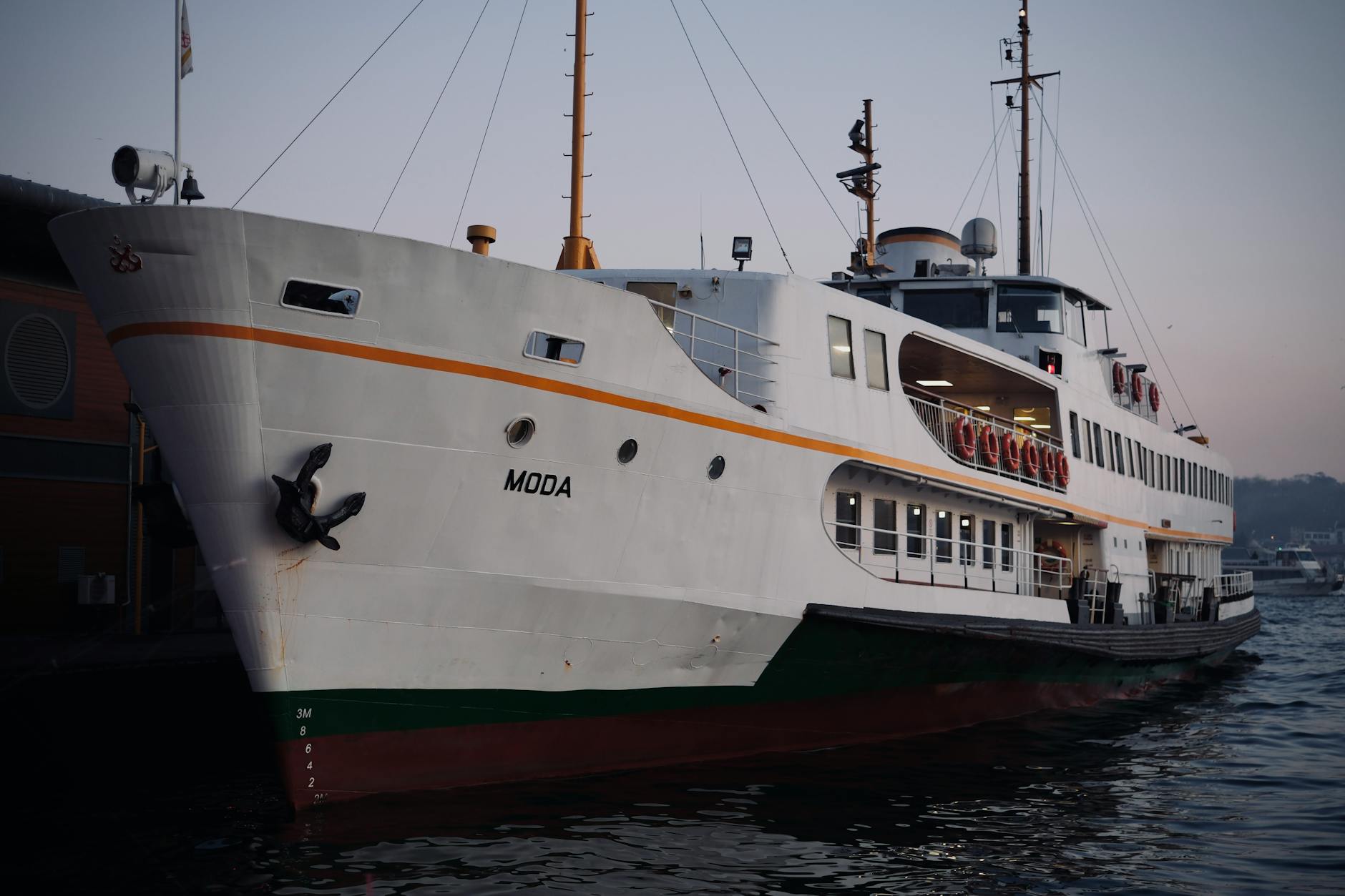
## The Soul of the Asian Side: Why Kadıköy Matters
If Sultanahmet is the city’s history book, **Kadıköy** is its current diary. It’s where the students, the artists, the old Levantines, and the young entrepreneurs collide. It is unapologetically secular, fiercely creative, and deeply rooted in a sense of community.
While the European side is often frantic—a constant hustle of traffic and commerce—**Kadıköy** operates on a different frequency. Here, the "morning" starts at noon. Conversations are long, the **çay** (tea) is always fresh, and nobody is in a rush to sell you a carpet. You come here not to see things, but to feel things. To understand why we call this city "The Queen of Cities," you have to see her with her hair down, without her crown. That is **Kadıköy**.
## Crossing the Threshold: The Vapur Journey
Your tour begins before you even set foot on land. Do not, under any circumstances, take the Marmaray train or a yellow taxi to the Asian side. You need the **Vapur** (the traditional ferry).
As the ferry pulls away from **Eminönü** or **Karaköy**, listen for the rhythmic *chug-chug* of the engine. Buy a **simit** (the sesame-crusted bread rings) for **15 TL** from the vendor on the pier and save half of it for the seagulls. They will follow the boat, performing aerial acrobatics for a piece of bread. This is an Istanbul rite of passage.
> **Berk's Insider Tip:**
> Skip the crowded indoor seating. Head straight for the outdoor benches on the upper deck, even if it’s chilly. The view of the **Maiden’s Tower** and the **Haydarpaşa Railway Station**—a majestic Prussian-style building that looks like a castle rising from the sea—is best enjoyed with the wind in your hair. For the logistics of getting here, check out our [The Ultimate Guide to Public Transport in Istanbul](https://istanbulcool.com/istanbul-public-transport-guide).
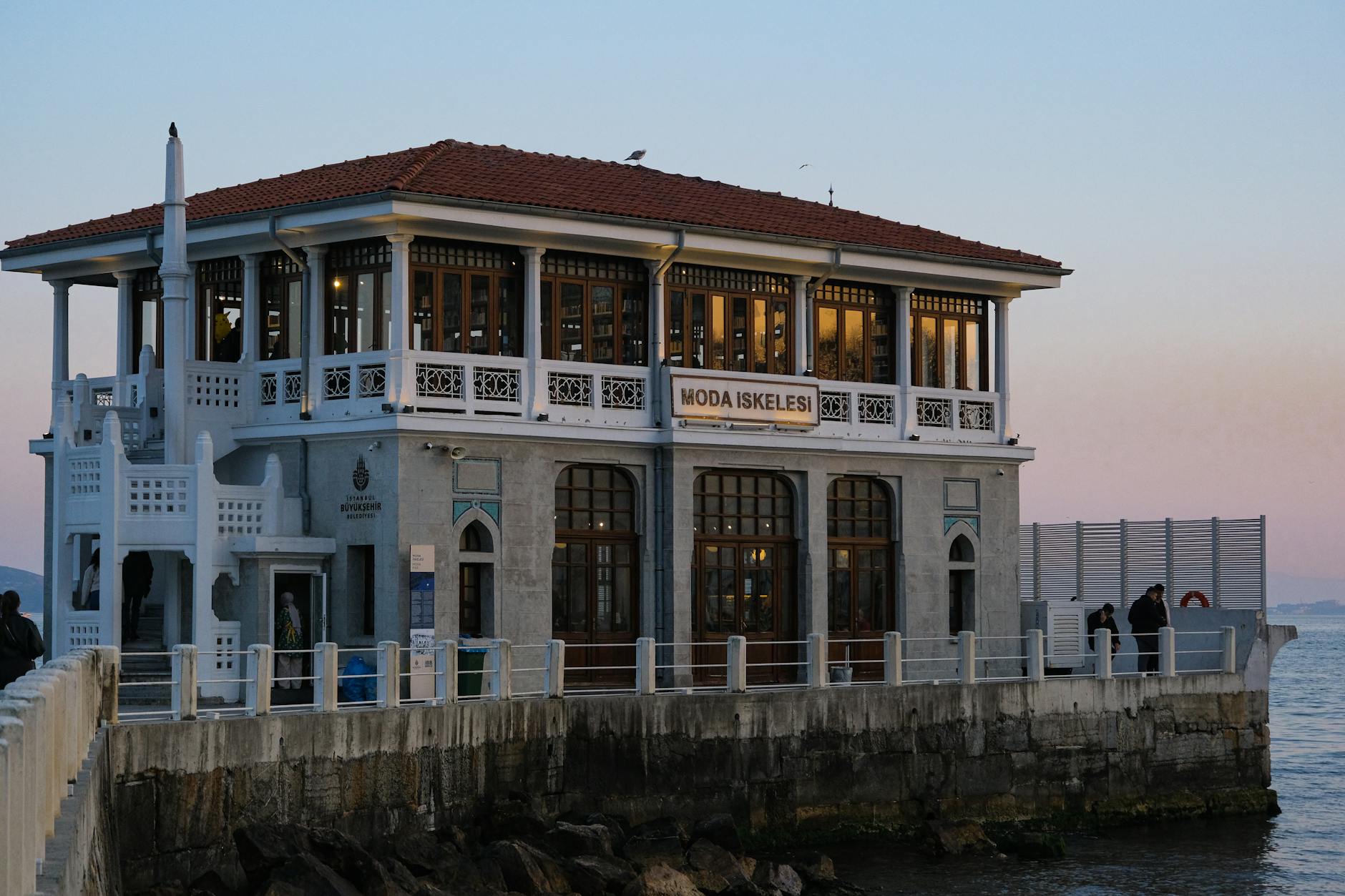
## The Experience: A Sensory Walk Through the Veins of Kadıköy
### 1. The Fish Market (Balık Pazarı)
Stepping off the ferry, you’re immediately hit by the scent of the sea. Walk five minutes toward the **Balık Pazarı**. This isn't just a place to buy fish; it's a sensory explosion. You’ll hear the fishmongers shouting "Derya kuzusu bunlar!" (These are lambs of the sea!), their voices bouncing off the wet cobblestones.
Look for **Güneş Turşu**, a tiny shop lined with jars of vibrant pickled vegetables—everything from plums to garlic. Try a glass of **turşu suyu** (pickle juice) for **20 TL**. It’s salty, sour, and pink, and it will wake up your palate like nothing else.
Nearby, you’ll find **Hacı Bekir**, the legendary confectioner. While everyone goes to the tourist shops in Sirkeci, this branch is where we buy our **Lokum** (Turkish Delight). The smell of rosewater and powdered sugar here is the smell of my childhood.
### 2. The Bull Statue (Boğa Heykeli)
Walk up the gentle slope of **Söğütlüçeşme Caddesi** to find the **Bull Statue**. This bronze beast is the "center of the universe" for Kadıköy locals. If you’re meeting a friend, you meet "at the Bull." It was gifted by the Germans to the Ottomans, but today, it’s just a place where kids climb on the horns and protesters gather.
### 3. Bahariye Caddesi and the Nostalgic Tramway
From the Bull, follow the tracks of the **Nostaljik Tramvay**. This cherry-red vintage tram rumbles down **Bahariye Caddesi**, the neighborhood’s main pedestrian artery. The street is lined with boutiques, but look up—the architecture is a mix of Art Deco and Neo-Classical.
Pass by the **Süreyya Opera House**. Its facade is a masterpiece, and if you can snag a ticket for a performance (often as cheap as **150-300 TL**), do it. The interior is modeled after the Champs-Élysées Theatre in Paris.
### 4. Deep into Moda: The Land of the "Flâneur"
This is my backyard. As you enter **Moda**, the noise of the market fades. The streets become narrower, shaded by massive plane trees. This is where the "Old Istanbul" families live alongside the city's hipsters.
Walk down **Şair Nefi Sokak**. You’ll smell the intense aroma of freshly roasted beans from **Karaköy Kahvesi** (don't let the name fool you, they've been a Kadıköy staple for years). Grab a Turkish coffee, cooked over hot sand, and sit on a stool on the sidewalk.
> **Berk's Insider Tip:**
> Everyone queues for an hour at **Meşhur Dondurmacı Ali Usta** for ice cream. Don't do it. It’s good, but not "wait in the sun for 45 minutes" good. Instead, go to **Dondurmacı Yaşar Usta**. His fruit sorbets—especially the melon and sour cherry—are made with real fruit and are legendary among those of us who grew up here.
## Practical Info: Navigating the Asian Side
| Feature | Details | Berk’s Rating |
| :--- | :--- | :--- |
| **Best Time to Visit** | Weekdays (Tues-Thurs) around 11:00 AM | 10/10 |
| **Ferry Cost** | **20-30 TL** (with Istanbulkart) | Best Value |
| **Typical Lunch Price** | **250 - 450 TL** per person | Mid-Range |
| **Vibe** | Bohemian, Intellectual, Relaxed | High |
| **Walking Difficulty** | Moderate (some hills) | 6/10 |
## The Coastline: Where the Marmara Meets the Soul
The climax of your walk is the **Moda Sahili** (Moda Coastline). After exploring the backstreets, head down the hill toward the sea. You’ll find a long promenade where the rocks are covered in young people playing guitars, drinking beers from **Efes**, and watching the sunset.
The texture of the air here changes—it’s cooler, wetter. You’ll see the **Moda Pier** (Moda İskelesi), a stunning restored stone building reaching into the water.
> **Berk's Insider Tip:**
> For the ultimate "Moda Moment," head to the **Moda Çay Bahçesi** (Tea Garden) at the top of the cliff. It’s not fancy. The chairs are plastic, and the service is brisk. But you are sitting under 100-year-old trees with a panoramic view of the Marmara Sea and the Princes' Islands. A pot of tea is about **80 TL**, and it’s the best investment you’ll make in Istanbul.
## Berk’s Honest Opinion & Critique
I love my neighborhood, but I won’t lie to you: **Kadıköy is becoming a victim of its own coolness.**
* **The Weekend Trap:** On Saturdays and Sundays, Kadıköy is overwhelmed. People from the European side flock here, and the narrow streets of **Caferağa** become impassable. The noise levels skyrocket, and the service at cafes drops. **Avoid weekends if you want the "authentic" peace.**
* **Gentrification:** Some of the old artisans are being pushed out by third-wave coffee shops that look like they could be in Brooklyn or Berlin. It’s a shame.
* **Berk's Alternative:** If the main Fish Market area feels too hectic, walk 15 minutes further to **Yeldeğirmeni**. It’s what Moda was 20 years ago—grittier, filled with murals, and home to small breakfast cafes that are much cheaper.
## Frequently Asked Questions (FAQ)
**1. Is Kadıköy safe for solo travelers?**
Absolutely. It is one of the safest and most liberal areas in Turkey. You can walk alone at 2:00 AM in most parts of Kadıköy and Moda without a second thought. Just use standard "big city" common sense.
**2. Can I find vegetarian or vegan food here?**
Yes! Unlike the more traditional Sultanahmet, Kadıköy is a vegan haven. Places like **Mahatma Cafe** or **Yuzu** offer incredible plant-based versions of Turkish classics.
**3. Do I need a guide for this walking tour?**
Honestly? No. Kadıköy is a place meant for getting lost. As long as you have an Istanbulkart for the ferry and a pair of comfortable shoes, the streets will guide you.
## Conclusion
As the sun sets over the European skyline, painting the Hagia Sophia in shades of purple and orange, you’ll realize why we locals cross the sea. **Kadıköy** isn't just a district; it's a state of mind. It’s the sound of backgammon tiles clicking in a tea garden, the smell of fried mussels (**Midye Tava**), and the feeling that, for a few hours, you aren't a tourist—you're part of the city's living, breathing heart.
Come for the views, stay for the coffee, and leave with a piece of the Asian side in your soul. See you at the Bull!
---
## Kurtuluş is loud and the sidewalks are broken but you should stay there anyway
URL: https://istanbulcool.com/kurtulus-neighborhood-stay-guide
The first thing you’ll notice in Kurtuluş isn’t the architecture. It’s the screech of a rusted Fiat Punto laying on its horn because a delivery scooter is blocking a sidewalk that’s already half-disintegrated. It’s loud. It smells like a mix of heavy diesel exhaust and grease-soaked dough. Most tourists take one look at the cracked pavement and the stray cats fighting over a bag of scraps and run straight back to their sterilized, soul-sucking hotels in Beyoğlu.
Their loss.
I’ve lived in Istanbul for fifteen years, and Kurtuluş is the only neighborhood left that hasn't been polished into a fake museum exhibit for people with selfie sticks. It’s ugly in the best way possible. The sidewalks are a genuine hazard. The hills are brutal. But while the crowds are getting fleeced for overpriced tea elsewhere, I’m sitting at a tiny table where the waiter knows I hate sugar and doesn't even bother asking anymore. It’s messy. It’s chaotic. It’s the only place in this city that still feels human. Seriously, if you want a postcard, stay in Sultanahmet. If you want to actually see how we survive this city, you come here.
## Why Kurtuluş feels like the last real neighborhood
**Kurtuluş is the only place left in central Istanbul that doesn't give a damn if you're there or not.** It isn't trying to sell you a fake carpet, a watered-down cocktail, or a "traditional" dance show that no Turk has ever actually watched. While the rest of the city slowly turns into a sanitized, plastic theme park for influencers, Kurtuluş remains stubbornly, gloriously messy. I’ve lived in this city for 15 years, and I’ve watched Beyoğlu lose its soul to chain stores and Cihangir turn into a pretentious bubble of overpriced avocado toast. But Kurtuluş? It’s still just Kurtuluş.
### The beautiful disaster of the streets
If you’re the kind of person who needs smooth pavement and wide boulevards, stay in Nişantaşı. Seriously. Kurtuluş will break your ankles. The sidewalks are a chaotic disaster of cracked tiles, loose stones that squirt muddy water on your shoes when it rains, and delivery scooters that treat the pedestrian path like a drag strip. It’s loud. It’s cramped. Every morning at 7:00 AM, I’m woken up by the guys yelling about scrap metal or the sheer volume of four people arguing over the price of tomatoes.
The streets were never meant for this many people or cars. It’s a grid of narrow canyons where the laundry hangs from balconies and neighbors still lower baskets on ropes to the grocery store below. It’s claustrophobic. And I love it. Why? Because it’s functional. This isn't a "district" designed for "local living" by a marketing firm; it’s a machine for surviving the city. You walk out of your door and you’re immediately shoved into the flow of real life. No filters. Just the smell of exhaust mixed with the scent of fresh *pide* from the 50-year-old bakery on the corner.
### Ghosts of Tatavla
To understand why this place feels different, you have to stop calling it just a neighborhood and acknowledge it was **Tatavla**. For centuries, this was the Greek—or **Rum**—heart of the city. It was a working-class stronghold, a place of taverns and carnivals. After the mid-20th century, the demographics shifted, but the DNA stayed. You can still feel the weight of the middle-class **Ermeni** (Armenian) and Rum families who built these solid, high-ceilinged apartment blocks.
I remember talking to an old shopkeeper near **Pangaltı** who told me about the Baklahorani carnival. It’s gone now, mostly, but that spirit of being "apart" from the rest of the city remains. You see it in the way people talk to each other. There’s a specific urbanity here—a politeness that’s a bit gruff but deeply rooted. It’s not the fake "customer service" smile you get in Sultanahmet. It’s the nod from the guy who has sold you olives for 10 years. He knows your name, he knows your coffee order, and he’ll definitely tell you if you look tired.
### The glorious absence of 'sights'
The best thing about Kurtuluş is that there is absolutely nothing to see. There are no "must-visit" palaces. No "stunning" mosques that require you to wait in line for two hours. No museums with overpriced gift shops.
When people ask me what they should do here, I tell them to buy a newspaper, find a stool at a tea house, and watch the chaos. That’s the "sight." The lack of tourist attractions is a protective shield. It keeps the tour buses away. It keeps the "I Heart Istanbul" t-shirt shops out. When you stay here, you aren't a spectator; you're just another person trying to navigate the broken sidewalk without tripping. It’s authentic because it’s mundane. It’s the last place where you can actually hear the city breathe, even if that breath smells a bit like car fumes and toasted sesame.
## Kurtuluş vs Sultanahmet: A comparison for travelers
Staying in Sultanahmet is a massive mistake if you actually want to see how we live in this city. It’s a staged museum for people who are afraid of dirt and want their Turkey served on a silver platter with a side of "authentic" belly dancing. Total theater. I’ve lived in Istanbul for 15 years, and I can count on one hand the number of times I’ve gone to the Old City for anything other than a mandatory visit with a relative who’s never left their hometown. It’s a ghost town of overpriced hotels and carpet shops once the sun goes down. Kurtuluş? It never shuts up. It’s messy, the trash cans overflow by 10 PM, and you’ll probably twist your ankle on a loose paving stone, but it’s real.
### The Cost of a "Smile" vs. Reality
Let's talk about the money. I went to Sultanahmet last month because a friend was staying there—against my advice—and we stopped for two Turkish coffees. 240 TL. For two tiny cups of brown sludge. I almost threw the bill back at the waiter, who had been hovering over us with a fake, predatory grin for 20 minutes. He wasn't being nice; he was calculating his tip.
In Kurtuluş, I go to the same "kahvehane" every morning. I pay 40 TL. The guy behind the counter doesn't smile. He doesn't ask me where I’m from. He just hands me my coffee because he knows I take it "sade" (plain). That’s the [best neighborhoods to stay Istanbul](https://istanbulcool.com/best-neighborhoods-to-stay-istanbul-local-vibe) experience: being treated like a human, not a walking ATM. In Sultanahmet, you’re paying a 300% markup for the privilege of being surrounded by other tourists. It’s a bubble. A boring, expensive bubble.
| Feature | Sultanahmet (The "Disney" Version) | Kurtuluş (The Real Deal) |
| :--- | :--- | :--- |
| **Turkish Coffee** | 120 TL + 10% "Service Fee" | 40 TL (No BS) |
| **Evening Sound** | Distant sirens and overpriced silence | Backgammon pieces and street cats fighting |
| **Sidewalk Quality** | Manicured and fake | A literal obstacle course of broken concrete |
| **Dinner** | Frozen kebabs for 600 TL | Fresh meze and Rakı until 2 AM |
| **Human Contact** | "My friend, come look at my rugs!" | A nod from the local butcher |
### The Noise: Prayer vs. People
People complain that Kurtuluş is loud. They aren't lying. It’s deafening. But it’s a different kind of loud than the tourist zones. In Sultanahmet, the Call to Prayer is cranked up to 11 on massive speakers specifically to give the tourists a "spiritual" moment they can record on their phones. It feels performative.
Kurtuluş is loud because 10,000 people are trying to live their lives in 2 square kilometers. You’ll hear the "eskici" (junk collector) shouting about old refrigerators at 9 AM. You’ll hear the local "teyze" (auntie) yelling from her third-floor balcony to the grocer across the street. It’s a cacophony of life. I’d rather hear a guy screaming about scrap metal than a tour guide explaining the Blue Mosque for the 50th time that hour. Seriously. If you want silence, go to a library. If you want Istanbul, you stay where the noise has a heartbeat.
### Escaping the Sultanahmet Bubble
I always tell my friends that the local vibe is something you can't find near the Hagia Sophia. That area has been scrubbed clean of its soul to make room for souvenir shops selling "Evil Eye" magnets made in China. Kurtuluş, meanwhile, still smells like exhaust and roasting chestnuts and the occasional whiff of a clogged drain. It’s honest.
I remember walking home one night in Kurtuluş after a particularly long session at a "meyhane". I tripped over a literal hole in the sidewalk near the organic market. A guy washing his car at 1 AM just looked at me, grunted, and handed me a rag to wipe the grease off my hand. No "Where are you from?", no "Do you want to see my shop?". Just a guy helping a guy. You don't get that in the tourist traps. There, if you fall, someone will probably try to sell you a band-aid for 5 Euros.
### The "Owner Knows Your Name" Factor
In the Old City, you are a ghost. You pass through, you spend your dollars, and you’re forgotten before your flight even leaves the tarmac. In Kurtuluş, if you stay for four days, the guy at the "tekel" (liquor store) will start remembering which beer you like. The lady at the bakery will give you an extra "poğaça" because it’s the end of the day and she doesn’t want it to go to waste.
It’s not "charming" in a postcard way. It’s gritty. The buildings are covered in soot and the traffic is absolute hell. Trying to cross the main street is a death-defying act. But when you finally sit down at a table in a backstreet bar and the waiter just brings you a glass of water without you asking, you realize why we live here. We aren't here for the monuments. We’re here for the mess.
## Public transport and getting to the Osmanbey Metro
If you think you’re going to rely on taxis in Kurtuluş, you’ve already lost the game. Forget about the yellow cars. They’re a trap. Between the drivers who "don't go that way" and the soul-crushing gridlock, you’re better off on your own two feet. This neighborhood belongs to the pedestrians and the metro-dwellers.
### The uphill battle from Osmanbey station
The **Osmanbey station** is your gateway to the rest of the city. It’s on the **M2 Metro line**, which is the only part of [Istanbul public transport](https://istanbulcool.com/istanbul-public-transport-guide) I actually trust. But here’s the reality: getting from the platform to your apartment in Kurtuluş is a workout.
You take the "Pangaltı/Ergenekon" exit. Then, you climb. The sidewalk on Ergenekon Caddesi is a disaster zone of loose paving stones that squirt muddy water on your shoes if it rained three days ago. I’ve lived here for 15 years and I still trip over the same broken curb near the jewelry shop. It’s steep. You’ll be dodging delivery scooters and old Greek ladies who move surprisingly fast. If you’re carrying a suitcase, I feel for you. I really do. You’ll arrive at your Airbnb sweating and questioning why you didn't just stay in a boring hotel in Levent.
### Survival on the 70KY bus line
If you’re feeling lazy or the hills have finally broken your spirit, there’s the 70KY bus. It runs from Yenikapı through **Taksim** and right into the heart of Kurtuluş.
* **Load your Istanbulkart:** Don't be the idiot trying to pay the driver with cash. He will yell at you. Use the machines at the metro entrance.
* **The Smell:** In July, the 70KY smells like desperation and cheap cologne. Embrace it.
* **The Drivers:** These guys drive like they’re auditioning for a Fast & Furious sequel. Hold the yellow grab handles like your life depends on it. Because it might.
* **The Route:** It winds through backstreets that look too narrow for a bicycle, let alone a massive public bus. It’s impressive, in a terrifying way.
I remember taking the 70KY once during a snowstorm. The bus got stuck halfway up the hill near the old mosque. We all had to get out and push. Did the driver thank us? No. He lit a cigarette and told us to hurry up. That’s the Kurtuluş spirit.
### Why taxis are a death sentence for your schedule
I hate the afternoon traffic here with a passion that borders on pathological. From 4 PM onwards, Kurtuluş Caddesi transforms into a parking lot. Taking a taxi during this window is a rookie mistake. You’ll sit there watching the meter tick up while you stare at a pile of uncollected trash on the corner.
The noise is incredible. Not "vibrant" noise—I mean the sound of 50 frustrated men leaning on their horns for no reason. It won't make the cars move, but they do it anyway. If you absolutely must get to **Taksim** or Şişli, use the metro. It’s two stops to Taksim. 6 minutes. Compare that to 40 minutes in a taxi smelling of stale smoke and "Pine" air freshener.
> **Berk's Insider Tip:**
> Avoid Kurtuluş Caddesi during rush hour (5 PM to 8 PM). It becomes a parking lot. Walk through the backstreets instead, even if the hills kill your calves.
Seriously, just walk. You’ll see more, you’ll burn off that extra lahmacun, and you won't end up wanting to punch a taxi dashboard. Plus, the backstreets have way better cats to pet.
## Best bakeries and meze shops in the district
If you don't eat the spinach börek at **Nazar Börek**, you’ve basically wasted your entire trip to Istanbul. Seriously. I don’t care if you have a reservation at some fancy rooftop place in Beyoğlu later; cancel it if you have to, but get yourself to this tiny, grease-stained altar of phyllo dough.
I was there last Tuesday, standing on a sidewalk so narrow I had to press my back against a damp wall just to let a delivery scooter squeeze past. The exhaust fumes were thick, and someone had left a leaking trash bag about three feet from the entrance. It smelled like wet cardboard and old diesel. But then, the door opened. That smell? That’s 40 years of butter and tradition hitting you in the face.
Nazar isn’t "pretty." It’s a cramped room with maybe three tables and a guy who looks like he hasn’t slept since the 90s. He doesn’t smile. He doesn’t need to. He just hacks a square of **Börek** onto a plate and stares at you until you pay. The pastry is so crisp it shatters like glass, and the spinach inside actually tastes like something grown in dirt, not a plastic bag. I’ve lived here for 15 years, and I still get a little emotional when I take that first bite.
### The Salt and the Sea: Lakerda
If you want to understand why Kurtuluş feels different from the rest of the city, you have to look at the fish. Not the fried stuff they shove at you by the Galata Bridge—that’s for people who enjoy being yelled at by waiters in vests. I’m talking about **Lakerda**.
Go to the old meze shops on the main drag. There are a couple that have been there for 60 years, owned by families who stayed when everyone else was leaving. These places are shrines to the Greek-Orthodox heritage of the neighborhood. You’ll see jars of pickles that look like science experiments, but trust me, they’re gold.
I buy my lakerda—salted bonito—from a guy who barely acknowledges I exist. It’s expensive. It’s salty. It’s an acquired taste that some people describe as "eating a sea-flavored block of butter." I love it. You slice it thin, put it on a piece of toasted sourdough, and add some red onion. That’s it. It’s a flavor that has survived riots, economic collapses, and the slow creep of gentrification. It’s stubborn food.
While most tourists are off looking at [golden mosaics](https://istanbulcool.com/mosaics-kariye-mosque-chora-guide) in some other part of town, I’d rather spend my afternoon arguing with a shopkeeper about whether the brine in his peppers is too acidic this year. That’s real Istanbul. It’s not a museum; it’s a living, breathing, slightly grumpy conversation.
### The Smell of Mahlep
You can’t talk about Kurtuluş without talking about **Paskalya çöreği**. This is the braided Easter bread that defines the district’s soul. Most places in Istanbul sell a version of it, but they’re usually dry, tasteless loaves that feel like eating a sponge.
In Kurtuluş, it’s different. The secret is mahlep—a spice made from ground cherry pits. It’s sweet, nutty, and slightly medicinal. When the ovens start up in the morning, the whole street smells like it. It’s the only thing that makes the 7 AM construction noise bearable.
> **Berk's Insider Tip:**
> The Greek bakery on the corner doesn't have a sign you'll recognize, but if you smell mahlep at 7 AM, just go inside and point at the braided bread.
I remember one morning, the fog was so thick you couldn't see the end of the street, and the sidewalk was slick with rain. I ducked into a bakery, and the heat from the ovens almost knocked me over. I bought a loaf of Paskalya çöreği so hot it burned through the paper bag. I ate it while walking, getting crumbs all over my coat, and I didn't care. That bread is a bridge to a version of Istanbul that is slowly disappearing—a place where the Greek, Armenian, and Turkish neighbors all shared the same oven.
### Meze and the Art of the Long Dinner
Dinner here isn't a meal; it's an endurance sport. You need to find a place like **Despina**. It’s legendary for a reason. Don't expect "fusion" or anything "elevated." If a menu uses the word "deconstructed," run away.
At a real Kurtuluş meyhane, you want the classics. Cold **Meze** dishes brought out on a tray. Roasted peppers in garlic oil that will make your breath a biohazard for three days. Creamy haydari. And the lakerda, obviously.
I once spent five hours at a table there with three friends and four bottles of Rakı. The waiter ignored us for the first hour, then treated us like long-lost cousins once he realized we weren't going to complain about the loud music from the car parked outside. The floor was uneven, my chair wobbled, and the air was thick with cigarette smoke from the "outdoor" section that was definitely just indoors with a window cracked open. It was perfect.
This neighborhood doesn't try to impress you. It doesn't have the polished edges of Nişantaşı or the "cool" factor of Kadıköy. It’s just Kurtuluş. It’s loud, the sidewalks are a death trap, and the shopkeepers are cranky. But the food? The food has teeth. It stays with you.
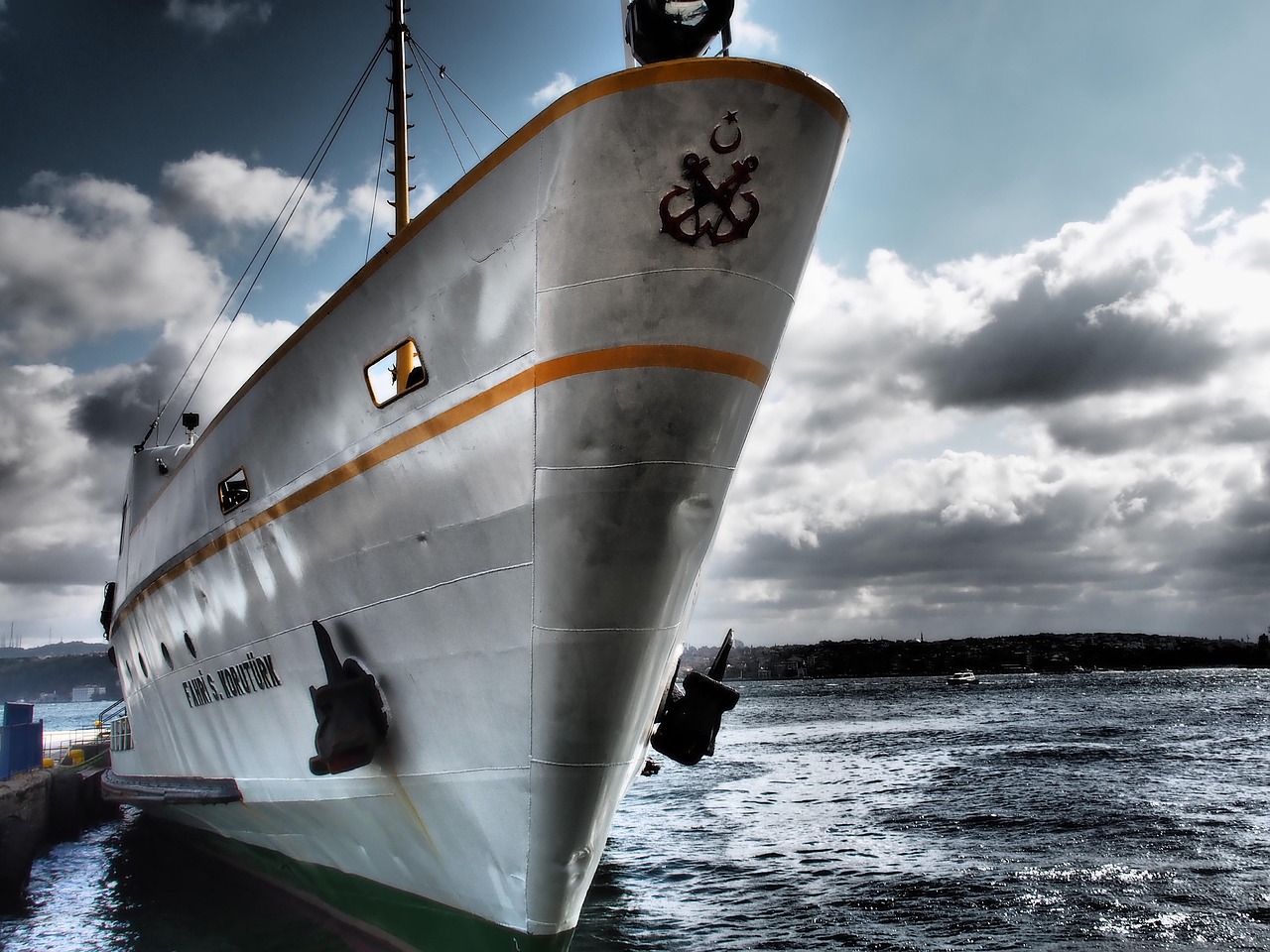
## The Feriköy Antique Market on Sundays
If you show up at the Feriköy market looking for a curated boutique experience, you’re going to hate every second of it. This isn't some sanitized flea market in London or Paris where everything is polished and priced for tourists. It’s a concrete car park in **Bomonti** that smells like old paper, damp wool, and frying dough. You will get shoved. You will get dusty. You will probably overpay for something that doesn't even work once you get it home. And honestly? That’s exactly why I love it.
### Saturday’s "Organic" Lie
Before we talk about the antiques, let’s get one thing straight: avoid the Saturday organic market unless you enjoy paying four times the price for a cucumber just because it has some dirt on it. I’ve lived in this city for 15 years, and the Saturday crowd in **Feriköy** drives me insane. It’s full of people from the fancy parts of **Bomonti** wearing linen outfits, trying to act like they’re "supporting local farmers" while buying overpriced avocados. It’s a gentrification trap. The prices are offensive, and the vibe is far too self-conscious for my taste. If you want vegetables, go to the local street markets on any other day. Don't waste your Sunday energy on Saturday’s pretension.
### Digging Through the Debris
Sunday is a different beast entirely. This is when **antique shopping Istanbul** actually gets interesting. The vendors start setting up at 09:00, but I usually roll in around 11:00 when the chaos is in full swing.
You’re going to see a lot of literal junk. I’m talking about broken remote controls, rusted spoons, and tangled piles of wires. But if you have the patience to dig—and I mean really get your hands dirty—you find the gold. My apartment is full of stuff I’ve dragged home from here: 1970s Turkish movie posters with insane typography, heavy brass door knockers, and stacks of **vintage postcards**.
I have a weird obsession with those postcards. There’s something haunting about reading a message sent from Kadıköy to Beyoğlu in 1942. I once found a whole box of black-and-white family photos from the 1950s. Who throws that away? I felt like I was trespassing on someone’s life, but I bought five of them anyway. They’re sitting on my shelf now. It’s much better than some plastic souvenir from Sultanahmet.
Just remember: negotiation is a sport here. If you pay the first price they tell you, the vendor will think you’re an idiot. I usually start at half and we meet somewhere in the middle. If they don't budge, I walk away. Usually, they call me back. If they don't? Well, I didn't need that broken accordion anyway.
### The Only Way to Eat Here
By 13:00, the air inside that concrete shell gets thick. You’ll be tired, your back will ache from leaning over tables, and you’ll need a break. Look for the massive crowd in the middle of the market. You can’t miss it; the sound of rolling pins hitting wooden boards is constant.
This is the **Gözleme** stand. It’s run by a group of women who move with a level of efficiency that should be studied by scientists. There’s no formal queue. You just sort of hover, catch someone’s eye, and shout your order. I always go for the potato and spicy pepper one. It’s greasy, it’s salty, and it’s scorched in all the right places.
Don't expect a seat. You’ll be lucky to find a corner of a shared stool or a bit of concrete wall to lean against. I once sat next to a guy who was cradling a 19th-century sword while eating his gözleme, and nobody even blinked. That’s the magic of this place. It’s a mess, the lighting is terrible, and the guy next to you might be blowing cigarette smoke in your face, but the food is honest.
Is it worth the headache? Always. Just don’t wear your nice shoes. The floor is filthy, and you’ll likely trip over a crate of **antiques** at least twice.
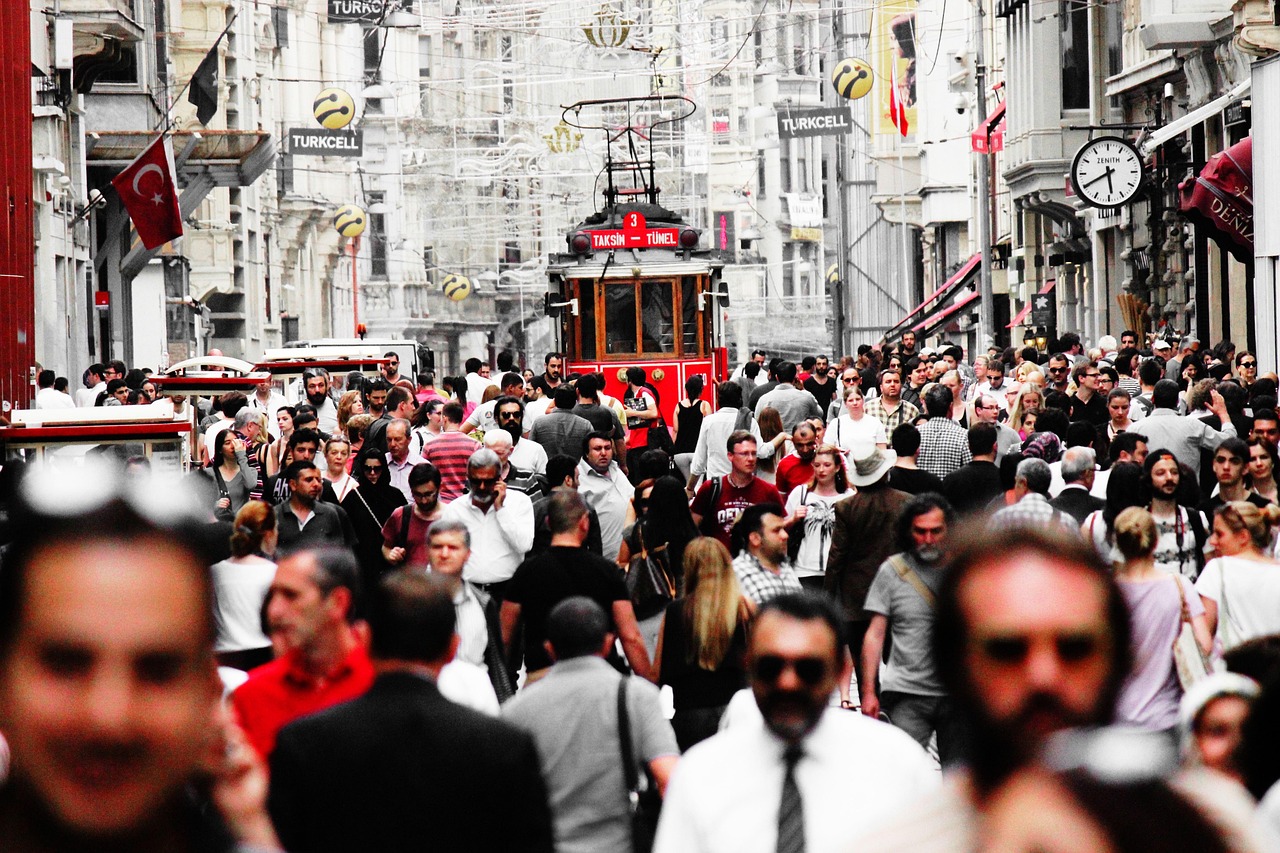
## FAQ about staying in Kurtuluş
**Kurtuluş is safer than most Western cities I’ve visited, as long as you have an ounce of street smarts.** Don't come here expecting a sanitized Disneyland experience like Sultanahmet. It’s a real neighborhood where people actually live, work, and die. If you walk around at 3 AM looking like a lost puppy with a 2,000-dollar camera hanging off your neck, you’re asking for it. But for the rest of us? It’s fine. I’ve walked home through these crooked alleys at all hours for 15 years and the worst thing that happened was a stray cat tripping me near a pile of trash. People watch the streets here. If you start acting like a jerk, an old lady will probably yell at you from her balcony before any actual trouble starts. Stay away from the dark edges toward Dolapdere if you're nervous, but otherwise, just relax.
### Is it actually safe for a solo traveler?
Yes, stop overthinking it. Kurtuluş has a soul. Unlike the soulless, plastic corridors of the "modern" malls in Levent, people here look out for each other. It’s a mix of old Armenian families, Greek remnants, and leftist students. It’s a community. I once dropped my wallet outside a *börek* shop and a guy chased me down two blocks just to hand it back. Try getting that kind of service in Taksim. Just watch your step—the sidewalks are a disaster. You’re more likely to break an ankle on a loose paving stone than get mugged. Seriously.
### How do I deal with those vertical hills?
You don’t "deal" with them; you suffer. My calves have tripled in size since I moved here. If you think you’re going to wander around in those cute leather loafers or flimsy flip-flops, think again. You need shoes with actual grip. The incline on some of these side streets is 30, maybe 40 degrees. It’s brutal. I remember trying to carry a crate of beer up from the market in July; I nearly saw God. If you’re exhausted, just take the M2 metro to Osmanbey and walk downhill. It’s the only way to survive without needing a heart transplant. Or grab a yellow taxi, but be prepared for the driver to grumble if the trip is too short. They hate short runs. I just tell them to keep the change and they shut up.
### Where can I find an ATM that isn't a total scam?
Stick to Ergenekon Caddesi. Do not, under any circumstances, use those generic "Blue" or "No-Name" ATMs tucked into dark corners. They’ll eat your card or charge you a fee that costs more than your dinner. Walk to the main drag. There’s a Garanti and a Yapı Kredi right there. They are reliable, even if the queues are annoying on paydays. One time, I used a shady machine near the cemetery and it took three days to get my bank to stop the fraudulent charges. Never again.
### Will anyone understand a word I say?
Probably not, and honestly, that’s why I love it here. If you want everyone to speak English, go stay in a Hilton. In Kurtuluş, the *manav* (greengrocer) knows three words of English, and two of them are "Hello" and "Apple." It’s great. You’ll have to use your hands, point at things, and smile like a lunatic. It works. I’ve seen tourists get frustrated because they can’t find "almond milk" or whatever. Just drink the tea, eat what’s in front of you, and learn how to say *teşekkürler*. It goes a long way. The lack of English keeps the tourist crowds away, and that’s a win in my book. It feels authentic because it is. No filters, no scripts, just 100% Istanbul grit.
## Conclusion
Look, if you’re the type who needs a concierge to hold your hand and point you toward a sanitized, "safe" experience, just go stay in Beşiktaş. It’s easy. It’s shiny. You can pretend you’re in any other European city with slightly better weather. You’ll be perfectly comfortable and utterly disconnected.
Kurtuluş is for the rest of us. It’s cramped, the hills will make you sweat through your shirt in five minutes flat, and the air frequently smells like a mix of cheap tobacco and frying oil. The shopkeepers might grunt at you if you’re blocking the sidewalk with your oversized suitcase. That’s the deal. This neighborhood doesn't give a damn if you’re here or not. It isn't putting on a show for your social media feed; it’s too busy just being a neighborhood.
If you want to feel the actual pulse of a city that refuses to be tamed, unpack your bags here. Get used to the noise. Get used to the guy shouting about tomatoes at 7 AM while you're trying to sleep off a Rakı hangover. This is the frantic, unbothered energy of a place that would keep spinning exactly the same way if you never showed up.
And honestly? Stop whining about the broken sidewalks. Those jagged, uneven stones are the most honest thing you’ll find in this city. They’re a reminder that life is messy and you’re supposed to pay attention. A smooth path is for people who want to sleepwalk through their life. A broken sidewalk forces you to engage. It keeps you awake. It’s beautiful because it hasn't been fixed to please you.
---
## I am done with the Sultanahmet crowds so I go to Little Hagia Sophia instead
URL: https://istanbulcool.com/little-hagia-sophia-sultanahmet-escape
I’m standing by the Obelisk of Theodosius and I’m losing my mind. A cruise ship mob—maybe eighty people in identical beige hats—nearly mowed me down while sprinting after a man waving a yellow umbrella like it’s a sacred relic. My head is throbbing. It’s a cacophony of the noon call to prayer fighting with the mechanical shutter clicks of a thousand cameras. It's fake. It's Disney-fied. I hate it. This isn't my Istanbul; it’s a theme park for people who want the postcard without the soul.
I shoved my way out and headed south, down those steep, ankle-breaking cobblestones where the city actually lives. The air changed. The scent of those greasy, overpriced tourist kebabs faded, replaced by the sharp, honest stench of old exhaust and salty sea air. I tripped over a loose brick—typical—and dodged a cat that clearly owned the sidewalk. Suddenly, the screaming vendors were gone. Silence, mostly. I ended up at Küçük Ayasofya. It’s a former church that doesn't care if you're there or not. No lines. No beige hats. Just cold stone and the heavy weight of centuries that hasn't been polished for Instagram. Finally, I could breathe.
## Why Sultanahmet square makes me want to scream
Sultanahmet Square is a plastic-wrapped theme park that has absolutely nothing to do with the city I’ve called home for 15 years. I avoid it like the plague during the day. If you see me there, I’m either lost or someone is paying me a lot of money to be miserable. The whole place feels like a staged performance where the actors are tired and the audience is mostly interested in taking the same photo as the 40000 people who stood in that exact spot yesterday. It’s loud, it’s expensive, and frankly, it smells like exhaust and overcooked kebabs.
### The selfie stick gauntlet
You can’t walk 5 meters without nearly losing an eye to a selfie stick. It’s a literal minefield. I’ve seen people spend 20 minutes posing in front of the **Blue Mosque**—or Sultan Ahmed Mosque if we’re being accurate—without actually looking at the building once. They see the world through a 6-inch screen. It’s depressing. Then you have the tour guides. They carry those neon umbrellas like they’re leading an infantry charge into a battle of boredom. They shout dates and names that nobody remembers. **Overtourism** isn't just a buzzword here; it’s a physical weight that crushes the soul of the place. You’re not experiencing **Istanbul history**; you’re consuming a sterilized, bite-sized version of it while 3 different people try to step on your toes.
> **Berk's Insider Tip:**
> Don't buy 'antique' coins from the guys hanging around the cemetery outside. They are fakes made in a workshop in Zeytinburnu last Tuesday.
### The "Brotherhood" of the carpet shops
Then come the sharks. I’m talking about the carpet sellers who magically know 12 languages but can’t understand the word "no." They have this uncanny ability to spot a foreigner from a mile away. "My friend! My brother! Where are you from? California? I have a cousin in San Diego!" No, you don’t. You have a shop full of overpriced rugs and a rehearsed script. I hate the fake friendliness. It’s predatory. They want to lure you in with apple tea—which no self-respecting Turk actually drinks, by the way, we drink black tea—and then guilt you into spending 2000 Dollars on something you don't need. It’s a game. A tiring, greasy game that makes me want to walk into traffic just to escape the conversation.
### Sanitized myths versus the gritty truth
The history sold in these **tourist traps** is a joke. They give you the "Grand Ottoman" fantasy, all gold and glory, while ignoring the fact that the side streets are crumbling. I prefer the mess. I prefer the reality of the cracked pavement, the stray cats fighting over a fish head, and the laundry hanging from 19th-century windows. In Sultanahmet, everything is polished and fake. The restaurants serve mediocre food at 4 times the price you’d pay in a real neighborhood. I once saw a guy pay 80 Lira for a bottle of water there. I almost had a stroke. It’s a bubble. A loud, crowded, frantic bubble that forgets that Istanbul is a living, breathing, dirty, magnificent city, not just a backdrop for your Instagram feed. Why stay in that noise when the real city is just a 10-minute walk down the hill? Honestly, just get out. Go find something real.
## Church of Saints Sergius and Bacchus vs Hagia Sophia
The big Hagia Sophia is a masterpiece, sure, but it feels like a factory now; the **Küçük Ayasofya** is where you actually feel the ghost of the Byzantine Empire. If you want to understand how **Justinian I** and his powerhouse wife **Theodora** fundamentally changed the world’s skyline, you don't start with the giant dome. You start here. This isn't just a "smaller version." It’s the messy, brilliant rough draft of **Byzantine architecture**.
### The Architectural DNA of a Prototype
I’ve lived in this city for 15 years and I still get a kick out of how tourists ignore this place. They call it the "Little Hagia Sophia," but its real name is the **Church of Saints Sergius and Bacchus**. Built around 530 AD. That’s a few years before the big one up the hill. Think of it as the beta version. **Justinian I** was testing out new ideas. Can we put a massive dome on an irregular shape? Can we make marble look like lace? The architects were playing with physics here before they went big.
I think the "Little" sister is actually more impressive because of its flaws. In the big Hagia Sophia, the scale is so massive it becomes abstract. You can't wrap your head around it. Here? You can see the thumbprints of the masons. It’s an **Orthodox Church** that was turned into a mosque in the early 1500s, but the original bones are still screaming at you.
| Feature | Hagia Sophia (The Giant) | Küçük Ayasofya (The Prototype) |
| :--- | :--- | :--- |
| **Crowd Level** | 11/10 (Suffocating) | 2/10 (Ghost town) |
| **Architecture** | Massive, intimidating dome | Wonky, human-scale octagon |
| **Vibe** | Museum-turned-mosque circus | Quiet, dusty neighborhood sanctuary |
| **Entry** | Expensive & 2-hour lines | Free & walk right in |
| **Sound** | Echoing screams of kids | Distant train hum and birds |
### The Wonky Octagon
Nothing is straight here. Seriously. Walk inside and look up at the dome. It’s an irregular octagon. It feels weirdly organic, like it was grown rather than built. It’s not that polished, clinical perfection you see in modern restorations. It’s wonky. It’s human.
I remember sitting there 3 years ago when a stray cat just walked across the carpet like he owned the place. Nobody cared. You try that in the main Hagia Sophia and security would tackle you. The columns are all different. Some have the monograms of Justinian and Theodora carved into the capitals. It feels like they just left the room. Most people don't even look up at the Greek frieze running around the nave. I spent 40 minutes once just trying to trace the letters while a grumpy old man vacuumed the rug. The contrast is what kills me. On one hand, you have high-level **Istanbul history** that defined an era. On the other, it’s tucked away in a corner where laundry hangs from windows across the street and the air smells like cheap coal in the winter.
### Survival Against the Odds
The location is honestly a bit of a disaster, which is why I love it. It’s squeezed between the old city walls and the railway line. For decades, the old suburban trains used to rattle the very foundations of this building. You’d be standing there, trying to soak in 1,500 years of **Byzantine Istanbul**, and then *clack-clack-clack-clack*—the train would scream past, shaking the dust off the 6th-century marble.
The dampness from the Marmara Sea is a constant battle. The walls look like they’ve seen too much. They’ve survived earthquakes, fires, and the total collapse of empires. The trains are quieter now because of the new Marmaray project, but the tracks are still there, acting like a rusted scar between the church and the sea. I remember walking there during a particularly nasty rainstorm last November. The mud was everywhere. My shoes were ruined. But looking at the red brick of the church against a grey, miserable sky? That’s the real Istanbul. Not some postcard version designed to sell magnets to people from cruises.
Don't bother with the audio guides at the big sites. Just come here, stand under this lopsided dome, and listen to the silence. It tells you way more about the city than any tour group ever could.
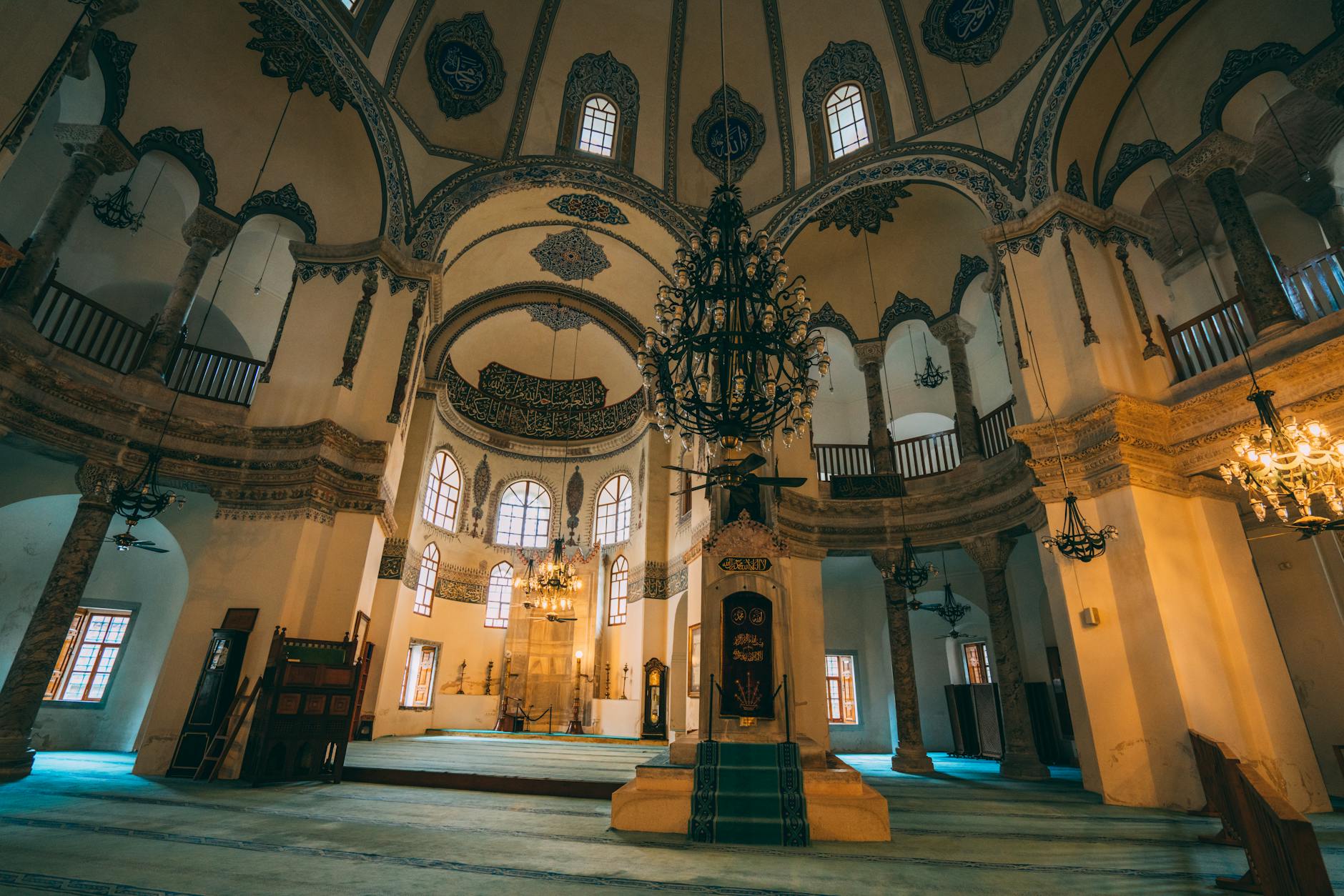
## How to get to Küçük Ayasofya without losing your mind
Don’t even think about taking a taxi from Sultanahmet Square unless you enjoy paying someone to sit in gridlock while you inhale diesel fumes. I’ve lived in this city for 15 years, and the traffic around the Old City is a special kind of hell that no GPS can predict. You walk. That is the only way to do this right.
### The knee-shattering descent
Start at the Hippodrome. Find the Egyptian Obelisk—the big stone needle—and start heading downhill toward the sea. My knees usually start complaining about 4 minutes into this trek. The slope is steep. Really steep. It’s the kind of incline that makes you lean backward just to stay upright. If you’re wearing slick-soled shoes, you’re going to end up on your backside. I’ve seen it happen to tourists and locals alike. It’s not pretty.
As you drop down toward **Cankurtaran**, the polished, fake version of Istanbul disappears. You’ll pass these massive Ottoman wooden houses that are literally falling apart. Some are propped up by steel beams; others just seem to stay standing out of habit. These aren't museum pieces. People live here. You’ll see old men smoking on stoops, kids kicking a deflated football against 200-year-old walls, and laundry hanging across the street like festive bunting. It’s loud, it’s a bit dusty, and the sidewalk—if you can call it that—is a minefield of loose cobblestones and cat bowls.
### Navigating the rails
If you’re coming from further out, you need to understand [Istanbul transport](https://istanbulcool.com/istanbul-public-transport-guide) or you’ll end up in a suburb you never intended to visit. Most people stick to the **T1 Tram**. Get off at Sultanahmet or Çemberlitaş. If you get off at Çemberlitaş, the walk is more of a winding maze through the leather district. You’ll smell glue and cheap tea. You will definitely get lost. I still do. Just keep heading "down."
The **Marmaray** is the other option. If you’re coming from the Asian side, get off at Sirkeci. From there, you can either catch the tram for 2 stops or just walk along the coast near **Kennedy Caddesi**. The walk along the water is flat, which is a blessing for your joints, but you’ll have to deal with the roar of cars speeding toward Bakırköy. It’s a trade-off. Quiet but hilly, or flat but noisy. I usually pick the hills because the backstreets have more character, even if I’m huffing like a freight train by the time I reach the mosque.
Don't expect the **Sultanahmet mosques**' level of signage here. This isn't a theme park. You’ll turn a corner, dodge a delivery scooter doing 40km/h in a pedestrian zone, and suddenly there it is. The Little Hagia Sophia. No queues. No guys trying to sell you "authentic" Roman coins. Just a bit of peace in a city that rarely shuts up.
> **Berk's Insider Tip:**
> The walk back up to Sultanahmet is brutal. If you're lazy, walk five minutes further to the coast road and hail a yellow taxi, but make sure he turns the meter on.
Is the walk worth the effort? Every time. Just don't blame me when your calves are burning the next morning. It's part of the price you pay for seeing the real city.
## The tea garden and the calligraphy workshops
If you want to sit in a place that doesn’t treat you like a walking ATM, skip the Sultanahmet main square and come straight to this courtyard. Most people are too busy fighting for a selfie spot at the Blue Mosque to notice this place exists. Their loss, honestly. I’ve lived in this city for 15 years, and I still think the **Little Hagia Sophia garden** is one of the few spots left where the silence actually carries weight. You step through the gate and the roar of the tour buses just... stops.
The courtyard is wrapped in what used to be a **Madrasa**—religious school cells built by **Hüseyin Ağa** back in the day. These aren't polished, soulless museum rooms. They are cramped, slightly damp, and smell like a mix of old stone and wet paper. Today, they’re used as tiny workshops for **Turkish calligraphy** and other traditional arts. I’ve spent hours poking my head into these rooms. It’s not a show for tourists; it’s just people working.
### Ink, soot, and patience
The artists here aren't interested in your "fast-paced" life. I once watched a calligrapher spend 20 minutes just prepping his reed pen. The air in those cells is thick. You can smell the soot ink—it’s earthy, almost metallic. It’s a far cry from the mass-produced junk they sell in the souvenir shops near the tram line. If you want to see where the real work happens, this is it. It reminds me of the grit you find when exploring the [secret hans of the Grand Bazaar](https://istanbulcool.com/hidden-hans-grand-bazaar-guide), where the real craftsmen hide away from the neon lights.
You might see someone hunched over a desk, their eyes inches from the paper, ignoring the world. Don't expect a big "Welcome!" from everyone. Some are friendly, others are grumpy and just want to finish their work. I prefer the grumpy ones. They’re authentic. They aren't trying to sell you a 500-dollar rug. They’re just trying to get the curve of a letter exactly right.
### The tea garden chaos
Outside the cells, the **çay garden** is where the stillness gets a bit more "Istanbul." By that, I mean the cats. There are dozens of them. I watched two tabbies have an absolute screaming match over a stray piece of simit yesterday. It’s loud, it’s messy, and it’s perfect.
The tables are those classic, rickety wooden things that always feel like they might collapse if you lean too hard. The tea is served in the standard tulip glasses—piping hot, dark, and strong enough to wake the dead. It usually costs about 1/3 of what you’d pay 10 minutes up the hill. I usually grab a seat under the old trees and just breathe. You can hear the call to prayer from the minaret above, but here, it doesn't feel like a performance. It’s just the rhythm of the neighborhood.
I’ve sat here in the rain, too. The smell of the damp earth in the garden is better than any perfume. There’s usually a bit of trash in the corner—an old plastic bottle or a crumpled napkin—because nothing in this city is perfectly clean. If you want "perfect," go to a hotel lobby. If you want a place that feels like it has a soul, sit here.
### Why the silence matters
In a city of 16 million people, true silence is a luxury. The Little Hagia Sophia offers a specific kind of quiet. It’s not "dead" quiet. You can hear the distant honk of a ferry on the Marmara and the faint hum of the Kennedy Avenue traffic, but it feels miles away. It’s a buffer zone.
I come here when the city gets to be too much. When the heat and the crowds and the aggressive "Where are you from?" questions start to grate on my nerves. You can sit for 2 hours with a single glass of tea and nobody will bother you. The waiter might ignore you for 10 minutes before taking your order, but that’s just part of the charm. He isn’t being rude; he’s just not in a hurry. Neither should you be.
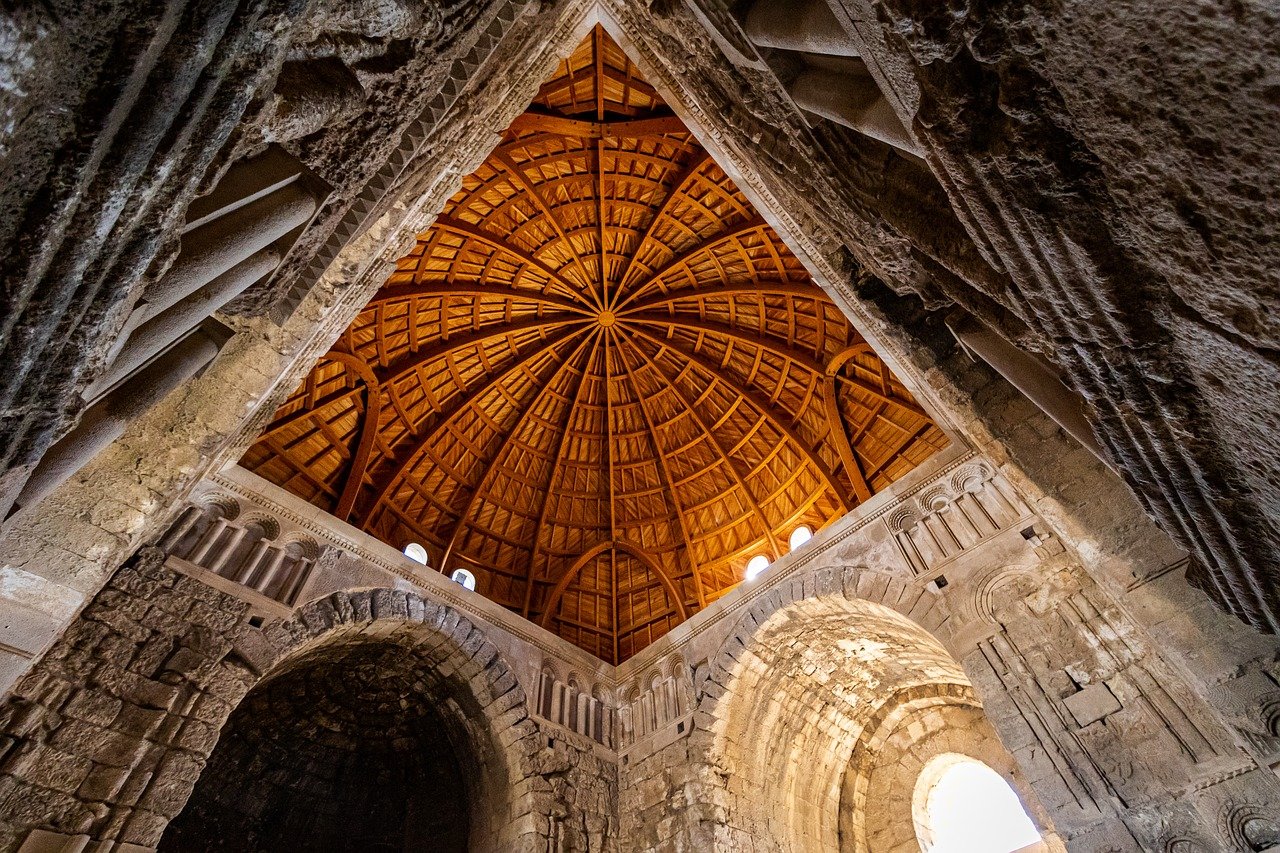
## Architecture details that don't care about your photos
If you’re looking for the sparkling gold mosaics that make tourists drool at the main Hagia Sophia, you’re in the wrong place and quite frankly, you’re missing the point of **Byzantine Istanbul**. This building doesn't give a damn about your Instagram feed. It’s an architectural middle finger to the polished, sterilized versions of history you see in the guidebooks. I’ve lived here for 15 years, and every time I step inside this place, I’m reminded that real history is jagged, repurposed, and often quite plain in a way that feels totally honest. It's not a museum piece; it's a survivor.
### The mess of "recycling"
Most people look at a row of columns and expect symmetry. Not here. Look closer at these **Byzantine columns**. They’re a mess. I call it "Byzantine IKEA"—they basically grabbed whatever was lying around in the ruins of the city. In technical terms, it’s called **spolia**. It’s the ultimate ancient hack.
* Some columns are deep green marble (Verde Antico), others are reddish.
* The heights don't always match up perfectly, like a set of teeth that needs braces.
* The capitals are carved with a precision that makes modern masonry look like a joke, but they’re all slightly different.
* The bases look like they were dragged through the mud 1,000 years ago—because they were.
The builders didn't care about a "cohesive aesthetic." They cared about keeping the **dome structure** from collapsing on their heads. I once saw a tourist complaining to his poor wife that the columns "looked mismatched." I almost laughed. The mismatch is the whole point. It’s a physical record of the city’s collapse and rebirth.
### Read the walls (if you can)
There is a massive **Greek inscription** running along the frieze. It’s not a decorative pattern. It’s a poem. A boastful, loud-mouthed dedication to Emperor Justinian and Empress Theodora. I see people walk right under it while staring at their phones, looking for the "good light." They’re literally walking under a 1,500-year-old political statement and they don't even see it. The letters are chunky and deep, carved into the stone back when this city was still New Rome. It’s raw. It’s heavy. It’s better than gold because it’s survived the fire, the earthquakes, and the total lack of maintenance.
### The dome that shouldn't work
The dome here is a weird one. It’s not a perfect circle. It’s an irregular octagon crammed into a square base. When you stand in the middle, it feels slightly off, like the building is leaning in to whisper a secret. I hate those perfectly symmetrical modern buildings—they feel like hospitals. This place feels like a living organism. The walls are covered in plain white plaster. No glitz. No glitter. Just the weight of the stone and the way the shadows crawl across the floor. You can hear the muffled roar of the Marmaray train passing nearby, vibrating through the 6th-century bricks. It’s a reminder that the city is still moving, even if this building is trying to stay still.
> **Berk's Insider Tip:**
> Go around 10:30 AM. The light hits the interior dome in a way that makes the peeling plaster look like art, and you'll miss the noon prayer rush.
It’s not "pretty." It’s profound. The lack of gold means you actually have to look at the craftsmanship. I spent 20 minutes the other day just staring at one column base that was slightly chipped. 1,500 years of people kicking that same stone. You don't get that in Sultanahmet. There, you’re just part of a human conveyor belt. Here? You’re just a guest in a very old, very grumpy house. If the smell of old carpets and damp stone bothers you, go back to the hotel. This is the real deal.
## Where to eat after the quiet
If you sit down at any place that has a "Set Menu" sign in English, you’ve already lost. I mean it. You’ve surrendered your palate to a factory of frozen kofte and lukewarm soup. I’ve lived here 15 years and I still get a twitch in my eye when I see tourists being ushered into those brightly lit traps on the main road. The **Sultanahmet food** scene is mostly a curated lie designed to separate you from your Lira as fast as possible. I don't care if they offer you "free tea" or a "special discount." The bread will be stale, and the meat will be sad.
### The rule of five languages
Here is my golden rule: if the menu is printed in 5 different languages, keep walking. Why? Because a kitchen that tries to speak to everyone ends up saying nothing at all. I want a menu that’s a greasy piece of paper with 10 items on it, tops. Maybe it’s only in Turkish. Good. Use your phone to translate it or just point at what the guy at the next table is eating.
I once spent 40 minutes arguing with a waiter near the Hippodrome because he tried to charge me a "service fee" that wasn't on the menu. Total scam. These **local eateries** tucked away in the backstreets don't pull that nonsense. They don't have time for it. They’re too busy feeding the neighborhood.
### Head up the hill to Kadırga
Once you’ve finished at the Little Hagia Sophia, don’t walk back toward the tram line. Instead, start climbing. Head toward the **Kadırga** neighborhood. Your legs will probably ache—the hills here are no joke and the pavement is a disaster of loose stones and cat poop—but the reward is **real food**.
This is where the workers eat. The lighting in these places is usually terrible—think "interrogation room" fluorescent—but the flavor is unmatched. You’re looking for a spot where the owner is sitting in the corner drinking tea and scowling at a newspaper. That’s how you know it’s legit.
### Find the fire
In these backstreets, you’ll find the real soul of **Istanbul dining**. I’m talking about the smell of charred fat and oak charcoal. You haven't actually experienced this city until you've sat at a proper [ocakbaşı](https://istanbulcool.com/istanbul-ocakbasi-grill-culture) where the master (the *usta*) is literally sweating over the coals.
I remember a rainy Tuesday last November when I stumbled into a tiny hole-in-the-wall near the Kadırga park. The windows were steamed up, the chairs were cheap plastic, and the waiter ignored me for 10 minutes. But then came the *çöp şiş*. Small bits of lamb, perfectly charred, served on thin lavaş that soaked up all the juices. No fancy garnish. No "tourist tax." Just smoke and salt.
Don't be afraid of the grit. If a place looks too polished, it’s probably not for you. You want the place where the walls are stained by years of grill smoke and the only "view" is a guy fixing a motorbike on the sidewalk. That’s where the magic happens.
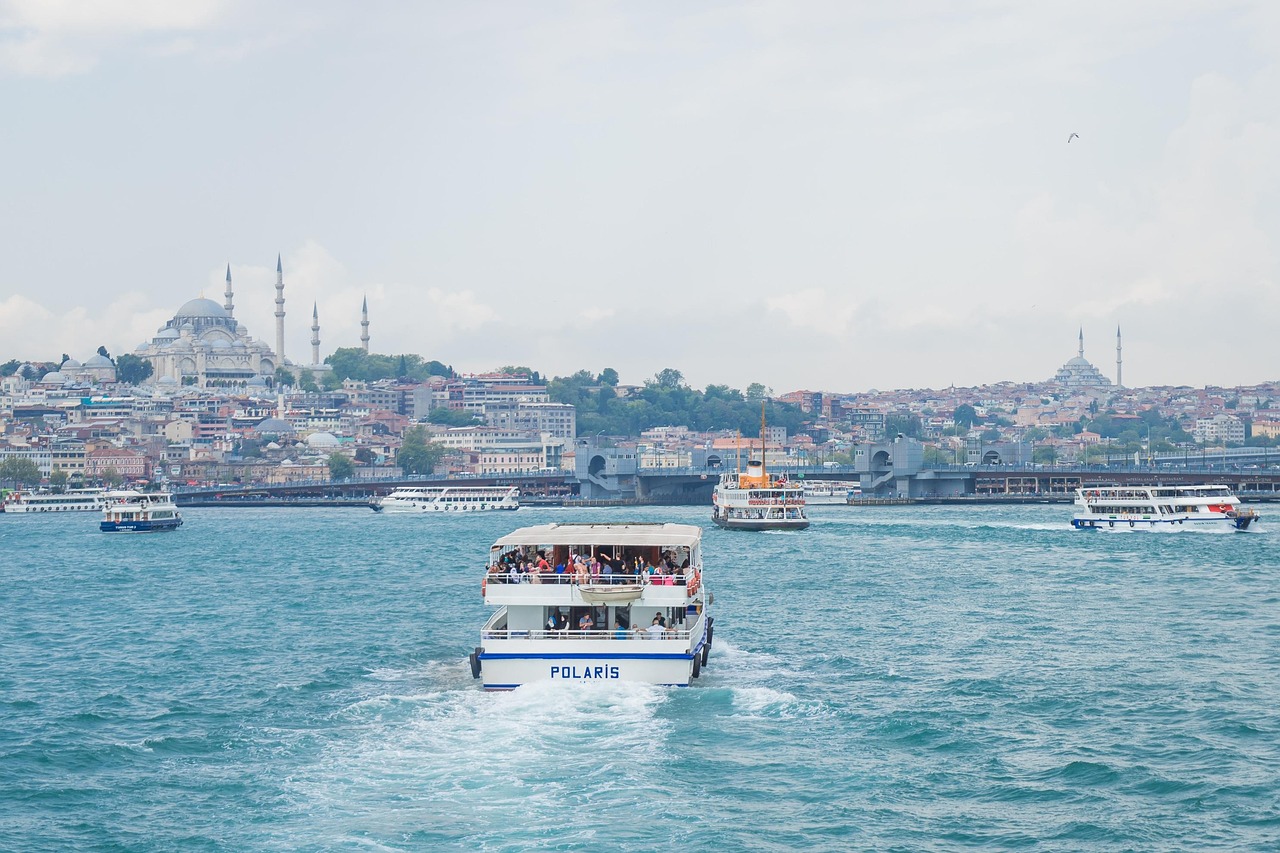
## Küçük Ayasofya Visitor FAQ
It costs exactly 0 Lira to walk through the door, so if some guy in a cheap suit tries to sell you **Küçük Ayasofya tickets**, tell him to get lost. Seriously. I’ve seen scammers lurking near the Hippodrome trying to "help" tourists with fake entry passes. This is a functioning mosque, not a Disney attraction. There is no **entrance fee**. None. If you feel the urge to spend, drop a few bills in the donation box inside. I usually toss in 50 or 100 Lira because the maintenance on a 1,500-year-old building is a nightmare.
### What should I wear?
Don't show up in your gym shorts or a tank top. I don't care how hot the Istanbul sun is hitting. This is a holy site, and the **dress code** is non-negotiable. Men need long pants. Women must cover their heads and shoulders. They usually have a rack of shared scarves and skirts at the entrance, but they’ve been worn by 1,000 other people and probably smell like it. Just bring your own silk scarf in your bag. It’s better for everyone. Also, you have to take your shoes off. If you have a hole in your sock, the world will see it.
### When is the best time to visit?
Avoid prayer times. I once accidentally walked in right as the Friday sermon started and felt like a complete idiot. The **opening hours** are basically from dawn until dusk, but the place shuts down for visitors during the 5 daily prayers. Check a prayer timing app. If you hear the call to prayer blaring from the minaret, go grab a tea and wait 30 minutes. My favorite time is mid-morning, around 10:30 AM. The light hits the dome just right, and the school kids nearby are usually tucked away in class.
### Can I take photos?
Yes, but don’t be a nuisance. Put your phone on silent. No flash—it ruins the mood and bugs the people actually trying to pray. I see tourists hauling giant tripods into these small spaces and I just want to kick the legs out from under them. It’s a place of worship, not your personal film set. Keep it low-key. If someone is kneeling on the carpet, don't stand in front of them with your wide-angle lens. Use your head. **Mosque etiquette** is mostly just about not being a loud, oblivious jerk. Simple, right?
## Conclusion
Stay in the circus if you must. Spend your entire afternoon dodging selfie sticks and getting hassled by guys in cheap suits selling "authentic" rugs that were probably made in a factory in China last week. It’s your funeral. Personally, I’m done with that plastic, polished version of my city. Sultanahmet is basically a theme park for people who are afraid of a little grime and some real silence. It’s exhausting. It’s loud. It’s a trap.
But step away. Just walk down the hill until the noise of the tour groups fades into a dull, distant hum. Down here, near the Little Hagia Sophia, the walls are crumbling and the laundry is hanging from the windows of houses that look like they might fall over if you sneeze too hard. But at least nobody is trying to scam me into a "free" tea or a guided tour of a gift shop. It’s quiet. Properly quiet. You can actually hear the low, rhythmic slap of the Marmara Sea hitting the rocks just past the train tracks. You can smell the salt air mixing with the scent of old, damp stone and the occasional whiff of diesel. It's not perfect. It's better.
The real Istanbul doesn’t give a damn about your itinerary. It’s messy. It’s a bit broken. It’s stubborn. If you’re brave enough to get lost in these backstreets where the paint is peeling and the street cats own the pavement, you might actually feel something real. Or you can go back to the square and pay way too much for a lukewarm kebab and a view of a tour bus. Your call. I’m staying right here.
---
## The frantic sweaty madness of my walk through Mahmutpaşa and Tahtakale
URL: https://istanbulcool.com/mahmutpasa-tahtakale-walking-tour
My shirt is glued to my spine. It’s 32 degrees, the humidity is a physical weight, and I just got shoulder-checked by a *hammal*—a porter—hauling a stack of boxes three times his size on his back. Welcome to Mahmutpaşa on a Tuesday. If you’re looking for those "peaceful" corners or the sanitized tea gardens from the brochures, turn around. Go back to Sultanahmet.
This place is a fistfight for space. It smells like diesel fumes, cheap plastic, and the heavy, greasy scent of fried dough hitting hot oil. My head is throbbing from the screaming—vendors hollering prices for polyester lace and knock-off sneakers like it’s a life-or-death situation. I’ve lived in this city for fifteen years and the backstreets of Eminönü still make me want to swear out loud. But I love it. It’s ugly. It’s raw. It’s the unwashed heart of the city that hasn't been scrubbed clean for the cruise ship crowds yet. Most tourists can’t stand the noise. I think the noise is the point. You aren't visiting Istanbul here. You're surviving it. Just stay out of the way of the guys carrying fridges. Seriously. They won't stop for you.
## Getting to the Eminönü backstreets
If you value your personal space and your sanity, do not—under any circumstances—take the tram all the way to the Eminönü stop. It’s a death trap for your mood. I’ve lived in this city for 15 years, and I can tell you that the transit hub at Eminönü is where my patience goes to die. Every. Single. Time.
The **T1 Tram** is basically a rolling metal sardine can. It’s packed with tourists clutching their bags like they’re in a war zone and locals who are just too tired to care about your toes. I hate it. Last Tuesday, I made the mistake of staying on until the Eminönü station, and I spent 10 minutes just trying to peel myself off a window. If you want to understand the [public transport](https://istanbulcool.com/istanbul-public-transport-guide) mess here, just look at the faces of people waiting on that platform. Pure misery.
### The Sirkeci Strategy
The smart move? Get off at **Sirkeci Station**. It’s just one stop before the main **Chaos** zone, and it saves you at least 20 minutes of shoving through the crowds at the main square. I always jump off here. The air is slightly—and I mean slightly—better. You walk past the grand old post office, which is actually a cool building if you can ignore the trash piles on the corner, and you enter the **Eminönü backstreets** from the side. It’s a flanking maneuver. It’s tactical.
From Sirkeci, the walk is maybe 8 or 10 minutes. You’ll pass guys selling knock-off perfume and street food that I wouldn't touch if I was starving, but at least you aren't stuck in the middle of a 500-person bottleneck. Why would anyone want to be stuck in that? Seriously.
### Avoiding the Flower Market Trap
Whatever you do, don't try to enter the **Mahmutpaşa** area through the main gate next to the Spice Market or the flower stalls. That entrance is a joke. It’s a funnel for every tour group in the city. You’ll be stuck behind a guy from Nebraska taking 40 photos of a pigeon while 50 guys with giant hand-carts are screaming "Destur!" (that means "get out of the way" or "watch out" but usually sounds like a threat).
The smell near the flower market is a weird mix of damp soil, rotting fish from the **Galata Bridge** stalls, and diesel fumes. It’s not "atmospheric." It’s gross. I usually take the side alleys near the stationery shops. It’s steeper, my knees usually hurt by the top, and the pavement is uneven enough to break an ankle, but it’s real. You see the guys hauling rolls of fabric, the tea runners sprinting with their trays, and the shopkeepers arguing over the price of plastic buckets.
I remember once trying to be a "good tour guide" for a friend and taking the "easy" route through the main square. We got stuck for 15 minutes behind a literal wall of people waiting for a bus. The heat was bouncing off the asphalt, my shirt was stuck to my back, and some guy accidentally hit me with a giant bag of sponges. Never again. Use your head. Take the back way.
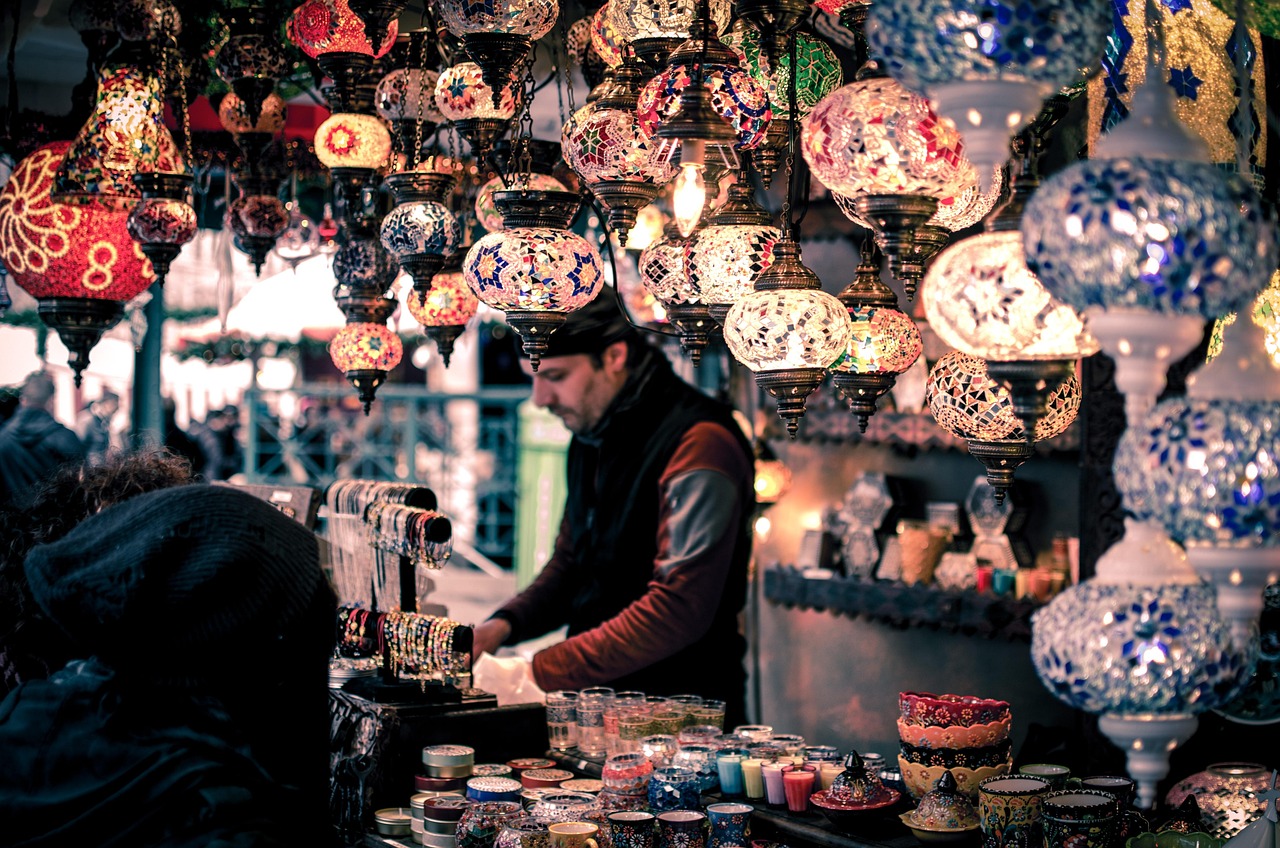
## The Mahmutpaşa Yokuşu climb
**If you have bad knees or a low tolerance for being elbowed by a grandmother hunting for cheap lace, stay away from Mahmutpaşa Yokuşu.** This isn't a "stroll." It’s a vertical gauntlet. I’ve lived in this city for 15 years, and every time I find myself at the bottom of this slope looking up, I feel a physical wave of dread. It’s steep, it’s slick with who-knows-what, and it smells like a mix of diesel exhaust and the overly sweet scent of knock-off perfume. You don't walk up this hill; you survive it.
### The glittery, synthetic horror of the shopfronts
Every time I hike up this **Yokuş**, I’m assaulted by the sight of the wedding dresses. These aren't the elegant silks you’d find in Nişantaşı. No. These are massive, architectural monuments to polyester and sequins. They hang from the ceilings like giant, glowing ghosts. I find them hideous. But for half of Turkey and most of the Balkans, this is the mecca of **Turkish Textiles**.
The shops are packed tight. It’s **Wholesale** madness. You’ll see guys dragging bags of lace that weigh more than I do. The sheer volume of white lace and synthetic "satin" is enough to give you a migraine. I once saw a guy try to negotiate for 50 identical circumcisions suits—those little prince outfits kids wear—while a stray cat was literally sleeping on a pile of pashminas. Nobody cared. The shopkeeper just kept shouting prices into his phone. It’s loud. It’s ugly. It’s completely real.
### The physics of the 'Hamal'
The most dangerous thing on this hill isn't the pickpockets or the scammers. It’s the **Hamal**. These guys are the human forklifts of the **street markets**. They carry massive wooden saddles on their backs, piled two meters high with boxes of fabric or kitchen supplies. They have calves the size of my torso and zero patience for your sightseeing.
I almost got leveled by one last Tuesday. I was distracted by a particularly garish display of neon underwear, and I didn't hear him coming. If you don't move, they will walk through you. Literally. They are part of a centuries-old guild system that shouldn't exist in 2024, yet here they are, sweating through their shirts and keeping the entire economy of Eminönü moving on their spines.
> **Berk's Insider Tip:**
> If a porter yells 'Destur!' get out of the way immediately. He won't stop, and his load weighs more than your car.
### Why do we put ourselves through this?
You might ask why I even bother coming here. I ask myself that every ten steps. My shirt is usually stuck to my back by the time I’m halfway up. The noise is a constant roar of "Buyur abi!" and the screech of metal carts on uneven stone. It’s exhausting. But there’s a grit here that you won’t find in those sterile malls in Levent.
In Mahmutpaşa, you see the gears of the city grinding. You see the trash piling up in the corners—plastic wrap, discarded simit bags, cigarette butts—and you realize this is the stomach of Istanbul. It’s where things are bought, sold, and hauled. It’s dirty, it’s rude, and the tea they serve you in the shops is usually bitter enough to strip paint. I love it and I hate it. Mostly I hate the climb.
| Feature | Mahmutpaşa Yokuşu | A Modern Istanbul Mall |
| :--- | :--- | :--- |
| **Incline** | 45 degrees of pain | Flat, boring marble |
| **Air Quality** | Exhaust and grilled liver | Filtered, scent-marketed air |
| **Price** | Cheap if you can haggle | Fixed and overpriced |
| **Danger Level** | High (Death by Hamal) | Low (Slipping on floor wax) |
| **Authenticity** | 100% Grimy Reality | 0% Plastic Simulation |
### The "Discount" Illusion
Everything here is "cheap," or so they claim. I’ve seen tourists get excited about a 20-lira scarf that falls apart the moment it touches water. My advice? Don't buy the first thing you see. The climb is designed to wear you down so you'll buy anything just to have an excuse to stop walking.
I watched a group of people from some cruise ship yesterday looking absolutely terrified. They were clutching their designer bags like they were in a war zone. I wanted to tell them to relax, but then a guy pushed past me with a rack of 200 leather jackets and I had to jump into a doorway filled with plastic buckets to avoid losing an arm. That's the **Mahmutpaşa** experience. It doesn't care about your personal space. It doesn't care if you're tired. It just keeps moving, sweaty and frantic, until the sun goes down and the shutters slam shut. Seriously, wear shoes with grip. You'll need them.
## Tahtakale: The engine room of the city
Tahtakale is the unfiltered, ugly heart of Istanbul’s commerce and I absolutely love how much it doesn't give a damn about your vacation photos. If the Grand Bazaar is the city's jewelry box—overpriced, polished, and full of guys trying to sell you a "magic" carpet—then **Tahtakale** is the grease-stained engine room. It’s loud. It’s crowded. It’s 100% real. I’ve lived here for 15 years and I still get a minor panic attack every time I try to navigate these narrow slopes.
The chaos starts the second you leave the spice-heavy air of the **Mısır Çarşısı** behind. You cross a literal threshold of madness. One minute you’re smelling cinnamon and expensive saffron; the next, you’re hit with the acrid, chemical punch of **plastic heaven**. I’m talking about rows and rows of shops stacked to the ceiling with plastic tubs, buckets, and laundry baskets that smell like a tire fire in a Tupperware factory. It’s a sensory slap in the face.
### Why this is the anti-Grand Bazaar
I hate the Grand Bazaar. There, I said it. It’s a theater production for tourists. Tahtakale, however, is where the actual city gets its work done. You won't find 100-year-old antiques here. You’ll find 10,000 cheap Chinese-made screwdrivers, 500 different types of lightbulbs, and more **wholesale goods** than you can count.
I remember trying to buy a single frying pan here once. The guy looked at me like I had two heads. He didn't want to sell me one pan; he wanted to sell me 40. That’s the rule. If you aren't buying in bulk, you’re basically an obstacle. I’ve been shoved aside by *hamals*—those guys with the massive leather saddles on their backs—carrying literal mountains of cardboard boxes. They don’t say "excuse me." They grunt. You move or you get flattened. 200 kilos of kitchenware doesn't stop for a selfie.
### The sensory overload of the toy district
If you think the plastic smell was bad, wait until you hit the toy section. It’s a fever dream. Imagine 50 shops all testing battery-operated plastic dolls that scream, beep, or sing off-key versions of pop songs at the same time. It’s a cacophony that makes my teeth ache.
The ground is usually slick with some kind of mystery liquid—probably spilled tea or condensation from the 100% humidity—and the air is thick with the smell of cheap batteries and industrial glue. It's a grit you can feel on your skin. I saw a kid crying because his dad wouldn't buy him a neon-green plastic submachine gun, and honestly, I felt like crying too, mostly because the heat was 35 degrees and a guy with a cart full of simit just ran over my toe.
### Finding the silence
Just when you think your head is going to explode from the noise of the **street markets**, there’s an escape. Most people walk right past the tiny, nondescript stairs leading up from the street. I always take them.
I duck into the [Rustem Pasha Mosque](https://istanbulcool.com/hidden-iznik-tiles-rustem-pasha-mosque-eminonu) to stop my ears from ringing. It is the absolute antithesis of the madness below. One minute you’re being shouted at by a guy selling 5-lira socks, and the next, you’re surrounded by the most incredible blue tiles you’ve ever seen. The silence is heavy. It’s thick. It’s the only thing that keeps me sane after 2 hours in Tahtakale.
The contrast is jarring. Outside: the smell of exhaust and cheap plastic. Inside: the faint scent of old wood and history. It’s a reminder that Istanbul isn't just one thing. It’s a mess of contradictions that somehow works.
Don't come here looking for a "charming" afternoon. Come here because you want to see the gears of the city turning. Just wear shoes you don't mind getting dirty. Seriously.
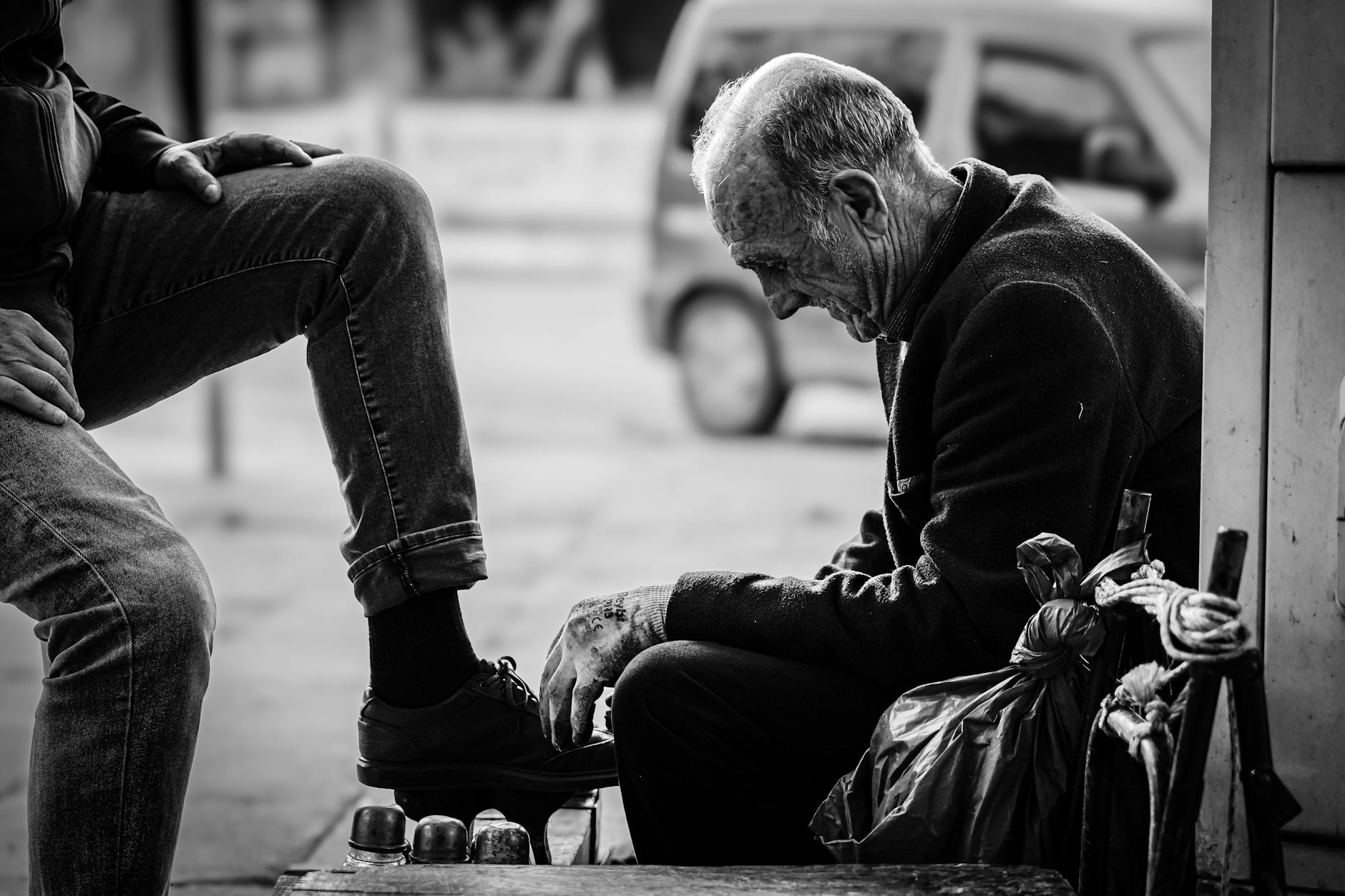
## What to eat when you’re exhausted
**Do not, under any circumstances, sit down for a fish sandwich at those gaudy, rocking boats by the Galata Bridge.** I mean it. If you want to feel like a total amateur while chewing on frozen mackerel imported from Norway, be my guest. But don’t tell me I didn't warn you. Those places are a circus of tourist misery. You’ll be shoved into a plastic chair, ignored by a guy in a fake Ottoman costume, and served soggy bread while the smell of diesel fumes competes with the fish. It’s a hard pass from me. Every single time.
When I’ve spent 3 hours dodging handcarts and getting elbowed by aunties in the **Eminonu backstreets**, I want real fuel. I want something that hasn’t been designed for a postcard.
### The Esnaf Lokantası: Where the actual work gets done
If you see a place where men in dusty aprons and suits are sitting side-by-side hunched over steaming plates, you’ve found an **Esnaf Lokantası**. This is the "tradesman restaurant." It isn't about the decor. The lighting is usually fluorescent and depressing. The waiters are often grumpy and move at the speed of light. They don't have time for your questions about gluten.
My go-to is always a massive plate of **Nohut Pilav**. It’s just chickpeas and buttery rice, but when it’s done right, it’s life-changing. 15 years in this city and I still think a good pile of rice is better than any fine-dining steak. You need to wash it down with a cold **Ayran**. Don't get the bottled stuff; ask if they have it *açık*—open and frothy. I once saw a tourist try to drink it with a straw. I almost cried. Use the glass. Get the foam on your lip.
### Greasy glory on a vertical spit
Then there’s the döner. Not the sad, gray meat-shavings you find in London or Berlin. I’m talking about the real deal in Tahtakale. You want the place where the fat is literally dripping off the spit and the cook is shaving off slices so thin they're almost translucent. It’s salty, it’s heavy, and it’ll probably ruin your shirt.
I have a specific spot near the spice market entrance. No name worth remembering, just a hole in the wall. The guy behind the counter looks like he hasn’t slept since 1994. He doesn't smile. He just hacks away at the meat. That’s the guy you trust.
**Here is what you look for to avoid a food disaster:**
1. **The Queue:** If it’s 12:30 PM and the place is empty, keep walking. Locals know.
2. **The Bread:** It should be slightly charred from the grill, not pulled out of a plastic bag.
3. **The Attitude:** If the waiter is too nice, he’s probably trying to overcharge you. You want professional indifference.
4. **The Table:** If it’s covered in a fancy cloth, you’re in the wrong place. Give me oilcloth or bare wood any day.
### The scent of Kurukahveci Mehmet Efendi
You’ll smell it before you see it. That roasted, nutty aroma that defines the air around the Spice Bazaar. The line for **Kurukahveci Mehmet Efendi** is usually 20 people deep, snaking around the corner. Is it the best coffee in the world? Maybe not. But the theater of it is unbeatable. I usually stand in that line just to watch the precision of the paper-bag folding. It’s like a machine.
I remember waiting there last July in 35-degree heat. I was sweating through my shirt, some guy with a massive box of cheap toys nearly knocked me over, and the exhaust from a nearby delivery truck was choking me. But then, I got to the window, handed over my liras, and got that warm bag of freshly ground beans. Worth it? Absolutely. Just don't expect a seat. You buy, you move. That’s the rule of the street.
> **Berk's Insider Tip:**
> The best coffee isn't inside a shop; it's the one you buy from the guy with the brass samovar on the street corner. Just drink it and don't ask about the water source.
If you’re still standing after all that, you’re doing better than most. Grab a stool, ignore the noise of the shouting vendors, and just eat. The city is loud, it's dirty, and it's exhausting, but God, the food makes up for the madness.
## Surviving the crowd and the noise
You have to accept that you are going to be touched, bumped, and sweat on by at least 50 strangers before you even reach the middle of Mahmutpaşa. If the thought of a stranger’s damp shoulder rubbing against yours makes you nauseous, just don't go. Seriously. Stay in some sanitized mall and leave the real city to the rest of us.
Tahtakale isn't some curated museum exhibit; it's a frantic, grease-slicked engine of commerce that has been running for centuries without your permission. It smells like heavy exhaust, stale tobacco, and cheap plastic toys melting in the sun. My first time navigating these slopes 15 years ago, I felt like I was drowning in a sea of polyester and shouting men. The noise is a constant, jagged wall. You’ll hear the clatter of iron-wheeled handcarts—the *çekçek*—long before you see them. If you hear a guy yelling "Destur!" or "Varda!", move your feet. He won't stop. He can’t. He’s carrying 80 kilos of Turkish towels on his back and his knees are likely about to give out.
### The "Pushy" Seller Myth
I’m tired of hearing tourists complain about pushy sellers. In Tahtakale, they aren't pushy; they are busy. They don't have the time to lure you in with apple tea and talk about your carpet preferences. These guys are moving massive volume. I once watched a shopkeeper in Mahmutpaşa ignore a guy for 10 minutes because he was busy arguing with a wholesaler over the price of 500 bathrobes. If you want something, point, ask the price, pay, and get out. Don't haggle over 5 Lira. It’s pathetic and they’ll just roll their eyes at you while you're standing in the way of a guy delivering 300 kilos of coffee.
> **Berk's Insider Tip:**
> Never go on a Saturday afternoon unless you enjoy being part of a human stampede. Tuesday morning is the only time for sane people.
### Emotional Crowd Management
Handling the stress of these high-density areas is mostly about your own headspace. Don’t fight the flow. If the mass of bodies is moving toward Eminönü, you go with them. I once tried to walk against the current near the spice market entrance on a Friday. Big mistake. I ended up pinned against a wall smelling of damp wool and old cigarettes for 5 minutes while a delivery van tried to squeeze through a gap built for a donkey.
### The Exit Strategy
By the time I hit the bottom of the hill, my head is usually throbbing from the sheer friction of the city. The air near the Golden Horn is thick with the smell of frying fish and diesel fumes. The crowd management here is nonexistent; it's just survival of the fastest. My ritual is always the same: I dodge the scammers selling "genuine" perfume on the sidewalk and head straight for the pier.
There is no better medicine for the Tahtakale headache than jumping on a [Bosphorus ferry](https://istanbulcool.com/bosphorus-ferry-hopping-walking-tour). The moment the boat pulls away from the dock and that cold, salty wind hits your face, the chaos behind you vanishes. I usually grab a tea from the canteen—it’s usually over-steeped and bitter, but I don't care. Looking back at the gray, chaotic silhouette of the city from the water makes the 2 hours of being shoved around worth it. Almost.
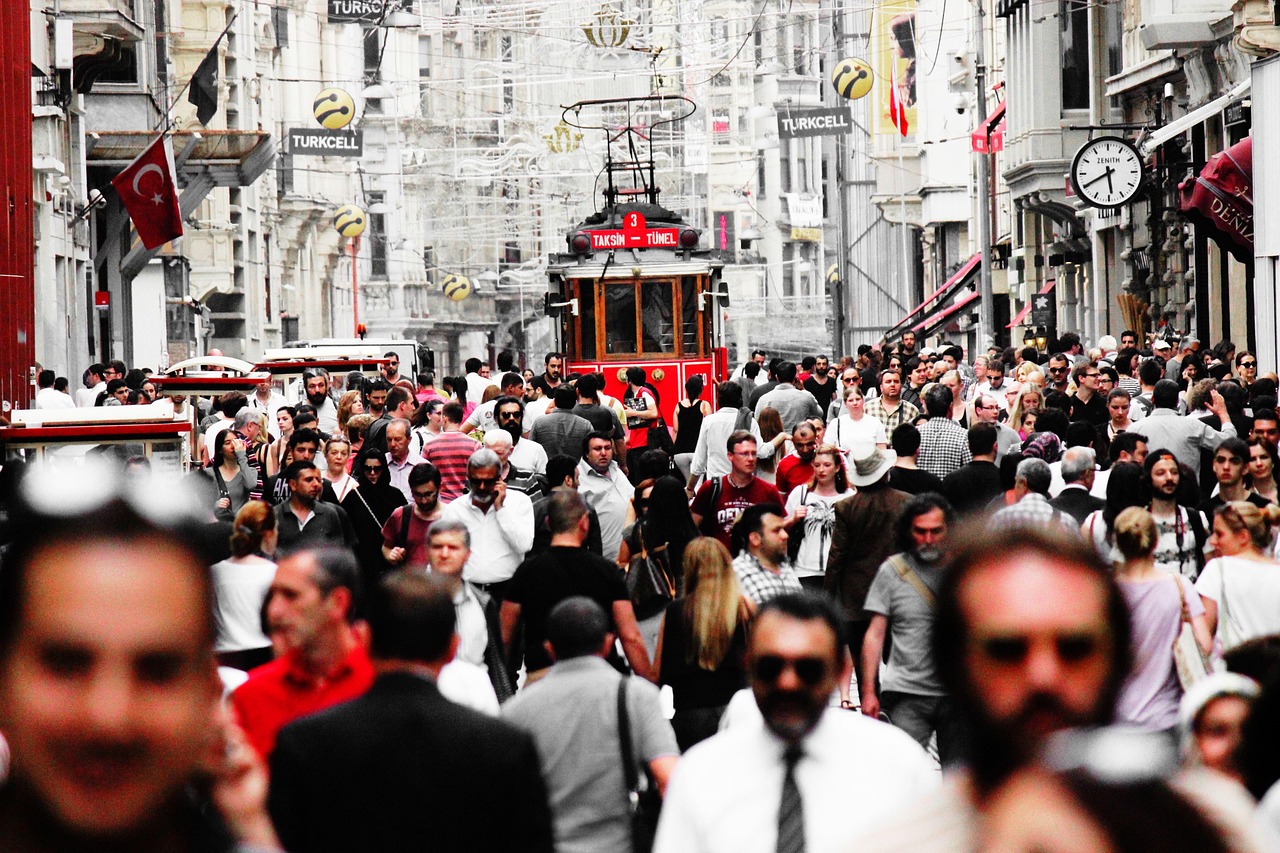
## How to plan your walk through Mahmutpaşa and Tahtakale
**If you show up in Mahmutpaşa on a Sunday, you’re an absolute idiot.** It’s a graveyard. Stone-cold dead. The heavy metal shutters are slammed shut, the tea shops are locked, and the only thing you’ll see is a stray cat sniffing a discarded, greasy kebab wrapper. I made this mistake once when I first moved here 15 years ago. I stood there in the silence of the empty stone alleys feeling like a total amateur. Don't be me.
### When should I actually go?
Go on a Tuesday or Wednesday. Those are the sweet spots. Start around 10:00 AM. Any earlier and the shopkeepers are still grumpy, hacking up smoke, and nursing their first glass of tea. Any later and the heat starts to bake the asphalt. By 2:00 PM, the smell of cheap plastic, sweat, and frying oil becomes a physical weight. I usually get a massive headache if I stay past 3:00 PM. The noise alone—guys screaming about "indirim" (discount) and the constant, bone-shaking rattle of iron freight carts—will melt your brain. Everything starts wrapping up by 6:00 PM. After that, the **street markets** turn into a trash-strewn wasteland.
### Is it actually safe?
People ask me this constantly. "Berk, will I get mugged?" No. Probably not. You won't get held up at knifepoint. But you will get your pocket picked if you’re walking around like a clueless tourist with a giant map and your backpack dangling off your shoulders. Wear your bag on your front. I’m serious. I saw a guy lose his wallet in about 3 seconds near a spice stall last month. He didn't even notice until he went to buy a simit.
The biggest physical danger is honestly getting flattened by a "hamal." These are the guys carrying a mountain of 80-kilo boxes on their backs. They don't stop. They can't stop. They shout "Destur!" which basically means "Move or get crushed." Move. Fast. I’ve been clipped by a wooden pallet before; it hurts like hell.
### How do I bargain without being a total jerk?
Listen, **Tahtakale** isn't the Grand Bazaar. These guys aren't selling fake silk carpets to retirees from cruise ships. They are selling 500 pairs of socks or 20 kilos of coffee to small business owners from Anatolia. If you’re buying 1 cheap t-shirt, don't expect a 50% discount. It’s pathetic. I usually ask for a "pazarlık" (bargain) only if I’m buying a few things. If they say no, they mean it. Don't push. It’s rude.
Also, carry cash. Small bills. Trying to pay for a 15 lira plastic strainer with a credit card will get you a look of pure, unadulterated disgust. I’ve been on the receiving end of that glare. It burns.
### What if I hate crowds?
Then why are you even here? Seriously. If you want quiet, pretty houses and old men playing backgammon in a park, go take an [afternoon walk in Kuzguncuk](https://istanbulcool.com/walking-tour-kuzguncuk-asian-side) instead. This side of the Golden Horn is for people who want to feel the grind. It’s dirty. It’s loud. It’s exhausting. It’s the real engine of the city.
### Quick Logistics
1. **Shoes:** Wear sneakers you don't mind getting filthy. The ground is a cocktail of spilled tea, dust, and gray sludge.
2. **Bathrooms:** There are no "nice" bathrooms. Use the one in the Spice Bazaar before you enter the maze, but even that's a gamble.
3. **Water:** Bring a bottle. You'll need it after 30 minutes of breathing in exhaust fumes and 2nd-hand smoke.
4. **Phone:** Keep it in your front pocket. Always.
It's a mess. It's frantic. But if you can handle the sweat and the shouting, it's the only way to see how Istanbul actually works.
## Conclusion
My shirt is plastered to my back. I can feel the grime of a thousand cigarette breaks and exhaust fumes sticking to my forehead. My knees are shot. Honestly, I’m exhausted and I probably smell like a wet dog.
But don't you dare tell me you'd rather be at Zorlu Center or some other air-conditioned tomb in Levent. If I wanted to see polished marble and listen to elevator music, I’d stay in my apartment and stare at a screen. Those malls are soul-sucking voids. They’re fake. They’re designed to make you forget you’re in the most chaotic, beautiful wreck of a city on earth. Here, in this sweaty mess of Tahtakale, forgetting is impossible. Between the guys yelling about cheap underwear and the handcarts nearly crushing your toes, you’re forced to feel something. Usually frustration. Sometimes awe. Always heat.
It’s ugly. It’s loud. It’s real.
I’m heading for the Eminönü ferry now. I need the sea air to blow the smell of cheap plastic and damp wool out of my lungs. If you actually followed me through this madness today, do yourself a favor. Don’t go to dinner yet. Don’t stop for another tea. Just go back to your hotel. Strip off those salt-stained clothes. Stand under a long, scalding shower until the water stops running gray. You’ve earned it. Tomorrow, the city will still be there, screaming at the top of its lungs, but for tonight, just wash the madness off your skin. Seriously. Go home.
---
## A Masterpiece of Light: Why the Mihrimah Sultan Mosque is My Favorite Spot at the City's Highest Point
URL: https://istanbulcool.com/mihrimah-sultan-mosque-edirnekapi-guide
In this article, I’m going to show you why the Mihrimah Sultan Mosque in Edirnekapi is my absolute favorite hidden gem in Istanbul. You will learn about the revolutionary engineering techniques used by the legendary Imperial Architect Mimar Sinan, the poignant history of the Ottoman princess it was named for, and why this specific spot at the city’s highest point offers a spiritual experience that the more famous landmarks simply can't replicate.
Imagine standing on the summit of the city's sixth hill, right against the ancient Byzantine walls, where the chaotic roar of the metropolis finally fades into a soft hum. While most travelers lose themselves in the heavy crowds of Sultanahmet, I want to lead you to my personal sanctuary—a place where the air feels lighter and the architecture breathes. For fifteen years, I’ve wandered every corner of this city as a local, yet this "Mosque of Light" still takes my breath away. It is a masterclass in Ottoman architecture where the sun doesn't just illuminate the space; it brings the entire structure to life, transforming the massive dome into a weightless crown of glass. Together, we’ll explore why this masterpiece remains the soul of old Istanbul.
## The Architecture of the Mihrimah Sultan Mosque
The architecture of the Mihrimah Sultan Mosque is defined by a revolutionary engineering design that utilizes 161 windows to eliminate the need for traditional thick supporting walls, creating an interior flooded with **natural light**. This **masterpiece** by **Mimar Sinan** stands as a peak of 16th-century **Ottoman architecture**, pushing the boundaries of **dome architecture** by resting the central cupola on 4 massive arches supported by **pendentives**, which allows the entire structure to feel weightless and ethereal.
### A Revolution in Light and Engineering
When you step inside, the first thing that hits you is the sheer volume of light. In most imperial structures like the Blue Mosque or the Suleymaniye, the massive weight of the dome requires thick piers and heavy walls that can make the interior feel somewhat dim or fortress-like. However, for Mihrimah Sultan—the favorite daughter of Sultan Suleiman the Magnificent—Sinan chose a different path. He transferred the weight of the 37-meter-high dome onto 4 great arches, essentially turning the side walls into "curtains" of glass.
By filling the **tympanum**—the semi-circular wall space under the arches—with rows of **stained glass**, Sinan achieved something previously unthinkable in 1565. The mosque contains 161 windows, which strip away the shadows typically found in religious buildings of that era. While other sites focus on interior decoration, such as the floral patterns found in the [Rustem Pasha Mosque](https://istanbulcool.com/hidden-iznik-tiles-rustem-pasha-mosque-eminonu), the Mihrimah Sultan Mosque uses the sun itself as its primary ornament.
### Dominating the Sixth Hill
The mosque’s location is just as strategic as its engineering. It sits on the **Sixth Hill**, the highest point of Istanbul’s historical peninsula, right next to the ancient Theodosian Land Walls in Edirnekapı. Because it occupies this 60-meter-high vantage point, the mosque dominates the skyline from almost any direction.
The structural purity of the exterior is striking:
* **The Single Minaret:** Unlike other imperial mosques with 2 or 4 minarets, this mosque has only 1, signifying its status as a tribute to a Sultan's daughter rather than the Sultan himself.
* **The Square Base:** The building follows a strict square plan, which emphasizes the verticality and the "reach" toward the sky.
* **The Exterior Gallery:** A beautiful portico with granite and marble columns provides a transitional space that feels both intimate and grand.
### The Legend of the Sun and Moon
There is a romantic soul hidden within these stones. The name "Mihrimah" translates to "Sun and Moon" in Persian (Mihr meaning Sun, Mah meaning Moon). Urban legend suggests that **Mimar Sinan** was secretly in love with the Princess and expressed his devotion through architectural symmetry.
Sinan built 2 mosques for her: this one in Edirnekapı and another on the waterfront in Üsküdar. It is said that every year on April 21—Mihrimah’s birthday—as the sun sets behind the single minaret of this mosque on the **Sixth Hill**, the moon rises simultaneously between the 2 minarets of the mosque across the Bosphorus in Üsküdar. Whether this was a calculated astronomical feat or a beautiful coincidence, it adds a layer of poetic depth to the granite and marble.
> **Berk's Insider Tip:**
> Visit on a clear, sunny day between 2:00 PM and 4:00 PM. The way the light hits the stained glass creates a purple and gold 'shimmer' on the marble floor that is unlike anything else in the city.
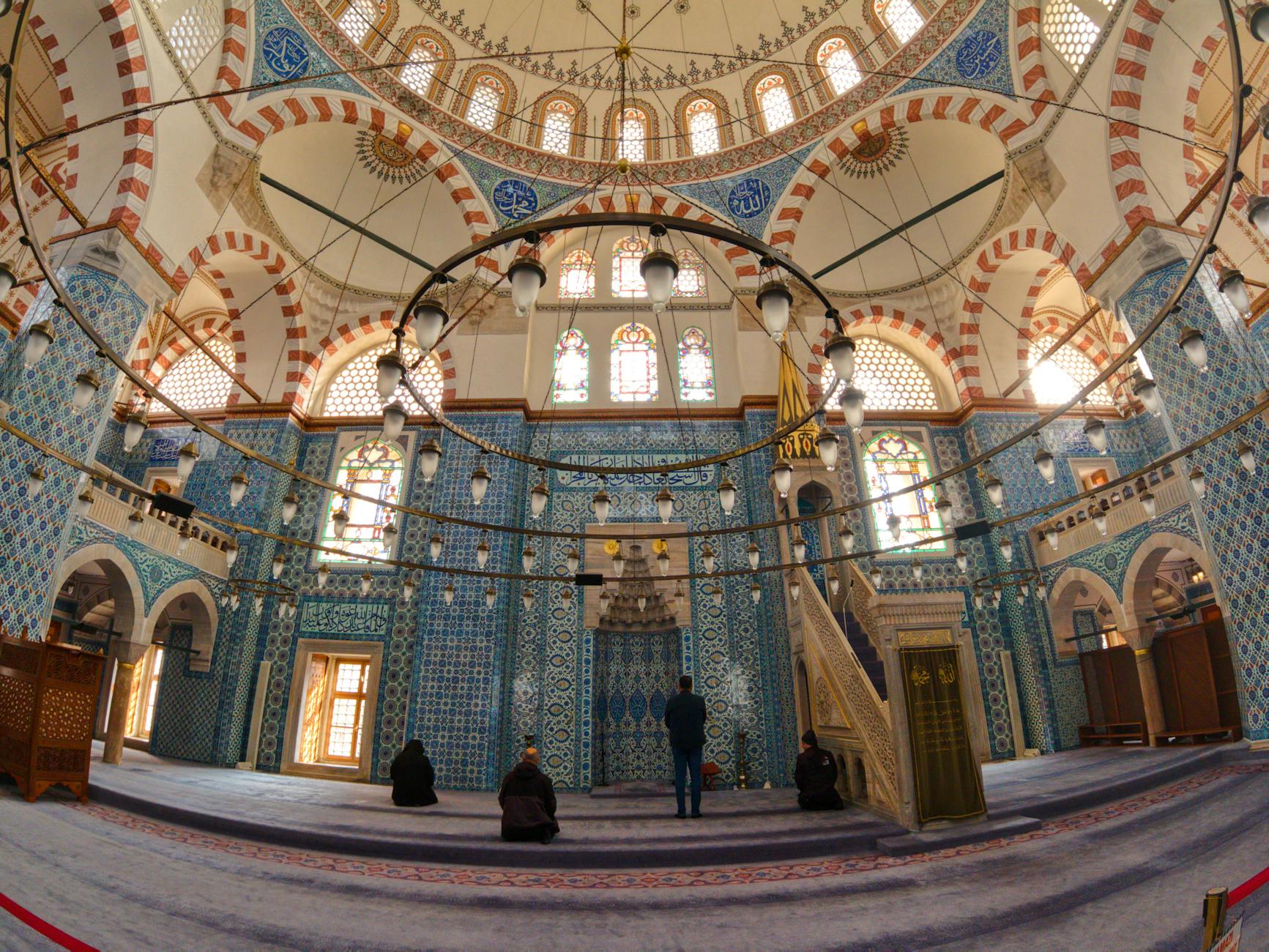
## The History of Mihrimah Sultan and Mimar Sinan
The Mihrimah Sultan Mosque at Edirnekapı stands as a 16th-century architectural tribute to the favorite daughter of Suleiman the Magnificent, designed by the royal architect Mimar Sinan to immortalize her name through a unique interplay of light and geometry. This structure is not merely a religious building but a stone-carved poem reflecting the high-stakes politics and deep personal narratives of the **Ottoman dynasty** during its golden age.
### The Princess of the Sun and Moon
Mihrimah Sultan was the only daughter of **Suleiman the Magnificent** and his legendary wife, **Hurrem Sultan**. Born into the heart of the **Imperial family**, she wielded immense power within the **Harem** and acted as a political advisor to both her father and her brother, Selim II. Her name, which translates from Persian as "Sun and Moon," served as the primary inspiration for Sinan’s design philosophy.
In **16th century Istanbul**, building a mosque was a statement of piety and legacy. While most royal mosques featured multiple minarets to signify imperial status, this mosque has only 1. Legend suggests that Sinan chose this singular design to represent his own solitude. During the construction period in the **1560s**, Sinan was already in his 70s, having completed massive projects for the **Ottoman dynasty** such as the Süleymaniye and various public buildings like bridges, hospitals, and soup kitchens.
### A Legend Written in the Sky
The most captivating aspect of this history is the romantic myth of Mimar Sinan’s unrequited love. Although historical records show Sinan was a devoted servant to the royal family, local lore insists he was deeply in love with Mihrimah. It is said that he designed her 2 mosques—one in Üsküdar on the Asian side and this one in Edirnekapı on the European side—so that on Mihrimah’s birthday, April 21, the sun sets behind the minaret of the Edirnekapı mosque just as the moon rises over the mosque in Üsküdar.
> **Berk's Insider Tip:**
> If you look closely at the minaret from the outside, you'll notice it's unusually slender—a symbol of loneliness that local legends say Sinan chose to represent his heart.
This architectural feat was achieved without the aid of modern computers, relying instead on Sinan’s mastery of mathematics and astronomy. The 1560s marked a time when **Istanbul history** was being rewritten through stone, and Sinan used this specific location—the highest point of the city’s 7 hills—to ensure the princess’s name would always be bathed in light.
### The Edirnekapı Context
Choosing Edirnekapı for the mosque was a strategic and symbolic move. This area, located right next to the ancient Theodosian Walls, was the first gate through which Ottoman Sultans entered the city after a campaign. The neighborhood is rich with other historic sites including **Byzantine structures** such as the Palace of the Porphyrogenitus and world-renowned spiritual centers featuring [golden mosaics](https://istanbulcool.com/mosaics-kariye-mosque-chora-guide) that tell the story of the city’s pre-Ottoman past.
The mosque was completed in 1565, following a period of intense construction that survived several earthquakes. Sinan’s genius is evident in the 161 windows that pierce the walls. By reducing the number of supporting pillars and maximizing the glass surface area, he created an interior that feels weightless. For a princess named after light, the architect essentially built a jewelry box of sunbeams, ensuring that her presence would be felt by anyone who stepped inside for centuries to come.
## How to Get to Edirnekapi
Reaching the Mihrimah Sultan Mosque in Edirnekapi is most efficient by using the **T4 Topkapi-Mescid-i Selam Tram** or the **Metrobus**, both of which have dedicated **Edirnekapi Station** stops located less than 300 meters from the mosque entrance. These high-capacity transit lines bypass the heavy road traffic often found in the **Fatih District**, making them the most reliable options for travelers coming from any part of the city.
### Master the T4 Tram and Metrobus
If you are starting your journey in the old city hubs like Sultanahmet or Sirkeci, take the T1 Tram towards Bağcılar and get off at the Topkapı station. From there, follow the signs for a 3-minute walk to the **T4 Topkapi-Mescid-i Selam Tram** line. Ride the T4 for exactly 3 stops to arrive at the **Edirnekapi Station**. This line is a local favorite because it runs partially underground, avoiding the congestion of the main arteries.
For those staying in areas like Beşiktaş, Şişli, or the Asian side (Kadıköy/Üsküdar), the Metrobus is your best ally. This bus-rapid-transit system uses its own lanes, separated from regular traffic. Board any Metrobus (such as the 34G or 34AS) and disembark at the Edirnekapi stop. This station is uniquely positioned on a bridge; when you exit, you will find yourself overlooking the historic Byzantine land walls.
### Navigating the Fatih District on Foot
Once you step off at the **Edirnekapi Station**, the massive dome of the Mihrimah Sultan Mosque will be visible on the horizon. The walk takes approximately 5 minutes. As you exit the station, head toward the main street, Fevzi Paşa Caddesi. You will be walking through a section of the city that feels significantly more traditional than the tourist-heavy Taksim or Sultanahmet.
The **Fatih District** is the heart of "Old Istanbul," and the streets surrounding the mosque are filled with local artisans, such as carpenters and copper smiths. Before you make the trek to the city's highest point, I highly recommend starting your morning with a proper [Turkish breakfast](https://istanbulcool.com/guide-to-turkish-breakfast-culture-istanbul) at one of the smaller, family-run shops in Fatih to fuel your walk.
### Istanbul Travel Tips for the Route
To travel like a 15-year local, always ensure your Istanbulkart is topped up with at least 50 TL before heading to the Metrobus, as the fare is calculated by the number of stops traveled. At the end of your Metrobus journey, tap your card on the "refund machines" (İade Makinesi) near the exit to get a partial refund of your fare.
| Transport Mode | Connection Point | Est. Time from Sultanahmet | Cost (Approx.) |
| :--- | :--- | :--- | :--- |
| **T4 Tram** | Topkapı Transfer | 25 minutes | 17.70 TL |
| **Metrobus** | Zincirlikuyu or Cevizlibağ | 40 minutes | 20-25 TL |
| **Taxi/Ride-share** | N/A | 20-50 minutes | 250-400 TL |
### Frequently Asked Questions
### Is the walk from the station to the mosque steep?
No, the walk from the **Edirnekapi Station** to the Mihrimah Sultan Mosque is mostly flat. While the mosque is located at the city's highest point (the Sixth Hill), the transport stations are built on the same elevation level as the mosque complex.
### Can I use the M1 Metro line to get there?
Yes, you can take the M1A or M1B Metro lines to the Ulubatlı station. However, this requires a 12-minute uphill walk to reach the mosque. The **T4 Tram** and Metrobus remain the more convenient choices for direct access.
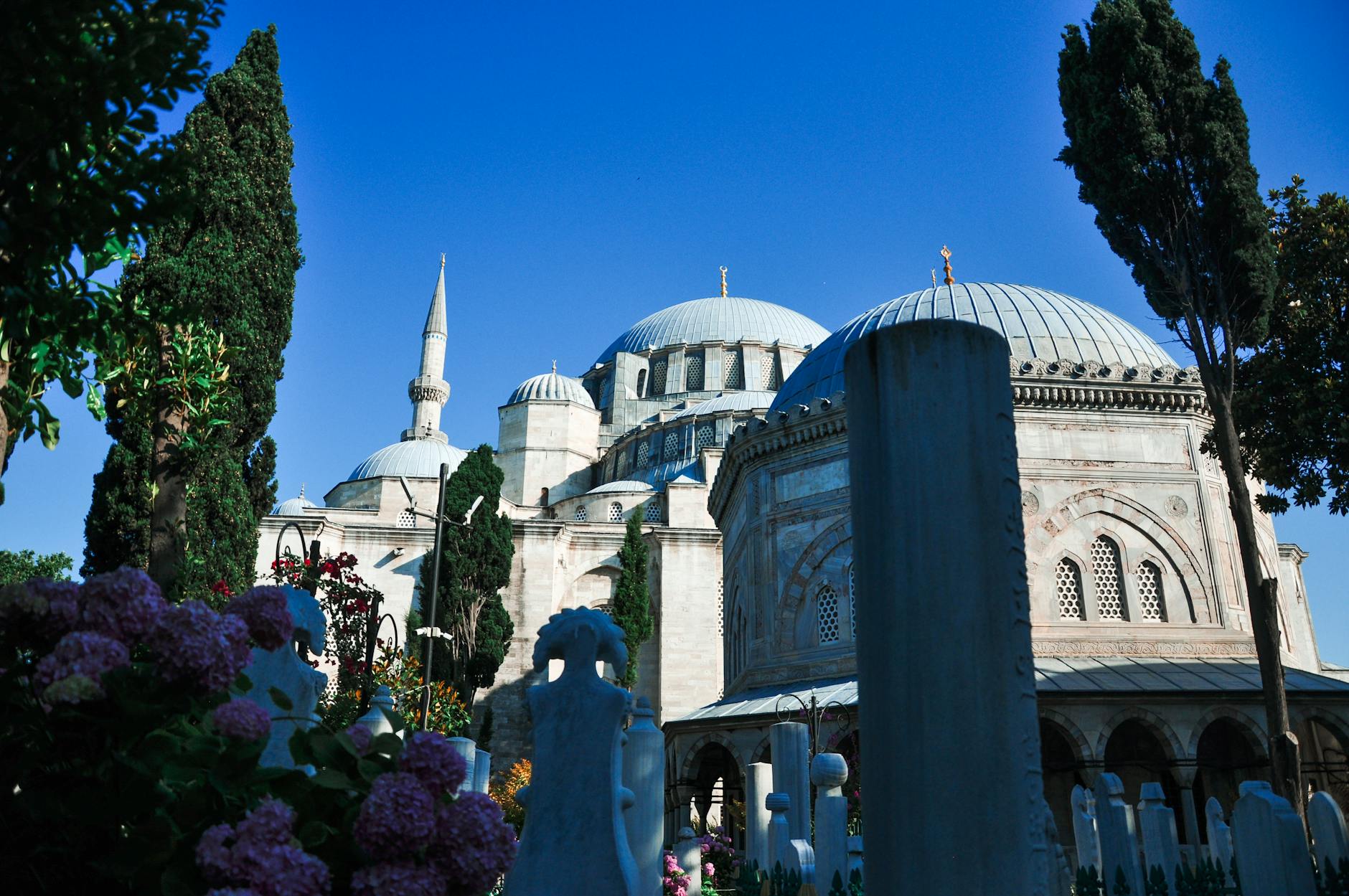
## Exploring the Neighborhood: The Theodosian Walls and Beyond
The Mihrimah Sultan Mosque sits directly adjacent to the Edirnekapı gate, the highest point of the **Theodosian Land Walls**, offering an unparalleled opportunity to explore 1,600 years of **Istanbul history** within a single 10-minute walk. This location marks the spot where the Ottoman Sultan Mehmed II entered the city in 1453, but the layers of history here go much deeper than a single conquest.
### The Gateway of Empires: Edirnekapi Gate
The mosque is inextricably linked to the **Edirnekapi gate**, one of the most significant entrances in the 6.5-kilometer-long fortification system. Historically, this gate served as the primary entrance for victorious emperors and sultans returning from Western campaigns. When you stand in the courtyard of the mosque, you are literally looking at the edge of the ancient world. The transition from the delicate, light-filled interior of Mimar Sinan’s masterpiece to the massive, weathered stones of the **Byzantine history** fortifications is a sensory shift that defines this district.
Walking through the gate itself, you encounter the **city fortifications** that stood unbreached for nearly 1,000 years. These walls consist of three distinct layers: an inner wall, an outer wall, and a deep moat. Today, these layers provide a rugged playground for those who want to see the "unfiltered" Istanbul. Unlike the sanitized tourist zones of Sultanahmet, the area around the walls in neighborhoods like Karagümrük and Ayvansaray remains a living, breathing part of the city.
### Walking the Stones of the Theodosian Land Walls
To truly experience the scale of the city’s defense, you must walk the restored and unrestored sections of the [Theodosian Walls](https://istanbulcool.com/guide-to-ancient-theodosian-land-walls). Starting from the mosque, head north toward the Golden Horn. Within 15 minutes, you will reach landmarks like **Tekfur Sarayı** (the Palace of the Porphyrogenitus), a rare example of late Byzantine residential architecture, and the nearby **Chora Church** with its world-famous mosaics.
The walk is a masterclass in **sightseeing** for those who prefer boots-on-the-ground exploration. As you navigate the path alongside the 22-meter-high towers, you will notice urban gardens, known as *Bostans*, nestled in the old moats. Local families have farmed these small plots of land for generations, growing vegetables like lettuce, arugula, and radishes right in the shadow of the ancient stones. This juxtaposition of domestic life against the backdrop of monumental history is what makes this part of Istanbul so special. It is not a museum; it is a neighborhood that happens to be built into a fortress.
### Light vs. Might: A Study in Contrasts
The most fascinating aspect of this area is the architectural dialogue between the mosque and the walls. Mimar Sinan designed the Mihrimah Sultan Mosque with 204 windows, creating an interior that feels weightless and ethereal. This was a deliberate choice to honor the "Sun and Moon" (the meaning of Mihrimah's name).
In contrast, the **Theodosian Land Walls** are the embodiment of "might." These are heavy, limestone and brick structures built to repel sieges and earthquakes. When you look at them side-by-side, you see two different philosophies of power: the Byzantine Empire’s focus on defensive survival and the Ottoman Empire’s peak-era confidence in aesthetics and light. While the walls are scarred by cannonballs and time, the mosque stands as a pristine jewel. To appreciate one, you must see the other; the ruggedness of the fortifications makes the elegance of the mosque feel even more miraculous.
> **Berk's Insider Tip:**
> After your visit, walk 5 minutes down the hill to the local 'Esnaf Lokantası' (tradesman restaurant) nearby. It’s where I go for the best home-cooked 'kuru fasulye' (white bean stew) in the district.
Exploring the "cracks" of the city here is highly rewarding. If you follow the walls further south toward the **Golden Gate** and Yedikule, you move away from the crowds and into the heart of the city's ancient spirit. Every stone in this district has a story, and as someone who has lived here for 15 years, I can tell you that the view of the sunset from the top of the ramparts near Edirnekapı is the best free show in Istanbul.
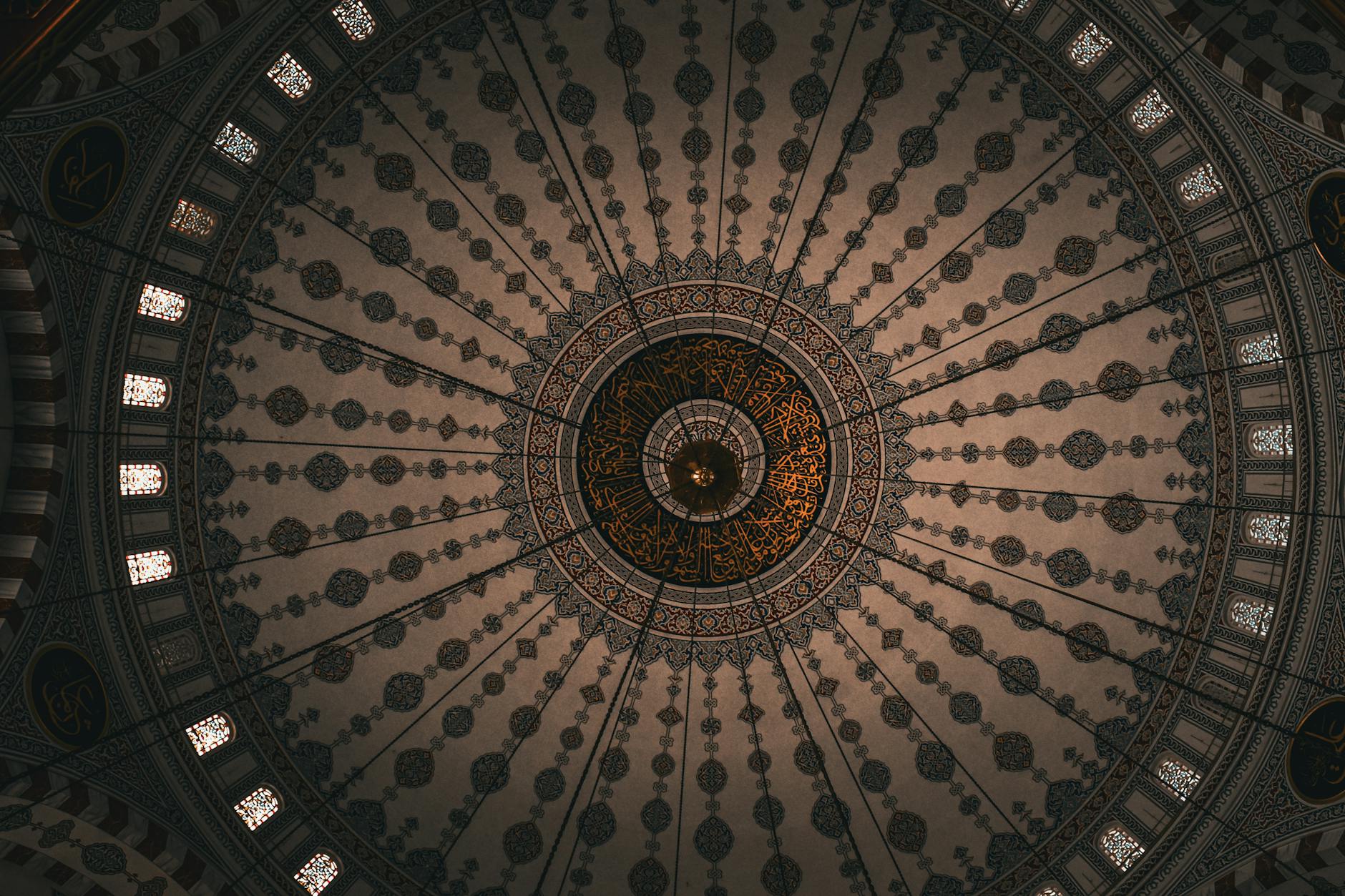
## Frequently Asked Questions About Mihrimah Sultan Mosque
Entry to the Mihrimah Sultan Mosque is **free for all visitors**, and the complex remains open daily from early morning until the final evening prayer. Unlike the converted museums in the city, this remains a living monument where you can witness the local spiritual life of the **Edirnekapi** district without paying a single Lira.
### What are the opening hours and the best time to visit?
The mosque generally follows the rhythm of the sun, opening around **08:30** and closing after the last prayer of the day. While there are no formal "tourist hours," the best time to visit is between **09:00 and 11:00** or between **13:30 and 15:30**. These windows fall between the **5 daily prayer times**, ensuring you have the freedom to walk around the interior without disturbing the congregation. If you want to experience the legendary light display that gives this "sun-kissed" mosque its name, aim for the mid-afternoon. The way the sun hits the **161 windows** creates a glow that you simply won’t find in the heavier, darker structures like the Blue Mosque or Süleymaniye.
### What is the required dress code for visitors?
Strict adherence to **mosque etiquette** is required to respect the sanctity of this active religious site. All visitors must choose **modest dress** before entering the prayer hall. For men, this means trousers that cover the knees and shirts that cover the shoulders. Women are required to cover their heads, shoulders, and legs. If you are wearing shorts or a skirt, don't worry—there are usually clean robes and headscarves available for free at the entrance. You must also remove your shoes before stepping onto the carpets; you can either leave them in the wooden shoe racks at the door or carry them with you in a bag.
### Is photography allowed inside the mosque?
Photography is permitted and encouraged, provided you follow basic **photography etiquette**. You should never use a flash, as it can damage the historical integrity of the interior and distract those in prayer. It is also considered disrespectful to take direct photos of people while they are performing their ablutions or praying. Because the interior is so bright due to Sinan's architectural genius, you won't need a tripod—which is lucky, as tripods are generally prohibited without a professional permit.
### Is it still an active place of worship?
The Mihrimah Sultan Mosque is a fully **active place of worship** and a cornerstone of the local community. You will hear the **Ezan** (the call to prayer) broadcast from the minaret throughout the day. During these times, the main carpeted area is reserved for worshippers. If you happen to arrive during a prayer service, which usually lasts about **20 to 30 minutes**, I recommend spending that time exploring the outer courtyard or the nearby **Edirnekapi** section of the Byzantine city walls. This **visitor guide** tip ensures you see the mosque at its most peaceful while respecting the local traditions.
## Conclusion
When you finally stand directly under that massive dome, something strange happens. The weight of the world—and the heavy, stone-laden history of this city—just seems to evaporate. It’s what I call the "Mihrimah effect." Unlike the somber, shadowed grandeur of the larger imperial mosques, Sinan designed this space to breathe. With those hundreds of windows pouring light onto the pale marble, you don't feel like you're inside a fortress; you feel like you’re standing inside a lantern.
I know it’s tempting to stay within the familiar, comfortable orbit of Sultanahmet. I get it; those landmarks are world-class for a reason. But if you really want to feel the pulse of the "real" Istanbul, you have to be willing to climb. You have to make your way up to Edirnekapı, the highest point of the historic peninsula. Out here, far from the frantic energy of the bazaar and the tourist crowds, the city feels honest. You’re standing atop the ancient walls, looking down at a landscape that has shifted for two millennia, yet inside this mosque, everything remains perfectly still.
My final piece of advice? Don't just tick this off your list and head back to the hotel. After you’ve had your fill of the light, walk five minutes over to the Theodosian Walls. Find a quiet spot as the sun begins to dip toward the horizon. When the call to prayer begins to echo from minaret to minaret across the valley, you’ll realize that the journey to this hilltop wasn't just about seeing a building—it was about finally seeing the city for what it truly is.
The view from the top is always better when you’ve left the beaten path to find it.
See you somewhere between the two continents,
Berk
---
## A Canvas of Golden Mosaics: Why Kariye is My Absolute Favorite Corner of the City
URL: https://istanbulcool.com/mosaics-kariye-mosque-chora-guide
Whenever friends visit me here, I usually give them a piece of advice that sounds almost like heresy: if you want to truly feel the heartbeat of Byzantine Istanbul, don’t spend your entire afternoon standing in a three-hour queue under the Sultanahmet sun. Instead, let’s hop on a bus or take a long, winding walk toward the ancient Theodosian Walls. We’re heading to Edirnekapı, a neighborhood that still feels like the old soul of the city, to a place that has been my personal sanctuary for fifteen years.
I remember the first time I walked into the Kariye. I had been living in Istanbul for only a few months, still trying to navigate the complex layers of this "City of the World’s Desire." I stepped inside, and the noise of the street—the honking yellow taxis, the shouting vendors, the distant call to prayer—simply evaporated. In its place was a silence that felt weighted with history. As I looked up, the light hit the golden mosaics just right, and for a second, I felt like the gold was actually breathing.
For those who know it as the Chora Church, or its current incarnation as the Kariye Mosque, this space is far more than just a monument. It is a masterclass in human devotion and artistic precision. While the Blue Mosque offers grandeur and the Hagia Sophia offers scale, the Kariye offers intimacy. Every inch of the ceiling tells a story written in tile and light, preserved through centuries of change. It’s where the monumental becomes personal.
In this corner of the city, the air is a little cooler, the tea is a little stronger, and the history feels close enough to touch. People often ask me why I keep coming back here after a decade and a half. The answer is simple: every time I look at those mosaics, I see something I missed before—a detail in a robe, a flicker of emotion in a saint’s eye, or the way the afternoon sun makes the vaulting glow.
So, let’s leave the crowds behind and head toward the city walls. I want to show you why this isn’t just a stop on a map, but the very place where Istanbul’s layers of faith and art are most beautifully intertwined.
## The Journey to the Edge of the Byzantine World
Look, I love the Blue Mosque and the Hagia Sophia as much as any local, but if you really want to feel the soul of this city, you need to leave the **Sultanahmet bubble** behind. Don’t get me wrong; those landmarks are the crown jewels, but after living here for 15 years, I’ve realized that the "real" Istanbul—the one that breathes, sighs, and tells secrets—is often found where the tourists stop looking.
To find my absolute favorite corner of the city, we have to head west, away from the cruise ship crowds and the overpriced Sultanahmet menus. We are going to **Edirnekapı**.
### Stepping into the Real "Mahalle"
Even here in 2026, as Istanbul continues its dizzying transformation into a futuristic mega-metropolis, Edirnekapı remains a portal to the past. This isn't a curated museum district; it is a living, breathing **mahalle** (neighborhood). When you step off the T4 tram or jump out of a yellow taxi, the air changes. It feels heavier, thicker with history, yet surprisingly intimate.
In Edirnekapı, you won't find flashy boutiques. Instead, you’ll see elderly men sipping **çay** (Turkish tea) outside a century-old barbershop, and children playing football in the shadow of history. The prices reflect this local life, too. While a coffee in the posh districts might cost you a fortune, here, a glass of dark, steeped tea is still about 25 TL—barely 50 cents in Euro terms (given our current 1 Euro = 50 TL rate). It’s the kind of place where people still know their neighbors' names, and as a visitor, you aren't just a customer; you’re a guest.
### The Might of the Theodosian Walls
The first thing you’ll notice—the thing that literally looms over everything—are the **Istanbul city walls**. Specifically, the **Theodosian Walls**. These aren't just some crumbling ruins; they are a massive, five-mile-long defensive system that protected the capital of the Roman and Byzantine Empires for over a thousand years.
Walking alongside these fortifications provides a physical sense of "the edge." For centuries, this was where the civilized world ended and the unknown began. The sheer scale of the stone and brickwork is a humbling reminder of the city’s endurance. When I’m doing some **Edirnekapı sightseeing**, I always start by standing at the base of these walls. They provide a dramatic, rugged backdrop that makes the delicate art we are about to see inside the Kariye Mosque (the Chora Church) feel even more miraculous.
### Why You’ll Love This Escape
If you are still on the fence about leaving the comforts of the city center, let me tell you why this trek is worth it. **Edirnekapı offers a sensory experience** that the polished tourist zones simply cannot replicate:
* **The Soundscape:** Instead of megaphones and tour guides, you hear the melodic call to prayer echoing off ancient stone and the distant clink of tea spoons.
* **The Architecture:** You’ll see traditional Ottoman wooden houses nestled right up against Roman masonry.
* **The Pace:** Everything slows down. You are forced to walk, to look up, and to appreciate the **local atmosphere** that hasn't been "sanitized" for postcards.
* **The Authenticity:** This is where the layers of Istanbul—Greek, Roman, Byzantine, and Ottoman—are physically stacked on top of one another.
Leaving the center isn't just about seeing a different building; it’s about understanding the geography of an empire. As we walk through the narrow, sloping streets toward the Kariye, you’ll start to see why I’ve spent the last decade telling anyone who will listen that this is where the heart of the city truly beats.
## Layers of History: From the Chora Monastery to Kariye Mosque
To understand why I’ve spent countless Sunday mornings wandering through this building, you first have to understand its name. Before it was the Kariye Mosque, it was the **Church of the Holy Saviour in Chora**. In Greek, *Chora* means "in the country" or "outside the city."
It sounds a bit funny today, doesn't it? If you’ve taken the T4 tram or a taxi through the bustling, narrow streets of Edirnekapı lately, you know it feels like the very heart of the old city. But back in the 4th century, when the first stones were laid, this spot was literally out in the wild, sitting just outside the original Walls of Constantine. Even after the massive Theodosian Walls were built in the 5th century—swallowing the monastery into the city limits—the name "Chora" stuck. It became a symbol of a place that was in the city, but not *of* it. A sanctuary of quietude.
### The Passion Project of Theodore Metochites
While the foundations are ancient, the Kariye we see today is really the vision of one man: **Theodore Metochites**. Walking through the nave in 2026, I still find myself mesmerized by his audacity. Theodore was the Byzantine equivalent of a Prime Minister—a brilliant scholar, poet, and the Grand Logothete (basically the Emperor’s right-hand man) in the early 14th century.
Between 1315 and 1321, he poured his personal fortune and his intellectual soul into restoring the monastery. This was during the "Palaiologan Renaissance," a final, brilliant flash of artistic genius before the empire’s eventual decline. Theodore didn't just want a church; he wanted a masterpiece of **Byzantine art**. If you look up above the entrance to the main nave, you’ll see a mosaic of the man himself, dressed in an incredibly flamboyant turban-like hat, kneeling and presenting a model of the church to Christ. It’s a very human moment captured in glass and stone—a powerful man seeking a legacy that would outlive his political career.
### From Monastery to Mosque: A Paradox of Preservation
History is full of ironies, and Kariye is perhaps Istanbul’s greatest. About half a century after the Ottoman conquest, in 1511, the church was converted into a mosque by Hadım Ali Pasha. In most other parts of the world, 14th-century Christian frescoes and mosaics might have been destroyed during such a transition.
However, because Islamic tradition prohibits figurative imagery in prayer spaces, the Ottomans chose to cover the masterpieces with fine layers of plaster and wooden shutters. Paradoxically, this act of "hiding" the art is exactly what saved it. For centuries, the vibrant blues, deep golds, and emotional expressions of the biblical scenes were protected from light, soot, and wear. When the building was restored and turned into a museum in the mid-20th century (and later transitioned back to a mosque in recent years), the world was stunned to find the most complete cycle of Byzantine mosaics and frescoes anywhere on earth.
### A Different Kind of Grandeur
When my friends visit, they often ask how Kariye compares to the Hagia Sophia. I always tell them that if the Hagia Sophia is about the "wow" factor of scale, Kariye is about the "wow" factor of intimacy.
While massive structures like the [Valens Aqueduct](https://istanbulcool.com/valens-aqueduct-istanbul-guide) remind us of the sheer engineering might of the Roman Empire, Kariye reminds us of their emotional and spiritual depth. In the 15 years I’ve lived here, I’ve realized that you need both to understand Istanbul. You need the towering arches of the aqueduct to feel the city's bones, but you need the golden mosaics of Kariye to feel its heartbeat.
Even with the 2026 entrance adjustments—with the foreign visitor gallery ticket sitting at around 25 Euros (roughly 1,250 TL given the current **1 Euro = 50 TL** rate)—it remains an essential pilgrimage. You aren't just paying for a view; you’re paying for a front-row seat to the 14th century.
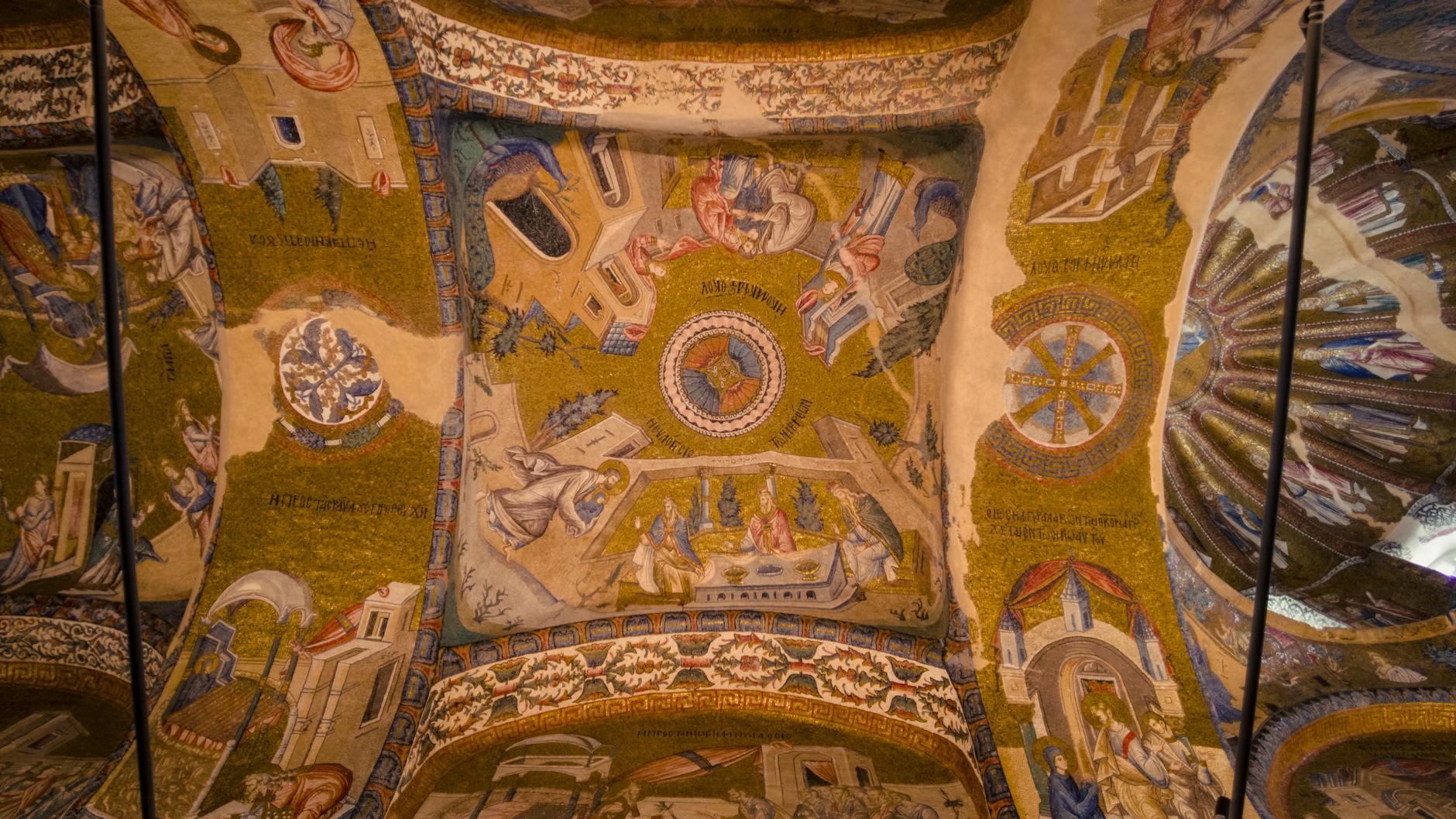
## The Art of the Inner and Outer Narthex
As you step through the main entrance of the **Chora Church**, or *Kariye* as we locals have called it for centuries, I want you to take a deep breath. Forget the bustling streets of Edirnekapı outside. Here, the air feels different—cooler, heavier with the scent of ancient stone and a thousand years of prayer. We are standing in the **Narthex**, the architectural "porch" of the Byzantine world, but calling it a porch is like calling the Bosphorus a "stream." It is a masterpiece.
In these two corridors—the Outer and Inner Narthex—you aren't just looking at religious iconography; you are witnessing the pinnacle of the **Palaiologan Renaissance**. This was the final, brilliant flowering of Byzantine art in the 14th century, and Kariye is its crown jewel.
### A Graphic Novel in Gold: The Life of the Virgin Mary
If you turn your eyes to the **Inner Narthex**, you’ll see something truly special. Most people expect Byzantine art to be stiff and distant, but here, it’s remarkably human. The ceiling and walls serve as a chronological visual biography of the Virgin Mary.
Walking through these cycles feels like reading an illuminated manuscript that has come to life on the ceiling. You see the *Annunciation to Saint Anne* (Mary’s mother), the *Birth of the Virgin*, and her *First Seven Steps*. There is a tenderness in these mosaics that always stops me in my tracks. Look at the way the artists captured the movement of fabric and the subtle, emotional expressions on the faces. In 2026, after the extensive restorations we’ve seen over the last few years, these colors—the deep indigo, the vibrant ochre, and the shimmering gold—pop with a clarity that hasn’t been seen in centuries.
As an Istanbulite who has visited this spot dozens of times over the last 15 years, I still find myself standing here for twenty minutes just following the narrative flow. It’s the 14th-century version of a high-definition cinema, designed to tell a story to those who couldn't read, and even today, the story remains crystal clear.
### The Gaze that Follows You: Christ the Pantocrator
Between the outer and inner sections, you will encounter the **Enthroned Christ**, or *Christ Pantocrator* (the Ruler of All). This isn't just a mosaic; it is a presence. Positioned over the door, Christ sits upon a magnificent throne, holding the Gospels.
What I love about this particular mosaic is the technical mastery of the **Byzantine mosaics**. The artists used a technique called *tesserae*—tiny cubes of stone, glass, and gold—tilted at specific angles to catch the flickering light of candles (or, in our case, the soft gallery lighting of 2026). The result is a gaze that is both piercing and compassionate. Whether you move to the left or right, it feels as though His eyes are subtly following you, judging and welcoming you all at once.
At today’s exchange rate, with the Euro at 50 TL and the USD at 45 TL, the entry fee for the museum might seem like a small investment, but standing under this gaze makes every kuruş worth it. It’s a connection to the 1300s that feels impossibly immediate.
### The Palaiologan Revolution: Humanizing the Divine
Why does this art feel so different from the mosaics you might see in Ravenna or early Hagia Sophia? It’s the **technical brilliance** of the Palaiologan era. By the 14th century, Byzantine artists had begun to experiment with perspective and depth in a way that pre-dated the Italian Renaissance.
Notice the background of the scenes. Instead of flat, gold voids, you see architectural elements, mountains, and trees that attempt to create a three-dimensional world. The figures have weight; they occupy space. This was a "renaissance" in every sense of the word—a return to naturalism and an infusion of Greek classical grace into Christian themes. It is sophisticated, intellectual, and deeply moving.
When you look at the 'Journey to Bethlehem' or the 'Enrolment for Taxation,' you aren't just looking at icons; you’re looking at characters in a drama. The folds of their robes swirl with a life of their own, and the architecture in the background seems to lean into the frame. It is the peak of medieval artistic achievement, preserved right here in our backyard.
> **Berk's Insider Tip:**
> Look for the tiny details in the 'Journey to Bethlehem' mosaic—you can see the wear and tear of the centuries in the stones, which only adds to their beauty.
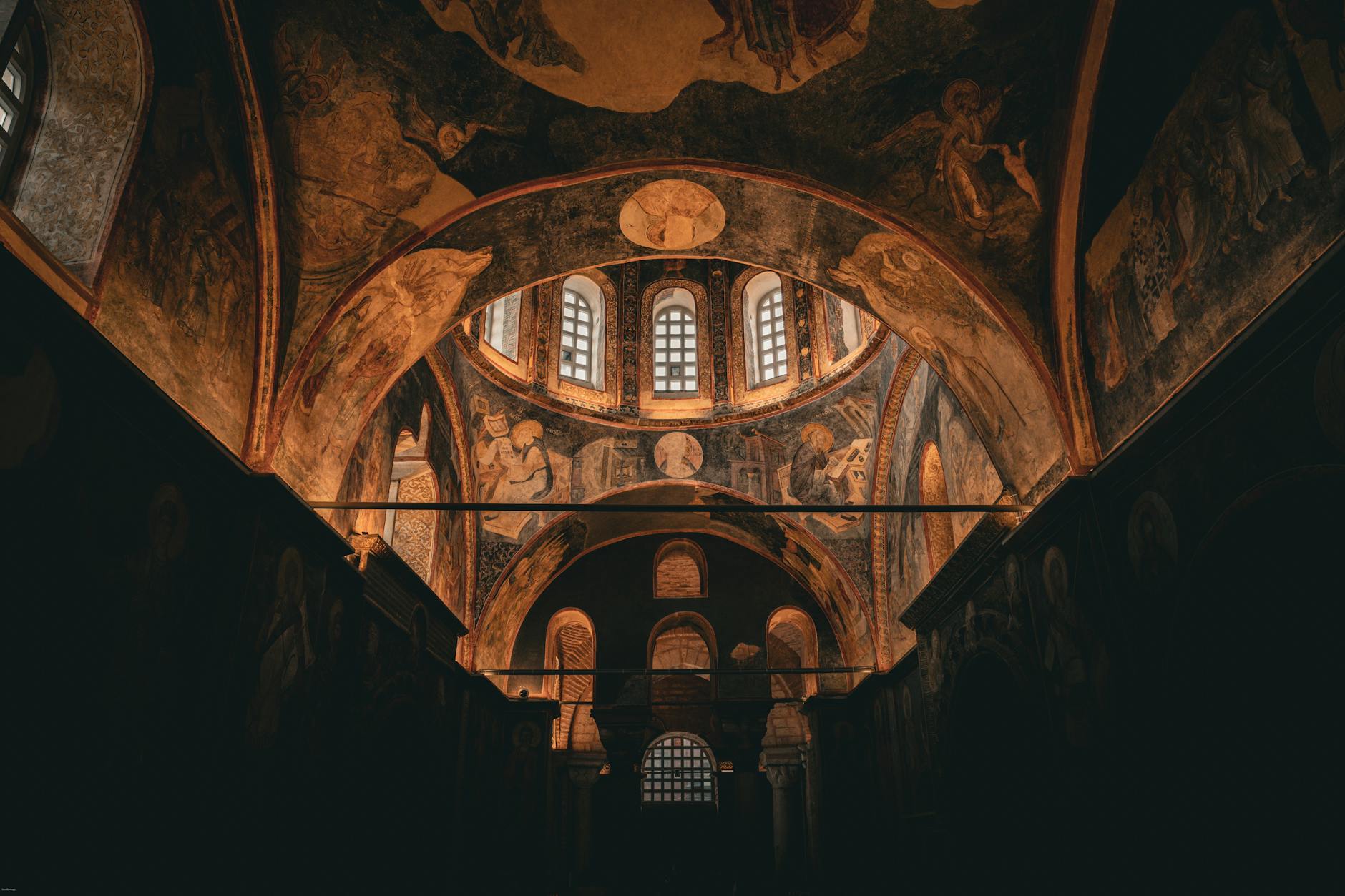
## The Parekklesion: A Glimpse into the Afterlife
If the inner narthex of the Kariye is a symphony of shimmering gold, the **Parekklesion** is a soft, moonlit sonata. As you step out of the main corridor and into this side chapel, the atmosphere shifts instantly. There is a weight here, but it isn’t heavy—it’s the weight of silence, history, and a very human longing for what lies beyond.
In Byzantine architecture, a *parekklesion* was often used as a funeral chapel, and this space was no different. It was commissioned by the Great Logothete Theodore Metochites, the man responsible for the Kariye's 14th-century renaissance, as his final resting place. When you walk along the walls, you’ll notice deep niches—these are *arcosolia*, where the remains of the patron and his family once rested. It was designed to be a bridge between the living world and the eternal one, and even now, in 2026, with the light filtering through the high windows, that bridge feels remarkably short.
### The Masterpiece: The Anastasis
You cannot talk about the **Kariye Mosque interior** without standing in front of the **Anastasis**. Located in the apse of the Parekklesion, this fresco—the "Harrowing of Hell"—is, in my opinion, the most powerful piece of art in all of Istanbul.
Unlike the static, formal poses you might expect from medieval religious art, the **Anastasis** is pure energy. Christ stands at the center, his robes a luminous, celestial white that seems to glow from within. He isn't just standing; he is in motion. He has just smashed the gates of Hades—you can see the locks and bolts scattered beneath his feet—and he is literally hauling Adam and Eve out of their tombs.
The way he grips their wrists is what always gets me. It isn't a gentle hand-hold; it’s a rescue. He is pulling them back into life with such force that you can almost feel the wind of his movement. For a moment, forget the theology and just look at the human drama. It is a scene of pure hope. Even after fifteen years of visiting this spot, the sheer dynamism of these **Byzantine frescoes** still gives me goosebumps.
### A Different Palette of Devotion
What makes the Parekklesion so striking is the visual departure from the rest of the building. While the main areas are covered in intricate mosaics, this chapel is almost entirely frescoed. The medium changes the mood. Instead of the reflective, flickering gold that responds to every candle or flashlight, the frescoes offer a matte, deep, and soul-stirring depth.
The color palette here is dominated by vibrant blues and whites. These aren't just any colors; they used ground lapis lazuli to achieve those deep, midnight tones in the backgrounds. This creates a sense of infinite space, making the walls feel as though they are opening up into the heavens. Compared to the imperial grandeur of the [Suleymaniye Mosque](https://istanbulcool.com/suleymaniye-mosque-insider-guide), which speaks to the power and scale of an empire, the Parekklesion feels like a private conversation with the divine. It is intimate, fragile, and incredibly sophisticated.
In the dome above you, you’ll see the Virgin and Child surrounded by angels. The detail is so fine that you can see the individual brushstrokes of the artists who worked here seven centuries ago. There is a sense of "quiet" in the blue tones here that I always find grounding. After the sensory overload of the Istanbul streets—where a simple glass of tea might now cost you 50 TL (exactly 1 Euro these days!)—stepping into this cool, blue-hued sanctuary is the ultimate reset button for the soul.
> **Berk's Insider Tip:**
> The Parekklesion's acoustics are hauntingly beautiful; if you find a moment of silence when there are no crowds, just stand in the center and breathe—the space feels alive.
Standing here, you realize that the Kariye isn't just a museum or a place of worship; it’s a testament to the fact that even in our darkest hours—much like the era when Byzantium was fading—humans have an incredible capacity to create beauty that lasts forever.
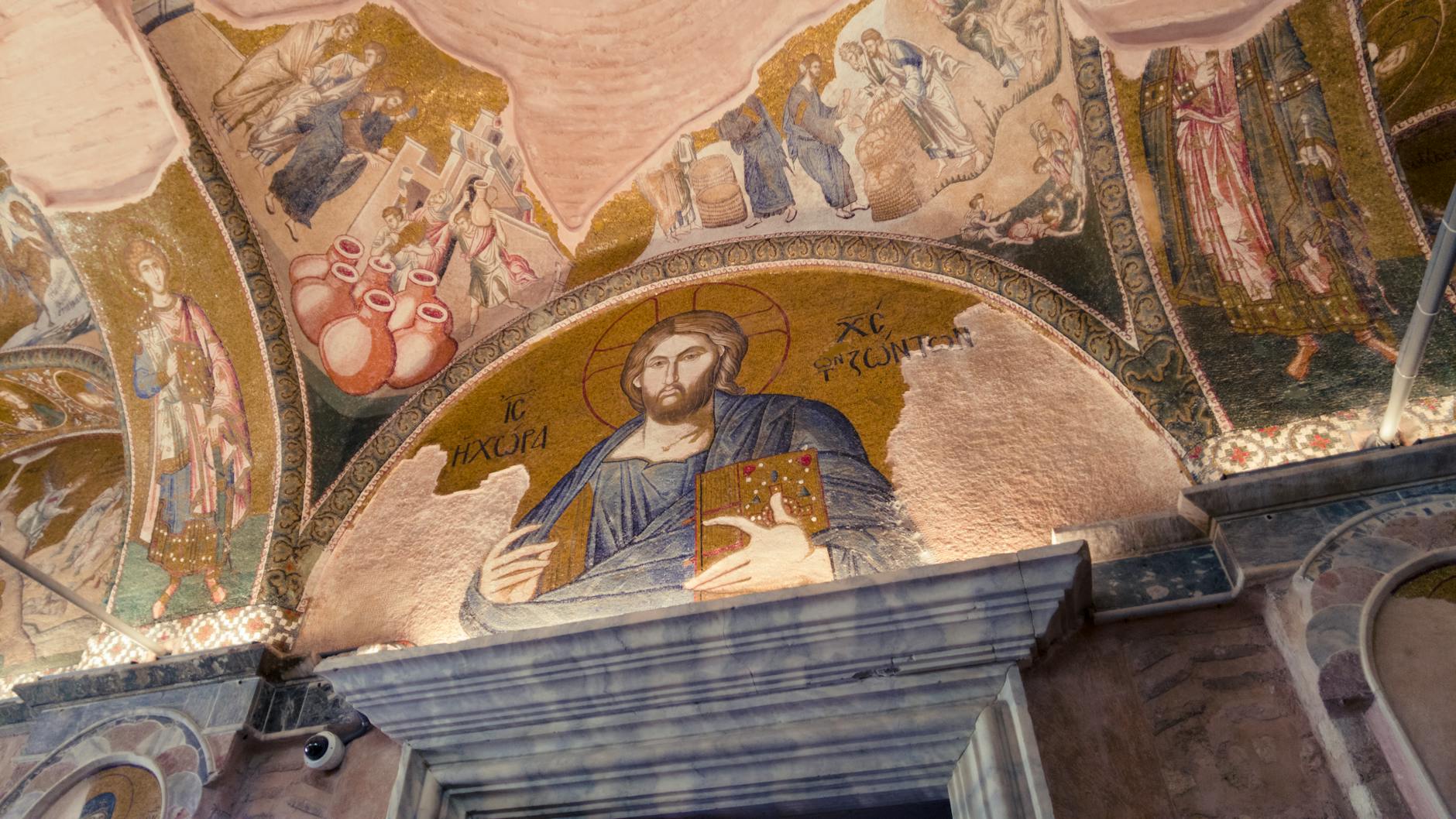
## Decoding the Mosaics: A Guide to the Masterpieces
Walking into the inner narthex of the Kariye Mosque in 2026, you’ll notice that even after all these years, the gold leaf still captures the light in a way that feels almost supernatural. Whenever I bring friends here, I tell them: **don’t just look—read.** These aren't just decorations; they are a visual library, a "Bible for the illiterate" as they called it back in the day, but executed with the sophistication of the world’s then-greatest empire.
### Where the Story Begins: The Human Side of the Divine
For your first time, I suggest you start with the **Life of the Virgin** series in the inner narthex. What makes **Byzantine art** here so special—and why I personally prefer it over the Hagia Sophia—is the raw emotion. Look closely at the scene of the *First Seven Steps of the Virgin*. You can see the trepidation in the toddler’s posture.
Another "must-see" is the *Enrollment for Taxation before Governor Quirinius*. It sounds like a boring bureaucratic event, doesn't it? But look at the Mary figure. She is depicted as a weary traveler, heavy with child. This humanization of divine figures was revolutionary for the 14th century. In most other places, Byzantine figures are stiff and two-dimensional, but here in Kariye, they have weight, movement, and shadows.
### Reading Between the Golden Lines: Mosaic Interpretation
To truly appreciate **mosaic interpretation**, you have to understand the light. Each of those tiny glass cubes, or *tesserae*, was set at a slight angle. This wasn't a mistake by the artisans. They did it so that as you move, or as the sun shifts through the windows, the light "dances" across the walls.
Notice the use of the **Mandorla**—that almond-shaped aura of light surrounding Christ in the *Anastasis* (the Resurrection) in the side chapel. It’s not just a circle; it represents a bridge between the physical and spiritual worlds. When you see deep blues and vibrant golds used together, it’s a signal of the highest celestial importance. As a local who has spent fifteen years studying these walls, I still find new details in the folds of the garments every time I visit.
### The Man Behind the Masterpiece: The Donor Portrait
You cannot leave without paying your respects to the man who paid for all of this: **Theodore Metochites**. You’ll find him right above the entrance to the main nave, kneeling before Christ.
This **donor portrait** is fascinating because of the "Skiadion" he’s wearing—that massive, striped, turban-like hat. It was the height of fashion for a "Grand Logothete" (essentially the Prime Minister) of the Byzantine Empire in 1315. He is shown offering a model of the church to Christ. It’s a brilliant piece of political and spiritual branding; he’s saying, "I used my worldly wealth to build this heavenly gate, so please remember me in the next life." In 2026, with the TL-Euro exchange rate where it is, we might joke about the cost of such a renovation, but for Metochites, this was his ticket to immortality.
| Notable Scene | Location | Key Symbolism to Watch For |
| :--- | :--- | :--- |
| **The Anastasis** | Parekklesion (Side Chapel) | Christ pulling Adam and Eve from their tombs; victory over death. |
| **The Virgin’s First Steps** | Inner Narthex | Rare domestic tenderness; the beginning of the narrative cycle. |
| **The Donor Portrait** | Over the Nave Door | Theodore Metochites’ hat; the blending of secular power and piety. |
| **The Journey to Bethlehem** | Outer Narthex | Detailed landscape and architectural elements (rare in this era). |
***Berk’s Tip:*** *If you want to buy a high-quality guide specifically about the symbols, the museum shop has a great edition for about 750 TL (around 15 Euros or 16 USD). It’s worth every kuruş if you want to geek out on the iconography back at your hotel over a glass of tea.*
## Beyond the Threshold: Exploring Edirnekapı and Balat
After you’ve spent an hour or two under the golden gaze of the Kariye mosaics, your mind will likely be buzzing. I’ve lived here for 15 years, and even now, the sheer detail of those frescoes leaves me needing a moment of reflection. The best way to process that beauty isn’t by hopping straight into a taxi; it’s by letting your feet lead you down the hill.
Kariye is situated in **Edirnekapı**, one of the highest points of the historic peninsula. It serves as the perfect starting point for an afternoon of **Edirnekapı sightseeing** because, from here, the city literally unfolds beneath you. You are standing near the mighty **Theodosian Walls**, and the path from the heights of the Byzantine palace district down to the shores of the Golden Horn is, in my opinion, the most atmospheric walk in Istanbul.
### From Byzantine Walls to Ottoman Streets
Leaving the museum, I always suggest heading toward the dramatic ruins of the **Palace of the Porphyrogenitus** (Tekfur Sarayı). It’s only a five-minute walk. Standing there, looking at the triple-layered defense system that protected this city for a millennium, you really feel the weight of the ages. But as you begin your descent toward the water, the gray stone of the fortifications slowly gives way to the vibrant, chaotic, and utterly charming streets of the neighborhoods below.
This transition is what makes an **Istanbul neighborhood guide** so hard to write in a single paragraph—the city changes its character every few hundred meters. As you walk down the winding slopes, the quiet, residential feel of Edirnekapı begins to blend into the bohemian energy of the lower districts. You’ll see laundry hanging between centuries-old wooden houses and hear the clinking of tea glasses from neighborhood coffee houses.
### Descending into the Colors of Balat
As the slope steepens, you’ll find yourself entering the heart of the old Jewish and Greek quarters. Combining your Kariye visit with a **Fener Balat walk** is a logistical dream. While Kariye gives you the spiritual and imperial history, Fener and Balat give you the lived-in, "real" Istanbul.
The streets here are a labyrinth of pastel-painted houses, vintage shops, and art workshops. It’s easy to get lost, but that’s actually the goal. To help you navigate the maze of steep stairs and hidden churches, I’ve mapped out my favorite [Fener Balat walk](https://istanbulcool.com/fener-balat-walking-tour-guide) that takes you past the most iconic photo spots and local haunts without the stress of checking your GPS every two minutes.
> **Berk's Insider Tip:**
> After your visit, walk two minutes to the 'Asitane' restaurant nearby. They serve rediscovered recipes from the Ottoman palace kitchens—the closest you'll get to eating like a Sultan.
### Finding Your Zen: Tea and Coffee with a View
By the time you reach the midpoint of the hill, you’ll likely want to rest your legs. This area is famous for its **Çay Bahçesi** (tea gardens) and third-wave coffee shops. If you want the "local" experience, look for a small spot with low stools on the sidewalk.
In 2026, even with the city’s growth, these corners remain remarkably affordable. A glass of **Çay** (Turkish tea) will usually cost you around 30 to 40 TL (less than a Euro!), while a finely brewed **Türk Kahvesi** (Turkish coffee) might be 80-100 TL. For a spectacular view, I often stop at the **Molla Aşkı Terrace**. It’s a bit of a detour, but sitting there with a view of the Golden Horn while the afternoon *Ezan* (call to prayer) echoes from a dozen minarets is an experience you won't soon forget. It’s the perfect bridge between the silent mosaics of Kariye and the bustling life of the city below.
## An Insider’s Logistics Guide to Kariye
Now that I’ve hopefully convinced you that this neighborhood is the soul of old Istanbul, let’s talk about the "how-to." Navigating the city in 2026 is a bit different than it used to be, and Kariye itself has undergone a massive transformation. After years of restoration, it has transitioned from the "Chora Museum" back into a functioning mosque—the **Kariye Mosque**.
This change means the atmosphere is more spiritual and less "gallery-like," which I personally find adds a beautiful layer of living history. However, it does require a bit more planning than your average museum visit.
### Respecting the Sacred and the Secular
Since it is an active place of worship, you’ll need to balance your desire to photograph those world-famous mosaics with the quiet devotion of the locals. The prayer hall (the *naos*) is where the community gathers for **Namaz** (Islamic prayer). While the mosaics in the narthex (the entry corridors) are usually accessible at all times, the main hall may be restricted during prayer times.
Here are my top **Edirnekapı tips** for a seamless visit:
* **Mind the Clock:** Check the **Kariye Mosque visiting hours** before you set out. Generally, it’s open from 09:00 to 19:00, but it closes to visitors five times a day for about 30 minutes during prayer. Avoid arriving right at noon or mid-afternoon.
* **Dress the Part:** Like any mosque in Istanbul, modesty is key. Ladies, keep a light pashmina in your bag to cover your hair. Both men and women should ensure shoulders and knees are covered.
* **The Shoe Rule:** You’ll be asked to remove your shoes before stepping onto the carpets of the inner sanctum. I always recommend wearing "easy-on, easy-off" shoes for this trip!
* **Budgeting:** While entrance to mosques is traditionally free, there may be specific ticketing for the gallery sections or preservation fees. With the current 2026 exchange rates (**1 Euro = 50 TL | 1 USD = 45 TL**), even a 500 TL "contribution" or ticket is only about 10-11 Dollars—a small price for such a preserved treasure.
### Catching the Golden Hour
If you want to see the mosaics as they were meant to be seen, timing is everything. I always tell my friends to aim for the "Golden Hour"—that sweet spot about two hours before sunset.
The gold leaf embedded in the glass tesserae reacts magically to the shifting light. As the sun begins to dip over the ancient Theodosian Walls nearby, the light filters through the high windows, making the mosaics of the Virgin Mary and the Genealogies of Christ glow as if they are illuminated from within. It’s a meditative experience that a camera flash (which is strictly forbidden anyway!) could never capture. After you're done, grab a glass of hot tea at a nearby café for about 30 TL and watch the neighborhood settle into the evening.
## Conclusion
For me, Kariye isn’t just another stop on a sightseeing list; it is the very soul of Byzantine Istanbul. While the grand domes of the Sultanahmet district are undeniably breathtaking, they can often feel overwhelming in their sheer scale. Kariye is different. It’s intimate. It is a place where you can actually feel the breath of the 14th century on your neck.
Every time I stand beneath that golden ceiling, I am reminded why I fell in love with this city fifteen years ago. It’s the human mastery captured in those mosaics—the way a tiny, gilded stone can convey the profound grief in a mother’s eyes or the divine energy of the *Anastasis* (the Resurrection) fresco in the side chapel. To me, this is the most sophisticated art the world has ever seen, tucked away in a quiet neighborhood that many travelers unfortunately breeze past. It doesn't scream for your attention; it waits for you to reach out and find its secrets.
So, here is my final piece of advice: don’t rush back to the bus or the tram the moment you step out. The transition from the spiritual stillness of those mosaics to the chaotic, vibrant energy of modern Edirnekapı can be a bit of a shock. Instead, find a spot in the small garden just outside the building. Order a glass of dark, steaming *çay*, watch the local neighborhood life unfold against the backdrop of the ancient Theodosian walls, and just sit. Let the weight of all that history sink in. There is a specific kind of peace found here—a quiet conversation between the Byzantine past and the Turkish present—that you won't find anywhere else in this sprawling metropolis. Take a deep breath, finish your tea, and only then, let the city’s modern rhythm pull you back in.
---
## Princes' Islands Guide: Ferry Routes, Beaches & Tips 2026
URL: https://istanbulcool.com/princes-islands-travel-guide
Picture this: you’re leaning against the salt-sprayed railing of a century-old ferry, a thin-waisted glass of scalding tea warming your palm and a fresh, sesame-crusted *simit* in the other. Behind you, the chaotic, beautiful cacophony of Istanbul—the shouting vendors of Eminönü and the relentless roar of traffic—is dissolving into a hazy blue horizon. The air changes first; it loses the scent of roasted coffee and exhaust, replaced by the sharp, clean sting of the Marmara Sea. Within the hour, the city’s jagged skyline is a memory, and you’re stepping onto a wooden pier where the only sound is the rustle of pine needles and the distant, rhythmic clip-clop of hooves.
In the fifteen years I’ve called this city home, the *Adalar*—as we locals call the Princes’ Islands—have remained my ultimate pressure-release valve. They are Istanbul’s backyard, a cluster of nine islands where time doesn’t just slow down; it feels like it’s been rewound to the turn of the century. While the iconic horse-drawn carriages have recently been replaced by the quiet hum of eco-friendly electric buses, the soul of the islands remains untouched. You’ll still find the grand, crumbling Ottoman-era mansions with their sagging purple wisteria, the hidden pebbled coves, and that distinct, nostalgic silence that you simply cannot find anywhere else in this metropolis of sixteen million people.
However, as much as I love these islands, I’ve seen many travelers get it wrong. They take the wrong ferry, end up on the most crowded beaches, or miss the hidden monastery trails that offer the best views in the country. That’s why I’ve put together this **Princes' Islands guide**. I want to share the nuances of **Adalar Istanbul** that only come from a decade and a half of weekend escapes. From decoding the ferry schedules to finding the best *rakı-balık* spots away from the tourist traps, consider this your insider’s map to finding your own breath of sea air.
Let’s get you off the mainland and into the blue. Here is everything you need to know to navigate the islands like a local.
## Choosing Your Escape: Which Island is Your Spirit Animal?
After 15 years of living in this beautiful, chaotic sprawl, I’ve realized that the ferry ride across the Marmara Sea is more than just transport; it’s a transition. By the time the skyline of Sultanahmet fades into a blue haze, your heart rate starts to drop. But here’s the thing—not all islands are created equal. In fact, choosing the wrong one can feel like wearing a tuxedo to a beach party.
In 2026, the **Princes' Islands guide** isn't just about where to find the best ice cream; it’s about matching the island’s DNA to your own. With the current exchange rates (about **45 TL to the Dollar** and **50 TL to the Euro**), a day trip is still a fantastic value, but you want to spend those Lira in a place that resonates with you. Before you even head to the pier, make sure you’ve set up your home base correctly; I usually recommend checking out the **[best neighborhoods to stay]** to ensure you aren't trapped in a tourist bubble before your island adventure even begins.
### The Big Four: A Personality Map
To help you decide, I’ve broken down the four main inhabited islands by their "vibe." The size of the island dictates the flow of your day—some are for wandering, others are for sitting still.
1. **Büyükada (The Grand Dame):** This is the largest and most famous. If you love Ottoman-era mansions (the *yalı* style), sprawling hills, and a sense of history, this is your spot. It’s busy, yes, but it’s big enough to hide in. My **Buyukada local tips** always start with this: skip the main clock tower square and head straight for the higher elevations.
2. **Heybeliada (The Intellectual):** My personal favorite. It’s home to the old Naval Academy and a historic Greek Orthodox Seminary. It feels greener and more "studious" than its neighbors. It’s perfect for those who want a mix of pine-scented forest hikes and quiet seaside cafes.
3. **Burgazada (The Bohemian):** This is the island of poets and writers. It’s smaller, more intimate, and has a distinct "neighborhood" feel. If your idea of a perfect afternoon is a long, boozy lunch at a *meyhane* (traditional tavern) followed by a sunset view, Burgazada is your spirit animal.
4. **Kınalıada (The Minimalist):** The first stop on the ferry. It’s the smallest and has the least greenery, but it’s the most "local." It’s known for its stony beaches and clear water. If you just want a quick dip and a shorter ferry ride, Kınalıada is the most efficient choice.
### Why Size Matters for Your Itinerary
The scale of the island completely changes how you spend your time. On **Büyükada**, you are looking at a full-day commitment. Because it’s so large, you’ll likely be using the "Adabüs" (the local electric transit) or renting a bike to reach the Aya Yorgi Monastery. You’ll easily clock 15,000 steps here.
On the flip side, **Burgazada** and **Kınalıada** offer a much slower "flow." You can walk the entire perimeter of Kınalıada in about an hour. This means your day isn't about "sights" but about the *keyif*—the Turkish art of idle pleasure. You find a spot, you order a Turkish coffee (expect to pay about 90-110 TL in 2026), and you simply watch the waves.
If you try to "do" Büyükada in three hours, you’ll leave stressed. If you spend eight hours on Kınalıada, you might run out of things to see. Pick your island based on how much energy you want to expend. Are you looking for a grand architectural tour, or do you just want to finish that novel with the sound of the sea in the background? Choose wisely, my friend—the ferry waits for no one!
## Mastering the Marmara: Navigating the Istanbul Ferry Schedule
If there is one thing I’ve learned after 15 years of living here, it’s that the journey to the **Adalar** (the Princes' Islands) is just as important as the destination. There is a specific magic to standing on the deck of a ferry with a glass of *çay* (tea) in hand, watching the Hagia Sophia recede into the distance. However, for the uninitiated, the **Istanbul ferry schedule** can feel like a riddle. In 2026, the options have expanded, but the logic remains the same.
To navigate like a local, you first need to understand that not all boats are created equal. You have three main players to choose from: **Şehir Hatları**, **Turyol**, and **Mavi Marmara**.
### The Big Three: Choosing Your Vessel
**Şehir Hatları** is the official city-run ferry line. These are the large, majestic white-and-yellow ships you see in all the postcards. I call these the "slow and steady" option. They take about 90 to 105 minutes from the European side to Büyükada (the largest island). Why choose them? Space. You can wander between the decks, sit on the open-air benches, and enjoy the most stable ride if you’re prone to sea sickness.
**Turyol** and **Mavi Marmara** are private cooperatives. They operate smaller, faster "motor" boats. They are generally more frequent than the public ferries, which is a lifesaver if you just missed the big boat. They are a bit more "no-frills," but they get you to the islands about 15-20 minutes faster.
> **Berk's Insider Tip:**
> Always use your Istanbulkart for the public Sehir Hatlari ferries; it’s significantly cheaper than the private Turyol boats, and you get the classic experience.
In today's 2026 economy, with the Euro at 50 TL and the USD at 45 TL, the price difference is noticeable. A trip on a public boat via your [public transport in Istanbul] card will cost you roughly 80-90 TL (less than 2 Euros), whereas the private boats often charge a premium of 120-150 TL for the convenience of their frequent schedule.
### Which Pier Should You Choose?
Choosing your *iskele* (pier) depends entirely on where you woke up this morning.
* **Eminönü:** This is the most popular choice for travelers staying in Sultanahmet. It offers the most iconic views of the Topkapı Palace as you pull away. However, it is also the most crowded. If you’re here in the summer of 2026, arrive at least 30 minutes early to snag a window seat.
* **Beşiktaş:** If you’re staying near the Bosphorus or Taksim, head here. It’s a slightly longer journey, but you get to cruise past the Maiden’s Tower and the entire Southern Bosphorus coastline before even hitting the Marmara Sea.
* **Kadıköy:** This is my personal favorite. As an Asian-side resident, I find the Kadıköy pier much more relaxed. The ferries from here are the first to reach the islands, meaning you spend less time on the water and more time exploring the pine forests of Heybeliada.
### The Secret of the ‘Sea Bus’ (Deniz Otobüsü)
If you are in a genuine hurry—perhaps you have a dinner reservation at a specific fish restaurant on Kınalıada—you need to look for the **Deniz Otobüsü** (Sea Bus) operated by IDO.
These are high-speed catamarans. Unlike the traditional ferries, you cannot go out on deck; you are seated in an airplane-style cabin with large windows. It’s not "romantic" in the traditional sense, but it is incredibly efficient, cutting the travel time to the islands down to about 45-55 minutes. These require a separate ticket (usually booked online or at the terminal) and are the most expensive option, often costing around 250-300 TL ($6-$7 USD) in 2026 prices.
### Quick Comparison: 2026 Ferry Options
| Vessel Type | Speed | Vibe | Price (Est. 2026) | Best For... |
| :--- | :--- | :--- | :--- | :--- |
| **Şehir Hatları** | Slow (95 mins) | Iconic, spacious | 85 TL | Photography & Comfort |
| **Turyol / Mavi Marmara** | Mid (75 mins) | Functional, frequent | 135 TL | Flexibility |
| **Sea Bus (IDO)** | Fast (50 mins) | Modern, enclosed | 280 TL | Business / Time-sensitive |
Before you head out, I always tell my friends to check the official "Şehir Hatları" app. While the **Istanbul ferry schedule** is generally reliable, the Marmara Sea can be temperamental. If the *lodos* (the strong southern wind) picks up, some services might be canceled for safety. Always check the weather before you tap your card at the turnstile!
## The New Era of Mobility: Getting Around Without Cars
If you had visited me during my first few years in Istanbul, the first thing that would have hit you stepping off the ferry was the smell of horses and the rhythmic *clip-clop* of the *fayton* (horse-drawn carriages). For decades, those carriages were the symbol of the islands, but they came with a heavy cost to animal welfare that the city finally addressed a few years back. Now, in 2026, the islands have settled into a much quieter, greener rhythm that I’ve grown to love. It’s a bit different, but trust me, the soul of the place is still very much intact.
### From Hooves to Kilowatts: The Adabüs
Today, the primary way locals and visitors navigate the steeper slopes is via the **Adabüs**. These are charming, electric mini-buses that look a bit like oversized golf carts. While some old-timers miss the nostalgia of the carriages, the air is undeniably fresher now.
To use them, you’ll need your **Istanbulkart** (the same card you use for the metro and ferries). For us locals, it’s a standard fare, but for visitors, a single hop across the island will cost you about 100 TL—which is exactly €2 or roughly $2.20 at today’s rates. It’s efficient, but my **Buyukada local tips** always start with this: don't just sit on the bus. You’ll miss the hidden Levantine mansions tucked behind the magnolia trees.
### Two Wheels and a Prayer: Renting a Bicycle
For many, a **Princes' Islands guide** isn't complete without mentioning the bicycle. It is the quintessential island experience. As you walk away from the clock tower in Büyükada, you’ll see dozens of rental shops (*Bisikletçi*).
In 2026, expect to pay around 250 TL (€5) for an hour or roughly 750 TL (€15) for a full day. My go-to is usually **Sema Bisiklet**, just a few streets back from the main square; their frames are generally better maintained.
**A few "Berk-tested" pitfalls to avoid:**
1. **The Brake Check:** Before you pay, test the brakes. The islands are surprisingly hilly, and a brake failure on a descent toward the sea is a thrill you don’t want.
2. **The Crowd Factor:** On weekends, the main village streets become a chaotic mess of wobbling tourists. If you aren't confident on two wheels, walk your bike until you reach the "Lower Road" (the coastal path).
3. **The Hills:** Don't let the flat coastline fool you. To get to the famous Luna Park square, you’ll be pedaling uphill. If you're feeling fancy, many shops now offer e-bikes for about 1,500 TL ($33) a day—a lifesaver in the August heat.
### The Ultimate Slow Travel: The ‘Grand Tour’ (Büyük Tur) on Foot
If you really want to earn your *rakı* and fish dinner, I always recommend the **Büyük Tur** (Grand Tour) on foot. This is the 12-kilometer loop that circles the entirety of Büyükada.
Walking it takes about three to four hours at a leisurely pace, but it is the only way to truly "feel" the islands. You’ll pass through tunnels of pine trees, hear nothing but the cicadas, and find quiet coves where the water is crystal clear. Unlike the bikes or the Adabüs, walking allows you to stop and photograph the crumbling wooden eaves of a 19th-century villa or pet one of our famous island cats without worrying about traffic. It’s a meditative experience that reminds me why I stayed in this city for 15 years—the ability to find total silence just an hour away from the chaos of Taksim.
## Buyukada: Mansions, Monasteries, and the Trotsky Connection
As you step off the *vapur* (ferry) onto the bustling pier of Buyukada, the largest of the **Adalar Istanbul**, you’ll immediately feel the air change. It’s cleaner, saltier, and carries the faint scent of mimosa and pine. I’ve been coming here for 15 years, and even in 2026, with the electric shuttles having fully replaced the old horse-drawn carriages, the island retains a stubborn, old-world elegance that refuses to be modernized.
To truly understand Buyukada, you have to leave the ice-cream-eating crowds at the clock tower behind and head uphill. This is where the "Big Island" reveals its layers—from Ottoman grandeur to revolutionary exile.
### The Silent Sentinels: Ottoman Wooden Mansions
The first thing you’ll notice as you walk away from the harbor are the *köşkler*—the magnificent wooden mansions that line the streets like aging aristocrats. These aren't just houses; they are the architectural soul of the island. Built mostly in the late 19th and early 20th centuries, they represent a fusion of Art Nouveau, Victorian, and traditional Ottoman styles.
My favorite is the **Splendid Palace Hotel**, with its silver domes and red shutters. It feels like something out of a Wes Anderson film. But keep your eyes peeled for the smaller, private residences. Many are still owned by the same families who summered here a century ago. Look for the intricate "gingerbread" woodwork on the balconies—locally called *ajur*. These structures are incredibly fragile; the salt air is a constant enemy. While the **[Suleymaniye Mosque]** on the mainland showcases the enduring strength of stone and imperial might, these wooden gems tell a more fragile, personal story of Istanbul’s cosmopolitan past.
### A Revolutionary in Exile: Finding Trotsky’s Ghost
If you follow the coastal road toward the south of the island, you’ll find a spot that most tourists blink and miss. Tucked away behind overgrown gardens on Hamlacı Street lies the **Yanaros Mansion**, better known as the house where Leon Trotsky lived during his exile from 1929 to 1933.
Today, it is a ruin. The roof has partially collapsed, and nature is slowly reclaiming the brickwork. It costs nothing to look through the gate, and there’s a profound stillness there. I often stand there and imagine Trotsky sitting in the garden, writing *The History of the Russian Revolution* while looking out at the same Marmara Sea you see today. It’s a stark reminder that these islands have always been a sanctuary—sometimes by choice, and often by force.
### The Ascent to Aya Yorgi
The highlight of any trip to Buyukada is the pilgrimage to the **Aya Yorgi Church and Monastery**. Perched on the island’s highest peak, *Yüce Tepe*, it dates back to the 6th century. To get there, you’ll have to tackle the "Slope of Suffering"—a steep, paved path that winds through the forest.
You’ll notice thousands of colorful threads tied to the bushes along the way. Local tradition says that if you tie a string and unspool it all the way to the top without it breaking, your wish will come true. It’s a beautiful, meditative sight. Once you reach the summit, the reward is the single best panoramic view in Istanbul. On a clear day, you can see the entire city skyline shimmering in the distance.
> **Berk's Insider Tip:**
> If you are visiting Aya Yorgi on Buyukada, do it on a weekday morning. On weekends, the path becomes a bottleneck of tourists, losing its meditative charm.
After your climb, grab a seat at the small outdoor café next to the church. In 2026, a glass of *çay* (tea) here will set you back about 45 TL (roughly 1 USD or 0.90 Euro), but the view makes it the most valuable cup of tea in the city.
### My Buyukada "Must-See" Checklist:
To help you navigate the layers of history, here is my recommended walking circuit:
1. **The Con Paşa Köşkü:** A stunning mansion with unique architecture near the start of the climb.
2. **The Greek Orphanage (Prinkipo):** The largest wooden building in Europe. It is currently undergoing a massive restoration project, but even from the fence, its scale is haunting.
3. **The Museum of the Princes’ Islands:** A great place to see old photos of the island’s social life before you head back to the pier.
4. **Hamlacı Street:** For the Trotsky house and some of the quietest, most atmospheric photography spots on the island.
This island is about the slow burn. Don’t rush. Let the history of the **Buyukada local tips** I’ve shared guide you into the side streets where the real magic happens.
## Heybeliada and Burgazada: The Intellectual’s Retreat
If Büyükada is the grand, bustling matriarch of the archipelago, then **Heybeliada** and **Burgazada** are her more thoughtful, soft-spoken younger siblings. In my fifteen years of navigating these waters, I’ve found that while the day-trippers often rush to the largest island, the dreamers, writers, and those of us seeking a slower rhythm tend to step off the *vapur* (the iconic Istanbul ferry) a few stops earlier.
By 2026, the contrast has become even more pronounced. With the city’s pulse faster than ever, these two islands have preserved a specific kind of **Istanbul nostalgia** that feels increasingly precious.
### The Stately Quiet of Heybeliada
As you pull into the harbor of Heybeliada—the "Saddlebag Island"—the first thing you’ll notice is the imposing **Naval Academy** (*Deniz Harp Okulu*). Its crisp white architecture and the disciplined sight of cadets in uniform offer a sense of order that anchors the island. But don’t let the military precision fool you; Heybeliada is a place of deep spiritual and academic history.
I always tell my friends to skip the main waterfront cafes initially and head uphill toward the **Greek Orthodox Seminary** (the Halki Seminary) atop the Hill of Hope. Even in 2026, as we still wait for its full reopening to students, the monastery and its library remain the intellectual heart of the island. Walking through its gardens, you’ll feel a profound silence that is rare in modern Turkey. The scent of pine needles baking in the sun is intoxicating.
For a mid-day break, expect to pay around 150 TL (about $3.30 or €3) for a generous *tost* and a glass of tea at a local hillside café. It’s a small price for a view that encompasses the blue Marmara and the distant, shimmering silhouette of the city you’ve happily left behind.
### Burgazada’s Literary Soul
A short hop away lies **Burgazada**, my personal sanctuary. If Heybeliada is stately, Burgazada is bohemian. This island belongs to the ghost of **Sait Faik Abasıyanık**, one of Turkey’s greatest short-story writers. He lived here, and his presence is so woven into the rocks and the sea that you can almost hear his prose in the crashing waves.
Visiting the **Sait Faik Abasıyanık Museum** (his former home) is a rite of passage. It’s free to enter, and wandering through his preserved rooms allows you to see the simple desk where he captured the lives of local fishermen and the "small people" of the city. He once wrote, "Everything starts with loving a person." On Burgazada, you feel that love for humanity everywhere.
After the museum, walk toward **Kalpazankaya**. It’s a bit of a trek, but in 2026, the island's quiet electric shuttles can whisk you there for about 60 TL ($1.30) if your legs are tired. Watching the sunset from the cliffs here, perhaps with a small plate of *meze* (appetizers), is the ultimate **Princes' Islands guide** secret.
### Why These Islands Feel 'Local'
You might wonder why I steer you here instead of Büyükada. The answer lies in the **Mahalle** culture—the sense of neighborhood. In Büyükada, you are a tourist; in Burgazada or Heybeliada, for a few hours, you are a guest.
The shops aren't just selling souvenirs; they are selling bread to neighbors. You’ll see the same retirees playing backgammon (*tavla*) at the same tables they’ve occupied for forty years. There is less "performance" and more genuine living. While the 2026 exchange rate makes these islands incredibly affordable for you—a full, fresh fish dinner with several seasonal *mezes* will run you roughly 1,250 TL ($28 or €25)—the real value is in the **unhurried intimacy**.
In these middle islands, the "breath of sea air" isn't just literal; it’s a mental clearing of the cobwebs. Grab a book, find a wooden bench, and let the island time take over.
## The Quest for the Quietest Coast: Finding Hidden Beaches
If you’ve just stepped off the ferry in **Adalar Istanbul**, your first instinct might be to follow the crowd toward the colorful umbrellas and the thumping bass of the beach clubs. My advice? Don’t. As someone who has watched these islands evolve over the last 15 years, I’ve seen those "exclusive" clubs near the main piers become increasingly synonymous with overpriced sunbeds and mediocre food. In 2026, a single entry fee at a "popular" Buyukada club can easily set you back 1,000 TL ($22 / €20), and that’s before you’ve even ordered a glass of *ayran* (a salty yogurt drink).
### Don’t Fall for the Pier-Side Trap
When you arrive at the docks, especially in Büyükada or Heybeliada, you’ll be swamped by "shuttle boat" touts promising a paradise just five minutes away. These are almost always the loudest, most crowded spots. If you’re looking for the soul of the islands, you need to head to the "back" side—the side facing the open Marmara rather than the city.
One of my favorite **Buyukada local tips** is to skip the paid shuttles and take the "Adabus" (the electric public transit) to the farthest stops on the southern loop. From there, follow the goat paths. You’ll find rocky inlets where the locals swim. It might not have a padded lounge chair, but the silence is worth more than any luxury amenity.
### The Burgazada Secret: Kalpazankaya and Beyond
While most tourists flock to Büyükada, those of us who live here often retreat to **Burgazada**. It has a slower pulse. If you’re willing to walk about 30 minutes from the pier (or take a quick electric taxi), head toward **Kalpazankaya**.
Named "The Smith’s Rock," this area is rugged and pebbly, which keeps the "see-and-be-seen" crowd away. There is a legendary restaurant there of the same name, but the real magic is the small, rocky cove beneath it. The water here is often clearer because it’s exposed to the open currents of the Marmara. It’s the perfect place to watch the sunset with your feet in the water, away from the 2026 Istanbul hustle.
### Water Quality and The Marmara Reality
I’ll be honest with you: swimming in the Marmara Sea requires a bit of local know-how. After the environmental efforts of the early 2020s, the water quality in 2026 has improved significantly, but it’s still a busy shipping lane.
Always check the current "blue flag" status. Generally, the further the island is from the mainland, the better the water. This is why **Sedef Adası** is often the cleanest, though it’s more difficult to reach. For a day by the water, I’ve put together a quick comparison to help you choose your vibe:
| Beach Type | Typical Cost (2026) | Vibe | Best For |
| :--- | :--- | :--- | :--- |
| **Pier-Side Club** | 900 - 1,200 TL | Loud, music, "shuttle" access | Socializing & cocktails |
| **Halk Plajı (Public)** | 150 - 300 TL | Family-oriented, busy | Budget travelers |
| **Hidden Coves** | Free! | Silent, rocky, natural | Peace seekers & hikers |
| **Kalpazankaya** | 400 TL (for bed) | Authentic, rustic | Sunsets & deep swimming |
### What to Pack for an Island Dip
To enjoy the islands like a local, your bag needs more than just a towel. Most of the "hidden" spots are rocky, not sandy. Here is my 2026 essential checklist:
* **Sea Shoes:** Absolute must. The sea urchins (*deniz kestanesi*) love the clean, rocky areas of Burgazada.
* **A "Pestemal":** These thin Turkish towels dry instantly and don't hold sand.
* **Snorkel Gear:** You’d be surprised by the vibrant fish life near the rocks of Heybeliada.
* **Cash:** While most places take cards, the small kiosks (*büfe*) near the hidden paths often prefer TL for a cold bottle of water.
Remember, the goal isn't just to swim; it's to escape the city's weight. Take the long path, find a flat rock, and let the Marmara breeze do the rest.
## Island Flavors: Beyond the Tourist Menus
If there is one thing I’ve learned after 15 years of navigating the marmara currents, it’s that the Princes’ Islands can be a culinary minefield if you aren’t careful. As you step off the ferry, you’ll be greeted by a gauntlet of "waiters" waving laminated menus, promising the "best fish in town." My advice? Keep walking. To eat like a local in 2026, you need to head a couple of streets back or find the spots where the white-tablecloth service feels like an extension of someone’s living room.
### The Art of the Island Fish Restaurant
Dining here isn't just about the food; it's about the **Rakı-Balık** (Rakı and Fish) ritual. On the islands, this isn't a quick meal—it’s a four-hour commitment to conversation and the sea. The etiquette is simple but sacred. First, never rush the **meze** (appetizers) stage. The waiter will often bring a large tray to your table; don’t feel pressured to pick everything. Choose three or four that truly sing to you.
The pace of your evening should mirror the slow roll of the tide. If you find yourself enjoying the vibe of the island's coastal spots, you'll notice it's a slightly more relaxed version of the traditional **[Istanbul meyhane]**. While the city spots can be loud and frantic, the island version is softer, flavored by the lack of car engines and the distant sound of the ferry horn.
In terms of cost, expect to pay around 1,500 TL to 2,000 TL (about 30-40 Euro) per person for a full spread including rakı and fresh fish. It might seem higher than in years past, but for the quality of the catch in 2026, it’s a fair exchange for a sunset you’ll remember for a decade.
### Seasonal Mezes You Must Try
To eat like a true *Adalı* (Islander), you have to follow the seasons. The islands have a unique micro-climate, and the local gardens often provide greens you won’t find in the heart of Beyoğlu.
In the spring and summer, look for **Deniz Börülcesi** (Sea Beans). These are succulent glasswort stems blanched and dressed in copious amounts of garlic and olive oil. They taste like the very essence of the Marmara. Another island staple is **Fava**—a creamy mash of broad beans topped with red onions and dill. If you see **Lakerda** (salt-cured bonito) on the menu, order it. It’s a Sephardic Jewish legacy that remains a cornerstone of Istanbul’s culinary soul, especially on islands like Büyükada and Burgazada.
Always ask your waiter, "*Balık ne var?*" (What fish is there?). If they suggest something out of season, it’s a sign to move on. In 2026, we are very protective of our local fish stocks; if they offer you Bluefish (*Lüfer*) in the height of summer, it’s likely frozen. Stick to the seasonal catch, and you’ll never be disappointed.
### Finding the Best Island Ice Cream
You cannot leave the islands without a cone of **dondurma** (ice cream). But I’m not talking about the stretchy, theatrical stuff you see in Sultanahmet. Island ice cream is different. It’s legendary for its use of real fruit, fresh milk, and often a touch of **mastika** (pine resin) which gives it a subtle, herbal depth.
The most iconic spot is **Roma Dondurmacısı**, which has been a fixture since long before I moved here. The reason it tastes better here is partly the ingredients—often sourced from the remaining orchards on the islands—and partly the **Piyasa**. This is the traditional evening stroll where locals dress up slightly and walk the shoreline with a cone in hand.
Look for flavors like sour cherry (*vişne*) or pistachio (*fıstık*). A double scoop will cost you about 100 TL (roughly 2 USD), but the texture is incomparable—dense, creamy, and not overly sweet. It is the perfect palate cleanser after a salty meal. Sitting on a bench, watching the lights of mainland Istanbul flicker in the distance while the scent of mimosa or jasmine fills the air, you’ll realize why we locals keep coming back. This isn't just a meal; it's the heartbeat of island life.
## Timing Your Return: The Sunset Ferry Ritual
As the golden hour begins to bathe the wooden kiosks of Büyükada in a soft, amber glow, you’ll notice a shift in the island’s energy. The frantic pace of the day slows down, and even the most seasoned locals like myself pause to take a breath. Ending your island adventure isn't just about getting back to the mainland; it’s about participating in a daily ritual that has defined Istanbul life for centuries.
To ensure your journey back to the city is as magical as your arrival, follow these steps I’ve perfected over my 15 years here.
### 1. Aim for the "Spiritual" 7 PM Departure
If you check the **Istanbul ferry schedule** for 2026, you'll see a cluster of departures around 7:00 PM. In my opinion, this is the only ferry worth catching. Why? Because as the boat pulls away from the *iskele* (pier), you are treated to a front-row seat of the Istanbul skyline silhouetted against a bruised purple and orange sky. Watching the domes of the Historical Peninsula rise from the Marmara Sea while sipping a final glass of *çay* (tea) is a spiritual experience that puts the entire trip into perspective. It’s the moment you realize that despite the city's chaos, there is a profound *huzur* (inner peace) to be found on the water.
### 2. Strategize Based on the Day of the Week
Your strategy must change depending on when you visit.
* **The Weekend Challenge:** On Saturdays and Sundays, the islands are *kalabalık* (crowded). If you are traveling back on a Sunday evening in 2026, I recommend arriving at the pier at least 30 minutes early. The queues can be long, and while the ferries are large, the best outdoor seats on the upper deck vanish in seconds.
* **Weekday Serenity:** If you’ve taken my advice and visited on a Tuesday or Wednesday, the return trip is a breeze. You can often walk onto the boat five minutes before departure and find a quiet corner to watch the waves.
### 3. Complete Your Final Departure Checklist
Before you tap your Istanbulkart at the turnstile, run through this quick list to avoid any "mainland stress":
* **Check your Istanbulkart balance:** A one-way trip in 2026 costs roughly 40-50 TL (about 1 Euro or 0.90 USD). Make sure you have enough credit to avoid the frantic search for a top-up machine while the ferry is blowing its whistle.
* **Secure your snacks:** Buy a bag of *simit* (sesame bread rings) from a street vendor near the pier. Not for you, but for the seagulls! They will follow the ferry all the way to Kadıköy or Kabataş, performing acrobatic stunts for a piece of bread.
* **Verify your destination:** Double-check if the ferry is heading to the European side (Beşiktaş/Eminönü) or the Asian side (Bostancı/Kadıköy). They often depart from adjacent slips.
> **Berk's Insider Tip:**
> Pack a light sweater even in July. The breeze on the open ferry deck can get surprisingly chilly once the sun begins to set.
## Conclusion
After fifteen years of navigating this beautiful, chaotic metropolis, I’ve come to realize that the Princes' Islands are far more than just a weekend escape; they are truly the lungs of Istanbul. When the humidity of the concrete gets too heavy or the roar of the transit lines starts to ring in my ears, I head straight for the pier. There is a physiological shift that happens the moment you leave the mainland—a literal "breath of sea air" that resets your system and reminds you why we choose to live in this crossroads of the world.
If I can leave you with one final thought, it’s this: do not treat the ferry ride as mere transportation. In my daily life as a transport expert, I’m usually focused on the quickest route from A to B, but the *vapur* ride to the Adalar is a sacred ritual. Grab a tulip glass of tea, find a wind-shadowed spot on the deck, and watch the silhouette of the Golden Horn shrink into the horizon. That hour on the Marmara is just as vital to the experience as the islands themselves. It is the necessary transition from the city’s frantic heartbeat to the islands' gentle, rhythmic pulse.
When you step off the boat, please honor that rhythm. These islands are fragile ecosystems and home to tight-knit communities. Be the kind of traveler who leaves no trace—carry your rubbish back to the mainland if bins are full and resist the urge to rush. Walk slowly, listen to the wind in the mimosa trees, and respect the silence that makes this place so special.
**My Verdict:** Go for the history, but stay for the stillness. My specific final advice? Try to catch the "nostalgic" ferry back just as the sun begins to dip. Watching the Istanbul skyline set ablaze in gold from the middle of the sea is the only way to truly say goodbye to the day.
I'll see you on the deck,
Berk
---
## The Guardian of the Bosphorus: Why I Never Get Tired of Rumeli Hisarı
URL: https://istanbulcool.com/rumeli-fortress-guide-istanbul
The roar of the **Sahil Yolu** is a constant in Istanbul. It is the sound of a city that never stops moving—the hum of thousands of tires on asphalt, the impatient honks of yellow taxis, and the rhythmic churning of the Bosphorus ferries. But the moment you step through the heavy wooden gates of **Rumeli Hisarı**, that roar vanishes. It’s replaced by a weight of silence so thick it feels as if the stone walls are absorbing the sound of the 21st century itself.
I remember my first spring in Istanbul, back in 2011. I was still figuring out the difference between *simit* and *açma*, and the city felt like an unsolvable puzzle. I wandered up the coast from Bebek, and the **Erguvan** (Judas trees) were in full bloom, painting the grey hillsides in shades of shocking magenta and violet. I looked up at the massive towers of the fortress, and for the first time, I understood why the Ottomans called this place **Boğazkesen**—the "Throat-Cutter." It doesn't just sit on the Bosphorus; it grips it. It commands the narrowest point of the strait (only 660 meters wide) with a predatory grace that hasn't faded in nearly 600 years.
If you are looking for the manicured perfection of a European palace, you won't find it here. Rumeli Hisarı is raw. It is an honest piece of military engineering that was built for one purpose: to end an empire. Today, it remains my favorite "antidote" to the sensory overload of Sultanahmet. While the crowds are jostling for position at the Hagia Sophia, you can find me here, sitting on a sun-warmed stone block, watching the tankers slide silently toward the Black Sea.
### My Love Affair with the Stone Giant
After 15 years of living here, I’ve realized that most people visit Istanbul to see the "Old City," but they forget that the city’s heart isn't just in the mosques—it’s in the water. Rumeli Hisarı is the architectural manifestation of that truth. It was built in 1452 by **Sultan Mehmed II**, a man who was only 21 years old but possessed a strategic mind that would make modern generals blush.
The reason I keep coming back—and the reason I tell my friends to prioritize this over almost any other "minor" site—is the scale. When you stand at the base of the **Zağanos Pasha Tower**, looking up at 20-plus meters of masonry, you feel the sheer audacity of the Ottoman project. This wasn't built to be beautiful; it was built to be an ultimatum.
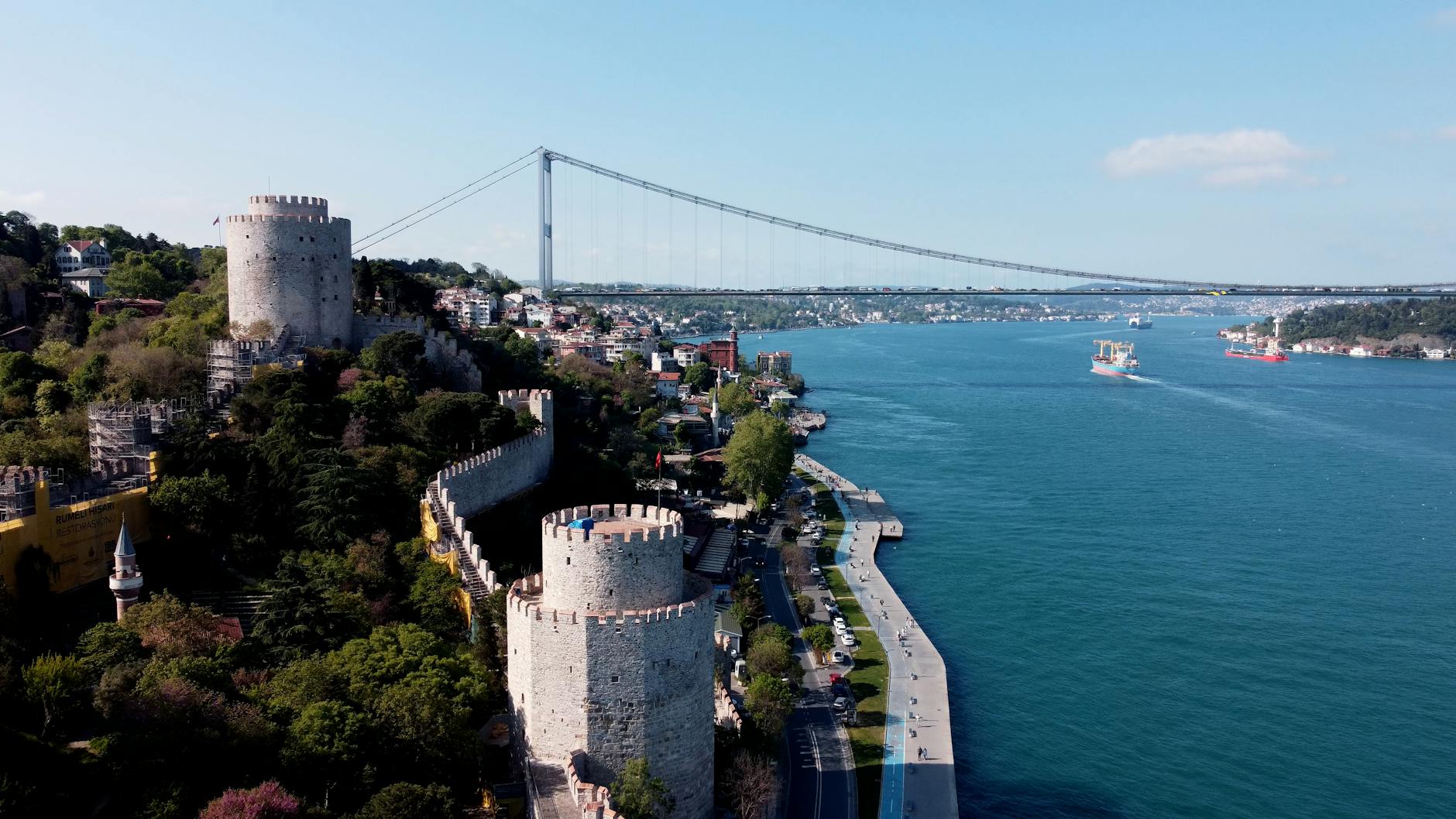
In the early morning, especially during the 2026 season where we’ve seen a slight uptick in local visitors, the fortress feels like a private park. There is a specific way the light hits the **Halil Pasha Tower** at exactly 4:00 PM in the autumn—a golden, honeyed glow that makes the rough-hewn stones look like they’re vibrating. It’s a place where you can touch history without a velvet rope or a "Do Not Touch" sign getting in the way. It’s just you, the stone, and the wind.
### Getting There: A Transport Expert’s Secret Route
As someone who has spent a decade documenting the intricacies of the [ultimate guide to public transport in Istanbul](https://istanbulcool.com/istanbul-public-transport-guide), I can tell you that getting to Rumeli Hisarı is half the fun—if you know what you’re doing.
Most people will tell you to take the **22, 22RE, or 25E** bus from **Kabataş**. It’s the standard route, and it follows the coastline. On a clear day, the view from the bus window is spectacular, but the traffic on the coastal road can be soul-crushing. By 2026, the traffic has only intensified, and what should be a 20-minute ride can easily turn into an hour of staring at the bumper of a tour bus.
**The "Berk" Route: The High-to-Low Approach**
Instead of fighting the traffic at sea level, I always recommend the "High-to-Low" approach. Take the **M2 Green Metro line** to **Gayrettepe**, transfer to the **M6 Mini-Metro**, and ride it to the end at **Boğaziçi Üniversitesi**.
From the university station, you are at the top of the hill. It is a steep, winding walk down through the neighborhood of **Aşiyan**, but it is one of the most scenic descents in the city. You’ll pass through quiet, leafy streets where the old wooden *yalı* (waterside mansions) still stand, and you’ll get "bird’s eye" glimpses of the fortress towers peeking through the trees long before you reach the entrance.
**The 2026 Funicular Connection**
If your knees aren't up for the walk down, there is a fantastic update for 2026: the **F4 Aşiyan Funicular**. You can take the metro to the university, hop on the funicular which drops you right at the **Aşiyan Pier**, and then walk five minutes north to the fortress. This also allows you to use the ferry system. You could take a ferry from **Üsküdar** or **Beşiktaş** to Aşiyan, making the commute part of the adventure.
> **Berk's Insider Tip:**
> If you're using the bus, don't wait for the #22 specifically. Any bus with "Sariyer" on the sign passing through Kabataş or Beşiktaş will get you there. Just keep your **Istanbulkart** topped up; as of 2026, a single ride is roughly **30 TL (€0.60)**, but the "limited use" cards are much more expensive. Stick to the refillable card!
### The Four-Month Miracle: A History Deep Dive
To understand Rumeli Hisarı, you have to understand the desperation of 1452. The Byzantine Empire was a shadow of its former self, essentially reduced to the city of Constantinople. But they had a secret weapon: the Bosphorus. As long as grain and reinforcements could reach them from the Black Sea, they could withstand a siege.
Mehmed II decided to cut the throat of the city. He ordered the construction of this fortress directly across from **Anadolu Hisarı**, the smaller fortress built by his grandfather on the Asian side. Together, they formed a pincer that could sink any ship that refused to pay a toll or carry an Ottoman permit.
**139 Days of Chaos**
What blows my mind every time I walk these ramparts is the timeline. The entire complex was built in just **139 days**. Think about that. In an era before cranes, power tools, or even basic engines, the Ottomans moved thousands of tons of stone and timber and erected three massive towers and connecting walls in less than four months.
Mehmed incentivized the construction by putting his three Grand Viziers in charge of the three main towers:
1. **Çandarlı Halil Pasha** (the tower by the gate).
2. **Zağanos Pasha** (the southern tower).
3. **Saruca Pasha** (the northern tower).
Legend has it that Mehmed told them if the towers weren't finished on time, their heads would be on the line. Unsurprisingly, the work was completed with record speed. When you see the architectural evolution of the city, moving from this rugged military outpost to the refined elegance of the [Suleymaniye Mosque](https://istanbulcool.com/suleymaniye-mosque-insider-guide) built a century later, you see the story of a nomadic people becoming the masters of a sophisticated empire.
The strategic purpose was achieved almost immediately. A Venetian galley tried to run the blockade shortly after completion. The fortress cannons—massive bronze monsters—sank the ship with a single shot. The message was received: the Bosphorus now belonged to the House of Osman.
### Architectural Marvels: Towers, Gates, and Walls
When you enter, don't just rush to the top. Take a moment to look at the construction. You'll see fragments of white marble pillars and carved stones embedded in the rough grey walls. These were "recycled" from ancient Byzantine and Roman ruins found nearby. To the Ottomans, it was practical; to us, it’s a beautiful, accidental mosaic of history.
**The Three Giants**
The towers are not identical. Each has its own personality.
* **Saruca Pasha Tower:** Standing 28 meters tall and 24 meters in diameter, it’s a cylindrical beast. Inside, it’s divided into nine stories. In 2026, access to the very interior of the towers is often restricted for restoration, but standing at the base gives you a sense of its "thickness"—the walls are over 5 meters thick at the bottom.
* **Zağanos Pasha Tower:** This one sits at the highest point of the southern slope. It’s where you get the most iconic photos.
* **Halil Pasha Tower:** This is the dodecagonal (12-sided) tower. It’s an engineering marvel that shows the Ottomans were already experimenting with geometry to deflect cannon fire.
**The Lost Mosque and the Amphitheater**
In the center of the fortress, you’ll see a solitary minaret standing in a grassy void. This is all that remains of the mosque built for the garrison. The main structure was destroyed over centuries of earthquakes and neglect.
In the late 20th century, a wooden amphitheater was built in the central courtyard for concerts and festivals. While some purists hate it, I’ve attended jazz festivals here in the past, and there is nothing—and I mean *nothing*—like hearing a trumpet solo echoing off 15th-century walls while the lights of the Fatih Sultan Berk Bridge twinkle in the background.
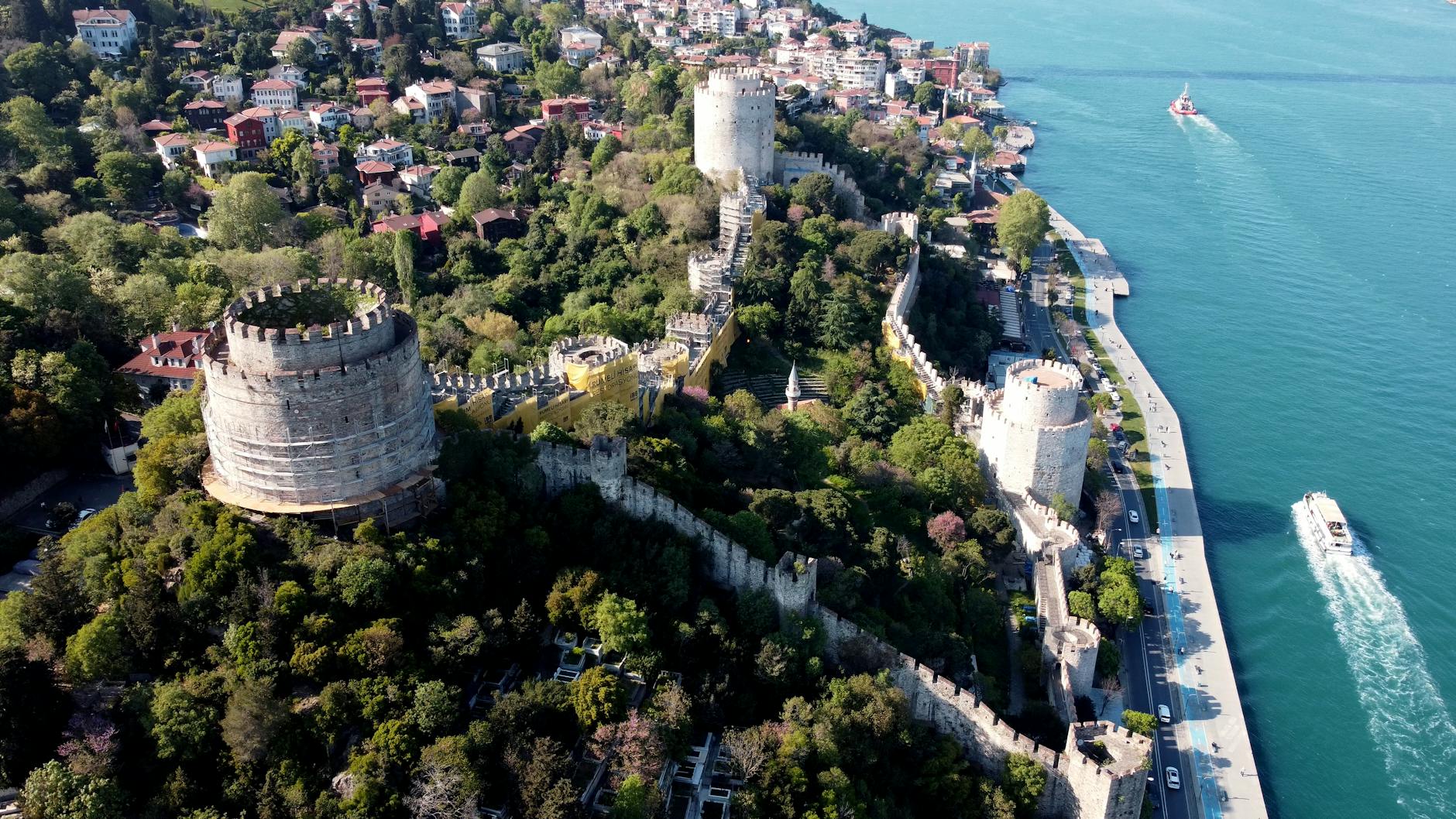
### The Climb: Navigating the Fortress
This is where I give you my "friend-to-friend" warning. Rumeli Hisarı is not a sanitized theme park. It is a medieval fortress, and it treats you like a medieval soldier.
**The Lack of Railings**
There are very few railings. The steps are steep, uneven, and often slippery from the Bosphorus mist. If you have vertigo or are traveling with small children who like to bolt, you need to be extremely careful. I once saw a tourist try to navigate the upper ramparts in flip-flops; don't be that person.
**The Golden View**
The goal for most is the walk along the curtain walls that connect the main towers. From the top of the ramparts, the view is dizzying. You are looking directly across at the Asian side, seeing the **Anadolu Hisarı** and the million-dollar waterfront villas of **Kandilli**.
As you climb, look for the wild rosemary and thyme growing in the crevices of the stones. When the wind kicks up off the water, it carries the scent of these herbs mixed with the salt of the sea. It’s the smell of Istanbul that I’ll never forget, even if I live here another 50 years.
If you’re planning a full day of exploring, this fortress offers a rugged contrast to the colorful, crumbling charm you’ll find if you [visit Fener and Balat](https://istanbulcool.com/fener-balat-walking-tour-guide). While Balat is about human stories and neighborhood life, Rumeli is about raw power and geography.
> **Berk's Insider Tip:**
> For the absolute best photo—the one that will make your Instagram followers weep with envy—head to the wall section just below the Saruca Pasha Tower. Aim your camera south toward the **Fatih Sultan Berk Bridge**. The contrast between the 15th-century battlements and the 20th-century suspension bridge is the quintessential "Istanbul moment."
### Beyond the Walls: The Neighborhood of Rumelihisarı
Once you’ve finished your climb and your legs are shaking slightly (and they will be), don't head straight back to the city center. The neighborhood surrounding the fortress is one of the most prestigious and atmospheric in the city.
**The Breakfast Culture (Kahvaltı)**
The waterfront strip in front of the fortress is famous for one thing: **Van Kahvaltı**. The city of Van in eastern Turkey is famous for its breakfast spreads, and several restaurants here specialize in it.
However, by 2026, the main road has become quite "touristy." If you want a more authentic experience, walk five minutes north toward **Baltalimanı**. Look for the smaller, family-run cafes tucked into the side streets. You’ll get the same local honey, the same *kaymak* (clotted cream), and the same *sucuklu yumurta* (eggs with spicy sausage), but at half the price and with a quarter of the noise.
**The Coastal Walk**
If the weather is fine, I highly recommend the walk from **Bebek to Rumeli Hisarı**. It’s about a 20-25 minute stroll along the Bosphorus. You’ll see local fishermen casting their lines, joggers from the nearby universities, and the occasional stray cat sunning itself on the hood of a parked Mercedes. It’s one of those walks where you feel the "high-end" vibe of Istanbul, which is a great counterpoint to the more bohemian energy you might experience on a [Kadikoy and Moda walking tour](https://istanbulcool.com/kadikoy-moda-walking-tour-guide).
**The Hidden Cemetery**
Just outside the fortress, on the uphill side, is the **Rumeli Hisarı Cemetery**. It’s one of the oldest in the city. Many of the soldiers who built and guarded the fortress are buried here. It’s a quiet, contemplative place with ancient "Janissary" style headstones—carved with turbans or hats that indicate the rank and profession of the deceased. It’s rarely visited by tourists, but it’s part of the fortress’s soul.
### 2026 Practicalities: Everything You Need to Know
Visiting Istanbul in 2026 requires a bit more planning than it did a few years ago. The shift to Euro-indexed pricing for major museums has made some sites quite expensive, but in my opinion, Rumeli Hisarı remains one of the best values for your money because of the time you can spend exploring.
| Item | Details (2026 Context) |
| :--- | :--- |
| **Entrance Fee** | **€20 - €25** (Payable in TL at current rates, approx. **1,000-1,250 TL**) |
| **Operating Hours** | **09:00 - 19:00** (Summer) \| **09:00 - 17:00** (Winter) |
| **Closed Day** | **Mondays** (Don't forget this! Many travelers make this mistake.) |
| **Museum Pass** | **Yes**, accepted and highly recommended. |
| **Best Time to Visit** | **09:00 AM sharp** to beat the tour groups and the heat. |
| **Footwear** | **Sturdy sneakers or hiking boots.** No heels or slick-soled shoes! |
**Is the Museum Pass Worth It?**
If you are planning to see the Topkapi Palace and the Galata Tower, then yes, the Museum Pass is a no-brainer. It will cover your entry here and allow you to skip the ticket line, which can get long on weekends.
**A Note on 2026 Pricing**
With the exchange rate sitting at **1 Euro = 50 TL**, prices can feel like they are in flux. Always check the official Ministry of Culture and Tourism website the morning of your visit, but generally, expect to pay around the 1,000 TL mark. It’s a jump from the "old days," but considering the maintenance required for a 600-year-old stone giant, it’s a price worth paying.
> **Berk's Insider Tip:**
> Bring a bottle of water with you. There are no vendors inside the actual fortress grounds once you pass the ticket office. In the summer, the stone walls radiate heat, and the climb will leave you parched. There’s a small shop near the entrance, but it’s better to be prepared.
### Personal Verdict: The Eternal Guardian
After 15 years of living in this beautiful, chaotic mess of a city, I’m often asked if I ever get tired of the "tourist" sites. The truth is, I don't think of Rumeli Hisarı as a tourist site. To me, it’s a grounding point.
When the city feels too loud, when the traffic is at a standstill, or when I just need to remember why I moved here in the first place, I head to the Bosphorus. I look up at the towers of the "Throat-Cutter," and I’m reminded of the sheer willpower it took to build this place.
It stands as a symbol of Istanbul’s permanence. Empires fall, names change, and bridges are built, but the stone remains. It’s a place that demands respect—not just for its history, but for its physical presence. It’s the guardian of the strait, and even in 2026, it still feels like it’s keeping a watchful eye on every ship that passes through its domain.
If you’re trying to decide [where to stay for a real Istanbul vibe](https://istanbulcool.com/best-neighborhoods-to-stay-istanbul-local-vibe), consider looking at the Arnavutköy or Bebek areas nearby. Staying on this side of the Bosphorus allows you to experience the fortress in the quiet hours of the morning, before the rest of the world wakes up.
When you finally reach the top of the Saruca Pasha ramparts and the wind hits your face, take a deep breath. You aren't just looking at a view; you're looking at the reason this city has been the center of the world for two millennia.
**One final secret:** If you look closely at the walls near the entrance, you might see small, carved birdhouses ( *Kuş Evi* ) built directly into the masonry. Even the "Throat-Cutter" had a soft spot for the city's feathered residents. It’s those little details—the kindness embedded in the fortress—that make Istanbul the most human city on earth.
---
## I skip the museums and walk the fishy backstreets of Samatya instead
URL: https://istanbulcool.com/samatya-walking-tour
I’m stood on a corner in Samatya and the air smells like diesel exhaust, fried mussels, and three-day-old sea salt. Most tourists are currently suffocating in a line for the Hagia Sophia. Idiots. I’d rather be here, dodging a rusted transit van while a fishmonger screams about the price of bluefish in a dialect I barely understand. This isn't a postcard; it's a punch in the gut.
My boots are getting soaked by the grey, melted ice runoff from the fish crates. The humidity is a thick, damp blanket that makes my shirt stick to my back. I've lived in this city for fifteen years and I still get a kick out of how hostile it can feel to an outsider. A guy just shouldered me out of the way to grab a bag of lemons near the square. No "pardon me," no smile. Why should he? He’s got work to do. This isn’t a theme park. It’s Kocamustafapaşa. It’s loud, it’s stained, and it’s real. If you want some sanitized, gold-plated version of the Orient, get back on the tram. I’ll take the grease.
## How to get to Samatya without losing your mind
If you even think about taking a taxi to Samatya, you are actively choosing to suffer. I’ve lived in this city for 15 years, and the one thing I know for certain is that Kennedy Caddesi during rush hour is where dreams go to die. You’ll sit in a yellow car, staring at a stuck meter while the driver chain-smokes and listens to depressing talk radio, watching the sun set behind a wall of exhaust fumes. It’s pathetic. Don’t do it.
The only way to reach this neighborhood with your sanity intact is the **Marmaray line**. It is the absolute backbone of **Istanbul transport**, even if the stations feel like sterile bunkers. I usually jump on at **Sirkeci**. You descend about 60 meters underground—feels like you're heading to a fallout shelter—and wait for that screeching train. It’s fast, it’s efficient, and it doesn't care about the gridlock happening on the surface.
### The logistics of the tracks
You need to get off at the **Samatya station** (though the signs might officially say Koca Mustafa Paşa, don't let that throw you). It’s just 3 stops from Sirkeci. If you hit **Kazlıçeşme**, you’ve gone too far and ended up in a wasteland of malls and construction sites. Turn around.
Once you tap your Istanbulkart and exit the turnstiles, don't look for a "picturesque" (God, I hate that word) exit. It doesn't exist. You’ll be greeted by gray concrete and probably a guy selling counterfeit socks. I remember getting lost here back in 2010 before the Marmaray was even a thing; I ended up walking 40 minutes in the wrong direction because I trusted a paper map. Now, it’s simple: head toward the water.
Before you commit to the fishy backstreets, you need a base layer of food. I never start a Samatya trek on an empty stomach. I usually gorge on a massive [Turkish breakfast](https://istanbulcool.com/guide-to-turkish-breakfast-culture-istanbul) at home or in a side-street hole-in-the-wall before heading out, because once you hit the Samatya square, it’s all about the rakı and mezze. You need that bread and cheese foundation to survive the afternoon.
| Transport Method | Time from Sirkeci | Cost (Approx) | Stress Level |
| :--- | :--- | :--- | :--- |
| **Marmaray** | 9 minutes | 20 TL | Zero (if you get a seat) |
| **Taxi** | 25-60 minutes | 250+ TL | Stroke-inducing |
| **Walking** | 55 minutes | Free | Sweaty and loud |
### Crossing the Highway of Death
To get to the heart of the village, you have to confront **Kennedy Caddesi**. This highway is a brutal, six-lane scar that cuts the historic city off from the Marmara Sea. The noise is absolute hell. It’s a constant drone of engines and tires screaming against asphalt. It’s ugly. It’s loud. And it’s essential.
You’ll find a pedestrian underpass near the station. It usually smells like damp concrete and old cigarettes. Use it anyway. When you emerge on the other side, the atmosphere shifts instantly. The roar of the highway fades into the background, replaced by the clinking of forks against plates and the smell of grilled mackerel. This is the real grit of Istanbul. It’s not polished for influencers. The walls are crumbling, the waiters are probably grumpy, and the cats own the streets.
I love the mess of it. The way the salt air hits the exhaust fumes creates a specific Samatya scent that you won't find in Sultanahmet. It’s honest. You’re not here for a museum tour; you’re here to see a neighborhood that is stubbornly refusing to turn into a theme park. Just keep walking toward the sound of clinking glasses.

## Samatya Meydanı: Shouting, scales, and the best fish in the city
If you think the "authentic" fish experience in Istanbul is eating a greasy, factory-breaded mackerel sandwich on a rocking boat in Eminönü, you’ve been lied to. I’ve lived here for 15 years, and I still get a headache just thinking about the tourist circus down by the Galata Bridge. If you want the real thing—the salt-crusted, loud-mouthed, blood-on-the-pavement reality of this city—you get on the Marmaray train and get off at Samatya.
The **Samatya Meydanı** isn’t a place for the faint of heart or anyone wearing white suede shoes. It’s a mess. It’s loud. It smells like the Marmara Sea and cheap diesel. And I love it more than almost any other corner of this chaotic city. The moment you step into the square, you’re hitting the heart of a neighborhood that hasn’t yet been sanitized for your convenience. The ground is perpetually wet because the local **balıkçı** (fishmonger) is constantly hosing down his stall. You will get splashed. A guy carrying a crate of lemons will probably shove past you without saying "pardon." Deal with it. This is a working square, not a postcard.
### Forget the Eminönü traps
I’m serious. Stop going to Eminönü for seafood. Those places serve frozen mackerel imported from Norway because they can’t keep up with the volume of tourists. It’s a joke. In Samatya, the **fish market Istanbul** snobs actually respect is right in front of you. Here, the fish were probably swimming under a boat a few hours ago.
When I walk through the **meydan**, I look for the guys with the reddest gills and the clearest eyes. I remember once, about 4 years ago, I tried to haggle with a vendor over the price of some **Lüfer**. He looked at me, looked at the fish, and told me to go buy a burger instead if I didn't understand the value of a Bluefish caught that morning. He was right. I was being a cheapskate. I bought the fish, took it home, and it tasted like the sea itself. That’s the Samatya attitude. They don’t want your money if you don’t respect the product.
### The seasonality of the Marmara
This is where most travelers look like absolute fools. I see people sitting down at a table in July asking for **Hamsi** (anchovies) or **Palamut** (bonito). Don't do that. Just don't. Turkish seafood is strictly seasonal, and the locals will judge you—hard—if you ask for the wrong thing at the wrong time.
> **Berk's Insider Tip:**
> Look for the tiny bakery near the square that only sells 'Simit' in the morning. If it’s noon, you’re too late. Move on.
If you want to navigate the **local seafood** scene without looking like a total amateur, keep these rules in my head:
1. **September is Palamut season:** This is when the Bonito starts running. It’s meaty, it’s cheap, and every restaurant in the square will be grilling it over charcoal. If the air smells like burning fat and sea salt, you’re in the right place.
2. **The Bluefish (Lüfer) is king:** In October and November, the **Lüfer** migrates through the Bosphorus. It’s the most expensive thing on the menu, and it’s worth every Lira. If you see it, buy it. Don't ask for it fried. Grilled only.
3. **Winter belongs to Hamsi:** When the weather gets miserable and the wind starts whipping off the Marmara, the anchovies arrive from the Black Sea. We eat them by the bucketload.
4. **Never, ever ask for Salmon:** Turkey has amazing fish. Why would you want a piece of farmed pink mush from halfway across the world? If I see you ordering salmon in Samatya, I’m walking the other way.
I usually spend an hour just standing near the train tracks, watching the cats fight over discarded fish heads. It’s gritty. The old Greek and Armenian houses surrounding the square are peeling and stained with soot. But when the sun starts to go down and the yellow lights of the *meyhanes* flicker on, there is a specific kind of magic here that you won't find at the Hagia Sophia. It’s the magic of a city that is still alive, still working, and still smells a bit like guts and salt.
Is it "pretty"? No. It’s better than pretty. It’s honest.
## The churches tourists never bother to see
If you are spending 400 Lira to stand in a 2-hour queue at the Hagia Sophia with a thousand sweating tourists, you are doing this city completely wrong. Seriously. You’re paying for a postcard when the actual blood and bone of the city is sitting 4 kilometers away in Samatya, rotting quietly in the sea breeze. I don’t go to museums to see **Byzantine Istanbul**. I go to the backstreets where the history is still damp, smelling of old incense and leaky pipes.
### Surp Kevork: The church that sweats
My favorite place to feel properly depressed about the passage of time is Surp Kevork. Locals call it **Sulu Manastır**—the Water Monastery. It’s built over an ancient spring, and you can feel it in your lungs the moment you walk in. The air is heavy. The walls feel like they’re weeping. I was there last October, and the dampness was so thick I could practically taste the salt on my tongue.
This used to be the seat of the **Armenian Patriarchate** before they moved it to Kumkapı in 1461. Now, it’s just a massive, silent weight in the neighborhood. I hate how the modern "restoration" work inside looks like it was done by someone who usually tiles shopping malls. Those shiny, flat surfaces kill the vibe. You want the grime. You want the layers of 500-year-old soot. When they "fix" these places, they strip away the grief that makes them beautiful. It’s a tragedy, really. But despite the botched paint jobs, the spirit of the place is stubborn. It refuses to be pretty.
### Agios Nikolaos and the Greek ghost
People think if they want **Greek Orthodox churches**, they have to go to Fener and bow down at the Patriarchate. That’s the "official" version. But **Samatya history** is different. It’s more domestic. More tired. Agios Nikolaos is the perfect example. It isn't trying to impress anyone. It just exists.
I remember walking past it 5 years ago when a priest was screaming at a delivery driver for blocking the gate. That’s the Samatya I know. It isn't a museum; it’s a neighborhood that happens to have 1,600 years of baggage. Every time I see the Greek script carved into the stone near the doorway, I’m reminded that this city wasn't always just one thing. It’s a graveyard of empires, and we’re just the latest tenants. I often find myself looking for that same [soul of old Istanbul](https://istanbulcool.com/soul-of-old-istanbul-zeyrek-guide) when I wander through the crumbling timber houses of Zeyrek, where the past feels just as fragile.
> **Berk's Insider Tip:**
> The Greek church of Agios Nikolaos is often locked. Find the 'Zangoç' (sexton) nearby. A small donation and a smile usually get you in. Don't be a jerk about it.
### The crime of restoration on the Byzantine walls
Walking along the old **Byzantine walls** near Samatya makes me want to scream. These fortifications stood off the Huns, the Arabs, and the Crusaders. Now? They’re being defeated by bad architecture. The government "restores" sections of the wall by replacing the original 5th-century stone with bright, clean blocks that look like they were bought at a discount IKEA. It’s disgusting.
I like the bits they haven't touched yet. The parts where the weeds are growing out of the cracks and the stones are blackened by 60 years of bus exhaust. There is a specific kind of beauty in a wall that is actually falling down. It shows its age. It shows its scars. Why do we insist on making everything look brand new? It’s a lie. The trash piles up at the base of the towers, and the smell of wet soot is constant, but I’d take that over a fake, "perfect" wall any day. 20 minutes of walking here tells you more about the city’s survival than any guidebook ever will.
Just watch your step. The ground is uneven, and the locals won't move for you. Why should they? You’re in their backyard. Try to look like you belong there, even if the weight of all that history makes you feel like a ghost.
## Rakı, Meze, and why Ali Haydar is still the boss
If you come to Samatya and don't eat at Ali Haydar, you’ve basically wasted your train fare and a perfectly good evening. Most people find this place because of a TV show from the late 90s called *İkinci Bahar*. I remember watching it as a kid, but honestly, I don't give a damn about the nostalgia or the famous actors who filmed here 25 years ago. I come here because the meat is consistent and the vibe hasn't been ruined by the Instagram crowd yet.
The square in Samatya is a strange beast. It’s loud, it’s cramped, and if you come on a Saturday, it’s a total madhouse. But Ali Haydar stands there like a concrete anchor. It’s not "fancy." If you want white tablecloths and waiters who bow every time you drop a fork, go to Nişantaşı and pay triple the price for half the flavor. Here, the floor might be a bit sticky, and you’ll definitely smell like grilled fat by the time you leave. That’s the point.
### The stuff you actually need to eat
Don’t look at the menu. Just don't. The moment you sit down, the meze tray is going to appear. This is where most tourists mess up. They see 20 different plates and start pointing like kids in a candy store. Stop. You need to be surgical.
First, get the **fava**. If a meyhane can’t do a proper broad bean puree, they shouldn't be allowed to have a license. It should be smooth, heavy on the olive oil, and topped with enough red onion to make your breath a lethal weapon for the next 48 hours. Then, you order the **atom**. This is where things get real. It’s dried peppers swimming in thick, strained yogurt. If it doesn't make you sweat a little, they’re catering to the weak-palated tourists. Tell them you want it the way the locals eat it. It should burn.
I’ve lived here for 15 years, and I’ve seen places come and go, but the **roasted peppers** here have a smoky depth that tastes like a wood fire and 3 generations of stubbornness. It’s simple food. But it’s hard to do right. I once sat here for 4 hours just picking at a plate of melon and white cheese while the sun went down. The melon was a bit overripe and the cheese was too salty, but with a glass of Rakı in my hand, it was the best meal I’d had all month.
> **Berk's Insider Tip:**
> Don't let the guys at the entrance of the square pull you into their restaurants. Walk to the back. The best spots don't need to bark at you.
### How not to look like an amateur
Let's talk about **meyhane culture**. It’s not a bar. It’s not a nightclub. It’s a temple of conversation. I see people coming in here, ordering a bottle of Rakı, and then screaming over each other like they’re at a football match. It’s exhausting.
A real meyhane is where you go to solve the world's problems, or more likely, your own. You pour the Rakı, you add the water—watch the cloudiness happen, that’s the only "magic" you need—and you sip. Slow. If you’re chugging it, you’re doing it wrong. And for the love of God, don't clink the tops of the glasses. You clink the bottoms. It’s a sign of respect.
The waiters at Ali Haydar have seen everything. They’ve seen breakups, business deals, and probably a few fistfights. They don't have time for your "is this gluten-free?" questions. Just eat the bread. It’s soaked in meat juice and it’s delicious.
### Why Samatya beats the Bosphorus
I spent the morning near the **Şemsi Paşa** mosque in Üsküdar, watching the seagulls fight over pieces of bagel. It was quiet, almost too quiet. By the time I took the Marmaray back to this side and walked into Samatya, the noise hit me like a physical wall. The smell of the sea here isn't that fresh, salt-water scent you read about in brochures. It’s brine, diesel, and grilled mackerel.
It’s real.
Samatya doesn't try to be pretty for you. The buildings are crumbling, the sidewalk is uneven, and the cats are way too confident. But when you’re sitting at a table at Ali Haydar, and the lights in the square start to flicker on, and the table next to you starts singing an old Sanat music song under their breath, you realize this is the soul of the city.
Most people are too scared to leave the Sultanahmet bubble because they think they’ll get lost or the food will be "too weird." Their loss. I’d rather be here, arguing with my friends about politics over a plate of spicy meze, than sitting in some sanitized "historic" dining room with 500 other people wearing lanyards.
If you want the "İkinci Bahar" experience, fine. Take your photo with the sign. But then put your phone away, pour a glass, and actually taste the city. It’s messy, it’s loud, and it’s perfect.
## Why I walk the backstreets of Kocamustafapaşa
Sultanahmet is a fake stage set for people who like gift shops, but Kocamustafapaşa is the messy, loud reality I actually crave. I don't go there to "see sights." I go there because my soul needs to see something that hasn't been scrubbed clean and sterilized for cruise ship passengers who are afraid of a little grime.
The paint is the first thing you notice. It’s peeling. It’s flaking off those 19th-century **wooden houses** in chunks the size of my hand, exposing grey, rotting timber underneath. Most people see a neighborhood that needs a coat of paint. I see honesty. These buildings are exhausted. They’ve survived fires, earthquakes, and a million family arguments. They smell like damp wood, coal smoke, and whatever someone is frying for lunch. If you’re looking for a shiny, restored version of the city, stay in your hotel. This place is for people who don't mind a bit of dirt under their fingernails.
### The real bosses of the alleys
The cats here aren't the pampered, fat fluff-balls you see in the fancy cafes of Cihangir. These are street soldiers. They’ve got scars on their ears and eyes that have seen way too much. They own these **Istanbul backstreets**. You? You’re just a guest. A temporary intruder. I once saw a scrawny ginger tabby staring down a delivery bike in a narrow lane near **Yedikule**. The bike stopped. The cat didn't move. The driver actually had to reverse and find another way. That’s the hierarchy here. Accept it or leave.
### Put your phone away
Seriously. Put it in your pocket. Google Maps is a total liar once you get deep into these hills. It thinks every line on a map is a flat, walkable road. It’s not. It’s a 45-degree staircase that hasn't been repaired since the 80s, or a dead end that someone turned into a private garden 30 years ago. Getting lost is the entire point. If you aren't frustrated and slightly confused, you aren't doing it right. This is how you find the **Samatya architecture** that actually matters—the crumbling Greek schools and the stone fountains that haven't worked in decades.
I’ve spent 15 years walking these cracks and I still find corners that surprise me. It’s not always pretty. Sometimes the trash cans are overflowing and the wind blows plastic bags against your legs. Sometimes the local kids will stare at you like you’ve dropped from Mars. But it's real. It’s the opposite of a museum.
Even when I’m heading to see the world-class [golden mosaics](https://istanbulcool.com/mosaics-kariye-mosque-chora-guide) over in the Chora neighborhood, I’ll take the long, gritty route through the back passage of Kocamustafapaşa first. You need to see the grit before you’re allowed to see the gold. It gives the beauty context. Without the peeling paint and the smell of the street, the art feels hollow.
Is it a "perfect" **local walking tour**? Probably not if you like air conditioning and polite waiters. My knees usually hurt after 3 hours of these inclines, and the tea I buy at the corner shop is usually way too strong. But I’d take a bruised ego and sore legs in these alleys over a guided tour of a palace any day of the week. Just don't expect the city to apologize for the mess. It won't.
## Samatya Logistics: Common Questions
Don’t even think about showing up in Samatya before 4:00 PM unless you enjoy looking at closed shutters and avoiding eye contact with stray cats. This neighborhood sleeps in, nursing a collective hangover from the previous night's Rakı, and it only starts breathing when the sun begins to dip toward the Marmara.
### Is Samatya safe at night?
Samatya safety is a non-issue, provided you aren't terrified of a little grit. If you need polished marble and bright neon to feel secure, stay in Sultanahmet with the rest of the sheep. To the uninitiated, the backstreets look like a movie set for a thriller—dim yellow streetlights, peeling paint, and laundry hanging over narrow alleys. But I’ve stumbled through these streets at 2:00 AM more times than I can count. The locals aren't looking to hustle you; they’re too busy arguing about football or the price of sea bass. It’s a working-class enclave. People live here. They watch out for the neighborhood. Just watch your step on the uneven pavement—I nearly snapped an ankle there last November because I was looking at a crumbling Byzantine wall instead of my feet.
### Will they have English menus?
Mostly no, and frankly, that’s the best thing about it. If a waiter shoves a laminated menu with 5 different flags and photos of frozen pizza in your face, run. In Samatya, the "menu" is often just a glass fridge filled with *meze* plates or a guy telling you what came off the boat 3 hours ago. My advice for your visiting Samatya checklist? Learn the names of 3 fish and 5 appetizers. If you get stuck, just point. I once spent 10 minutes miming a shrimp to a waiter who clearly thought I was having a stroke, but he eventually brought out a sizzling clay pot of *karides güveç* that changed my life. Don't be "that" tourist demanding a translation. Just eat what they give you. It’s almost always better than what you would’ve picked anyway.
### When is the best time to visit?
Show up around 6:00 PM. This gives you an hour to wander the fish market and watch the vendors scream at each other before the dinner rush turns the main square into a madhouse. By 8:00 PM, the chairs spill out onto the stones, the anise smell of Rakı hits your nostrils, and the noise levels become deafening. It’s loud, it’s smoky, and it’s perfect. Don't bother with Mondays; the energy is flat. Aim for a Friday or Saturday if you want to see the real Istanbul tips in action—locals letting off steam, clinking glasses, and ignoring their phones for 4 hours straight.
## Conclusion
Go ahead. Follow the groups with the little flags. Stand in line for three hours to see a mosaic you could’ve looked up on your phone. If you enjoy being overcharged for a soggy döner by a guy who secretly hates you, Sultanahmet is your paradise. Me? I’m staying right here.
Samatya is loud. It stinks of fish scales and diesel exhaust. The old guys at the coffeehouse will probably stare at you like you’re an alien. Good. You *are* an alien here. This isn't a museum. It’s a neighborhood that hasn’t bothered to put on makeup for the foreigners. It’s cracked, it’s stained, and it’s loud. Honestly, it’s a mess. But it’s the truth.
I’m done with the "must-see" lists. They’re a trap for people who want to feel cultured without actually getting their shoes dirty. Give me the grease on the table and the shouting fishmongers any day. As the light starts to fail, I usually find a spot near the base of the old sea walls. There’s a jagged gap in the masonry—centuries of neglect finally doing its work—and if you look through it, the Marmara is turning a heavy, bruised purple. The water looks cold. The wind smells like salt and wet soot. It’s perfect because it’s falling apart. Stay in your sanitized bubble if you want. I’ll be here.
---
## Zeyrek Istanbul: Old City's Quiet Historic Streets
URL: https://istanbulcool.com/soul-of-old-istanbul-zeyrek-guide
I remember the first time I stumbled into Zeyrek; I had missed my turn heading down toward the Golden Horn and suddenly found myself standing before a sea of weathered timber houses that looked like they were leaning on each other for support. One moment, I was navigating the frantic energy of the Fatih district, and the next, the modern roar of Istanbul simply... vanished. The air smelled of woodsmoke and fresh bread from a nearby stone oven, and the only sound was the distant chime of a tea spoon against a glass.
It’s a rare thing in a city of sixteen million to find a place that feels like it’s holding its breath. For fifteen years, I’ve mapped out the veins of this city—from the busiest ferry terminals to the most obscure transit routes—yet I always find myself returning to these steep, cobblestone hills. Zeyrek isn’t just a neighborhood; it’s a living time capsule. While the crowds are busy jostling for the perfect camera angle at the Blue Mosque, life here moves at the contemplative pace of a slow-brewed Turkish tea.
This corner of the city is a designated UNESCO World Heritage site, but don’t let the formal title fool you. There are no velvet ropes or ticket booths here. It is wonderfully raw and unpolished. You’ll see laundry strung between the jutting bays of Ottoman-era mansions and hear the rhythmic clatter of backgammon pieces from a local *kahvehane* (traditional coffeehouse). This is the heart of authentic Istanbul—the kind of place where history isn't something you view behind a glass partition, but something you walk through, touch, and breathe.
If you’re the kind of traveler who prefers the quiet hum of a neighborhood waking up over the artificial flash of a tourist trap, Zeyrek is where you belong. It is the ultimate destination for slow travel, a place where getting lost is actually the point of the journey.
Let me take you through these winding alleys and show you why this neighborhood remains my favorite escape, and how you can experience its quiet, enduring magic for yourself.
## A Step Back in Time: The Timeless Allure of Zeyrek
I’ve lived in this magnificent, chaotic city for 15 years now, and people often ask me if the "Old Istanbul" they’ve read about in history books still exists. In 2026, with the city growing faster than ever, it’s a fair question. My answer is always the same: you just have to know which hill to climb.
Stepping into Zeyrek isn't just a change of scenery; it’s a change of pace. As you leave the roar of the traffic at Unkapanı behind and begin the ascent, the air seems to thicken with history. Your shoes will immediately tell you where you are—the **steep, cobbled streets** here haven’t been smoothed over for tour buses. They are uneven, stubborn, and utterly charming.
### The Living Heart of the Mahalle
What makes Zeyrek one of the city's truest **hidden gems** is that it refuses to be a museum. In nearby Sultanahmet, the history is polished, roped off, and priced in Euros. But here, the "mahalle" (neighborhood) culture is pulsing with life.
As you walk, look up. You’ll see laundry lines stretched across narrow alleys, colorful clothes dancing in the breeze between centuries-old Ottoman timber houses. You’ll hear the clinking of spoons against tulip-shaped glasses as neighbors share a tea on a doorstep. This is **local life** in its rawest, most beautiful form. While many visitors get stuck in the "Sultanahmet Bubble," I always tell my friends that if they want a [real Istanbul vibe](https://istanbulcool.com/best-neighborhoods-to-stay-istanbul-local-vibe), they need to look toward these living breathing districts where the city’s soul still resides.
### A Sensory Journey Through Old Istanbul
The sensory experience here is unlike anywhere else in the city. There’s the scent of wood smoke in the winter and the earthy aroma of roasting peppers in the summer. You’ll pass small grocery stores where the owner likely knows the name of every person on the block.
Even with the current economy—where 1 Euro now fetches 50 TL and a USD sits at 45 TL—Zeyrek remains remarkably grounded. You can still find a small *esnaf lokantası* (a tradesman’s restaurant) serving a steaming bowl of lentil soup for a handful of Lira, a far cry from the inflated prices of the tourist traps.
### Why Zeyrek Matters in 2026
In a world that feels increasingly digital and temporary, Zeyrek feels permanent. It’s a place where the 12th-century masonry of the Zeyrek Mosque (the former Monastery of the Pantokrator) stands in the shadow of 19th-century wooden mansions, all while kids chase a football down the street.
When you spend an afternoon here, you aren't just a spectator; you are part of the scenery. You’ll be greeted with a "Merhaba" (Hello) or a curious, friendly nod from a local craftsman. It’s this warmth—this feeling of being welcomed into a private world—that captures the true **Old Istanbul**. It’s not just about the buildings; it’s about the people who refuse to let the modern world rush them. Zeyrek reminds us that the best way to see Istanbul is to slow down, find a perch on a high stone step, and simply watch the city breathe.
## The Ghost of the Byzantine Empire: The Pantokrator Monastery
When you finally crest the hill and stand before the **Zeyrek Mosque**, take a moment to catch your breath—not just from the climb, but from the sheer weight of history staring back at you. For me, this is the most hauntingly beautiful spot in Istanbul. While the crowds are currently queuing for hours at the Hagia Sophia, here in 2026, Zeyrek remains a place where you can actually hear your own footsteps echoing against 12th-century brickwork.
To understand Zeyrek, you have to look past its current life as a mosque and see the "ghost" of the **Monastery of the Pantokrator**. Built between 1118 and 1136 by Empress Irene and her husband, Emperor John II Comnenus, this wasn't just a church; it was the largest and most organized social complex in the Byzantine world. It housed a world-class hospital, a library, and an almshouse.
### A Trinity of Stone and Faith
What makes this structure architecturally unique is that it isn’t just one building—it’s three. As you walk around the exterior, you can see the distinct "recessed brick" technique that was the height of Comnenian fashion. The complex consists of:
1. **The South Church:** The earliest and most lavish, dedicated to Christ Pantokrator (Christ the Almighty).
2. **The North Church:** Added shortly after and dedicated to the Virgin Eleousa (the Merciful).
3. **The Middle Chapel:** This is the "glue" that bound the two together. Dedicated to Saint Michael the Archangel, it served as the **imperial burial chapel** for the Comnenian and Palaiologan dynasties.
Imagine, for a second, the imperial processions that once wound through these halls. This was the final resting place for the some of the most powerful men and women of the Middle Ages. Even after the Fourth Crusade saw the monastery looted of its most precious relics—many of which ended up in San Marco in Venice—the structure itself remained a symbol of imperial resilience.
### From Imperial Tombs to Ottoman Scholarship
The transition from a Byzantine monastery to an Ottoman mosque is one of my favorite stories of Istanbul's "survival of the fittest" architecture. After the conquest of 1453, Sultan Mehmed II didn't tear it down. Instead, he recognized its intellectual pedigree and converted it into the city’s first **Madrasah** (an Islamic theological school).
The name "Zeyrek" actually comes from the nickname of the famous scholar who taught here, Molla Zeyrek (meaning "the quick-witted"). I find it poetic that a site dedicated to Byzantine healing and learning transitioned so seamlessly into an Ottoman center for the same pursuits.
The architectural shift is fascinating to observe. You’ll see where the Byzantine mosaics were covered with Ottoman plaster and where the *Mihrab* (the prayer niche indicating the direction of Mecca) was positioned at an angle to align with the faith, creating a unique visual tension with the original Greek floor plan. Much like the way the [Theodosius Cistern](https://istanbulcool.com/theodosius-cistern-istanbul-alternative) displays the engineering brilliance of the city’s water systems, Zeyrek displays the mastery of its spiritual and social engineering.
> **Berk's Insider Tip:**
> Don't just look at the Zeyrek Mosque from the outside. If it's open, head inside to see the incredible Opus Sectile floor—it's one of the most beautiful Byzantine remains in the city, often hidden under the carpets.
### Why the Architecture Still Matters Today
In 2026, the restoration efforts have finally allowed us to see the building in a way my parents' generation never could. The deep red bricks and the elegant domes represent a "Byzantine Renaissance" that focused on verticality and light.
When you sit in the courtyard today, you might see a local student sipping tea or an elder from the neighborhood counting prayer beads. A small glass of *çay* (Turkish tea) at the nearby cafe will run you about 25 TL—a bargain considering the 50 TL to 1 Euro exchange rate—and it gives you the best seat in the house to watch the light change on the ancient masonry.
**What to look for when you visit:**
* **The Masonry:** Look for the alternating rows of stone and brick that give the building its striped, textured appearance.
* **The Domes:** There are five in total, creating a rhythm that mimics the rolling hills of the city itself.
* **The Window Frames:** Notice the slender, triple-arched windows that were designed to flood the interior with "divine light."
Walking through Zeyrek is a reminder that Istanbul doesn't delete its past; it just keeps building on top of it. It’s a place where the Byzantine Orthodox heritage and the Ottoman Islamic tradition live in a quiet, respectful embrace, far removed from the neon lights of the modern shopping malls.
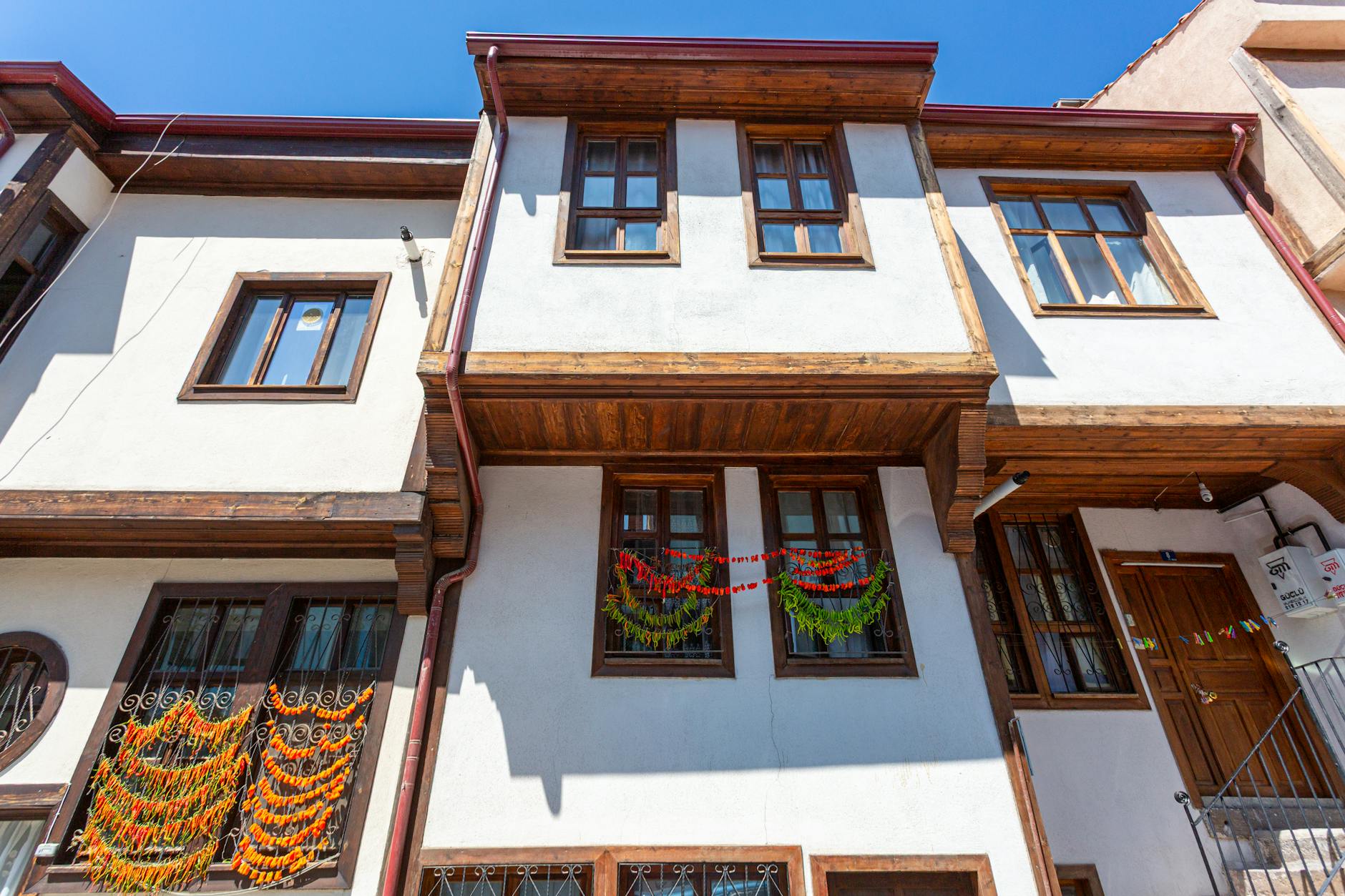
## Fading Grandeur: The Timber-Framed Houses of Zeyrek
If you close your eyes for a moment and listen to the rhythmic tapping of a carpenter’s hammer echoing through the narrow alleys, you can almost feel the 19th century breathing down your neck. As I walk through Zeyrek in this spring of 2024, heading into 2026, the air smells of charcoal, salty sea breeze from the Golden Horn, and the unmistakable scent of aging cedar. This is where the **soul of Ottoman Istanbul** resides, trapped within the fragile, tilting skeletons of the city’s remaining wooden houses.
To understand Zeyrek, you have to look up. You’ll see the **Cumba**—the iconic Ottoman bay window—hanging precariously over the cobblestones. These aren't just architectural flourishes; they were the "social media" of a bygone era. I remember sitting with my friend Selim last week near the Zeyrek Mosque. We watched an elderly woman peering out from her *cumba*, her elbows resting on a lace cushion, observing the street life below without ever being fully seen herself. In the heat of the summer, these windows were designed to catch the cross-breeze from the Bosphorus, keeping the interior cool while providing a private stage for the residents to stay connected to the *mahalle* (neighborhood).
### The Architecture of Intimacy
The **timber-framed houses** of Zeyrek are a testament to a philosophy of living that prioritized warmth and flexibility. Unlike the cold, stony apartments of Galata, these structures were built with *bağdadi*—a technique of fixing thin wooden laths to a frame and plastering them over. It allowed the houses to "breathe" and even "dance" during the tremors that occasionally shake this city.
However, time and neglect are harsher critics than any earthquake. As I walk past a house with ochre paint peeling like sunburned skin, I notice the intricate fretwork around the eaves. It’s heartbreakingly beautiful. You see, a century ago, these were the homes of high-ranking officials and scholars. Today, they are a patchwork of survival. Many have been divided into smaller units to house families who have migrated here, seeking a foothold in the city.
### A Fragile UNESCO Legacy
Zeyrek is part of the **UNESCO World Heritage** list, a designation that brings both prestige and a heavy burden of bureaucracy. Preserving these **fragile structures** is an uphill battle. It’s 2026, and while the city has made strides in restoration, the economic reality is stark. With the exchange rate hovering around **1 Euro to 50 TL** and **1 USD to 45 TL**, the cost of imported high-quality timber and specialized labor has skyrocketed.
I recently spoke with an architect friend who works on these heritage sites. He told me that "restoring one of these houses isn't just about wood; it's about heart." To do it right, you need to use traditional methods, which are expensive. Often, the owners are caught in a Catch-22: they aren't allowed to tear the houses down because of their historical status, but they cannot afford the astronomical costs of a "heritage-approved" renovation. This has led to a bittersweet aesthetic—a neighborhood that feels like a living museum, yet one that is slowly crumbling under the weight of its own history.
### The Voices of the Mahalle
What keeps me coming back isn't just the **Ottoman architecture**, but the people who refuse to leave. Last Tuesday, I was invited for tea by "Amca" (Uncle) Hikmet, a man who has lived in the same three-story wooden house for seventy years.
"Berk," he said, handing me a glass of dark, steaming tea (which, by the way, still only costs about 15-20 TL in these local spots, despite the inflation), "this house is like an old relative. It groans at night, it leaks when it rains, and it’s a nightmare to heat in the winter. But I know every creak in the floorboards. If I move to a concrete apartment in Başakşehir, I’ll stop hearing the city."
His story is the story of Zeyrek. There is a profound, slightly **melancholic attachment** to the past here. As we sat there, the light filtered through the wooden slats of the *cumba*, casting long, striped shadows across the room. It felt like being inside a giant, ancient birdcage.
Walking away from Hikmet’s home, I realized that while the grand palaces of the Sultan get all the glory, it’s these tilting, timber-framed houses that hold the true DNA of Istanbul. They represent a time when the city was made of wood and fire, when neighbors were family, and when a window was a bridge to the world. If you visit, don't just take photos; stop and listen to the wood. It has a lot to tell you before it’s gone.
## The Women’s Bazaar: A Culinary Journey to the East
After the meditative silence of Zeyrek’s wooden houses, I usually find my stomach leading the way. Just a five-minute walk toward the towering arches of the Valens Aqueduct lies a place that feels less like Istanbul and more like a mountain outpost in the Southeast. This is the **Kadınlar Pazarı** (The Women’s Bazaar), and if you’re a food lover, it is your holy grail.
Don’t let the name confuse you. While it was historically a place where local women sold their garden produce, today it is a vibrant hub dominated by the flavors of Siirt, Bitlis, and Van. It’s a sensory overload in the best possible way: the smell of roasting lamb, the sight of golden honeycombs dripping in shop windows, and the sound of shopkeepers greeting each other in Kurdish and Turkish dialects. If you’ve just come from exploring the [Suleymaniye Mosque](https://istanbulcool.com/suleymaniye-mosque-insider-guide), it’s only a ten-minute walk through the winding backstreets to get here.
### The Masterpiece: Büryan Kebab
You haven't truly "eaten" in Istanbul until you’ve tried **Büryan Kebab**. This isn't your average late-night doner. It’s a specialty from the city of Siirt, and the preparation is an art form. The lamb is lowered into a deep, sealed pit and slow-roasted over wood coals for hours.
When you sit down at one of the local spots—I personally swear by *Siirt Şeref Büryan*—the master carves the meat right in front of you. It’s served on top of a fresh, pillowy *pide* (flatbread) that has been dipped in the lamb’s own juices. The meat is so tender it literally falls apart at the touch of a fork, with a smoky, charred skin that provides a perfect crunch.
In this part of town, we eat Büryan early. It’s a traditional breakfast or early lunch dish, and by 3:00 PM, the best cuts are usually gone. In 2026, a generous portion will cost you around 450 TL (about $10 or €9), which is an absolute steal for a meal that took six hours to prepare.
### Honey, Cheese, and the Taste of the Highlands
Between the kebab houses, you’ll find small grocers that look like treasure chests of Eastern Anatolian produce. This is where I stock my own pantry. Look for the **Otlu Peynir** (herbed cheese) from Van. It’s a salty, crumbly sheep’s milk cheese packed with wild garlic and mountain herbs. It’s pungent, bold, and unlike anything you’ll find in a supermarket.
Then there is the honey. You’ll see massive wooden barrels and even "Karakovan" hives—hollowed-out logs where bees make honey in total darkness. This is the real deal, untouched by processed sugars. The shopkeepers are usually more than happy to give you a spoonful to taste. It tastes of wildflowers and high-altitude sunshine.
> **Berk's Insider Tip:**
> For the most authentic experience at the Women's Bazaar, look for the shops selling 'Pestil' (fruit leather). It’s the real deal here, made without added sugars, brought in from the mountain villages.
To help you plan your tasting tour, I’ve put together a quick guide to what you can expect to pay for these regional delicacies this year:
| Item | Description | Est. Price (2026) |
| :--- | :--- | :--- |
| **Büryan Kebab** | Pit-roasted lamb (Portion) | 450 TL ($10 / €9) |
| **Otlu Peynir** | Van herbed cheese (per kg) | 600 TL ($13 / €12) |
| **Karakovan Honey** | High-quality organic honey (per kg) | 1,500 TL ($33 / €30) |
| **Perde Pilavı** | Peppery chicken & rice in a pastry crust | 350 TL ($8 / €7) |
### Sitting Among the Locals
The best part about the Kadınlar Pazarı isn't just the food; it’s the atmosphere. Grab a tea at one of the small stools under the trees in the central square. You’ll see old men playing backgammon, kids running around the ancient Roman aqueduct, and a sense of community that is slowly disappearing in the more "polished" parts of the city. It’s raw, it’s loud, and it’s deliciously authentic.
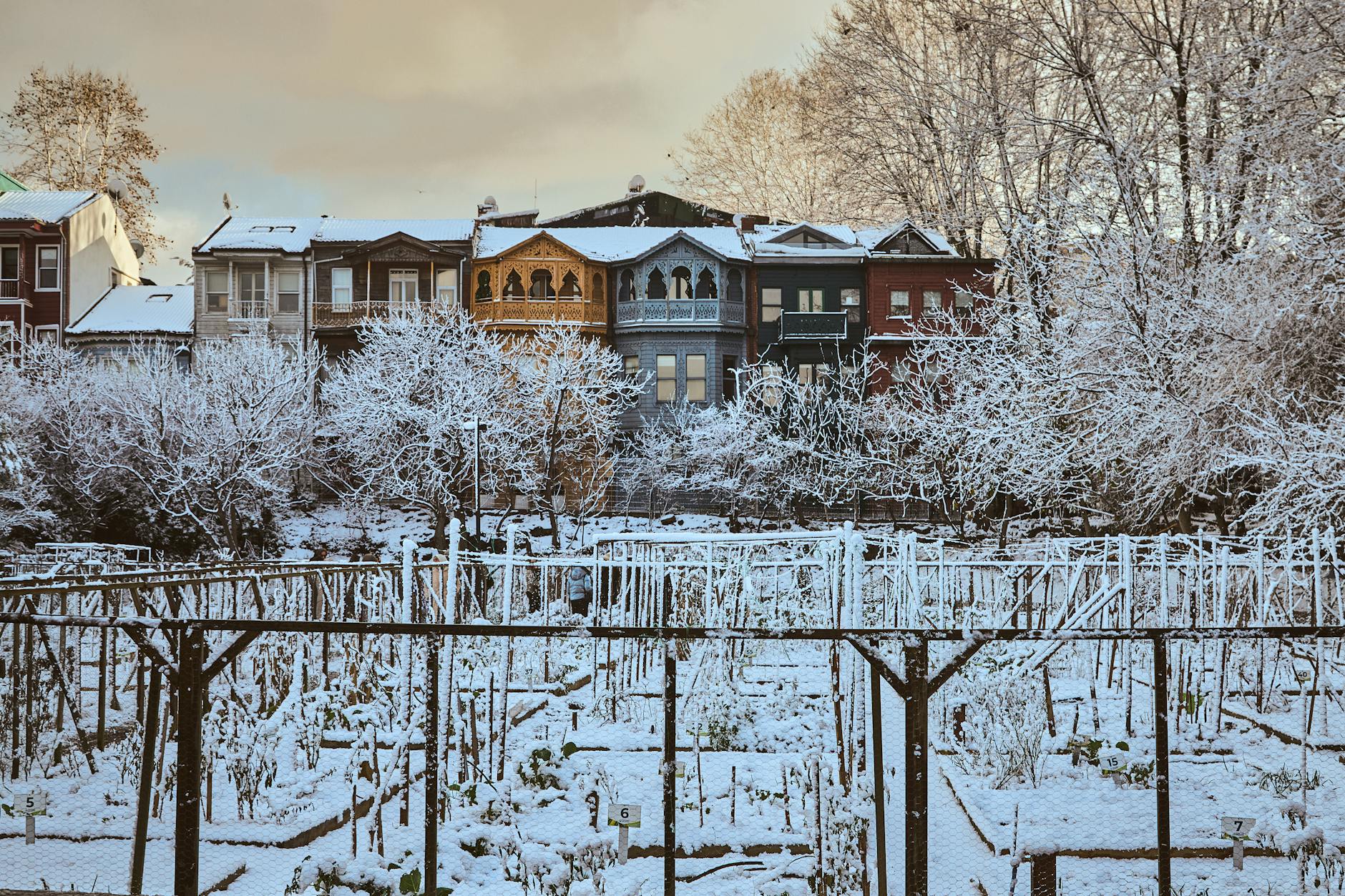
## Finding Perspective: The Best Views Over the Golden Horn
After fifteen years of navigating the labyrinthine streets of this city, I’ve learned that Istanbul doesn't reveal its true face from the window of a luxury hotel or the glass-enclosed deck of a skyscraper. To truly understand the scale of this "Second Rome," you have to climb its hills. Zeyrek sits proudly on the **fourth hill of Istanbul**, and in my humble opinion, it offers a vantage point that no commercial observation deck can replicate.
While the modern towers in Levent or the crowded balcony of the Galata Tower offer height, Zeyrek offers **intimacy**. From here, you aren't just looking at the city; you are part of its breathing, historical fabric.
### The Vantage Point That Money Can’t Buy
In 2026, as the city becomes increasingly globalized and expensive—with 1 Euro now hovering around 50 TL and 1 USD at 45 TL—finding a place that feels authentic and accessible is a rare treasure. Most tourists will pay upwards of 700 or 800 TL to stand in a queue for a "bird's-eye view" elsewhere. But here in Zeyrek, the best **photography spots** are tucked away at the end of quiet cobblestone alleys or on the terrace of a modest neighborhood *çay bahçesi* (tea garden).
When you stand on the ridge near the Zeyrek Mosque—the former Monastery of the Pantokrator—the **Istanbul skyline** unfolds before you like a living map. To your right, the massive dome of the Süleymaniye Mosque anchors the Third Hill, its minarets piercing the sky like stone lances. Directly below, the **Golden Horn views** (or *Haliç*, as we locals call it) are unobstructed. You can see the ferries crisscrossing the water, leaving white trails behind them like stitches on a blue velvet cloth, connecting the historic peninsula to the bustling shores of Karaköy and Galata.
There is something grounding about this perspective. From this height, the chaos of Istanbul’s traffic fades into a distant hum, replaced by the domestic sounds of the neighborhood: a vendor calling out, a cat scurrying across a tiled roof, or the clink of a small spoon against a tulip-shaped tea glass.
### The Symphony of the Sunset
If you time your visit correctly, I suggest arriving about thirty minutes before the sun begins to dip behind the city's ancient walls. This is when Zeyrek transforms. The weathered wooden houses, some centuries old, take on a golden hue that matches the shimmering surface of the water below.
The highlight of the experience, however, isn't just visual; it’s auditory. As the sun touches the horizon, the *Ezan* (the call to prayer) begins to echo across the valley. It starts at one mosque—perhaps the Sultanahmet in the distance—and is answered by the Süleymaniye, then the Fatih Mosque behind you, until the entire Golden Horn is filled with a stereophonic wave of sound.
Watching the **sunset** from this specific hill, you realize that Zeyrek is the "soul" of the city because it remains unpretentious. It doesn't try to impress you with neon lights or overpriced cocktails. It simply offers you a seat on its ancient shoulders and invites you to look. It’s a moment of pure *huzur*—a Turkish word we use for deep inner peace and tranquility. In a city of 16 million people, finding a spot where you can hear your own thoughts while overlooking the center of the world is, for me, the ultimate luxury.
## From Zeyrek to Balat: The Ultimate Walking Route
Once you’ve soaked in the meditative silence of Zeyrek’s timber houses, it’s time to head toward the Golden Horn. This isn't just a walk; it’s a descent through layers of history. In my fifteen years here, I’ve found that the best way to experience the city is to let the gravity of the hills guide you. We’re moving from the rugged, monastic atmosphere of Zeyrek into the vibrant, multicultural tapestry of **Fener and Balat**.
### The Art of Getting Lost (Properly)
The secret to this route is to avoid the main boulevards at all costs. From the Zeyrek Mosque (the former Pantokrator Monastery), start weaving your way down the **steep back alleys** (what we locals call *yokuş*) toward the neighborhood of Cibali.
Don't worry about your GPS—it will likely struggle with these narrow stone passages anyway. Instead, look for the laundry hanging between windows and the elderly men playing backgammon outside small teahouses. In 2026, even as parts of Istanbul modernize at light speed, these alleys remain remarkably frozen. You’ll pass by small **neighborhood fountains**, or *çeşmes*. Many of these Ottoman-era stone structures still have water running; they were the social hubs of the city for centuries. Take a moment to look at the intricate stone carvings—they are the "street art" of the 18th century.
### Passing Through the Ancient Walls
As you descend, you’ll encounter fragments of the **Byzantine Sea Walls**. These aren't polished museum pieces; they are integrated into the city’s life. You might see a small auto-repair shop built right into a thousand-year-old archway or a vegetable garden (*bostan*) thriving in the shade of a crumbling tower.
By staying off the main roads, you avoid the "Instagram queues" that have become common in the more famous parts of the district. You get to see the real deal: the smell of fresh bread from a stone oven, the sound of kids playing football against ancient bricks, and the genuine hospitality of a shopkeeper who might offer you a glass of tea just because you look like you’re enjoying the view.
If you find yourself feeling the "good" kind of tired and want to dive even deeper into the history of the Greek Patriarchate or the hidden synagogues, you can transition into my more detailed [fener and balat walking tour](https://istanbulcool.com/fener-balat-walking-tour-guide) once you reach the shoreline.
### Navigating the 2026 Economy and Tourist Traps
By now, you’ll notice that Fener and Balat have become quite trendy. In 2026, with the exchange rate sitting at **1 Euro to 50 TL** (and **1 USD to 45 TL**), the prices in the "design cafes" on the main streets can be surprisingly high—sometimes 150 TL for a simple latte.
My advice? Stick to the **off the beaten path** spots. A few streets up from the colorful houses of Fener, you can still find a traditional *Esnaf Lokantası* (a tradesman's restaurant) where a hearty plate of beans and rice will cost you about 120 TL (roughly 2.50 USD), and the tea is often on the house.
As you approach the Red School (Phanar Greek Orthodox College), the crowds will thicken. This is your cue to duck back into the side streets. Look for the "Iron Church" (St. Stephen of the Bulgars) on the coast, but approach it from the uphill residential side. You’ll get a spectacular view of its neo-Gothic silhouette against the blue of the Golden Horn without having to elbow your way through a tour group. This transition from the quietude of Zeyrek to the chaotic beauty of the shoreline is, for me, the very definition of the Istanbul spirit.
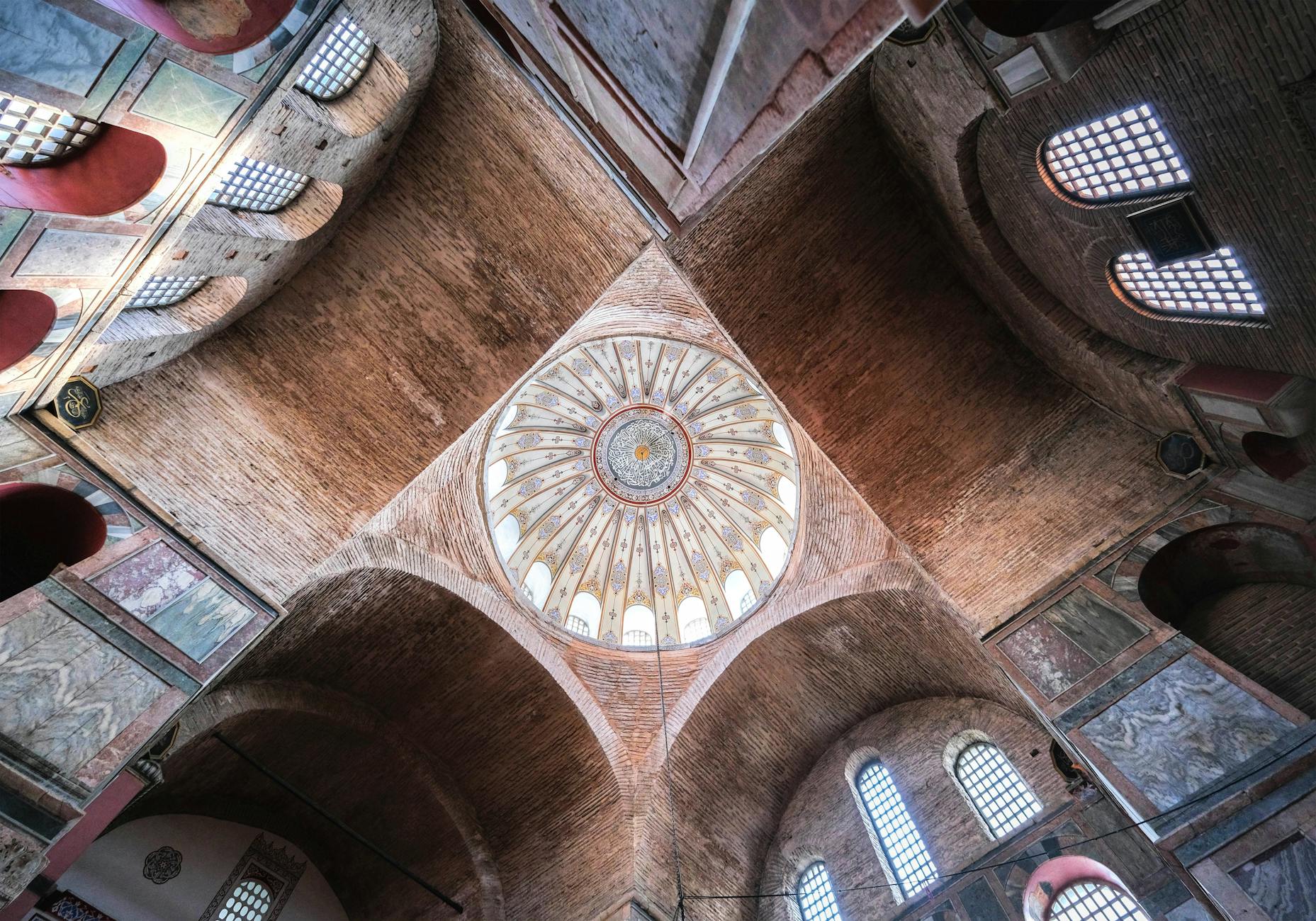
## Practical Magic: Planning Your Visit to Zeyrek
Zeyrek isn’t a place you just stumble upon by accident; it’s a destination you choose with intention. Even though it feels like a world frozen in time, getting here in 2026 is actually quite simple, thanks to Istanbul’s ever-expanding transit network. However, because this is a living, breathing **mahalle** (neighborhood) and not a curated museum, a little bit of local know-how goes a long way.
### Getting There: Metro or Tram?
If you are coming from the modern hubs of Beyoğlu or Maslak, take the **M2 Metro (the Green Line)**. You’ll want to get off at the **Haliç station**, which is literally suspended over the Golden Horn. From there, it’s a brisk ten-minute walk uphill. It’ll get your heart rate up, but the view of the ancient city walls appearing before you is worth the effort.
Alternatively, if you’re staying near the water, the **T5 Tramway** is your best friend. This line runs along the edge of the Golden Horn; hop off at the **Cibali** or **Fener** stops. From the coast, you’ll wind your way up through the narrow backstreets. By 2026 standards, a single journey on your **Istanbulkart** will cost you about 40 TL (roughly 0.80 USD), making it the most efficient way to travel like a local.
### Respecting the Mahalle Culture
Zeyrek is a conservative, traditional neighborhood. People here are incredibly hospitable, but they value their privacy and traditions. To truly blend in and show respect, I recommend dressing modestly—think of it as "smart casual" that covers shoulders and knees.
When you’re wandering with your camera, remember that these beautiful timber houses are people’s homes. It’s always polite to nod and offer a "Merhaba" (Hello) or ask "Müsait mi?" (Is it okay?) before snapping a photo of a local craftsman or a group of elders chatting at a tea house. This isn’t just about etiquette; it’s how you open the door to genuine conversation.
### Chasing the Golden Hour
If you want to see the "Old Istanbul" of postcards, timing is everything. I always tell my friends to arrive in the **late afternoon**. As the sun begins to dip, the light hits the weathered wooden facades—the **ahşap evler**—turning the grey timber into deep shades of amber and gold. This is the best time to capture the texture of the city. Plus, as evening approaches, the smell of fresh bread from the local *fırın* (bakery) begins to fill the air, signaling the neighborhood's transition into the quiet intimacy of night.
> **Berk's Insider Tip:**
> Wear shoes with a good grip! The stones in Zeyrek have been polished by centuries of footsteps and can be incredibly slippery, especially if there's even a hint of rain.
## Conclusion
For me, Zeyrek is where Istanbul stops trying to impress you and simply starts being itself. After fifteen years of navigating this chaotic, beautiful metropolis, this is the neighborhood I return to whenever I need to remember why I fell in love with this city in the first place. While the crowds in Sultanahmet are busy checking boxes and snapping photos of monuments, Zeyrek is busy living.
It represents the "true" Istanbul because it is a living collage of every era this city has survived. You’ll see a Byzantine brick wall leaning against an Ottoman wooden *konak* (mansion), which in turn houses a family that has likely lived there for generations. It’s authentic because it’s unpolished; it doesn’t wear a mask for tourists. It smells of woodsmoke, fresh bread from the local *fırın*, and the salty breeze blowing up from the Golden Horn.
My final piece of advice? Put your phone in your pocket and intentionally lose your way. The labyrinthine streets of the fourth hill aren't meant to be "navigated" by a GPS—they are meant to be felt. If you find yourself in a dead-end alley with laundry hanging overhead and a stray cat eyeing you from a crumbling windowsill, you’ve found the heart of the city.
Before you leave the area, make your way down toward the *Kadınlar Pazarı* (the Women’s Bazaar). Find a spot to sit and order a plate of *Büryan Kebap*—a tender, pit-roasted lamb specialty that is a rite of passage in this neighborhood. Wash it down with a glass of frothy, salty *Ayran*. Sit there, soak in the chatter of the locals, and realize that while Istanbul continues to rush toward the future, the soul of the city is right here, perfectly preserved in the quiet shadows of Zeyrek.
---
## Suleymaniye Mosque: Insider's Guide to Istanbul's Soul
URL: https://istanbulcool.com/suleymaniye-mosque-insider-guide
# More Than a Landmark: My Insider’s Guide to the Suleymaniye Mosque
I remember my first autumn in Istanbul, back in 2009. I had just moved into a drafty but charming apartment in **Moda**, on the Asian side, and I was still at that stage where every ferry ride felt like a cinematic event. I’d spend my afternoons crossing the Bosphorus, eyes glued to the skyline, trying to make sense of the jagged silhouette of minarets and domes that defines this city. Like most newcomers, I was initially drawn to the "Big Three": the Hagia Sophia, the Blue Mosque, and the Topkapi Palace. They are magnificent, don’t get me wrong. But there was one silhouette that seemed to follow me—a massive, perfectly proportioned crown sitting atop the Third Hill of the city, overlooking the Golden Horn.
That was the **Suleymaniye Mosque**.
Over the last 15 years, as I’ve transitioned from a confused expat to a seasoned local writer for *Berk*, I’ve visited this complex more times than I can count. While the crowds in Sultanahmet grew thicker and the "tourist menu" prices soared, Suleymaniye remained my sanctuary. It is, in my professional and personal opinion, the true heart of the city. It isn't just a place of worship; it’s an architectural masterpiece of the highest order, a testament to the genius of **Mimar Sinan**, and a living neighborhood that breathes the history of the Ottoman Empire.
If you’re the kind of traveler who hates being ushered through velvet ropes and prefers the smell of roasting chickpeas to the scent of overpriced perfume in a duty-free shop, this guide is for you. Put on your most comfortable walking shoes—we’re going up the hill.
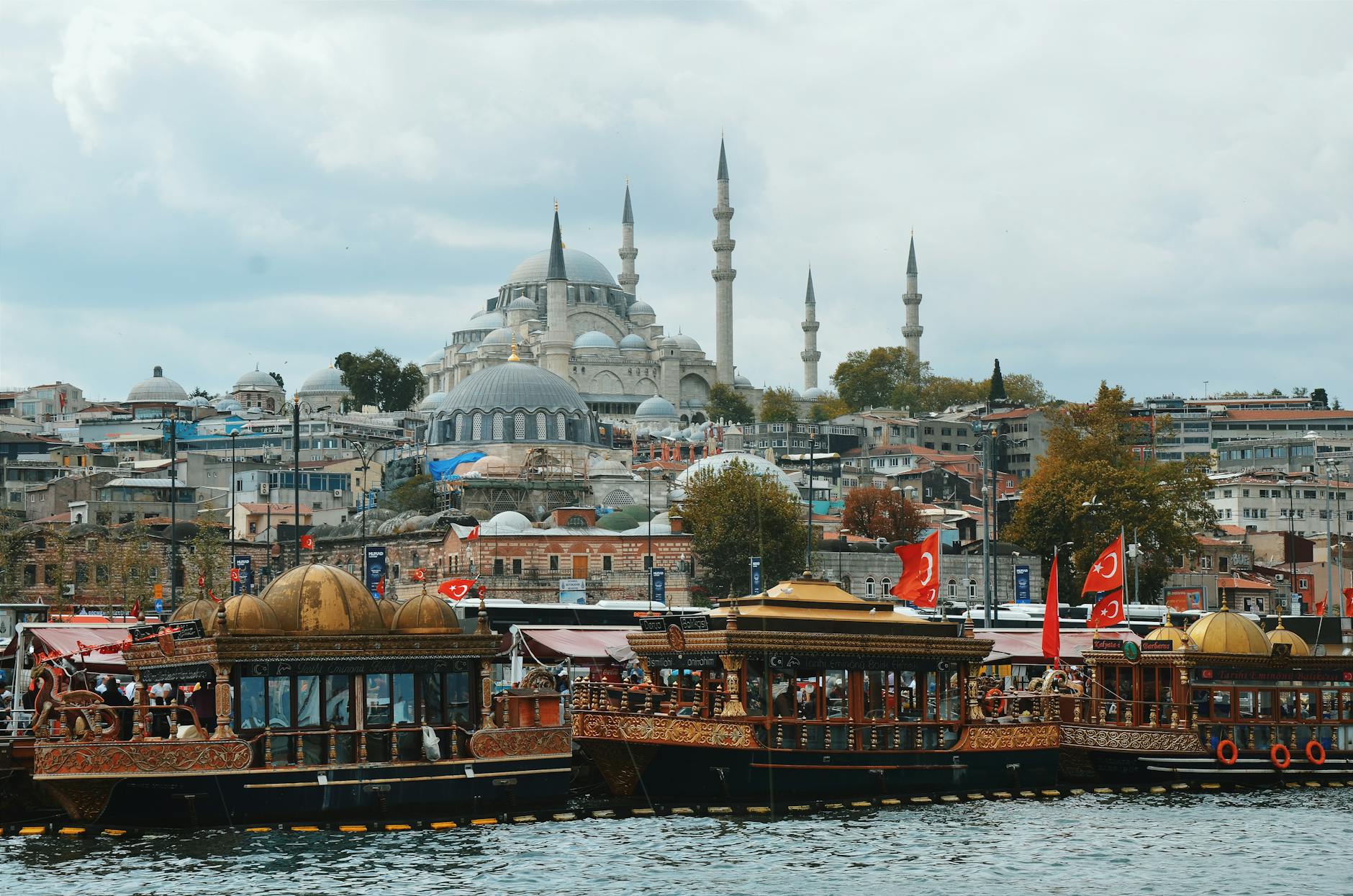
---
## Why the Suleymaniye Mosque Wins Every Time
In the rivalry of Istanbul’s great monuments, the **Suleymaniye Mosque** often plays second fiddle to the Blue Mosque in the eyes of tour bus operators. This is a blessing in disguise. While the Blue Mosque is undeniably beautiful with its six minarets and cascading domes, it often feels like a museum where you happen to catch people praying. It’s crowded, the queues are legendary, and the interior can feel a bit overwhelmed by the sheer volume of visitors.
Suleymaniye is different. It is vast. It is airy. It is filled with a specific kind of golden light that seems to have been engineered by **Mimar Sinan** himself (and, as we’ll discuss later, it actually was). When you step into the courtyard, the noise of the Eminönü markets—the shouting vendors, the honking taxis, the clatter of the tram—simply vanishes. It is replaced by the cooing of pigeons and the distant, rhythmic sound of the call to prayer echoing from across the water.
For me, Suleymaniye represents the "Golden Age" of the Empire. It was commissioned by **Suleiman the Magnificent** (Kanuni Sultan Süleyman), the longest-reigning Sultan of the Ottoman Empire, at the height of his power. He didn't just want a mosque; he wanted a *Külliye*—a social complex that included schools, a hospital, a library, and a public kitchen. When you walk through this area, you aren't just looking at a building; you are looking at a 16th-century "smart city" designed to care for the people from birth to death.
> **Berk's Insider Tip:**
> Most people enter the mosque from the main gate and leave immediately after. Don't do that. The real magic of Suleymaniye is in the "outer garden" (the *hazire*). Walk to the very back, behind the mosque, to the terrace overlooking the Golden Horn. It is, without a doubt, the **best view in Istanbul**. You can see from the Galata Bridge all the way to the skyscrapers of Levent, framed by the ancient walls of the mosque.
---
## The Master and the Sultan: A History of Ambition
To understand this mosque, you have to understand the man who built it: **Mimar Sinan**. If Leonardo da Vinci and Robert Moses had a child who was obsessed with stone and geometry, it would be Sinan. He was the Chief Architect for three sultans and lived to be nearly 100 years old. Suleymaniye was his "journeyman" work (he considered the Selimiye in Edirne his "masterpiece"), but for the rest of the world, Suleymaniye is the pinnacle of Ottoman architecture.
The construction began in 1550 and took seven years. Legend has it that the Safavid Shah of Persia, hearing that construction had slowed down, sent a box of jewels to Suleiman, implying that the Sultan had run out of money to finish the project. Suleiman, insulted, handed the jewels to Sinan, who promptly ground them into dust and mixed them into the mortar of one of the minarets. Whether the "Jewel Minaret" actually sparkles under the sun is a matter of debate, but the story perfectly captures the ego and the stakes involved in this project.
Sinan was an engineer before he was an architect. He served in the Janissaries (the elite infantry) and spent years building bridges and fortifications. This background is why Suleymaniye is still standing despite the numerous earthquakes that have leveled other parts of the city. The foundations are deep, filled with water-resistant mortar, and the entire structure is designed to "flex" rather than break.
The four minarets are not a random choice. They signify that Suleiman was the fourth Sultan to rule from Istanbul. The ten balconies (*şerefe*) on those minarets indicate that he was the tenth Sultan of the Ottoman dynasty. Every stone here tells a story of lineage and legitimacy.
---
## A Sensory Journey: What It’s Like Inside
Stepping into the main prayer hall of the **Suleymaniye Mosque** is a sensory experience that stays with you.
**The Sound:** The first thing you notice is the silence. Despite its size, the acoustics are perfect. Sinan famously placed 64 large hollow jars around the dome, acting as resonators. If you stand in the center and whisper, your voice carries. During the Ottoman era, this allowed the Imam’s voice to reach every corner of the room without any electronic amplification. Even today, with the muffled footsteps on the thick carpets, there’s a heavy, respectful quietness that feels sacred.
**The Sight:** Look up. The dome is 53 meters high—exactly double its diameter. This mathematical harmony creates a sense of "weightlessness." Unlike the dark, brooding cathedrals of Northern Europe, Suleymaniye is flooded with light. There are over 200 stained-glass windows, designed by the famous "Drunkard" Ibrahim (his nickname was a bit of an irony, given his beautiful work on mosques). The light filters in, illuminating the **Iznik tiles** and the masterful **calligraphy** of Ahmed Karahisari.
**The Air:** There is a faint scent of aged wood, old wool, and a hint of rosewater. But here’s a secret for the "tech" nerds: Sinan built a "smoke room" (*is odası*) above the main entrance. In the days of thousands of oil lamps and candles, the soot would normally blacken the walls. Sinan designed an airflow system that sucked all the smoke into this small room. The soot was then collected and used to make the highest-quality black ink for the Sultan’s calligraphers. It was the world's first "green" air filtration system.
**The Texture:** Run your hand along the marble columns. They were recycled from ancient ruins—one from Alexandria, one from Baalbek, and two from Byzantine palaces in Istanbul. The history of the Mediterranean is literally baked into these walls.
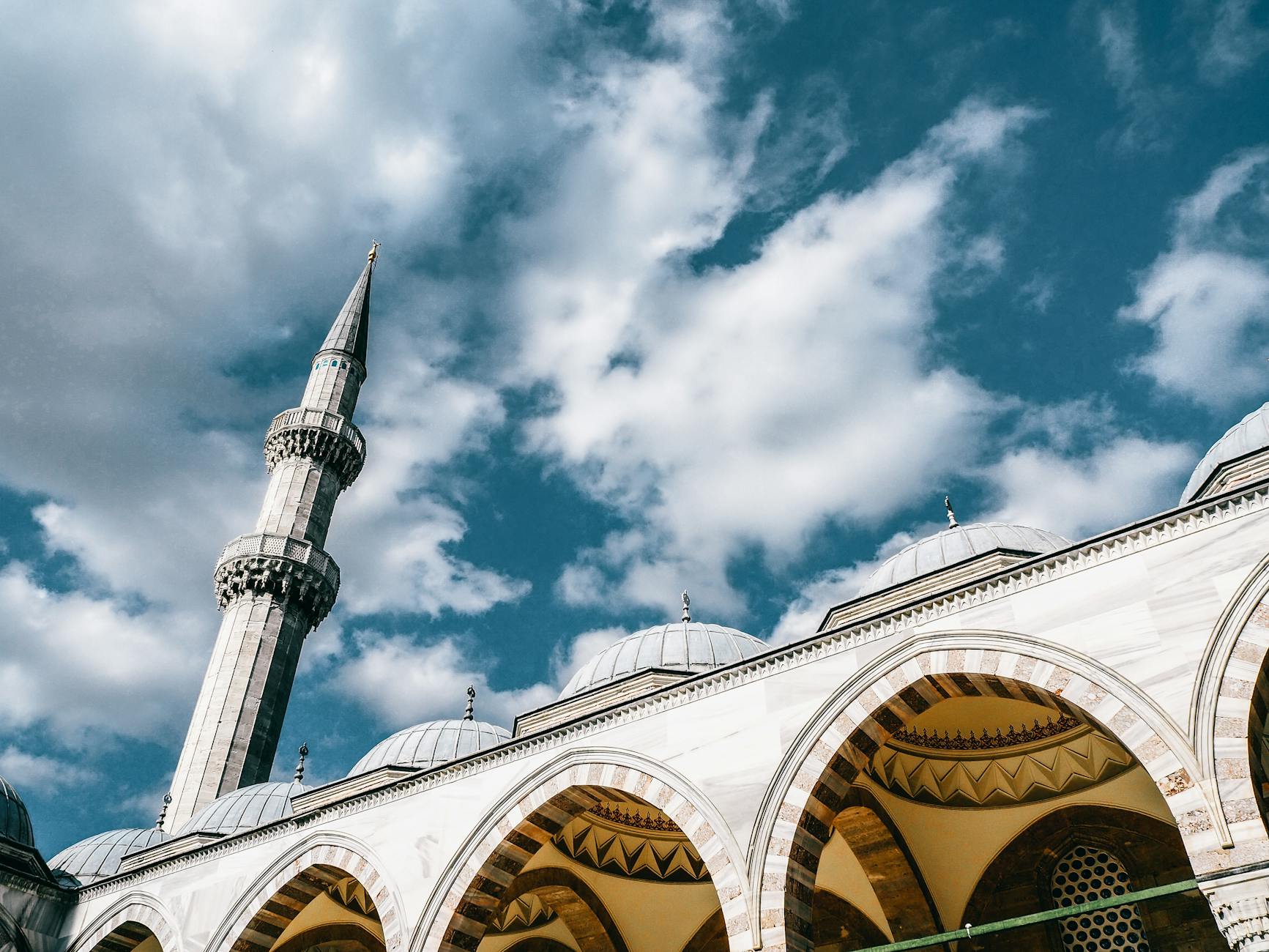
---
## Practical Information: Planning Your Visit
Getting to Suleymaniye is half the fun, but it can be confusing if you’re relying on old maps. If you are coming from my side of the city (Kadikoy/Moda), you’ll want to take the ferry to Eminönü. From there, it’s a steep 15-minute walk uphill.
For more details on navigating the city's ferries and trams, check out [The Ultimate Guide to Public Transport in Istanbul](https://istanbulcool.com/istanbul-public-transport-guide).
| Category | Details |
| :--- | :--- |
| **Opening Hours** | Daily from 09:00 to 18:00 (Closed to tourists during prayer times) |
| **Entrance Fee** | **Free** (Donations are welcome) |
| **Best Time to Visit** | 09:00 AM (avoiding the heat and mid-day prayer) |
| **Dress Code** | Modest. Shoulders and knees covered. Women must wear a headscarf (available for free at the entrance). |
| **Nearby Transit** | M2 Metro (Vezneciler Station) or T1 Tram (Eminönü/Laleli) |
| **Crowd Level** | Moderate (Significantly less than the Blue Mosque) |
| **Berk's Vibe Rating** | 10/10 - Authentic, spiritual, and visually stunning. |
---
## Beyond the Dome: The Tombs and the Neighborhood
Once you’ve soaked in the interior, head out to the garden. This is where the heavy hitters are buried.
### The Tombs of Suleiman and Hürrem
In a separate walled garden behind the mosque, you’ll find two of the most significant mausoleums in the Islamic world. The first is that of **Suleiman the Magnificent**. It is an octagonal building, decorated with exquisite tiles that make the interior look like a garden of paradise.
Right next to him is the tomb of his wife, **Hürrem Sultan** (known in the West as Roxelana). Her story is the stuff of legends—a captive who rose to become the most powerful woman in the Empire. Her tomb is smaller but arguably more elegant, filled with floral Iznik tiles that reflect her influence on the arts. Visiting these tombs is a somber, beautiful experience. You see locals coming here to pray and pay their respects to the figures who shaped their national identity.
### The Hidden Workshops of Vefa
Most tourists head straight back down to Eminönü after seeing the mosque. Don't be "most tourists." Walk west into the neighborhood of **Vefa**. This is one of the oldest residential areas in Istanbul, and it feels like time stopped around 1950.
You’ll see small workshops where artisans are still making traditional Turkish instruments, wooden furniture, and copper pots. The air here smells like sawdust and strong tea. This is the "Real Istanbul" you came for.
> **Berk's Insider Tip:**
> If you are visiting in the winter or autumn, you MUST go to **Vefa Bozacısı**. It has been serving *boza* (a fermented malt drink topped with cinnamon and roasted chickpeas) since 1876. Even Atatürk used to drink here; his cup is still on display. It’s an acquired taste—thick and slightly tart—but it is the quintessential Istanbul winter experience.
---
## Berk's Honest Verdict: The Pros and the Cons
I’m a travel writer, not a PR agent. Even my favorite places have their downsides, and I want you to be prepared.
### The Pros
* **Architectural Superiority:** It is objectively a better piece of architecture than the Blue Mosque. The sense of space and the engineering behind the dome are world-class.
* **The View:** I will say it again: the terrace view of the Bosphorus and the Golden Horn is worth the flight to Turkey alone.
* **Authenticity:** You will see more locals than tourists here. It feels like a living part of the city, not a theme park.
* **The Food:** The area surrounding the mosque is famous for **Kuru Fasulye** (white bean stew). It sounds simple, but at places like **Ali Baba Kuru Fasulyeci**, it is a culinary masterpiece. The beans are creamy, the butter is rich, and the view of the mosque while you eat is unbeatable.
### The Cons
* **The Hill:** The walk up from Eminönü is brutal in the July heat. If you have mobility issues, take a taxi or the M2 Metro to Vezneciler and walk down the hill instead.
* **Scammers:** While less common here than in Sultanahmet, you might still encounter "friendly" locals who want to show you a "hidden carpet shop" or a "special rooftop." Politely say "*Hayır, teşekkürler*" (No, thank you) and keep walking.
* **Noise during Prayer:** If you visit during the *Ezan* (call to prayer), you cannot enter the mosque. Check the prayer times online before you go. The wait can be 30-45 minutes.
### Berk’s Alternative:
If you find Suleymaniye is actually too crowded for your taste (rare, but it happens during holidays), head over to the **Rüstem Paşa Mosque** down in the spice market area. It was also designed by Sinan and is famous for having even more Iznik tiles per square inch than any other mosque in the city. It’s tiny, hidden on a second floor above some shops, and usually empty.
---
## Walking the Neighborhood: A Local’s Path
If you’ve finished at the mosque and want to keep exploring, I highly recommend walking towards the **Valens Aqueduct**. This massive Roman structure still straddles one of the city’s main arteries. From Suleymaniye, it’s about a 10-minute walk through the backstreets.
Along the way, look for the **Mimar Sinan Terrace Cafe**. It’s a bit of a "tourist" spot, but the view is legitimate. If you want something more "Moda-style" and hip, you'll have to cross the bridge back to my neighborhood. For a breakdown of that side of the city, see my [Walking Tour of Kadıköy and the Moda Coastline](https://istanbulcool.com/kadikoy-moda-walking-tour-guide).
The transition from the ancient, religious atmosphere of Suleymaniye to the bustling, student-heavy streets of the university district nearby (Istanbul University) is one of my favorite things about this city. You can feel the layers of time shifting under your feet.
---
## Frequently Asked Questions (FAQ)
### 1. Is the Suleymaniye Mosque better than the Blue Mosque?
"Better" is subjective, but from an architectural and historical standpoint, most experts (and locals like me) prefer Suleymaniye. It is larger, brighter, and offers a more peaceful experience without the crushing crowds of Sultanahmet. Plus, the surrounding complex (the *Külliye*) is much better preserved.
### 2. What should I wear when visiting?
Istanbul is a cosmopolitan city, but mosques are active places of worship. Men should avoid shorts and tank tops. Women need to cover their hair, shoulders, and legs. If you forget your scarf, don't worry—the mosque staff provides clean wraps and scarves at the entrance for free.
### 3. Can I take photos inside?
Yes, but be respectful. Flash photography is generally frowned upon, and you should **never** take photos of people while they are praying. During non-prayer times, feel free to capture the dome and the tiles. The "No Photography" signs are usually aimed at professional crews, but as a tourist with a smartphone or a DSLR, you’re fine.
### 4. Where is the best place to eat near Suleymaniye?
The area is legendary for **Kuru Fasulye** (white beans). Look for the row of restaurants directly across from the mosque's main entrance. **Erzincanlı Ali Baba** is the most famous. Order the beans, a side of *pilav* (rice), and a bowl of *turşu* (pickles). It’s the ultimate Turkish comfort food.
### 5. How long does it take to see the whole complex?
If you just want to see the mosque, 30 minutes is enough. However, if you want to see the tombs, walk through the madrasas, enjoy the view from the terrace, and have lunch, you should budget at least 2 to 3 hours. It’s a place that rewards slow exploration.
---
## The Soul of Istanbul in One Dome
After 15 years in this city, I’ve learned that Istanbul isn't about the monuments themselves; it’s about the way they interact with the life around them. The **Suleymaniye Mosque** isn't a museum piece frozen in time. It’s where the students from the nearby university come to study in the gardens, where old men gather to discuss politics after the noon prayer, and where the sunset hits the Golden Horn in a way that makes you forget all the chaos of the city below.
When you stand on that back terrace, looking out over the water towards Galata, you aren't just a tourist. For a moment, you’re part of the same skyline that Sinan and Suleiman gazed upon five centuries ago. That connection to history—raw, beautiful, and unfiltered—is why I still call this city home.
Don't just check it off your list. Go there, sit on the carpet, listen to the silence, and let the genius of Sinan tell you the story of Istanbul.
**Berk**
*Senior Writer, Berk*
*Moda, Istanbul*
---
*Enjoyed this guide? Don’t forget to check out our other deep dives into the city’s heart at [istanbulinsider.com](https://istanbulinsider.com).*
---
## The Only Reason I Brave the Traffic to Spend an Afternoon in Teşvikiye
URL: https://istanbulcool.com/survival-guide-to-tesvikiye-nisantasi
I hate Nişantaşı. Truly. I hate the way the taxi drivers look right through you like you’re a piece of garbage clogging their lane. I hate the smell—that nauseating mix of idling diesel exhaust and five-hundred-dollar oud perfume. Every time I step onto these sidewalks, the sheer, unadulterated ego of the place hits me like a wet slap. It’s exhausting. Yet, here I am again. It’s Tuesday. I’m squeezed into a tiny metal chair in Teşvikiye, dodging a delivery scooter that missed my left kneecap by a hair. My espresso cost more than my actual lunch yesterday. The waiter? He hasn't looked at me once. He’s too busy pretending he’s in a French new-wave film to notice a guy who’s lived here for fifteen years. But I keep coming back. God help me, I do. Because beneath the fillers and the frantic honking, this neighborhood has a pulse. A real one. It’s messy and rude and overpriced, but it’s the only corner of this city where the chaos feels earned. I'm not here for the gold-plated nonsense. I'm here for the grit.
## The Reality of Nişantaşı Traffic and Noise
Nişantaşı is the loudest, most suffocating district in the city, and anyone who tells you it’s a peaceful stroll is probably trying to sell you a 500-dollar handbag you don't need. I’ve lived in Istanbul for 15 years, and I still have to mentally prepare myself before I step off the metro at Osmanbey. It is a sensory assault. You aren't greeted by the smell of sea salt or roasting chestnuts; you’re greeted by a thick, heavy wall of **smog** and the metallic screech of a thousand brake pads.
### The Valikonağı Nightmare
**Valikonağı Caddesi** is where your patience goes to die. I’m not being dramatic. It’s a case study in human stubbornness. You have these massive public buses trying to squeeze past double-parked SUVs, while pedestrians weave through the gaps like they have a death wish. It’s a mess. I stood on the corner for 10 minutes yesterday just watching a delivery guy try to navigate a motorized scooter through a gap that wouldn't fit a bicycle. He failed. He yelled. The car driver yelled back. That is the soundtrack of Teşvikiye.
If you are looking for the [best neighborhood to stay](https://istanbulcool.com/best-neighborhoods-to-stay-istanbul-local-vibe) to avoid this kind of headache, look elsewhere. I love this city, but I hate what the car culture has done to this specific corner of it.
### The Taxi Trap: Just Don't
Don't even think about getting into one of those **yellow taxis** here. Seriously. Just don't. It is a trap in every sense of the word.
1. **They won't take you:** If you want to go somewhere "too close," they'll wave you away with a disgusted look.
2. **The Meter is a Lie:** Even if they take you, you'll sit in the same spot on **Abdi İpekçi** for 20 minutes while the meter ticks up and the driver chain-smokes out the window.
3. **The Escape is Faster:** You can literally walk from the top of the hill to the Beşiktaş coastline faster than a car can crawl through the gridlock.
I’ve lost hours of my life sitting in the back of a cab here, staring at the back of a bus, smelling nothing but exhaust and regret. Use your legs.
### Luxury Glass and Crumbling Clay
There’s a ridiculous contrast here that always cracks me up. You have these gleaming, high-end storefronts—Prada, Louis Vuitton, the whole lot—with window displays that cost more than my apartment. But look down. The sidewalk tiles are a disaster. They’re loose, uneven, and if it has rained in the last 24 hours, they turn into little traps. Step on the wrong one and *boom*—grey, oily street water all over your shoes.
> **Berk's Insider Tip:**
> If you need a bathroom and don't want to buy a 200 TL coffee, head into City's Nisantasi mall. It's the only clean, free option that won't give you a headache.
It’s this weird mix of extreme wealth and basic infrastructure failure that makes this **Istanbul neighborhood guide** necessary. You need to know that the "glamour" of Nişantaşı comes with a side of grime. The noise is constant. The construction is never-ending. Someone is always drilling something into a wall at 09:00 AM. It’s frustrating, it’s crowded, and it’s loud. But for some reason, I keep coming back. Maybe I'm just a glutton for punishment, or maybe there's something real buried under all that engine heat.
## The Best Coffee Spots in Teşvikiye
Most people in this neighborhood don't actually give a damn about the bean; they care about who sees them holding the cup. If you’re looking for a quiet, soul-searching moment with a pour-over, stay on the ferry and head back to Kadıköy. Teşvikiye is loud, it’s pretentious, and the smell of expensive perfume usually overpowers the aroma of the roast. But, I’ve lived here for 15 years, and I’ve learned that if you want a decent **espresso** while watching the madness of Nişantaşı unfold, you have to play the game.
### The MOC Istanbul Circus
I have a love-hate relationship with **MOC Istanbul**. Mostly hate, if I’m being honest, but the coffee keeps me coming back like a glutton for punishment. It is, without a doubt, the loudest place on the planet. Why do they feel the need to blast deep house at 10:00 AM? I sat there last Tuesday trying to read a manuscript, and the bass was literally vibrating my chair. It’s obnoxious. The service? Usually hit or miss. I once waited 15 minutes for a flat white while the barista discussed his weekend plans with a regular.
However—and this is a big "however"—their **third wave coffee** is actually legitimate. They don't burn the beans into charcoal like the big chains. If you can stomach the noise and the sea of influencers posing with their lattes, the actual liquid in the cup is some of the best in the city. Just don't expect a "relaxing" experience. You’re there to be caffeinated and overstimulated. Period.
### Finding a Corner at Petra and Cup of Joy
When I can't take the MOC ego anymore, I head toward **Petra Roasting Co**. It’s tucked away a bit better, but don't think you’re finding a "hidden" spot—nothing in this zip code is a secret. Petra is where the "creative directors" and architects hang out. It feels a bit more grown-up. The coffee quality is top-tier. I’m a snob about acidity, and Petra usually gets it right. They respect the bean.
But here’s the reality: finding a seat is a blood sport. I’ve seen grown men in 5,000-Lira loafers almost come to blows over a small wooden stool near the window. If you manage to snag a spot, hold onto it.
**Cup of Joy** is my other go-to when I need to actually hear my own thoughts. It’s smaller, a bit more tucked into the passage, and feels less like a runway. The **Tesvikiye cafes** scene is exhausting, so having a place where the staff actually recognizes you after 3 visits is a luxury. Their flat white is consistent. No surprises, no burnt milk, just a solid caffeine hit.
### The "People-Watching Tax"
You have to understand something about the **best coffee Nisantasi** has to offer: you aren't just paying for the caffeine. You’re paying the "people-watching tax." A latte here costs significantly more than it does three metro stops away. Why? Because you’re paying for the curb-side real estate.
I’ve spent countless afternoons sitting on a hard metal chair, breathing in the exhaust fumes from a line of idling taxis on Teşvikiye Caddesi, just to watch the chaos. It’s a theater of the absurd. You’ll see socialites walking dogs that cost more than my car, students pretending to study while scouting for celebrities, and the occasional confused tourist wondering why everything is so expensive. It’s messy, it’s superficial, and I absolutely love it.
| Cafe | Noise Level (1-10) | Coffee Snob Grade | The "See and Be Seen" Factor |
| :--- | :--- | :--- | :--- |
| MOC | 11 | A- | Maximum Ego |
| Petra | 7 | A+ | Intellectual Chic |
| Cup of Joy | 4 | B+ | Low Profile |
| Grandma | 8 | B | High-Society Brunchers |
### Is it worth it?
Honestly? Sometimes I wonder. I’ll be sitting there, my ears ringing from the music, paying 90 Lira for a cup of coffee while a delivery scooter nearly clips my knees on the sidewalk. It’s chaotic. It’s dirty. The waiters can be dismissive if you aren't wearing the right brand.
But then I take a sip of a perfectly pulled shot from a **third wave coffee** roaster, watch the sun hit the top of the Teşvikiye Mosque, and I get it. This neighborhood has an energy that you can't find anywhere else in Istanbul. It’s the friction between the high-end polish and the gritty reality of a city of 16 million people. You don't come here for peace. You come here to feel the pulse of the city, even if that pulse is a bit too fast and a bit too loud.
Just do me a favor: if you go to MOC, don't be the person taking 400 photos of your latte art. Just drink the damn coffee.
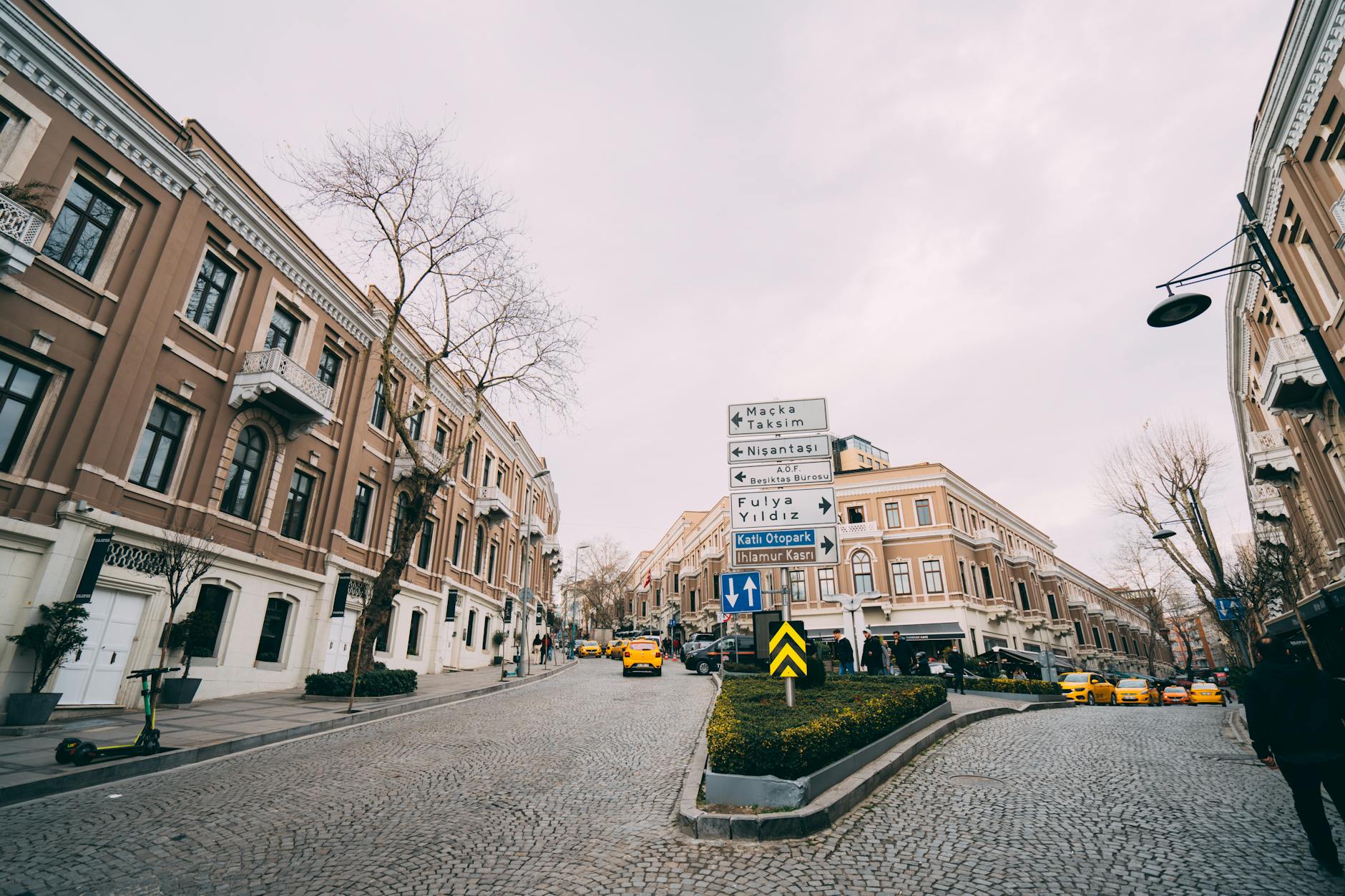
## What to Eat When You’re Sick of Trendy Food
Stop looking at the menus with avocado toast and "artisan" sourdough. It’s a scam. If you want to eat like a human being who actually lives in Istanbul, you go straight to **Hünkar Lokantası**. Don’t bother with those overpriced burger joints that look like they were copy-pasted from a London side street. I’ve seen 10 of them open and close in the 15 years I’ve lived here, and frankly, I hope the rest follow suit. They’re loud, the chairs are uncomfortable, and the food has no soul.
Hünkar is different. It’s the only place in the neighborhood that deserves your time and your money. It’s an **Esnaf Lokantası** (tradesman restaurant) that went upscale but kept its dignity. When I walk in, I don’t want a QR code menu. I want to look at the trays. I want to see the glaze on the eggplant and the steam rising from the lamb.
### The Real Deal: Hünkar Lokantası
I remember taking a friend there last July. The humidity was 90%, the traffic on Valikonagi was a nightmare of honking taxis and exhaust fumes, and I was in a foul mood. One plate of their **Zeytinyağlı** (vegetables poached in olive oil) fixed me.
Why is it better than the "fusion" junk next door?
1. **The Technique:** They don't overcomplicate things. The artichokes aren't "infused" with nonsense; they just taste like the best artichokes you've ever had.
2. **The Consistency:** I’ve eaten here 50 times. The *Hünkar Beğendi* (lamb stew over smoky eggplant purée) tastes exactly the same today as it did a decade ago.
3. **The Vibe:** The waiters are professionals. They aren't 19-year-olds trying to be actors. They know the menu. They’ll tell you if the okra is particularly good today. Listen to them.
> **Berk's Insider Tip:**
> Look for the 'Topağaçı' sub-district within Teşvikiye. It’s where the actual locals hang out to avoid the influencers on the main drag.
### Avoiding the Trap
I hate to say it, but most **Nisantasi restaurants** are designed for Instagram, not for your stomach. You’ll see people spending 30 minutes taking photos of a cold poached egg while a line of frustrated drivers screams outside the window. It’s pathetic.
If you aren't in the mood for a full sit-down meal at Hünkar, look for the survivors in the backstreets. There’s a tiny place near the mosque—I won't give the name because it's already too crowded—where the **Lahmacun** is so thin it’s like a cracker. That’s the Teşvikiye I love. The one where you’re squeezed between a guy in a 5,000-dollar suit and a delivery driver, both of you covered in flour and grease.
I’ve had enough of the "clean eating" trend. Give me something that has been simmering for 6 hours. If you want a sterile experience, go to a mall. If you want to feel the city, you eat where the table wobbles a little and the air smells like roasted meat. It’s a bit like going to a traditional [Istanbul meyhane](https://istanbulcool.com/istanbul-meyhane-raki-etiquette-guide)—there’s a specific rhythm to it that you can’t fake with neon lights and "industrial" decor.
Seriously, don't be tempted by the place with the pink flowers on the wall. The food is garbage. I tried it once because my cousin insisted, and I’m still mad about the 400 lira I spent on a dry chicken wrap. Stick to the classics. Your stomach will thank me, even if your feet are sore from dodging the Vespas on the sidewalk. Teşvikiye is messy, loud, and expensive, but when you’re sitting in front of a plate of Hünkar’s rice pudding, none of that matters. Just eat. Then get out before the evening rush hour turns the streets into a parking lot.
## Teşvikiye Mosque and the Neighborhood Square
I honestly believe if you want to understand the identity crisis of 19th-century Istanbul, you just need to stand in front of Teşvikiye Camii for 5 minutes. Most tourists waste their time at the Blue Mosque, but that’s a museum. This? This is a living, breathing contradiction. Sultan Abdülmecid commissioned this thing back in 1854, and he clearly wasn't looking for traditional aesthetics. He wanted Neo-Baroque. He wanted to show the world that the Ottomans could do "European" better than the Europeans.
The architecture is weird. I mean that in a good way. Those massive columns and those tall, skinny windows feel more like a Parisian opera house than a place of prayer. It’s a middle finger to the old-school lead domes and Iznik tiles you see in Sultanahmet. It’s bold. It’s slightly arrogant. It’s pure **Istanbul history** wrapped in a fancy marble coat.
### The High-Society Send-off
Don't be shocked if you stumble upon a crowd of paparazzi and men in very expensive suits. Teşvikiye Mosque is the unofficial funeral parlor for the city's "Old Money" and the celebrity elite. I remember being stuck in a human bottleneck here a few years back because some famous singer was being buried. The air smelled of expensive perfume and cheap diesel exhaust.
It’s a spectacle. You’ll see women in Chanel sunglasses weeping next to street vendors selling simit. This square is where the secular elite of Nişantaşı comes to face their mortality. It’s the only time these people ever set foot in a mosque, and the tension between the religious space and the high-fashion surroundings is thick enough to cut with a knife. Slightly morbid? Maybe. But it’s the most authentic slice of upper-class life you’ll find.
### The Real Owners of the Courtyard
While the humans are busy posing or praying, the cats are running the show. The Teşvikiye cats are different from the ones in Kadıköy or Galata. They have an attitude. They’re well-fed—probably on gourmet treats—and they own the **Teşvikiye Camii** courtyard like they built it themselves. I once watched a fat calico cat stare down a security guard until he moved his chair out of her sunspot.
The stone floor is usually covered in a bit of city grime and fallen leaves, but the cats don't care. They sleep on the historical ledges of the **Ottoman architecture** like they’re lounging in a 5-star hotel. It’s a mess of fur and history. Just don't try to pet them unless they give you the nod. They’ve seen enough socialites to know how to spot a fake.
> **Berk's Insider Tip:**
> Visit the Teşvikiye Mosque during a call to prayer; the way the sound bounces off the narrow high-end streets is eerie and beautiful.
## How to Get to Teşvikiye Without Losing Your Mind
If you try to drive a car into Teşvikiye, you deserve the 2-hour traffic jam you’re about to endure. I’m serious. I’ve lived in this city for 15 years, and I still see people trying to find "street parking" near the mosque like they’re looking for the Holy Grail. It doesn’t exist. Every available inch of curb is owned by a valet with a bad attitude or blocked by a delivery truck leaking diesel fumes onto the pavement.
### The Only Sane Way: The M2 Metro Line
The **M2 Metro Line** is the only way to get here without needing a therapy session afterward. You get off at **Osmanbey**. Don't get confused and stay on until Hacıosman; that’s a one-way ticket to the suburbs. Once you’re at Osmanbey, follow the signs for the "Rumeli" exit. If you take the wrong stairs, you’ll end up in a sea of wholesale textile shops selling cheap sequins.
Once you hit the daylight, the walk to Teşvikiye takes maybe 10 minutes. It’s a narrow, crowded sidewalk experience. You’ll be dodged by delivery guys on scooters and tourists who stop dead in the middle of the path to look at Google Maps. Just keep moving. The transition from the grit of the metro exit to the high-end storefronts of **Nisantasi** happens fast. One minute you’re smelling exhaust and stale simit, the next you’re smelling expensive perfume and ego.
### The Beşiktaş Hill: A Vertical Nightmare
I see people on social media suggesting the walk up from Beşiktaş. Don't listen to them. They probably didn't actually do it, or they have lungs made of steel. The climb from the coast up to Teşvikiye is a vertical nightmare. It’s steep, the sidewalks are broken, and by the time you reach the top, you’ll be sweating through your shirt.
If you just finished my [Bosphorus ferry-hopping](https://istanbulcool.com/bosphorus-ferry-hopping-walking-tour) and found yourself at the Beşiktaş pier, do yourself a favor: take a **Dolmuş**. These yellow mini-buses are the chaotic lifeblood of the city. You squeeze in, pass your money to the stranger in front of you, and pray the driver doesn’t hit a pedestrian as he flies up the hill. It’s 10 times better than walking that incline.
### My Rules for Navigating the Chaos
To make sure you actually enjoy your afternoon instead of spending it swearing at a taxi meter, follow these rules:
1. **Forget the Taxis:** They will refuse to go into the narrow side streets of Teşvikiye anyway. They’ll drop you 4 blocks away and charge you for the "scenery" of a traffic jam.
2. **Osmanbey is King:** Use the metro. It’s fast, it’s air-conditioned (usually), and it doesn't care about the gridlock on Vali Konağı Caddesi.
3. **The 26B Bus Trap:** Avoid it. It looks like a good idea on paper, but it gets stuck in the same traffic as everyone else. I’ve spent 40 minutes on that bus moving exactly 200 meters.
4. **Parking is a Myth:** If you absolutely must drive, use one of the multi-story car parks (Otopark) near Maçka Park. It’ll cost you a fortune, but at least you won't be blocked in by a delivery van for 3 hours.
I remember once trying to be "smart" and taking a shortcut through the back alleys of Şişli in my own car. I ended up stuck behind a trash truck for 30 minutes while a guy yelled at me in Turkish for "blocking his spot" that was clearly just a sidewalk. I sold that car 2 years later. Now, I walk or I take the M2. It’s the only way to keep your dignity intact in this neighborhood.
## Shopping for Things You Don't Actually Need
Buying things you don’t need is the only honest way to spend money in Teşvikiye. If you’re coming here to buy a pair of sneakers you can find at any airport mall in the world, you’re wasting your time and my patience. I’m here for the overpriced ink, the books that weigh 5 kilos, and the vintage sunglasses that make me look like a 1970s film director.
### The Bookshop Snobs and the Paper Addicts
I have a complicated relationship with **Robinson Crusoe 389**. When they moved from their legendary spot on Istiklal, a piece of my soul withered. But seeing them here, surviving against the odds, is a small miracle. It’s cramped. It’s quiet. If you talk too loud on your phone, the staff will give you a look that could freeze a Bosphorus current. I love that. I once spent 3 hours there just smelling the paper.
Then there’s **Assouline**. It’s the peak of pretension, really. They sell books that cost more than my first car. But God, they are beautiful. Walking in there feels like stepping into a library owned by a very wealthy, very eccentric uncle who probably lives in Paris. I don't need a massive tome on the history of yachts, but looking at it makes the grey Istanbul rain outside feel a bit more manageable.
I’ll take a tiny stationery shop over the **Gucci flagship** any day of the week. There’s a specific kind of madness in paying 200 Lira for a Japanese pen, but the way it glides across a notebook is better than any therapy session I’ve had in 15 years. These **Tesvikiye boutiques** aren't about "shopping"; they're about the tactile thrill of things that haven't been mass-produced in a factory the size of a small city.
### Malls are for Tourists; Streets are for the Rest of Us
Let’s talk about **City’s Nişantaşı**. Look, I get it. It’s convenient. It has air conditioning that actually works when the humidity hits 90%. But it’s also a soul-sucking void of generic **luxury brands**. The air in there is 40% recycled oxygen and 60% expensive perfume. I only go inside if I’m desperate for a cinema seat or if I need to use a clean bathroom.
I’d much rather dodge the erratic taxi drivers on **Abdi İpekçi Street**. Yes, it’s flashy. Yes, the sidewalk is a catwalk for people who have had way too much filler in their lips. But at least it’s real. You have the **art galleries** tucked into the upper floors of those gorgeous, crumbling apartment blocks. You have the vintage shops where you might find a Chanel scarf from the 80s if you’re willing to dig through the dust.
Last Tuesday, I walked past a shop window and saw a brass stapler shaped like a crocodile. It was completely useless. It probably wouldn't even staple 2 sheets of paper together. I stood there for 5 minutes debating whether to buy it. I didn't, and I've regretted it every hour since. That’s the Teşvikiye experience. It’s not about logic. It’s about the "want" overriding the "need" until your wallet is empty but your shelf looks incredible.
Skip the big malls. Find the shops that don’t have a security guard at the door. Those are the ones that actually matter in **Nisantasi shopping**.
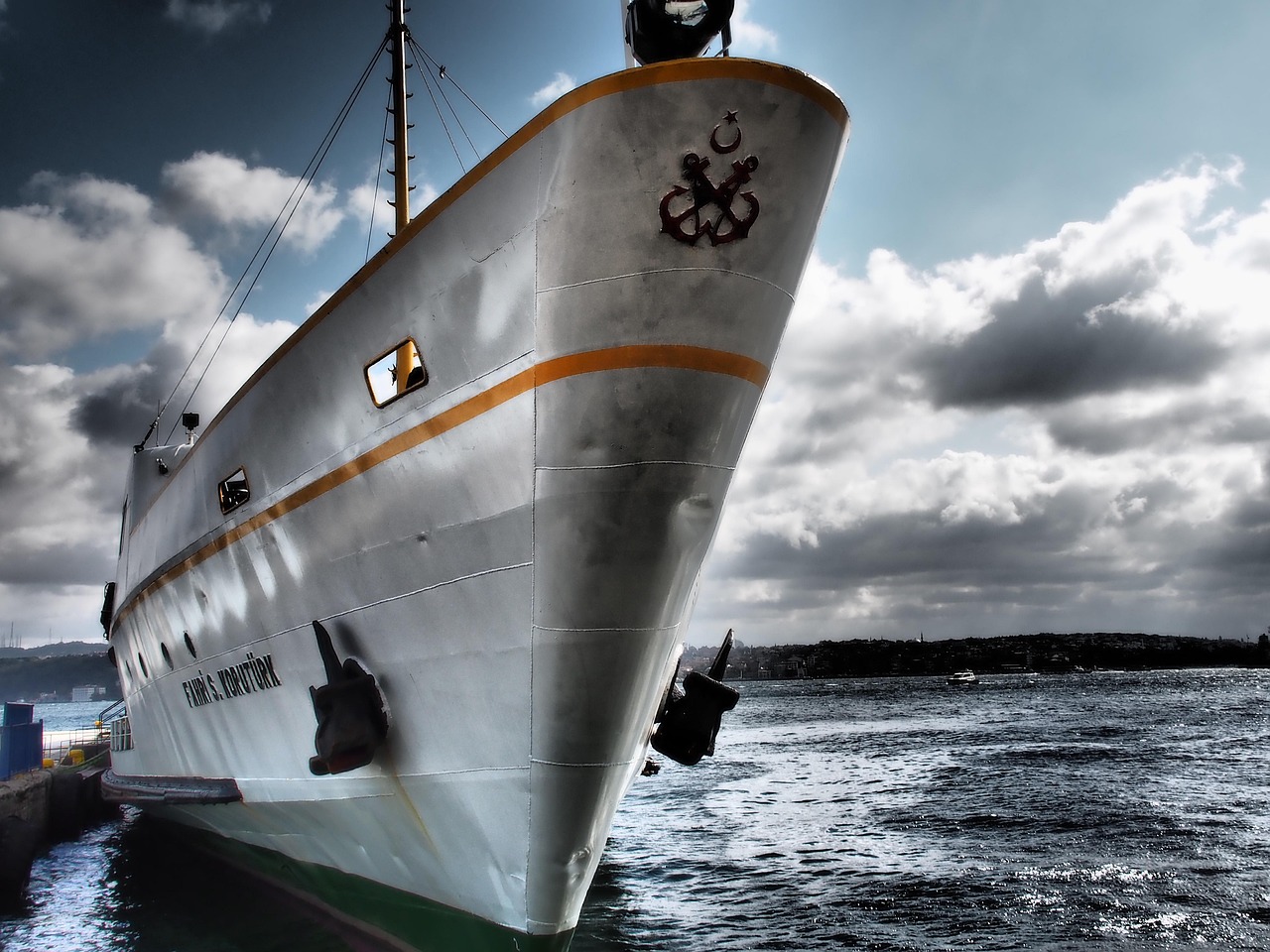
## Frequently Asked Questions
Don’t even think about driving a car into this neighborhood on a Friday afternoon unless you enjoy watching your life expectancy drop in real-time. The gridlock around Teşvikiye isn’t just bad; it’s a localized catastrophe of exhaust fumes and angry men honking at shadows. I’ve spent 15 years in this city, and I still lose my temper every time I get stuck on Vali Konağı Caddesi. Just take the M2 Metro to Osmanbey and walk. Your legs will hurt, but your soul will remain intact.
### Is Nişantaşı actually safe at night?
It’s safer than a padded cell, frankly. I’ve stumbled home through these streets at 3 AM after one too many glasses of Rakı, and the only thing I had to worry about was tripping over a stray cat or a discarded luxury shopping bag. It’s the wealthiest enclave in the city. You’ve got private security guards on every corner standing outside boutiques that sell shirts more expensive than my first car. Is there crime? Sure, maybe someone will pick your pocket if you’re acting like a clueless tourist on a crowded corner. But generally? You’re fine. The real threat is the sidewalk—half the tiles are loose, and when it rains, they turn into little muddy landmines that will ruin your shoes.
### Will I go broke visiting as a solo traveler?
Only if you’re stupid about it. If you sit down at a cafe where the waiter looks at you like you’re a piece of dirt on his shoe, yeah, you’re going to pay 500 TL for a lukewarm latte. I hate the pretension in some of these spots. It’s all "budget-breaking" ego. But here is one of my Nisantasi tips: look for the side streets. I found a hole-in-the-wall place near the police station last week that does a killer *pide* for a normal human price. You can find a decent meal without selling a kidney, but you have to ignore the flashy places with the velvet ropes.
### When is the best time to visit to avoid the worst traffic?
Tuesday at 11:00 AM. Seriously. If you show up during peak hours—anything after 4:00 PM on a weekday—you are entering a parking lot that smells like burning rubber. I once sat in a bus for 50 minutes just to move 3 blocks near the mosque. It was humiliating. The noise is constant—the screech of brakes, the shouting, the sirens. If you want to actually breathe, get here early on a weekday. Avoid the weekends entirely if you hate crowds. Saturday in Teşvikiye is just a sea of people wearing the same expensive sneakers, bumping into you because they’re too busy looking at their phones. Just don’t.
## Conclusion
The sun is finally dropping behind the gray concrete blocks, turning the smog over the Bosphorus a weird, bruised shade of orange. I’m squeezed into a tiny metal chair at a sidewalk café whose name I’ve already forgotten, nursing a cold brew that cost far too many Liras. The guy at the next table is shouting into his iPhone about a "digital marketing pivot" while blowing cigarette smoke directly into my face. It’s obnoxious. The traffic on Teşvikiye Avenue is a literal parking lot, a chorus of impatient horns and the thick, suffocating smell of diesel exhaust.
Everyone here thinks they’re in a Godard film or on a Milanese runway. The pretension is thick enough to choke on. You see the designer bags, the perfectly groomed poodles that have never seen a patch of dirt, the faces frozen by too much Botox. It’s easy to hate. Most days, I actually do hate it. It’s shallow, loud, and tries way too hard to be "European" in a city that is anything but.
But then the light hits the stone walls of the mosque just right, and the call to prayer starts clashing with the deep house beat thumping from the bar across the street. It’s a total mess. A beautiful, chaotic, exhausting mess. This is where Istanbul actually breathes right now. It isn’t some dusty museum or a fake bazaar stall selling "authentic" rugs to cruise ship tourists. It’s real. It’s annoying as hell, but it’s the pulse.
I’ll complain the entire way home about the crowd on the metro or the taxi driver who definitely took the long way. But I know I’ll be back next Tuesday. I need this noise. Without the ego and the exhaust of Teşvikiye, the city would just be a corpse for people to gawk at. I'll take the headache. Every single time.
---
## Taksim Islak Burger: Istanbul's Iconic Wet Burger Guide
URL: https://istanbulcool.com/taksim-islak-burger-opinion
It’s 3:00 AM. My head is spinning from way too many Efes. The Istiklal air smells like a foul mix of bus exhaust and some kid’s cheap cologne. My ears are ringing. Honestly, Taksim at this hour is a total disaster—trash everywhere and too many people shouting for no reason. I’m stumbling toward that glowing glass box. Inside, those orange, soggy, garlicky pucks of meat are literally sweating under a heat lamp. It’s a mess. You’ll probably look at an *Islak Burger* and think it’s a kitchen accident. It’s limp. It’s damp. It’s a weird, neon shade of orange. But forget those soul-less "gourmet" burgers in Nisantasi. I don't care how gross it looks. This oily, spicy little sponge is the only thing that can save my night. It's pure salvation. Just eat it. Don't think.
## What is an Islak Burger?
It’s a soggy, orange, garlic-stinking mess of a slider that has no business being this good. Seriously. If you’re looking for a gourmet brioche bun or some "artisanal" grass-fed beef, just stop reading and go back to your hotel. The Islak burger—the "wet burger"—is the undisputed king of **Taksim street food**, born from the grease and absolute chaos of Istiklal Avenue. It’s a cheap, 5-bite wonder that thrives in the humidity of a glass box, and it’s the only thing I want to eat at 3 AM when the city noise is ringing in my ears.
### The Anatomy of a Soggy Legend
I’ve lived here for 15 years, and I still see tourists walk past **Kızılkayalar** with looks of pure horror on their faces. I get it. To the uninitiated, these burgers look like they’ve been sitting in a puddle. But that’s the magic. The **steamed bun** isn't just wet; it’s marinated. It’s a simple process that results in something strangely addictive:
1. A thin, spiced beef patty is slapped onto a plain white bun.
2. The whole thing is dunked or brushed with a heavy, aggressive **garlic tomato sauce**.
3. The burgers are stacked inside a humid glass display case—I call it the "sweat box"—where they sit under a heat lamp until the bread is soft enough to dissolve on your tongue.
4. You order 2, realize you need 3, and eat them standing up while a rude waiter yells orders over your head.
### Why the Texture is a Filter for Tourists
The texture is a "love it or hate it" situation. It’s mushy. It’s damp. It’s clammy. Most people from outside Istanbul think it’s gross, but for us, it’s the ultimate **street food culture** staple. You grab it in a greasy paper napkin, stand on the corner of the square while some guy pushes past you with a massive cart, and you just lean into the mess. The sauce will stay on your fingers for at least 4 hours.
After the sensory assault of the Taksim square exhaust fumes and the crowds, I often find I need to walk down the hill toward the [Galata Mevlevihanesi](https://istanbulcool.com/galata-mevlevihanesi-dervish-lodge-istanbul) just to find some silence and let the garlic coma set in.
> **Berk's Insider Tip:**
> Check the glass box. If the buns look bone-dry, keep walking. You want them glistening with steam, almost falling apart.
## Kizilkayalar vs. Bambi: Where to eat Islak Burger
Kızılkayalar is the only place that matters; anyone telling you Bambi is better has either lost their taste buds or is lying to your face. I’ve stood on that corner of **Sıraselviler Street** at 3 AM more times than I care to admit, soaked in sweat and surrounded by the smell of exhaust and cheap cologne, and Kızılkayalar wins every single time. It’s the OG. The steam-box is legendary.
### The Battle of the Corner
Look, **Istiklal Avenue** is a total circus. It’s loud, the pigeons are aggressive, and you’ll probably get hit by a stroller or a stray umbrella if you aren't looking. Right at the entrance, you’ve got these two giants staring each other down. **Bambi Cafe** isn't terrible—their toasted sandwiches are actually decent when you're drunk enough—but their wet burgers are an afterthought. They’re often dry. How do you make a "wet" burger dry? I don't know, but they manage it.
**Kızılkayalar Hamburger**, on the other hand, understands the assignment. The bun should be borderline soggy. It should look like it’s been through a gentle car wash. I remember taking a date here 10 years ago. Terrible idea. Sauce everywhere. My shirt was ruined. She never called back. Whatever. The burger was worth it.
### Why I Hate the Newcomers
Lately, these flashy, "clean" chains are popping up all over the **Beyoglu food** scene. They have neon signs and matching uniforms. I hate them. They take the soul out of the grease. If the guy serving you doesn't look slightly annoyed that you exist, the burger won't taste right. That's a fact. Real **Istanbul late night** food shouldn't be clinical. It should be fast, messy, and served by a guy who hasn't smiled since 1998.
### Cash is King
Prices have gone up like crazy lately. You used to be able to feed a small army for 20 lira. Now? Not so much. But please, for the love of everything holy, don't try to pay for one burger with a credit card during the rush. The line behind you will start a riot. Carry small change. 50s and 100s.
| Metric | Kızılkayalar | Bambi Cafe | The "Flashy" Newbies |
| :--- | :--- | :--- | :--- |
| **Grease Level** | 10/10 (Perfect) | 6/10 (Weak) | 3/10 (Sad) |
| **Wait Time** | 30 seconds | 2 minutes | Too long |
| **Attitude** | Appropriately Brusque | Professional | Fake-friendly |
| **Vibe** | Beautiful Mess | Corporate Fast Food | Tourist Trap |
> **Berk's Insider Tip:**
> Don't bother with the fancy 'special' versions some shops try to sell. Stick to the original. Everything else is a marketing gimmick for tourists.
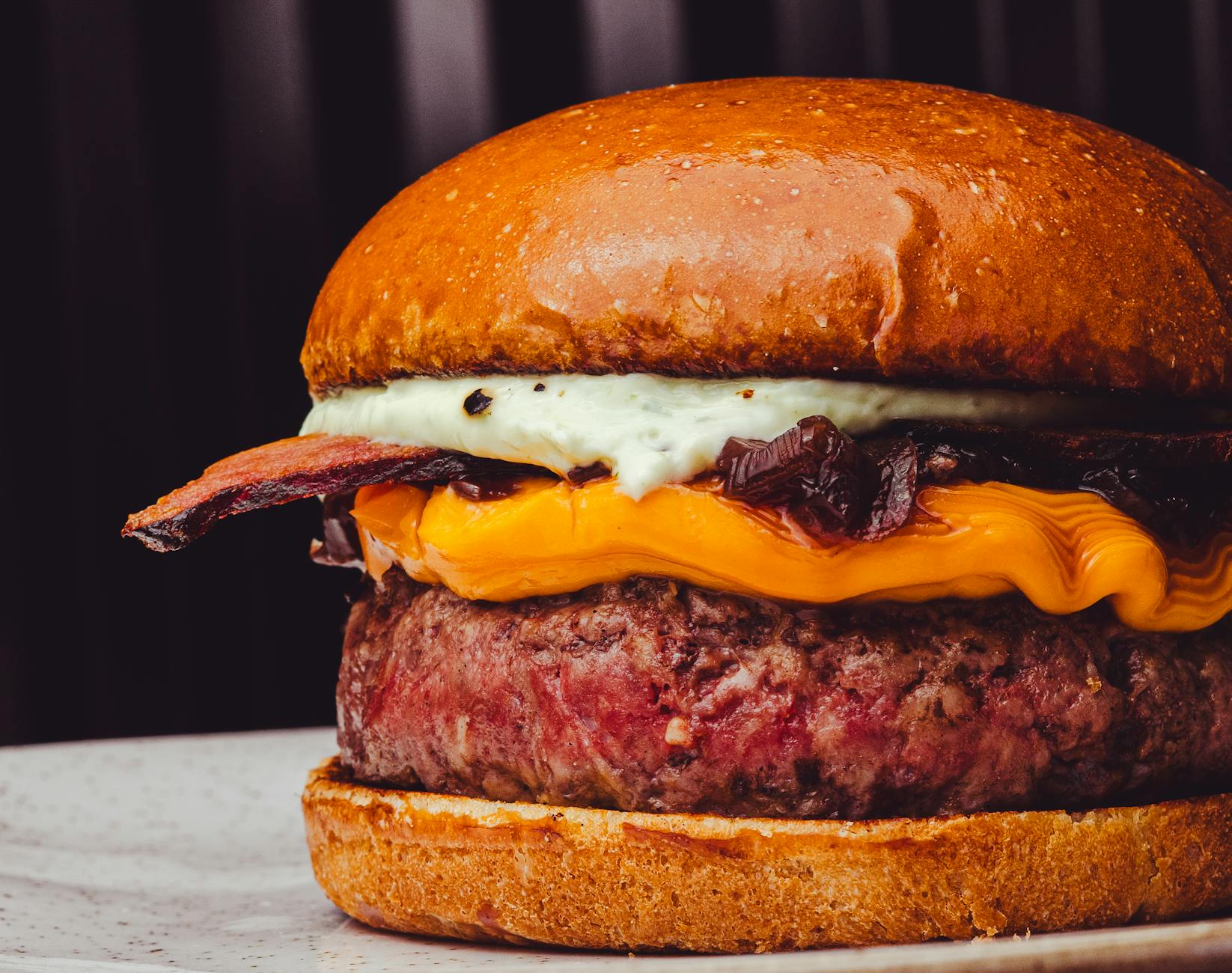
## The garlic sauce and the mystery meat
The meat is a total afterthought; what you’re really paying for is that neon-orange, garlicky sludge that keeps the bun from dissolving into a puddle. Honestly, if I saw the actual ingredients list for that sauce, I’d probably never eat again. It’s a heavy-handed mix of **tomato paste**, a mountain of pulverized **garlic**, and some "secret" **spices** that mostly just taste like salt and black pepper. But man, it hits the spot at 3 AM.
### The sludge and the steam
That sauce is the glue. It’s what turns a mediocre snack into a legendary **Taksim street food** experience. They dunk the whole burger into this vat of orange liquid before shoving it into a humid glass box. It’s basically a hamam for burgers. The **white bread** doesn't stand a chance. It gets soggy, orange, and slightly radioactive-looking. It’s disgusting. I love it.
### The gray disc of mystery
Don’t come here expecting a gourmet **beef patty**. Seriously. Just don’t. The meat is a thin, rubbery disc that has more in common with a sponge than a steakhouse burger. It’s gray. It’s salty. It’s probably 40% breadcrumbs. In any other context, I’d send it back. Here? It’s perfect. It absorbs the sauce like a champ. If you want high-end dining, go to Nişantaşı. I’m here for the grease.
### The 48-hour fragrance
You will smell like this burger for 2 days. The smell of fried garlic and old steam sticks to your hair, your clothes, and your soul. I once tried to wash the smell out of a suede jacket after a late-night run to the stands—total waste of time. I usually need a long [ferry-hopping](https://istanbulcool.com/bosphorus-ferry-hopping-walking-tour) session the next morning just to get some salt air into my lungs and feel less like a walking garlic clove. The waiters are usually grumpy, the napkins are useless, and you’ll leave with orange stains on your thumbs. That’s the tax you pay for the best cheap thrill in the city.
## How to eat an Islak burger without looking like a novice
If you walk up to that steaming glass box and order just one burger, you’ve already failed the test. It’s pathetic. These things are roughly the size of a tennis ball and half-composed of air and steam; you need a minimum of 2 to even register a meal. 3 is better. I’ve seen tourists stand there contemplating a single bun like it’s a fine steak. Just stop. You're embarrassing yourself and annoying the guy behind the counter who has been flipping patties since noon.
### The Beyoğlu Stand-off
Don’t bother looking for a chair. If you find a stool near the shop, it’ll be covered in a thin film of sticky residue that’s probably older than you are. The only way to handle this **late night ritual** is standing right on the sidewalk, shoulder-to-shoulder with some drunk guy in a suit and a teenager with a nose ring. The exhaust from the passing taxis on the way to Tarlabaşı adds a certain... metallic seasoning to the air. It’s chaotic, it’s loud, and it’s exactly how **Beyoglu food** should be consumed. You’re in the heart of the **Istanbul late night** madness. Embrace the mess.
### Survival Tactics
There is a very specific technique to not ending up covered in orange oil. It’s a high-stakes game.
1. **Stockpile napkins.** Take 5. No, take 10. The sauce is treacherous and will find its way to your elbows if you aren't careful.
2. **The Ayran Mandate.** You must drink **Ayran**. Do not even look at the soda. The garlic in that sauce is industrial strength. Without the cold, salty yogurt drink to coat your stomach, the heartburn will wake you up at 4 AM. I forgot this once after a long night in Kadıköy and I regretted it for 2 days.
3. **The Two-Minute Rule.** Eat it fast. If you let it sit, the bun disintegrates into a sad, orange mush that looks like something pulled from a drain.
4. **Street standing is mandatory.** Eat while standing up. It tastes better when you're slightly worried about being bumped by a delivery scooter.
> **Berk's Insider Tip:**
> Order two immediately. By the time you finish the first one, you'll be too lazy to wait in line again, and you'll regret only getting one.
It’s a greasy, glorious process. My shirt usually pays the price, but my soul is happy.
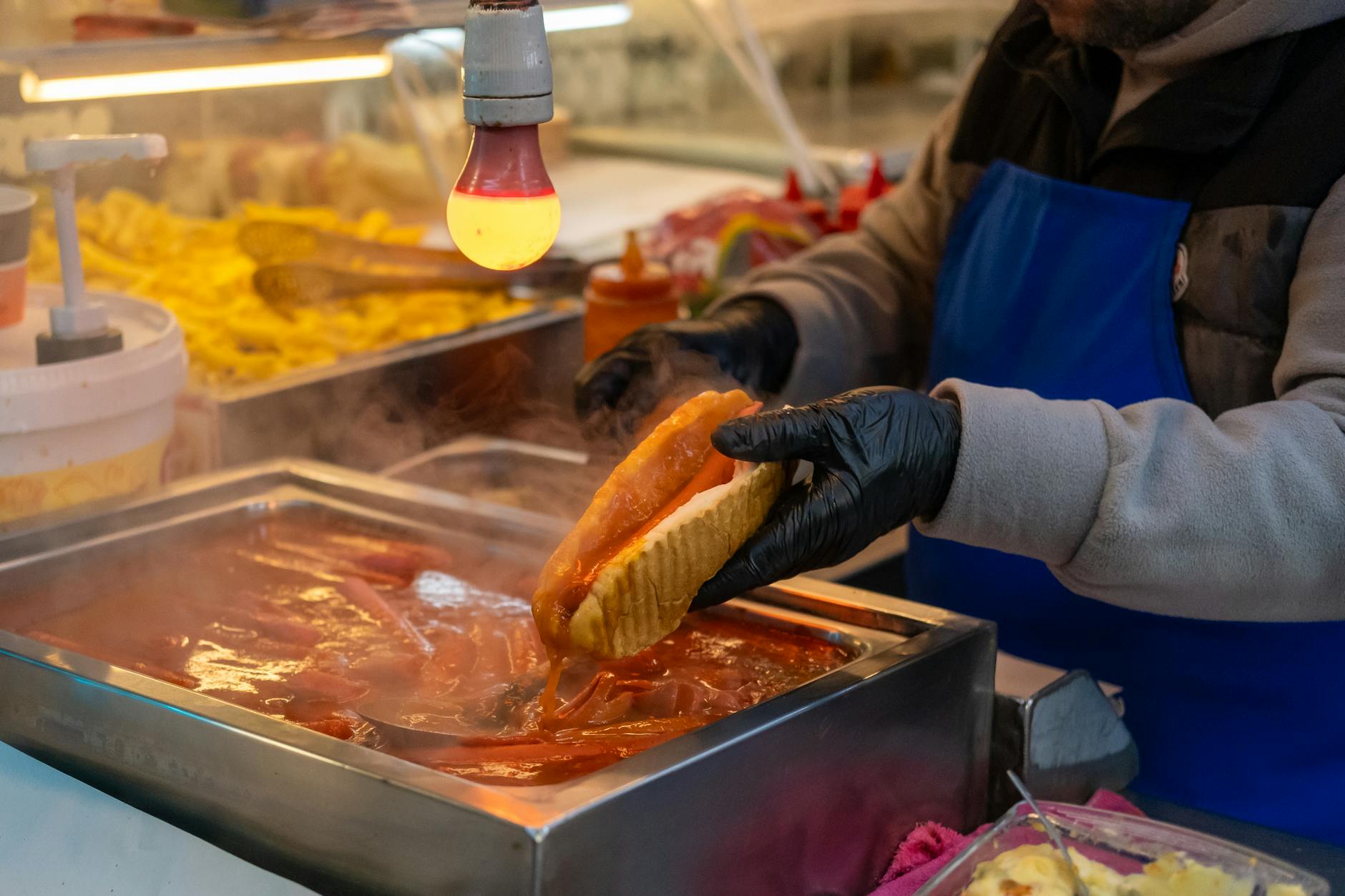
## The morning after: Why your stomach might hate me
Your stomach will stage a full-scale riot by 10 AM, and you have nobody to blame but your own lack of self-control. Eating steamed meat that has been sitting in a glass box for 6 hours is a calculated risk, and usually, the house wins. You’ll wake up with a mouth that tastes like a garlic factory and a deep sense of regret as you stare at the orange grease stain on your chin in the bathroom mirror. My record is 4 burgers in one sitting; I didn't leave my apartment for the next 24 hours.
### The ritual of 3 AM chaos
Why do we do it? Because **Taksim street food** is the only thing that makes sense when the city is screaming at you. Taksim at night is a mess. It’s loud, it’s crowded, the air smells like a mix of diesel fumes and cheap cologne, and the waiters are too busy to acknowledge your existence. You stand on a wet sidewalk, dodging a guy selling counterfeit sneakers, and you shove that soggy, tomato-drenched bun into your face. It’s a survival mechanism. It’s the ultimate **hangover food** that hits the spot right before the nausea sets in.
### The only way to survive
When the sun comes up and the reality of your life choices hits, you need a serious **breakfast recovery** plan. Don't even think about the sad, dry bread at your hotel. I tell everyone: if you want to feel human again, you need to find a place that understands the slow art of a real [Turkish breakfast](https://istanbulcool.com/guide-to-turkish-breakfast-culture-istanbul). You need 10 small plates of olives, real butter, and enough scalding hot **Turkish tea** to drown out the memory of that 3 AM grease bomb. It’s the only thing that can scrub your soul clean. Seriously. Go find some clotted cream and honey and stop complaining about your stomach. You knew what you were getting into.
## Frequently Asked Questions (FAQ)
Look, if you’re worrying about **food safety** while standing in the middle of Taksim Square at 3 AM, you’re doing Istanbul wrong. I’ve lived here 15 years and eaten hundreds of these soggy masterpieces, and my stomach is still intact.
### Is the Islak burger actually safe to eat?
The steam box looks like a petri dish. I get it. But that humid glass cage is basically a heat-sanitized sauna for meat. The high turnover is your best friend here. At the popular spots, those burgers don't sit for more than 5 minutes before someone grabs them. I’ve seen the kitchen at some of these joints; it’s loud, greasy, and chaotic, but they aren't trying to kill you. The garlic in the sauce probably kills any bacteria anyway. Probably.
### How much does a wet burger cost in 2024?
The **Islak burger price** is a moving target because the **Turkish Lira** loves to dive off a cliff every Tuesday. Right now, expect to pay between 80 and 110 Lira. It’s not the dirt-cheap snack it was 3 years ago when I could buy 5 of them with the change in my pocket. Now, you actually have to think about it. Still, compared to a sit-down meal where a rude waiter will ignore you for 20 minutes, it’s a bargain for **Taksim street food**.
### Are there vegetarian versions?
Don't ask. Just don't. I saw a tourist try to ask for a "veggie option" at Kizilkayalar once and the guy behind the counter looked at him like he had two heads. There is no plant-based wet burger. It’s beef, fat, and more fat. If you don't eat meat, go grab a Simit from a street cart. Don't ruin the vibe.
### What are the opening hours?
Most of these places are practically 24/7, but they really find their rhythm after dark. I remember stumbling out of a dive bar in Beyoğlu at 4 AM—the air smelled like wet pavement and exhaust—and the steam from the burger box was the only thing that felt like home. They stay open until the last drunk person staggers home. If you go at 10 AM, you’re eating "yesterday’s" leftovers. Wait for the night.
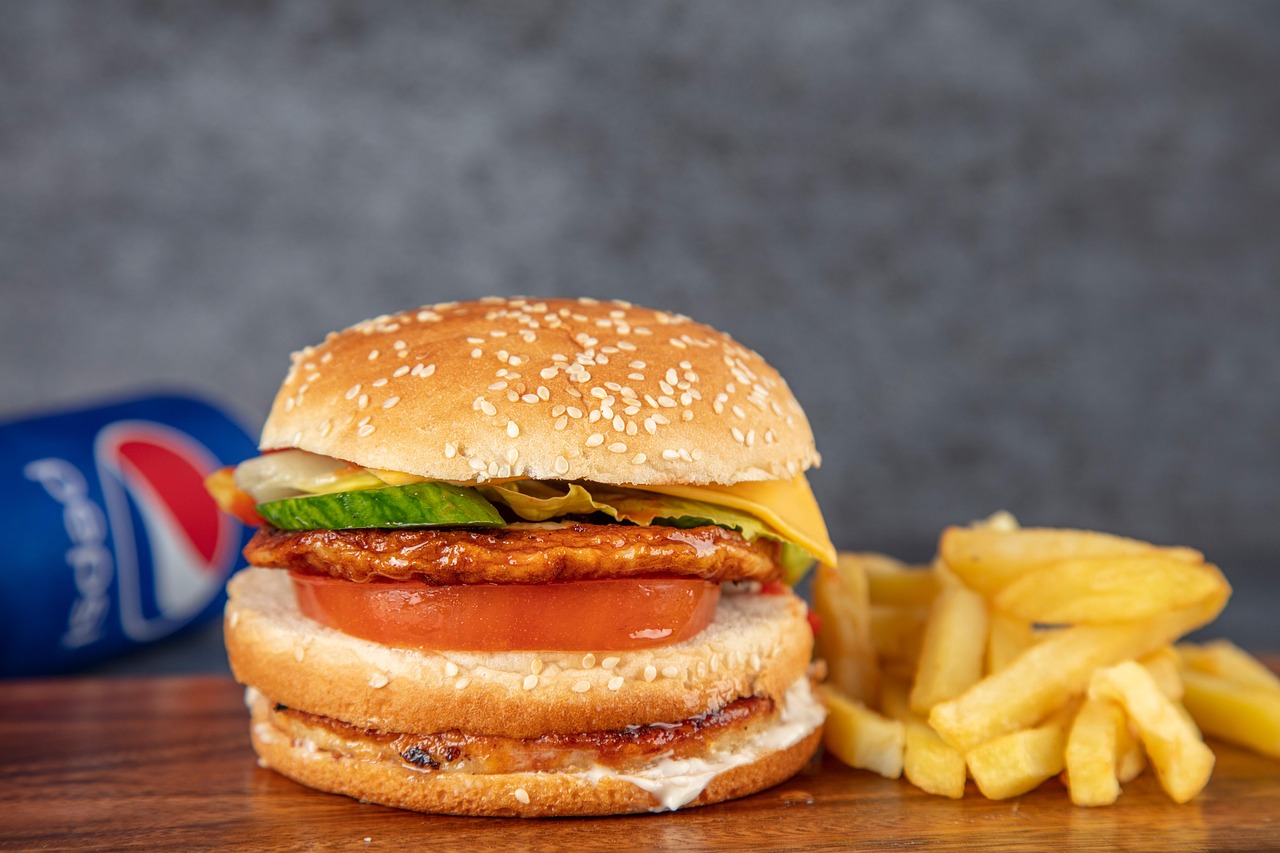
## Conclusion
Look, I get it. You’re standing under the flickering neon of Taksim, it’s 3 AM, and the air smells like a nasty mix of bus exhaust and burnt fat. Someone hands you a bun that looks like it’s been drowning in a vat of spicy tomato soup. It’s objectively foul. A soggy, garlic-heavy meat sponge. My doctor would have a heart attack if he saw me inhaling three of these at the counter, but I don’t care. If you want some sterile, overpriced meal, go back to your hotel. This is the city’s pulse. It’s messy. It’s loud. It’s dripping through the wax paper onto your shoes. Stop analyzing the texture or worrying about the hygiene of a steam box that hasn't been turned off since the nineties. Just shut up and eat the damn burger. You’ll feel it in your soul. Or at least your stomach. Real life isn't filtered. Get used to it.
---
## Underground Echoes: Why the Theodosius Cistern is My Favorite Alternative to the Crowds
URL: https://istanbulcool.com/theodosius-cistern-istanbul-alternative
Standing in the long shadow of the Hagia Sophia, I often find myself pausing to watch the queue for the Basilica Cistern. It snakes around the block like a weary, sun-baked dragon, tourists shielding their eyes and checking their watches with that familiar "vacation fatigue." After fifteen years of calling this city home, I’ve learned when to join the crowd and when to quietly slip away from it. Every time I see that line, I just smile, keep walking for ten minutes through the backstreets of Sultanahmet, and step into a modest glass pavilion that most people walk right past.
Inside, the city’s roar—the honking yellow taxis, the shouting simit vendors, the chatter of thousands—evaporates instantly. I descend the stairs, and suddenly, 1,600 years of history is breathing against my skin. This is the Theodosius Cistern, known locally as *Şerefiye Sarnıcı*, and it is, hands down, my favorite sanctuary in the city.
While its more famous cousin, the Basilica, is undoubtedly grand, there is a frantic energy there that makes it hard to truly feel the weight of the Byzantine past. The Theodosius, however, offers something a discerning traveler craves: stillness. It’s one of those rare Istanbul hidden gems where you can actually hear your own footsteps echoing off the marble columns. The air is cool and damp, smelling faintly of ancient stone and deep earth, providing a sensory reset from the midday heat above.
What makes this place truly special for me isn't just the lack of elbows or the absence of a two-hour wait. It is the way the city has married its staggering antiquity with a modern, artistic soul. Here, the columns don’t just hold up the ceiling; they act as a canvas for a story that is being retold through breathtaking light and sound.
If you’re looking to peel back the layers of the city without the tourist-trail stress, you’ve come to the right place. Let’s dive into why this subterranean marvel is the secret highlight of any proper Istanbul itinerary, and how you can experience its magic before the rest of the world catches on.
## A Breath of Cool Air: My First Encounter with Serefiye Sarnıcı
Believe me, I love the energy of Sultanahmet as much as anyone. I’ve lived here for fifteen years now, and I still get a thrill from the scent of roasted chestnuts and the rhythmic clanging of the T1 tram. But let’s be honest: by 2026, the heart of the Old City can feel a bit like a pressure cooker. On a typical Tuesday afternoon, you’re dodging selfie sticks at the Hagia Sophia and navigating a sea of tour groups near the Basilica Cistern. It’s vibrant, yes, but it’s exhausting.
That’s why, whenever a friend visits me here, I lead them away from the long queues and toward a relatively quiet corner near the old municipal building. I want to show them one of my favorite **Istanbul hidden gems**: the *Şerefiye Sarnıcı*, or the Theodosius Cistern.
### Stepping Out of the Sultanahmet Swirl
I still vividly remember my first encounter with this place shortly after the massive restoration was completed back in 2018. Before then, the cistern was literally hidden under an ugly 1950s department headship building. When they tore the old concrete away, they revealed a masterpiece of **Byzantine architecture** that had been holding up the city in silence for 1,600 years.
As you walk toward the entrance today, the contrast is startling. One moment you are in the sun-drenched chaos of the street, and the next, you are standing before a minimalist, shimmering glass pavilion. It looks like a modern art gallery, but it’s actually a portal.
When you step through those glass doors, the city noise—the shouting vendors, the honking taxis, the sheer *weight* of 20 million people—simply vanishes. It is replaced by a heavy, reverent silence. As we navigate 2026’s economy, where the Euro sits at 50 TL and the Dollar at 45 TL, finding a world-class historical site that offers this level of tranquility without the three-hour wait is a rare luxury.
### A Modern Portal to an Ancient World
The descent is my favorite part. As you move down the stairs, you can feel the temperature drop by ten degrees. The air becomes heavy and cool, carrying that specific, earthy scent of ancient stone and stagnant water—what I call the "scent of history."
To help you visualize that first moment of impact, here is what usually catches my breath every time I visit:
* **The Forest of Marble:** Thirty-two monolithic marble columns, each about nine meters high, rising out of the shadows like petrified trees.
* **The Corinthian Crowns:** The beautifully preserved capitals at the top of the columns, carved with acanthus leaves that look as sharp as the day they were chiseled during the reign of Theodosius II.
* **The Golden Glow:** The subtle, amber lighting that reflects off the damp walls, making the entire space feel like it’s glowing from within.
* **The Reflection:** The shallow pool of water on the floor acts as a perfect mirror, doubling the height of the "cathedral" and making you feel as though you are floating between two worlds.
### The Subterranean Cathedral
I often describe the Theodosius Cistern as a **subterranean 'cathedral' of water**. While the more famous Basilica Cistern is grand in scale, *Şerefiye* feels intimate and sacred. You aren't just a tourist here; you feel like an initiate being let in on a secret.
Standing there, looking at those towering pillars, you realize that while empires have risen and fallen above ground, this space has remained unchanged. It’s a physical reminder of why I fell in love with Istanbul fifteen years ago—the way the ultra-modern and the ancient don't just coexist, but lean on one another. It is the ultimate "breath of cool air" in a city that never stops moving.
## The Legacy of Theodosius II: More Than Just a Name
When you’ve lived in Istanbul as long as I have—fifteen years this summer, to be exact—you start to look at the city not as a collection of monuments, but as a living, breathing machine. To understand the **Theodosius Cistern**, or *Şerefiye Sarnıcı* as we locals call it, you have to understand the mind of the man it was named after: Emperor Theodosius II.
Back in the 5th century, Constantinople was the "New Rome," a glittering metropolis that was rapidly outgrowing its resources. Theodosius II, who reigned from 408 to 450 AD, wasn't just a figurehead; he was an urban planner of the highest order. He realized that for a city to survive the pressures of both nature and invading armies, it needed two things: invulnerable defenses and a guaranteed water supply.
This cistern was a vital piece of that puzzle. In 2026, as we navigate an Istanbul that feels more crowded than ever, stepping down into this 1,600-year-old chamber offers a perspective you just can’t get on the surface. While the tourists are fighting for elbow room at the Blue Mosque, you’re standing in a silent testament to **Ancient Roman engineering** that has survived earthquakes, fires, and the rise and fall of empires.
### The Engineering of Survival
Walking through the entrance today, you’ll likely pay around 700 TL for a ticket—which, at our current 2026 rates, is roughly 14 Euros or 15.50 USD. For the price of a mid-range lunch in Kadıköy, you’re gaining access to one of the most sophisticated water storage systems in human history.
The *sarnıç* (cistern) is a masterclass in **Byzantine architecture**. It spans about 45 by 25 meters, a vast underground cathedral designed to hold water piped in from the Belgrade Forest, miles to the north. But it’s the 32 magnificent columns that always stop me in my tracks. Standing nine meters tall, these pillars aren't just structural supports; they are works of art.
Look closely at the capitals—the "heads" of the columns. They are carved in the Corinthian style, decorated with those classic acanthus leaves that seem to defy the weight of the brick vaults above them. What’s truly fascinating is the material. These columns are made of high-quality Proconnesian marble, quarried from **Marmara Island** (Marmara Adası). If you’ve ever taken the ferry across the Sea of Marmara, you’ve passed the very source of these stones. To think that the Romans transported these massive blocks across the sea and then lowered them into this subterranean space using only pulleys and manpower is enough to make any modern engineer blush.
### The City’s Lifeblood and Shield
I often tell my friends that you can't view the cistern in isolation. It was part of a holistic "survival kit" for the city. During the 5th century, the threat of siege was a constant reality. If an enemy cut off the aqueducts outside the city, the population would have perished within days without these underground reservoirs.
This infrastructure was the internal counterpart to the city's external protection. In fact, this cistern was built during the same era that saw the construction of the massive [Theodosian walls], which effectively turned the city into an island fortress. While the walls kept the invaders out, the **Theodosius Cistern** kept the people inside alive.
There is a certain warmth to the *Şerefiye* that you don't find in the larger Basilica Cistern. The name *Şerefiye* actually comes from the neighborhood’s Ottoman-era association with the *Şerefiye* (Goodwill/Honor) street, reflecting how this site has been respected across different cultures. Even after the Byzantines were gone, the Ottomans recognized the genius of the system. Today, when the light hits the marble—revealing the subtle veins of grey and white from the Marmara quarries—you’re not just looking at a water tank. You’re looking at the very reason Istanbul is still standing today.
## Where 428 AD Meets 3D Mapping: The Projection Show
When you first step onto the elevated glass walkways of the **Theodosius Cistern**—or *Şerefiye Sarnıcı* as we locals call it—the silence is heavy, cool, and ancient. But then, the lights dim, and the 1,600-year-old Corinthian columns begin to "breathe." This isn't just a museum visit; it is a full-body immersion into what I consider the finest example of **modern art Istanbul** has to offer today in 2026.
### A 360-Degree Historical Odyssey
The **Theodosius Cistern light show** is a marvel of 360-degree projection mapping. Unlike a cinema screen, the "canvas" here consists of thirty-two monumental marble columns and the original Roman brickwork of the ceiling. As the music swells, the walls appear to dissolve. You aren't just looking at history; you are standing inside it.
The show is designed to be a rhythmic journey through time. It begins with the shimmering ripples of water—a nod to the cistern’s original purpose of quenching the thirst of Constantinople. Then, the visuals shift into the intricate geometric patterns of the Byzantine era. Seeing the gold-leaf motifs of the 5th century projected onto the very stones laid during the reign of Emperor Theodosius II is enough to give me goosebumps, even after fifteen years of living in this city.
### From Byzantium to the Republic: Interactive History
What makes this an unparalleled piece of **interactive history** is how the narrative unfolds. The projection doesn't just show pictures; it interprets the soul of the city. You’ll witness the transition from the deep, incense-heavy blues of the Byzantine period to the vibrant, tulip-infused aesthetics of the Ottoman Empire.
My favorite segment remains the tribute to the Turkish Republic (*Cumhuriyet*). The walls transform into a sea of crimson, celebrating the birth of the modern nation in 1923. For a traveler, it’s a crash course in the Turkish identity, told through light and shadow. In 2026, with the exchange rate sitting at 50 TL to the Euro, the entrance fee (roughly 800 TL for international visitors) is a steal for a production of this caliber. It’s an investment in understanding the layers of the soil you’re walking on.
> **Berk's Insider Tip:**
> The light show starts exactly on the hour. Arrive 15 minutes early to walk the perimeter of the cistern in total silence before the music and projections begin; it’s the only way to truly appreciate the scale of the Roman masonry.
### The Sound of Sixteen Centuries
While your eyes are busy, don't forget to listen. The acoustic experience in the *Şerefiye* is hauntingly beautiful. The sound engineers have mastered the way sound echoes off the ancient bricks. When the orchestral score reaches its crescendo, the vibrations resonate in your chest. The cavernous space acts like a giant wooden instrument, softening the high notes and deepening the bass.
There is a specific moment in the show where the sound of falling water droplets is amplified. Because of the natural reverb of the underground chamber, it sounds as if the walls themselves are weeping. It creates a sensory fusion of old and new that you simply won't find at the more crowded Basilica Cistern down the road.
### A Sensory Fusion of Old and New
This is why I always bring my friends here. The Theodosius Cistern represents the "New Istanbul"—a city that respects its Roman and Ottoman bones but isn't afraid to dress them in the digital finery of the 21st century. The contrast between the rough, damp texture of the 4th-century mortar and the crisp, high-definition laser projections is a metaphor for the city itself. We are a metropolis of layers, and down here in the cool, dark belly of Sultanahmet, those layers finally become visible.
## The Cistern Comparison: Why I Choose Theodosius Every Time
After living in this city for 15 years, I’ve learned that the "best" of anything in Istanbul is rarely the most famous one. When friends visit me, they always ask about the **Basilica Cistern vs Theodosius Cistern**, usually because they’ve seen the former in a Bond movie. But if you want to actually feel the weight of Byzantine history without being elbowed by a tour group, you have to look at the nuances.
To help you decide which *sarnıç* (cistern) deserves your limited time, I’ve broken down the three heavy hitters of the Sultanahmet area as they stand in 2026.
### The Basilica Cistern: The Grand, Crowded Dame
The **Basilica Cistern** (*Yerebatan Sarnıcı*) is the undisputed heavyweight. Since its massive restoration a few years ago, the lighting and art installations are world-class. However, by mid-2026, the secret is well and truly out. Even with a pre-booked ticket, you’re often shuffling along a metal boardwalk in a humid queue. It is beautiful, yes, but it’s hard to find a "moment of Zen" when you’re dodging selfie sticks near the Medusa heads. It’s an "event," but it’s no longer an "escape."
### Theodosius Cistern: The Sophisticated Sweet Spot
This is where I take people I actually like. The **Theodosius Cistern** (*Şerefiye Sarnıcı*) is about 1,600 years old, making it even older than the Basilica. What makes it the **best cistern in Istanbul** for the discerning traveler is the atmosphere. It was restored with a stunning glass-and-steel entrance that feels like a modern art gallery, but once you descend, the history hits you.
The crowd density here is significantly lower. You can actually hear the echo of your own footsteps. But the real "wow" factor in 2026 is the 360-degree projection mapping show. It’s a 15-minute immersive light display that traces the history of Istanbul’s water systems and the Ottoman era. It’s sophisticated, quiet, and feels like a private viewing of a masterpiece.
### Binbirdirek: The Raw and Rugged Alternative
The "Cistern of 1,001 Columns" (*Binbirdirek Sarnıcı*) is the most honest of the three. It’s often dry and used for events or exhibitions. If you want to see the sheer scale of Byzantine engineering without any "Disney-fication," this is it. It lacks the ethereal water-reflection of the other two, but it offers a raw, industrial look at the city’s bones.
### 2026 Comparison Table: At a Glance
| Feature | Basilica (Yerebatan) | Theodosius (Şerefiye) | Binbirdirek |
| :--- | :--- | :--- | :--- |
| **Entrance Fee (2026)** | 900 TL (~€18 / $20) | 700 TL (~€14 / $15.50) | 400 TL (~€8 / $9) |
| **Crowd Level** | Very High | Low to Moderate | Very Low |
| **Wait Time** | 45–90 Minutes | 5–15 Minutes | None |
| **Key Highlight** | Medusa Heads | 360° Light Show | Massive Dry Columns |
| **Best For...** | Checking the "Big Box" | Atmosphere & Culture | History Nerds |
### The Price-to-Value Ratio
Let’s talk money, because I know the exchange rates in 2026 can be a bit of a shock compared to years past. At **1 Euro = 50 TL** and **1 USD = 45 TL**, a trip to the Basilica will set you back about 900 TL. For a family or a couple, that adds up quickly, especially when you factor in the "wait-time tax."
The Theodosius Cistern, at 700 TL, offers far better value. You’re paying for a curated experience that includes a high-tech show, a much more intimate environment, and—most importantly—your time. In a city as frantic as Istanbul, being able to walk into a 4th-century monument without a two-hour wait is the ultimate luxury. For my money, the **Theodosius Cistern** provides the most evocative "Underground Istanbul" experience without the tourist fatigue.
## Navigating the Depths: Logistics and Berk’s Transport Tips
After living in this beautiful chaos for fifteen years, I’ve learned that the secret to a stress-free day in Sultanahmet is all about the "how" and the "when." Finding the Theodosius Cistern—or *Şerefiye Sarnıcı* as we locals call it—is much easier than finding the more famous Basilica, but it does require a bit of insider knowledge to get the timing just right.
If you’re wondering **how to get to Theodosius Cistern** without ending up in a frustrated tangle of traffic, here is my step-by-step guide to doing it like a local.
### 1. Master the T1 Tram
The T1 (Kabataş–Bağcılar) tram line is the lifeblood of the old city. To reach the cistern, take the tram to the **Çemberlitaş** station. Before you set off, make sure your *Istanbulkart* (the city’s universal transit card) is loaded. In 2026, the city has become almost entirely cashless, so having your card ready is essential. If you are still getting a feel for the ferries, metros, and trams, I highly recommend checking out my tips on [public transport in Istanbul] to navigate the network like a pro.
### 2. Find the "Burnt Column"
Once you hop off the tram at Çemberlitaş, you’ll be standing right next to one of the city's oldest monuments: the **Çemberlitaş Sütunu** (the Column of Constantine, or the "Burnt Column"). Walk away from the tram tracks toward the local government building (*Fatih Belediyesi*). You aren't looking for an ancient stone archway; instead, look for a strikingly modern glass-and-steel structure. That’s the entrance to the Theodosius, and the contrast between the 1,600-year-old column and this 21st-century entrance is pure Istanbul.
### 3. Securing Your Serefiye Sarnici Tickets
Unlike some other sites where you can just wander in, the Theodosius operates on a strict hourly schedule because of its immersive light show. You can buy **Serefiye Sarnici tickets** at the entrance, but in 2026, I suggest booking online to skip the short queue. Tickets currently run about 1,000 TL (which is roughly 20 Euro or 22 USD).
### 4. Timing is Everything: The Golden Rule
The most important tip I can give you is to **arrive at least 15 minutes before the start of the hour**. The cistern holds a magnificent 360-degree projection mapping show that starts exactly on the hour (10:00, 11:00, etc.). If you arrive at 10:15, you’ve missed the "wow" factor of the show, and the staff generally won't let you enter until the next cycle begins. Trust me, you want to be there for the very first second the lights hit the water.
> **Berk's Insider Tip:**
> Look for the glass elevator near the entrance. Even if you don't need it for accessibility, the view as you descend through the modern glass floor into the ancient darkness is one of the coolest visual transitions in the city.
### 5. The Descent
Once you’ve scanned your ticket, you’ll head down. While most people take the stairs, remember my tip about the elevator! The transition from the bright, busy streets of the Çemberlitaş district to the silent, humid depths of the Byzantine era is a sensory shift that never gets old, even for someone who has lived here as long as I have. Just remember to bring a light sweater—even when it’s 35°C outside in the height of summer, the cistern keeps a permanent, ghostly chill.
## Exploring Above Ground: The Çemberlitaş and Grand Bazaar Connection
Once you emerge from the cool, rhythmic shadows of the Theodosius Cistern, the bright light of the **Çemberlitaş** district can be a bit of a shock to the system. But don’t rush back to the tram line just yet. One of the reasons I’ve called this city home for fifteen years is the way the layers of history don’t just sit on top of each other—they bleed into one another. When you step out onto the street in 2026, you’re standing directly above the very infrastructure that kept the Byzantine Empire hydrated, and you’re only steps away from the heart of Ottoman commerce.
This part of your **Sultanahmet sightseeing** journey is where the "underground echoes" truly find their match in the architectural heights above. The engineering that allowed the Byzantines to support massive amounts of water pressure is the same spirit of ambition you’ll see when you look up at the **Column of Constantine** (the Burnt Column), which has stood its ground since 330 AD.
### From Subterranean Depths to Baroque Heights
From the cistern exit, I always suggest my friends take a slow, deliberate walk toward the **Nuruosmaniye Mosque**. It’s less than a five-minute stroll, but it feels like traveling through a portal. While the Theodosius Cistern represents the pinnacle of late-Roman utility, Nuruosmaniye represents the soaring peak of Ottoman Baroque.
The mosque’s courtyard is one of my favorite places to sit and think. It was the first mosque in the city to embrace these curved, European-style lines, and the transition from the dark, square-columned forest of the cistern to this light-filled, airy marble courtyard is breathtaking. Take a moment to look at the massive stone arches. There is a direct lineage between the way those Byzantine engineers distributed weight in the cistern and the way the Ottoman architects reached for the sky here.
In this 2026 economy, where a simple espresso in a tourist trap might set you back 150 TL, sitting in the public courtyard of Nuruosmaniye is a reminder that the best parts of Istanbul are often free. It’s a space where you can breathe, away from the frantic pace of the main **Istanbul walking tour** routes.
### Seeking Out the Secret Hans
If you’re feeling adventurous—and if you’re reading this, I know you are—it’s time to move toward the backstreets that hug the walls of the **Grand Bazaar**. Most travelers enter the Bazaar through the main gates, get overwhelmed by the bright lights and the persistent "Hello, my friend!" of the leather sellers, and leave without ever seeing the real soul of the place.
The real magic happens in the *hans* (historic inns or caravanserais). These are the multi-storied stone courtyards where, for centuries, silk and spice merchants would rest their camels. Today, they are the workshops of the city’s finest silver and gold smiths. If you follow the narrow alleys leading away from the Nuruosmaniye gate, you’ll find my favorite **Grand Bazaar hidden spots**.
I’ve spent countless afternoons wandering into these crumbling courtyards. In some, you’ll hear the rhythmic *tink-tink-tink* of a master engraver working on a silver platter; in others, you’ll see rolls of ancient kilims being repaired by hand. If you want to dive deeper into these labyrinthine workshops, you should check out my full breakdown of the [secret hans](https://istanbulcool.com/hidden-hans-grand-bazaar-guide) that most people walk right past. These spots are the heartbeat of the city’s artisan culture, largely unchanged even as the world around them becomes more digital.
### The Contrast of the Backstreets
As you wander these backstreets, keep an eye out for the small details. Look at the way the sunlight hits the hanging laundry between old wooden houses, or the way a local cat claims a throne on a pile of antique carpets. This area is a living museum.
Unlike the polished floors of the cistern, the ground here is uneven, paved with centuries of stories. You might find a small workshop where a master is selling handmade ceramics for about 1,000 TL (roughly 20 Euro or 22 USD at current rates)—a steal for something that carries a lifetime of craft. This is the "real" Istanbul that I want you to feel. It’s messy, it’s loud, and it’s perfectly beautiful.
> **Berk's Insider Tip:**
> After your visit, skip the tourist cafes on the main street. Walk three minutes toward the Nuruosmaniye Gate of the Grand Bazaar for a proper Turkish tea among the carpet dealers; they know the best spots for a quiet post-cistern reflection.
By connecting the silent, submerged world of the Theodosius Cistern with the vibrant, noisy life of the Grand Bazaar’s outskirts, you aren’t just "doing" Istanbul—you’re beginning to understand it. You’re seeing the foundation and the flourish, the water and the fire. So, don’t be afraid to put your map away and let the scent of roasting coffee and the sound of the call to prayer guide you through the next turn.
## The Quietest Hour: Timing Your Visit for Maximum Impact
After fifteen years of navigating the shifting tides of Istanbul’s tourism, I’ve learned that the secret to a transformative experience isn't just *where* you go, but *when* you step through the door. While the Theodosius Cistern—or **Şerefiye Sarnıcı** as we locals call it—is naturally one of the more **quiet spots Istanbul** has managed to keep relatively under the radar, the atmosphere changes significantly depending on the clock.
### The Morning Solitude
To truly feel the "echoes" I mentioned earlier, you want to aim for the very first session of the day at **09:00 AM**. In 2026, even with the city's growing popularity, the early birds are usually caffeinating at a *kahvaltı* (breakfast) spot, leaving the cistern’s 1,600-year-old corridors nearly empty.
When you are one of only three or four people inside, the 360-degree projection mapping show feels like a private performance staged just for you. If the morning is too early, try the final slot before closing. By then, the tour groups have retreated to Sultanahmet’s restaurants for their evening *kebaps*, and the cistern settles into a meditative stillness that is hard to find anywhere else in the peninsula.
### Mastering Theodosius Cistern Photography
If you’re looking to sharpen your **Theodosius Cistern photography**, you need to understand the unique floor of this space. Unlike the Basilica Cistern, where the water is deep enough for fish to swim, the water here is kept at a very shallow level, covering a glass-like floor. This creates a **perfect mirror effect**.
To get the shot that everyone will ask you about:
1. **Crouch low:** Get your lens as close to the water's surface as possible. This doubles the height of the 32 marble columns in your frame.
2. **Wait for the "Golden Interval":** Between the projection shows, the house lights transition into a soft, warm amber. This is your moment. The warm light against the cool shadows of the Corintian capitals creates a depth that mid-show lasers can't replicate.
3. **Stability is key:** You won’t be allowed to use a tripod here, so lean your shoulder against one of the glass railings to steady your hand for those long-exposure low-light shots.
### Seasonal Rhythms: Summer Escape vs. Winter Refuge
In the height of a 2026 Istanbul summer, the humidity above ground can be stifling. Stepping into the **Şerefiye** is like walking into a natural refrigerator. The thick Byzantine brickwork keeps the temperature a constant, crisp cool. It’s the ultimate midday escape when the sun over the Hippodrome becomes too much to bear.
In the winter, the experience turns cozy and mysterious. There is something incredibly poetic about coming in from a drizzly, grey Istanbul day to find the cistern illuminated in vibrant reds and golds.
**A quick tip on your 2026 budget:** Entry for international visitors is currently around **1,000 TL**. With the current exchange rates (**1 Euro = 50 TL | 1 USD = 45 TL**), that works out to about **€20 or $22**. It’s a small price to pay for a front-row seat to sixteen centuries of history, minus the two-hour queues you'll find at the more famous sites nearby. Trust me, your camera—and your peace of mind—will thank you.
## Conclusion
Standing in the silence of the Theodosius Cistern, watching the digital art dance across 1,600-year-old Roman bricks, I’m always struck by how perfectly this space captures the soul of my adopted home. After fifteen years of navigating these streets, I’ve realized that Istanbul isn’t just a city; it’s a living palimpsest. It is a place where the deep, resonant echoes of the Byzantine past don’t just sit in a museum—they breathe alongside our high-tech, frantic present.
The Şerefiye is my personal verdict for the discerning traveler because it avoids the "theme park" feel of more famous landmarks. Here, the history feels intimate. It’s a reminder that we are all just temporary visitors walking over layers of brilliance. When the light show ends and the darkness settles back into the corners, you aren't just looking at a monument; you’re feeling the weight and the wonder of time itself.
So, my advice to you is simple: don’t just follow the longest queue in Sultanahmet. Step off the main road, head down those unassuming stairs, and find your own "underground echo." It’s in these quiet, cavernous spaces that the city finally stops shouting and starts whispering its secrets to you.
**Berk’s Local Tip:** To make the most of the atmosphere, try to catch the first show of the morning (usually at 09:00). You’ll often have the pillars to yourself for a few golden minutes. Once you emerge back into the sunlight, skip the tourist traps on the main street and walk five minutes toward the Pierre Loti street; there’s a small, nameless tea house there where the locals play backgammon. Grab a tulip glass of tea, let the caffeine hit, and watch the modern city rush by while you’re still glowing from the ancient quiet below.
---
## TOUR 1: THE ESSENTIAL ISTANBUL - A MOSAIC OF HISTORY AND FLAVORS
URL: https://istanbulcool.com/tour-1-essential-istanbul-mosaic-of-history-and-flavors
**A sensory day in the heart of the city where East and West meet.**
Istanbul is not just a city; it is a living story told on every corner. Our **Tour 1: The Essential Istanbul** is designed for travelers who want to understand the soul of this metropolis. Beyond standard routes, this is a full cultural immersion: Ottoman grandeur, historic bazaars, and real local taste.
Here is what your day includes.
---
### Crown and Empire: Topkapi Palace
We start with a warm welcome from your local guide and walk toward the majestic **Topkapi Palace**.
Topkapi is more than a monument. It is the political and symbolic center of the Ottoman world. As you move through imperial courtyards and private chambers, you will discover priceless treasures and sacred relics. The highlight is the Bosphorus panorama from the palace terraces, one of the most iconic views in Istanbul.
### The Grand Bazaar: A Living Labyrinth
Next, we step into the pulse of old commerce: the **Grand Bazaar**, one of the oldest covered markets in the world.
It is a maze of color, texture, craft, and noise. Mosaic lamps, handwoven carpets, silver jewelry, leather goods, ceramics, and antiques surround you at every turn. Your guide helps you navigate, decode quality differences, and understand local bargaining culture.
### Optional Lunch: Classic Istanbul Comfort Food
For food lovers, we offer an optional local lunch stop with a true city classic: **Kuru Fasulye & Pilav**.
Slow-cooked white beans in rich sauce with buttery rice may sound simple, but it is one of Istanbul's most honest and beloved meals.
### Spice Bazaar (Egyptian Bazaar)
The route continues to the **Spice Bazaar**, where the air is filled with saffron, cumin, sumac, dried fruits, herbal teas, Turkish delight, and freshly ground coffee.
This market preserves the Silk Road atmosphere and gives you a practical introduction to ingredients that shape Turkish cuisine.
### Rustem Pasha Mosque: The Hidden Gem
While most visitors rush to Blue Mosque, we take you to a quieter masterpiece: **Rustem Pasha Mosque**.
Designed by **Mimar Sinan**, this mosque is one of the finest examples of classical Ottoman architecture. Its interior is wrapped in stunning Iznik tiles, with deep blues and floral geometry.
### Galata Bridge Finale
We close the walking route on the historic **Galata Bridge**, where fishermen, ferries, and skyline views create a perfect final scene.
It connects old and new Istanbul in a way few places can.
---
### Optional Evening Extension
If you want to keep going, we offer two optional add-ons:
1. **Bosphorus Cruise at Sunset:** Palaces and wooden waterfront mansions (yali) from the water.
2. **Authentic Fish Dinner:** A traditional seafood and meze table in a local waterside setting.
**This is not a checklist tour. It is an invitation to truly experience Istanbul.**
👉 **Ready to explore? Contact us to reserve your day.**
---
## TOUR 2: THE SOUL OF ISTANBUL - FROM IMPERIAL SPLENDOR TO URBAN RHYTHM
URL: https://istanbulcool.com/tour-2-soul-of-istanbul-from-imperial-splendor-to-urban-rhythm
**A fascinating journey across centuries, from imperial grandeur to modern Istanbul energy.**
If the Historical Peninsula tells the distant past, **Tour 2** reveals the 19th and 21st-century city. This route explores powerful contrasts: crystal chandeliers and street art, Ottoman court memory and modern metropolitan motion.
---
### Dolmabahce Palace: Ottoman Modernity on the Bosphorus
We begin at **Dolmabahce Palace**, the final residence of Ottoman sultans.
Unlike Topkapi's classical style, Dolmabahce reflects Baroque, Rococo, and Neoclassical influence. Gold leaf halls, monumental staircases, and Bosphorus-facing ceremonial rooms explain the empire's modernization era in architectural form.
### Taksim Square and Istiklal Avenue
Next stop: **Taksim**, then a full walk through **Istiklal Avenue**.
This is one of Istanbul's strongest urban arteries, where 19th-century facades, embassies, passages, cafes, bookstores, and contemporary culture intersect. The nostalgic red tram adds another historical layer to the walk.
### Galata Tower: Citywide Perspective
Moving downhill toward the Golden Horn, we reach **Galata Tower**.
Originally built by the Genoese, the tower has served as watchtower, prison, and observation point. The panoramic view offers one of the clearest readings of Istanbul's geography: old city silhouette, Bosphorus line, and layered neighborhoods.
### Karakoy Street Food Break: Balik Ekmek
In **Karakoy**, we pause for a classic waterfront street-food experience: **Balik Ekmek** (grilled fish sandwich).
Fresh, practical, and deeply local, this stop connects the walking route to everyday city life at the docks.
### Historic Hammam Finish: Zeyrek / Cinili Tradition
We close with a cultural wellness ritual in a historic Turkish bath setting around the **Zeyrek / Cinili Hammam** tradition.
This is not only about bathing; it is a structured Ottoman social ritual of steam, cleansing, and reset. A strong ending after a full day on foot.
---
### Why This Route Works
Tour 2 gives you Istanbul in layers: empire, republic-era transition, and contemporary urban texture in one coherent day.
👉 **Reserve your place and experience the city's second face with local guidance.**
---
## TOUR 3: HEART OF HISTORY - THE TREASURES OF SULTANAHMET
URL: https://istanbulcool.com/tour-3-heart-of-history-treasures-of-sultanahmet
**A journey through millennia, where Byzantine and Ottoman heritage meet.**
**Tour 3** is a concentrated historical route designed to reveal Istanbul's civilizational core in 4 to 5 hours. You will move from imperial monuments to underground engineering and from state power to lived urban memory.
---
### Hagia Sophia (Ayasofya)
We begin with **Hagia Sophia**, one of the most important monuments in world history.
Built as a Byzantine basilica, later transformed into an imperial mosque, and today functioning again as a mosque, it preserves 1,500 years of layered history under one immense dome.
### Blue Mosque (Sultanahmet Mosque)
Facing Hagia Sophia stands the **Blue Mosque**, known for its six minarets and masterful use of Iznik tilework.
Its interior creates a calm, luminous atmosphere and remains one of the strongest examples of classical Ottoman religious architecture.
### Hippodrome of Constantinople
We continue to the former **Hippodrome**, once the social and political arena of Byzantine Constantinople.
The Egyptian Obelisk and Serpent Column still mark the scale of what was once one of the empire's central gathering grounds.
### Theodosius Cistern (Serefiye)
Away from the largest crowds, we enter the **Theodosius Cistern**.
With atmospheric lighting and preserved columns, this underground space offers a quieter but equally powerful perspective on Byzantine infrastructure.
### Nakkas Stop: Art and Craft Heritage
At **Nakkas**, we connect architecture to material culture through carpet artistry, antiques, and preserved historical layers.
This stop expands the route beyond monuments into the city's long craft tradition.
### Bosphorus Cruise Finale
We end with a **Bosphorus cruise** to read the city from the waterline between Europe and Asia.
After walking through imperial sites, the maritime perspective completes the historical picture.
---
### Why Choose Tour 3
This route is compact but dense. It gives first-time and returning visitors a structured understanding of Istanbul's historical DNA.
👉 **Book now for a high-value historical deep dive in one half-day.**
---
## TOUR 4: FENER & BALAT - THE COLORFUL BOHEMIAN SOUL OF ISTANBUL
URL: https://istanbulcool.com/tour-4-fener-balat-colorful-bohemian-soul-of-istanbul
**A timeless walk through Istanbul's most photogenic and multicultural districts.**
If you want the city beyond imperial postcard icons, **Tour 4** is your route. Fener and Balat, both recognized for their heritage value, combine memory, religion, migration history, and contemporary creative life.
---
### Fener Pier Start
We begin near **Fener Pier**, with the Golden Horn as the opening backdrop.
This waterfront start grounds the route in the historical geography of communities that shaped the district for centuries.
### Ecumenical Patriarchate and the Red School
Our first major stop includes the **Ecumenical Patriarchate of Constantinople** and the monumental **Fener Greek Orthodox College** (often called the Red School).
Its striking red-brick presence dominates the hillside and marks a key layer of the neighborhood's Greek heritage.
### Bulgarian Iron Church (St. Stephen)
Along the shore, we visit **St. Stephen's Bulgarian Church**, known globally as the Iron Church.
Prefabricated in the 19th century and assembled in Istanbul, it is a rare architectural case where engineering innovation meets neo-gothic form.
### Balat Streets: Color, Antiques, and Cafes
In **Balat**, we walk through sloped streets lined with restored wooden houses, antique shops, small ateliers, and design-led cafes.
This section is ideal for photography and slow-paced neighborhood observation.
### Optional Food and Antique Auction Break
If requested, we add a local canteen stop and optional antique market/auction visit.
This gives the route both social and material context beyond architecture.
### Chora / Kariye Heritage Finale
Depending on opening schedules, we end near **Chora (Kariye)** for one of Istanbul's strongest Byzantine art references.
Its mosaics and frescoes offer an intimate and highly detailed contrast to larger imperial monuments.
---
### Why Tour 4 Is Essential
This is the route for travelers who want texture, not only landmarks. You experience how different communities, faith traditions, and urban rhythms shaped Istanbul over time.
👉 **Bring your camera and reserve your Fener-Balat route now.**
---
## Rome’s Gift to the City: My Favorite View of the Ancient Valens Aqueduct
URL: https://istanbulcool.com/valens-aqueduct-istanbul-guide
I remember my first week in Istanbul back in 2009. I was hopelessly lost in the labyrinthine streets of Fatih, clutching a paper map that was quickly becoming a casualty of the humid breeze. Just as I was about to give up and hail a taxi, I turned a corner and came face-to-face with a wall of stone so massive, so impossibly ancient, that it felt like the city had suddenly tilted on its axis.
Standing on the sidewalk of Atatürk Boulevard, watching the chaos of modern Istanbul traffic surge through the stone arches of a 1,600-year-old Roman aqueduct, remains my favorite way to feel the pulse of this city. It’s where the 4th century meets the morning commute, and even after 15 years of calling this place home, I still find it breathtaking. There is something profoundly humbling about watching a bright yellow Fiat Doblo or a packed municipal bus squeeze through a gateway built by the Emperor Valens’ stonemasons. While the rest of the world puts its **Roman ruins in Istanbul** behind velvet ropes and glass partitions, here, history is something we drive through on our way to buy groceries.
Known locally as the **Bozdoğan Kemeri**, or the "Aqueduct of the Grey Falcon," this structure is more than just a relic of the Byzantine era. For a transport and infrastructure geek like me, it represents the very first heartbeat of the city’s survival. Without this 971-meter-long bridge bringing fresh water from the hills of Thrace to the Great Palace, the Constantinople we know today would never have flourished. It is the literal spine of the old city.
Most visitors catch a fleeting glimpse of the **Valens Aqueduct** from the window of a tour bus, a grey blur against the skyline. But if you want to experience the true soul of Istanbul, you have to step off the beaten path and linger in its shadow. You need to hear the call to prayer echoing off the weathered limestone and see how the sunlight hits the upper tiers during the "golden hour."
Let me take you to my favorite vantage point—a spot where you can leave the crowds behind and see this architectural marvel exactly as it should be seen.
## A Stone Sentinel in the Heart of Fatih: An Introduction to Bozdoğan Kemeri
There is a specific moment, usually around dusk in the late autumn of **2026**, when the light hits the limestone of the **Valens Aqueduct** just right. The stones turn a deep, honeyed gold, and for a split second, the roar of the six-lane Atatürk Boulevard below seems to fade into a ghostly whisper of hoofbeats and chariot wheels.
When you first stand beneath these towering arches, the sensory experience is overwhelming. It’s a collision of worlds. You have the smell of **közde kestane** (chestnuts roasted over charcoal) wafting from a street vendor’s cart, the sharp tang of exhaust from the red municipal buses, and the rhythmic, melodic call to prayer echoing from the nearby Şehzade Mosque. Looking up, the scale of the structure—known locally as **Bozdoğan Kemeri**, or the "Arch of the Grey Falcon"—is staggering. It doesn’t just sit in the city; it anchors it.
### My Fifteen-Year Love Affair with Fatih
I’ve lived in this city for fifteen years now, and for a good portion of that time, Fatih has been my backyard. I remember moving into my first apartment not far from here; I was a bit overwhelmed by the labyrinthine streets and the sheer "oldness" of everything. But the aqueduct became my North Star. No matter how lost I got in the backstreets of the malt (the neighborhood market area), I only had to look up to see that massive **Istanbul skyline** interrupted by Roman engineering to find my way home.
**Fatih sightseeing** can often feel like a marathon of history, but the aqueduct is different. It’s not tucked away behind a ticket booth or a turnstile. It is a living, breathing part of the commute. For me, it represents the grit and endurance of Istanbul. I’ve seen it weathered by snow, scorched by the intensifying Marmara summers, and survived through decades of urban transformation. Even now, with the **2026** exchange rates making a simple **çay** (Turkish tea) cost about 35 TL (less than a Euro at the current 50 TL rate), the view of the aqueduct remains one of the few priceless experiences left in this megalopolis.
### A Bridge Across Time
What fascinates me most as a local expert is how the structure dominates the modern landscape. Originally completed in the 4th century by the Roman Emperor Valens, it once carried water from the hills of Thrace to the heart of the city. Today, it serves as a gateway. If you are using **[public transport in Istanbul]** to head from the Golden Horn toward the Marmara Sea, you will likely pass right through its soaring double-tiered arches.
It is a reminder that we are all just temporary guests in a city that has seen empires rise and fall like the tides of the Bosphorus. The way the modern asphalt curves to accommodate the ancient piers is a testament to Istanbul's refusal to let go of its past.
> **Berk's Insider Tip:**
> While you can’t walk *on top* of the aqueduct for safety reasons, you can walk through the small park passages beneath it. It’s the only place where you can touch 4th-century Roman masonry while hearing the 21st-century sirens of Istanbul.
Whenever friends visit me, I always bring them here first. Not to the Hagia Sophia, and not to the Galata Tower, but here—where you can stand in the shadow of Rome and feel the pulse of a city that never stops moving. It is the most honest introduction to the "Real Istanbul" I can offer you.
## Rome’s Lasting Legacy: The History and Purpose of the Valens Aqueduct
Whenever I’m walking through the Fatih district, I can’t help but run my hand along the weathered, pitted stones of the **Valens Aqueduct**—or as we locals call it, *Bozdoğan Kemeri* (the "Aqueduct of the Grey Falcon"). It’s 2026 now, and even with the roar of modern hybrid buses passing through its towering arches on Atatürk Boulevard, there is a heavy, humbling silence to these stones. They’ve been standing here since 368 AD, back when this city was the beating heart of the Roman world.
If you’re like me and have lived here for a while—it’s been 15 years for me now—you start to realize that **Constantinople history** isn't just found in museums; it’s the literal infrastructure we drive under every day.
### A Masterpiece Commissioned by Emperor Valens
The story of this massive structure begins with **Emperor Valens**. In the mid-4th century, the city was growing at a breakneck pace. It had the prestige, the palaces, and the people, but it had one massive problem: it was incredibly dry. Unlike Rome, which had a bounty of local springs, Constantinople was a peninsula surrounded by salt water but lacking in fresh drinking water.
To fix this, Valens initiated one of the most ambitious engineering projects of the ancient world. He didn't just build a bridge; he created the final piece of a massive water network that stretched over 250 kilometers into the Thracian hills. When it was completed in 368 AD, it was a symbol of Roman dominance. I often tell my friends that if you want to see the best **Roman ruins Istanbul** has to offer, you start here. It wasn’t built just for aesthetics; it was built for survival.
### The Strategic Importance of Water
You have to imagine the city back then. Without the water brought in by this aqueduct, the Great Palace, the massive public baths, and the hundreds of underground cisterns (like the famous Basilica Cistern) would have been empty shells. The aqueduct was the city’s jugular vein.
While this structure brought life into the city from the north, another massive project was protecting it from the land. Just as the aqueduct funneled water, the **[Theodosian Walls]** provided the physical security that allowed the city to thrive. Without both of these Roman marvels working in tandem, the Byzantine Empire likely wouldn’t have lasted a century, let alone a millennium.
### A Survivor of Sieges and Shakes
What fascinates me most as a local is how this structure refused to fall. Istanbul is a city of earthquakes—we’ve had some "big ones" over the centuries, including the "Small Doomsday" of 1509. Yet, the *Bozdoğan Kemeri* remained. It also survived countless sieges. When enemies surrounded the city, the first thing they did was cut the aqueduct. But because the Romans and Byzantines were master planners, they used the aqueduct to fill massive underground reservoirs, allowing the city to hold out for months.
Here are a few reasons why this structure is an engineering miracle:
* **Material Recycling:** To build it, Valens actually reused stones from the walls of Chalcedon (modern-day Kadıköy).
* **The Ottoman Touch:** Even after the conquest in 1453, the Ottomans didn't tear it down. Sultans like Berk the Conqueror and Suleiman the Magnificent repaired it, realizing that Roman engineering was too good to waste.
* **The "Grey Falcon" Name:** The Turkish name *Bozdoğan* likely refers to a family or a specific bird of prey, but to me, it signifies the structure's soaring, predatory resilience over the city skyline.
Today, in 2026, you can sit at one of the small tea gardens nearby and watch the sunset hit the upper tiers. A glass of *çay* (Turkish tea) will only cost you about 25 TL (roughly 0.50 Euros), and a good Turkish coffee is around 75 TL (1.50 USD). It’s a small price to pay to sit in the shadow of 1,700 years of history. You aren’t just looking at a wall; you’re looking at the reason this city was able to become the "Queen of Cities."
## The Anatomy of Ancient Engineering: How the Aqueduct Still Stands
When you stand beneath the **Bozdoğan Kemeri** (the "Arch of the Grey Falcon"), as we locals call it, you aren’t just looking at a wall; you’re looking at a 1,600-year-old survivor. I’ve walked under these arches more times than I can count over the last 15 years, and every time, the sheer weight of the history—and the stone—hits me.
In 2026, with the city buzzing around us and the roar of traffic on Atatürk Boulevard, it’s easy to forget that this structure was the high-tech heart of Constantinople. To understand how it still stands, we have to look at the **ancient engineering Istanbul** relied on to keep its citizens hydrated and its empire thriving.
### Recycled History: The Stones of Chalcedon
One of my favorite "insider" facts about the Valens Aqueduct is that it’s essentially a giant piece of upcycling. When Emperor Valens completed this in the late 4th century, his engineers didn’t just quarry new stone. They were practical—and perhaps a bit cheeky. They scavenged massive blocks from the walls of **Chalcedon** (modern-day Kadıköy on the Asian side).
The people of Chalcedon had sided with a usurper, and as punishment, their city walls were dismantled. Those stones were ferried across the Bosporus to build this very structure. When you run your hand over the lower sections, you’re touching stone that has seen the rise and fall of two different cities on two different continents. This Roman architectural habit of "spolia" (reusing old materials) wasn't just about laziness; it was about speed and symbolic dominance.
### The Double-Tiered Arch: Form Meets Function
You’ll notice that the aqueduct isn't a solid wall, but a series of **double-tiered arches**. This design is a masterclass in **Roman architecture**. If the Romans had built a single, massive arch to reach the required height, the lateral pressure would have been too great for the soil to handle.
By stacking two levels of arches, the engineers distributed the weight vertically. The lower tier provides a wide, stable base, while the upper tier carries the actual water channel (the *specus*). It’s a rhythmic, skeletal design that allows the wind to pass through—crucial for a city that occasionally faces fierce Marmara storms—and gives the structure enough flexibility to survive the seismic tremors that have rattled Istanbul for centuries. Even today, as the 2026 metro lines hum deep underground nearby, the aqueduct barely flinches.
### The Arteries of an Empire: The Water Network
The Valens Aqueduct wasn’t a standalone monument; it was the final leg of a massive **Byzantine water system** that stretched over 250 miles into the Thracian forests. Think of it as the main "fiber-optic cable" for water. Once the water crossed these arches, it didn't just stop. It was gravity-fed into a sophisticated network of pressurized pipes and massive subterranean reservoirs.
The water would flow from here into grand storage spaces like the **[Theodosius Cistern]**, where it was kept cool and protected from siege or poisoning. From those cisterns, it was distributed to the Great Palace, the public baths (hamams), and the fountains where ordinary citizens gathered.
To give you an idea of the scale and the "2026 reality" of visiting these sites, here is a quick breakdown of what you can expect when exploring this specific part of the ancient water map:
| Feature | Valens Aqueduct (Bozdoğan) | Typical Byzantine Cistern |
| :--- | :--- | :--- |
| **Access** | Free (Public Landmark) | 450 - 900 TL (Approx. $10 - $20) |
| **Best Time** | Sunset for the golden glow | Midday to escape the heat |
| **Primary Material** | Limestone and Scavenged Marble | Brick, Mortar, and Waterproof Plaster |
| **Function** | Transport (The "Pipe") | Storage (The "Tank") |
| **2026 Vibe** | Busy urban park atmosphere | Quiet, reflective, and cool |
*Note: In 2026, expect a decent cup of Turkish tea at the nearby cafes to run you about 50 TL (€1), a small price to pay for the best view of Roman gravity at work.*
The structural integrity of these arches is so sound that even after the Ottomans took the city in 1453, Sinan—the greatest architect of the Ottoman Empire—simply repaired and integrated it into his own new water systems. It wasn't broken, so he didn't fix it; he just made it better. That’s the true legacy of the Valens: a piece of engineering so perfect that every subsequent civilization simply decided to keep using it.
## Berk’s Favorite Perspectives: Where to Get the Best View
After fifteen years of wandering these backstreets, I’ve learned that the **Bozdoğan Kemeri** (the Valens Aqueduct) isn't just a monument you look at; it’s one you experience through the layers of the city. Depending on where you stand, it shifts from a Roman relic to a living part of a bustling 2026 neighborhood. If you want more than just a passing glance from a tour bus, here are the spots where I always take my friends when they visit.
### Fatih Parkı: The Classic Urban Oasis
Whenever I need a moment of zen, I head to **Fatih Parkı** (Fatih Park), right next to the Fatih Memorial. It’s one of the few places where you can truly appreciate the sheer scale of the arches while surrounded by greenery. Local families often gather here, and in the late afternoon, the sound of children playing creates a beautiful contrast against the 1,600-year-old stone.
The park allows you to walk right up to the base of the structure. From here, you can see the different types of stone used in various repairs over the centuries—a literal timeline of Istanbul’s survival. It’s one of the premier **Istanbul photography spots** because you can frame the arches with the surrounding trees.
> **Berk's Insider Tip:**
> For the most dramatic photos without the crowds, arrive at Fatih Parki just as the sun begins to set; the light hits the upper arches of the Bozdoğan Kemeri perfectly, turning the stone a deep honey gold.
### Vefa’s Rooftops: A Hidden World Above the Streets
Just a short walk from the main stretch of the aqueduct lies the **Vefa neighborhood**. This is one of Istanbul’s most traditional quarters, famous for its historic *boza* shop (a fermented grain drink you must try if you're here in winter). But the real secret of Vefa lies above the street level.
The area is dotted with small, unassuming rooftop cafes. These aren't the high-end, "white tablecloth" spots you’ll find in Beyoğlu; these are local haunts where a *çay* (tea) will cost you about 40 or 50 TL—roughly 1 Euro at today’s 2026 rates. From these heights, you get an eye-level view of the aqueduct’s upper tiers.
While you're exploring the rooftops of this area, you'll notice how the aqueduct seems to point you toward other architectural giants. If you look toward the Third Hill, you can clearly see the dome of the **[Suleymaniye Mosque]**, which is just a ten-minute walk away and offers a whole different perspective on the city's skyline. Seeing the Roman arches and the Ottoman minarets in a single frame is, for me, the quintessential **Vefa neighborhood** experience.
### The Atatürk Boulevard Underpass: Drama in Motion
For something entirely different, I always recommend the "underpass view" on Atatürk Boulevard. This is where my transport nerd side really comes out. Standing on the sidewalk as the heavy city traffic flows through the massive Roman arches is exhilarating.
The contrast is striking: 2026 hybrid buses and electric taxis zooming through gates that were built before the concept of an engine even existed. To get the best **Bozdogan Kemeri views** here, stand on the pedestrian walkway on the north side of the boulevard. If you’re into long-exposure photography, this is the place to be at twilight. The streaks of headlights passing through the ancient stone "tunnels" create a sense of time travel that you won't find anywhere else in the city. It’s loud, it’s busy, and it’s perfectly Istanbul.
## A Walk Through Vefa: More Than Just Ancient Stone
Once you’ve finished marveling at the scale of the Valens Aqueduct, I want you to do something most tourists forget: turn your back to the heavy traffic of Atatürk Boulevard and step into the winding side streets of **Vefa**. If the aqueduct is the sturdy backbone of this area, Vefa is its beating, weathered heart. For me, after 15 years of living here, this neighborhood remains one of the few places where you can still breathe in the "old soul" of the city.
### The Whispering Walls of Ahşap Evler
As you begin your **Old City walking tour** through these backstreets, the first thing you’ll notice is the architecture. Vefa is famous for its dwindling collection of *ahşap evler*—traditional Ottoman wooden houses. Some have been beautifully restored to their former glory, painted in ochre and deep reds, while others lean tiredly against one another, their silvered timber tell-tale signs of a century of Istanbul humidity.
In 2026, as the city continues to modernize at a breakneck pace, these homes are precious. Look up and you’ll see the *cumba*—the classic bay windows that allowed Ottoman residents to watch the street life below without being seen. Even with the current exchange rates (where a simple tea in a local spot might cost you 25 TL, or about 0.50 Euro), the atmosphere here remains priceless. There is a quiet dignity in these streets that you won't find in the glass-and-steel districts of Levent or Maslak.
### Where Rome Meets the Ottomans
What fascinates me most about this corner of the **Fatih district guide** is the seamless transition between eras. One moment you are standing in the shadow of a Roman monument built in the 4th century, and the next, you are passing under the gate of an Ottoman-era madrasah (theological school). The Romans gave the city its infrastructure, but the Ottomans gave it its domestic intimacy.
Walking through **Vefa Istanbul** feels like a lesson in layering. You’ll see fragments of Byzantine brickwork repurposed into the foundations of 18th-century stone fountains. It’s not a polished museum experience; it’s messy and lived-in. You’ll see laundry strung between a Roman-era pillar and a modern balcony, or a local shopkeeper weighing out spices in a building that has stood through three different empires.
### Why This Feels Like ‘Real’ Istanbul
People often ask me where they can find the "real" Istanbul. My answer is always Vefa. It’s "real" because it doesn’t try to sell itself to you. There are no neon signs or touts trying to pull you into carpet shops. Instead, you’ll hear the clinking of tea spoons from a local coffeehouse and the call to prayer echoing off the ancient stones.
It’s the kind of place where neighbors still know each other’s names. When I’m craving a meal that tastes like it was made in a family kitchen, I usually stop by a local **[esnaf lokantası]** for a bowl of lentil soup or some slow-cooked eggplant. These "tradesmen restaurants" are the social glue of the neighborhood, offering honest food at honest prices—usually around 200 to 350 TL (roughly 4 to 7 USD) for a hearty, multi-course lunch in today's 2026 economy.
> **Berk's Insider Tip:**
> Don't just look at the stones; head to the nearby Vefa Bozacısı. It’s a legendary shop serving 'Boza', a fermented grain drink that has been a local staple since the Ottoman era—it’s the perfect companion for an afternoon of Roman history.
## Practical Tips: How to Reach the Aqueduct Like a Local
Getting around our sprawling metropolis has changed quite a bit since I first moved here 15 years ago, but in 2026, the transport network is more efficient than ever. While many tourists get stuck in the Sultanahmet bubble, reaching the Valens Aqueduct—or **Bozdoğan Kemeri** (meaning "Arch of the Grey Falcon") as we locals call it—is actually a breeze if you know the right shortcuts.
Here is my step-by-step guide to navigating the city like a pro to reach this Roman masterpiece.
### 1. The Efficient Route: Using the M2 Metro
If you want to avoid the notorious Istanbul traffic, the **Vezneciler metro** stop is your best friend. This station is on the M2 (Green) line, which connects the modern hubs of Levent and Maslak to the old city.
* **The Action:** Take the M2 line towards Yenikapı and get off at **Vezneciler-İstanbul Üniversitesi**.
* **The Walk:** Once you exit, follow the signs for the "16 Mart Şehitleri" exit. From here, it’s a gentle 10-minute stroll heading west along Şehzadebaşı Caddesi. You’ll pass the stunning Şehzade Mosque on your right—don't forget to look up!
* **Cost:** A single ride on your **Istanbulkart** will currently set you back about 40 TL (just under 1 USD at our current 45 TL exchange rate). It’s the fastest way to master **Istanbul transport tips**.
### 2. The Scenic Route: Buses from Taksim or Eminönü
For those who prefer to keep their eyes on the city streets, the bus system remains the backbone of Fatih.
* **From Taksim:** Look for buses heading towards Aksaray or Fatih (Lines like the 87 or 76T are reliable). You want to get off at the **İstanbul Büyükşehir Belediyesi** (Istanbul Metropolitan Municipality) stop.
* **From Eminönü:** Head to the bus platforms near the ferry terminals. Almost any bus heading up the hill toward Fatih (like the 38E or 37E) will pass under the arches.
* **The Experience:** There is something truly magical about sitting on the top deck of a bus as it drives directly *through* the arches of the aqueduct. It’s one of those "only in Istanbul" moments that still gives me goosebumps after 15 years.
### 3. The "Deep Istanbul" Experience: The Zeyrek Walk
If you really want to earn your dinner, I recommend combining your visit with a trip to the **Zeyrek Mosque** (the former Monastery of the Pantokrator). This is where you’ll find the "discerning traveler" crowd I mentioned.
* **The Path:** Start at the Valens Aqueduct and walk north toward the Golden Horn. It’s a 10-minute walk through the winding, cobblestone streets of the Zeyrek neighborhood, filled with Ottoman-era wooden houses.
* **Why it matters:** Zeyrek is a UNESCO World Heritage site and offers a view of the aqueduct that most tourists never see. Standing by the mosque, you can see the Roman arches cutting through the valley of the city's fourth hill.
### 4. Navigating Like a Local in 2026
Before you set off, make sure your **Istanbulkart** is topped up. In 2026, we’ve moved largely to digital payments, but the physical card is still a great souvenir. With the Euro at 50 TL, your transport costs are incredibly low—usually less than 0.80 Euro per trip. If you get turned around, just ask a local for the **"Kemer"** (the arch); we’re a friendly bunch and always happy to point a traveler toward our city’s history.
Remember, the area around the aqueduct is a living neighborhood. Grab a *simit* (a circular bread encrusted with sesame seeds) from a street vendor for 20 TL, find a bench in the park beneath the arches, and just watch the city go by. That is how you truly experience Istanbul.
## Preservation and the Modern City: Why Bozdoğan Kemeri Matters Today
There is a specific kind of magic that happens when you sit at a café in Fatih, sipping a *çay* (tea) and watching the relentless 2026 traffic flow through the arches of the Valens Aqueduct. To the uninitiated, it’s a bottleneck on Atatürk Boulevard; to those of us who have called this city home for years, it is the very spine of Istanbul. After fifteen years here, I’ve realized that **Istanbul heritage** isn’t something kept behind velvet ropes—it’s something we drive under, live beside, and lean against while waiting for the bus.
### The Gentle Hands of Restoration
In this year of 2026, we are seeing a renewed vigor in **Roman monument preservation**. The *Belediye* (Metropolitan Municipality) has been working tirelessly on a multi-phase restoration project to stabilize the masonry that has weathered seventeen centuries of earthquakes and humidity. It is a delicate dance. How do you reinforce a structure that was built when Constantine the Great’s successors were still settling into their thrones?
The current efforts focus on "breathable" lime-based mortars, replacing the heavy-handed cement repairs of the mid-20th century that actually trapped moisture and hurt the stone. Even with the current economy—where a Euro will set you back 50 TL and a USD is hovering at 45 TL—the city has prioritized this budget. It’s an expensive endeavor, but as any local will tell you, the *Bozdoğan Kemeri* (the "Aqueduct of the Grey Falcon") is non-negotiable. It is the physical manifestation of our endurance.
### A Backdrop for the Turkish Soul
If you want to understand the place this monument holds in **Turkish culture**, look no further than our cinema and literature. In the golden age of *Yeşilçam* (the Turkish Hollywood) during the 60s and 70s, the aqueduct was the ultimate visual shorthand for "arrival." When a protagonist migrated from a rural Anatolian village to the "Gold-Paved" city of Istanbul, the camera almost always caught them staring up at these arches. It represented the scale of their dreams and the crushing weight of the city’s history.
Even today, poets write of the aqueduct as a bridge between the Roman ghost and the modern Turk. It appears in the melancholic novels of Orhan Pamuk and the haunting verses of Yahya Kemal Beyatlı. To us, it isn't just a "Roman ruin"; it is a silent character in the story of our lives. It symbolizes the bridge between the water-bringers of the past and the digital nomads of today.
### Living Alongside History: A 15-Year Reflection
People often ask me why I stayed in Istanbul for fifteen years. My answer usually involves a sunset view of these very arches. There is something deeply grounding about living in a city where the "temporary" nature of our modern problems is put into perspective by 1,600-year-old stone.
When I first moved here, I used to see the aqueduct as a curiosity. Now, I see it as a roommate. I’ve seen it through snowstorms, through political shifts, and through the changing face of the neighborhood. It reminds me that while the Lira may fluctuate and the city may grow more crowded, the foundation of this place is rock solid. Living alongside such history forces you to be a bit more philosophical. You realize that we are just the current stewards of these streets. We don't own Istanbul; we simply look after it for a while.
The next time you’re heading toward the Golden Horn, take a moment. Don’t just look at the aqueduct through a lens. Feel the temperature change as you pass through its shadow. That coolness you feel? That’s the breath of the ancient world, still exhaling in the heart of our 21st-century chaos.
## Conclusion
Standing directly beneath those massive limestone arches, you really feel the weight of sixteen centuries pressing down—not in a heavy way, but in a way that makes your own daily worries feel wonderfully small. There is a specific thrill in watching the chaotic, modern traffic of Atatürk Boulevard surge through the gaps of a 4th-century Roman masterpiece. It’s the quintessential Istanbul moment: the ancient world isn't tucked away behind a velvet rope; it’s literally supporting the commute of a thousand honking taxis.
My personal verdict? You haven't truly "seen" Istanbul until you’ve stopped moving and let the city rotate around you at this spot. To do it right, I want you to walk just a few blocks over to the historic *Vefa Bozacısı*. Grab a glass of *boza*—that thick, fermented grain drink—topped with plenty of cinnamon and roasted chickpeas. If it’s a warmer day, a simple, steaming *çay* from any of the plastic-stool cafes nearby will do just fine.
Sit there, lean back, and just watch. Notice how the locals barely glance up at the aqueduct as they rush to the Fatih Mosque or the metro; then notice how the evening sun catches the weathered stone, turning it a pale, dusty gold. It is a reminder that while empires crumble and water stops flowing, the spirit of this city remains stubbornly, beautifully alive.
**Berk’s Local Tip:** Don't just view the aqueduct from the street level. Head up to the terrace of one of the modest "hidden" cafes in the Zeyrek neighborhood nearby. You’ll get a bird’s-eye view of the arches stretching toward the Marmara Sea, framed by the minarets of the city skyline. It’s a perspective most tourists miss, and it’s where I go when I need to fall in love with this city all over again.
See you out there on the cobblestones,
Berk
---
## Kuzguncuk Walking Tour: Istanbul's Timeless Village
URL: https://istanbulcool.com/walking-tour-kuzguncuk-asian-side
The sharp, rhythmic *clang-clang* of the ferry’s boarding ramp hitting the concrete pier at Kuzguncuk is a sound that, even after fifteen years in this city, still makes my heart skip. It’s the sound of an escape. As the diesel fumes of the Şehir Hatları ferry dissipate into the salty Bosphorus breeze, you aren’t just stepping onto the Asian side of Istanbul; you’re stepping into a time capsule.
It is 2026, and while the rest of Istanbul races toward a futuristic skyline of glass and steel, Kuzguncuk remains stubbornly, beautifully anchored in the 19th century. The air here smells different—less like exhaust and more like woodsmoke, roasting coffee, and the damp earth of the community garden. This isn't the Istanbul of the frantic Grand Bazaar or the neon lights of Taksim. This is the Istanbul of the *mahalle*—the neighborhood—where everyone knows the name of the local baker’s youngest son, and the cats are arguably the most respected residents of the street.
Whenever I feel the "city fatigue" setting in, I hop on a boat. For the price of a single ferry ride—about **40 TL ($0.90 / €0.80)**—you can leave the chaos behind. I want to take you on my favorite afternoon walk, a route I’ve refined over a decade, through a village that I truly believe holds the soul of the Bosphorus.
## Getting There: The Journey is the Destination
To reach Kuzguncuk, you have to cross the water. There is no other way to do it properly. While you could take a taxi over the bridge, you’d miss the transition. I always recommend taking the ferry from **Eminönü** or **Beşiktaş** to **Üsküdar**.
Once you land in Üsküdar, you have a choice. You can take any bus heading north (towards Beylerbeyi), but I’d urge you to walk the fifteen minutes along the coastline. You’ll have the 15 July Martyrs Bridge towering ahead of you, and the historic **Paşalimanı Park** to your right. If you’re unsure about the logistics of the city's complex transit network, I’ve put together a comprehensive [Istanbul public transport guide](https://istanbulcool.com/istanbul-public-transport-guide) that breaks down the Istanbulkart and the best ferry routes for 2026.
As you walk, the high-rise buildings of the European side across the water start to look like a distant memory. By the time you reach the entrance of Kuzguncuk, marked by a massive plane tree that has seen more history than most empires, your heart rate will have dropped by half.
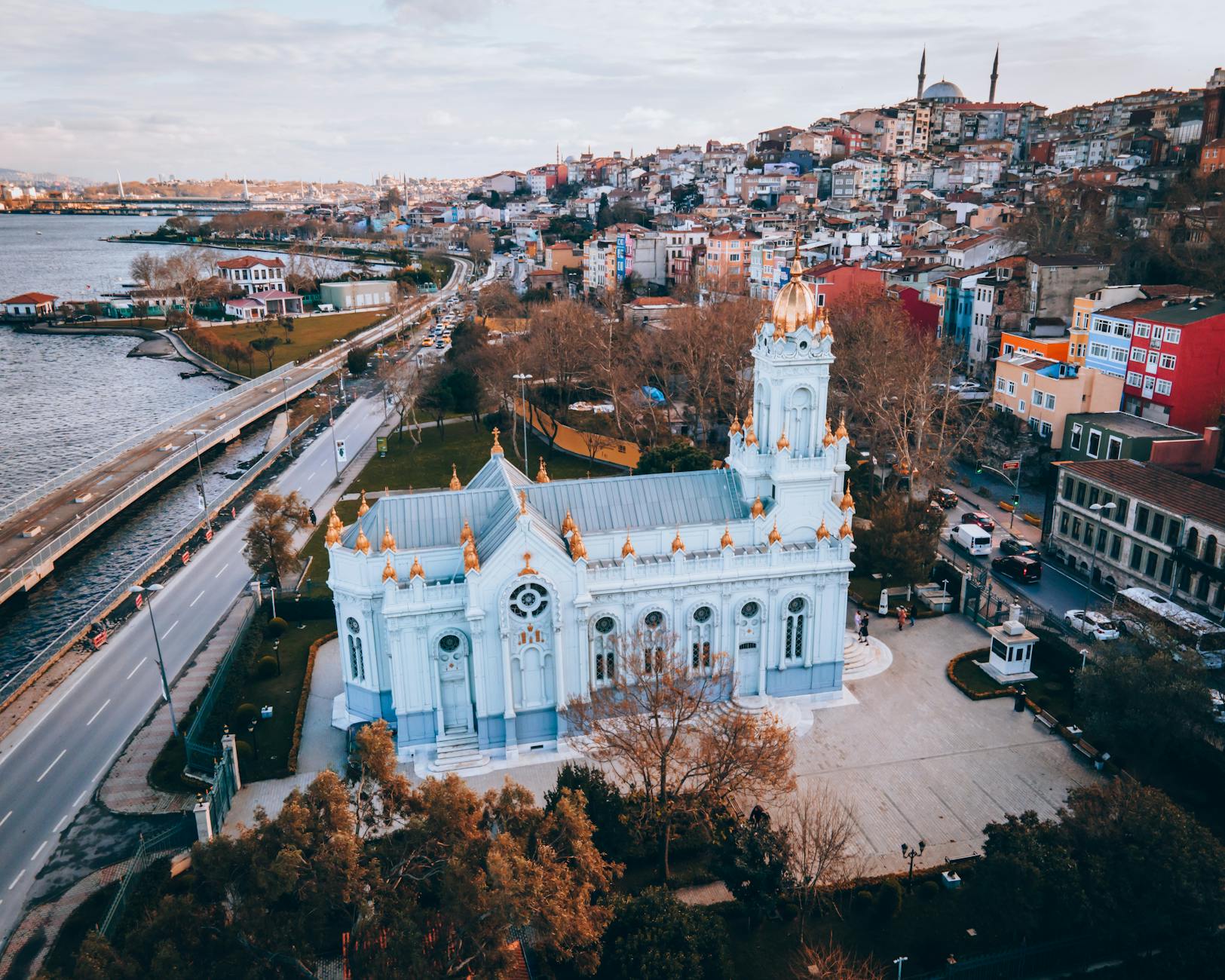
## A Masterclass in Multi-Faith Harmony
The first thing you’ll notice as you enter **İçadiye Caddesi**, the main artery of the village, is something quite rare in the world today. On your left stands the **Üryanizade Mosque** with its unique wooden minaret, and just a few steps away, you’ll find the **Ayios Panteleimon Greek Orthodox Church** and the **Beth Yaakov Synagogue**.
This isn't a modern "interfaith project" designed for tourists; it’s the historical reality of Kuzguncuk. For centuries, Jews, Greeks, Armenians, and Turks lived here in a delicate, beautiful symbiosis. In the mid-20th century, many of the minority populations left, but their architecture and their spirit remained.
> **Berk's Insider Tip:**
> Look closely at the walls between the mosque and the church. In Kuzguncuk, it’s a local legend that they share a common garden wall. If you visit on a religious holiday, you might still see neighbors of different faiths exchanging traditional sweets, a practice known as *komşuluk* (neighborliness) that is the bedrock of this village.
Walking past these structures, you’ll see the **Surp Krikor Lusavoriç Armenian Church**. Notice the intricate stonework. If the doors are open, step inside quietly. The smell of incense and the cool, thick walls offer a sanctuary from the midday sun. The entry is free, though a small donation for the upkeep of these historic sites is always appreciated—usually around **100 TL ($2.20)**.
## The Architecture of Nostalgia: The "Gingerbread" Houses
As you move deeper into the village, turn off the main road and head into the side streets like **Simitçi Tahir Sokak** or **Perihan Abla Sokak**. This is where Kuzguncuk shows off its "gingerbread" houses. These are two- or three-story wooden mansions (*yalı* and *konak*) painted in deep ochre, mint green, and dusty rose.
Many of these houses feature a *cumba*—the traditional enclosed wooden balcony that juts out over the street. These were designed so that the women of the house could watch the world go by without being seen. Today, you’re more likely to see a sleepy tabby cat reclining on the ledge or a pot of overflowing geraniums.
The cost of maintaining these wooden beauties is astronomical in 2026, yet the locals refuse to let them be replaced by concrete. This dedication to preservation makes Kuzguncuk feel similar to the historic districts on the Golden Horn. If you enjoy this aesthetic, you should definitely plan to [visit Balat](https://istanbulcool.com/fener-balat-walking-tour-guide) as well, though Kuzguncuk is much quieter and less "Instagram-frenzied" than its European cousin.
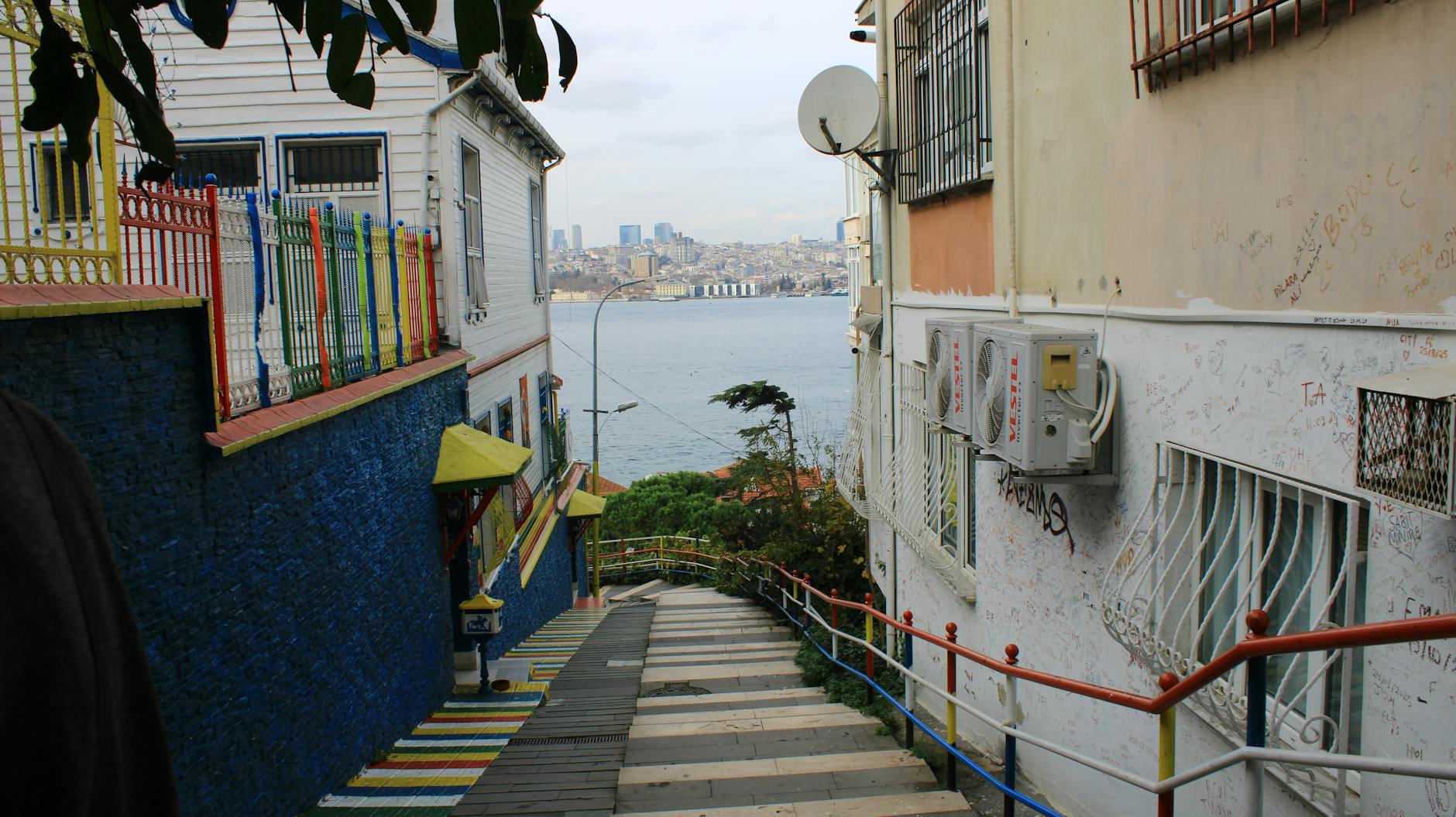
## The Green Heart: Kuzguncuk Bostanı
In the very center of the village lies a miracle: the **Kuzguncuk Bostanı**. In any other part of Istanbul, this prime piece of real estate would have been converted into a luxury shopping mall or an apartment complex years ago. Instead, it is a thriving community garden.
The *Bostan* is a patchwork of vegetable plots where locals grow tomatoes, peppers, and herbs. There are also public benches and a small orchard. In the late afternoon, you’ll see elderly men playing backgammon and young families letting their children run free. It’s the communal living room of the village.
**Estimated Costs for a Picnic in the Bostan (2026 Prices):**
| Item | Price in TL | Price in USD |
| :--- | :--- | :--- |
| Simit (Sesame Bread) | 20 TL | $0.45 |
| 100g Local Cheese | 85 TL | $1.90 |
| Fresh Olives | 50 TL | $1.10 |
| Bottled Water | 15 TL | $0.33 |
| **Total** | **170 TL** | **$3.78** |
I highly recommend stopping by a local *bakkal* (grocery store) on İçadiye Caddesi, grabbing these essentials, and sitting in the garden for half an hour. It’s the best way to soak in the local rhythm.
## A Culinary Map of the Village: Where I Actually Eat
You won't find a Starbucks or a McDonald's here. Kuzguncuk is a place of small, independent businesses. Here are my "Berk-approved" spots that have stood the test of time:
### 1. Kuzguncuk Balıkçısı
This is my go-to for fresh fish. It’s small, unassuming, and the quality is consistently high. In 2026, a grilled sea bass (*levrek*) or a plate of fried calamari will run you about **550 TL - 750 TL ($12 - $16)**. They don’t serve alcohol, keeping the vibe family-friendly and focused on the food.
### 2. Çikolatacı Aziz Bey
Walking into this shop is like entering a Victorian apothecary, but for chocolate. They specialize in handmade pralines and hot chocolate that is thick enough to stand a spoon in. A small box of chocolates makes a perfect gift, or you can just grab a single truffle for **60 TL ($1.30)** to fuel your walk.
### 3. Historical Kuzguncuk Bakery (Tarihi Kuzguncuk Fırını)
You cannot leave without trying their **Mantar Kurabiye** (mushroom-shaped cookies). They have been baking here for generations. The scent of yeast and sugar wafting from their doors is the olfactory signature of the neighborhood.
> **Berk's Insider Tip:**
> If you are visiting on a weekend, the bakery gets crowded. Try to arrive before 11:00 AM to snag their "Kuzguncuk Çöreği," a slightly sweet, bready pastry with mastic that pairs perfectly with a glass of Turkish tea.
### 4. Nail Kitabevi
While it’s technically a bookstore, **Nail Kitabevi** is an architectural marvel. Located at a prominent corner, its bay windows offer a view of the street that is unparalleled. Grab a book, order a Turkish coffee (**110 TL / $2.40**), and sit by the window. It is, in my opinion, the most peaceful spot in all of Istanbul to write a postcard or simply people-watch.
## Exploring the Upper Streets: The Path Less Traveled
Most visitors walk up the main street, reach the garden, and turn back. That’s a mistake. If you have the stamina, continue climbing the hills. The streets become narrower, the houses more modest, and the views more spectacular.
Head toward the **Jewish Cemetery of Kuzguncuk**. It is one of the oldest in the city, with tombstones dating back to the 14th century. It sits on a steep hill, and the contrast between the ancient, weathered stones and the modern bridge in the background is a poignant reminder of Istanbul’s layers.
As you wander these upper residential areas, you’ll notice that people still hang their laundry across the streets and neighbors shout conversations from one balcony to another. This is the "real" Istanbul that many travelers miss by staying in the [typical tourist neighborhoods](https://istanbulcool.com/best-neighborhoods-to-stay-istanbul-local-vibe).
## Literary and Cinematic Kuzguncuk
Kuzguncuk has long been a haven for artists, writers, and directors. If you’re a fan of Turkish TV, you might recognize the streets from famous series like *Perihan Abla* or *Ekmek Teknesi*. The village itself is a character in these shows, representing a lost era of Turkish solidarity and warmth.
The famous poet **Can Yücel** also spent a significant amount of time here. You’ll find references to him in the local cafes. There is a specific kind of intellectual hum in Kuzguncuk; it’s not flashy or pretentious, but you’ll often see people discussing philosophy or art over a third round of tea.
If you’re interested in discovering more of Istanbul’s creative and local hubs, you should also explore the vibrant scene south of here. I’ve written a detailed [Kadiköy and the Moda coastline guide](https://istanbulcool.com/kadikoy-moda-walking-tour-guide) that covers the more modern, bohemian side of the Asian shore.
## The Golden Hour: Sunset by the Bosphorus
As the afternoon light turns to a deep honey hue, head back down to the waterfront. There’s a small park right next to the ferry pier called **Çınaraltı**. While there is a famous "Çınaraltı" in Çengelköy further north, the Kuzguncuk version is much more intimate.
Grab a plastic chair—yes, the cheap colorful ones—from the nearby tea house. A tea (*çay*) will cost you **30 TL ($0.65)**. Sit there and watch the tankers glide past. The European side will begin to silhouette against the orange sky, and the lights of the bridge will start to flicker on.
This is the moment when Kuzguncuk feels most magical. The rush of the city is audible in the distance, a low hum of traffic and sirens, but here, the only sound is the water lapping against the stone and the occasional call of a seagull.
> **Berk's Insider Tip:**
> Don't rush for the first ferry back. The village takes on a different, cozy glow after dark. The streetlamps illuminate the wooden facades in a way that feels straight out of a 1940s film noir. If you stay for dinner, walk back to the Üsküdar pier around 9:00 PM for a much quieter, more romantic ferry ride under the stars.
## Comparison: Kuzguncuk vs. Other Bosphorus Villages
For those trying to decide how to spend their limited time in Istanbul, here is a quick breakdown of how Kuzguncuk stacks up against its neighbors:
* **Kuzguncuk:** Best for architecture, history, and a quiet, artistic vibe. Very walkable.
* **Arnavutköy (European Side):** More upscale, famous for seafood restaurants and nightlife. Great for "seeing and being seen."
* **Çengelköy:** Famous for its tea garden and cucumbers. Much busier and more crowded on weekends.
* **Bebek:** The "Beverly Hills" of the Bosphorus. High-end cafes, luxury cars, and a great seaside jogging path.
If you want the "local neighborhood" feel without the pretension, Kuzguncuk wins every time.
## Personal Verdict: Why This Village Matters
In a city of 16 million people, finding a place where you can hear your own footsteps is a luxury. Kuzguncuk isn't just a "hidden gem"—it’s a reminder of what Istanbul used to be and what it can still be if we value community over commercialism.
I’ve brought many friends here over the last 15 years. Some prefer the grandeur of the [Suleymaniye Mosque](https://istanbulcool.com/suleymaniye-mosque-insider-guide) or the hidden depths of the [Grand Bazaar’s hans](https://istanbulcool.com/hidden-hans-grand-bazaar-guide), but everyone leaves Kuzguncuk with the same expression: a soft, contented smile. It’s a place that asks nothing of you except that you walk slowly and look up.
As you head back to the pier for your ferry back to the "real world," do me a favor. Stop by the small flower stall near the entrance of the village. For **200 TL ($4.40)**, buy a small bouquet of whatever is in season. Take it back to your hotel or apartment. When you see it the next morning, the smell will bring you right back to the wooden houses and the quiet streets of the village where time, if only for an afternoon, decided to pause.
**Getting back to the European Side (2026 Logistics):**
* **Last Ferry to Beşiktaş:** Usually around 22:30 (Check the Şehir Hatları app for real-time updates).
* **Alternative:** Take a 150 TL ($3.30) taxi to Üsküdar and use the **Marmaray** train, which runs until midnight (and 24 hours on weekends).
Whatever you do, don't rush. Kuzguncuk doesn't have a "finish line." It’s simply about being exactly where you are.
---
## The Yedikule Dungeons are the only honest place left in the city
URL: https://istanbulcool.com/yedikule-fortress-dungeons-honest-history
## How to get to Yedikule Fortress
Forget about the tourist shuttle buses or trying to negotiate with a taxi driver who’ll likely pretend his meter is broken the moment you mention the word "Yedikule." If you aren’t taking the **Marmaray** train, you’re basically asking to be stuck in a 40-minute gridlock while paying for the privilege of breathing in pure diesel exhaust. I’ve lived here for 15 years, and I still haven't found a single cabbie who doesn't groan when I ask to go this far west along the old walls. It’s a trek. Accept it.
### The subterranean descent at Sirkeci
Your journey starts at **Sirkeci**. Not the grand, old terminal with the nostalgic Orient Express vibes—that’s for people who want to buy overpriced postcards. You need the **Marmaray** station, which is buried so deep underground it feels like you're descending into a Cold War bunker. The escalators are endless. Seriously, I once finished a whole simit just waiting to reach the platform.
The air down there is weirdly pressurized and always smells like damp concrete. And the wind? When that train approaches, the tunnel creates a draft that’ll ruin your hair and probably blow your 20-lira note right out of your hand. Use your **Istanbulkart**. Make sure it’s loaded with at least 50 or 60 lira because the **Marmaray** charges based on distance. You tap in, you pay the full fare, and you tap out at the end to get your refund. It’s a bureaucratic mess, but it’s our mess.
### The grit of Kazlıçeşme
Get off at **Kazlıçeşme**. Don’t expect a welcome party. This isn't the sanitized version of Istanbul they show in the airline magazines. When you step off that platform, you’re greeted by the harsh reality of an industrial neighborhood that’s seen better days. The wind coming off the Marmara Sea here is brutal. It doesn't "caress" you; it slaps you in the face with the scent of salt and old leather factories.
I remember walking this route last November when the rain was coming down sideways. I was soaked in 3 minutes, and a stray dog decided to follow me for a mile just to judge my life choices. You’ll walk past scrapyards, some questionable-looking workshops, and plenty of gravel. It’s ugly. It’s loud. But it’s the only way to reach the fortress without losing your mind in traffic. If you’ve already spent the morning trying to find some soul at the [Little Hagia Sophia](https://istanbulcool.com/little-hagia-sophia-sultanahmet-escape) to escape the Sultanahmet circus, the silence of these backstreets—save for the occasional truck—will feel like a relief.
### Why you should ignore the taxis
Every time I see a tourist trying to hail a yellow cab near the station to go that last kilometer, I want to shake them.
* **The "Traffic" Excuse:** The driver will tell you the road along the coast is closed. It’s usually not.
* **The Price Hike:** They’ll try to charge you a "flat rate" of 200 lira for a 3-minute drive.
* **The Attitude:** Honestly, they don't want to go there because there's no return fare. They'd rather sit and smoke.
Just walk. It’s 15 minutes of your life. Follow the massive Theodosian Walls. You can't miss them—they're the giant, crumbling piles of rock that have been standing there since the 5th century. If they can survive the Attila the Hun, you can survive a bit of dust and a cracked sidewalk.
> **Berk's Insider Tip:**
> Don't wear your fancy sneakers. The dust here is thousand-year-old limestone and it will ruin your suede in ten minutes.
1. **Locate the Marmaray entrance** at Sirkeci (follow the blue signs).
2. **Tap your Istanbulkart** (and ignore the broken refund machines on your way out).
3. **Exit at Kazlıçeşme** and head south-east toward the sea.
4. **Follow the walls.** Keep the stone towers on your left and keep walking until you see the entrance to the dungeons.
The walk is a test. If you can handle the industrial gloom and the uneven pavement, you deserve the view from the top of the Golden Gate. If you can't? Well, there's always the hotel bar in Eminönü.
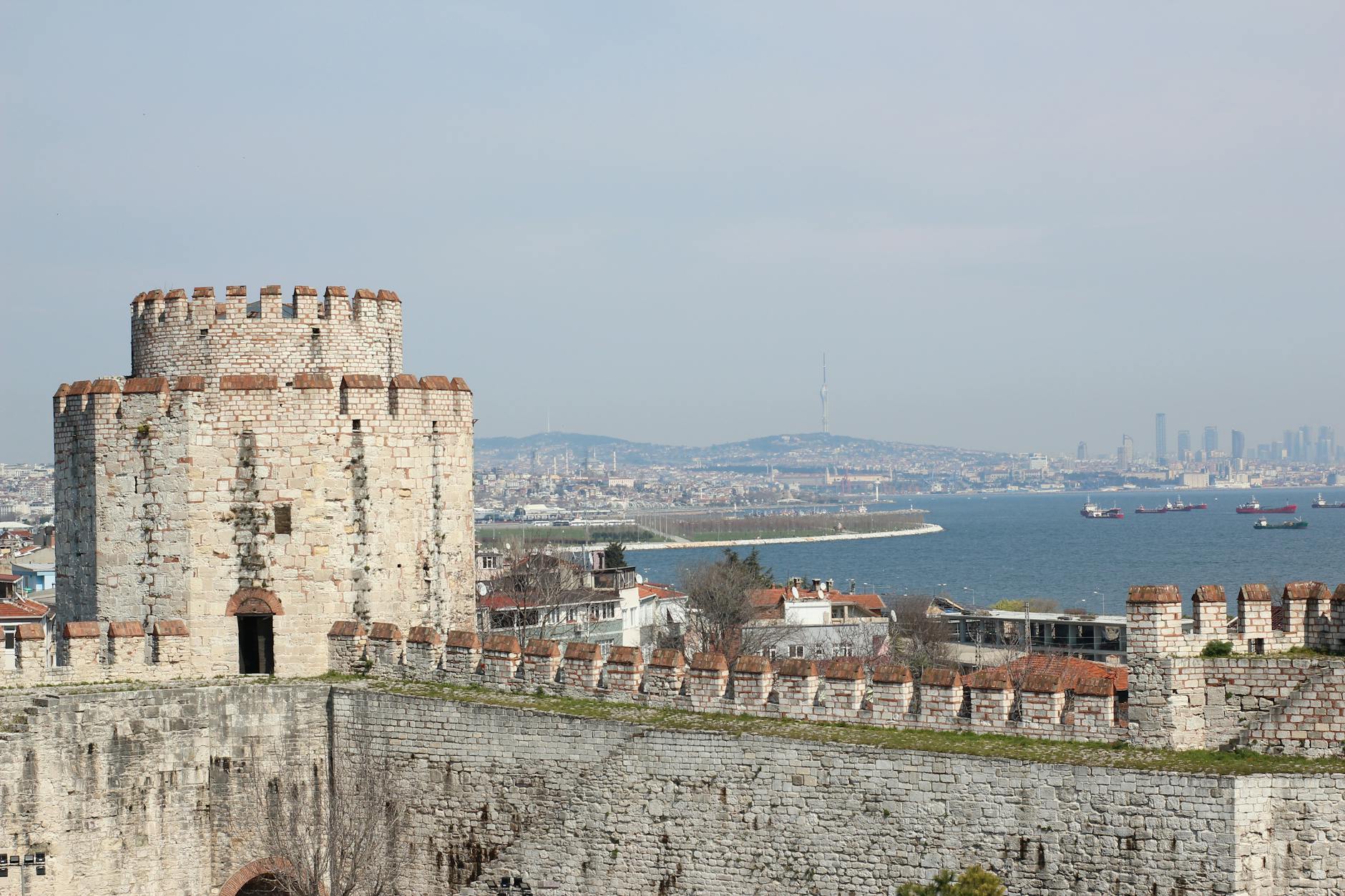
## The Golden Gate and Byzantine History
The Golden Gate is the most arrogant piece of architecture in the history of this city, and honestly, I love it for its sheer lack of humility. Most people look at these ruins and see a "monument," but I see an ancient ego trip that went south. Theodosius II wasn't building a doorway; he was building a billboard. He wanted every visitor coming from Europe to know that Constantinople was bigger, richer, and more untouchable than their muddy little villages. It’s pure, unadulterated flexing in marble and gold.
I’ve stood in the shadow of the **Porta Aurea** on days when the wind from the Marmara Sea cuts through your coat like a knife. It’s cold, it’s gray, and the air smells like a mix of salt spray and the diesel fumes from the nearby highway. There’s nothing "magical" about it. It’s heavy. It’s brutal. That’s why it’s real.
### The Triumph of the Ego
The **Byzantine Empire** was obsessed with theater. When an emperor returned from war, he didn’t just slip through a side door. He marched through these three massive arches. Originally, the central arch was plated in gold. Imagine the sun hitting that while some general rode through on a white horse, probably thinking he was a god. It’s the kind of over-the-top display that modern dictators would envy.
But look at it now. It’s bricked up. The Ottomans saw the gate and basically said, "No more parades for you." There’s a legend that the last Byzantine emperor would return through this gate to reclaim the city, so the Sultans sealed it shut. It’s a 500-year-old middle finger to the past. I think about that every time I see the mismatched masonry. It’s messy. It’s petty. It’s exactly how history actually works—one group of people trying to erase the bragging rights of the group that came before them.
### Walls That Actually Worked
You can’t talk about the gate without talking about the **Theodosian Walls**. Forget those cute, manicured castle walls you see in England. These things are monsters. 6 kilometers of triple-layered defenses. I once tried to walk a significant portion of the perimeter, and I ended up covered in dust, dodging stray dogs and tripping over literal piles of trash. The city doesn't keep this place clean for tourists, and frankly, I prefer it that way. You get to see the stones for what they are: scarred, broken, and ancient.
While the [mosaics](https://istanbulcool.com/mosaics-kariye-mosque-chora-guide) in the northern part of the city show the delicate, spiritual side of the Byzantines, these walls show their paranoia. They were terrified of the world outside, and for good reason. For 1,000 years, these walls were the only thing keeping the city from being wiped off the map. It’s the ultimate survivalist project.
### From Gold to Gloom
The transition from Roman triumph to the **Ottoman Empire** using this place as a fortress and prison is the ultimate irony. The Ottomans added three more towers to the existing four, creating the **Seven Towers** (Yedikule). They took a place meant for celebrating life and turned it into a place where life went to end.
I’ve spent time in the inner courtyard, and the vibe is oppressive. It’s not just the height of the walls; it’s the weight of what happened here. This wasn't a "glamorous" prison. It was a hole. You were sent here if you were a political problem that needed to disappear. I’ve seen the "Inscriptions Tower" where prisoners were kept. The air in there is thick. It’s damp. It’s the kind of place that makes you want to leave and find the nearest bar for a stiff drink.
> **Berk's Insider Tip:**
> Look for the inscriptions left by foreign ambassadors who were jailed here; it's the ultimate 17th-century 'I was here' graffiti.
It’s hilarious, in a dark way. These guys were high-ranking diplomats one day and rotting in a tower the next because the Sultan had a bad morning. They carved their names and dates into the stone with whatever they could find. It’s pathetic and human. No "grand history," just a bunch of guys who were bored and scared, leaving a mark on the wall.
The **Fortress** doesn't care about your feelings. It doesn't care about the "spirit of the city." It’s a giant pile of rock that has watched empires rise, flex their muscles, and then get choked out by the next guy. If you want a pretty story, go to the Blue Mosque. If you want the truth about how power works, you come here.
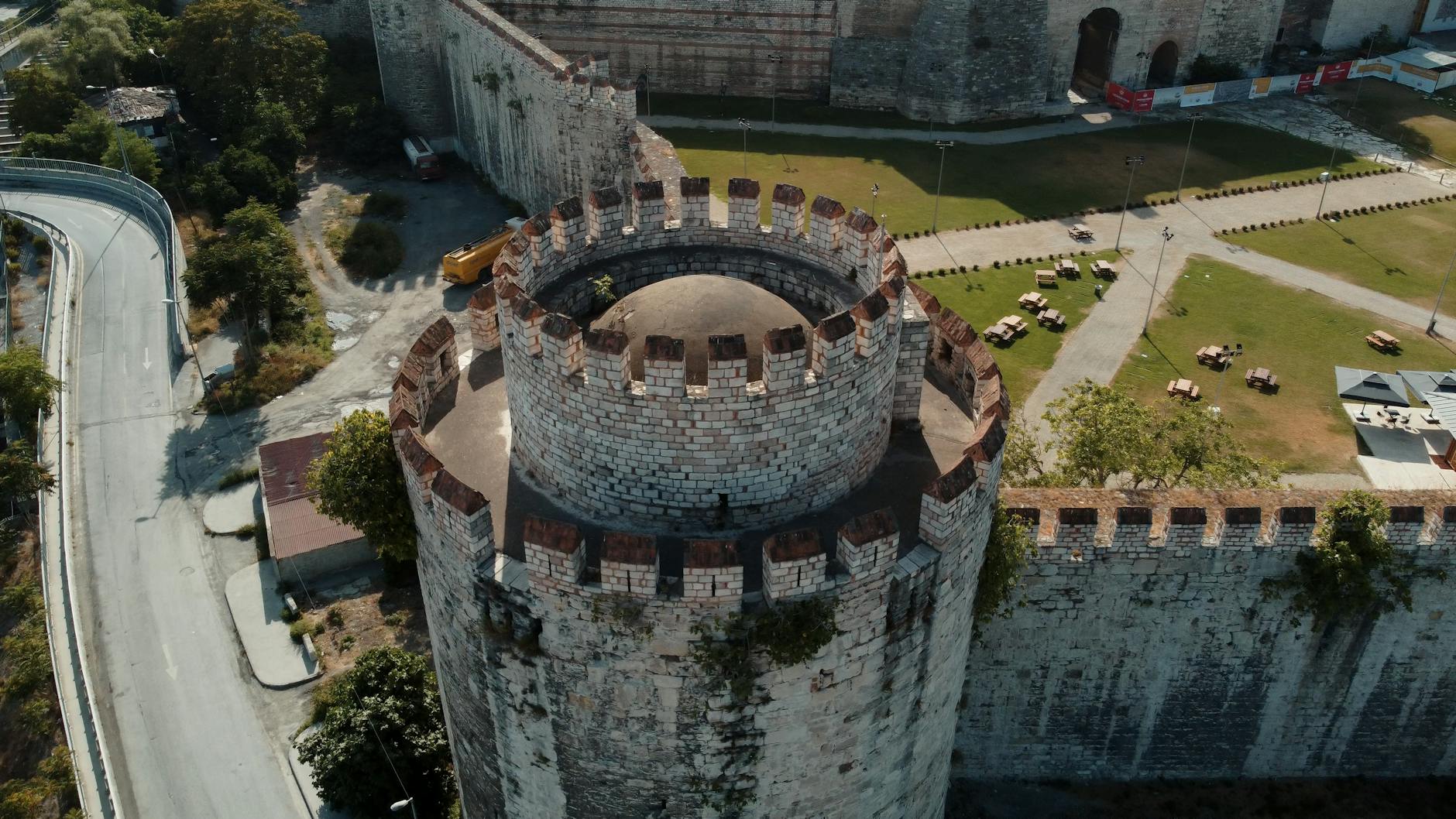
## Yedikule Dungeons Ticket Prices and Hours
Don’t trust any price you read on a blog from six months ago because the ticket booth at Yedikule treats the **Turkish Lira** like a suggestion rather than a currency. Right now, expect to shell out 500 TL if you aren’t a local. It’s expensive. Is it a bit of a shakedown? Absolutely. But unlike the Hagia Sophia, where you pay double that to stand in a line that stretches to Bulgaria, here you’re paying for the privilege of not being surrounded by people holding selfie sticks.
### The Damage to Your Wallet
I went there last Tuesday and the guy at the **ticket booth** looked like he hadn't slept since the fall of the empire. He took my money with a grunt. No "welcome," no "enjoy your stay." Just a cold exchange of cash for a piece of paper. You need to bring your credit card or plenty of cash because they rarely have change for a 200 TL note.
The most annoying part? The **Museum Pass Istanbul** is completely useless here. I’ve seen tourists waving their plastic cards at the gate, looking confused and heartbroken. Don't be that person. Yedikule is run by the Fatih Municipality, not the Ministry of Culture, which means they want their own slice of the pie. It’s a separate fee, no exceptions.
| Category | Detail | Berk's Take |
| :--- | :--- | :--- |
| **Foreigner Ticket** | 500 TL | Pricey, but keeps the riff-raff out. |
| **Museum Pass Istanbul** | Not Valid | A total bureaucratic mess. |
| **Opening Times** | 09:00 - 18:00 | They start closing at 17:30. Don't push it. |
| **Best Time** | Tuesday Morning | Skip the weekend chaos. |
### Timing Your Escape
The **opening times** are technically 09:00 to 18:00, but "18:00" in Istanbul means the guards want to be on a bus home by 18:05. If you show up at 17:15, expect some heavy sighs and pointed looks at the gate.
My advice? Get there at 09:00 sharp. Why? School groups. Around 10:30, buses show up and unload 40 screaming kids who treat the dungeons like a jungle gym. I once got stuck behind a field trip of 10-year-olds while trying to contemplate the fate of Sultan Osman II. It ruined the mood. The wind howling through the stone towers is much better when you aren't hearing a teacher blow a whistle every 30 seconds.
Go on a weekday. The smell of exhaust from the nearby Kennedy Avenue is less aggressive, and you might actually get 10 minutes of silence in the yard. Just watch your step—the stones are uneven, the grass is overgrown, and nobody is going to hold your hand. It's raw. That’s why I like it.
## Climbing the Towers and Safety
If you have a fear of heights or knees that belong to a 90-year-old, stay the hell away from the stairs at Yedikule. I’m serious. This isn’t some sanitized European heritage site where they’ve bolted neon yellow handrails and non-slip rubber mats onto every surface. This is a medieval fortress that wants to remind you exactly how small and fragile you are.
I’ve climbed these **Stone stairs** dozens of times over my 15 years in this city, and my legs still turn to jelly every single time. The steps are uneven, worn down by centuries of soldiers and prisoners, and tilted at angles that defy basic physics. One step is 5 inches high; the next is 15. It’s a workout that will make you hate me the next morning. Your quads will burn, your lungs will scream for air that isn’t filled with the dust of the Byzantine Empire, and you will probably question your life choices halfway up.
But that’s the point. It’s honest.
### The Grip of Vertigo
There is a moment, usually about 3/4 of the way up one of the main **Watchtowers**, where the light from the narrow slits in the wall disappears and you’re left in a sort of gray limbo. The air gets heavy and smells like damp earth and old ego. If you suffer from **Vertigo**, this is where it hits. There is nothing to hold onto. You lean into the cold wall, palms flat against the rough masonry, feeling the grit of the city under your fingernails. I once saw a guy just sit down mid-stairwell and refuse to move for 20 minutes. I didn’t blame him. I just stepped over him.
The safety "features" here are basically non-existent. You fall? That’s on you. The Turkish authorities have left it raw, which is why I love it. It’s the polar opposite of a plastic, overpriced [Bosphorus ferry](https://istanbulcool.com/bosphorus-ferry-hopping-walking-tour) ride where everything is served on a silver platter. Here, you earn the **view**.
### The Anti-Bosphorus View
Once you finally scramble onto the ramparts, don't expect the postcard version of Istanbul. You won't see the glittering lights of the bridges or the manicured gardens of the palaces. What you get is the **Marmara Sea**, looking gray and muscular, stretching out toward the horizon like a sheet of hammered lead.
I stood up there last Tuesday. The wind was howling, nearly knocking my glasses off my face. Below me, the old train tracks cut through the landscape like a scar. You can hear the low rumble of the Marmaray trains passing by every few minutes, a metallic screech that bounces off the ancient walls. It’s noisy. It’s industrial. It’s real. To your left, the sprawl of the city goes on forever—roofs covered in satellite dishes, laundry hanging from balconies, and the constant, low-frequency hum of 16 million people trying to survive the day.
### Why Your Knees Will Hate You
The descent is actually worse. Going down those stairs is a lesson in humility. You’ll find yourself crab-walking or sliding on your backside because the pitch is so steep. By the time I hit the grass at the bottom, my knees feel like they’ve been worked over by a Turkish bath attendant with a grudge.
Is it worth the pain? Yes. Because when you’re standing on top of those walls, looking at the cargo ships waiting to enter the Bosphorus, you realize this is the only part of the city that hasn't been turned into a gift shop. It’s just stone, wind, and the smell of diesel from the coast road. It’s brutal. It’s exhausting. It’s the best spot in the city.
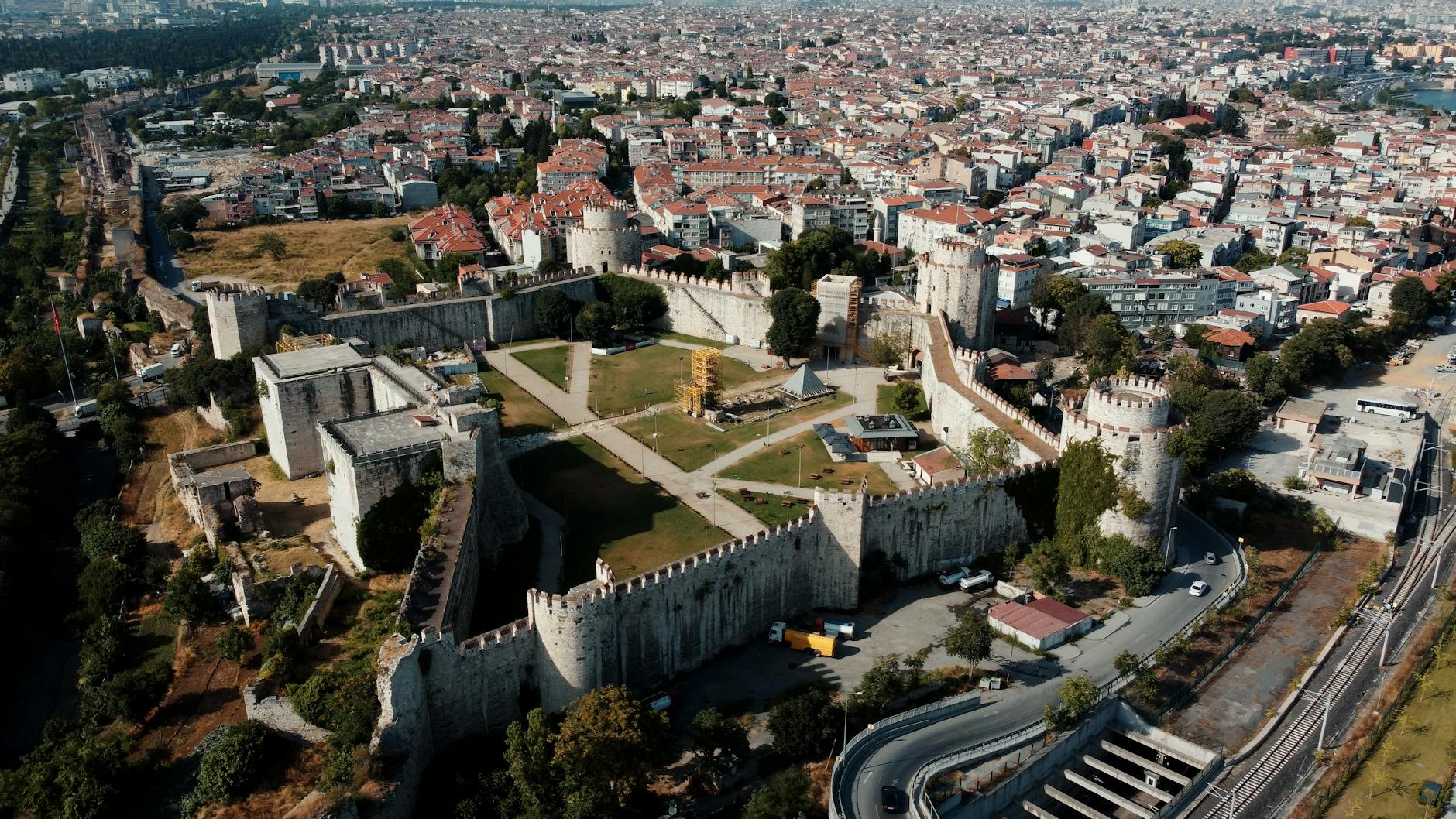
## The Yedikule Bostanları and Local Life
If you don't smell the literal manure and wet earth when you step outside the fortress walls, you’ve missed the entire point of being here. Most travelers stick to the stone and the history books, but the real soul of this place is in the mud. These **gardens**, or **Bostan** as we call them, have been feeding this city since the Byzantines were arguing over theology. It’s not "pretty" in a postcard way. It’s messy, there’s plastic waste caught in the brambles, and the ground is uneven. But it’s the only part of Istanbul that still feels like it hasn't been scrubbed clean by some soulless municipal "beautification" project.
### The Last Stand of Real Agriculture
I’ve walked these rows of lettuce and kale for 15 years, and every time I see a tractor near the **walls**, my heart sinks. You see, the **local farmers** here are fighting a war. On one side, you have families who have tilled this dirt for generations. On the other, you have developers and city officials who think "progress" looks like luxury flats and sterile parks with plastic benches.
The **urban gardening** here isn't a hobby for hipsters in overpriced aprons. It’s grit. It’s **Agriculture** in its rawest form, right in the shadow of the monstrous Theodosian fortifications. I once saw a guy hauling a crate of arugula while a tour bus honked its head off nearby. He didn't even look up. That’s the Yedikule attitude. They’ve seen empires fall; they aren't scared of a bus.
### Gentrification is a Disease
It makes me furious when I hear people talk about "rehabilitating" this area. Usually, that’s just code for kicking out the people who actually live here. **Gentrification** is eating Istanbul alive, turning every neighborhood into a copy-paste version of a European shopping street. But the **Bostan** resists. It’s stubborn. The soil is rich, dark, and smells of life—which is a hell of a lot better than the smell of exhaust and cheap perfume you get in Taksim.
I remember 1 day back in 2013 when they tried to dump loads of sand over the crops to start a "park" project. The **local** community stood their ground. They knew that once you pave over 1,500 years of history, you never get it back. You can't eat a marble walkway.
> **Berk's Insider Tip:**
> There is a tiny tea house near the gate where the workers sit. Don't expect a menu. Just sit down and say 'Çay'.
### Why You Should Care
You might think, "Berk, why are you telling me to look at a cabbage patch?" Because it’s the last honest thing left. When you stand on the heights of the Dungeons and look down at the green strips of land, you see the survival of a lifestyle. It’s the contrast that kills me—the massive, blood-soaked history of the prison towers standing right next to a guy watering his parsley.
It’s quiet here, mostly. Except for the occasional train or a stray dog barking at a shadow. If you want a "sanitized" experience, go to a museum. If you want to see how Istanbul actually breathes, walk through the dirt. Don't worry about your shoes getting ruined. The mud is part of the story. Just watch where you step; the irrigation ditches are deeper than they look. Seriously. I ruined a pair of boots in 2018 because I was too busy looking at the masonry.
This isn't a "sight" to see. It’s a place to feel the weight of time. The **local** spirit isn't in the gift shops. It's in the calloused hands of the people still growing food in the ruins of an empire. Don't let anyone tell you this place needs "fixing." It's perfect exactly how it is: dirty, green, and defiant.
## FAQ
**Don’t expect a gift shop or a velvet rope because Yedikule doesn’t care about your comfort.** Most "museums" in this city have been scrubbed clean of their soul, but this place still feels like a punch in the gut. I’ve been coming here for 15 years, and every time I step through that gate, the air gets 5 degrees colder and the silence gets heavier. It’s not a place that tries to be liked. It just exists.
### Is Yedikule safe for solo travelers?
I get asked this constantly by people who haven't left the bubble of İstiklal Avenue. **Yes, it’s safe, but don’t be an idiot.** The neighborhood surrounding the fortress isn't the polished, fake version of Istanbul you see on Instagram. It’s a working-class area. You’ll see old men drinking tea, kids playing football against 1,600-year-old stones, and maybe some trash piled up near the entrance. It smells like diesel and charcoal smoke.
If you’re walking there alone, keep your wits about you, mostly because the sidewalks are uneven and you might twist an ankle. I’ve walked these streets at 10:00 AM and 4:00 PM; nobody bothered me. But would I wander the dark alleys outside the walls at 11:00 PM? No. Why would you? There’s nothing there but shadows and stray cats. Stick to daylight, look like you know where you’re going, and you’ll be fine. The "danger" people talk about is usually just a fear of seeing how the other half of the city actually lives.
### Can you bring kids to the dungeons?
**Only if your kids are tough and you don’t mind a bit of trauma.** Seriously, this isn't a playground. I saw a family there last month trying to haul a stroller up the stone steps. It was pathetic. The stairs are narrow, slippery, and half of them don’t have railings. One wrong move and you’re tumbling down a path that hasn't been repaired since the Ottomans were in charge.
Beyond the physical risk, it’s a dungeon. A literal place of execution and misery. If your kid scares easily, the "Inscriptions Room" where prisoners carved their final thoughts into the stone will probably give them nightmares. I love the grit, but I wouldn't bring a 5-year-old here unless I wanted to spend the whole day carrying them while sweating through my shirt.
### Is there a cafe inside?
**Forget about getting a decent latte here.** There is no "Food and drink" scene inside the walls. I once found a guy selling lukewarm water near the entrance, but that’s about it. If you’re hungry, you have to head back into the neighborhood. Most of the spots nearby serve basic *pide* or *kebap* that tastes fine but won't win any awards. I usually grab a *simit* from a street cart on the way in and call it a day.
The lack of a fancy cafe is actually a blessing. It keeps the "brunch crowd" away. You’re here to see where sultans were strangled, not to take photos of your avocado toast.
### Berk’s Essential Survival List:
* **Walking shoes:** If you wear sandals or heels, you deserve the blisters you're going to get. The ground is treacherous.
* **Water:** Bring a liter. The climb up the towers is a workout, and the air inside is dry and dusty.
* **Flashlight:** Your phone's LED is okay, but a real light helps you see the graffiti left by 17th-century prisoners in the dark corners.
* **Cash:** Don't expect the small shops nearby to take your fancy travel credit card.
* **A jacket:** Even in July, the stone walls hold the cold. It feels like a tomb because, well, it often was.
Is it a "pleasant" afternoon? Probably not. Is it the most honest experience you'll have in Istanbul? Absolutely. Just don't blame me if you ruin your sneakers.
## Conclusion
Look, you can keep your overpriced pomegranate juice and the guy in Sultanahmet trying to sell you a rug he "found in a village." That's not Istanbul. That’s a theme park for people who are afraid of getting their shoes dirty. If you want the version of this city that doesn't wear makeup, stay out here at Yedikule until the sun starts to dip and the wind off the Marmara begins to bite through your coat.
It’s miserable. It’s cold. The stone feels like it’s sweating. Good.
I’ve lived here fifteen years and I’m tired of the "polished" lie they’re selling in Galata. The real Istanbul isn't a postcard; it's a bruise. It’s the smell of damp earth, the silence of a cell where an Emperor lost his head, and the absolute indifference of these towers to your existence. They don't care about your Instagram feed. They don't want your five-star review.
The city’s soul isn't found under a spotlight or behind a velvet rope. It’s hiding right here in the dark and the rot. If you can’t handle the chill in your bones, go back to the hotel. But don't tell me you’ve seen the city. You’ve just seen the gift shop. Grab a stale simit, walk back to the Marmaray station through the slush and the grey exhaust fumes, and try to shake the feeling of those walls. You won't. That's the point. The towers are still there, watching the sea, waiting for the next empire to fall. That’s the only truth we’ve got left.
---